

Travel Guide to Montenegro: Top Things to Do & Tips
Located in Southeast Europe, this Balkan country is known for its rugged mountains and medieval villages. It features a remarkable Adriatic coastline, with highlights like the Bay of Kotor. Rich in history and natural beauty, it attracts many travelers.
- Capital
- Podgorica
- Population
- 0.7 millions
- Superficy
- 15000 sq.km
- Months to Visit
- May to Sept.
- Living Cost
- Moderate
Overview
Montenegro is a small Balkan country located in Southeast Europe, known for its mountainous terrain and Adriatic coastline. The capital city, Podgorica, is the administrative center, while the historic town of Kotor is famous for its well-preserved medieval architecture and lovely bay. Montenegro supplies diverse natural landscapes, including the Durmitor National Park with its rugged mountains and Tara River Canyon. The country has a mix of cultural influences due to its history under various empires and states. Tourism is a key part of the economy, with visitors drawn to both coastal resorts and inland natural attractions. Montenegro gained independence from Serbia in 2006 and has since been developing its infrastructure and international relations.
Pros & Cons
GOOD REASONS TO VISIT MONTENEGRO
– Remarkable Coastline: Explore the Adriatic Sea's beautiful beaches and historic coastal towns like Kotor and Budva.
– Diverse Landscapes: Experience mountains, lakes, and national parks like Durmitor, offering hiking, skiing, and nature exploration.
– Rich History: Discover medieval architecture, ancient ruins, and UNESCO World Heritage sites reflecting Montenegro's cultural heritage.
– Outdoor Activities: Enjoy rafting on Tara River, paragliding over mountains, or sailing along the coast.
– Compact Size: Easy to explore multiple attractions in a short time due to Montenegro's small size. CHALLENGES WHEN VISITING MONTENEGRO
– Limited Public Transport: Public transportation options are limited; renting a car is often necessary for convenience.
– Crowded in Peak Season: Popular tourist spots can be overcrowded during summer months; plan visits accordingly.
– Language Barrier: English is not widely spoken outside tourist areas; learning basic Montenegrin phrases helps.
Before Departure
Before traveling to Montenegro, consider the following essential information:
– Passport: Ensure your passport is valid for at least three months beyond your planned departure date.
– Visa: EU, US, and Canadian tourists can stay visa-free for up to 90 days within 180 days. Check specific requirements based on nationality.
– Currency: Euro (EUR) is the official currency; credit cards widely accepted; ATMs are readily available in urban areas.
– Internet access: WiFi is accessible in most hotels and cafes; local SIM cards with data plans are affordable and available at airports and shops.
– Language barrier: Montenegrin is the official language; English is commonly spoken in tourist areas, while German and Russian are also understood by some locals.
What to Pack
Montenegro provides diverse landscapes from beaches to mountains, so packing should accommodate various activities and weather conditions.
– Essentials: Passport, travel insurance details, flight tickets, itinerary, accommodation confirmations, and any necessary visas.
– Clothing: Comfortable walking shoes, swimwear for coastal areas, lightweight clothing for summer, warmer layers for mountainous regions, and a rain jacket.
– Health & Safety: Prescription medications, basic first aid kit, insect repellent for outdoor activities, sunscreen with high SPF.
– Electronics: Travel adapter for European outlets (Type C or F), mobile phone with charger, camera for capturing scenic views.
Weather
Weather in Montenegro varies by region, with coastal and mountainous areas experiencing different climates:
– Winter (December to February): Coastal areas are mild and wet, while mountains are cold with snow.
– Spring (March to May): Coastal regions warm up with less rain; mountains remain cool and start thawing.
– Summer (June to August): Coastal areas are hot and dry; mountains are warm, ideal for hiking.
– Autumn (September to November): Coast is cooler with increased rain; mountains experience cooler temperatures and early snow. The best time to visit Montenegro is from May to September:
– Warm weather is ideal for beach activities on the coast and hiking in the mountains.
– Tourist attractions are fully operational, but expect higher prices and larger crowds during peak summer months.
Travel Budget
Montenegro supplies a range of budget-friendly options for travelers. Here are some average prices for common expenses:
– Hotel: 30$ to 150$
– Lunch: 5$ to 20$
– Beverage (in bar/restaurant): 2$ to 6$
– Coffee: 1.5$ to 3$
– Transportation: (train 5$ to 20$), (bus 1.5$ to 5$), (taxi /10km 7$ to 15$)
– Mobile data (per GB): 2.5$ to 5$
Language
Montenegrin is a South Slavic language that uses both Latin and Cyrillic scripts. Here are some useful phrases for tourists:
– Hello: Zdravo
– Thank you: Hvala
– Please: Molim
– How much is this?: Koliko ovo košta?
– Excuse me: Izvinite
– I don't understand: Ne razumijem
– Yes: Da
– No: Ne
– Goodbye: Doviđenja
History
The area was initially part of the Roman Empire and later experienced waves of Slavic settlement in the early medieval period. It became a principality under the Vojislavljević dynasty in the 11th century, achieving significant autonomy despite pressure from Byzantium and later Ottoman Empire. In the late 19th century, Montenegro gained recognition as an independent kingdom at the Berlin Congress of 1878. Following World War I, it was incorporated into the Kingdom of Serbs, Croats, and Slovenes, later known as Yugoslavia. Montenegro remained a part of Yugoslavia until its dissolution in the 1990s, after which it formed a loose federation with Serbia. In 2006, Montenegro peacefully declared independence following a national referendum, becoming a sovereign state once more.
Geopolitics
Situated in Southeast Europe, Montenegro borders Croatia, Bosnia and Herzegovina, Serbia, Kosovo, and Albania. It gained independence from Serbia in 2006 and has since sought integration with Western institutions. Montenegro joined NATO in 2017, aligning its defense policy with the alliance. The country aspires to join the European Union and is currently a candidate country, working on reforms to meet EU criteria. Montenegro maintains balanced relations with Russia despite tensions over NATO membership and Russian investment interests. Its geopolitical position is influenced by its strategic Adriatic coastline and ongoing efforts to strengthen ties with Western countries while managing historical and economic connections with Eastern Europe.
Sample Itinerary
This itinerary covers Montenegro's sensational coastlines, historical sites, and natural parks, offering a well-rounded glimpse of the country.
– 2 days in Kotor: Explore the UNESCO-listed Old Town, hike up to Kotor Fortress for bay views, and visit local museums.
– 1 day in Perast: Discover baroque architecture, visit Our Lady of the Rocks islet, and enjoy a quiet day by the sea.
– 1 day in Budva: Walk through the Old Town and enjoy sandy beaches. Visit Sveti Stefan for scenic views.
– 1 day in Cetinje: Tour national museums, Monastery of Cetinje, and experience Montenegrin history at its former capital.
– 2 days in Durmitor National Park: Hike mountain trails, explore glacial lakes like Black Lake, and consider rafting in Tara River Canyon.
Popular cities
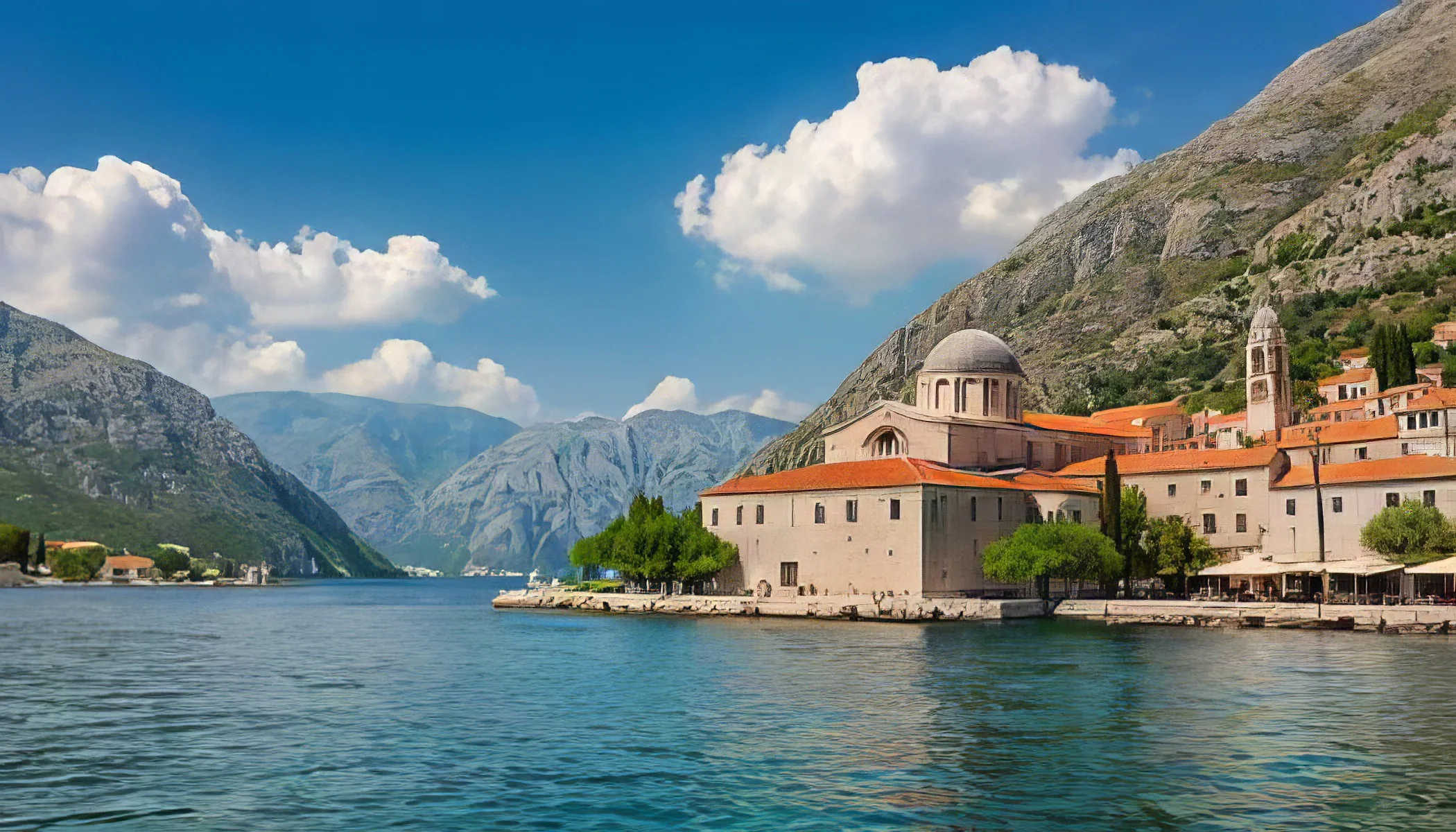
Discover Montenegro's top cities with a mix of historical sites and sensational landscapes:
– Kotor: Known for its medieval architecture, scenic bay views, and historic city walls.
– Budva: Provides beautiful beaches, a lively nightlife, and a charming old town.
– Podgorica: The capital city features modern developments and cultural sites.
– Cetinje: Known as the Old Royal Capital, it is rich in history and museums.
– Herceg Novi: A coastal town famous for its fortresses and botanical garden.
– Tivat: Offers luxury yachts at Porto Montenegro and beautiful coastal scenery.
– Ulcinj: Known for Velika Plaža beach and its diverse cultural heritage.
Monuments
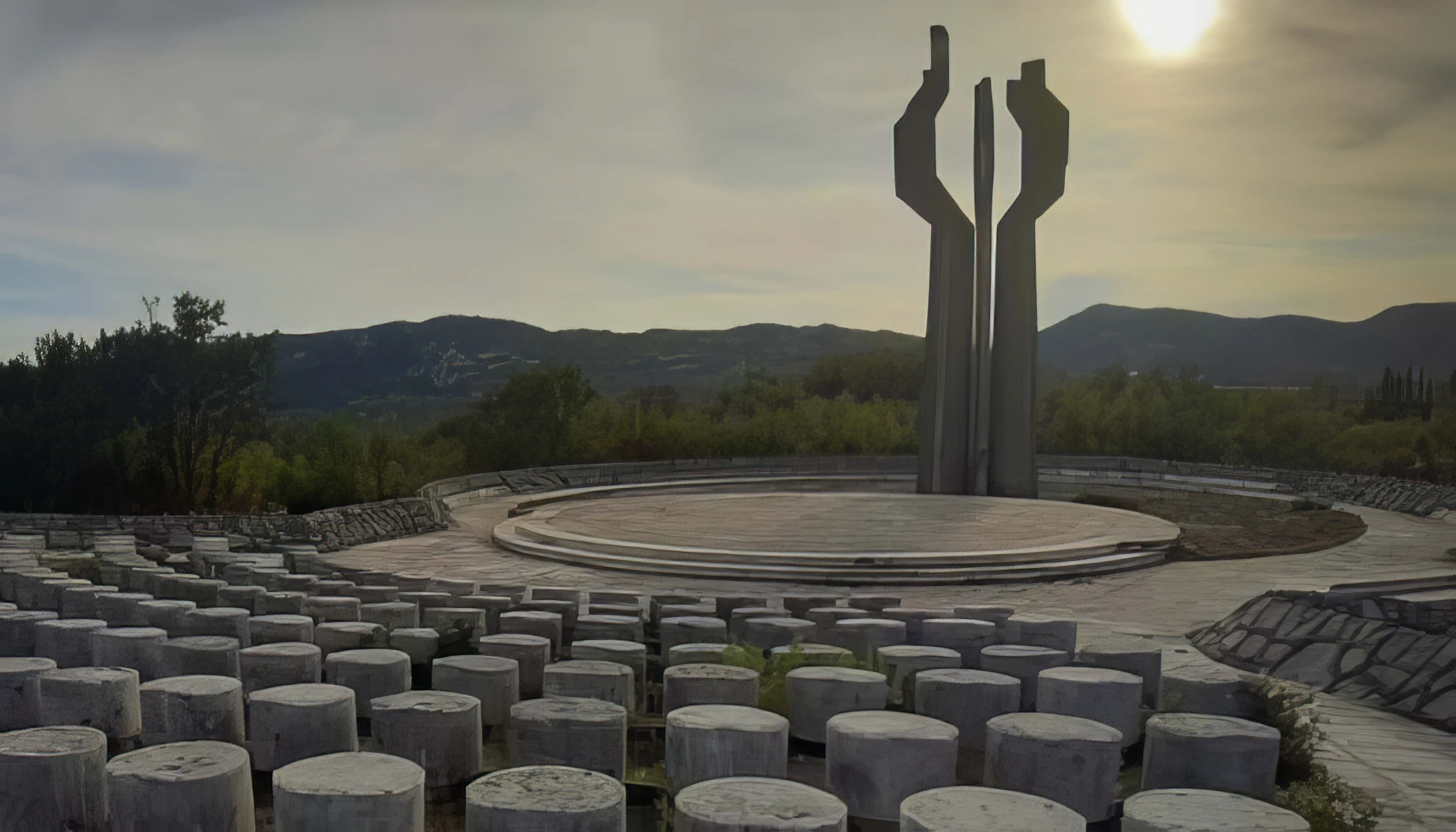
Montenegro has a rich history reflected in its impressive monuments:
– Ostrog Monastery: Serbian Orthodox site built into a cliff, famous for pilgrimages.
– Kotor Old Town: Well-preserved medieval town with narrow streets and historic churches.
– Cetinje Monastery: Important spiritual site, housing relics and historical manuscript collections.
– Njegoš Mausoleum, Lovćen: Resting place of poet-philosopher Petar II Petrović-Njegoš, offering panoramic views.
– Roman Mosaics, Risan: Archaeological site featuring refined mosaics from ancient Roman times.
– Fortress of Stari Bar: Ruins of a historic town with stunning views over the surrounding area.
– Our Lady of the Rocks, Perast: Artificial island with a church and museum showcasing maritime history.
– King Nikola's Palace, Cetinje: Former royal residence now serving as a museum of Montenegro's history.
Natural wonder
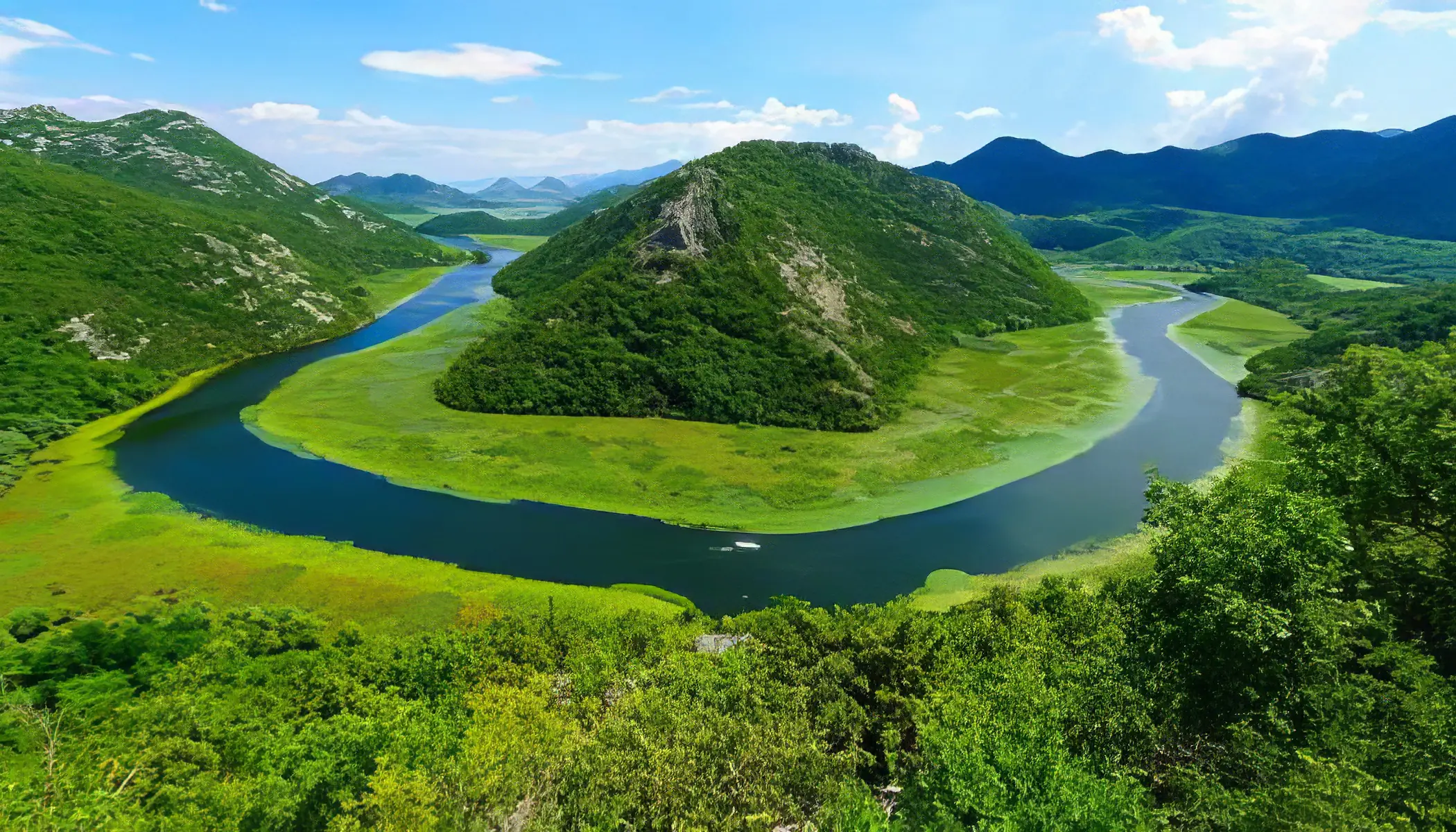
Discover Montenegro's impressive natural landscapes:
– Durmitor National Park: Known for rugged mountains, glacial lakes, and outdoor activities.
– Tara River Canyon: One of the deepest canyons in Europe, popular for rafting.
– Lake Skadar: Largest lake in the Balkans, rich in biodiversity and birdlife.
– Lovćen National Park: Famous for its remarkable views and the Njegoš Mausoleum.
– Biogradska Gora National Park: Features one of Europe's last primeval forests and a glacial lake.
– Prokletije Mountains: Supplies dramatic peaks and challenging hiking trails.
– Black Lake (Crno Jezero): A lovely glacial lake in Durmitor National Park.
– Lipa Cave: A vast cave system with guided tours through impressive formations.
– Blue Grotto (Plava Špilja): A sea cave known for its lively blue waters.
– Komovi Mountains: Offers beautiful landscapes ideal for hiking and outdoor activities.
Beaches
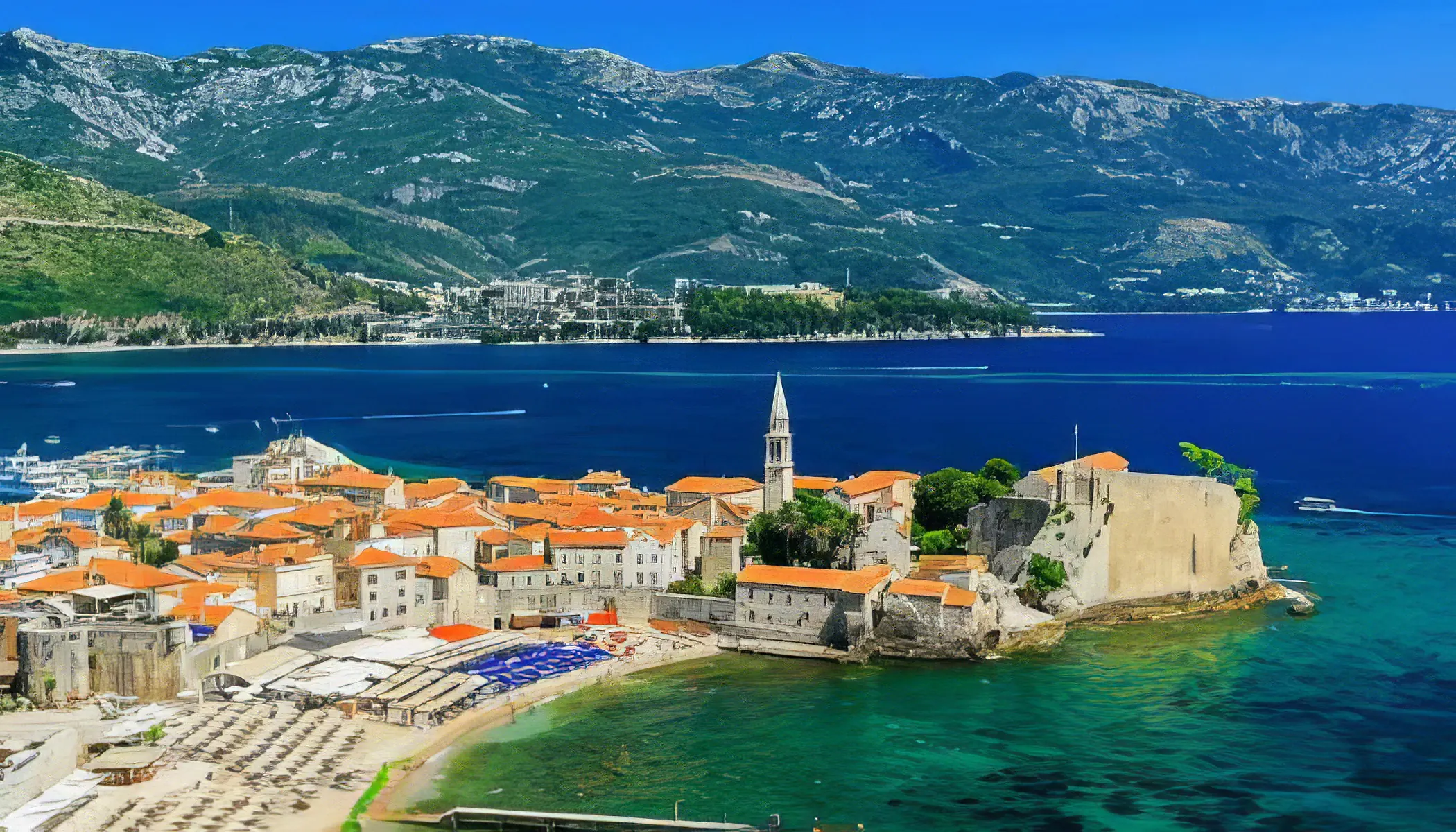
Montenegro offers a nice Adriatic coastline with several renowned beaches:
– Jaz Beach: Famous for music festivals and a long sandy stretch near Budva.
– Sveti Stefan Beach: Known for its charming island resort and exclusive beach access.
– Becici Beach: Offers a wide sandy area with various water sports near Budva.
– Mogren Beach: Accessible via a scenic path from Budva, it's known for its clear waters.
– Velika Plaza: The longest beach in Montenegro, popular for kite surfing near Ulcinj.
– Kamenovo Beach: A small, pebbly beach with crystal-clear waters near Budva.
– Queen's Beach: Located near Milocer, this secluded beach is surrounded by olive groves.
Outdoor activities
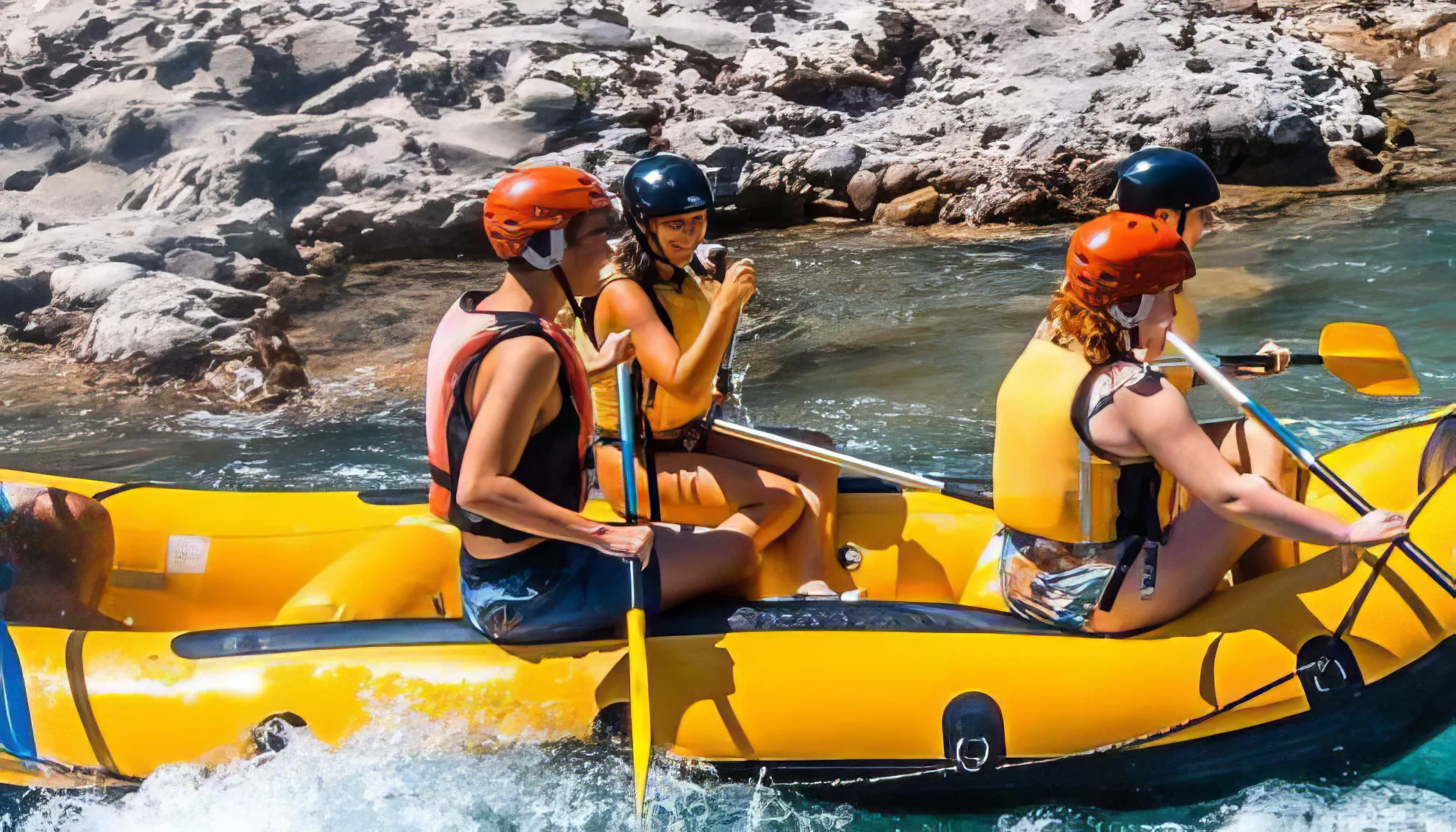
Montenegro provides a variety of outdoor experiences tailored for nature lovers:
– Hiking in Durmitor National Park: Traverse spectacular mountain landscapes and glacial lakes.
– Rafting on the Tara River: Confront thrilling rapids in Europe's deepest canyon.
– Paragliding over Budva Riviera: Soar above remarkable coastlines and medieval towns.
– Biking in Lovcen National Park: Ride through scenic routes with panoramic vistas.
– Sailing in Kotor Bay: Explore calm waters surrounded by towering cliffs.
– Canyoning in Nevidio Canyon: Navigate narrow gorges and cascading waterfalls.
– Wildlife Watching at Skadar Lake: Observe diverse bird species and smooth natural beauty.
Kid Friendly
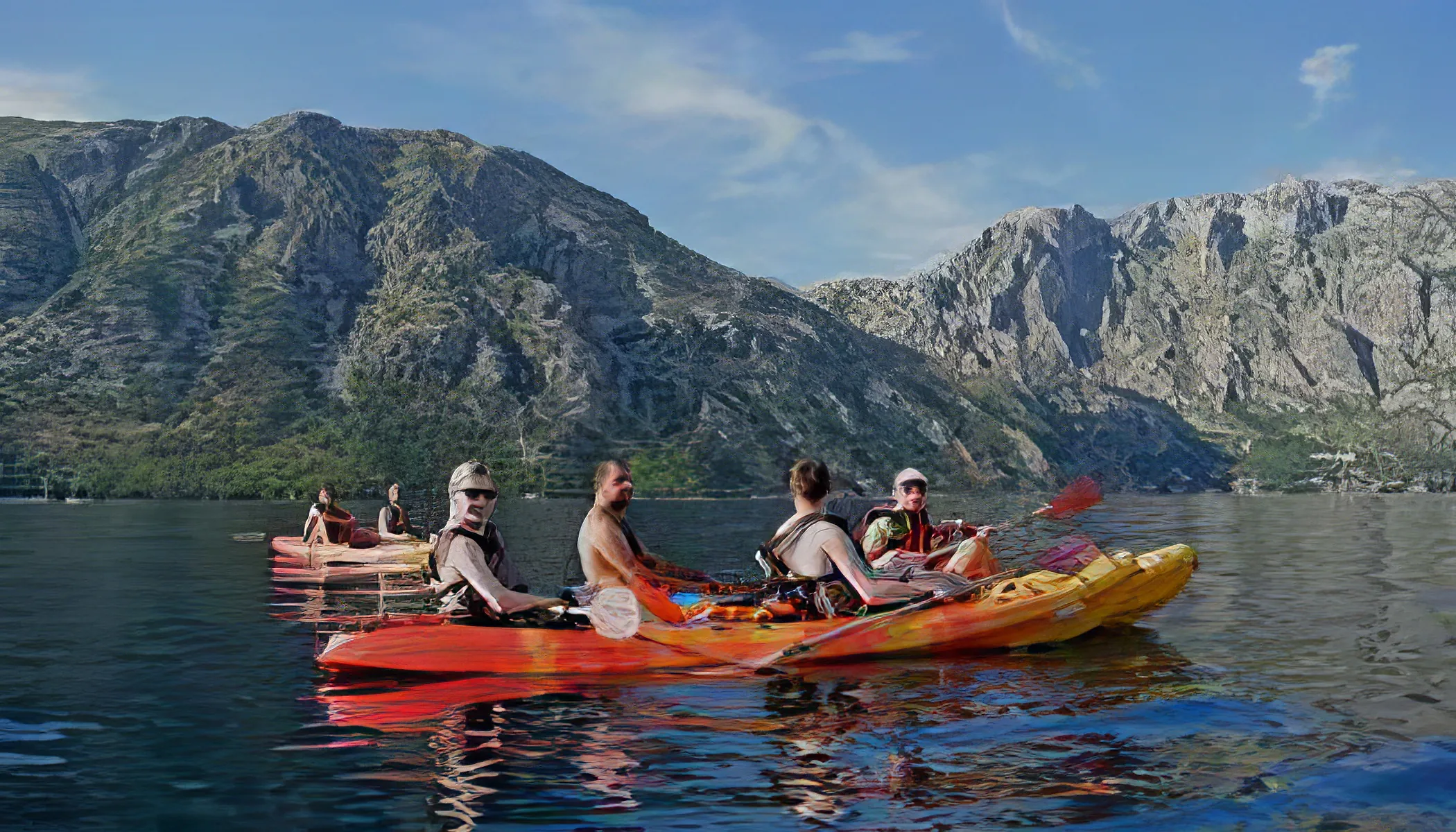
Montenegro offers a variety of activities that children can enjoy with their families.
– Skadar Lake National Park: Supplies boat rides and bird watching opportunities in a laid-back natural setting.
– Lovćen National Park: Features an adventure park with zip lines and obstacle courses for all ages.
– Biogradska Gora National Park: A prime spot for easy hiking trails amidst ancient forests and a gorgeous lake.
– Kotor Bay Boat Tours: Take a family-friendly boat trip to explore the scenic fjords and islands.
– Aqua Park Budva: A water park offering slides, pools, and fun water activities for children.
– Tara River Rafting: Provides thrilling yet safe rafting experiences suitable for older kids and teens.
– Blue Cave Excursion: A boat tour to see the beautiful blue-hued cave near the coast of Herceg Novi.
– Adventure Park Ivanova Korita: Provides various outdoor challenges and zip lines set in a forested area.
Cuisine
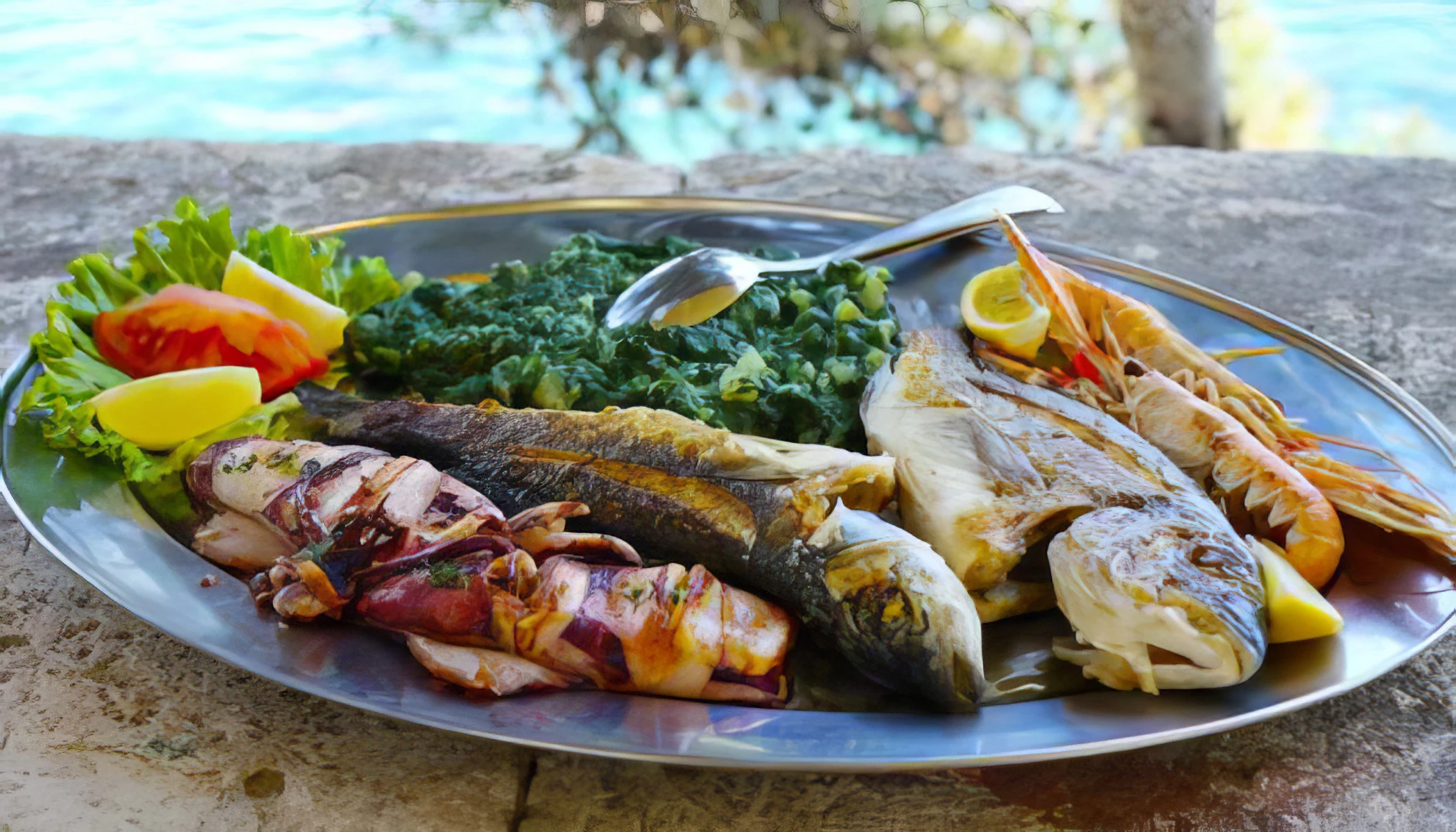
Montenegrin cuisine reflects Mediterranean and Balkan influences, characterized by fresh seafood, hearty meats, and seasonal produce. It provides diverse flavors from coastal and mountainous regions. Most famous dishes in Montenegro are:
– Njeguški Pršut: Dry-cured ham from the Njeguši village, known for its rich flavor.
– Ćevapi: Grilled minced meat sausages served with flatbread and onion.
– Buzara: Seafood stew cooked in white wine, garlic, and parsley.
– Kačamak: Cornmeal mush mixed with potatoes and cheese, a traditional mountain dish.
– Riblja Čorba: Fish soup made with assorted seafood, vegetables, and spices.
Souvenir
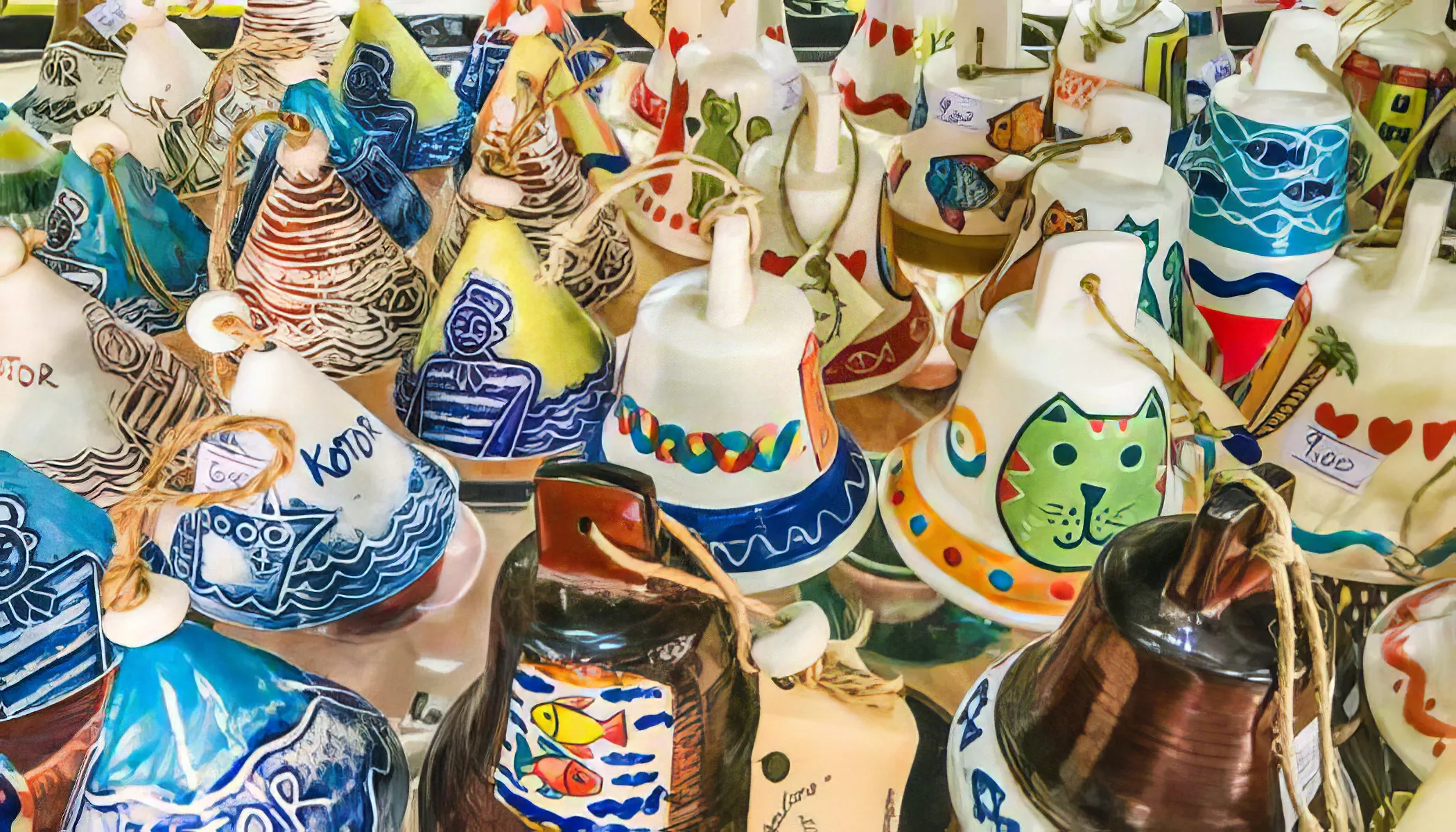
With its rich culture and history, Montenegro provides a variety of unique souvenirs. Here are some popular options:
– Rakija: A traditional Balkan fruit brandy, often homemade, that is a strong symbol of Montenegrin hospitality.
– Njeguški Pršut: Famous dry-cured ham from Njeguši village, known for its distinct flavor produced by air-drying.
– Olive Oil: Montenegro produces high-quality olive oil, especially from the coastal region near Bar.
– Honey: Locally produced honey with a distinct taste due to Montenegro's diverse flora and clean environment.
– Wool Products: Handmade woolen items like socks and sweaters are crafted using traditional methods in rural areas.
– Kapa: A traditional Montenegrin cap, often red or black, representing national pride and identity.
– Handmade Jewelry: Local artisans create jewelry inspired by Montenegrin motifs and natural landscapes.
Traditional Shows
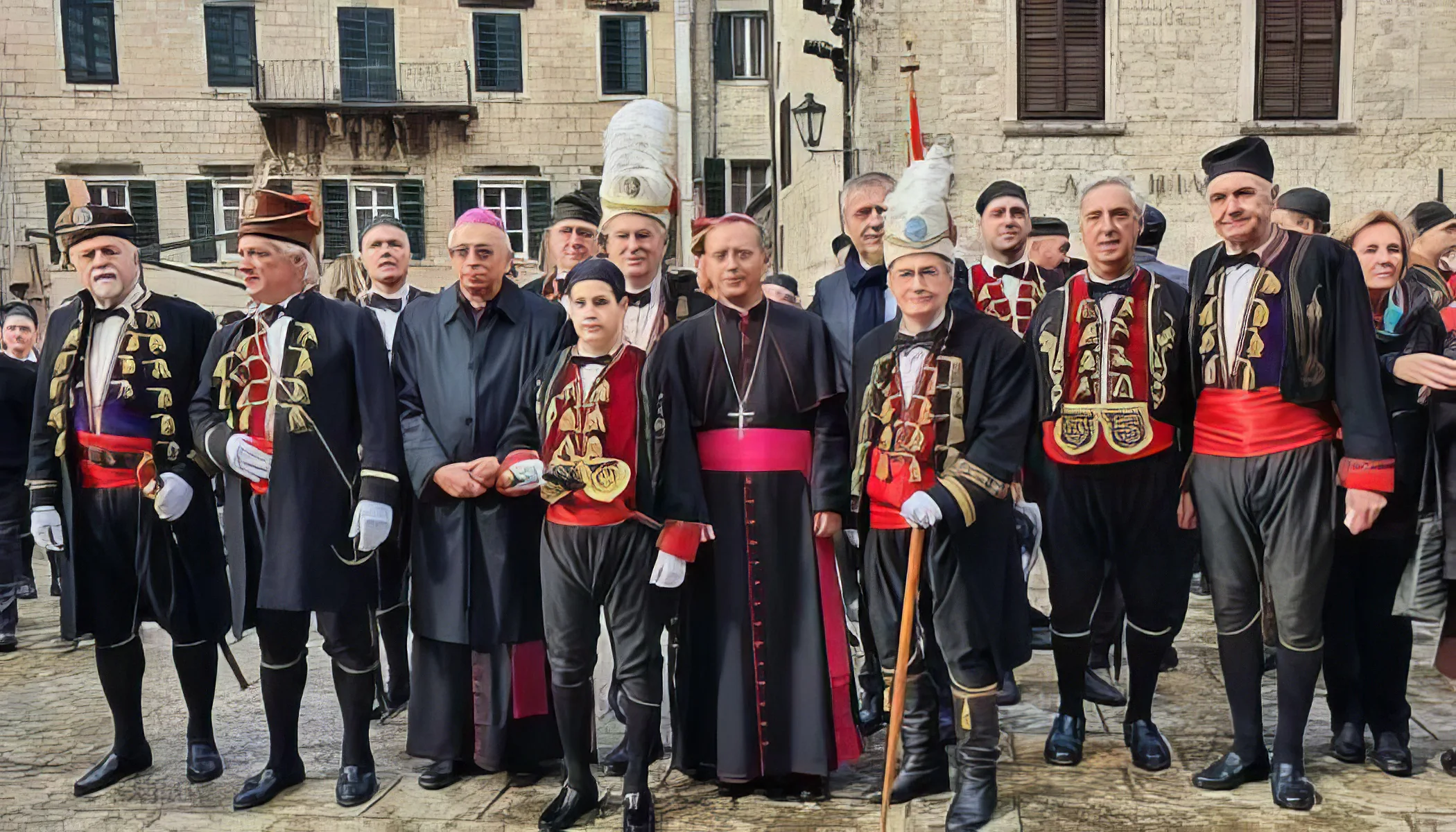
Montenegro supplies unique traditional music and performances:
– Klapa Singing: Enjoy harmonious a cappella group singing, showcasing Montenegro's Adriatic cultural influence, often performed in coastal towns like Kotor.
– Gusle Music: Experience epic storytelling through the gusle, a single-stringed instrument, commonly played in cultural gatherings and festivals.
– Oro Dance: Witness this traditional Montenegrin circle dance symbolizing unity and community spirit, performed at celebrations and cultural events.
– Sevdalinka Songs: Find emotive folk songs blending Slavic and Ottoman influences at intimate venues or local festivals across Montenegro.
– Traditional Kolo Dance: Participate in this lively folk dance in Podgorica, featuring rhythmic movements and traditional costumes reflecting Balkan heritage.
Events & Festivals
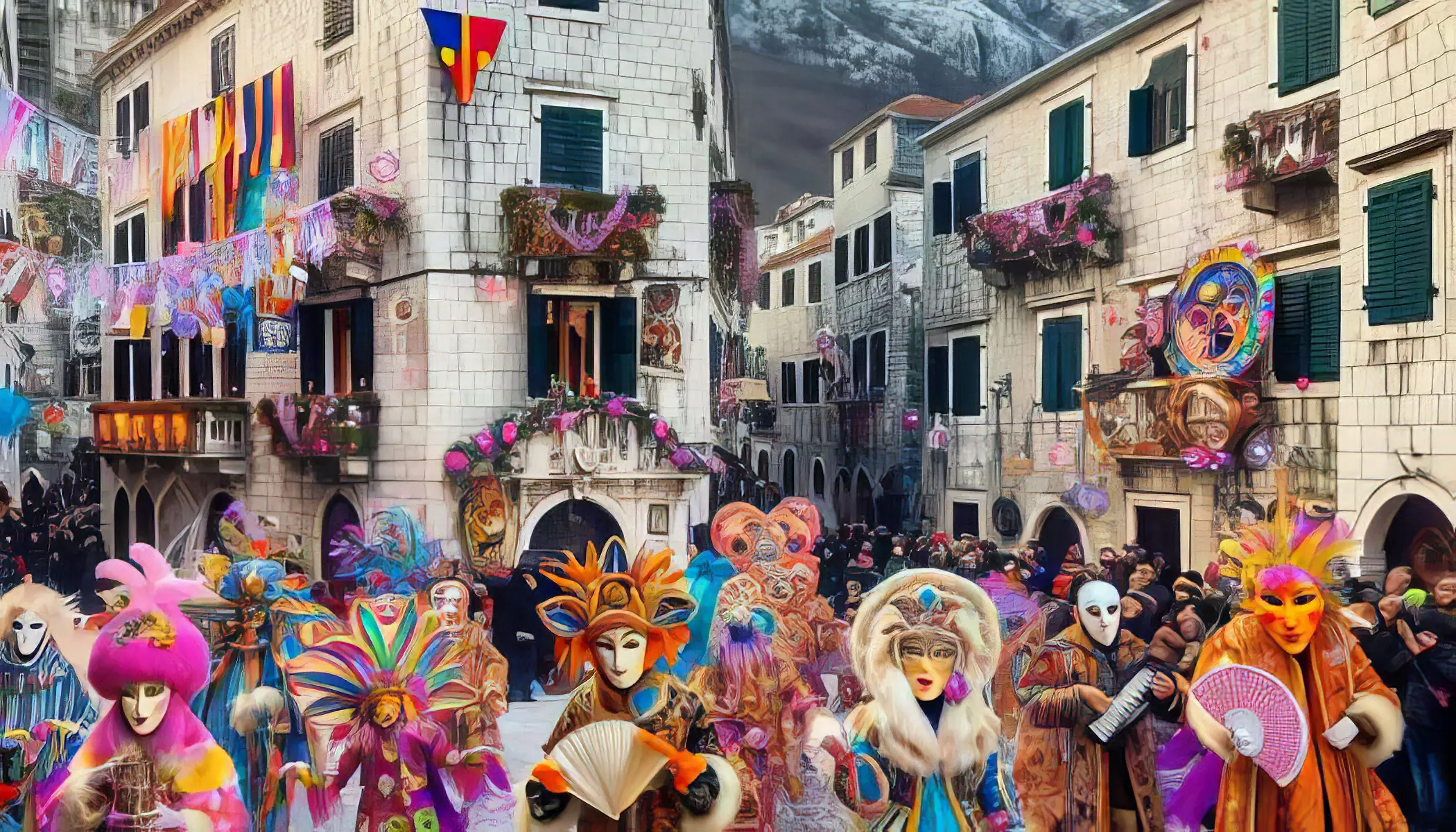
Montenegro hosts several energetic festivals and events throughout the year, offering cultural and historical insights:
– Mimosa Festival: Celebrated in February in Herceg Novi, marking the arrival of spring with parades and performances.
– Kotor Carnival: Taking place in February, featuring colorful costumes and street parties in the historic town of Kotor.
– Southern Soul Festival: Held in June at Ulcinj’s Velika Plaža, focusing on soul, jazz, and house music.
– Lake Fest: August rock music festival set at Lake Krupac near Nikšić, attracting international bands.
– Sea Dance Festival: Electronic music festival on Budva's beaches in August, renowned for its lively atmosphere.
– Petrovac Jazz Festival: September event offering jazz performances amidst scenic coastal views in Petrovac.
– Podgorica Film Festival: November film showcase highlighting local and international cinema talent in the capital city.
Famous People

Montenegro is home to distinguished individuals who have made significant contributions across various fields.
– Petar II Petrović-Njegoš (1813 to 1851, Njeguši): Prince-bishop and poet, renowned for his epic poem "The Mountain Wreath."
– Milo Đukanović (born 1962, Nikšić): Long-serving politician and president, instrumental in Montenegro's independence movement.
– Danilo Kiš (1935 to 1989, Subotica): Influential writer known for his novels and short stories exploring themes of memory and identity.
– Dejan Savićević (born 1966, Podgorica): Celebrated former footballer and coach, famous for his successful club and international career.
– Rambo Amadeus (born 1963, Kotor): Eccentric musician and satirist known for blending music with humorous social criticism.
Books
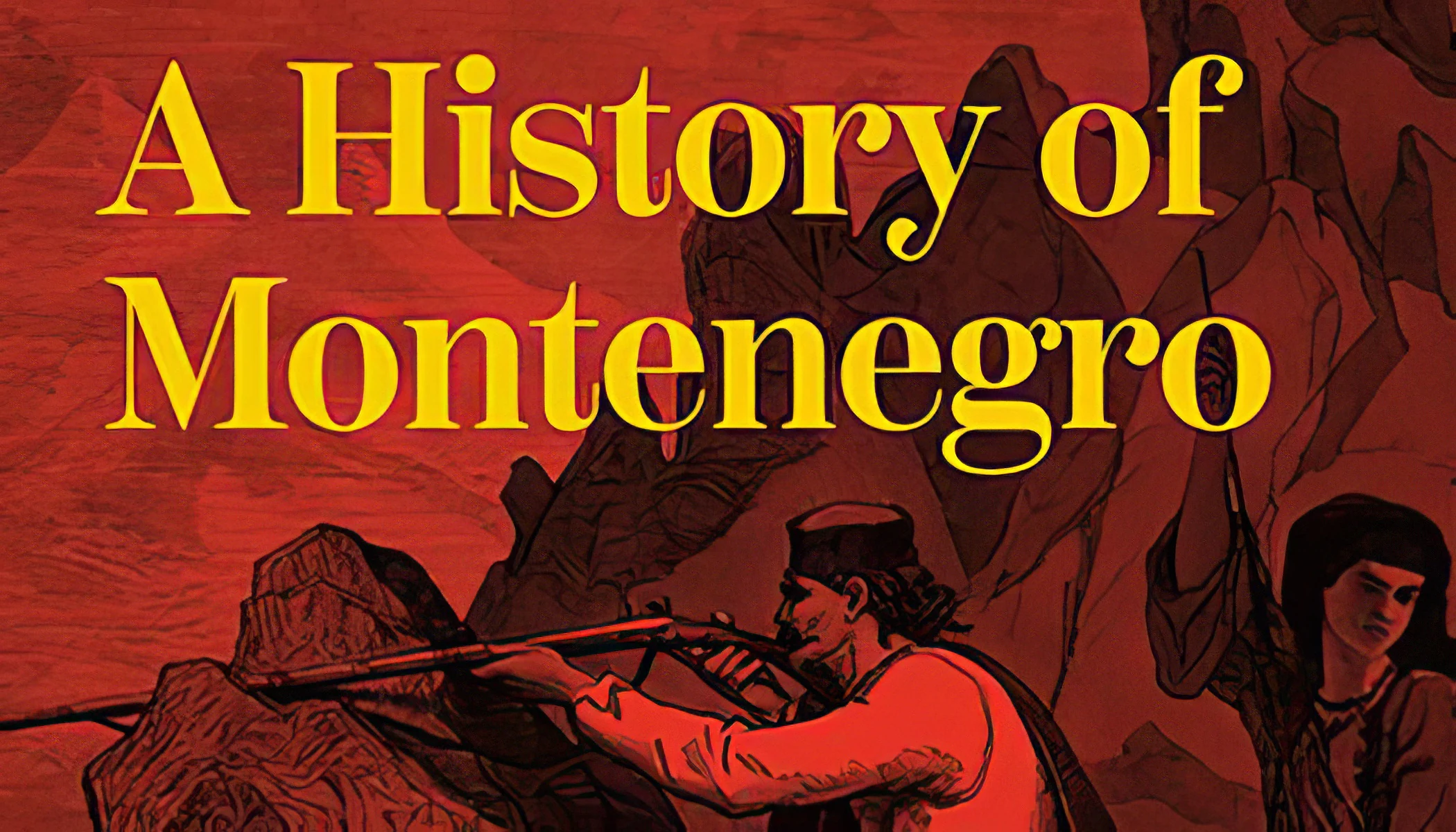
These books delve into Montenegro's cultural, historical, and social landscapes, offering insights into its distinct identity and heritage.
– "The Mountain Wreath" by Petar II Petrović-Njegoš: Epic poem exploring Montenegrin history, culture, and national identity.
– "Tara Canyon: A Natural Wonder" by Dragan Bosnić: Showcases Tara River Canyon's handsome beauty through photography and narrative.
– "Montenegro" by Starling Lawrence: Novel depicting an Englishman's journey through Montenegro amid political intrigue in the early 20th century.
– "Black Lamb and Grey Falcon" by Rebecca West: Travelogue capturing Yugoslavia's complexities, including vivid depictions of Montenegro.
– "Land Without Justice" by Milovan Djilas: Autobiographical account reflecting on Montenegrin society and cultural struggles.
Songs
These songs capture the essence of Montenegro, highlighting its culture, landscapes, and heartfelt emotions conveyed through music.
– Oj, Svijetla Majska Zoro: Montenegrin national anthem celebrated for its patriotic fervor.
– Zauvijek Moja: Eurovision entry by No Name, showcasing Montenegrin pride on the international stage.
– Goro moja: Iconic song by Miladin Šobić, depicting love for Montenegro's nature.
– Crne Gore Milo Sestro: Traditional song expressing deep affection for Montenegrin heritage.
– Moja Ljubavi: Sergej Ćetković's ballad known for its emotional depth and Montenegrin roots.
Films

Montenegrin cinema supplies unique stories reflecting its culture and history:
– "The Beauty of Sin": A 1986 film by Zivko Nikolic exploring love and societal norms in a Montenegrin village.
– "Yugoslavia: The Other Side of the Looking Glass": A documentary that provides insight into the disintegration of Yugoslavia, impacting Montenegro.
– "Beneath a Blue Sky": A story set in Montenegro, focusing on family dynamics amidst historical change.
– "Promise Me This": Directed by Emir Kusturica, this comedy-adventure touches on Montenegrin life through a young man's journey.
– "The Black Pin": Ivan Marinović's film delves into village life conflict after the arrival of a new priest.