

Explore Mozambique: Culture, Cities & Places to Visit
Located in Southeast Africa, this country is known for its extensive Indian Ocean coastline, offering beautiful beaches and marine life. Rich in cultural heritage, it features a blend of African, Arab, and Portuguese influences. Agriculture and natural resources drive its economy.
- Capital
- Maputo
- Population
- 22.1 millions
- Superficy
- 802000 sq.km
- Months to Visit
- May to Nov.
- Living Cost
- Moderate
Overview
Mozambique is located on the southeastern coast of Africa, bordered by the Indian Ocean. The country is known for its extensive coastline, featuring beautiful beaches and marine parks like the Bazaruto Archipelago. Maputo, the capital, is a port city with Portuguese colonial architecture reflecting its history as a former Portuguese colony. Mozambique's economy relies heavily on agriculture, fishing, and natural resources like coal and natural gas. The country has faced challenges such as poverty and infrastructure development but continues to work towards economic growth. Its cultural diversity is reflected in various languages and traditions across different ethnic groups.
Pros & Cons
GOOD REASONS TO VISIT MOZAMBIQUE
– Beautiful Beaches: Mozambique provides handsome beaches like Tofo and Bazaruto, ideal for relaxation and water activities.
– Rich Marine Life: Snorkeling and diving reveal lively coral reefs, whale sharks, and diverse marine species.
– Cultural Diversity: Experience a blend of African, Portuguese, and Arab influences in music, dance, and cuisine.
– Gorongosa National Park: Discover diverse wildlife including elephants, lions, and unique bird species in this renowned park.
– Fresh Seafood: Enjoy delicious seafood dishes like peri-peri prawns and grilled fish along the coast. CHALLENGES WHEN VISITING MOZAMBIQUE
– Limited Infrastructure: Roads and public transport can be underdeveloped; travel may require patience and planning.
– Health Concerns: Malaria is prevalent; vaccinations and precautions are necessary for safe travel.
– Language Barrier: Portuguese is the official language; English is less commonly spoken outside tourist areas.
Before Departure
Before traveling to Mozambique, consider the following essential information:
– Passport: Ensure your passport is valid for at least six months from your entry date.
– Visa: Most tourists need a visa; apply online or at Mozambican embassies. Tourist visas typically last 30 days and are extendable.
– Currency: Mozambican Metical (MZN); credit cards accepted in cities; cash preferred in rural areas; ATMs available in urban centers.
– Internet access: WiFi is available in hotels and cafes in cities; buy a local SIM card for better coverage and data plans.
– Language barrier: Portuguese is the official language; English is not widely spoken, so learning basic Portuguese phrases can be helpful.
What to Pack
Mozambique provides diverse landscapes and activities, so packing appropriately is essential for a comfortable and enjoyable trip.
– Essentials: Passport with visa, travel insurance documents, flight tickets, itinerary details, and accommodation confirmations.
– Clothing: Lightweight clothing for warm weather, comfortable walking shoes, swimwear for beaches, hat and sunglasses for sun protection, light jacket for cooler evenings.
– Health & Safety: Prescription medications, basic first aid kit, insect repellent with DEET, sunscreen with high SPF, malaria prophylaxis if recommended by a doctor.
– Electronics: Travel adapter for Mozambican outlets (Type C/F/M), mobile phone with charger, camera with extra batteries or charger.
Weather
Weather in Mozambique is tropical, with a wet and dry season:
– Summer (November to March): Hot and humid with heavy rainfall, especially in the central and northern regions.
– Autumn (April to May): Transition period with decreasing rainfall and temperatures starting to cool down.
– Winter (June to August): Dry season with cooler temperatures, especially in the south; ideal for wildlife viewing.
– Spring (September to October): Gradually warming up with little rain, marking the end of the dry season. The best time to visit Mozambique is from June to October:
– Pros: Ideal weather for beach activities and wildlife safaris; clear skies and pleasant temperatures.
– Cons: Peak tourist season can lead to higher prices and crowded attractions.
Travel Budget
Mozambique supplies a range of budget-friendly options for travelers. Here are some average prices for common expenses:
– Hotel: 30$ to 150$
– Lunch: 5$ to 15$
– Beverage (in bar/restaurant): 1.5$ to 4$
– Coffee: 1$ to 3$
– Transportation: (train 10$ to 30$), (bus 0.5$ to 2$), (taxi /10km 5$ to 12$)
– Mobile data (per GB): 2$ to 5$
Language
In Mozambique, Portuguese is the official language and widely spoken. Here are some useful phrases for tourists:
– Hello: Olá
– Thank you: Obrigado (if you're male) / Obrigada (if you're female)
– Please: Por favor
– How much is this?: Quanto custa isto?
– Excuse me: Com licença
– I don't understand: Não entendo
– Yes: Sim
– No: Não
– Goodbye: Adeus
History
It was inhabited by Bantu-speaking peoples before becoming part of the Swahili trading network. Portuguese explorers arrived in the late 15th century, leading to eventual colonization as part of the Portuguese Empire. The struggle for independence began in the 1960s, spearheaded by FRELIMO (Front for the Liberation of Mozambique), and culminated in independence in 1975. Shortly after independence, a brutal civil war erupted between FRELIMO and RENAMO (Mozambican National Resistance), lasting until 1992. The Rome General Peace Accords ended the conflict, paving the way for political stability and multi-party elections. Since then, Mozambique has focused on rebuilding its economy and infrastructure, facing challenges like poverty and natural disasters along the way.
Geopolitics
Located in Southeast Africa, Mozambique borders Tanzania, Malawi, Zambia, Zimbabwe, South Africa, and Eswatini, with the Indian Ocean to its east. It gained independence from Portugal in 1975 and has since experienced periods of civil conflict, impacting its political landscape. The country is rich in natural resources, including natural gas and coal, attracting foreign investments but also sparking regional tensions over resource control. Mozambique is part of the Southern African Development Community (SADC), engaging in regional cooperation for economic development and security. The country faces ongoing challenges with insurgent violence in the northern province of Cabo Delgado, affecting regional stability and foreign investment prospects. Balancing resource management and addressing domestic security issues are key components of its geopolitical strategy.
Sample Itinerary
This itinerary covers Mozambique's cultural heritage in Maputo, the wildlife of Gorongosa, and the lovely beaches of Bazaruto Archipelago.
– 1 day in Maputo: Explore the beautiful city with a visit to the Central Market, Railway Station, and enjoy local cuisine at a traditional restaurant.
– 3 days in Gorongosa National Park: Experience guided safaris to spot diverse wildlife like elephants and lions, and explore the park's varied ecosystems.
– 3 days in Bazaruto Archipelago: Relax on preserved beaches, snorkel or dive among coral reefs, and take a boat tour to spot marine life.
Popular cities
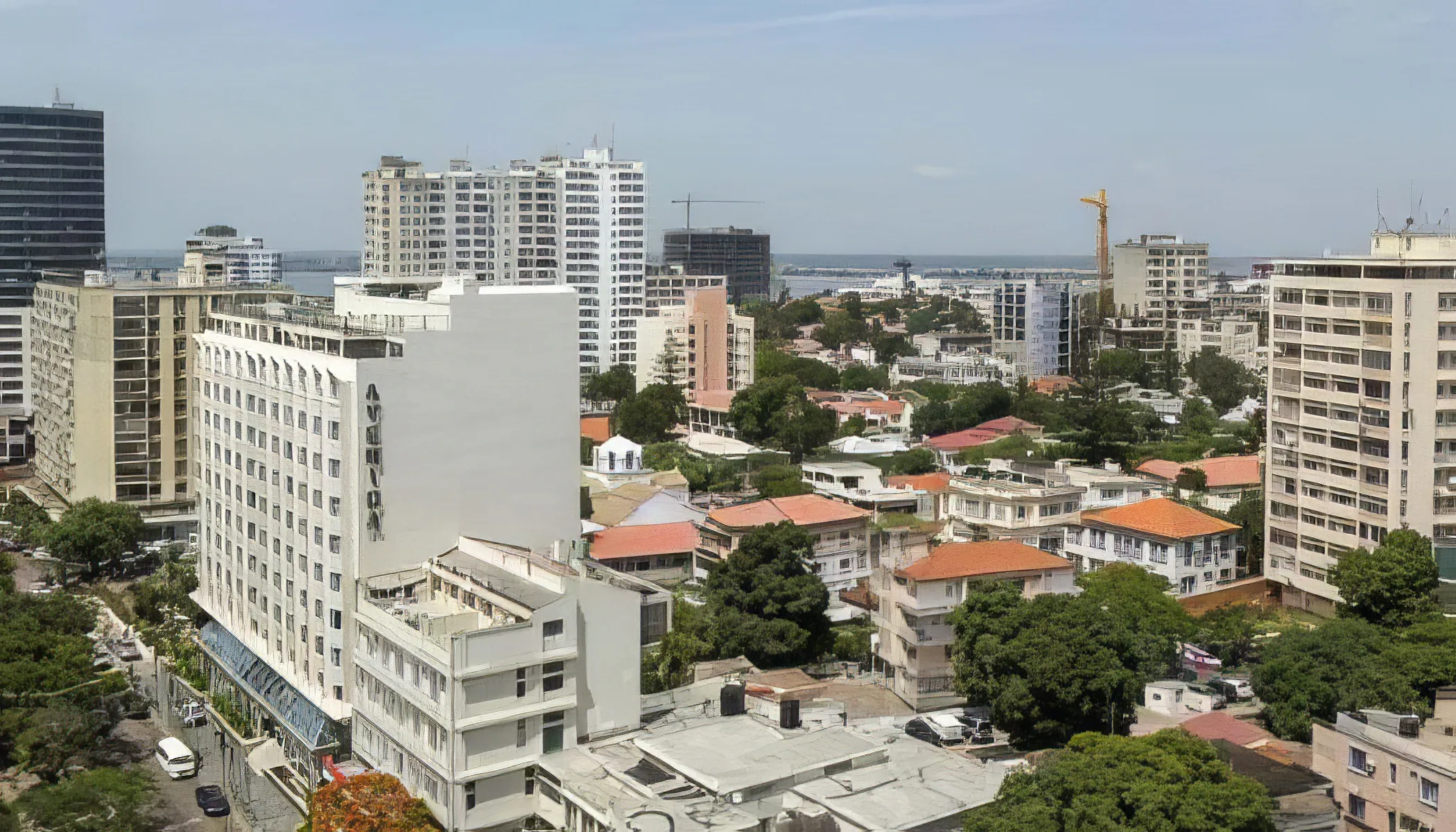
Explore the unique blend of culture and nature in Mozambique's top cities:
– Maputo: The capital city is known for its lovely markets, colonial architecture, and lively cultural scene.
– Beira: A port city offering beautiful beaches and the historic Grande Hotel Beira.
– Nampula: Known as a gateway to Mozambique Island, with museums and lively local markets.
– Inhambane: Supplies beautiful beaches, historical sites, and opportunities for marine activities.
– Pemba: Famous for its gorgeous coastline and as a hub for exploring the Quirimbas Archipelago.
– Vilankulo: Serves as a gateway to the Bazaruto Archipelago, known for natural beaches and diving spots.
– Tete: A growing city on the Zambezi River, offering views of the surrounding landscape and local culture.
Monuments
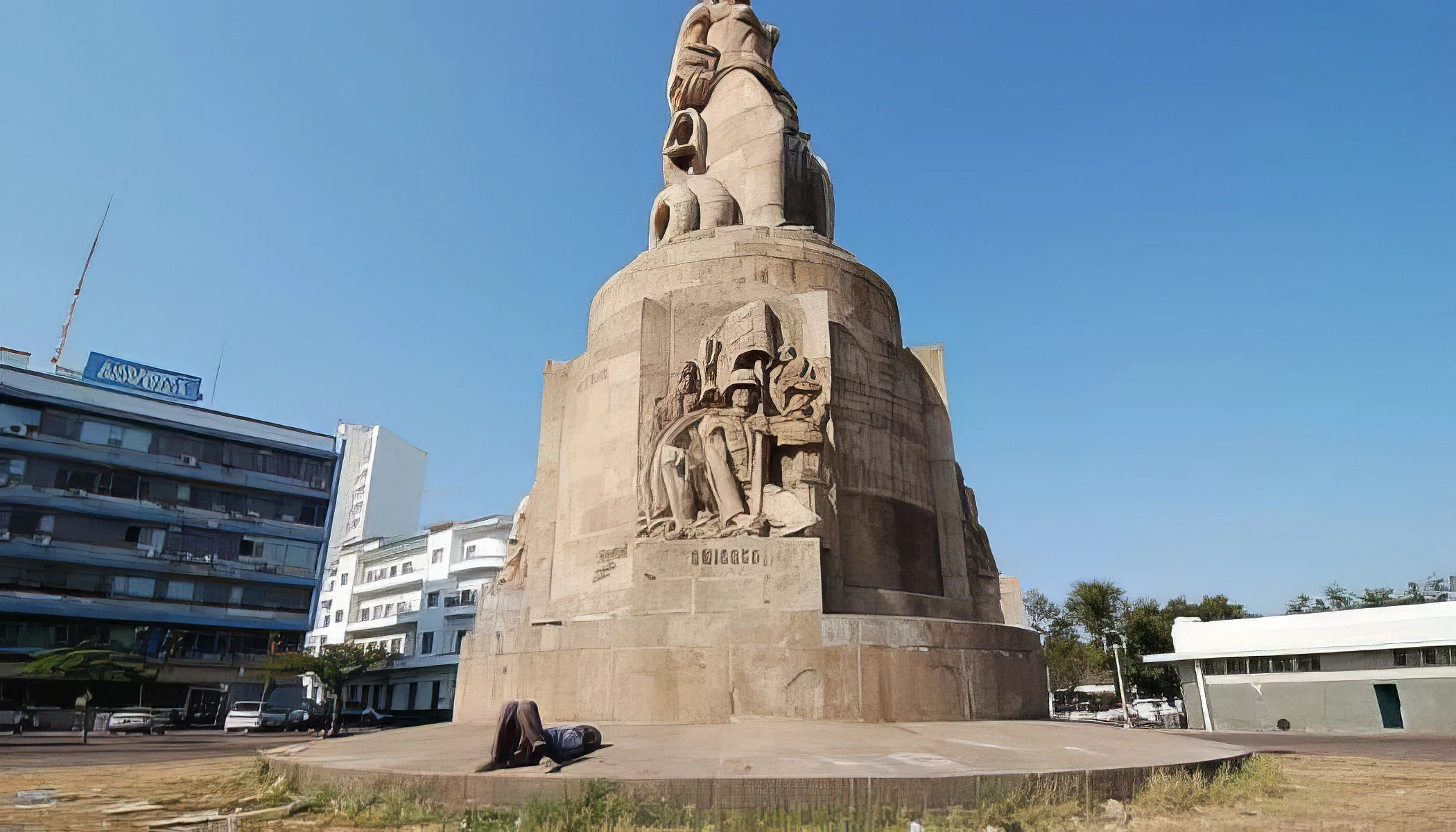
Mozambique provides several notable monuments reflecting its rich history and culture:
– Island of Mozambique: UNESCO site with colonial architecture, ancient fortresses, and pleasant cultural heritage.
– Fort São Sebastião: Historic fort on Mozambique Island, showcasing Portuguese colonial military architecture.
– Cathedral of Our Lady of the Immaculate Conception, Maputo: Prominent Catholic cathedral featuring neo-Romanesque design.
– Iron House (Casa de Ferro), Maputo: Pre-fabricated iron building designed by Eiffel, notable for its unique construction.
– Maputo Central Railway Station: Historical landmark with striking Beaux-Arts style, designed by Eiffel’s associate.
– Chongoene Cathedral: Large Catholic cathedral in Gaza province with significant local architectural elements.
– Fortaleza de Maputo: Colonial fort offering insights into the Portuguese defense system in the region.
– Inhambane's Old Mosque: One of the oldest mosques reflecting Mozambique's long-standing Islamic heritage.
Natural wonder
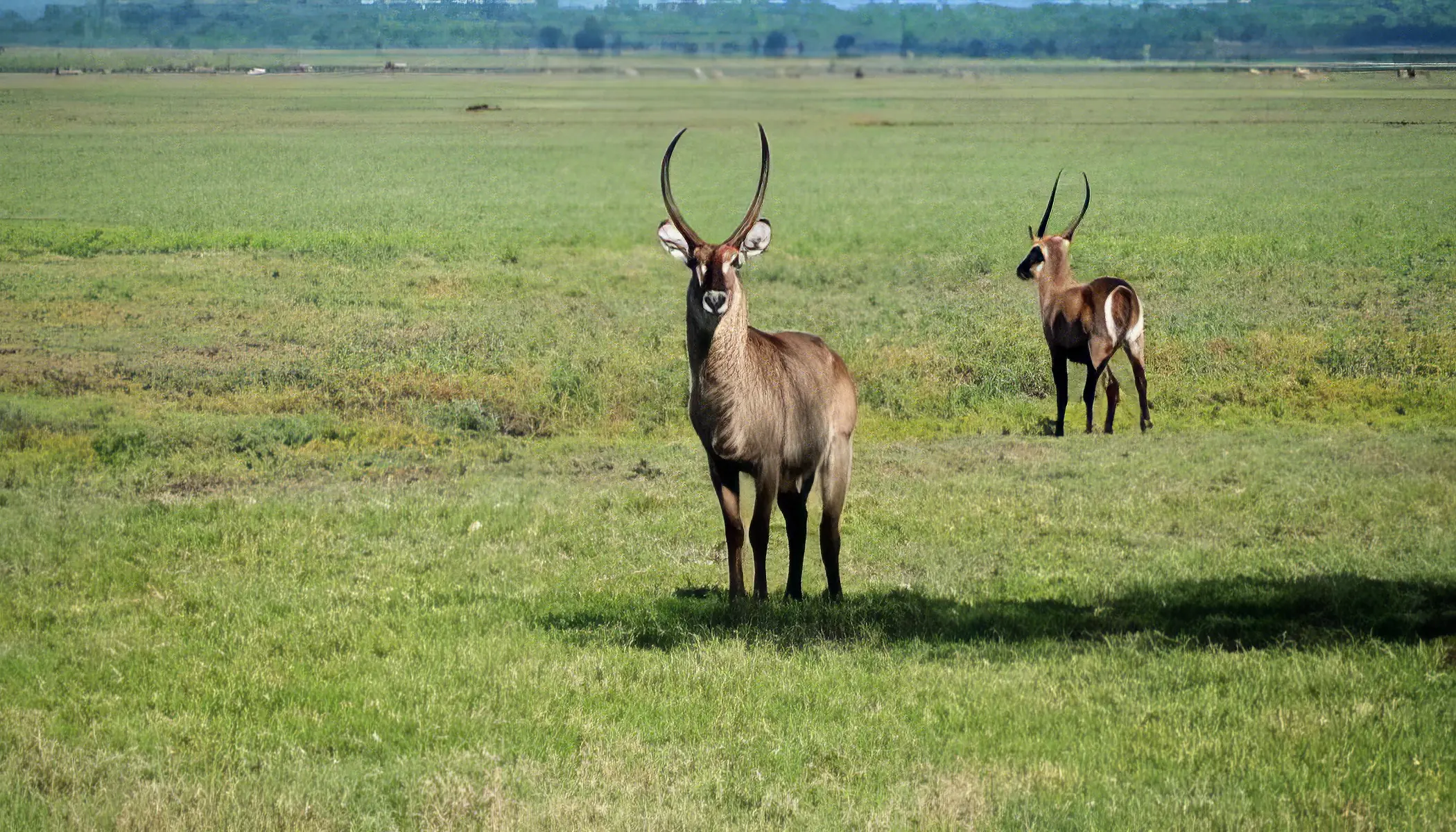
Discover Mozambique's diverse and remarkable natural landscapes:
– Gorongosa National Park: Known for its diverse ecosystems and wildlife recovery efforts.
– Bazaruto Archipelago: Features clear waters and coral reefs, ideal for snorkeling and diving.
– Lake Niassa (Lake Malawi): Africa’s third-largest lake, shared with Malawi and Tanzania.
– Quirimbas Archipelago: Comprises 32 islands with rich marine life and immaculate beaches.
– Limpopo National Park: Part of the Great Limpopo Transfrontier Park, home to various wildlife species.
– Mount Namuli: Offers challenging hikes and is important for biodiversity conservation.
– Marromeu Reserve: Known for its wetlands and large populations of waterbirds.
– Niassa Reserve: Mozambique’s largest protected area with significant elephant populations.
– Chimanimani Mountains: Supplies rugged landscapes, hiking trails, and waterfalls on the Zimbabwe border.
– Zambezi River Delta: Features vast wetlands important for birdlife and unique ecosystems.
Beaches
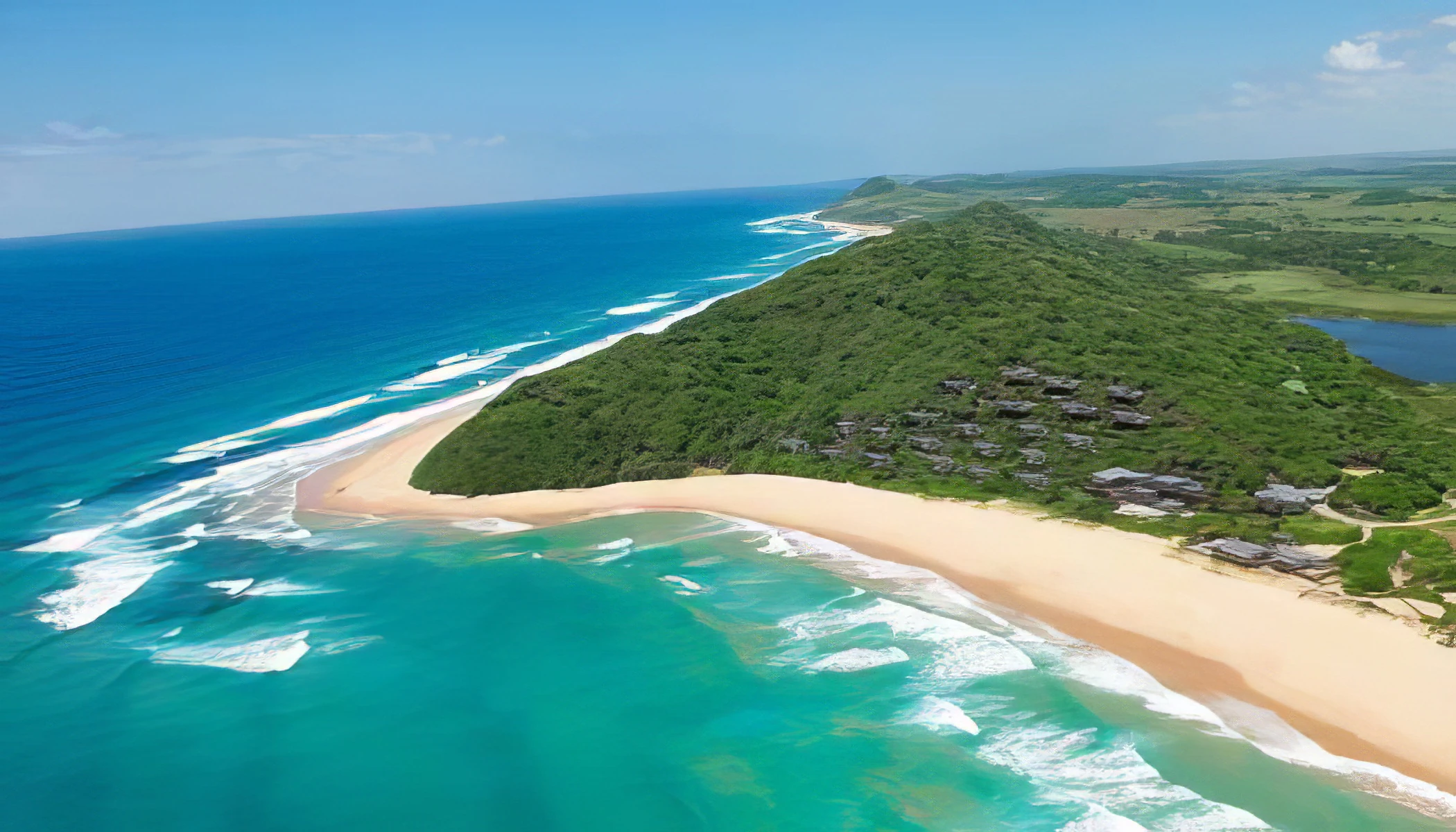
Mozambique is known for its beautiful coastline and immaculate beaches.
– Tofo Beach: Popular for diving, surfing, and lively marine life near Inhambane.
– Bazaruto Archipelago: Features clear waters, coral reefs, and luxury resorts off Vilanculos.
– Ponta do Ouro: Known for dolphin tours and diving near the South African border.
– Quirimbas Archipelago: Supplies remote, fascinating beaches and rich biodiversity in the north.
– Vilanculos Beach: Gateway to the Bazaruto Islands with calm waters and water sports.
– Barra Beach: Known for its long stretches of sand and relaxed atmosphere near Inhambane.
– Xai-Xai Beach: Supplies good swimming conditions and a nearby coral reef lagoon.
Outdoor activities
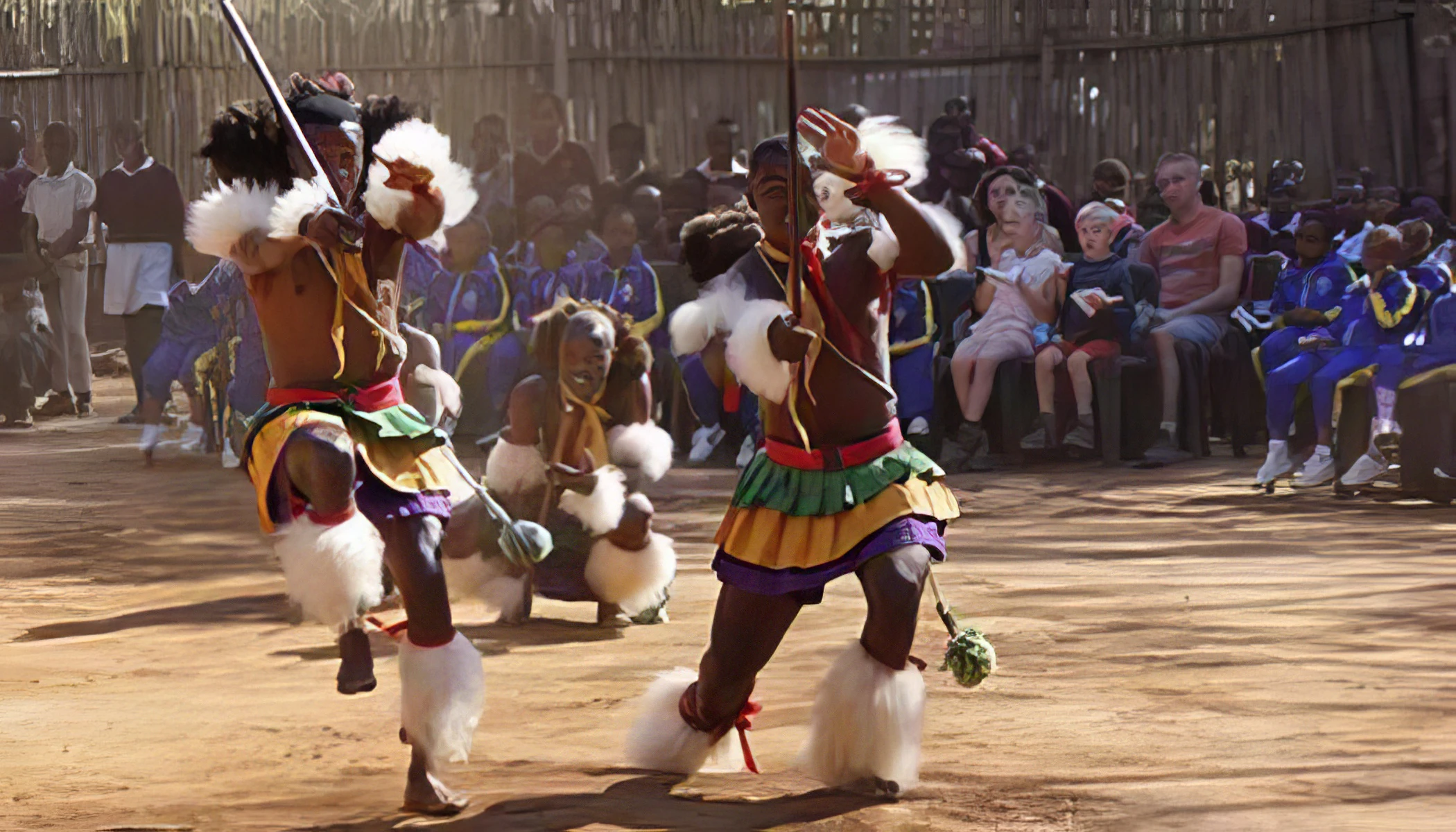
Explore Mozambique's diverse landscapes through its thrilling outdoor activities:
– Snorkeling in Bazaruto Archipelago: Swim among colorful coral reefs and diverse marine life.
– Safari in Gorongosa National Park: Encounter elephants, lions, and other wildlife in a restored ecosystem.
– Diving at Tofo Beach: Discover whale sharks and manta rays in the Indian Ocean.
– Canoeing on the Zambezi River: Paddle through scenic channels with views of wildlife along the banks.
– Hiking Mount Namuli: Trek through lush forests to reach beautiful mountain vistas.
– Kite Surfing in Pemba Bay: Experience consistent winds and clear waters perfect for water sports.
– Island Hopping in Quirimbas Archipelago: Explore natural beaches and remote islands.
Kid Friendly
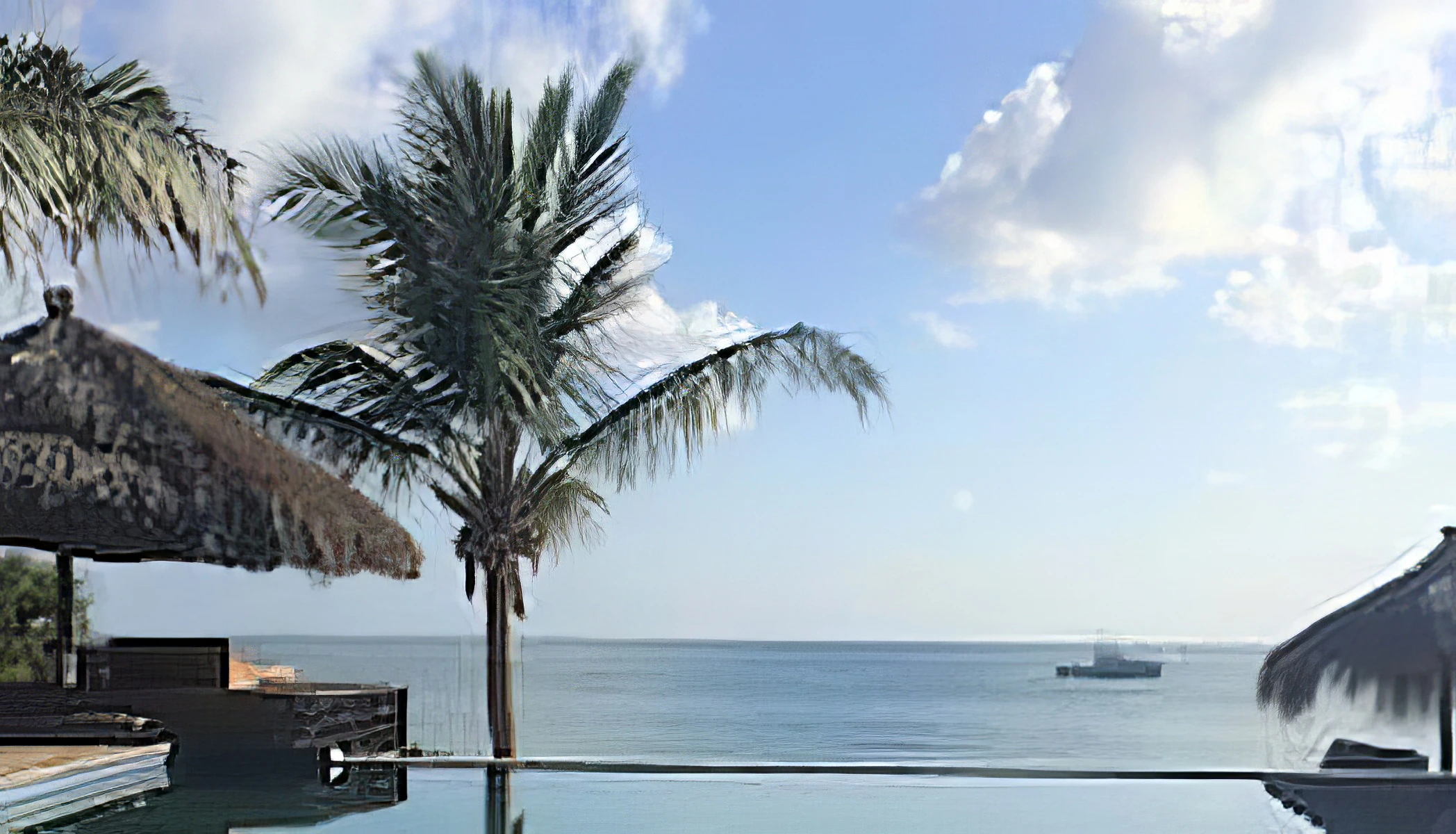
Mozambique offers diverse activities that children can enjoy and learn from:
– Gorongosa National Park: A wildlife park where kids can see elephants, lions, and other animals in their natural habitat.
– Bazaruto Archipelago: A group of islands with clear waters, perfect for snorkeling and spotting marine life.
– Maputo Elephant Reserve: A safari experience where families can witness elephants roaming freely.
– Vilanculos Beach: Safe beaches for swimming and building sandcastles with the family.
– Inhaca Island: Provides nature walks and the chance to explore local marine life at low tide.
– Ndzou Camp: Allows kids to learn about conservation while engaging in activities like tracking elephants.
– Chidenguele Beach: Known for its calm waters, it's ideal for young swimmers and water sports.
– Zalala Beach Forests: Provides a mix of beach fun and forest exploration for adventurous families.
Cuisine
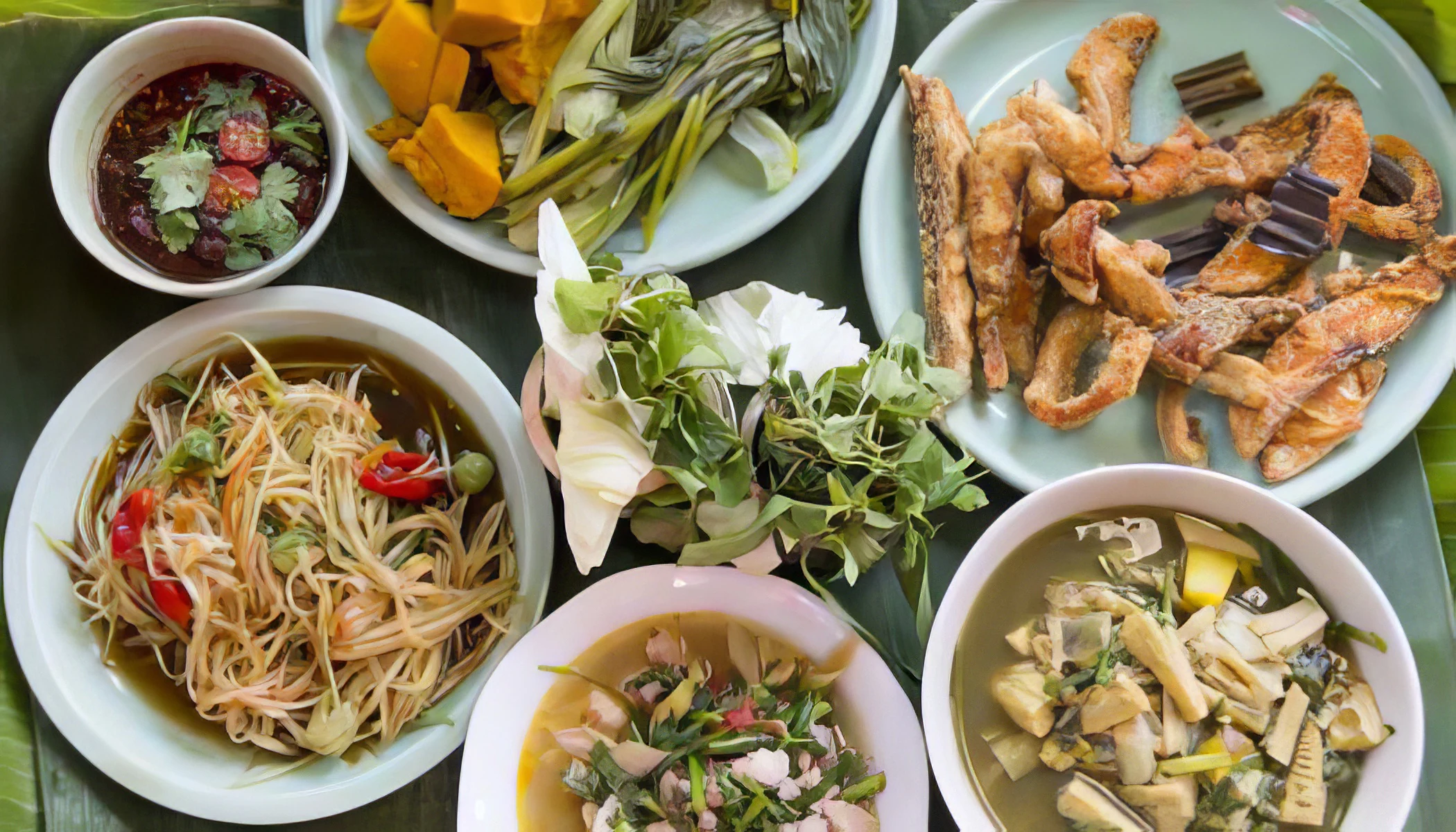
Mozambique's food scene is influenced by Portuguese, African, and Indian flavors, creating a unique fusion. Seafood features prominently due to its extensive coastline. Spices and coconut are frequently used in their dishes.
– Piri-Piri Chicken: Grilled chicken marinated in spicy piri-piri sauce.
– Matapa: Stew made with cassava leaves, coconut milk, peanuts, and seafood.
– Feijoada: Hearty bean stew with beef or pork and vegetables.
– Chamussas: Deep-fried pastry pockets filled with spicy meat or vegetables.
– Peri-peri Prawns: Grilled prawns seasoned with piri-piri chili sauce.
Souvenir
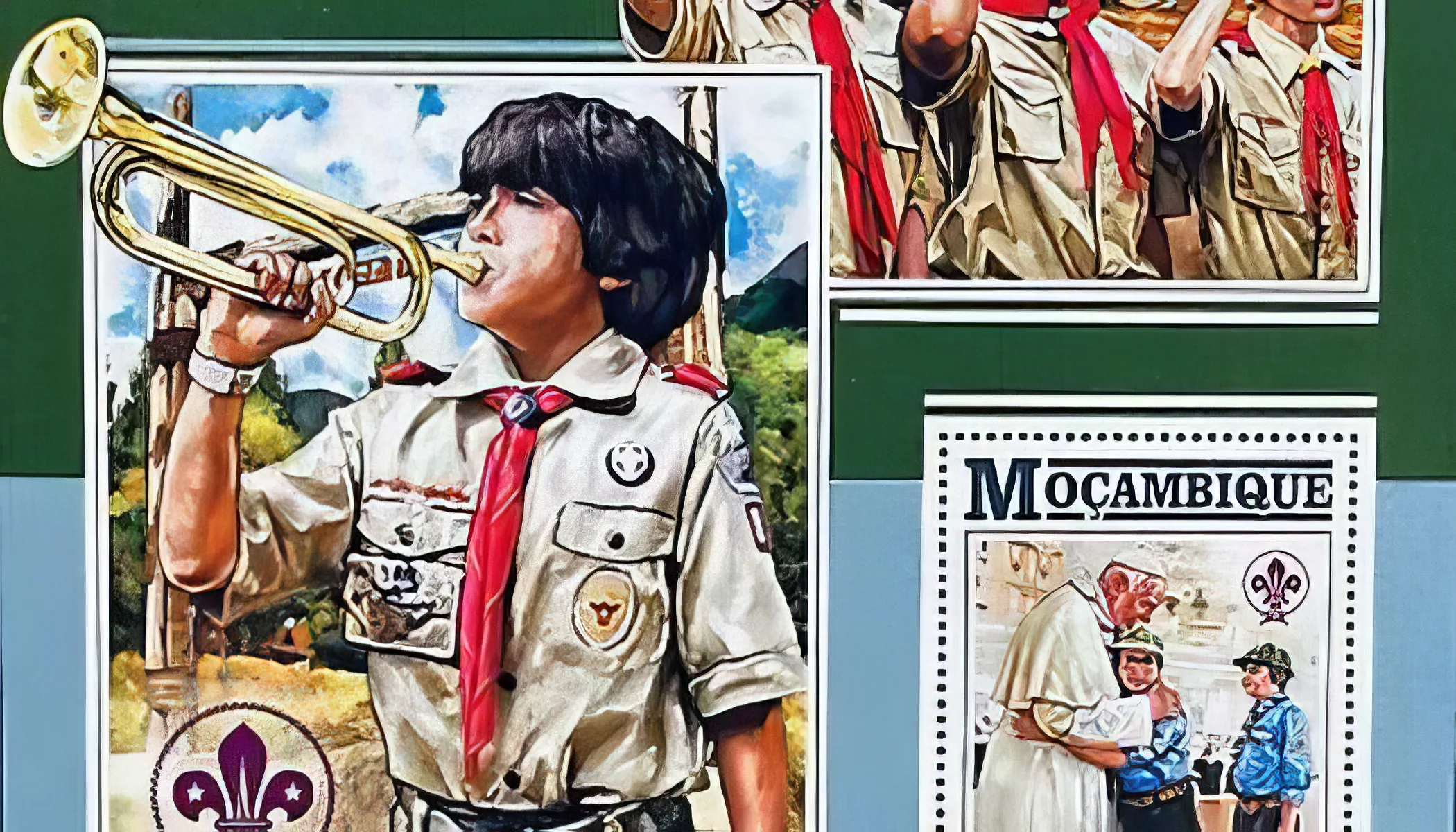
With its rich culture and history, Mozambique provides unique souvenirs. Here are some popular items to consider:
– Batik Fabrics: Known for attractive colors and patterns, these fabrics are used for clothing and home decor.
– Wood Carvings: Nice carvings of animals or traditional scenes, often made from ebony or mahogany.
– Ceramics: Handcrafted pottery pieces that reflect local artistry and culture.
– Jewelry: Beaded and silver jewelry, often featuring local designs and materials.
– Woven Baskets: Handmade from natural fibers, these baskets are both decorative and functional.
– Cashew Nuts: Mozambique is a major producer of cashews; they make a tasty souvenir.
– Capulana Cloth: Colorful fabric used for clothing, wraps or even home decoration.
Traditional Shows
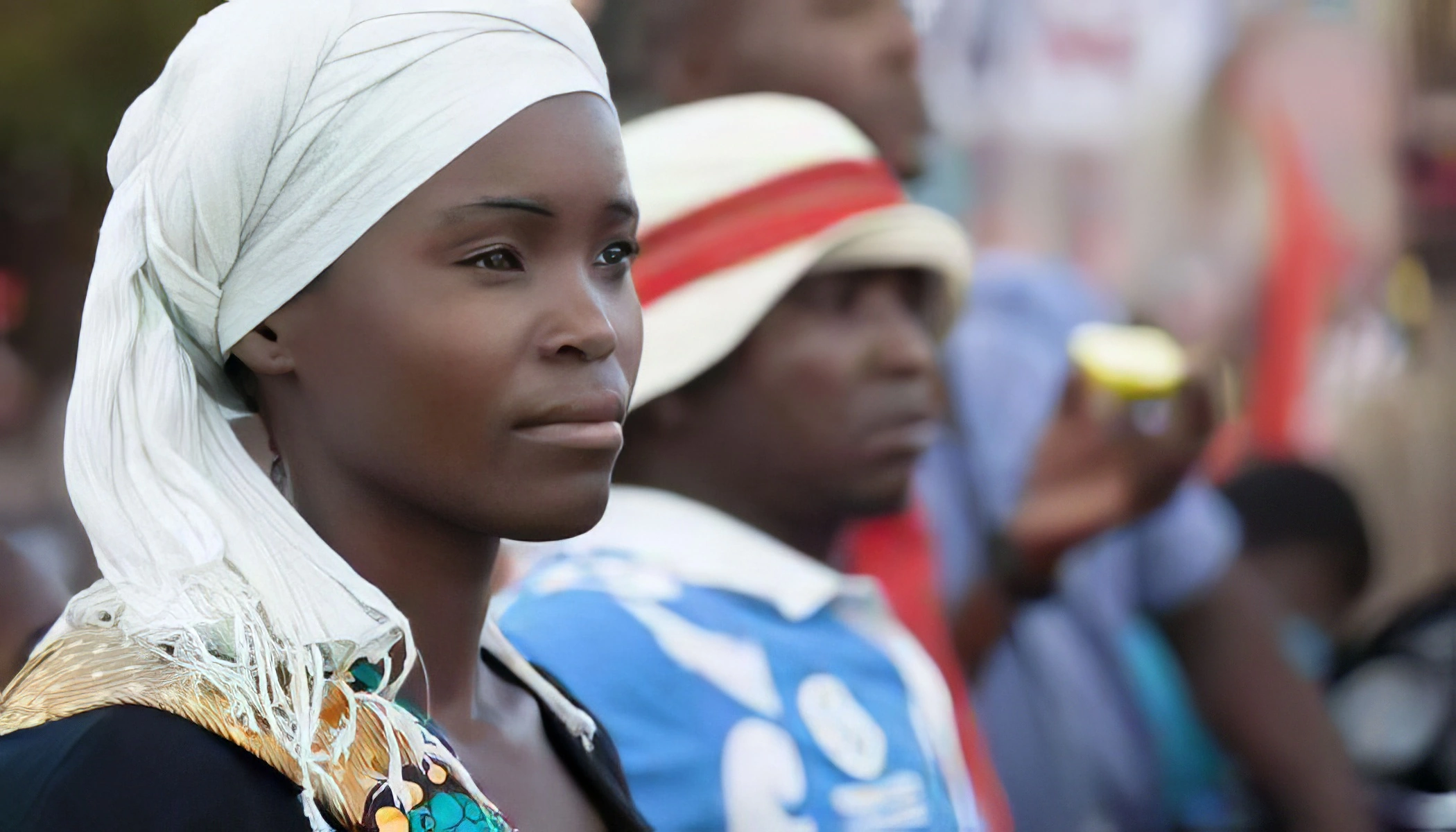
Mozambique showcases a variety of traditional art performances:
– Marrabenta Music: Experience lively rhythms and dance in Maputo, showcasing Mozambique's diverse cultural influences and contemporary music scene.
– Timbila Orchestras: Discover traditional xylophone music from the Chopi people, rich with heritage and nice sounds, primarily performed in Inhambane Province.
– Tufo Dance: Witness the colorful and energetic dance by the Makua women of northern Mozambique, often performed during celebrations.
– Nyau Dances: Observe refined masked dances by the Chewa people in central regions, reflecting spiritual beliefs and community life.
– Mapiko Dances: Engage with traditional ritualistic dances featuring elaborate masks among the Makonde people in northern Mozambique.
Events & Festivals
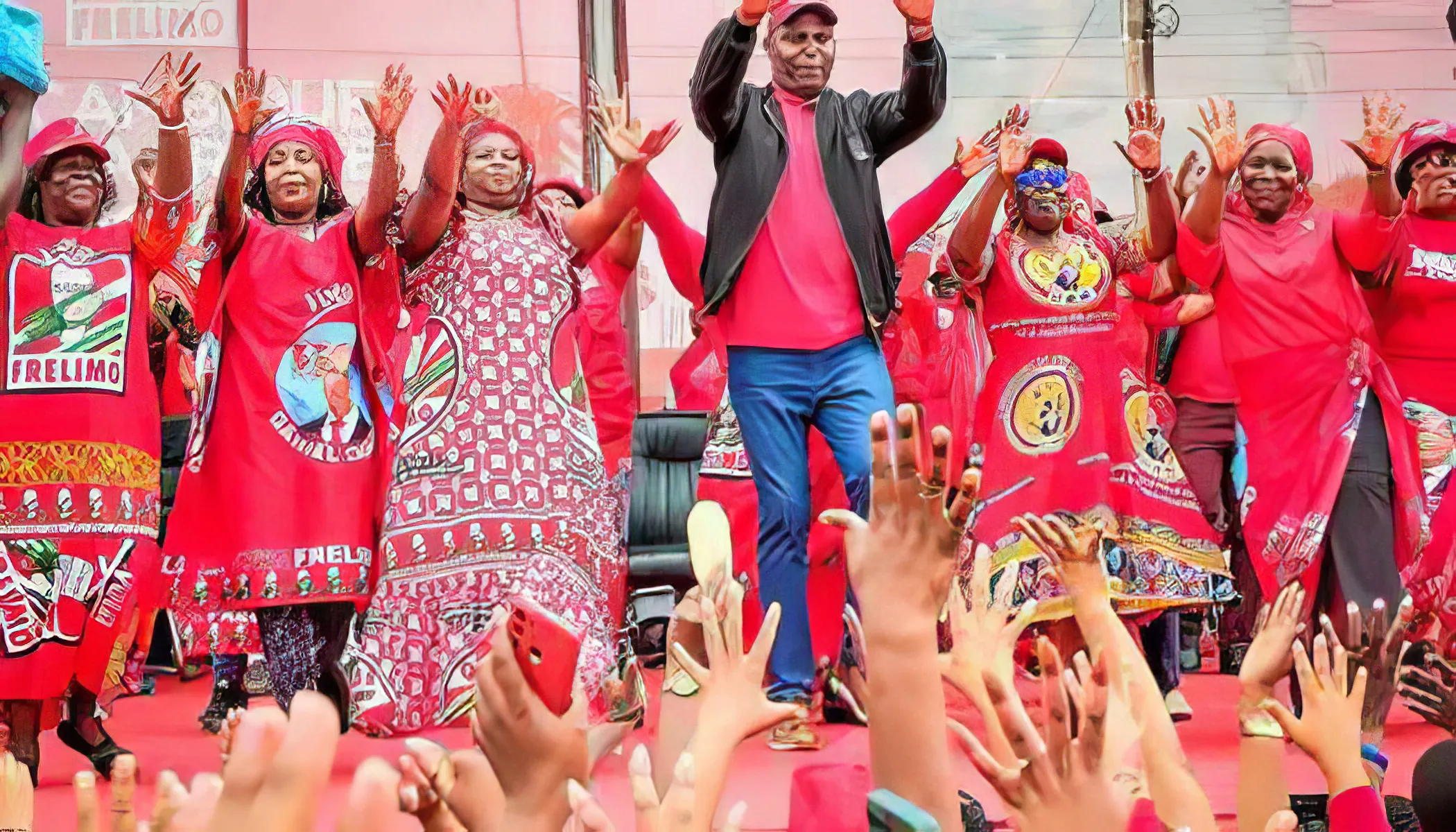
Several events and festivals take place yearly, showcasing the cultural diversity of the country:
– Dia da Independência: Celebrated on June 25, marking Mozambique's independence from Portugal with parades and cultural performances.
– Festival AZGO: Held in May in Maputo, featuring music, film, and arts from African and international artists.
– Marrabenta Festival: Celebrated in February across Maputo with concerts highlighting traditional Mozambican music.
– FIKANI Art Fair: Annual arts fair in September in Maputo, showcasing contemporary paintings and sculptures.
– Chopi Music Festival: Traditional dance and music festival held in late July or August by the Chopi people.
– STRAB Festival: Yearly music festival in May at Ponta Malongane, attracting regional bands and fans.
– Tambo International Art Camp: August gathering near Inhambane for international artists to collaborate and create art.
Famous People

Mozambique is home to several prominent individuals celebrated for their impactful roles in politics, arts, and history.
– Samora Machel (1933 to 1986, Gaza Province): The first president of Mozambique who led the country to independence from Portuguese rule.
– Joaquim Chissano (born 1939, Gaza Province): Former president known for his role in peace negotiations and economic reforms post-civil war.
– Mia Couto (born 1955, Beira): Renowned author and poet whose works explore Mozambican identity and post-colonial themes.
– Eusébio da Silva Ferreira (1942 to 2014, Maputo): Legendary footballer admired worldwide, though he mainly represented Portugal in international competitions.
– Graça Machel (born 1945, Gaza Province): Politician and humanitarian advocate known for her work in children's rights and as a former First Lady of Mozambique and South Africa.
Books
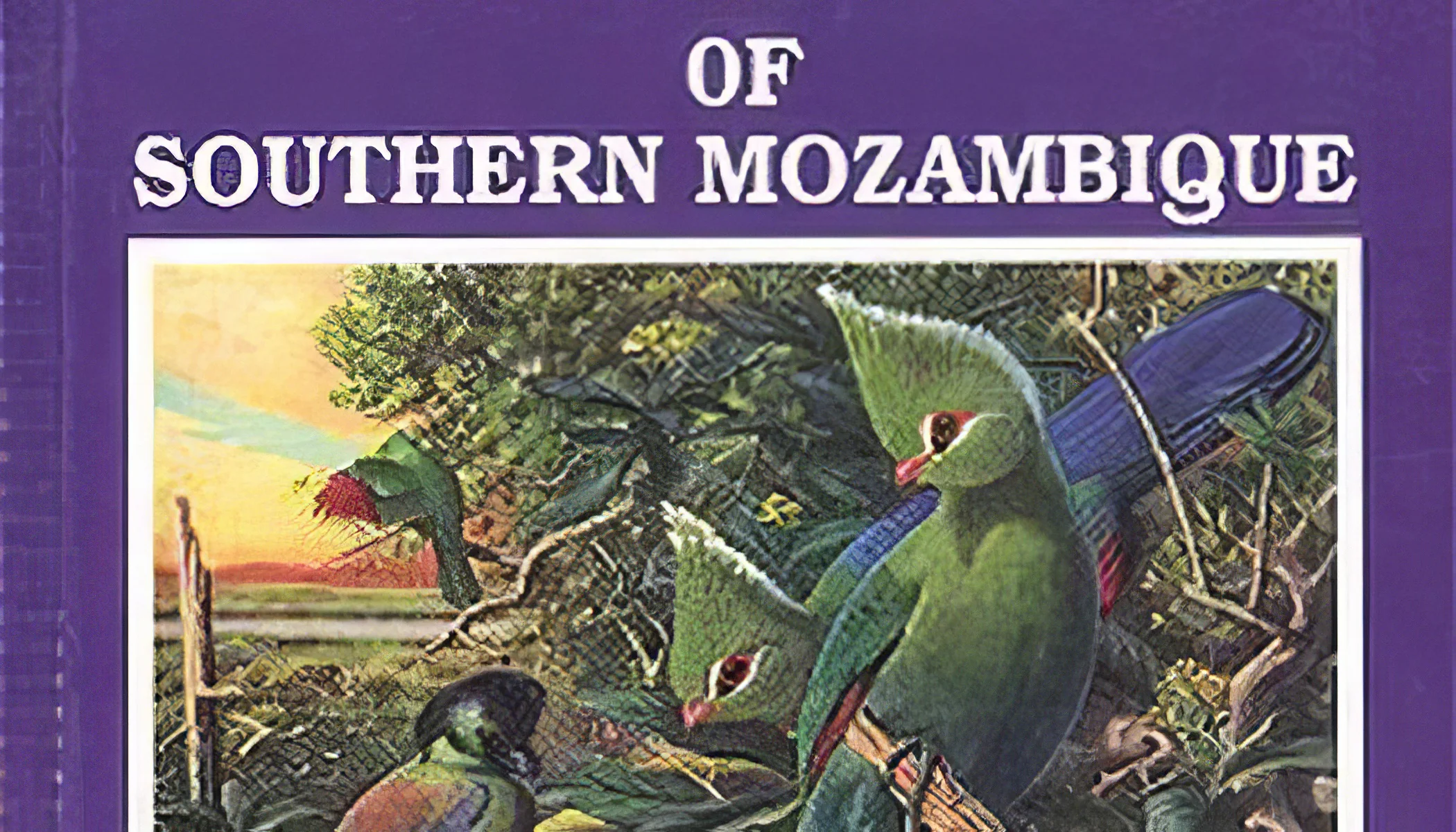
These books provide insights into Mozambique's history, culture, and societal changes through various narratives and personal experiences.
– "Sleepwalking Land" by Mia Couto: Chronicles two travelers in war-torn Mozambique uncovering stories from a magical notebook.
– "The Tuner of Silences" by Mia Couto: A boy's journey in an abandoned Mozambican nature reserve reveals family secrets.
– "Niketche: A Story of Polygamy" by Paulina Chiziane: Explores the complexities of polygamous relationships in Mozambique.
– "Ualalapi" by Ungulani Ba Ka Khosa: Reimagines the life and rule of Ngungunyane, a 19th-century African emperor.
– "A Complicated War: The Harrowing of Mozambique" by William Finnegan: Investigative account of Mozambique's civil war impact on its people.
Songs
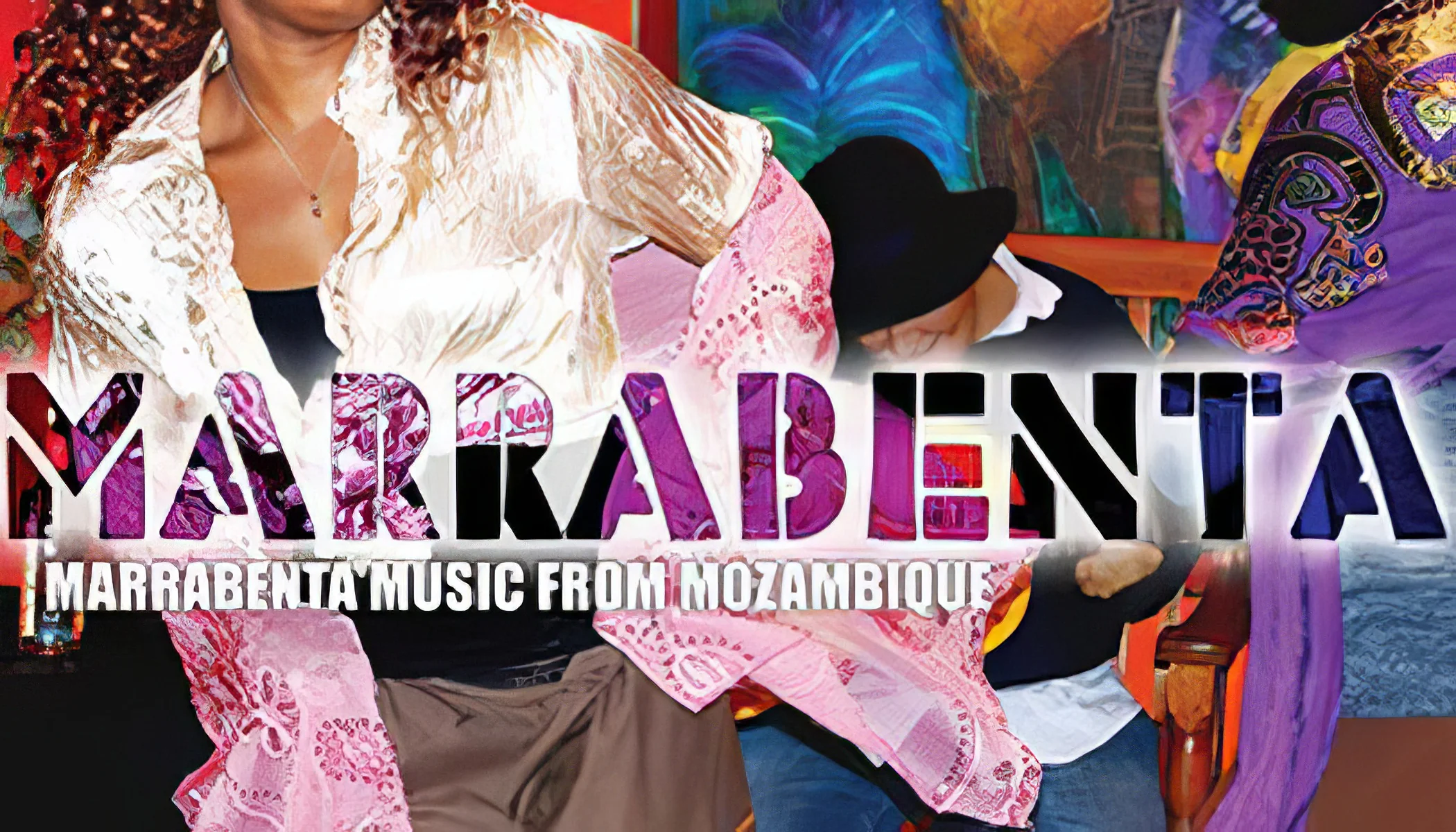
Mozambican music is rich with rhythms and melodies that reflect the country's diverse cultural heritage.
– Awu Wemadoda: A classic by Fany Pfumo, celebrating Mozambican resilience and spirit.
– Yeye Mwana Wange: Sung by Stewart Sukuma, a heartfelt tribute to familial love.
– Tsaka Tsaka: Mingas delivers an energetic song capturing Mozambique's vibrant dance culture.
– Xitchuketa Marrabenta: By Mabulu, it mixes traditional Marrabenta with contemporary styles for a modern take on Mozambican themes.
– Male Ya Peera: Eyuphuro's hit known for its smooth blend of African and international sounds.
Films

Explore the cinematic portrayal of Mozambique through these notable films:
– "Sleepwalking Land": Teresa Prata directs a journey through post-civil war Mozambique, based on Mia Couto's novel.
– "The Last Flight of the Flamingo": Adapted from Mia Couto's novel, it explores mystery and intrigue in a Mozambican village.
– "Marrabentando": This documentary delves into the world of Marrabenta music, a attractive representation of Mozambican culture.
– "Virgin Margarida": Licínio Azevedo presents a poignant tale about women sent to re-education camps post-independence.
– "Mozambique": A 1964 thriller involving espionage and diamonds, offering a fictional take on its setting.