

Myanmar Attractions & Travel Advice – Plan Your Visit
Located in Southeast Asia, this country is known for its rich cultural heritage and ancient temples, like Bagan. It features diverse landscapes, from mountains to beaches. Political challenges persist, impacting its development and tourism. The Irrawaddy River is a key geographical feature.
- Capital
- Naypyidaw is the capital of Myanmar.
- Population
- 53.5 millions
- Superficy
- 679000 sq.km
- Months to Visit
- Nov. to Feb.
- Living Cost
- Economical
Overview
Myanmar, also known as Burma, is located in Southeast Asia and shares borders with countries like Thailand, China, and India. The country is known for its diverse cultures and ethnic groups, with the Bamar being the largest. Yangon, formerly the capital, is the largest city and home to the iconic Shwedagon Pagoda. Naypyidaw is the current capital city. Myanmar's landscape features a mix of mountains, forests, and rivers, with significant sites like Bagan's ancient temples attracting visitors. The country has faced political challenges and economic sanctions but continues to draw interest for its rich history and cultural heritage.
Pros & Cons
GOOD REASONS TO VISIT MYANMAR
– Ancient Temples: Explore Bagan's thousands of ancient temples and pagodas, offering amazing sunrise and sunset views.
– Unique Culture: Experience traditional festivals, local crafts, and the distinct culture of Myanmar's diverse ethnic groups.
– Scenic Landscapes: Discover Inle Lake's floating gardens, Shan Hills' trekking routes, and pristine beaches in Ngapali.
– Warm Hospitality: Locals are known for their friendliness and welcoming nature towards visitors.
– Authentic Experiences: Less touristy than neighbors, offering genuine interactions and unspoiled cultural experiences. CHALLENGES WHEN VISITING MYANMAR
– Political Instability: Ongoing political issues can affect safety and travel plans; stay informed before visiting.
– Limited Infrastructure: Underdeveloped transport and accommodation options can make travel challenging in some areas.
– Restricted Areas: Some regions require special permits or are off-limits to tourists due to security concerns.
Before Departure
Before traveling to Myanmar, it's essential to be informed about several key aspects:
– Passport: Ensure your passport is valid for at least six months from your entry date.
– Visa: Most tourists need a visa; e-visas are available online for 28-day stays. Apply in advance.
– Currency: Myanmar Kyat (MMK); cash is preferred, limited credit card use; ATMs available in cities.
– Internet access: WiFi is available but can be slow; consider buying a local SIM for better connectivity.
– Language barrier: Burmese is the official language; English is spoken in tourist areas but not widely elsewhere.
What to Pack
Traveling to Myanmar requires preparation for its diverse climate and cultural sites, including temples and rural areas.
– Essentials: Passport with visa, travel insurance, flight tickets, itinerary details, accommodation confirmations.
– Clothing: Modest clothing covering shoulders and knees for temple visits, lightweight fabrics for hot weather, comfortable walking shoes, hat and sunglasses.
– Health & Safety: Prescription medications, basic first aid kit, insect repellent with DEET, sunscreen with high SPF.
– Electronics: Travel adapter for Type C/D/F/G sockets, mobile phone with charger, camera for capturing scenic views.
Weather
Weather in Myanmar is characterized by three main seasons:
– Cool Season (November to February): Pleasant temperatures and low humidity, ideal for travel.
– Hot Season (March to May): High temperatures, especially in central regions, with little rainfall.
– Rainy Season (June to October): Heavy monsoon rains, particularly in coastal and delta areas. The best time to visit Myanmar is during the cool season from November to February. Pros: Comfortable weather and clear skies make it ideal for sightseeing. Cons: Higher tourist numbers can lead to crowded attractions and increased prices.
Travel Budget
Myanmar provides a range of budget-friendly options for travelers. Here are some average prices for common expenses:
– Hotel: 25$ to 80$
– Lunch: 2$ to 10$
– Beverage (in bar/restaurant): 1$ to 4$
– Coffee: 1$ to 3$
– Transportation: (train 5$ to 30$), (bus 0.5$ to 5$), (taxi /10km 4$ to 8$)
– Mobile data (per GB): 1.5$ to 3.5$
Language
Burmese, the official language of Myanmar, uses a unique script and can be challenging for travelers to learn. Here are some useful phrases:
– Hello: Mingalaba
– Thank you: Kyei zu tin ba de
– Please: Kya naw
– How much is this?: Da bala lau le?
– Excuse me: Ta kwar ba de
– I don't understand: Na ma le ba bu
– Yes: Ho de
– No: Ma ho bu
– Goodbye: Thwa ba oun me
History
Its history includes a series of ancient kingdoms such as the Pyu, Mon, and Bagan. In the 19th century, it was colonized by the British after a series of Anglo-Burmese wars. Gaining independence in 1948, it became a sovereign nation known as Burma. A military coup in 1962 led to decades of military rule and isolation from much of the world. In 1989, the country was officially renamed Myanmar by the ruling military government. The early 21st century saw attempts at reform and democratic elections, though these have been marred by continued military influence and ethnic conflicts. The political situation remains complex with ongoing struggles for democracy amidst challenges involving human rights issues and ethnic tensions.
Geopolitics
Myanmar, located in Southeast Asia, shares borders with Bangladesh, India, China, Laos, and Thailand. It has experienced prolonged internal conflict and political instability, with military rule dominating much of its modern history. The country has been under international scrutiny due to human rights issues and ethnic conflicts, notably involving the Rohingya minority. Myanmar is a member of ASEAN but faces challenges in regional integration due to its political situation. Its geopolitical importance is heightened by its strategic location between major Asian economies like China and India. Relations with Western countries have been strained following military actions against civilian governments.
Sample Itinerary
This itinerary provides a journey through the cultural sites of Yangon, ancient temples in Bagan, natural beauty at Inle Lake, and the historic city of Mandalay.
– 2 days in Yangon: Explore the Shwedagon Pagoda, colonial architecture, and Bogyoke Aung San Market. Visit Sule Pagoda and relax at Kandawgyi Lake.
– 2 days in Bagan: Visit Ananda Temple, Dhammayangyi Temple, and Shwesandaw Pagoda. Experience sunrise balloon rides over thousands of ancient stupas.
– 2 days in Inle Lake: Discover floating gardens, traditional stilt villages, and Phaung Daw Oo Pagoda. Watch leg-rowing fishermen and visit local markets.
– 1 day in Mandalay: Visit Mandalay Palace, Kuthodaw Pagoda with its "World’s Largest Book," and U Bein Bridge for sunset views.
Popular cities
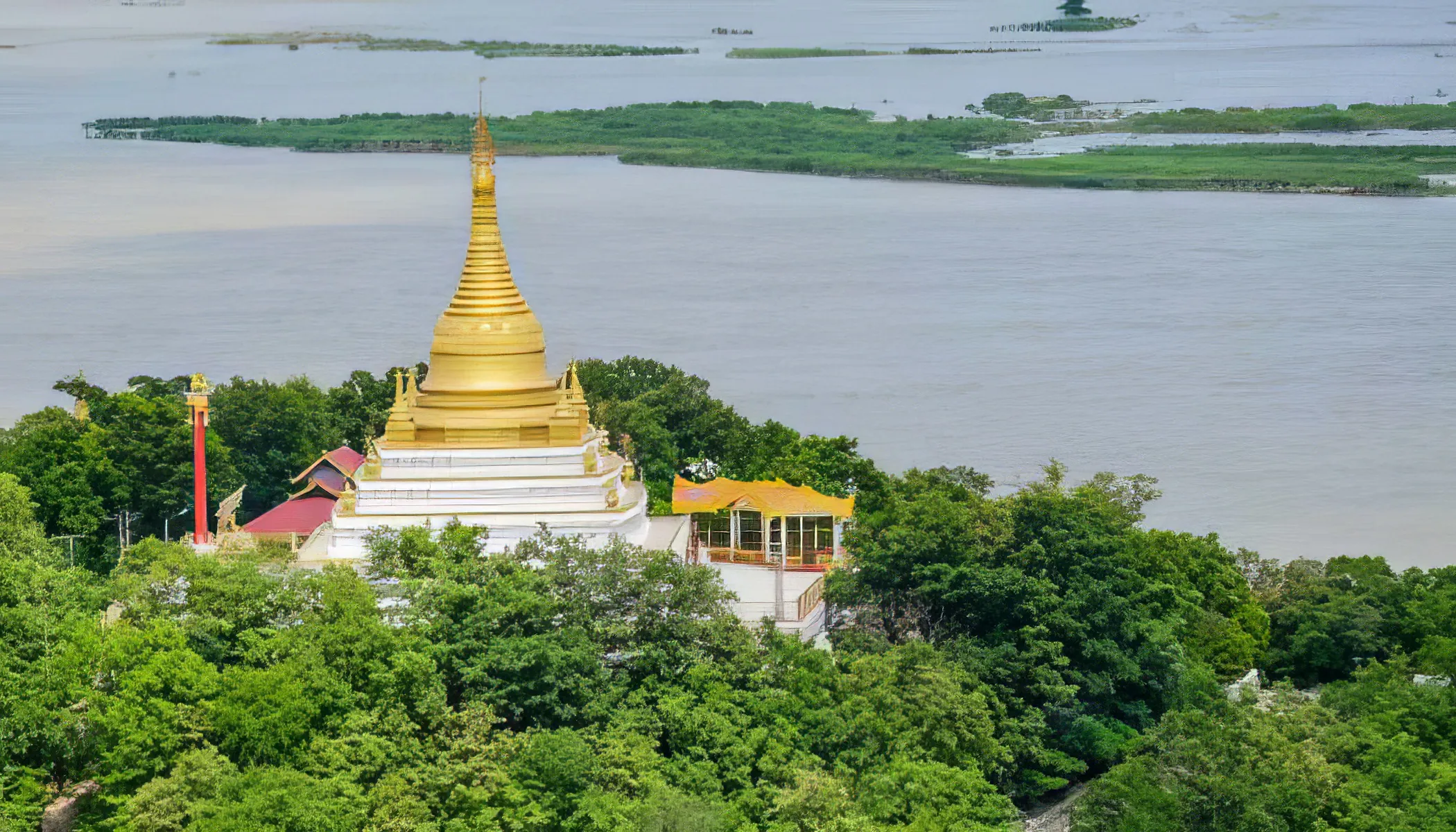
Discover Myanmar's rich culture and history through these must-visit cities:
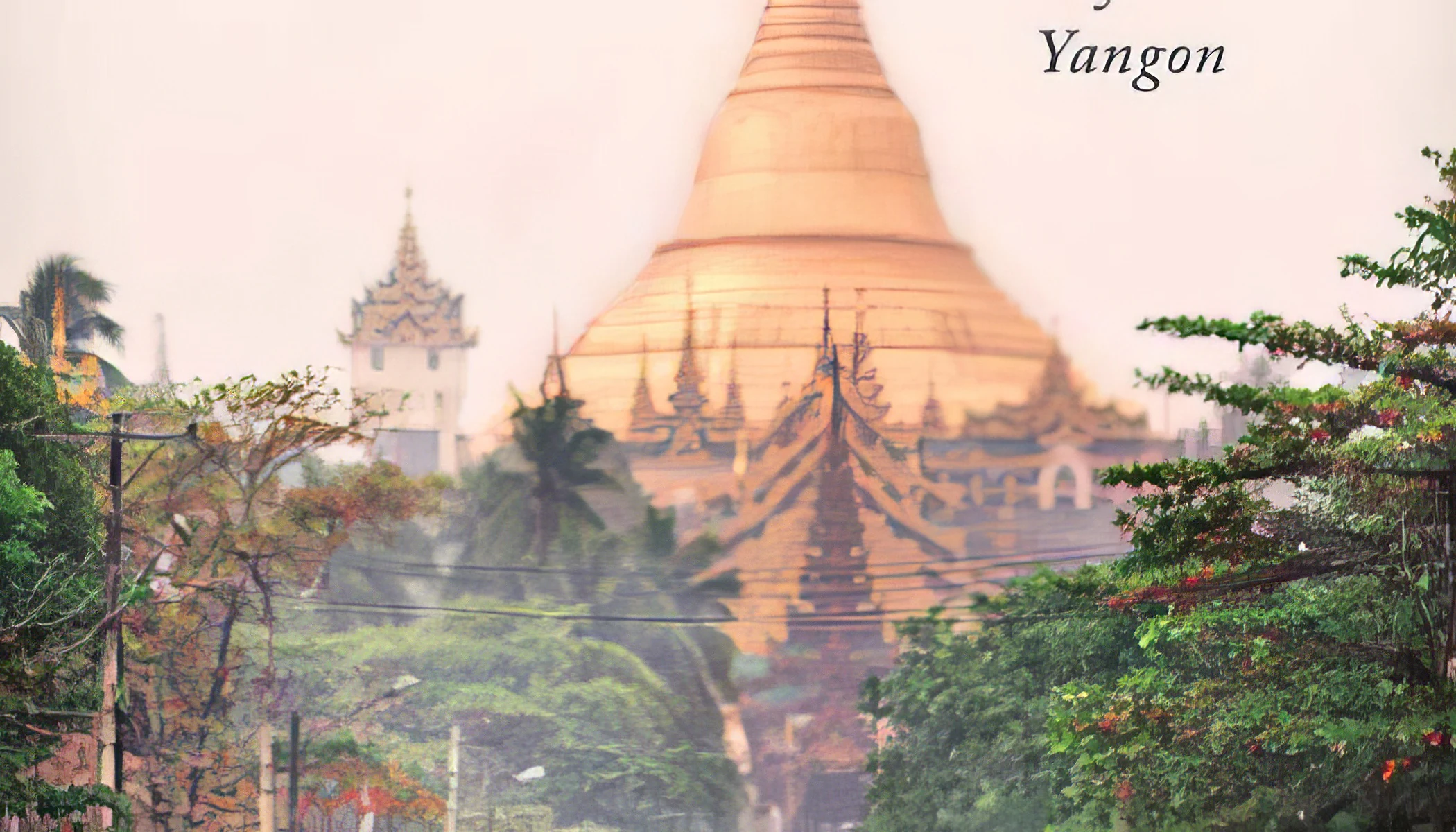
– Yangon: The largest city known for the iconic Shwedagon Pagoda and colonial architecture.
– Mandalay: Supplies ancient royal palaces, cultural sites, and the nearby U Bein Bridge.
– Bagan: Famous for thousands of ancient temples and pagodas spread across a vast plain.
– Naypyidaw: The capital city features grand government buildings and the Uppatasanti Pagoda.
– Inle Lake: Known for its floating villages, gardens, and unique leg-rowing fishermen.
– Mawlamyine: The fourth-largest city, provides colonial architecture and sensational sunset views from Kyaik Than Lan Pagoda.
– Hpa-An: A small town surrounded by gorgeous caves, mountains, and the nice Saddan Cave.
Monuments
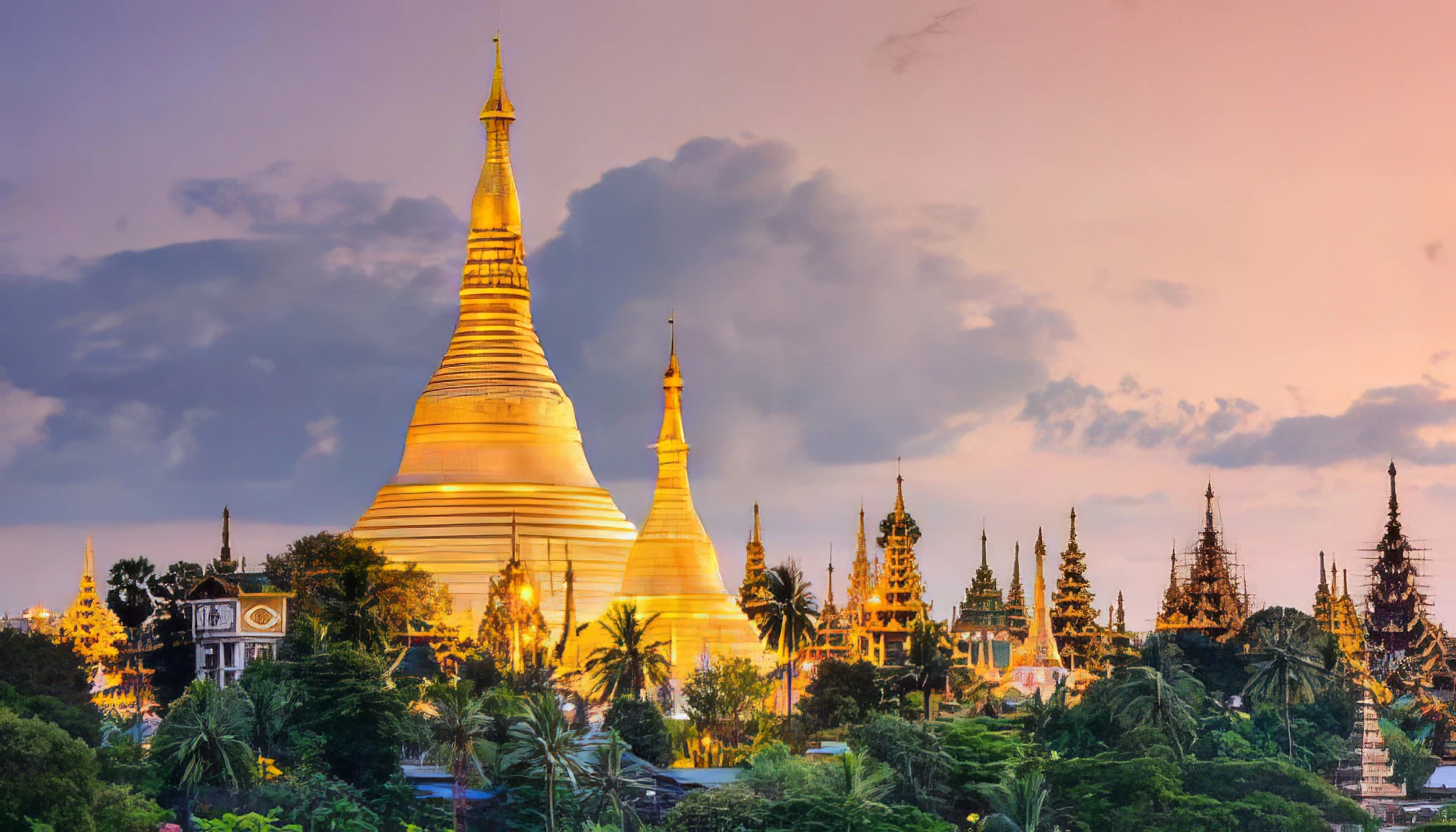
Myanmar is home to many significant monuments and historical sites:
– Shwedagon Pagoda, Yangon: Iconic gilded stupa, a major Buddhist pilgrimage site over 2,500 years old.
– Bagan Temples: Thousands of ancient temples and pagodas spread across a vast archaeological zone.
– Mandalay Palace: Last royal palace of the Burmese monarchy, reconstructed with historical significance.
– Golden Rock Pagoda, Kyaiktiyo: Famous Buddhist pilgrimage site perched on the edge of a granite boulder.
– Sule Pagoda, Yangon: Ancient pagoda located in the heart of Yangon with religious importance.
– Ananda Temple, Bagan: One of Bagan's most beautiful temples with impressive architecture from the 12th century.
– Shwenandaw Monastery, Mandalay: Intricately carved teak wooden monastery with historical and architectural value.
– Hsinbyume Pagoda, Mingun: Unique white-washed pagoda known for its striking design representing Mount Meru.
Natural wonder
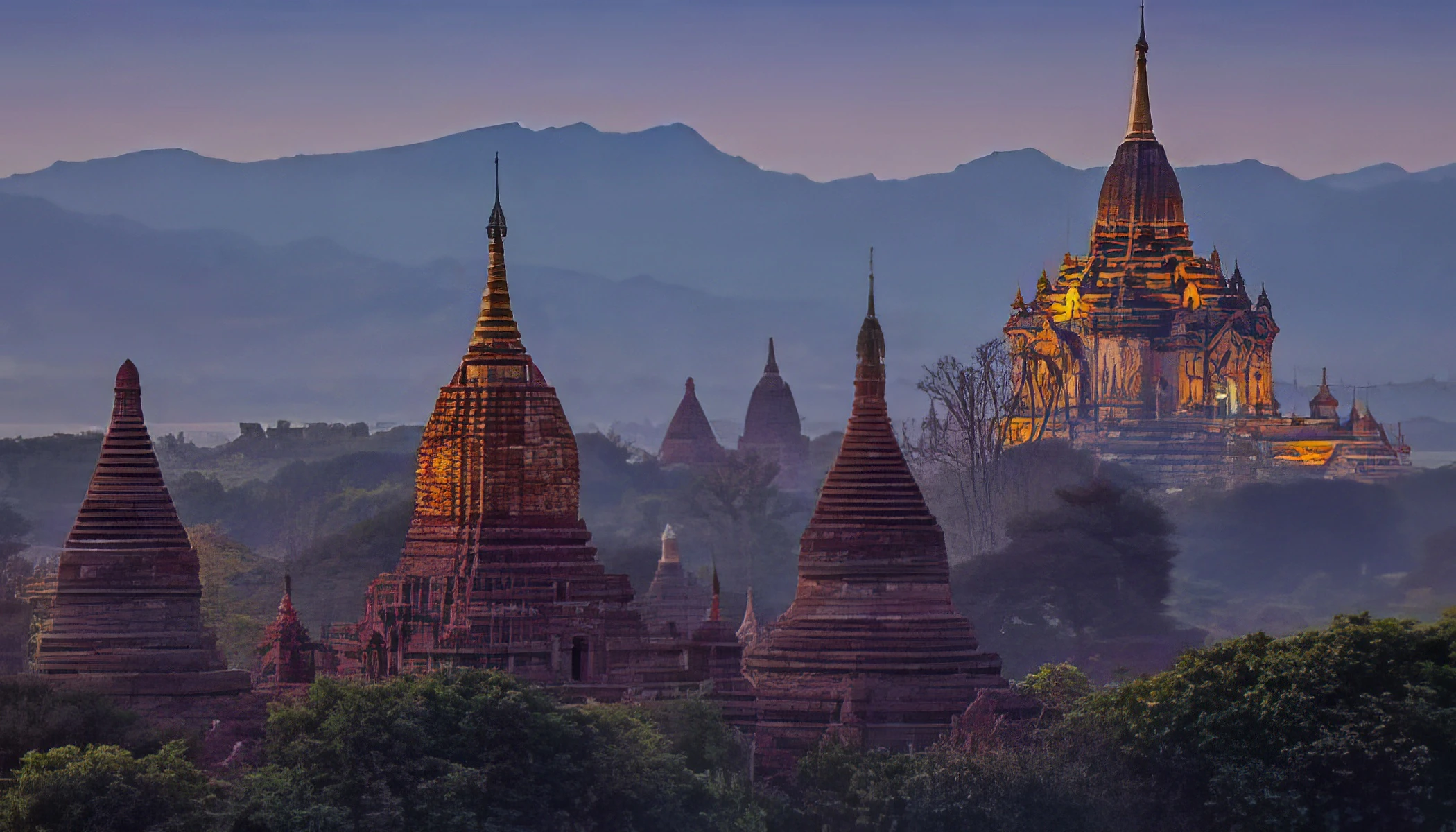
Explore the handsome natural landscapes of Myanmar:
– Inle Lake: A large freshwater lake known for floating gardens and unique leg-rowing fishermen.
– Bagan Plains: Famous for thousands of ancient temples set in a vast plain.
– Mount Popa: An extinct volcano topped with a sacred monastery and impressive views.
– Hpa-An's Lovely Caves: Features remarkable stalactites, shrines, and Buddha statues inside caves.
– Irrawaddy River: Myanmar's largest river, offering scenic cruises through cultural landmarks.
– Ngapali Beach: Known for its natural beauty and carefree coastline with palm trees.
– Mergui Archipelago: Comprising over 800 islands, known for preserved waters and diverse marine life.
– Pyin Oo Lwin Botanical Gardens: Offers abundant landscapes with rare plants and flowers in a colonial hill station.
– Kyaiktiyo Pagoda (Golden Rock): Famous balancing rock pagoda perched on a granite boulder.
– Hkakabo Razi National Park: Home to Southeast Asia's highest peak, offering challenging treks through dense forests.
Beaches
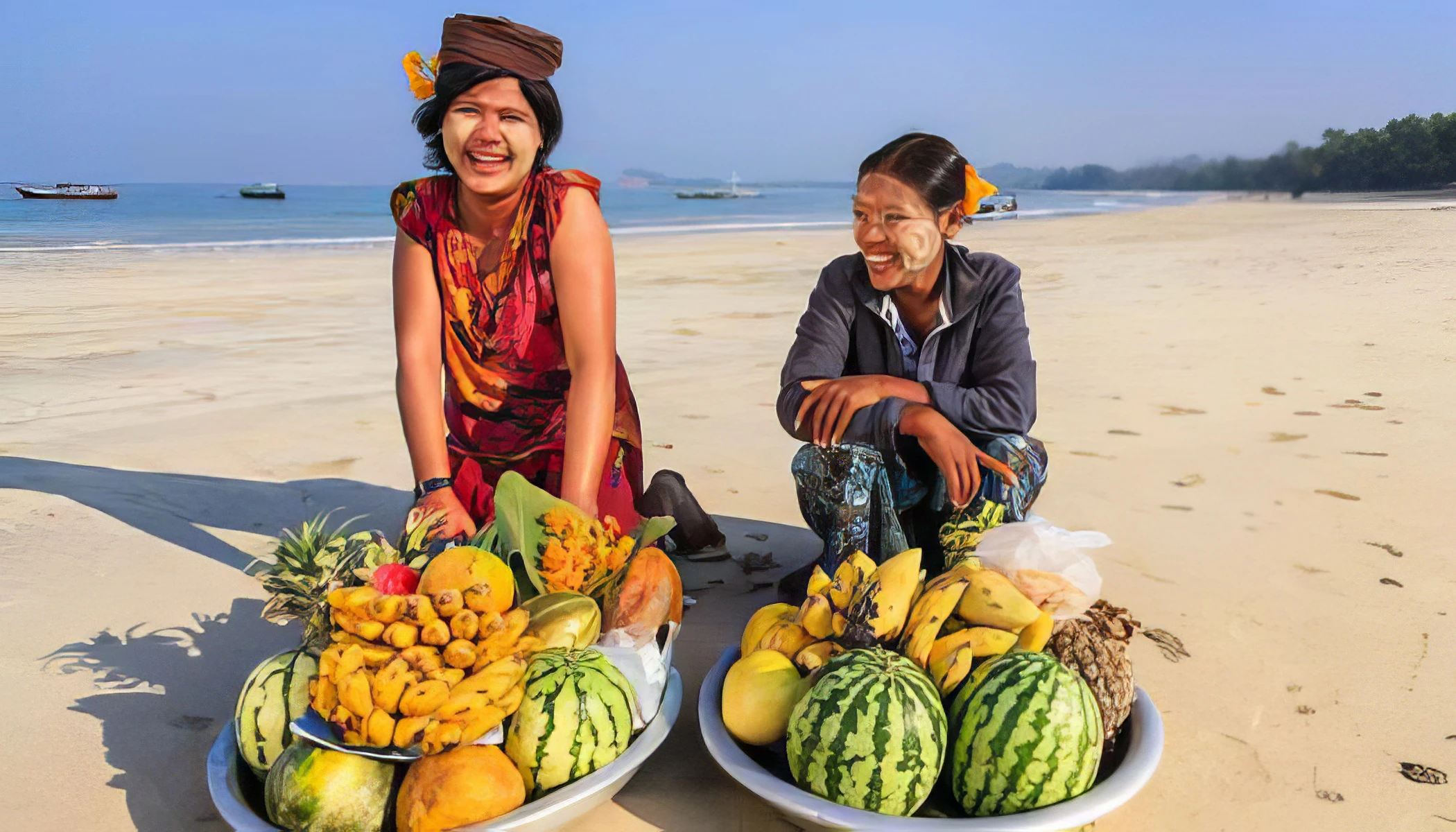
Myanmar has several beautiful beaches worth visiting:
– Ngapali Beach: Known for its immaculate white sand, clear waters, and laid-back atmosphere.
– Ngwe Saung Beach: Provides long stretches of sandy beach and pleasant sunsets.
– Chaung Tha Beach: Popular among locals with lively beach activities and fresh seafood.
– Kanthaya Beach: A peaceful, unspoiled beach ideal for quiet relaxation.
– Maungmagan Beach: One of the oldest beaches, known for its historical significance and peaceful setting.
Outdoor activities
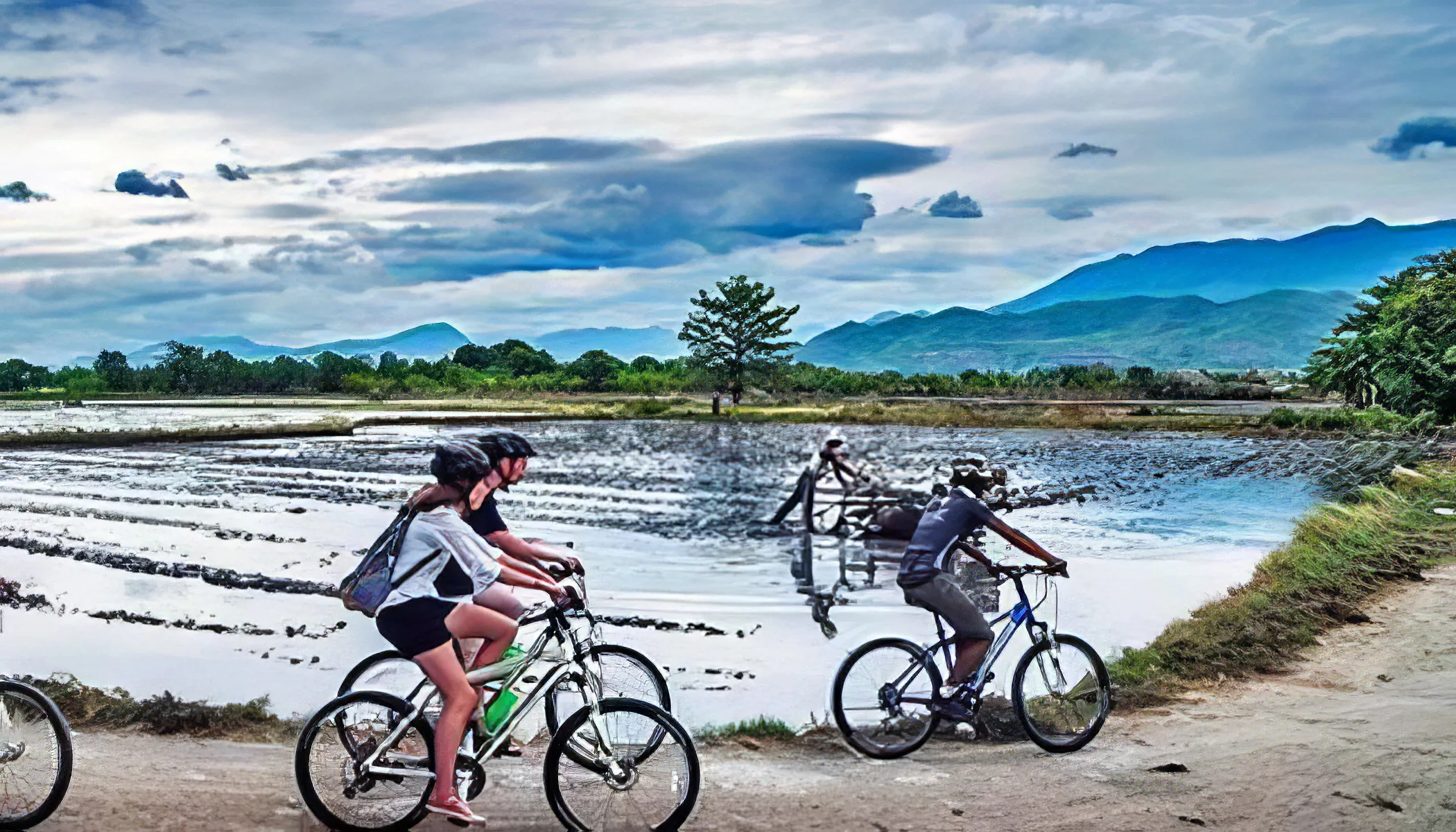
Myanmar supplies diverse outdoor experiences for nature and adventure enthusiasts:
– Hot Air Ballooning in Bagan: Float over ancient temples and pagodas at sunrise.
– Trekking from Kalaw to Inle Lake: Hike through scenic landscapes and traditional villages.
– Boat Trip on Inle Lake: Explore stilt-house villages and floating gardens.
– Hiking Mount Popa: Climb to a monastery atop an extinct volcano for panoramic views.
– Cycling in Mandalay: Ride through historic sites and rural countryside.
– Snorkeling in the Myeik Archipelago: Discover untouched beaches and coral reefs.
– Wildlife Safari in Alaungdaw Kathapa National Park: Encounter diverse flora and fauna in protected forest areas.
Kid Friendly
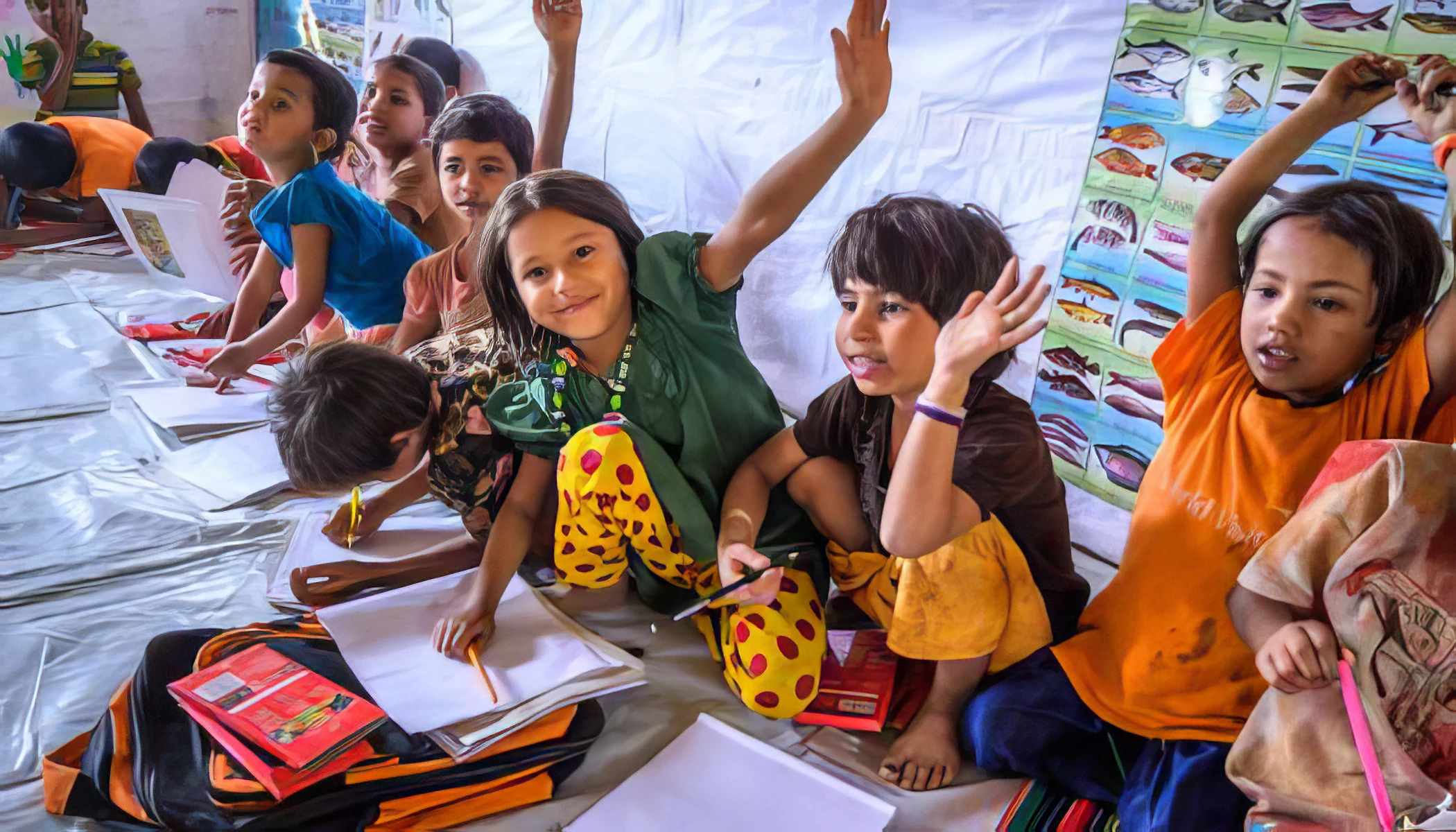
Myanmar supplies unique experiences for families with children.
– Yangon Zoological Gardens: A large zoo with a variety of animals and a museum to explore.
– Kandawgyi Lake Park: A quiet park perfect for picnics and leisurely strolls with kids.
– Bogyoke Aung San Market: A lively market where kids can marvel at local crafts and souvenirs.
– U Bein Bridge: The world's longest teak bridge offering scenic walks and views.
– Inle Lake Boat Tour: A peaceful boat ride where families can see floating gardens and stilt houses.
– Mandalay Marionettes Theater: Traditional puppet shows that entertain and introduce kids to local culture.
– Ngapali Beach: A family-friendly beach ideal for swimming, sandcastles, and relaxation.
– Hlawga National Park: Provides wildlife viewing, elephant rides, and nature trails for adventurous families.
Cuisine
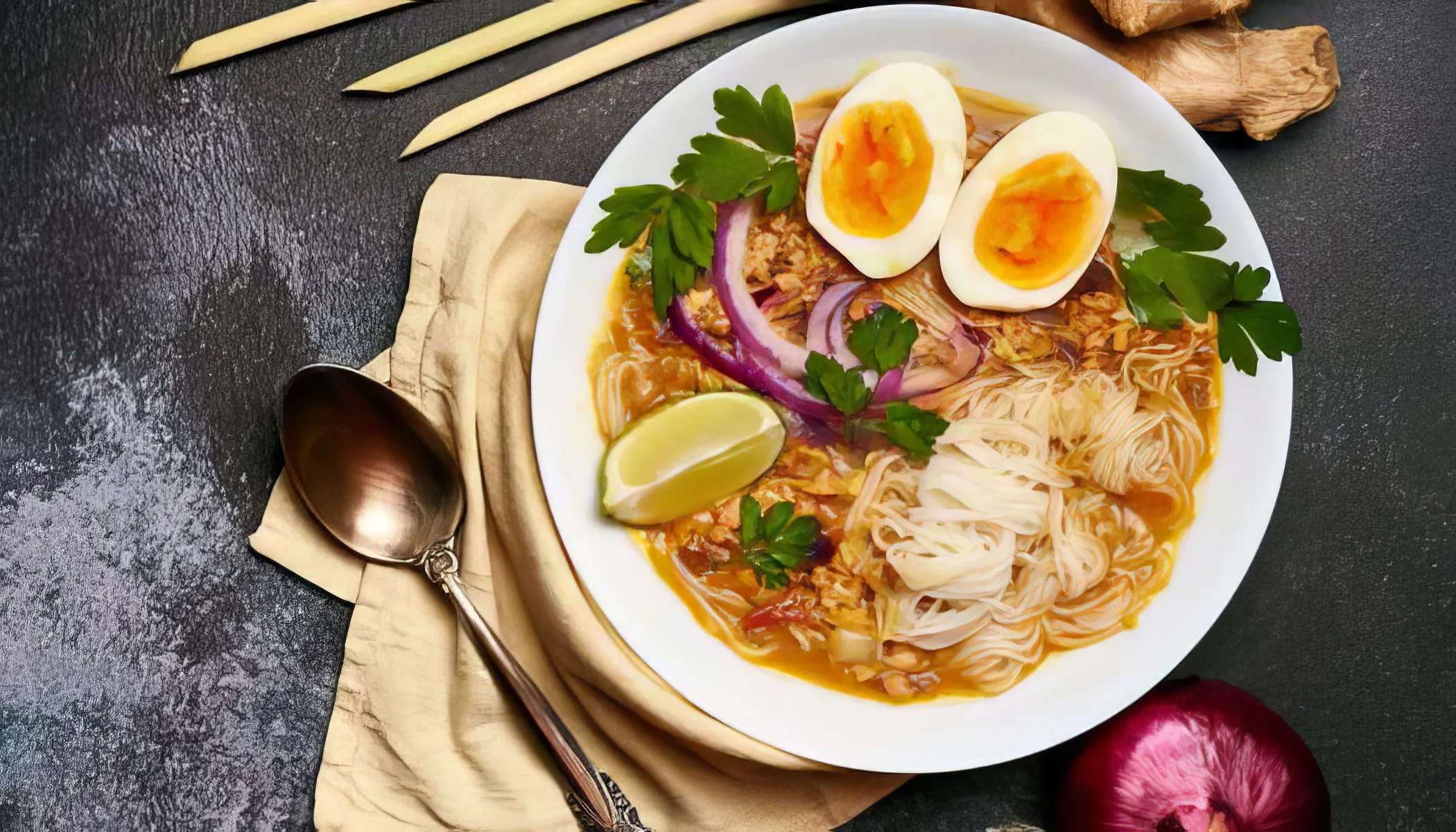
Myanmar's cuisine is a unique blend of flavors influenced by Indian, Chinese, and Thai culinary traditions, with an emphasis on rich curries and fresh salads. Rice and noodles are staples, often accompanied by a variety of side dishes. Most famous cuisine in Myanmar are:
– Mohinga: Rice noodle soup with fish broth, lemongrass, and banana stem.
– Shan Noodles: Rice noodles with spicy chicken or pork sauce, topped with herbs.
– Tea Leaf Salad: Fermented tea leaves mixed with nuts, seeds, and garlic.
– Ohn No Khao Swè: Coconut chicken noodle soup with turmeric and chickpea flour.
– Burmese Curry: Rich curry with meat or fish, served with rice and side dishes.
Souvenir
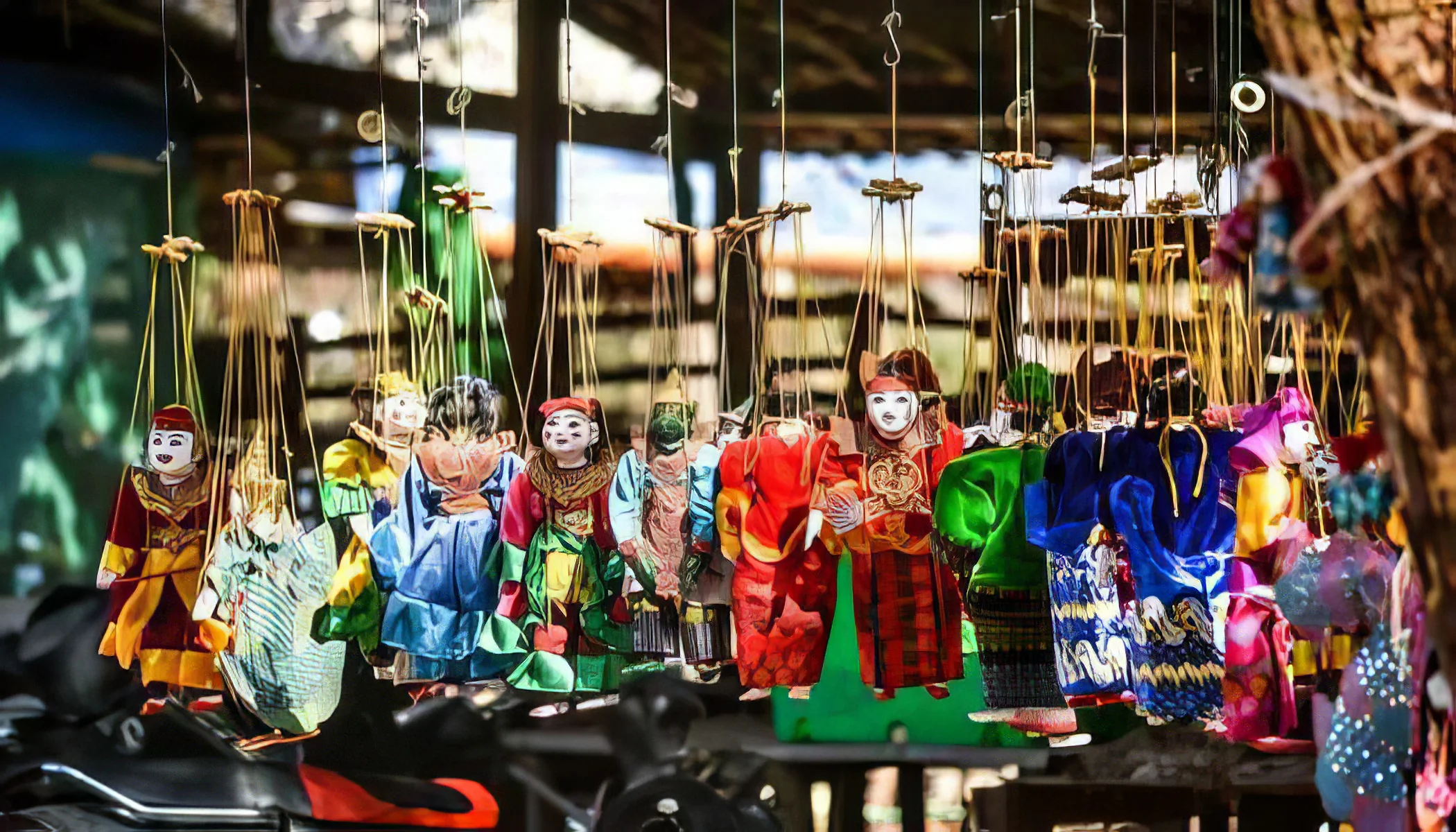
Known for its traditional crafts, Myanmar supplies visitors unique cultural items to take home. Here are some popular souvenirs:
– Longyi: A traditional wrap-around skirt worn by both men and women, available in various patterns and colors.
– Lacquerware: Crafted from bamboo and wood, Myanmar's lacquerware is known for its durability and intricate designs.
– Gems and Jewelry: Myanmar is famous for its quality rubies, sapphires, and jade stones.
– Marionettes: Traditional Burmese puppets used in cultural performances make for unique decorative pieces.
– Pathein Umbrellas: Handmade umbrellas from Pathein are colorful and crafted with sophisticated designs.
– Sand Paintings: Artworks made using sand to depict religious or historical scenes found at tourist sites.
– Thanaka Powder: A natural cosmetic paste made from ground bark used as skin protection against the sun.
Traditional Shows
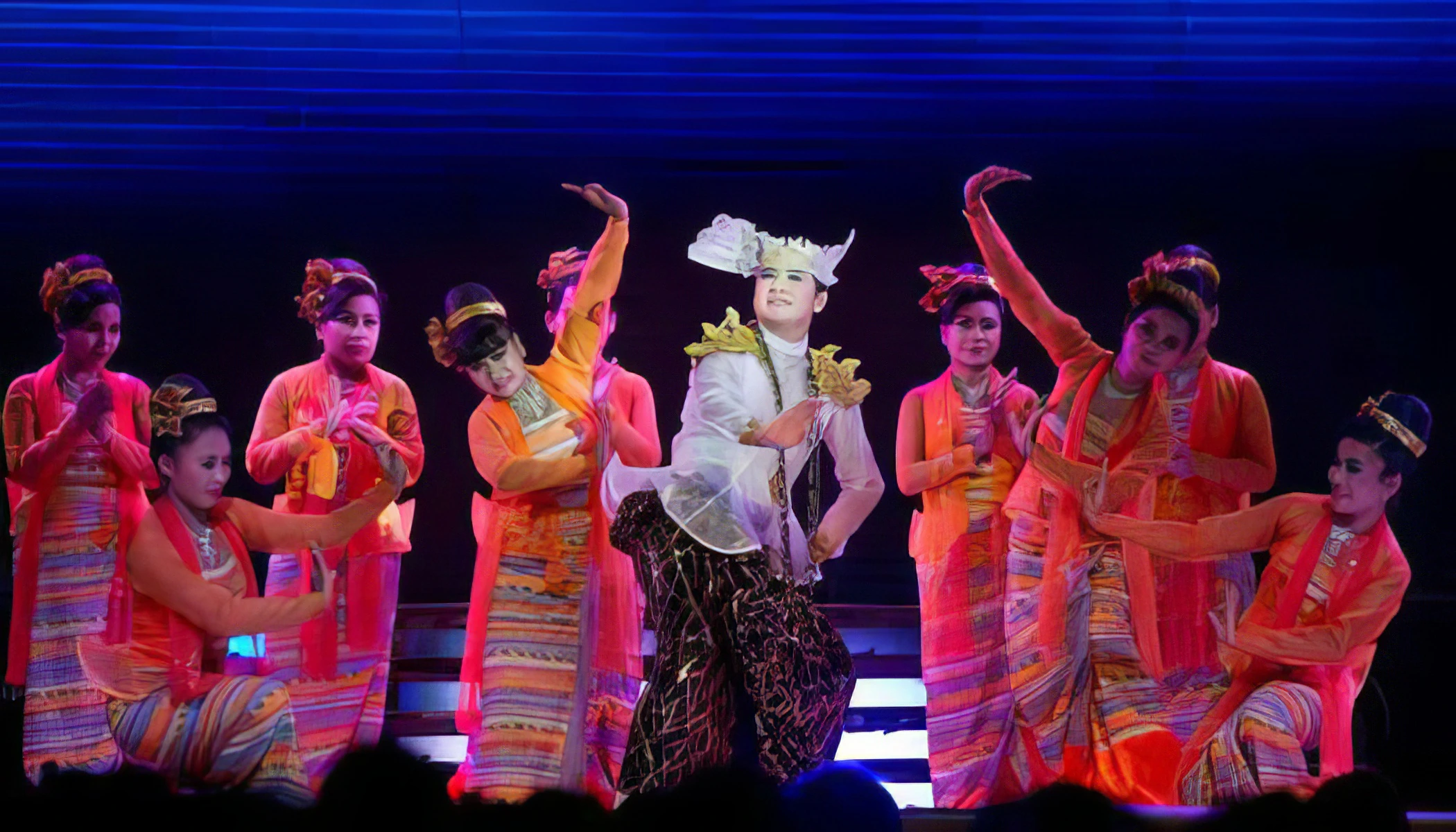
Myanmar showcases diverse traditional performances:
– Zat Pwe: This theatrical performance in Yangon combines music, dance, and drama, often lasting all night during festivals.
– Anyeint: Known for its comedic and satirical elements, this traditional dance performance is popular in Mandalay and typically features a lead female dancer.
– Marionette Shows: In Mandalay, traditional puppetry art tells ancient stories with beautiful wooden puppets controlled by skilled puppeteers.
– Hsaing Waing: Experience this classical ensemble music featuring gongs, drums, and wind instruments at cultural events in Yangon and throughout Myanmar.
– U Shwe Yoe Dance: A humorous solo dance performed at festivals across Myanmar, characterized by the dancer's exaggerated gestures and expressions.
Events & Festivals
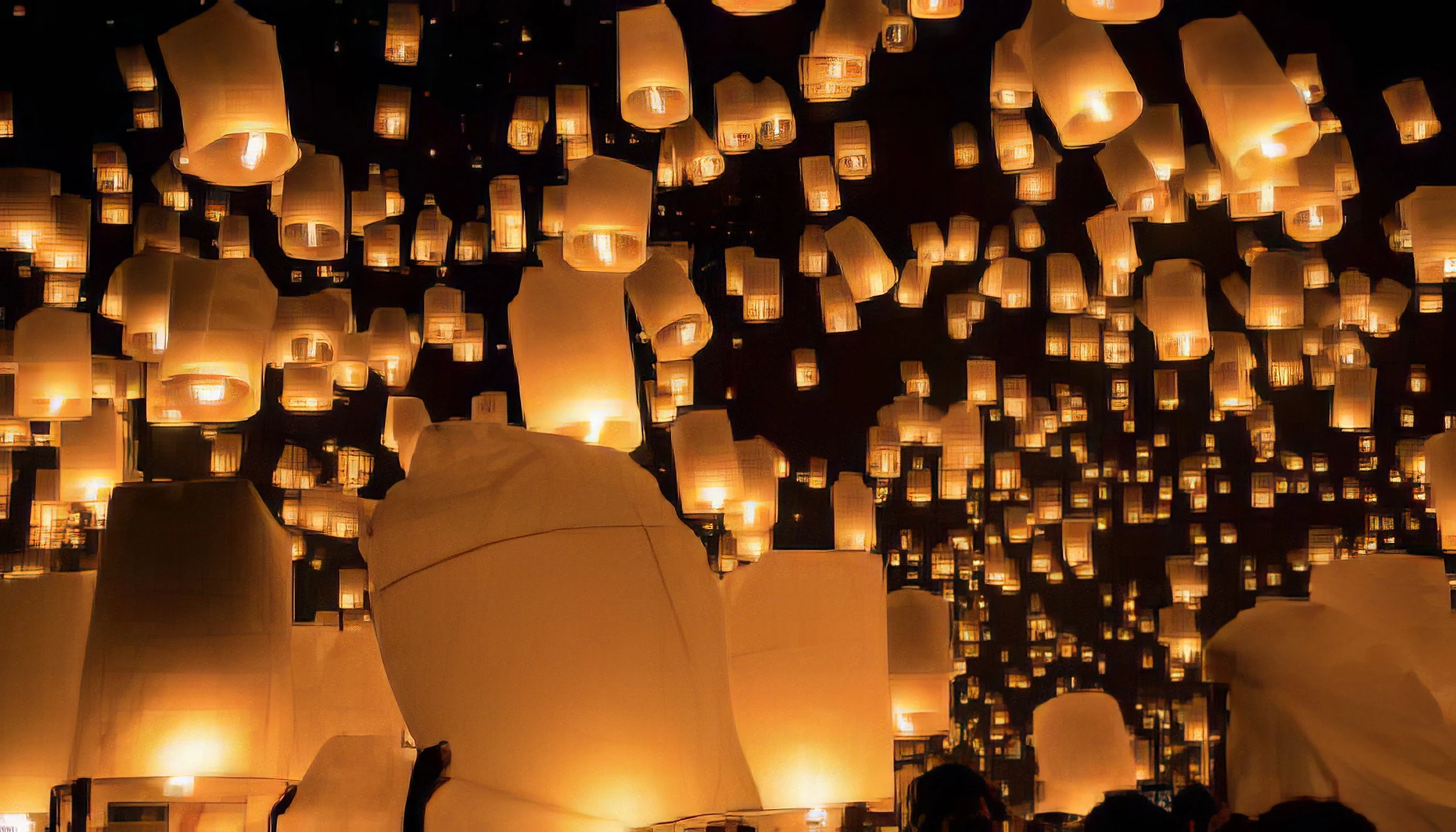
Myanmar's cultural calendar is filled with animated festivals rooted in tradition and religion:
– Thingyan Water Festival: April's new year celebration involving water throwing to cleanse bad luck.
– Thadingyut Festival: October festival marking the end of Buddhist Lent with lights and offerings.
– Taunggyi Balloon Festival: November event featuring hot air balloons and fireworks for Tazaungdaing.
– Kachin Manaw Festival: January gathering in Myitkyina showcasing Kachin culture with traditional dance.
– Phaung Daw Oo Pagoda Festival: September/October boat procession on Inle Lake carrying revered Buddha images.
– Bo Bo Gyi Nat Festival: March festival celebrating spirits at various shrines across Myanmar.
– Waso Chinlone Festival: July-August event at Mandalay’s Mahamuni Pagoda, featuring chinlone sport matches.
Famous People
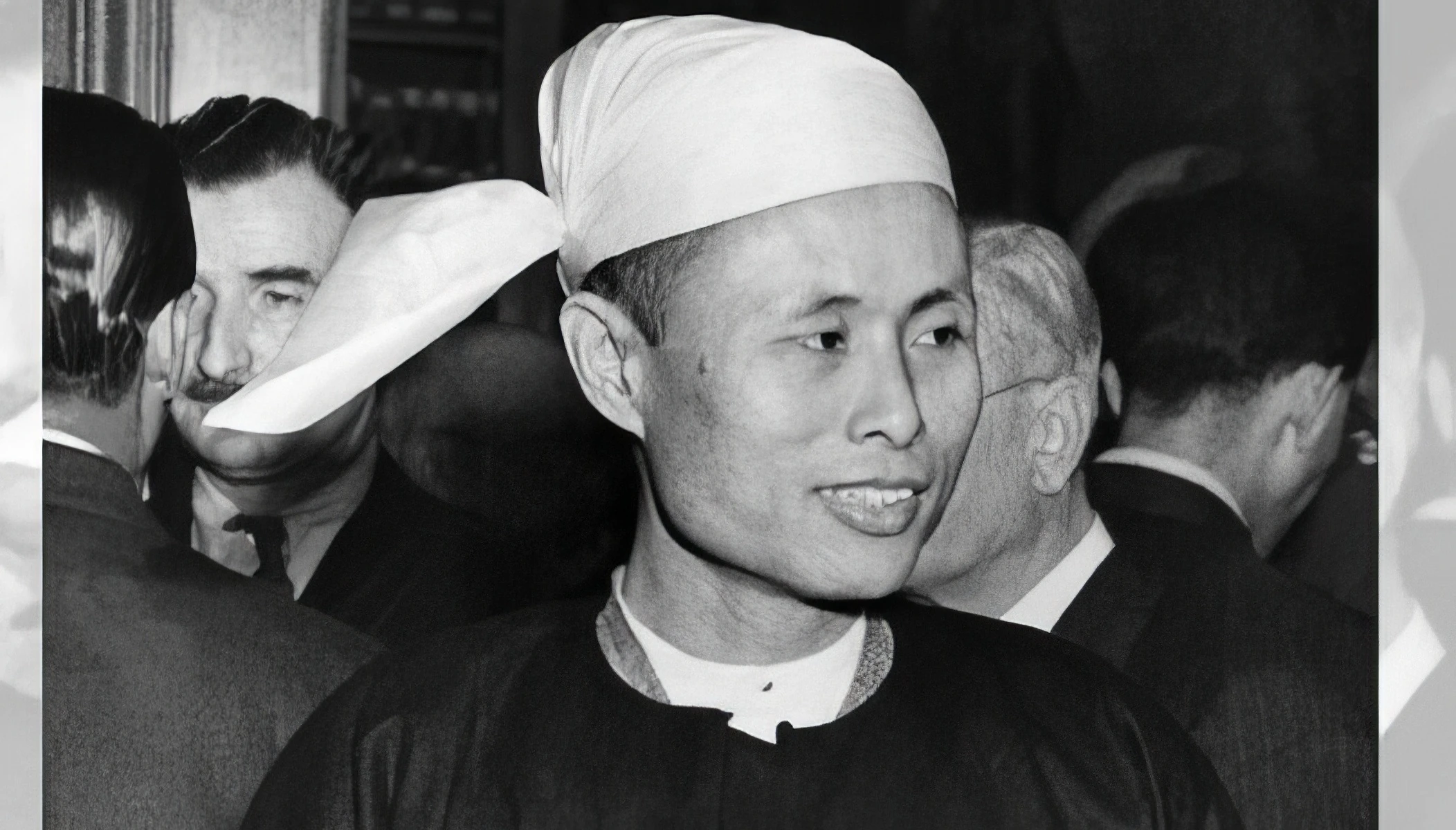
Myanmar has a rich heritage of influential individuals who have made noteworthy contributions to politics, arts, and culture.
– Aung San Suu Kyi (born 1945, Yangon): Nobel laureate and politician known for her pro-democracy efforts against military rule.
– General Aung San (1915 to 1947, Natmauk): Founding father of modern Myanmar and key figure in gaining independence from Britain.
– U Thant (1909 to 1974, Pantanaw): Third United Nations Secretary-General known for promoting peace during the Cold War era.
– Thakin Kodaw Hmaing (1876 to 1964, Shwebo): Influential poet and political leader advocating for Burmese independence through cultural expression.
– Ludu Daw Amar (1915 to 2008, Mandalay): Renowned author and journalist who was a strong advocate for literature and social justice.
Books
These books provide insights into the culture, history, and political landscape of Myanmar through compelling narratives and personal accounts.
– "Burmese Days" by George Orwell: Explores British colonial rule's complexities in 1920s Burma.
– "The Glass Palace" by Amitav Ghosh: Chronicles Burma's history through three generations affected by war and colonization.
– "Finding George Orwell in Burma" by Emma Larkin: A journey exploring modern Myanmar's reality under authoritarian rule.
– "The Lizard Cage" by Karen Connelly: Follows a political prisoner enduring harsh conditions in a Burmese prison.
– "From the Land of Green Ghosts" by Pascal Khoo Thwe: Memoir of a Burmese student's life under military dictatorship and eventual escape.
Songs
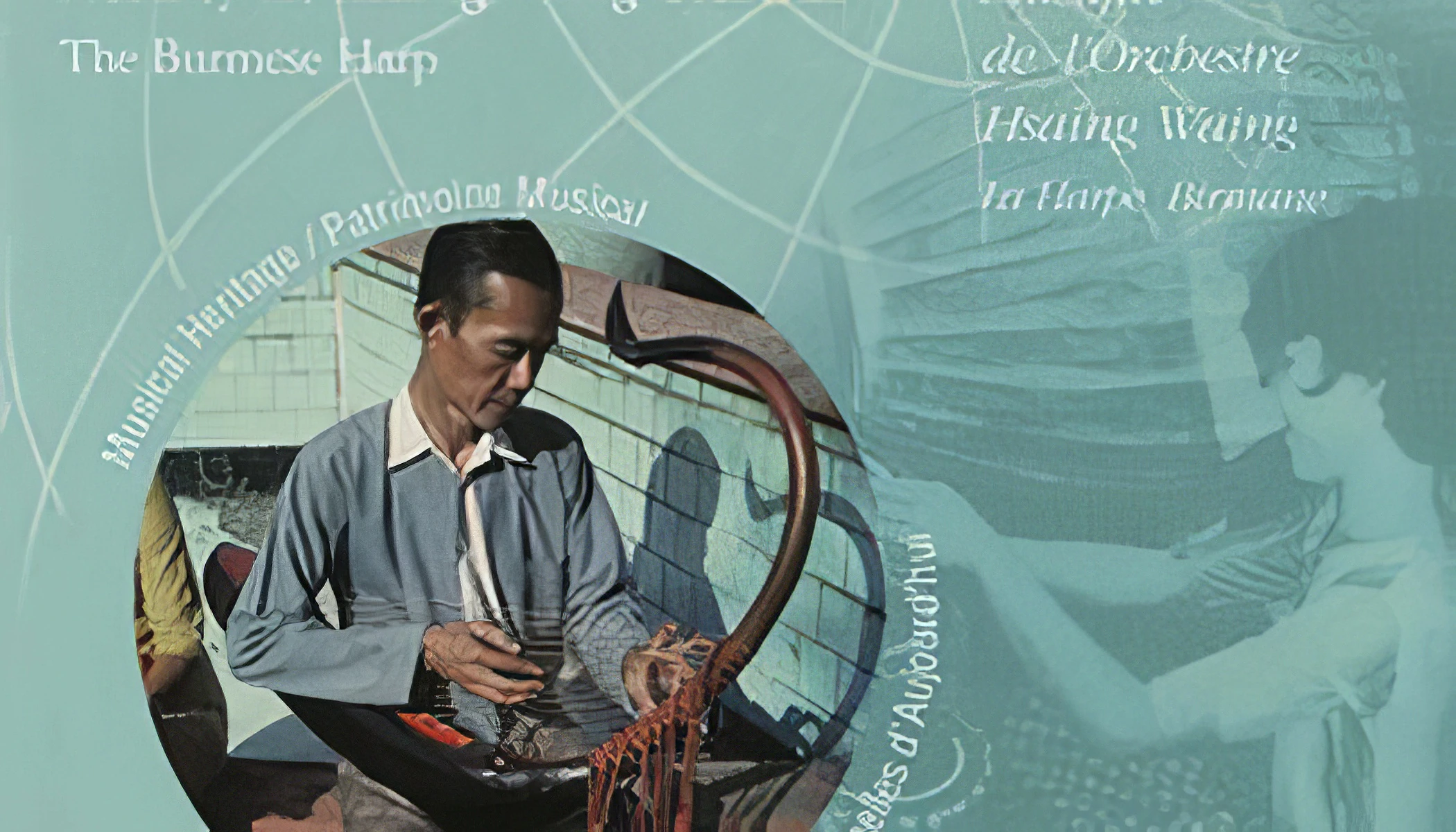
Myanmar's music scene is rich with traditional sounds blended with contemporary influences, reflecting its cultural diversity and history.
– Thazin Pwint Nae Mhaw: Iconic love song by Sai Htee Saing, beloved in Myanmar.
– Kayay Mya: Famous song by Htoo Ein Thin known for its soulful melody.
– Pan Ywe Taung: Classic hit by Zaw Win Htut, showcasing rock influences in Myanmar music.
– A Chit Sone Thu Ma Shein: Modern pop anthem by Phyu Phyu Kyaw Thein capturing themes of love and emotion.
– Myanma Kye: Patriotic song celebrating Myanmar's culture and unity.
Films
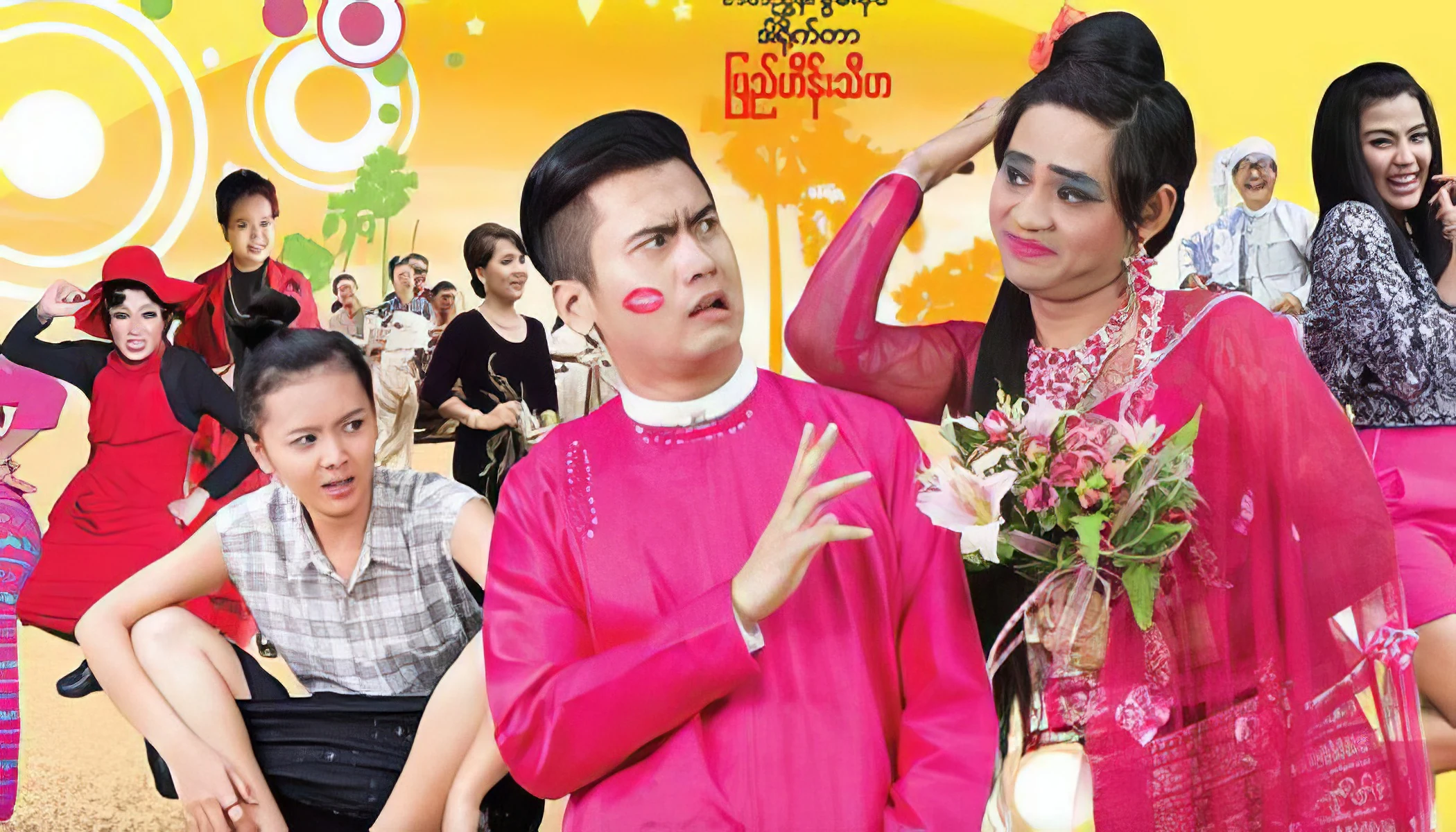
A list of notable films providing insight into Myanmar's culture and history includes:
– "The Lady": Luc Besson's film portrays the life of Aung San Suu Kyi, Myanmar's pro-democracy leader.
– "Beyond Rangoon": John Boorman directs this drama about an American woman caught in Myanmar's political turmoil.
– "They Call It Myanmar: Lifting the Curtain": A documentary that provides a rare glimpse into daily life in Myanmar.
– "The Road to Mandalay": Directed by Midi Z, explores the struggles of illegal immigrants from Myanmar seeking better lives.
– "Twilight Over Burma": This film tells the true love story between an Austrian woman and a Burmese prince amidst political upheaval.