

Nepal Attractions & Travel Advice – Plan Your Visit
This South Asian country is known for its diverse culture and geography. Home to the world's highest peak, Mount Everest, it offers challenging treks and nice landscapes. Its rich history is evident in its many temples and monuments.
- Capital
- Kathmandu
- Population
- 29 millions
- Superficy
- 141000 sq.km
- Months to Visit
- Oct. to Nov. & Mar. to May
- Living Cost
- Economical
Overview
Nepal is a landlocked country in South Asia, nestled between China and India. It's known for its diverse topography, which includes the Himalayan mountain range, home to Mount Everest, the highest peak in the world. The capital, Kathmandu, is rich in ancient culture and houses several significant Hindu and Buddhist sites. Despite its small size, Nepal boasts a wide variety of flora and fauna, thanks to its diverse climates. The country's economy relies heavily on tourism, agriculture, and remittances from abroad. Nepal's rich cultural heritage, natural beauty, and warm hospitality make it a unique destination for travelers.
Pros & Cons
GOOD REASONS TO VISIT NEPAL
– Majestic Mountains: Home to Mount Everest and the Himalayas, offering impressive trekking experiences.
– Rich Cultural Heritage: Explore ancient temples, monasteries, and UNESCO World Heritage Sites in Kathmandu Valley.
– Diverse Wildlife: Chitwan National Park offers opportunities to see rhinos, tigers, and various bird species.
– Adventure Sports: Offers paragliding, white-water rafting, and bungee jumping for thrill-seekers.
– Warm Hospitality: Experience the friendliness and welcoming nature of the Nepalese people.
CHALLENGES WHEN VISITING NEPAL
– Infrastructure: Roads and transportation can be poor, especially in rural areas, making travel difficult.
– Altitude Sickness: High altitudes can cause health issues, proper acclimatization is necessary.
– Limited Facilities: Remote areas may lack modern amenities, including electricity and internet.
Before Departure
Before setting off on your adventure to Nepal, there are several key points to consider:
– Passport: Ensure your passport is valid for at least six months beyond your planned departure date.
– Visa: Most tourists can obtain a visa on arrival at the airport in Kathmandu. The visa is valid for 15, 30, or 90 days.
– Currency: The local currency is Nepalese Rupee (NPR). Credit cards are accepted in major cities, but ATMs are less common in rural areas.
– Internet access: WiFi is available in most hotels and restaurants in cities. For better connectivity, consider buying a local SIM card.
– Language barrier: The official language is Nepali, but English is widely spoken in tourist areas. Knowing a few basic Nepali phrases can enhance your experience.
What to Pack
Traveling to Nepal requires careful packing due to its diverse climate and terrain, from lowland plains to high mountain peaks.
– Essentials: Passport and visa (if required), Travel insurance details, Flight tickets and itinerary, Accommodation reservations.
– Clothing: Warm clothing for colder regions, hiking boots for trekking, rain gear for monsoon season, lightweight clothing for warmer areas, hat and sunglasses for sun protection.
– Health and Safety: Prescription medications and a basic first aid kit, water purification tablets, altitude sickness medication, sunscreen with high SPF, personal hygiene items.
– Electronics: Travel adapter for Nepalese outlets, mobile phone, camera, portable charger.
Weather
Nepal's weather varies greatly due to its diverse geography and altitude.
– Winter (December to February): Cold, especially in the mountains, with clear skies and low chances of precipitation.
– Spring (March to May): Mild temperatures, particularly in the valleys, with occasional showers and blooming wildflowers.
– Summer (June to August): Monsoon season with heavy rainfall, high humidity, and warmer temperatures.
– Autumn (September to November): Cool temperatures, clear skies, and little rainfall, making it ideal for outdoor activities. The best time to visit Nepal is during the Autumn (September to November).
– Pros: Ideal weather for trekking with clear mountain views and mild temperatures.
– Cons: It's the peak tourist season, so expect crowded trails and higher prices for accommodation and flights.
Travel Budget
Nepal is a budget-friendly destination for travelers. Here are some average costs for reference:
– Hotel: 10$ to 60$
– Lunch: 2$ to 10$
– Beverage (in bar/restaurant): 1$ to 4$
– Coffee: 1$ to 2$
– Transportation: (bus 0.5$ to 2$), (taxi /10km 4$ to 8$)
– Mobile data (per GB): 2$ to 5$
Language
Nepali is the official language of Nepal, and while English is understood by many, especially in the cities, knowing a few phrases in Nepali can be very helpful.
– Hello: Namaste
– Thank you: Dhanyabad
– Yes: Hajur
– No: Hoina
– Excuse me: Maaph garnuhos
– I don't understand: Maile bujhina
– How much is this?: Yo kati ho?
– Please: Kripaya
– Goodbye: Bidai
History
Nepal's history dates back to the Neolithic age, with the Kathmandu Valley civilization emerging around 300 BCE. The country was divided into small kingdoms until Prithvi Narayan Shah, the ruler of Gorkha, unified it in 1768. Nepal remained a monarchy until a civil war initiated by the Communist Party of Nepal (Maoist) led to a peace deal in 2006. The monarchy was abolished in 2008, and a federal democratic republic was established. Today, Nepal is known for its diverse culture, rich history, and as the home of Mount Everest.
Geopolitics
Nepal is a landlocked country in South Asia, situated between two major powers, China to the north and India to the south, east, and west. It operates as a federal democratic republic, with Kathmandu as its capital. Nepal maintains a non-aligned policy and has good relations with both its neighbors, although it is heavily dependent on India for trade and transit. The country is a member of the United Nations and the South Asian Association for Regional Cooperation (SAARC). Nepal's geopolitical significance is largely defined by its strategic location between China and India, and it often seeks to balance its relations with these two countries.
Sample Itinerary
This tour offers a blend of cultural immersion in Kathmandu, wildlife viewing in Chitwan, and beautiful mountain views in Pokhara.
– 2 days in Kathmandu: Visit UNESCO World Heritage Sites like Pashupatinath Temple, Boudhanath Stupa, and Kathmandu Durbar Square. Explore local markets and cuisine.
– 2 days in Chitwan: Experience a jungle safari in Chitwan National Park, home to rhinos, tigers, and elephants. Enjoy a canoe ride and visit a Tharu village.
– 2 days in Pokhara: Take a boat ride on Phewa Lake, visit the World Peace Pagoda, and enjoy panoramic views of the Annapurna range. Try paragliding if you wish.
– 1 day in Nagarkot: Hike or drive to Nagarkot for a sunrise view over the Himalayas. Return to Kathmandu for your departure.
Popular cities
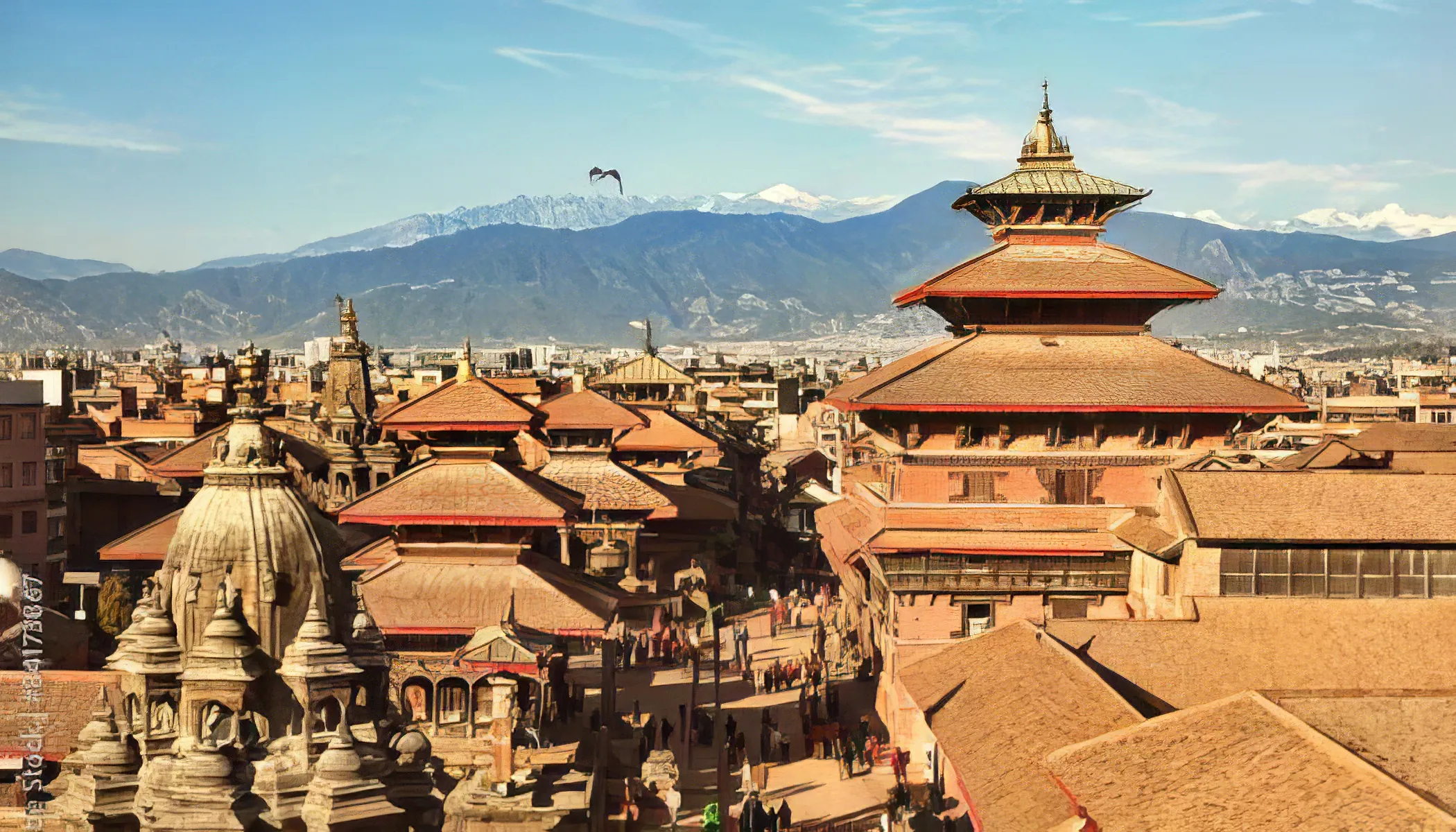
Nepal offers a unique blend of natural beauty and cultural richness in its cities:
– Kathmandu: The capital city, known for its historic temples, palaces, and busy markets.
– Pokhara: A city famous for its lakes, adventure activities, and the Annapurna mountain range.
– Bhaktapur: Known for its well-preserved medieval art and architecture, and traditional pottery industry.
– Patan: Renowned for its rich cultural heritage, ancient temples, and traditional crafts.
– Lumbini: The birthplace of Buddha, it's a significant pilgrimage site with many Buddhist temples.
– Chitwan: Known for Chitwan National Park, offering wildlife safaris and indigenous Tharu culture.
– Janakpur: A religious city known for Janaki Temple and its beautiful festivals.
Monuments
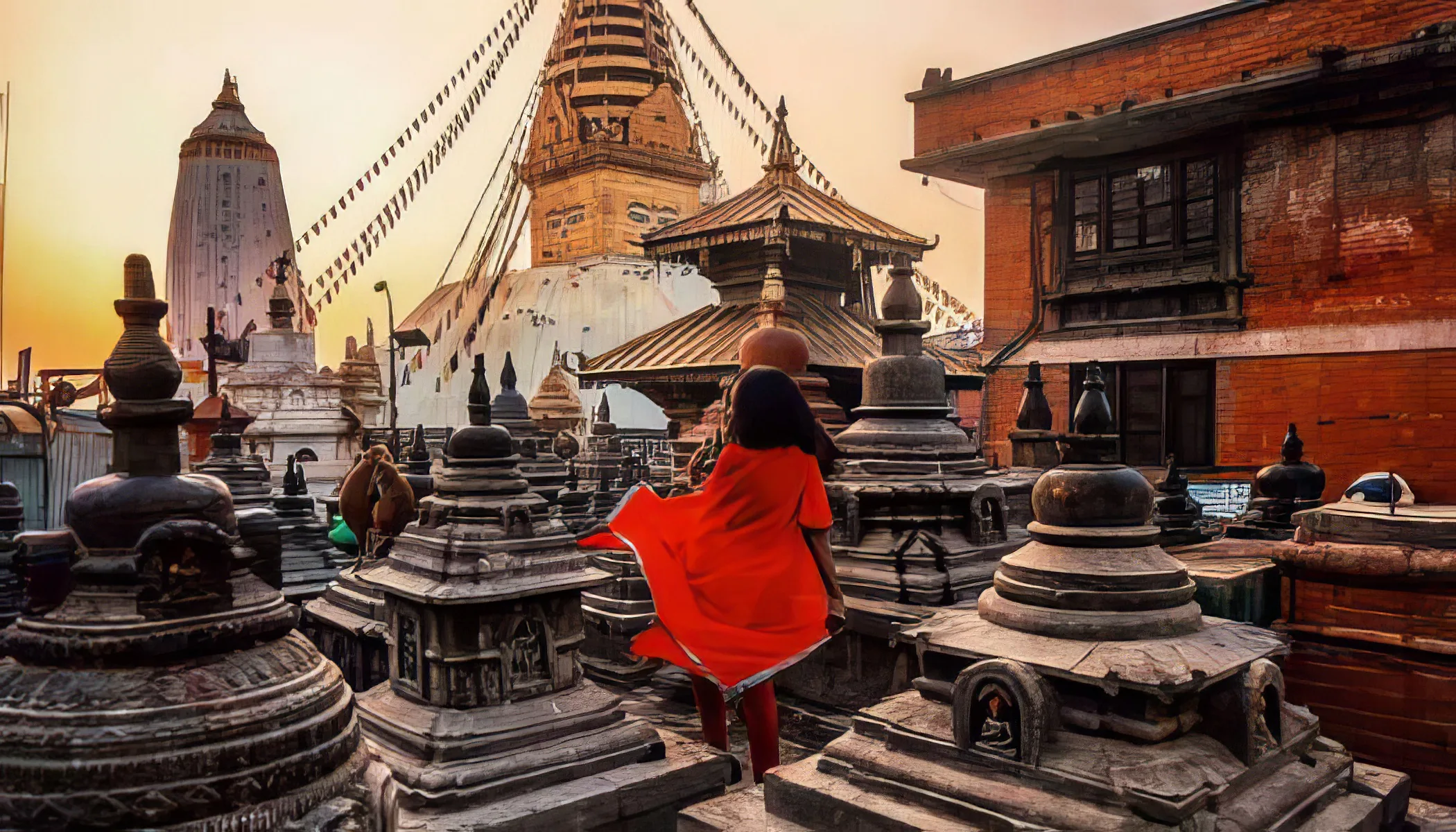
Nepal is home to several significant monuments and architectural wonders:
– Kathmandu Durbar Square: Historic royal palace square with temples, courtyards, and statues.
– Boudhanath Stupa, Kathmandu: One of the largest spherical stupas in Nepal, important for Tibetan Buddhism.
– Pashupatinath Temple, Kathmandu: Sacred Hindu temple complex on the banks of the Bagmati River.
– Swayambhunath Stupa, Kathmandu: Ancient religious complex atop a hill, known as the Monkey Temple.
– Bhaktapur Durbar Square: Collection of ancient temples, palaces, and courtyards in the Bhaktapur city.
– Patan Durbar Square, Lalitpur: Historic square with royal palace, temples, and unique Newari architecture.
– Changu Narayan Temple, Bhaktapur: Oldest temple in Nepal, dedicated to Lord Vishnu.
– Lumbini: Birthplace of Buddha, with monasteries, temples, and the Mayadevi Temple.
Natural wonder
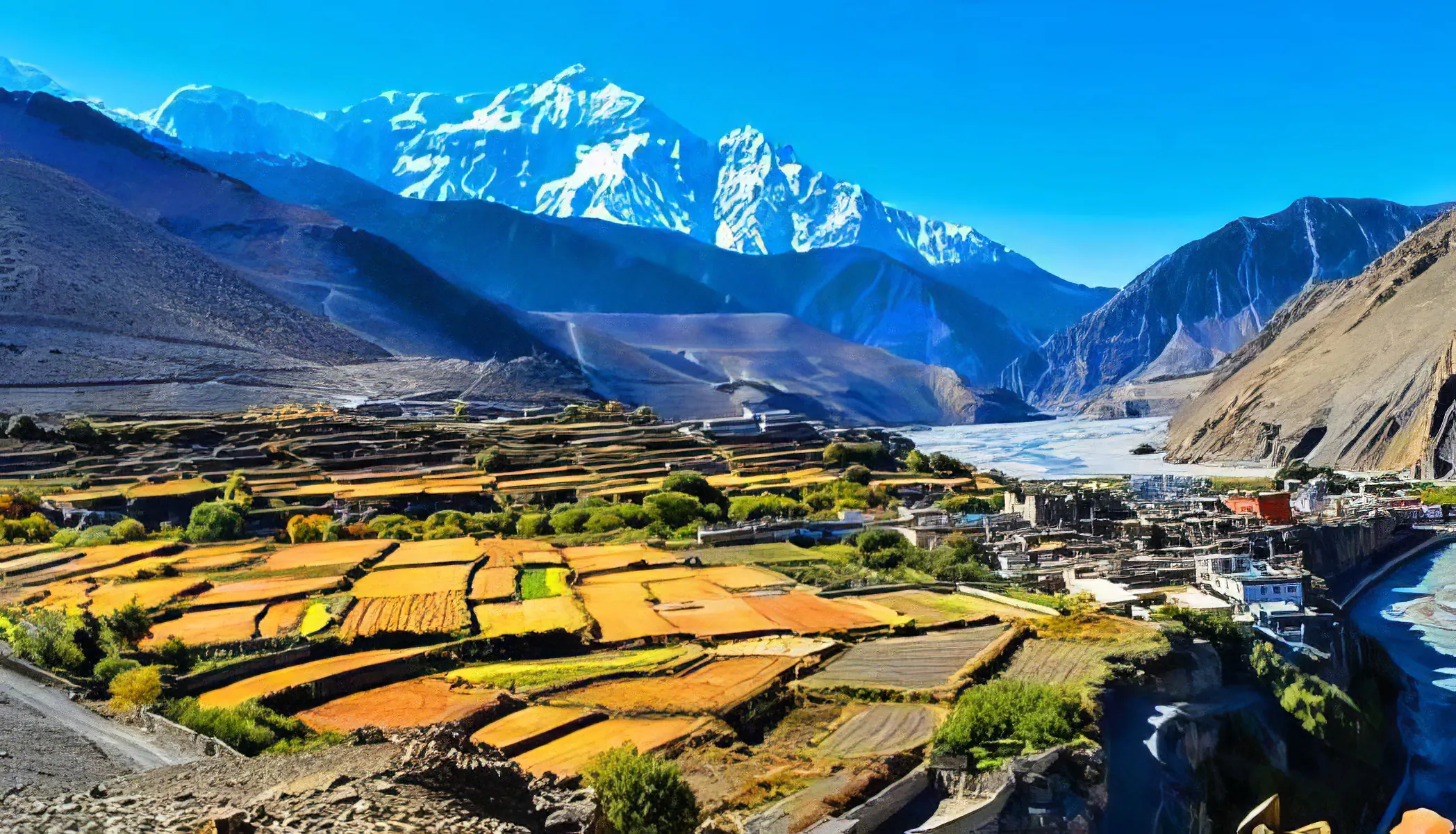
Explore the beautiful natural wonders of Nepal:
– Mount Everest: The highest peak in the world, a major destination for mountaineers.
– Annapurna Range: A massif in the Himalayas known for trekking routes.
– Langtang Valley: A easygoing valley offering diverse flora and fauna.
– Rara Lake: The biggest and deepest freshwater lake in the Himalayas.
– Chitwan National Park: A UNESCO site, home to diverse wildlife including the Bengal tiger.
– Sagarmatha National Park: A UNESCO site, home to several high peaks including Mount Everest.
– Phewa Lake: A beautiful freshwater lake in Pokhara.
– Khaptad National Park: Known for its unique ecosystem and religious significance.
– Bardia National Park: The largest untouched wilderness, home to endangered species.
– Gosainkunda: A high altitude freshwater lake, significant in Hindu mythology.
Outdoor activities
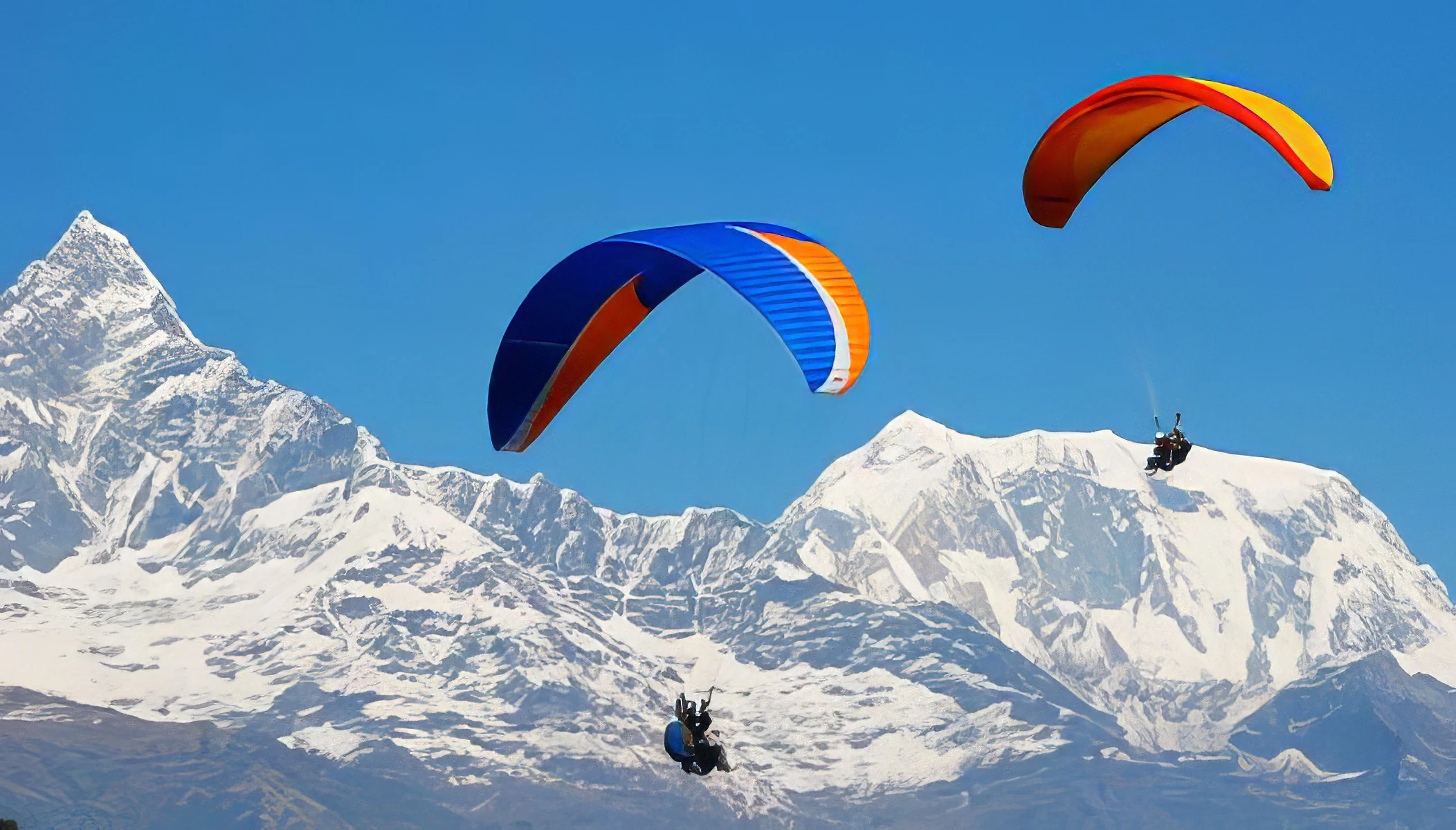
Nepal offers a variety of outdoor experiences, particularly for those who enjoy mountainous landscapes:
– Trekking the Annapurna Circuit: Experience diverse landscapes and cultural richness.
– Climbing Mount Everest: A challenging climb to the highest peak in the world.
– Jungle Safari in Chitwan National Park: Encounter wildlife like rhinos and Bengal tigers.
– Rafting in Trishuli River: Enjoy thrilling white-water rafting amidst scenic views.
– Paragliding in Pokhara: Soar above beautiful lakes and mountains.
– Mountain Biking in Kathmandu Valley: Cycle through traditional villages and attractive forests.
– Bird Watching in Koshi Tappu: Spot hundreds of bird species in this wildlife reserve.
Kid Friendly
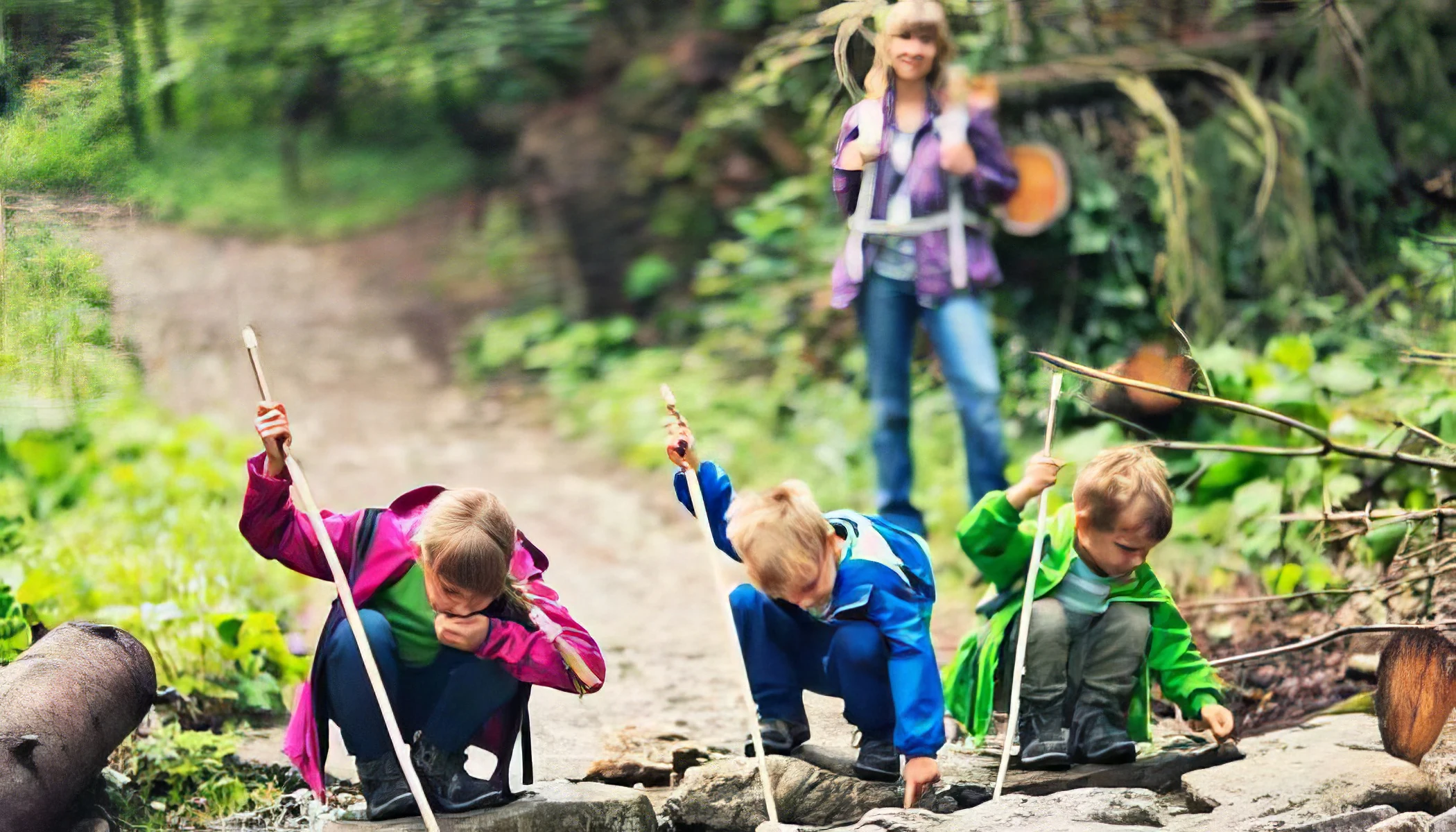
Nepal offers a variety of activities that are suitable for children:
– Chitwan National Park: A wildlife park where kids can see elephants, rhinos, and other animals.
– International Mountain Museum: A museum in Pokhara that educates visitors about the world's highest peaks.
– Garden of Dreams: A peaceful garden in Kathmandu with beautiful landscapes and play areas.
– Bhaktapur Durbar Square: A UNESCO World Heritage site with ancient temples and architecture.
– Pokhara's Old Bazaar: A traditional market where kids can learn about local culture and crafts.
– Kathmandu Fun Valley: A water and amusement park with various rides and attractions.
– Patan Museum: A museum showcasing the rich history and culture of Nepal.
– Phewa Lake: A beautiful lake in Pokhara where families can enjoy boating.
Cuisine
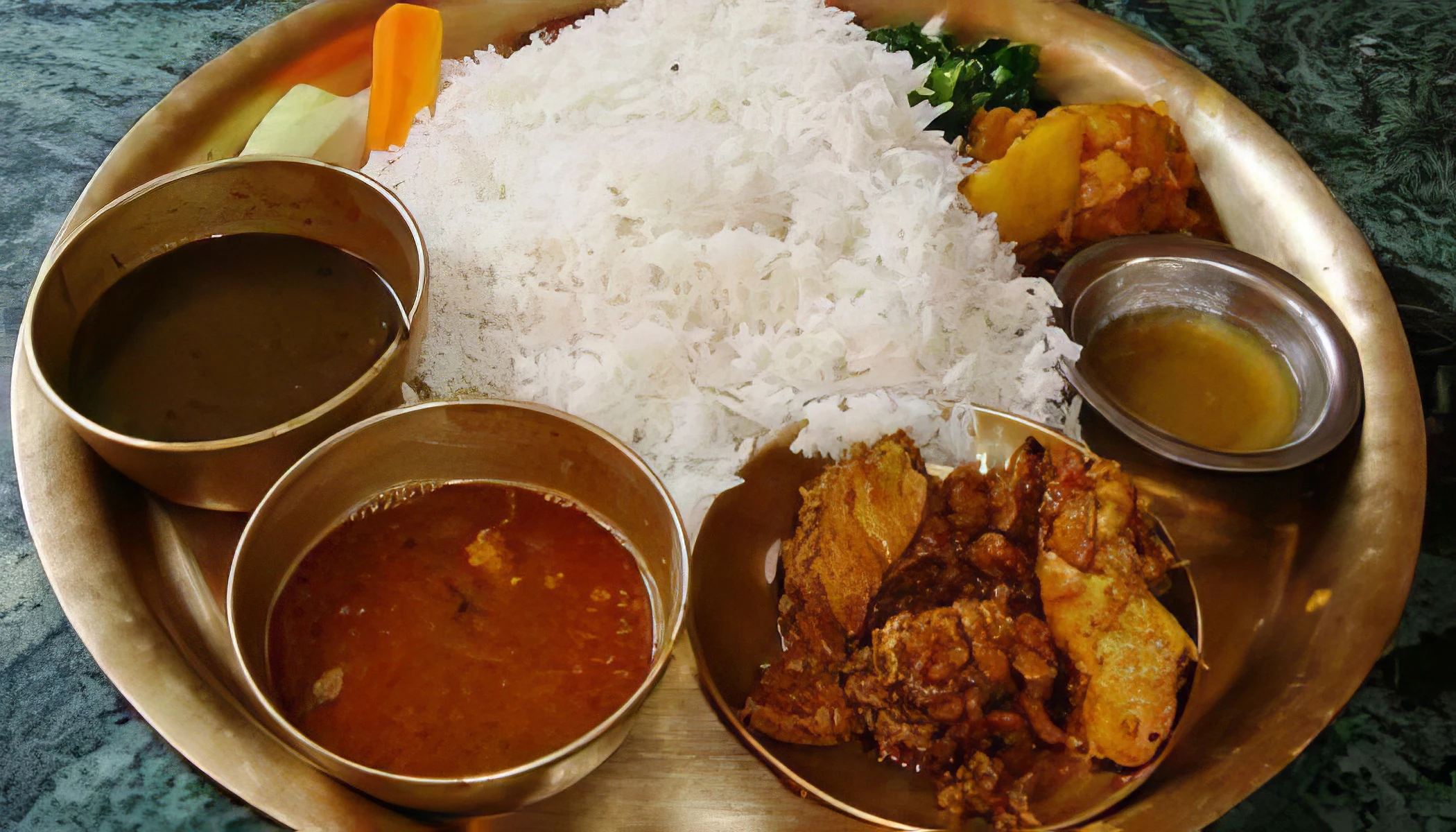
Nepalese cuisine is a unique blend of flavors influenced by its diverse ethnic groups and geographical features. It is characterized by healthy and hearty meals, with a focus on lentils, rice, vegetables, and meat. Street food stalls and local eateries offer a variety of dishes, showcasing the country's culinary heritage.
– Dal Bhat: A traditional meal of lentil soup, rice, and vegetable curry.
– Momo: Steamed or fried dumplings filled with meat or vegetables.
– Gundruk: Fermented leafy greens, often served as a side dish.
– Choila: Spicy grilled buffalo meat, typically served with beaten rice.
– Juju Dhau: Creamy, sweet yogurt from Bhaktapur, often referred to as "king of yogurts".
Souvenir
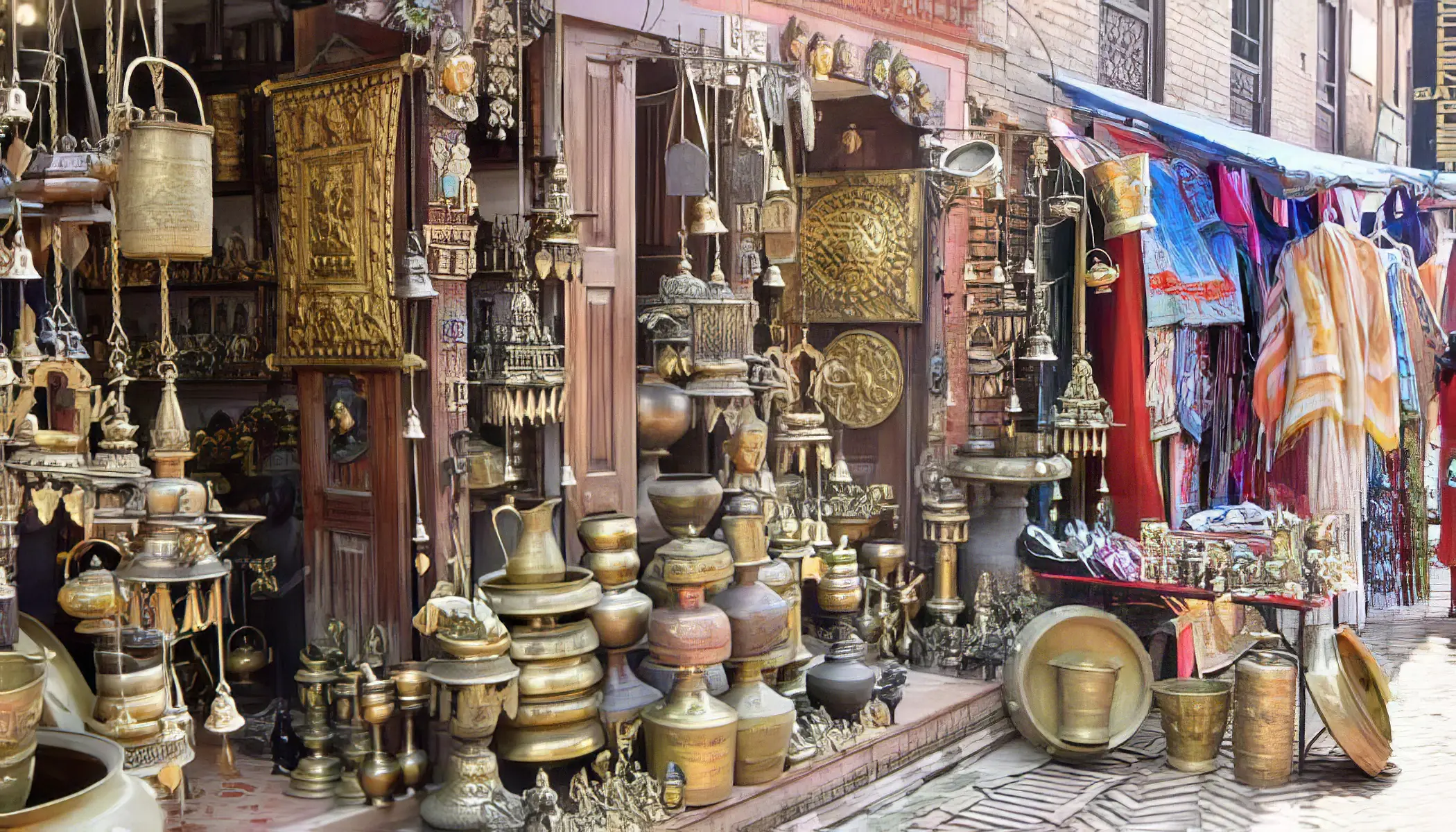
Nepal is a country rich in culture and tradition, and this is reflected in its unique and diverse range of souvenirs. Here are some popular items to consider:
– Pashmina Shawls: These are made from the wool of Himalayan goats and are known for their softness and warmth.
– Thangka Paintings: These are traditional Buddhist paintings on cotton or silk applique, usually depicting a Buddhist deity or scene.
– Singing Bowls: Used for meditation and healing, these bowls produce a soothing sound when struck or rubbed.
– Khukuri: The traditional knife of the Gurkha soldiers, it's a symbol of bravery and valor.
– Prayer Flags: Colorful flags inscribed with Buddhist prayers, believed to spread goodwill and compassion.
– Nepali Tea: Nepal is famous for its tea, particularly the aromatic and flavorful Himalayan tea.
– Handmade Jewelry: Nepal is known for its unique and sophisticated handmade jewelry, often made of silver and semi-precious stones.
Traditional Shows
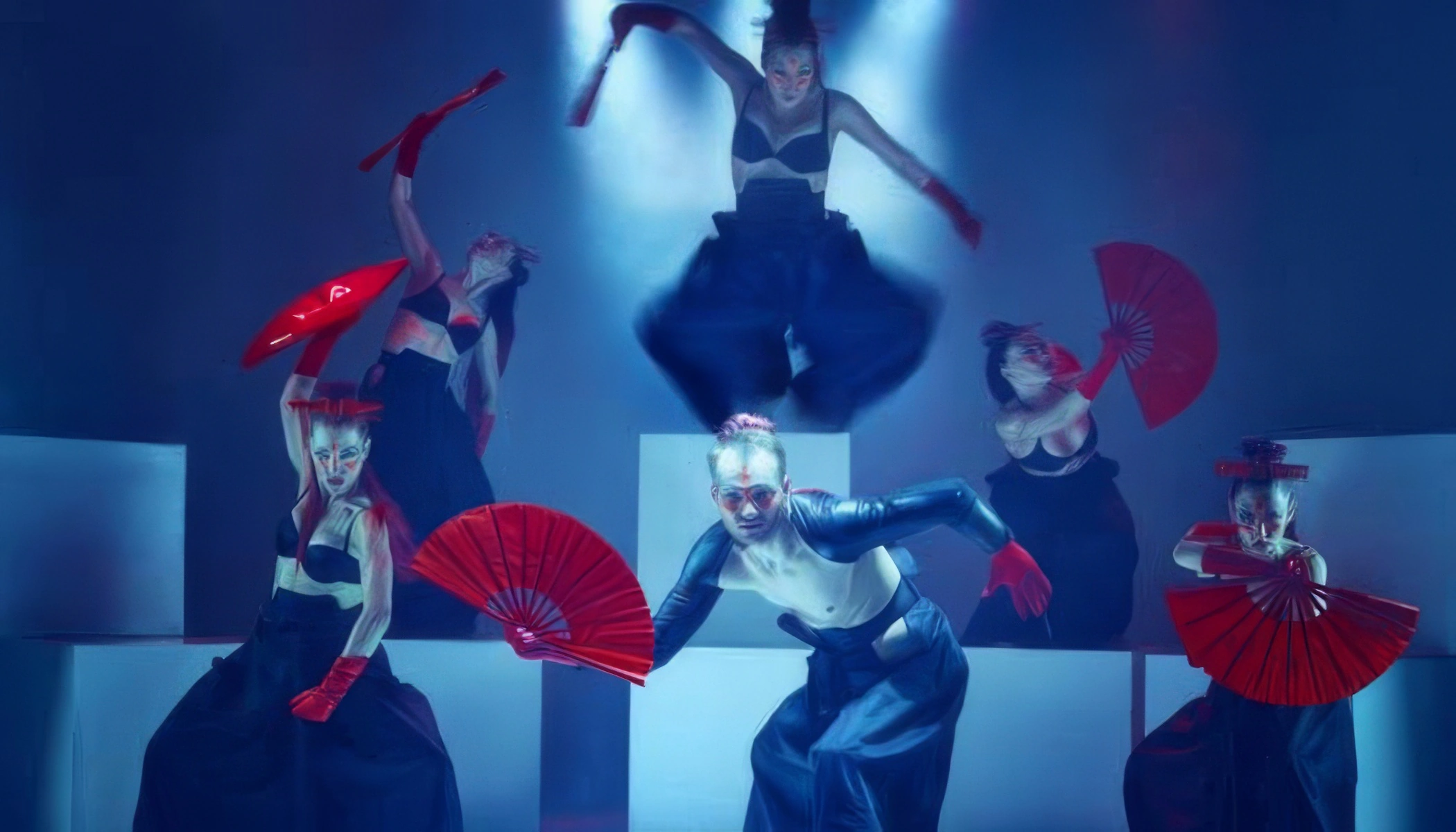
Nepal is rich in traditional music and art performances:
– Dhaan Nach: This traditional dance performed by the Gurung community in Pokhara is a celebration of the rice harvest.
– Kartik Naach: A month-long dance drama festival held in Patan, showcasing stories from Hindu mythology.
– Newari Music: Experience the traditional music of the Newar community, often performed during festivals and ceremonies in Kathmandu.
– Tamang Selo: This energetic dance and drum performance by the Tamang community can be seen in the hilly regions of Nepal.
– Tharu Stick Dance: A rhythmic dance performed by the Tharu community in the Terai region, using long sticks to create rhythmic sounds.
Events & Festivals
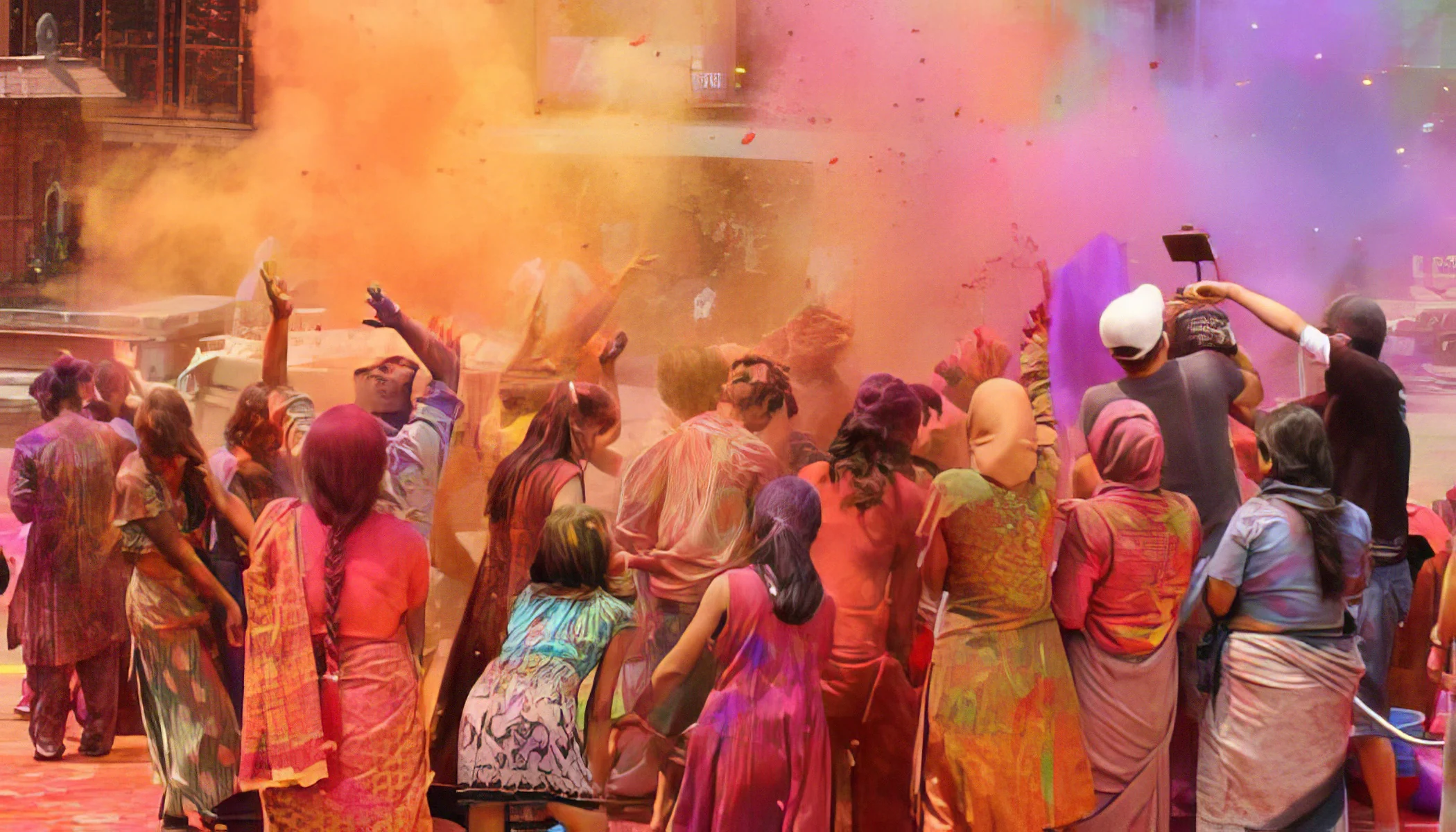
Nepal, a country rich in culture and tradition, hosts several significant events and festivals each year:
– Maghe Sankranti: Celebrated in January, it marks the start of warmer weather with feasts and family gatherings.
– Maha Shivaratri: A February/March festival dedicated to Lord Shiva, attracting thousands of devotees to Pashupatinath Temple.
– Holi: A animated March festival where people throw colored powders and water at each other to celebrate the arrival of spring.
– Ghode Jatra: A March/April horse festival in Kathmandu, featuring horse races and other festivities.
– Buddha Jayanti: Celebrated in May, it marks the birth, enlightenment, and death of Buddha.
– Dashain: The most important Hindu festival in Nepal, celebrated in September/October with animal sacrifices, feasts, and kite flying.
– Tihar: A five-day festival in October/November, honoring various animals and the goddess of wealth, Lakshmi.
Famous People
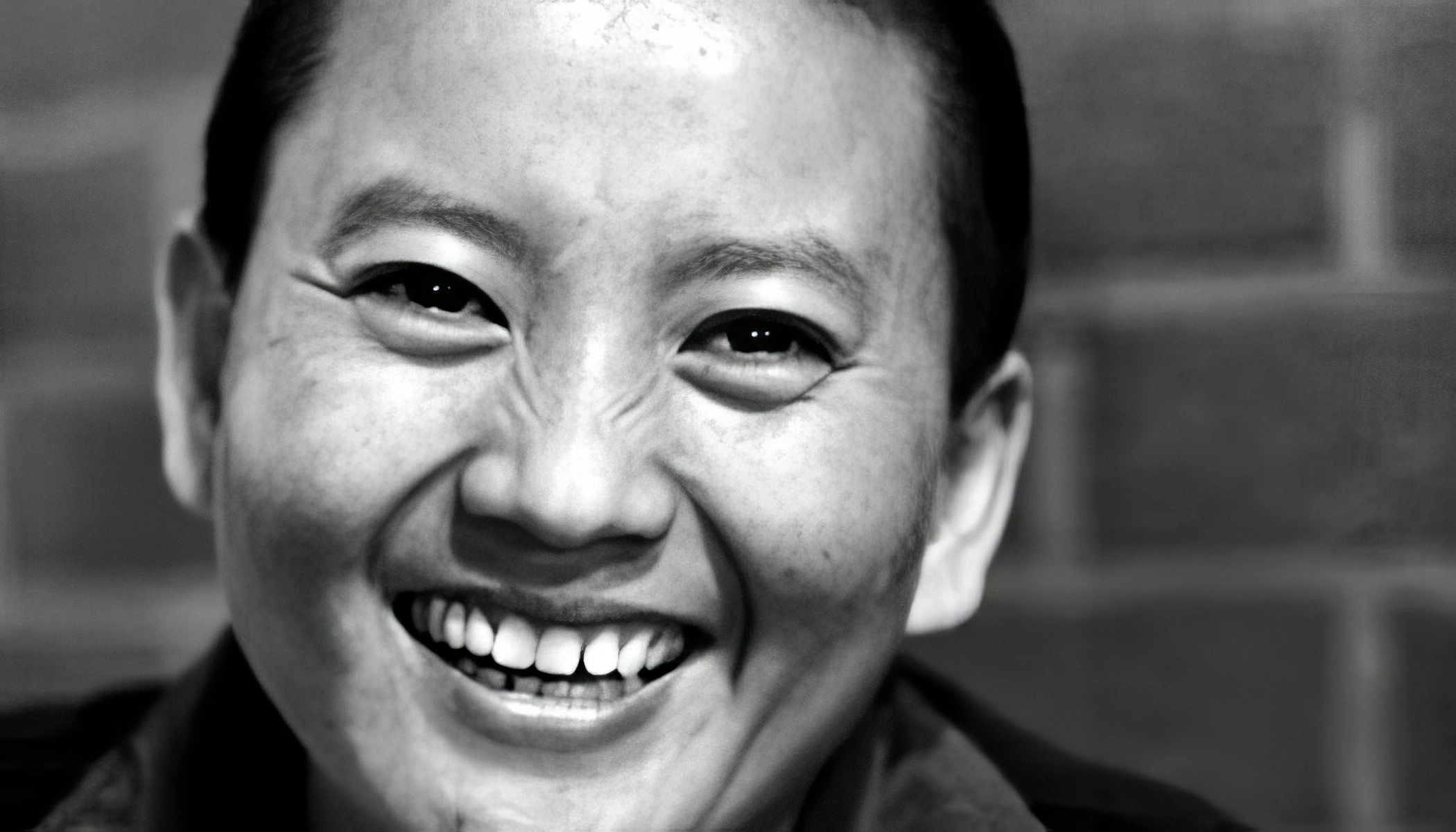
Nepal, a culturally rich country, has given birth to many notable figures who have made significant contributions in various fields.
– Prithvi Narayan Shah (1723 to 1775, Gorkha): The first King of unified Nepal, he is credited with starting the unification process.
– Tenzing Norgay (1914 to 1986, Khumbu): Sherpa mountaineer who, alongside Sir Edmund Hillary, was the first to reach Mount Everest's summit.
– Manisha Koirala (born 1970, Kathmandu): Internationally recognized actress known for her work in Indian cinema.
– Anuradha Koirala (born 1949, Rumjatar): Social activist and founder of Maiti Nepal, she fights against human trafficking.
– Arniko (1245 to 1306, Kathmandu): Architect and artisan known for spreading Nepalese architectural designs in China.
Books
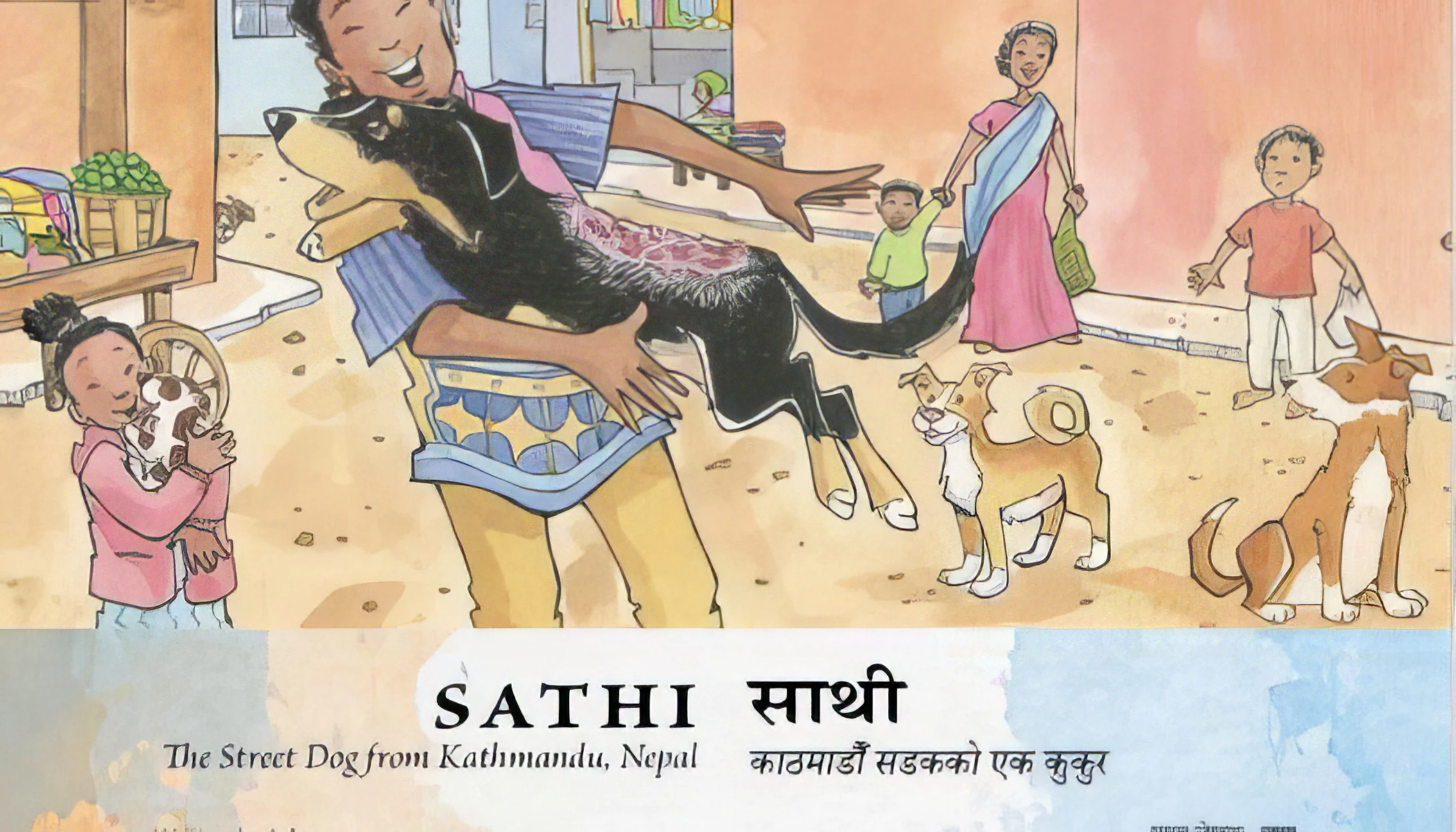
These books provide a rich understanding of Nepal's culture, history, and the personal experiences of its people.
– "Into Thin Air" by Jon Krakauer: A personal account of the 1996 Mount Everest disaster.
– "The Snow Leopard" by Peter Matthiessen: A spiritual journey through the Himalayas.
– "Little Princes" by Conor Grennan: A memoir of volunteering at a Nepalese orphanage.
– "Mustang: A Lost Tibetan Kingdom" by Michel Peissel: Exploration of the remote Tibetan kingdom in Nepal.
– "The Living Goddess" by Isabella Tree: A look into the tradition of the Kumari in Kathmandu.
Songs
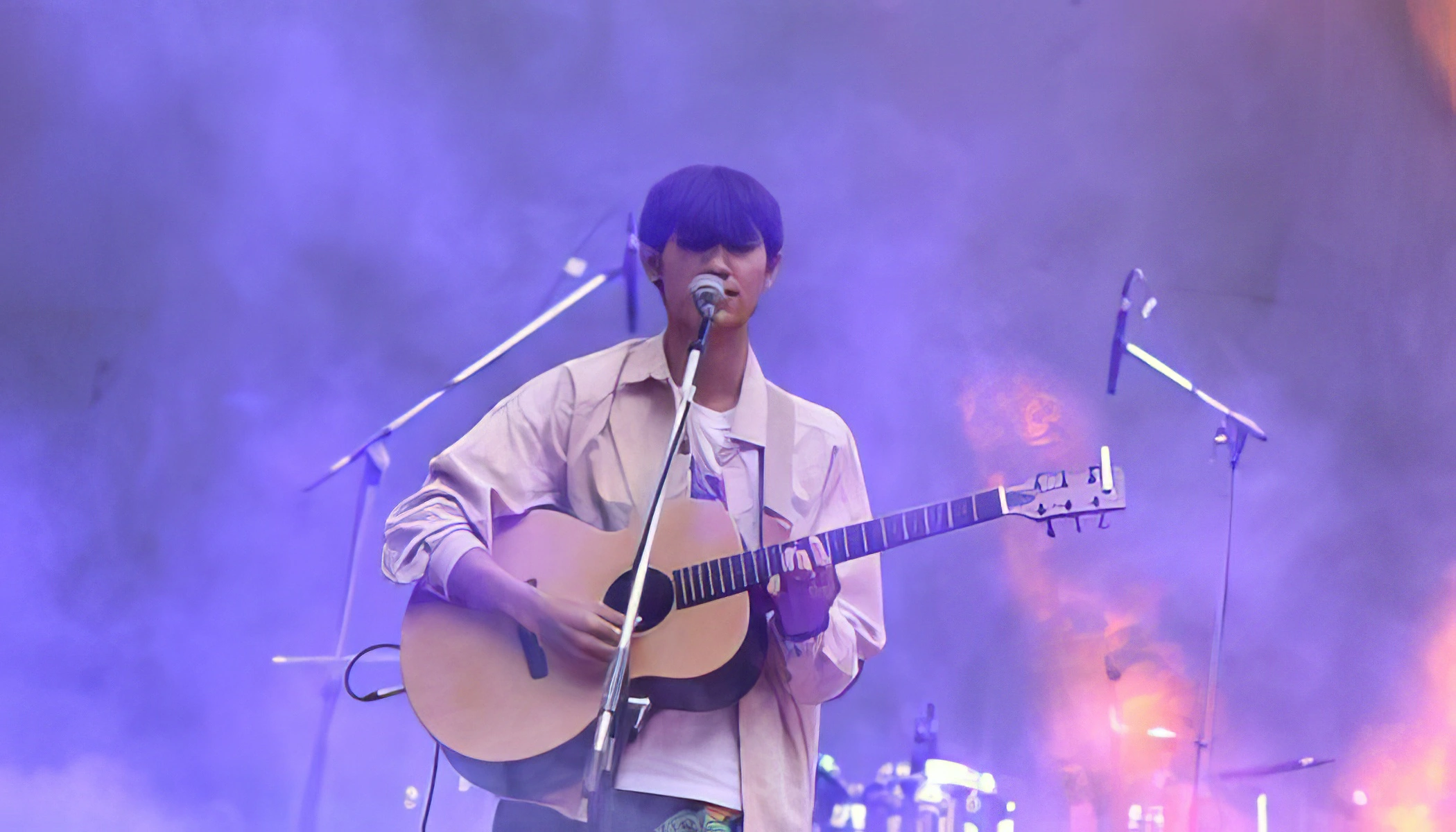
These songs are a testament to the rich musical heritage of Nepal, encompassing a variety of genres and themes.
– Resham Firiri: A traditional Nepali folk song, widely recognized and loved.
– Asarai Mahinama: A classic Nepali song depicting the monsoon season.
– Nalapani: Patriotic song by 1974 AD, based on a historic Nepali battle.
– Sambodhan: A popular rock song by 1974 AD, addressing social issues.
– Yo Daju: A modern hit by Sabin Rai, known for its catchy tune.
– Timi Nabhaye: A romantic ballad by Anil Singh, loved for its heartfelt lyrics.
Films
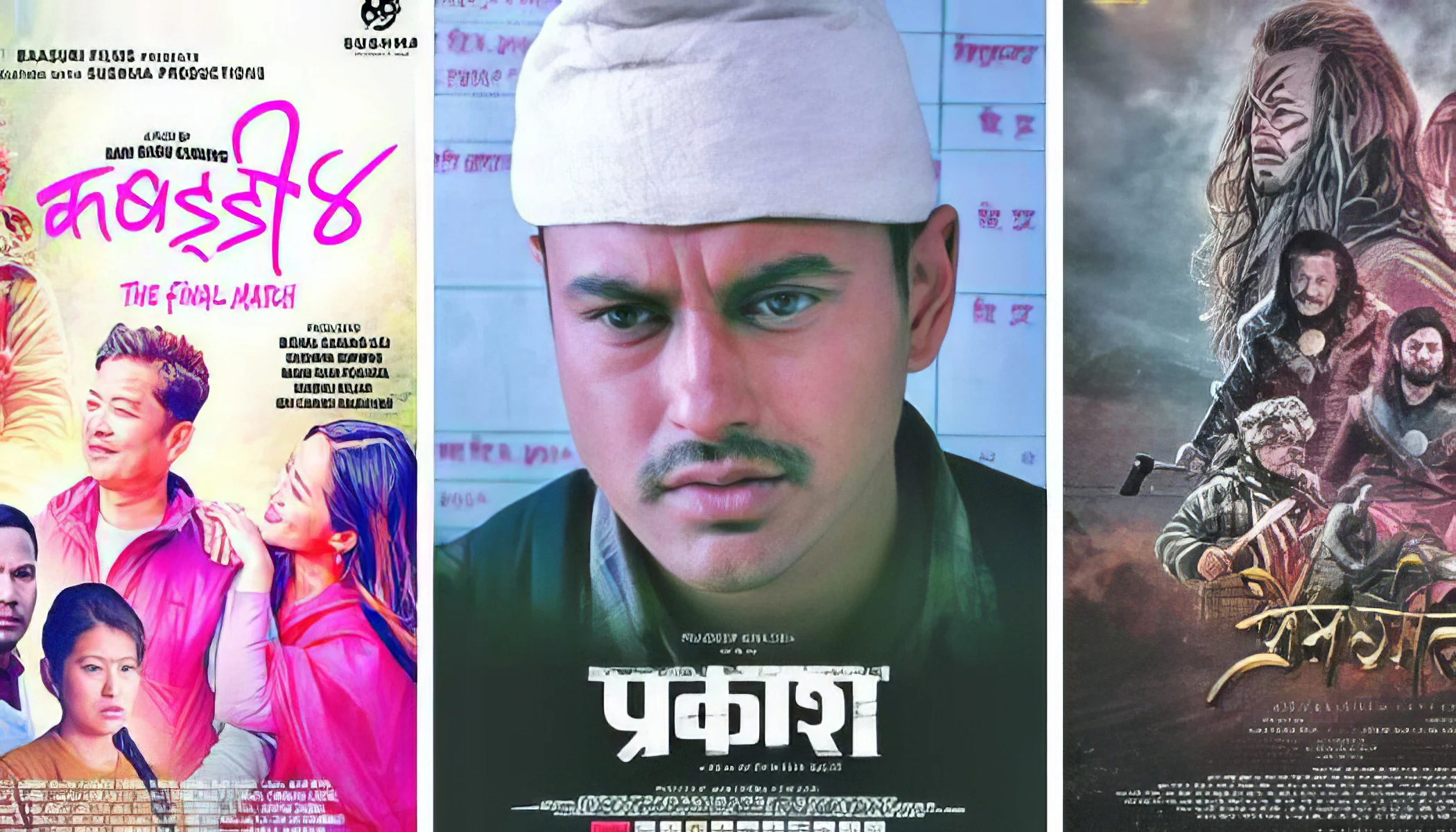
Here are some of the most renowned films that beautifully depict the culture, history, and landscapes of Nepal:
– "Caravan (Himalaya)": Directed by Eric Valli, this film showcases the life of Dolpa's people in the Himalayas.
– "The Black Hen": Min Bahadur Bham's film is a poignant tale of friendship during the Nepalese civil war.
– "White Sun": A political drama by Deepak Rauniyar that explores post-civil war Nepal.
– "Seto Surya (White Sun)": A film by Deepak Rauniyar about a man's return to his village after the civil war.
– "Kalo Pothi (The Black Hen)": A heartwarming tale of friendship amidst political turmoil, directed by Min Bahadur Bham.