

Travel Guide to Netherlands: Top Things to Do & Tips
Located in Western Europe, this country is known for its flat landscape, extensive canal systems, and remarkable tulip fields. It features historic cities like Amsterdam and Rotterdam, a rich cultural heritage, and a strong focus on sustainability and innovation.
- Capital
- Amsterdam
- Population
- 16.7 millions
- Superficy
- 42000 sq.km
- Months to Visit
- April to Sept.
- Living Cost
- Expensive
Overview
The Netherlands, located in Northwestern Europe, is known for its flat landscape, extensive canal systems, and lively tulip fields. Amsterdam, the capital, is famous for its historic canals, museums like the Rijksmuseum and Van Gogh Museum, and a progressive cultural scene. The country is a constitutional monarchy with a strong tradition of democracy and social tolerance. The Dutch economy is robust, with key sectors including agriculture, trade, and technology. Cycling is a popular mode of transport due to the country's flat terrain and well-developed infrastructure. The Netherlands also has a rich history in art, being the birthplace of renowned artists such as Rembrandt and Vermeer.
Pros & Cons
GOOD REASONS TO VISIT NETHERLANDS
– Iconic Canals: Amsterdam's picturesque canals offer scenic boat tours and charming views of historic architecture.
– Rich Art Heritage: Home to Van Gogh Museum and Rijksmuseum, showcasing masterpieces by Dutch artists.
– Tulip Fields: Visit Keukenhof Gardens in spring for vibrant tulip displays, a quintessential Dutch experience.
– Cycling Culture: Extensive bike paths make exploring cities and countryside easy and enjoyable for all ages.
– Historic Windmills: Discover traditional windmills at Kinderdijk, a UNESCO site reflecting Dutch engineering history. CHALLENGES WHEN VISITING NETHERLANDS
– High Costs: Accommodation, dining, and attractions can be expensive, especially in major cities like Amsterdam.
– Crowded Tourist Spots: Popular sites can be overcrowded, particularly during peak tourist seasons.
– Unpredictable Weather: Frequent rain and wind; pack accordingly for changing conditions.
Before Departure
Before traveling to the Netherlands, consider the following essential information:
– Passport: Ensure your passport is valid for at least three months beyond your planned departure date.
– Visa: EU/EEA citizens do not need a visa; others may require a Schengen visa for stays over 90 days.
– Currency: Euro (€) is the local currency; credit cards widely accepted; ATMs are readily available throughout the country.
– Internet access: WiFi is widely accessible in cities and tourist areas; local SIM cards offer affordable data plans.
– Language barrier: Dutch is the official language; English is widely spoken, especially in urban and tourist areas.
What to Pack
Visiting the Netherlands requires preparation for its variable weather and charming cultural experiences.
– Essentials: Passport, travel insurance, accommodation details, itinerary, and any necessary tickets or reservations.
– Clothing: Layered clothing for changing weather, waterproof jacket, comfortable walking shoes, scarf and gloves for colder months.
– Health & Safety: Prescription medications, basic first aid kit, sunscreen for sunny days, personal hygiene items.
– Electronics: Travel adapter for European outlets, mobile phone with charger, camera for capturing scenic views.
Weather
Weather in the Netherlands is mild with distinct seasons and frequent rain:
– Winter (December to February): Cold, damp, and windy with occasional snow; temperatures range from 0°C to 6°C.
– Spring (March to May): Mild and pleasant with blooming flowers; temperatures range from 6°C to 15°C.
– Summer (June to August): Warm and humid with occasional rain; temperatures range from 15°C to 25°C.
– Autumn (September to November): Cool and wet with falling leaves; temperatures range from 10°C to 15°C. April to October is the best time to visit the Netherlands:
– Pros: Pleasant weather, lively tulip season in spring, numerous outdoor festivals.
– Cons: Higher tourist crowds and prices during peak summer months.
Travel Budget
The Netherlands is known for its higher cost of living compared to many other European countries. Here are some average prices for tourists:
– Hotel: 80$ to 250$
– Lunch: 10$ to 25$
– Beverage (in bar/restaurant): 3$ to 8$
– Coffee: 2.5$ to 5$
– Transportation: (train 20$ to 50$), (bus 2.5$ to 5$), (taxi /10km 25$ to 40$)
– Mobile data (per GB): 3$ to 7$
Language
Dutch is the official language of the Netherlands and can be useful for tourists to know some basic phrases.
– Hello: Hallo
– Thank you: Dank u
– Please: Alstublieft
– How much is this?: Hoeveel kost dit?
– Excuse me: Pardon
– I don't understand: Ik begrijp het niet
– Yes: Ja
– No: Nee
– Goodbye: Tot ziens
History
It began with early settlements by Germanic tribes, followed by Roman and Frankish influence. During the 16th century, the region was under Habsburg rule as part of the Spanish Empire until the Dutch Revolt led to independence in 1581, marking the start of the Dutch Golden Age. This period saw vast economic growth and colonial expansion. In the late 18th century, French forces invaded, leading to the establishment of the Batavian Republic and later incorporation into Napoleon's empire. After Napoleon's defeat in 1815, it became a constitutional monarchy. The Netherlands remained neutral during World War I but was occupied by Germany in World War II; liberation came in 1945. Post-war reconstruction and integration into European structures helped it become a prosperous nation with a strong global trading presence.
Geopolitics
The Netherlands is situated in Western Europe, bordered by Germany to the east, Belgium to the south, and the North Sea to the northwest. It is a constitutional monarchy with a parliamentary system, hosting international institutions such as the International Court of Justice in The Hague. As a founding member of both NATO and the European Union, it plays an active role in European and transatlantic political affairs. The country has a strong trading tradition due to its strategic location and advanced port facilities, notably in Rotterdam, one of Europe's largest ports. Its geopolitical influence is marked by its commitment to international law, human rights, and multilateral diplomacy. Climate change poses significant challenges due to its low-lying geography, prompting active engagement in global environmental policy discussions.
Sample Itinerary
This itinerary covers cultural sites, scenic landscapes, and iconic attractions across the Netherlands.
– 2 days in Amsterdam: Visit the Anne Frank House, Rijksmuseum, and Van Gogh Museum. Explore Canal District and enjoy a canal cruise.
– 1 day in Zaanse Schans: Discover traditional Dutch windmills and wooden houses. Watch cheese-making demonstrations and visit a clog workshop.
– 1 day in Keukenhof Gardens (seasonal): Experience magnificient tulip displays and beautifully landscaped gardens open from mid-March to mid-May.
– 1 day in Rotterdam: Explore modern architecture at Markthal and Cube Houses. Visit the Maritime Museum for maritime history insights.
– 1 day in The Hague: Tour the Mauritshuis to see works by Vermeer. Walk around Binnenhof political center and relax on Scheveningen Beach.
– 1 day in Utrecht: See the Dom Tower views of the city skyline. Stroll along canals with unique wharf cellars turned into shops or cafes.
Popular cities
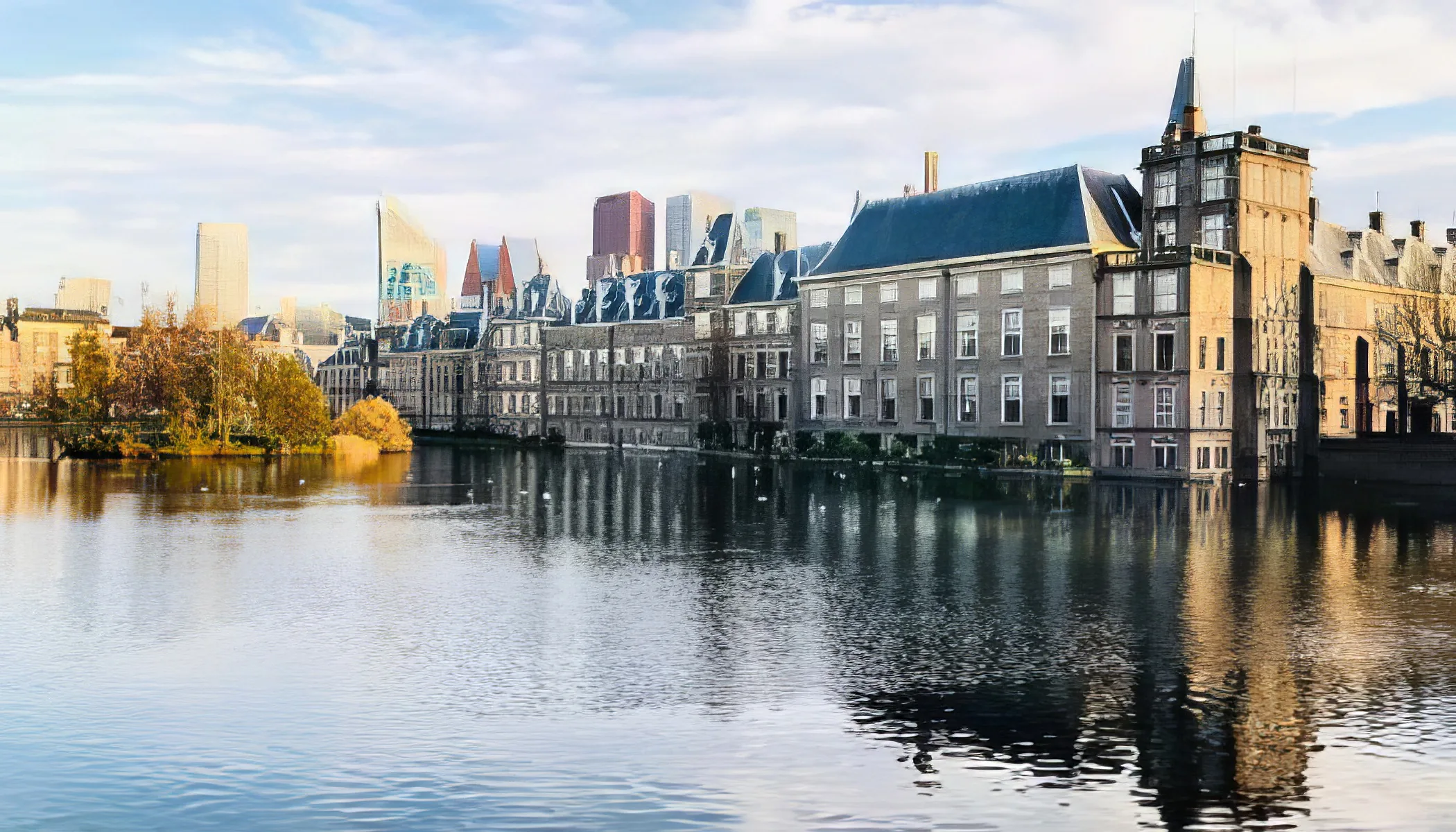
Explore the Netherlands through its unique blend of history, culture, and modern attractions:
– Amsterdam: Known for its canals, museums like the Rijksmuseum and Van Gogh Museum, and energetic nightlife.
– Rotterdam: A modern city famous for its innovative architecture, port, and cultural venues.
– The Hague: Home to the Dutch government, international courts, and notable museums like the Mauritshuis.
– Utrecht: Offers a charming old town with canals and the iconic Dom Tower.
– Maastricht: A historic city with Medieval architecture and a lively cultural scene.
– Leiden: Known for its historic buildings, canals, and one of Europe's oldest universities.
– Haarlem: Supplies a mix of history with its old town and proximity to tulip fields.
Monuments
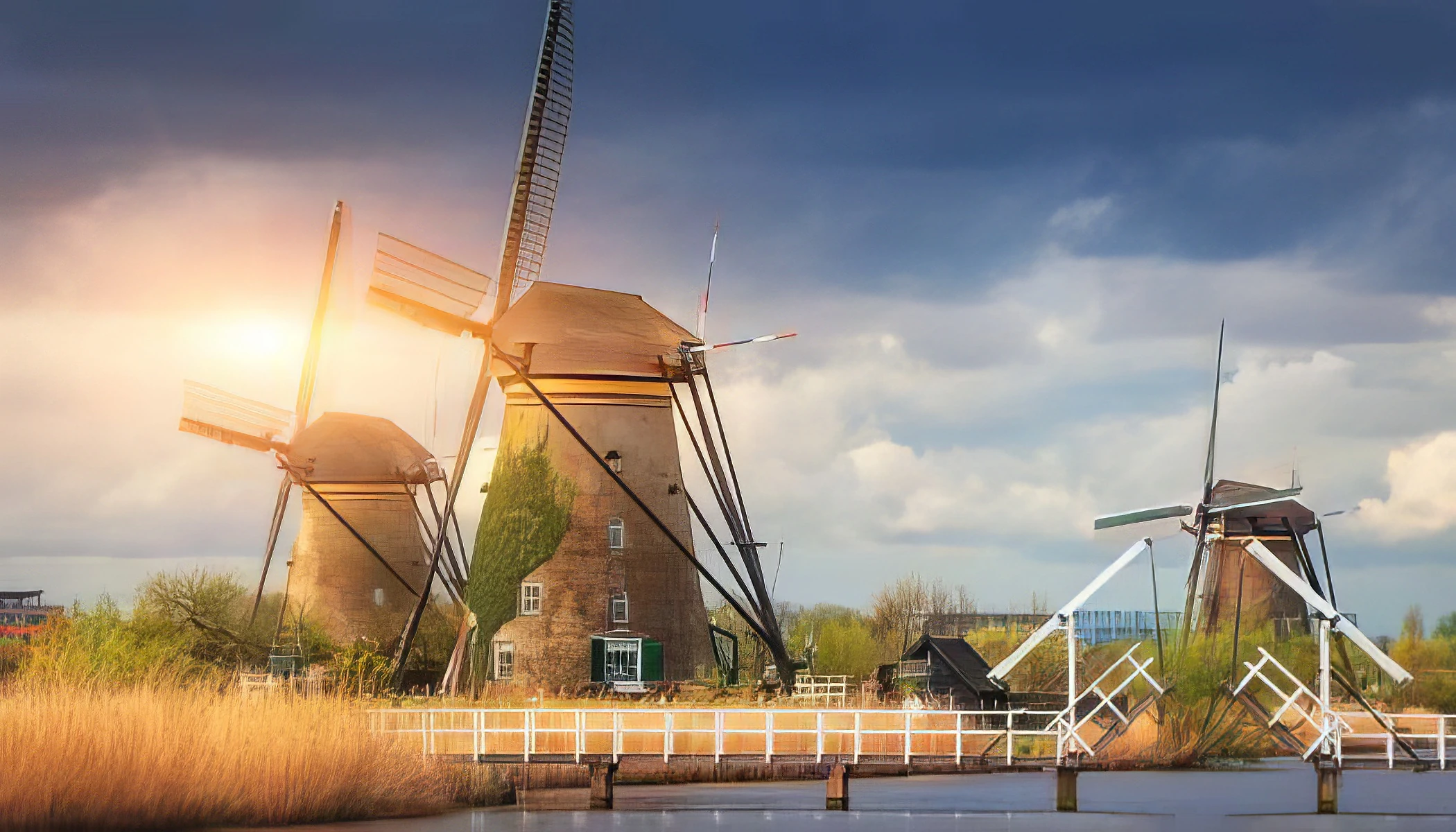
The Netherlands provides a variety of notable monuments to explore:
– Rijksmuseum, Amsterdam: National museum showcasing Dutch art and history, including works by Rembrandt and Vermeer.
– Anne Frank House, Amsterdam: Historic house museum dedicated to Jewish wartime diarist Anne Frank.
– Van Gogh Museum, Amsterdam: World's largest collection of Van Gogh's paintings and drawings.
– Kinderdijk Windmills: UNESCO site with 19 traditional windmills, illustrating Dutch water management.
– Binnenhof, The Hague: Seat of the Dutch parliament and a center of political activity since the 13th century.
– Dom Tower, Utrecht: Tallest church tower in the Netherlands with panoramic city views.
– Royal Palace, Amsterdam: Official royal residence featuring grand architecture and opulent interiors.
– Peace Palace, The Hague: Houses the International Court of Justice and symbolizes global justice efforts.
Natural wonder
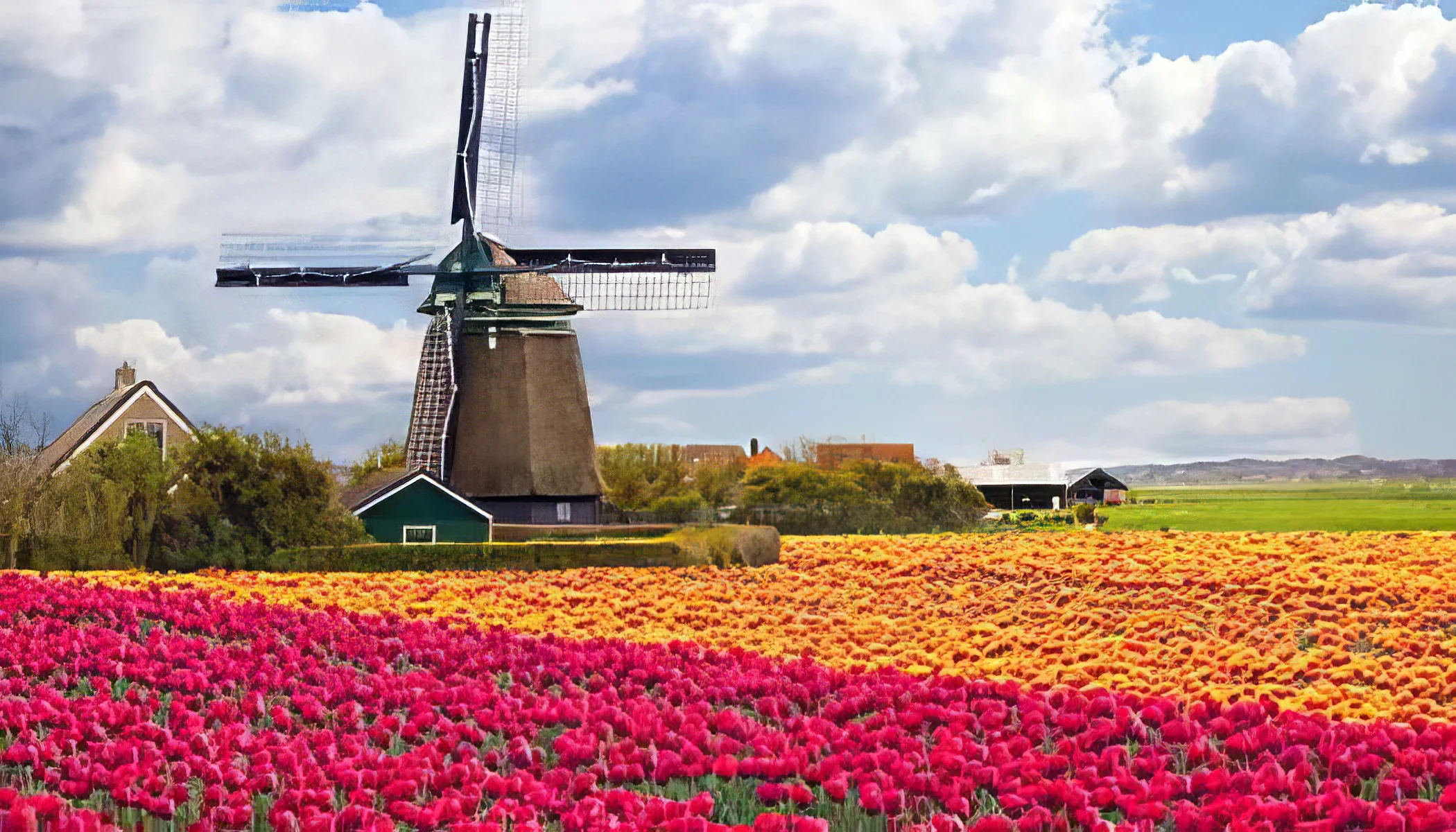
Discover the diverse natural landscapes of the Netherlands:
– Hoge Veluwe National Park: Known for its heathlands, woodlands, and diverse wildlife.
– De Biesbosch National Park: Freshwater tidal wetlands with unique flora and fauna.
– Texel Island: Features sand dunes, nature reserves, and bird-watching opportunities.
– Oostvaardersplassen Nature Reserve: Hosts wild horses and diverse bird species in reclaimed land.
– Kinderdijk Windmills: Iconic 18th-century windmills set in scenic wetlands.
– Dunes of Schoorl: Tall dunes offering hiking and scenic views along the North Sea coast.
– Lauwersmeer National Park: Renowned for its birdlife and water-based activities.
– New Land (Nieuw Land) National Park: Created from reclaimed land, featuring polders and lakes.
– Loonse en Drunense Duinen National Park: Vast sand drift area with forests and heathlands.
– Weerribben-Wieden National Park: Known for its peat bogs, canals, and traditional farmhouses.
Beaches
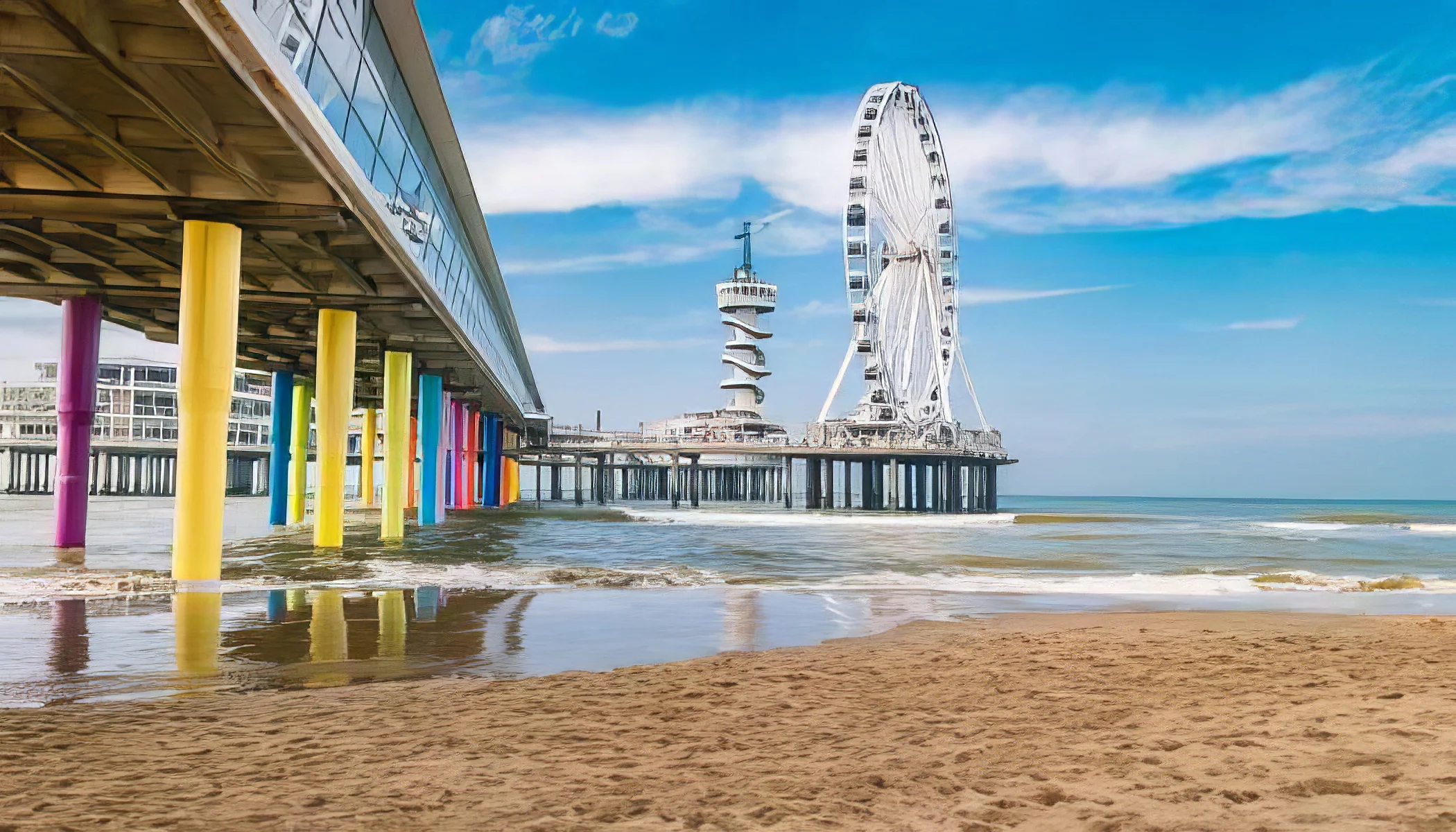
The Netherlands has a coastline with several popular beaches:
– Scheveningen Beach: Popular in The Hague for its pier, promenade, and water sports.
– Zandvoort Beach: Known for sandy shores and close proximity to Amsterdam.
– Bloemendaal aan Zee: Famous for beach parties and lively atmosphere.
– Texel Beaches: Offers long stretches of sand with diverse landscapes on Texel Island.
– Katwijk aan Zee: Family-friendly beach with a relaxed atmosphere and dunes.
– Noordwijk Beach: Known for beach resorts and flower fields nearby.
– Domburg Beach: A Zeeland beach known for clean sands and historic charm.
Outdoor activities
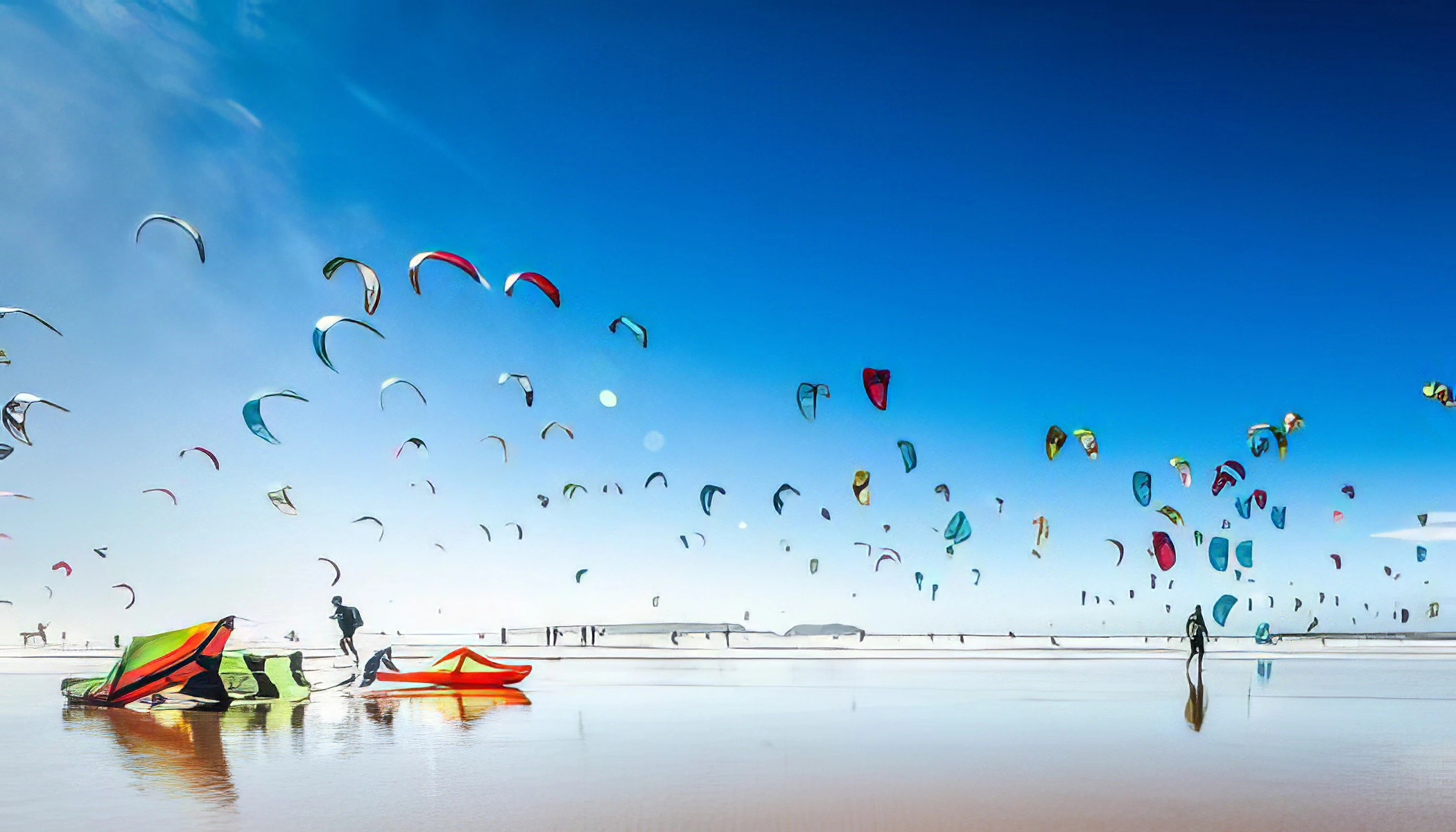
There are various outdoor activities to enjoy in the Netherlands:
– Cycling in Hoge Veluwe National Park: Explore beautiful landscapes and diverse wildlife on well-marked paths.
– Sailing on the IJsselmeer: Experience traditional Dutch sailing on one of Europe's largest freshwater lakes.
– Hiking the Utrechtse Heuvelrug: Walk through relaxed forests and rolling hills.
– Windsurfing in Brouwersdam: Catch the wind on popular surf spots along the North Sea coast.
– Exploring Keukenhof Gardens: Witness seasonal blooms in this world-renowned garden park.
– Birdwatching in Oostvaardersplassen: Observe a wide variety of bird species in a unique nature reserve.
– Canoeing in Giethoorn: Paddle through charming canals often dubbed as "the Venice of the North."
Kid Friendly
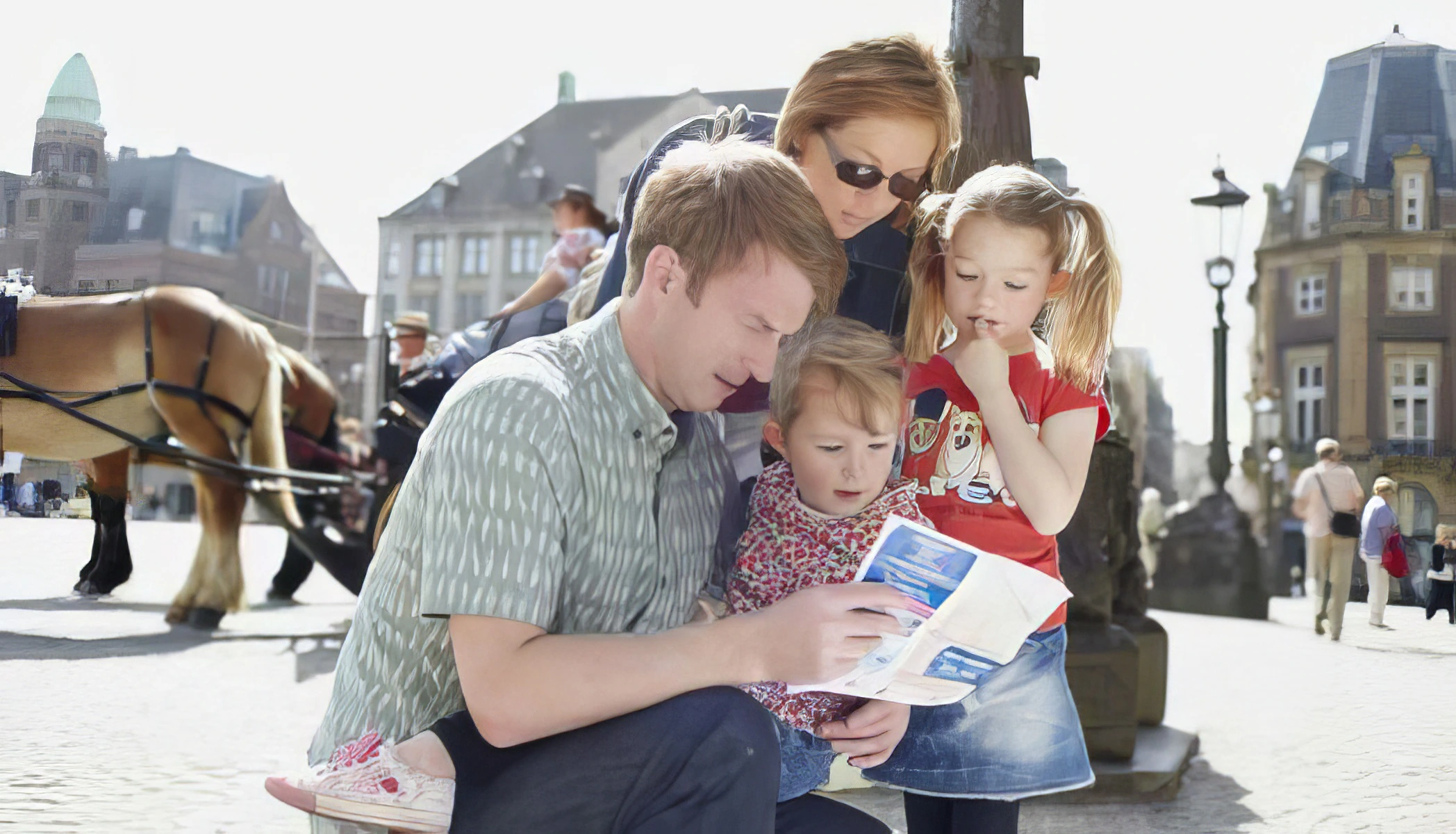
The Netherlands provides a range of activities that children will enjoy exploring.
– Efteling Theme Park: A fairy-tale themed amusement park with rides and attractions for all ages.
– Keukenhof Gardens: A animated display of tulips in spring, offering colorful paths for kids to explore.
– Madurodam: A miniature park showcasing famous Dutch landmarks in small scale, perfect for curious children.
– Nemo Science Museum: An interactive science center where kids can learn through hands-on exhibits and experiments.
– Artis Zoo: One of the oldest zoos in Europe featuring a variety of animals and a planetarium.
– Giethoorn Boat Ride: A peaceful village where families can enjoy boat rides through charming canals and waterways.
– Zaanse Schans: A working open-air museum with windmills, traditional crafts, and activities suitable for children.
– Scheveningen Beach: A popular beach with a pier, playgrounds, and family-friendly activities along the coast.
Cuisine

Dutch cuisine is characterized by its simplicity and reliance on hearty, seasonal ingredients, reflecting the country's agricultural roots. Traditional dishes often feature potatoes, meat, and dairy products. Street markets and local eateries offer various comfort foods.
– Stroopwafels: Thin waffle cookies filled with a caramel syrup.
– Haring: Raw herring served with onions and pickles.
– Bitterballen: Deep-fried meatballs typically served as a snack.
– Poffertjes: Small, fluffy pancakes dusted with powdered sugar.
– Erwtensoep: Thick pea soup with smoked sausage and vegetables.
Souvenir
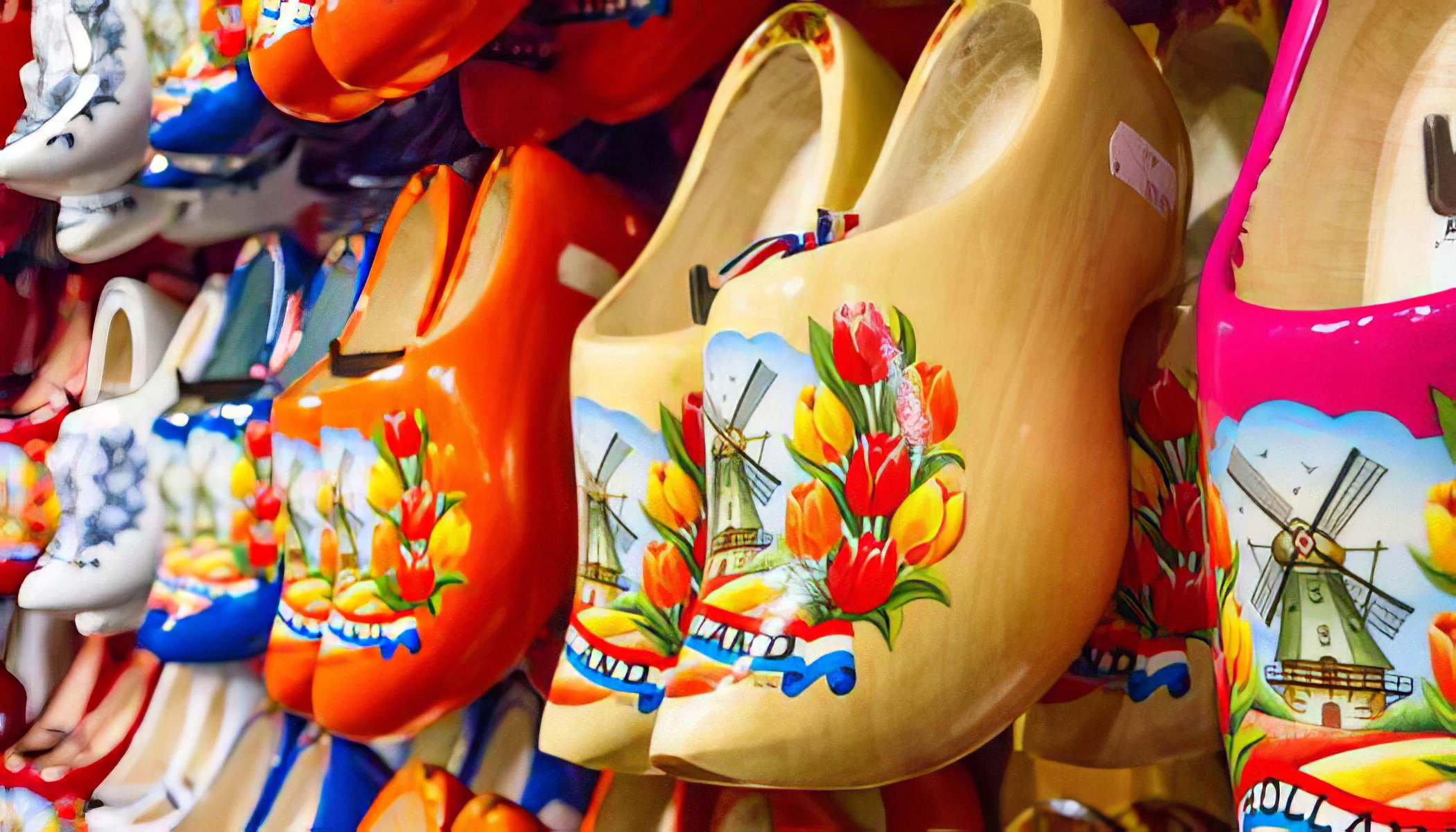
Dutch culture and craftsmanship offer a variety of unique souvenirs. Here are some popular ones to consider:
– Delftware: Blue and white pottery that is a signature of Dutch craftsmanship.
– Stroopwafels: Traditional Dutch syrup waffles that are sweet and delicious.
– Wooden Clogs: Classic Dutch footwear, often bought as decorative items.
– Cheese: Dutch cheeses like Gouda and Edam are famous worldwide for their rich flavors.
– Tulip Bulbs: Known for its tulips, bringing home bulbs is a great way to remember Holland's blooms.
– Licorice (Drop): A popular treat in the Netherlands, available in many different flavors and styles.
– Windmill Miniatures: Small replicas of the iconic Dutch windmills, perfect as a keepsake.
Traditional Shows
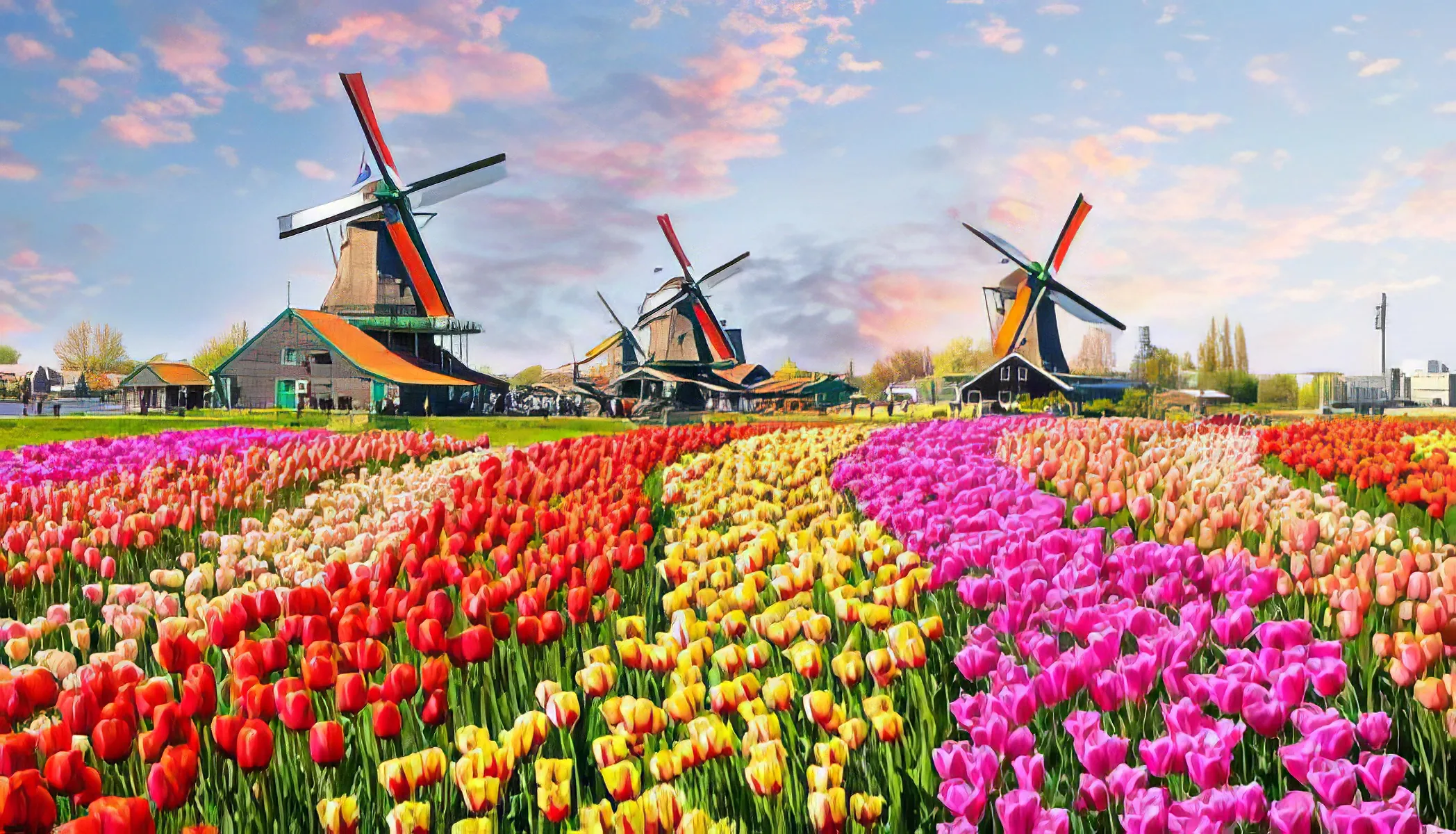
The Netherlands showcases a variety of unique art performances:
– Dutch Folkloric Dance: Experience traditional dances like Klompendansen, performed at cultural festivals across the country, celebrating Dutch heritage with wooden clogs.
– The Concertgebouw Orchestra: Attend world-class classical concerts in Amsterdam's Concertgebouw, renowned for its exceptional acoustics and premier music performances.
– Holland Festival: Discover innovative performing arts in Amsterdam, featuring contemporary theater, dance, and music from Dutch and international artists.
– Delft Blue Pottery Painting: Watch artisans demonstrate traditional hand-painted techniques in Delft workshops, continuing the 17th-century ceramic art legacy.
– Zaanse Schans Windmill Tours: Explore historical windmills near Amsterdam, showcasing traditional craftsmanship through demonstrations of milling and woodworking.
Events & Festivals
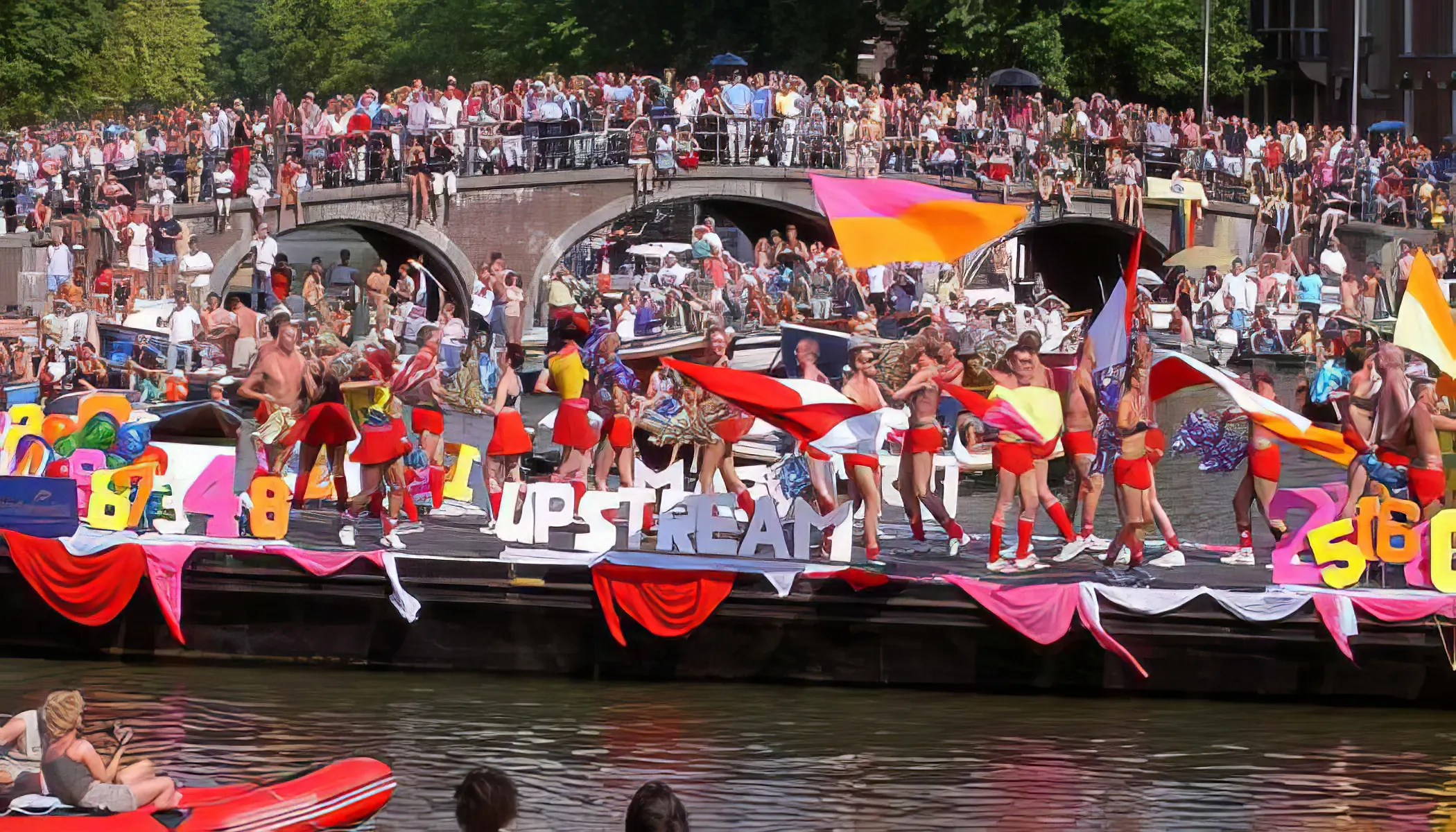
The Netherlands hosts a variety of events and festivals throughout the year, celebrating culture and traditions:
– King's Day: April 27 national holiday with citywide street parties, markets, and parades.
– Liberation Day: May 5 celebrations marking WWII liberation with concerts and events.
– Holland Festival: June event featuring international performing arts in Amsterdam.
– Rotterdam International Film Festival: Late January festival presenting films from around the globe.
– Amsterdam Pride: August celebration with parades and parties highlighting LGBTQ+ rights.
– Sinterklaas Arrival: Mid-November event welcoming Sinterklaas to cities, featuring parades.
– Keukenhof Tulip Festival: March-May showcasing blooming tulip gardens near Lisse.
Famous People
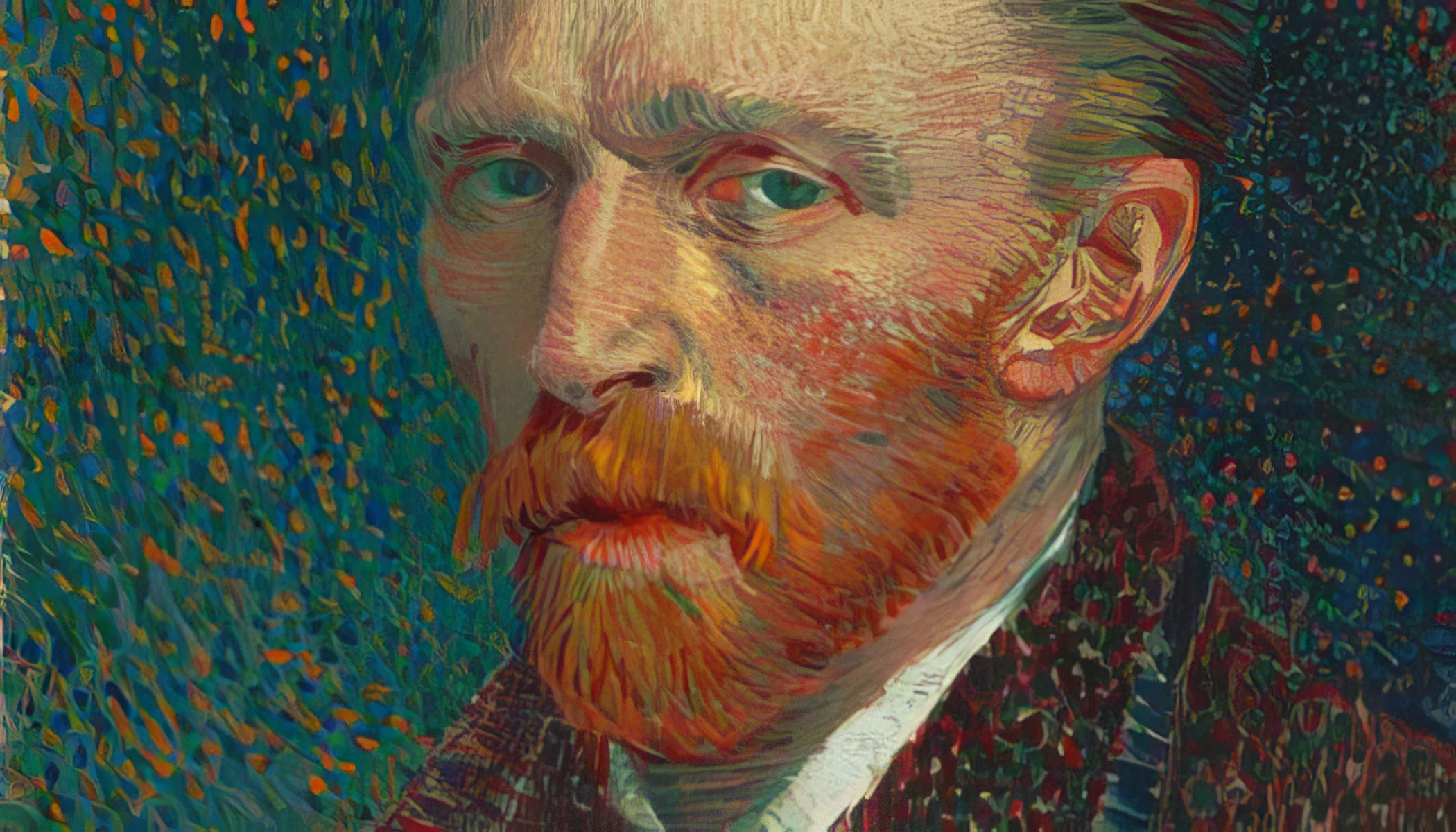
The Netherlands is home to renowned individuals who have significantly impacted the fields of art, science, and politics.
– Rembrandt van Rijn (1606 to 1669, Leiden): Influential Baroque painter renowned for masterpieces like "The Night Watch."
– Vincent van Gogh (1853 to 1890, Zundert): Post-impressionist painter celebrated for iconic works such as "Starry Night."
– Anne Frank (1929 to 1945, Frankfurt): Jewish diarist whose writings detailed her life in hiding during World War II.
– Johan Cruyff (1947 to 2016, Amsterdam): Legendary footballer and coach who revolutionized modern football with "Total Football" philosophy.
– Willem-Alexander (born 1967, Utrecht): Current King of the Netherlands, ascending the throne in 2013 after Queen Beatrix.
Books
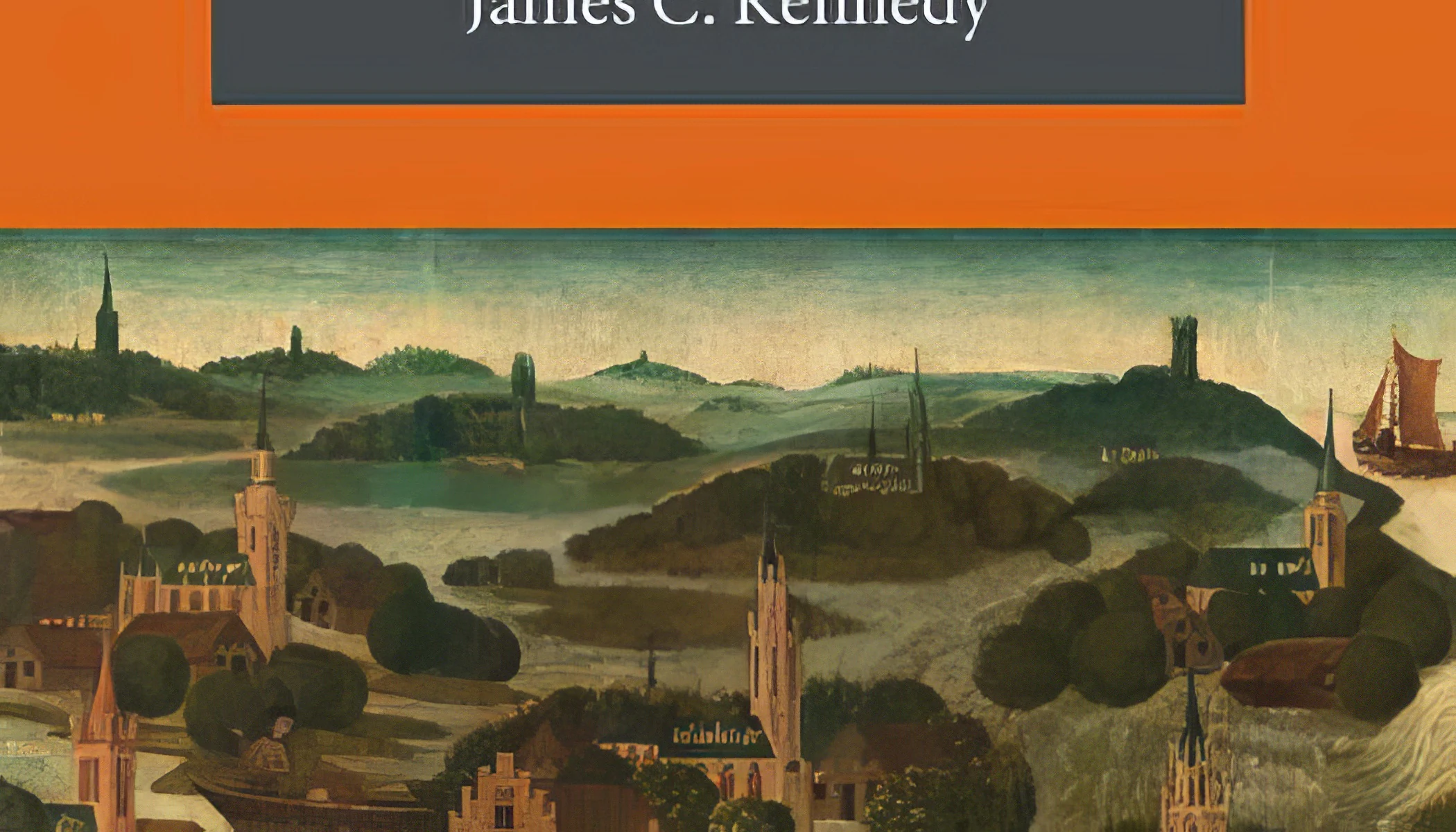
These books encapsulate various aspects of Dutch life, history, and culture, offering insights into the Netherlands through different periods and narratives.
– "The Diary of a Young Girl" by Anne Frank: Young Jewish girl's diary during hiding from Nazis in Amsterdam.
– "The Miniaturist" by Jessie Burton: Mysterious tale set in 17th-century Amsterdam's merchant class.
– "The Dinner" by Herman Koch: Psychological thriller centered around a controversial family dinner in Amsterdam.
– "Girl with a Pearl Earring" by Tracy Chevalier: Fictionalized account of Vermeer's famous painting set in 1660s Delft.
– "Amsterdam" by Ian McEwan: Darkly comic tale exploring moral dilemmas set partly in Amsterdam.
Songs
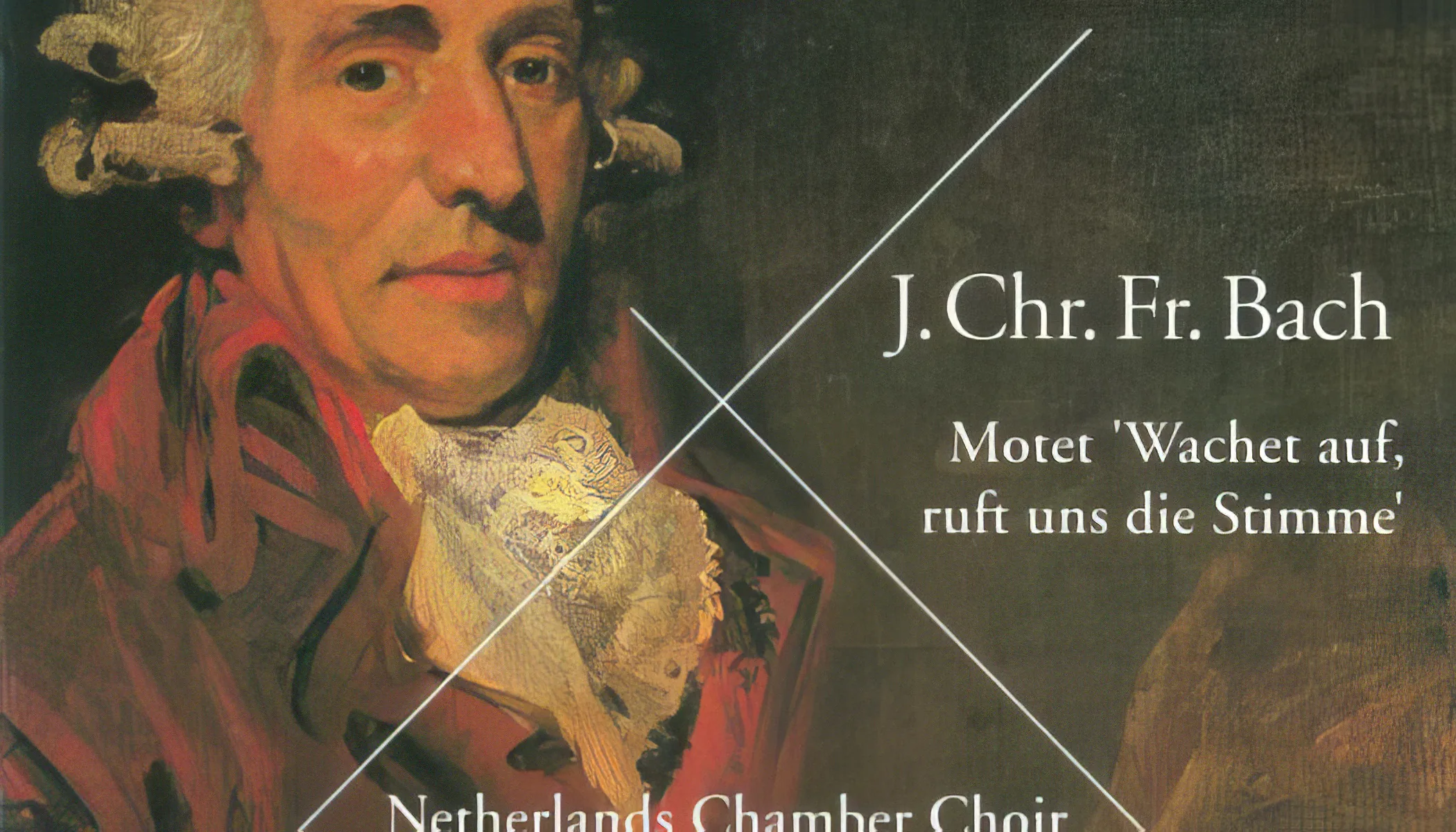
The Netherlands has produced a diverse array of music, with songs that often highlight its culture, history, and landscapes.
– Het Dorp: Boudewijn de Groot's nostalgic song about village life in the Netherlands.
– Zing, Vecht, Huil, Bid, Lach, Werk en Bewonder: Ramses Shaffy's anthem of resilience and appreciation.
– Aan de Amsterdamse Grachten: Classic ode to the canals of Amsterdam by Wim Sonneveld.
– Radar Love: Golden Earring's international rock hit celebrating freedom and adventure.
– Het Land van Maas en Waal: Boudewijn de Groot captures Dutch landscapes' beauty and folklore.
– Bloed, Zweet en Tranen: André Hazes' emotional song embodying Dutch perseverance and passion.
Films

Here is a selection of notable films set in the Netherlands, capturing its unique cultural backdrop:
– "Turkish Delight": Paul Verhoeven's film explores an intense love story with Rutger Hauer, capturing 1970s Dutch culture.
– "Black Book": A gripping World War II thriller by Paul Verhoeven about a Jewish singer infiltrating the Nazi regime.
– "Amsterdamned": A cult classic Dutch horror film involving a mysterious killer using the city's canals for cover.
– "The Vanishing": George Sluizer's psychological thriller focuses on the obsessive search for a missing woman.
– "Character": Oscar-winning film by Mike van Diem, depicting a young man's complex relationship with his authoritarian father.