

Netherlands Antilles Attractions & Travel Advice – Plan Your Visit
A former Caribbean territory, it comprised several islands, including Curaçao and Sint Maarten. Known for beautiful cultures and sensational beaches, these islands offered a mix of European and Caribbean influences. In 2010, the territory was dissolved into separate entities.
- Capital
- The Netherlands Antilles was dissolved as a political entity on October 10, 2010. Before its dissolution, the capital was Willemstad, located on the island of Curaçao. After the dissolution, Curaçao and Sint Maarten became constituent countries within the Kingdom of the Netherlands, while Bonaire, Sint Eustatius, and Saba became special municipalities of the Netherlands.
- Population
- 0.2 millions
- Superficy
- 1000 sq.km
- Months to Visit
- Feb. to April & Sept. to Nov.
- Living Cost
- The Netherlands Antilles was dissolved in 2010, and its territories are now separate entities. However, if you are referring to the islands that were part of the Netherlands Antilles, such as Curaçao or Sint Maarten, the cost to visit can generally be considered Moderate.
Overview
The Netherlands Antilles was a group of Caribbean islands that were part of the Kingdom of the Netherlands. It consisted of two main groups: the Leeward Islands (Curaçao and Bonaire) and the Windward Islands (Sint Maarten, Saba, and Sint Eustatius). In 2010, the Netherlands Antilles was dissolved, leading to Curaçao and Sint Maarten becoming autonomous countries within the Kingdom, while Bonaire, Saba, and Sint Eustatius became special municipalities of the Netherlands. The islands are known for their diverse cultures, influenced by African, European, and indigenous heritage. They offer beautiful beaches, beautiful marine life, and popular tourist activities like diving and snorkeling. The official languages are Dutch and Papiamento on some islands, with English widely spoken as well.
Pros & Cons
GOOD REASONS TO VISIT NETHERLANDS ANTILLES
– Beautiful Beaches: Enjoy pristine sands and clear waters on islands like Curaçao, Bonaire, and Sint Maarten.
– Diverse Marine Life: Excellent snorkeling and diving spots with remarkable coral reefs and diverse marine species.
– Rich Cultural Heritage: Experience a blend of Dutch, African, and Caribbean influences in architecture, music, and cuisine.
– Year-Round Warm Climate: Consistently warm weather makes it an ideal destination for sun-seekers any time of year.
– Lively Festivals: Participate in lively events like Carnival with colorful parades, music, and local traditions.
CHALLENGES WHEN VISITING NETHERLANDS ANTILLES
– High Travel Costs: Flights and accommodations can be expensive compared to other Caribbean destinations.
– Limited Public Transport: Getting around may require renting a car due to limited public transportation options.
– Hurricane Season Risks: Visiting during hurricane season (June-November) can pose weather-related challenges.
Before Departure
Before traveling to the Netherlands Antilles, consider the following essential information:
– Passport: Ensure your passport is valid for at least six months beyond your planned departure date.
– Visa: Visa requirements vary by nationality; many tourists can enter visa-free for up to 90 days.
– Currency: The Netherlands Antillean Guilder (ANG) is used; U.S. dollars widely accepted; credit cards and ATMs are common.
– Internet access: WiFi is available in hotels and cafes; local SIM cards offer affordable data plans.
– Language barrier: Dutch is the official language; English and Papiamento are widely spoken, with some Spanish also understood.
What to Pack
The Netherlands Antilles provides a tropical climate and beautiful beaches, so pack accordingly for a comfortable and enjoyable visit.
– Essentials: Passport, travel insurance details, flight tickets, accommodation confirmations, and itinerary.
– Clothing: Lightweight clothing, swimwear, sandals or flip-flops, sun hat, sunglasses, and a light jacket for cooler evenings.
– Health & Safety: Prescription medications, basic first aid kit, insect repellent, sunscreen with high SPF.
– Electronics: Travel adapter for Type A/B outlets (if needed), mobile phone with charger, camera for capturing scenic views.
Weather
Weather in the Netherlands Antilles is tropical, with slight variations throughout the year:
– Winter (December to February): Warm and dry, with temperatures ranging from 24°C to 29°C.
– Spring (March to May): Warm and dry, with occasional showers; temperatures range from 25°C to 30°C.
– Summer (June to August): Hot and humid, with increased rainfall; temperatures range from 26°C to 31°C.
– Autumn (September to November): Hot and humid, peak hurricane season; temperatures range from 26°C to 31°C. The best time to visit the Netherlands Antilles is from December to April:
– Pros: Pleasant weather, low humidity, ideal for outdoor activities and beach visits.
– Cons: Higher prices and more tourists during peak season.
Travel Budget
The Netherlands Antilles can be a moderately expensive destination for travelers. Here are some average prices for common expenses:
– Hotel: 80$ to 250$
– Lunch: 10$ to 25$
– Beverage (in bar/restaurant): 3$ to 8$
– Coffee: 2$ to 5$
– Transportation: (train not applicable), (bus 1.5$ to 3.5$), (taxi /10km 15$ to 30$)
– Mobile data (per GB): 5$ to 10$
Language
The Netherlands Antilles primarily used Papiamento, Dutch, and English before its dissolution in 2010. Here are some useful phrases in Papiamento:
– Hello: Bon dia
– Thank you: Danki
– Please: Por fabor
– How much is this?: Kuantu e ta kosta?
– Excuse me: Diskulpa mi
– I don't understand: Mi no ta komprondé
– Yes: Si
– No: No
– Goodbye: Ayo
History
Originally inhabited by indigenous Arawak and Carib peoples, the islands were colonized by the Spanish in the late 15th century, but control shifted to the Dutch in the 17th century. The Dutch established a key trading hub in the Caribbean, benefiting from commerce and slave trade. In 1954, the islands were reorganized as an autonomous part of the Kingdom of the Netherlands under the name Netherlands Antilles. This status allowed for internal self-governance while maintaining ties with the Netherlands for defense and foreign policy. Over time, desires for independence and autonomy grew, leading to constitutional changes. In 2010, the Netherlands Antilles was dissolved; Curaçao and Sint Maarten became constituent countries within the Kingdom of the Netherlands, while Bonaire, Sint Eustatius, and Saba became special municipalities directly under Dutch administration.
Geopolitics
The Netherlands Antilles was a former autonomous Caribbean country within the Kingdom of the Netherlands, dissolved in 2010. Its territory included islands such as Curaçao and Sint Maarten, which became separate countries within the Kingdom, while Bonaire, Sint Eustatius, and Saba became special municipalities of the Netherlands. The geopolitical significance of these islands stems from their strategic location in the Caribbean Sea and their ties to European governance. They serve as logistical hubs due to proximity to shipping routes and regional markets. The islands maintain economic and political relations with both regional neighbors and European countries through their association with the Netherlands. Their status allows them access to European Union benefits while navigating local Caribbean dynamics.
Sample Itinerary
This itinerary covers the diverse attractions of the Netherlands Antilles, focusing on cultural experiences, natural beauty, and beach relaxation.
– 2 days in Curaçao: Explore Willemstad's colorful architecture and floating market. Visit the Kura Hulanda Museum and relax at Blue Bay Beach.
– 1 day in Bonaire: Discover marine life while snorkeling or diving at Bonaire National Marine Park. Stroll through the capital, Kralendijk.
– 2 days in Aruba: Enjoy Eagle Beach for sunbathing. Visit Arikok National Park for caves and wildlife. Explore Oranjestad's shops and restaurants.
– 1 day in Sint Maarten: Experience both Dutch and French cultures. Relax at Maho Beach, visit Fort Amsterdam, and explore Marigot's local markets.
Popular cities
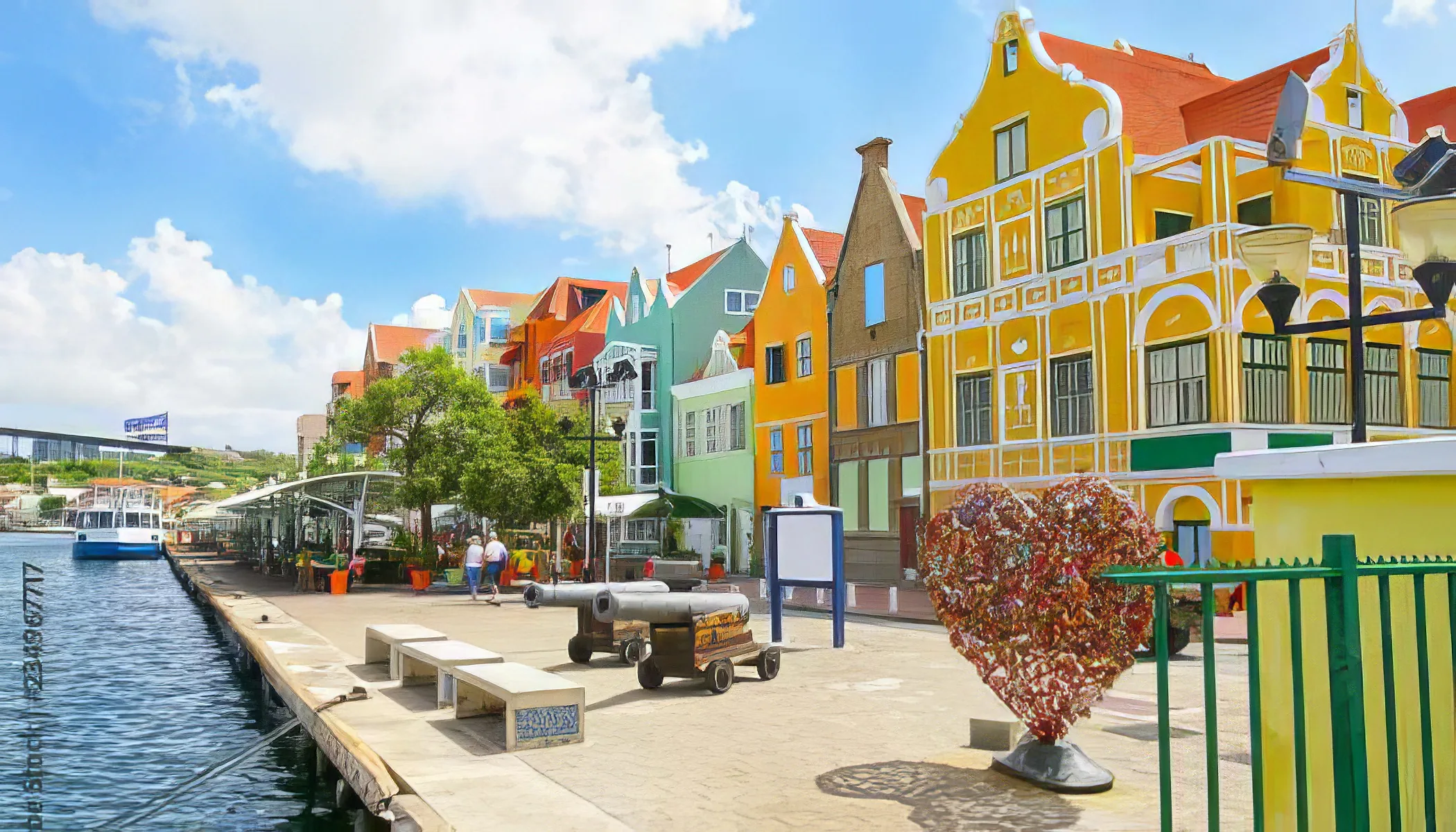
Explore the unique blend of Caribbean culture and European influences in these cities:
– Willemstad: The capital of Curaçao, known for its colorful colonial architecture and the floating Queen Emma Bridge.
– Philipsburg: The capital of Sint Maarten, offering duty-free shopping, beaches, and lively boardwalks.
– Oranjestad: Aruba’s capital, featuring Dutch colonial buildings and popular shopping streets.
– Kralendijk: Bonaire’s charming capital, ideal for diving and exploring local markets.
– The Bottom: A peaceful village on Saba island, known for its unique location in a volcanic crater.
– Windwardside: Saba's second-largest town, offering hiking trails and attractive green views.
– Rincon: One of the oldest towns in Bonaire, rich in local culture and history.
Monuments
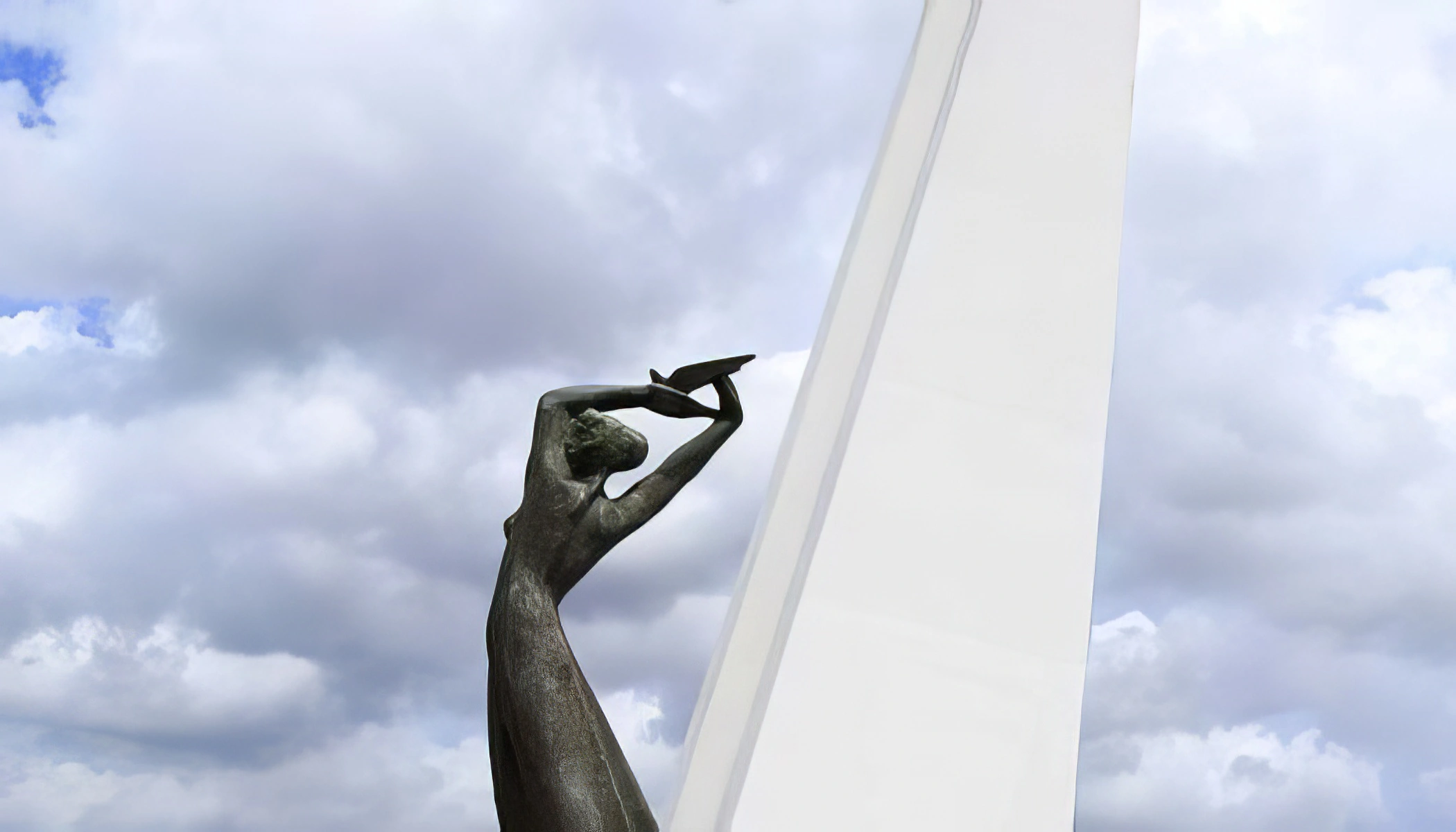
The Netherlands Antilles provides diverse cultural and historical monuments to explore:
– Fort Amsterdam, Curaçao: 17th-century fort in Willemstad, pivotal in island's defense and administration.
– Queen Emma Bridge, Curaçao: Iconic floating pontoon bridge connecting Punda and Otrobanda districts in Willemstad.
– Mikvé Israel-Emanuel Synagogue, Curaçao: Oldest synagogue in continuous use in the Americas, built in 1732.
– Fort Nassau, Curaçao: Historic fortress offering panoramic views of Willemstad and surrounding harbors.
– Landhuis Chobolobo, Curaçao: 19th-century mansion housing the distillery of famous Blue Curaçao liqueur.
– Museo Tula, Curaçao: Museum dedicated to Tula's slave rebellion of 1795 on the island's plantation history.
– Christoffel National Park, Curaçao: Features historic plantation houses within its largest national park setting.
– Fort Oranje, Bonaire: Small fortification overlooking Kralendijk harbor with historical significance from colonial times.
Natural wonder
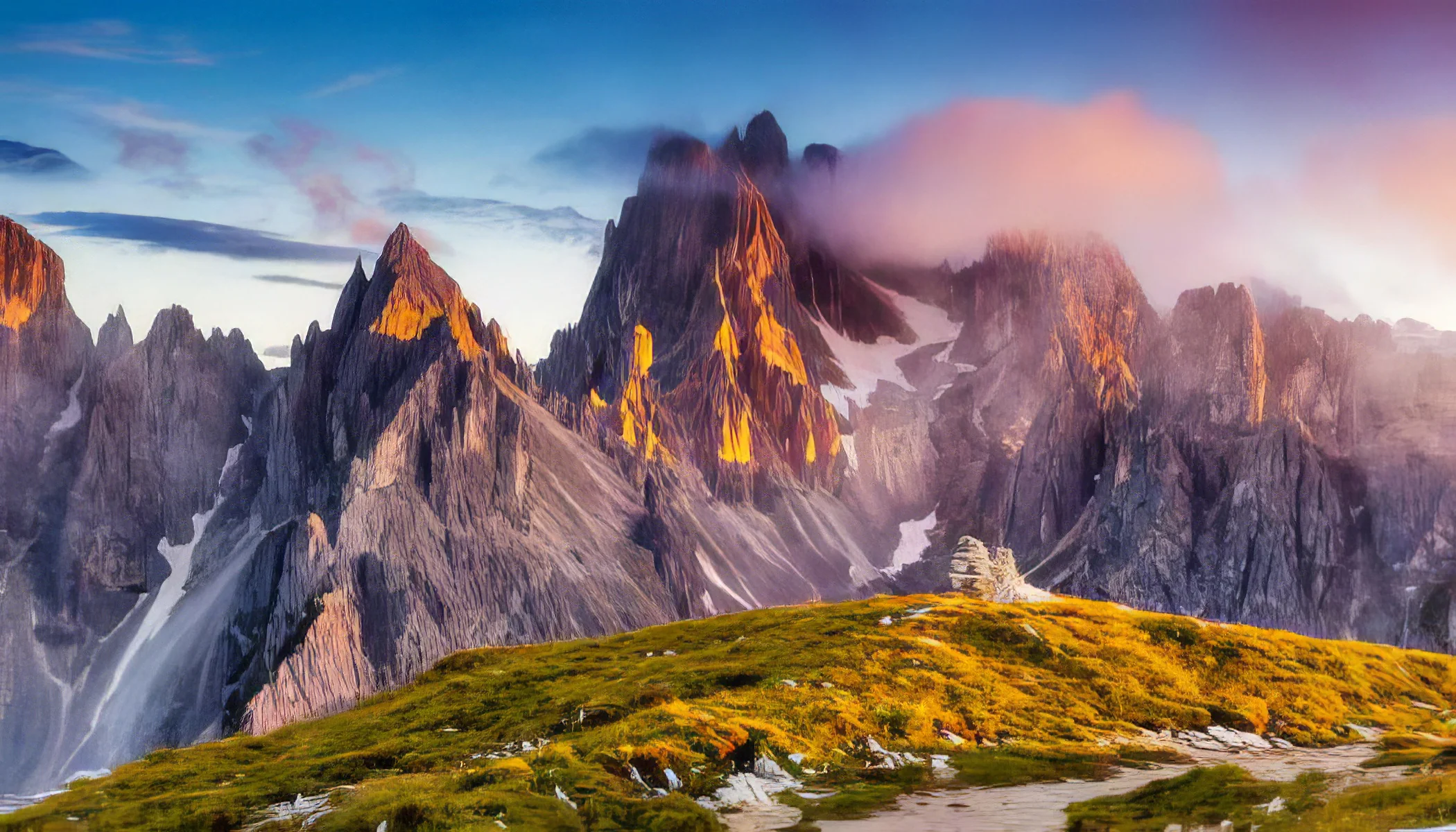
Explore the natural beauty of the Netherlands Antilles:
– Christoffel National Park: Features diverse flora, fauna, and Curaçao's highest peak.
– Shete Boka National Park: Known for rugged coastline and sea turtle nesting sites.
– Bonaire National Marine Park: Supplies pretty coral reefs and diverse marine life.
– Klein Bonaire: Uninhabited island famous for crystalline beaches and crystal-clear waters.
– Washington Slagbaai National Park: Located in Bonaire, known for wildlife and desert landscapes.
– Lac Bay: A windsurfing hotspot with mangroves and shallow turquoise waters.
– Mount Scenery: The highest point in the Kingdom of the Netherlands, located on Saba.
– Quill/Boven National Park: Features a dormant volcano with nice vegetation on Sint Eustatius.
Beaches
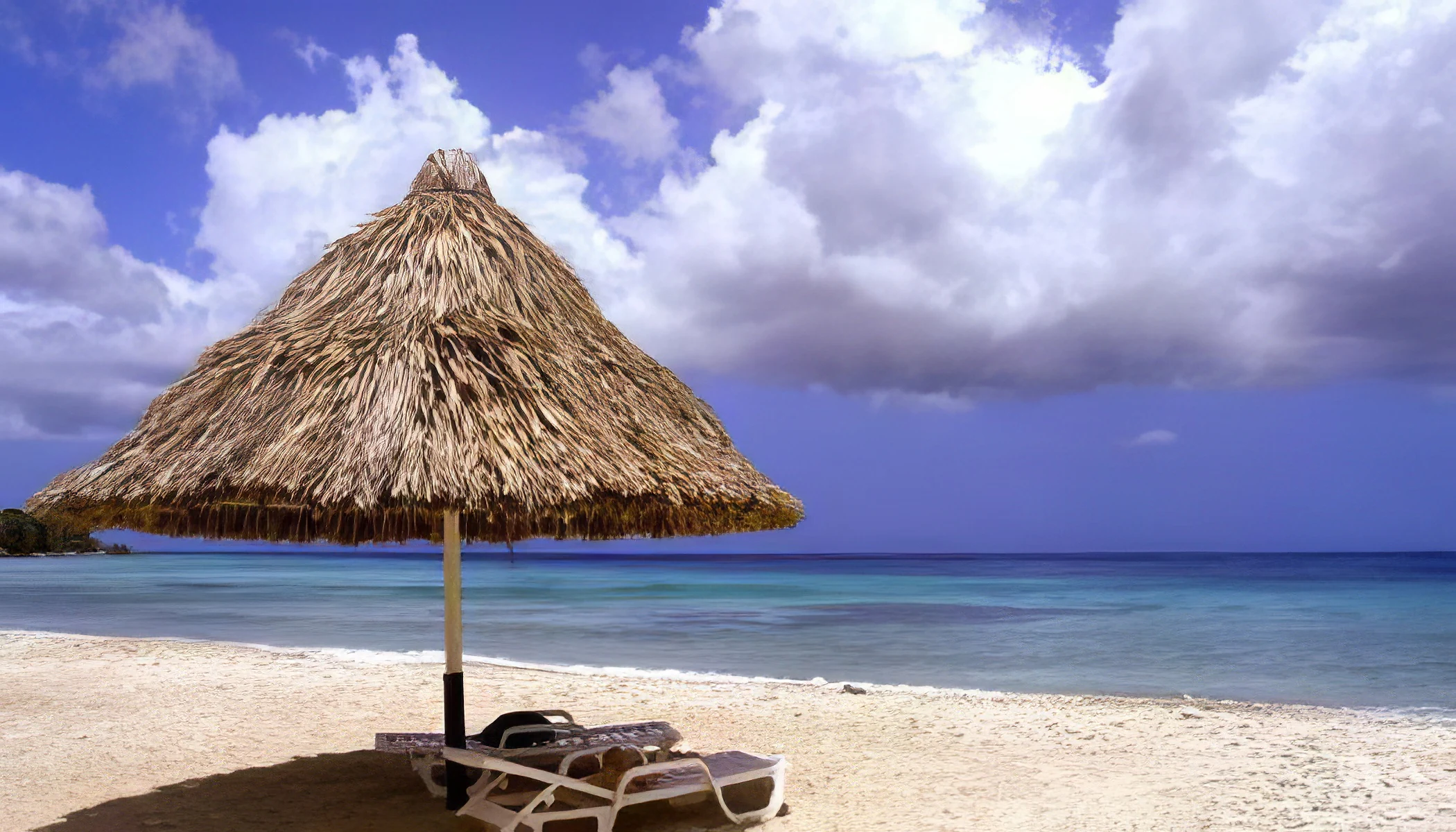
The Netherlands Antilles offer several beautiful beaches to explore:
– Mambo Beach: Popular beach in Curaçao with clear water and lively atmosphere.
– Cas Abao Beach: Known for its white sand and excellent snorkeling in Curaçao.
– Eagle Beach: Famous for wide, white sand and divi-divi trees in Aruba.
– Grote Knip Beach: Supplies stunning views and cliff jumping opportunities in Curaçao.
– Baby Beach: Shallow waters perfect for families in Aruba.
– Playa PortoMari: Features a double reef ideal for diving and snorkeling in Curaçao.
– Palm Beach: Lively area with resorts and water activities in Aruba.
Outdoor activities
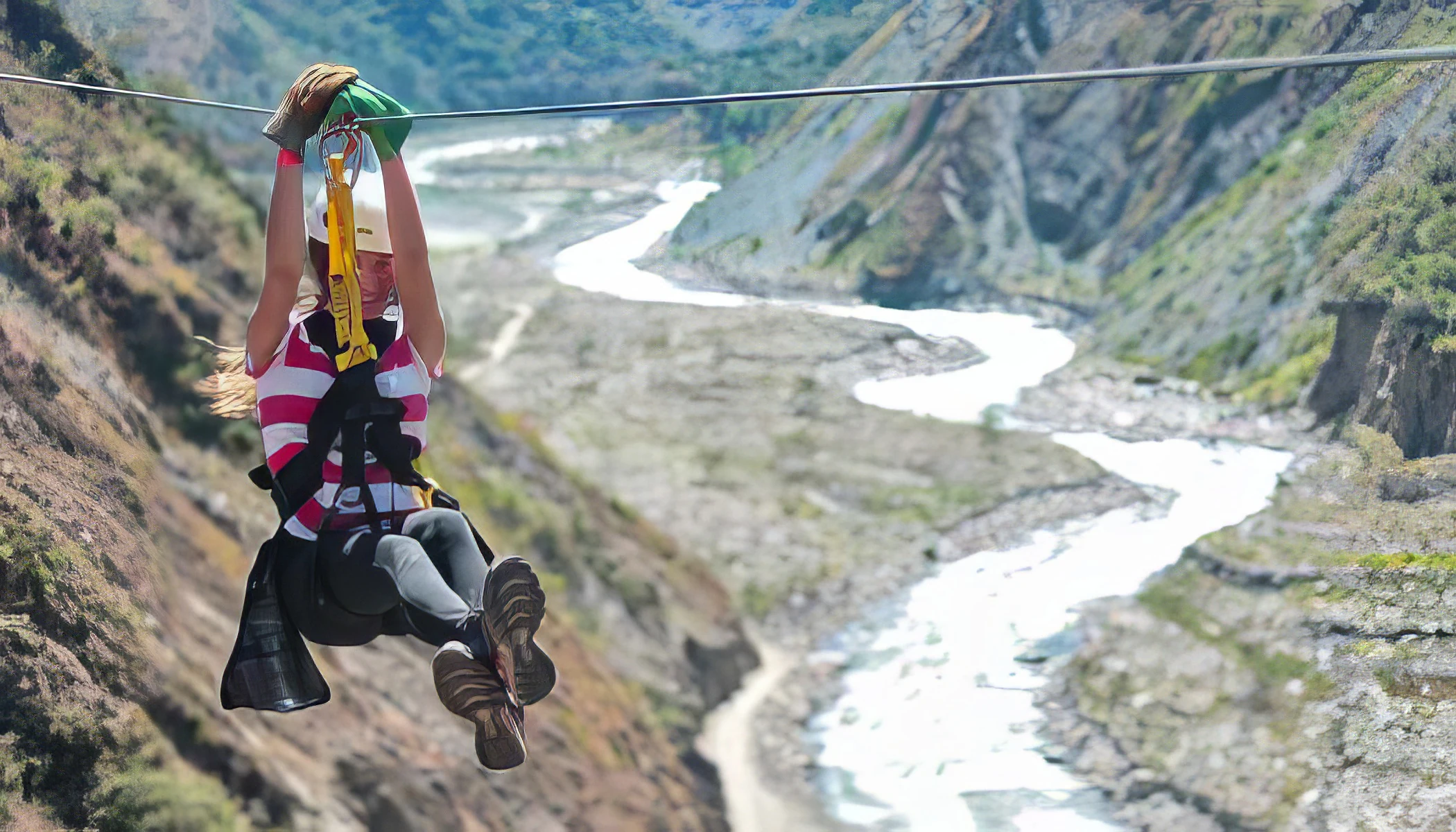
Explore a variety of outdoor activities that highlight the natural beauty of the region:
– Snorkeling in Bonaire: Discover colorful reefs and diverse marine life in clear waters.
– Hiking Mount Christoffel in Curaçao: Climb to the highest point for panoramic island views.
– Windsurfing at Lac Bay, Bonaire: Experience ideal wind conditions at this popular spot.
– Scuba Diving in Saba: Explore underwater pinnacles and charming sea life.
– Kayaking in St. Eustatius: Paddle through beautiful waters with opulent surrounding landscapes.
– Beachcombing Klein Curaçao: Relax on immaculate beaches and explore the abandoned lighthouse.
– Bird Watching in Bonaire National Park: Spot flamingos and other birds in their natural habitat.
Kid Friendly
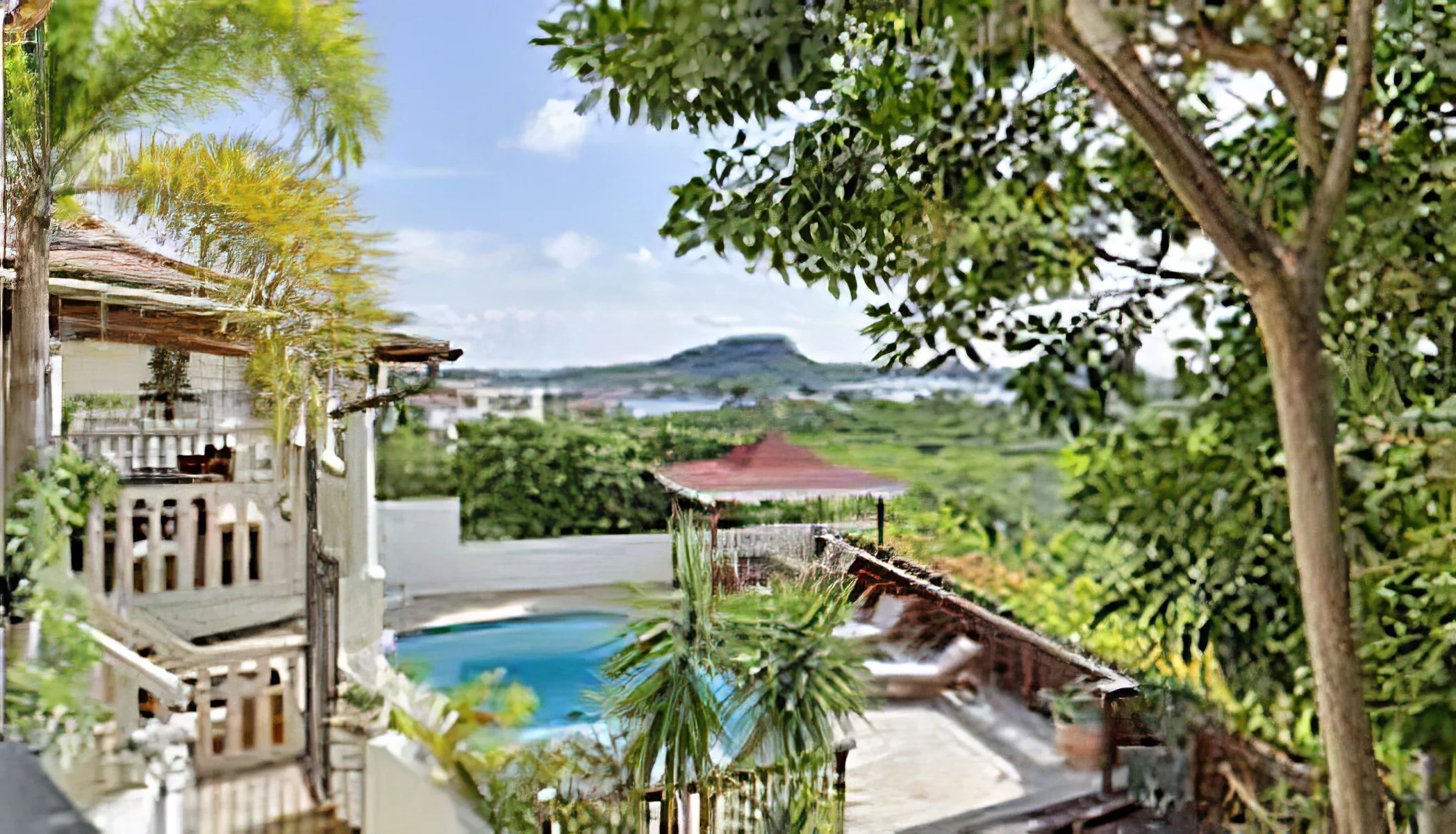
The Netherlands Antilles offers various activities for kids to enjoy:
– Curacao Sea Aquarium: An interactive marine park where kids can see and touch marine creatures.
– Bonaire National Marine Park: Perfect for snorkeling, with remarkable underwater life that kids will love exploring.
– Hato Caves: A fascinating gorgeous cave filled with stalactites and stalagmites, offering guided tours.
– Christoffel National Park: A natural park where families can enjoy hiking and spot local wildlife.
– Flamingo Sanctuary at Pekelmeer: Children can observe flamingos in their natural habitat on Bonaire.
– Shete Boka National Park: Known for its rugged coastline and blowholes, providing a fun outdoor experience.
– Dolphin Academy Curacao: Supplies dolphin encounters that are both educational and exciting for children.
– Playa Porto Marie: A family-friendly beach with calm waters suitable for swimming and snorkeling.
Cuisine
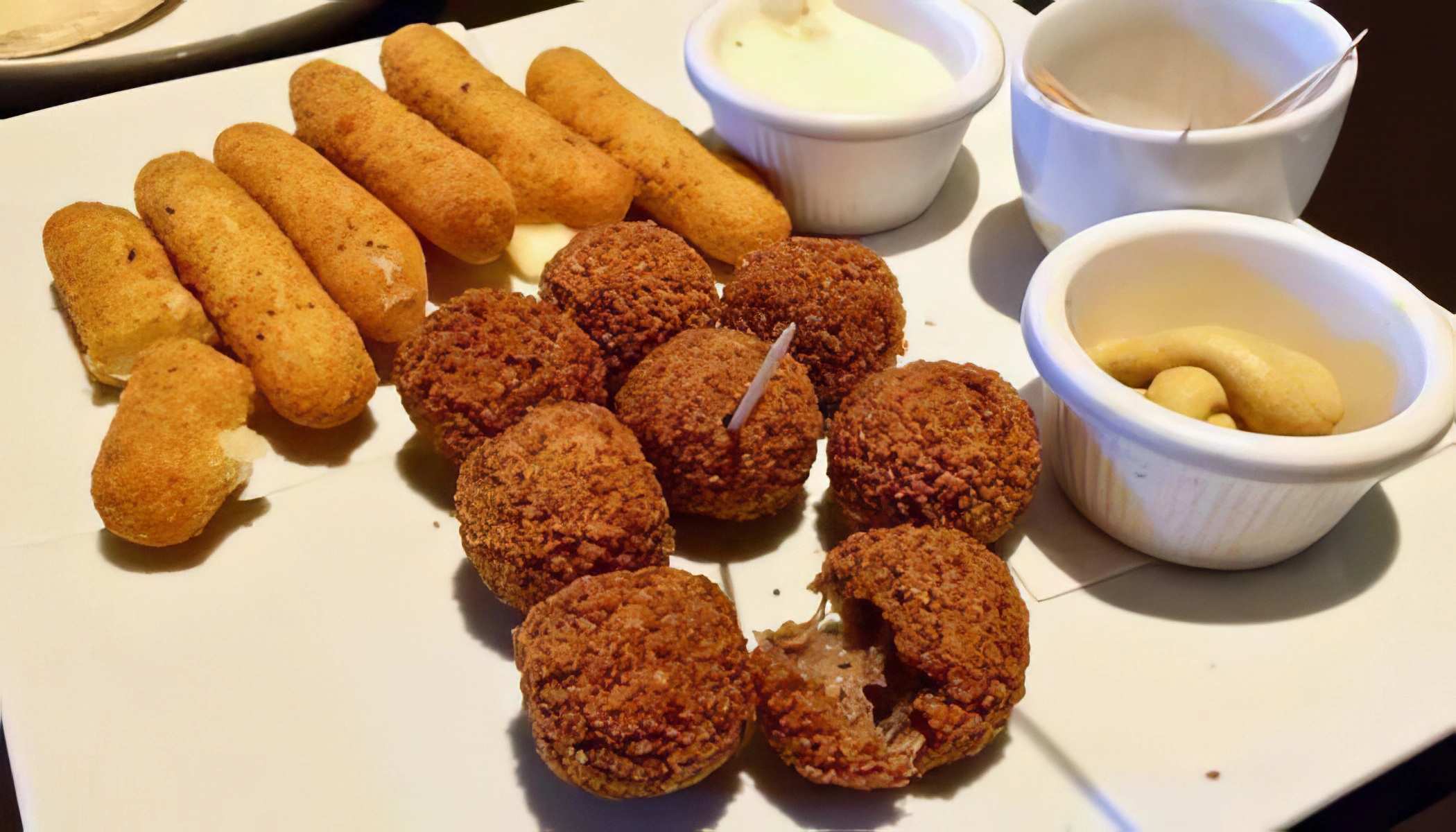
The Netherlands Antilles' cuisine is a reflection of its diverse cultural influences, featuring a mix of Caribbean, European, and Latin flavors. Fresh seafood is abundant, alongside tropical fruits and spices. The dishes are hearty and flavorful, offering a rich culinary experience.
– Keshi Yena: Stuffed Edam cheese with chicken or beef, vegetables, and spices.
– Funchi: Cornmeal side dish similar to polenta, often served with stews.
– Stoba: Traditional stew made with meat or fish, flavored with spices and vegetables.
– Pastechi: Deep-fried pastry filled with cheese or spiced meats.
– Bolo di Banana: Banana cake dessert that is moist and sweet.
Souvenir
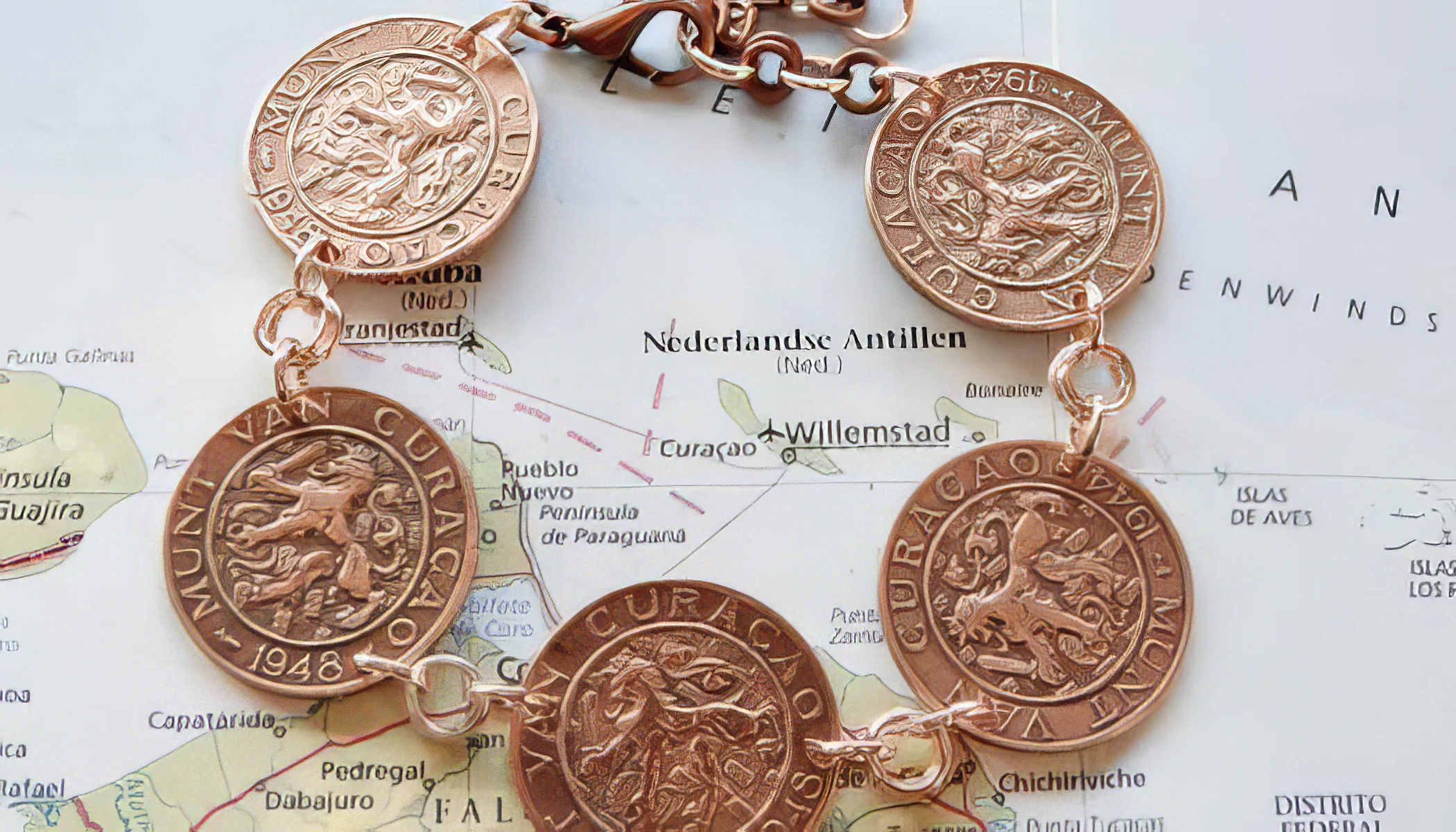
The Netherlands Antilles offers unique souvenirs reflecting its diverse culture and heritage. Here are some popular options:
– Blue Curaçao Liqueur: A lovely blue liqueur, famous for its distinct citrus flavor.
– Delftware: Traditional blue and white pottery, often featuring refined designs.
– Salt from Bonaire: Known for its purity, Bonaire's sea salt is a unique culinary gift.
– Handmade Jewelry: Local artisans create jewelry using shells and natural materials.
– Sea Salt Soap: Crafted with local sea salt, this soap is a refreshing souvenir.
– Aloe Vera Products: Known for their soothing properties, these are made locally from aloe plants.
– Local Spices: A variety of spices reflecting the region’s culinary influences.
Traditional Shows
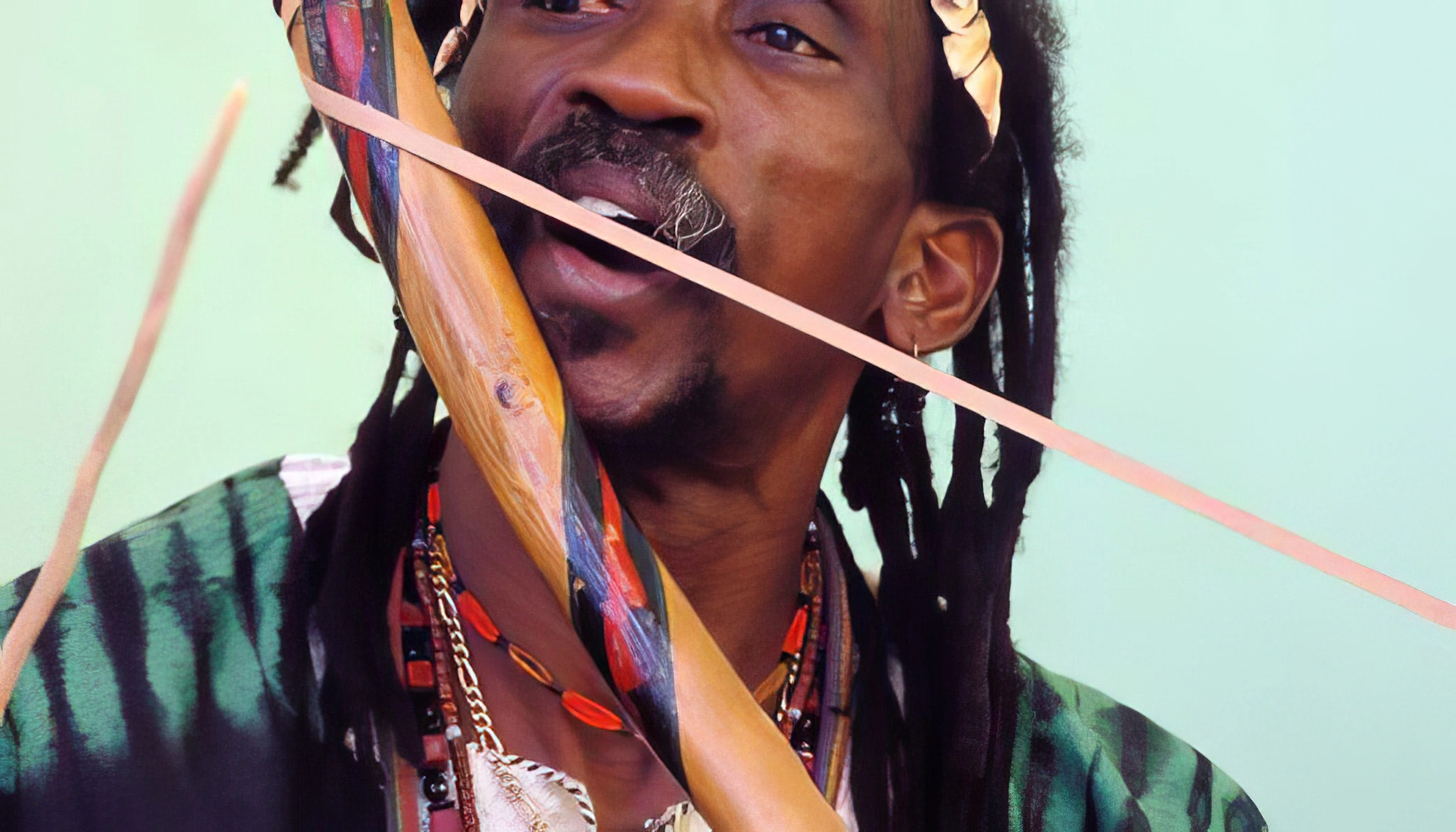
The Netherlands Antilles supplies unique music and art experiences:
– Tumba Festival: Held in Curaçao, this lovely festival celebrates Tumba music with lively performances featuring local musicians and dancers.
– Tambú Dance: Experience the traditional music and dance of Tambú, with rhythmic drumming and storytelling, primarily in Bonaire and Curaçao.
– Seú Festival: Witness the harvest festival in Bonaire with parades, traditional costumes, and folkloric music celebrating local agricultural traditions.
– Simadan Festival: Participate in this cultural event on Bonaire, featuring folk singing, dancing, and feasting to celebrate the end of the harvest season.
– Carnival Parades: Enjoy colorful parades across the islands like Aruba and Curaçao that showcase elaborate costumes, music, and dances reflecting Caribbean culture.
Events & Festivals
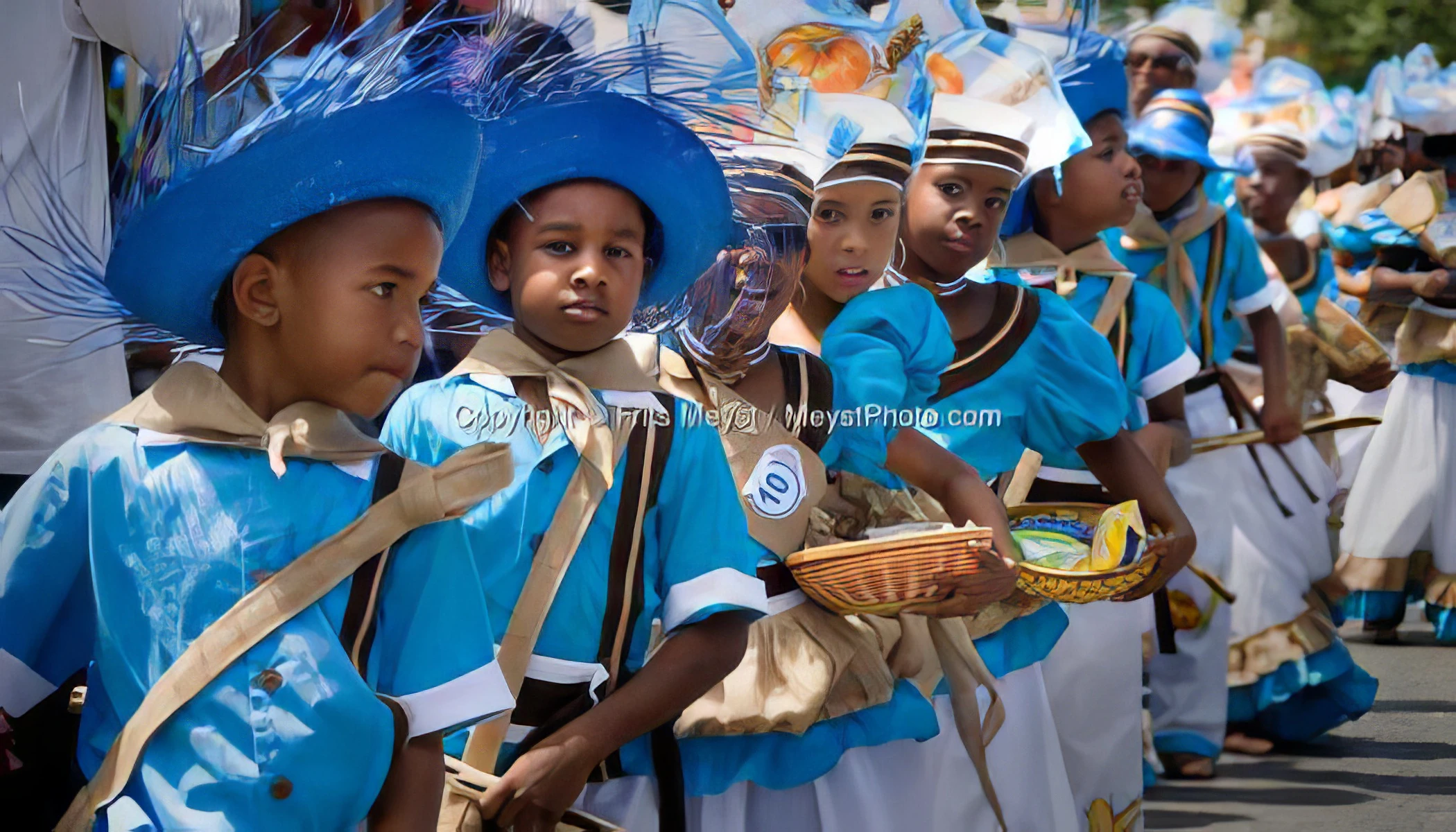
The Netherlands Antilles hosts a variety of attractive cultural events and festivals throughout the year:
– Curaçao Carnival: January/February festivity with parades, music, and colorful costumes on Curaçao Island.
– Bonaire Carnival: February event featuring lively street parties, parades, and music on Bonaire Island.
– Simadan Festival: April harvest celebration in Bonaire with traditional dancing and singing.
– King's Day: April 27th celebration in all islands honoring the Dutch king with parties and markets.
– Bonaire Regatta: October maritime event attracting sailors for races, alongside local festivities.
– Saba Day: December 6th holiday celebrating Saba's culture with activities and local cuisine.
– St. Eustatius Day: November 16th day filled with traditional events celebrating St. Eustatius' heritage.
Famous People
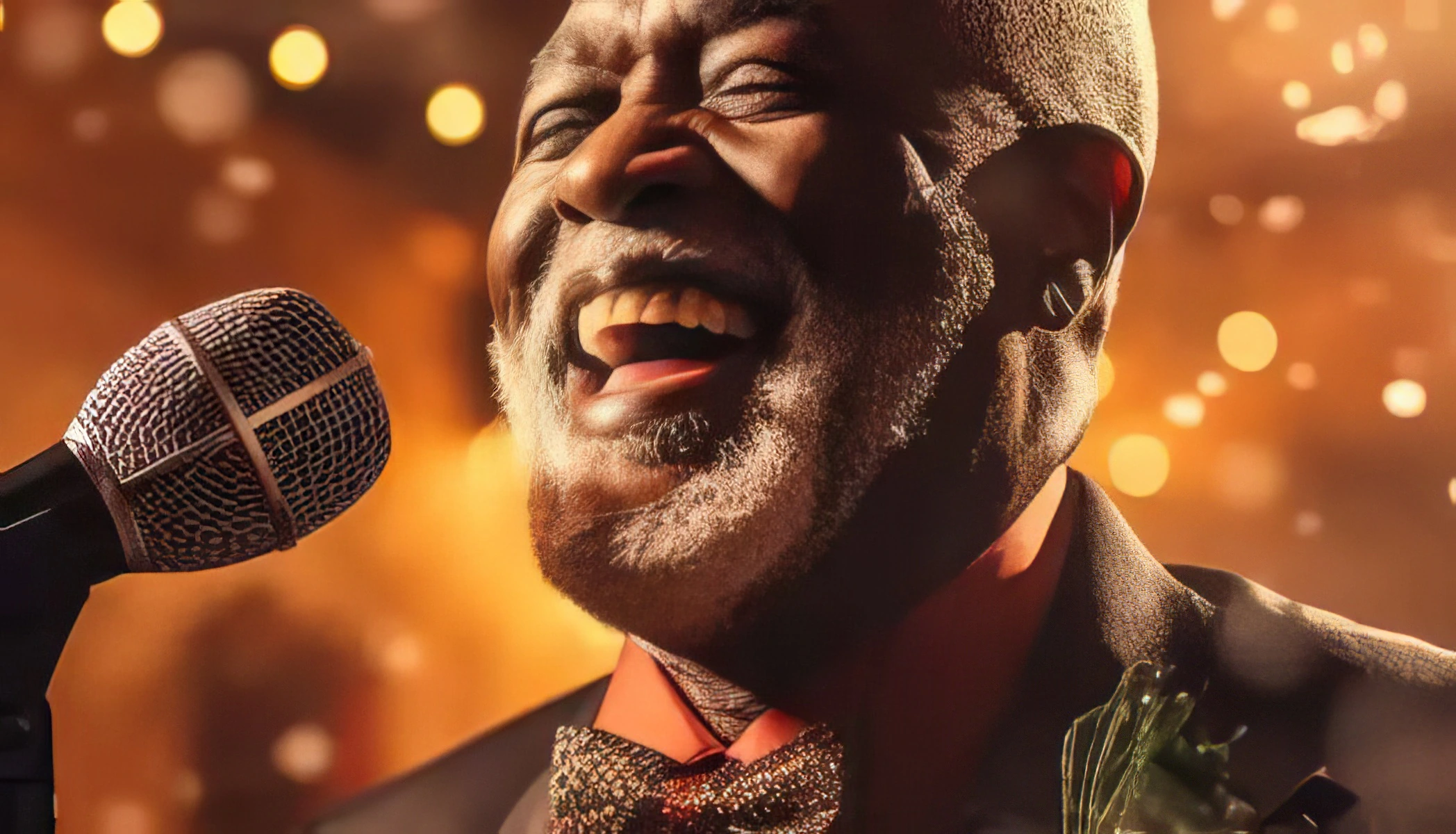
The Netherlands Antilles has been home to numerous individuals who have made significant impacts in various fields.
– Tula (died 1795, Curaçao): Leader of a major slave revolt in 1795, remembered as a symbol of resistance.
– Churandy Martina (born 1984, Willemstad): Sprinter who represented the Netherlands and excelled in international athletics competitions.
– Frantz Fanon (1925 to 1961, Fort-de-France): Influential psychiatrist and philosopher celebrated for his works on decolonization and the psychology of oppression.
– Helmin Wiels (1958 to 2013, Curaçao): Politician known for advocating Curaçao's independence before his assassination in 2013.
– Izaline Calister (born 1969, Curaçao): Singer-songwriter acclaimed for blending traditional Afro-Caribbean music with jazz elements.
Books
These books delve into the cultures, histories, and social dynamics of the Netherlands Antilles, offering unique insights through fiction and memoirs.
– "Dubbelspel" by Frank Martinus Arion: A dramatic tale of friendship and rivalry set against Curaçao's beautiful backdrop.
– "The Sign of Jonah" by Tip Marugg: Reflects on existential themes through a man's introspective night in Curaçao.
– "An Untamed State" by Roxane Gay: Partially set in Haiti, it touches on cultural ties with the Caribbean region.
– "Below the Waterline" by Daisy Hernandez: Memoir exploring identity and family with roots tracing back to Caribbean heritage.
– "A House for Mr. Biswas" by V.S. Naipaul: Though not directly set in the Antilles, explores shared colonial Caribbean experiences.
Songs
The musical heritage of the Netherlands Antilles includes a blend of Caribbean rhythms and influences from African and European traditions.
– Atardi: A classic by Rudy Plaate, reflecting the beauty of Curaçao's sunsets.
– Nos Pais: Izaline Calister's song celebrating the culture and spirit of her homeland.
– Ritmo Kombina: A popular tune by Kuenta i Tambú, mixing traditional tambú with electronic beats.
– Ban Saka Patras: A well-known piece by Oswin Chin Behilia, showcasing Antillean storytelling in music.
– Dia di Fiesta: Celebratory song by Grupo Serenada capturing festival vibes in the islands.
Films
Explore the pleasant cinematic landscape of the Netherlands Antilles through these notable films:
– "Double Play": Adapted from Frank Martinus Arion's novel, it explores Curaçao's complex social and political dynamics.
– "Tula: The Revolt": A historical drama depicting Tula's leadership in a slave uprising on Curaçao in 1795.
– "Road to Fire": A tale of ambition and struggle amidst the backdrop of a Curaçao oil refinery.
– "Sensei Redenshon": Follows a former street fighter seeking redemption while navigating life in Aruba.
– "Suicide Club": A psychological thriller set in Curaçao focusing on themes of despair and hope.