

Nicaragua Attractions & Travel Advice – Plan Your Visit
Located in Central America, this country is known for its lakes, volcanoes, and beaches. It features colonial architecture in cities like Granada and León. The diverse ecosystems and rich cultural heritage offer a unique blend of natural and historical attractions.
- Capital
- Managua
- Population
- 6 millions
- Superficy
- 130000 sq.km
- Months to Visit
- Nov. to April.
- Living Cost
- Economical
Overview
Nicaragua, located in Central America, is known for its dramatic landscapes, including lakes, volcanoes, and beaches. The capital city, Managua, is the largest city and a central hub for commerce and culture. Nicaragua's colonial cities like Granada and León offer historical architecture and beautiful local traditions. The country is rich in biodiversity, with numerous national parks and reserves protecting its wildlife. Agriculture plays a significant role in the economy, with coffee being a major export product. Despite facing economic challenges, Nicaragua attracts visitors with its natural beauty and cultural heritage.
Pros & Cons
GOOD REASONS TO VISIT NICARAGUA
– Diverse Landscapes: Explore volcanoes, lakes, and beaches offering varied outdoor activities and gorgeous natural beauty.
– Colonial Architecture: Granada and León feature well-preserved colonial buildings, colorful streets, and historic charm.
– Affordable Travel: Nicaragua supplies budget-friendly accommodations, food, and activities for cost-conscious travelers.
– Rich Culture: Experience charming festivals, traditional music, dance, and local crafts reflecting Nicaragua's cultural heritage.
– Adventure Activities: Enjoy surfing in San Juan del Sur or hiking volcanoes like Cerro Negro for thrilling experiences.
CHALLENGES WHEN VISITING NICARAGUA
– Political Instability: Occasional protests and unrest can affect travel plans; stay informed about current events.
– Limited Infrastructure: Rural areas may lack reliable transportation and amenities; plan accordingly for remote travel.
– Language Barrier: Spanish is the primary language; English is less common outside tourist areas.
Before Departure
Before traveling to Nicaragua, consider the following essential information:
– Passport: Ensure your passport is valid for at least six months from your entry date.
– Visa: Most tourists can enter visa-free for up to 90 days; check specific requirements based on nationality.
– Currency: Nicaraguan Córdoba (NIO); US dollars widely accepted; credit cards in cities; ATMs available in urban areas.
– Internet access: WiFi is common in hotels and cafes in cities; purchase a local SIM for reliable data.
– Language barrier: Spanish is the official language; English is not widely spoken outside tourist areas.
What to Pack
Nicaragua supplies diverse landscapes and climates, so packing appropriately is key to a comfortable visit.
– Essentials: Passport, travel insurance, flight details, accommodation confirmations, and a copy of your itinerary.
– Clothing: Lightweight clothing for warm weather, sturdy hiking shoes, swimwear for beaches and lakes, hat and sunglasses for sun protection.
– Health & Safety: Prescription medications, basic first aid kit, insect repellent with DEET, sunscreen with high SPF.
– Electronics: Travel adapter for Nicaraguan outlets (Type A/B), mobile phone with charger, camera or smartphone for photos.
Weather
Nicaragua has a tropical climate with distinct wet and dry seasons:
– Dry Season (November to April): Generally sunny and dry across the country, with cooler temperatures in the highlands.
– Wet Season (May to October): Frequent rain showers, especially in the afternoons, with higher humidity and occasional hurricanes. The best time to visit Nicaragua is during the dry season from November to April.
– Pros: Ideal weather for outdoor activities and exploring beaches; less rain and humidity.
– Cons: Higher tourist numbers can lead to increased prices and crowded attractions.
Travel Budget
Nicaragua is known for being a budget-friendly destination in Central America. Here are some average prices for tourists:
– Hotel: 15$ to 80$
– Lunch: 3$ to 10$
– Beverage (in bar/restaurant): 1.5$ to 4$
– Coffee: 1$ to 2.5$
– Transportation: (train not commonly used), (bus 0.25$ to 1.5$), (taxi /10km 5$ to 8$)
– Mobile data (per GB): 2$ to 4$
Language
In Nicaragua, Spanish is the official language and here are some useful phrases for tourists:
– Hello: Hola
– Thank you: Gracias
– Please: Por favor
– How much is this?: ¿Cuánto cuesta esto?
– Excuse me: Perdón
– I don't understand: No entiendo
– Yes: Sí
– No: No
– Goodbye: Adiós
History
Its history is marked by indigenous civilizations before Spanish colonization in the early 16th century. It gained independence from Spain in 1821 and briefly joined the Mexican Empire and the United Provinces of Central America. The mid-19th century saw political instability, leading to intervention by foreign powers, including a brief occupation by American filibuster William Walker. The 20th century was dominated by the Somoza family's dictatorship, which began in the 1930s and lasted until the Sandinista revolution in 1979. The Sandinistas established a socialist government but faced Contra insurgency backed by the United States during the 1980s, resulting in a prolonged civil conflict. A peace process led to democratic elections in 1990, marking a shift towards political stability and economic recovery.
Geopolitics
Located in Central America, Nicaragua is bordered by Honduras to the north and Costa Rica to the south, with both the Caribbean Sea and the Pacific Ocean as coastal boundaries. It has a presidential republic government with Daniel Ortega as a prominent political figure, maintaining strong control over national politics. The country has experienced tension with neighboring Costa Rica over border and immigration issues. Nicaragua is a member of regional organizations such as the Central American Integration System (SICA) but often faces criticism from international communities regarding its human rights record. It maintains close ties with countries like Venezuela, Cuba, and Russia while navigating complex relations with the United States. Economic challenges and political unrest have influenced its international relations and geopolitical stance in the region.
Sample Itinerary
This itinerary supplies a glimpse into Nicaragua's colonial history, volcanic landscapes, and natural beauty.
– 2 days in Granada: Explore colonial architecture, Masaya Volcano National Park, and Lake Nicaragua. Take a boat tour of Las Isletas.
– 1 day in León: Visit the León Cathedral and Museo de la Revolución. Take a trip to Cerro Negro for volcano boarding.
– 1 day on Ometepe Island: Discover Charco Verde Nature Reserve and San Ramón Waterfall. Enjoy the views of Concepción and Maderas volcanoes.
– 2 days in San Juan del Sur: Relax on beautiful beaches. Try surfing or visit nearby coastal communities for local culture.
– 1 day in Managua: Visit the National Palace, Old Cathedral, and Tiscapa Lagoon. Explore markets for local crafts before departure.
Popular cities
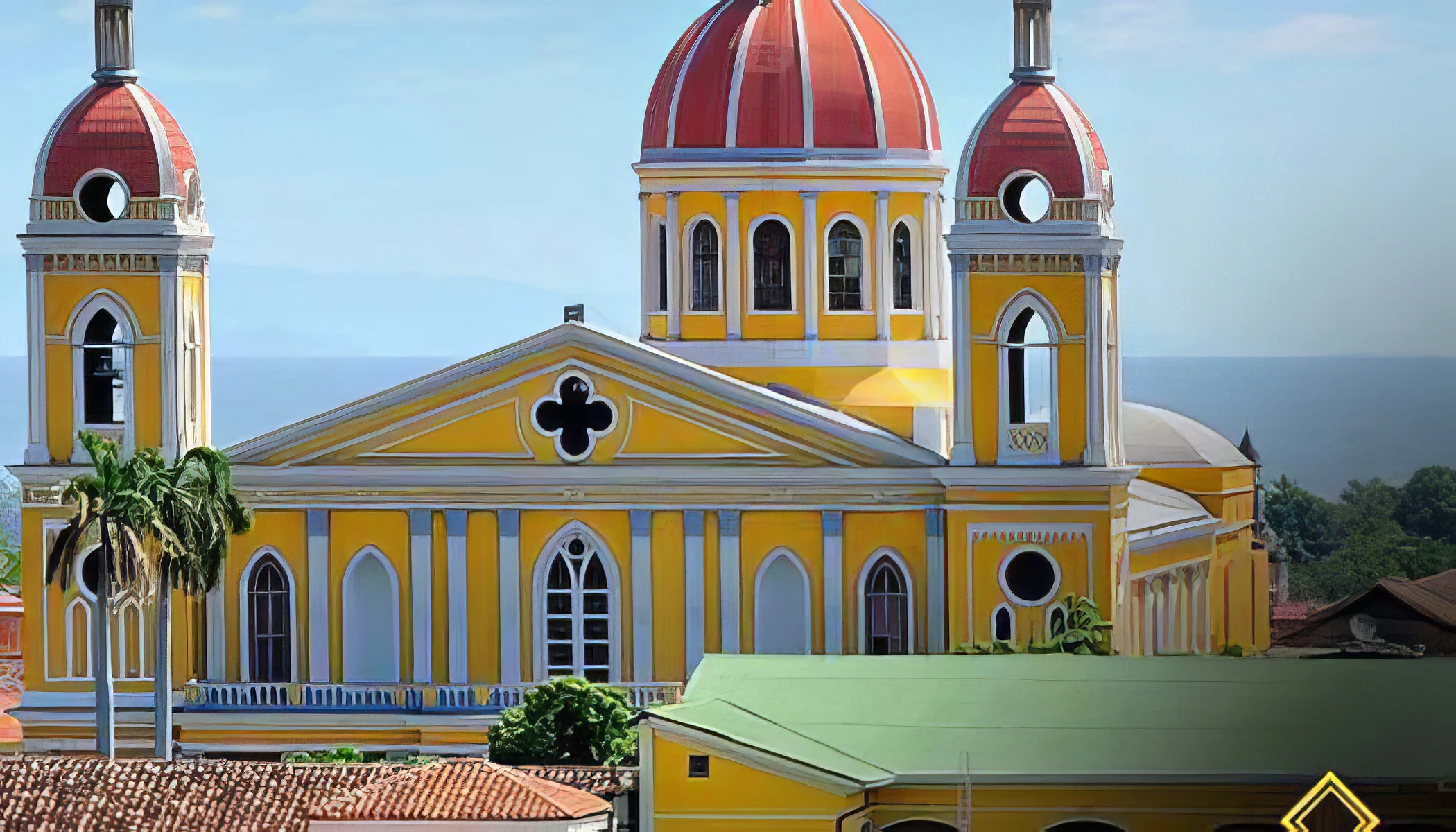
Explore the diverse cities of Nicaragua, each offering unique attractions and experiences for tourists:
– Managua: The capital city features historical landmarks, cultural institutions, and the scenic Tiscapa Lagoon.
– Granada: Known for its colonial architecture, charming markets, and proximity to Lake Nicaragua.
– León: A historic city famous for its churches, museums, and nearby volcanic landscapes.
– Masaya: Provides a lively artisan market and the active Masaya Volcano National Park.
– San Juan del Sur: A coastal town popular for its beaches and charming nightlife.
– Matagalpa: Nestled in the mountains, known for coffee farms and eco-tourism activities.
– Estelí: Known for its tobacco production, murals, and access to natural reserves.
Monuments
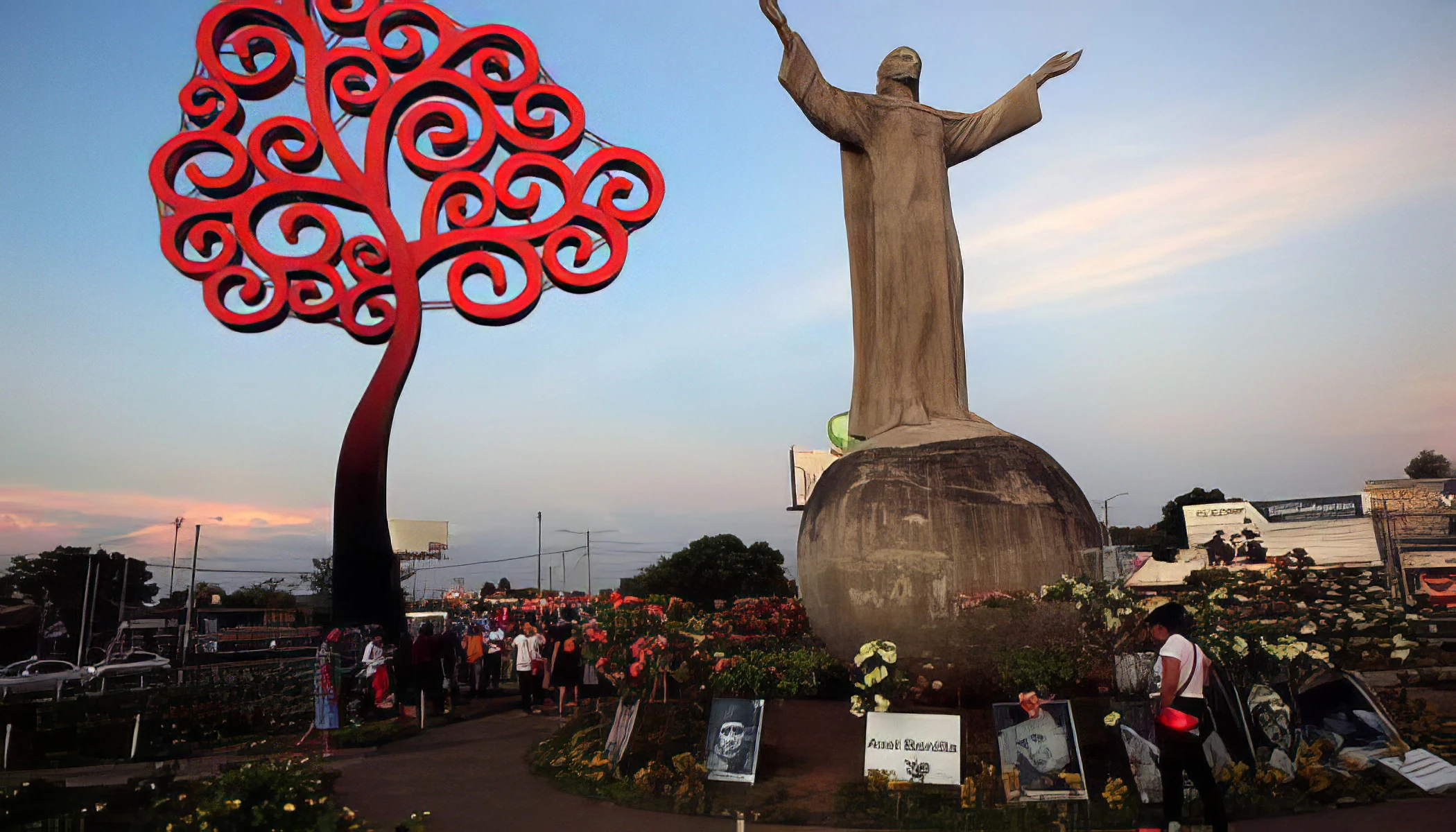
Nicaragua provides a range of historical monuments to explore:
– León Cathedral: Largest cathedral in Central America, UNESCO site with colonial architecture.
– Masaya Volcano National Park: Active volcano with accessible crater and fascinating landscapes.
– San Francisco Convent, Granada: Historic convent with a museum housing pre-Columbian artifacts.
– Ometepe Island: Island formed by two volcanoes with petroglyphs and archaeological sites.
– Ruins of León Viejo: Original León city ruins, showcasing Spanish colonial history, a UNESCO site.
– Coyotepe Fortress, Masaya: 19th-century fortress used as a prison during political unrest.
– El Castillo Fortress, Río San Juan: 17th-century Spanish fort built to protect against pirates.
– Church of La Merced, Granada: Colonial-era church offering panoramic views from its bell tower.
Natural wonder
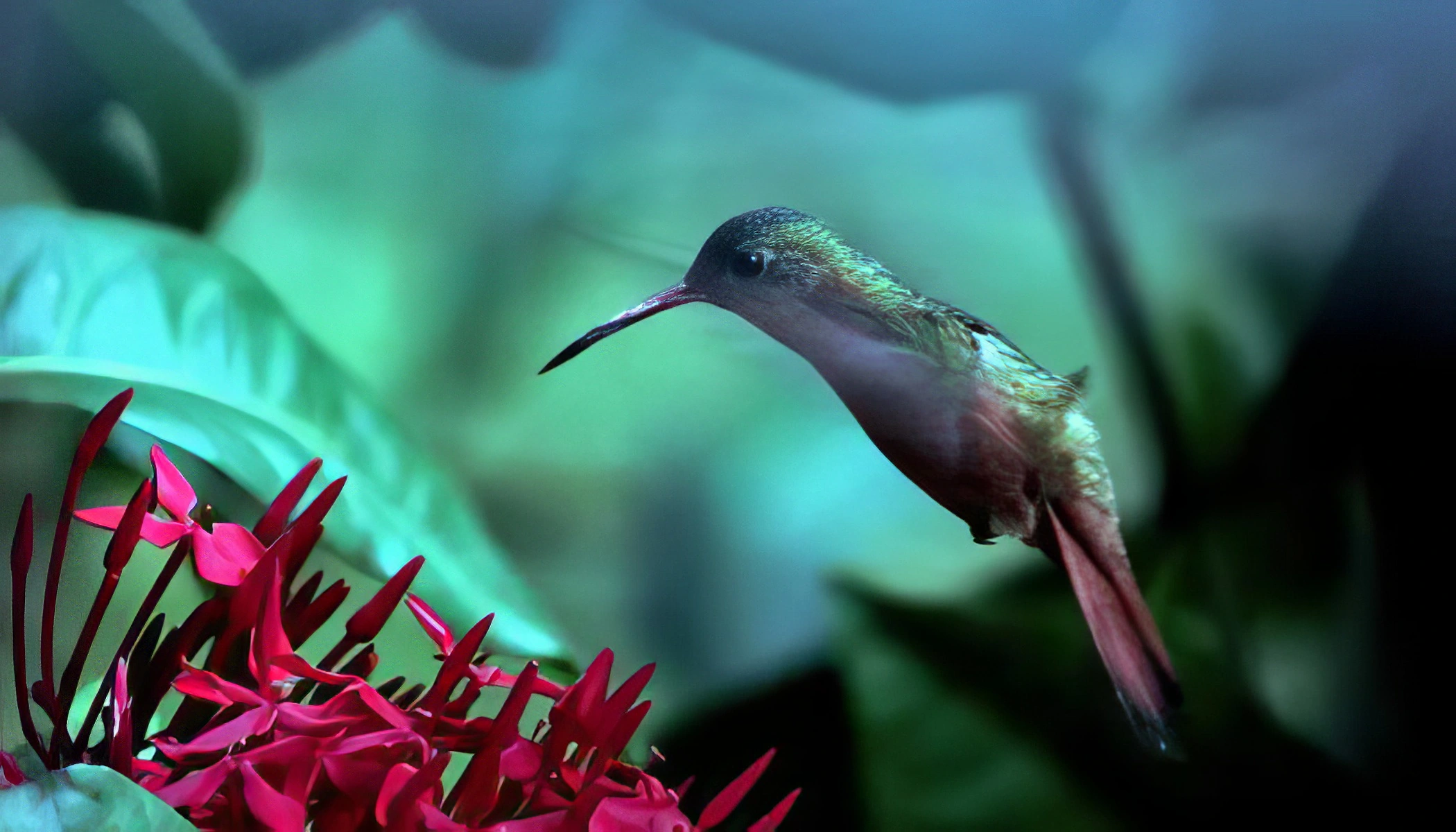
Explore Nicaragua's diverse natural landscapes:
– Masaya Volcano: Active volcano with a molten lava lake visible from the rim.
– Ometepe Island: Features two volcanoes, Concepción and Maderas, in Lake Nicaragua.
– Somoto Canyon: Deep canyon offering hiking, swimming, and boating adventures.
– Apoyo Lagoon Natural Reserve: Crater lake known for its clear waters and biodiversity.
– Mombacho Volcano: Provides cloud forest trails and panoramic views of Granada.
– Corn Islands: Known for pleasant coral reefs and rich marine life.
– Bosawás Biosphere Reserve: Largest rainforest in Central America, rich in wildlife.
– Indio Maíz Biological Reserve: Biodiverse reserve with tropical rainforests and rare species.
– Cerro Negro Volcano: Popular for volcano boarding on its black volcanic sands.
– Cosigüina Volcano: Dormant volcano offering views of Gulf of Fonseca and beyond.
Beaches
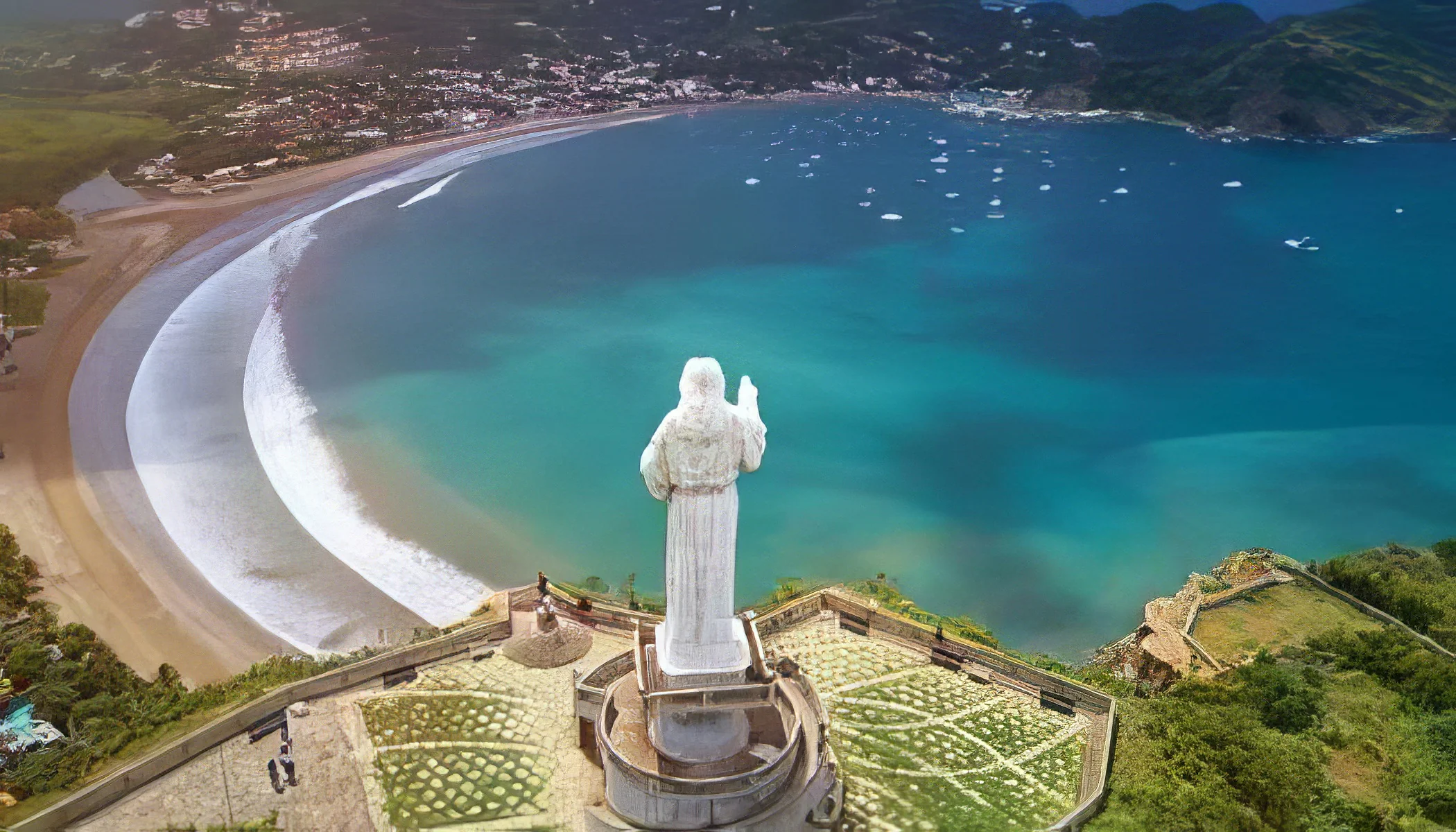
Nicaragua is known for its Pacific and Caribbean coastlines offering diverse beach experiences:
– San Juan del Sur: Popular surf and party destination on Nicaragua's Pacific coast.
– Playa Maderas: Known for consistent surf breaks and a laid-back atmosphere near San Juan del Sur.
– Playa El Coco: Family-friendly beach with calm waters located south of San Juan del Sur.
– Las Peñitas Beach: Supplies surfing and fishing, close to the colonial city of León.
– Montelimar Beach: Features an all-inclusive resort and wide sandy stretches near Managua.
– Corn Islands Beaches: Offers clear turquoise waters and white sands in the Caribbean Sea.
– Playa Hermosa: Less crowded, charismatic surfing beach with a remote feel near San Juan del Sur.
Outdoor activities
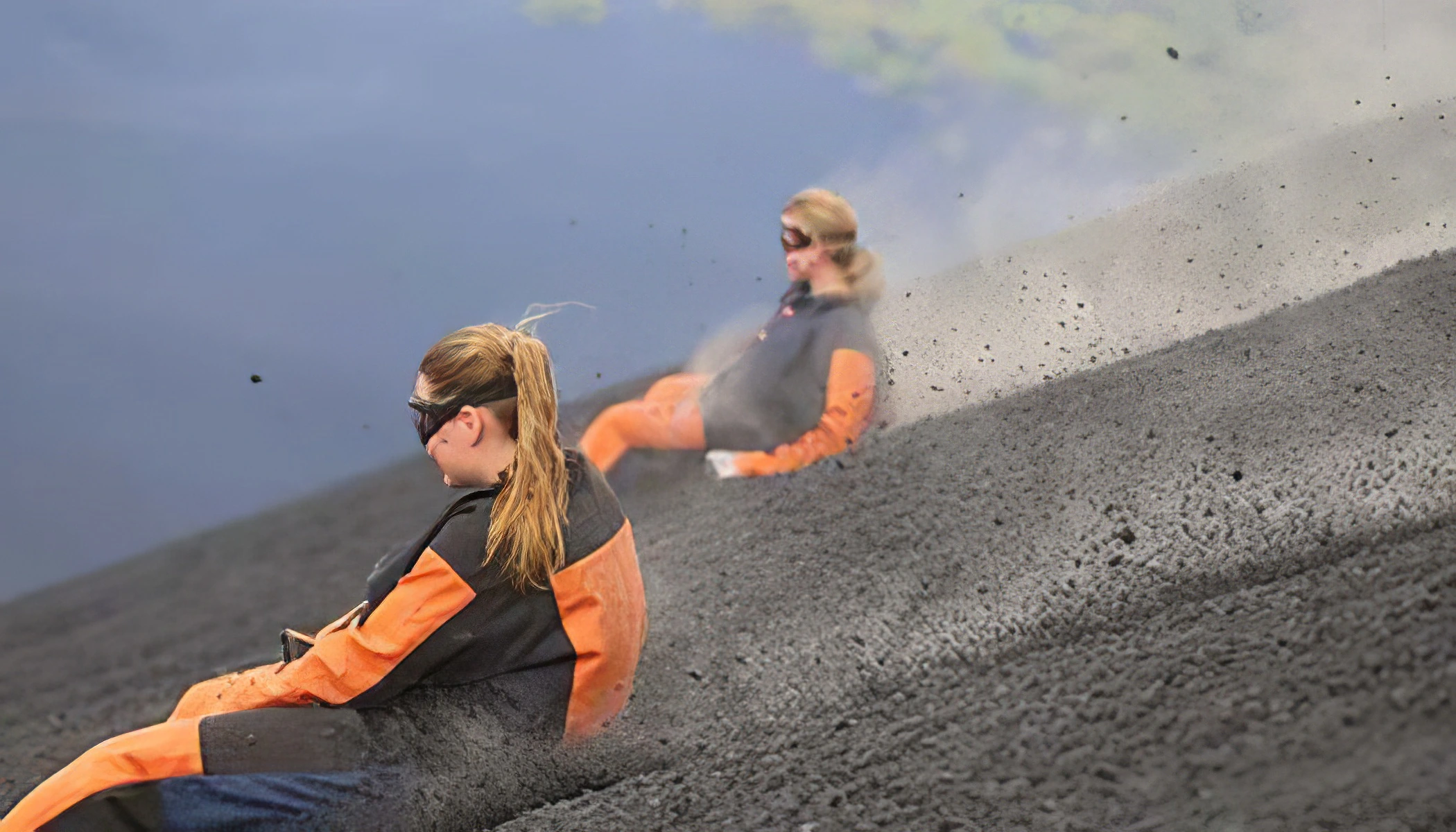
Nicaragua offers a variety of outdoor activities for nature enthusiasts and adventure seekers:
– Volcano Boarding on Cerro Negro: Slide down the slopes of an active volcano on a wooden board.
– Surfing in San Juan del Sur: Enjoy consistent waves and beautiful beach culture.
– Kayaking on Lake Nicaragua: Paddle along the shores with stunning views of islands and volcanoes.
– Hiking in Mombacho Volcano Nature Reserve: Explore cloud forests and diverse wildlife.
– Diving in the Corn Islands: Discover colorful coral reefs and marine creatures.
– Birdwatching at Montibelli Wildlife Reserve: Spot diverse bird species in opulent habitats.
– Exploring Somoto Canyon: Hike, swim, and float through dramatic rock formations.
Kid Friendly
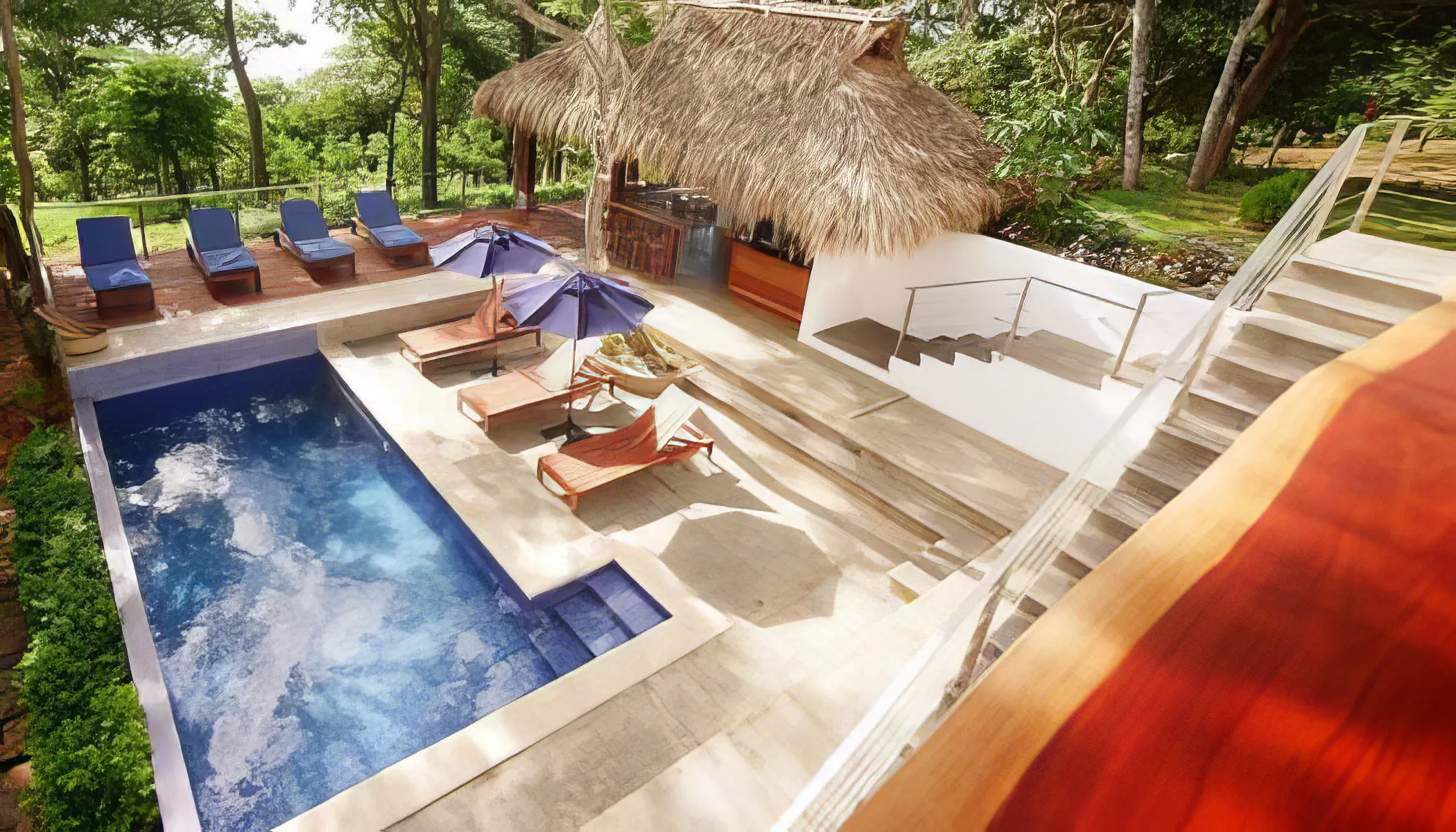
Nicaragua offers diverse activities suitable for families with children:
– Masaya Volcano National Park: Explore an active volcano and watch glowing lava from a safe distance.
– Somoto Canyon: Enjoy boat rides and swimming in this scenic natural wonder.
– Mombacho Volcano Nature Reserve: Discover attractive cloud forests with wildlife and hiking trails.
– Ometepe Island: Visit a unique island formed by two volcanoes offering beaches and nature spots.
– Granada Islets Boat Tour: Take a boat ride exploring small islets with monkeys and birdwatching.
– Apoyo Lagoon Natural Reserve: A volcanic crater lake perfect for swimming, kayaking, and wildlife viewing.
– Chocoyero-El Brujo Natural Reserve: A great spot for hiking with opportunities to see various bird species.
– Sandboarding on Cerro Negro: Experience the thrill of sliding down a volcanic hill on a board.
Cuisine
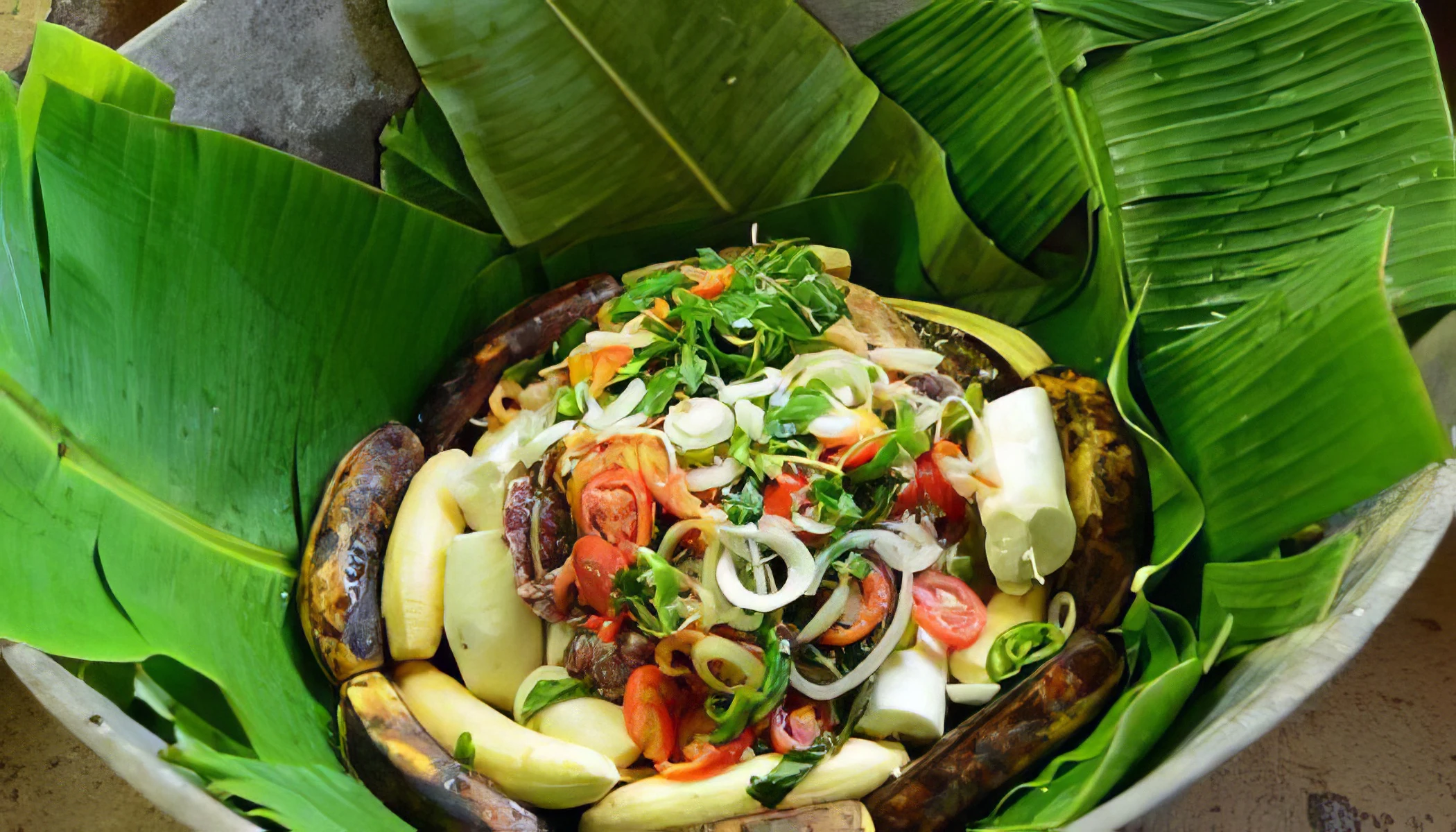
Nicaraguan cuisine is characterized by its reliance on locally grown ingredients, featuring a mix of indigenous, Spanish, and Creole influences. The food is simple yet flavorful, often highlighting corn, beans, and tropical fruits. Common dishes are hearty and reflect the country's agricultural roots.
– Gallo Pinto: Staple rice and beans dish seasoned with herbs and spices.
– Nacatamal: Corn dough dumpling filled with meat and vegetables, wrapped in banana leaves.
– Vigorón: Yucca topped with pork rinds and cabbage salad, served on a banana leaf.
– Indio Viejo: Hearty beef stew with cornmeal, tomatoes, bell peppers, and onions.
– Tres Leches Cake: Spongy cake soaked in three types of milk for sweetness.
Souvenir
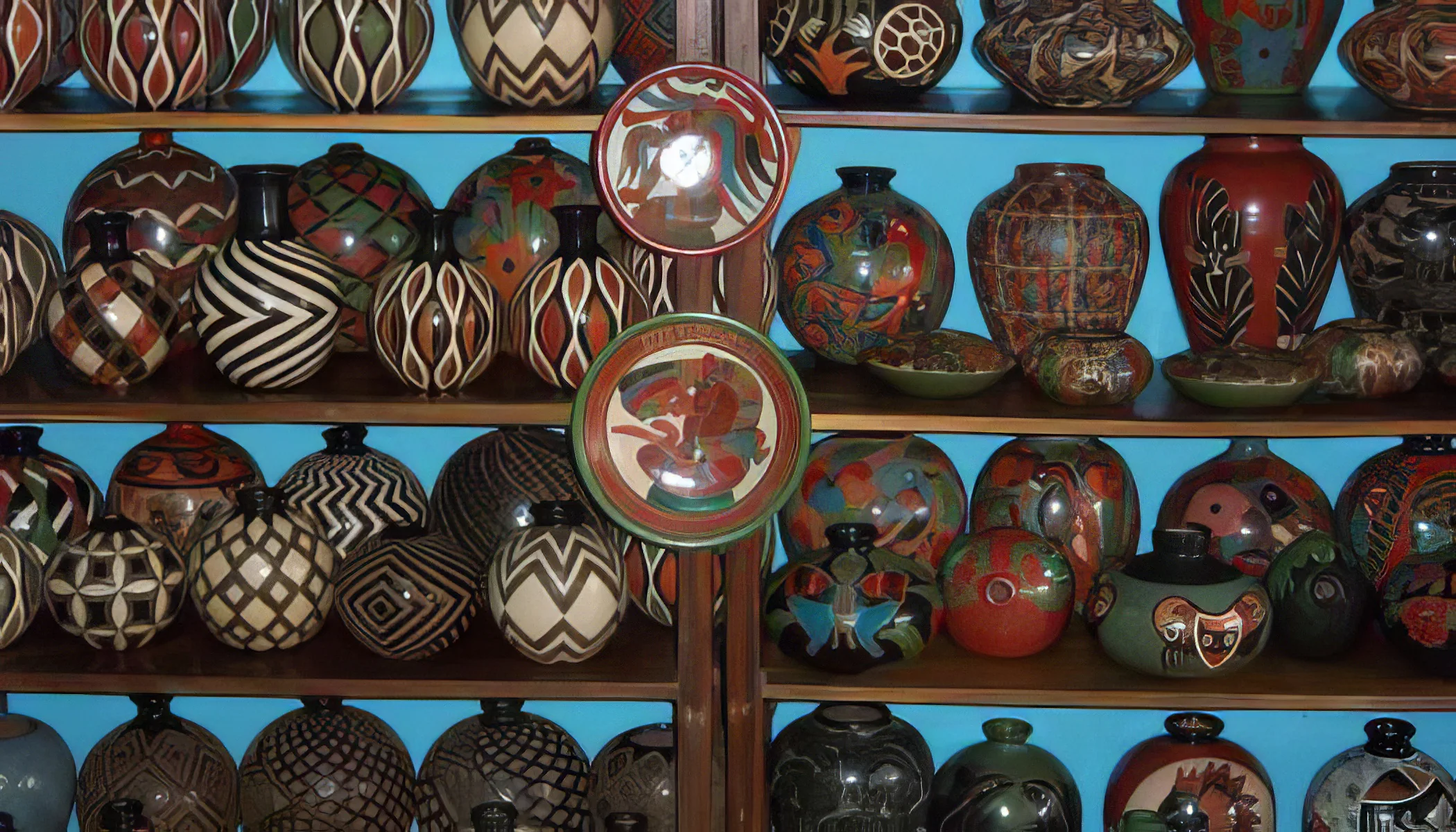
With its rich culture and artistic traditions, Nicaragua provides various unique souvenirs. Here are some popular items you might consider:
– Handmade Hammocks: Nicaraguan hammocks are crafted with dynamic colors and high-quality materials, perfect for relaxing.
– Pottery from San Juan de Oriente: This village is famous for its beautifully crafted and painted ceramics.
– Coffee: Known for its rich flavor, Nicaraguan coffee beans make a great gift for coffee lovers.
– Cigar: Estelí is known for producing world-class cigars using traditional methods.
– Leather Goods: High-quality leather sandals, bags, and belts are widely available.
– Rum: Flor de Caña is a well-known Nicaraguan rum brand that supplies a variety of aged rums.
– Wooden Crafts: Hand-carved wooden items such as bowls or masks showcase local craftsmanship.
Traditional Shows
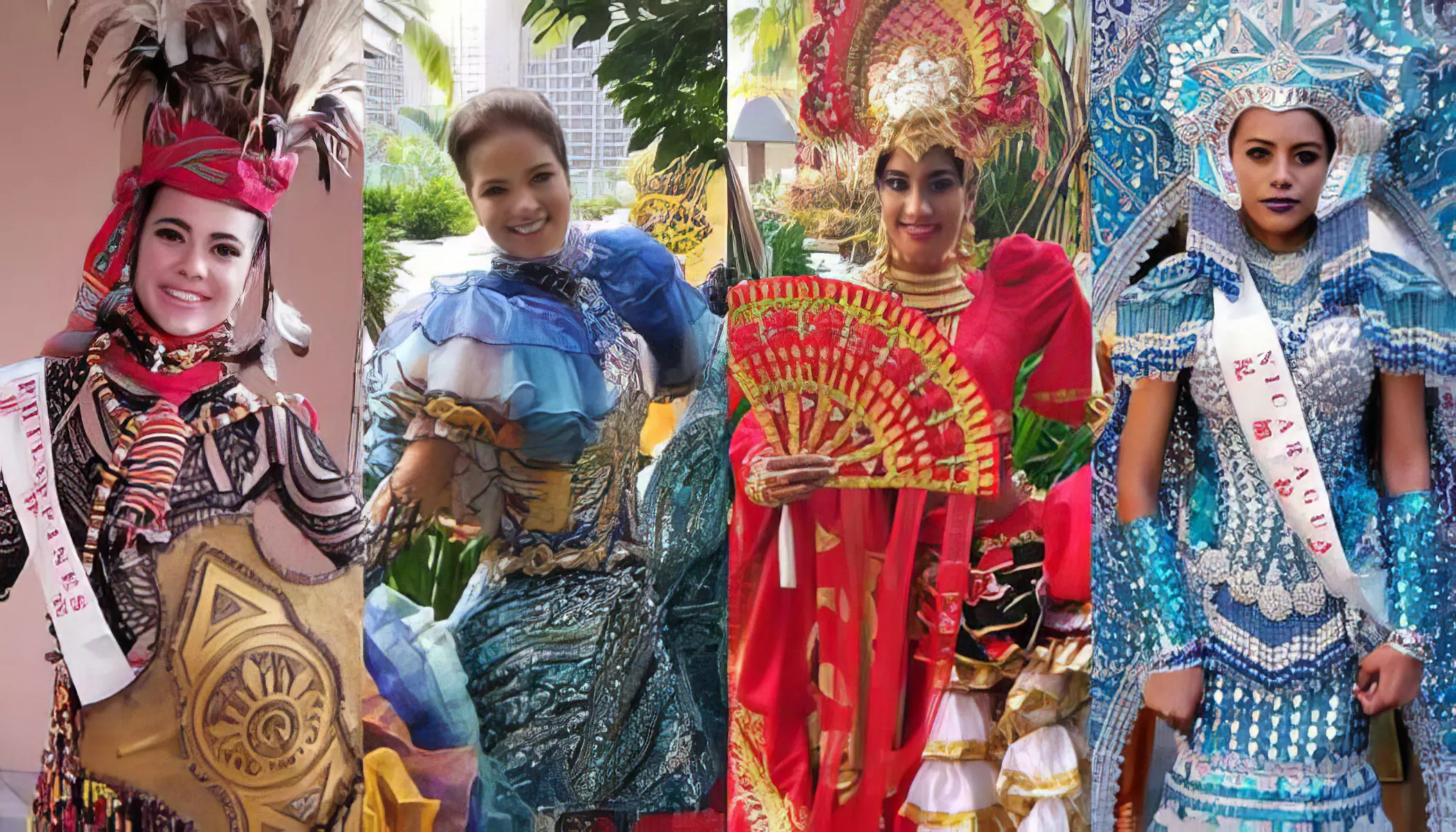
Nicaragua provides unique traditional performances:
– Palo de Mayo: A pretty Afro-Nicaraguan dance celebrated on the Caribbean coast, featuring lively music and colorful costumes.
– El Güegüense: Experience this satirical drama in Masaya, combining dance, music, and dialogue to reflect Nicaraguan history and folklore.
– Marimba Music: Traditional marimba tunes played with percussion instruments are a staple in Nicaraguan festivals and gatherings across the country.
– Folklorico Dances of Nicaragua: Witness diverse folk dances showcasing regional traditions with beautiful costumes and storytelling elements at cultural events nationwide.
– Toro Huaco Dance: A traditional dance from Diriamba, performed during religious festivals, featuring masks and lively choreography reflecting pre-Columbian influences.
Events & Festivals
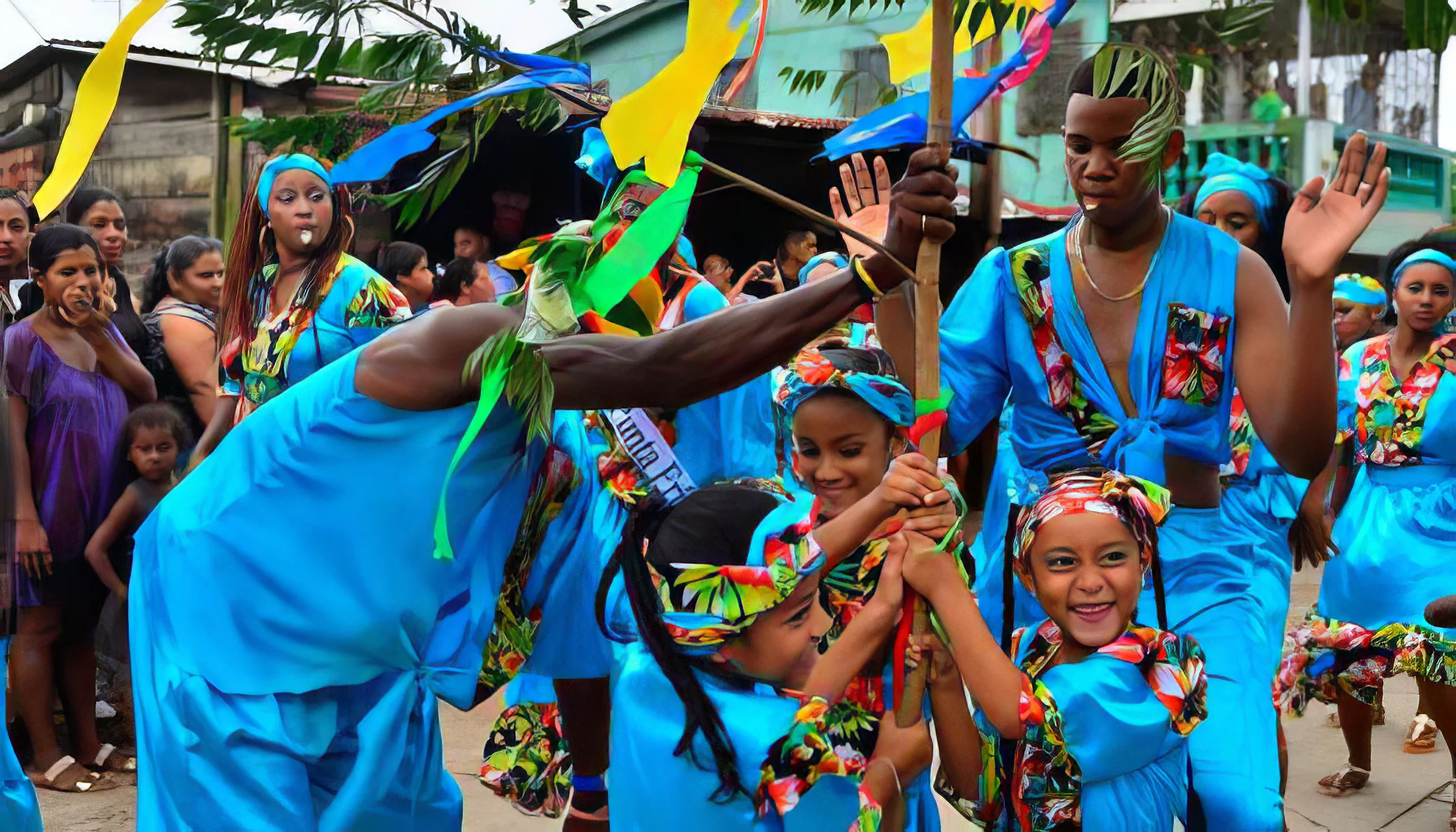
Nicaragua hosts numerous cultural events and vibrant festivals throughout the year that showcase its rich traditions:
– La Purísima: Early December religious festival with song, prayers, and street altars honoring the Virgin Mary.
– Güegüense: January event in Diriamba features a satirical dance-drama combining indigenous and Spanish influences.
– Semana Santa: Holy Week in March/April with religious processions and reenactments across the country.
– Palo de Mayo: May celebration on the Caribbean coast with dance, music, and cultural displays.
– Fiesta de Santo Domingo: August festival in Managua honoring the city's patron saint with parades and dances.
– Independence Day: Celebrated on September 15 with parades, music, and national pride events.
– San Jerónimo Festival: September-November in Masaya, recognized for its traditional dances and colorful costumes.
Famous People
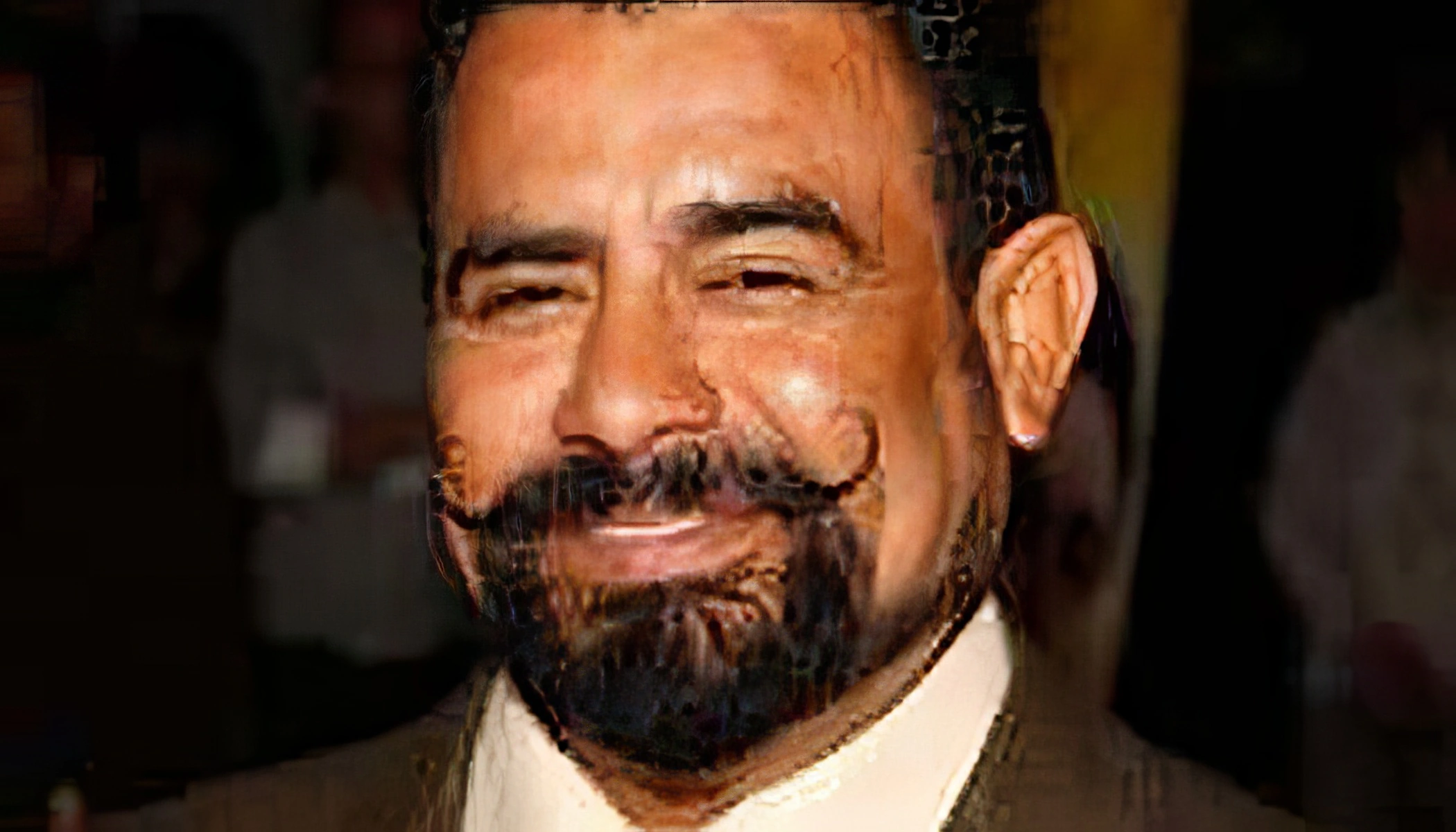
Nicaragua has been home to many notable individuals who have made significant contributions to politics, literature, and culture.
– Augusto César Sandino (1895 to 1934, Niquinohomo): Revolutionary leader who fought against U.S. military intervention and inspired the Sandinista movement.
– Rubén Darío (1867 to 1916, Metapa): Influential poet known for pioneering the Spanish-American literary movement known as Modernismo.
– Violeta Chamorro (born 1929, Rivas): First female President of Nicaragua, serving from 1990 to 1997, known for her peace efforts.
– Daniel Ortega (born 1945, La Libertad): Politician and leader of the Sandinista National Liberation Front; served multiple terms as President.
– Gioconda Belli (born 1948, Managua): Acclaimed author and poet recognized for her works on women's rights and social justice.
Books

These notable books offer insights into Nicaragua's history, culture, and political landscape through various narratives and perspectives.
– "The Country Under My Skin: A Memoir of Love and War" by Gioconda Belli: Chronicles the author's involvement in the Sandinista revolution.
– "The Jaguar Smile: A Nicaraguan Journey" by Salman Rushdie: Provides a personal account of Rushdie’s travels in Sandinista-era Nicaragua.
– "Sandino's Daughters" by Margaret Randall: Highlights Nicaraguan women's roles in the revolutionary struggle.
– "The Death of Ben Linder" by Joan Kruckewitt: Investigates the life and death of an American engineer killed during the Contra War.
– "Blood of Brothers: Life and War in Nicaragua" by Stephen Kinzer: Journalist’s perspective on Nicaragua during Sandinista-Contra conflicts.
Songs
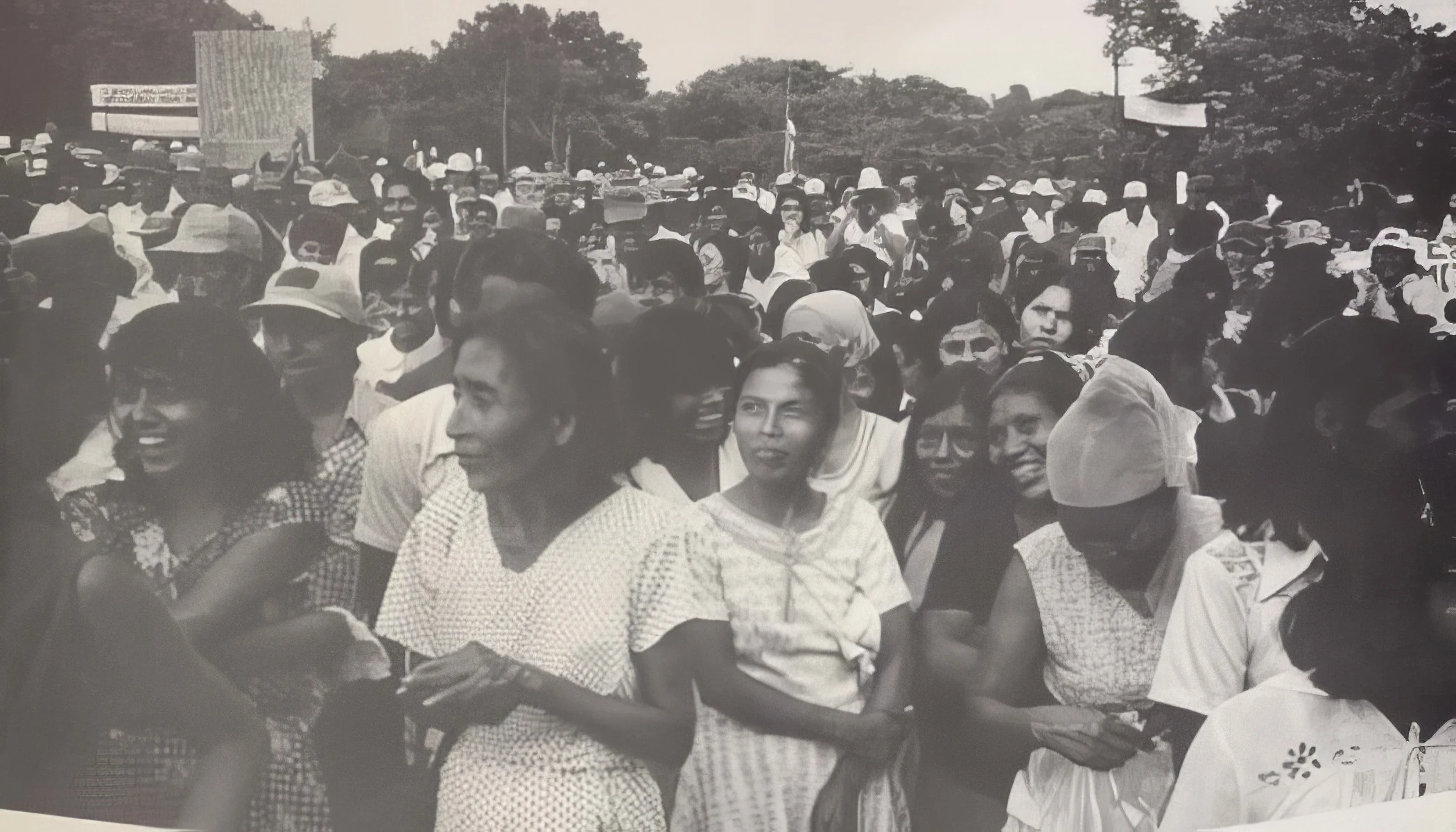
Nicaraguan music often blends indigenous, Spanish, and African influences, reflecting the country's rich cultural heritage.
– Nicaragua, Nicaragüita: Carlos Mejía Godoy's iconic anthem celebrating Nicaraguan beauty and patriotism.
– La Mora Limpia: Traditional folk song performed by Carlos Mejía Godoy, highlighting Nicaraguan folklore.
– Son Tus Perjúmenes Mujer: Popular song by the band Fiebre Amarilla known for its catchy rhythms.
– Quincho Barrilete: A touching Carlos Mejía Godoy ballad about a young street vendor's dreams.
– El Solar de Monimbó: A lively traditional piece that resonates with historical significance in Nicaragua.
– Managua, Linda Managua: Celebratory tune by Los Ramblers honoring the capital city of Nicaragua.
Films
Exploring the cinematic portrayal of Nicaragua supplies insight into its rich culture and history:
– "Carla's Song": Ken Loach's film follows a Scottish bus driver and a Nicaraguan exile during the Sandinista revolution.
– "Sandino": Directed by Miguel Littín, this film depicts the life of revolutionary leader Augusto César Sandino.
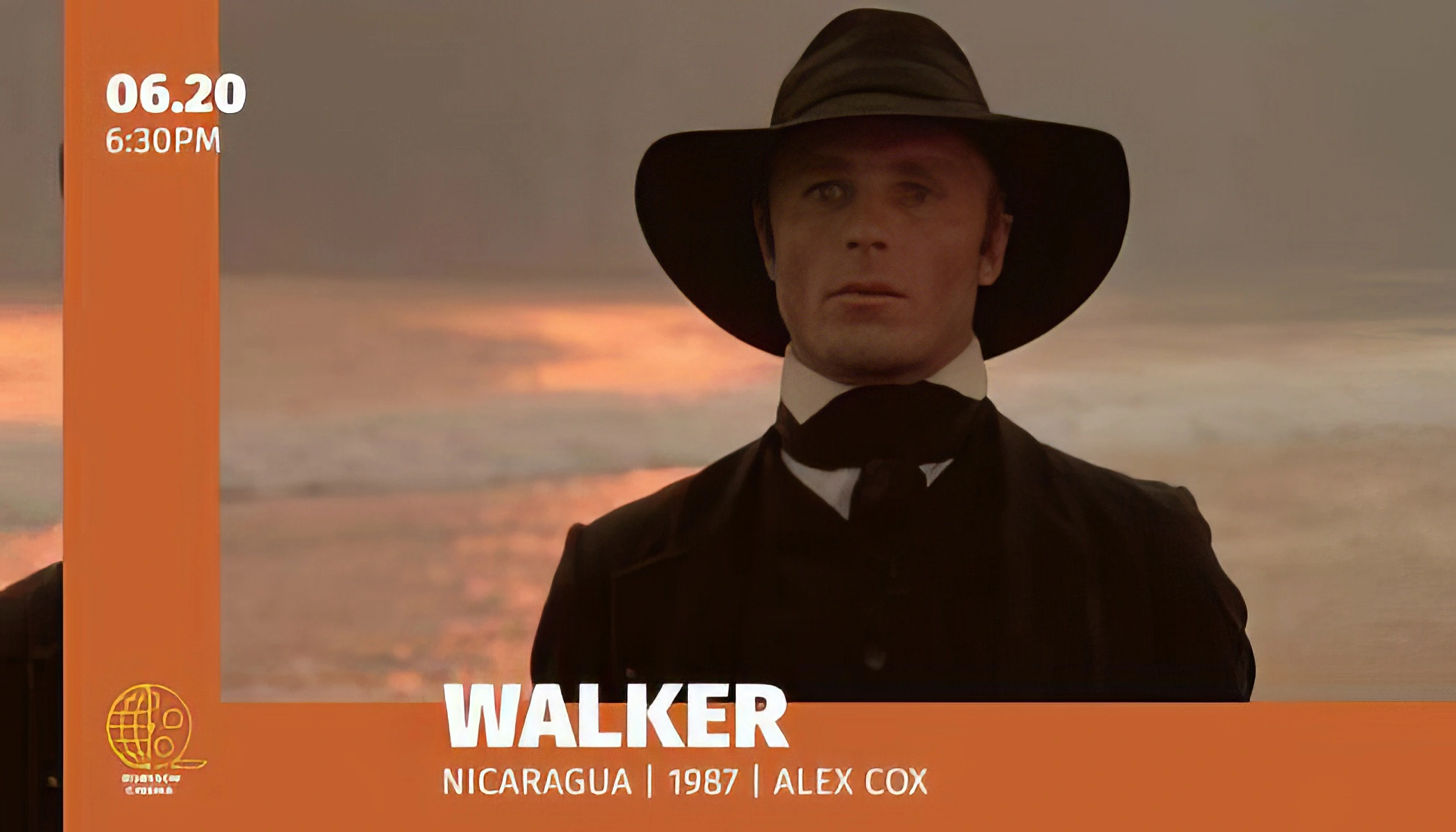
– "Walker": Alex Cox's film tells the story of American soldier William Walker who became the president of Nicaragua in the 1850s.
– "La Yuma": Florence Jaugey's film follows a young female boxer in Managua, highlighting societal challenges and personal dreams.
– "Alsino and the Condor": An Oscar-nominated drama by Miguel Littín about a boy's dream to fly amidst political turmoil.