

Explore Nigeria: Culture, Cities & Places to Visit
Located in West Africa, this country is known for its animated culture and diverse ethnic groups. It boasts bustling cities like Lagos and Abuja, rich music traditions, and significant oil reserves. Its landscapes range from savannas to tropical forests.
- Capital
- Abuja
- Population
- 154 millions
- Superficy
- 924000 sq.km
- Months to Visit
- Nov. to Feb.
- Living Cost
- Moderate
Overview
Nigeria, located in West Africa, is the continent's most populous country and has a diverse cultural landscape with over 250 ethnic groups. The capital city is Abuja, while Lagos is the largest city and a major economic hub. Nigeria's economy is primarily driven by oil exports, but it also has significant agricultural and manufacturing sectors. The country faces challenges such as political instability, corruption, and regional conflicts. Despite these issues, Nigeria has a nice cultural scene, known for its music, film industry (Nollywood), and literature. Rich in natural resources and cultural heritage, Nigeria continues to play a crucial role in African affairs.
Pros & Cons
GOOD REASONS TO VISIT NIGERIA
– Diverse Cultures: Experience over 250 ethnic groups, each with unique traditions, languages, and festivals.
– Natural Wonders: Explore Yankari National Park, Olumo Rock, and the nice beaches of Lagos and Calabar.
– Animated Music Scene: Enjoy Afrobeat and traditional music in lively venues across major cities like Lagos and Abuja.
– Rich History: Visit historical sites like the Nok Terracotta sculptures and the ancient city of Benin.
– Delicious Cuisine: Savor jollof rice, suya, egusi soup, offering a rich blend of flavors and spices. CHALLENGES WHEN VISITING NIGERIA
– Security Concerns: Some regions face safety issues; research travel advisories before planning your visit.
– Infrastructure Issues: Roads and public transport can be unreliable; expect delays in travel plans.
– Health Risks: Malaria is prevalent; vaccinations and preventive measures are essential for travelers.
Before Departure
Before traveling to Nigeria, it's important to be informed about several key aspects:
– Passport: Ensure your passport is valid for at least six months from your entry date.
– Visa: Most tourists need a visa before arrival. Tourist visas are typically valid for 30 days. Apply through the Nigerian embassy or consulate.
– Currency: Nigerian Naira (NGN); credit cards accepted in major cities; ATMs widely available but may have withdrawal limits.
– Internet access: WiFi is common in hotels and cafes in urban areas. Consider purchasing a local SIM card for reliable data access.
– Language barrier: English is the official language and widely spoken; local languages like Hausa, Yoruba, and Igbo are also prevalent.
What to Pack
Traveling to Nigeria requires preparation for its diverse climate and cultural settings.
– Essentials: Passport with visa, travel insurance, flight tickets, itinerary, accommodation confirmations, and emergency contact information.
– Clothing: Lightweight clothing for warm weather, long sleeves and pants for mosquito protection, comfortable walking shoes, hat and sunglasses.
– Health & Safety: Prescription medications, first aid kit, insect repellent with DEET, anti-malarial medication (if advised), sunscreen.
– Electronics: Travel adapter for Nigerian outlets (Type D/G), mobile phone with charger, power bank, camera.
Weather
Nigeria experiences a tropical climate with wet and dry seasons varying by region:
– Dry Season (November to March): Northern Nigeria is hot and dry, while the south is warm and humid.
– Wet Season (April to October): Heavy rainfall in the south, especially from June to September; the north experiences less rain. The best time to visit Nigeria is during the dry season from November to March:
– Pros: Pleasant weather for travel, outdoor activities, and wildlife viewing.
– Cons: Harmattan winds can cause dusty conditions in the north.
Travel Budget
Nigeria supplies a range of budget-friendly options for travelers. Here are some average prices for common expenses:
– Hotel: 30$ to 150$
– Lunch: 3$ to 10$
– Beverage (in bar/restaurant): 1$ to 4$
– Coffee: 1$ to 3$
– Transportation: (train 5$ to 20$), (bus 0.5$ to 2$), (taxi /10km 4$ to 8$)
– Mobile data (per GB): 1.5$ to 3.5$
Language
Nigeria is a linguistically diverse country with over 500 languages, but English is the official language; however, here are some useful phrases in Yoruba and Hausa, two widely spoken languages: **Yoruba:**
– Hello: Bawo ni
– Thank you: E se
– Please: E jo
– How much is this?: Elo ni eyi?
– Excuse me: E ma binu
– I don't understand: Mi o ye mi
– Yes: Bẹ́ẹ̀ni
– No: Rara
– Goodbye: O dabọ **Hausa:**
– Hello: Sannu
– Thank you: Na gode
– Please: Don Allah
– How much is this?: Nawa ne wannan?
– Excuse me: Yi hakuri
– I don't understand: Ban gane ba
– Yes: I (pronounced "ee")
– No: A'a (pronounced "aa-aa")
– Goodbye: Sai anjima
History
Its history includes several advanced civilizations, including the Nok culture, the Hausa city-states, and empires like Oyo and Benin. The region experienced significant involvement in the transatlantic slave trade from the 16th to 19th centuries. British colonization began in the late 19th century, culminating in the formation of modern Nigeria in 1914. Independence from British rule was achieved in 1960, followed by a series of military coups and a civil war known as the Biafran War from 1967 to 1970. Military rule persisted until a transition to civilian government occurred in 1999. The country has since faced challenges like political instability and economic disparity but also boasts Africa’s largest economy driven largely by oil exports.
Geopolitics
Located in West Africa, Nigeria is bordered by Benin, Niger, Chad, and Cameroon, with the Atlantic Ocean to the south. It is Africa's most populous country and has a federal system of government with Abuja as its capital. The country plays a key role in regional politics and is a prominent member of the Economic Community of West African States (ECOWAS) and the African Union (AU). Nigeria's economy heavily relies on oil exports, positioning it as a major energy supplier, which influences its international relations. It faces internal challenges such as ethnic tensions and security threats from groups like Boko Haram. Geopolitically, Nigeria seeks to assert itself as a regional leader while managing complex domestic issues that impact its stability and development.
Sample Itinerary
This itinerary highlights Nigeria's energetic city life in Lagos, historical sites in Abeokuta, natural beauty in Yankari, and cultural richness in Kano.
– 2 days in Lagos: Explore Lekki Conservation Centre, National Museum, Victoria Island beaches, and enjoy nightlife. Visit markets for local crafts and street food.
– 1 day in Abeokuta: Visit Olumo Rock for panoramic views. Explore rock caves and learn about Egba people's history.
– 2 days in Yankari National Park: Safari to see elephants, baboons, and other wildlife. Swim in Wikki Warm Springs and explore surrounding nature trails.
– 1 day in Kano: Discover the ancient city walls and the Emir's Palace. Visit Kurmi Market for traditional crafts and textiles.
– 1 day at Abuja: Tour Aso Rock, Nigerian National Mosque, and Ecumenical Centre. Explore local art at Nike Art Gallery before departure.
Popular cities

Explore Nigeria's diverse culture and landscapes in these noteworthy cities:
– Lagos: The busy economic hub, known for its beaches, nightlife, and beautiful artistic scene.
– Abuja: The capital city, offering modern architecture, and the scenic Aso Rock.
– Calabar: Known for its cultural festivals, historical sites, and beautiful natural scenery.
– Kano: A historic city famous for its ancient walls and busy markets.
– Ibadan: One of Africa's largest cities by area, with a blend of history and modern growth.
– Port Harcourt: An oil-rich city with a dynamic energy and numerous leisure spots.
– Owerri: Known for its hospitality and as a gateway to the culture-rich Igbo heartland.
Monuments
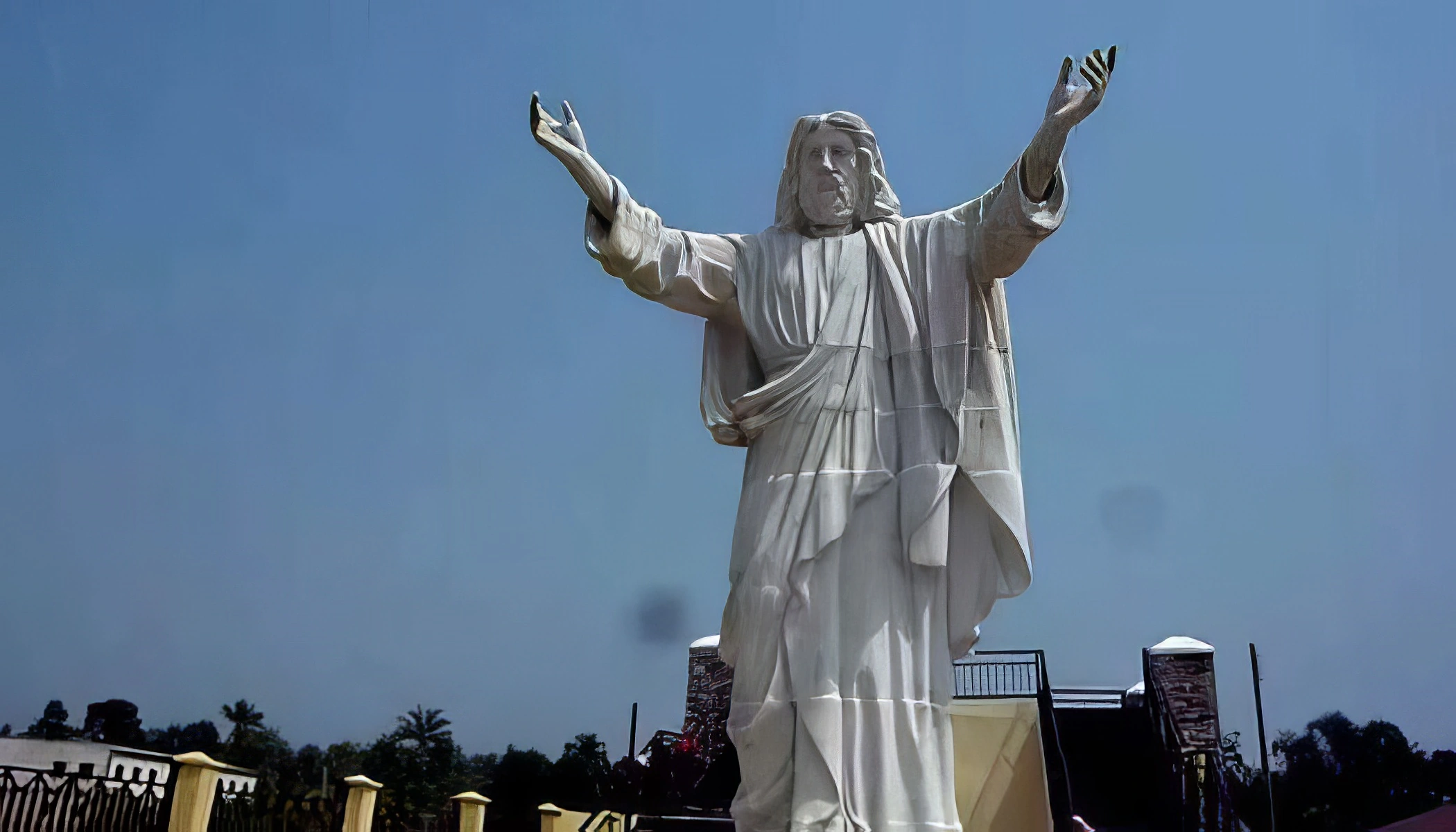
Nigeria boasts several notable monuments worth visiting:
– Zuma Rock, Abuja: Iconic natural monolith often referred to as the "Gateway to Abuja."
– National Mosque, Abuja: Prominent religious site with striking golden domes and minarets.
– Olumo Rock, Abeokuta: Historic site offering panoramic views and insights into the Egba people's history.
– Osun-Osogbo Sacred Grove, Osogbo: UNESCO site and sacred forest dedicated to the goddess Osun.
– National Arts Theatre, Lagos: Cultural landmark showcasing Nigerian arts and performances.
– Kano City Walls, Kano: Ancient defensive walls surrounding the historic city of Kano.
– Cathedral Church of Christ, Lagos: One of Nigeria's oldest Anglican cathedrals with Gothic architecture.
– Aso Rock, Abuja: Prominent 400-meter monolith near Nigeria's government buildings.
Natural wonder
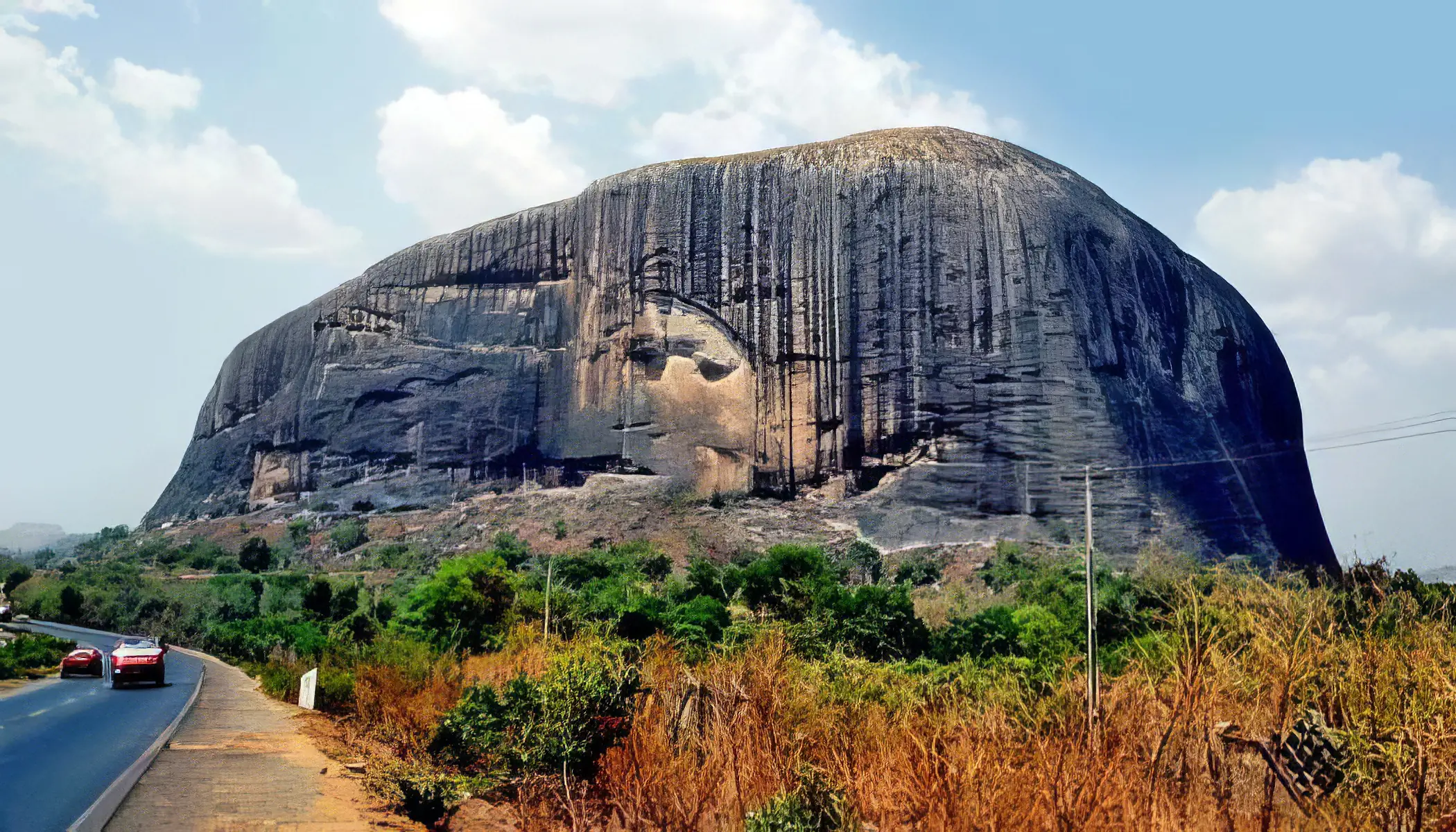
Discover Nigeria's diverse natural wonders:
– Zuma Rock: A monolithic inselberg famous for its human-like face structure.
– Olumo Rock: Historic site offering panoramic views and a glimpse into Egba history.
– Aso Rock: Large rock formation dominating the Abuja skyline and symbolizing political power.
– Erin-Ijesha Waterfalls: Also known as Olumirin Waterfalls, featuring seven nice cascades.
– Yankari National Park: Known for its abundant wildlife and warm springs in the savannah.
– Owu Falls: Nigeria's highest waterfall, located in a harmonious forested area.
– Idanre Hills: Unique cultural landscape with ancient settlements and impressive heights.
– Cross River National Park: Biodiverse rainforest home to gorillas, elephants, and rare plant species.
– Obudu Mountain Resort: Offers cool climate, rolling hills, and unique cable car rides.
– Ikogosi Warm Springs: Features unique confluence of warm and cold springs merging side by side.
Beaches
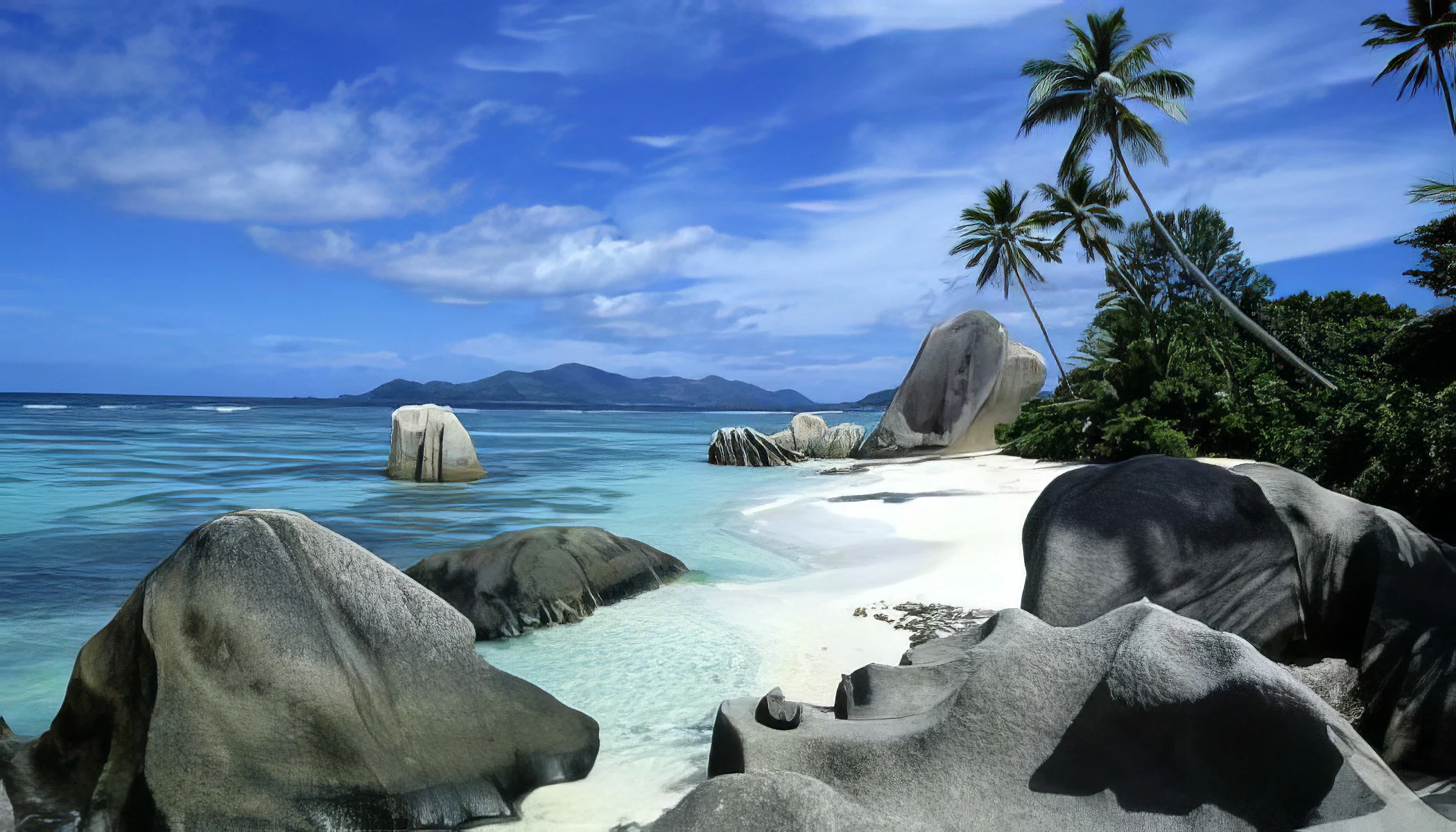
Nigeria has several notable beaches along its coastline:
– Tarkwa Bay Beach: Known for its calm waters and accessibility by boat from Lagos.
– Elegushi Beach: Popular for animated nightlife and beach parties in Lagos.
– Lekki Beach: Supplies comfortable environment with coconut trees along the Lekki Peninsula.
– Badagry Beach: Known for historical significance and beautiful coastline west of Lagos.
– Eleko Beach: Provides peaceful surroundings, beach huts, and local cuisine near Lagos.
– Ibeno Beach: One of the longest beaches in West Africa, located in Akwa Ibom State.
– La Campagne Tropicana Beach: Combines African culture with scenic beachfront near Lagos.
Outdoor activities

Outdoor enthusiasts have various experiences to explore in Nigeria's diverse landscapes:
– Hiking in Obudu Mountain Resort: Trek through sumptuous landscapes and enjoy panoramic views.
– Canoeing on the Niger River: Paddle through West Africa's largest river with scenic surroundings.
– Wildlife Safari in Yankari National Park: Spot elephants, hippos, and buffalos in their natural habitat.
– Exploring Erin-Ijesha Waterfalls: Discover multiple cascades amidst tropical forest settings.
– Birdwatching in Lekki Conservation Centre: Observe diverse bird species from canopy walkways.
– Rock Climbing at Olumo Rock: Scale historical rocks for views of Abeokuta city.
– Beach Day at Tarkwa Bay: Relax on sandy shores accessible by boat from Lagos.
Kid Friendly

Nigeria provides several engaging activities that are perfect for children.
– Yankari National Park: A wildlife park with diverse animal species and warm water springs.
– Lekki Conservation Centre: A nature reserve featuring a canopy walkway and picnic areas.
– Nike Art Gallery: A lively space where kids can explore Nigerian art and take part in workshops.
– Omu Resort: A family-friendly resort with a zoo, amusement park, and water park.
– Agodi Gardens: A harmonious park in Ibadan offering playgrounds and picnic spots for families.
– Jabi Lake: Provides boating activities and open spaces for picnics by the waterside.
– Millennium Park Abuja: A large urban park perfect for picnics and outdoor playtime.
– Hi-Impact Planet Amusement Park: An amusement center with rides, games, and various attractions for kids.
Cuisine

Nigerian cuisine is dynamic and diverse, characterized by its rich spices, bold flavors, and hearty ingredients. It features a wide variety of regional dishes reflecting the country's multicultural landscape. Street food and home-cooked meals are both integral to Nigerian food culture. Most famous cuisine in Nigeria are:
– Jollof Rice: Spicy tomato-based rice dish often served with chicken, beef, or fish.
– Egusi Soup: Thick soup made with ground melon seeds, leafy greens, and assorted meats.
– Fufu: Starchy side dish made from pounded yams or cassava, often paired with soups.
– Suya: Spicy skewered meat, typically grilled beef or chicken coated in peanut-spice mix.
– Akara: Deep-fried bean cakes made from black-eyed peas and spices.
Souvenir
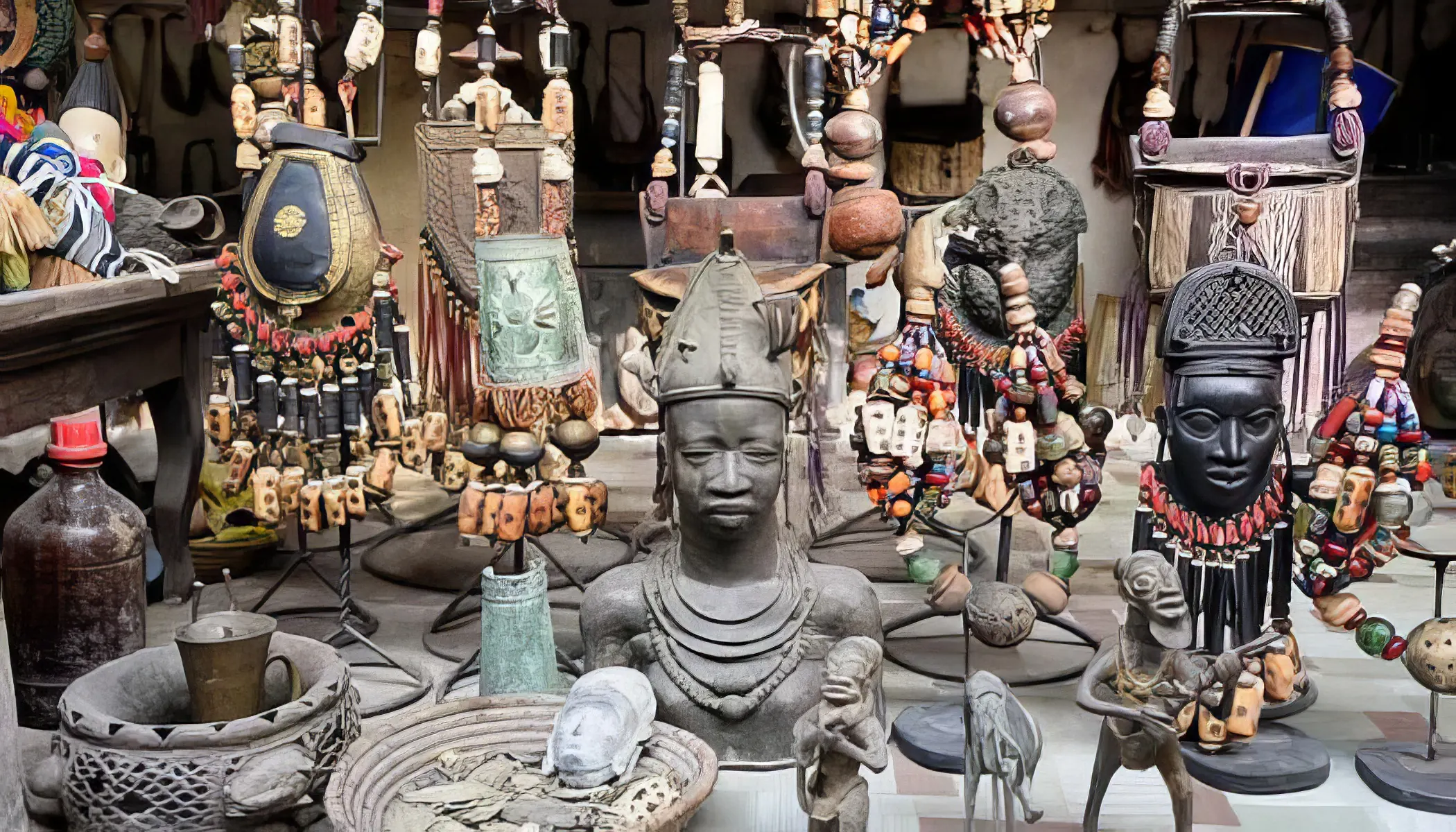
Nigeria supplies a variety of traditional crafts and artifacts that make memorable souvenirs. Here are some popular items to consider:
– Ankara Fabric: Known for its pretty patterns, Ankara fabric is widely used in Nigerian fashion.
– Aso Oke: A hand-woven cloth used for special occasions, often made into hats or accessories.
– Beaded Jewelry: Colorful beads are crafted into necklaces, bracelets, and other jewelry pieces.
– Wooden Carvings: Intricately carved wooden masks and figures represent Nigerian culture and artistry.
– Adire Fabric: A tie-dye textile with unique designs, often used in clothing and home decor.
– Bronze Sculptures: Famous for their craftsmanship, particularly from the Benin Kingdom.
– Local Spices: Nigerian spices like suya spice are aromatic reminders of the country's cuisine.
Traditional Shows
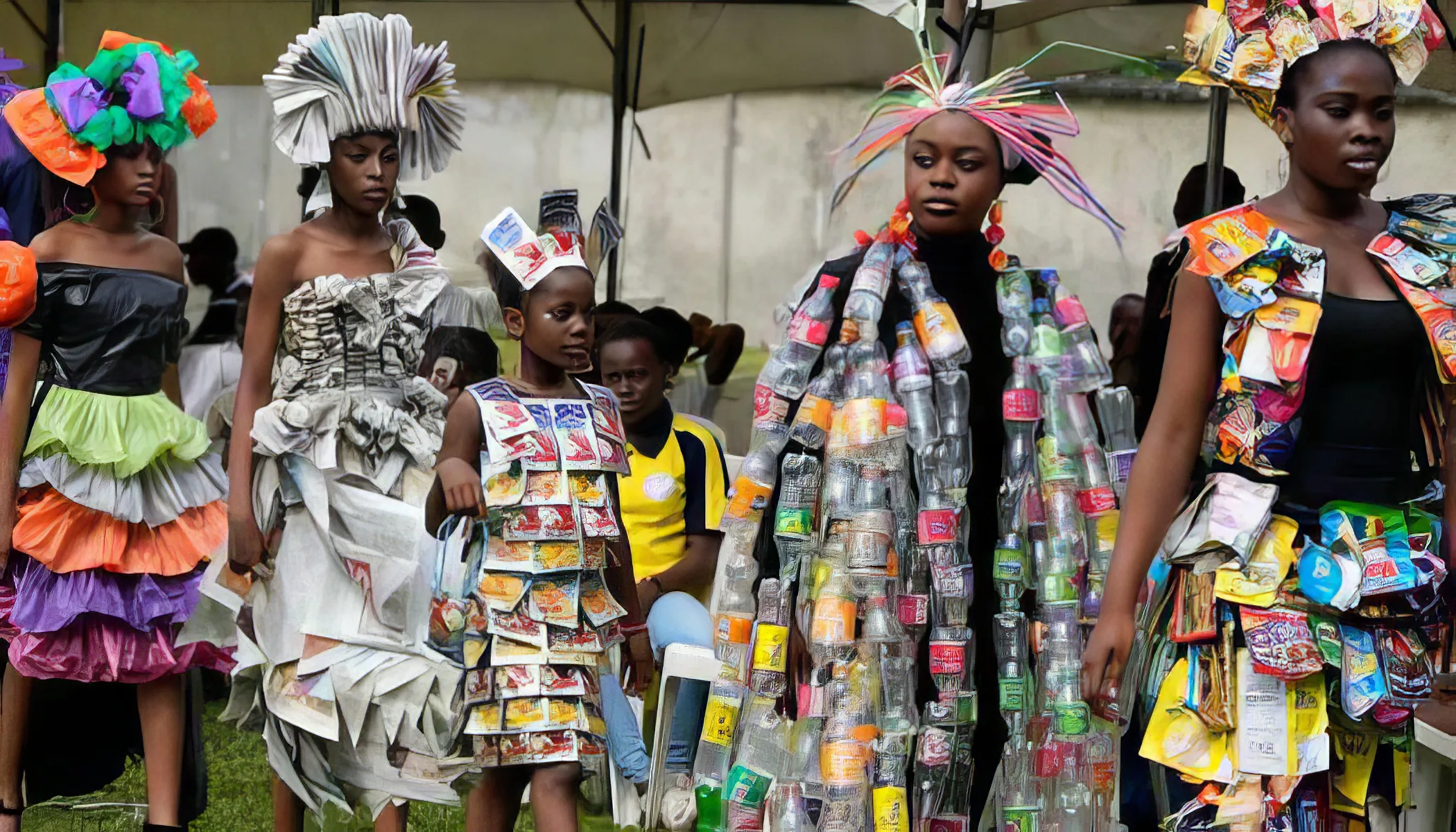
Nigeria boasts a nice array of traditional music and art performances:
– Yoruba Drumming: Experience rhythmic talking drums in Lagos, a key part of Yoruba culture, conveying messages through drum tones.
– Igbo Masquerade Dance: Witness colorful masquerade dances in southeastern Nigeria, blending dance, music, and mask artistry to celebrate important events.
– Hausa Cultural Festivals: Participate in festivals like Durbar in Kano, showcasing horseback parades and traditional music from northern Nigeria.
– Bata Dance: Enjoy the energetic Bata dance of the Yoruba people, featuring rapid foot movements and drum beats often performed during ceremonies.
– Efik Traditional Music: Explore the Efik people's musical heritage in Calabar with rich melodies accompanied by unique instruments like the ekwe and obong.
Events & Festivals
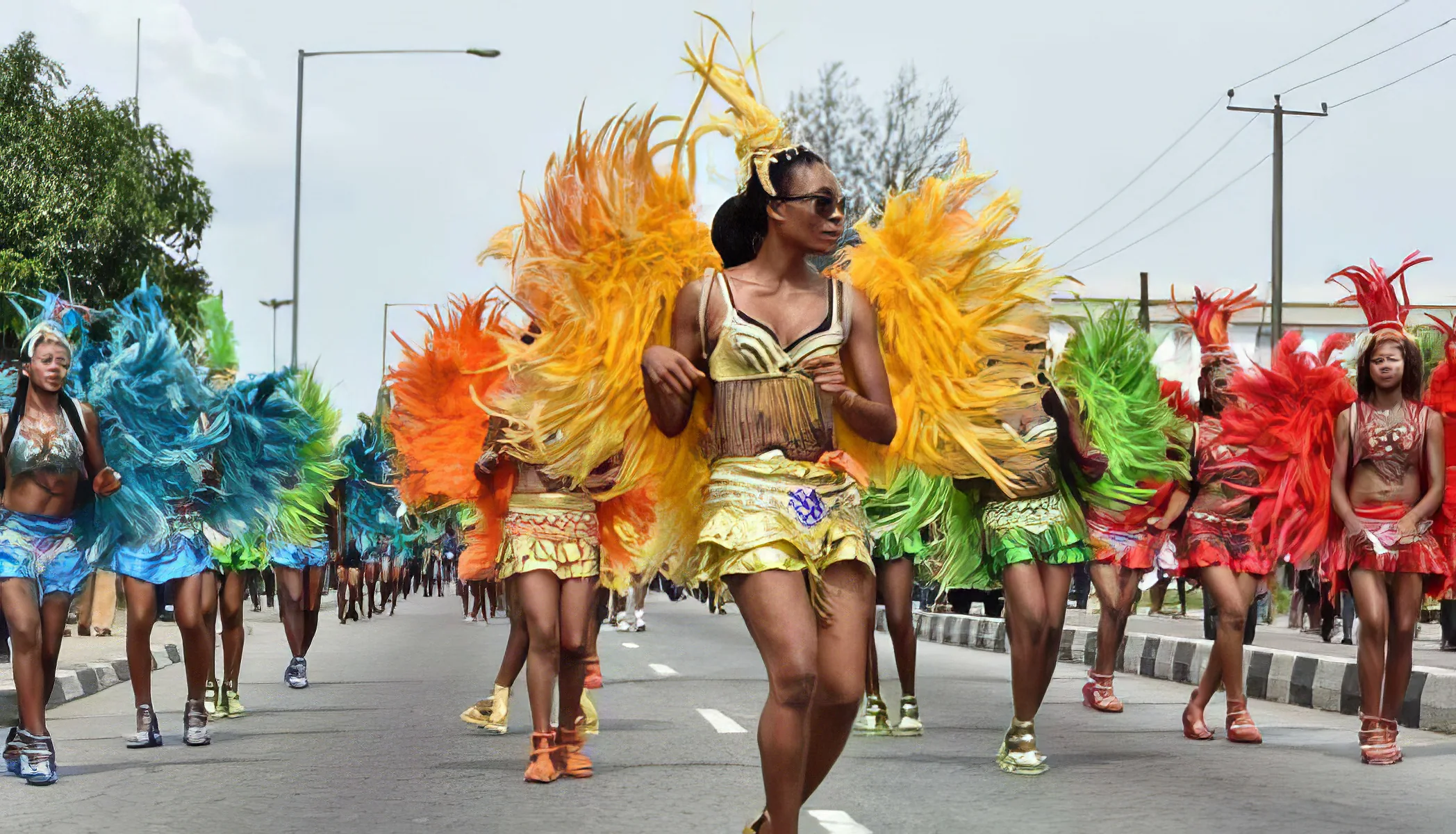
Nigeria hosts a variety of colorful and culturally rich festivals throughout the year:
– Eyo Festival: A Lagos celebration in May featuring masquerades and traditional music, honoring ancestors and community.
– Calabar Carnival: December event with parades, cultural displays, and music, known as Africa's biggest street party.
– Osun-Osogbo Festival: August festival in Osogbo celebrating the river goddess with prayers, dances, and rituals.
– Argungu Fishing Festival: March fishing contest in Kebbi State, showcasing local culture and skills.
– Durbar Festival: July/August event in northern Nigeria featuring horse parades and traditional ceremonies during Eid.
– New Yam Festival: Celebrated across various regions in August to mark the yam harvest with feasting and dances.
– Lagos International Jazz Festival: April music festival attracting local and international jazz artists for performances.
Famous People

Nigeria has a rich history and diverse culture, producing many notable figures in various fields.
– Chinua Achebe (1930 to 2013, Ogidi): Renowned novelist widely recognized for his book "Things Fall Apart," a seminal work in African literature.
– Wole Soyinka (born 1934, Abeokuta): Playwright and poet awarded the Nobel Prize in Literature in 1986 for his contributions to drama.
– Fela Kuti (1938 to 1997, Abeokuta): Influential musician and activist who pioneered the Afrobeat genre and advocated for human rights.
– Ngozi Okonjo-Iweala (born 1954, Ogwashi-Ukwu): Esteemed economist who became the first female Director-General of the World Trade Organization.
– Aliko Dangote (born 1957, Kano): Business magnate known as Africa's richest person, primarily through his Dangote Group conglomerate.
Books

These influential books delve into Nigerian culture, history, and social issues through compelling narratives and vivid storytelling.
– "Things Fall Apart" by Chinua Achebe: Chronicles pre-colonial life and British colonial impact in Nigeria.
– "Half of a Yellow Sun" by Chimamanda Ngozi Adichie: Explores personal lives amid Nigeria's Biafran War.
– "The Famished Road" by Ben Okri: Follows a spirit child navigating life in a Nigerian village.
– "Americanah" by Chimamanda Ngozi Adichie: Examines identity and race through Nigerian immigrant experiences.
– "Purple Hibiscus" by Chimamanda Ngozi Adichie: A young girl's story amidst family tension in postcolonial Nigeria.
Songs

Nigerian music is renowned for its attractive rhythms and influential artists who have made a global impact.
– Zombie: Fela Kuti's Afrobeat classic critiquing military oppression in Nigeria.
– Sweet Mother: Prince Nico Mbarga's iconic song celebrating motherhood in Africa.
– Water No Get Enemy: Fela Kuti's timeless piece underlining unity and resilience.
– African Queen: 2Baba's global hit, appreciating African beauty and love.
– Ojuelegba: Wizkid’s song reflecting his roots and journey from Lagos.
– Fall: Davido's record-breaking Afrobeat track that gained international acclaim.
Films
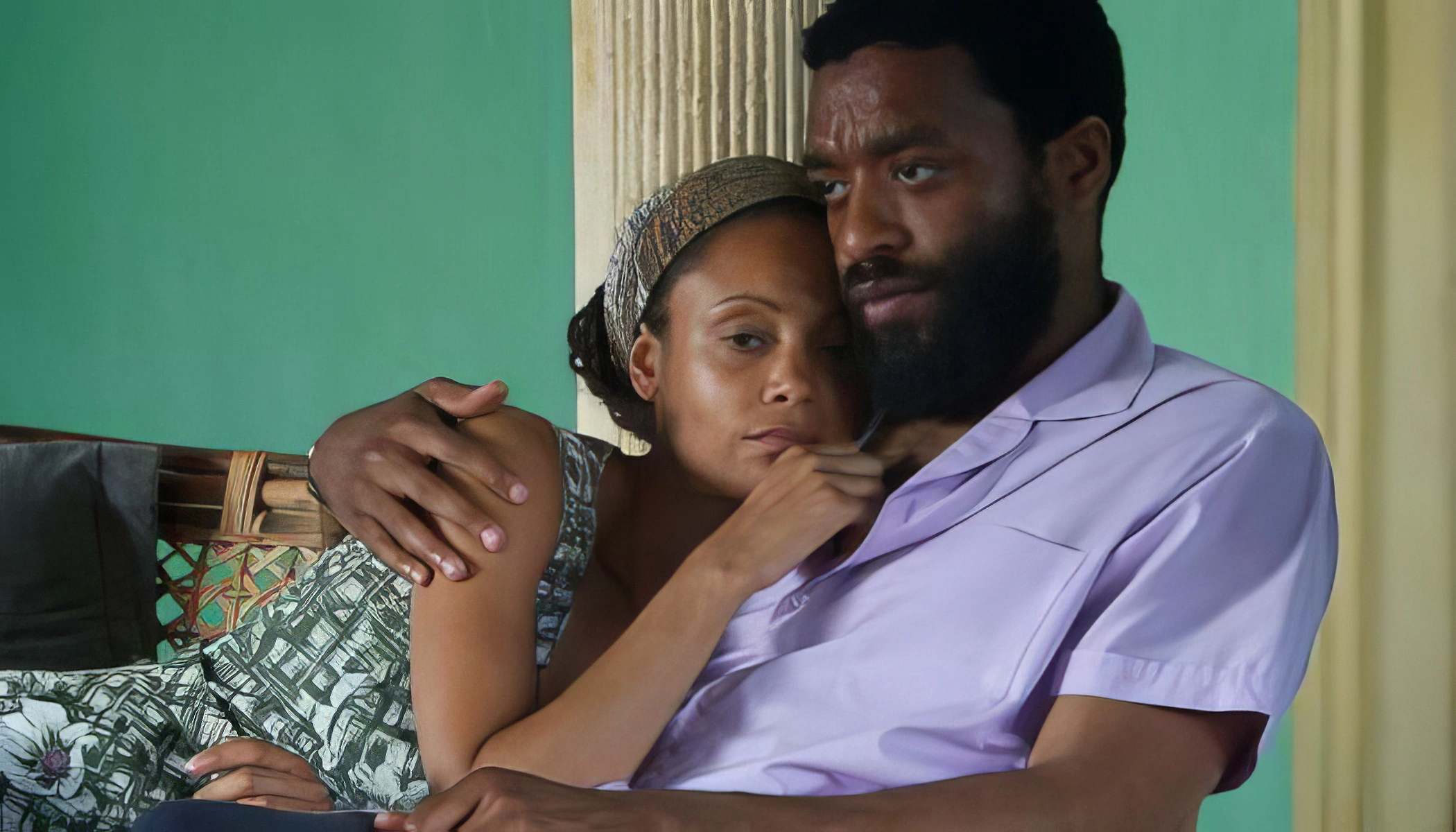
Explore the pretty storytelling of Nigeria through these influential films:
– "Lionheart": Genevieve Nnaji's directorial debut, this film highlights family and business in modern Nigeria.
– "The Wedding Party": A romantic comedy showcasing the chaos and humor of a Nigerian wedding.
– "Half of a Yellow Sun": An adaptation of Chimamanda Ngozi Adichie's novel about love and war during Biafra's conflict.
– "93 Days": Chronicles the battle against Ebola in Lagos, focusing on courage and determination.
– "October 1": A thriller by Kunle Afolayan set against Nigeria's independence, centered on a police investigation.