

Travel Guide to North Korea: Top Things to Do & Tips
A reclusive East Asian country, it is known for its strict government control and limited outside influence. The capital, Pyongyang, features grand monuments. The nation faces economic challenges and maintains a strong military presence, with restricted access for foreign visitors.
- Capital
- Pyongyang
- Population
- 23 millions
- Superficy
- 121000 sq.km
- Months to Visit
- April, May, Sept., and Oct.
- Living Cost
- Expensive
Overview
North Korea, officially known as the Democratic People's Republic of Korea, is located in East Asia on the Korean Peninsula. It is known for its strict government control under a centralized, authoritarian regime led by the Kim family. The capital city, Pyongyang, features grand monuments and buildings that reflect the country's political ideology. North Korea maintains a closed-off stance from much of the world, with limited access to information and restricted travel for both citizens and visitors. The country faces significant economic challenges and has a largely state-controlled economy. Tensions with South Korea and other nations often influence its international relations.
Pros & Cons
GOOD REASONS TO VISIT NORTH KOREA
– Unique Experience: Offers a rare glimpse into one of the world's most isolated countries.
– Historical Sites: Visit significant landmarks like the Kumsusan Palace and the Korean War Museum.
– Mass Games: Witness grand performances showcasing synchronized gymnastics and cultural displays, if available during your visit.
– Scenic Landscapes: Explore Mount Paektu and the gorgeous countryside, offering natural beauty away from urban areas.
– Cultural Insight: Gain understanding of North Korean society through guided tours and interactions with locals. CHALLENGES WHEN VISITING NORTH KOREA
– Strict Regulations: Tours are highly controlled; independent travel is not allowed, limiting personal freedom.
– Limited Communication: Internet access is restricted; staying connected with the outside world is challenging.
– Political Sensitivity: Risk of detention for perceived disrespect or rule violations; requires careful adherence to guidelines.
Before Departure
Traveling to North Korea requires careful planning and adherence to strict regulations.
– Passport: Ensure your passport is valid for at least six months beyond your intended stay.
– Visa: Obtain a visa through an approved tour operator; independent travel is not allowed.
– Currency: North Korean Won (KPW) is not used by tourists; bring Euros, USD, or Chinese Yuan for transactions.
– Internet access: No public internet access; tourists cannot use mobile phones or buy SIM cards.
– Language barrier: Korean is the official language; English is rarely spoken outside guided tours.
What to Pack
Traveling to North Korea requires careful preparation due to its unique regulations and restrictions.
– Essentials: Passport with valid visa, travel itinerary, accommodation details, and any required permits or documentation from your tour operator.
– Clothing: Conservative clothing covering shoulders and knees, comfortable walking shoes, warm layers for cooler months, hat for sun protection.
– Health & Safety: Prescription medications, basic first aid kit, personal hygiene items; note that some items may be restricted.
– Electronics: Travel adapter for North Korean outlets, camera (without GPS), mobile phone (note restrictions on usage).
Weather
Weather in North Korea varies significantly across seasons:
– Winter (December to February): Extremely cold with temperatures often dropping below freezing, especially in January.
– Spring (March to May): Mild temperatures with occasional rain; flowers bloom, making it a charming time.
– Summer (June to August): Hot and humid with heavy rainfall, particularly during July and August.
– Autumn (September to November): Cool and dry with clear skies; considered the most pleasant season. The best time to visit North Korea is during spring or autumn:
– Pleasant weather conditions make sightseeing more enjoyable.
– Fewer tourists compared to peak summer months, offering a more relaxed experience.
Travel Budget
Traveling to North Korea is highly regulated, and costs can vary significantly due to mandatory guided tours. Here are some average prices for tourists:
– Hotel: 150$ to 300$
– Lunch: Included in tour package
– Beverage (in bar/restaurant): 2$ to 5$
– Coffee: 1$ to 3$
– Transportation: Included in tour package
– Mobile data (per GB): Not typically available for tourists
Language
In North Korea, the official language is Korean, and here are some useful phrases for tourists:
– Hello: 안녕하세요 (Annyeong haseyo)
– Thank you: 감사합니다 (Gamsahamnida)
– Please: 제발 (Jebal)
– How much is this?: 이것은 얼마입니까? (Igeoseun eolmaimnikka?)
– Excuse me: 실례합니다 (Sillyehamnida)
– I don't understand: 이해하지 못합니다 (Ihaehaji mothamnida)
– Yes: 네 (Ne)
– No: 아니요 (Aniyo)
– Goodbye: 안녕히 가세요 (Annyeonghi gaseyo)
History
The Korean Peninsula was under Japanese rule from 1910 until the end of World War II in 1945. After Japan's surrender, the peninsula was divided along the 38th parallel, with the Soviet Union occupying the north and the United States occupying the south. In 1948, separate governments were established, with Kim Il-sung leading North Korea as a communist state. The Korean War broke out in 1950 when North Korean forces invaded South Korea, ending in an armistice in 1953 without a formal peace treaty. Since then, North Korea has maintained a highly centralized and authoritarian regime under the leadership of the Kim dynasty. The country has remained isolated internationally, focusing on military development and nuclear capabilities while facing significant economic challenges and sanctions.
Geopolitics
The Democratic People's Republic of Korea is an isolated, authoritarian state located on the Korean Peninsula, sharing land borders with South Korea, China, and Russia. Its government is led by the Kim family dynasty, maintaining a centralized control over political and economic life. North Korea's nuclear weapons program has been a central issue in its international relations, leading to tensions and sanctions from global powers like the United States and the United Nations. The country has historically relied on China as its main ally and economic partner, although this relationship is complex and sometimes strained. Diplomatic efforts to address security issues on the Korean Peninsula often involve multilateral talks with North Korea's neighbors and key world powers. The regime's domestic focus on self-reliance (Juche) significantly influences its foreign policy decisions, impacting regional stability.
Sample Itinerary
This itinerary offers a glimpse into the historical, cultural, and scenic highlights of North Korea's top-rated destinations.
– 2 days in Pyongyang: Visit Kim Il-sung Square, Kumsusan Palace of the Sun, Juche Tower, and the Arch of Triumph. Explore the Korean War Museum.
– 1 day at the DMZ: Tour Panmunjom and the Joint Security Area to observe the division between North and South Korea.
– 1 day in Kaesong: See the historic Koryo Museum and visit Sonjuk Bridge. Experience traditional Korean culture at local sites.
– 1 day in Myohyangsan: Explore the International Friendship Exhibition Hall and enjoy hiking trails with views of scenic landscapes.
– 1 day in Nampo: Visit Chongsan-ri Cooperative Farm and West Sea Barrage. Experience agricultural life and engineering achievements.
Popular cities
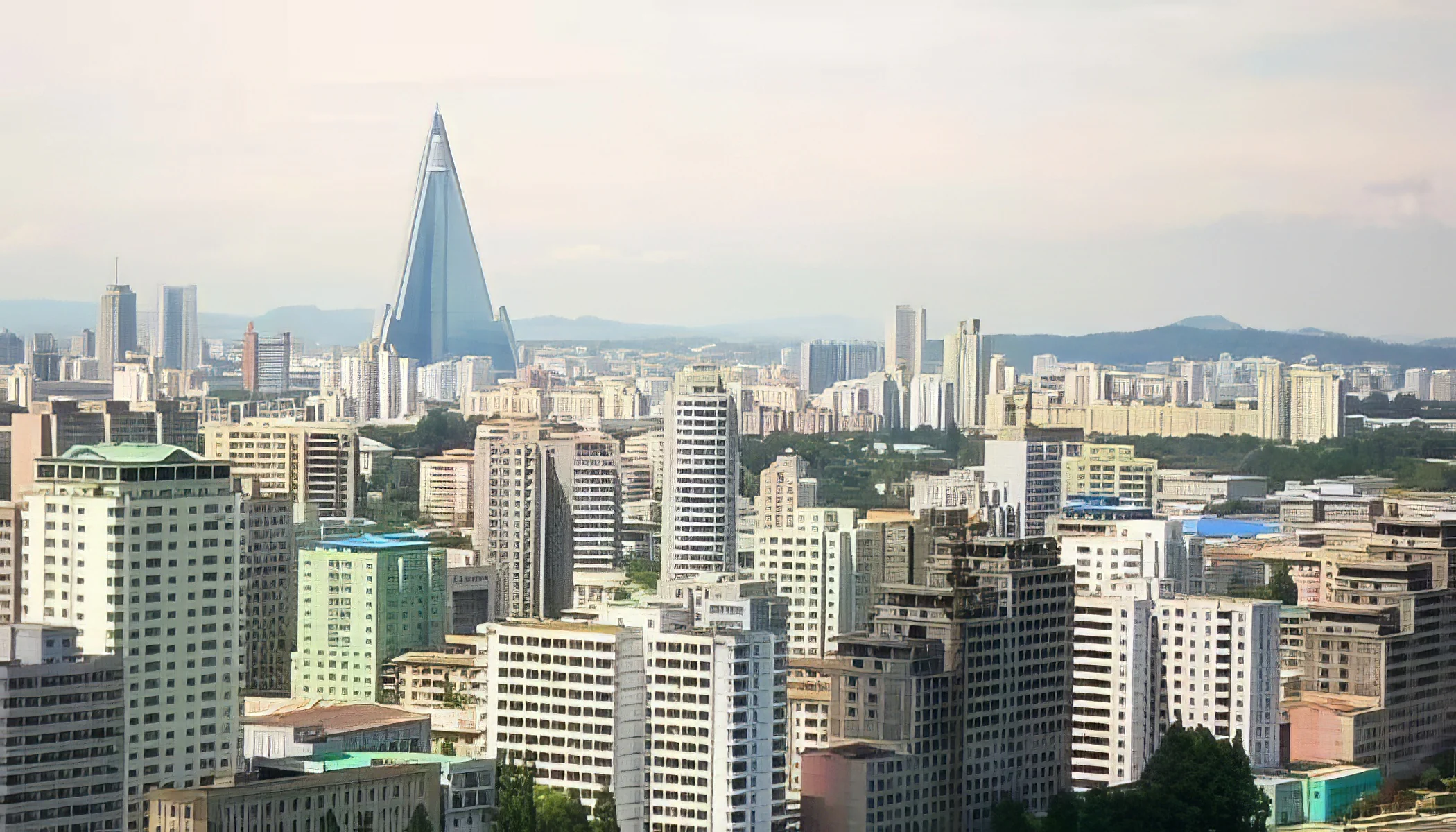
Exploring North Korea supplies a unique perspective on history and culture:
– Pyongyang: The capital city is known for its grand monuments, Kim Il-sung Square, and the Juche Tower.
– Kaesong: Features historic sites like the Koryo Museum and traditional Korean architecture.
– Nampo: A port city known for its West Sea Barrage and Chongsan-ri Cooperative Farm.
– Wonsan: Supplies beaches and Mount Kumgang, a scenic mountain area.
– Hamhung: One of the largest cities, with chemical industries and historical sites like Hamhung Grand Theatre.
– Sinuiju: Located near the Chinese border, provides views of Dandong across the Yalu River.
– Chongjin: An industrial city with a notable steel production industry.
Monuments
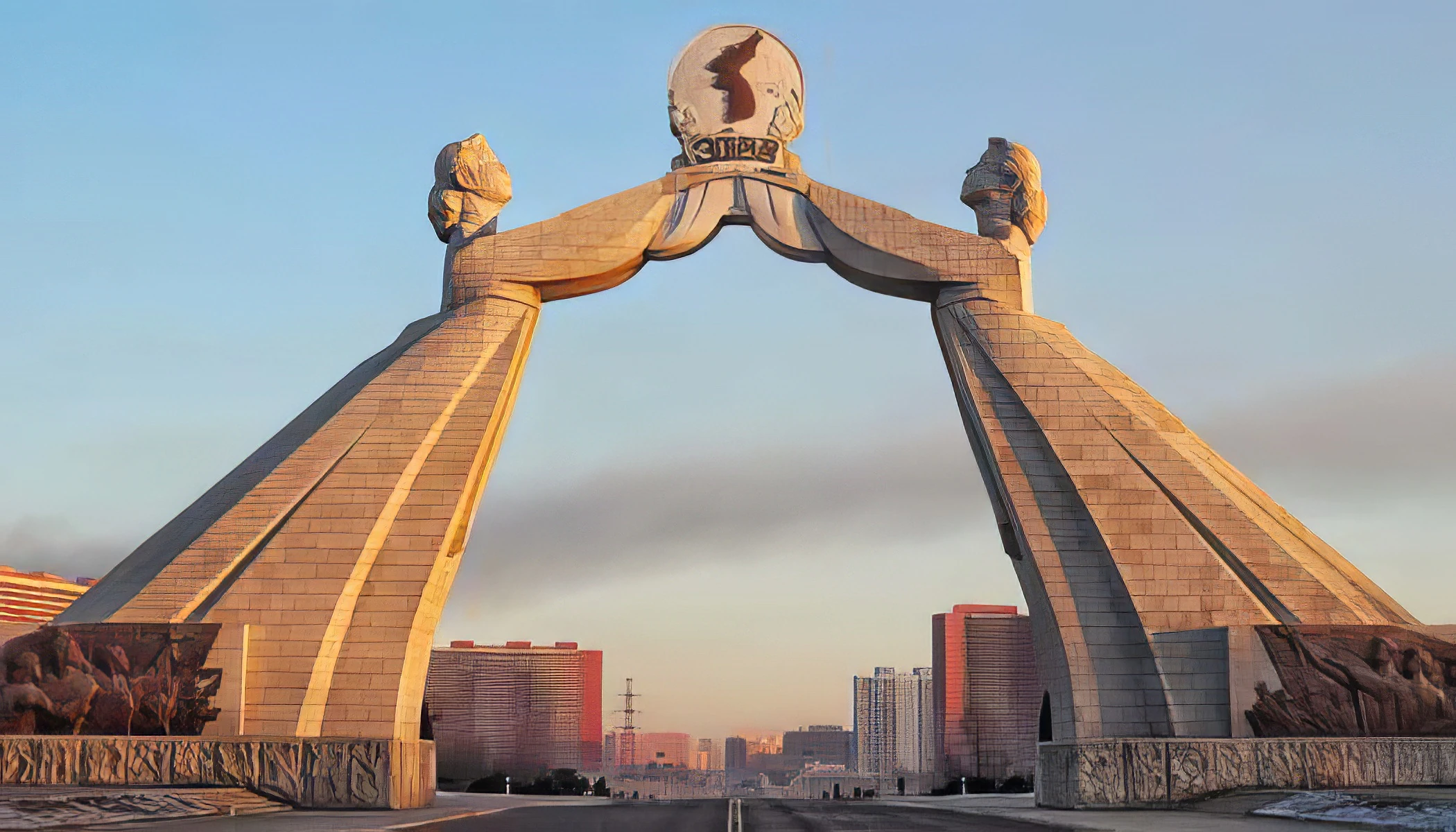
North Korea has some notable monuments and structures to explore:
– Kumsusan Palace of the Sun, Pyongyang: Mausoleum housing Kim Il-sung and Kim Jong-il's preserved bodies.
– Arch of Triumph, Pyongyang: Built to commemorate Korean resistance against Japan, resembling Paris' Arc de Triomphe.
– Juche Tower, Pyongyang: Monument dedicated to North Korea's Juche ideology with panoramic city views.
– Mansudae Grand Monument, Pyongyang: Large bronze statues of Kim Il-sung and Kim Jong-il on Mansu Hill.
– Tomb of King Tongmyong, near Pyongyang: Resting place of Goguryeo dynasty founder; UNESCO World Heritage site.
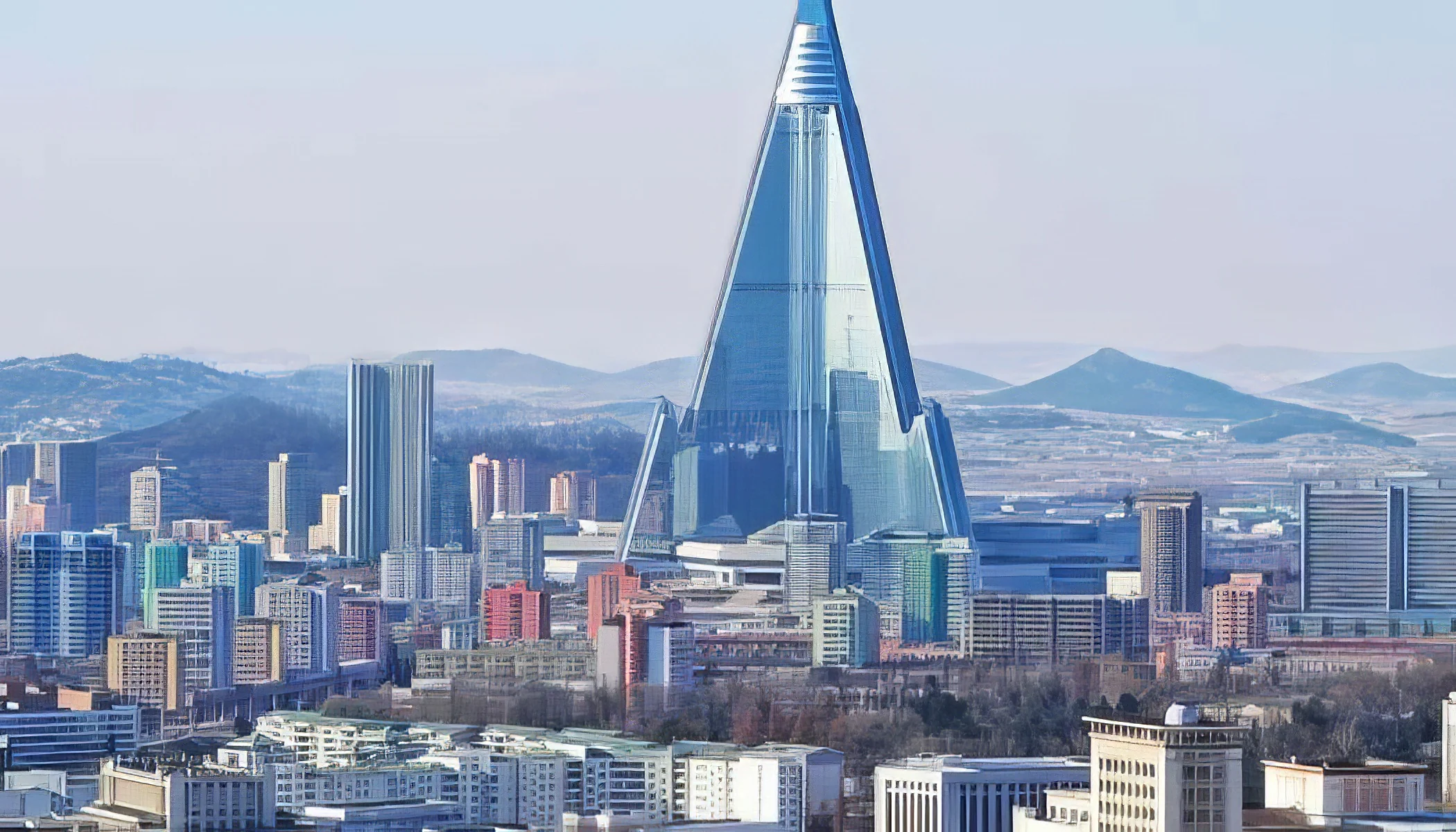
– Ryugyong Hotel, Pyongyang: Iconic but unfinished pyramid-shaped skyscraper dominating the city skyline.
– Fatherland Liberation War Museum, Pyongyang: Displays Korean War history from North Korean perspective.
– Monument to Party Founding, Pyongyang: Features hammer, sickle, and writing brush symbolizing the Workers' Party.
Natural wonder
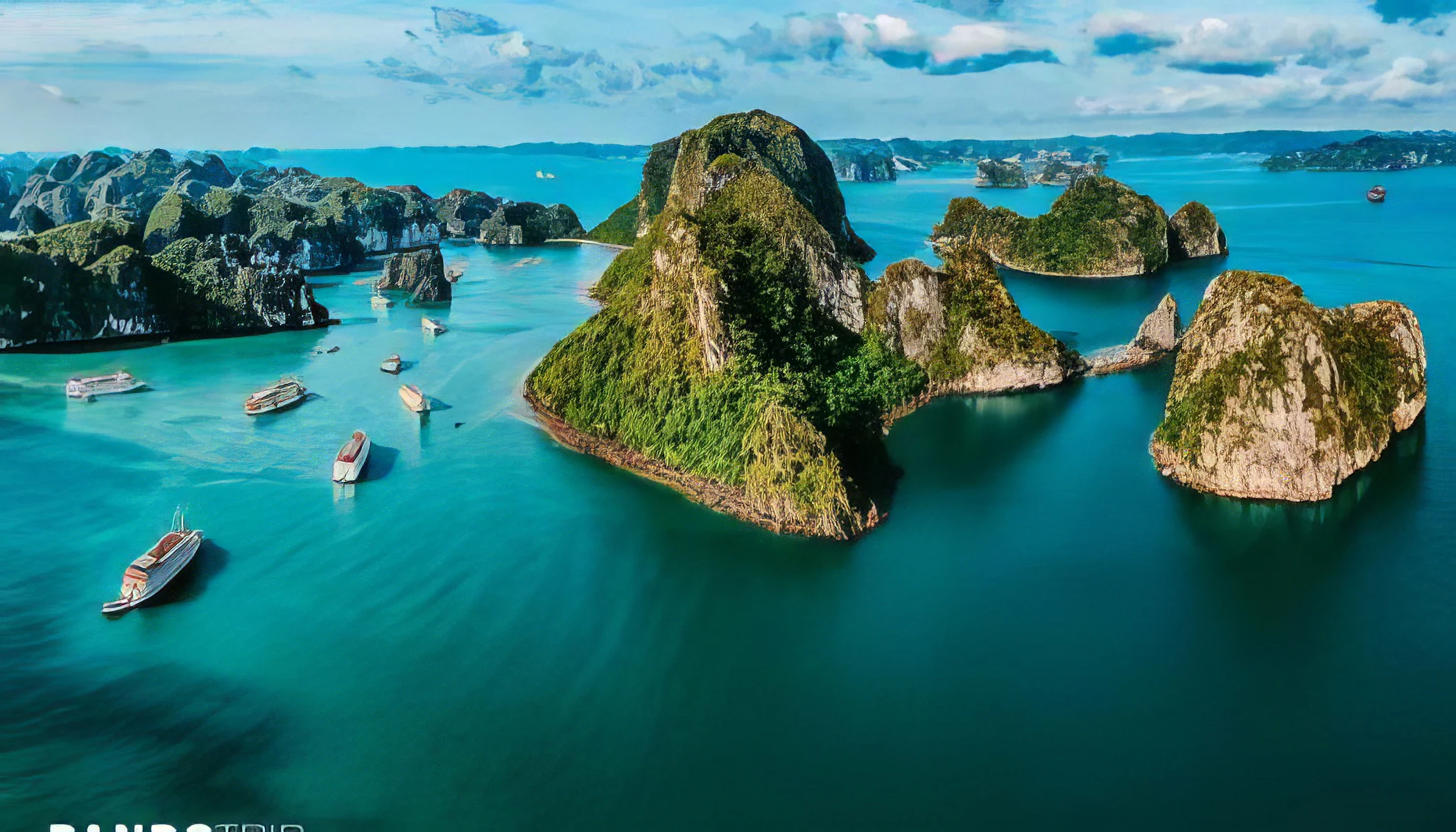
Explore the natural landscapes of North Korea:
– Mount Paektu: Considered sacred, it's the highest peak in Korea with a volcanic crater lake.
– Kumgang Mountains: Known for rugged peaks, clear streams, and colorful autumn foliage.
– Myohyang Mountains: Home to dramatic rock formations and historic temples.
– Chilbo Mountains: Features scenic cliffs, forests, and stone pillar formations.
– Taedong River: Major river flowing through Pyongyang, offering easygoing views.
– Ryonmot Lake: A smooth lake surrounded by abundant greenery and hills.
– Sobaeksu Forest: Protected area known for its diverse flora and fauna.
– Hyangsan County Waterfalls: Provides charismatic waterfalls amidst mountainous terrain.
– Mount Kuwol: Notable for its striking beauty during all four seasons.
– Pujon Highlands: Known for expansive views and unique rock landscapes.
Beaches
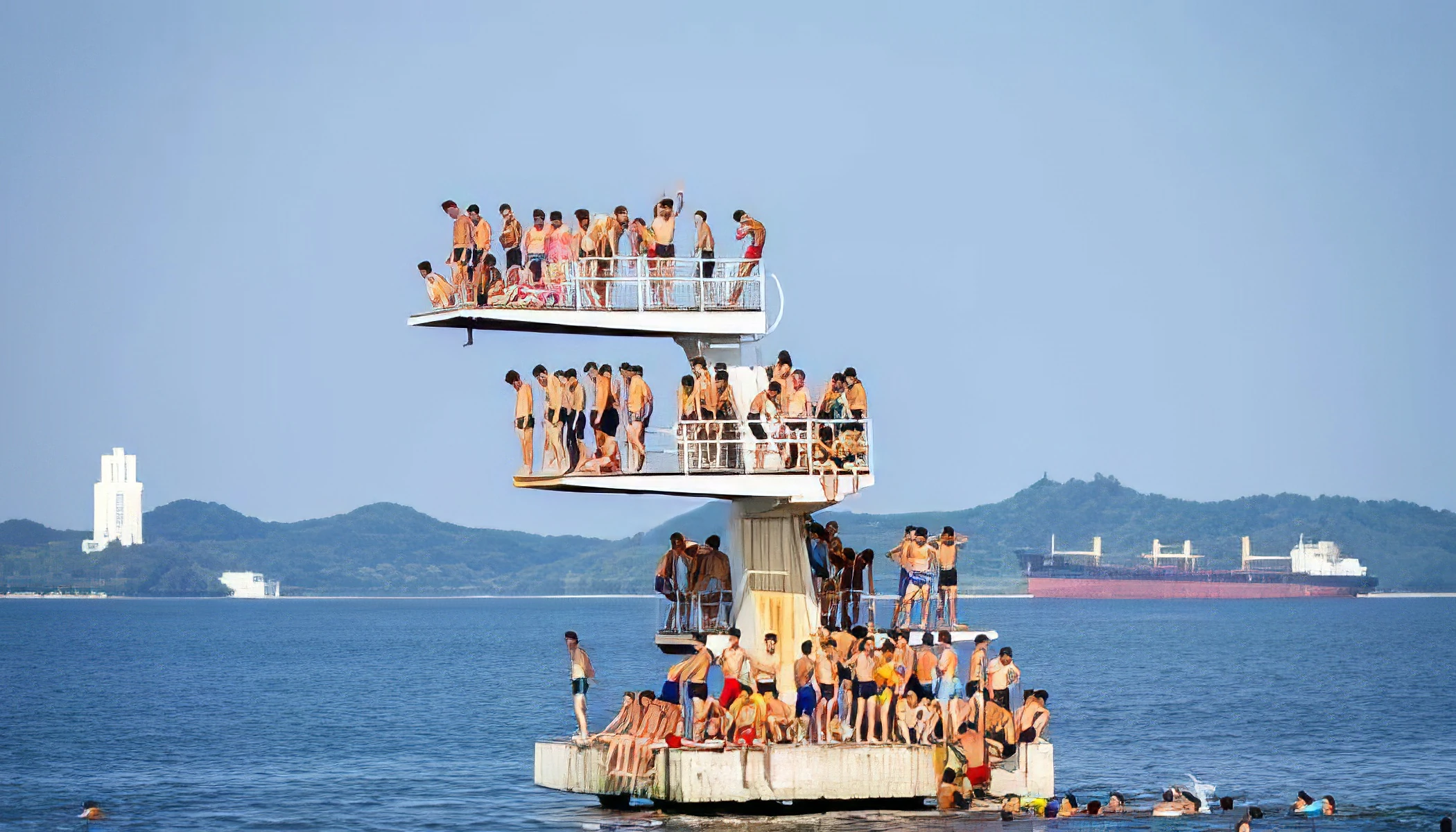
North Korea has limited access to beaches for tourists, but some notable ones include:
– Wonsan Beach: Known for sandy shores, part of the Wonsan-Kalma coastal tourist area.
– Majon Beach: Provides a sandy coastline near Hamhung, often quiet and less crowded.
– Songdowon Beach: Popular among locals, located in the port city of Wonsan.
Outdoor activities
Outdoor experiences in North Korea offer unique insights into its landscapes and culture:
– Hiking Mount Paektu: Explore the revered volcano with its nice crater lake.
– Cycling in Pyongyang: Ride through broad avenues and iconic landmarks of the capital.
– Trekking in the Myohyang Mountains: Discover beautiful trails and historic temples.
– Camping at Lake Sijung: Enjoy easygoing views and quiet surroundings.
– Skiing at Masikryong Ski Resort: Hit the slopes at North Korea's premier ski destination.
– Beach Day at Wonsan: Relax on sandy shores along the East Sea coast.
– Exploring Kumgangsan (Diamond Mountains): Wander through scenic peaks and valleys.
Kid Friendly
Tourist activities in North Korea are limited and highly regulated. Here are some available kid-friendly options:
– Pyongyang Central Zoo: Supplies a variety of animals and is a popular spot for local families.
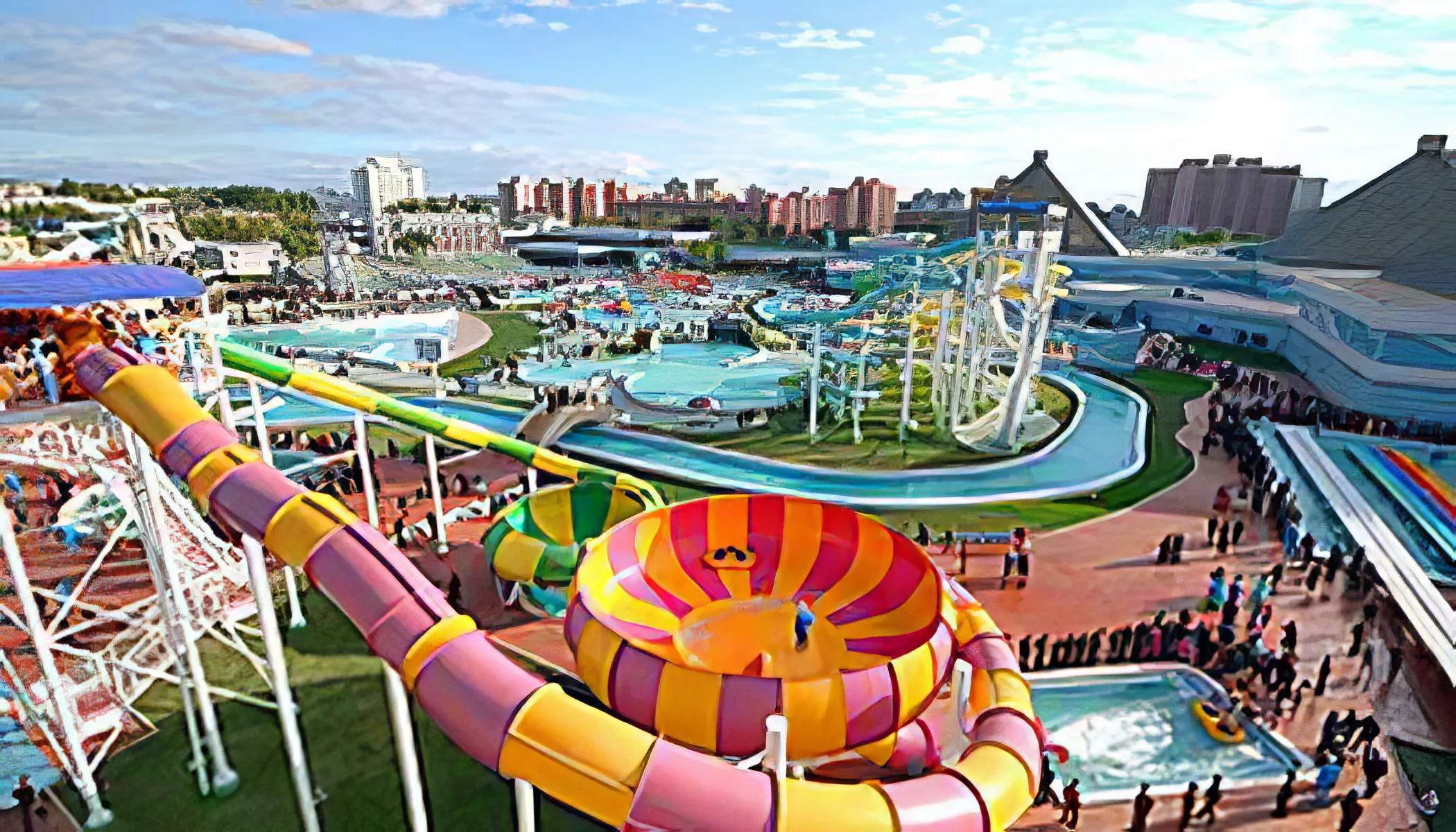
– Kaeson Youth Park: Features amusement rides and is one of the few places for recreational fun.
– Mangyongdae Children's Palace: A place where kids can see cultural performances by local children.
– Pyongyang Circus: Provides entertainment with acrobatics, magic shows, and animal performances.
– Taesongsan Funfair: An amusement park with rides suitable for children and adults.
– Victorious Fatherland Liberation War Museum: Supplies history exhibits with tanks and military vehicles that may interest older kids.
– Kumsusan Palace of the Sun (exterior): The grand architecture can be fascinating to see from the outside.
– Moranbong Park: A public park where families can enjoy a picnic and walk.
Cuisine
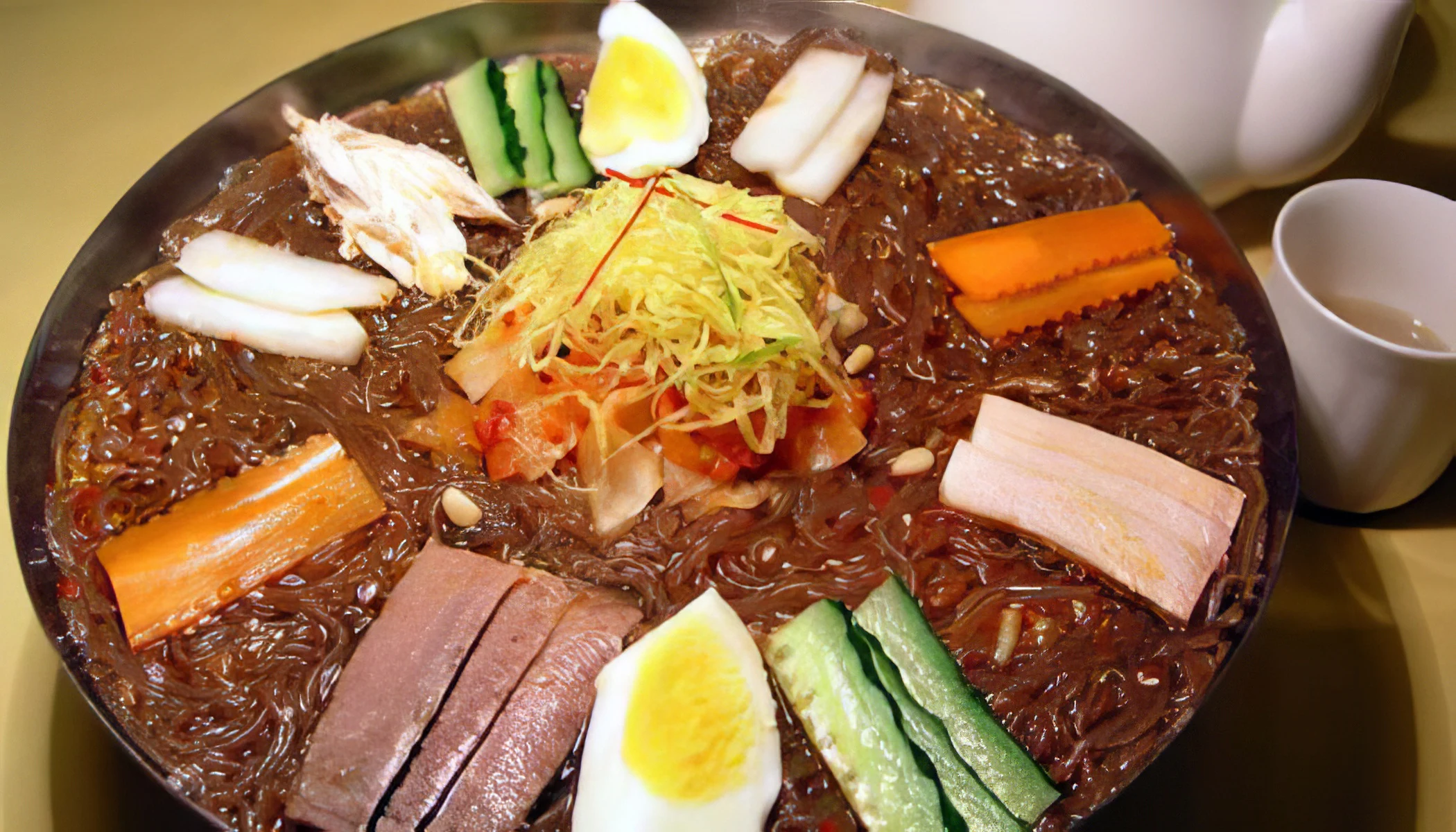
North Korea's food scene is characterized by traditional Korean dishes, relying heavily on locally grown ingredients. The cuisine features simple, hearty meals with a focus on vegetables and grains. Economic challenges influence food availability and variety in the country.
– Kimchi: Fermented cabbage seasoned with chili, garlic, and other spices.
– Naengmyeon: Cold buckwheat noodles served in a refreshing, tangy broth.
– Bibimbap: Rice bowl topped with mixed vegetables, egg, and sometimes meat.
– Pansangi: Assorted small dishes served in brass bowls for a communal meal experience.
– Tteok: Rice cakes often enjoyed as a snack or dessert.
Souvenir
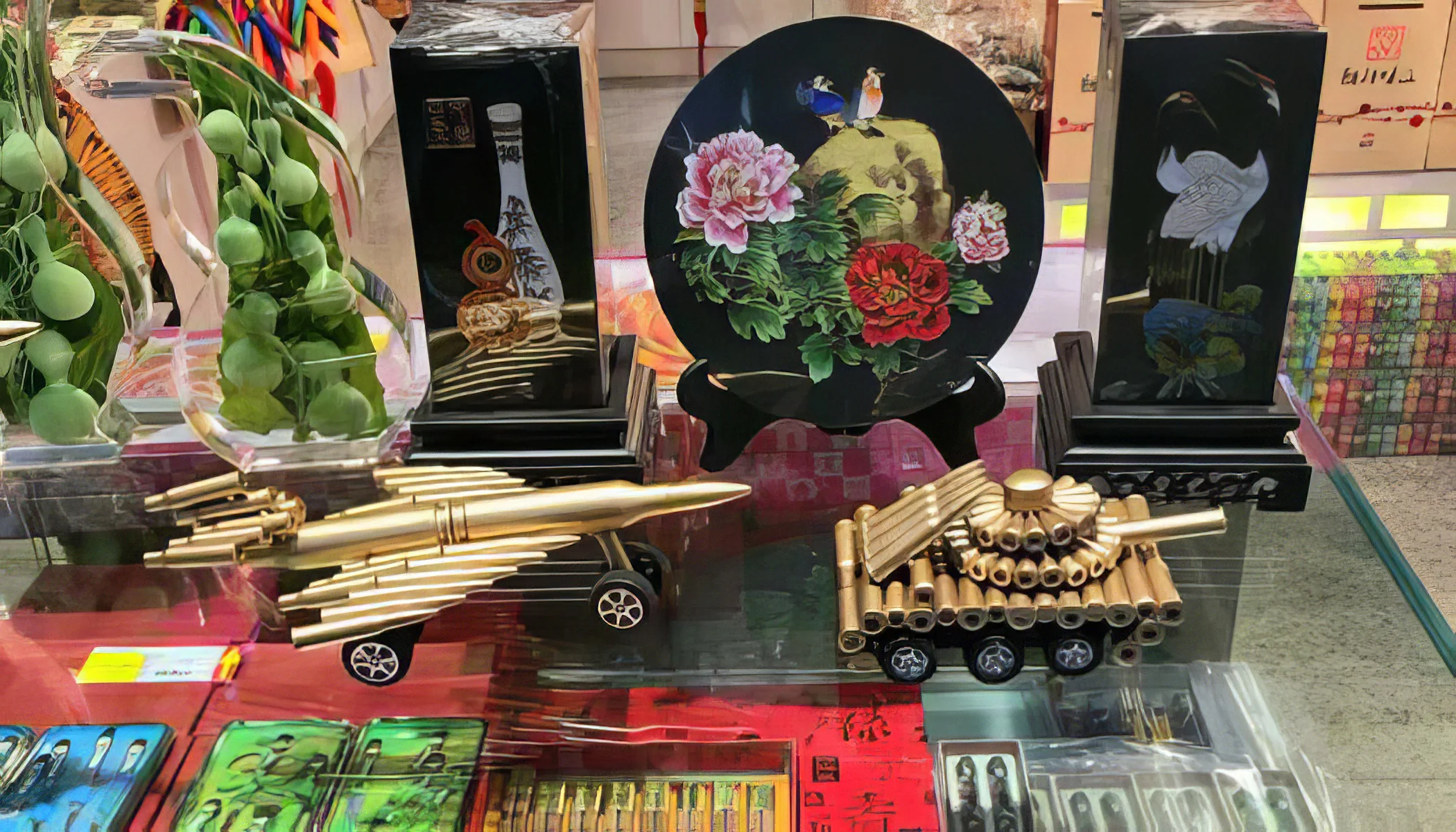
Tourists visiting the country can find unique items reflecting its culture and history. Here are some popular souvenirs:
– Propaganda Posters: Iconic North Korean propaganda art is available as posters and prints.
– Pins and Badges: Collectible pins featuring the country's leaders and symbols are widely available.
– Korean Ginseng: Known for its medicinal properties, Korean ginseng products are popular among visitors.
– Handicrafts: Traditional North Korean crafts include pottery, embroidery, and wood carvings.
– Liquor: Local spirits like Soju or traditional Korean liquor make unique gifts.
– Stamps: North Korea produces colorful and collectible postage stamps with various themes.
– Books by Leaders: Writings by Kim Il-sung or Kim Jong-il are often sold in bookstores.
Traditional Shows
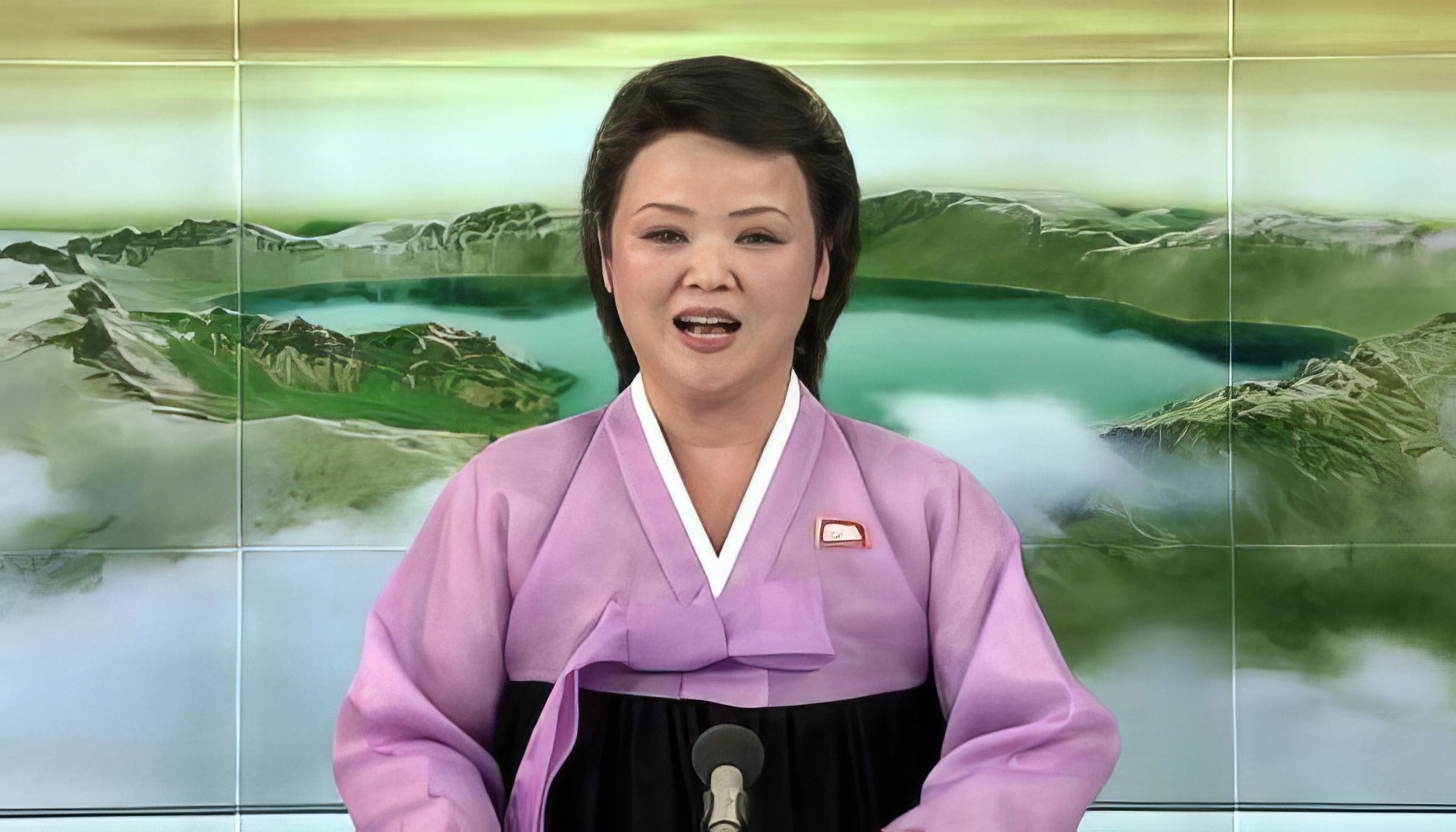
North Korea supplies unique traditional performances:
– Arirang Mass Games: This grand spectacle in Pyongyang features mass gymnastics, dance, and music, showcasing North Korean themes and nationalism.
– Korean Folk Music Ensemble: Experience traditional Korean instruments and folk melodies performed by state ensembles in Pyongyang.
– Samjiyon Band: A musical group that performs classic revolutionary songs and nationalistic pieces, often seen in major cities like Pyongyang.
– Pansori Singing: Enjoy this storytelling through music form, combining powerful vocal performance with rhythmic drumming, reflecting Korean folklore traditions.
– Revolutionary Opera: These operas blend Western style with local themes, emphasizing political narratives, mainly performed in theaters across Pyongyang.
Events & Festivals
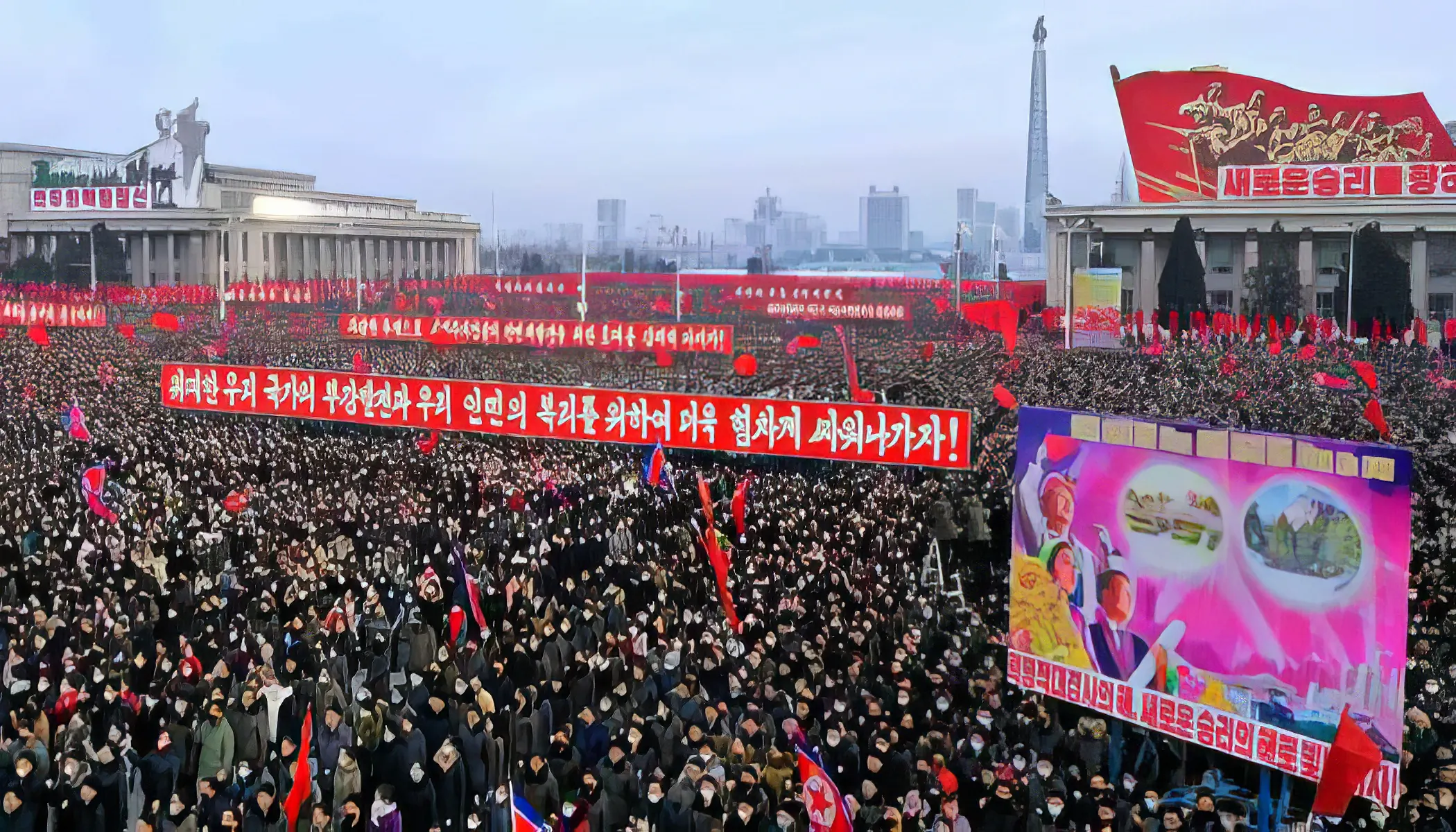
Several key events and festivals mark the North Korean calendar, reflecting its unique cultural and political landscape:
– Kim Jong Il’s Birthday: February 16, celebrated as the "Day of the Shining Star" with festivities and tributes.
– Day of the Sun: April 15, honors Kim Il Sung's birthday with parades, performances, and fireworks.
– Victory Day: July 27, commemorates the Korean War armistice with ceremonies and fireworks.
– National Liberation Day: August 15, marks liberation from Japanese rule with events and activities.
– Party Foundation Day: October 10, celebrates founding of Workers' Party with public celebrations.
– Korean Workers' Party Congress: Held occasionally; involves major political discussions and announcements.
– Harvest Moon Festival: September/October event featuring traditional customs like feasting and dancing.
Famous People
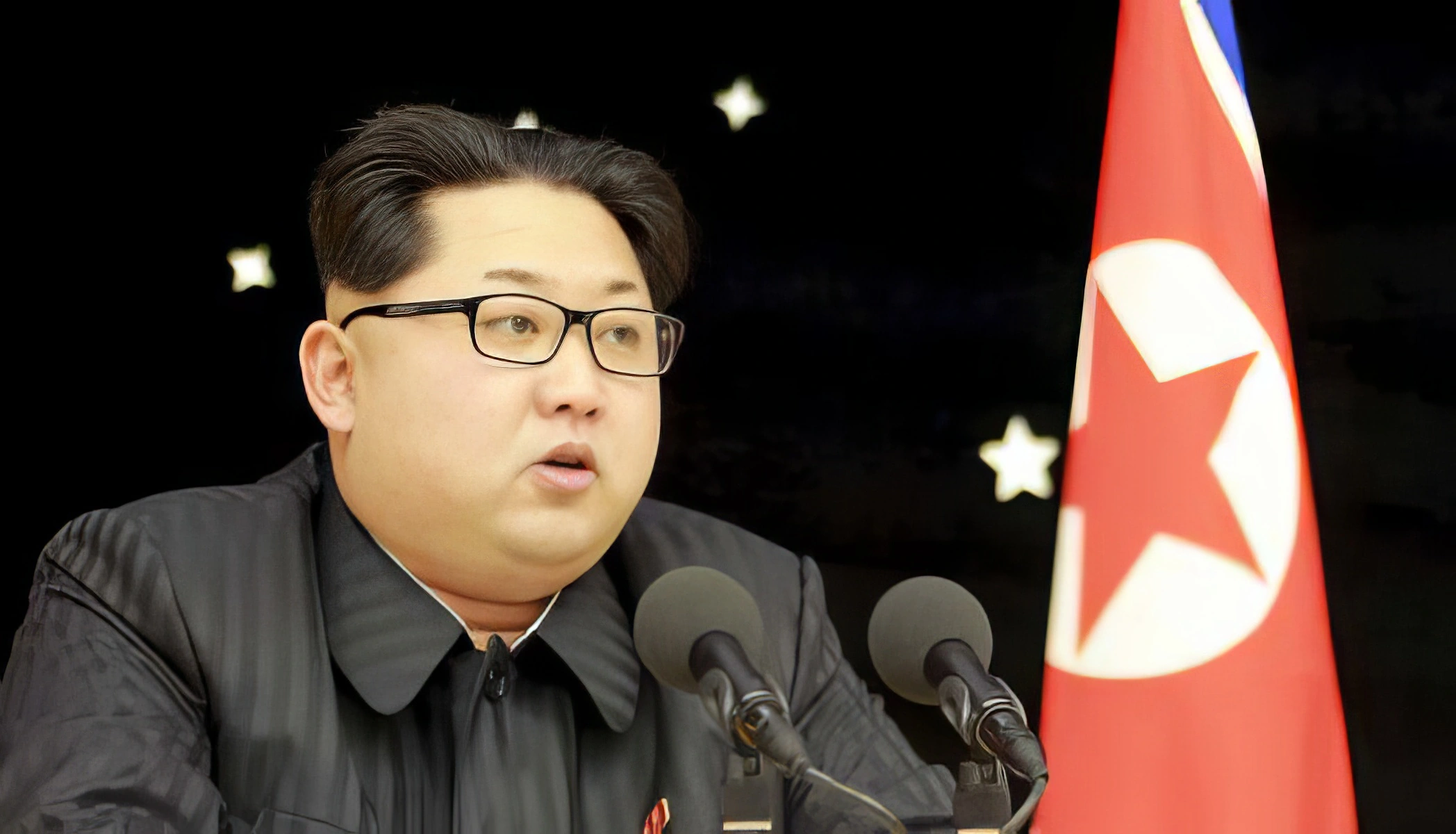
North Korea is known for its influential political leaders and cultural figures throughout its history.
– Kim Il-sung (1912 to 1994, Mangyongdae): Founder and first leader of North Korea, establishing the country's socialist regime.
– Kim Jong-il (1941 to 2011, Vyatskoye, Russia): Supreme Leader known for his juche ideology and military-first policies.
– Kim Jong-un (born 1983 or 1984, Pyongyang): Current Supreme Leader, recognized for his nuclear weapons development and diplomatic engagements.
– Ri Sol-ju (born circa 1985, Chongjin): First Lady of North Korea known for her public appearances and background in music performance.
– Pak Yong-sun (1939 to 1997, Pyongyang): Renowned painter noted for his contributions to the Korean fine arts tradition.
Books
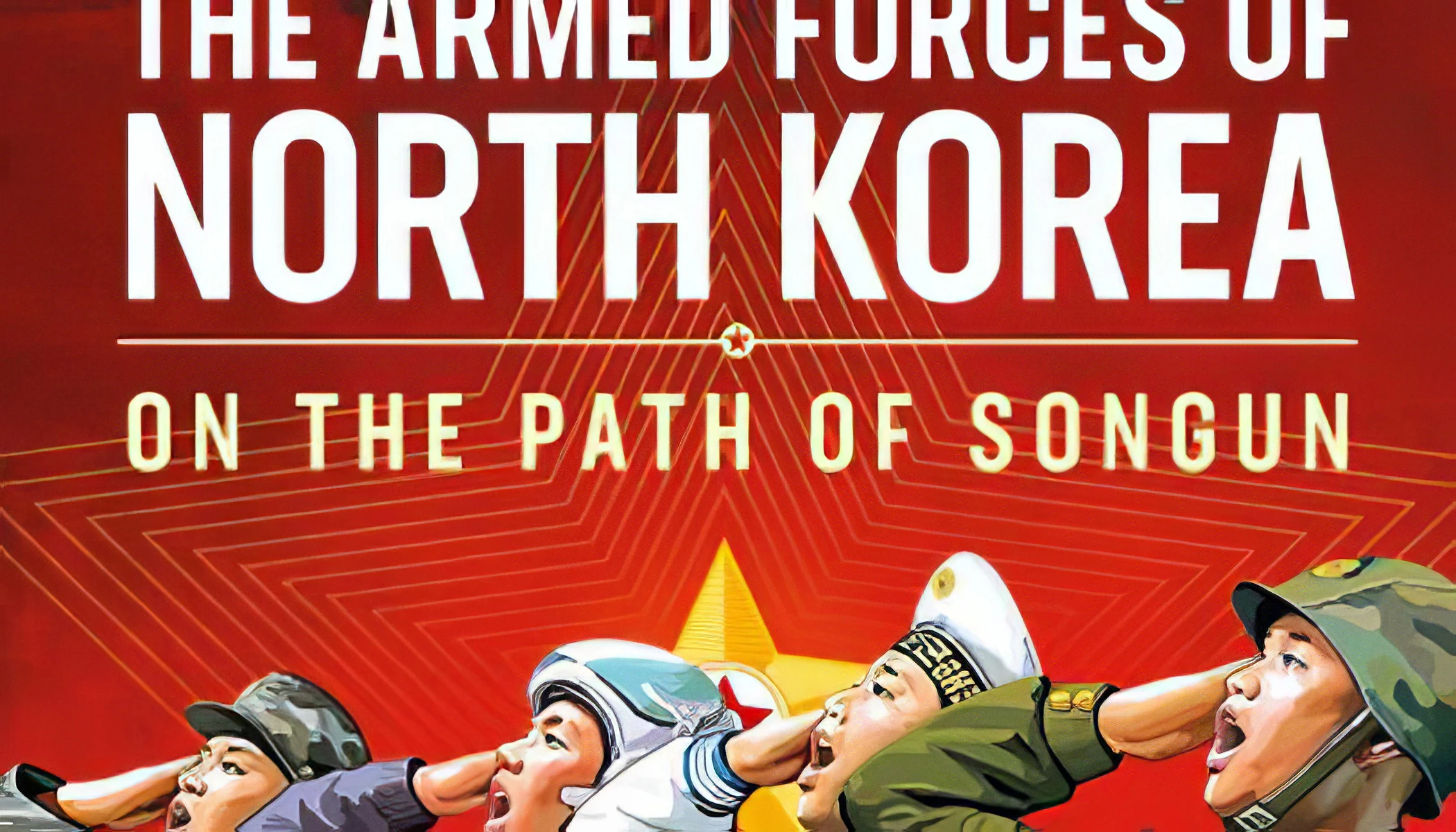
These books provide insights into life and the socio-political environment in North Korea through both fictional and non-fictional narratives.
– "Nothing to Envy: Ordinary Lives in North Korea" by Barbara Demick: Chronicles the lives of six North Koreans, depicting everyday struggles.
– "The Orphan Master's Son" by Adam Johnson: A Pulitzer Prize-winning novel exploring identity and survival in a totalitarian regime.
– "Escape from Camp 14" by Blaine Harden: True story of Shin Dong-hyuk's escape from a North Korean prison camp.
– "Aquariums of Pyongyang" by Kang Chol-Hwan and Pierre Rigoulot: Memoir detailing ten years in a North Korean labor camp.
– "The Girl with Seven Names" by Hyeonseo Lee: A harrowing escape story revealing the realities of life under Kim Jong-il.
Songs

North Korean songs often focus on themes of patriotism, leadership, and national pride.
– Where Are You, Dear General?: A song expressing longing for Kim Jong Il.
– We Will Go to Mt. Paektu: Celebrates the revolutionary spirit linked to Mt. Paektu.
– No Motherland Without You: Dedicated to Kim Jong Il, highlighting his importance to North Korea.
– Song of General Kim Il-sung: Praises the founding leader's achievements and leadership.
– Footsteps: Encourages loyalty and commitment towards the country's future under its leadership.
– Our Comrade Kim Jong Un: A newer song praising the current leader's guidance and vision.
Films
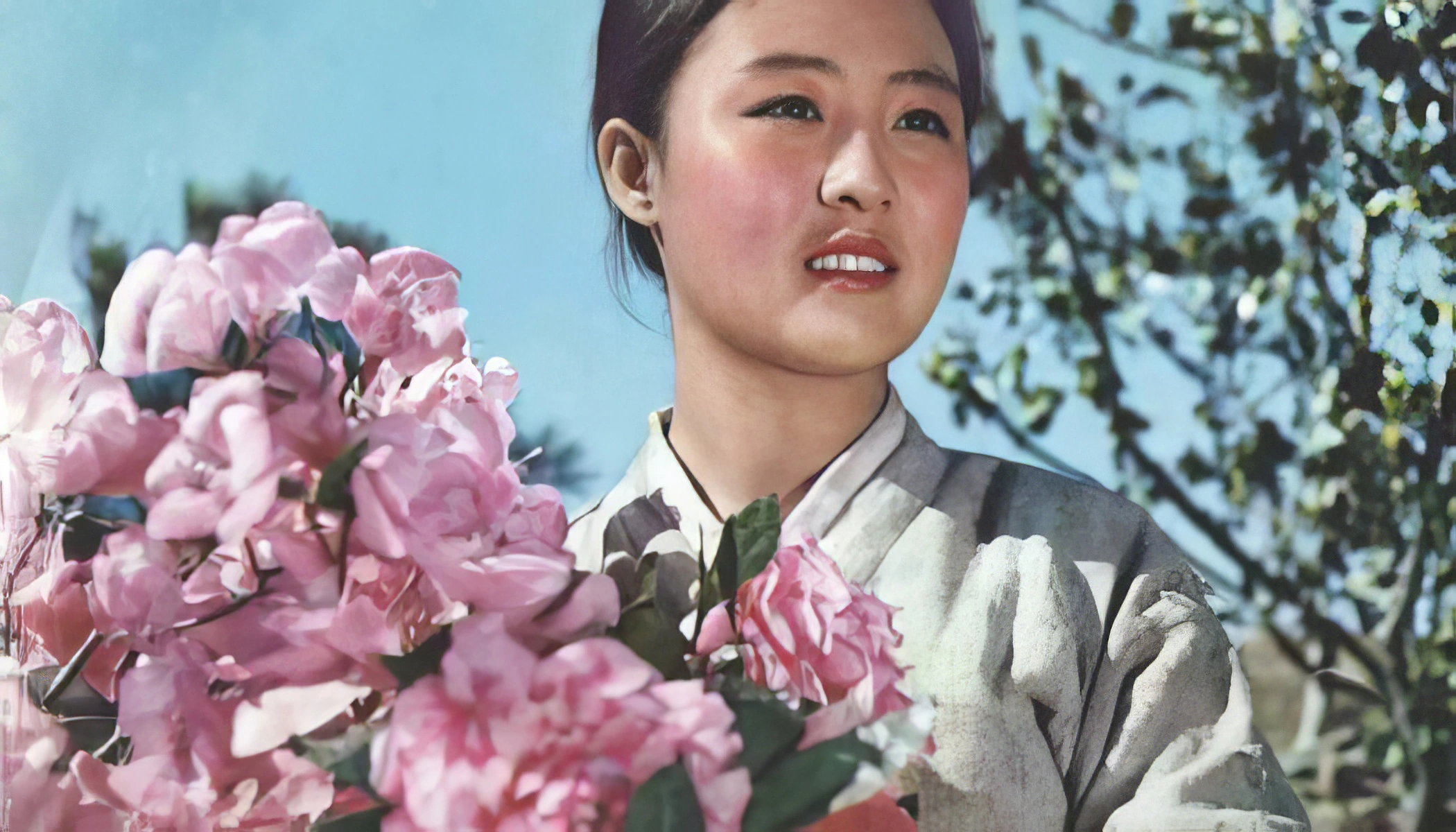
Here is a selection of films that offer insights into North Korean themes and narratives:
– "Pulgasari": A North Korean kaiju film produced by Kim Jong-il, featuring a giant creature aiding peasants in revolt.
– "The Flower Girl": A revolutionary opera-based film showcasing class struggle and resilience during Japanese occupation.
– "Comrade Kim Goes Flying": A rare romantic comedy co-produced internationally, about a coal miner aspiring to become an acrobat.
– "Crossing": A South Korean drama following a North Korean defector's perilous journey for medicine for his sick wife.
– "Secretly, Greatly": A South Korean action-comedy about North Korean spies living undercover as village idiots.