

Norway Attractions & Travel Advice – Plan Your Visit
Located in Northern Europe, this country is known for its remarkable fjords, northern lights, and rich Viking history. It offers a high standard of living and is renowned for its commitment to environmental sustainability and outdoor activities like hiking and skiing.
- Capital
- Oslo
- Population
- 5.1 millions
- Superficy
- 325000 sq.km
- Months to Visit
- May to Sept.
- Living Cost
- Expensive
Overview
Norway, located in Northern Europe, is known for its nice natural landscapes, including fjords, mountains, and northern lights. The capital city, Oslo, supplies a mix of modern architecture and rich cultural institutions like the Viking Ship Museum. Norway has a strong economy largely supported by oil and gas exports, as well as a high standard of living. The country is famous for its outdoor activities such as hiking, skiing, and fishing. It maintains a commitment to environmental sustainability and ranks high in global happiness and quality of life indices. Norway's social welfare system is robust, providing comprehensive healthcare and education to its citizens.
Pros & Cons
GOOD REASONS TO VISIT NORWAY
– Nice Fjords: Norway's fjords offer magnificent views, with dramatic cliffs and relaxed waters, ideal for nature lovers.
– Northern Lights: Experience the magical aurora borealis in northern Norway during winter months, a bucket-list spectacle.
– Outdoor Activities: Enjoy hiking, skiing, and fishing in diverse landscapes from mountains to coastlines.
– Rich Viking History: Explore museums and sites showcasing Norway's Viking heritage and maritime history.
– High Quality of Life: Safe environment with clean cities, efficient public transport, and friendly locals. CHALLENGES WHEN VISITING NORWAY
– High Costs: Norway is expensive; expect high prices for accommodation, food, and activities.
– Unpredictable Weather: Rapid weather changes require preparation; pack layers for varying conditions.
– Limited Daylight in Winter: Short daylight hours in winter can affect sightseeing plans.
Before Departure
Before traveling to Norway, consider the following essential information:
– Passport: Ensure your passport is valid for at least three months beyond your planned departure date.
– Visa: Schengen visa required for non-exempt countries; allows 90 days stay within 180 days. Apply through Norwegian embassies or consulates.
– Currency: Norwegian Krone (NOK); credit cards widely accepted; ATMs are readily available throughout the country.
– Internet access: WiFi is widely accessible in urban areas and hotels; local SIM cards offer affordable data plans.
– Language barrier: Norwegian is the official language; English is widely spoken, especially in tourist areas. French, Spanish, and German are less common.
What to Pack
Norway's diverse climate and remarkable landscapes require thoughtful packing to ensure comfort and preparedness for various activities.
– Essentials: Passport, travel insurance, itinerary, accommodation confirmations, and any necessary visas or permits.
– Clothing: Layered clothing for varying temperatures, waterproof jacket, sturdy hiking boots, warm hat and gloves, swimwear for spas or pools.
– Health & Safety: Prescription medications, basic first aid kit, sunscreen for UV protection in snowy areas, insect repellent for summer months.
– Electronics: Travel adapter for European outlets, mobile phone with charger, camera with extra batteries or memory cards.
Weather
Weather in Norway varies significantly by season and region:
– Winter (December to February): Cold with heavy snowfall, especially in the north and mountainous areas.
– Spring (March to May): Gradual warming, snow melting, and blooming landscapes; unpredictable weather with rain and sunshine.
– Summer (June to August): Mild temperatures, long daylight hours, especially in the north; occasional rain showers.
– Autumn (September to November): Cooling temperatures, pleasant fall foliage, increasing rainfall, and shorter days. The best time to visit Norway is from June to August:
– Pros: Pleasant weather for outdoor activities and experiencing the Midnight Sun.
– Cons: Higher prices and more tourists during peak season.
Travel Budget
Norway is known for its high cost of living, which is reflected in the prices tourists can expect. Here are some average costs for common expenses:
– Hotel: 100$ to 300$
– Lunch: 15$ to 30$
– Beverage (in bar/restaurant): 8$ to 15$
– Coffee: 3$ to 6$
– Transportation: (train 30$ to 100$), (bus 3$ to 7$), (taxi /10km 25$ to 40$)
– Mobile data (per GB): 5$ to 10$
Language
Norwegian is a North Germanic language spoken primarily in Norway.
– Hello: Hei
– Thank you: Takk
– Please: Vær så snill
– How much is this?: Hvor mye koster dette?
– Excuse me: Unnskyld meg
– I don't understand: Jeg forstår ikke
– Yes: Ja
– No: Nei
– Goodbye: Ha det bra
History
It has a history marked by the Viking Age, which spanned from the late 8th to early 11th centuries, during which Norwegians explored, traded, and raided across Europe. Following this period, Norway unified under a single monarchy and later entered into unions with Denmark and Sweden. The Kalmar Union in 1397 linked it with Denmark and Sweden, but after its dissolution, Norway remained in a more extended union with Denmark until 1814. After briefly gaining independence in 1814, Norway was forced into a union with Sweden, which lasted until peaceful dissolution in 1905 when it regained full independence. During World War II, Germany occupied Norway from 1940 to 1945. In the post-war era, Norway focused on economic growth and joined NATO in 1949 while remaining outside the European Union; significant oil discoveries in the North Sea during the late 20th century transformed its economy.
Geopolitics
Located in Northern Europe, Norway is a constitutional monarchy with a parliamentary system. It shares borders with Sweden, Finland, and Russia, and has extensive coastlines along the North Atlantic Ocean and the Barents Sea. Norway is not a member of the European Union but maintains close ties through its membership in the European Economic Area (EEA), allowing access to the single market. It holds significant geopolitical importance due to its strategic location in the Arctic and substantial oil and gas reserves in the North Sea. Norway is a founding member of NATO and plays an active role in regional security cooperation. Its foreign policy emphasizes international law, peacekeeping, and sustainable development while balancing its economic interests in energy exports with environmental concerns.
Sample Itinerary
This itinerary takes you through Norway's beautiful cities, nice fjords, and remarkable landscapes for a comprehensive experience.
– 1 day in Oslo: Explore the Vigeland Sculpture Park, Viking Ship Museum, and the Opera House. Walk through Aker Brygge for dining and shopping.
– 2 days in Bergen: Wander through Bryggen’s historic wharf, take the Floibanen funicular for city views, and visit the Fish Market. Enjoy a fjord cruise to explore surrounding waters.
– 2 days in Flam: Experience the scenic Flam Railway journey. Take a boat trip on Nærøyfjord, one of UNESCO’s World Heritage Sites.
– 1 day in Geiranger: Marvel at Geirangerfjord’s waterfalls on a boat tour. Visit viewpoints like Dalsnibba for panoramic scenery.
– 1 day in Trondheim: Tour Nidaros Cathedral and explore Bakklandet district. Experience local cuisine at food markets before departure.
Popular cities
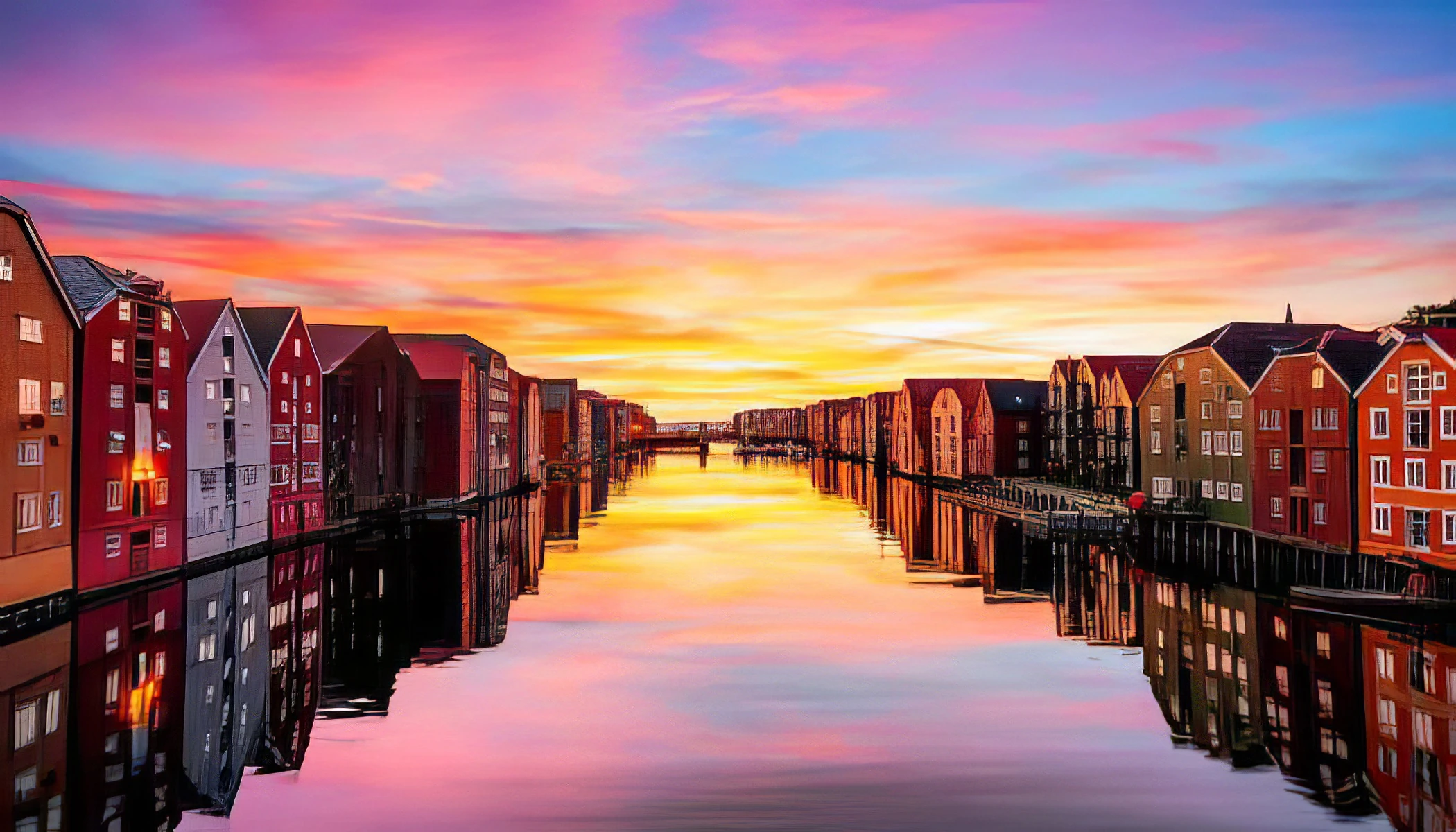
Experience the diverse landscapes and rich cultural heritage in these top Norwegian cities:
– Oslo: The capital city supplies museums, parks, and a charming waterfront.
– Bergen: Known for its colorful wooden houses and gateway to the fjords.
– Trondheim: Home to Nidaros Cathedral and a lively student population.
– Stavanger: Features nice beaches and is the starting point for the Lysefjord.
– Tromsø: Provides northern lights viewing and Arctic experiences.
– Ålesund: Famous for its Art Nouveau architecture and scenic views.
– Kristiansand: Known for its sandy beaches and family-friendly attractions.
Monuments
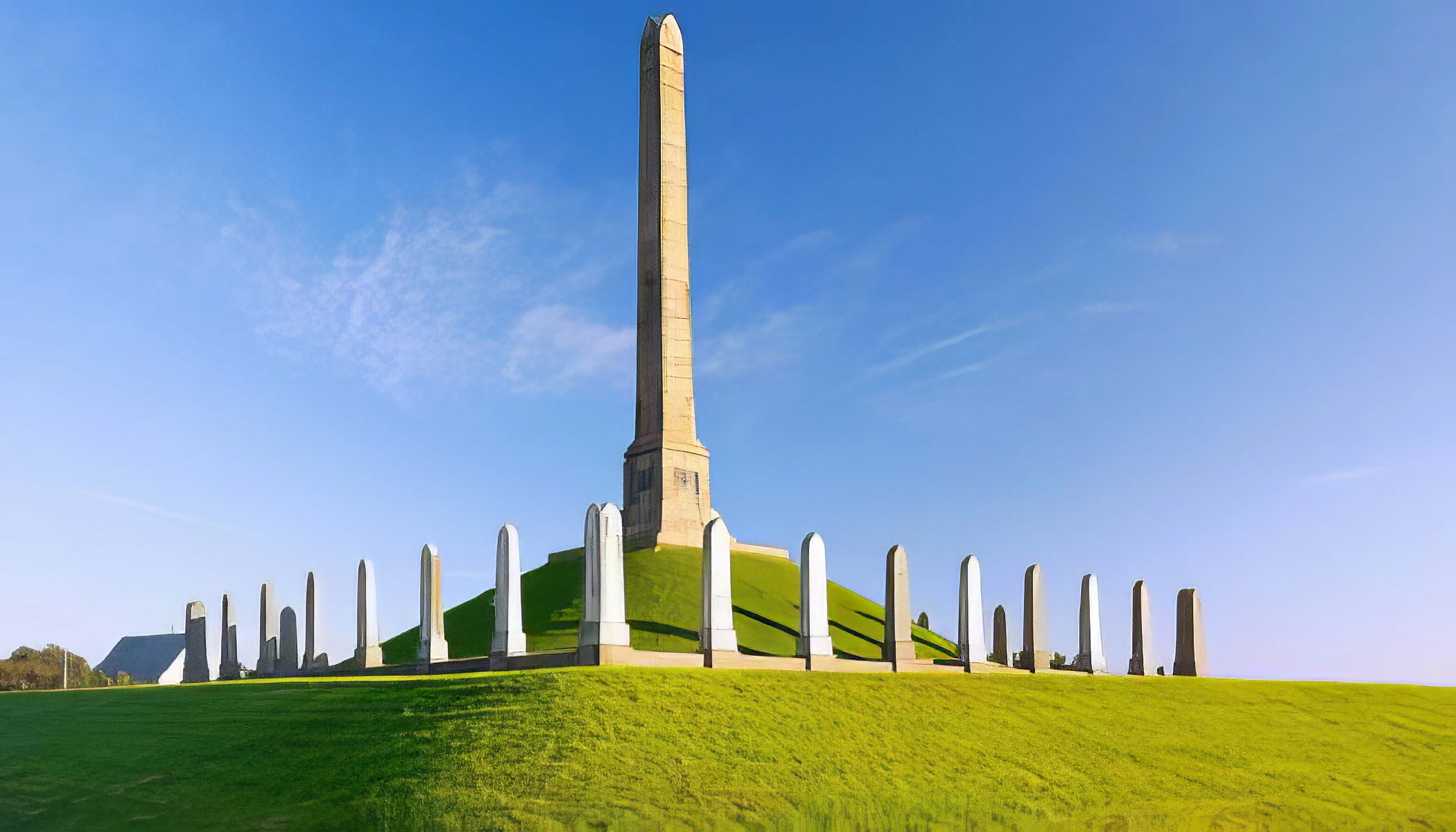
Norway is home to several notable monuments reflecting its history and culture:
– Akershus Fortress, Oslo: Medieval castle and fortress offering insight into Norway's history since 1299.
– Nidaros Cathedral, Trondheim: Norway's national sanctuary and a significant Gothic-style pilgrimage site.
– Bryggen, Bergen: UNESCO site with colorful wooden houses showcasing Hanseatic League trading history.
– Urnes Stave Church, Luster: Oldest stave church in Norway, featuring beautiful wood carvings.
– Vigeland Sculpture Park, Oslo: World's largest sculpture park by a single artist, Gustav Vigeland.
– Heddal Stave Church, Notodden: Largest stave church in Norway with distinctive medieval architecture.
– Royal Palace, Oslo: Official residence of the Norwegian monarch with guided tours available in summer.
– Røros Mining Town: UNESCO World Heritage Site characterized by traditional wooden buildings and mining history.
Natural wonder
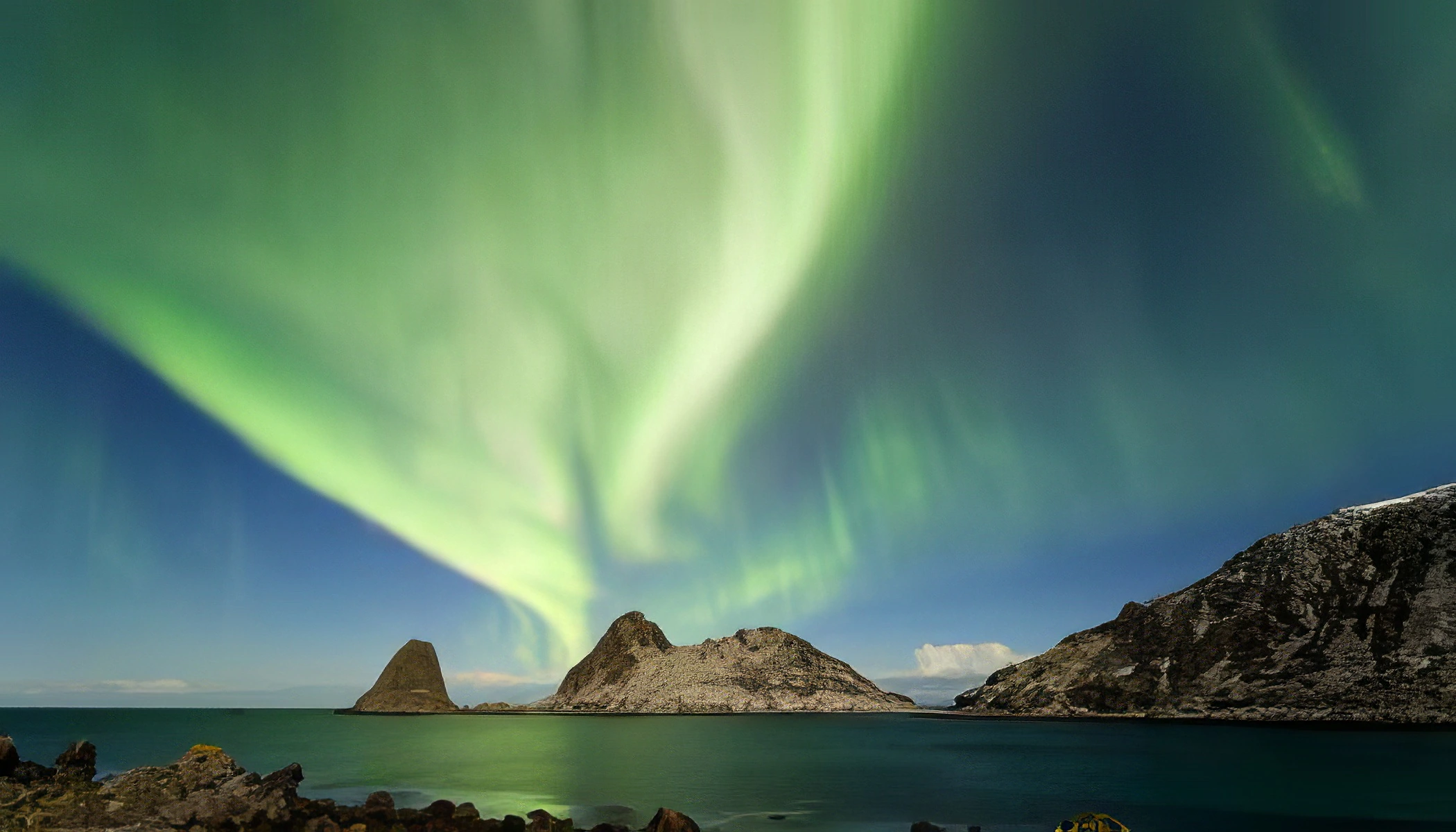
Explore Norway's beautiful natural landscapes:
– Geirangerfjord: A UNESCO World Heritage site, famous for its deep blue waters and dramatic cliffs.
– Nærøyfjord: One of the narrowest fjords globally, surrounded by towering mountains.
– Preikestolen (Pulpit Rock): A massive cliff offering magnificent views over Lysefjord.
– Trolltunga: A rock formation jutting horizontally out over Lake Ringedalsvatnet, providing handsome views.
– Lofoten Islands: Known for dramatic peaks, sheltered bays, and traditional fishing villages.
– Nordkapp (North Cape): Provides panoramic views of the Arctic Ocean from Europe's northernmost point accessible by car.
– Jostedalsbreen Glacier: The largest glacier in mainland Europe with accessible arms like Briksdal Glacier.
– Røros Mining Town and surrounding area: Known for its well-preserved wooden structures within a unique natural setting.
– Hardangervidda Plateau: The largest mountain plateau in Northern Europe, ideal for outdoor activities.
– Kjeragbolten: A boulder wedged in a mountain crevasse above Lysefjord, popular among hikers and adventurers.
Beaches
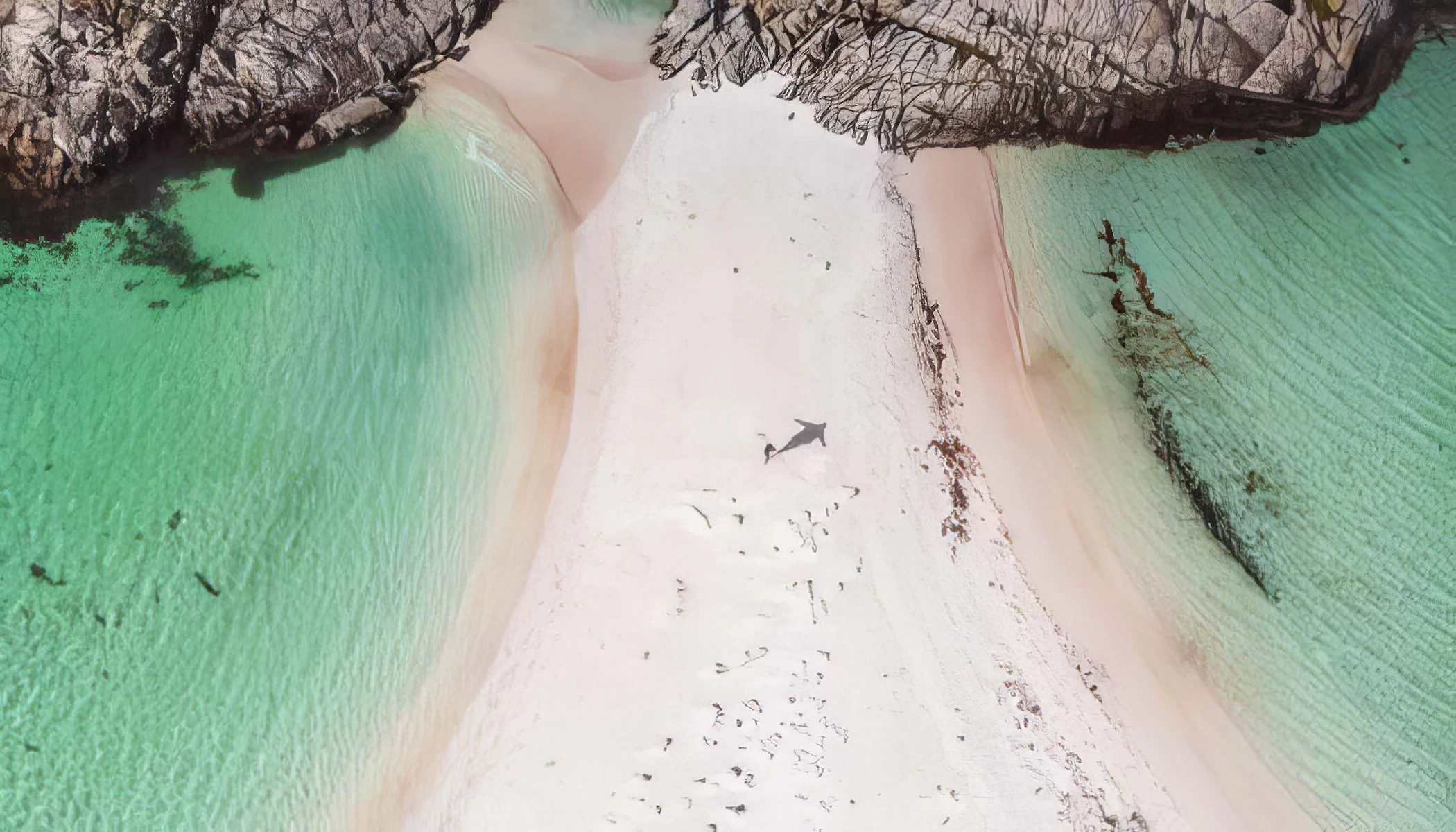
Norway provides unique beaches with lovely landscapes along its rugged coastline:
– Huk Beach: Popular Oslo beach for sunbathing and swimming with city views.
– Haukland Beach: Known for its white sands and turquoise waters in the Lofoten Islands.
– Sola Beach: Features long sandy stretches, ideal for windsurfing near Stavanger.
– Kvalvika Beach: Remote beach accessed by hiking, offering dramatic scenery in Lofoten.
– Vigdelstranden: Quiet beach with rocky surroundings, perfect for picnics near Stavanger.
– Røysa Beach: Scenic spot with clear waters and mountain views on Senja Island.
– Bunes Beach: Isolated beach in Lofoten, accessible by ferry and hike.
Outdoor activities
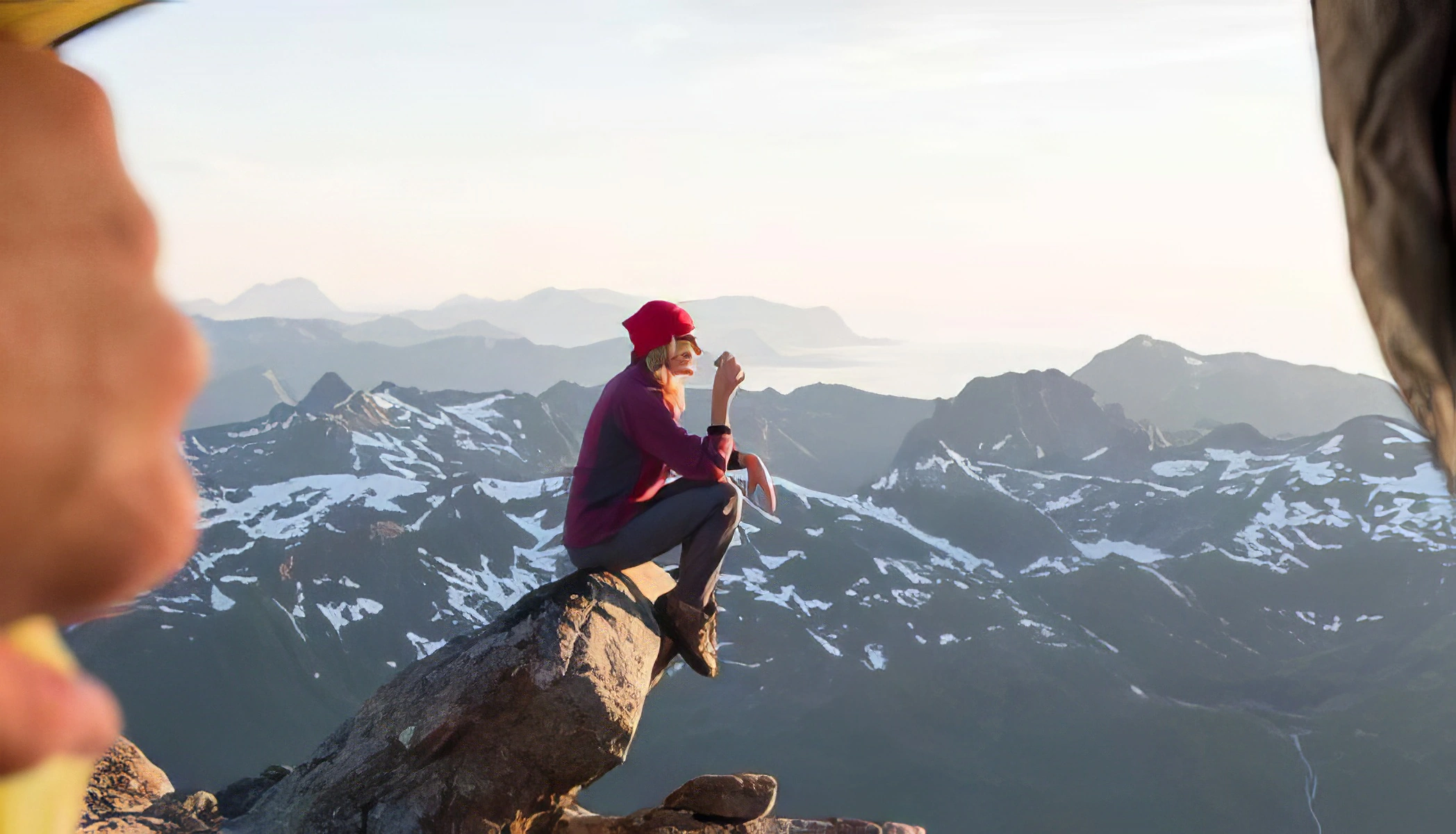
From fjords to mountains, Norway supplies lovely outdoor adventures for visitors:
– Hiking in the Lofoten Islands: Traverse dramatic peaks and pleasant fishing villages.
– Kayaking in the Geirangerfjord: Paddle through beautiful waters surrounded by towering cliffs.
– Skiing in Hemsedal: Enjoy excellent slopes suited for all skill levels.
– Dog Sledding in Tromsø: Experience Arctic landscapes while being pulled by a team of huskies.
– Cycling the Rallarvegen: Ride along one of Norway's most scenic bike routes.
– Northern Lights Viewing in Svalbard: Witness the dazzling aurora borealis dance across the Arctic sky.
– Whale Watching in Andenes: Spot majestic whales off the scenic coast of Vesterålen.
Kid Friendly
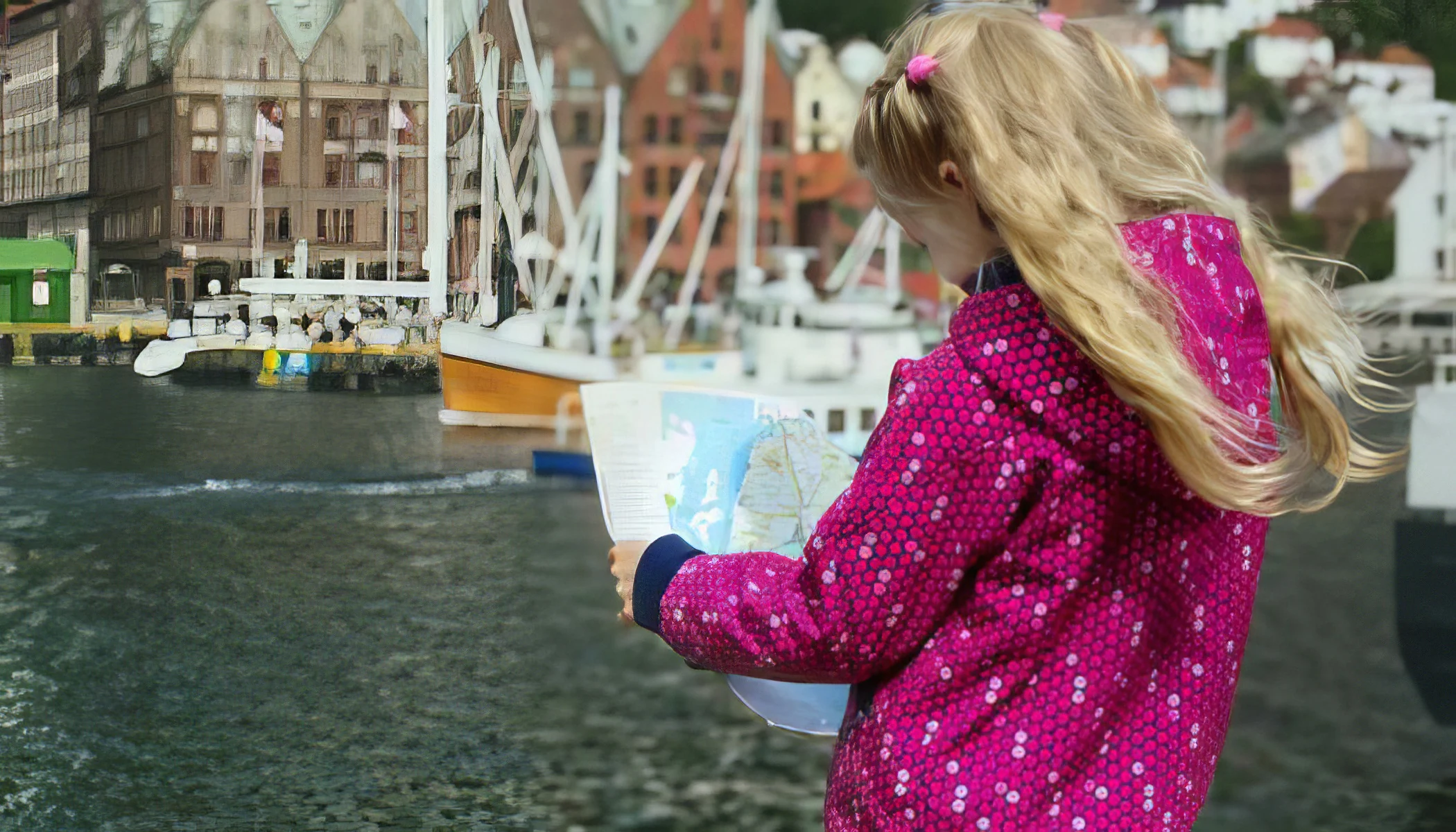
Norway provides various activities that are enjoyable for children.
– Lofoten Aquarium: Explore marine life from the Arctic in this interactive aquarium.
– Kristiansand Zoo and Amusement Park: Norway's largest zoo with animals, rides, and a water park.
– Atlantic Sea Park: One of Scandinavia's largest saltwater aquariums showcasing local sea species.
– Norwegian Museum of Science and Technology: Interactive exhibits make learning about science fun for kids.
– Hunderfossen Family Park: A theme park inspired by Norwegian folklore with various attractions.
– Vigeland Park: Features over 200 sculptures and plenty of space for kids to run around.
– Flåm Railway: A scenic train ride through beautiful landscapes that families will enjoy together.
– Lilleputthammer Family Park: A miniature town with activities designed specifically for children.
Cuisine

Norwegian cuisine emphasizes simplicity and quality, featuring fresh seafood, seasonal produce, and traditional preservation methods. With a focus on natural flavors, meals are often hearty and satisfying. Most famous cuisine in Norway are:
– Rakfisk: Fermented fish typically served with flatbread and sour cream.
– Lutefisk: Dried fish soaked in lye before cooking, usually paired with potatoes and bacon.
– Kjøttkaker: Meatballs made from ground beef or pork served with mashed potatoes and gravy.
– Fårikål: Mutton stew cooked slowly with cabbage and whole black peppercorns.
– Gravlaks: Cured salmon marinated in dill, sugar, and salt.
Souvenir
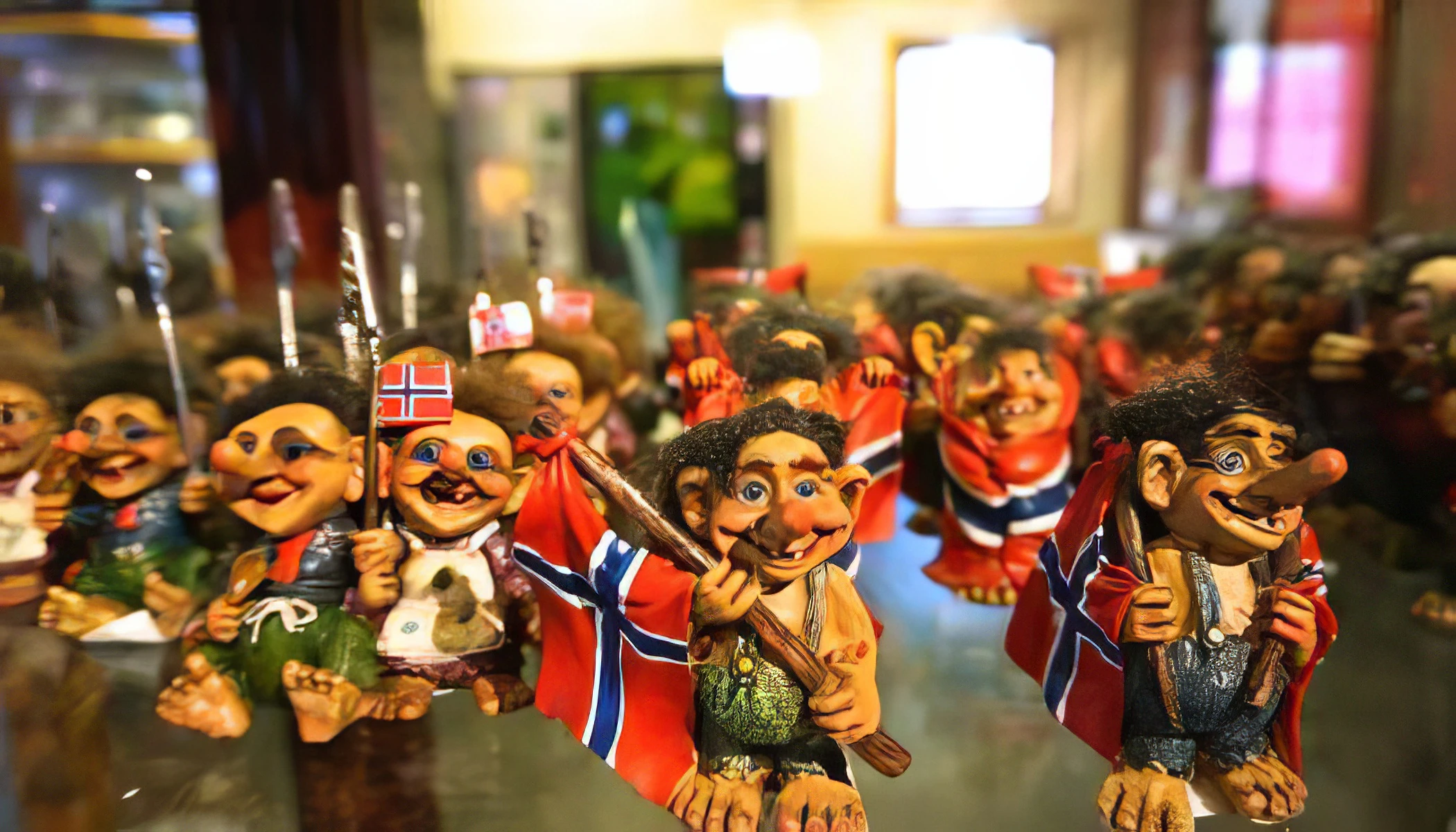
Visitors to Norway can find unique and traditional items that reflect the country's culture and heritage. Here are some popular souvenirs to consider:
– Knitted Sweaters: Norwegian wool sweaters, often with traditional patterns, are warm and stylish keepsakes.
– Viking Jewelry: Inspired by ancient designs, Viking-themed jewelry is a nod to Norway's rich history.
– Troll Figures: These mythical creatures are a fun and whimsical representation of Norwegian folklore.
– Brown Cheese (Brunost): This sweet, caramel-flavored cheese is a unique taste experience from Norway.
– Sami Crafts: Handcrafted items made by the indigenous Sami people, including reindeer skin products.
– Cloudberry Jam: A rare and sought-after berry jam that's uniquely Scandinavian in flavor.
– Rosemaling Items: Decorated with traditional Norwegian painting, these make colorful and cultural gifts.
Traditional Shows
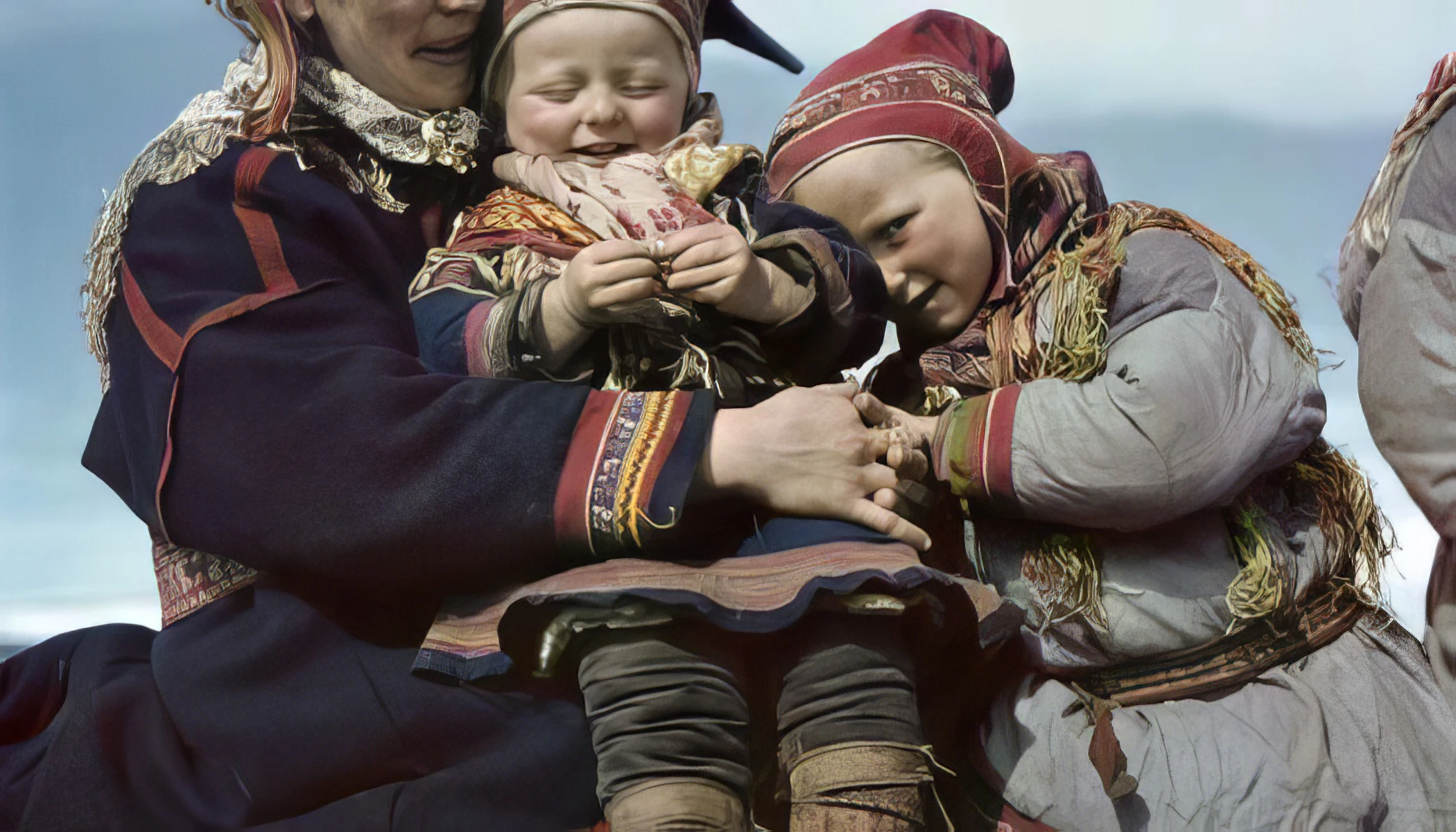
Norway showcases a rich heritage of traditional music and art performances:
– Folk Music Festivals: Experience lively fiddling and dance at festivals like Telemark's, showcasing Norway's remarkable folk traditions.
– Sami Joik Singing: Discover the unique vocal tradition of the indigenous Sami people, often performed in northern Norway.
– Norwegian National Opera & Ballet: Enjoy world-class opera and ballet performances in a modern venue in Oslo, merging traditional and contemporary styles.
– Hardingfele Concerts: Listen to the haunting sounds of the Hardanger fiddle, Norway's iconic instrument, at events across the country.
– Bunad Parades: Witness traditional dress and folk dancing during national celebrations like Constitution Day parades throughout Norway.
Events & Festivals
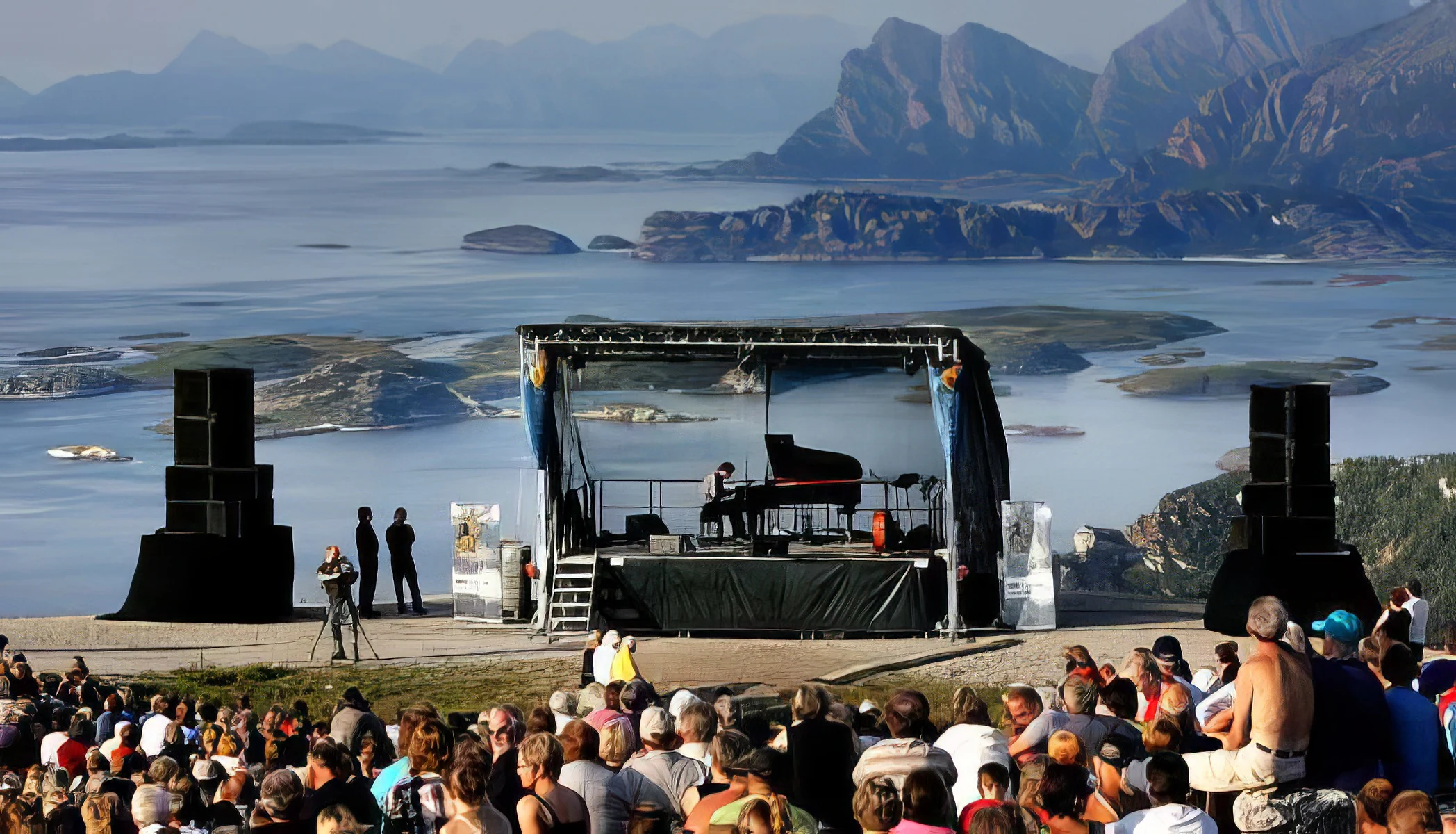
Norway hosts several cultural events and festivals throughout the year, highlighting its rich traditions and modern culture:
– Sami National Day: Celebrated on February 6, showcasing Sami culture with traditional costumes and activities.
– Bergen International Festival: Late May event featuring international music, dance, theater in Bergen.
– Constitution Day: Norway's national day on May 17 with parades, music, and traditional dress.
– Midnight Sun Marathon: Held in June in Tromsø, a unique marathon under the midnight sun.
– Riddu Riđđu Festival: July Indigenous festival celebrating Sami and Arctic cultures with music and arts.
– Øya Festival: August music festival in Oslo featuring diverse international artists.
– Nobel Peace Prize Ceremony: December event in Oslo honoring global peace efforts.
Famous People

Norway has been home to many influential figures who have made significant contributions across various fields globally.
– Roald Amundsen (1872 to 1928, Borge): Explorer known for being the first person to reach the South Pole in 1911.
– Edvard Munch (1863 to 1944, Loten): Painter famous for his iconic work "The Scream" and influence on Expressionism.
– Fridtjof Nansen (1861 to 1930, Oslo): Explorer and humanitarian awarded the Nobel Peace Prize for his refugee work.
– Henrik Ibsen (1828 to 1906, Skien): Playwright and poet renowned for plays like "A Doll's House" that revolutionized modern drama.
– Thor Heyerdahl (1914 to 2002, Larvik): Adventurer and ethnographer best known for his Kon-Tiki expedition across the Pacific Ocean.
Books
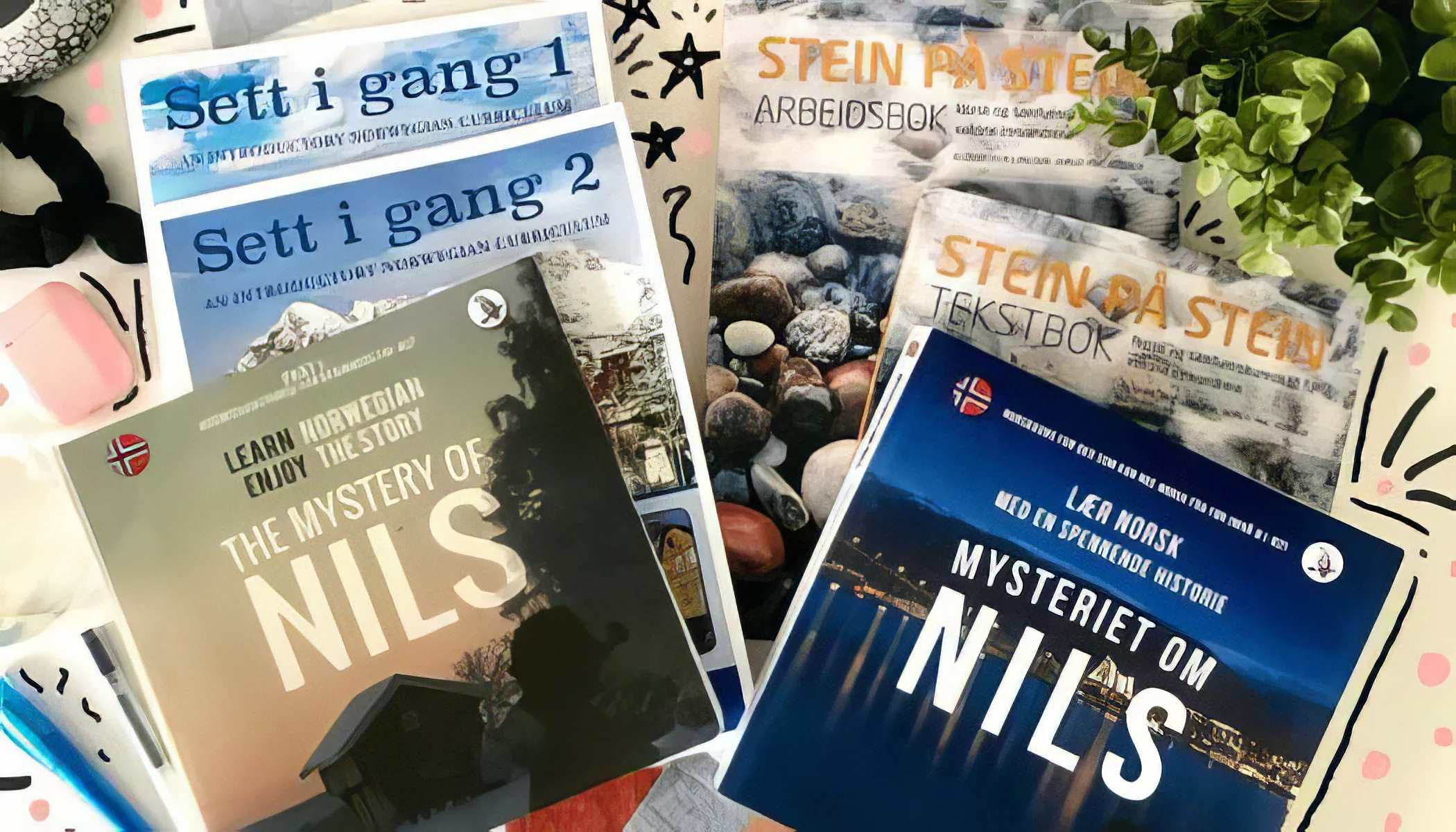
These books delve into Norway's landscape, culture, and history, offering readers an immersive experience of the Scandinavian country.
– "Out Stealing Horses" by Per Petterson: A man's reflections on his youth and loss in rural Norway.
– "Hunger" by Knut Hamsun: Chronicles a writer's struggle for survival in late 19th-century Kristiania, now Oslo.
– "Sophie's World" by Jostein Gaarder: Philosophical journey set against the backdrop of Norwegian scenery.
– "The Ice Palace" by Tarjei Vesaas: Explores friendship and tragedy in Norway's winter landscape.
– "My Struggle" by Karl Ove Knausgaard: Autobiographical series capturing life and emotion in contemporary Norway.
Songs
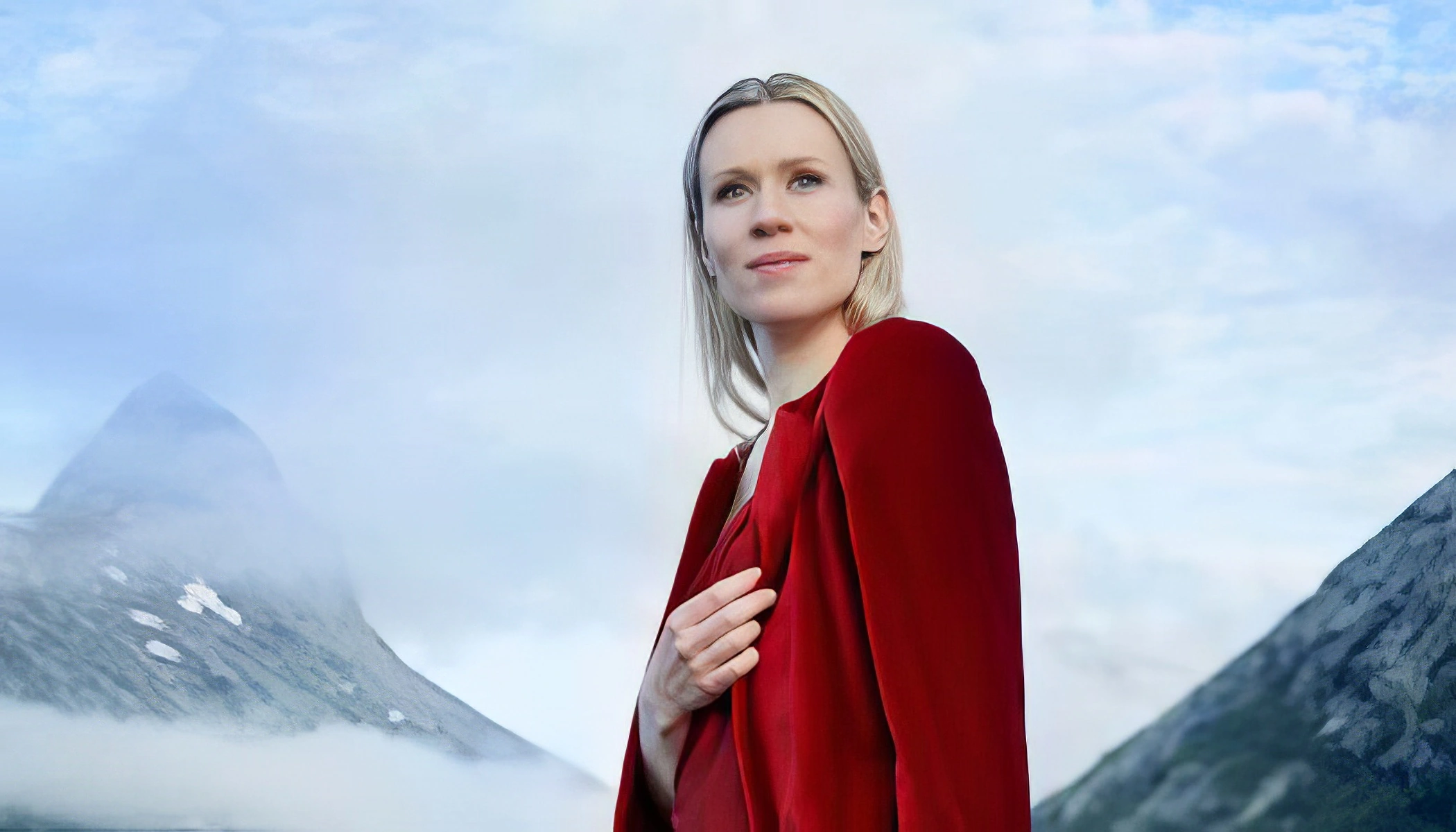
Norwegian music is renowned for its rich cultural heritage and contemporary pop influences, featuring songs that resonate both locally and internationally.
– Take On Me: Global hit by a-ha with iconic synthesizer riff and innovative music video.
– Fairytale: Alexander Rybak's Eurovision-winning song blending pop with Norwegian folk elements.
– The Fox (What Does the Fox Say?): Viral sensation by Ylvis combining humor and catchy beats.
– Å Vestland, Vestland: Traditional song celebrating the remarkable landscapes of Western Norway.
– Forelska i lærer'n: Popular 1980s hit by The Kids about a student's crush on their teacher.
– Det går likar no: rapped by D.D.E., this song is synonymous with joyous celebrations in Norway.
Films
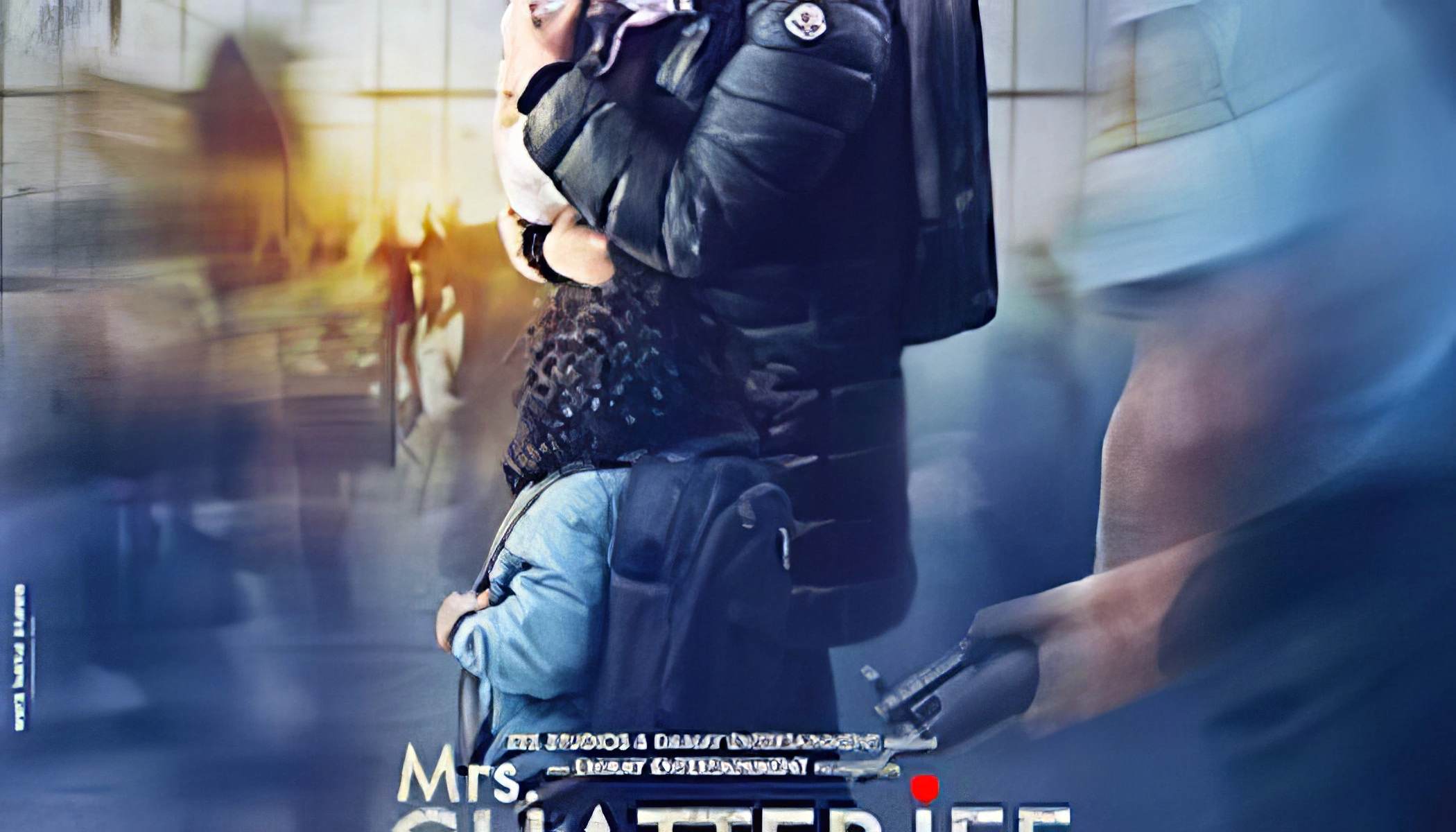
A list of renowned films that capture the essence of Norwegian culture and history includes:
– "Kon-Tiki": Based on Thor Heyerdahl's true Pacific expedition, highlighting adventure and survival.
– "The Wave": A gripping disaster film about a fjord collapsing, causing a massive tsunami in Norway.
– "The King's Choice": Depicts King Haakon VII's response to the German invasion during World War II.
– "Pathfinder": An epic tale of a young Sámi boy facing Viking invaders in ancient Norway.
– "Trollhunter": A mockumentary following students who discover the existence of real trolls in Norwegian wilderness.