

Explore Oman: Culture, Cities & Places to Visit
Located on the Arabian Peninsula, this country is known for its rich history and remarkable landscapes. It features vast deserts, rugged mountains, and a beautiful coastline. The capital, Muscat, blends modernity with tradition, offering a glimpse into its unique culture.
- Capital
- Muscat
- Population
- 3 millions
- Superficy
- 213000 sq.km
- Months to Visit
- Oct. to April.
- Living Cost
- Moderate
Overview
Oman is located on the southeastern coast of the Arabian Peninsula, known for its diverse geography that includes deserts, mountains, and a long coastline along the Arabian Sea. The capital city, Muscat, blends modern development with traditional architecture and is a hub for commerce and culture. Oman has a rich history influenced by maritime trade and its strategic location, with historical sites like forts and ancient ruins scattered across the country. The nation is recognized for its stable governance under a sultanate system and has maintained peaceful relations in a region often marked by conflict. Oman's economy relies on oil, but efforts are underway to diversify into sectors like tourism and logistics. The country offers unique experiences such as exploring wadis, visiting traditional souks, and enjoying its natural beauty.
Pros & Cons
GOOD REASONS TO VISIT OMAN
– Diverse Landscapes: Explore deserts, mountains, and coastlines, including the Wahiba Sands and Jebel Shams.
– Rich Cultural Heritage: Discover ancient forts, traditional souks, and UNESCO World Heritage sites like Bahla Fort.
– Warm Hospitality: Omanis are known for their friendliness and welcoming nature towards visitors.
– Unique Architecture: Experience remarkable Islamic architecture in mosques and palaces throughout the country.
– Adventure Activities: Enjoy hiking, dune bashing, and diving in diverse natural settings. CHALLENGES WHEN VISITING OMAN
– Extreme Heat: Summer temperatures can be very high; plan visits during cooler months for comfort.
– Limited Public Transport: Public transportation options are limited; renting a car is often necessary for travel.
– Conservative Culture: Dress modestly and respect local customs to avoid cultural misunderstandings.
Before Departure
Before traveling to Oman, it's important to be informed about the following essentials:
– Passport: Ensure your passport is valid for at least six months from your entry date.
– Visa: Most tourists need a visa; eVisa available online for 10 or 30 days. Check eligibility based on nationality.
– Currency: Omani Rial (OMR); credit cards widely accepted in cities; ATMs are readily available.
– Internet access: WiFi is common in hotels and cafes; local SIM cards with data plans are available from Omantel and Ooredoo.
– Language barrier: Arabic is the official language; English is widely spoken, especially in tourist areas.
What to Pack
Visiting Oman requires preparation for its warm climate and respect for local customs, especially regarding dress codes.
– Essentials: Passport and visa (if required), travel insurance details, flight tickets and itinerary, accommodation confirmations.
– Clothing: Lightweight, breathable clothing covering shoulders and knees, comfortable walking shoes, swimwear for private beaches or pools, hat and sunglasses for sun protection.
– Health & Safety: Prescription medications and basic first aid kit, sunscreen with high SPF, insect repellent, personal hygiene items.
– Electronics: Travel adapter for Omani outlets, mobile phone with charger, camera with extra batteries or charger.
Weather
Oman's weather is characterized by a hot desert climate with seasonal variations:
– Winter (December to February): Mild and pleasant temperatures, especially in the coastal areas, with occasional rain.
– Spring (March to May): Temperatures begin to rise, becoming hot and dry, particularly in the interior regions.
– Summer (June to August): Extremely hot temperatures, especially inland; coastal areas are humid but slightly cooler.
– Autumn (September to November): Gradual cooling with decreasing humidity, making it more comfortable for outdoor activities. The best time to visit Oman is from October to April:
– Enjoyable weather for outdoor activities and exploring cultural sites.
– Cooler temperatures make desert excursions more comfortable. Note that this period is also peak tourist season, leading to higher prices and larger crowds at popular attractions.
Travel Budget
Oman provides a range of options for travelers with varying budgets. Here are some average prices for common expenses:
– Hotel: 50$ to 200$
– Lunch: 5$ to 20$
– Beverage (in bar/restaurant): 3$ to 8$
– Coffee: 2$ to 5$
– Transportation: (train not available), (bus 1$ to 3$), (taxi /10km 10$ to 20$)
– Mobile data (per GB): 3$ to 6$
Language
In Oman, Arabic is the official language, and here are some useful phrases for tourists:
– Hello: As-salamu alaykum
– Thank you: Shukran
– Please: Min fadlak (to a male) / Min fadlik (to a female)
– How much is this?: Kam thaman hadha?
– Excuse me: Afwan
– I don't understand: La afham
– Yes: Na'am
– No: La
– Goodbye: Ma'a as-salama
History
The region that is now Oman has been inhabited for thousands of years, with a history of ancient trade and seafaring. By the 7th century, Islam had spread to Oman, and it became an integral part of the Islamic world. The Portuguese occupied coastal areas in the early 16th century, but were expelled by the Omani people in the mid-17th century. This led to the rise of a powerful Omani empire with influence over East Africa and parts of Persia. In the 19th century, internal strife and external pressures led to a decline in power, resulting in British influence over Omani affairs. The modern state began forming under Sultan Qaboos bin Said from 1970 onwards, who initiated modernization and development programs while maintaining traditional culture. Today, Oman is known for its stable governance and strategic location along major global shipping routes.
Geopolitics
Oman is located on the southeastern coast of the Arabian Peninsula, sharing land borders with the United Arab Emirates, Saudi Arabia, and Yemen. It strategically controls the Strait of Hormuz, a vital waterway for global oil shipments. The country is a sultanate, with a stable government and a foreign policy characterized by neutrality and mediation in regional conflicts. Oman maintains balanced relations with both Western countries and regional powers like Iran and Saudi Arabia. It is not part of OPEC but engages in cooperation with Gulf Cooperation Council (GCC) countries to address economic and security issues. Its geopolitical stance focuses on diplomacy and fostering peace in a volatile region.
Sample Itinerary
This itinerary covers Oman's diverse landscapes, cultural sites, and natural beauty from Muscat to the desert and mountains.
– 2 days in Muscat: Visit Sultan Qaboos Grand Mosque, Royal Opera House, Mutrah Souq, and the National Museum. Explore Al Jalali and Al Mirani forts.
– 1 day in Nizwa: Tour Nizwa Fort, Nizwa Souq, and explore traditional Omani culture. Experience the local atmosphere at the Friday Goat Market.
– 1 day in Wahiba Sands: Enjoy a desert safari with dune bashing. Experience a night in a desert camp under the stars.
– 1 day in Wadi Bani Khalid: Swim in natural pools and explore scenic landscapes. Visit local villages for an insight into rural life.
– 1 day in Jebel Shams: Hike along Oman's Grand Canyon for nice views. Explore mountain villages and enjoy cooler temperatures.
– 1 day in Sur: Discover the coastal town's dhow shipyard. Visit Ras al Jinz Turtle Reserve for a chance to see nesting turtles at night.
Popular cities

Explore Oman's cities to experience its rich culture, history, and natural beauty:
– Muscat: The capital city provides a blend of modernity and tradition, with forts, museums, and the Sultan Qaboos Grand Mosque.
– Nizwa: Known for its historic fort and hectic souq, offering a glimpse into Omani heritage.
– Salalah: Famous for its monsoon season, opulent landscapes, frankincense trees, and beautiful beaches.
– Sur: A coastal city known for traditional dhow building and a charming lighthouse.
– Sohar: A port city with historical significance and a scenic corniche.
– Al Rustaq: Home to hot springs and the impressive Al Rustaq Fort.
– Khasab: Known as the "Norway of Arabia" for its dramatic fjords and scenic boat trips.
Monuments
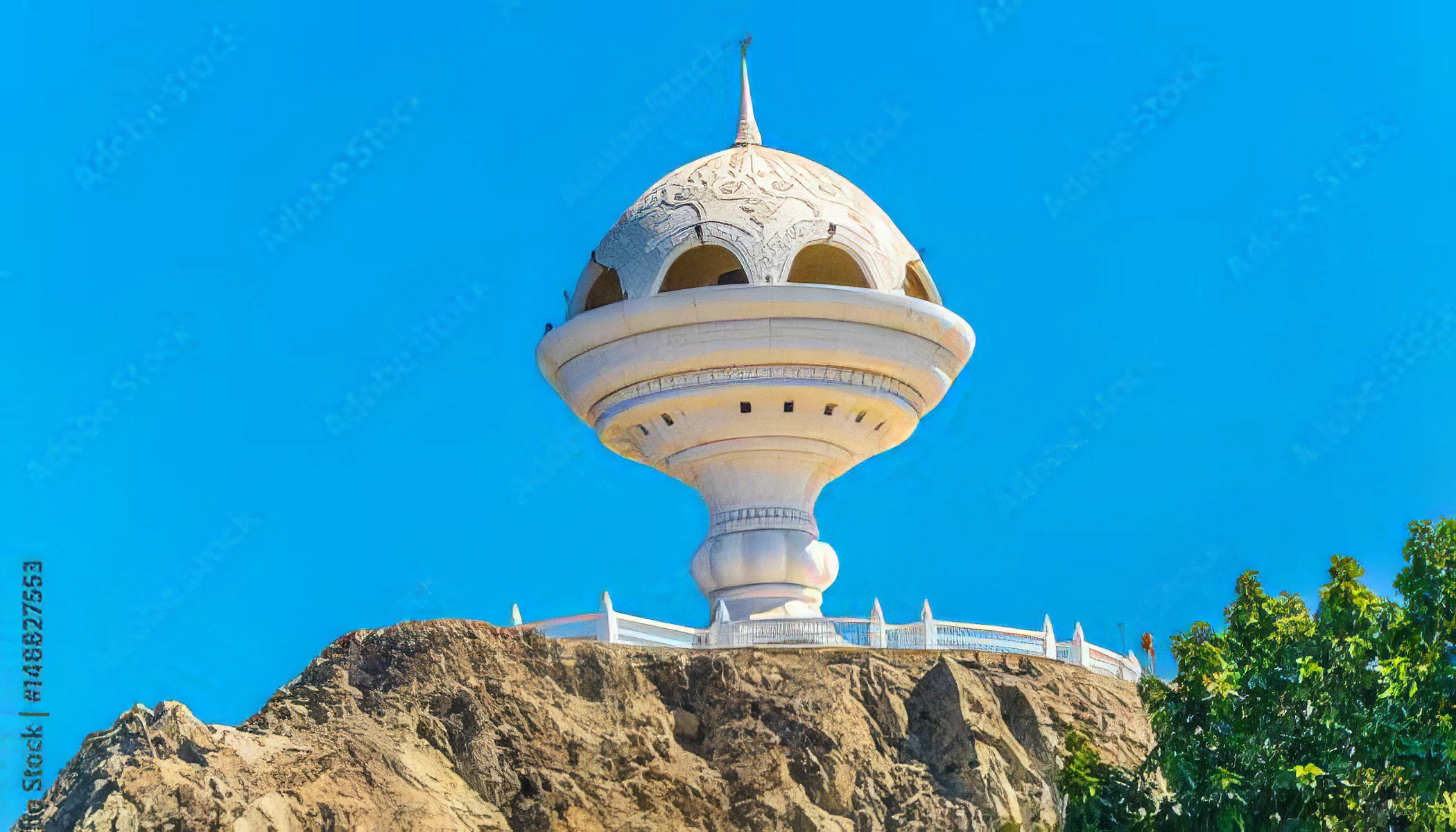
Oman is home to several notable monuments and historical sites:
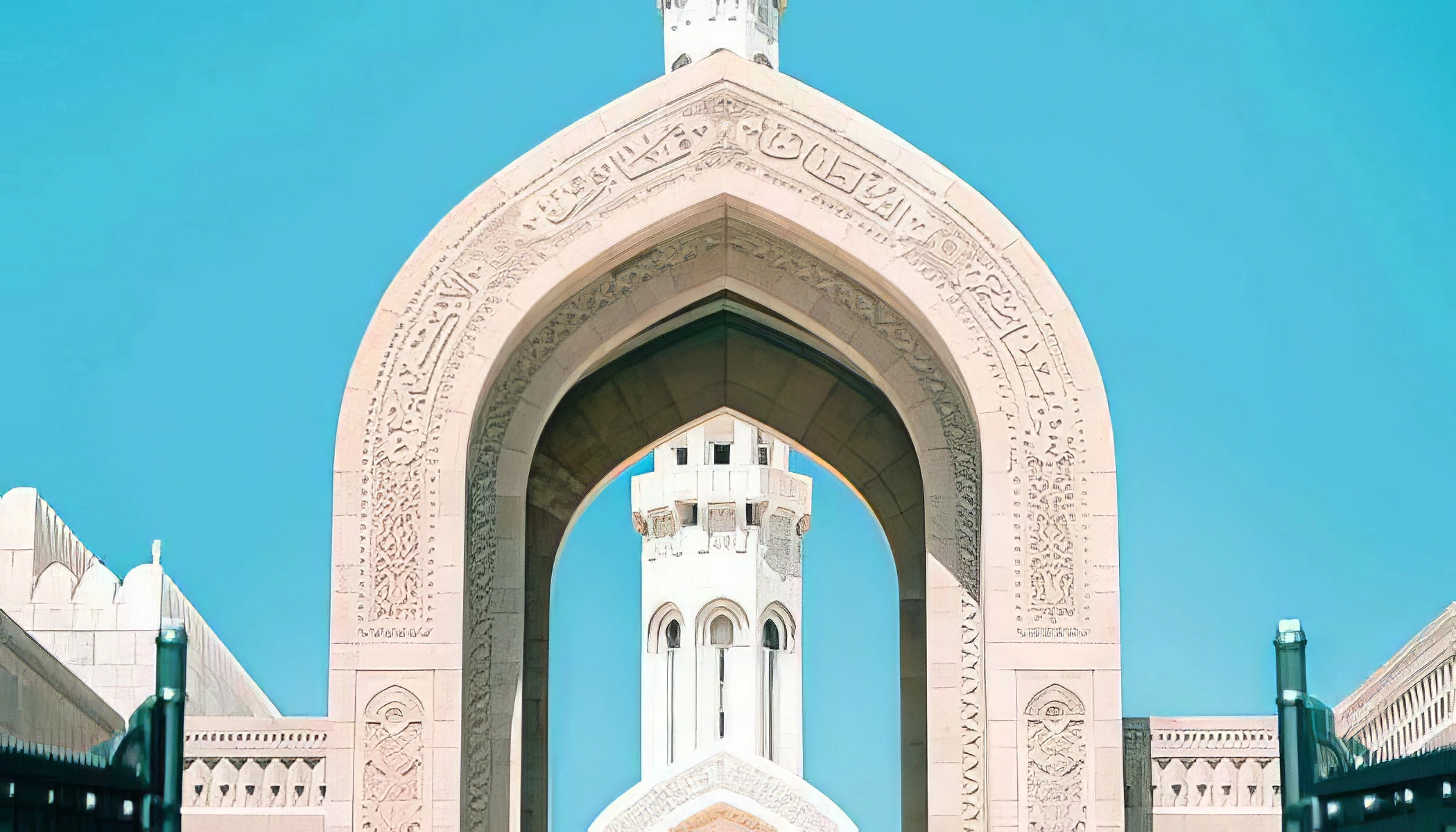
– Sultan Qaboos Grand Mosque: Beautiful Islamic architecture with refined designs and massive prayer hall.
– Nizwa Fort: 17th-century fort with unique cylindrical tower offering city views.
– Bahla Fort: UNESCO site, ancient fortress known for its history and mud-brick walls.
– Al Jalali and Al Mirani Forts: Twin forts guarding Muscat harbor, built in the 16th century.
– Royal Opera House Muscat: Impressive cultural venue showcasing Omani architectural style.
– Jabrin Castle: Historical site known for its beautiful ceilings and nice woodwork.
– Mutrah Souq, Muscat: Traditional market with narrow alleys, showcasing Oman's trading history.
– Al Alam Palace: Official residence of the Sultan of Oman, notable for its striking facade.
Natural wonder
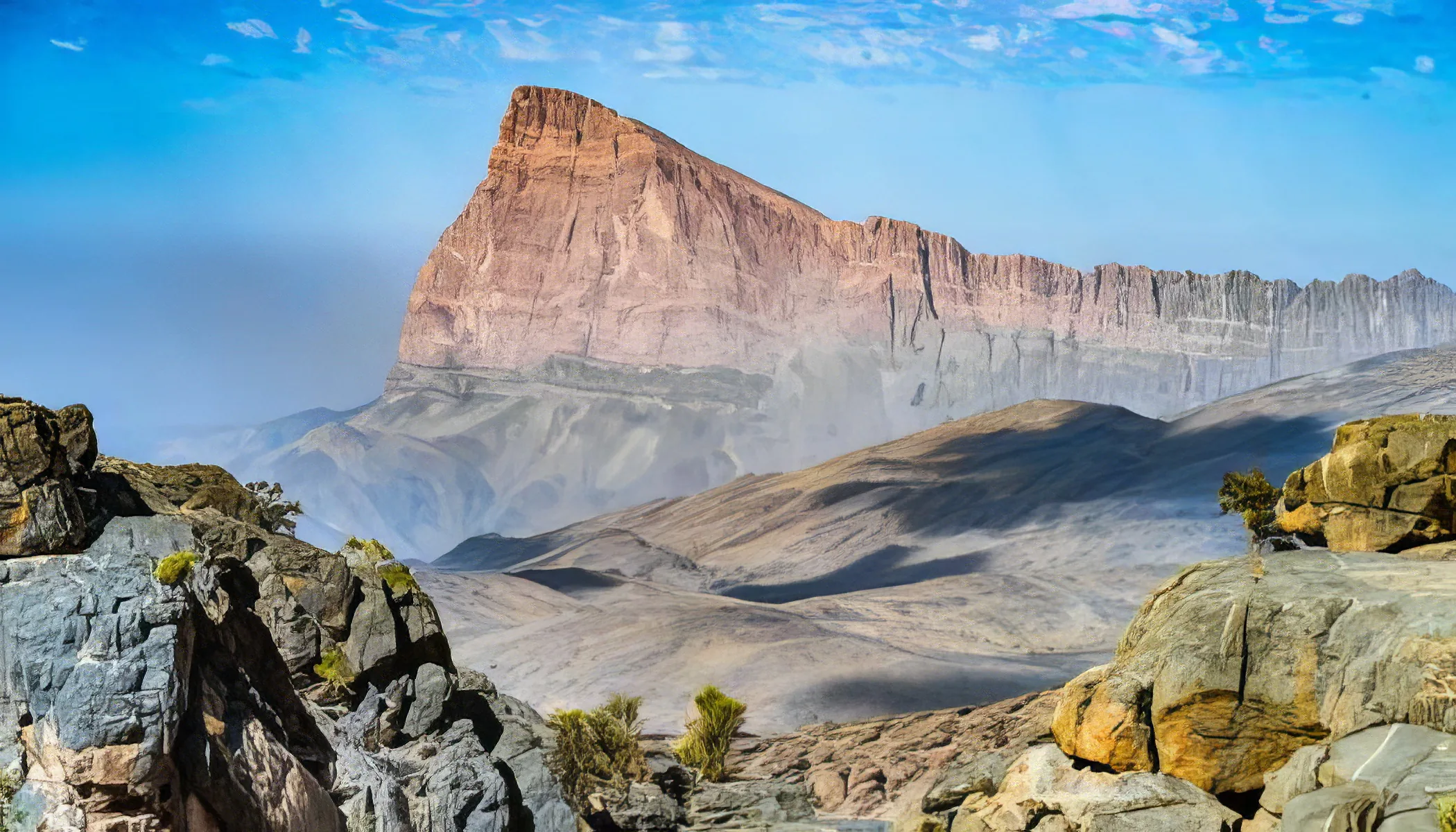
Discover Oman's diverse natural landscapes:
– Wahiba Sands: Expansive desert with rolling dunes and traditional Bedouin camps.
– Jebel Shams: Known as the "Mountain of the Sun," offering beautiful views and hiking trails.
– Wadi Shab: A picturesque wadi with turquoise pools and waterfalls, accessible by a short hike.
– Bimmah Sinkhole: A geological formation filled with clear, turquoise water for swimming.
– Ras Al Jinz Turtle Reserve: Nesting site for endangered green turtles on the Arabian Peninsula.
– Al Hoota Cave: A massive cave system featuring stalactites, stalagmites, and an underground lake.
– Musandam Fjords: Known as the "Norway of Arabia," offering dramatic cliffs and marine life.
– Dhofar Mountains: Supplies abundant landscapes during the Khareef (monsoon) season with waterfalls and greenery.
– Empty Quarter (Rub' al Khali): Part of the world's largest sand desert, known for vast dunes and tranquility.
Beaches
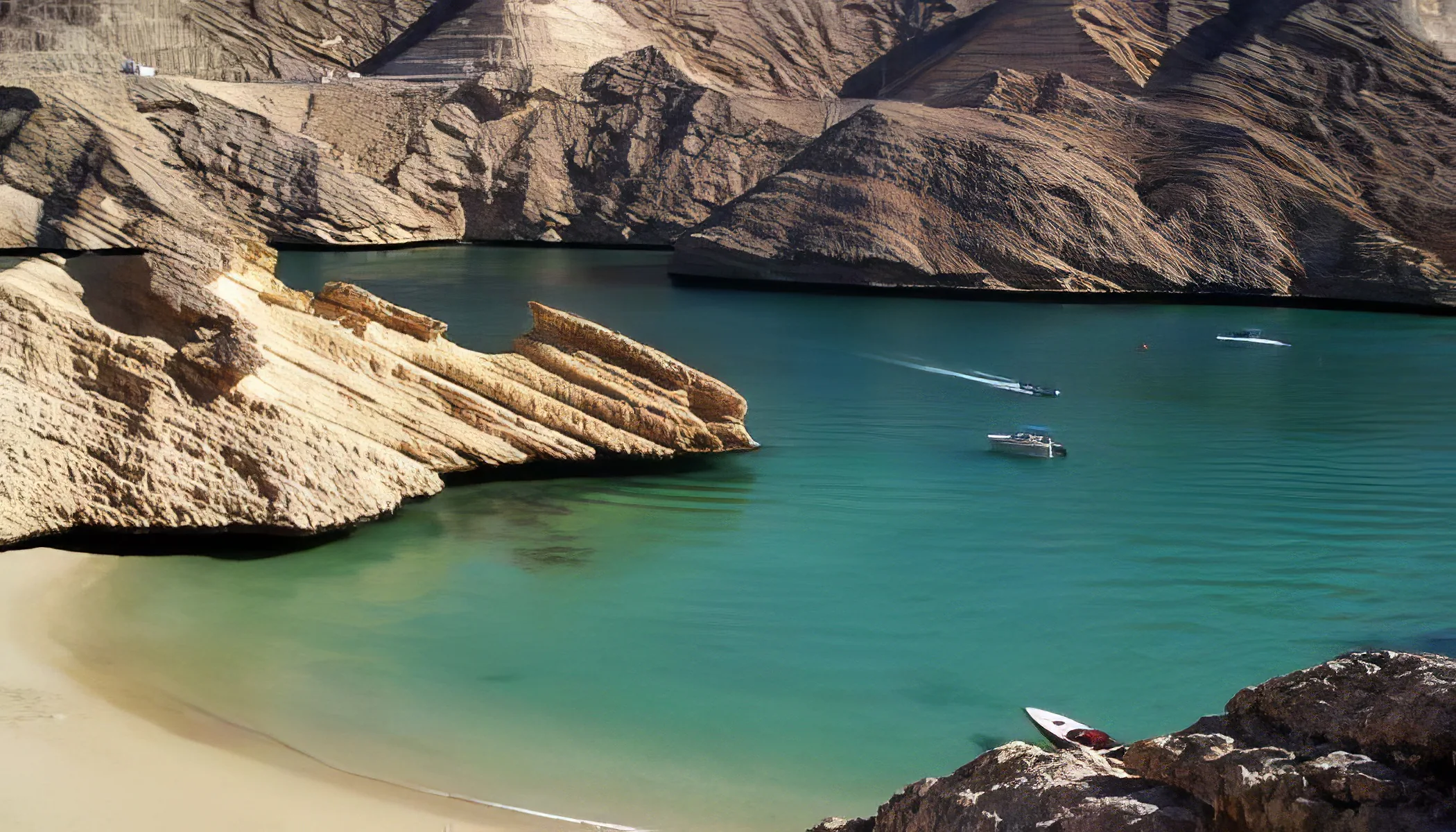
Oman provides a variety of beautiful beaches along its coastline:
– Al Qurum Beach: Popular urban beach in Muscat known for its long stretch and nearby cafes.
– Ras Al Jinz Beach: Renowned for turtle nesting sites and conservation efforts.
– Tiwi Beach: Provides nice rock formations and turquoise waters near the village of Tiwi.
– Al Mughsail Beach: Features white sands and dramatic cliffs near Salalah.
– Bandar Jissah: Known for calm waters, ideal for snorkeling and kayaking near Muscat.
– Yiti Beach: Secluded beach with rocky landscapes, great for camping and relaxation.
– Masirah Island Beaches: Offers remote beaches, popular for windsurfing and observing wildlife.
Outdoor activities
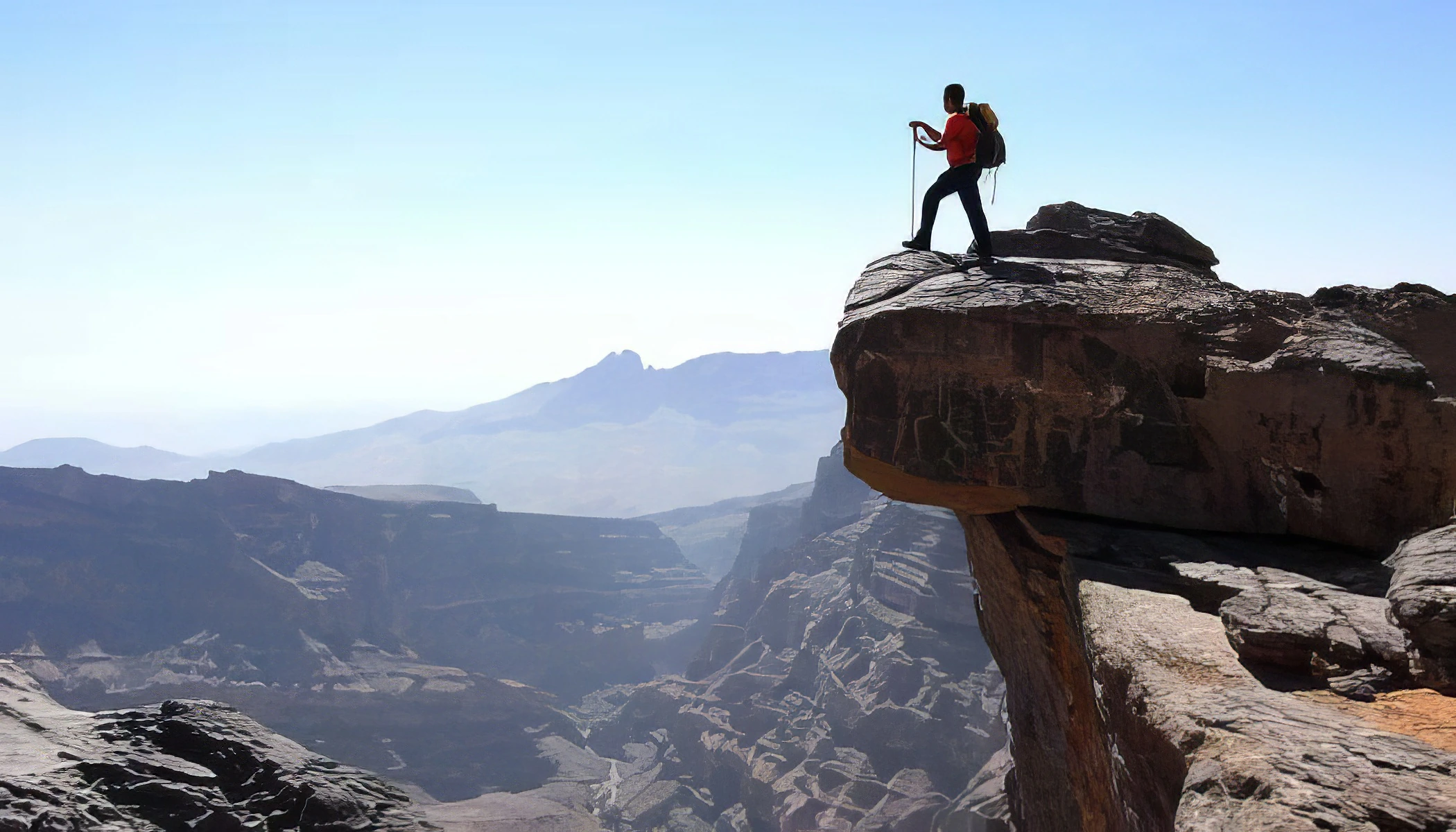
Oman provides a range of outdoor activities amidst nice natural landscapes:
– Dune Bashing in Wahiba Sands: Experience thrilling rides over vast desert dunes.
– Wadi Shab Trekking: Hike through canyons and swim in clear pools.
– Snorkeling at Daymaniyat Islands: Explore colorful reefs and diverse marine life.
– Caving in Al Hoota Cave: Discover underground limestone formations on a guided tour.
– Rock Climbing in Jebel Akhdar: Challenge yourself on rugged mountain cliffs.
– Dolphin Watching in Muscat: Spot playful dolphins off the coast on a boat tour.
– Hiking in Jebel Shams: Traverse Oman's highest peak with spectacular canyon views.
Kid Friendly
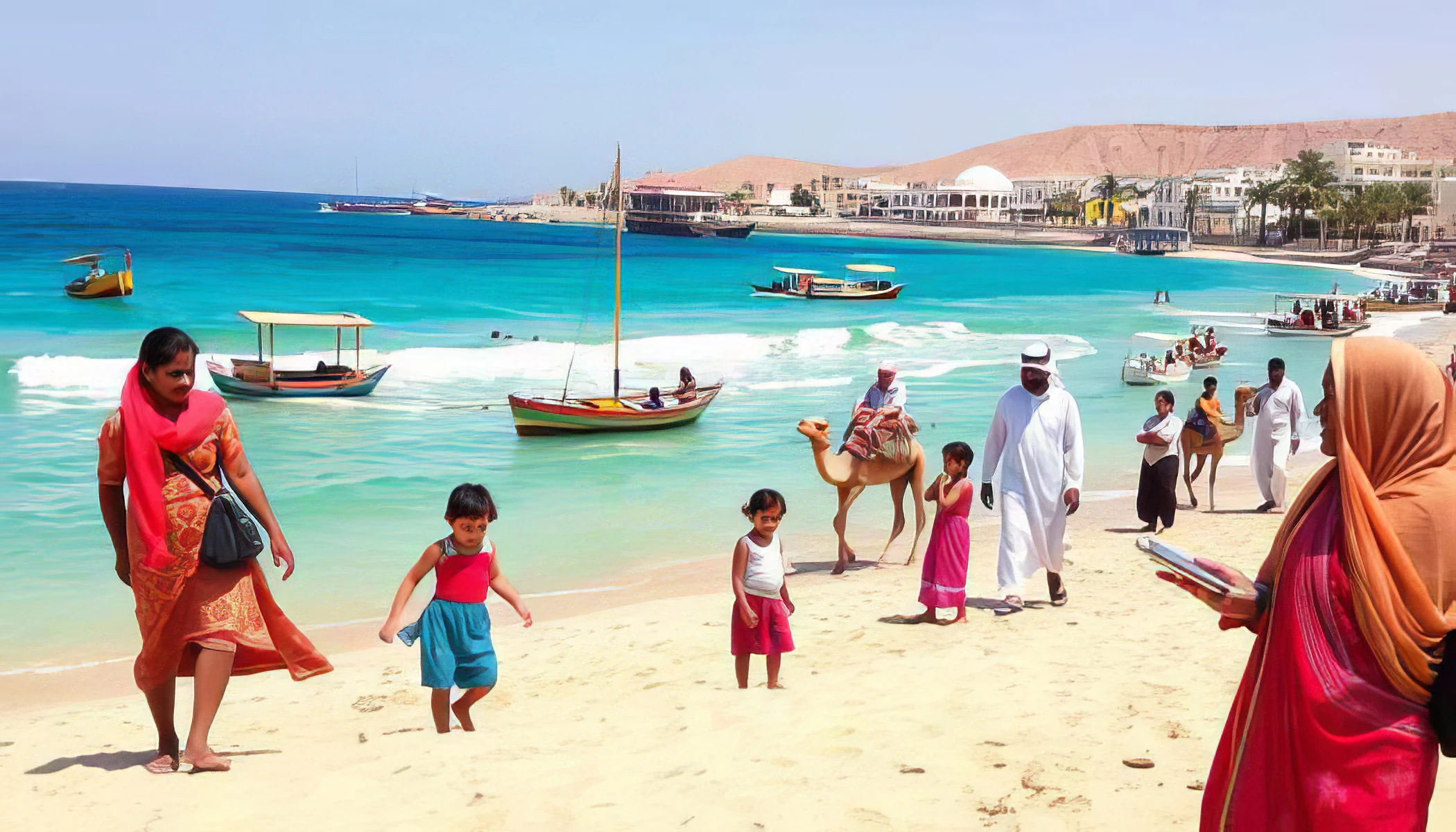
Oman provides various engaging activities for kids and families to enjoy.
– Wadi Shab: A great spot for kids to enjoy hiking and swimming in natural pools.
– Al Qurum Natural Park: A large park offering play areas, a lake, and picnic spots for family fun.
– Muscat Children's Museum: An interactive museum with educational exhibits designed to entertain young minds.
– Sultan Qaboos Grand Mosque: Kids can marvel at the impressive architecture and vast gardens surrounding the mosque.
– Bimmah Sinkhole: A natural gorgeous crater filled with turquoise water, perfect for a family swim.
– Wahiba Sands: Experience camel rides and sandboarding in the scenic desert landscape.
– Ras Al Jinz Turtle Reserve: Witness turtles nesting on the beach, an educational experience for children.
– Nizwa Fort: Explore this historic fort's towers and learn about Oman's history in an interactive way.
Cuisine
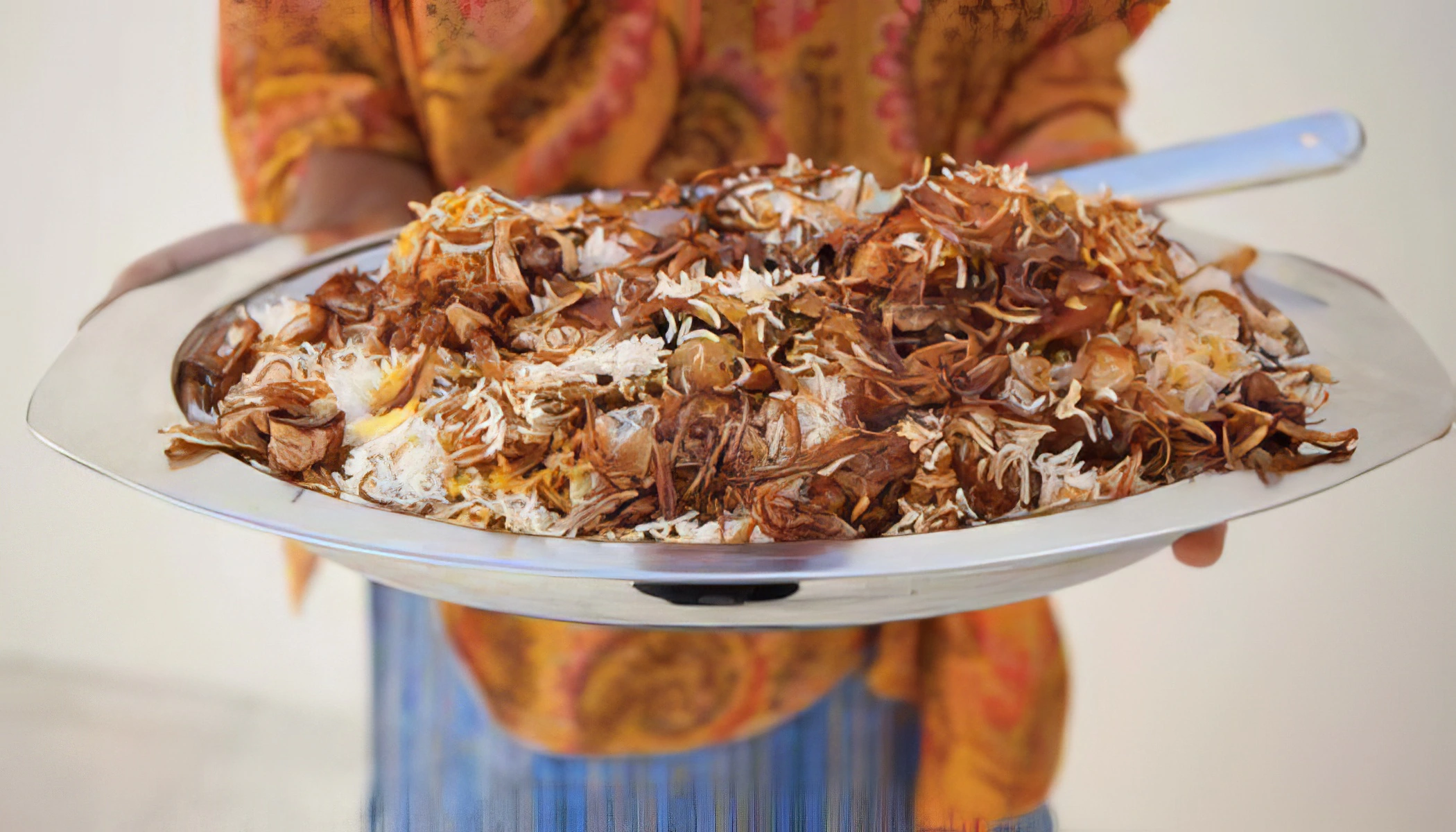
Omani cuisine reflects the country's blend of Arab, Indian, and East African influences, characterized by aromatic spices and hearty dishes. Meals often feature rice, meat, and rich flavors. Street food and traditional home-cooked meals are both integral to Oman's food culture. Most famous cuisine in Oman are:
– Shuwa: Slow-cooked lamb marinated in spices and wrapped in banana leaves, cooked underground.
– Majboos: Spiced rice dish with chicken or lamb, similar to biryani.
– Mashuai: Grilled kingfish served with lemon rice.
– Mandi: Aromatic rice dish with meat, infused with spices.
– Halwa: Dense sweet made from sugar, rosewater, saffron, nuts.
Souvenir
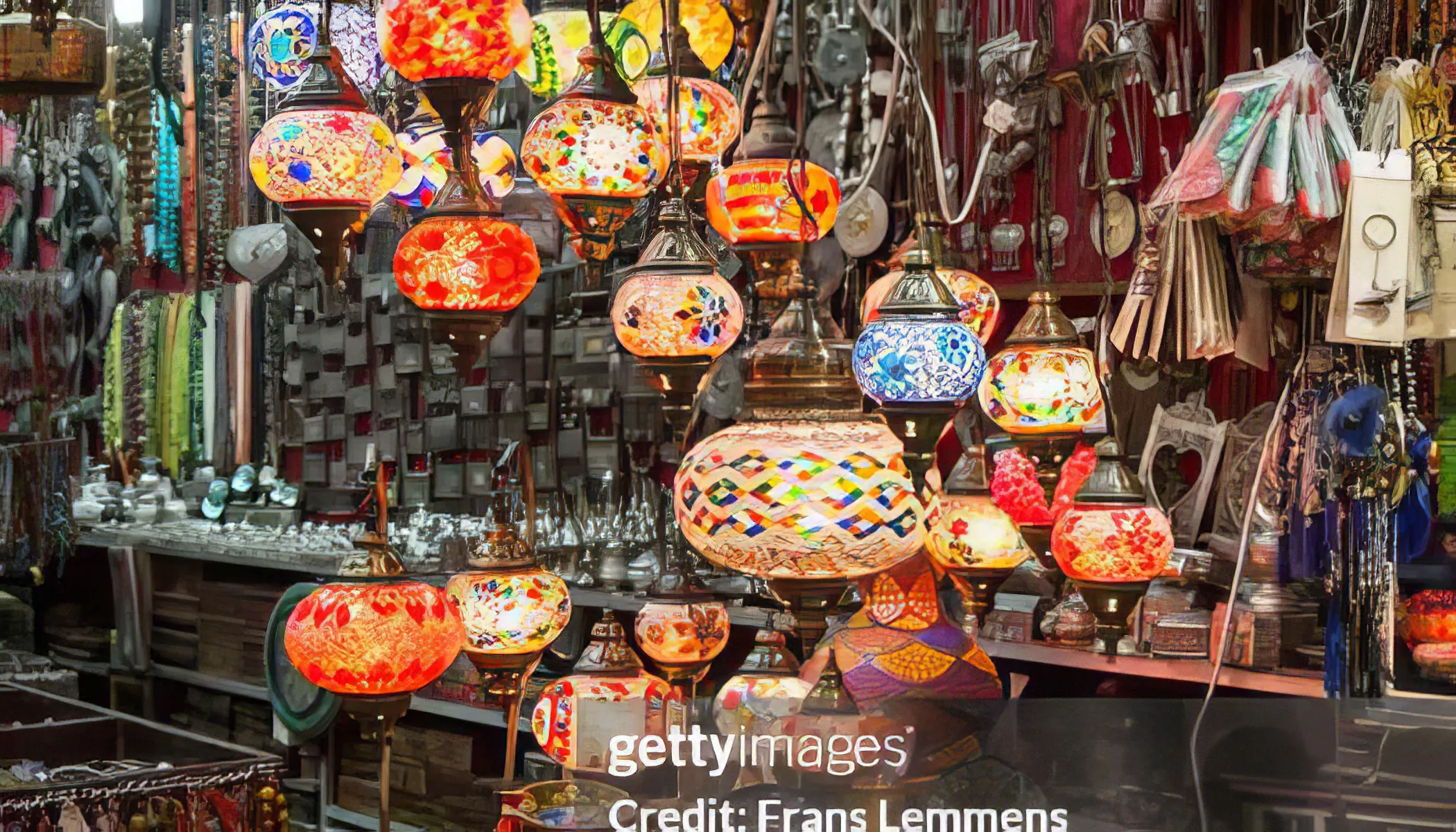
Oman offers a range of traditional and unique souvenirs that reflect its rich culture. Here are some to consider:
– Frankincense: A fragrant resin used in perfumes and incense, sourced from Oman's ancient Boswellia trees.
– Khanjar: A traditional curved dagger worn by Omani men, symbolizing heritage and craftsmanship.
– Silver Jewelry: Handcrafted silver pieces, often with nice designs, are a hallmark of Omani artisanship.
– Omani Halwa: A sweet delicacy made with sugar, rosewater, saffron, and nuts, popular in local celebrations.
– Pashmina Shawls: Soft and luxurious shawls made from fine wool, available in various colors and patterns.
– Pottery: Traditional Omani pottery includes decorative items like vases and bowls crafted using age-old techniques.
– Perfume Oils: Locally-made oils and attars using frankincense and other natural ingredients make cherished gifts.
Traditional Shows
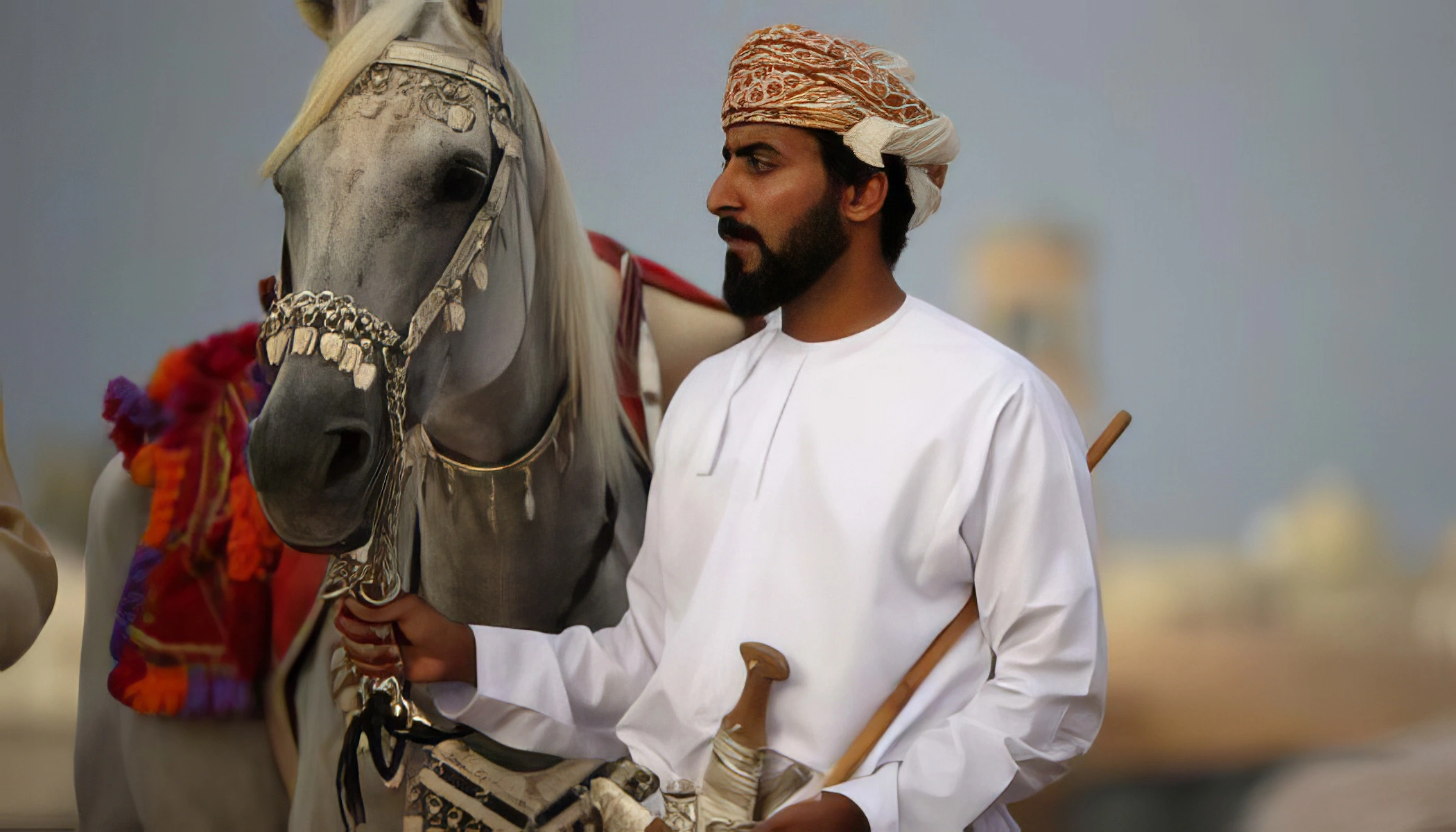
Oman provides unique traditional performances reflecting its rich culture:
– Al Bar'ah Dance: Performed in Dhofar, this dance involves rhythmic movements and swordplay, accompanied by traditional music.
– Liwa Dance: This energetic dance from Muscat features lively drumming and traditional wind instruments, showcasing Oman's coastal culture.
– Al Razha: A war dance performed across Oman, combining poetry and swordplay to celebrate bravery and unity.
– Shuwaikh: Experience this maritime-themed performance in coastal areas like Sur, where sailors sing and dance about life at sea.
– Al Aazi: Known for its poetic chants without musical instruments, it's performed during special events to honor leaders and heroes.
Events & Festivals
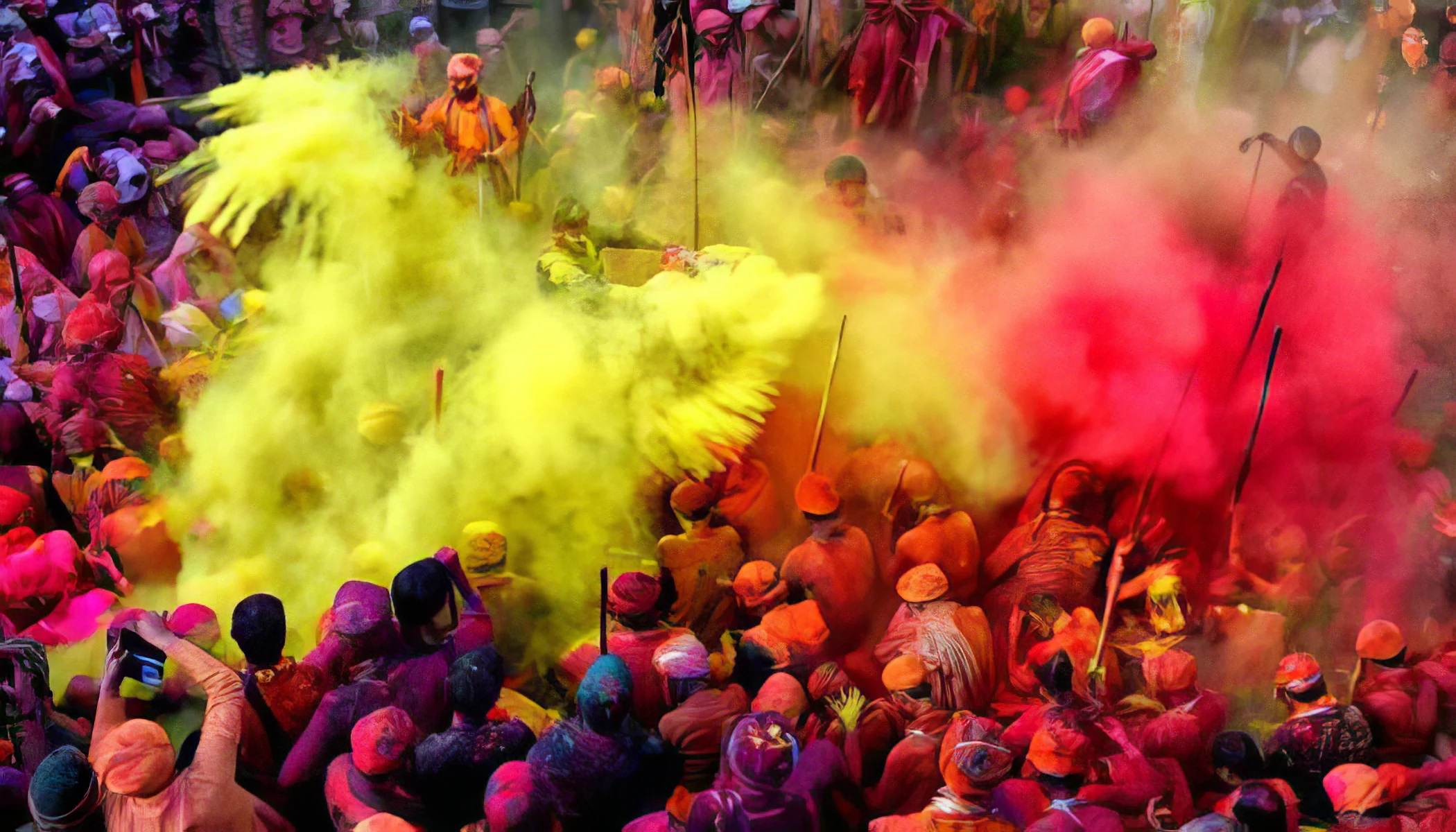
Oman hosts several cultural and traditional events annually, celebrated by locals and visitors alike:
– Muscat Festival: January-February event showcasing Oman's culture through exhibitions, performances, and activities.
– Khareef Festival: Held in Salalah during July-August to celebrate the monsoon season with music and food.
– National Day: Celebrated on November 18 with parades, decorations, and fireworks.
– Eid al-Fitr: Marks the end of Ramadan with prayers, feasts, and family gatherings.
– Eid al-Adha: Commemorates Abraham's sacrifice with communal prayers and livestock offerings.
– Renaissance Day: July 23 celebration of Sultan Qaboos's accession featuring various events across the country.
– Nizwa Cultural Week: A week-long event in October showcasing traditional crafts, music, and food.
Famous People
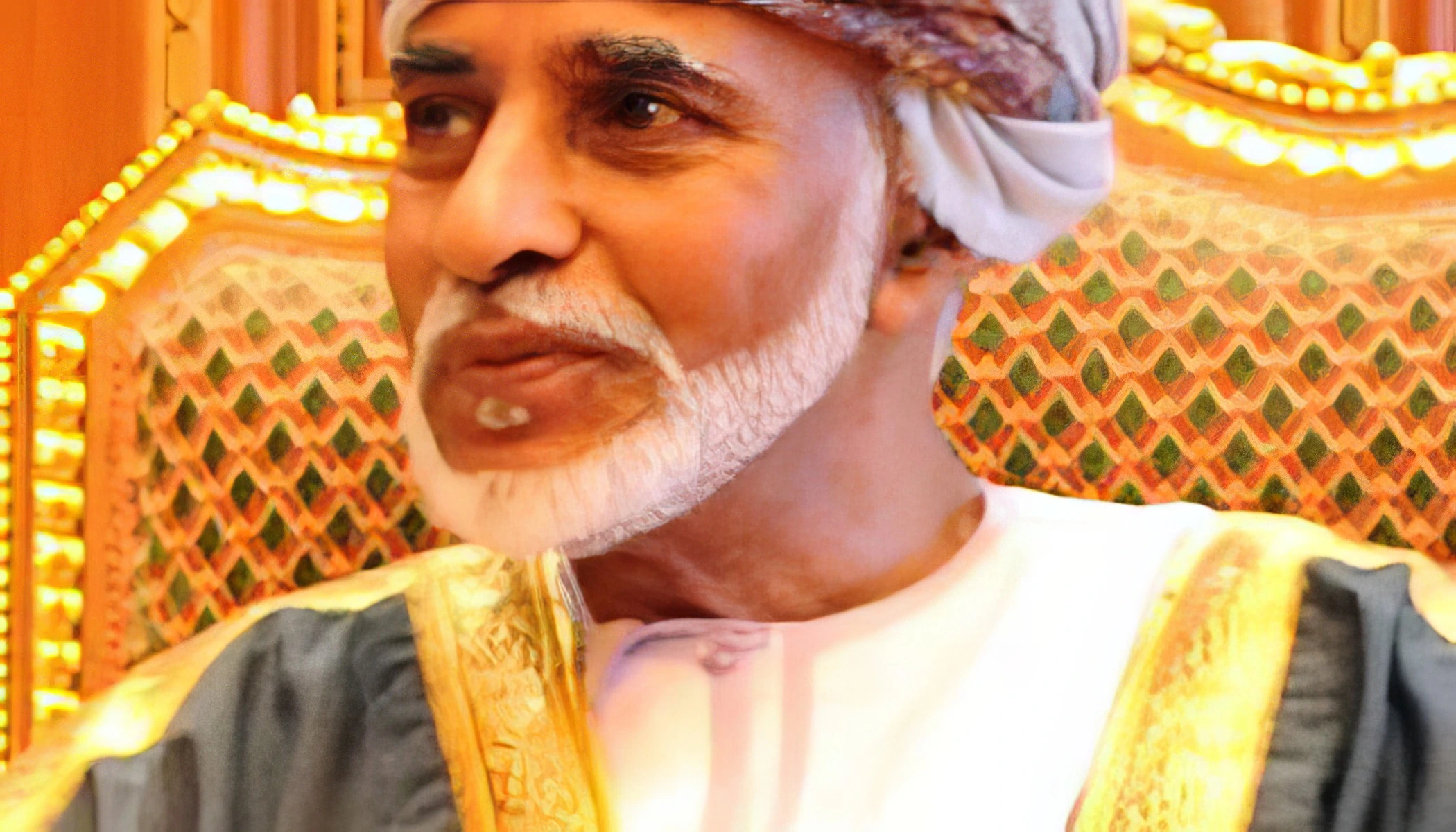
Oman has a rich history marked by influential figures who have shaped its culture and governance.
– Sultan Qaboos bin Said (1940 to 2020, Salalah): Long-reigning monarch who modernized Oman and maintained its neutrality in regional conflicts.
– Ahmed bin Majid (c. 1421 to c. 1500, Julfar): Renowned navigator and cartographer known as the "Lion of the Sea" for his maritime expertise.
– Said bin Sultan (1791 to 1856, Al Batinah): Sultan who expanded Oman's influence to East Africa, establishing Zanzibar as a major trade center.
– Nadiya Al Saqaf (born 1977, Muscat): Journalist and activist known for her work on women's rights and political reform in Yemen and Oman.
– Ali al-Habsi (born 1982, Muscat): Internationally recognized footballer noted for his career as a goalkeeper in European leagues and the Oman national team.
Books
These books offer a glimpse into the rich culture, history, and social dynamics of Oman.
– "Celestial Bodies" by Jokha Alharthi: Explores family life in Oman transitioning from traditional society to modernity.
– "The Turtle of Oman" by Naomi Shihab Nye: A young boy's reflections on leaving his home in Oman.
– "Arabian Sands" by Wilfred Thesiger: A journey through the Rub' al Khali desert and encounters with Oman's Bedouin tribes.
– "The Sultan's Shadow" by Christiane Bird: Chronicles the history of Oman's sultans and their influence over East Africa.
– "The Honey and the Fires of Hell" by Aamer Hussein: Weaves stories of love, loss, and identity linked to Oman.
Songs

These songs highlight Omani culture and tradition, showcasing the country's musical heritage and modern artistry.
– Shalat Al Khaleej: Popular song by Salim Ali Saif highlighting Omani heritage.
– Al Asmawi: Rashid Al Majid's song celebrating traditional Omani values.
– Oman Nahdat Zaman: Patriotic anthem by Mohammed Al Bakri honoring Oman's progress.
– Ya Dhubai: Well-known song by Salah Al Zadjali reflecting on Gulf unity.
– Jalsa Omaniya: Traditional music piece renowned for cultural significance.
Films

Explore the cinematic portrayal of Oman's culture and landscapes through these notable films:
– "The Zookeeper": A drama filmed in Oman, showcasing its deserts and wildlife; centers around a zookeeper's struggles.
– "Al-Boom": An Omani film by Khaled Abdul Raheem Al-Zadjali, focuses on traditional life and maritime heritage.
– "Abood Kandaishan": A comedy that highlights the everyday adventures and cultural nuances in modern Oman.
– "Long Days in Oman": Chronicles a journey across Oman’s charismatic landscapes, capturing its diverse environments.
– "From A to B": Partially set in Oman, this road trip film explores friendship against the backdrop of beautiful scenery.