

Travel Guide to Pakistan: Top Things to Do & Tips
Located in South Asia, this country features diverse landscapes from mountains to deserts. It has a rich cultural heritage with historical sites like Mohenjo-Daro and Lahore Fort. The busy cities and dynamic markets reflect a blend of tradition and modernity.
- Capital
- Islamabad
- Population
- 184.5 millions
- Superficy
- 804000 sq.km
- Months to Visit
- March to May & Sept. to Nov.
- Living Cost
- Economical
Overview
Pakistan, located in South Asia, is known for its diverse landscapes ranging from the towering peaks of the Himalayas to the arid deserts of Balochistan. Islamabad is the capital city, while Karachi and Lahore are major urban centers with significant cultural and economic importance. The country has a rich history, with ancient sites like Mohenjo-Daro reflecting its Indus Valley Civilization heritage. Pakistan's culture is a blend of various influences, including Persian, Central Asian, and British colonial legacies. The nation faces challenges such as political instability and economic development but remains resilient with a young and growing population. Its cuisine, music, and traditional crafts offer a unique cultural experience for visitors.
Pros & Cons
GOOD REASONS TO VISIT PAKISTAN
– Amazing Landscapes: Explore the Karakoram Range, Hunza Valley, and nice lakes like Saif-ul-Malook.
– Rich Cultural Heritage: Discover ancient civilizations at Mohenjo-Daro and Taxila, and pleasant traditions in cities.
– Warm Hospitality: Experience genuine friendliness and hospitality from locals eager to share their culture.
– Diverse Cuisine: Enjoy flavorful dishes like biryani, nihari, and kebabs, reflecting regional culinary diversity.
– Historical Sites: Visit Lahore Fort, Badshahi Mosque, and other architectural marvels showcasing Pakistan's rich history. CHALLENGES WHEN VISITING PAKISTAN
– Security Concerns: Some areas have safety issues; check travel advisories before planning your visit.
– Infrastructure Limitations: Roads and public transport can be underdeveloped; travel may require patience.
– Language Barrier: English is not widely spoken in rural areas; learning basic Urdu phrases is helpful.
Before Departure
Before traveling to Pakistan, it's essential to be informed about several key aspects:
– Passport: Ensure your passport is valid for at least six months from your entry date.
– Visa: Most tourists need a visa; e-visa available for many nationalities. Tourist visas typically last 30 days.
– Currency: Pakistani Rupee (PKR); credit cards accepted in cities; cash preferred in rural areas; ATMs widely available.
– Internet access: WiFi accessible in urban areas and hotels; local SIM cards with data plans are affordable and reliable.
– Language barrier: Urdu is the official language; English is widely spoken, especially in urban and tourist areas.
What to Pack
Traveling to Pakistan requires preparation for diverse climates and cultural considerations, depending on the regions you plan to visit.
– Essentials: Passport and visa, travel insurance details, flight tickets and itinerary, accommodation confirmations, local currency or credit card.
– Clothing: Modest clothing respecting local customs, comfortable walking shoes, warm layers for northern areas, hat and sunglasses for sun protection.
– Health & Safety: Prescription medications and basic first aid kit, insect repellent, sunscreen with high SPF, personal hygiene items.
– Electronics: Travel adapter for Pakistani outlets, mobile phone with charger, camera with extra batteries or memory cards.
Weather
Weather in Pakistan varies significantly across regions and seasons:
– Winter (December to February): Northern areas experience snowfall, while southern regions remain mild and dry.
– Spring (March to May): Pleasant temperatures nationwide, with blooming flowers and moderate rainfall in some areas.
– Summer (June to August): Extremely hot in the south and central regions; cooler in the northern mountains.
– Autumn (September to November): Cooler temperatures with decreasing rainfall, especially pleasant in the northern areas. The best time to visit Pakistan is from October to March:
– Enjoyable weather for exploring both northern mountains and southern plains.
– Ideal for trekking, cultural festivals, and sightseeing. Note that winter months can be very cold in the north, affecting accessibility.
Travel Budget
Pakistan supplies a range of budget-friendly options for travelers. Here are some average prices for common expenses:
– Hotel: 15$ to 80$
– Lunch: 1$ to 10$
– Beverage (in bar/restaurant): 1$ to 4$
– Coffee: 0.5$ to 2$
– Transportation: (train 5$ to 30$), (bus 0.3$ to 2$), (taxi /10km 3$ to 7$)
– Mobile data (per GB): 0.5$ to 2.5$
Language
In Pakistan, the primary language is Urdu, and here are some useful phrases for tourists:
– Hello: سلام (Salaam)
– Thank you: شکریہ (Shukriya)
– Please: براہ مہربانی (Barah-e-mehrbani)
– How much is this?: یہ کتنے کا ہے؟ (Yeh kitne ka hai?)
– Excuse me: معاف کیجیے گا (Maaf kijiye ga)
– I don't understand: مجھے سمجھ نہیں آئی (Mujhe samajh nahi aayi)
– Yes: جی ہاں (Jee haan)
– No: نہیں (Nahi)
– Goodbye: خدا حافظ (Khuda hafiz)
History
Its history began with the partition of British India in 1947, leading to the creation of an independent state as a homeland for Muslims. Initially comprising West Pakistan (modern-day Pakistan) and East Pakistan (now Bangladesh), it faced challenges in governance and unity. In 1971, following a civil war and Indian intervention, East Pakistan gained independence as Bangladesh. Pakistan has experienced periods of military rule interspersed with democratic governance since its founding. It became an Islamic republic in 1956 and has since grappled with regional conflicts, particularly concerning Kashmir with neighboring India. Throughout its history, it has dealt with political instability, economic challenges, and efforts to balance religious and secular influences.
Geopolitics
Situated in South Asia, Pakistan shares borders with India, China, Afghanistan, and Iran, and has a coastline along the Arabian Sea. It maintains a complex relationship with India, primarily due to the longstanding Kashmir conflict. Pakistan is an active member of the Organization of Islamic Cooperation (OIC) and has sought to strengthen ties with Muslim-majority countries. The country plays a critical role in regional security dynamics as it is a nuclear-armed state. Its alliance with China is strong, particularly through projects like the China-Pakistan Economic Corridor (CPEC), part of China's Belt and Road Initiative. Additionally, Pakistan aims to balance its relationships with major powers like the United States and Russia while addressing domestic security challenges involving militant groups.
Sample Itinerary
This itinerary covers Pakistan's cultural heritage in Lahore, historical sites in Islamabad, and natural beauty in the northern areas.
– 2 days in Lahore: Visit the Badshahi Mosque, Lahore Fort, and Shalimar Gardens. Explore the lively markets and enjoy traditional Punjabi cuisine.
– 1 day in Islamabad: Explore Faisal Mosque, Pakistan Monument, and Lok Virsa Museum. Enjoy views from Daman-e-Koh and stroll through Saidpur Village.
– 2 days in Hunza Valley: Discover Karimabad's Baltit and Altit Forts. Experience beautiful views of Rakaposhi and visit Attabad Lake.
– 1 day in Fairy Meadows: Trek to Fairy Meadows for views of Nanga Parbat. Spend time relaxing amidst lovely alpine scenery.
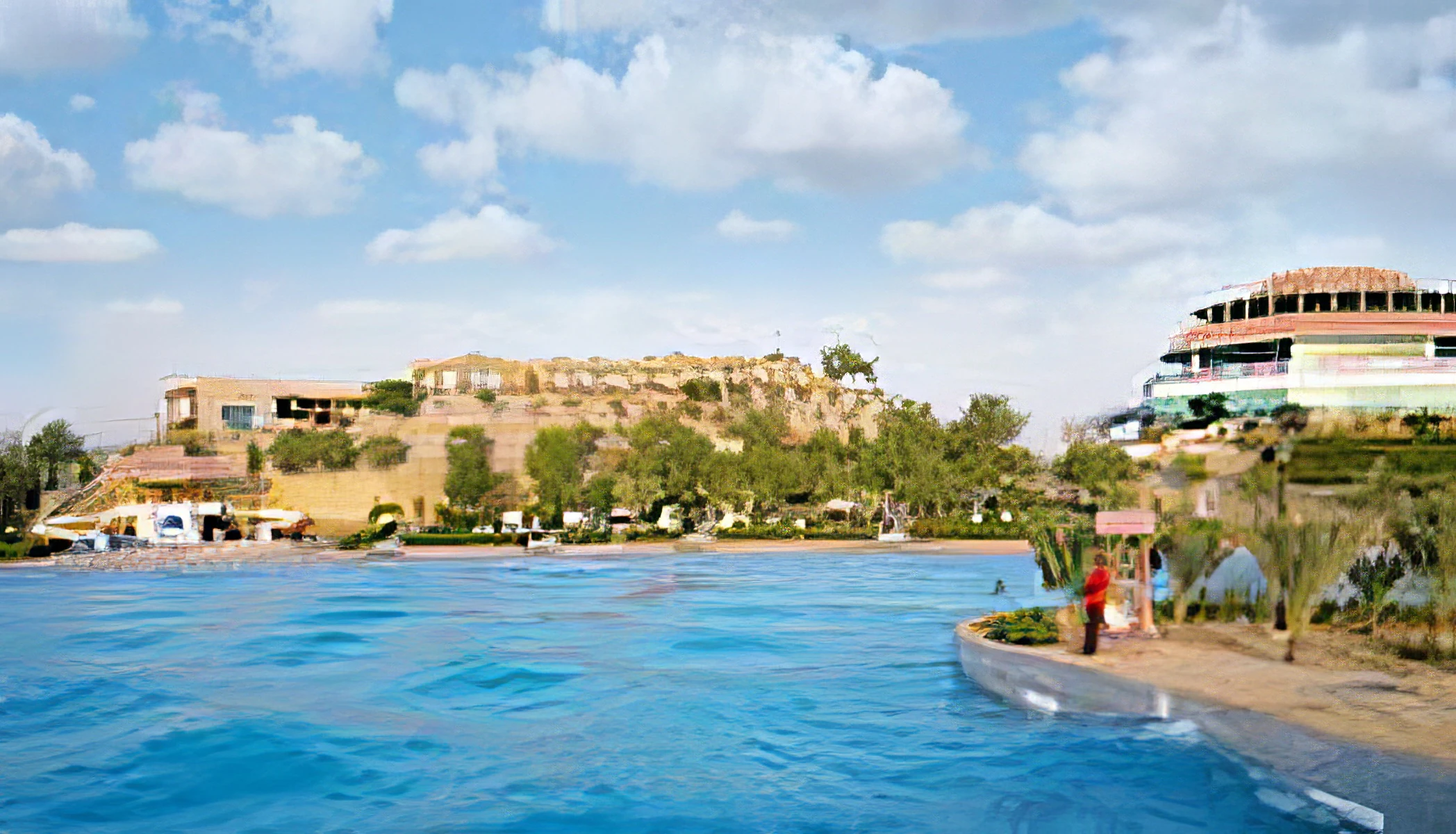
– 1 day in Skardu: See Shangrila Resort (Lower Kachura Lake) and explore Khaplu Palace. Optional visit to Deosai National Park if time allows.
Popular cities
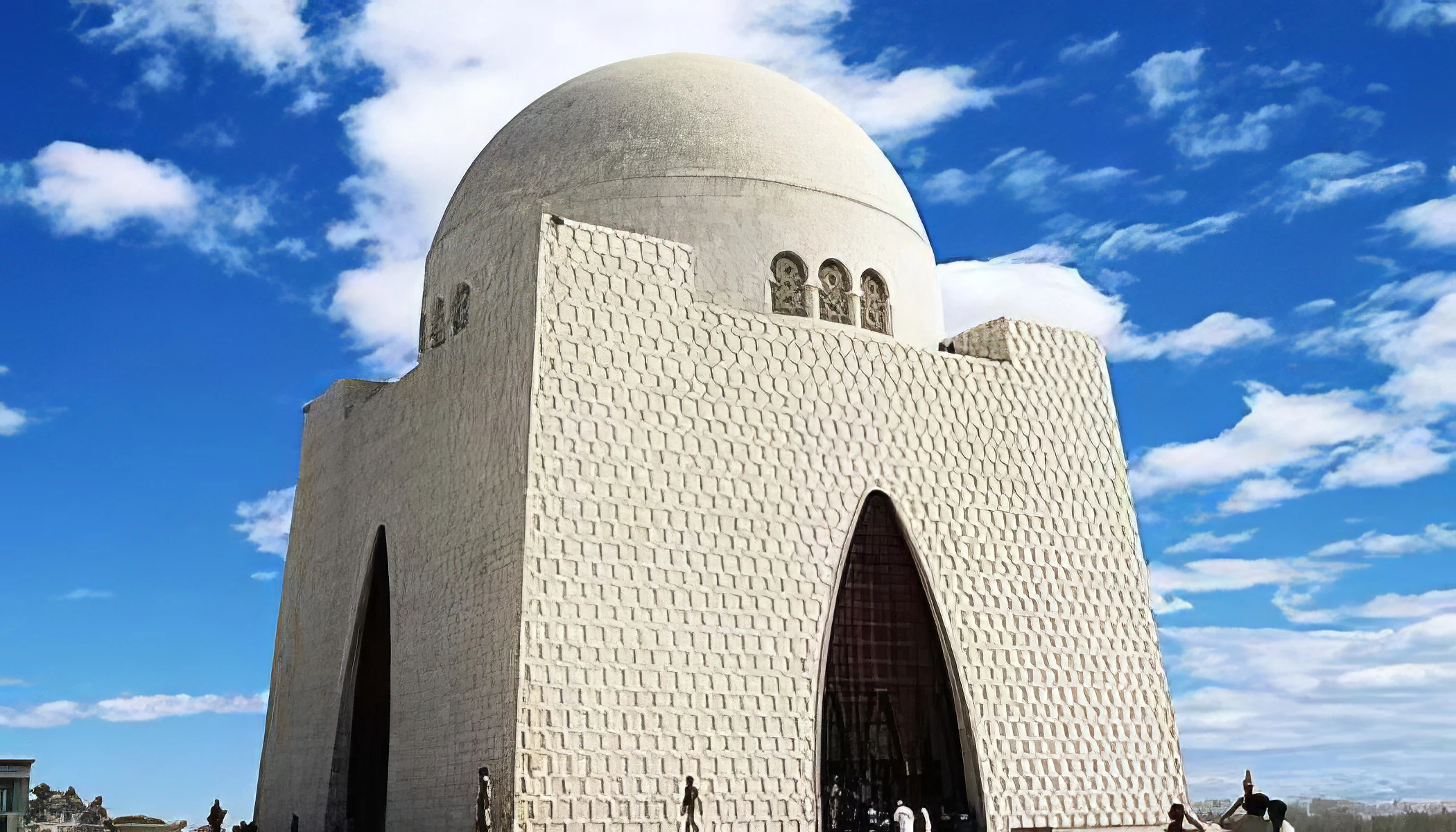
Explore Pakistan's diverse cities that offer rich history and attractive cultures:
– Lahore: Known for its Mughal architecture, historic sites, and lively food streets.
– Islamabad: The capital city features modern architecture, nice parks, and the Faisal Mosque.
– Karachi: A busy metropolis with beaches, diverse cuisine, and a lively arts scene.
– Peshawar: Supplies a glimpse into ancient history with its bazaars and historical landmarks.
– Multan: Famous for its Sufi shrines and beautiful blue-tiled mausoleums.
– Quetta: Surrounded by mountains, known for its bazaars and fruit orchards.
– Swat Valley: Offers natural beauty with opulent landscapes and historic Buddhist sites.
Monuments
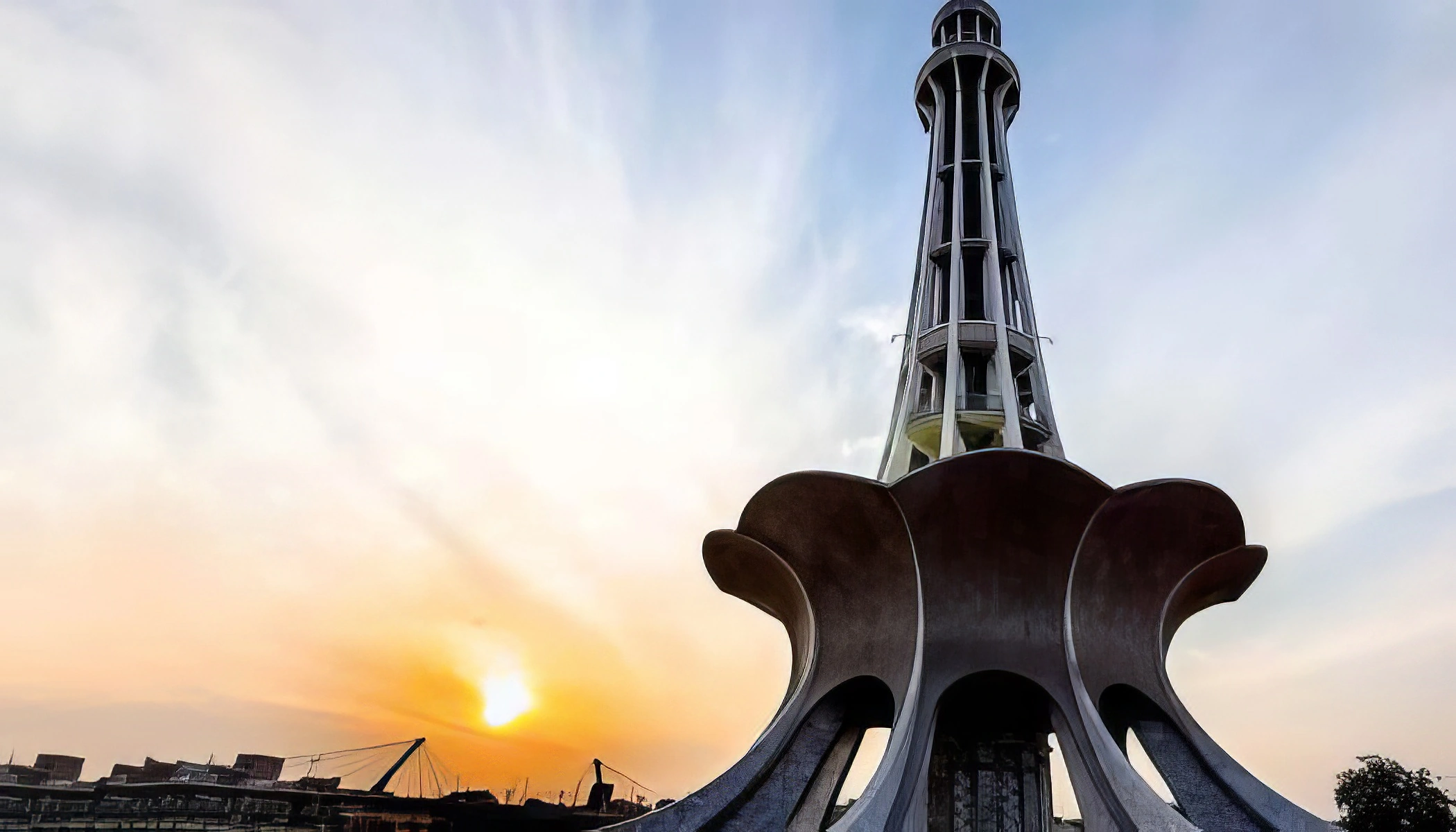
Pakistan is home to numerous significant historical and architectural sites:
– Badshahi Mosque, Lahore: Mughal-era mosque known for its grand scale and nice red sandstone design.
– Lahore Fort: UNESCO site with impressive palaces, gardens, and museums reflecting Mughal architecture.
– Mohenjo-daro: Ancient Indus Valley Civilization city featuring well-planned streets and advanced drainage system.
– Faisal Mosque, Islamabad: Modern mosque with unique contemporary design, largest in Pakistan.
– Rohtas Fort, Jhelum: Massive 16th-century fortress built by Sher Shah Suri showcasing military architecture.
– Shalimar Gardens, Lahore: Mughal garden complex with terraces, water features, and pavilions.
– Taxila Ruins: Ancient site reflecting Buddhist Gandhara civilization with stupas and monasteries.
– Minar-e-Pakistan, Lahore: Monument commemorating the Lahore Resolution leading to Pakistan's creation.
Natural wonder
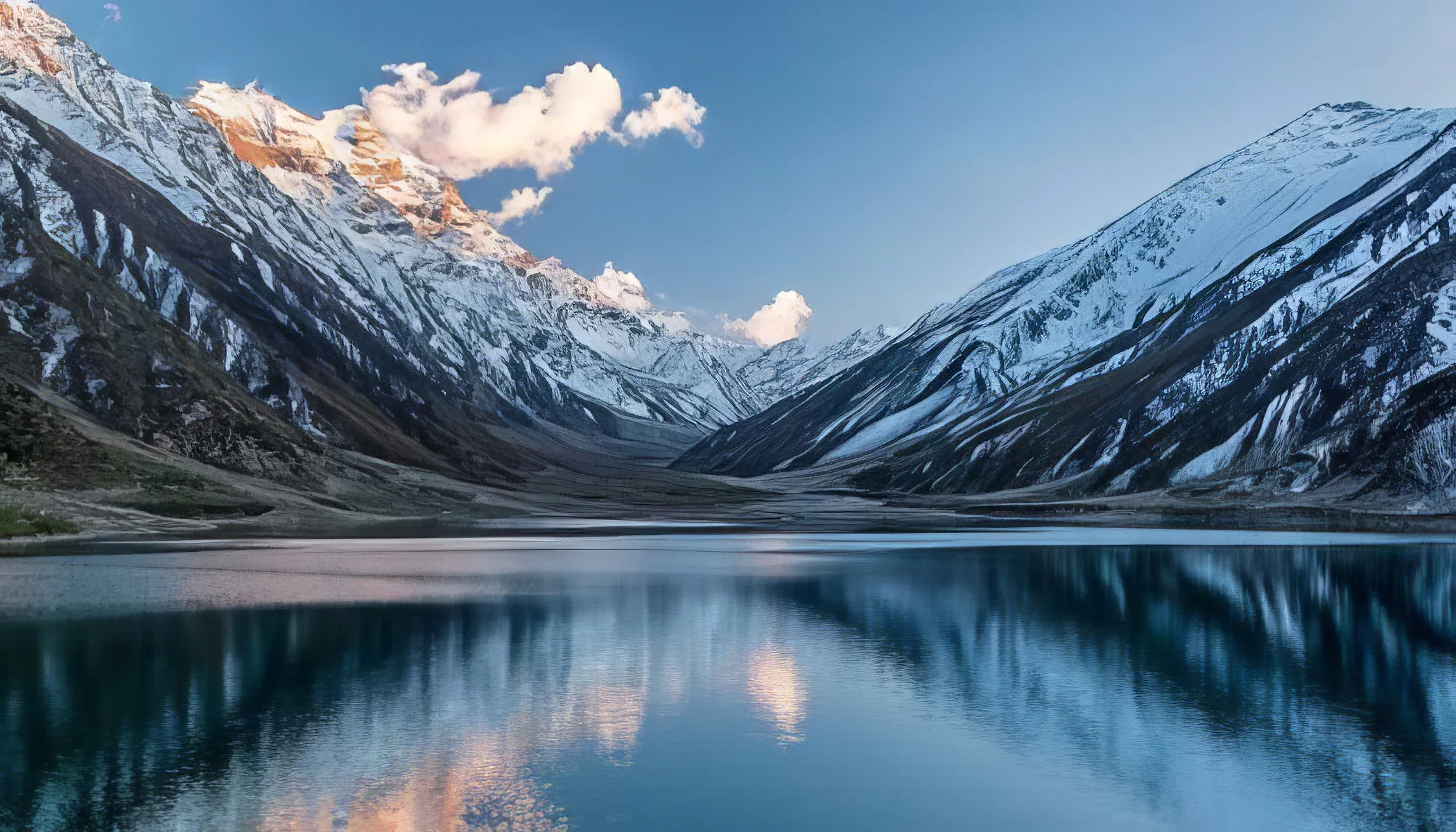
Discover Pakistan's remarkable natural wonders:
– Hunza Valley: Known for fascinating peaks, glaciers, and magnificient apricot orchards.
– Fairy Meadows: Offers magnificent views of Nanga Parbat, the world's ninth-highest mountain.
– Deosai National Park: High-altitude plateau known for unique wildlife and beautiful landscapes.
– Saif-ul-Malook Lake: Alpine lake famous for its crystal-clear waters and folklore.
– Hingol National Park: Features diverse terrain, including mud volcanoes and unique rock formations.
– Khunjerab Pass: World’s highest paved international border crossing, with nice mountain views.
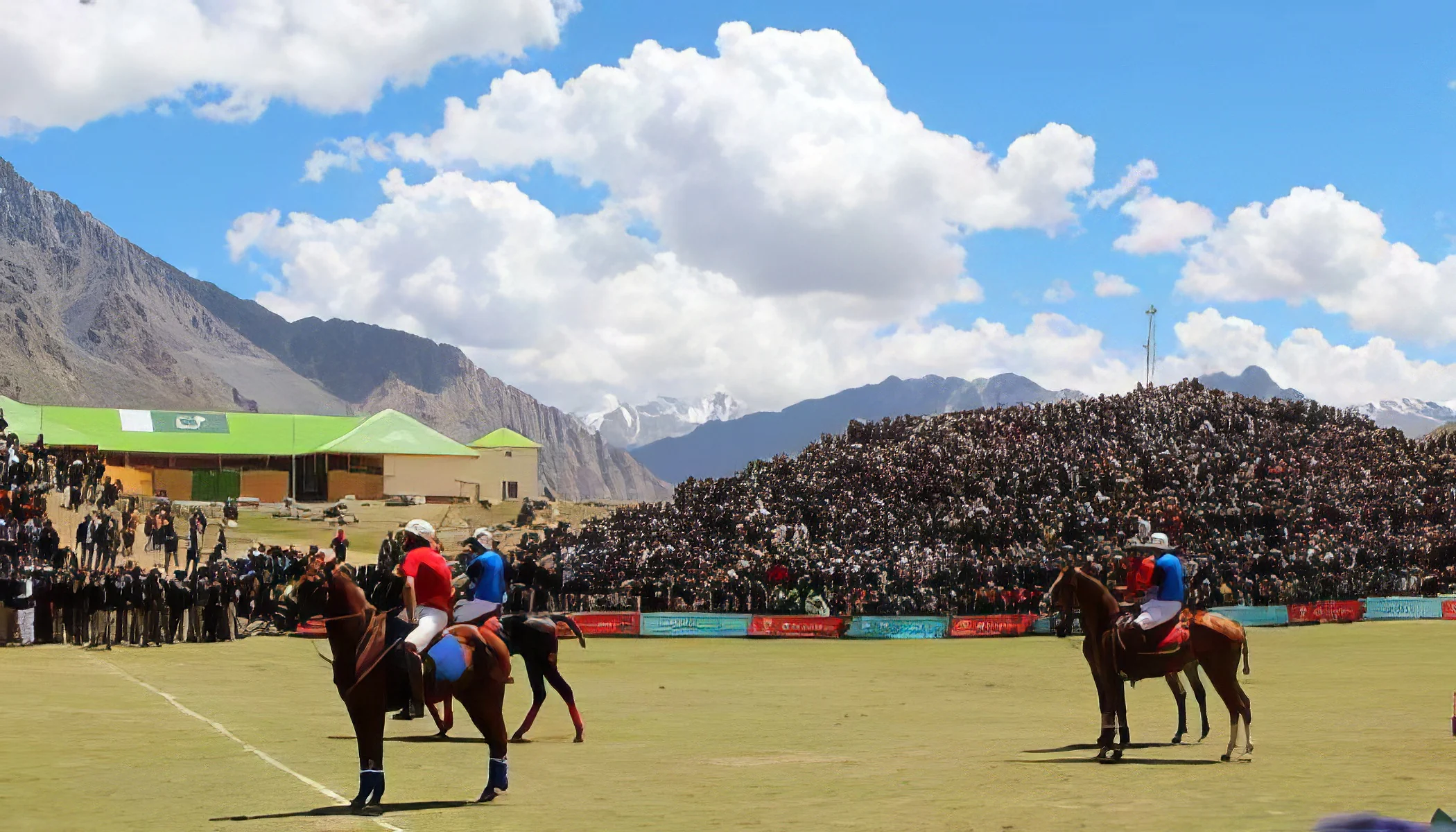
– Shandur Pass: Hosts the annual polo festival amidst beautiful landscapes.
– Kirthar National Park: Known for its diverse wildlife and rugged terrain.
– Kalash Valleys: Renowned for cultural heritage and luxuriant green landscapes.
– Ratti Gali Lake: An alpine glacial lake surrounded by snow-capped peaks in summer months.
Beaches
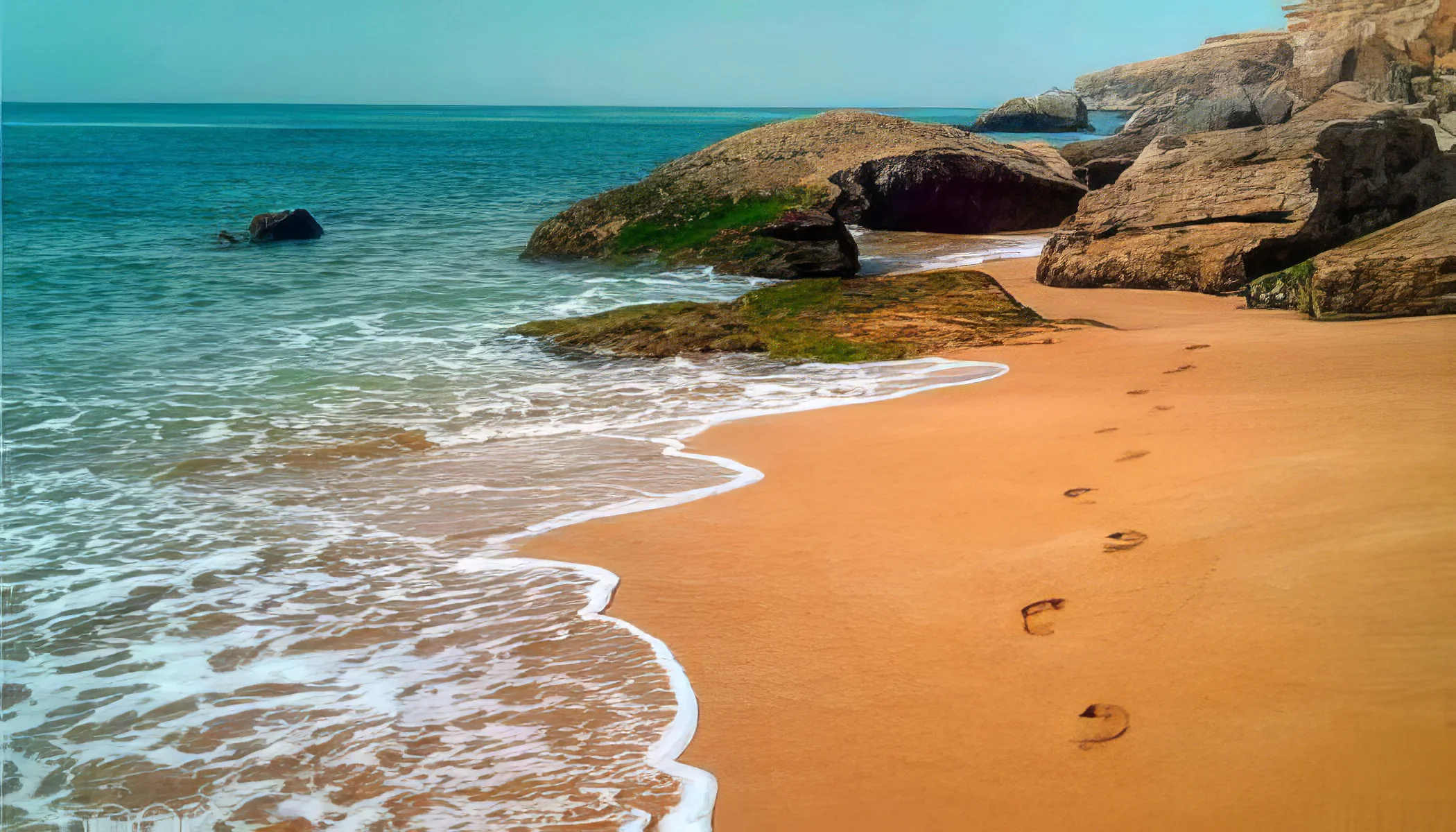
Pakistan has a limited number of notable beaches along its coastline.
– Clifton Beach: A popular spot in Karachi known for camel and horse rides.
– Hawksbay Beach: Famous for its turtle hatchery and family picnics near Karachi.
– French Beach: Offers clear waters and a rocky shore, popular with Karachi's elite.
– Sandspit Beach: Known for its calm waters and green turtle nesting near Karachi.
– Paradise Point: Features natural rock formations, accessible via camel or horseback in Karachi.
Outdoor activities
Pakistan supplies thrilling outdoor adventures for nature enthusiasts:
– Trekking to K2 Base Camp: Challenge yourself with nice views in the Karakoram Range.
– White-water Rafting in the Kunhar River: Navigate exciting rapids amidst handsome landscapes.
– Desert Safari in Thar Desert: Experience vast dunes and traditional camel rides.
– Rock Climbing in Margalla Hills: Test your skills on accessible climbing routes near Islamabad.
– Skiing in Malam Jabba: Enjoy winter sports with scenic mountain backdrops.
– Boating on Lake Saif-ul-Muluk: Paddle through easygoing waters surrounded by majestic peaks.
– Paragliding in Hunza Valley: Glide over spectacular valleys with panoramic mountain views.
Kid Friendly
Pakistan supplies various activities that can engage and entertain children:
– Lahore Zoo: One of the oldest zoos in South Asia, housing diverse animal species for kids to observe.
– Pakistan Museum of Natural History: Provides educational exhibits on natural history, including fossils and wildlife displays.
– Margalla Hills National Park: Ideal for family hikes with scenic views and picnic spots near Islamabad.
– Karachi Safari Park: A large safari park featuring a zoo, boating lake, and chairlift rides.
– Faisal Mosque: A unique architectural site in Islamabad where kids can explore wide open spaces.
– Lok Virsa Museum: Showcases Pakistani culture with interactive exhibits that engage young visitors.
– Rawal Lake View Park: Supplies outdoor activities such as boating and playgrounds for children to enjoy.
– Swat Valley's Malam Jabba: A ski resort where families can enjoy skiing and snow-related activities.
Cuisine
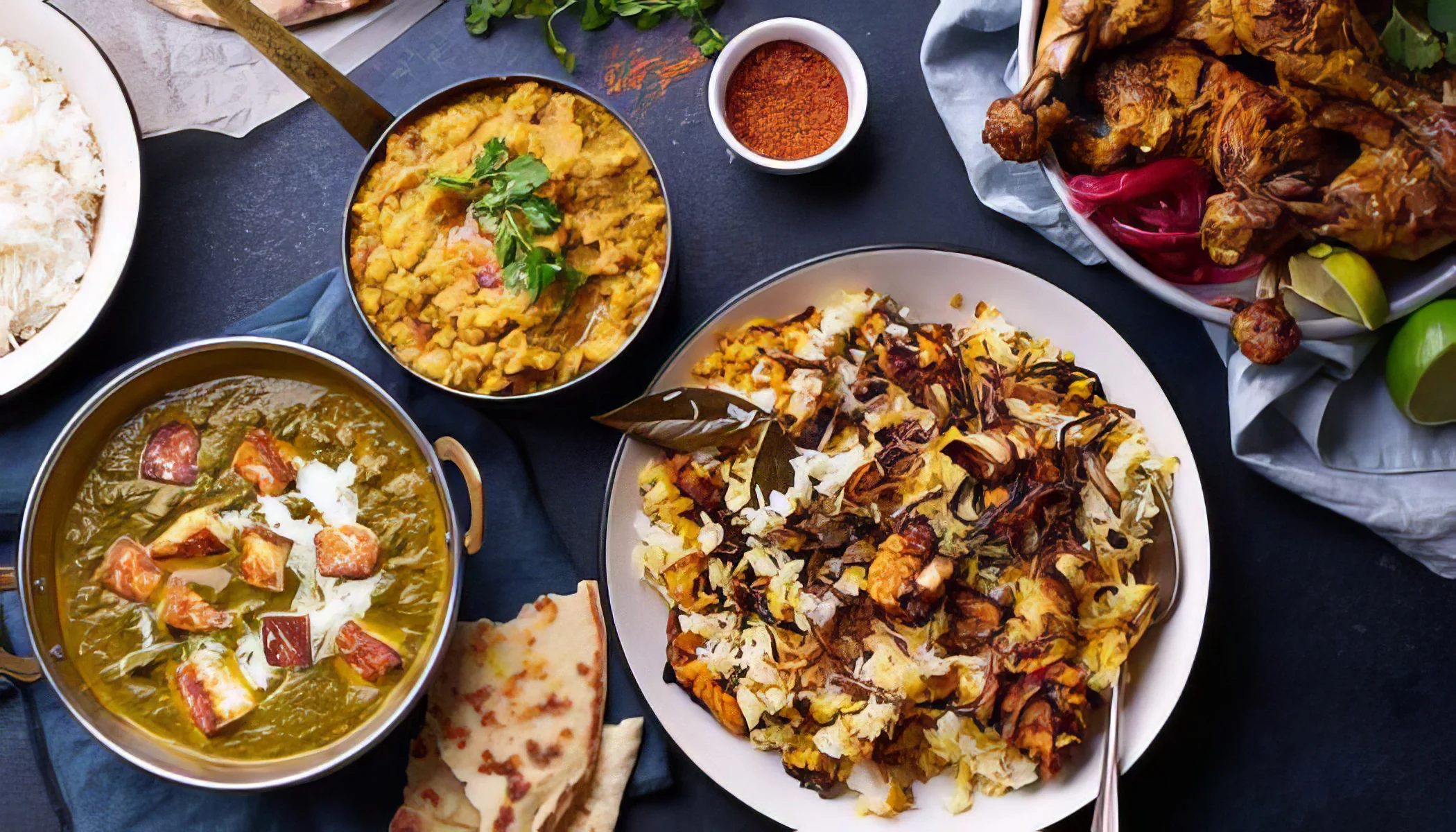
Pakistan's food scene is rich and diverse, characterized by robust flavors and a blend of regional influences, including Mughal, Afghan, and Persian. Each dish features a complex spice profile, often with a focus on meat. Street food is popular and widely enjoyed. Most famous cuisine in Pakistan are:
– Biryani: Spiced rice dish cooked with meat or vegetables and aromatic spices.
– Nihari: Slow-cooked stew with beef or lamb, seasoned with chili and spices.
– Haleem: Thick stew of wheat, barley, lentils, and meat with a creamy texture.
– Chapli Kebab: Spiced minced meat patty, often fried or grilled.
– Karahi: Stir-fried curry dish made with meat and spices in a wok-like pan.
Souvenir
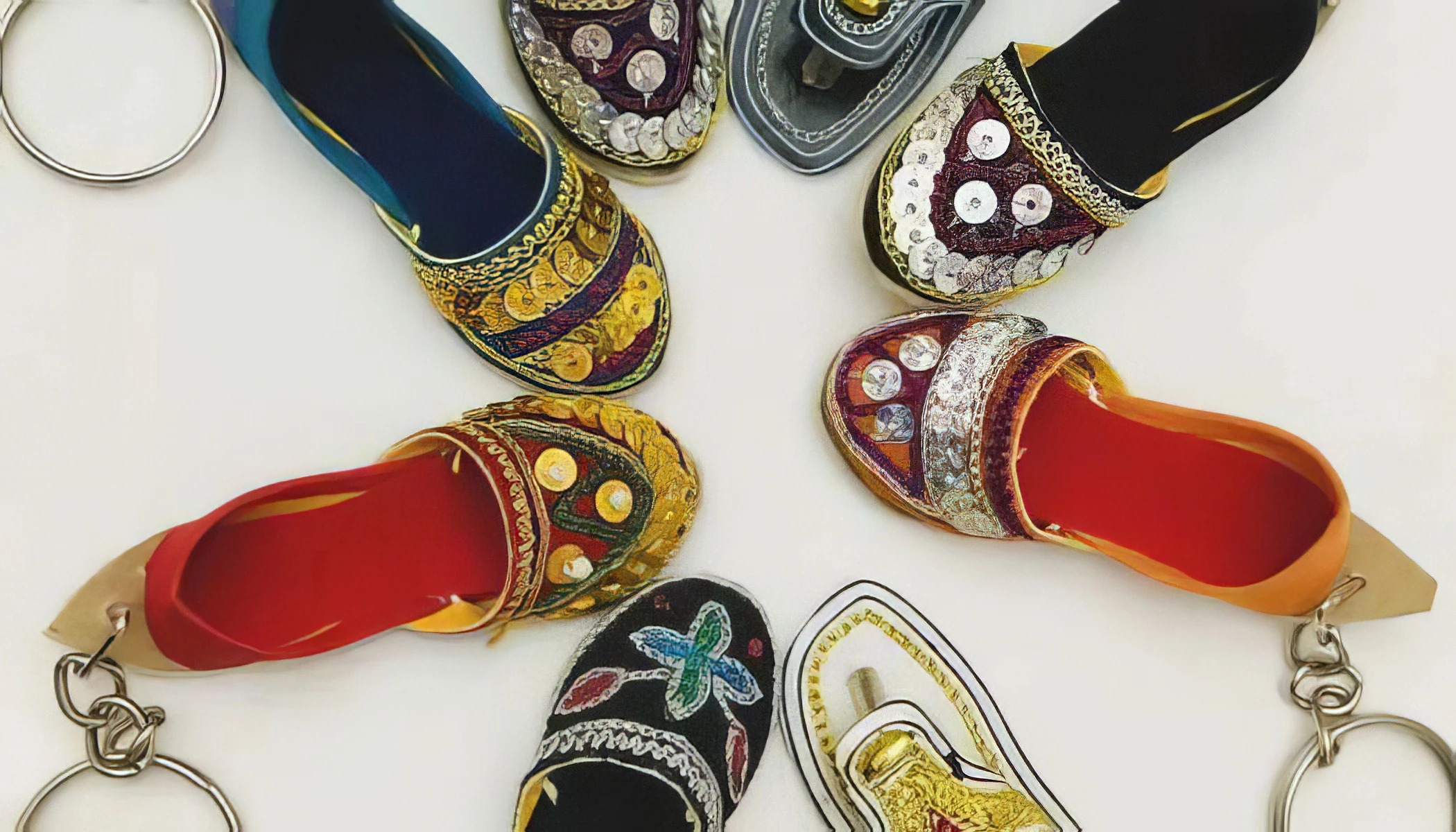
Known for its rich culture and craftsmanship, Pakistan offers a variety of unique souvenirs for visitors. Here are some popular choices:
– Pashmina Shawls: Crafted from fine cashmere wool, these shawls are warm and elegantly designed.
– Handwoven Carpets: Pakistani carpets are known for nice designs and quality, often handmade using traditional techniques.
– Onyx Stone Items: Decorative items made from onyx include vases, bowls, and figurines, showcasing the region's natural stone resources.
– Traditional Jewelry: Silver and gold jewelry featuring traditional designs are widely available in local markets.
– Truck Art: Colorful art inspired by Pakistani truck decoration is available on various items such as mugs and keychains.
– Ajrak Prints: These traditional block print fabrics are known for their energetic colors and patterns.
– Multani Pottery: Famous for its blue glaze, Multani pottery includes decorative tiles and household items.
Traditional Shows
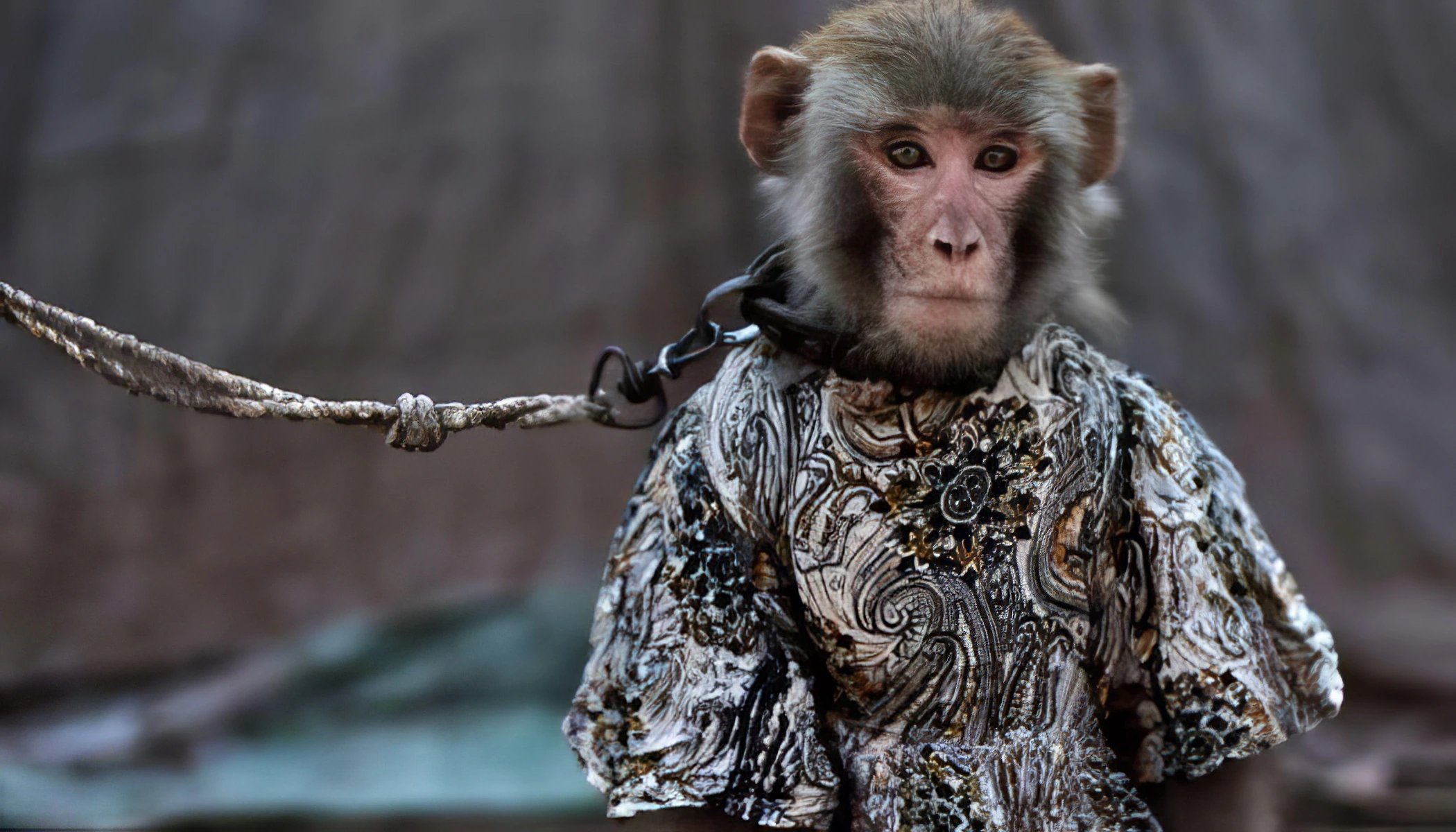
Pakistan offers a rich tapestry of traditional performances:
– Qawwali Music: Experience soulful Sufi devotional music at shrines in Lahore, blending powerful vocals and harmoniums for spiritual connection.
– Bhangra Dance: Witness pretty Punjabi folk dance, often performed at festivals and weddings across Pakistan, showcasing energetic moves and colorful attire.
– Kathak Dance: Enjoy this classical dance form originating from Punjab, combining beautiful footwork and expressive storytelling in cultural events.
– Sindhi Ajrak Festival Performances: Celebrate Sindh's culture with folk music and dance performances during the annual Ajrak Festival in Karachi.
– Pashto Attan: See the traditional Pashto circle dance performed at weddings and cultural gatherings, highlighting unity through synchronized movements.
Events & Festivals
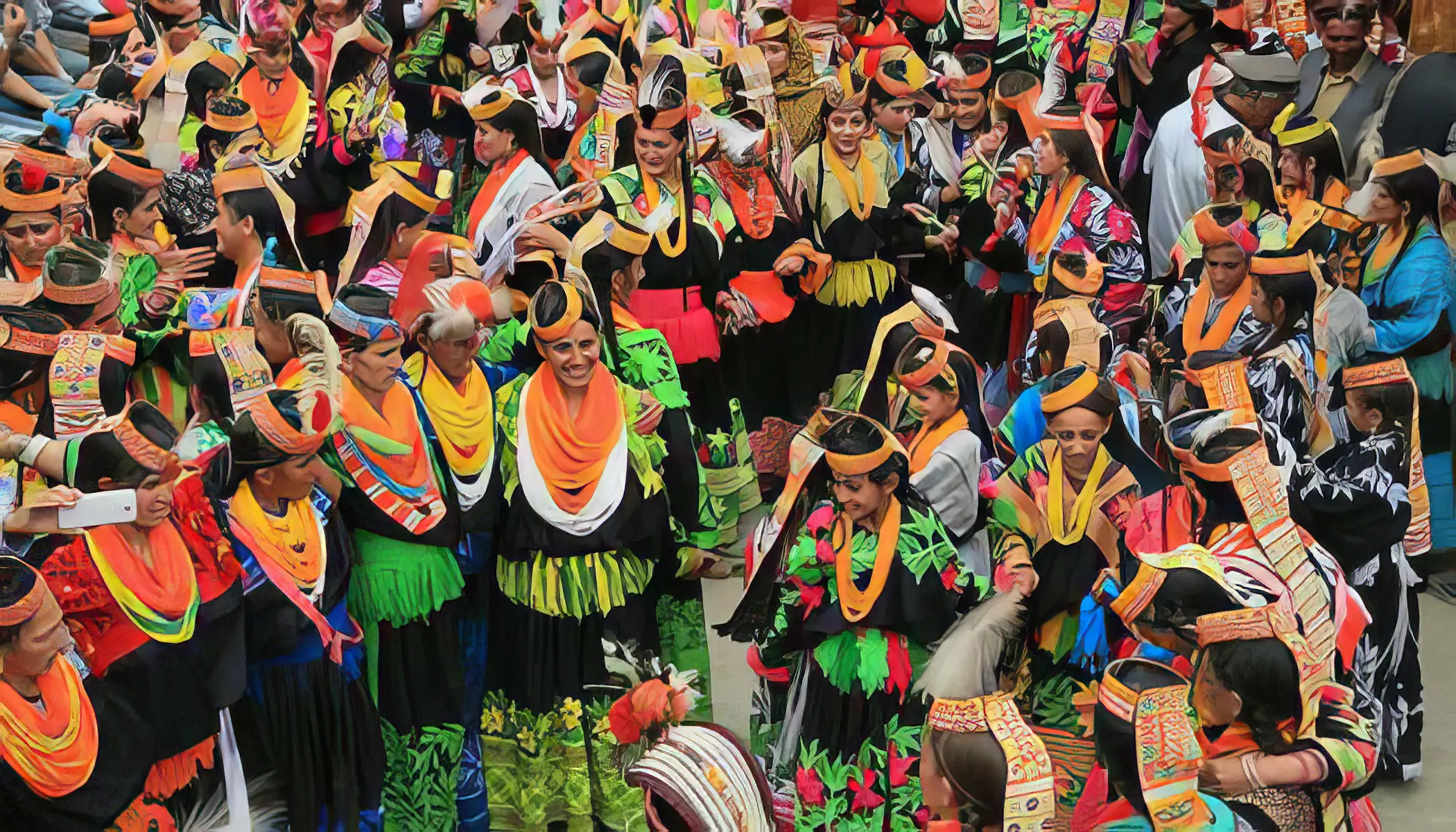
Numerous events and festivals highlight the cultural richness throughout the year:
– Basant Festival: February kite-flying festival in Lahore celebrating the arrival of spring.
– Pakistan Day: March 23 parade in Islamabad commemorating the Lahore Resolution of 1940.
– Eid al-Fitr: Celebrated at Ramadan's end, marked by prayers, feasting, and charity.
– Independence Day: August 14 nationwide celebration with parades, fireworks, and flag hoisting.
– Eid al-Adha: Islamic festival in August/September featuring animal sacrifices and community gatherings.
– Urs of Lal Shahbaz Qalandar: Held in Sehwan Sharif in May to honor the Sufi saint with music and rituals.
– Shandur Polo Festival: July event at Shandur Pass featuring polo matches and cultural showcases.
Famous People
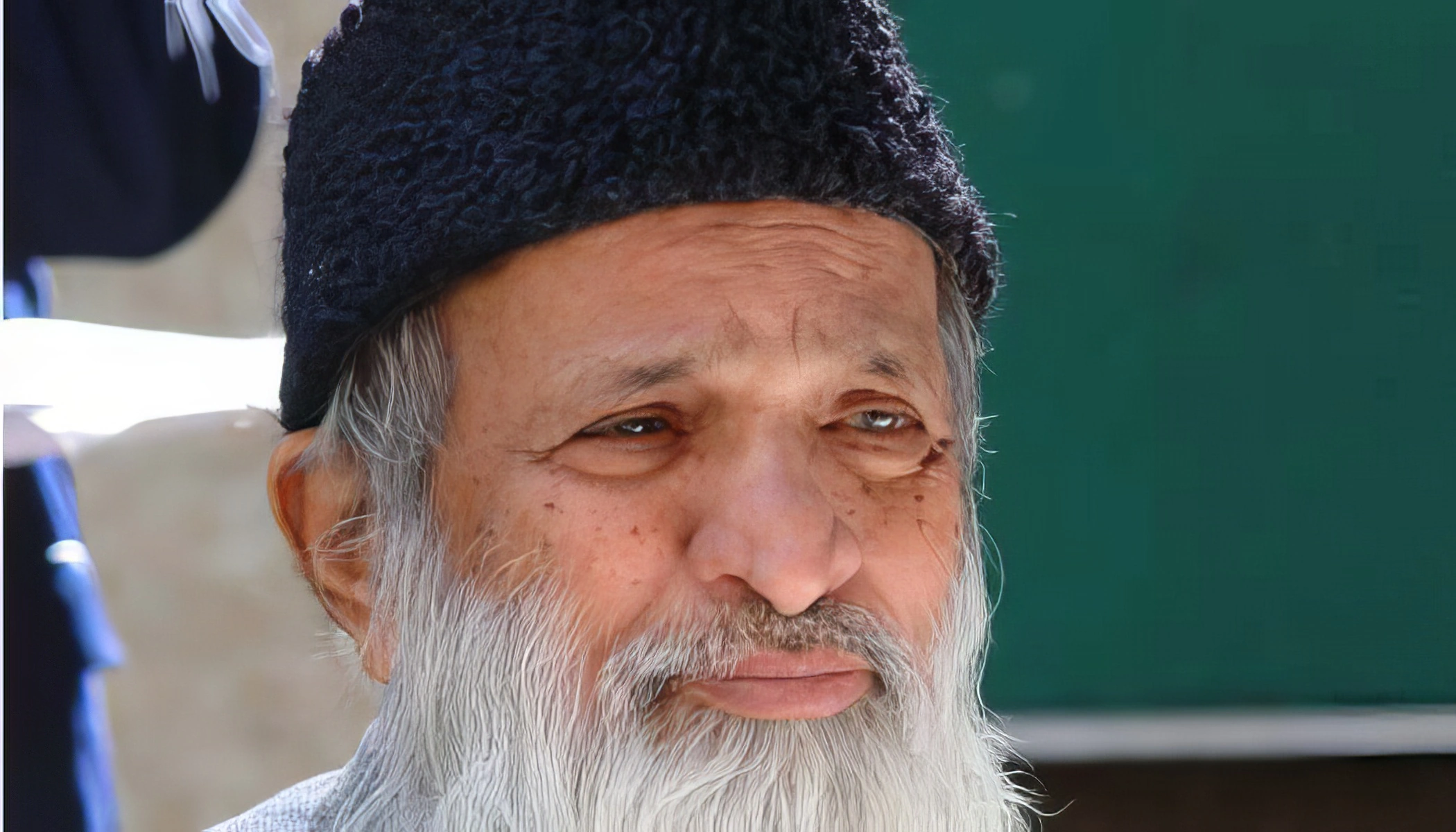
Pakistan is home to numerous influential figures who have made significant contributions across various fields.
– Muhammad Ali Jinnah (1876 to 1948, Karachi): Founding father of Pakistan, served as leader of the All-India Muslim League.
– Malala Yousafzai (born 1997, Mingora): Education activist and youngest Nobel Peace Prize laureate, known for advocating girls' education.
– Abdul Sattar Edhi (1928 to 2016, Bantva): Philanthropist who founded the Edhi Foundation, providing humanitarian services across Pakistan.
– Benazir Bhutto (1953 to 2007, Karachi): First woman to lead a Muslim-majority country as Prime Minister of Pakistan.
– Abdus Salam (1926 to 1996, Jhang): Theoretical physicist and Nobel laureate recognized for his work in electroweak theory.
Books
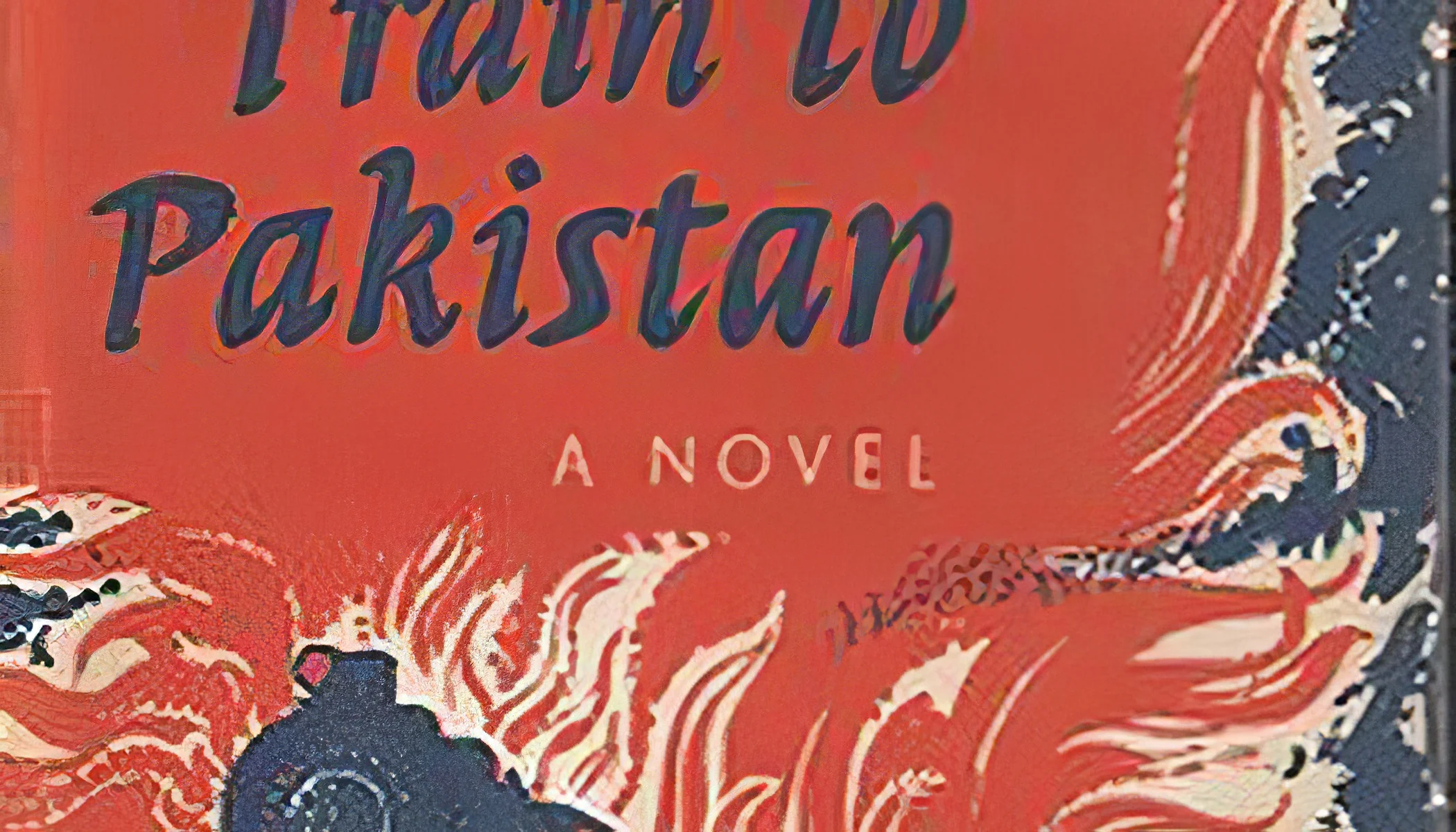
These books provide insight into the cultural, political, and social landscapes of Pakistan through diverse narratives and perspectives.
– "The Reluctant Fundamentalist" by Mohsin Hamid: A Pakistani man's life changes after 9/11 events.
– "I Am Malala" by Malala Yousafzai: Memoir of a Pakistani girl advocating for girls' education.
– "Moth Smoke" by Mohsin Hamid: Explores themes of class disparity in Lahore.
– "A Case of Exploding Mangoes" by Mohammed Hanif: Satirical take on General Zia's mysterious death.
– "Kartography" by Kamila Shamsie: Friendship amid Karachi's political unrest.
Songs
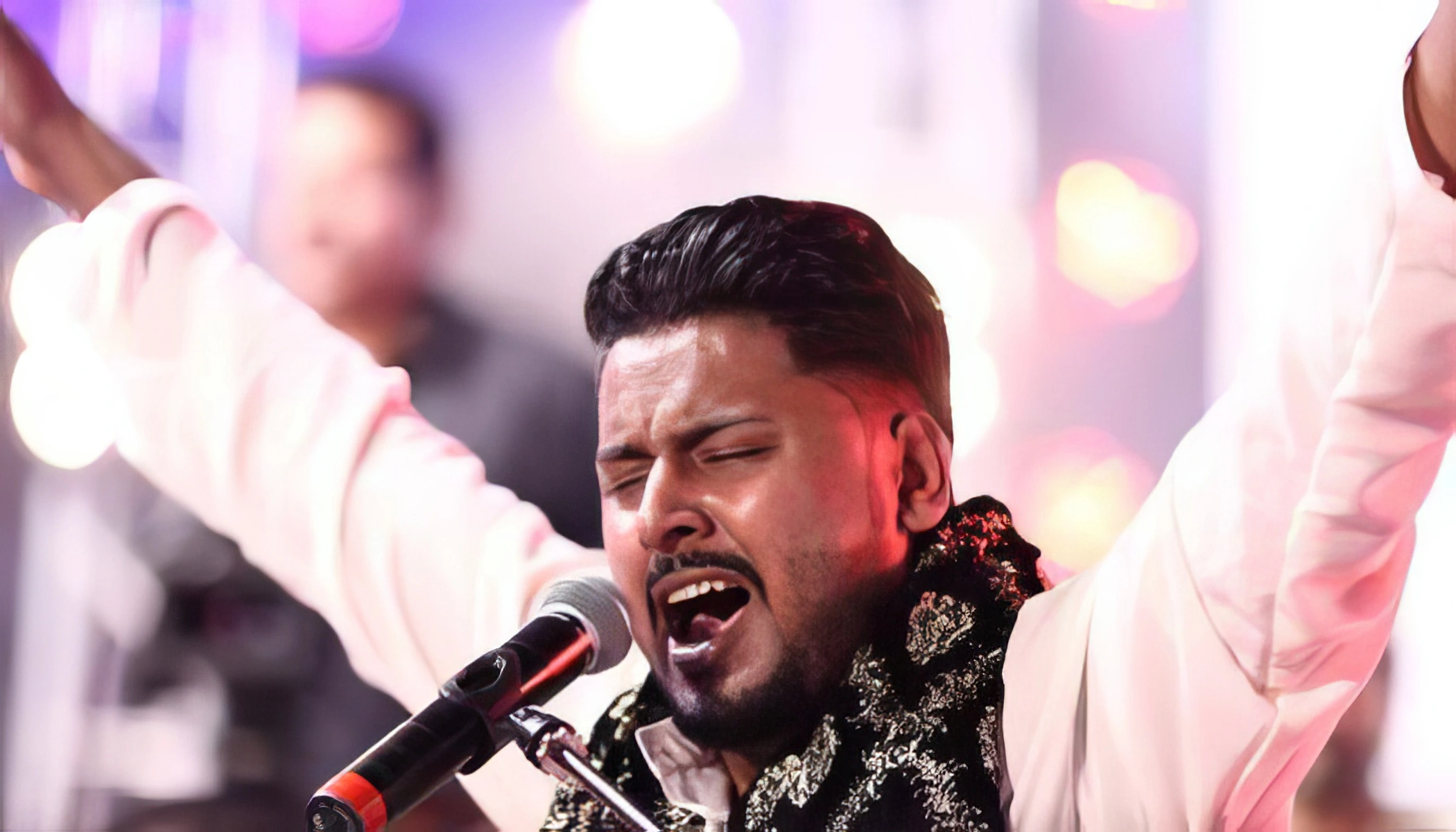
These songs highlight the rich cultural tapestry and patriotic spirit found in Pakistani music.
– Dil Dil Pakistan: Vital Signs' iconic anthem celebrated as a symbol of national pride.
– Jazba-e-Junoon: Junoon's rock classic energizing the youth with passion and patriotism.
– Aye Rah-e-Haq Ke Shaheedo: Patriotic song honoring the sacrifices of martyrs.
– Hum Dekhenge: Poetic anthem by Iqbal Bano, emblematic of social justice and hope.
– Qismat Apne Hath Mein: Strings' hit inspiring self-belief and determination among listeners.
– Noor-e-Azal: Timeless spiritual qawwali by Nusrat Fateh Ali Khan celebrating divine light.
Films
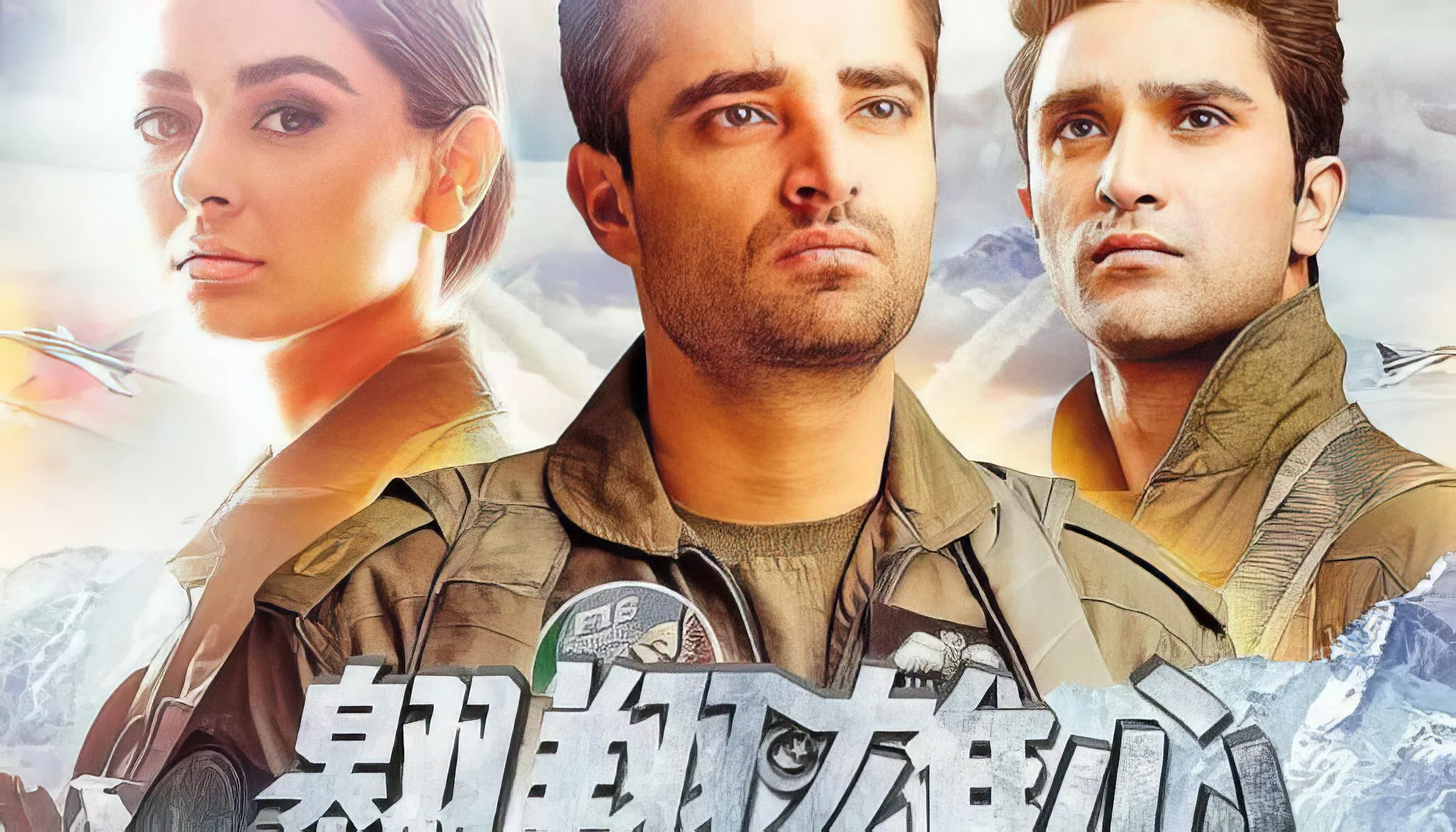
Explore some of the most notable films that delve into Pakistan's culture and society:
– "Khuda Kay Liye": Shoaib Mansoor's film tackles issues of religious extremism and identity crises in modern Pakistan.
– "Bol": Directed by Shoaib Mansoor, it addresses social issues faced by women in a patriarchal society.
– "Waar": Bilal Lashari's action-thriller focuses on terrorism and the efforts of a patriotic special forces officer.
– "Cake": Asim Abbasi's family drama explores complex relationships, secrets, and reconciliation within a Pakistani family.
– "Manto": Sarmad Khoosat's biographical drama portrays the life of controversial writer Saadat Hasan Manto during post-partition India-Pakistan.