

Palestine Attractions & Travel Advice – Plan Your Visit
Located in the Middle East, this region is known for its rich history and cultural significance. It features ancient cities like Jerusalem and Bethlehem. The area faces ongoing political challenges, yet it remains a focal point for religious and historical exploration.
- Capital
- The status of the capital of Palestine is subject to international dispute. The Palestinian Authority and the State of Palestine consider East Jerusalem to be their capital. However, due to the ongoing Israeli-Palestinian conflict, most countries maintain their embassies in Tel Aviv and do not officially recognize East Jerusalem as the capital of Palestine. Ramallah serves as the administrative center for the Palestinian Authority.
- Population
- 3.8 millions
- Superficy
- 6000 sq.km
- Months to Visit
- Mar. to May & Sept. to Nov.
- Living Cost
- Moderate
Overview
Palestine is a region in the Middle East with a complex history and ongoing political challenges. It primarily consists of the West Bank and Gaza Strip, with East Jerusalem as its proclaimed capital. The area is known for its historical and religious significance, home to sites sacred to Judaism, Christianity, and Islam. The Palestinian territories face economic difficulties and restrictions due to the Israeli-Palestinian conflict. Despite these challenges, Palestinian culture thrives through traditional music, dance, and cuisine. Efforts for peace and statehood continue amid a backdrop of international diplomacy and local resilience.
Pros & Cons
GOOD REASONS TO VISIT PALESTINE
– Historical Significance: Explore ancient sites like Bethlehem's Church of the Nativity and Jericho, one of the world's oldest cities.
– Cultural Richness: Experience diverse traditions, crafts, and attractive markets reflecting Palestinian heritage and daily life.
– Religious Importance: Visit sacred sites in Jerusalem, significant to Christianity, Islam, and Judaism.
– Scenic Landscapes: Discover the Dead Sea's unique waters and the rolling hills of the West Bank.
– Warm Hospitality: Palestinians are known for their welcoming nature and generous hospitality towards visitors. CHALLENGES WHEN VISITING PALESTINE
– Political Instability: Ongoing conflicts can affect travel plans; stay informed about current situations.
– Restricted Movement: Checkpoints and permits may limit access to certain areas; plan routes carefully.
– Limited Infrastructure: Some areas have underdeveloped tourist facilities; accommodations may vary in quality.
Before Departure
Before traveling to Palestine, it's important to be informed about several key aspects:
– Passport: Ensure your passport is valid for at least six months from your entry date.
– Visa: No visa required for stays up to 90 days for most nationalities; check specific country agreements.
– Currency: Israeli Shekel (ILS) is widely used; credit cards accepted in cities; ATMs available in urban areas.
– Internet access: WiFi accessible in hotels and cafes; local SIM cards with data plans are affordable and available.
– Language barrier: Arabic is the official language; English is commonly spoken in tourist areas, while Hebrew may also be understood.
What to Pack
Traveling to Palestine requires preparation for diverse weather and cultural experiences.
– Essentials: Passport, travel insurance, visa (if needed), itinerary, accommodation confirmations, and local currency or credit cards.
– Clothing: Modest clothing respecting local customs, comfortable walking shoes, hat and sunglasses for sun protection, light jacket for cooler evenings.
– Health & Safety: Prescription medications, basic first aid kit, sunscreen with high SPF, insect repellent, personal hygiene products.
– Electronics: Travel adapter for Type C or H outlets, mobile phone with charger, camera with extra batteries or memory card.
Weather
Weather in Palestine varies with mild, wet winters and hot, dry summers.
– Winter (December to February): Cool and rainy, especially in the West Bank and Jerusalem.
– Spring (March to May): Mild temperatures with blooming landscapes; occasional rain showers.
– Summer (June to August): Hot and dry, particularly in the Jordan Valley and coastal areas.
– Autumn (September to November): Warm temperatures with decreasing humidity; pleasant for outdoor activities. The best time to visit Palestine is during spring (March to May) or autumn (September to November). Pros: Comfortable weather for sightseeing and outdoor activities. Cons: Some tourist sites may be crowded during these peak seasons.
Travel Budget
Palestine provides a range of budget-friendly options for travelers. Here are some average prices for common expenses:
– Hotel: 30$ to 120$
– Lunch: 5$ to 15$
– Beverage (in bar/restaurant): 2$ to 6$
– Coffee: 1.5$ to 4$
– Transportation: (train not widely available), (bus 1$ to 3$), (taxi /10km 5$ to 12$)
– Mobile data (per GB): 3$ to 7$
Language
In Palestine, Arabic is the primary language spoken, and here are some useful phrases for tourists:
– Hello: Marhaban (مرحبًا)
– Thank you: Shukran (شكرًا)
– Please: Min fadlak (من فضلك) [to a male] / Min fadlik (من فضلك) [to a female]
– How much is this?: Kam thaman hadha? (كم ثمن هذا؟)
– Excuse me: Afwan (عفوًا)
– I don't understand: La afham (لا أفهم)
– Yes: Na'am (نعم)
– No: La (لا)
– Goodbye: Ma'a as-salama (مع السلامة)
History
The region has a long history, dating back to ancient civilizations like the Canaanites and Philistines. It was part of various empires, including the Roman and Ottoman Empires, until the British Mandate period began after World War I. In 1947, the United Nations proposed a partition plan to establish independent Arab and Jewish states. This led to conflict as the State of Israel was established in 1948. Subsequent wars, particularly in 1948 and 1967, resulted in significant territorial changes and displacement of Palestinian people. The Oslo Accords in the 1990s aimed to establish a framework for peace and a potential two-state solution, leading to partial self-governance under the Palestinian Authority. The region remains marked by ongoing tensions and complex geopolitical challenges.
Geopolitics
The State of Palestine claims the West Bank and Gaza Strip, with East Jerusalem as its proposed capital, though its territories are under varying degrees of Israeli control. Its geopolitical situation is heavily influenced by the Israeli-Palestinian conflict, which remains a central issue in Middle Eastern politics. The Palestinian Authority administers parts of the West Bank, while Hamas controls Gaza, leading to internal political divisions. Internationally, Palestine has gained recognition from over 130 UN member states and holds non-member observer status at the United Nations. The region's geopolitics are shaped by negotiations for a two-state solution, regional alliances, and varying levels of support or opposition from global powers like the United States and European Union countries. Economic conditions are impacted by restrictions due to the ongoing conflict, affecting development and humanitarian needs.
Sample Itinerary
This itinerary includes historical, religious, and cultural sites across Palestine, highlighting its rich heritage and diverse landscapes.
– 2 days in Jerusalem (East Jerusalem): Visit the Old City, Dome of the Rock, Al-Aqsa Mosque, and Church of the Holy Sepulchre. Explore the bustling markets and historical streets.
– 1 day in Bethlehem: Tour the Church of the Nativity and Manger Square. Walk through the Old City and see Banksy's artwork on the separation wall.
– 1 day in Hebron: Visit the Ibrahimi Mosque/Tomb of the Patriarchs. Explore Hebron's historic Old Town and traditional glassware workshops.
– 1 day in Jericho: Discover Hisham's Palace with its ancient mosaics. Explore Tel Jericho's archaeological sites and ride a cable car to Mount of Temptation.
– 1 day in Nablus: Tour Jacob's Well, visit olive soap factories, explore Balata Refugee Camp, and sample local sweets like knafeh.
– 1 day in Ramallah: Visit Yasser Arafat’s Mausoleum, Palestinian Museum. Experience lovely cafes and cultural centers showcasing Palestinian art.
Popular cities
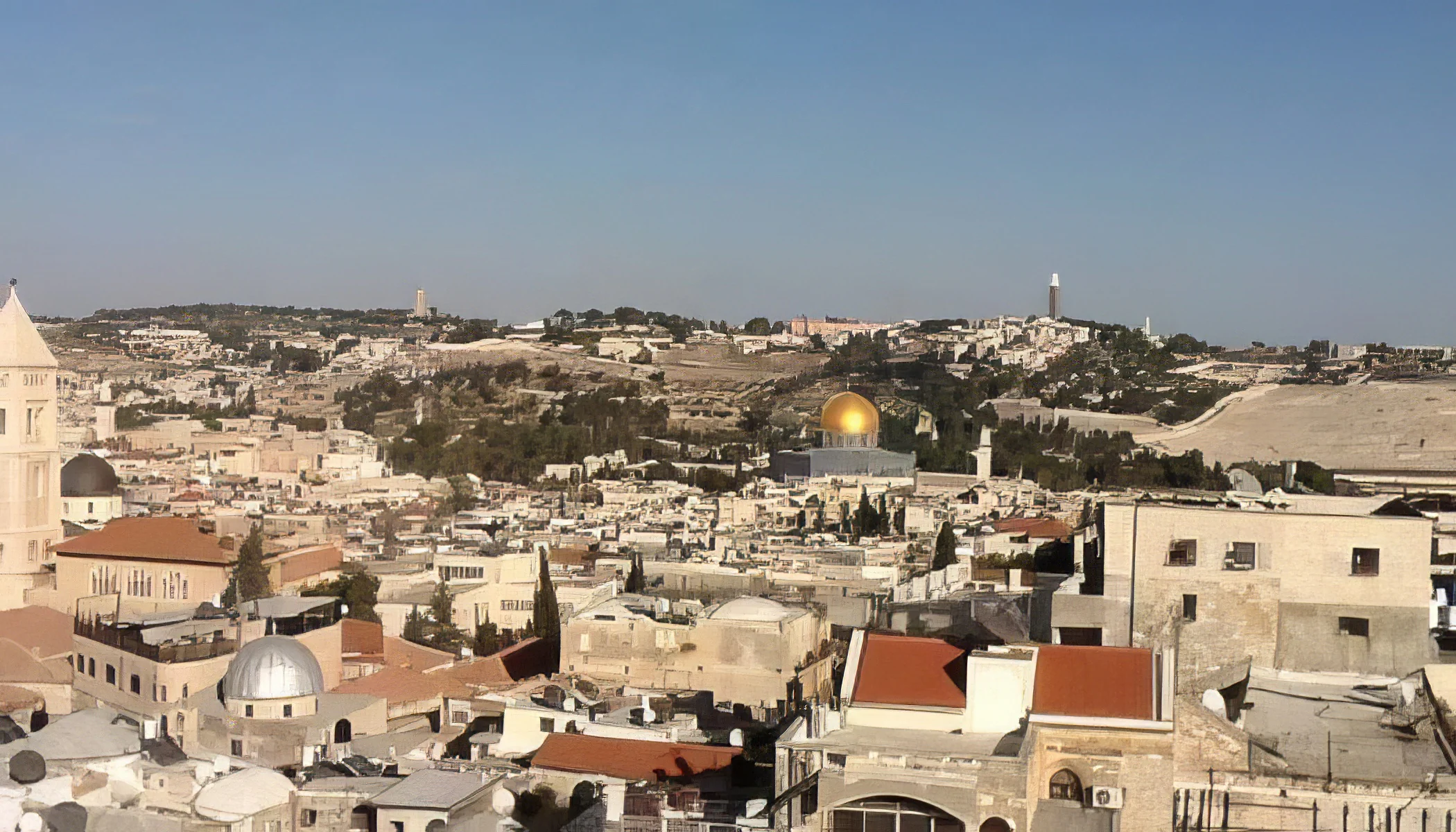
Explore the historical and cultural richness in these key cities of Palestine:
– Jerusalem: A city of deep religious significance, home to important religious sites like the Al-Aqsa Mosque and the Church of the Holy Sepulchre.
– Bethlehem: Known as the birthplace of Jesus, featuring the Church of the Nativity.
– Ramallah: The administrative capital offers cultural sites and charming nightlife.
– Hebron: Famous for its markets and the Cave of the Patriarchs.
– Nablus: Known for its historic soap factories and turbulent old market (souk).
– Jericho: One of the oldest inhabited cities in the world, near archaeological sites like Hisham's Palace.
– Gaza City: Supplies a glimpse into daily life with historic mosques and a lively seafront.
Monuments
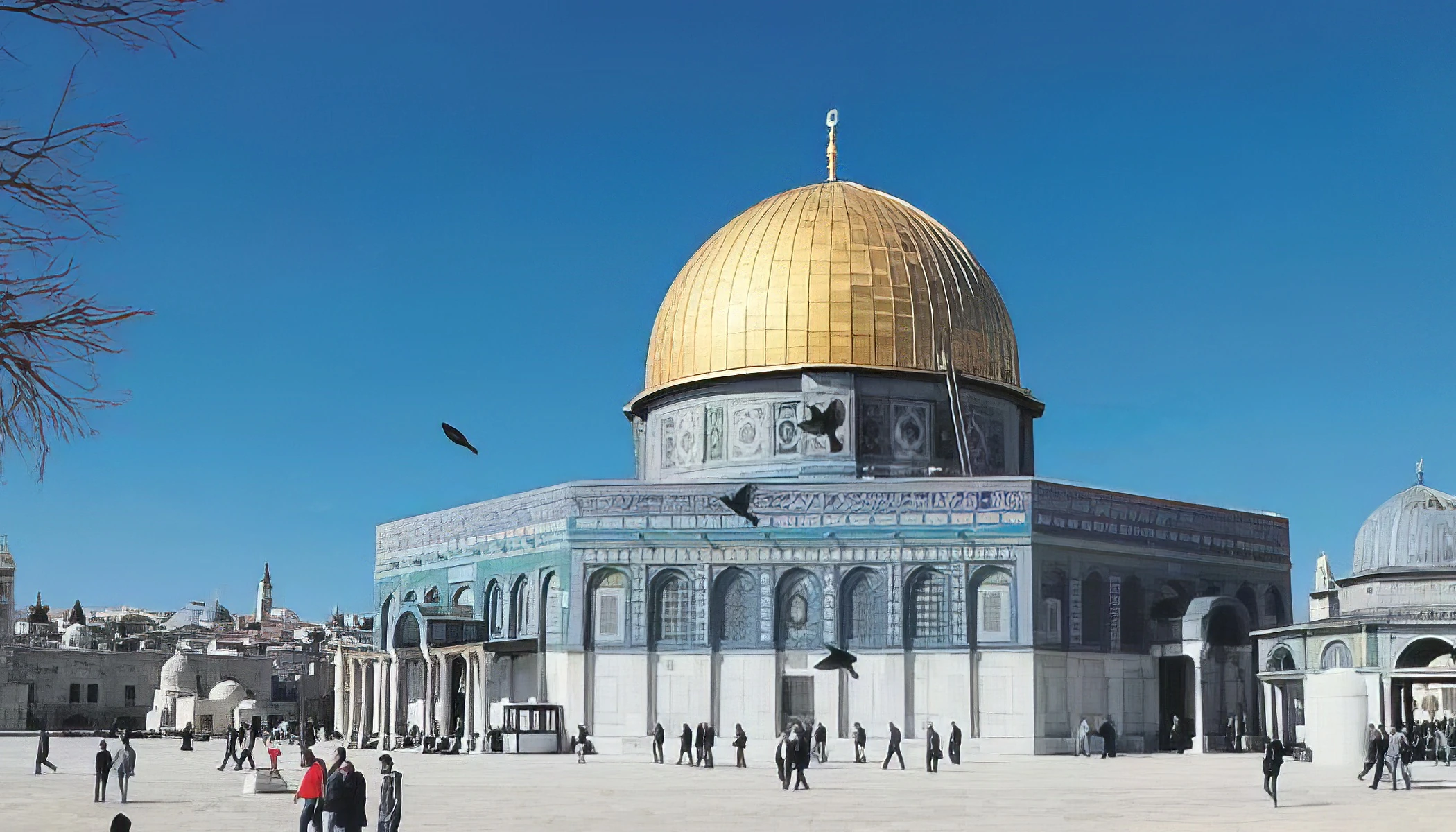
Palestine supplies several significant monuments worth visiting:
– Church of the Nativity, Bethlehem: Believed to be the birthplace of Jesus, with ancient mosaics and religious significance.
– Al-Aqsa Mosque, Jerusalem: Third holiest site in Islam, located on the Temple Mount.
– Dome of the Rock, Jerusalem: Iconic Islamic shrine with a golden dome on Temple Mount.
– Hebron's Tomb of the Patriarchs: Burial site of biblical patriarchs Abraham, Isaac, and Jacob.
– Hisham's Palace, Jericho: Umayyad-era palace ruins with refined mosaics in the desert.
– St. George's Monastery, Wadi Qelt: Cliffside monastery dating to the 5th century in a dramatic desert setting.
– The Old City Walls of Jerusalem: Surrounds Jerusalem’s historic sites with gates dating back centuries.
– Tell es-Sultan (Ancient Jericho): Archaeological site believed to be one of the world's oldest cities.
Natural wonder
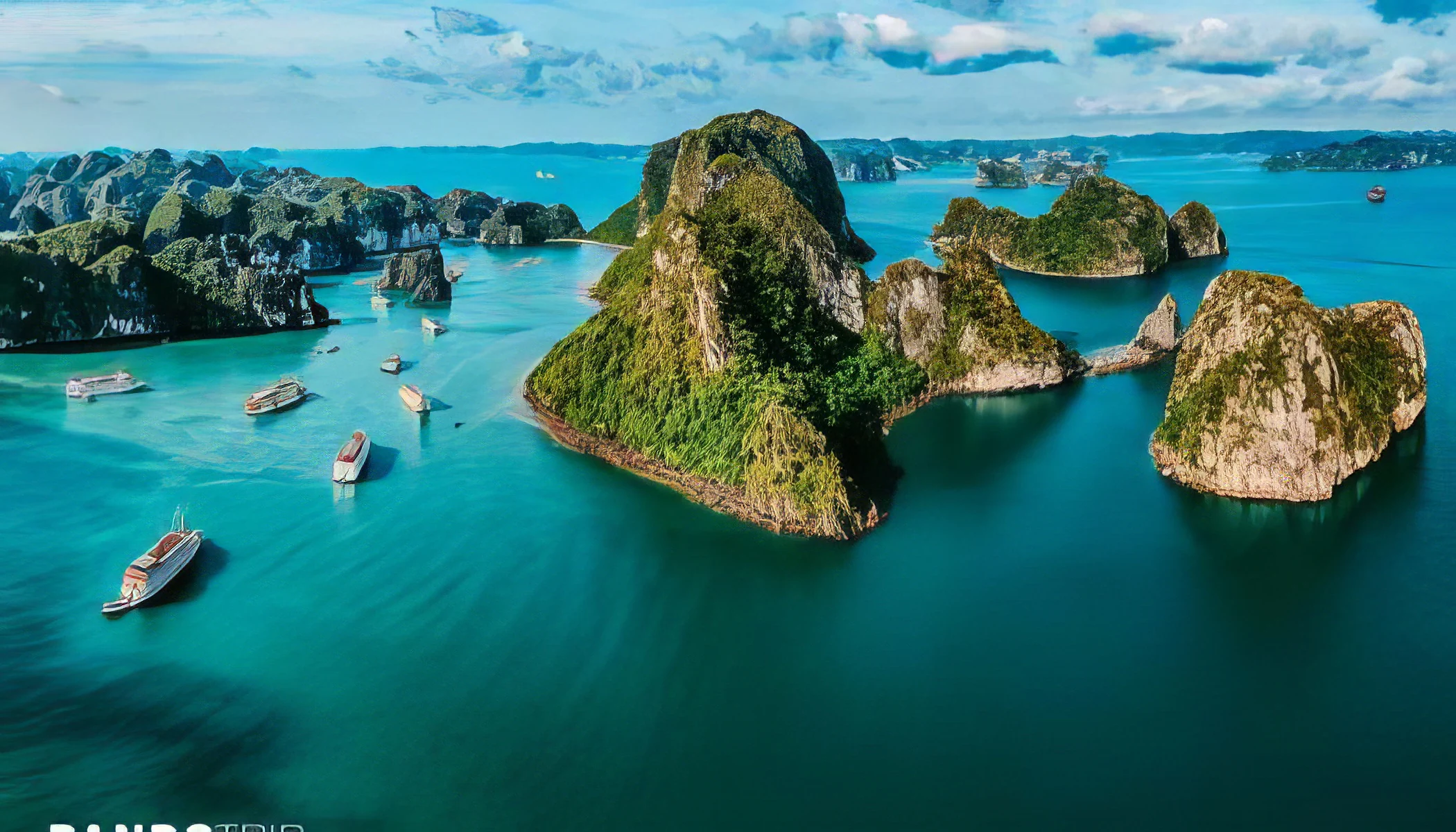
Palestine provides diverse landscapes and natural wonders:
– Dead Sea: Earth's lowest point on land, famous for its high salinity and mineral-rich mud.
– Wadi Qelt: A desert canyon with historical monasteries and scenic hiking trails.
– Ein Gedi Nature Reserve: Oasis with waterfalls, wildlife, and ancient archaeological sites.
– Mount of Olives: Provides panoramic views of Jerusalem's old city and surrounding areas.
– Mar Saba Monastery: Built into cliffs with beautiful views of the Judean Desert.
– Hisham's Palace: Known for stunning mosaics amidst desert landscape near Jericho.
– Nabi Musa: Pilgrimage site in the Judean Desert with historical significance.
– Herodium National Park: An artificial hill with ruins offering views over the Judean Desert.
Outdoor activities
Outdoor activities in Palestine offer unique cultural and natural experiences for visitors:
– Hiking the Masar Ibrahim Trail: Trek through historical landscapes from north to south.
– Exploring Wadi Qelt: Walk through a scenic canyon with ancient monasteries and natural springs.
– Birdwatching in Jericho: Observe diverse bird species along the Jordan Valley flyway.
– Cycling in Battir: Ride through terraced hillsides and ancient olive groves.
– Camping in the Negev Desert: Experience the beautiful beauty of desert landscapes at night.
– Visiting Ein Prat Nature Reserve: Enjoy hiking trails and natural pools in a desert oasis.
– Climbing Jebel Quruntul: Ascend to the Mount of Temptation for panoramic views over Jericho.
Kid Friendly
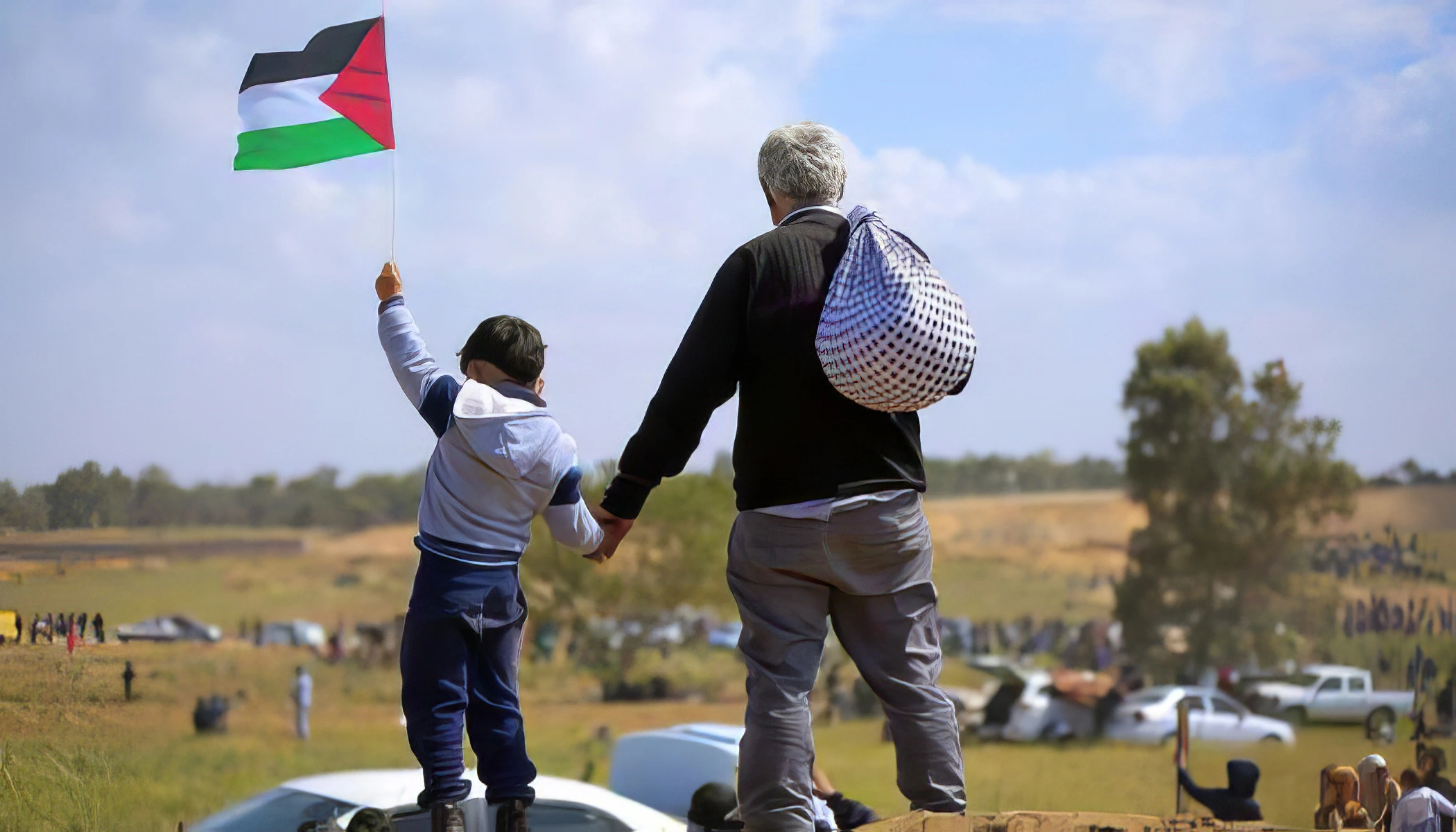
Palestine supplies several engaging activities for children to enjoy:
– Bethlehem's Old City: Explore narrow streets full of history and unique markets that kids will find intriguing.
– Herodium National Park: Visit the ancient fortress and tunnels, a historical site with views children will appreciate.
– Jericho's Cable Car: Take a ride up to the Mount of Temptation for panoramic views.
– Hisham's Palace: Discover mosaics and ancient ruins that spark curiosity in young explorers.
– Taybeh Brewing Company Tour: A non-alcoholic tour showing beverage production, suitable for older kids interested in processes.
– Nabi Musa Festival Ground: Participate in local festivals, offering cultural experiences and entertainment for kids.
– Qumran Caves: Explore the archaeological site where the Dead Sea Scrolls were found, offering a historical quest for families.
– Wadi Qelt: Enjoy family-friendly hikes with beautiful landscapes between Jerusalem and Jericho.
Cuisine
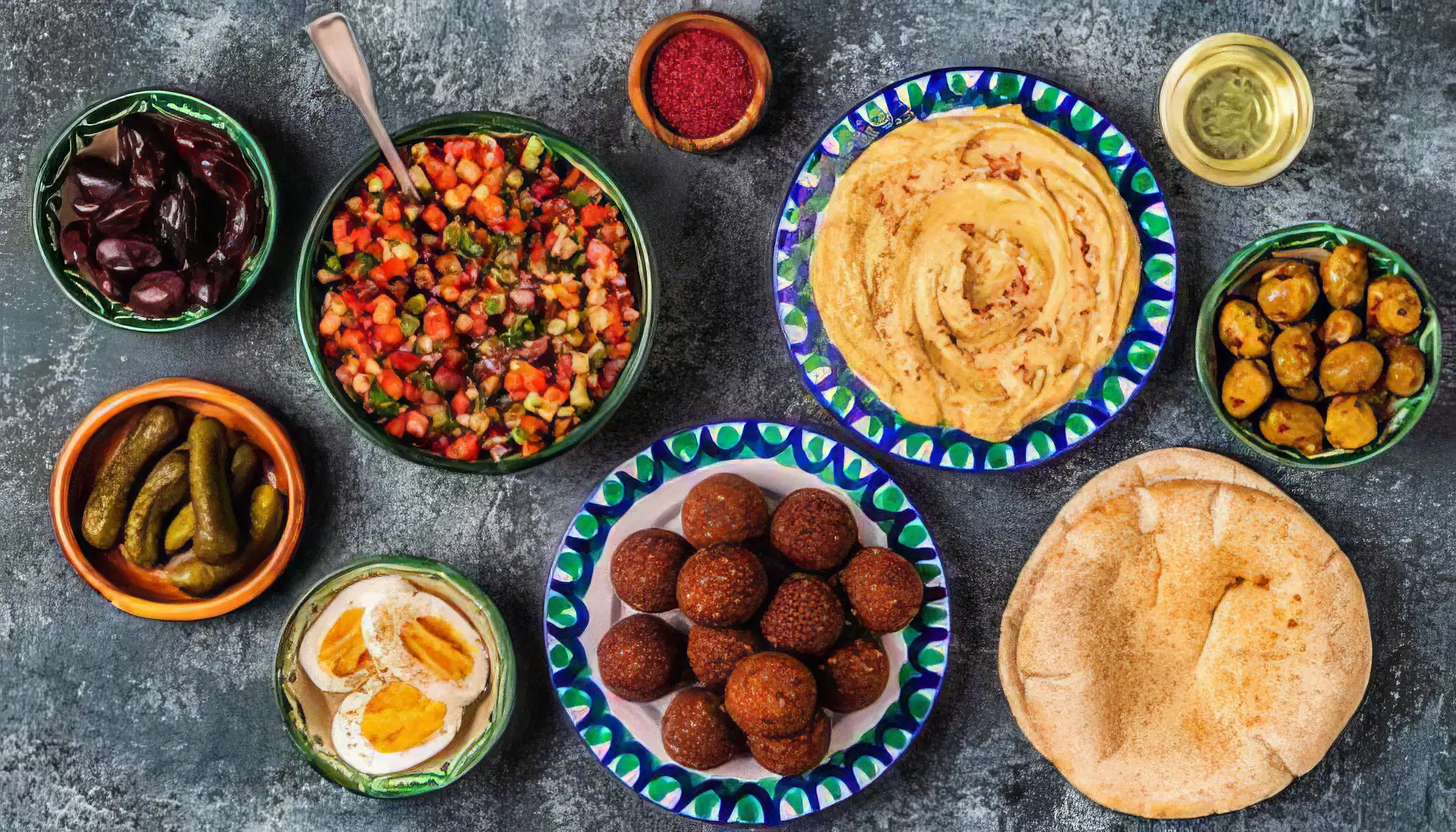
Palestinian cuisine features rich, earthy flavors and is deeply rooted in agricultural practices. It incorporates fresh vegetables, grains, and meats, often enhanced with aromatic spices. Family gatherings frequently center around hearty meals showcasing traditional dishes.
– Maqluba: Upside-down rice dish with meat, fried vegetables, and spices.
– Musakhan: Sumac-seasoned roasted chicken on taboon bread with onions.
– Knafeh: Sweet cheese pastry soaked in syrup with a crispy topping.
– Mansaf: Lamb cooked in yogurt sauce served over rice or bulgur.
– Falafel: Deep-fried chickpea fritters flavored with herbs and spices.
Souvenir
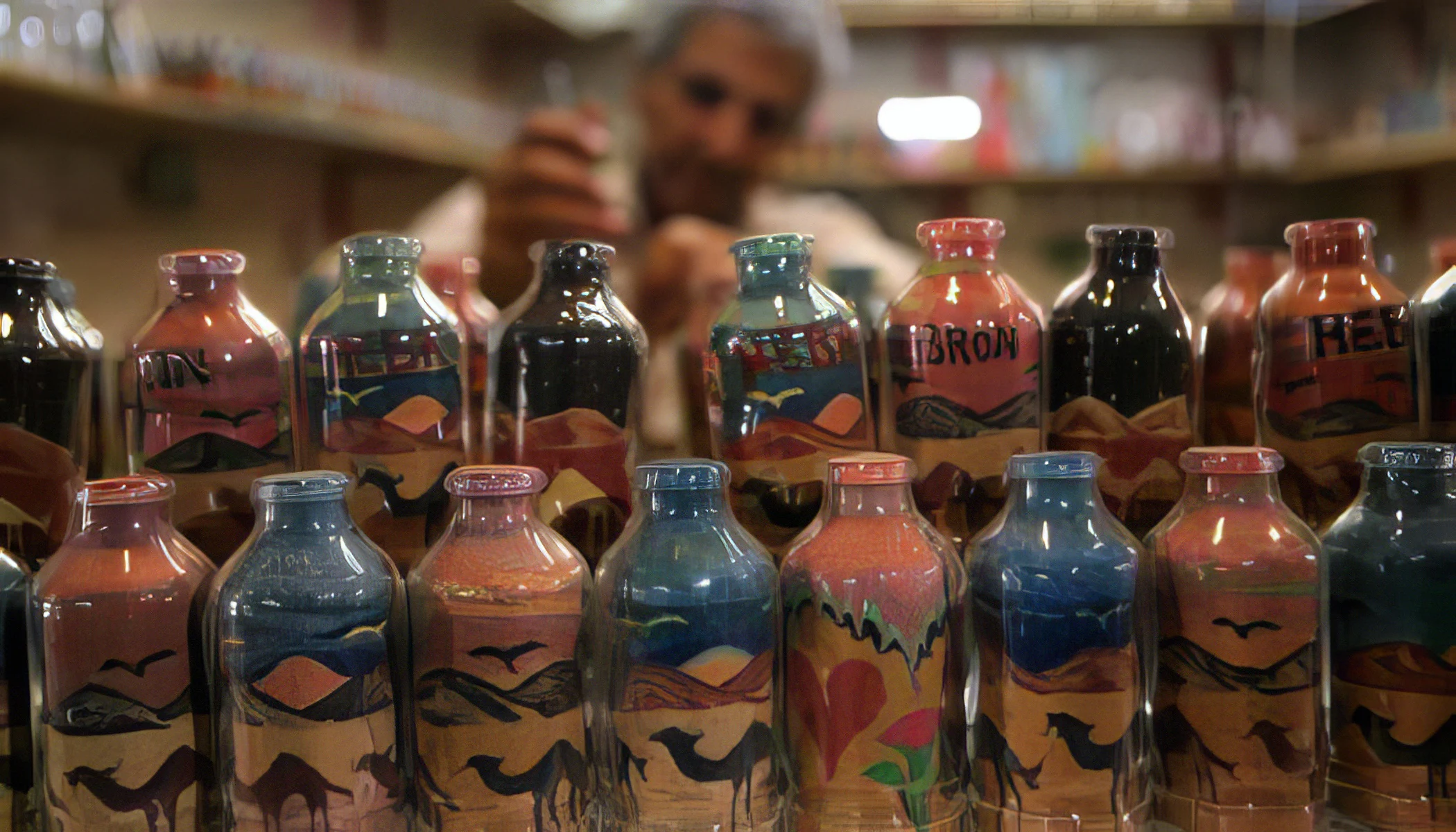
Rich in culture and history, Palestine supplies a variety of unique souvenirs. Here are some popular choices:
– Olive Wood Carvings: Handcrafted items made from Bethlehem's olive wood, often featuring religious themes.
– Pottery and Ceramics: Traditional Palestinian pottery is known for its remarkable colors and refined designs.
– Hebron Glass: Beautifully crafted glassware made using ancient methods in Hebron.
– Embroidered Textiles: Remarkable embroidery on clothing and accessories, reflecting Palestinian heritage.
– Dead Sea Products: Skincare products made with minerals from the Dead Sea.
– Traditional Keffiyeh: The black-and-white checkered scarf is a symbol of Palestinian identity.
– Spices and Herbs: Local spices like za'atar offer a taste of Palestinian cuisine.
Traditional Shows
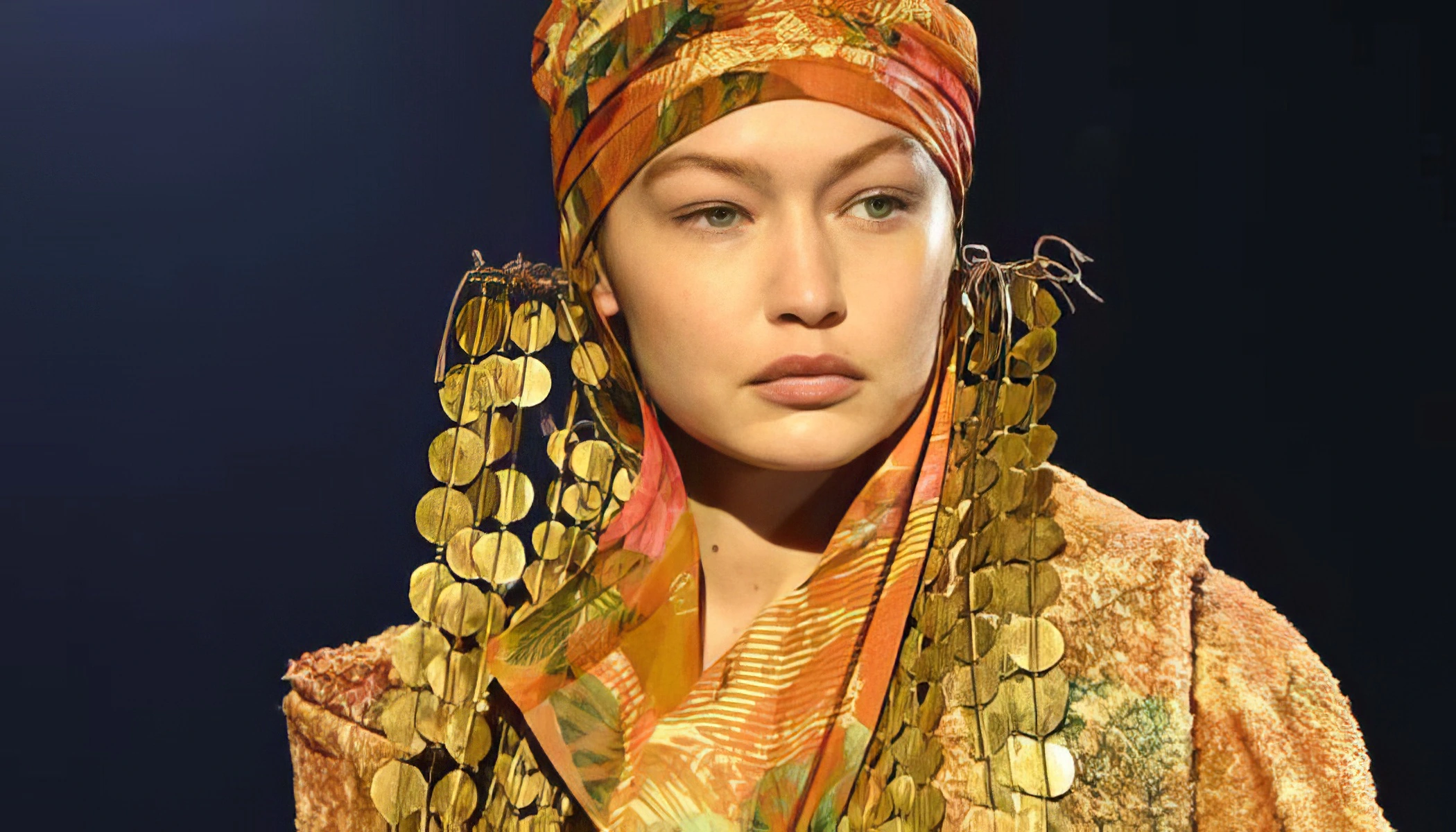
Palestine supplies a variety of traditional art performances:
– Dabke Dance: A energetic folkloric dance performed at weddings and festivals across Palestine showcasing community spirit and energy.
– Zajal Poetry: Experience this oral poetry tradition where poets engage in friendly, rhythmic battles, popular in Palestinian gatherings and cultural events.
– Maqam Music: Enjoy traditional Arabic music featuring complex scales and improvisation, performed by skilled musicians in cultural centers in cities like Ramallah.
– Oud Performances: Listen to the rich sounds of the oud, a traditional stringed instrument, highlighting Palestine's musical heritage in concerts throughout the region.
– Folklore Ensemble Shows: Witness performances combining music, dance, and storytelling that preserve Palestinian cultural tales, typically staged during national celebrations.
Events & Festivals
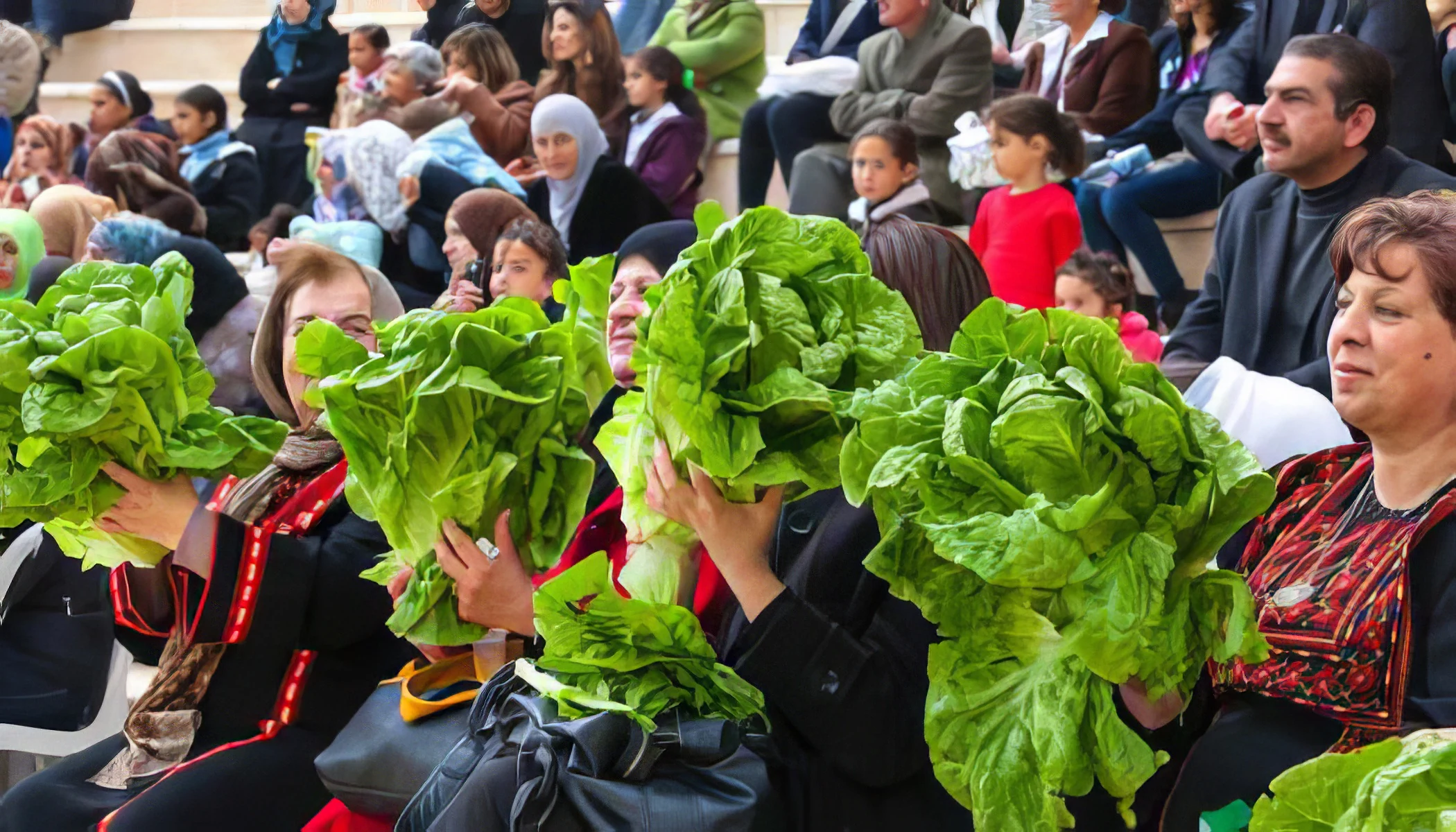
Several cultural and religious festivals mark the Palestinian calendar each year:
– Christmas in Bethlehem: Celebrated on December 25 with a midnight mass at the Church of the Nativity.
– Eid al-Fitr: Marks the end of Ramadan with prayers, feasting, and charity, based on the lunar calendar.
– Olive Harvest Festival: Celebrated in October/November, highlighting traditional olive harvesting practices.
– Eid al-Adha: Commemorates Abraham's sacrifice with prayers and feasting, following the Hajj pilgrimage.
– West Bank Spring Fair: Held in March/April showcasing local crafts, food, and performances.
– Palestinian Heritage Day: October 7 event celebrating culture with traditional music, dance, and crafts.
– Jerusalem Festival: July event featuring music concerts and cultural performances across various venues.
Famous People

Palestine has been home to numerous influential individuals across various fields throughout its history.
– Yasser Arafat (1929 to 2004, Cairo): Political leader and chairman of the Palestine Liberation Organization, major figure in Palestinian self-determination efforts.
– Mahmoud Darwish (1941 to 2008, Al-Birwa): Renowned poet and author, celebrated for his works focused on Palestinian identity and exile.
– Edward Said (1935 to 2003, Jerusalem): Intellectual and literary critic known for his groundbreaking work "Orientalism," influencing post-colonial studies.
– Leila Khaled (born 1944, Haifa): Member of the Popular Front for the Liberation of Palestine, famous for her role in airline hijackings.
– Hanan Ashrawi (born 1946, Nablus): Politician and scholar who became a prominent spokesperson for the Palestinian cause during peace negotiations.
Books
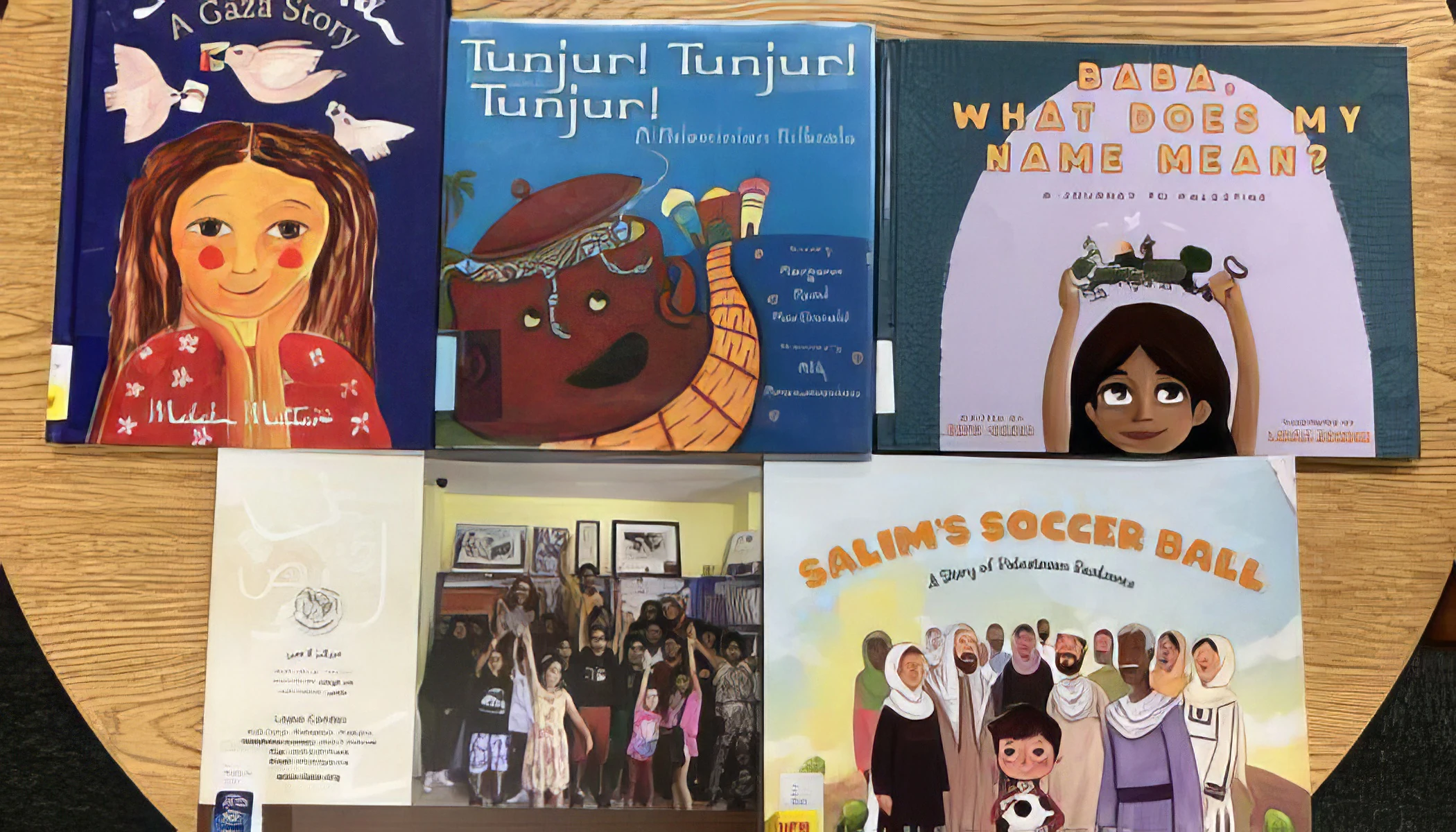
These books delve into various aspects of life in Palestine, capturing its historical, political, and cultural contexts through personal narratives and fiction.
– "Mornings in Jenin" by Susan Abulhawa: Follows a Palestinian family's displacement across four generations.
– "The Lemon Tree" by Sandy Tolan: Chronicles the friendship between a Palestinian and an Israeli amid conflict.
– "In Search of Fatima" by Ghada Karmi: A memoir recounting a family's exile from their Jerusalem home in 1948.
– "I Saw Ramallah" by Mourid Barghouti: A poetic memoir about returning to Palestine after 30 years in exile.
– "Palestine's Children" by Ghassan Kanafani: Short stories depicting Palestinian children's resilience amid turmoil.
Songs
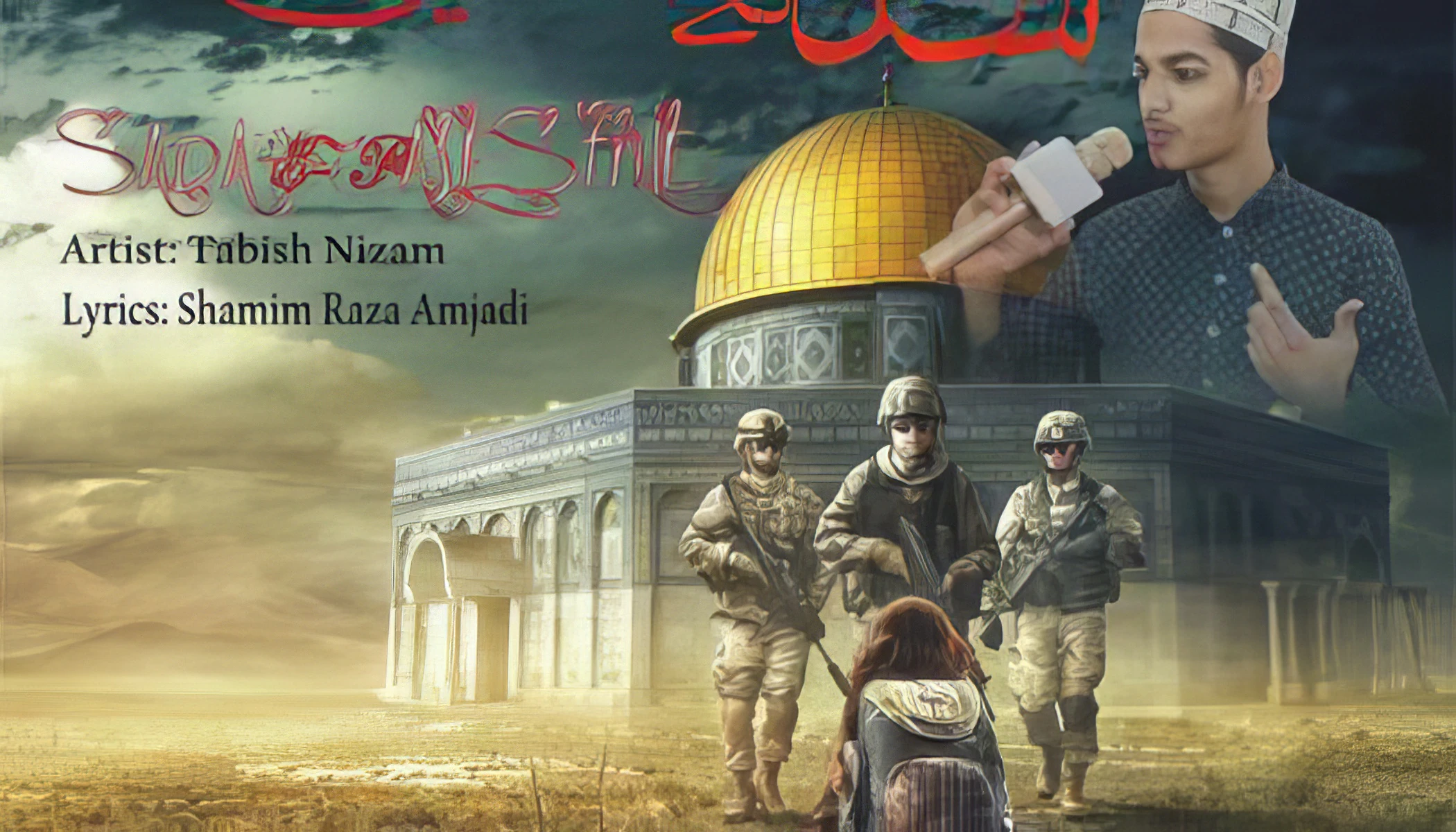
Palestinian music often highlights themes of resistance, longing, and cultural identity through its powerful melodies and evocative lyrics.
– Al-Quds Al Atika: A poetic song by Marcel Khalife celebrating Jerusalem's ancient history.
– Ya Tala' Al-Badr: Traditional Palestinian folk song cherished for its hopeful message.
– Mawtini: Nationalistic anthem expressing love and hope for Palestine's future.
– Sanarjaou Yawman: Sung by Fairuz, invoking dreams of returning to Palestine.
– Ghorbah: Rim Banna's emotional track capturing the Palestinian diaspora experience.
– Biladi: National song that resonates with Palestinian pride and resilience.
Films
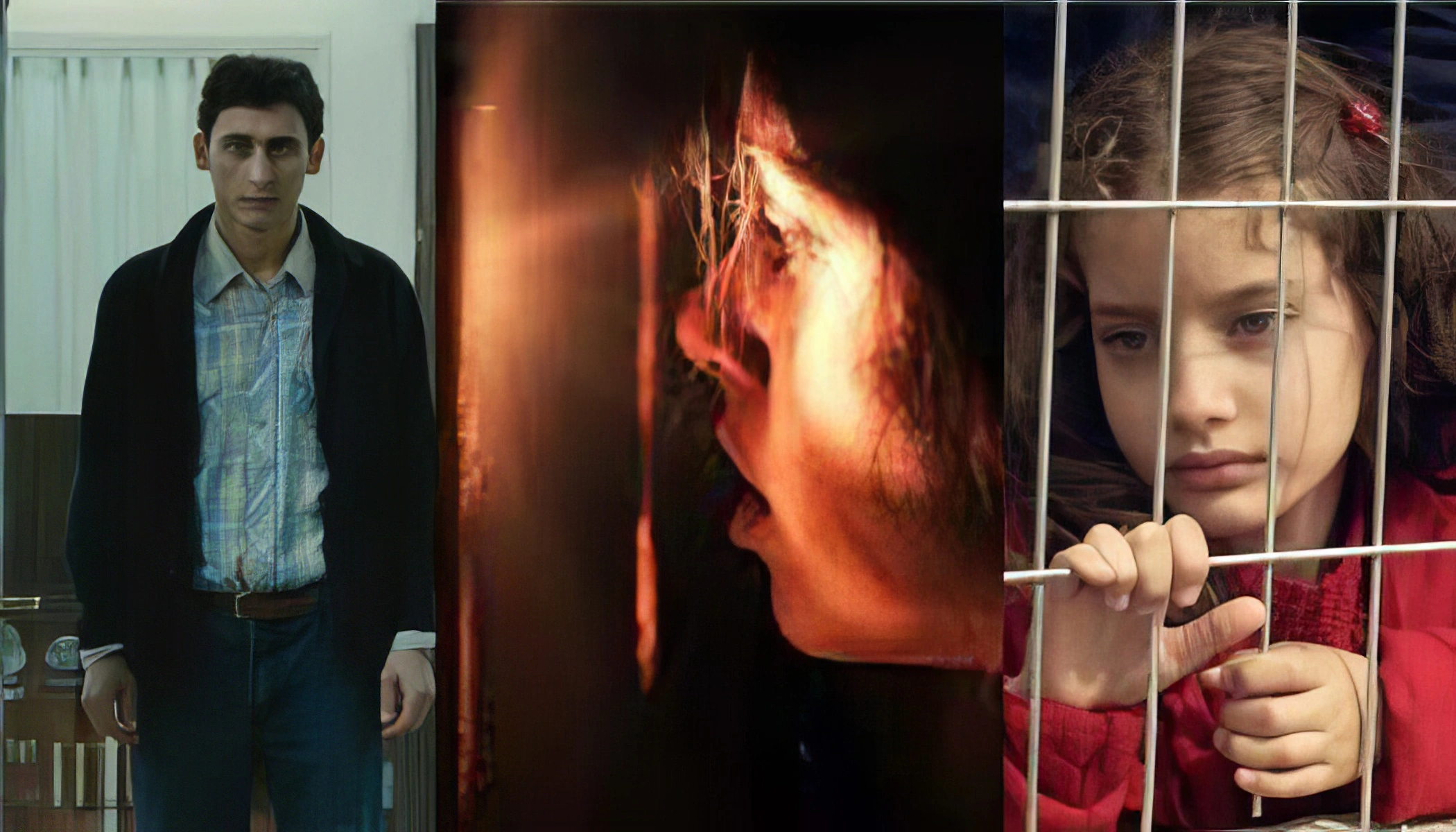
A list of notable films that provide insight into the Palestinian experience:
– "Paradise Now": Directed by Hany Abu-Assad, follows two friends recruited for a suicide bombing mission.
– "Omar": Hany Abu-Assad's thriller about a young Palestinian navigating love and betrayal under occupation.
– "The Time That Remains": Elia Suleiman's semi-autobiographical film spans the creation of Israel to today.
– "Rana’s Wedding": Hany Abu-Assad tells about a young woman's quest to marry her lover in Jerusalem amidst conflict.
– "5 Broken Cameras": Documentary by Emad Burnat, chronicles nonviolent resistance in a West Bank village.