

Panama Attractions & Travel Advice – Plan Your Visit
Located at the crossroads of North and South America, this country is known for its famous canal connecting the Atlantic and Pacific Oceans. It features diverse ecosystems, beautiful cities, and rich cultural heritage, offering a blend of modernity and tradition.
- Capital
- Panama City
- Population
- 3.5 millions
- Superficy
- 79000 sq.km
- Months to Visit
- Dec. to April
- Living Cost
- Moderate
Overview
Panama, located in Central America, is best known for the Panama Canal, a crucial waterway connecting the Atlantic and Pacific Oceans. The capital, Panama City, is a modern metropolis with a lovely skyline and historic districts like Casco Viejo. The country features diverse ecosystems, including rainforests and beaches on both its Caribbean and Pacific coasts. Panama's economy benefits from its strategic location and financial services sector. The nation is culturally diverse, with influences from indigenous groups, Afro-Caribbean communities, and Spanish colonial history. Tourism in Panama provides opportunities for exploring natural beauty and understanding its unique role in global trade.
Pros & Cons
GOOD REASONS TO VISIT PANAMA
– Panama Canal: Witness engineering marvel connecting Atlantic and Pacific, offering fascinating tours and historical insights.
– Biodiverse Ecosystems: Explore rainforests, national parks, and wildlife, including Coiba National Park's marine life.
– Cultural Diversity: Experience a blend of indigenous, Spanish, and Afro-Caribbean influences in food, music, and festivals.
– Beautiful Beaches: Relax on wonderful beaches in Bocas del Toro and San Blas Islands with clear waters.
– Modern Cityscape: Panama City offers lovely nightlife, shopping malls, and the historic Casco Viejo district. CHALLENGES WHEN VISITING PANAMA
– High Humidity: Tropical climate means high humidity; can be uncomfortable for those unaccustomed to such weather.
– Language Barrier: Spanish is predominant; limited English proficiency outside tourist areas may pose communication challenges.
– Traffic Congestion: Panama City experiences heavy traffic; plan travel times accordingly to avoid delays.
Before Departure
Before traveling to Panama, consider the following essential information:
– Passport: Ensure your passport is valid for at least three months beyond your intended departure date.
– Visa: Many nationalities can enter visa-free for up to 90 days; check specific requirements based on nationality.
– Currency: The official currency is the Balboa, but U.S. dollars are widely used; credit cards accepted in cities; ATMs are common.
– Internet access: WiFi is available in urban areas and hotels; purchase a local SIM card from providers like Claro or Movistar for data plans.
– Language barrier: Spanish is the official language; English is spoken in tourist areas but less so in rural regions.
What to Pack
Exploring Panama requires preparation for its tropical climate and diverse landscapes, from beaches to rainforests.
– Essentials: Passport, travel insurance, flight tickets, itinerary, accommodation confirmations, and any necessary visas or entry requirements.
– Clothing: Lightweight clothing for warm weather, comfortable walking shoes, swimwear for beaches, rain jacket or poncho for sudden showers, hat and sunglasses.
– Health & Safety: Prescription medications, basic first aid kit, insect repellent for mosquitoes, sunscreen with high SPF.
– Electronics: Travel adapter for Panamanian outlets (Type A/B), mobile phone with charger, camera for capturing scenic views.
Weather
Panama has a tropical climate with distinct wet and dry seasons:
– Dry Season (December to April): Characterized by sunny days, low humidity, and little to no rainfall.
– Wet Season (May to November): Frequent rain showers, high humidity, and occasional thunderstorms, especially in the afternoons. The best time to visit Panama is during the dry season from December to April.
– Pros: Ideal weather for outdoor activities and exploring beaches; less rain and lower humidity.
– Cons: Higher tourist traffic and prices for accommodations may increase during this peak season.
Travel Budget
Panama supplies a range of prices suitable for different budgets. Here are some average costs for tourists:
– Hotel: 50$ to 150$
– Lunch: 5$ to 20$
– Beverage (in bar/restaurant): 2$ to 6$
– Coffee: 2$ to 4$
– Transportation: (train not widely available), (bus 0.25$ to 1.5$), (taxi /10km 10$ to 15$)
– Mobile data (per GB): 3$ to 5$
Language
In Panama, Spanish is the official language, and here are some useful phrases for tourists:
– Hello: Hola
– Thank you: Gracias
– Please: Por favor
– How much is this?: ¿Cuánto cuesta esto?
– Excuse me: Perdón
– I don't understand: No entiendo
– Yes: Sí
– No: No
– Goodbye: Adiós
History
Originally inhabited by indigenous peoples, it became a strategic Spanish colony in the 16th century due to its location as a crossing point between the Atlantic and Pacific Oceans. It was part of Colombia after gaining independence from Spain in 1821. In 1903, with support from the United States, Panama declared independence from Colombia. The construction of the Panama Canal, completed in 1914 by the United States, significantly influenced its economy and global importance. Control over the canal zone remained under U.S. jurisdiction until it was handed over to Panama on December 31, 1999. Today, the canal remains a critical component of international maritime trade and highlights Panama's historical role as a global transit hub.
Geopolitics
Located at the crossroads of North and South America, Panama holds a strategic position due to the Panama Canal, a critical international maritime route connecting the Atlantic and Pacific Oceans. The canal significantly influences global trade and geopolitics, making Panama an important ally to many powerful countries, particularly the United States. The country has maintained a neutral stance in international conflicts to safeguard its position as a global shipping hub. As a member of various international organizations like the United Nations and the Organization of American States (OAS), Panama actively participates in regional diplomacy. Economic ties with China have grown in recent years, with Chinese enterprises investing in infrastructure projects related to the canal. Despite this, Panama continues to maintain strong relationships with Western nations to balance its foreign policy interests.
Sample Itinerary
This itinerary covers the Panama Canal, charming city life in Panama City, and natural beauty in Bocas del Toro and Boquete.
– 1 day in Panama City: Visit the Panama Canal at Miraflores Locks, explore the historic Casco Viejo, and enjoy views from Ancon Hill.
– 1 day in San Blas Islands: Relax on pristine beaches, snorkel in clear waters, and experience indigenous Guna Yala culture.
– 2 days in Bocas del Toro: Discover island beaches, go snorkeling or scuba diving, and enjoy laid-back Caribbean vibes.
– 2 days in Boquete: Explore cloud forests with hiking or birdwatching. Visit coffee plantations and relax at hot springs.
– 1 day in Anton Valley: Hike La India Dormida, visit El Nispero Zoo and Botanical Garden, and shop at local markets before departure.
Popular cities
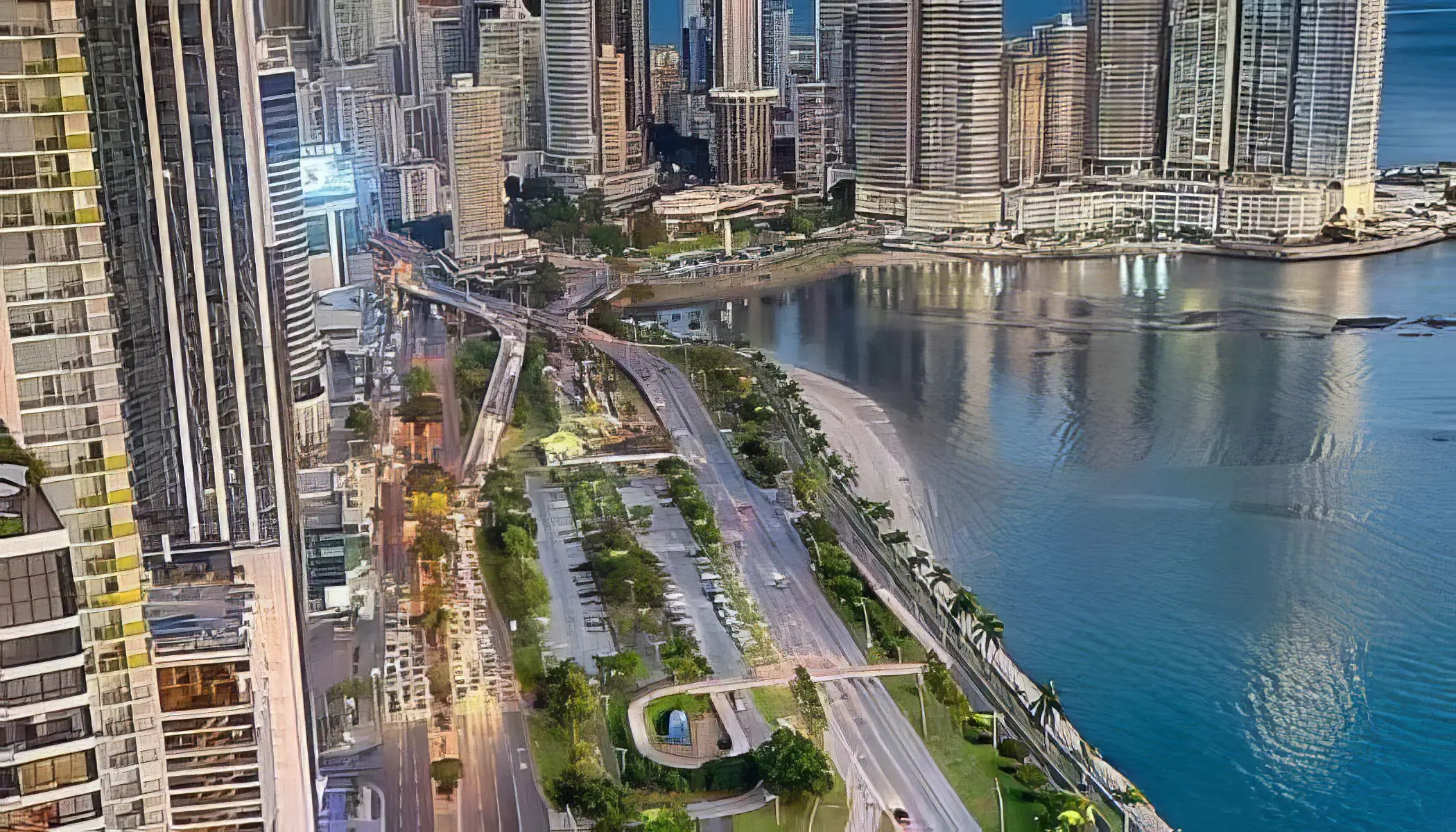
Explore Panama's diverse cities combining history, culture, and natural beauty:
– Panama City: The capital has a mix of modern skyline, historic Casco Viejo, and the famous Panama Canal.
– Boquete: Known for its cool climate, coffee farms, and opportunities for outdoor activities like hiking.
– Bocas del Toro: Provides beautiful islands with beaches and pretty wildlife, ideal for relaxation and snorkeling.
– David: A gateway to explore nearby mountains and coastal areas with a growing urban center.
– Colon: Known for its proximity to the Caribbean entrance of the Panama Canal and animated Free Trade Zone.
– El Valle de Anton: A small town set in a volcanic crater, known for its markets, waterfalls, and hiking trails.
– Chitre: Features colonial architecture, local festivals, and a glimpse into traditional Panamanian life.
Monuments
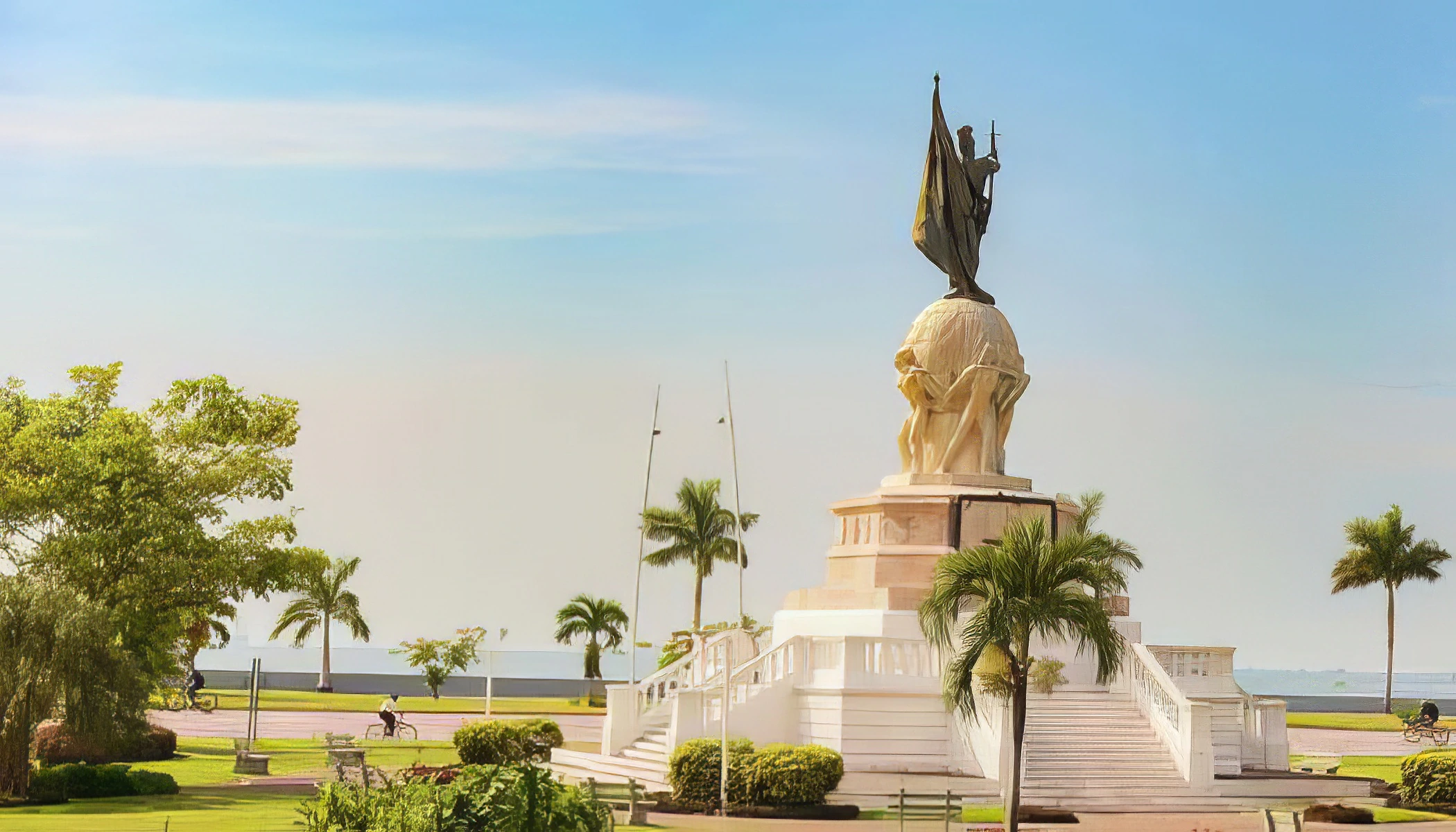
Panama offers a range of historical and architectural sites to explore:
– Panama Viejo: Ruins of the original 16th-century settlement and a UNESCO World Heritage Site.
– Casco Viejo, Panama City: Historic district with colonial-era buildings and magnificient cultural spots.
– Biomuseo, Panama City: Designed by Frank Gehry, showcasing Panama's biodiversity and history.
– Miraflores Locks, Panama Canal: Observation site for viewing ships passing through the famous canal.
– San Lorenzo Fort, Colon: 17th-century Spanish fort overlooking the Caribbean Sea.
– Metropolitan Cathedral, Panama City: Iconic church in Casco Viejo dating back to the 18th century.
– Bridge of the Americas: Vital bridge connecting North and South America over the Panama Canal.
– Gatun Locks, Colon: Part of the canal's lock system, crucial for maritime passage.
Natural wonder
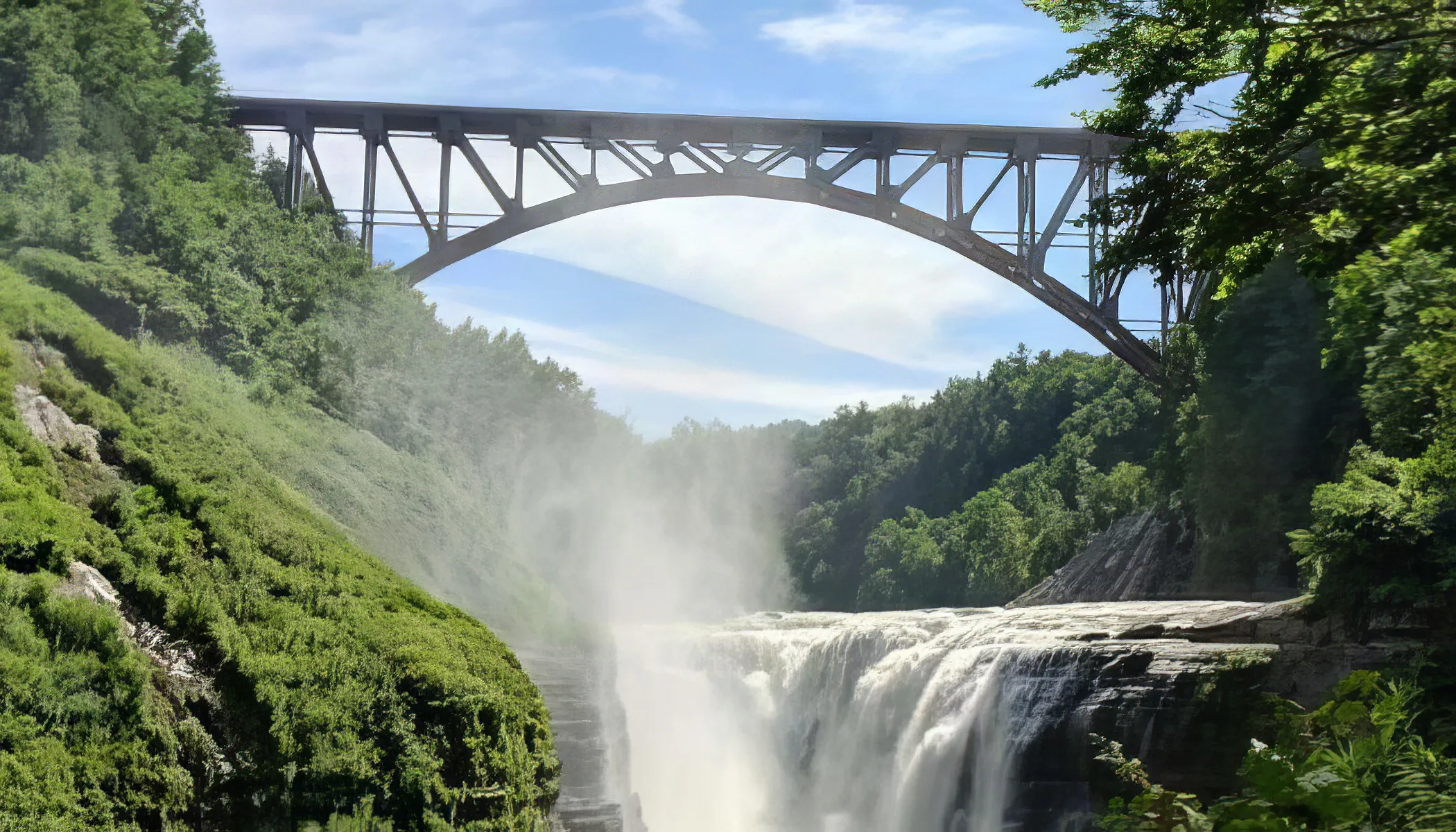
Panama provides diverse natural attractions worth exploring:
– Soberanía National Park: Known for its rich birdlife and the famous Pipeline Road.
– Coiba National Park: UNESCO site with rich marine biodiversity, offering snorkeling and diving opportunities.
– Baru Volcano: The highest point in Panama, providing views of both the Pacific and Atlantic Oceans.
– San Blas Islands: Over 300 islands known for their beautiful coral reefs and clear waters.
– Darien National Park: UNESCO World Heritage Site with dense rainforests and diverse wildlife.
– Gulf of Chiriquí Marine National Park: Provides crystalline beaches and coral reefs, perfect for snorkeling.
– Isla Bastimentos National Marine Park: Known for its mangroves, sea turtle nesting sites, and coral reefs.
– El Valle de Anton: A volcanic caldera with cloud forests, waterfalls, and hot springs.
– Metropolitan Natural Park: An urban park home to tropical woodland and wildlife viewing trails.
– Chagres National Park: Encompasses rainforest landscapes crucial for Panama Canal's water supply system.
Beaches
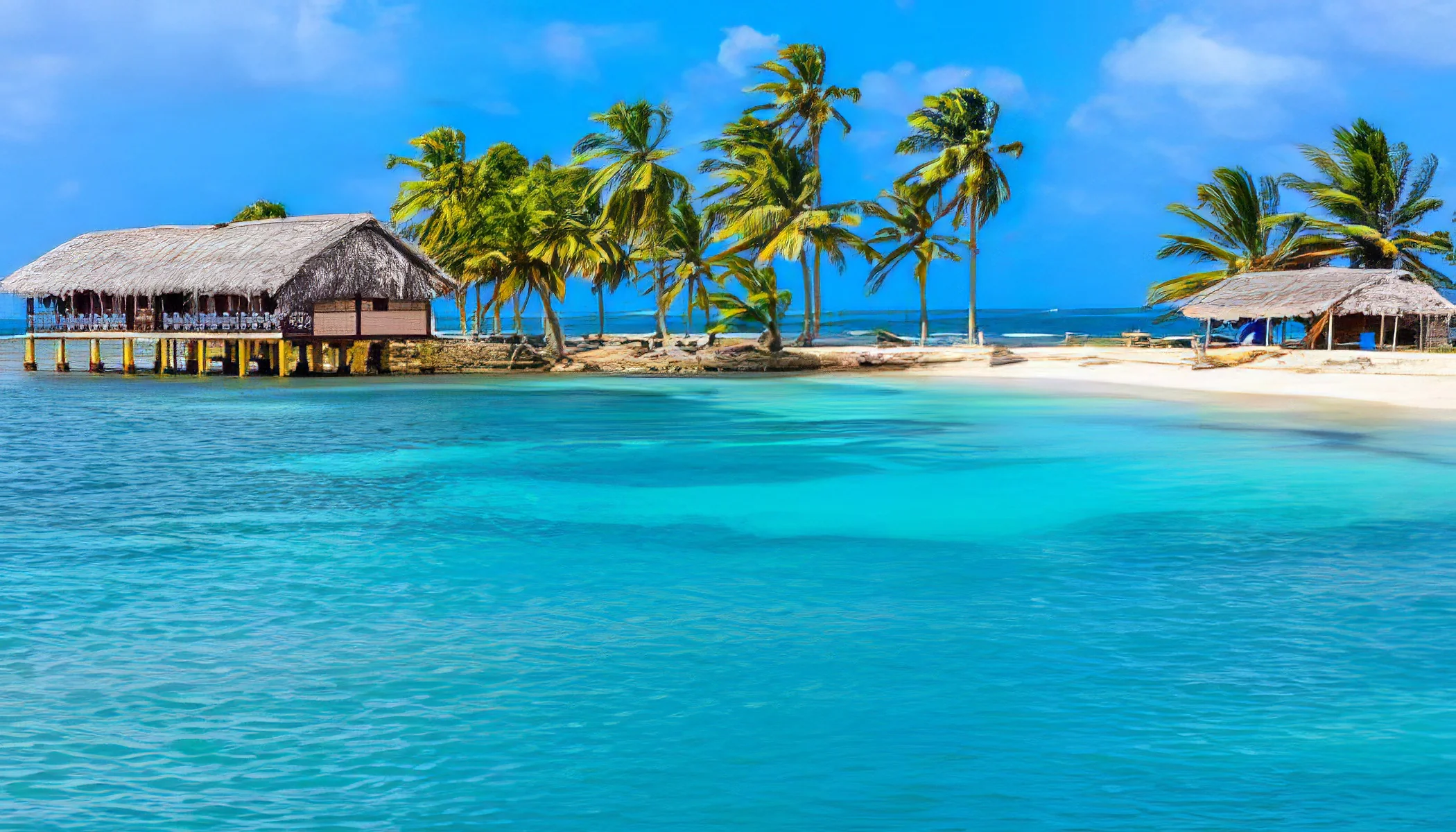
Panama provides a variety of lovely beaches on both the Pacific and Caribbean coasts.
– Bocas del Toro: Known for its clear waters and beautiful marine life in the Caribbean.
– San Blas Islands: Provides pristine, undeveloped beaches ideal for relaxation and snorkeling.
– Playa Venao: Popular surf spot with a laid-back atmosphere on the Pacific coast.
– Red Frog Beach: Accessible by water taxi, known for its luxurious surroundings and clear waters.
– Santa Catalina Beach: Great for surfing and gateway to Coiba National Park.
– Contadora Island Beaches: Features beautiful white sand beaches in the Pearl Islands archipelago.
– Coronado Beach: A popular weekend getaway with gray sands and nearby amenities.
Outdoor activities
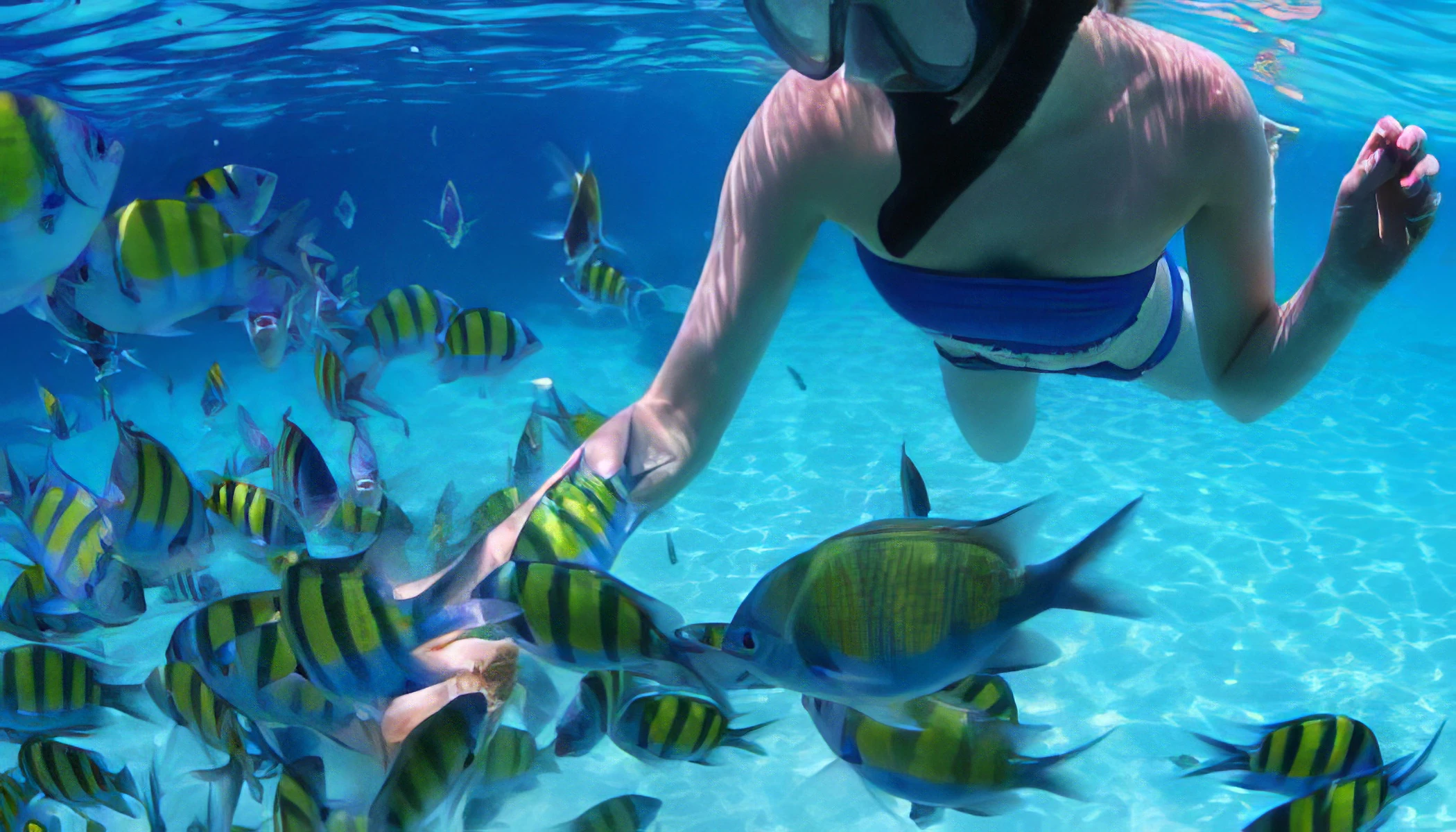
Outdoor enthusiasts will find a variety of activities to enjoy in Panama:
– Hiking in Boquete: Explore cloud forests and enjoy views of Volcán Barú.
– Kayaking on Gatun Lake: Paddle near the Panama Canal and observe diverse wildlife.
– Snorkeling in Bocas del Toro: Discover colorful coral reefs and abundant marine life.
– Surfing at Santa Catalina: Ride some of Central America's best waves.
– Birdwatching in Soberania National Park: Spot rare bird species along the Pipeline Road.
– Zip-lining in El Valle de Antón: Glide through treetops in a opulent volcanic crater.
– White-water Rafting on Chagres River: Experience thrilling rapids amidst tropical scenery.
Kid Friendly
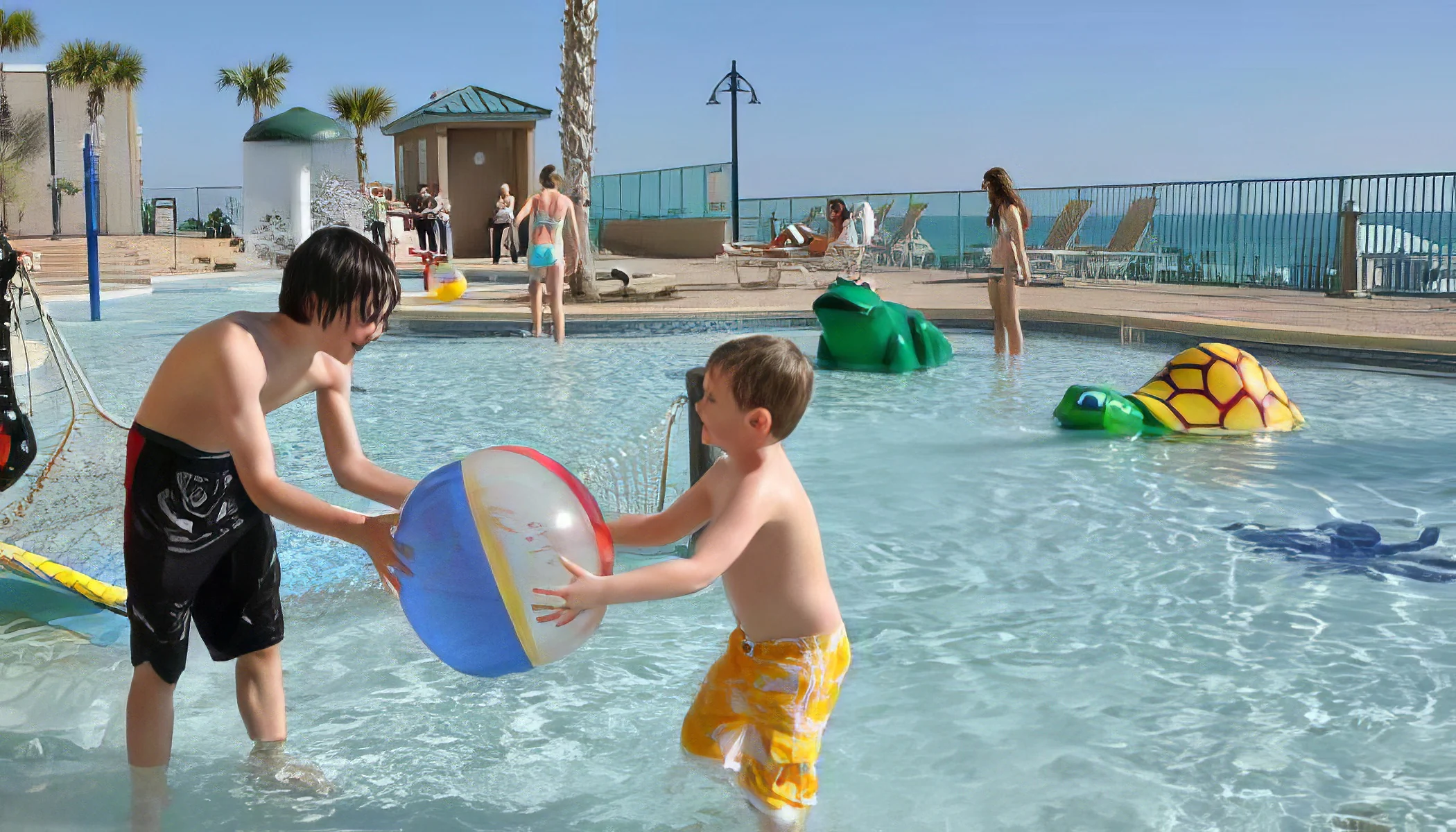
Panama provides many engaging activities for families with children.
– Panama Canal: Watch massive ships pass through this engineering marvel, a unique experience for all ages.
– Biomuseo: A colorful museum in Panama City that teaches kids about biodiversity and the natural world.
– Gamboa Rainforest Resort: Explore the rainforest and see wildlife like monkeys and toucans on guided tours.
– Metropolitan Natural Park: Close to the city, this park provides hiking trails where kids can spot birds and iguanas.
– Punta Culebra Nature Center: Located on Amador Causeway, it provides interactive exhibits about marine life and ecosystems.
– Mi Pueblito: An open-air museum showcasing traditional Panamanian cultures with replicas of rural villages.
– Isla Taboga: Known as the "Island of Flowers," it's perfect for family beach outings and calm waters.
– El Nispero Zoo & Botanical Garden: In El Valle de Anton, it's a small zoo where kids can see local animals up close.
Cuisine
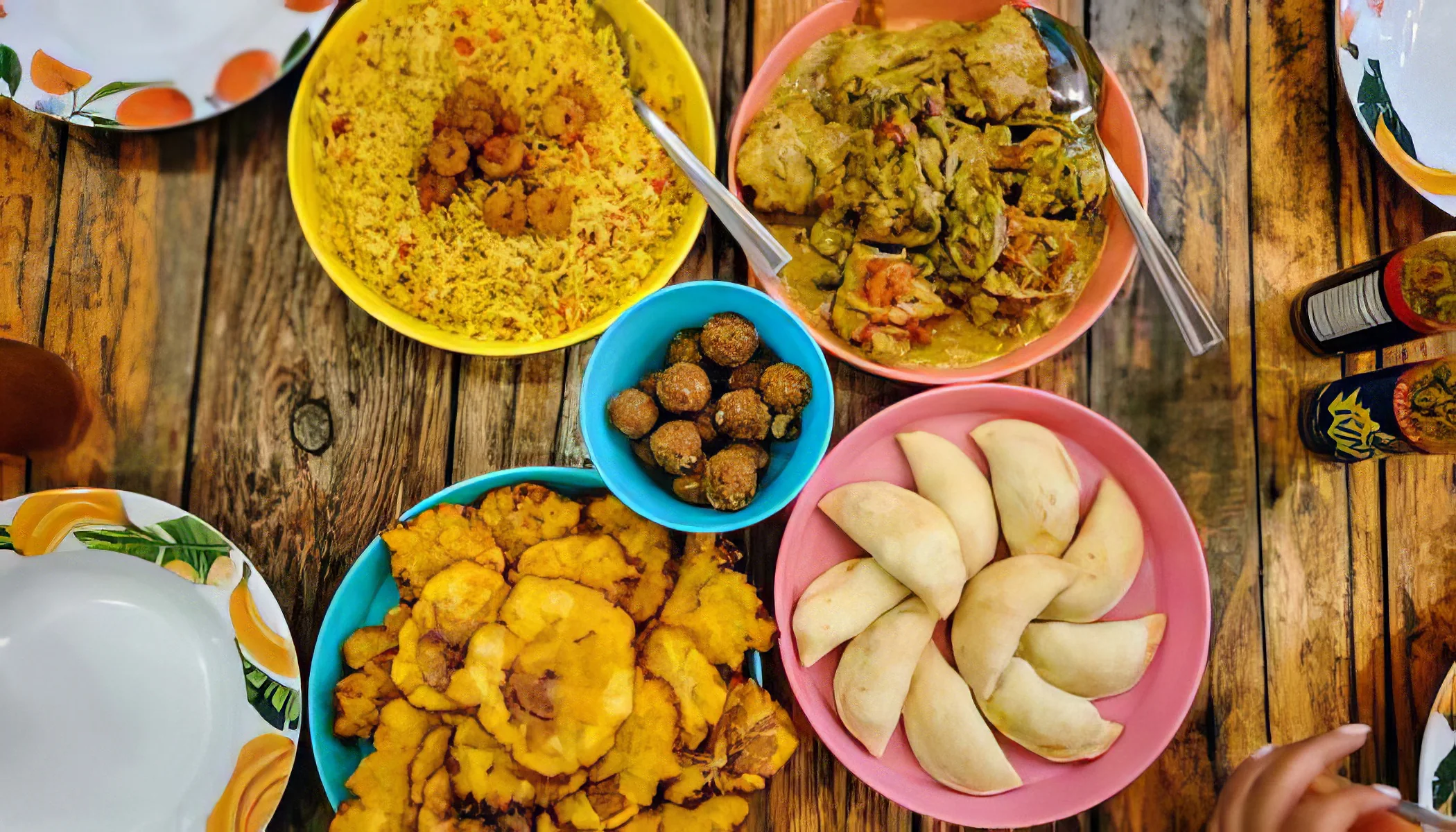
Panamanian cuisine reflects a mix of Indigenous, Spanish, and African influences, offering hearty and diverse dishes. Rice, beans, and tropical fruits are staples in everyday meals. Street food is popular and showcases the country's lively culinary culture. Most famous cuisine in Panama are:
– Sancocho: Traditional chicken soup with root vegetables, corn, and herbs.
– Ropa Vieja: Shredded beef simmered with tomatoes, bell peppers, and spices.
– Arroz con Pollo: Yellow rice cooked with chicken, vegetables, and spices.
– Patacones: Fried green plantain slices seasoned with salt.
– Tamales: Cornmeal dough filled with meat or vegetables, wrapped in banana leaves.
Souvenir
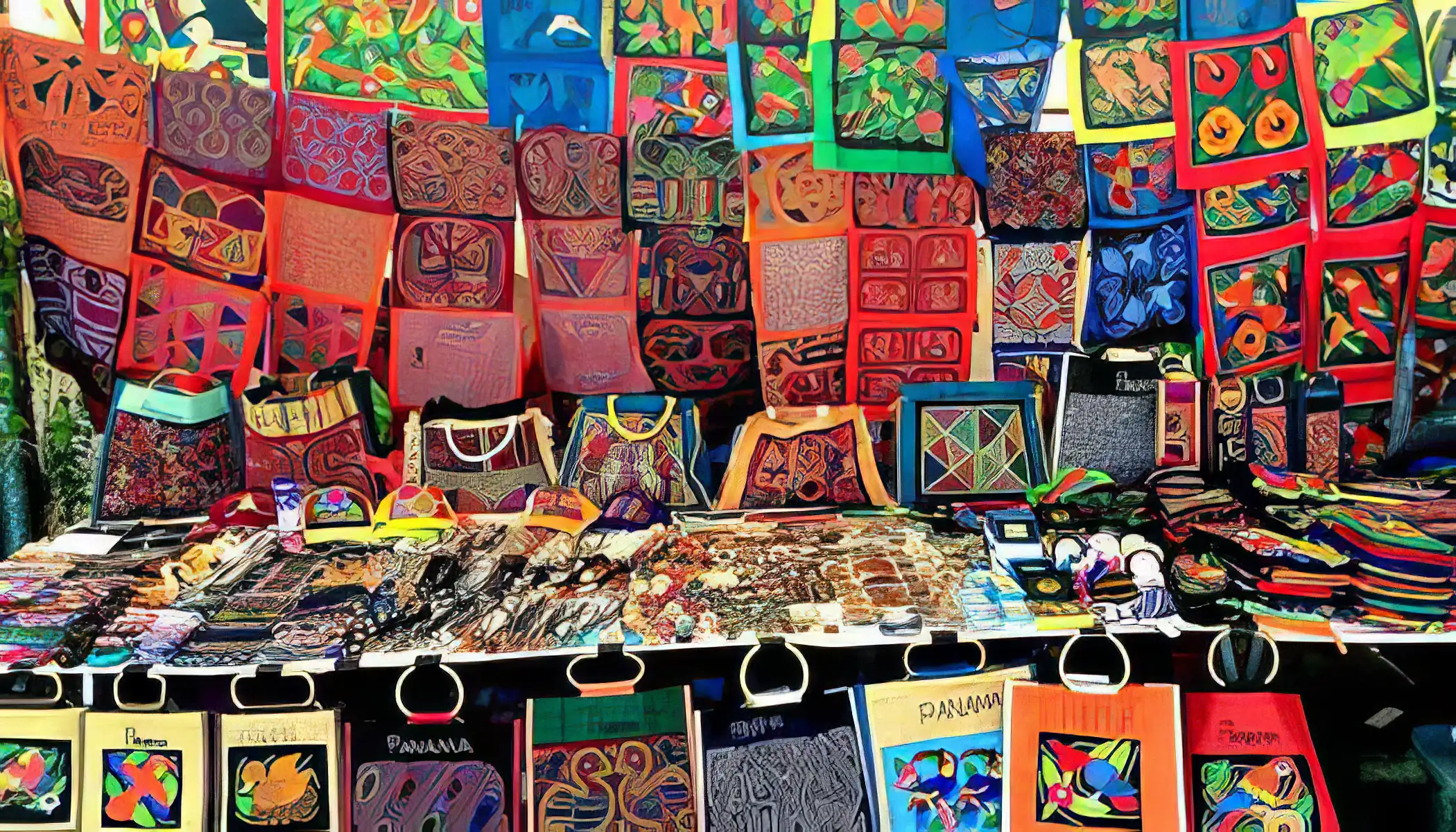
Known for its rich culture and traditions, Panama supplies a variety of unique souvenirs. Here are some to consider:
– Molas: Handcrafted textiles made by the Kuna people featuring nice geometric designs.
– Panama Hats: Despite the name, these hats originated in Ecuador but are popular in Panama.
– Handmade Jewelry: Look for jewelry crafted from local materials like tagua nuts and cocobolo wood.
– Coffee: Panamanian coffee, especially from Boquete, is renowned for its quality and flavor.
– Chacara Bags: These are eco-friendly woven bags made from natural fibers by the Ngäbe-Buglé people.
– Ron Abuelo Rum: A well-known Panamanian rum that's a favorite among visitors.
– Wooden Carvings: Intricately carved pieces often depict wildlife or indigenous scenes and make great keepsakes.
Traditional Shows
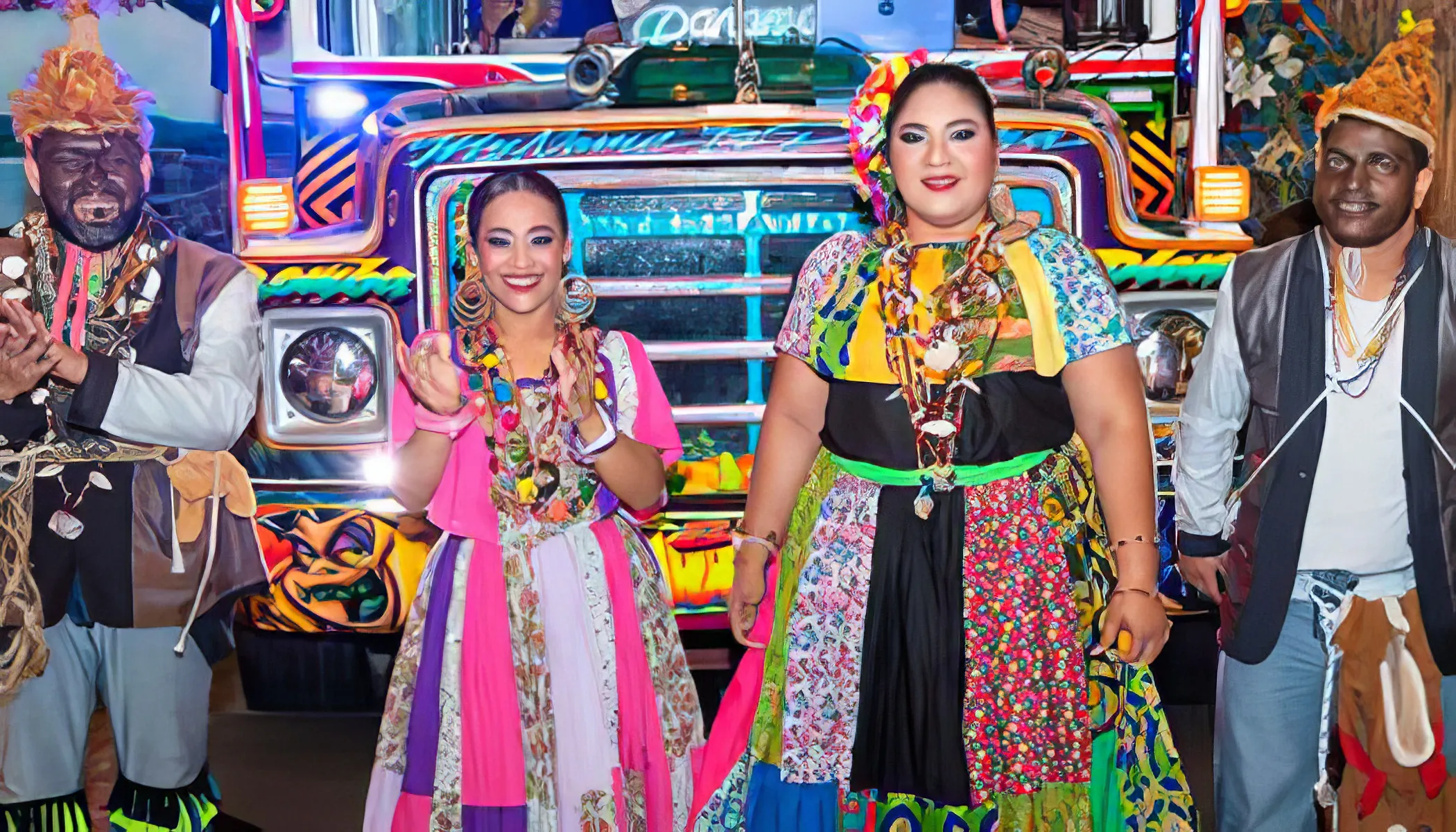
Panama offers a rich selection of traditional music and art performances:
– Tamborito Dance: Experience Panama's national dance featuring lively rhythms and community participation, often seen during festivals in Panama City.
– Cumbia Music: Enjoy this blend of African, Indigenous, and Spanish influences in pleasant performances across the country, especially popular at local celebrations.
– Diablos de Espejos: Witness this unique folk dance with colorful costumes and mirrored masks, often performed during the Carnival in Las Tablas.
– Saloma Singing: Listen to this traditional vocal style used by Panamanian farmers to communicate across fields, reflecting rural life and practices.
– Mejorana Music: Discover traditional string music played on the mejoranera guitar, prominent in rural areas and at cultural events throughout Panama.
Events & Festivals
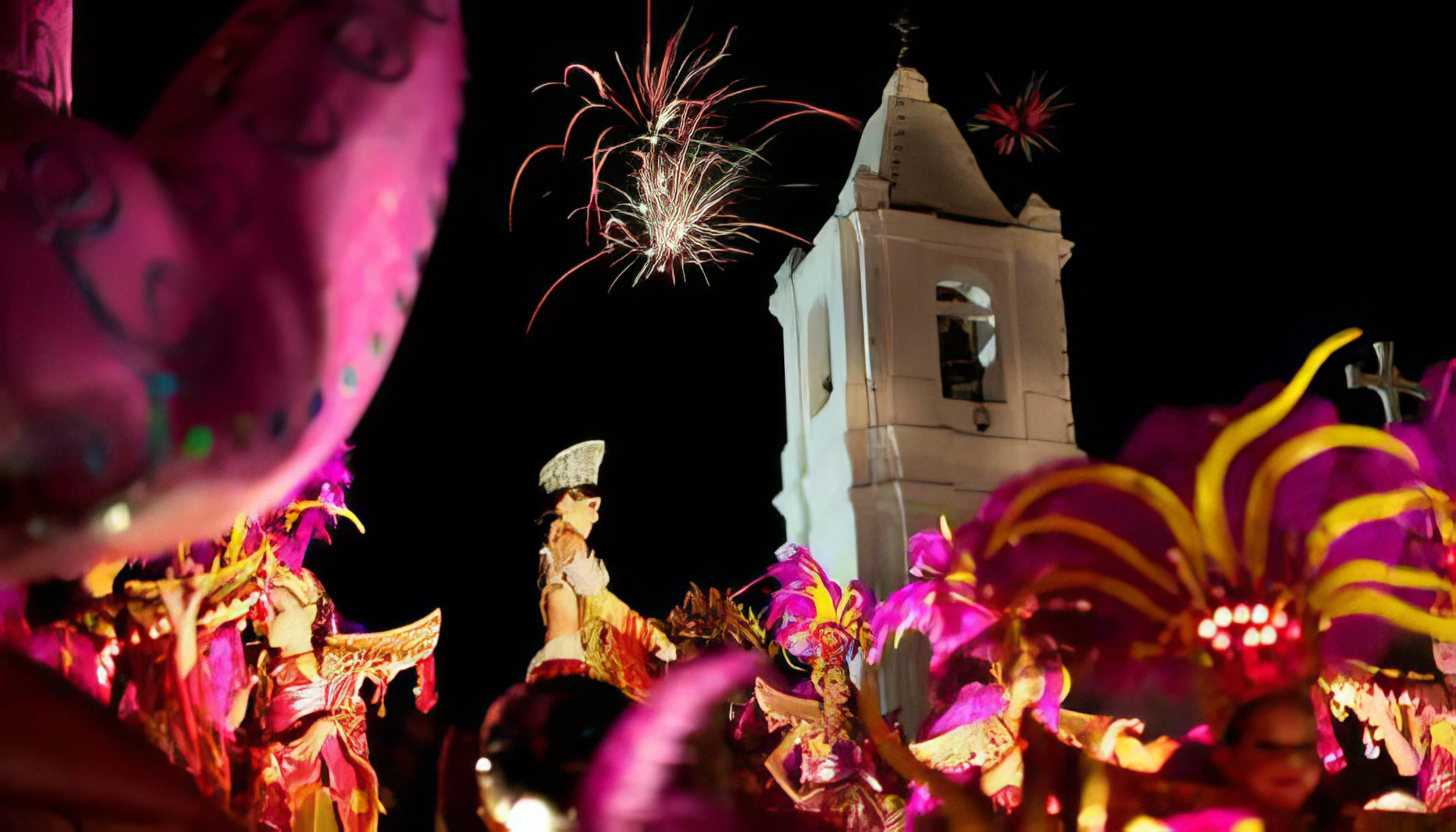
Panama hosts diverse events and festivals throughout the year, celebrating its culture and traditions:
– Panama Jazz Festival: January event in Panama City, featuring international jazz musicians and educational workshops.
– Carnaval de Las Tablas: February celebration in Las Tablas with parades, music, and traditional dances.
– Semana Santa: Holy Week in March/April with religious processions and ceremonies nationwide.
– Festival de la Mejorana: September festival in Guararé showcasing folkloric music, dance, and crafts.
– Independence Day Celebrations: November 3 marks Panama's separation from Colombia with parades and festivities.
– Pollera Festival: July event in Las Tablas highlighting traditional dresses with pageants and dancing.
– Corpus Christi Festival: June event in La Villa de Los Santos featuring religious ceremonies and unique traditional dances.
Famous People

Panama is home to many influential figures who have made significant contributions to politics, sports, and the arts.
– Manuel Noriega (1934 to 2017, Panama City): Military leader and de facto ruler of Panama from 1983 to 1989.
– Mariano Rivera (born 1969, Panama City): Legendary Major League Baseball pitcher known for his career with the New York Yankees.
– Rubén Blades (born 1948, Panama City): Renowned musician and actor celebrated for his contributions to salsa music and Latin American culture.
– Mireya Moscoso (born 1946, Pedasí): First female president of Panama, serving from 1999 to 2004.
– Ricardo Miró (1883 to 1940, Panama City): Celebrated poet known as one of the most important figures in Panamanian literature.
Books

These books provide insights into Panama's history, politics, and cultural landscape through various narratives and perspectives.
– "The Tailor of Panama" by John le Carré: A British spy drama set against the backdrop of political intrigue in Panama.
– "The Path Between the Seas" by David McCullough: Chronicles the epic story of the construction of the Panama Canal.
– "The Emperors of Chocolate" by Joel Glenn Brenner: Includes exploration of global chocolate industry with ties to Panamanian operations.
– "Chasing the Jaguar" by Michele Dominguez Greene: A young adult novel blending modern life and ancient myths in Panama.
– "A Tropical Frontier: The Adventure Begins" by Tim Robinson: Historical fiction highlighting early life around the time of the canal's creation.
Songs
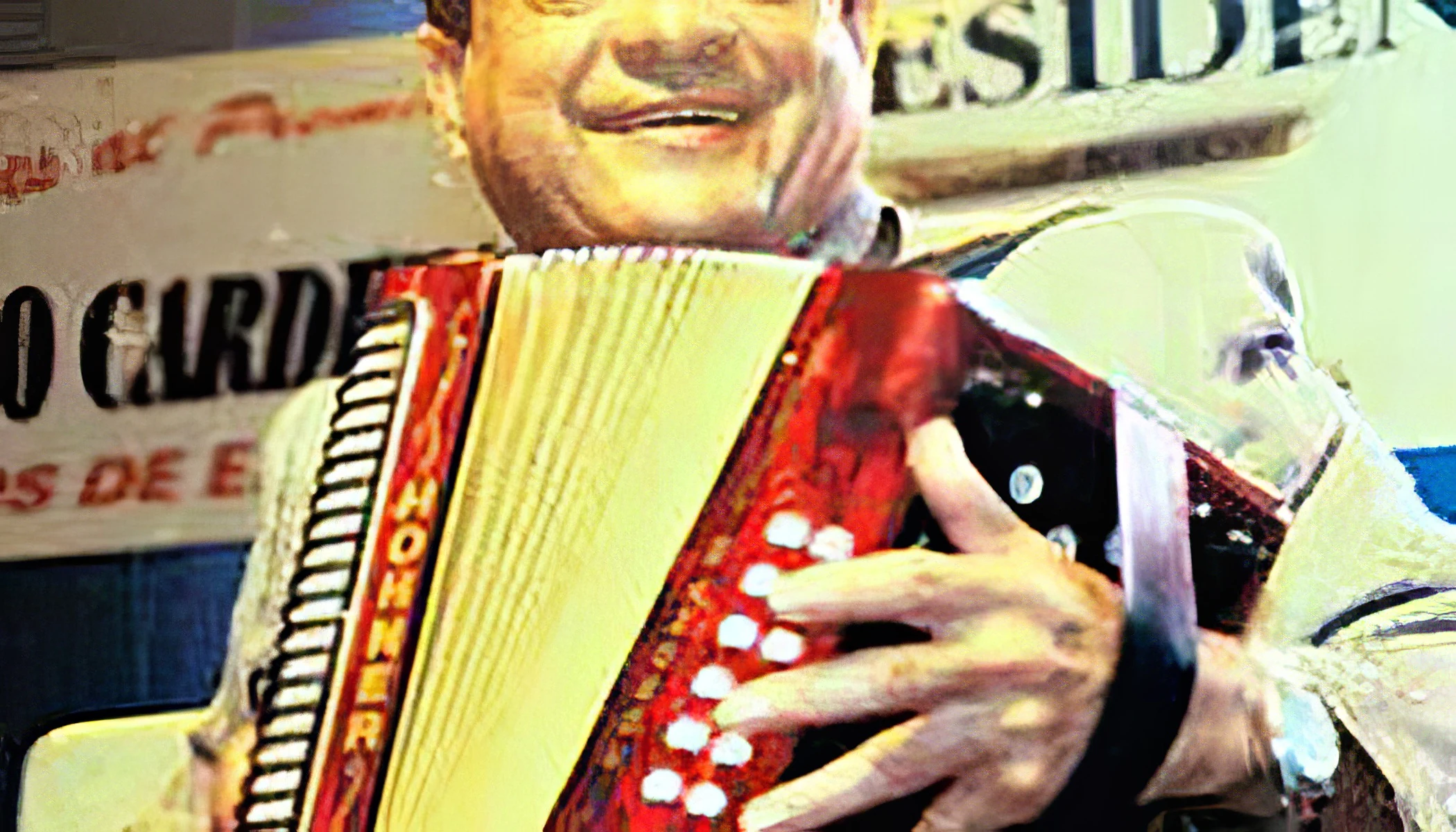
These songs showcase Panama's attractive musical culture, reflecting its diverse influences and rich heritage.
– La Gallina Fina: Classic Panamanian song by Toto la Momposina, celebrating traditional rhythms.
– Los Pericos: Rubén Blades' lively salsa tune famous in Latin America.
– Patria: Rubén Blades' heartfelt tribute expressing national pride and unity.
– Amor y Control: A Rubén Blades song about family love and resilience.
– Carnaval en Panama: Celebrates the festive spirit of Panama's carnival season with upbeat melodies.
– El Pescador de Mi Tierra: Traditional song highlighting Panama's coastal life and fishing traditions.
Films
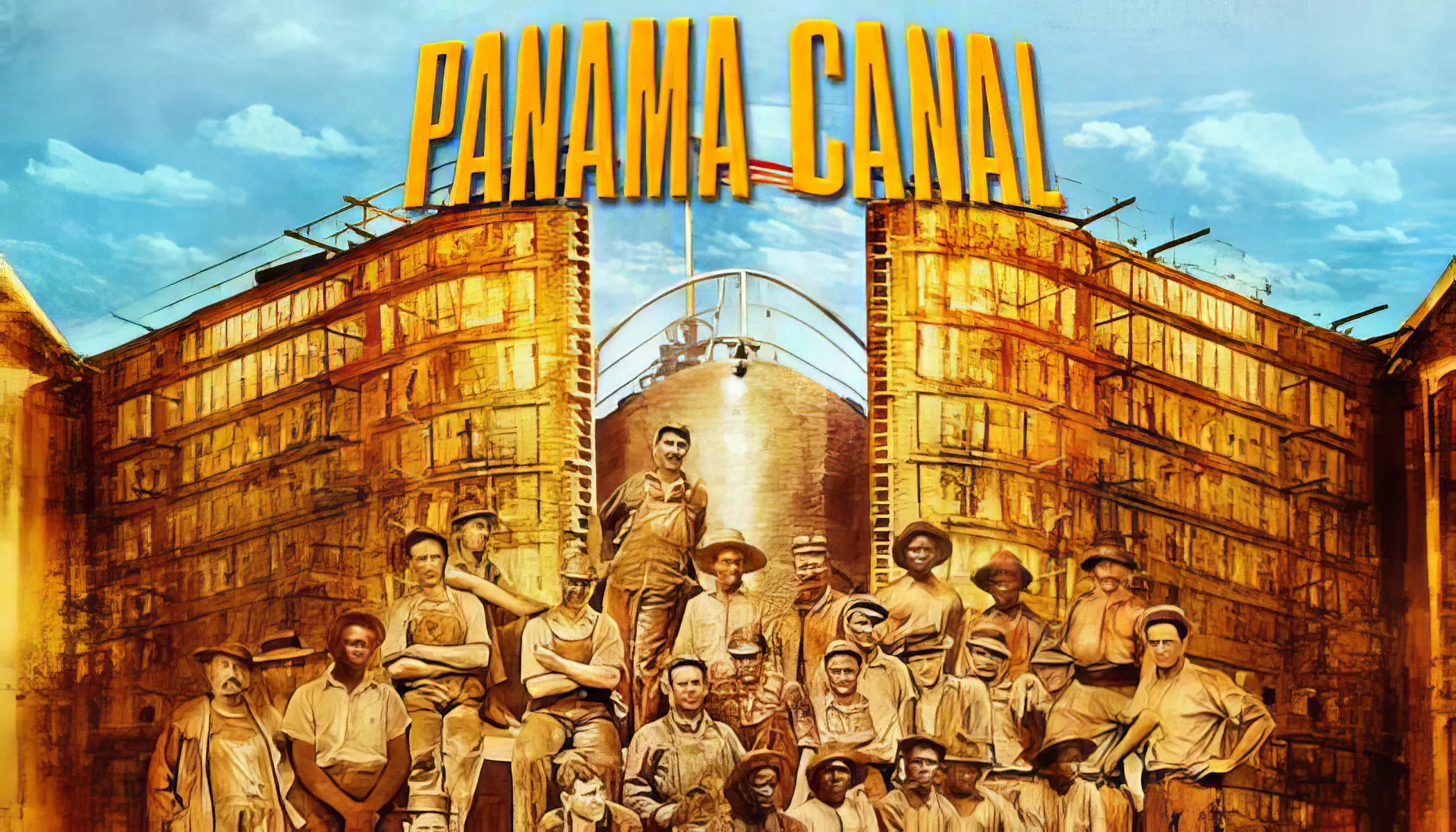
Explore cinematic depictions capturing the essence and culture of Panama:
– "Hands of Stone": A biographical drama detailing the life of Panamanian boxing legend Roberto Durán, starring Édgar Ramírez.
– "The Tailor of Panama": John Boorman's film follows a tailor caught in espionage during post-Noriega Panama.
– "Invasion": Abner Benaim's documentary examines the 1989 U.S. invasion of Panama through personal stories and testimonies.
– "Chance": A comedy by Abner Benaim about two housemaids planning revenge on their wealthy employers.
– "Salsipuedes": Directed by Ricardo Aguilar Navarro and Manuel Rodríguez, this film explores family ties and challenges in modern Panama.