

Paraguay Attractions & Travel Advice – Plan Your Visit
A landlocked country in South America, it features a mix of colonial history and indigenous culture. Known for its vast Chaco region and the Paraguay River, it supplies rich traditions, nice festivals, and a growing economy centered on agriculture and hydroelectric power.
- Capital
- Asunción
- Population
- 6.4 millions
- Superficy
- 407000 sq.km
- Months to Visit
- May to Sept.
- Living Cost
- Economical
Overview
Paraguay is a landlocked country in the heart of South America, bordered by Argentina, Brazil, and Bolivia. The capital city, Asunción, is one of the oldest cities in the region and serves as the cultural and economic hub. Paraguay's landscape features vast plains, subtropical forests, and the Gran Chaco region known for its wildlife. The country has a mixed economy with agriculture playing a significant role, particularly in soybeans and beef production. Guarani culture remains influential, with both Spanish and Guarani as official languages. Paraguay faces challenges such as economic inequality but provides unique cultural experiences and natural beauty for visitors.
Pros & Cons
GOOD REASONS TO VISIT PARAGUAY
– Rich Cultural Heritage: Experience Guarani traditions, remarkable festivals, and unique crafts reflecting Paraguay's diverse cultural history.
– Natural Beauty: Explore the Chaco region's wildlife, Iguazu Falls' proximity, and abundant national parks like Ybycuí.
– Friendly Locals: Paraguayans are known for their warmth and hospitality, welcoming visitors with open arms.
– Affordable Travel: Enjoy budget-friendly accommodations, food, and activities without compromising on experiences.
– Unique Cuisine: Savor traditional dishes like sopa paraguaya and chipa, offering distinct flavors from local ingredients. CHALLENGES WHEN VISITING PARAGUAY
– Limited Infrastructure: Public transport and tourist facilities can be underdeveloped compared to neighboring countries.
– Language Barrier: Spanish is predominant; English speakers may face communication challenges in rural areas.
– Tropical Climate: Hot temperatures and high humidity can be uncomfortable for some travelers.
Before Departure
Before traveling to Paraguay, consider the following essential information:
– Passport: Ensure your passport is valid for at least six months from your entry date.
– Visa: Many nationalities can enter visa-free for up to 90 days; others need a visa. Check specific requirements before traveling.
– Currency: Paraguayan Guarani (PYG); credit cards accepted in cities; cash preferred in rural areas; ATMs widely available.
– Internet access: WiFi is common in urban areas and hotels; purchase a local SIM card for reliable mobile data.
– Language barrier: Spanish and Guarani are official languages; English is not widely spoken, so basic Spanish is helpful.
What to Pack
Visiting Paraguay requires preparation for its diverse climate and cultural experiences.
– Essentials: Passport, visa (if needed), travel insurance, flight tickets, itinerary, accommodation confirmations, and local currency or credit card.
– Clothing: Lightweight clothing for warm weather, comfortable walking shoes, rain jacket or umbrella for rainy season, hat and sunglasses for sun protection.
– Health & Safety: Prescription medications, basic first aid kit, insect repellent with DEET, sunscreen with high SPF, personal hygiene products.
– Electronics: Travel adapter for Type C outlets, mobile phone with charger, camera with extra batteries or charger.
Weather
Paraguay has a subtropical climate with distinct wet and dry seasons.
– Summer (December to February): Hot and humid, with temperatures often exceeding 35°C (95°F).
– Autumn (March to May): Cooler temperatures and decreasing humidity, with occasional rain showers.
– Winter (June to August): Mild and dry, with temperatures ranging from 10°C to 20°C (50°F to 68°F).
– Spring (September to November): Warm and increasingly humid, with frequent thunderstorms. The best time to visit Paraguay is from May to September.
– Pros: Pleasant weather, lower humidity, and fewer mosquitoes.
– Cons: Cooler temperatures may not be ideal for swimming or water activities.
Travel Budget
Paraguay provides a cost-effective travel experience with generally low prices. Here are some average costs for tourists:
– Hotel: 30$ to 80$
– Lunch: 3$ to 10$
– Beverage (in bar/restaurant): 1.5$ to 4$
– Coffee: 1$ to 2.5$
– Transportation: (train not widely available), (bus 0.3$ to 1.5$), (taxi /10km 5$ to 8$)
– Mobile data (per GB): 2$ to 4$
Language
In Paraguay, both Spanish and Guarani are official languages, but here are some useful phrases in Spanish for tourists:
– Hello: Hola
– Thank you: Gracias
– Please: Por favor
– How much is this?: ¿Cuánto cuesta esto?
– Excuse me: Disculpe
– I don't understand: No entiendo
– Yes: Sí
– No: No
– Goodbye: Adiós
History
Its history is marked by early indigenous societies, followed by Spanish colonization in the 16th century. Paraguay gained independence from Spain in 1811, becoming one of the first countries in South America to do so. The country faced devastation during the Paraguayan War (1864-1870) against Brazil, Argentina, and Uruguay, resulting in significant loss of life and territory. In the 20th century, Paraguay experienced political instability with numerous coups and dictatorships, notably under Alfredo Stroessner from 1954 to 1989. The transition to democracy began after Stroessner's ousting but was challenged by ongoing political turbulence. Despite these challenges, Paraguay continues to work towards economic development and democratic consolidation.
Geopolitics
Landlocked in South America, Paraguay shares borders with Argentina, Brazil, and Bolivia. It has a democratic government with its capital in Asunción. Paraguay's geopolitical importance is shaped by its central location and membership in Mercosur, a regional trade bloc that includes Brazil and Argentina. The country maintains peaceful relations with its neighbors but faces challenges related to smuggling and informal trade across its borders. Its economy relies heavily on agriculture and hydroelectric power, sharing significant dams like Itaipu with Brazil. Geopolitically, Paraguay focuses on enhancing trade ties while addressing internal development issues such as infrastructure and poverty reduction.
Sample Itinerary
This itinerary covers Paraguay's cultural heritage in Asunción, natural wonders at Iguazu Falls, and the historic appeal of Trinidad.
– 2 days in Asunción: Explore the National Pantheon of the Heroes, López Palace, and enjoy local markets. Visit museums to learn about Paraguayan history and culture.
– 1 day in Ciudad del Este: Shop at local markets. Proximity to Iguazu Falls allows for short excursions to admire sensational cascades.
– 1 day at Itaipu Dam: Tour one of the world's largest hydroelectric dams, learning about its engineering and environmental impact.
– 1 day in Encarnación: Visit San José Beach and enjoy river views. Experience local gastronomy and explore nearby plazas.
– 1 day in Trinidad: Explore the Jesuit Mission ruins, a UNESCO World Heritage site showcasing fascinating colonial history.
Popular cities
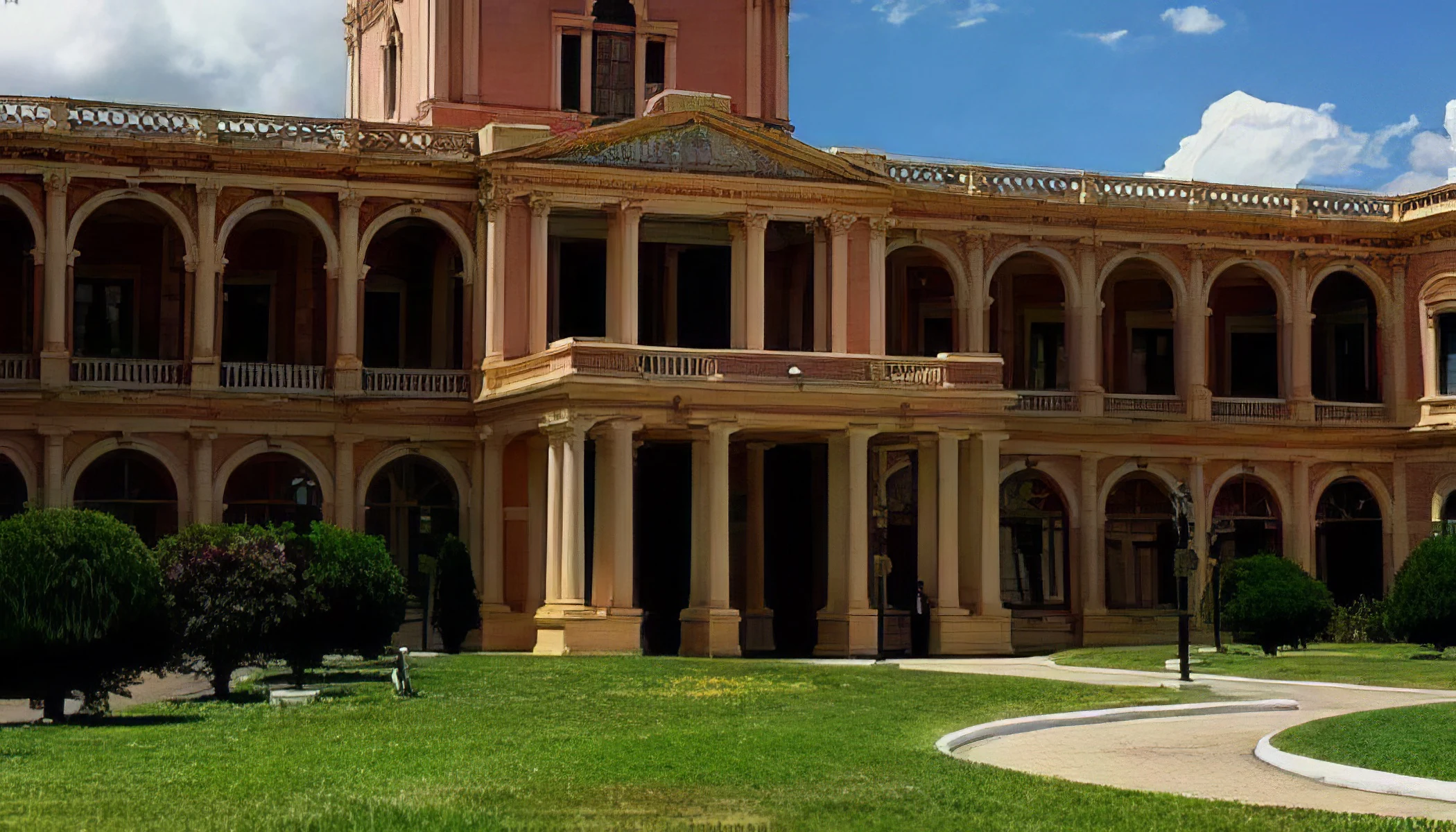
Discover diverse cultures and natural beauty in Paraguay's top cities:
– Asunción: The capital city is known for its historical landmarks, energetic markets, and cultural experiences.
– Ciudad del Este: Famous for shopping and proximity to the stunning Iguazu Falls.
– Encarnación: Offers beautiful beaches along the Paraná River and cultural events like Carnaval.
– Villarrica: Known for its colonial architecture and surrounding natural landscapes.
– San Bernardino: A popular vacation spot by Lake Ypacaraí, ideal for relaxation and water activities.
– Concepción: Offers a glimpse into Paraguay's history with its historical buildings and charming riverside setting.
– Pilar: Known for its river views, local crafts, and nice atmosphere.
Monuments
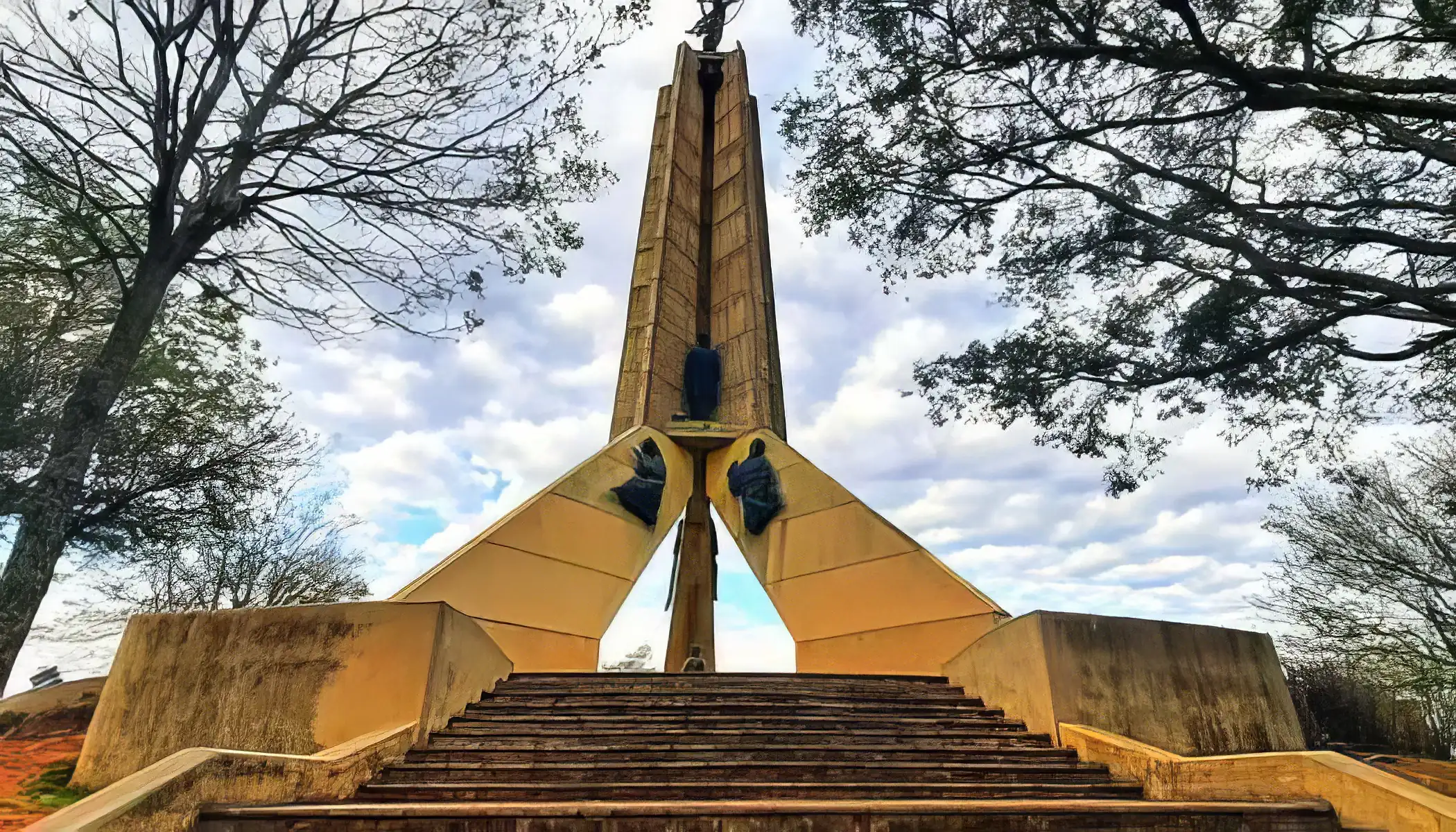
Paraguay supplies several unexpected monuments to explore:
– Palacio de los López, Asunción: Presidential palace with neoclassical architecture and government administration offices.
– La Santísima Trinidad de Paraná: UNESCO-listed Jesuit Mission ruins with impressive Baroque architecture.
– Panteón Nacional de los Héroes, Asunción: National mausoleum honoring Paraguay's military heroes.
– Casa de la Independencia, Asunción: Historic house where Paraguayan independence was declared in 1811.
– Iglesia de Yaguarón: 18th-century Franciscan church noted for its beautiful wood carvings and colonial design.
– Itaipú Dam: One of the world's largest dams, a feat of engineering on the Paraguay-Brazil border.
– Cerro Lambaré, Asunción: Hilltop monument offering panoramic views and commemorating native Guarani leader Lambaré.
– Estación Central del Ferrocarril, Asunción: Historic railway station representing Paraguay's rail transport history.
Natural wonder
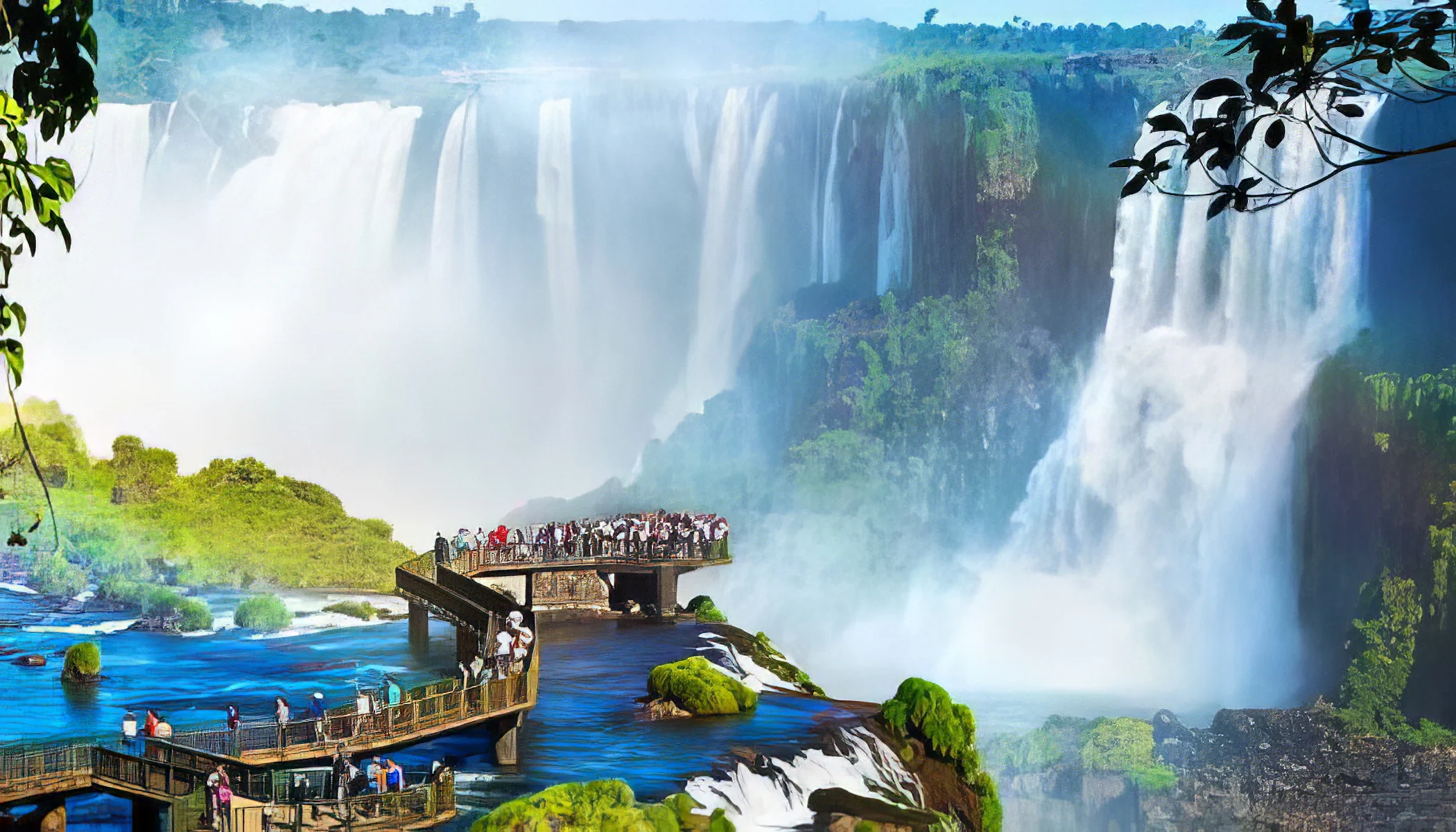
Discover Paraguay's remarkable landscapes:
– Iguazu Falls: Partly located in Paraguay, known for its powerful and expansive waterfalls.
– Cerro Cora National Park: Offers diverse wildlife and significant historical connections.
– Ybycuí National Park: Features rich biodiversity and scenic hiking trails.
– Ñacunday Falls: Impressive waterfall surrounded by dense forested areas.
– San Rafael National Park: Home to dense forests with diverse flora and fauna.
– Saltos del Monday: A beautiful waterfall near Ciudad del Este offering dramatic views.
– Cerro Tres Kandú: The highest point in Paraguay, providing panoramic views of the region.
– Lake Ypacaraí: Noted for its cultural significance and scenic surroundings.
– Chaco Boreal: Vast wilderness area known for unique wildlife species.
– Itaipu Dam Reserve: Supplies eco-tours with varied ecosystems around the massive hydroelectric dam.
Outdoor activities
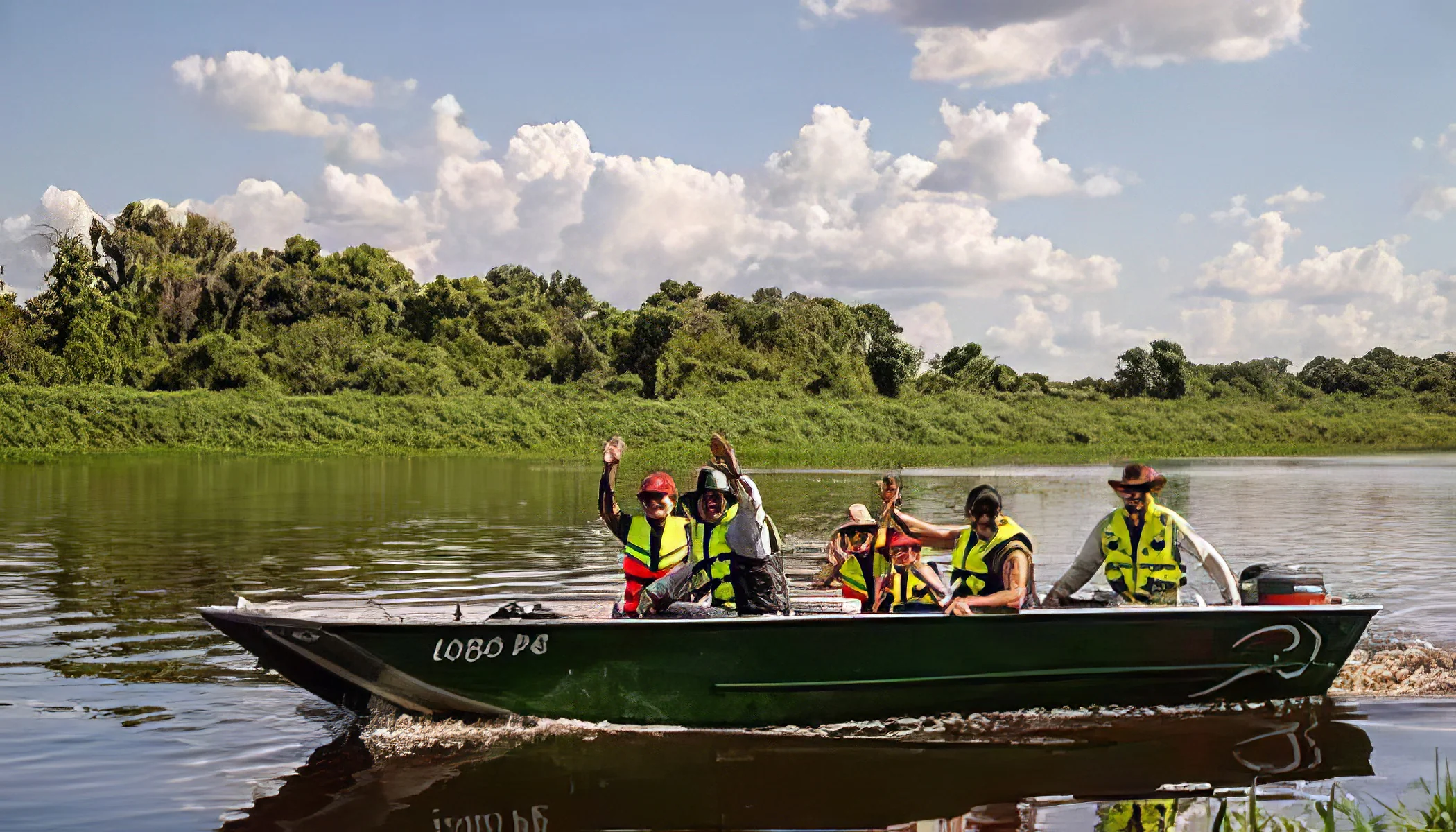
There are several exciting outdoor experiences to explore in the natural landscapes of Paraguay:
– Hiking in Ybycuí National Park: Walk through dense forests and discover scenic waterfalls.
– Birdwatching in Mbaracayú Reserve: Spot a variety of bird species in dense subtropical forest.
– Trekking Cerro Tres Kandú: Climb Paraguay’s highest peak for panoramic views.
– Kayaking on Lake Ypacaraí: Paddle across tranquil waters surrounded by nature.
– Exploring Itaipu Dam area: Visit the surrounding ecological reserves and trails.
– Safari at Chaco Region: Experience wildlife and unique flora in a vast wilderness.
– Cycling in Areguá: Enjoy bike rides along elegant colonial streets and lake views.
Kid Friendly
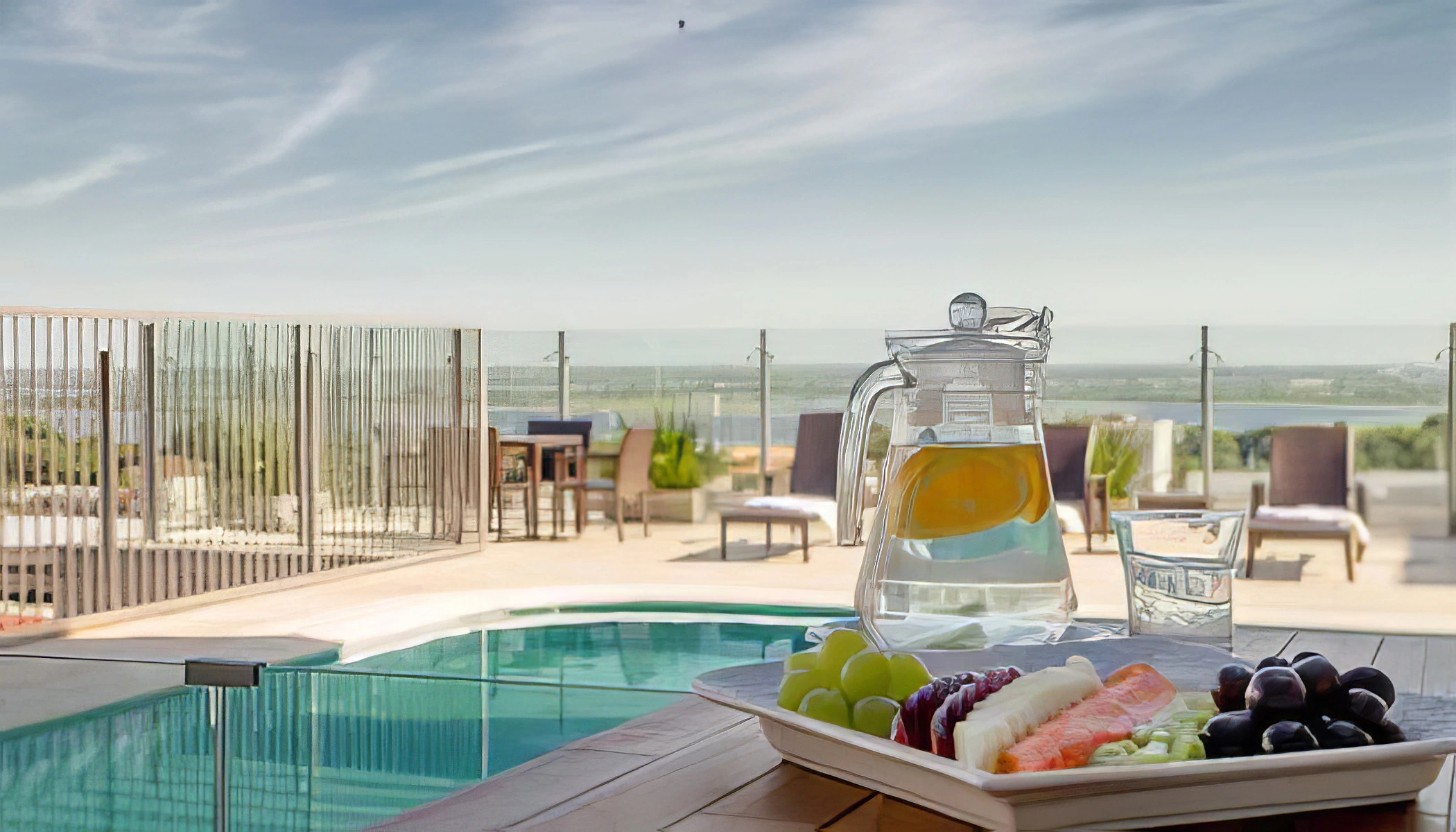
Here are some activities in Paraguay that kids will enjoy:
– Ñandutí Lace Shopping: Discover colorful and complex lace pieces that make for an interesting cultural experience.
– Ypacaraí Lake: Enjoy outdoor activities like swimming, boating, and picnics by the lakeside with family.
– Mbatoví Eco Reserve: Engage in eco-adventures like canopy walks and ziplining through abundant forest landscapes.
– Itaipú Dam Tour: Visit one of the largest hydroelectric dams with interactive exhibits and educational tours.
– San Bernardino Beach: A popular spot for water sports and relaxation on the shores of Ypacaraí Lake.
– Asunción Zoo and Botanical Garden: Explore diverse animal species and opulent gardens in a family-friendly setting.
– La Santísima Trinidad de Paraná: Walk through impressive Jesuit mission ruins offering historical insights for young explorers.
– Areguá Ceramic Workshop: Participate in hands-on ceramic-making activities, allowing kids to explore their creative side.
Cuisine

Paraguayan cuisine is characterized by hearty, corn-based dishes and a significant influence from indigenous Guarani culture. Meals often feature meats, fresh produce, and cheese. The food is simple yet flavorful, representing a blend of tradition and practicality.
– Sopa Paraguaya: Cornbread-like dish with cornmeal, cheese, milk, and onions.
– Chipa: Chewy cheese bread made from cassava flour and Paraguayan cheese.
– Mbeju: Starchy pancake made from cassava starch, cheese, and butter.
– Bori Bori: Thick soup with cornmeal dumplings and meat.
– Tereré: Cold herbal tea infusion often paired with savory snacks.
Souvenir
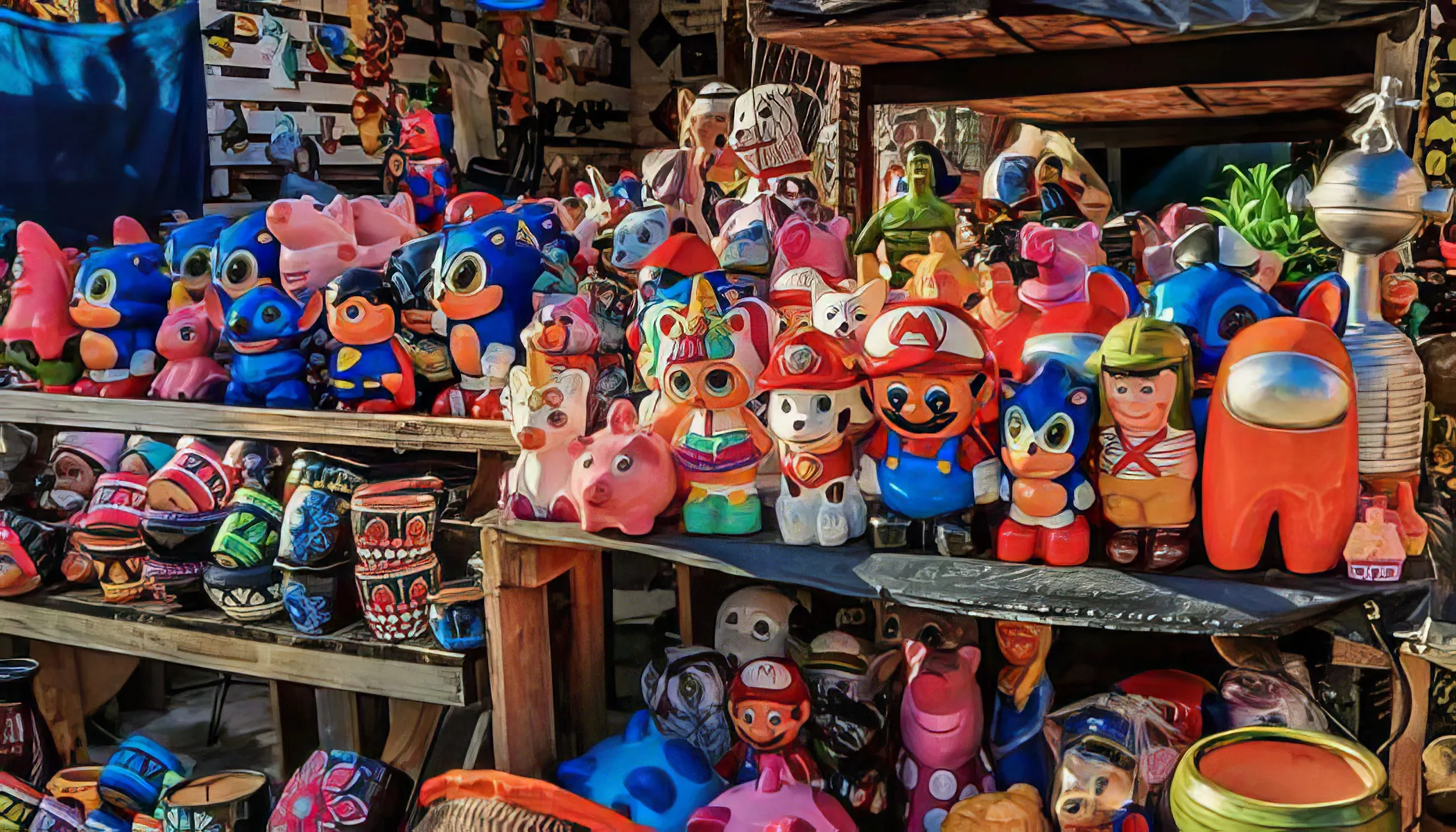
Known for its rich culture and traditional crafts, Paraguay supplies a variety of souvenirs for travelers. Here are some popular options:
– Nanduti Lace: Refined lacework resembling spider webs, handcrafted in lively colors.
– Ao Po'i: Lightweight, embroidered cotton clothing traditionally made by hand.
– Tereré Set: Includes a guampa (cup), bombilla (straw), and yerba mate for enjoying this traditional drink.
– Filigree Jewelry: Delicate gold or silver jewelry created with fine metalwork techniques.
– Leather Goods: High-quality leather bags, belts, and wallets crafted by local artisans.
– Indigenous Crafts: Handmade items like baskets and textiles from Paraguay's indigenous communities.
– Paraguayan Harp Music CDs: Traditional music recordings featuring the distinctive sounds of the Paraguayan harp.
Traditional Shows
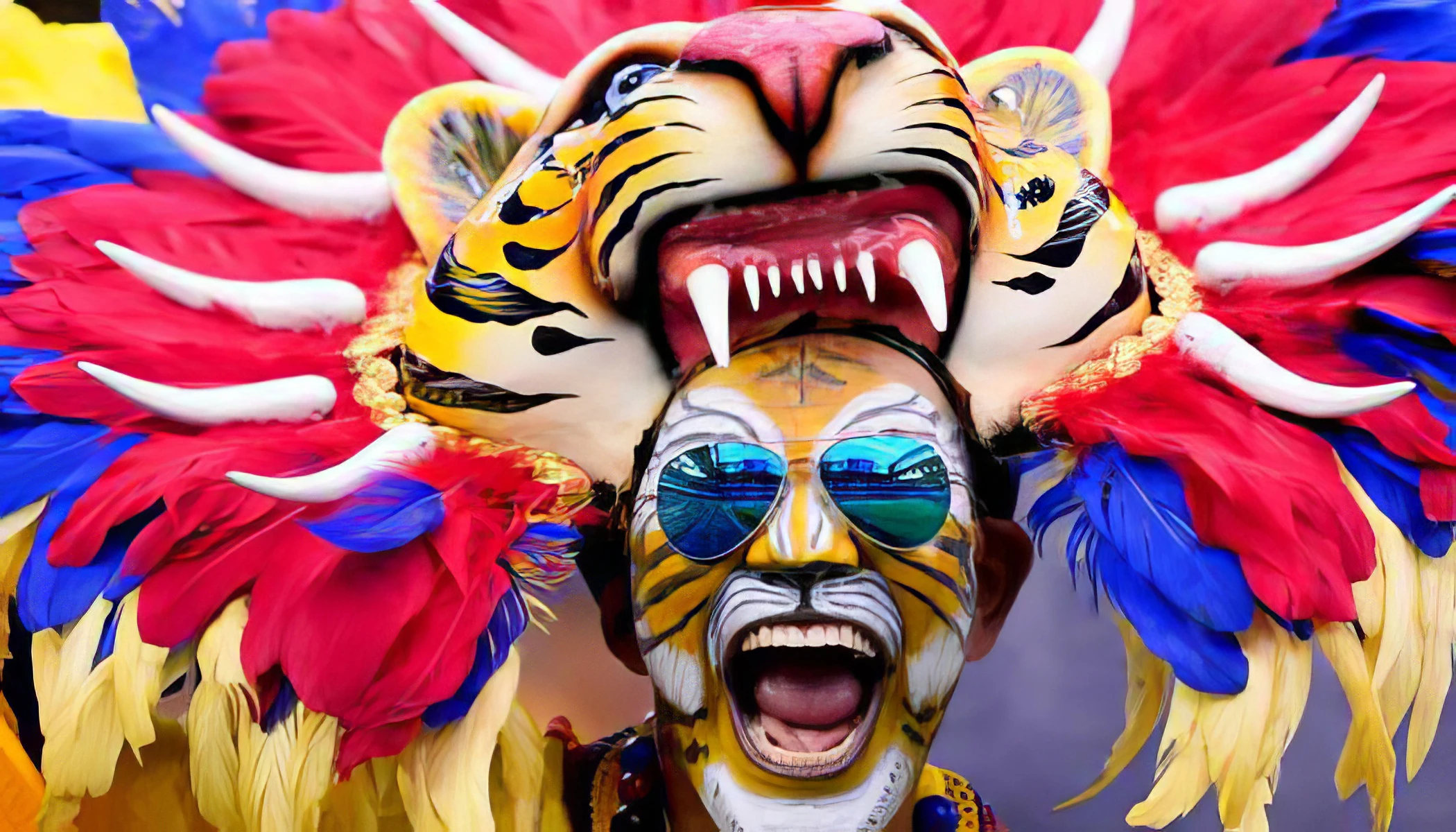
Paraguay showcases lively traditional performances:
– Harp Music Performances: Enjoy Paraguay's iconic instrument with soulful melodies at Asunción's cultural events, spotlighting the country's musical heritage.
– Polka Paraguaya Dance: Experience lively polkas with traditional dance steps at various folk festivals across Paraguay, celebrating national music styles.
– Guarania Music Shows: Listen to Guarania, a melancholic and expressive music genre performed in Asunción, reflecting Paraguay's cultural identity.
– Paraguayan Ballet Folklórico: Witness traditional dances in colorful costumes performed by the national ballet company in Asunción, highlighting folk traditions.
– Nanduti Lace Exhibitions: Explore the refined art of Nanduti lace-making in Itaugua, showcasing this unique Paraguayan craftsmanship through textiles and demonstrations.
Events & Festivals
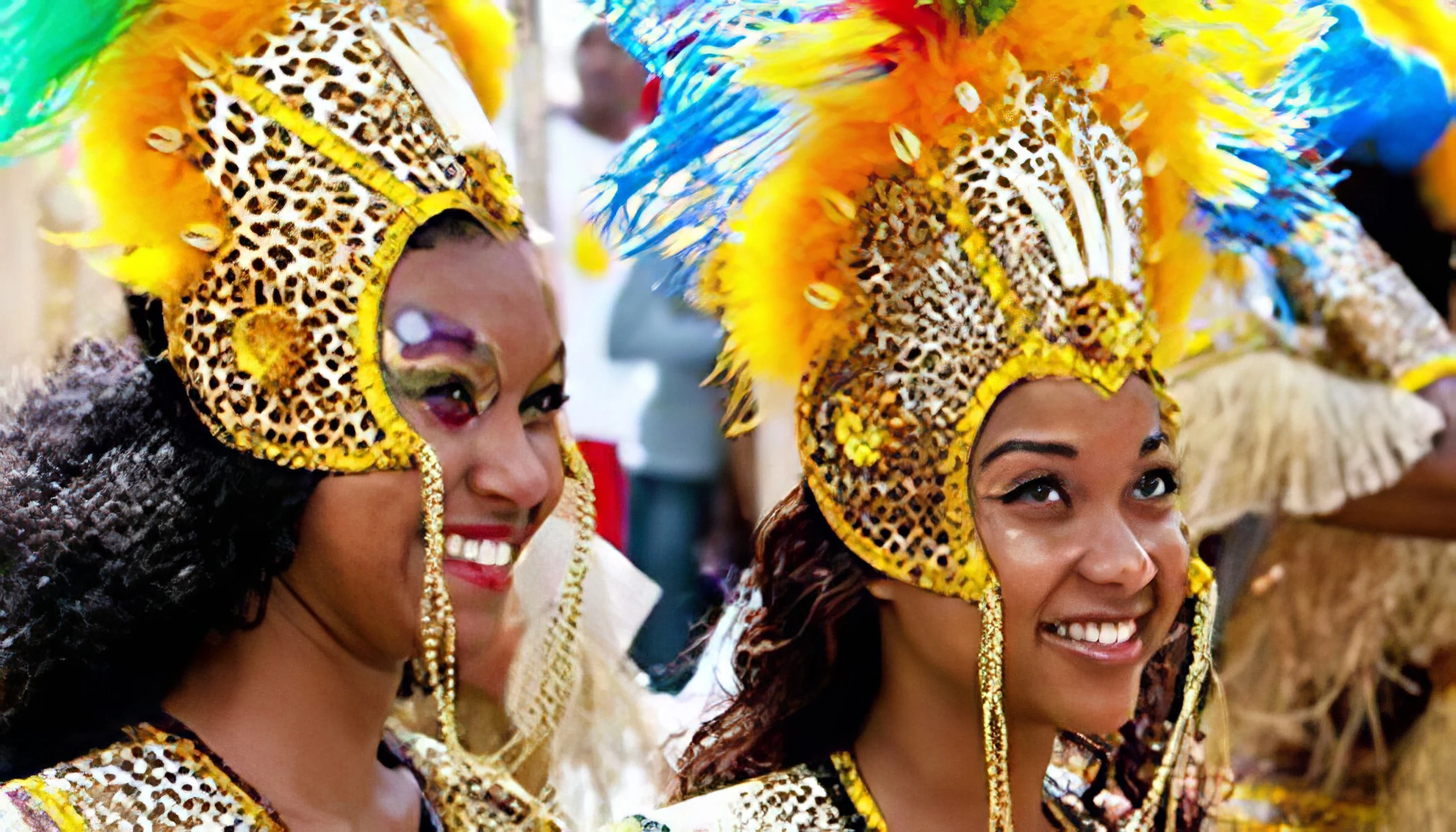
Paraguay hosts various cultural and traditional events throughout the year that attract locals and visitors alike:
– San Blas Festival: February event in Ciudad del Este, honoring the patron saint with parades and religious ceremonies.
– Carnival Encarnaceno: February celebration in Encarnación with pretty parades and dance competitions.
– Holy Week: March/April nationwide observance with processions, religious activities, and traditional foods.
– Nanduti Festival: July event in Itauguá showcasing traditional lace-making crafts and cultural performances.
– Trans-Chaco Rally: September car rally across the challenging Chaco region, attracting motorsport enthusiasts.
– National Dance Day: October celebration highlighting traditional Paraguayan dance forms like polka and guarania.
– Independence Day: May 14-15 national holiday with parades, concerts, and patriotic displays across the country.
Famous People
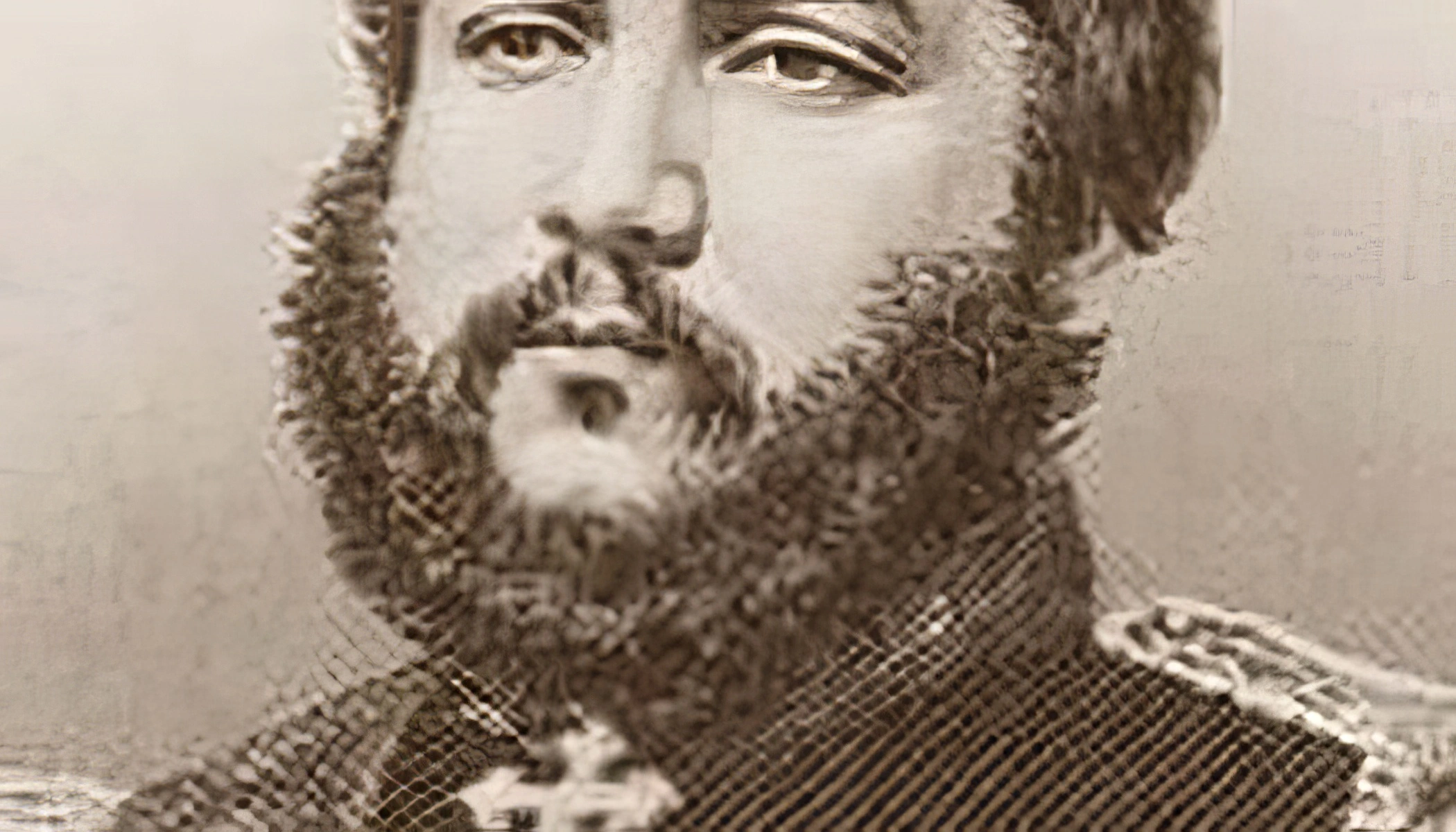
Paraguay is home to numerous influential figures who have left a significant mark in various fields.
– José Gaspar Rodríguez de Francia (1766 to 1840, Yaguarón): Political leader and dictator known as the first ruler of independent Paraguay.
– Alfredo Stroessner (1912 to 2006, Encarnación): Military officer and politician who served as the long-term dictator of Paraguay.
– Agustín Barrios (1885 to 1944, San Juan Bautista): Renowned classical guitarist and composer admired for his technical skill and compositions.
– Augusto Roa Bastos (1917 to 2005, Asunción): Celebrated novelist and writer, best known for his novel "I, the Supreme."
– Luz María Bobadilla (born 1963, Asunción): Acclaimed classical guitarist renowned for her international performances and contributions to music.
Books
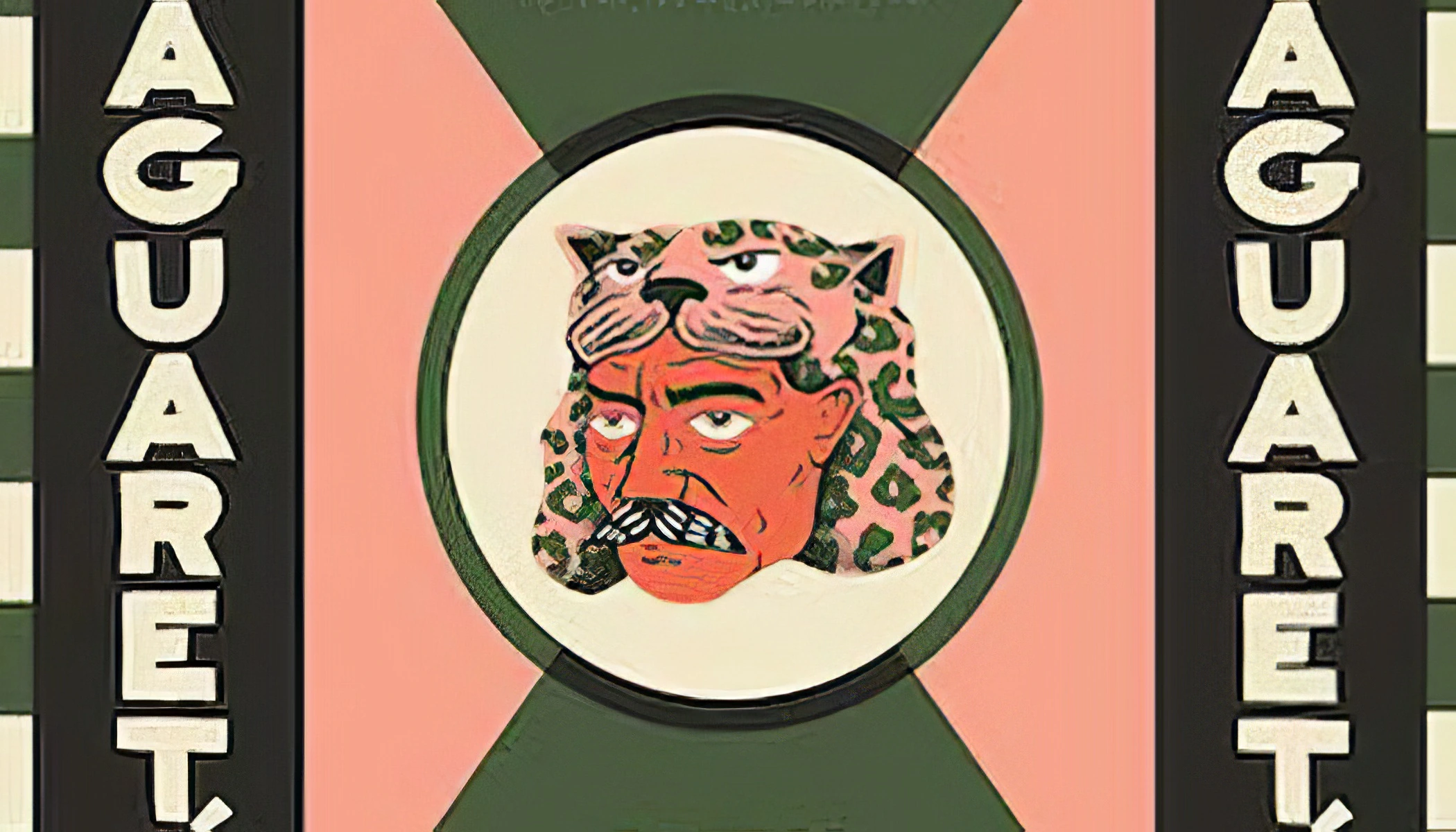
These books delve into Paraguay's history, culture, and societal issues through both fictional and non-fictional narratives.
– "I the Supreme" by Augusto Roa Bastos: A fictionalized portrayal of Paraguay's 19th-century dictator, José Gaspar Rodríguez de Francia.
– "Madama Sui" by Helio Vera: Explores the cultural and social undercurrents of Paraguayan life.
– "The News from Paraguay" by Lily Tuck: A historical novel about Eliza Lynch, mistress to dictator Francisco Solano López.
– "At the Tomb of the Inflatable Pig" by John Gimlette: Non-fiction exploration of Paraguay's eccentric history and landscapes.
– "Son of Man" by Augusto Roa Bastos: Examines Paraguayan identity through mythic storytelling.
Songs
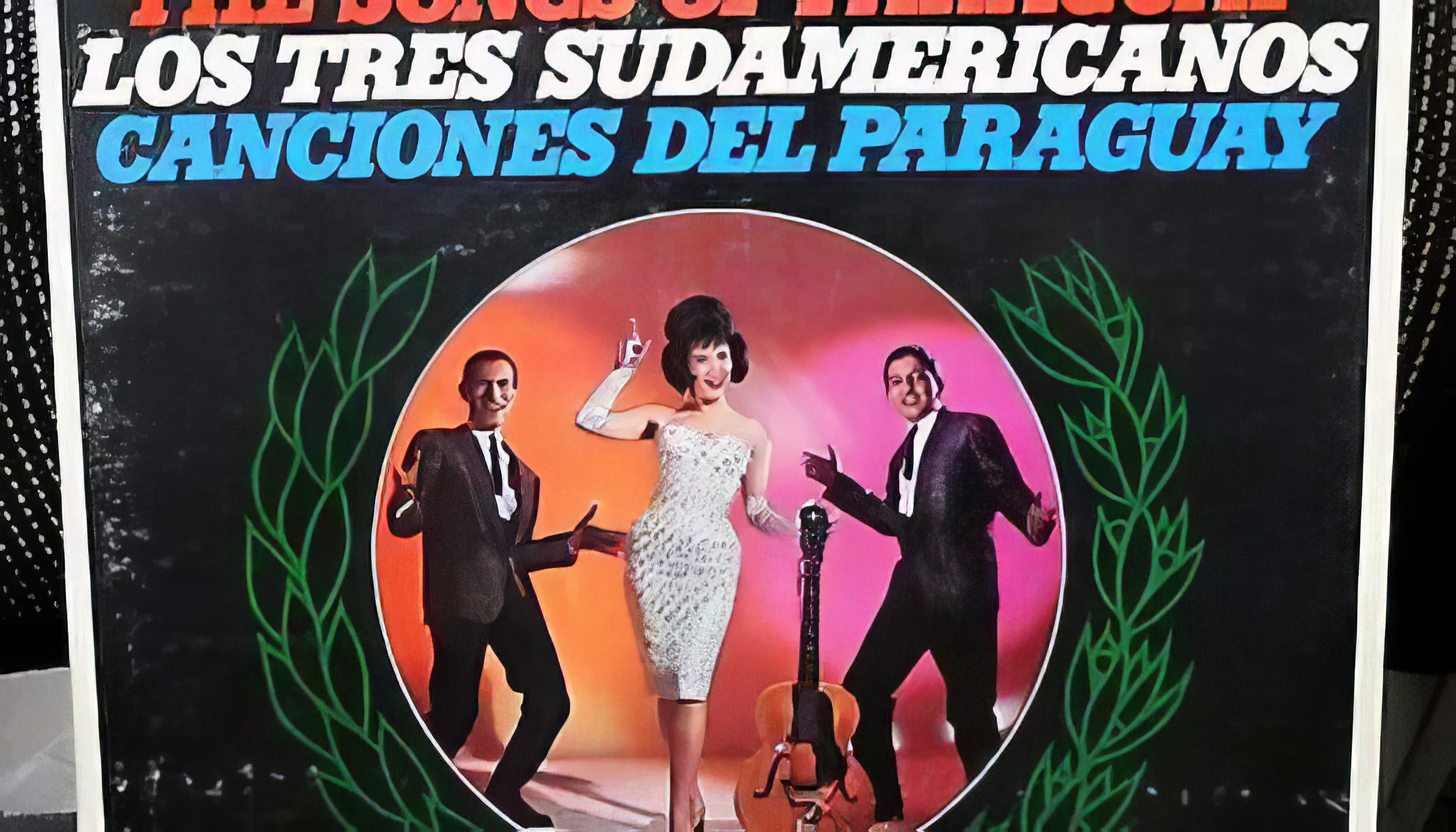
These songs capture the rich cultural and musical heritage of Paraguay, often highlighting themes of love, nature, and national identity.
– Recuerdos de Ypacaraí: Iconic romantic song by Demetrio Ortiz celebrating the beauty of Lake Ypacaraí.
– Pájaro Campana: Traditional Paraguayan folk tune showcasing the distinctive sound of the Paraguayan harp.
– Galopera: Popular folk song by Mauricio Cardozo Ocampo, often performed in traditional dances.
– Tren Lechero: A nostalgic song by Jose Asuncion Flores reflecting on old train journeys across Paraguay.
– Soy de la Chacarita: Celebrated polka by Oscar Nelson Safuán depicting life in Asunción's neighborhoods.
– Mis Noches Sin Ti: Melancholic love song by Demetrio Ortiz, widely recognized in Latin America.
Films

Delve into Paraguayan cinema with these notable films capturing its culture and history:
– "7 Boxes": A thriller set in Asunción's market, following a delivery boy entangled in crime.
– "Cuchillo de Palo": A documentary by Renate Costa exploring her uncle's secretive life under Paraguay's dictatorship.
– "The Heiresses": Marcelo Martinessi directs a drama about two women facing financial ruin and newfound independence.
– "Paraguayan Hammock": Paz Encina's film portrays an elderly couple waiting for their son's return during the Chaco War.
– "Cloudy Times": Arami Ullón documents her personal journey caring for her chronically ill mother in Paraguay.