

Poland Attractions & Travel Advice – Plan Your Visit
This Central European country is known for its rich history, diverse architecture, and hearty cuisine. It's home to numerous medieval towns, peaceful countryside, and busy cities. Its tragic past is remembered in well-preserved concentration camps.
- Capital
- Warsaw
- Population
- 38.5 millions
- Superficy
- 313000 sq.km
- Months to Visit
- May to Sept.
- Living Cost
- Moderate
Overview
Poland is a Central European country known for its rich history and cultural heritage. Its capital, Warsaw, showcases a mix of restored Gothic architecture and modern skyscrapers. The country is home to numerous natural landscapes, including the Tatra Mountains and the Białowieża Forest. Poland's history is marked by periods of great turmoil, including World War II, which is remembered at the Auschwitz-Birkenau concentration camp memorial. The country is also famous for its hearty cuisine, including dishes like pierogi and kielbasa. Despite its turbulent past, Poland has emerged as a dynamic member of the European Union, with a growing economy and lovely cultural scene.
Pros & Cons
GOOD REASONS TO VISIT POLAND
– Rich History: Poland's history is deeply rooted, with medieval castles, WWII sites, and the Auschwitz-Birkenau concentration camp.
– Natural Beauty: From the Tatra Mountains to the Białowieża Forest, Poland offers diverse landscapes for outdoor enthusiasts.
– Attractive Cities: Warsaw's modernity contrasts with Krakow's old-world charm, offering a mix of experiences.
– Delicious Cuisine: Polish food, like pierogi and kielbasa, is hearty and flavorful, with regional specialties to explore.
– Cultural Festivals: Poland hosts numerous cultural events, including the Warsaw Film Festival and Krakow's Jewish Culture Festival. CHALLENGES WHEN VISITING POLAND
– Weather: Winters can be harsh with heavy snowfall, making travel difficult, especially in rural areas.
– Language Barrier: While English is common in cities, it's less so in rural areas, potentially causing communication difficulties.
– Limited Vegetarian Options: Traditional Polish cuisine is meat-heavy, which might pose challenges for vegetarian or vegan travelers.
Before Departure
Before planning your trip to Poland, consider the following essential information:
– Passport: Ensure your passport is valid for at least three months beyond your planned departure date.
– Visa: Poland is part of the Schengen area. Non-EU tourists may require a Schengen visa, which is valid for 90 days within a 180-day period.
– Currency: The local currency is Polish Złoty (PLN). Credit cards are widely accepted and ATMs are readily available.
– Internet access: WiFi is widely available in cities and tourist areas. Prepaid SIM cards for data are easily accessible.
– Language barrier: The official language is Polish. English is commonly spoken by younger generations and in tourist areas, while German is understood in some regions.
What to Pack
Traveling to Poland requires preparation for a variety of weather conditions and cultural experiences.
– Essentials: Passport and visa (if required), travel insurance details, flight tickets and itinerary, accommodation reservations.
– Clothing: Warm clothing and waterproof shoes for winter, light clothing for summer, comfortable walking shoes, umbrella or raincoat.
– Health & Safety: Prescription medications and a basic first aid kit, personal hygiene items, sunscreen for summer months.
– Electronics: Travel adapter for Polish outlets, mobile phone, camera, portable power bank.
Weather
Poland experiences a temperate seasonal climate with relatively mild weather throughout the year.
– Winter (December to February): Cold, with temperatures often below freezing, and snowfall is common especially in the mountains.
– Spring (March to May): Weather starts to warm up, with occasional rain showers and longer daylight hours.
– Summer (June to August): Warm to hot, with long days and occasional heatwaves or thunderstorms.
– Autumn (September to November): Cool with colorful fall foliage, and it can be quite rainy. The best time to visit Poland is during late spring (May) to early autumn (September).
– The weather is pleasant and the country offers many outdoor activities.
– However, it's also the peak tourist season, so expect larger crowds and slightly higher prices.
Travel Budget
Poland is a country where you can enjoy a high-quality vacation on a budget. Here are some average costs for reference:
– Hotel: 50$ to 150$
– Lunch: 6$ to 15$
– Beverage (in bar/restaurant): 2$ to 5$
– Coffee: 2$ to 4$
– Transportation: (train 5$ to 20$), (bus 1$ to 3$), (taxi /10km 7$ to 15$)
– Mobile data (per GB): 2$ to 5$
Language
Polish is the official language of Poland and is spoken by the majority of the population. Here are some useful phrases for tourists:
– Hello: Cześć
– Thank you: Dziękuję
– Please: Proszę
– How much is this?: Ile to kosztuje?
– Excuse me: Przepraszam
– I don't understand: Nie rozumiem
– Yes: Tak
– No: Nie
– Goodbye: Do widzenia
History
Poland's history begins in the 10th century with the establishment of the Piast dynasty. It became a major European power in the 16th century under the Jagiellonian dynasty. The country was partitioned in the late 18th century by Russia, Prussia, and Austria, and regained independence after World War I in 1918. World War II brought occupation by Nazi Germany and the Holocaust, followed by Soviet control. In 1989, Poland transitioned from a communist state to a democratic one. Today, it's a member of the European Union and NATO, reflecting its integration into Western political and economic structures.
Geopolitics
Poland is a democratic republic located in Central Europe, bordered by Germany to the west, Czech Republic and Slovakia to the south, Ukraine and Belarus to the east, and Lithuania and the Baltic Sea to the north. It is a member of the European Union (EU), NATO, and the United Nations, among other international organizations. Poland has a complex relationship with Russia, marked by historical conflicts and current political tensions. It has strong ties with the United States, which is seen as a security guarantor against potential Russian aggression. Economically, Poland is one of the most dynamic countries in the EU, with a strong domestic market, significant foreign investment, and a well-educated workforce. Its geopolitical position is shaped by its location between Western Europe and Russia, its active role within the EU and NATO, and its efforts to diversify energy sources to reduce dependence on Russian gas.
Sample Itinerary
This itinerary offers a journey through Poland's rich history in Warsaw, the medieval charm of Krakow, the solemn history of Auschwitz, and the mountain beauty of Zakopane.
– 2 days in Warsaw: Visit the Royal Castle, Wilanow Palace, and the Warsaw Uprising Museum. Explore the Old Town and Lazienki Park.
– 2 days in Krakow: Discover the Wawel Castle, St. Mary's Basilica, and the historic Jewish Quarter. Enjoy the pleasant Main Market Square.
– 1 day in Auschwitz: Tour the Auschwitz-Birkenau concentration camp for a sobering look at the Holocaust.
– 2 days in Zakopane: Experience the Tatra Mountains with hiking or skiing. Visit the wooden Jaszczurówka Chapel and enjoy local cuisine.
– 1 day in Wroclaw: Explore Market Square, visit the Cathedral Island, and see the famous Wroclaw's dwarfs. Depart from Wroclaw.
Popular cities
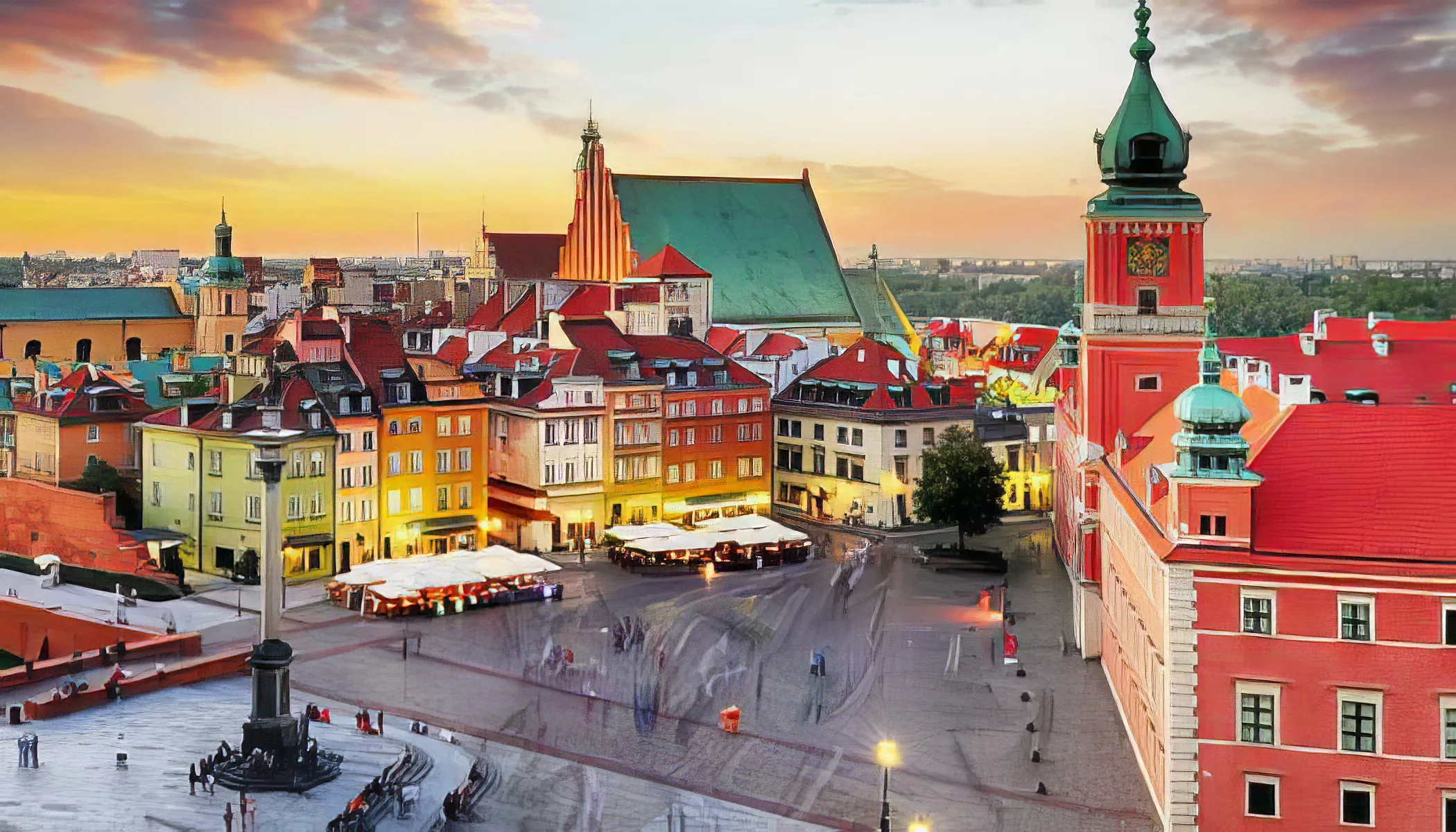
Poland offers a mix of historic cities and natural beauty:
– Warsaw: The capital city, known for its diverse architecture and the historic Old Town.
– Krakow: Famous for its well-preserved medieval core, the Royal Castle, and the Jewish quarter.
– Gdansk: A port city on the Baltic coast, known for its Gothic architecture and the World War II museum.
– Wroclaw: Known for its market square, Gothic-style buildings, and numerous bridges.
– Poznan: A city on the Warta River, known for its Renaissance-style buildings and the Ostrow Tumski Cathedral.
– Zakopane: A resort town at the base of the Tatra Mountains, popular for hiking in summer and skiing in winter.
– Lublin: Known for its old town and the Majdanek concentration camp.
Monuments
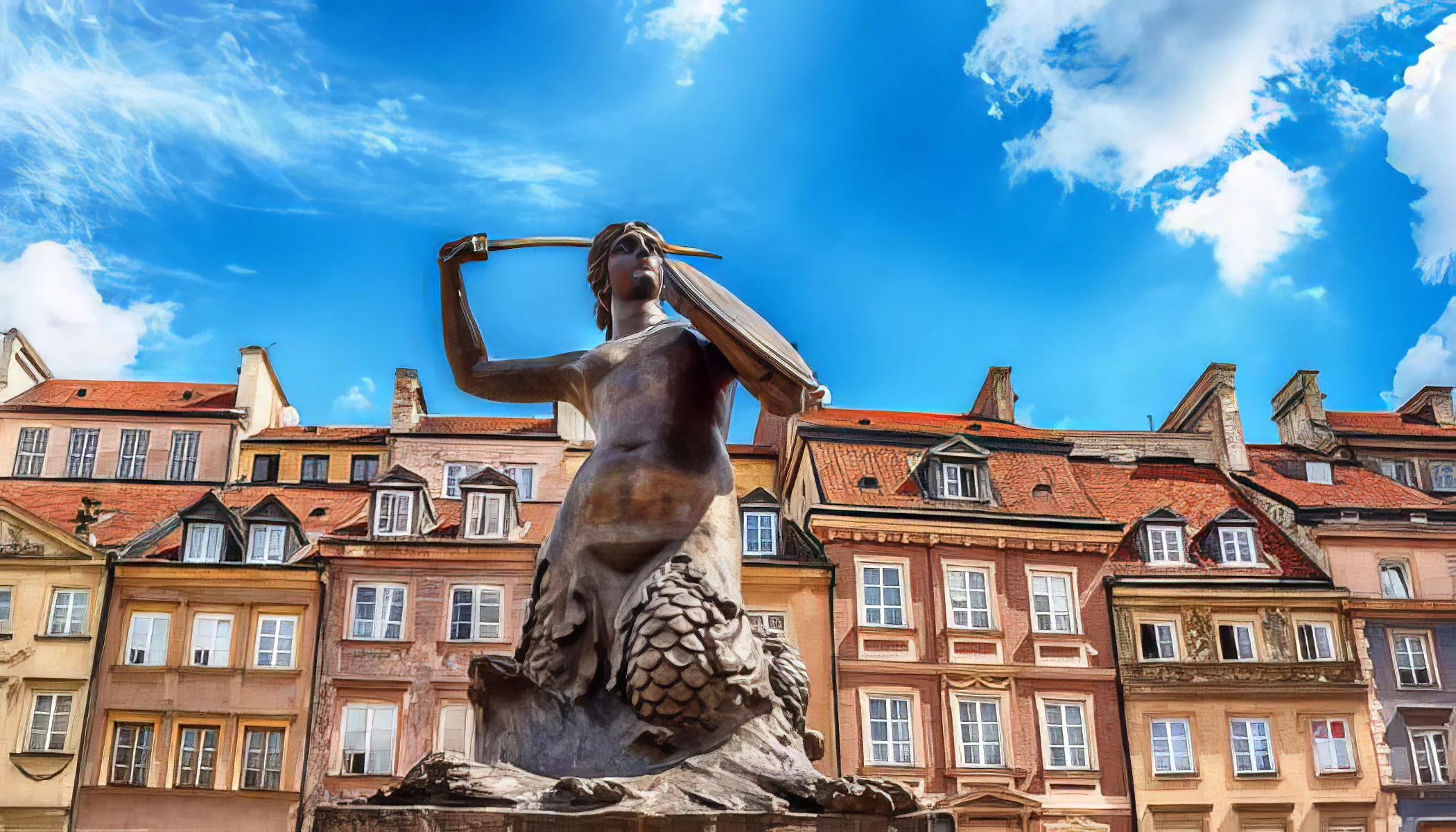
Poland is home to many significant historical monuments and architectural sites:
– Wawel Castle, Krakow: Former residence of Polish monarchs, now a museum.
– Auschwitz-Birkenau: WWII concentration and extermination camp, a poignant reminder of Holocaust.
– Warsaw Old Town: UNESCO site, rebuilt after WWII, featuring Royal Castle and Market Square.
– Malbork Castle: World's largest brick castle, built by Teutonic Knights.
– Wieliczka Salt Mine: UNESCO site, historic salt mine with chapels, sculptures and an underground lake.
– Bialowieza Forest: UNESCO site, Europe's last primeval forest with a bison reserve.
– Jasna Gora Monastery, Czestochowa: Poland's most important pilgrimage site, home to the Black Madonna.
– Wilanow Palace, Warsaw: Baroque palace, former royal residence with beautiful gardens.
Natural wonder
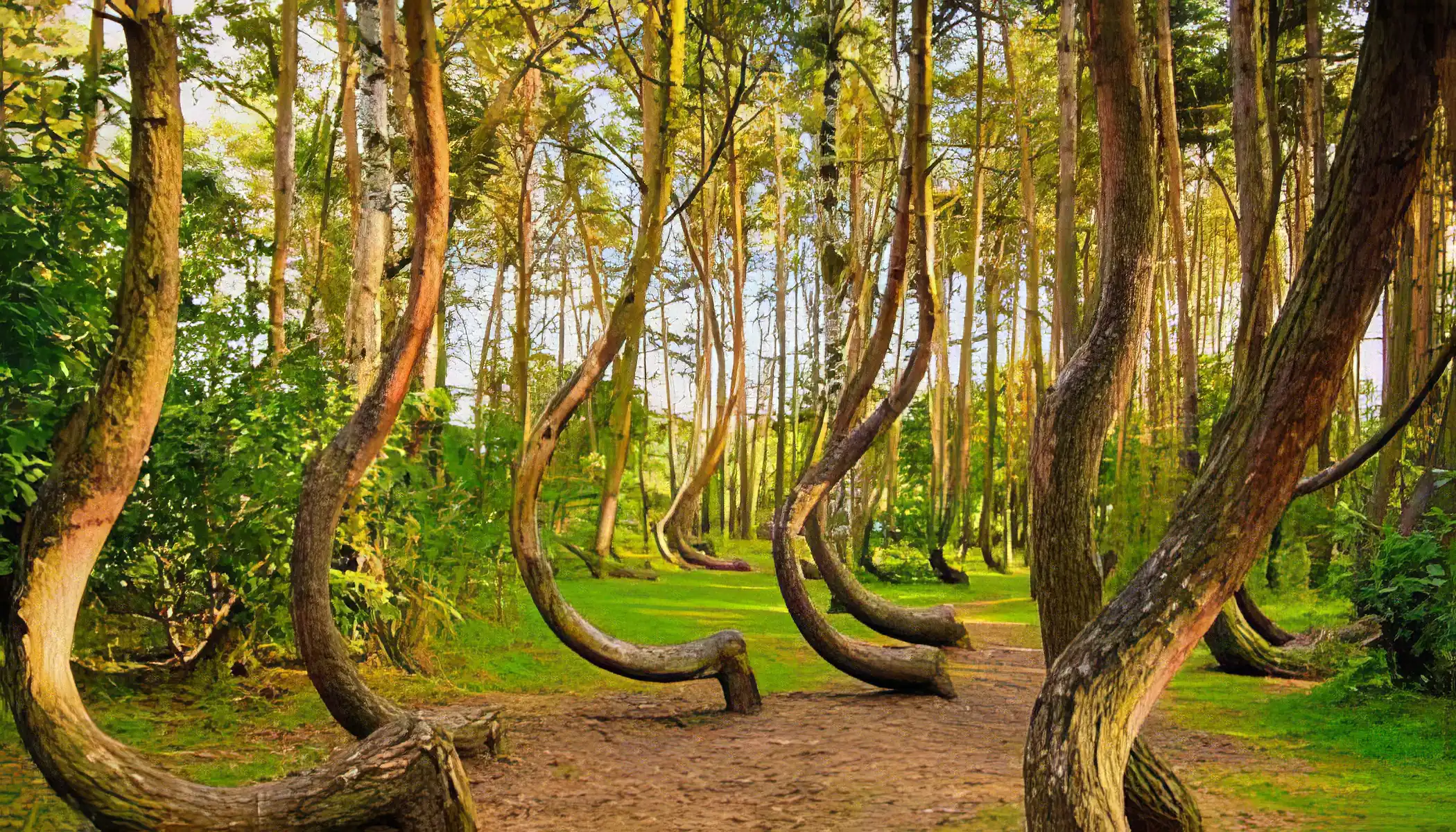
Explore the diverse natural beauty of Poland:
– Bialowieza Forest: One of the last and largest remaining parts of the primeval forest that once covered much of Europe.
– Tatra Mountains: The highest mountain range in Poland, offering fascinating views and hiking trails.
– Wieliczka Salt Mine: An underground city carved from salt, with chapels, statues, and even a lake.
– Slowinski National Park: Known for its shifting sand dunes, which are a unique phenomenon in Europe.
– Bieszczady National Park: Offers untouched wilderness, diverse wildlife, and hiking trails.
– Masurian Lake District: A lake district in northeastern Poland famous for its 2,000 lakes.
– Ojcow National Park: Known for its sparkling cliffs, caves, and medieval castles.
– Pieniny National Park: Home to the Dunajec River Gorge, popular for rafting and canoeing.
– Karkonosze National Park: Features the highest peak in the Sudetes, diverse flora and fauna, and charming waterfalls.
– Wigry National Park: Known for its post-glacial landscape, numerous lakes, and diverse wildlife.
Beaches
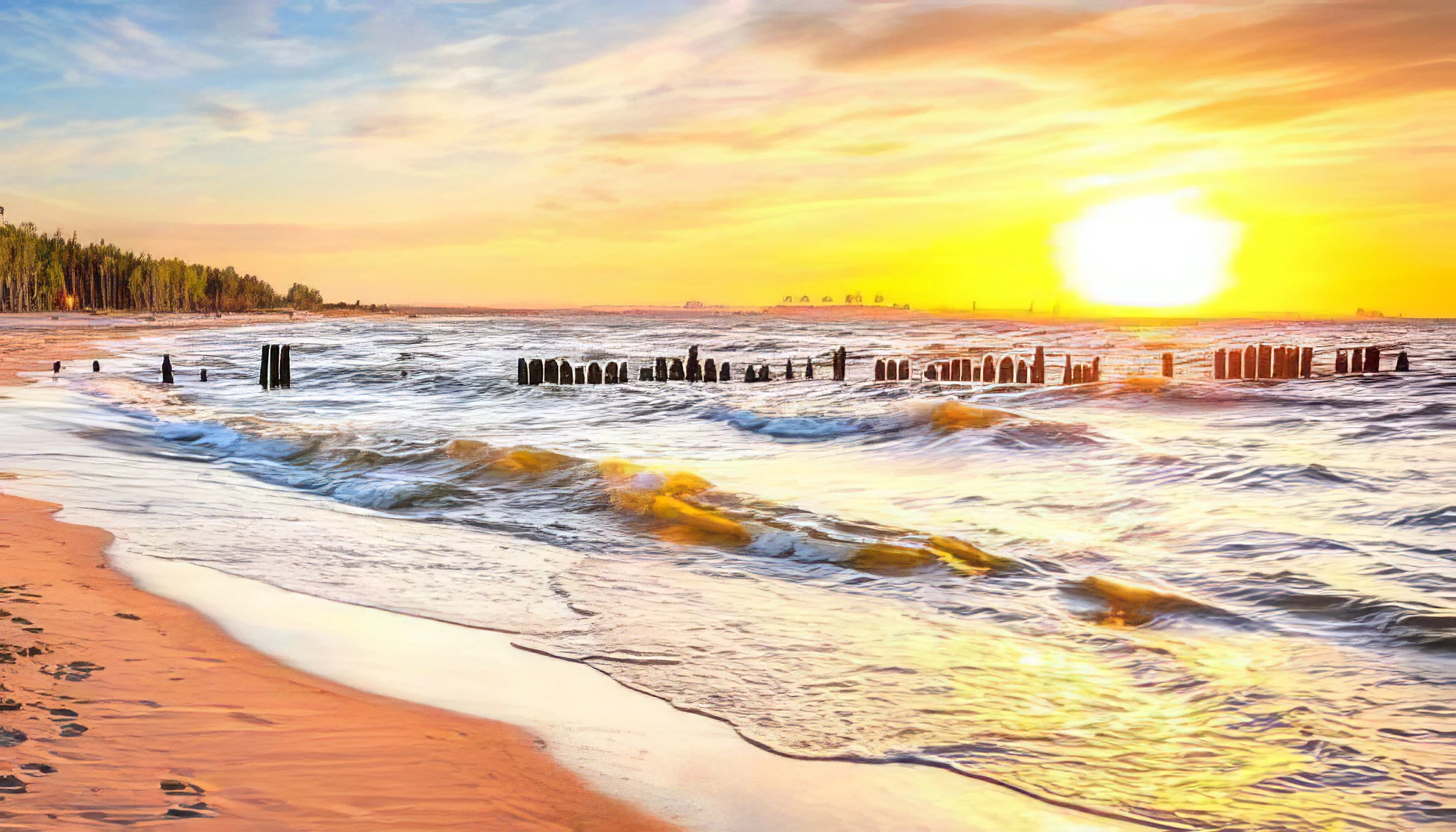
Poland, despite being a landlocked country, has some beautiful beaches along its Baltic Sea coast. Here are the most popular ones:
– Sopot Beach: Known for its long wooden pier, lively nightlife, and sandy beach.
– Leba Beach: Famous for its shifting sand dunes in Slowinski National Park.
– Swinoujscie Beach: A wide sandy beach on the island of Usedom, near the German border.
– Wladyslawowo Beach: Popular for water sports and its proximity to the Hel Peninsula.
– Miedzyzdroje Beach: Known for its pier and the Wax Figure Museum.
– Kolobrzeg Beach: Famous for its health resorts and the historic lighthouse.
– Jastarnia Beach: Located on the Hel Peninsula, known for windsurfing and kiteboarding.
Outdoor activities
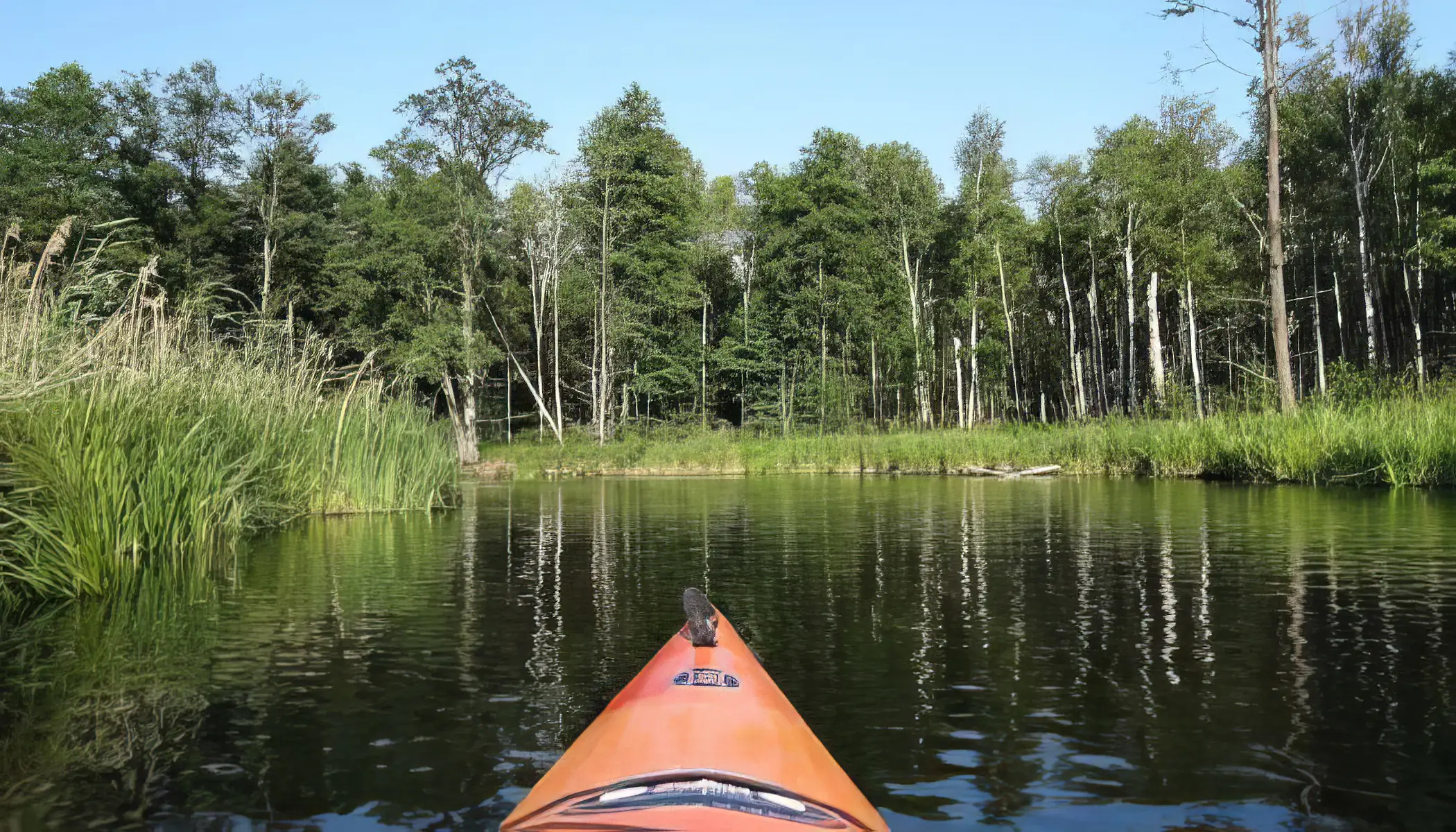
Poland offers a variety of outdoor experiences that cater to different types of adventurers:
– Hiking in Tatra Mountains: Traverse through diverse landscapes and wildlife.
– Kayaking in Masurian Lake District: Paddle across interconnected lakes and rivers.
– Cycling in Bialowieza Forest: Explore Europe's last primeval forest on two wheels.
– Skiing in Zakopane: Enjoy winter sports in Poland's premier ski destination.
– Boat Trip on the Vistula River: Experience Warsaw's landmarks from a different perspective.
– Wildlife Spotting in Bieszczady National Park: Encounter unique species in their natural habitat.
– Exploring Wieliczka Salt Mine: Discover an underground world of salt sculptures and chapels.
Kid Friendly
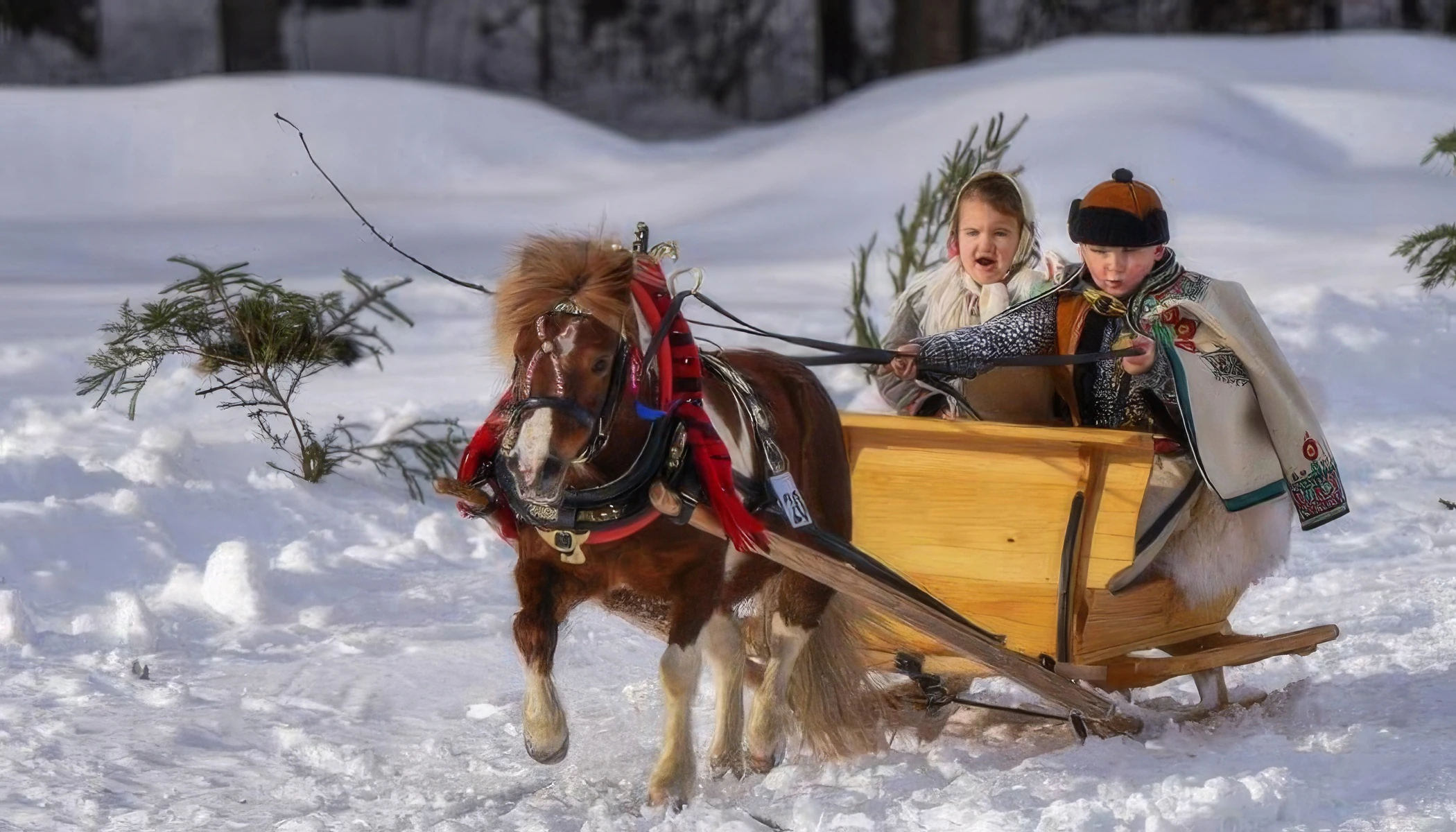
Poland offers a variety of activities that are perfect for children:
– Wroclaw Zoo: A large zoo with a variety of animals and a unique Africarium section.
– Energylandia: A large amusement park with rides suitable for all ages.
– Copernicus Science Centre: An interactive science museum that encourages learning through play.
– Malbork Castle: A medieval castle where kids can learn about history in a fun way.
– Wieliczka Salt Mine: An underground mine with beautiful salt sculptures and a health resort.
– Tatra National Park: A beautiful park with hiking trails and nice natural beauty.
– Krakow Water Park: A fun-filled water park with a variety of slides and pools.
– Warsaw Uprising Museum: A historical museum with interactive exhibits suitable for older kids.
Cuisine
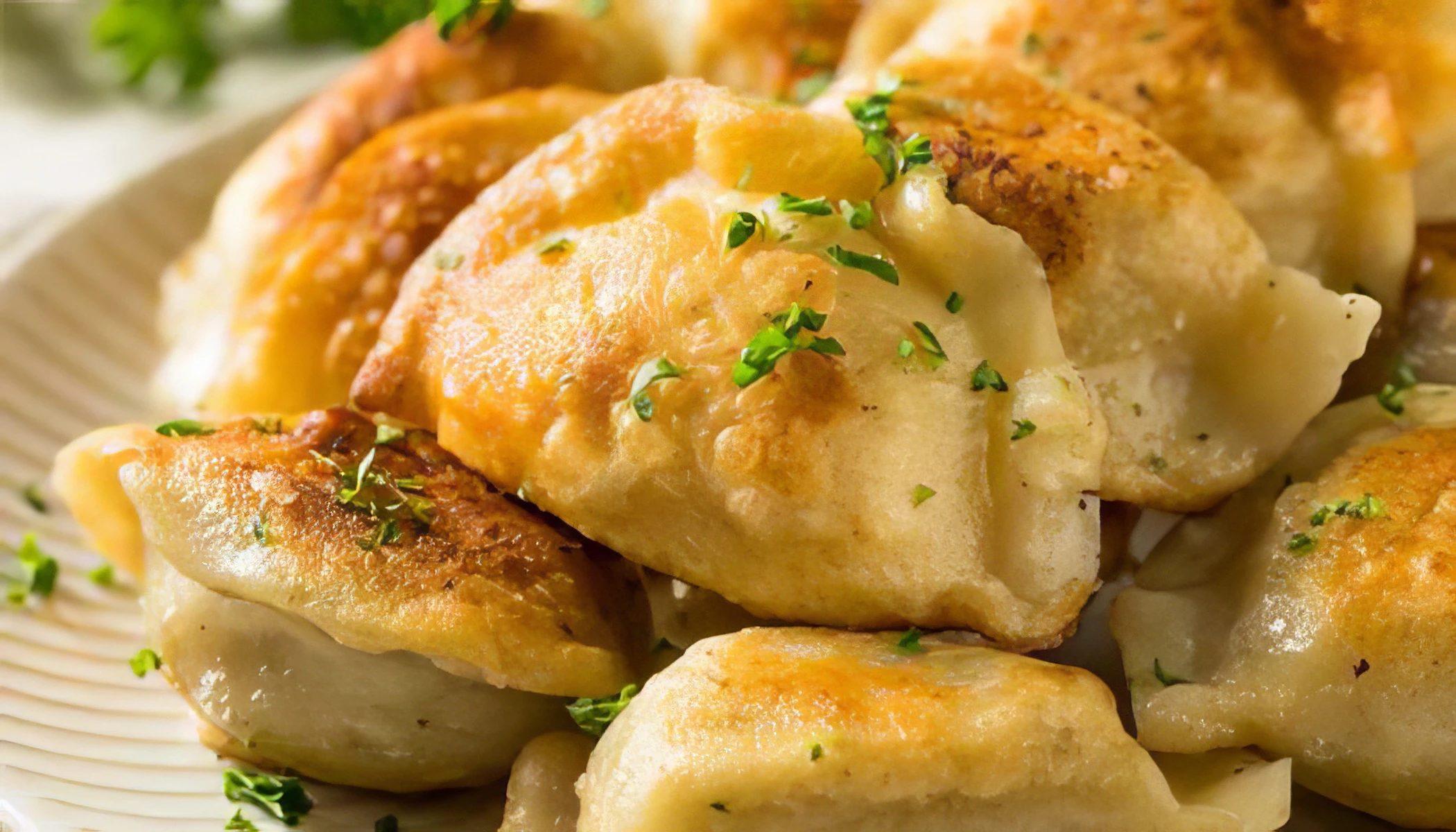
Polish cuisine is hearty and rich, with a focus on meat, root vegetables, and a variety of dumplings. It's known for its comforting, homestyle dishes and delicious pastries. The food scene is diverse, ranging from traditional Polish eateries to modern fusion restaurants. Most famous cuisine in Poland are:
– Pierogi: Traditional Polish dumplings, filled with a variety of ingredients like cheese, meat, or fruit.
– Bigos: A hearty stew made with various meats, sauerkraut, and cabbage.
– Kielbasa: Polish sausage, typically made from pork and seasoned with garlic and marjoram.
– Golabki: Cabbage rolls stuffed with meat and rice, served with a tomato sauce.
– Paczki: A sweet doughnut-like pastry filled with fruit or cream.
Souvenir
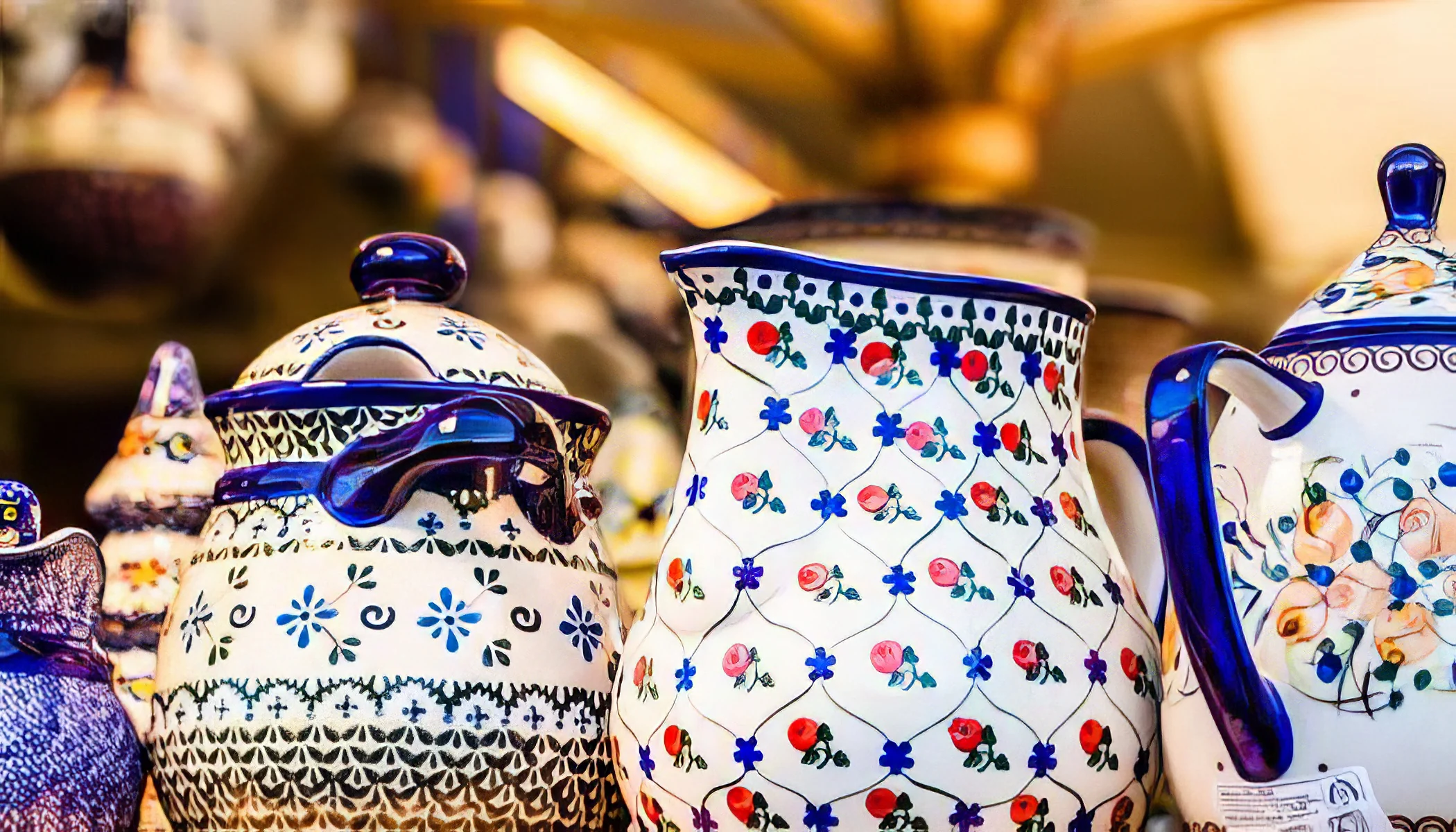
Poland is a country with a rich history and culture, reflected in its unique and diverse souvenirs. Here are some popular items to consider:
– Amber Jewelry: Poland is famous for its Baltic amber, often used in beautiful jewelry.
– Polish Pottery: Hand-painted and high-quality ceramics are a popular souvenir.
– Vodka: Poland is known for its vodka, and a bottle makes a great souvenir.
– Oscypek Cheese: This smoked cheese from the Tatra Mountains is a unique and tasty souvenir.
– Polish Dolls: Traditional Polish dolls are a charming and cultural keepsake.
– Linen Products: High-quality linen products, such as tablecloths and napkins, are popular in Poland.
– Wooden Boxes: Hand-carved wooden boxes are a traditional Polish craft and a practical souvenir.
Traditional Shows
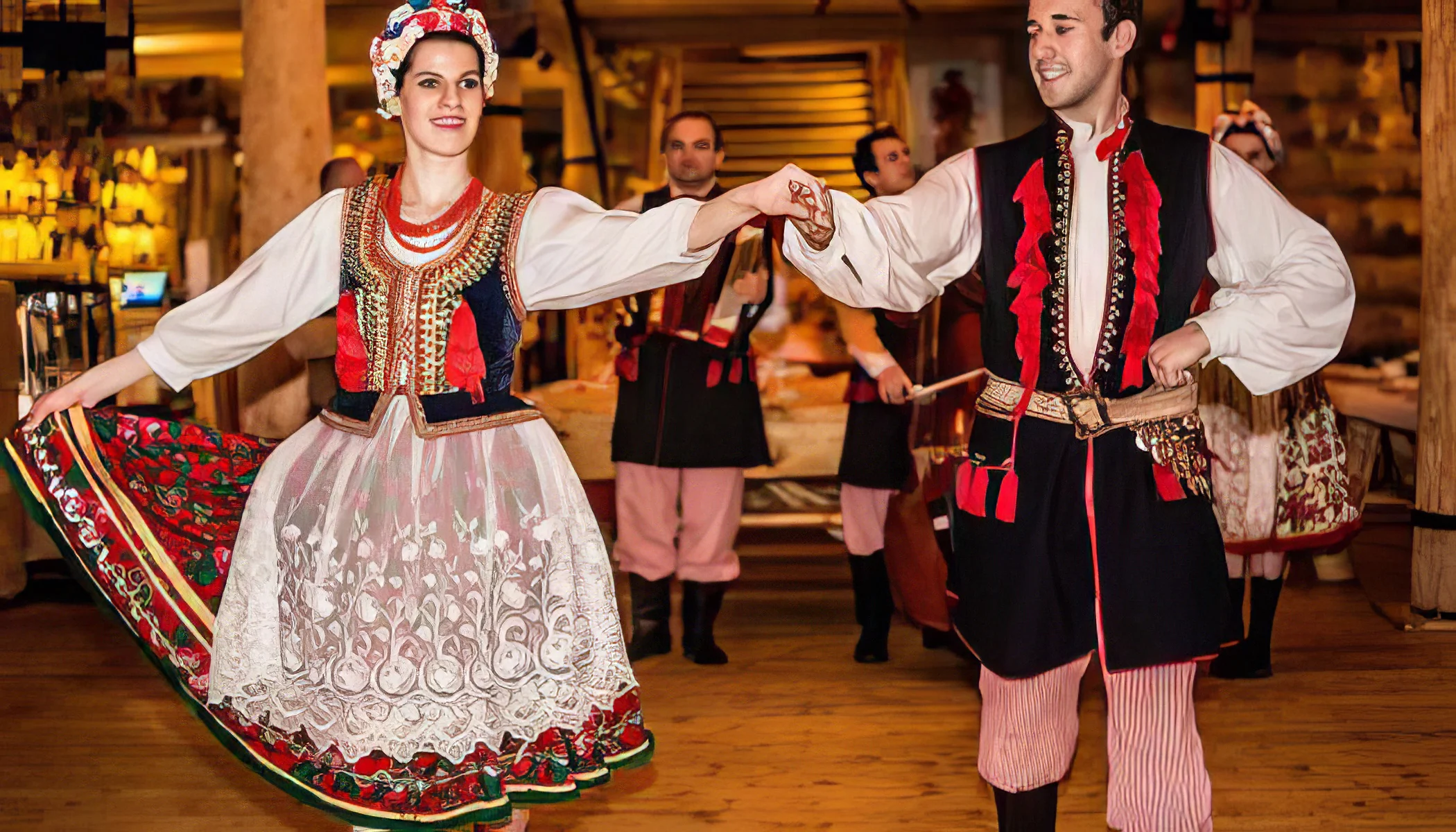
Poland is rich in traditional music and art performances:
– Mazowsze Folk Ensemble: Witness Poland's folk culture through animated music and dance performances in Warsaw, showcasing regional costumes and traditions.
– Krakow Opera: Enjoy classic opera performances in Krakow, presenting a mix of Polish and international repertoire.
– Wrocław Puppet Theater: Experience traditional puppetry and storytelling in Wrocław, a unique form of Polish theater.
– Gdansk Shakespeare Theatre: Watch Shakespearean plays in Gdansk, performed in a unique Elizabethan-style theater.
– Warsaw Philharmonic: Listen to classical music performances in Warsaw, home to Poland's premier orchestra and a hub for international musicians.
Events & Festivals
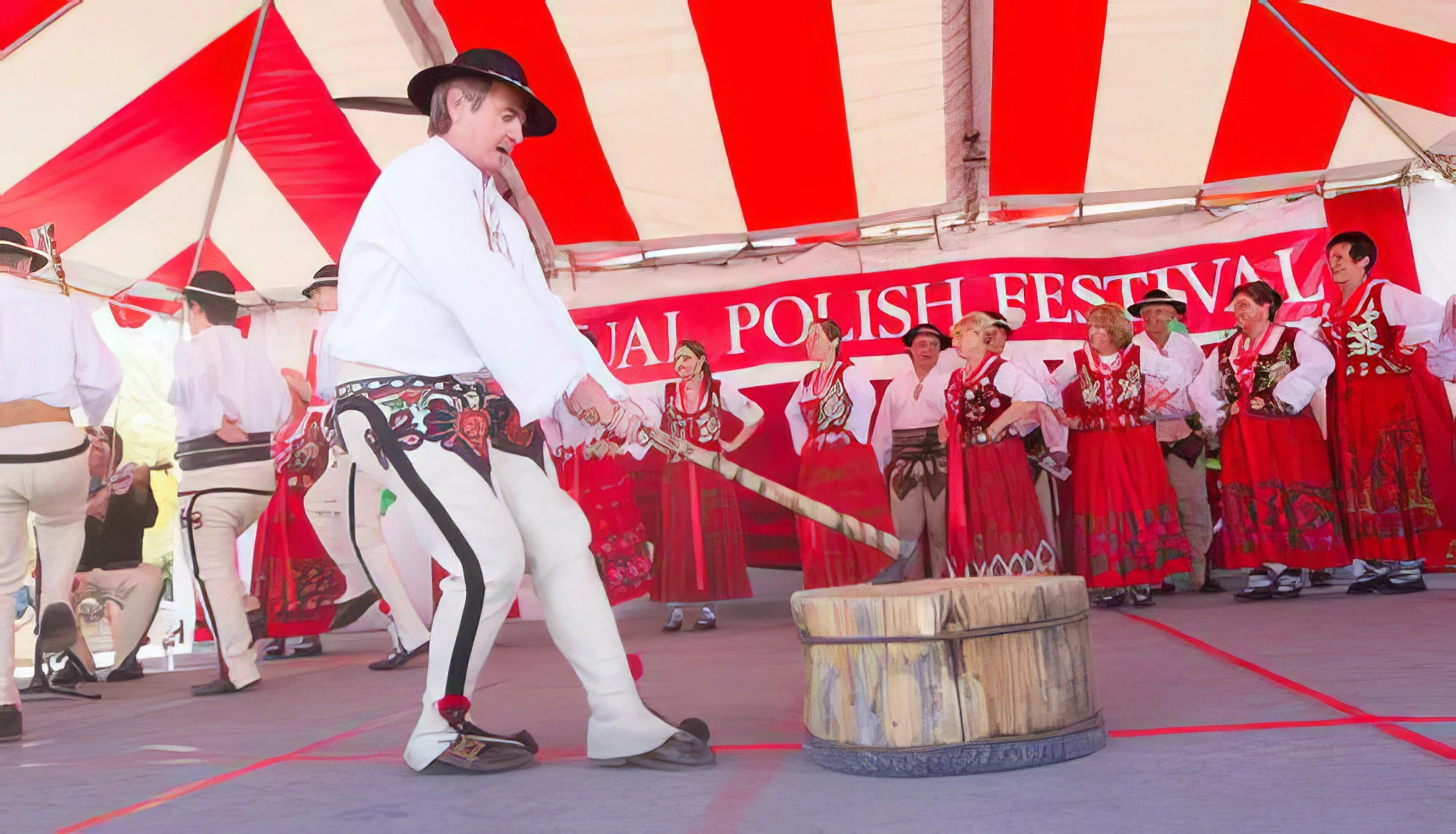
Poland, a country rich in culture and tradition, hosts several significant events and festivals throughout the year:
– New Year's Day: Celebrated on January 1 with fireworks and parties.
– Easter: A major religious holiday in April, with traditional foods and customs.
– Constitution Day: Celebrated on May 3, marking the adoption of the 1791 Constitution.
– Wianki: June midsummer festival with music, wreaths, and fireworks in Krakow.
– Jewish Culture Festival: A June/July event in Krakow, showcasing Jewish music, art, and history.
– Warsaw Uprising Anniversary: Commemorated on August 1 with ceremonies and events.
– All Saints' Day: November 1 holiday with visits to cemeteries to honor the deceased.
Famous People
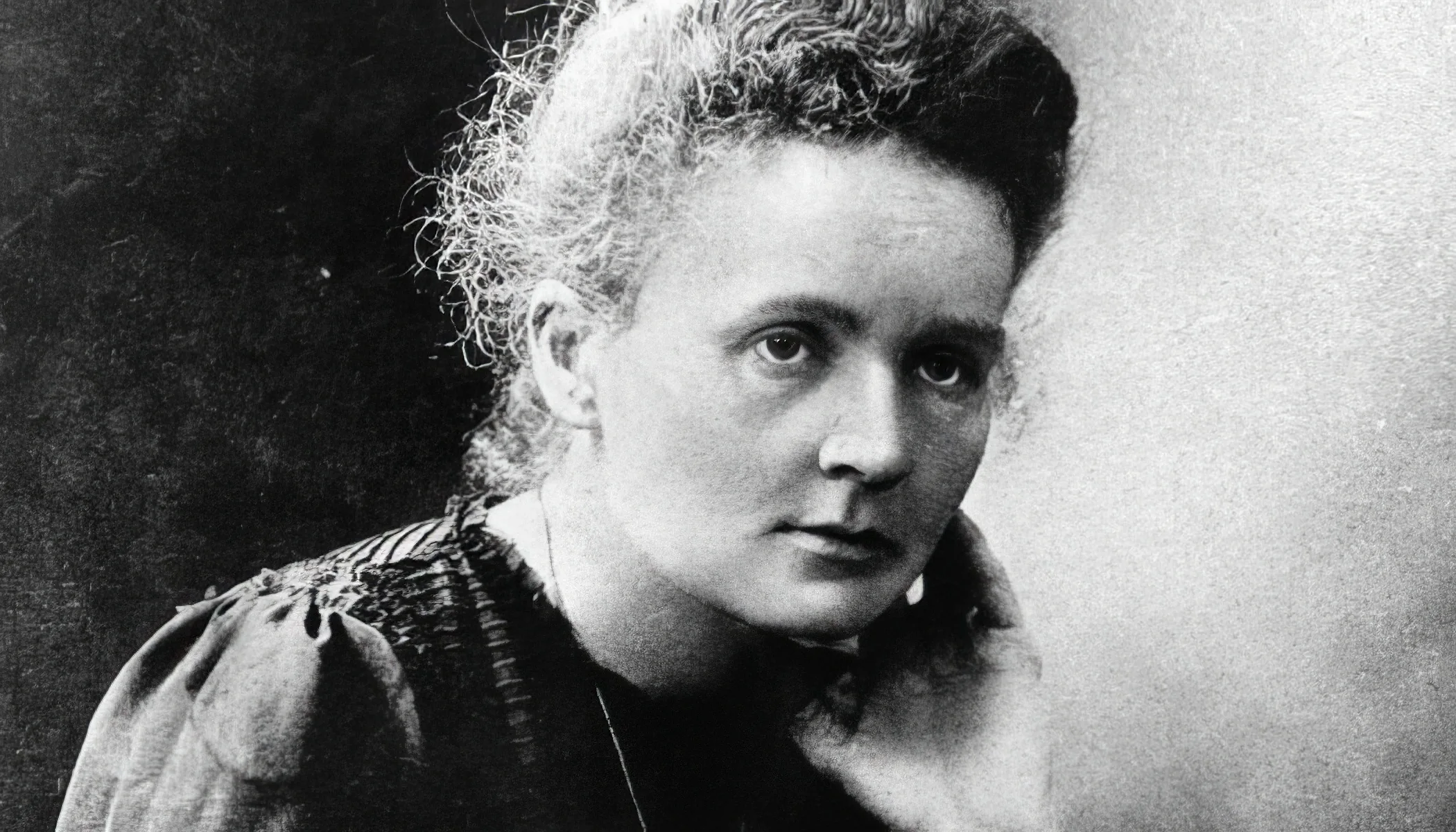
Poland has been home to many notable figures who have significantly influenced various fields globally.
– Marie Curie (1867 to 1934, Warsaw): Renowned physicist and chemist, first woman to win a Nobel Prize.
– Lech Walesa (born 1943, Popowo): Former President and Nobel Peace Prize laureate, co-founded Solidarity trade union.
– Andrzej Wajda (1926 to 2016, Suwalki): Acclaimed film director, recipient of an Honorary Award at the Oscars.
– Nicolaus Copernicus (1473 to 1543, Torun): Astronomer who formulated a model of the universe with the Sun at the center.
– Fryderyk Chopin (1810 to 1849, Zelazowa Wola): World-renowned composer and virtuoso pianist of the Romantic era.
Books
These books provide a rich exploration of Poland's history, culture, and people.
– "The Pianist" by Władysław Szpilman: A memoir of survival in Warsaw during WWII.
– "The Peasants" by Władysław Reymont: A four-part novel depicting rural life in Poland.
– "This Way for the Gas, Ladies and Gentlemen" by Tadeusz Borowski: Stories based on Auschwitz experiences.
– "Man of Marble" by Aleksander Ścibor-Rylski: A novel about the political and social changes in post-war Poland.
– "Primeval and Other Times" by Olga Tokarczuk: A magical realist novel set in a fictional Polish village.
Songs
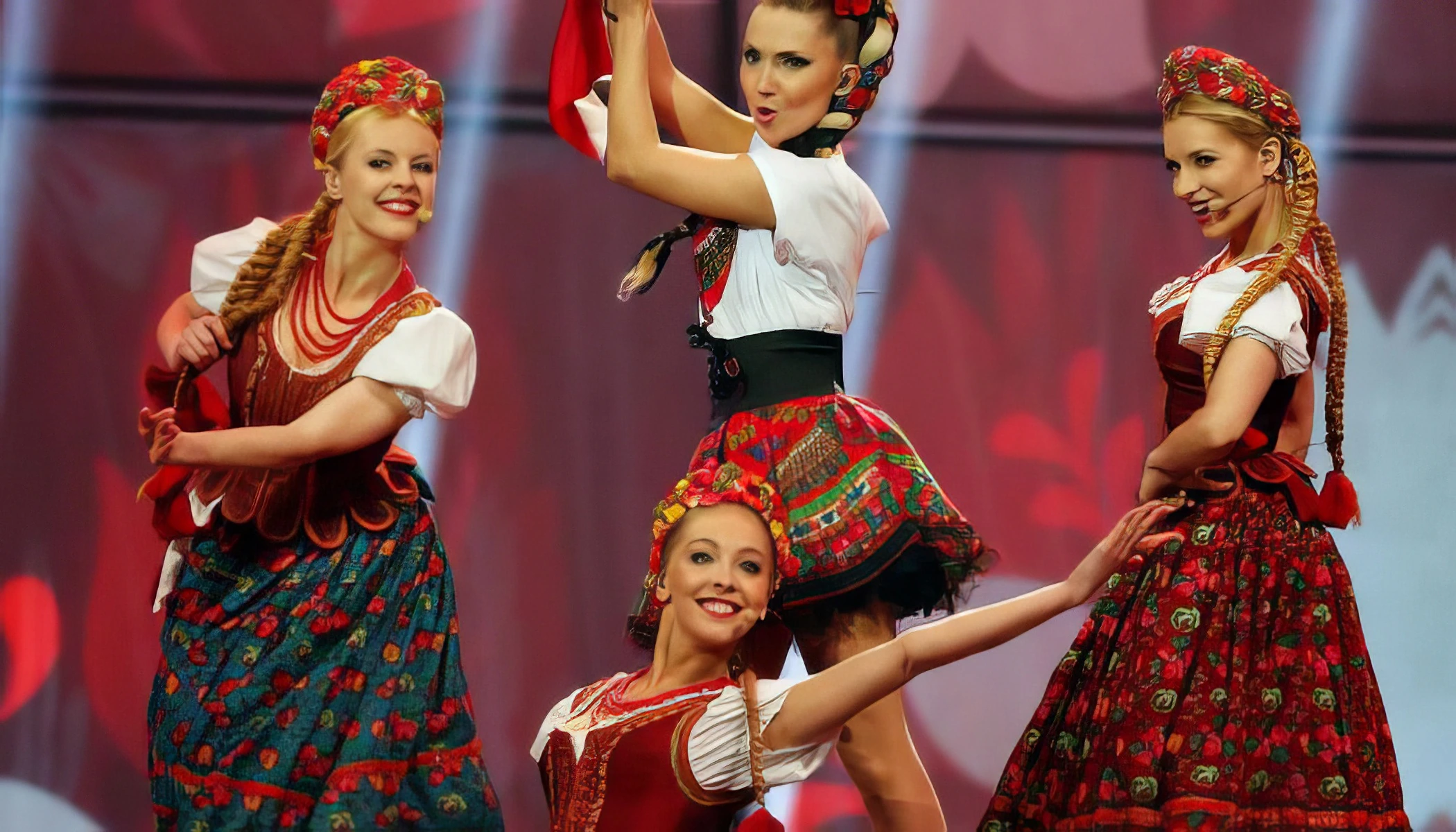
Poland's music scene is rich and diverse, with songs that have gained international recognition and encapsulate the country's spirit and culture.
– "Mury" by Jacek Kaczmarski: An iconic song symbolizing the fight for freedom.
– "Nie Ma, Nie Ma Ciebie" by Kayah & Bregovic: A popular song blending Balkan and Polish influences.
– "Cicha Woda" by Brathanki: A folk-inspired hit that resonates with many Poles.
– "Jestem Bogiem" by Paktofonika: A groundbreaking track in Polish hip-hop.
– "Królowe Życia" by Sylwia Grzeszczak: A modern pop song by a renowned Polish artist.
– "Nieznajomy" by Dawid Podsiadło: A chart-topping song from one of Poland's most popular contemporary artists.
Films
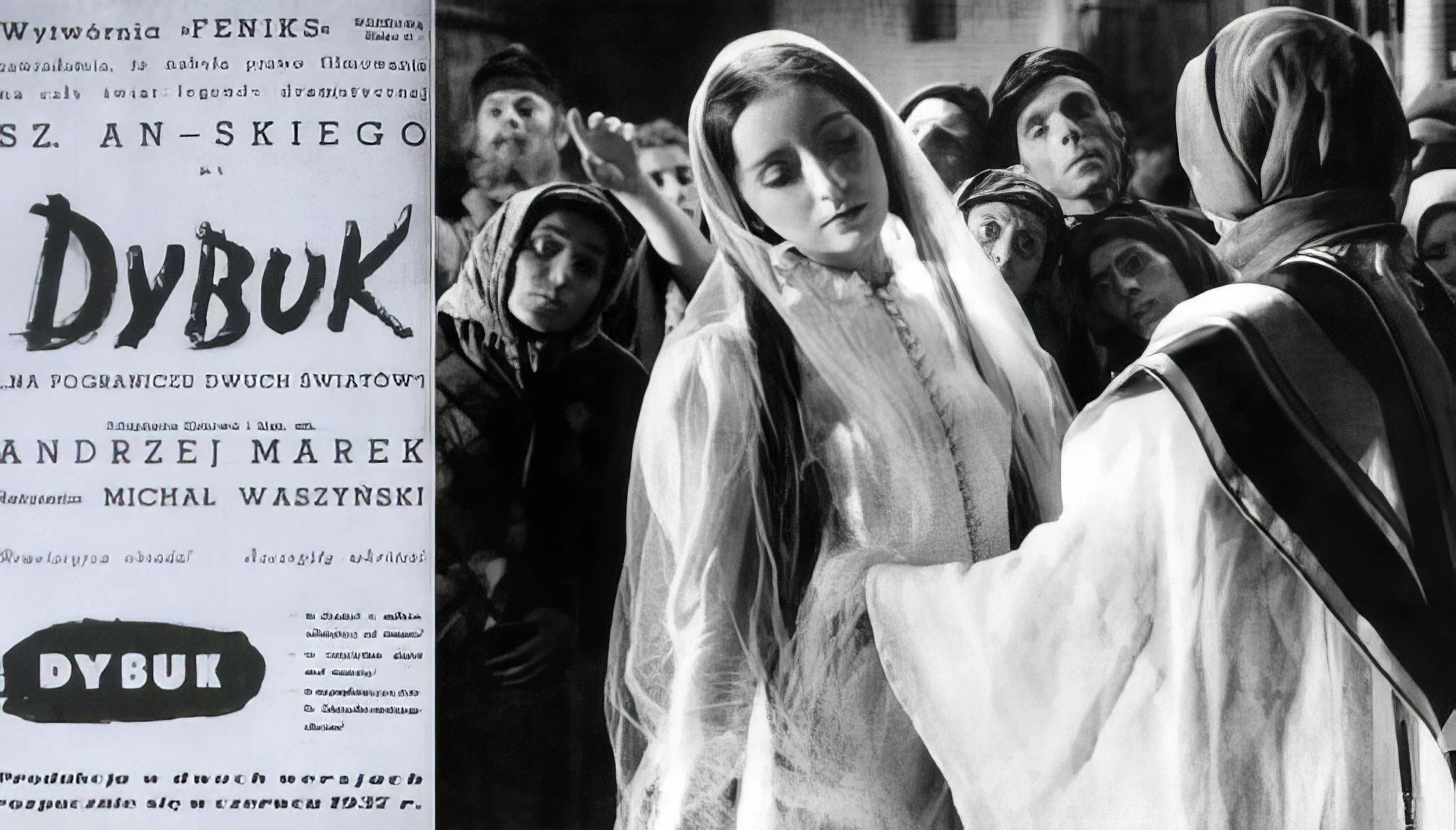
Poland has a rich cinematic history, here are some of the most famous films about Poland:
– "Ida": Directed by Paweł Pawlikowski, a young woman discovers her Jewish heritage before taking her vows as a nun.
– "Body/Ciało": A dark comedy by Małgorzata Szumowska about a lawyer, his anorexic daughter, and their psychic therapist.
– "Cold War": Another Paweł Pawlikowski film, a love story set against the backdrop of the Cold War.
– "Katyń": Directed by Andrzej Wajda, a tragic story about the massacre of Polish officers during World War II.
– "Cicha Noc": A drama by Piotr Domalewski about a family's Christmas Eve reunion revealing hidden truths.