

Travel Guide to Qatar: Top Things to Do & Tips
A small, wealthy Gulf nation, known for its modern skyline and rich cultural heritage. It hosts global events and boasts significant natural gas reserves. The capital, Doha, features museums and markets, blending tradition with innovation in a rapidly developing environment.
- Capital
- Doha
- Population
- 0.9 millions
- Superficy
- 12000 sq.km
- Months to Visit
- Nov. to April
- Living Cost
- Expensive
Overview
Qatar is a small, wealthy nation located on the northeastern coast of the Arabian Peninsula. Its capital, Doha, is known for its modern skyline and cultural institutions like the Museum of Islamic Art. The country has significant oil and natural gas reserves, which have driven its rapid economic growth and development. Qatar is investing heavily in infrastructure and tourism, highlighted by hosting the 2022 FIFA World Cup. The nation maintains a blend of traditional Islamic culture with modern influences. Despite its advancements, Qatar faces challenges such as labor rights issues and regional geopolitical tensions.
Pros & Cons
GOOD REASONS TO VISIT QATAR
– Modern Architecture: Discover futuristic skyscrapers and innovative designs in Doha, showcasing Qatar's rapid urban development.
– Cultural Heritage: Visit the Museum of Islamic Art and Souq Waqif for rich history and traditional experiences.
– Desert Adventures: Enjoy dune bashing, camel rides, and camping under the stars in Qatar's vast desert landscapes.
– Luxury Shopping: Explore high-end malls like Villaggio and The Pearl-Qatar for luxury brands and unique shopping experiences.
– World-Class Events: Attend international events like the FIFA World Cup or cultural festivals showcasing global talent. CHALLENGES WHEN VISITING QATAR
– Extreme Heat: Summers are intensely hot; outdoor activities can be uncomfortable during peak temperatures.
– Cultural Restrictions: Dress codes and alcohol regulations may require adjustments for some visitors unfamiliar with local customs.
– Limited Public Transport: Public transportation options are limited; taxis or car rentals are often necessary for getting around.
Before Departure
Before traveling to Qatar, it's important to be informed about several key aspects:
– Passport: Ensure your passport is valid for at least six months from your entry date.
– Visa: Many nationalities can obtain a visa on arrival or enter visa-free; check specific requirements based on nationality.
– Currency: Qatari Riyal (QAR); credit cards widely accepted; ATMs are readily available throughout the country.
– Internet access: WiFi is accessible in hotels and public areas; local SIM cards with data plans are available from Ooredoo and Vodafone.
– Language barrier: Arabic is the official language; English is widely spoken, especially in business and tourist areas.
What to Pack
Visiting Qatar requires preparation for its warm climate and respect for local customs and traditions.
– Essentials: Passport and visa (if required), travel insurance details, flight tickets and itinerary, accommodation confirmations.
– Clothing: Lightweight, modest clothing covering shoulders and knees, comfortable walking shoes, sunglasses, hat for sun protection.
– Health & Safety: Prescription medications, basic first aid kit, high SPF sunscreen, insect repellent.
– Electronics: Travel adapter for UK-style outlets, mobile phone with charger, camera.
Weather
Weather in Qatar is characterized by a desert climate with extreme temperatures:
– Winter (December to February): Mild and pleasant temperatures, with occasional rain and cooler evenings.
– Spring (March to May): Warm temperatures begin to rise, with increasing humidity and occasional sandstorms.
– Summer (June to August): Extremely hot and dry, with temperatures often exceeding 40°C (104°F).
– Autumn (September to November): Gradual cooling from the intense summer heat, with decreasing humidity levels. The best time to visit Qatar is from November to early April:
– Enjoyable outdoor activities due to mild weather conditions.
– Cultural events and festivals are abundant during this period. However, it is also the peak tourist season, leading to higher prices and larger crowds.
Travel Budget
Qatar is known for its luxury, but there are also budget-friendly options available. Here are some average prices for common expenses:
– Hotel: 50$ to 300$
– Lunch: 5$ to 20$
– Beverage (in bar/restaurant): 5$ to 15$
– Coffee: 3$ to 6$
– Transportation: (train 1.5$ to 3$), (bus 0.5$ to 2.5$), (taxi /10km 7$ to 15$)
– Mobile data (per GB): 2.5$ to 10$
Language
In Qatar, Arabic is the official language, and here are some useful phrases for tourists:
– Hello: As-salamu alaykum
– Thank you: Shukran
– Please: Min fadlak (to a male) / Min fadlik (to a female)
– How much is this?: Kam thaman hadha?
– Excuse me: Afwan
– I don't understand: La afham
– Yes: Na'am
– No: La
– Goodbye: Ma'a as-salama
History
The area has been inhabited for thousands of years, with its history influenced by various empires, including the Persians and the Ottomans. The Al Thani family began consolidating power in the mid-19th century, establishing a ruling dynasty that continues today. In 1916, Qatar became a British protectorate while maintaining internal autonomy. Oil reserves discovered in the 20th century transformed its economy and geopolitical significance. Qatar gained full independence from Britain in 1971. Since then, it has become a major player on the global stage due to its natural gas reserves, hosting international events and developing rapidly under its ruling monarchy.
Geopolitics
Located on the northeastern coast of the Arabian Peninsula, Qatar shares its only land border with Saudi Arabia and has maritime borders with Bahrain, Iran, and the United Arab Emirates. It is a small but wealthy nation due to its vast natural gas and oil reserves. Qatar has used its wealth to exert influence beyond its size, fostering global ties through investments, diplomacy, and media presence via Al Jazeera. It maintains a strategic alliance with the United States, hosting a major U.S. military base at Al Udeid Air Base. In recent years, Qatar navigated a significant diplomatic crisis when several neighboring countries imposed a blockade in 2017 over accusations of supporting terrorism, which was lifted in 2021 following diplomatic negotiations. Despite regional tensions, it continues to pursue an independent foreign policy emphasizing mediation and dialogue in international conflicts.
Sample Itinerary
This itinerary covers cultural sites, desert landscapes, and modern attractions in Qatar.
– 1 day in Doha: Visit the Museum of Islamic Art, Souq Waqif, and the Corniche. Explore Katara Cultural Village for art and performance spaces.
– 1 day at The Pearl-Qatar: Walk around the luxurious marina, shop at high-end boutiques, and dine at international restaurants in this man-made island.
– 1 day in Al Zubarah: Tour the UNESCO-listed Al Zubarah Fort and learn about Qatar's history through its well-preserved ruins and excavation sites.
– 1 day in Khor Al Adaid: Experience a desert safari with dune bashing and enjoy views of the Inland Sea where the desert meets the water.
– 1 day in Education City: Explore Mathaf: Arab Museum of Modern Art and visit Qatar National Library for its striking architecture.
Popular cities
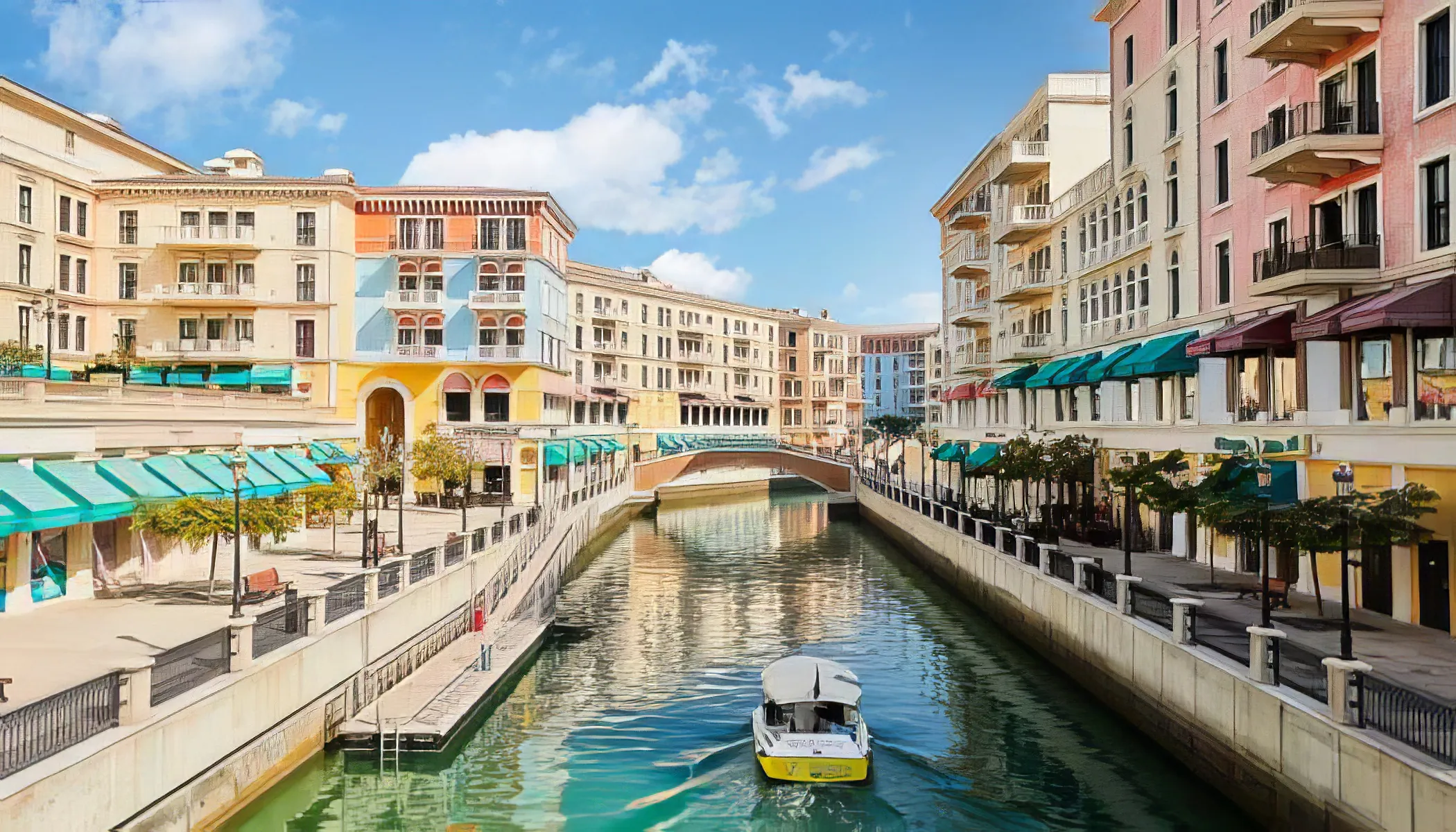
Explore the unique blend of modernity and tradition in Qatar's top cities:
– Doha: The capital city features modern architecture, museums, and the busy Souq Waqif.
– Al Wakrah: Known for its family-friendly beaches and the historic Al Wakrah Souq.
– Al Khor: Provides a glimpse into traditional Qatari life with its harbor and mangroves.
– Al Rayyan: Home to several sports stadiums and the Education City complex.
– Dukhan: A coastal town known for its beach and proximity to desert landscapes.
– Mesaieed: Known for its sand dunes, ideal for desert safaris and outdoor adventures.
Monuments
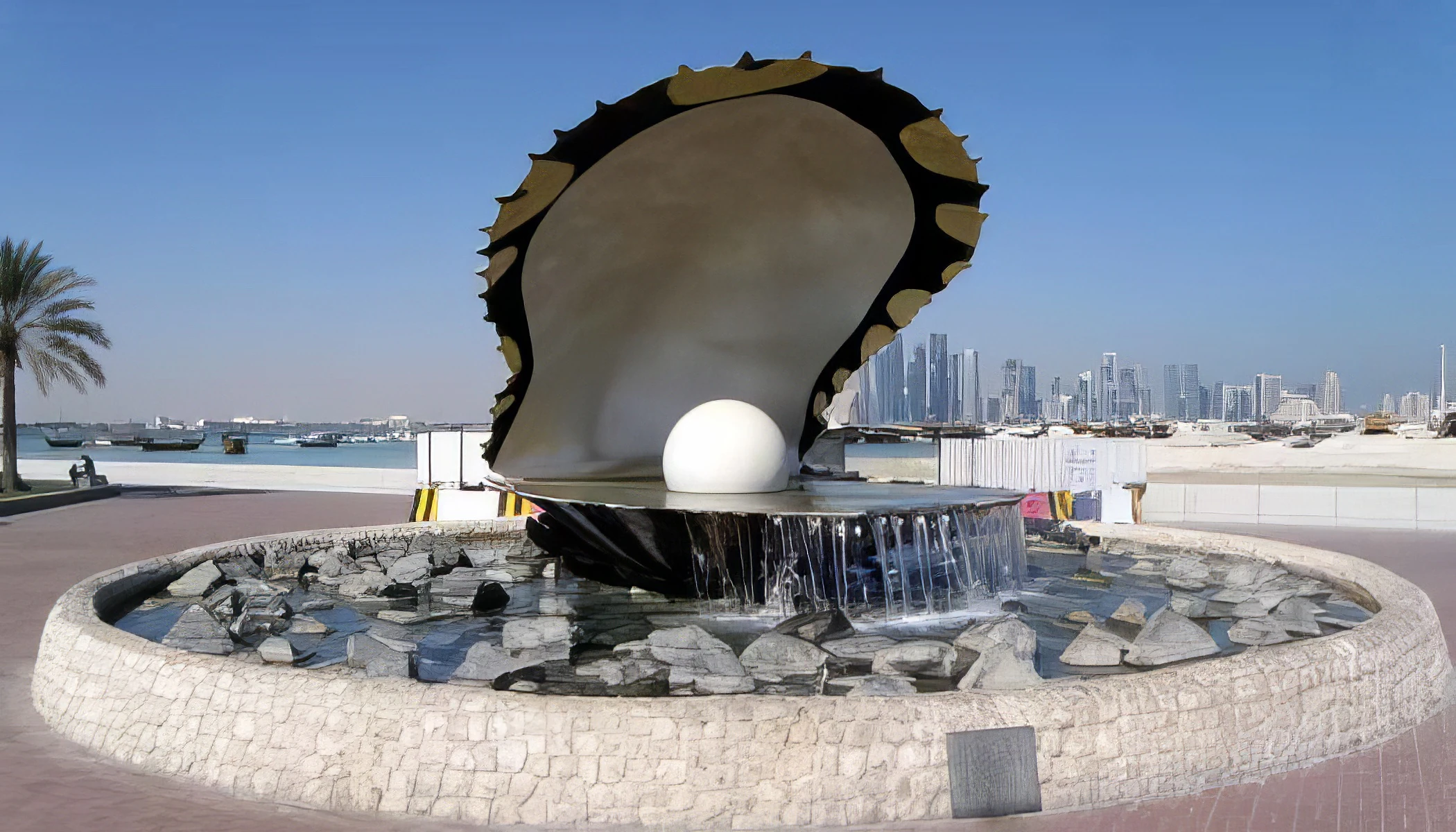
Qatar supplies several remarkable monuments to explore:
– Museum of Islamic Art, Doha: Iconic museum showcasing Islamic art from three continents over 1,400 years.
– Souq Waqif, Doha: Traditional market with restored buildings, shops, and eateries offering local culture.
– Katara Cultural Village, Doha: Cultural hub with theaters, galleries, and traditional Qatari architecture.
– Al Zubarah Fort: UNESCO site representing Qatar’s best-preserved example of a traditional desert fort.
– The Pearl-Qatar, Doha: Artificial island with Mediterranean-style marinas and luxury residences.
– Msheireb Museums, Doha: Historic houses turned museums exploring Qatar's history and cultural development.
– Barzan Towers, Umm Salal Mohammed: Defensive watchtowers from the 19th century offering scenic views.
– Aspire Tower (The Torch), Doha: Skyscraper built for the 2006 Asian Games now serving as a hotel.
Natural wonder
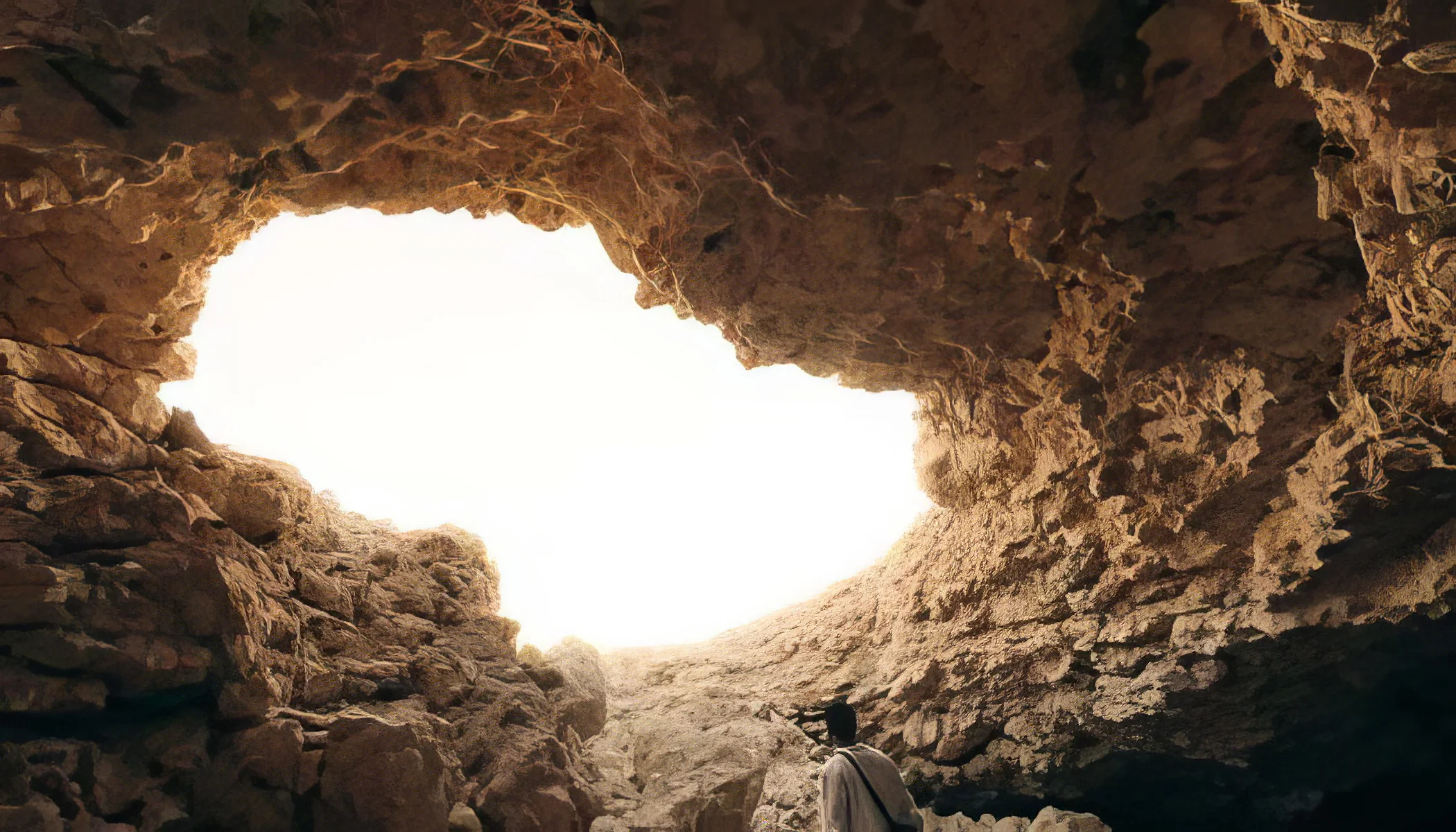
Explore Qatar's unique natural landscapes:
– Inland Sea (Khor Al Adaid): A rare tidal embayment surrounded by rolling sand dunes.
– Zekreet Rock Formations: Unique bright formations created by wind erosion in the desert.
– Al Thakira Mangroves: Coastal area with rich biodiversity, featuring mangroves and birdlife.
– Purple Island: Historical site known for its mangroves and archaeological remnants.
– Singing Sand Dunes: Dunes that produce a humming sound under certain conditions.
– Ras Abrouq Peninsula: Supplies dramatic landscapes with wildlife and unusual rock formations.
– Al Wakrah Family Beach Park Nature Reserve: Contains diverse plant species and is a birdwatching spot.
– Simaisma Family Beach: Features a blend of coastal wetland habitat and sandy beach.
– Al Reem Biosphere Reserve: UNESCO reserve preserving desert ecosystem and native wildlife.
Beaches
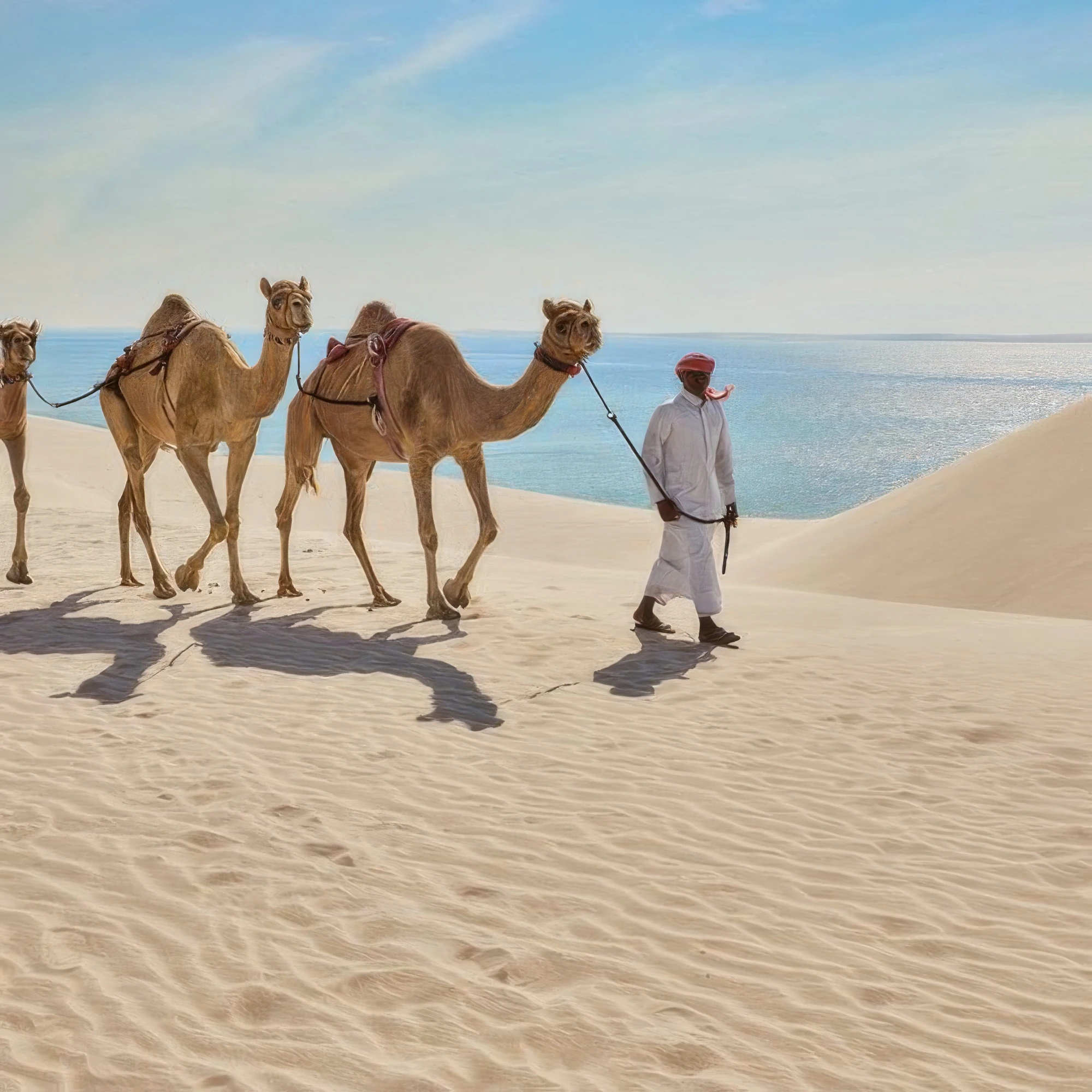
Qatar provides several beaches, popular for their unique beauty and activities:
– Katara Beach: Located in the cultural village, it supplies water sports and family-friendly activities.
– Sealine Beach: Known for its desert backdrop, popular for dune bashing and camping.
– Al Wakrah Beach: Family-friendly with shallow waters and picnic spots near Al Wakrah city.
– Simaisma Beach: Supplies mangroves, a quiet setting, and facilities for picnics near Doha.
– Fuwairit Beach: Renowned for its pinkish sands and is a turtle nesting site.
– Zekreet Beach: Features unusual rock formations and clear waters, ideal for exploration.
Outdoor activities

There are several unique outdoor activities to enjoy in Qatar:
– Desert Safari in the Qatari Dunes: Experience thrilling rides over golden sand dunes.
– Dhow Cruise in Doha Bay: Enjoy traditional wooden boat trips with views of the city skyline.
– Kayaking in Al Thakira Mangroves: Paddle through calm waters and explore diverse ecosystems.
– Kitesurfing at Zekreet Beach: Catch the wind while enjoying the scenic coastline.
– Wildlife Viewing at Al Reem Biosphere Reserve: Spot native species like Arabian oryx and gazelles.
– Rock Climbing at Jebel Jassassiyeh: Climb rugged terrain with ancient rock carvings around.
– Horse Riding at Al Samariyah Equestrian Centre: Ride through desert landscapes on trained horses.
Kid Friendly

Qatar supplies a variety of engaging activities for children to enjoy:
– Doha Corniche: A waterfront promenade with parks and playgrounds ideal for family walks.
– Aspire Park: A large city park with walking trails, playgrounds, and picnic areas.
– Katara Cultural Village: Provides art workshops and performances suitable for children.
– Museum of Illusions Doha: A fascinating place with interactive exhibits that captivate kids' imaginations.
– Aqua Park Qatar: An outdoor water park featuring slides, pools, and lazy rivers for all ages.
– Al Bidda Park: A vast green space with play areas, sports facilities, and bike rentals.
– Gondolania Theme Park: An indoor amusement park in Villaggio Mall offering rides and games for kids.
– Qatar National Library Children's Section: Provides a large collection of books and activities designed especially for young readers.
Cuisine
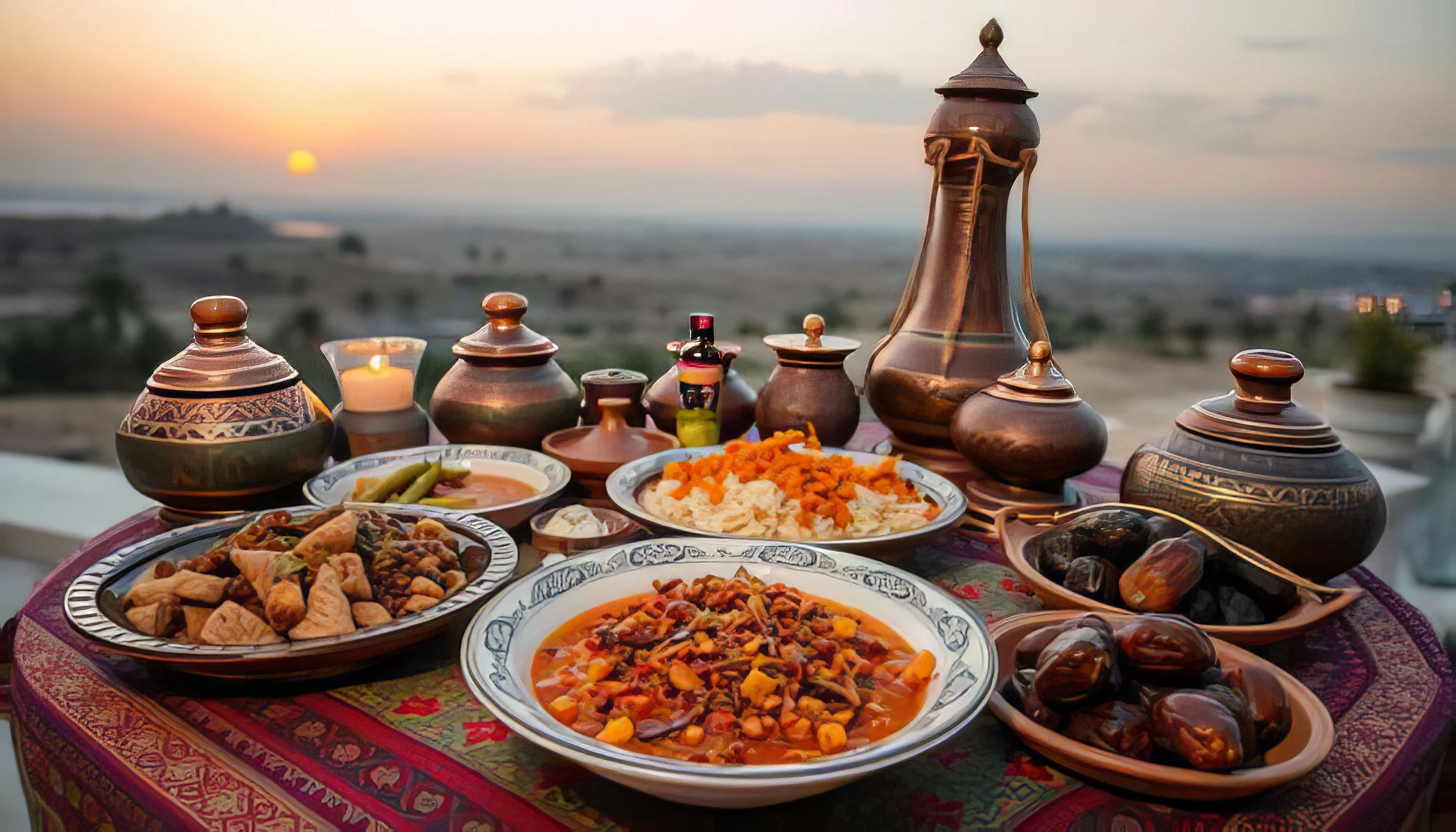
Qatari cuisine reflects a rich blend of Middle Eastern, Indian, and North African influences, offering hearty and aromatic dishes. Traditional meals often feature lamb, rice, and deep spices. Here are some of Qatar's most famous dishes and desserts:
– Machboos: Spiced rice dish with tender meat or seafood, infused with saffron.
– Harees: Savory porridge made from slow-cooked wheat and meat.
– Thareed: Bread soaked in rich stew with vegetables and meat.
– Saloona: Hearty stew with various meats, potatoes, carrots, and spices.
– Luqaimat: Sweet dumplings drizzled with date syrup or honey.
Souvenir
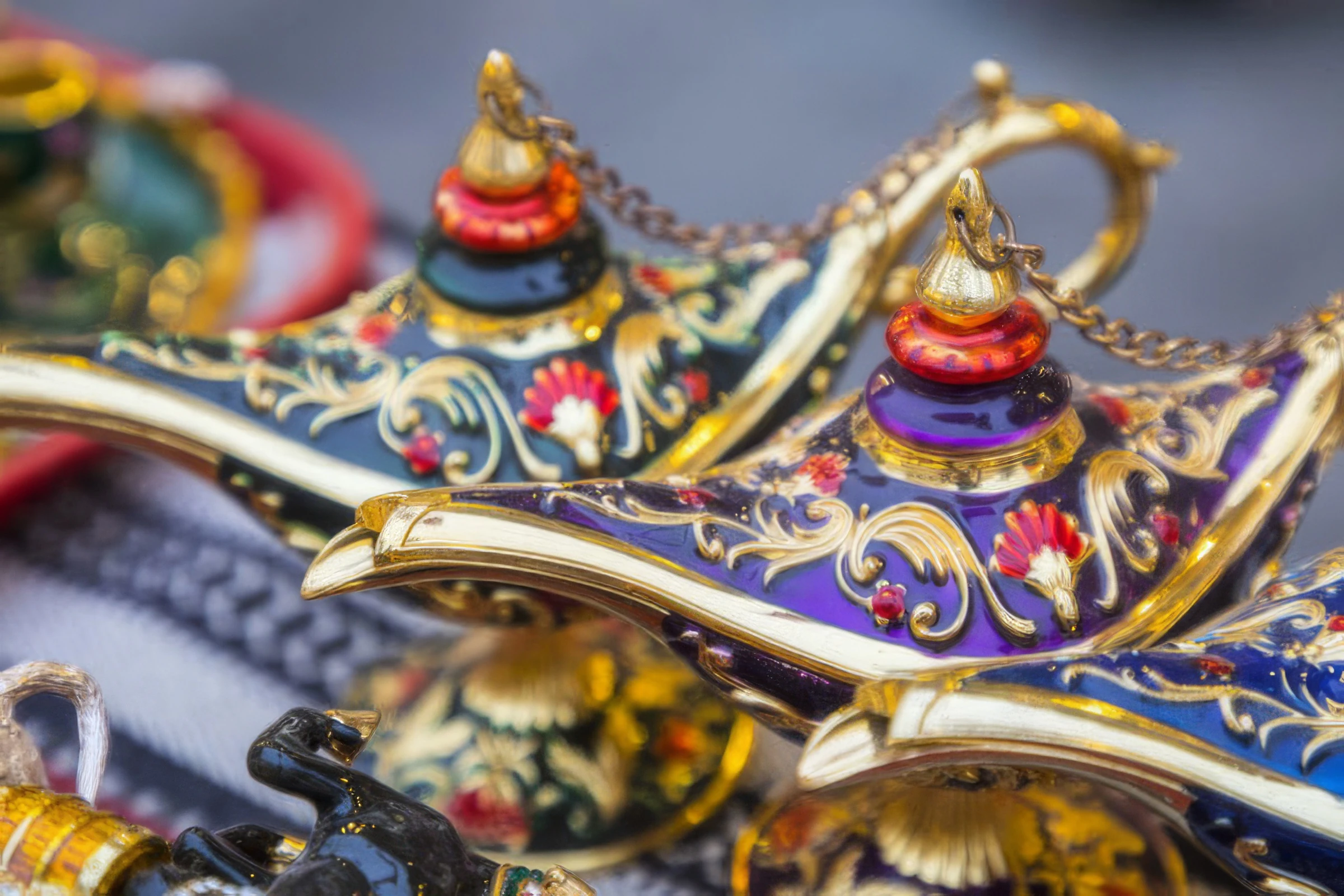
In Qatar, you'll find a variety of traditional and modern souvenirs. Here are some popular items to consider:
– Arabic Coffee Pots (Dallah): Traditional metal pots used for serving Arabic coffee, often beautifully decorated.
– Oud and Perfumes: High-quality oud and perfumes are widely available and cherished for their distinct scents.
– Traditional Clothing: Abayas and thobes, reflecting the local culture, are popular garments to take home.
– Sadu Weaving: Handwoven fabrics using traditional techniques, often featuring refined geometric designs.
– Gold Jewelry: Qatar offers a wide selection of finely crafted gold jewelry with Middle Eastern designs.
– Dates: Locally grown dates are a sweet treat and come in various varieties and gift boxes.
– Falconry Equipment: Items related to falconry, such as hoods or gloves, reflect the cultural significance of this sport in Qatar.
Traditional Shows
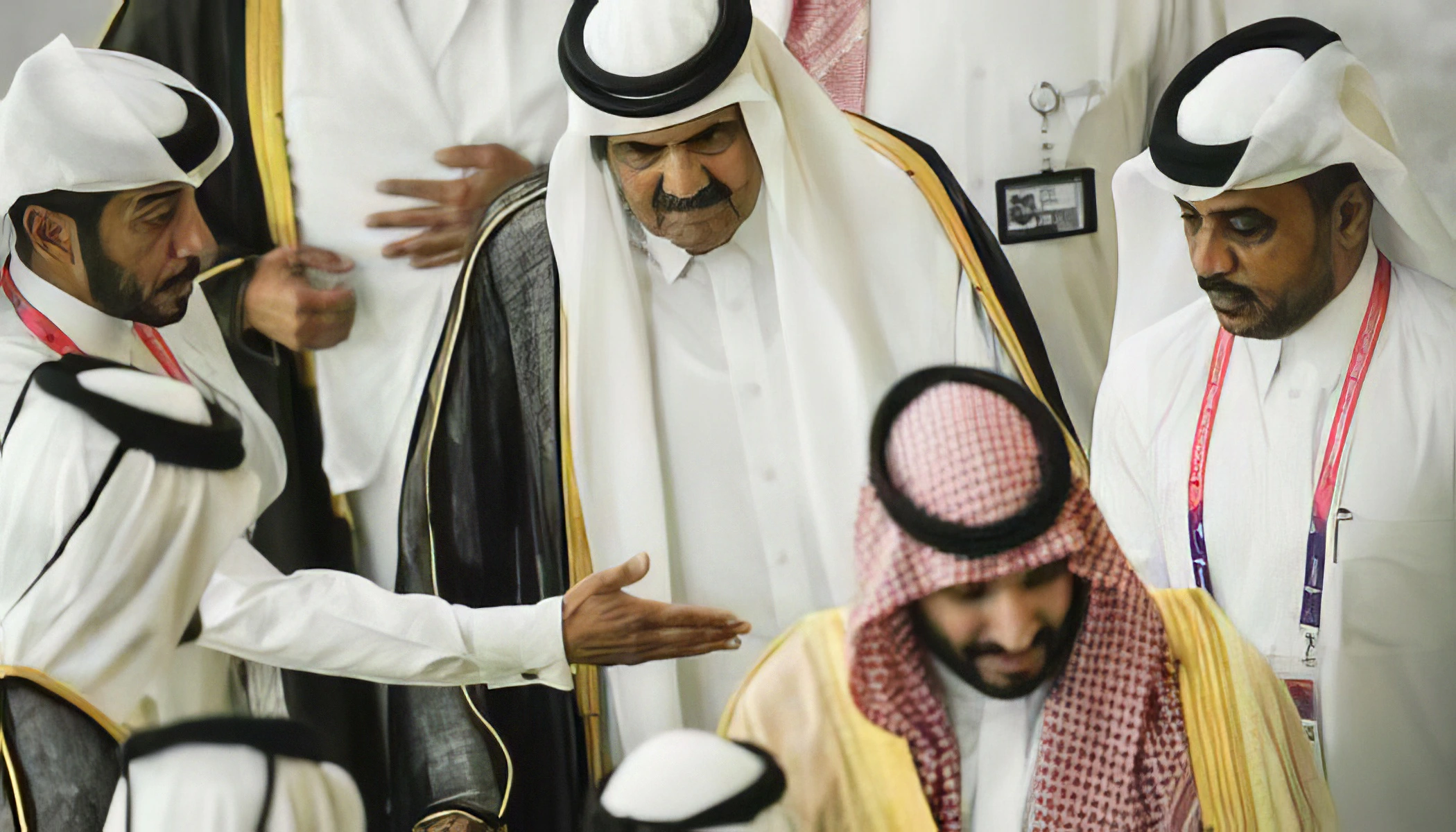
Qatar showcases a variety of traditional art performances:
– Ardah Dance: Witness Qatar's national sword dance, performed at cultural festivals and weddings, reflecting Bedouin bravery and heritage.
– Pearl Diving Music: Experience traditional sea songs sung by former pearl divers, celebrating Qatar's maritime history through rhythmic chants and melodies.
– Al-Nahham Singer: Listen to the unique vocal style of Al-Nahham singers, who historically motivated pearl divers with their evocative songs.
– Falconry Displays: Observe falconry demonstrations showcasing the bond between Qatari falconers and their birds, highlighting an age-old desert tradition.
– Qatari Folk Dance: Enjoy lively group dances like Al-Fareesa at cultural events, featuring traditional music and costumes that narrate local stories.
Events & Festivals
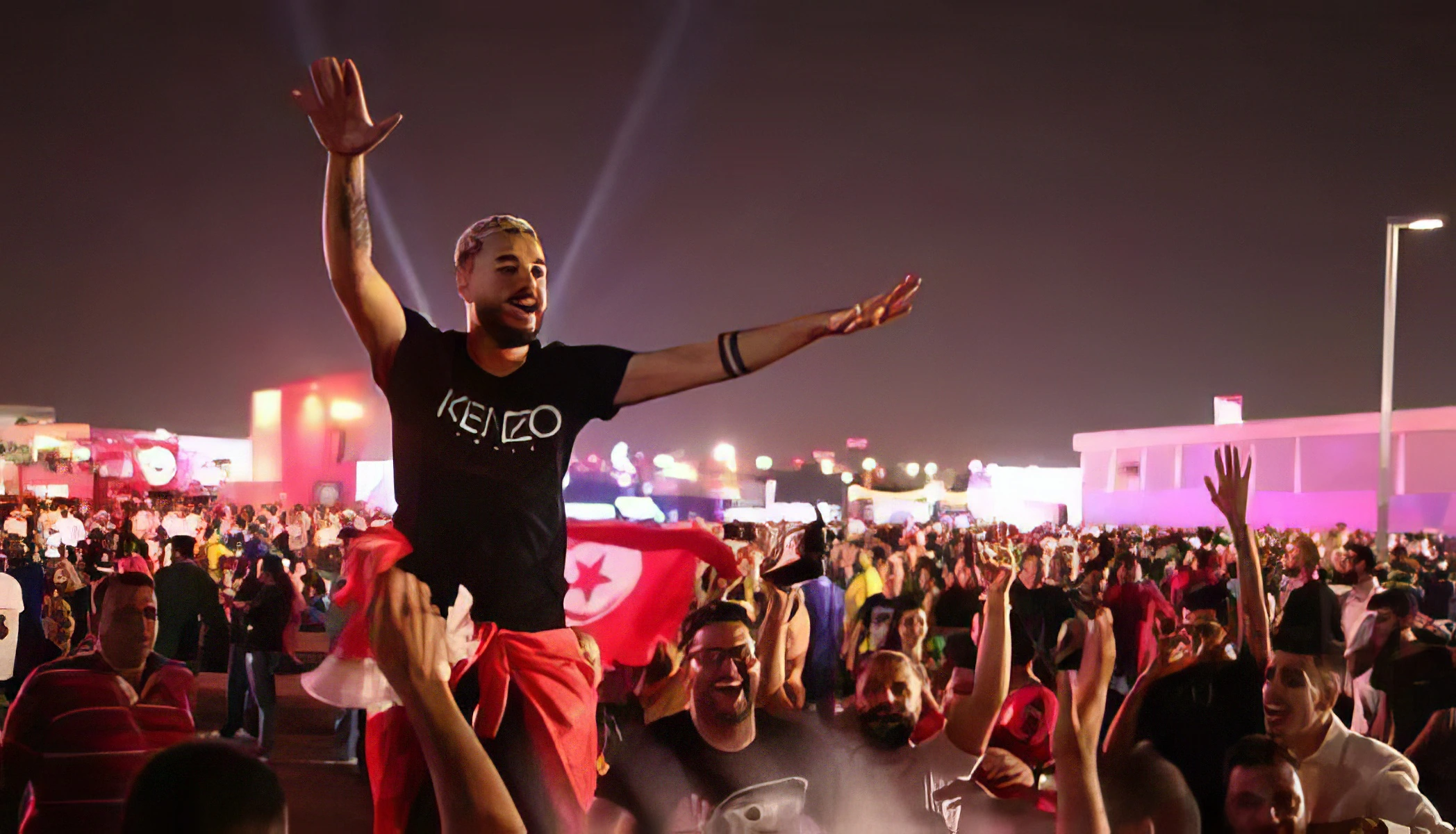
Several cultural and entertainment events take place annually, drawing both locals and visitors alike:
– Qatar National Day: Celebrated on December 18 with parades, fireworks, and cultural displays.
– Doha International Book Fair: January event featuring book exhibits, author talks, and workshops.
– Doha Jewellery & Watches Exhibition: February showcase of luxury brands and unique jewellery designs.
– Qatar International Food Festival: March event offering diverse culinary experiences from local and international chefs.
– Eid Al-Fitr: Celebrating the end of Ramadan with family gatherings, feasts, and public festivities.
– Ajyal Film Festival: November festival promoting youth creativity through films and workshops in Doha.
– Katara Traditional Dhow Festival: November event celebrating maritime heritage with traditional boats and activities.
Famous People

Qatar is home to many influential figures known for their contributions to politics, culture, and sports.
– Sheikh Tamim bin Hamad Al Thani (born 1980, Doha): Current Emir of Qatar, known for his diplomatic efforts and modernization initiatives.
– Moza bint Nasser (born 1959, Al Khor): Former First Lady and advocate for education and social reforms globally.
– Nasser Al-Khelaifi (born 1973, Doha): Businessman and sports executive, chairman of Paris Saint-Germain Football Club.
– Mutaz Essa Barshim (born 1991, Doha): High jumper who won multiple Olympic medals including a gold in Tokyo 2020.
– Fahad Al Kubaisi (born 1981, Doha): Renowned singer and record producer known for modernizing Khaleeji music.
Books
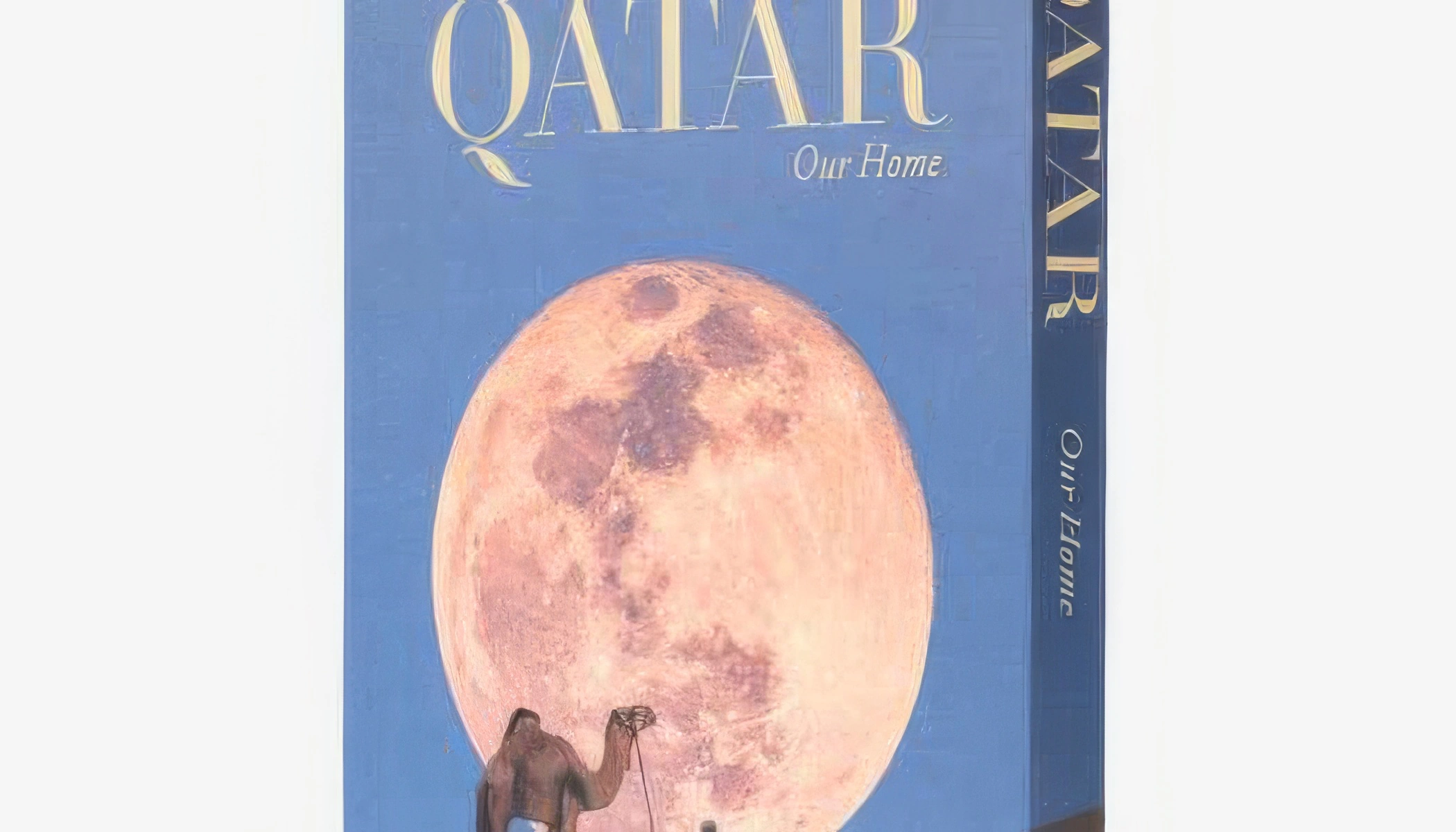
The following books provide insights into Qatari society, culture, and its rapid development in recent decades.
– "The Shell" by Mustafa Khalifa: Though primarily set in Syria, it touches on desert oil dynamics involving Qatari entities.
– "Qatar: A Modern History" by Allen J. Fromherz: Analyzes Qatar's transformation from a desert peninsula to a global player.
– "Love in the Time of Oil" by Nefissa Abdelmoumene: Examines the cultural shifts and challenges faced in Doha's urban landscape.
– "Qatar: Sand, Sea and Sky" by Diana Untermeyer: Supplies a personal narrative about living in Qatar, exploring its traditions and modernization.
– "Doha Blues" by Sophia Al-Maria: A collection of reflections on life in Qatar from the perspective of a Qatari-American.
Songs

Qatar's music scene includes traditional and contemporary songs highlighting the country's culture, heritage, and modern development.
– Al Leila: Sung by Fahad Al Kubaisi, celebrates Qatar's cultural richness with modern flair.
– Ya Hala Bi Hal Qatar: A patriotic anthem often played during national celebrations in Qatar.
– The Gulf Song: Ali Abdul Sattar's classic reflecting unity and pride in Gulf culture.
Films

Explore films that highlight the cultural and social landscape of Qatar:
– "The Reluctant Fundamentalist": While primarily set in the U.S. and Pakistan, features a crucial scene filmed in Doha.
– "Black Gold": Epic directed by Jean-Jacques Annaud about power struggles over oil in the Arabian Peninsula including scenes in Qatar.
– "Seashadow": A coming-of-age story set in a small Emirati village but resonating with Qatari cultural themes.
– "The Journey": Animated film screened at Ajyal Film Festival, showcasing Qatari talent and storytelling.
– "The Fishermen": A short film exploring traditional Qatari fishing practices and their cultural significance.