

Travel Guide to Reunion: Top Things to Do & Tips
An overseas region of France in the Indian Ocean, this island is known for its volcanic landscapes and diverse ecosystems. It supplies a mix of Creole culture, French influence, and outdoor activities like hiking and diving, attracting nature enthusiasts and adventure seekers.
- Capital
- Saint-Denis is the capital of Réunion.
- Population
- 0.8 millions
- Superficy
- 3000 sq.km
- Months to Visit
- May to Nov.
- Living Cost
- Expensive
Overview
Réunion is a French overseas department located in the Indian Ocean, east of Madagascar. The island is known for its volcanic landscapes, including the active Piton de la Fournaise and the dormant Piton des Neiges. Its diverse ecosystems range from nice rainforests to sensational beaches, attracting nature enthusiasts and hikers. Réunion's population is a mix of cultures, reflecting its history of immigration from Africa, Asia, and Europe. The local cuisine blends Creole flavors with French influences. As part of France, Réunion uses the euro and follows French laws and governance.
Pros & Cons
GOOD REASONS TO VISIT REUNION
– Diverse Landscapes: Experience volcanic peaks, luxurious forests, and remarkable beaches on this small island.
– Hiking Opportunities: Trails like Cirque de Mafate offer magnificent views and challenging adventures for outdoor enthusiasts.
– Unique Culture: Blend of French, African, Indian influences creates a rich cultural tapestry with diverse traditions.
– Wildlife Watching: Spot dolphins, whales, and unique bird species in their natural habitats around the island.
– Creole Cuisine: Enjoy flavorful dishes combining French techniques with local spices and ingredients. CHALLENGES WHEN VISITING REUNION
– Limited Accessibility: Remote location means fewer direct flights; travel can be time-consuming and costly.
– Language Barrier: French is predominantly spoken; limited English proficiency may pose communication challenges for some visitors.
– High Costs: Accommodation and dining can be expensive compared to other destinations in the region.
Before Departure
Before traveling to Réunion, a French overseas department, consider the following essential information:
– Passport: Ensure your passport is valid for the duration of your stay; no additional validity required.
– Visa: EU citizens don't need a visa; others may require one. Check specific requirements based on nationality.
– Currency: Euro (EUR) is used; credit cards widely accepted; ATMs are readily available in urban areas.
– Internet access: WiFi is common in hotels and cafes; local SIM cards with data plans are available for purchase.
– Language barrier: French is the official language; English is not widely spoken, so basic French can be helpful.
What to Pack
Reunion Island supplies diverse landscapes and activities, so packing appropriately is essential for a comfortable visit.
– Essentials: Passport, travel insurance, flight tickets, accommodation details, and itinerary.
– Clothing: Lightweight clothing for warm weather, hiking boots for trails, swimwear for beaches, rain jacket for sudden showers, hat and sunglasses.
– Health & Safety: Prescription medications, basic first aid kit, insect repellent, sunscreen with high SPF.
– Electronics: Travel adapter for French outlets (Type E), mobile phone with charger, camera for capturing scenic views.
Weather
Reunion Island has a tropical climate with two main seasons: hot and rainy, and cool and dry.
– Summer (November to April): Hot, humid, and rainy with frequent cyclones; temperatures range from 26°C to 33°C.
– Winter (May to October): Cooler and drier with temperatures ranging from 18°C to 25°C; ideal for outdoor activities. The best time to visit Reunion is from May to October.
– Pros: Pleasant weather for hiking, fewer rain showers, and lower humidity levels.
– Cons: Cooler sea temperatures may not be ideal for swimming.
Travel Budget
Reunion Island can be more expensive than other destinations due to its remote location. Here are some average costs for tourists:
– Hotel: 70$ to 200$
– Lunch: 10$ to 25$
– Beverage (in bar/restaurant): 3$ to 8$
– Coffee: 2$ to 4$
– Transportation: (train N/A), (bus 1.5$ to 3.5$), (taxi /10km 15$ to 25$)
– Mobile data (per GB): 5$ to 10$
Language
Réunion Island primarily uses French as its official language, but Réunion Creole is also widely spoken. Here are some useful phrases in French for tourists visiting Réunion:
– Hello: Bonjour
– Thank you: Merci
– Please: S'il vous plaît
– How much is this?: Combien ça coûte?
– Excuse me: Excusez-moi
– I don't understand: Je ne comprends pas
– Yes: Oui
– No: Non
– Goodbye: Au revoir
History
The island was uninhabited until discovered by Portuguese explorers in the early 16th century. It became a French possession in the mid-17th century and was named Bourbon until the French Revolution when it got its current name, Réunion. The island's economy initially relied on coffee and later on sugar plantations, which were worked by slaves brought from Africa and Madagascar. Slavery was abolished in 1848, leading to the arrival of indentured laborers from India and China to work on plantations. Réunion became a French overseas department in 1946, solidifying its political ties with France. Throughout the 20th century, it experienced significant economic development, transitioning from an agriculture-based economy to one focused on services and tourism.
Geopolitics
Réunion is an overseas department of France located in the Indian Ocean, east of Madagascar and southwest of Mauritius. As part of France, it is also part of the European Union and uses the euro as its currency. Its geopolitical significance comes from its strategic location in the Indian Ocean, contributing to France's influence in the region. The island hosts a small French military presence, playing a role in regional security and humanitarian efforts. Réunion serves as a node for France’s broader diplomatic engagements with Indian Ocean countries and organizations. Its status as an EU territory outside Europe also positions it uniquely in international trade and environmental initiatives within the region.
Sample Itinerary
This itinerary supplies an exploration of Reunion's volcanic landscapes, abundant cirques, and cultural highlights over six days.
– 1 day in Saint-Denis: Visit the Jardin de l'État, Barachois promenade, and explore Creole architecture in the island's capital.
– 1 day in Cirque de Salazie: Discover Hell-Bourg village, admire waterfalls, and learn about local history in this abundant cirque.
– 1 day at Piton de la Fournaise: Hike to the viewpoint of one of the world's most active volcanoes and explore the lunar landscape.
– 1 day in Cirque de Cilaos: Enjoy hiking trails with mountain views, visit thermal springs, and stroll through the town known for lentils and embroidery.
– 1 day in Cirque de Mafate: Trek through a remote cirque accessible only by foot or helicopter for a true escape into nature.
– 1 day on the West Coast: Relax on beaches like L'Hermitage, explore coral reefs at Saint-Gilles-les-Bains, and visit Kelonia Marine Turtle Observatory.
Popular cities
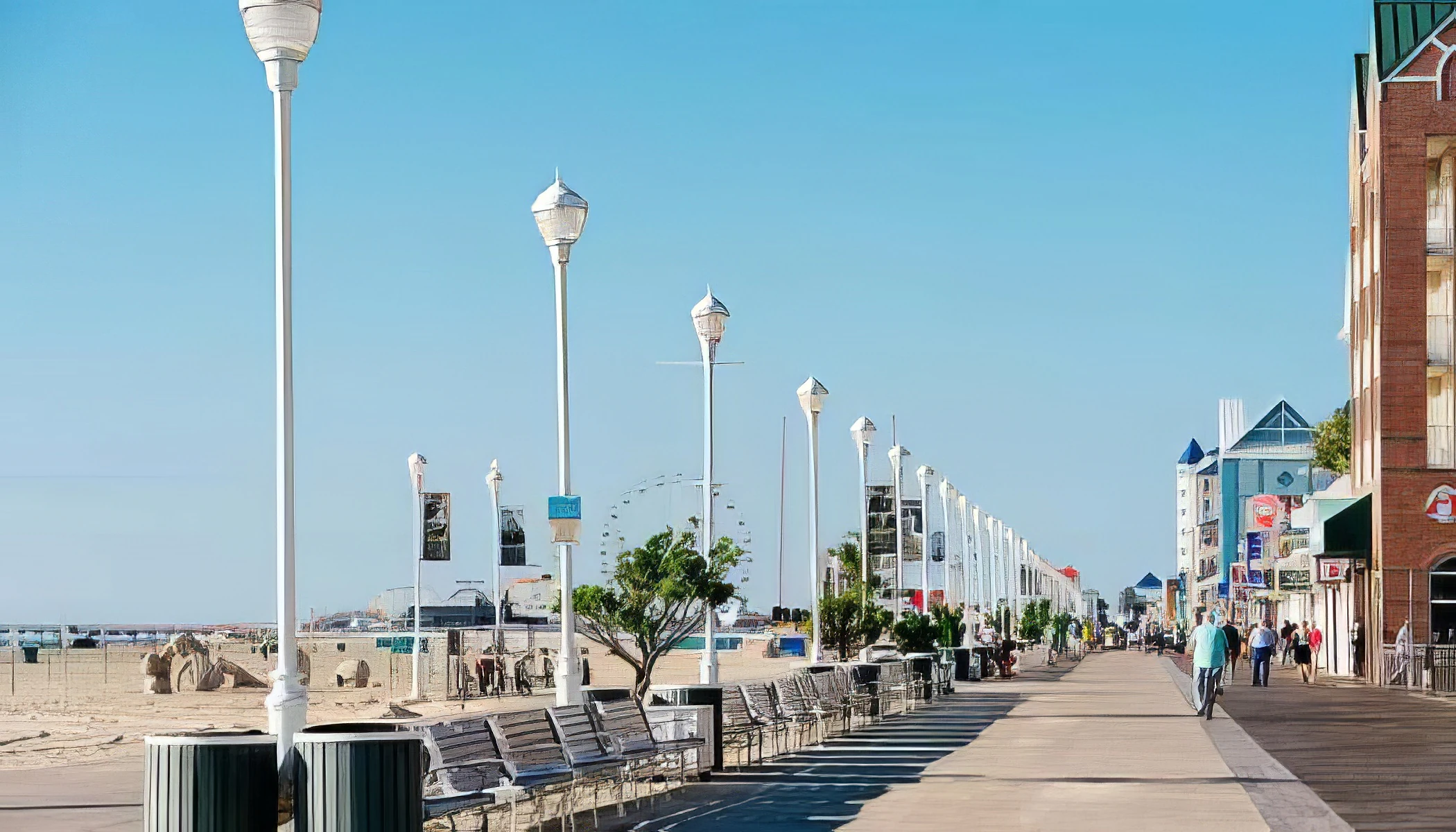
Reunion Island offers a mix of natural beauty and cultural experiences in its cities.
– Saint-Denis: The capital city has colonial architecture, markets, and museums showcasing Creole culture.
– Saint-Pierre: Known for its lively waterfront, local markets, and access to Cilaos mountain village.
– Saint-Gilles-les-Bains: Popular for beaches, snorkeling spots, and lively nightlife along the west coast.
– Cilaos: Nestled in a caldera, it's famous for hiking trails and thermal springs.
– Saint-Paul: Offers a historical market, seaside charm, and access to the Cirque de Mafate.
– Hell-Bourg: A pleasant village with Creole houses set in the Salazie cirque.
– Le Tampon: Known for its botanical garden and proximity to Piton de la Fournaise volcano.
Monuments
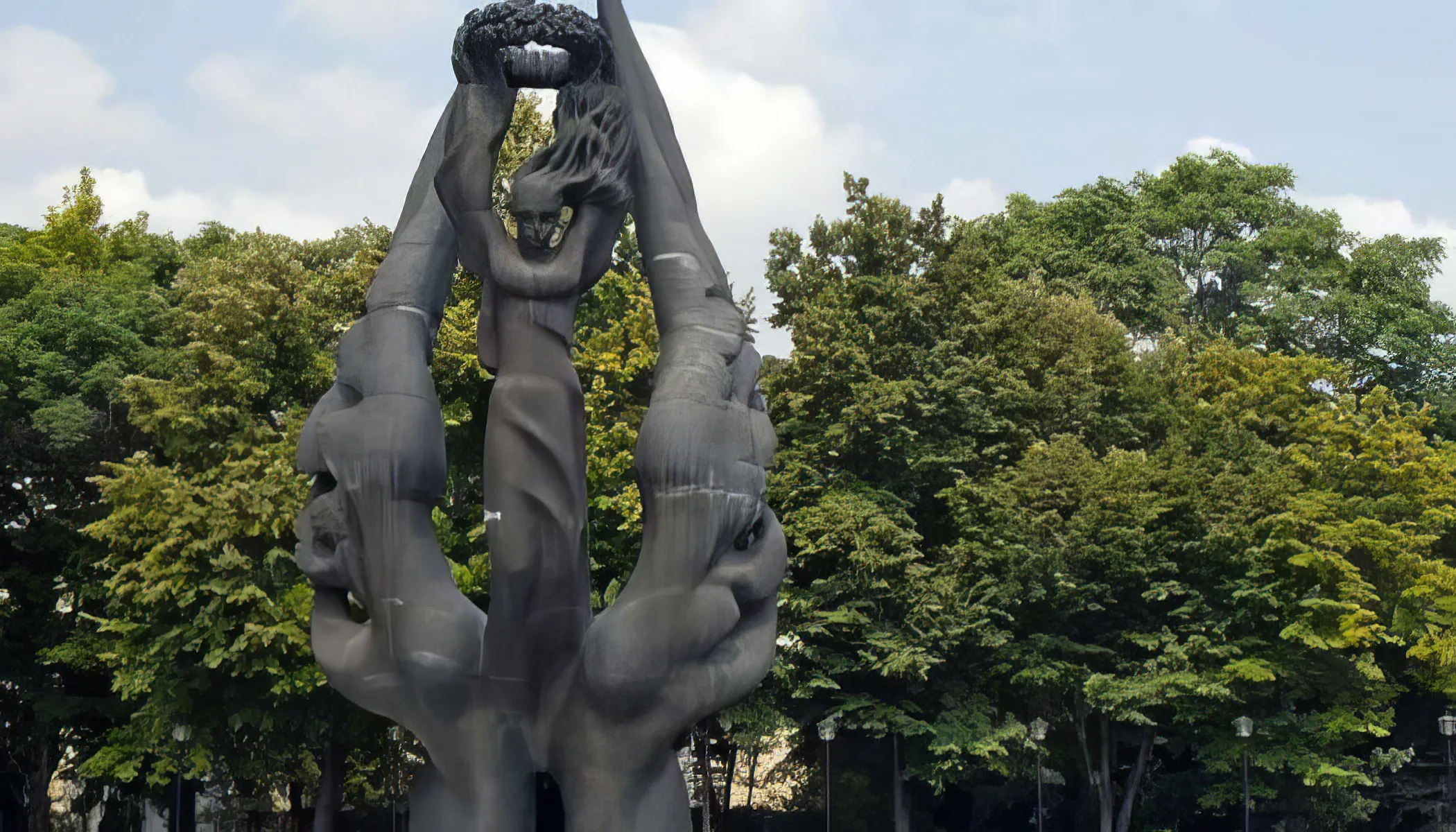
Reunion Island provides a variety of unique monuments to explore:
– Piton de la Fournaise Volcano: Active volcano with regular eruptions, offering spectacular hiking views.
– Le Maïdo: Provides lovely panoramic views over the Cirque de Mafate from a high peak.
– Notre-Dame des Laves Church: Survived a lava flow in 1977, known as a local miracle.
– Salazie Town Hall: Classic Creole architecture set in lush, green surroundings.
– Grande Île Lighthouse: Historic lighthouse at the island's capital, Saint-Denis.
– La Maison Folio, Hell-Bourg: Traditional Creole house showcasing 19th-century lifestyle and architecture.
– Villas of Saint-Denis: Colonial-era homes showcasing architectural heritage along Barachois promenade.
– Anse des Cascades Church Ruins: Scenic location with remnants of an old church by waterfalls and palm trees.
Natural wonder
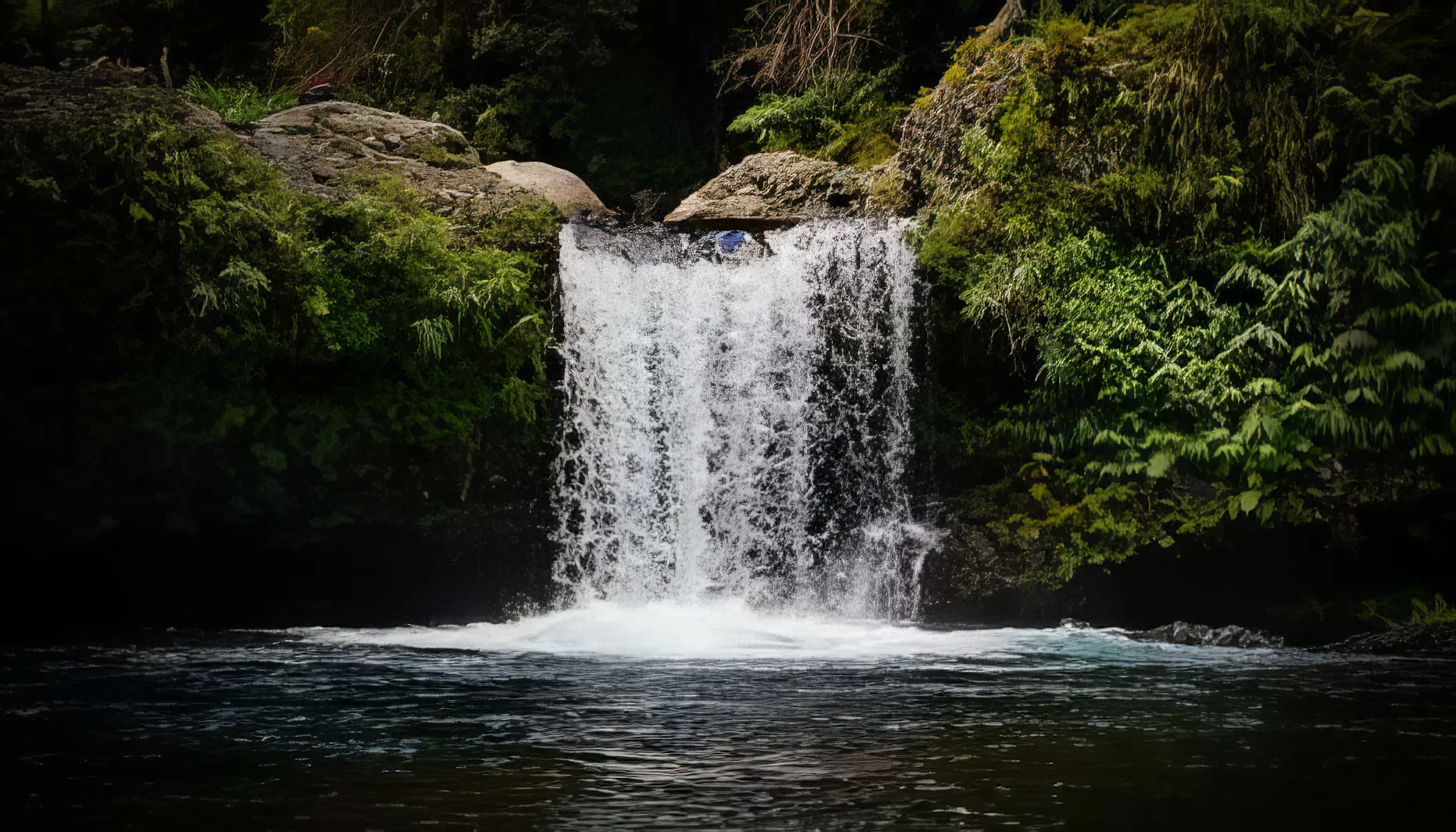
Explore the diverse natural wonders of Réunion Island:
– Piton de la Fournaise: One of the world's most active volcanoes, offering hiking opportunities.
– Cirque de Mafate: A remote caldera accessible only by foot or helicopter, with lovely landscapes.
– Cirque de Cilaos: Known for its dramatic cliffs and thermal springs, attracting hikers.
– Cirque de Salazie: Beautiful and green with waterfalls like Voile de la Mariée.
– Piton des Neiges: Highest peak on the island, providing panoramic views for climbers.
– Trou de Fer: Deep canyon with cascading waterfalls best viewed by helicopter or guided hike.
– Le Maïdo: Supplies lovely views over Mafate and is accessible by road for easy access.
– Grand Étang: The largest lake on the island surrounded by abundant vegetation and hiking trails.
– Anse des Cascades: A scenic bay backed by verdant cliffs and multiple small waterfalls.
Beaches
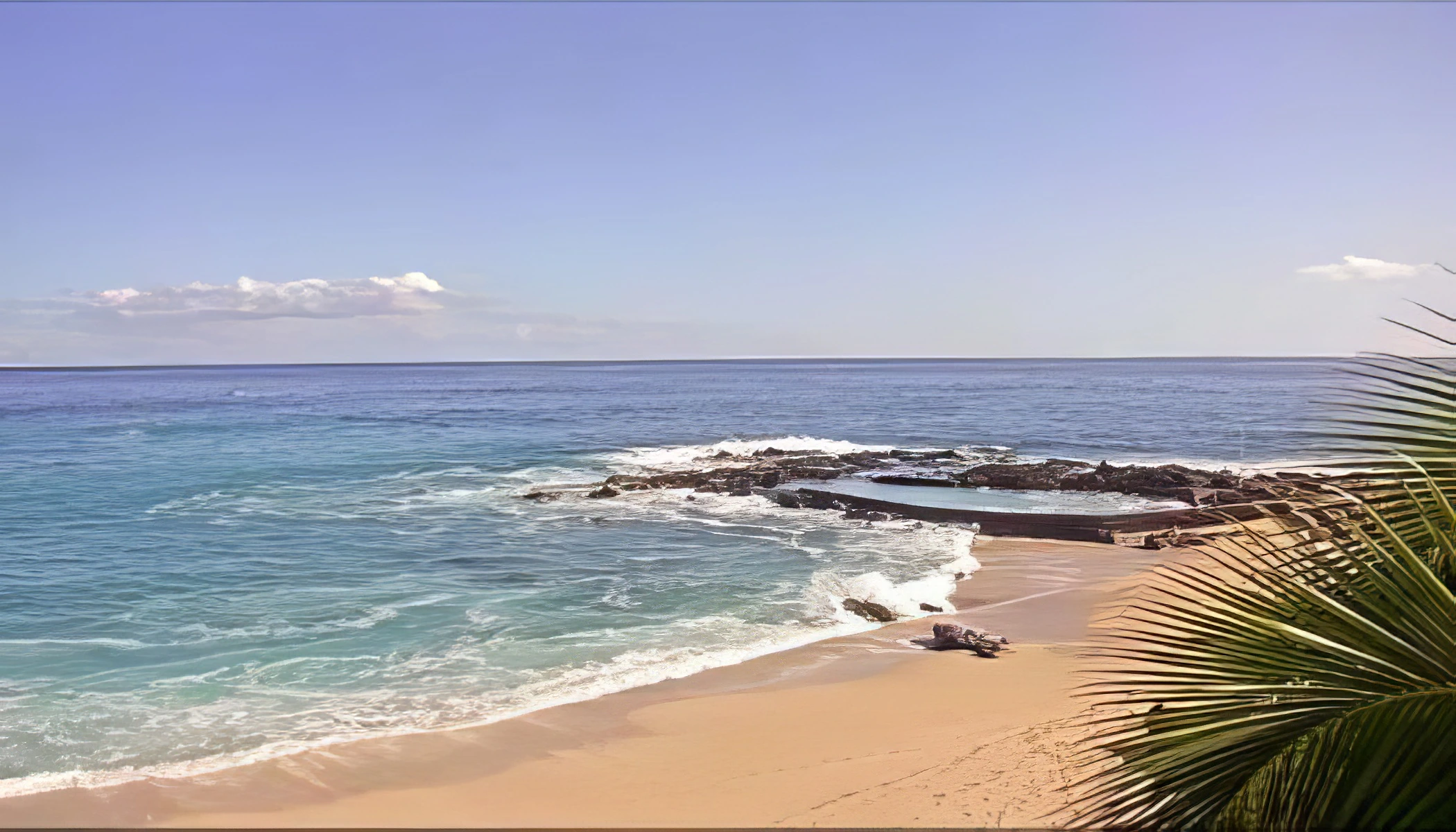
Reunion Island provides nice beaches with unique volcanic landscapes:
– L'Hermitage Beach: Known for its calm lagoon waters and white coral sand.
– Saint-Leu Beach: Popular for diving and paragliding with a relaxed ambiance.
– Boucan Canot Beach: Features strong waves, suitable for experienced surfers and sunbathers.
– Saint-Gilles-les-Bains: A nice beach town with various water activities.
– Grande Anse Beach: Scenic picnic spot with strong waves, not ideal for swimming.
– Etang-Salé Beach: Unique black sand beach surrounded by casuarina trees.
– Trou d'Eau Beach: Calm waters make it perfect for families and snorkeling.
Outdoor activities
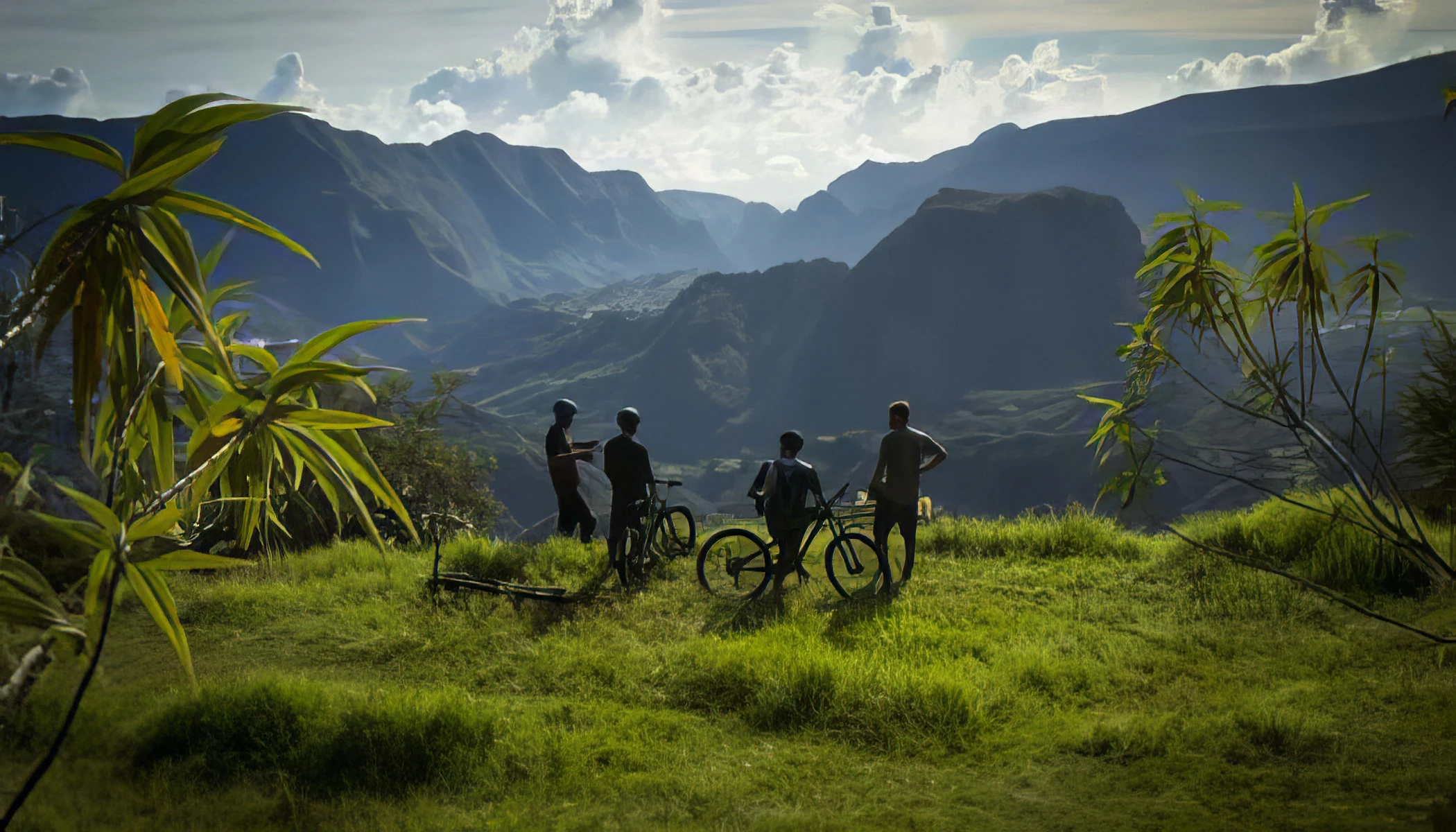
Reunion Island provides diverse outdoor activities for nature enthusiasts:
– Hiking in Cirque de Mafate: Explore remote villages and rugged landscapes accessible only by foot.
– Paragliding in Saint-Leu: Enjoy panoramic views of the island's coastline from above.
– Surfing at Saint-Gilles: Ride the waves at popular spots along the west coast.
– Canyoning in Trou de Fer: Navigate waterfalls and gorges in a thrilling adventure.
– Diving in Saint-Pierre: Discover colorful coral reefs and marine life underwater.
– Visiting Piton de la Fournaise: Witness one of the world's most active volcanoes up close.
– Whale Watching in Sainte-Marie: Observe migrating humpback whales from June to October.
Kid Friendly
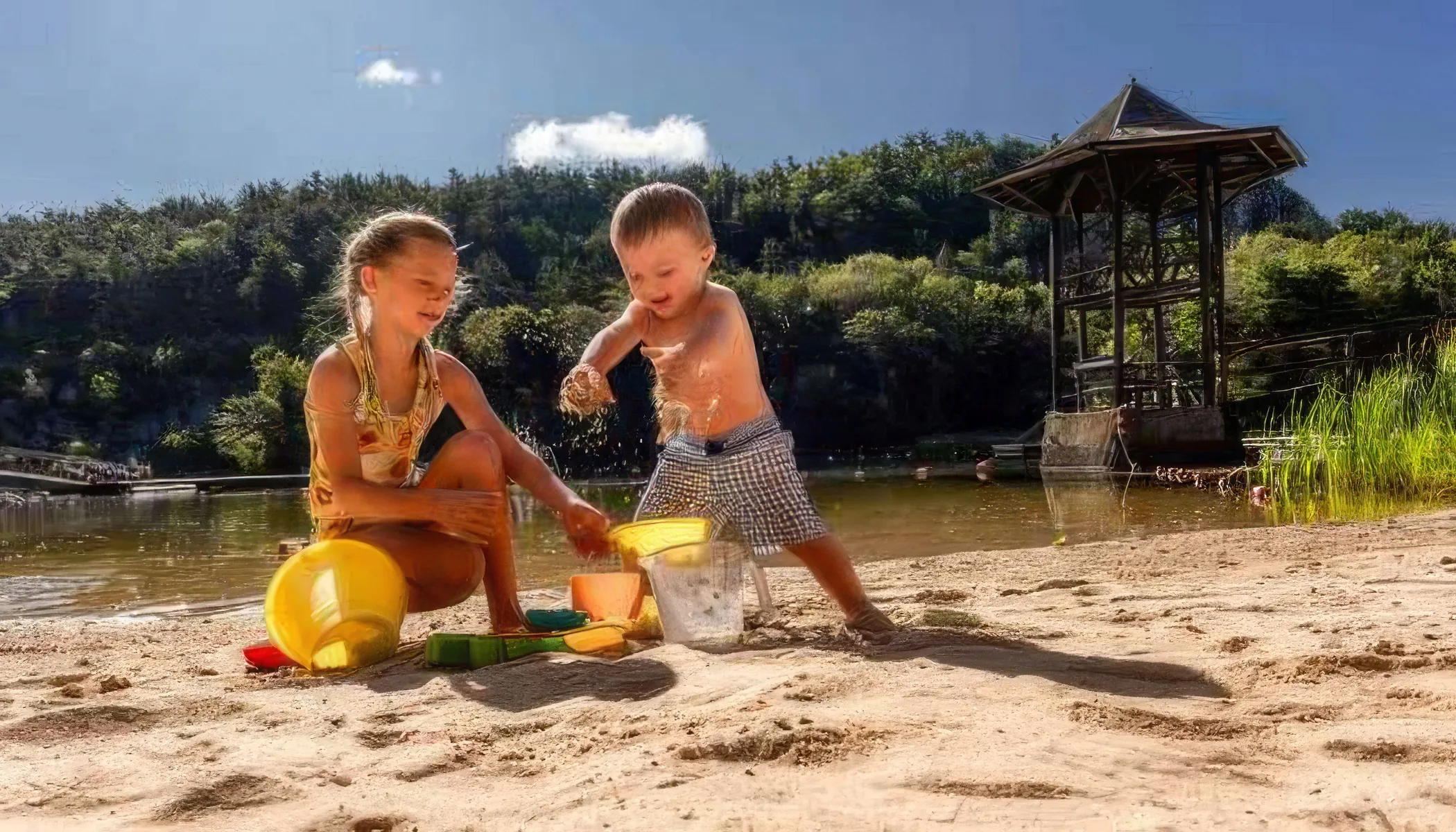
Reunion supplies a variety of activities that are perfect for families with kids:
– Aquarium de la Réunion: Discover diverse marine life at this educational and interactive aquarium.
– Kelonia Turtle Sanctuary: Learn about sea turtles and conservation efforts at this engaging sanctuary.
– La Vanilleraie: Explore the vanilla plantations and learn the vanilla-making process, complete with a sweet scent.
– The Maïdo Viewpoint: Enjoy handsome views of Mafate Cirque accessible by a scenic drive, suitable for families.
– Jardin des Parfums et des Epices: A fragrant garden tour showcasing various spices and plants native to the island.
– Bassin des Aigrettes Waterfall: A short hike leads to this beautiful waterfall where kids can splash around safely.
– Le Grand Bleu Dolphin Tour: Spot dolphins in their natural habitat on a family-friendly boat excursion.
– L'Aquaparc Etang-Salé: Enjoy water slides and splash zones ideal for children seeking fun water play.
Cuisine
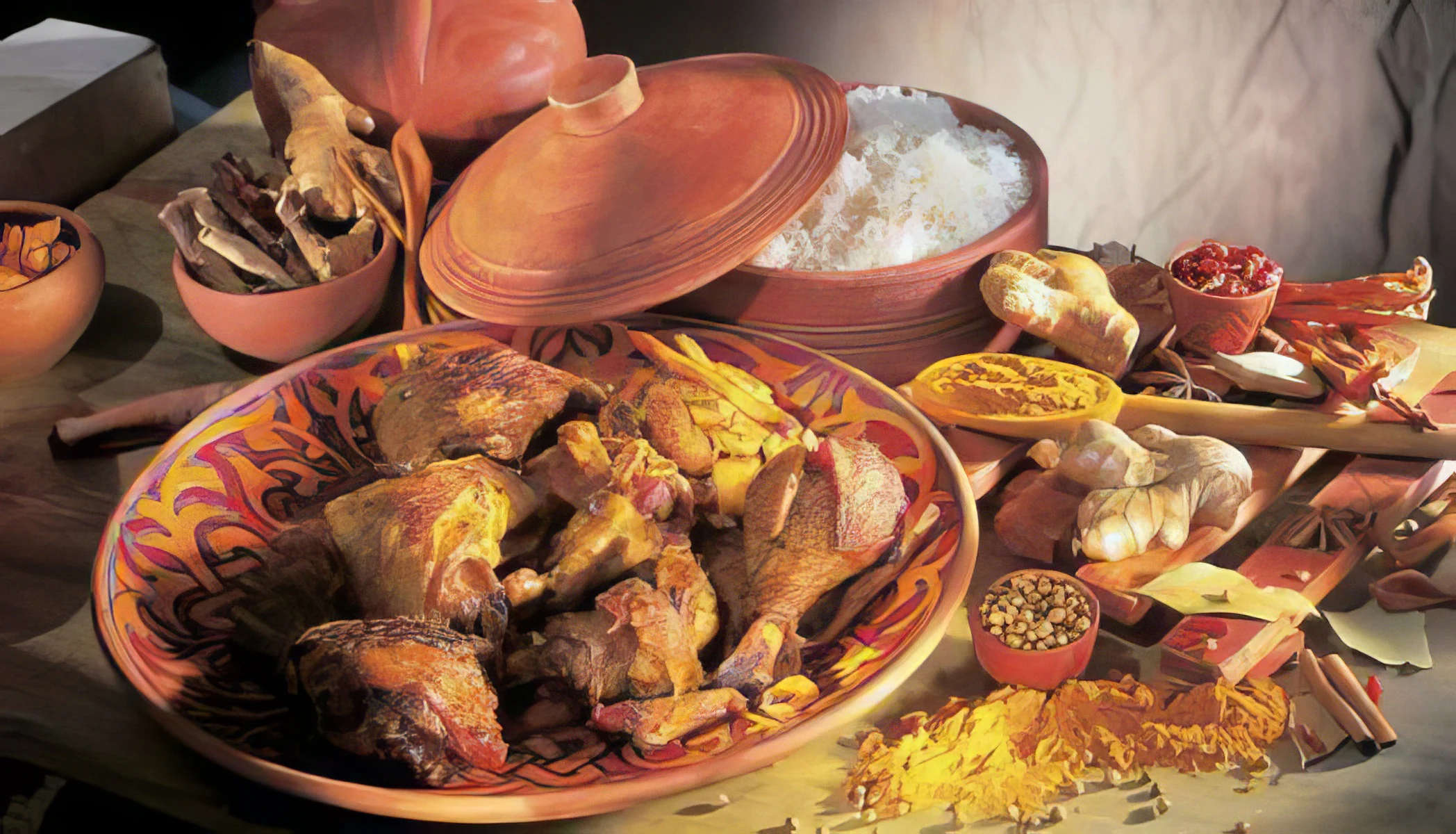
Réunion's cuisine is a energetic mix of French, African, Indian, and Chinese influences, characterized by spicy flavors and diverse ingredients. Local markets showcase fresh produce and aromatic spices. The island's culinary scene emphasizes hearty meals and savory street foods. Most famous dishes in Réunion are:
– Cari: A spiced stew with meat or fish, tomatoes, turmeric, and local spices.
– Rougail Saucisse: Tomato-based sausage stew with chilies, onions, and fragrant herbs.
– Samoussas: Deep-fried pastry filled with spiced meat or vegetables.
– Bouchons: Steamed pork dumplings influenced by Chinese cuisine.
– Bonbon Piment: Spicy lentil fritters seasoned with chilies and herbs.
Souvenir
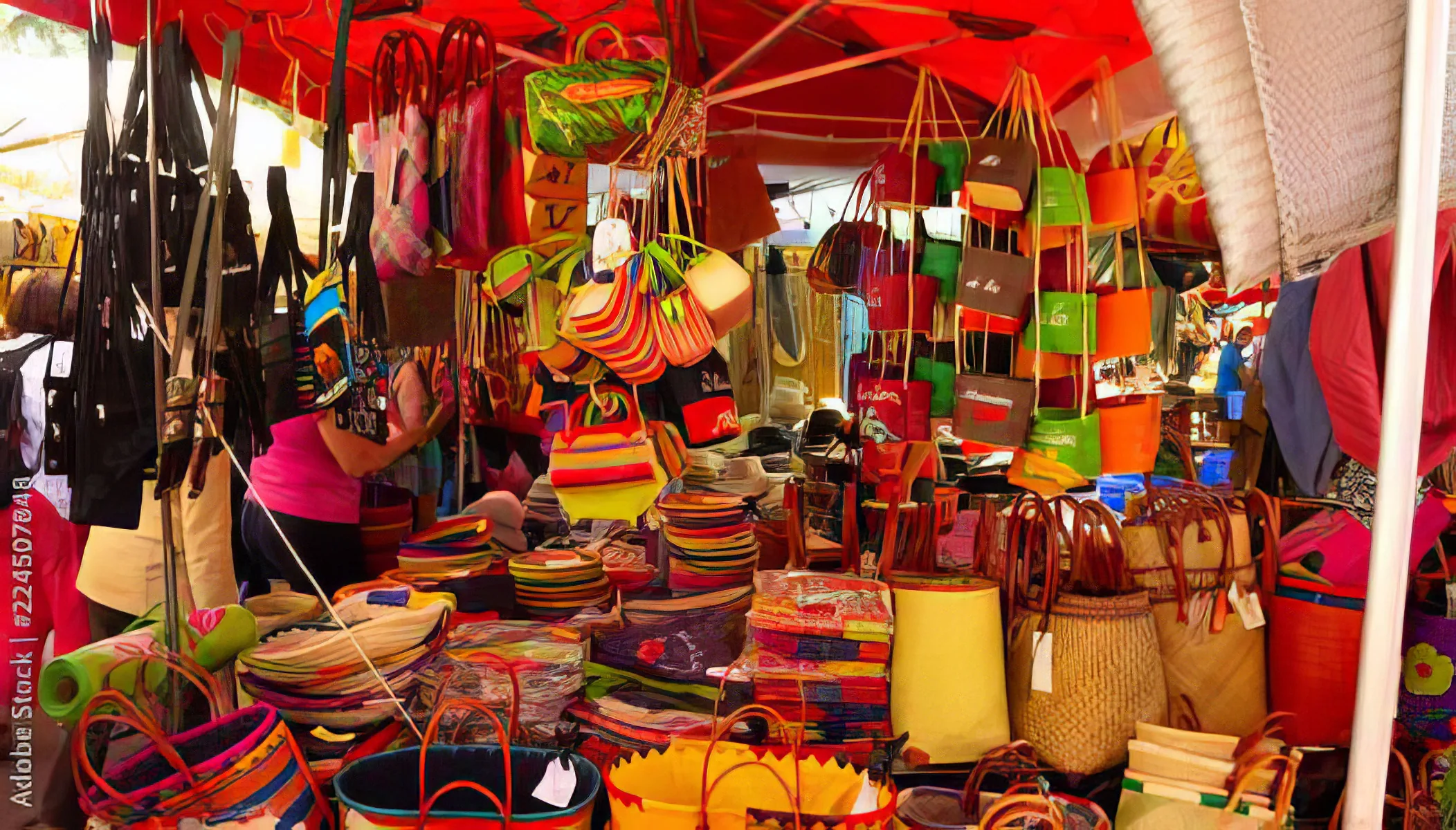
Reunion Island provides unique souvenirs that reflect its diverse culture and natural beauty. Here are some popular options:
– Vanilla: Known for its high quality, Reunion's vanilla is a prized culinary souvenir.
– Rum: Reunion produces distinctive rum varieties, often flavored with local fruits and spices.
– Spices: The island's array of spices, including cinnamon and nutmeg, make aromatic gifts.
– Essential Oils: Extracted from local plants, these oils are popular for aromatherapy and wellness.
– Craft Jewelry: Handmade jewelry featuring volcanic stones or shells supplies a piece of the island's natural beauty.
– Handcrafted Textiles: Traditional fabrics and textile crafts showcase local artisanship.
– Honey: Unique flavors of honey from endemic flowers make sweet and exotic souvenirs.
Traditional Shows
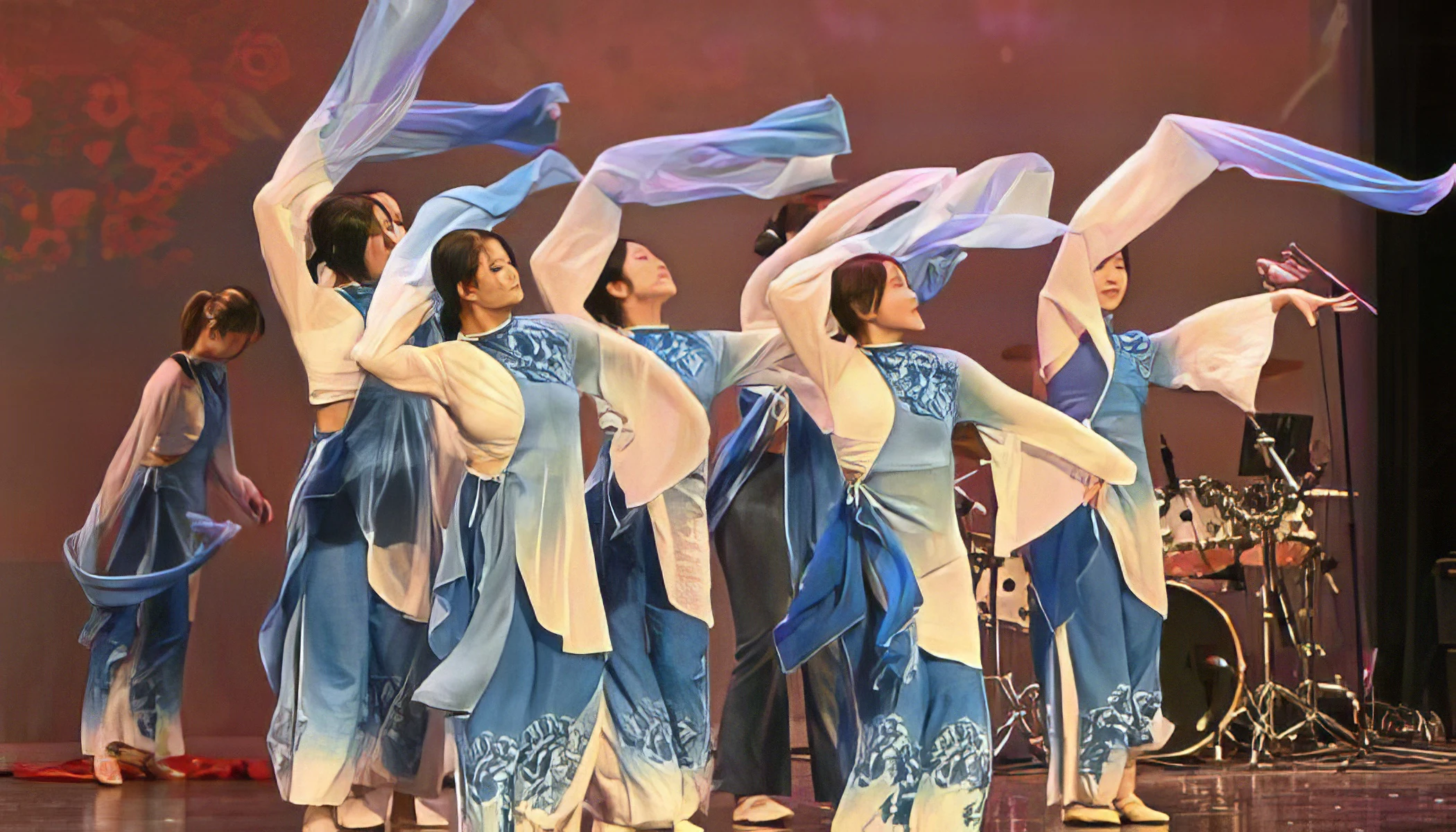
Reunion Island showcases unique Creole art performances:
– Maloya Dance: Experience the rhythmic storytelling and traditional percussion of Maloya, a UNESCO-recognized heritage, at festivals across Reunion.
– Sega Music: Enjoy lively drum beats and Creole songs in coastal locations like Saint-Denis, celebrating Reunion's diverse cultural influences.
– Moringue Martial Art: Witness this traditional Creole martial art with dance-like movements at cultural events in Reunion.
– Kalou Pilé Rituals: Observe spiritual and musical ceremonies blending African and Indian influences, primarily held in local communes across the island.
– Rimay Kabare Poetry: Listen to local poets perform spoken word poetry that reflects the island's culture at community gatherings.
Events & Festivals
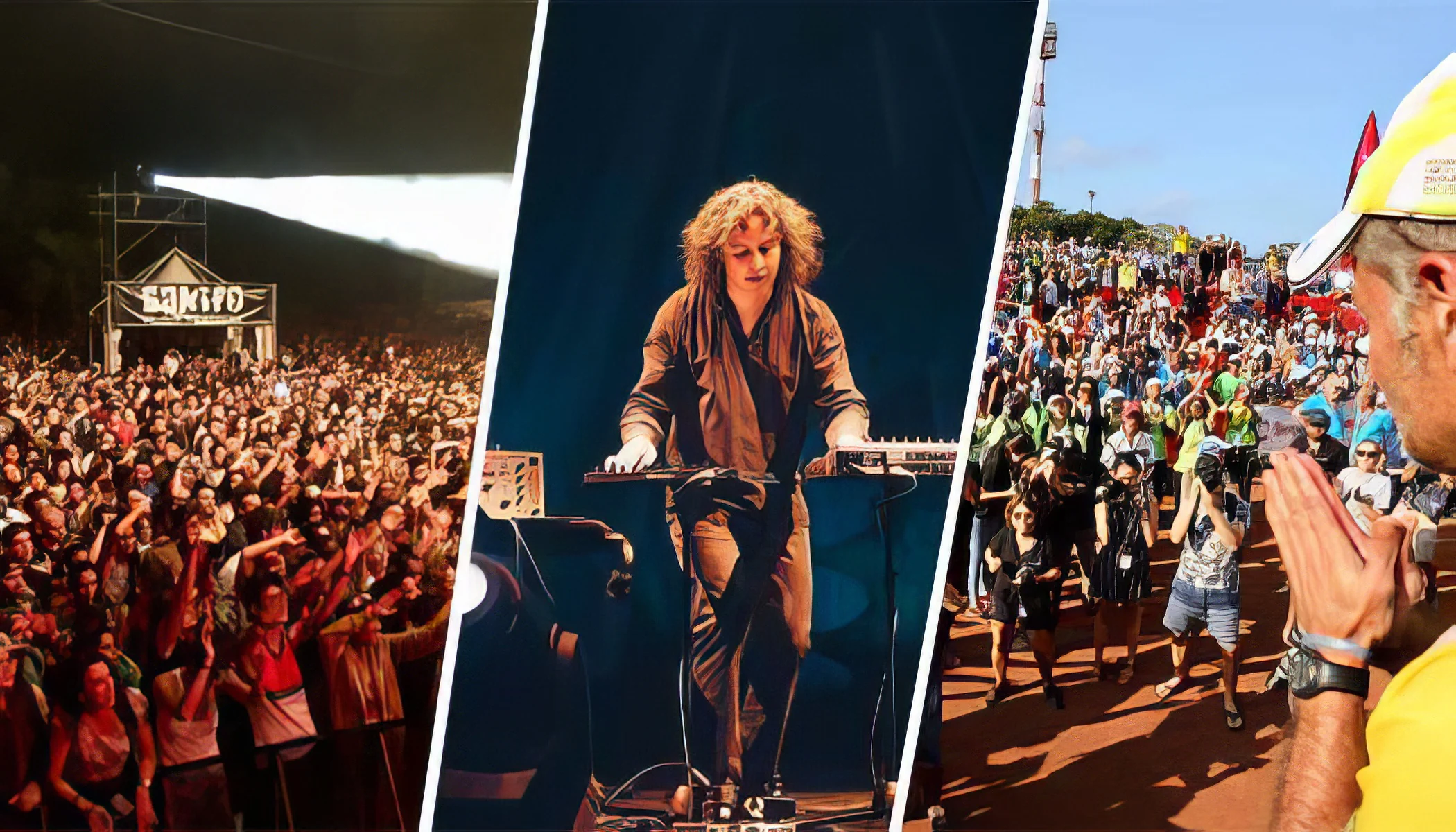
Several events and festivals in Réunion bring together its diverse culture and traditions:
– Chinese New Year: Celebrated in January/February with dragon dances, feasts, and fireworks.
– Grand Raid: October ultra-marathon crossing Réunion's rugged terrains, attracting international participants.
– Diwali Festival: Hindu festival of lights celebrated in October/November with colorful displays and gatherings.
– Liberté Métisse Festival: December event celebrating Réunion's cultural diversity with music and performances.
– Sakifo Musik Festival: Annual June music festival featuring international and local artists across various genres.
– Dipavali Parade: Held in October/November with energetic parades showcasing Indian culture and traditions.
– Manapany Surfond Festival: March surf and music festival promoting environmental consciousness on the island's southern coast.
Famous People
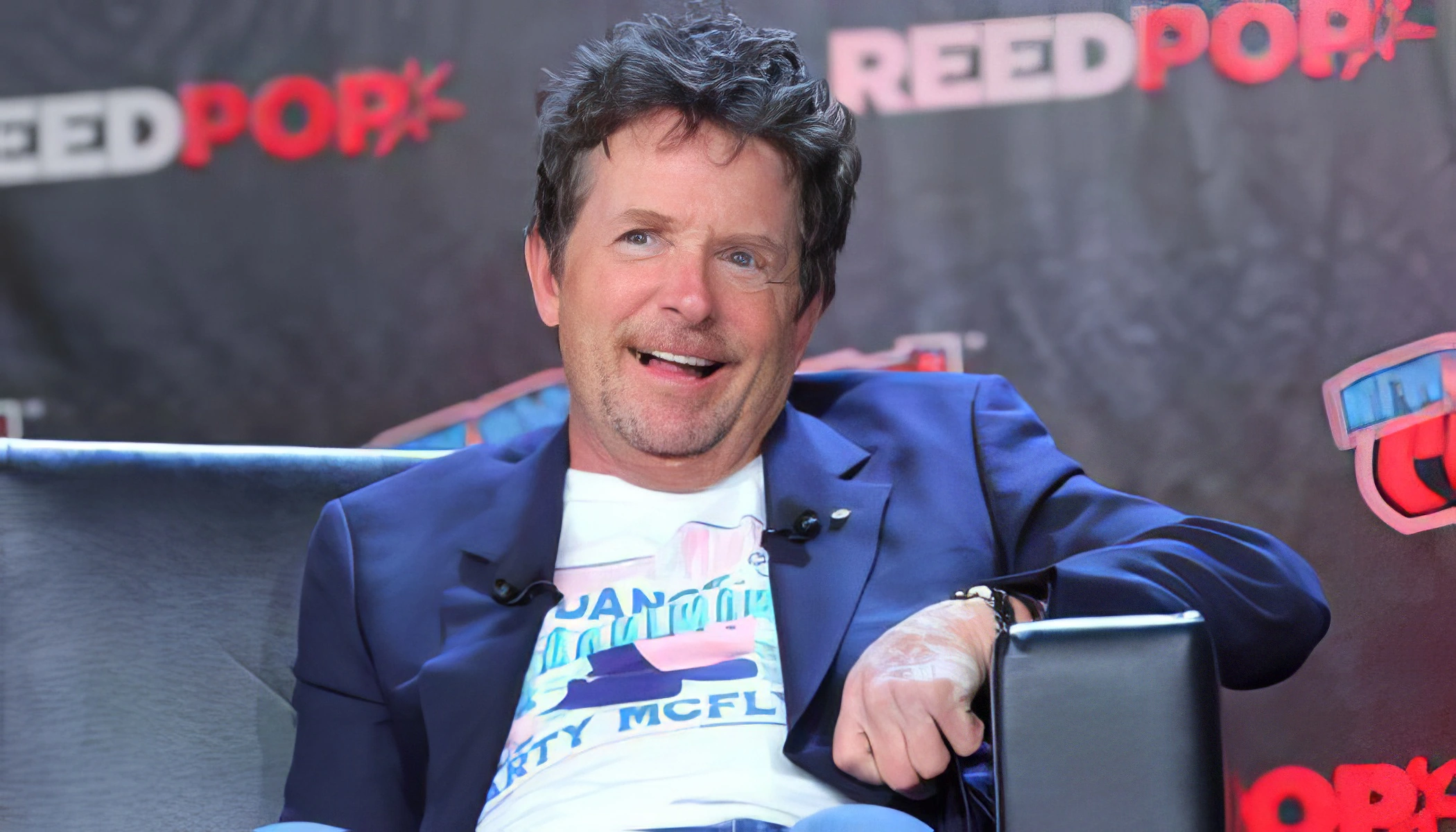
Reunion Island has produced several notable figures in various fields, known for their significant contributions and achievements.
– Roland Garros (1888 to 1918, Saint-Denis): Aviation pioneer and World War I fighter pilot who made the first solo flight across the Mediterranean Sea.
– Michel Houellebecq (born 1956, Saint-Pierre): Controversial and award-winning author known for his novels exploring modern society and human relationships.
– Daniel Vaxelaire (born 1948, Saint-Denis): Author and historian recognized for his works on the history and culture of Reunion Island.
– Davy Sicard (born 1973, Saint-Denis): Singer-songwriter famous for blending traditional Maloya music with contemporary influences.
– Luc Donat (1925 to 1989, Saint-Paul): Influential musician credited with revitalizing traditional sega music on the island.
Books
These books provide insights into the culture, history, and diverse influences of the island of Réunion.
– "Bourbon Island 1730" by Lewis Trondheim and Appollo: A graphic novel exploring piracy and colonial life on Réunion in the 18th century.
– "Rue Cases-Nègres" by Joseph Zobel: Though primarily set in Martinique, it offers cultural parallels relevant to Réunion's Creole society.
– "L'Astrée" by Honoré de Balzac: Set partly in Réunion, this novel explores themes of love and family dynamics.
– "La Rivière des Galets" by Jean-François Samlong: Explores identity and heritage amidst the island's unique landscapes.
– "Marguerite" by Patrick Leboulanger: Delve into colonial history through the lens of a woman’s experiences on the island.
Songs
Réunion, an island in the Indian Ocean, supplies a rich musical heritage combining African, European, and Indian influences.
– Ousanousava by Ziskakan: Celebrated for its fusion of traditional and modern sounds reflecting Réunion's diverse culture.
– La Rosée Si Feuilles Songes by Danyel Waro: Iconic maloya song capturing the essence of Réunion's cultural identity.
– Mon Péi by Alain Péters: A poignant song that evokes deep nostalgia for the island's landscapes and heritage.
– Pran Ké Lanbi by Baster: Charming sega music resonating with themes of love and island life.
– Sominnkér by Ti Fock: Classic piece combining maloya rhythms with introspective lyrics about Réunion life.
Films

A list of notable films set in or about Reunion Island that highlight its unique culture and landscape:
– "Sitarane": A crime drama exploring the legendary bandit Sitarane, rooted in Reunion's folklore and history.
– "The Dodo": This film delves into the extinct bird's symbolic significance and environmental themes on Reunion Island.
– "Maraina": A historical film uncovering the first settlers' stories on Reunion Island through music and cultural tales.
– "Zombillenium": Though not entirely set in Reunion, it features cultural influences from the island in an animated fantasy.
– "Les Enfants de la Creuse": A documentary addressing the controversial child relocation to mainland France from Reunion.