

Travel Guide to Romania: Top Things to Do & Tips
This Eastern European country is known for its rich history, including the Transylvania region and its associated folklore. Its landscape features the Carpathian Mountains, medieval towns, and numerous castles. The capital, Bucharest, is a active metropolis.
- Capital
- Bucharest is the capital of Romania.
- Population
- 22 millions
- Superficy
- 238000 sq.km
- Months to Visit
- May to Sept.
- Living Cost
- Economical
Overview
Romania is a Southeastern European country known for its preserved medieval towns, fortified churches and castles. The capital, Bucharest, is the site of the gigantic, Communist-era Palatul Parlamentului government building. Romania is also home to the Carpathian Mountains, which are a hub for outdoor activities like trekking and rock climbing. The country is famous for its unique folklore, rich traditions, and the legend of Dracula, which is linked to the Transylvanian region. Romania's diverse natural landscapes range from the Danube River to the Black Sea coast. Despite economic challenges, Romania offers a rich cultural experience and natural beauty.
Pros & Cons
GOOD REASONS TO VISIT ROMANIA
– Rich History: Explore medieval castles, fortified churches, and the historic regions of Transylvania and Maramureș.
– Natural Beauty: Enjoy the Carpathian Mountains, Danube Delta, and Transfagarasan Road, one of the world's best driving roads.
– Beautiful Cities: Experience Bucharest's nightlife, Cluj-Napoca's arts scene, and Sibiu's charming old town.
– Unique Traditions: Discover Romania's folk culture, traditional crafts, and festivals.
– Tasty Cuisine: Try hearty dishes like sarmale, mici, and polenta, and sweet treats like papanasi. CHALLENGES WHEN VISITING ROMANIA
– Infrastructure: Some rural areas have poor infrastructure and public transportation can be unreliable.
– Language Barrier: While English is spoken in cities, it's less common in rural areas.
– Stray Dogs: Stray dogs can be a problem in some cities, although efforts are being made to address this.
Before Departure
Before planning your trip to Romania, there are several key points to consider:
– Passport: Ensure your passport is valid for at least six months beyond your planned departure date.
– Visa: Romania is part of the Schengen Agreement. Depending on your nationality, you may not need a visa for stays up to 90 days.
– Currency: The local currency is Romanian Leu (RON). Credit cards are widely accepted and ATMs are readily available.
– Internet access: Romania has one of the fastest internet speeds globally. WiFi is widely available and prepaid SIM cards are easily accessible.
– Language barrier: The official language is Romanian. English is commonly spoken by younger people and in tourist areas. French, German, and Spanish are also spoken.
What to Pack
When packing for a trip to Romania, it's important to consider the season, as the country experiences a wide range of temperatures throughout the year.
– Essentials: Passport and visa (if required), travel insurance details, flight tickets and itinerary, accommodation reservations.
– Clothing: Comfortable walking shoes, warm clothing for winter months, lighter clothing for summer, rain jacket or umbrella, swimwear for Black Sea resorts.
– Health & Safety: Prescription medications and a basic first aid kit, sunscreen with high SPF, personal hygiene items.
– Electronics: Travel adapter for Romanian outlets, mobile phone, camera, portable charger.
Weather
Romania experiences four distinct seasons with diverse weather conditions.
– Winter (December to February): Cold and snowy, especially in the mountainous regions.
– Spring (March to May): Mild temperatures with occasional rain showers.
– Summer (June to August): Warm to hot, with cooler temperatures in the mountains.
– Autumn (September to November): Cool with beautiful fall foliage. The best time to visit Romania is from May to September.
– The weather is pleasant and the days are longer.
– It's the perfect time for outdoor activities and exploring the countryside. However, it's also the peak tourist season, so expect more crowds and higher prices.
Travel Budget
Romania is a country where you can enjoy a cost-effective trip. Here are some average costs for reference:
– Hotel: 30$ to 150$
– Lunch: 6$ to 20$
– Beverage (in bar/restaurant): 2$ to 6$
– Coffee: 1$ to 3$
– Transportation: (train 10$ to 40$), (bus 1$ to 5$), (taxi /10km 5$ to 15$)
– Mobile data (per GB): 1$ to 5$
Language
Romanian is a Romance language spoken primarily in Romania and Moldova. Here are some useful phrases for tourists:
– Hello: Bună
– Thank you: Mulțumesc
– Please: Vă rog
– How much is this?: Cât costă asta?
– Excuse me: Scuzați-mă
– I don't understand: Nu înțeleg
– Yes: Da
– No: Nu
– Goodbye: La revedere
History
Romania's history begins with the Dacians, an ancient civilization conquered by the Romans in 106 AD, forming the province of Dacia. After the Roman withdrawal in 275 AD, the area was invaded by various tribes. By the 14th century, the principalities of Wallachia and Moldavia emerged, which would later form the basis of the modern Romanian state. The two principalities were united in 1859 under the rule of Alexandru Ioan Cuza, and Romania gained full independence from the Ottoman Empire in 1877. After World War II, Romania fell under Soviet influence and became a socialist republic. The violent 1989 revolution ended the communist regime, and since then, Romania has been a democratic republic.
Geopolitics
Romania is a southeastern European country, bordered by Ukraine to the north, Bulgaria to the south, Serbia to the southwest, Hungary to the west, and Moldova to the east. It is a member of the European Union (EU), NATO, and the United Nations. Romania's geopolitical position is influenced by its relationships with both the EU and Russia, given its historical ties and geographical proximity to both. It has been a strong advocate for NATO's presence in Eastern Europe to counterbalance Russia's influence. Romania is also a key transit country for energy resources, with several oil and gas pipelines crossing its territory.
Sample Itinerary
This itinerary offers a journey through Romania's medieval castles, charming towns, and the unique landscapes of the Carpathian Mountains.
– 2 days in Bucharest: Visit the Palace of Parliament, Village Museum, and Herastrau Park. Explore the Old Town and its beautiful nightlife.
– 2 days in Brasov: Discover the Black Church, Council Square, and Rope Street. Take a trip to Bran Castle, known as Dracula's Castle.
– 1 day in Sibiu: Explore the Brukenthal National Museum, Council Tower, and the charming Old Town with its colorful houses.
– 1 day in Cluj-Napoca: Visit St. Michael's Church, the Banffy Palace, and Central Park. Enjoy the city's lively atmosphere and cultural events.
– 2 days in Maramures: Experience traditional Romanian life with wooden churches, rural landscapes, and the Merry Cemetery.
– 1 day in Timisoara: Discover Union Square, Metropolitan Cathedral, and the Memorial Museum of the 1989 Revolution. Enjoy the city's animated café culture.
Popular cities
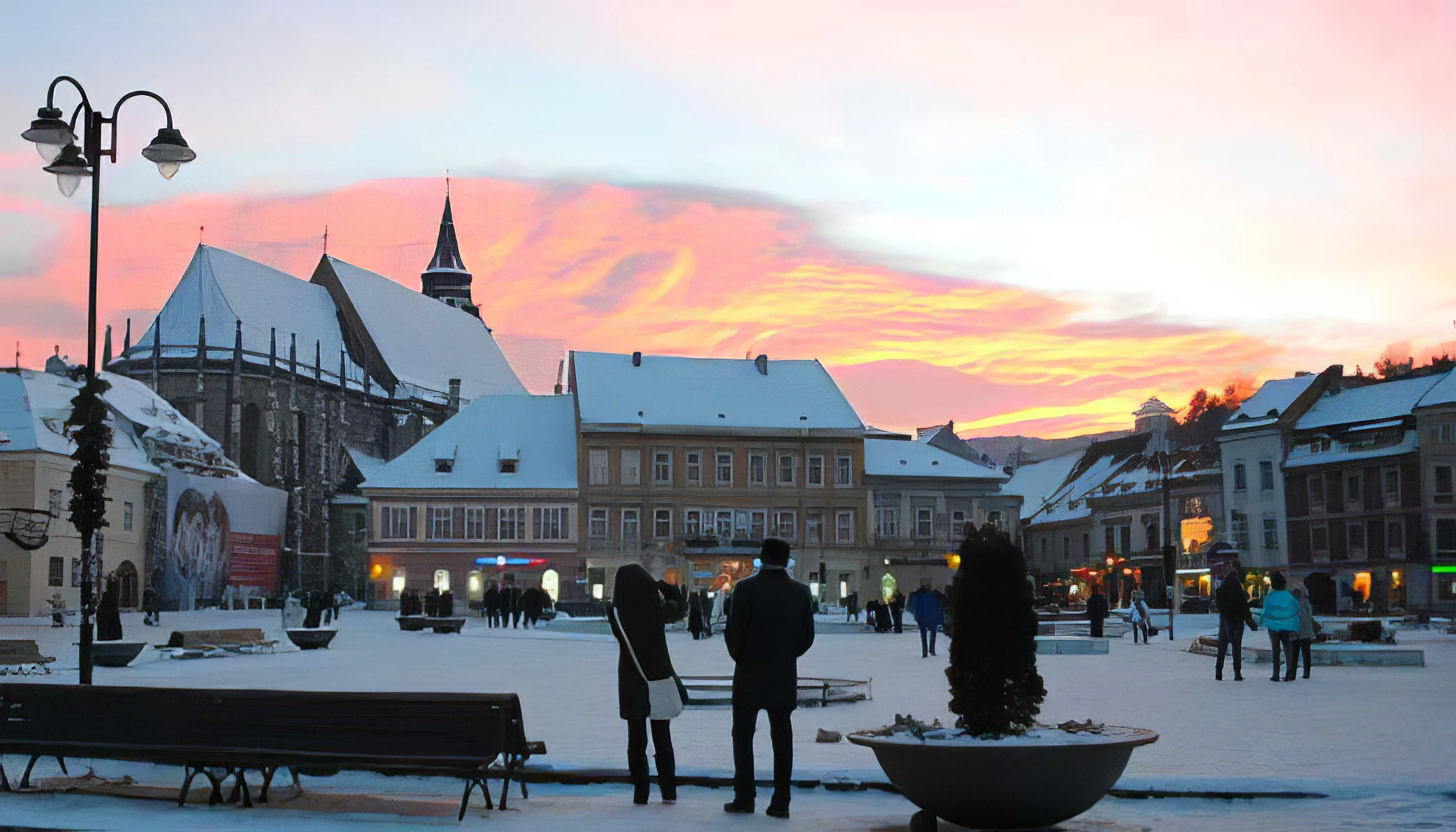
Romania offers a mix of charming cities, historic towns and scenic beauty:
– Bucharest: The capital city, known for its wide boulevards, the Palace of the Parliament, and nice nightlife.
– Brasov: A charming city surrounded by mountains, with the famous Black Church and Bran Castle nearby.
– Sibiu: Known for its well-preserved medieval architecture, Brukenthal Museum, and the Council Tower.
– Cluj-Napoca: A attractive city with a rich history, beautiful architecture, and a lively arts scene.
– Timisoara: Known as the birthplace of the 1989 Revolution, it offers beautiful squares and Art Nouveau architecture.
– Constanta: A coastal city on the Black Sea, known for its historic port, ancient ruins, and beaches.
– Sighisoara: A UNESCO World Heritage site, it's one of the best-preserved medieval towns in Europe.
Monuments
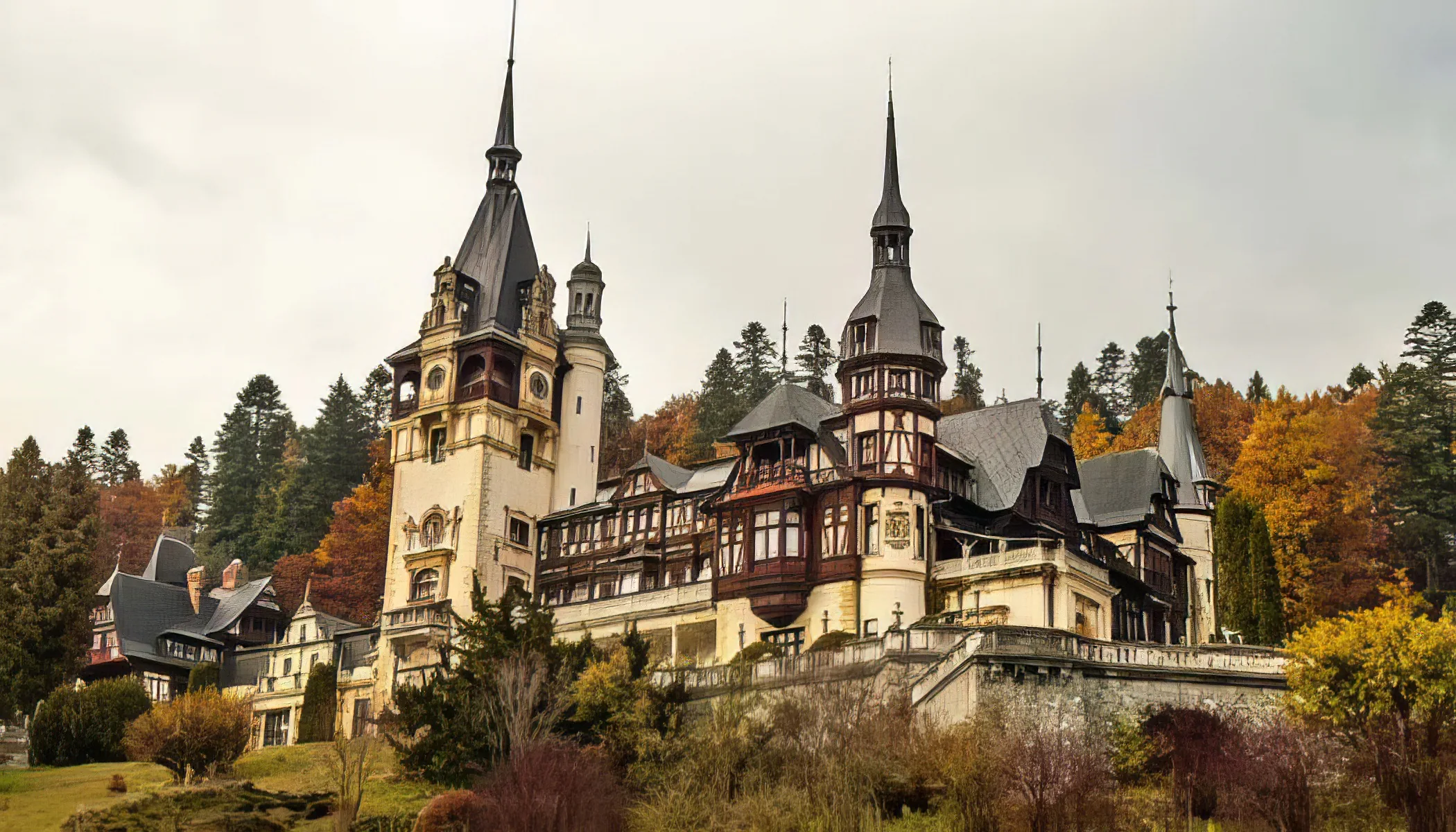
Romania is home to a variety of historical monuments and architectural wonders:
– Bran Castle, Brasov: Known as "Dracula's Castle", it's a national monument and landmark in Romania.
– Peles Castle, Sinaia: Neo-Renaissance castle featuring ornate interiors and extensive collections.
– Palace of the Parliament, Bucharest: The world's heaviest building, showcasing Romanian architecture.
– Corvin Castle, Hunedoara: One of the largest castles in Europe, with Gothic-Renaissance architecture.
– Painted Monasteries of Bucovina: Unique Eastern Orthodox monasteries with exterior fresco paintings.
– Sighisoara Historic Center: UNESCO site, preserved medieval town with colorful houses and cobblestone streets.
– The Black Church, Brasov: The largest Gothic church in Romania, known for its organ concerts.
– The Wooden Churches of Maramures: Unique wooden structures, reflecting local traditions and craftsmanship.
Natural wonder
Explore the diverse natural beauty of Romania:
– The Danube Delta: The second largest river delta in Europe, rich in biodiversity.
– Carpathian Mountains: Home to one of the largest undisturbed forests in Europe.
– Bicaz Gorge: A dramatic canyon offering sensational views and hiking trails.
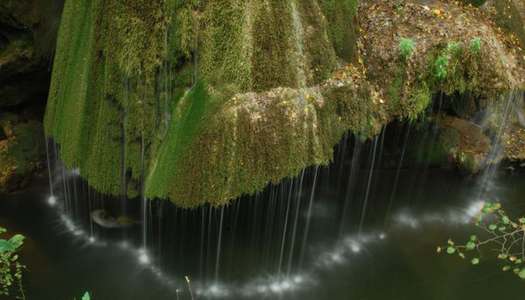
– Bigar Waterfall: Unique waterfall known for its moss-covered cascade.
– Balea Lake: A glacier lake situated in the Fagaras Mountains.
– Peleaga Peak: The highest peak in the Retezat Mountains, offering panoramic views.
– Scarisoara Cave: One of the biggest ice caves in the Apuseni Mountains.
– Piatra Craiului National Park: Known for its biodiversity and magnificent mountainous landscape.
– Berca Mud Volcanoes: A geological and botanical reservation unique to Romania.
– The Sphinx and Babele: Natural rock formations in the Bucegi Natural Park.
Beaches
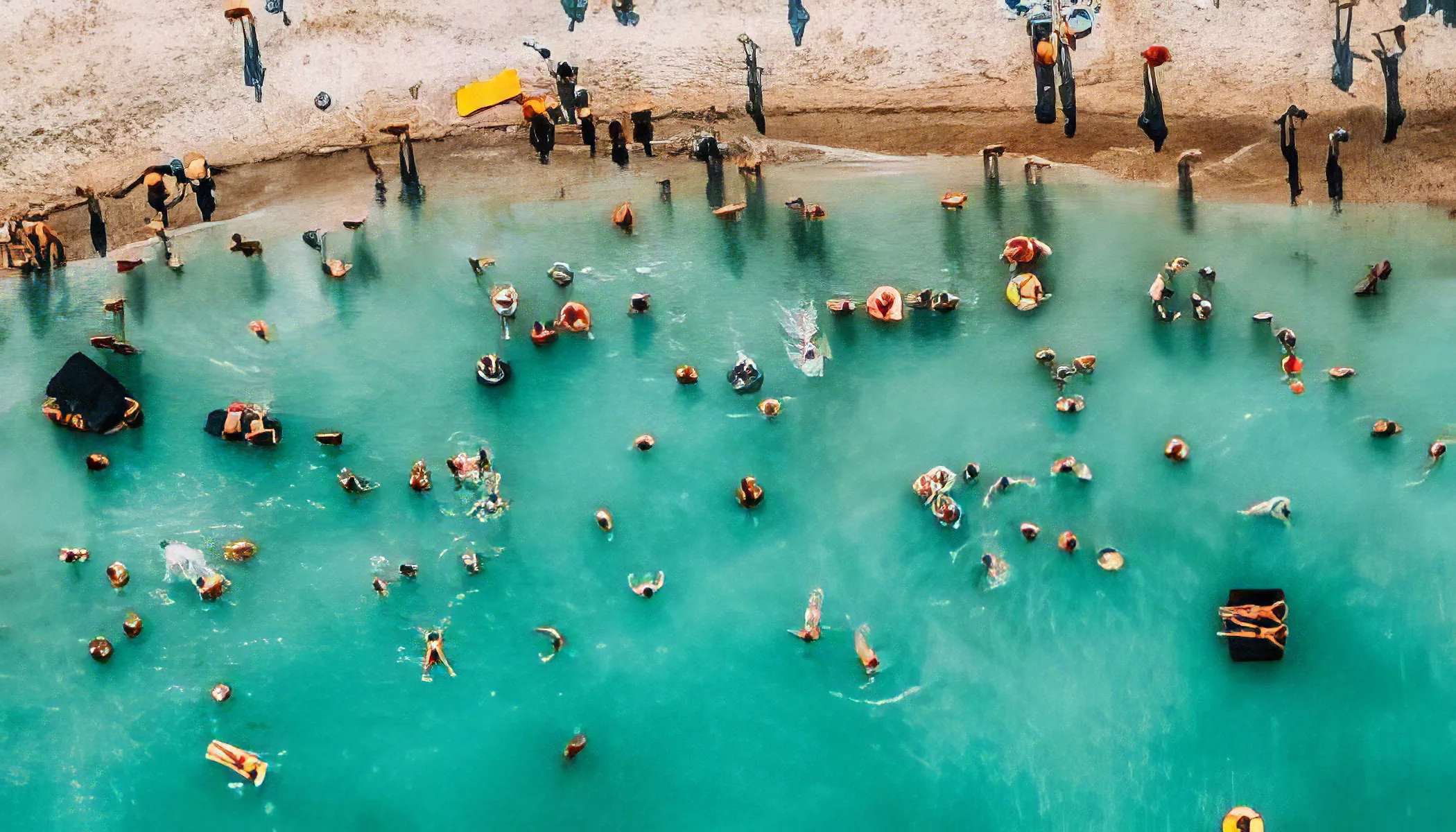
Romania is a country known for its Black Sea beaches. Here are some of the most popular ones:
– Mamaia Beach: Known for its fine sand and nice nightlife in Constanta.
– Vama Veche Beach: Famous for its bohemian atmosphere and music festivals.
– Costinesti Beach: Popular among young people for its summer parties and water sports.
– Eforie Nord Beach: Offers therapeutic mud baths and spa treatments.
– Neptun Beach: Family-friendly beach with calm waters and nearby restaurants.
– Venus Beach: Quiet and relaxing, ideal for families and couples.
– Saturn Beach: Known for its clean waters and sandy beach, offering a peaceful atmosphere.
Outdoor activities
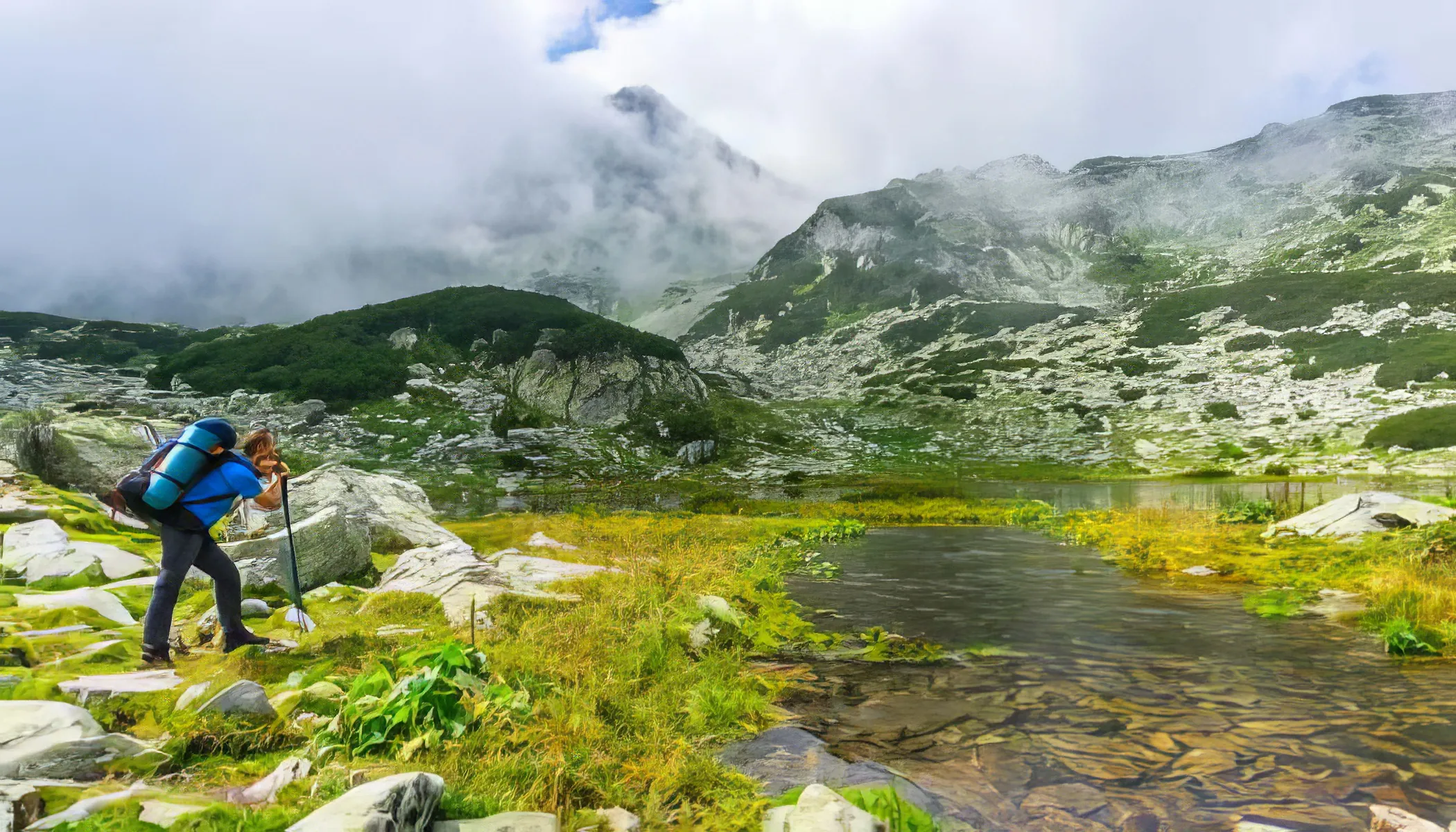
Romania offers a variety of outdoor experiences that cater to different types of adventurers:
– Hiking in the Carpathian Mountains: Traverse through diverse landscapes and wildlife.
– Cycling in Transylvania: Explore medieval towns and pleasant countryside on two wheels.
– Bird Watching in the Danube Delta: Spot over 300 species of birds in Europe's largest wetland.
– Caving in the Apuseni Mountains: Discover a network of over 400 caves.
– Kayaking on the Danube River: Paddle along Europe's second-longest river.
– Skiing in Poiana Brasov: Enjoy well-maintained slopes and gorgeous mountain views.
– Wildlife Watching in the Fagaras Mountains: Encounter bears, wolves, and lynxes in their natural habitat.
Kid Friendly
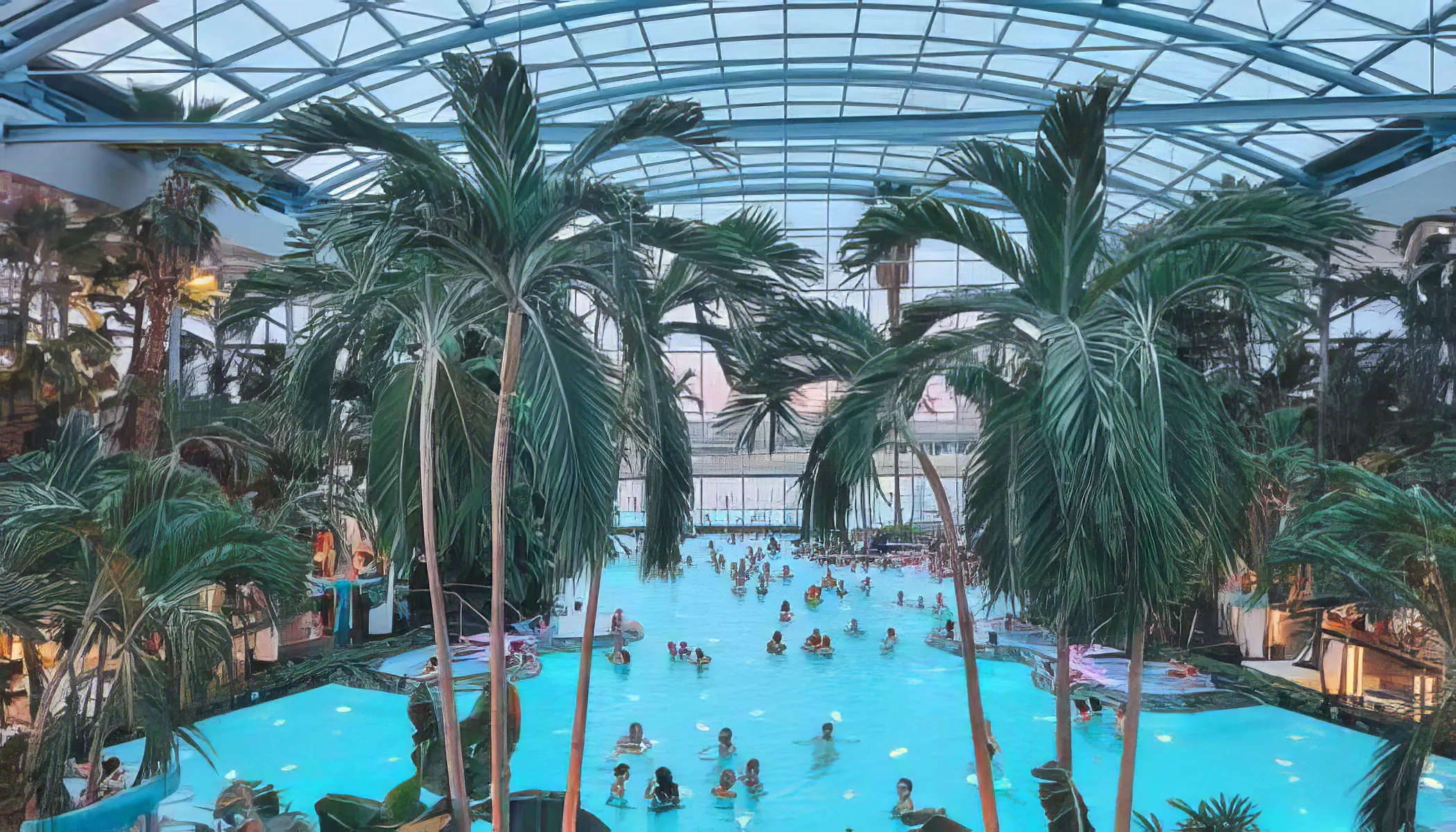
Romania offers a variety of activities that are perfect for families with children:
– Peles Castle: A fairy-tale castle in Sinaia that will captivate kids' imaginations.
– Grigore Antipa Natural History Museum: A museum in Bucharest with a wide range of exhibits, including dinosaur fossils.
– Salina Turda: An underground salt mine turned amusement park, featuring a Ferris wheel, mini-golf, and rowboats.
– Bran Castle: Known as Dracula's Castle, it offers a thrilling experience for older kids.
– Aqua Magic Mamaia: A water park in Constanta with a variety of slides and pools.
– Dino Parc Rasnov: A dinosaur-themed park with life-sized models and interactive exhibits.
– Therme Bucharest: Europe's largest wellness, relaxation and entertainment center based on thermal waters.
– Parc Aventura Brasov: An adventure park with zip lines and climbing courses suitable for different age groups.
Cuisine
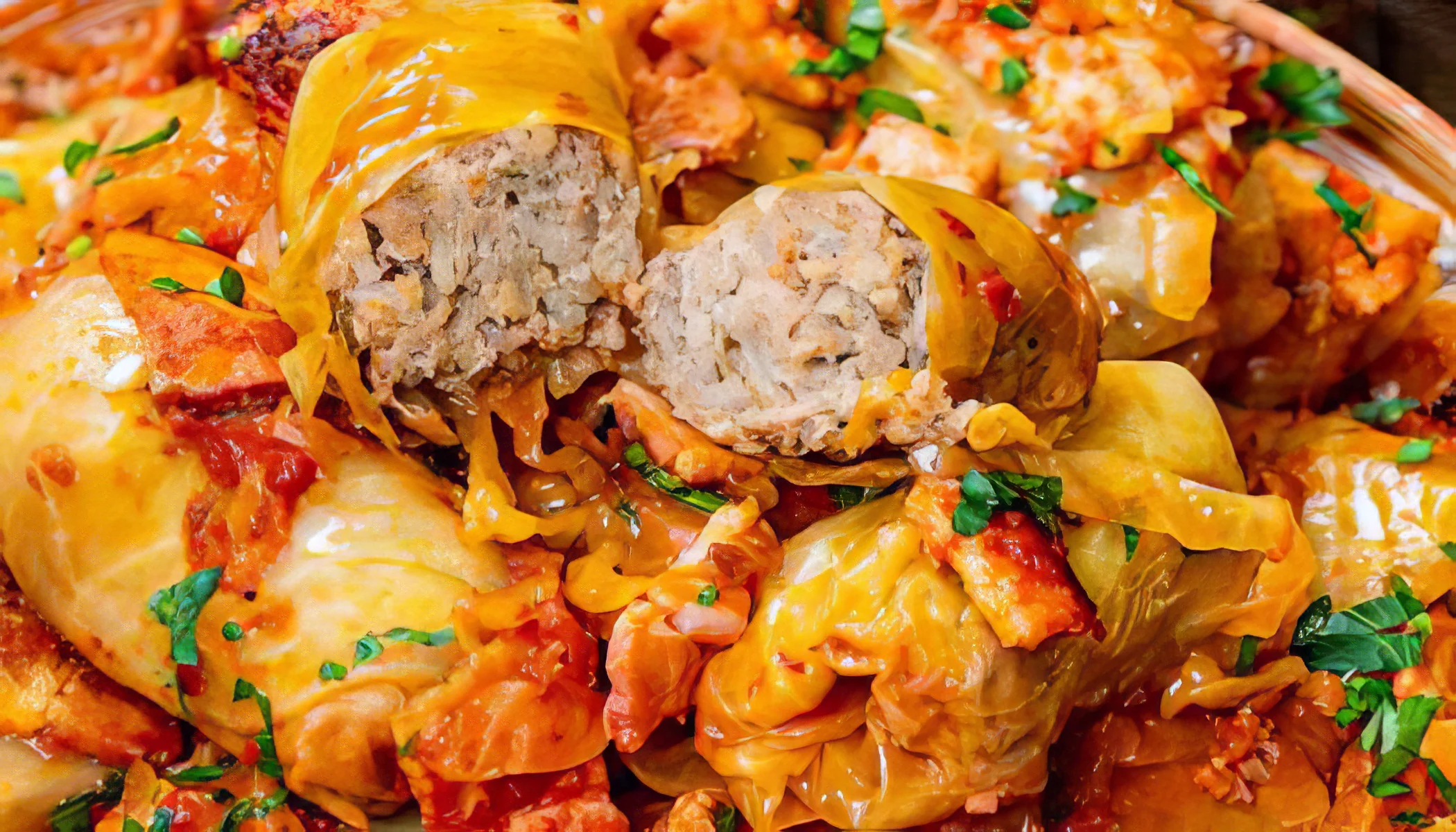
Romanian cuisine is hearty and diverse, with influences from neighboring countries and a focus on locally sourced ingredients. It's characterized by rich, meat-heavy dishes, often accompanied by pickles and polenta. Traditional cooking methods are still widely used, adding to the authenticity of the food experience. Most famous Romanian dishes are:
– Sarmale: Cabbage rolls stuffed with pork, rice, and spices.
– Mici: Grilled minced meat rolls, often served with bread and mustard.
– Ciorba de Burta: Sour tripe soup, a popular comfort food.
– Mamaliga: Cornmeal porridge, often served as a side dish.
– Papanasi: Fried or boiled doughnuts with sour cream and fruit jam.
Souvenir
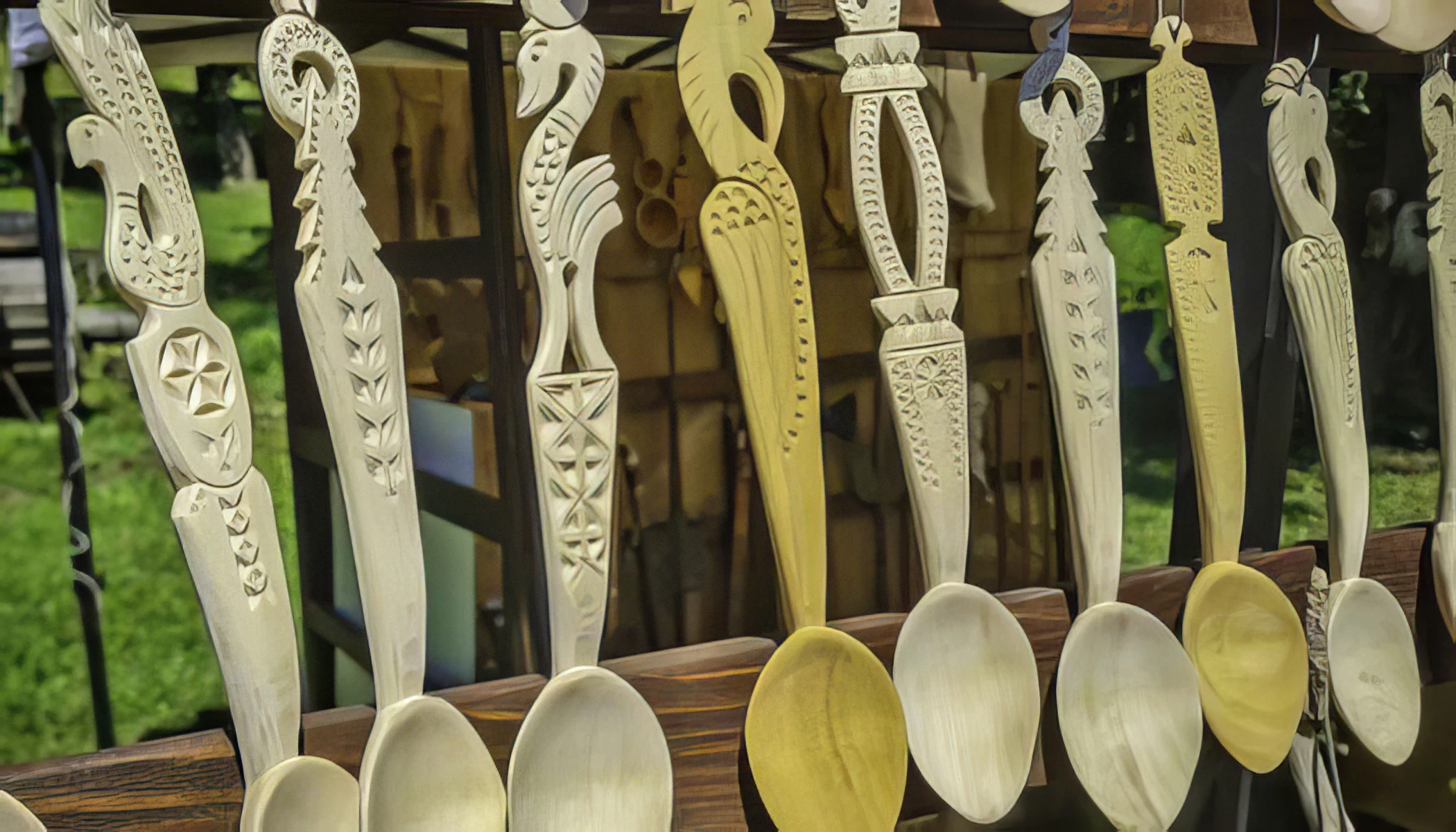
Romania is a country rich in tradition and folklore, offering a variety of unique souvenirs. Here are some popular choices:
– Painted Eggs: These are traditional Romanian Easter eggs, beautifully hand-painted with intricate designs.
– Romanian Wine: Romania is one of the world's top wine producers, and a bottle makes a great souvenir.
– Traditional Dolls: Handmade dolls dressed in traditional Romanian costumes are a popular choice.
– Romanian Carpets: These are hand-woven with traditional patterns and nice colors.
– Folk Costumes: Traditional Romanian clothing, often hand-embroidered, is a unique and beautiful souvenir.
– Pottery: Romanian pottery, often decorated with sophisticated patterns, is a popular souvenir.
– Wooden Spoons: Hand-carved and decorated wooden spoons are a traditional Romanian craft.
Traditional Shows
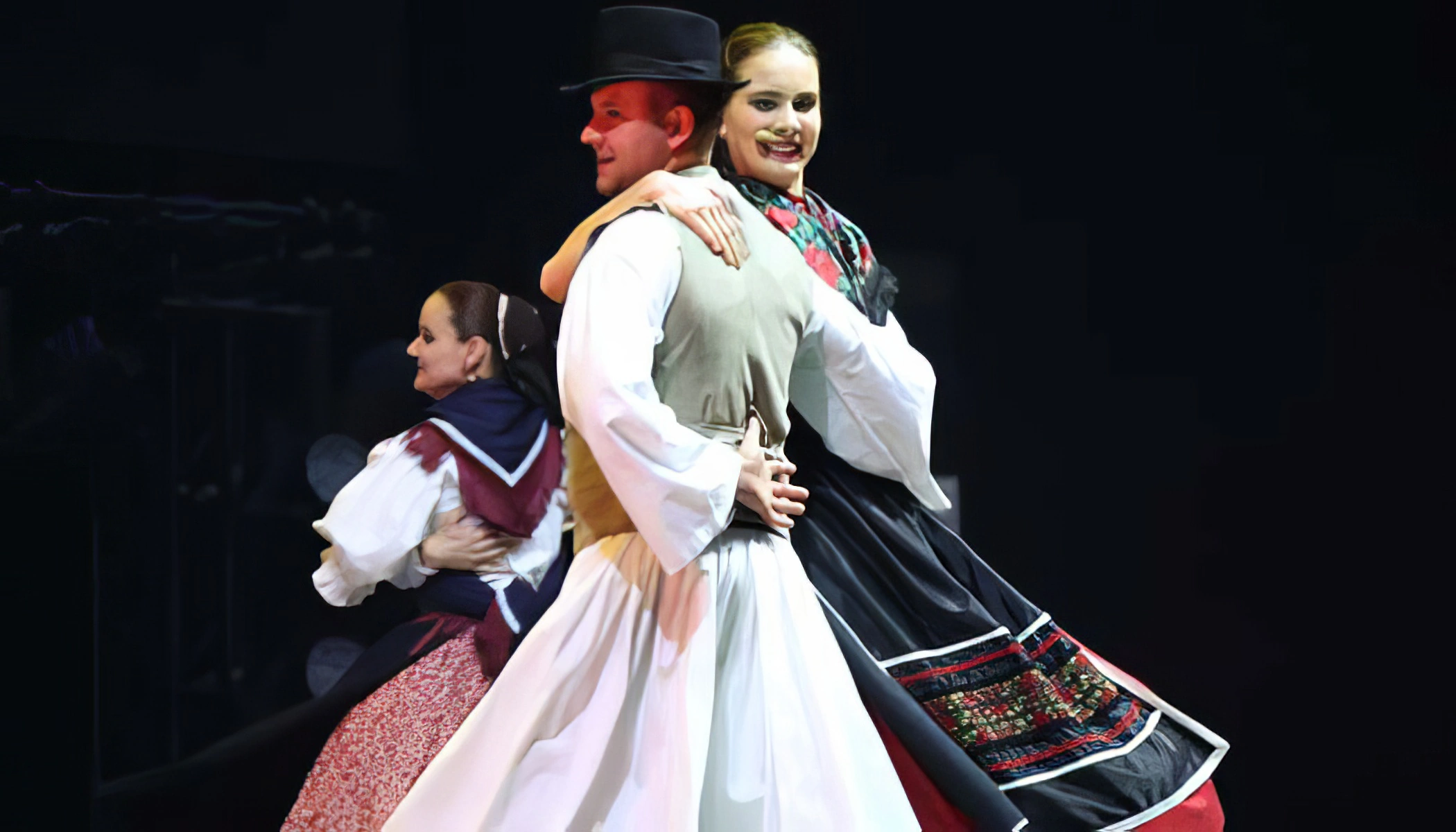
Romania is rich in traditional music and art performances:
– Folklore Shows: Experience authentic Romanian culture through dynamic folk dances and music, often performed in Bucharest.
– Opera Performances: Enjoy classical opera in the Romanian Opera House in Bucharest, showcasing the country's musical talent.
– Sibiu Theatre Festival: Witness a variety of theatrical performances, from puppetry to contemporary dance, in the city of Sibiu.
– Maramures Wooden Churches: Visit Maramures to see these unique churches, which are UNESCO World Heritage Sites, and experience traditional Romanian choral music.
– Brasov Kronstadt Philharmonic Orchestra: Listen to classical music performances in Brasov, a city known for its rich musical history.
Events & Festivals
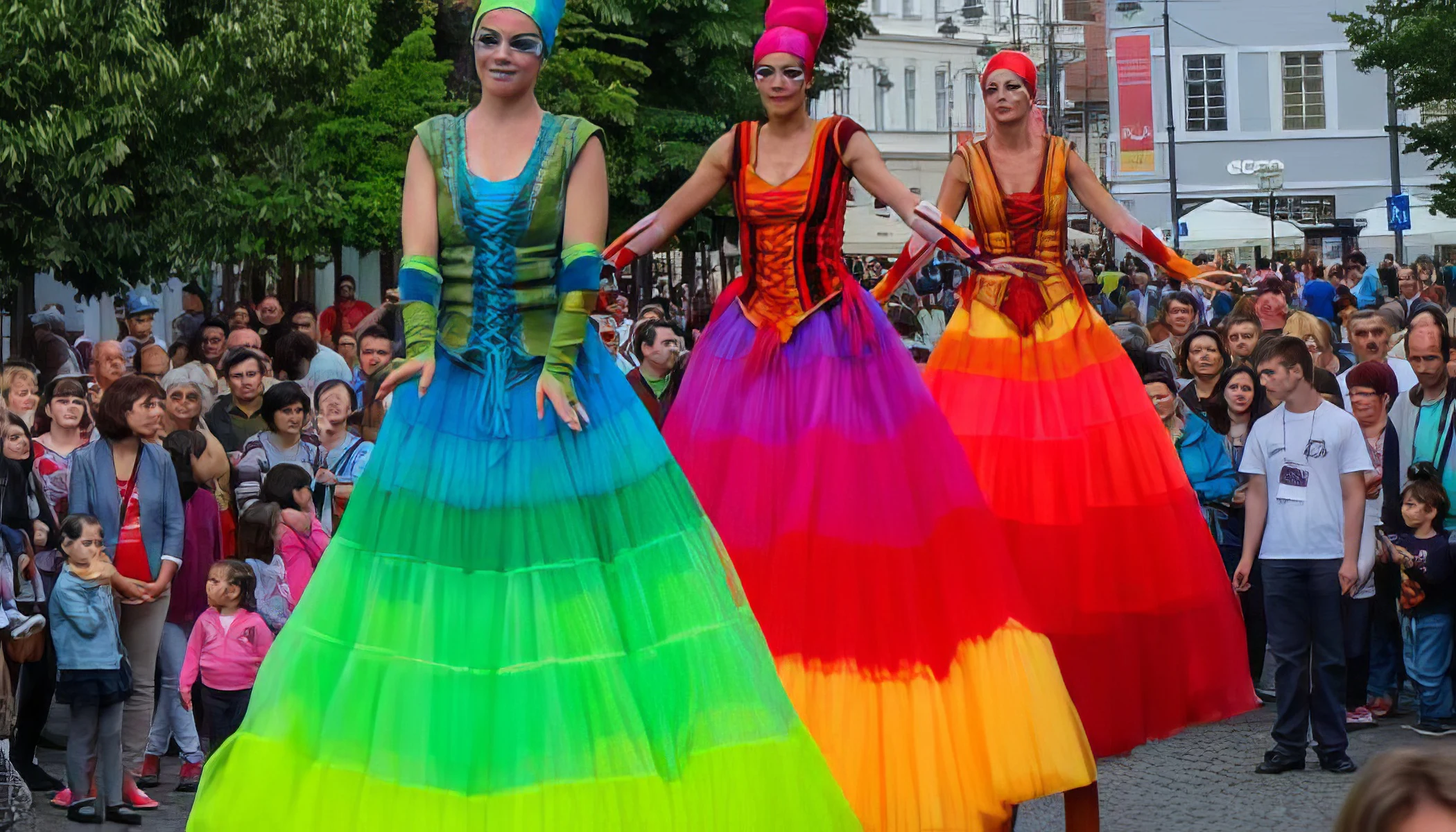
Romania, a country rich in tradition, hosts several unique events and festivals throughout the year:
– Union Day: Celebrated on January 24, marking the unification of Moldavia and Wallachia in 1859.
– Martisor: On March 1, people exchange red and white trinkets to celebrate the arrival of spring.
– Easter: A major religious event in April/May, with unique traditions like egg painting.
– Sighisoara Medieval Festival: A July event in Sighisoara, featuring medieval arts, crafts, and music.
– Transylvania International Film Festival: Held in Cluj-Napoca in May/June, showcasing international cinema.
– George Enescu Festival: A September event in Bucharest, celebrating the music of Romania's most famous composer.
– Christmas: Celebrated nationwide in December, with traditional food, carols, and customs.
Famous People
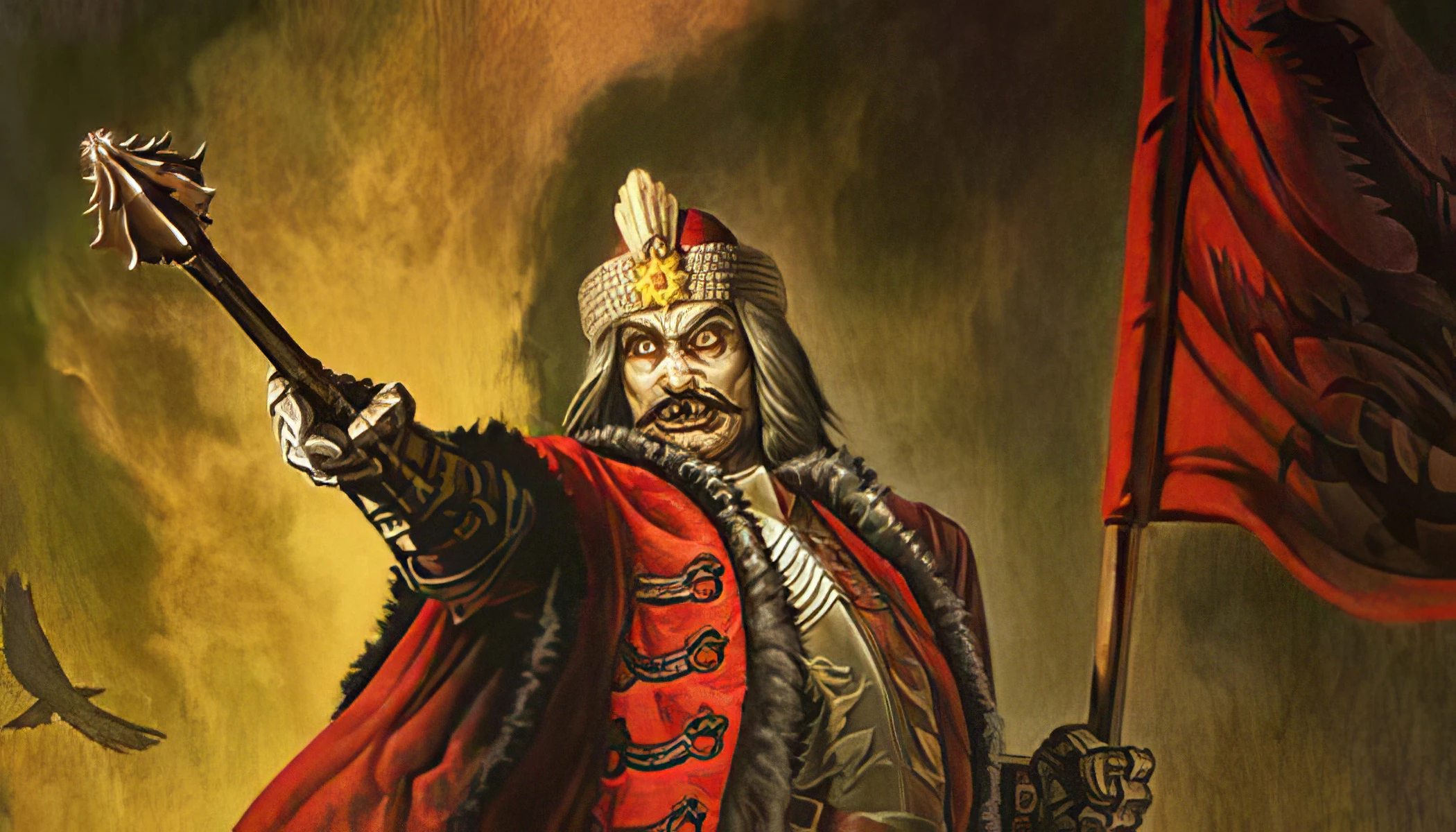
Romania has been home to many notable figures who have made significant contributions in various fields.
– Nicolae Ceausescu (1918 to 1989, Scornicesti): Controversial Communist leader and president of Romania from 1967 to 1989.
– George Enescu (1881 to 1955, Liveni): Renowned musician and composer, best known for his "Romanian Rhapsodies."
– Nadia Comaneci (born 1961, Onesti): Gymnast who scored the first perfect 10 in Olympic history.
– Mircea Eliade (1907 to 1986, Bucharest): Historian of religion, fiction writer, philosopher, and professor at the University of Chicago.
– Ion Luca Caragiale (1852 to 1912, Haimanale): Playwright, short story writer, and one of Romania's most important literary figures.
Books
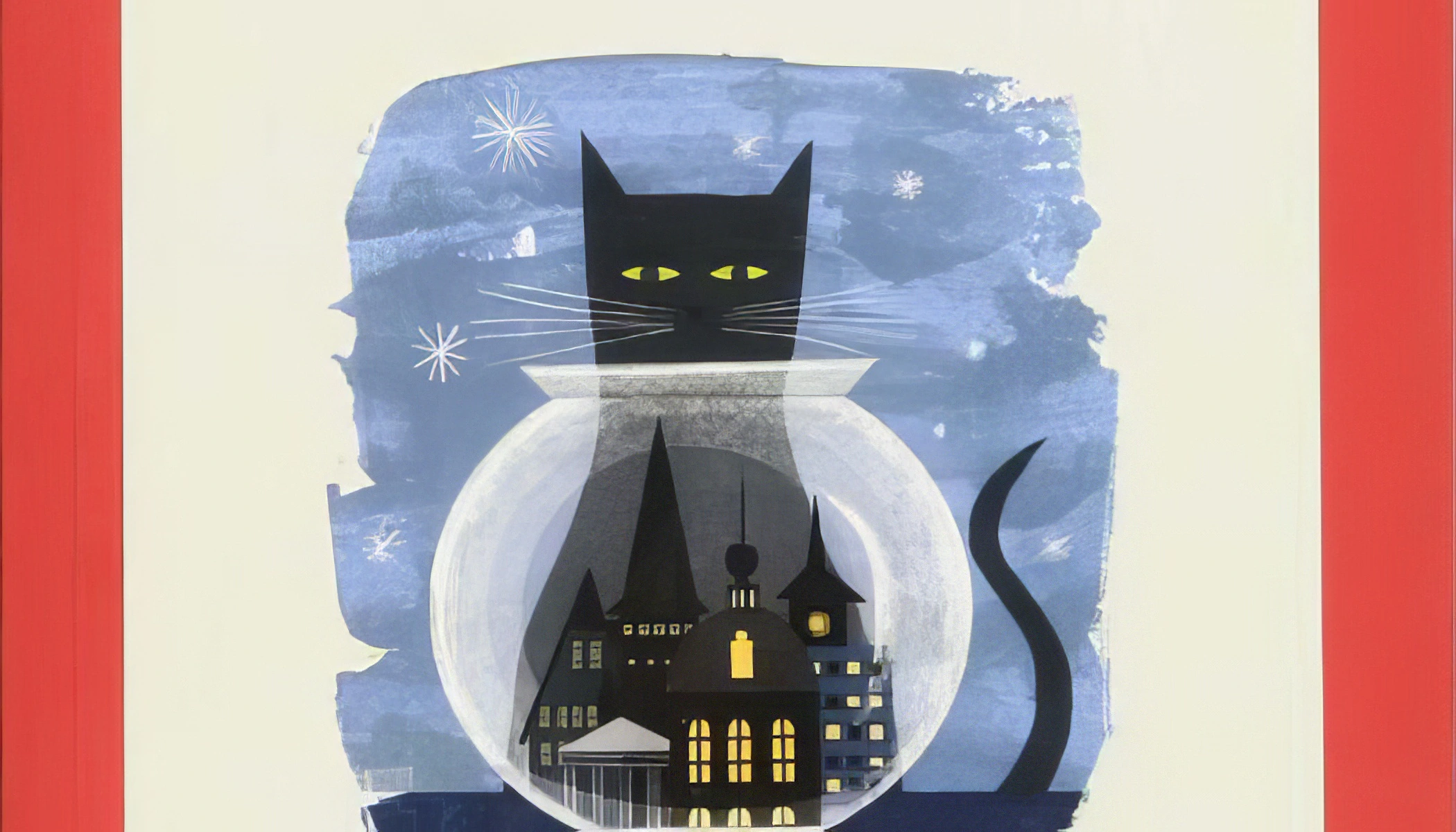
These books provide a rich exploration of Romania's history, culture, and people.
– "Dracula" by Bram Stoker: Classic horror novel set in Transylvania, Romania.
– "The Land of Green Plums" by Herta Müller: Depicts life under Nicolae Ceaușescu's regime.
– "In Europe's Shadow" by Robert D. Kaplan: A travelogue and history of Romania.
– "The Book of Mirrors" by E.O. Chirovici: A mystery novel set in post-communist Romania.
– "The Passport" by Herta Müller: A haunting depiction of life in a Romanian village.
Songs
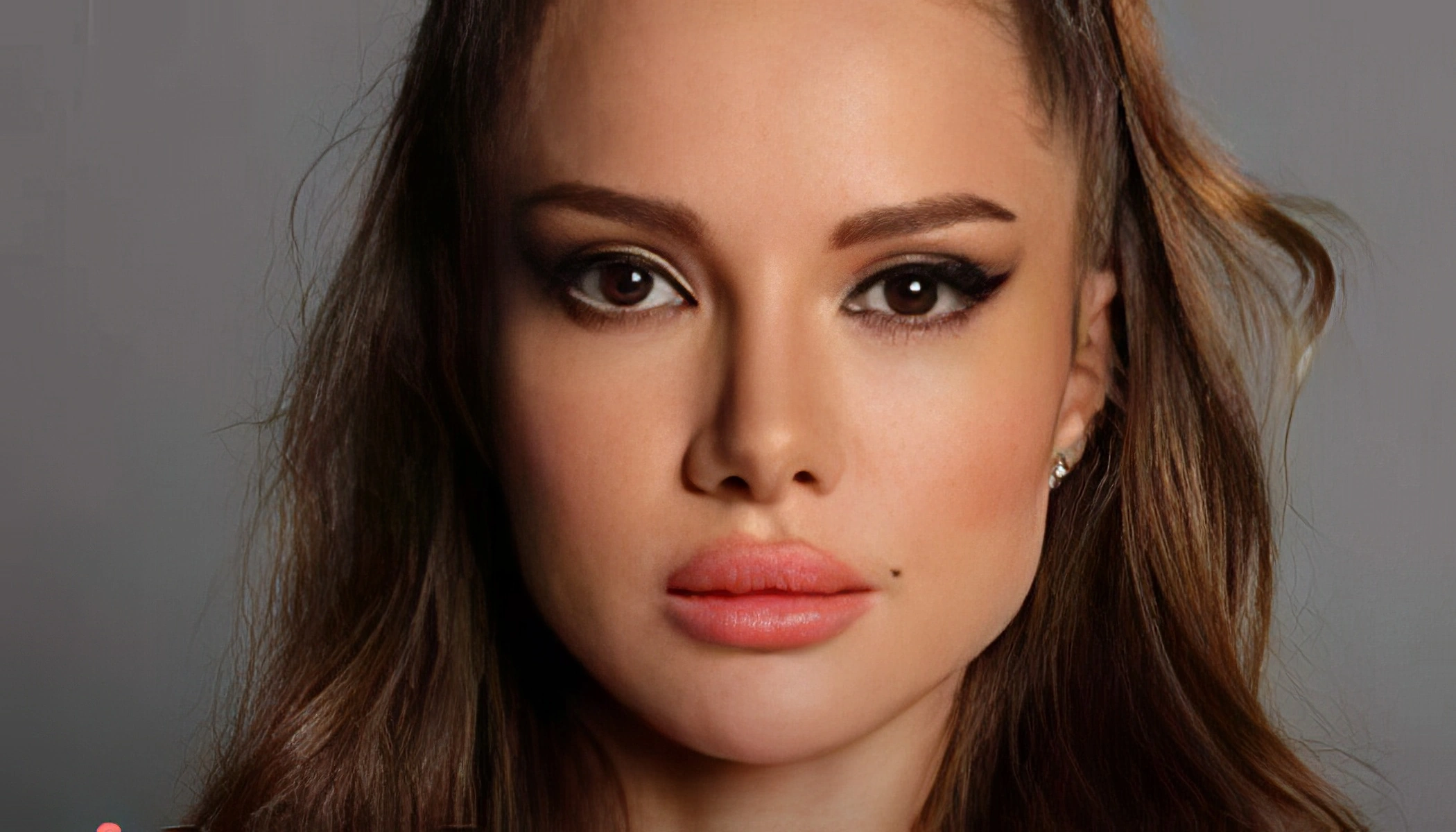
Romanian music is a unique blend of Eastern European and Balkan influences, with a rich tradition in folk, pop, and dance music.
– Dragostea Din Tei: Internationally famous song by O-Zone, known as the "Numa Numa" song.
– De-ai Fi Tu Salcie La Mal: A traditional Romanian folk song by Ion Dolanescu.
– Lasa-ma-mi Place: Popular dance song by Raluka.
– Colt de Suflet: A hit song by Romanian singer Andra.
– Inima Nu Fi de Piatra: Classic Romanian folk song.
– Sub Pielea Mea: A popular song by Carla's Dreams, known internationally.
Films
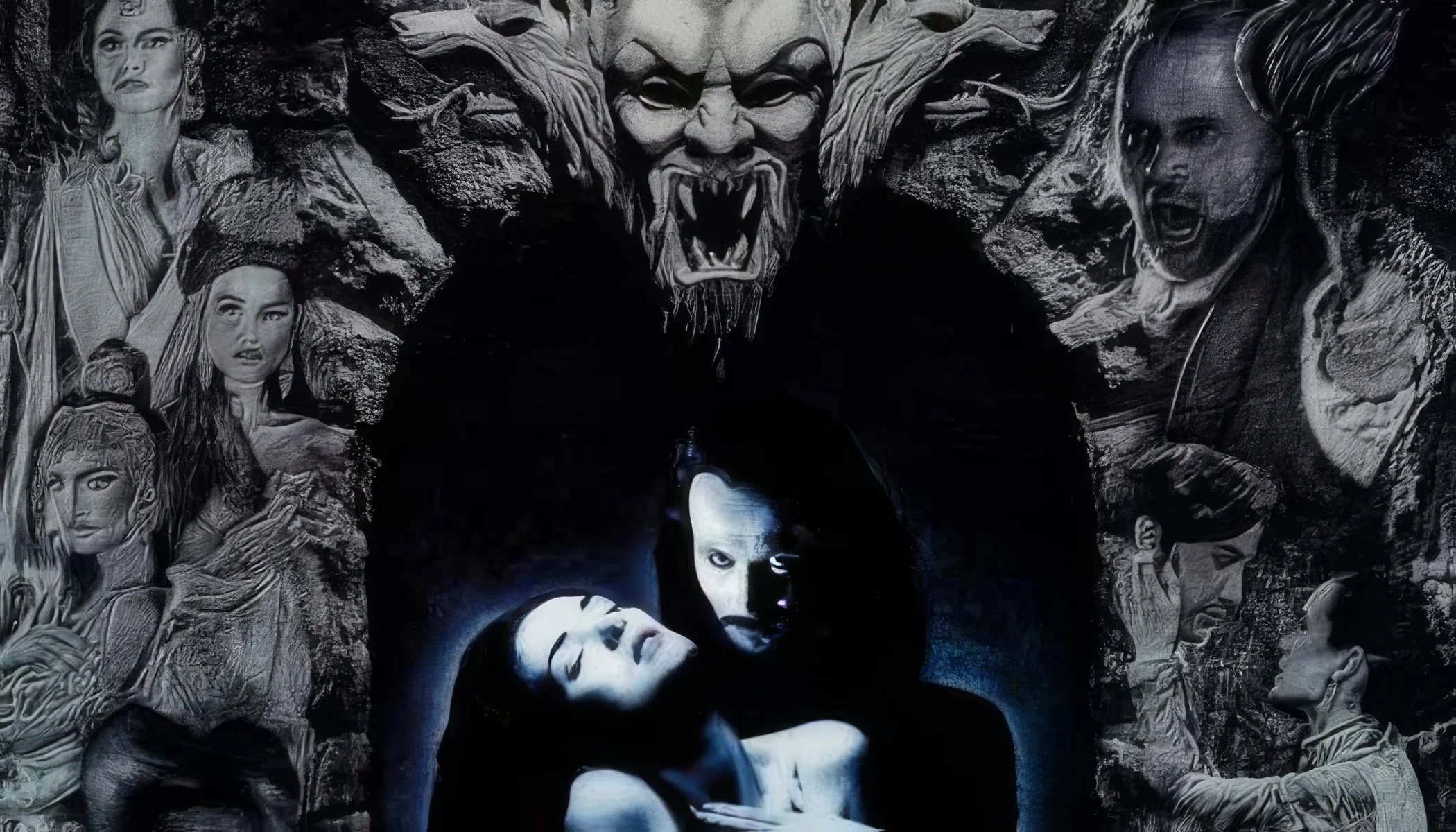
Romania's cinematic landscape is rich and diverse, offering a unique perspective on its history and culture:
– "4 Months, 3 Weeks and 2 Days": Cristian Mungiu's film about a woman helping her friend get an illegal abortion in 1980s Romania.
– "The Death of Mr. Lazarescu": Directed by Cristi Puiu, a darkly comic portrayal of a dying man's journey through the healthcare system.
– "Beyond the Hills": A drama by Cristian Mungiu about a woman visiting her friend at a remote convent, leading to tragic events.
– "Child's Pose": Calin Peter Netzer's film about a wealthy mother who uses her connections to keep her son out of jail.
– "The Autobiography of Nicolae Ceausescu": Andrei Ujica's documentary about the life of Romania's last Communist leader.