

Saudi Arabia Attractions & Travel Advice – Plan Your Visit
Located on the Arabian Peninsula, this country is known for its vast deserts and rich oil reserves. It is home to Islam's holiest cities, Mecca and Medina. The nation is undergoing economic diversification while preserving its cultural heritage.
- Capital
- Riyadh
- Population
- 25.8 millions
- Superficy
- 1961000 sq.km
- Months to Visit
- Nov. to Feb.
- Living Cost
- Expensive
Overview
Saudi Arabia, located on the Arabian Peninsula, is known for its vast deserts and significant oil reserves. The capital, Riyadh, is a modern city with a growing economy. Mecca and Medina are two of the holiest cities in Islam, attracting millions of pilgrims annually. The country has been undergoing social and economic reforms under Vision 2030 to diversify its economy beyond oil. Saudi Arabia's culture is deeply rooted in Islamic traditions and Bedouin heritage. The Red Sea coastline supplies opportunities for tourism development, including diving and beach resorts.
Pros & Cons
GOOD REASONS TO VISIT SAUDI ARABIA
– Rich Cultural Heritage: Explore ancient sites like Al-Ula, Diriyah, and the Nabatean tombs of Madain Saleh.
– Religious Significance: Mecca and Medina are pivotal for Muslims, offering profound spiritual experiences.
– Diverse Landscapes: Experience deserts, mountains, and Red Sea beaches; each region provides unique natural beauty.
– Modern Cities: Riyadh and Jeddah blend modern architecture with traditional markets and cultural attractions.
– Emerging Tourism: New initiatives like NEOM and Red Sea Project offer fresh travel experiences in a developing sector. CHALLENGES WHEN VISITING SAUDI ARABIA
– Strict Social Norms: Adherence to conservative dress codes and behavior is required; can be restrictive for some visitors.
– Limited Alcohol Availability: Alcohol is banned; those seeking nightlife may find options limited compared to other destinations.
– Extreme Weather: High temperatures in summer can be uncomfortable; plan visits during cooler months for better experience.
Before Departure
Before traveling to Saudi Arabia, it's important to be aware of the following details:
– Passport: Ensure your passport is valid for at least six months from your entry date.
– Visa: Most tourists require a visa; eVisa available online for eligible countries, typically valid for 90 days.
– Currency: Saudi Riyal (SAR); credit cards widely accepted; ATMs are prevalent in urban areas.
– Internet access: WiFi is common in hotels and cafes; consider purchasing a local SIM card for data.
– Language barrier: Arabic is the official language; English is widely understood in business and tourist areas.
What to Pack
Traveling to Saudi Arabia requires attention to cultural norms and climate conditions, ensuring a respectful and comfortable visit.
– Essentials: Passport with visa, travel insurance details, flight tickets and itinerary, accommodation confirmations.
– Clothing: Modest clothing covering shoulders and knees, headscarf for women, lightweight fabrics for heat, comfortable walking shoes.
– Health & Safety: Prescription medications, basic first aid kit, sunscreen with high SPF, insect repellent.
– Electronics: Travel adapter for type G outlets, mobile phone with charger, camera.
Weather
Weather in Saudi Arabia is characterized by extreme temperatures and arid conditions:
– Winter (December to February): Mild temperatures with cooler nights, especially in the northern and central regions.
– Spring (March to May): Warm temperatures with occasional sandstorms; pleasant evenings in most regions.
– Summer (June to August): Extremely hot, particularly in the central and southern areas; coastal regions are humid.
– Autumn (September to November): Gradual cooling with decreasing humidity; comfortable weather for outdoor activities. The best time to visit Saudi Arabia is from November to February:
– Pros: Pleasant weather for exploring cities and deserts, fewer sandstorms, and cultural events.
– Cons: Popular tourist sites may be crowded during peak season.
Travel Budget
Saudi Arabia supplies a range of prices for tourists, with costs varying depending on the city and type of service. Here are some average prices for common expenses:
– Hotel: 50$ to 200$
– Lunch: 5$ to 20$
– Beverage (in bar/restaurant): 2$ to 8$
– Coffee: 2$ to 5$
– Transportation: (train 10$ to 30$), (bus 1$ to 3$), (taxi /10km 7$ to 15$)
– Mobile data (per GB): 1.5$ to 3.5$
Language
Arabic is the official language of Saudi Arabia, and here are some useful phrases for tourists:
– Hello: Marhaban (مرحباً)
– Thank you: Shukran (شكراً)
– Please: Min fadlak (من فضلك) [to a male] / Min fadlik (من فضلك) [to a female]
– How much is this?: Kam thaman hadha? (كم ثمن هذا؟)
– Excuse me: Afwan (عفواً)
– I don't understand: La afham (لا أفهم)
– Yes: Na'am (نعم)
– No: La (لا)
– Goodbye: Ma'a as-salama (مع السلامة)
History
The Arabian Peninsula has been inhabited since ancient times, but modern history began with the rise of Islam in the 7th century, originating in Mecca and Medina. In the early 20th century, Abdulaziz Ibn Saud founded the Kingdom of Saudi Arabia in 1932 after unifying various tribal regions. Oil was discovered in 1938, transforming its economy and global significance. The country has maintained a monarchy governed by the Saud family, with Islam playing a central role in its laws and society. In recent decades, Saudi Arabia has undertaken social and economic reforms to diversify its economy beyond oil dependency. Its history illustrates a transformation from isolated desert regions to an influential global player due to strategic geopolitical positioning and oil wealth.
Geopolitics
Located in the Middle East, Saudi Arabia is the largest country on the Arabian Peninsula, sharing borders with Jordan, Iraq, Kuwait, Bahrain via a causeway, Qatar, the United Arab Emirates, Oman, and Yemen. It controls significant oil reserves and is a leading member of OPEC (Organization of the Petroleum Exporting Countries), influencing global energy markets. The kingdom has a strategic alliance with the United States based on mutual interests in security and energy. It plays a dominant role in the Gulf Cooperation Council (GCC), often exerting influence over regional politics and economic policies. Saudi Arabia has been involved in regional conflicts and rivalries, notably with Iran over dominance in the Middle East. The kingdom's Vision 2030 aims to diversify its economy away from oil dependency and enhance its geopolitical standing through investments and reforms.
Sample Itinerary
This itinerary highlights Saudi Arabia's rich history, religious significance, and modern attractions across Riyadh, Al Ula, Jeddah, and Mecca.
– 2 days in Riyadh: Visit the National Museum, Masmak Fortress, and Al Faisaliah Tower. Explore Diriyah's historic ruins and shop at local souks.
– 2 days in Al Ula: Discover the ancient Nabatean tombs at Madain Saleh. Explore Elephant Rock and the old town of Al Ula.
– 1 day in Jeddah: Walk along the Jeddah Corniche. Visit Al-Balad's historic district and see King Fahd Fountain.
– 1 day in Mecca: For Muslims, perform Umrah rituals at the Grand Mosque. Non-Muslims can explore Islamic history through nearby educational exhibits.
– 1 day in Taif: Enjoy the cooler climate with a visit to Shubra Palace Museum and rose farms. Ride cable cars for scenic mountain views.
Popular cities
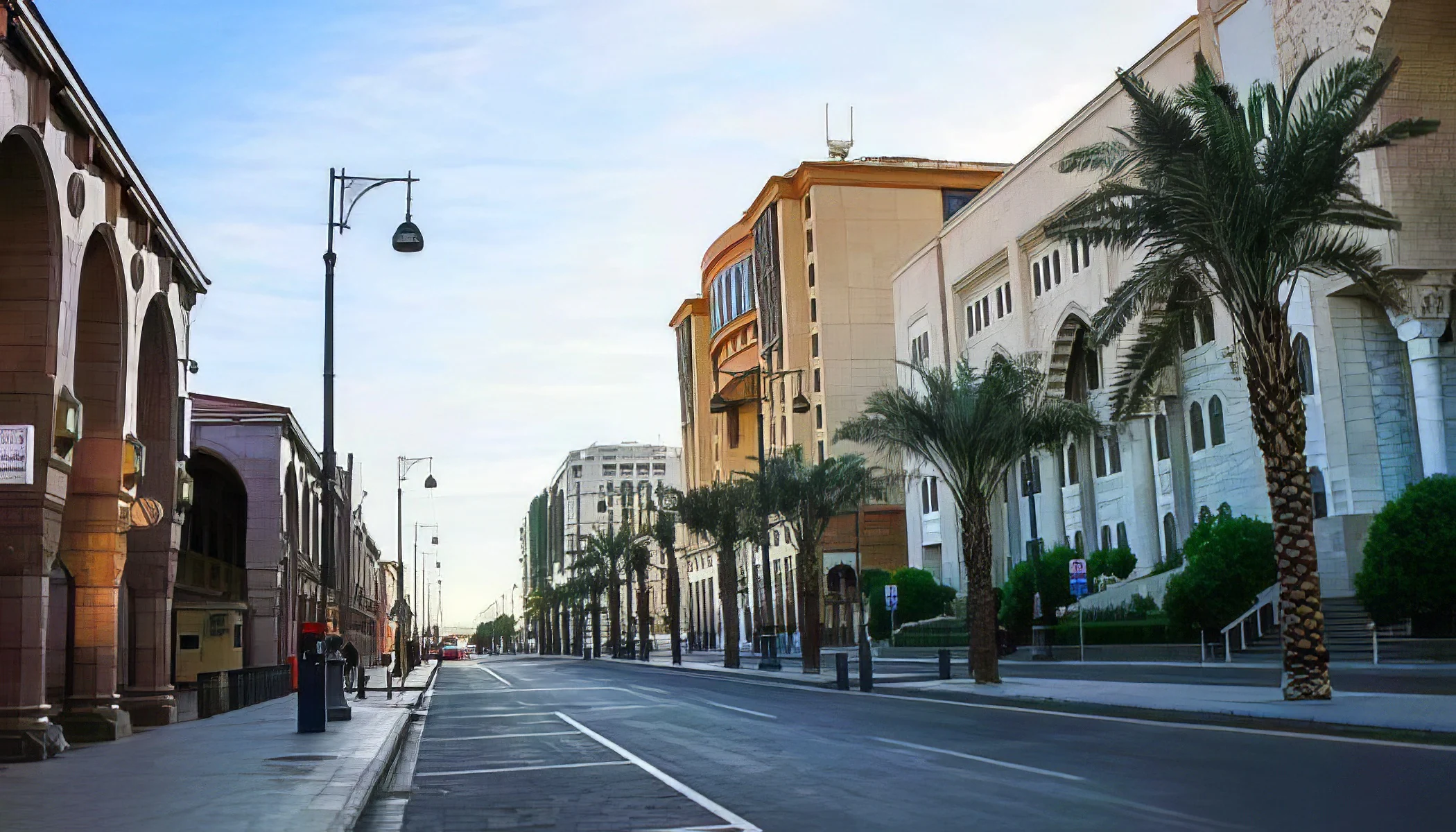
Explore Saudi Arabia's diverse cities blending tradition and modernity:
– Riyadh: The capital is a lively metropolis known for its modern architecture and cultural experiences.
– Jeddah: A major port city with a animated arts scene, historic districts, and the impressive King Fahd Fountain.
– Mecca: Islam's holiest city, attracting millions of pilgrims each year for the Hajj pilgrimage.
– Medina: Known for the Prophet's Mosque, it is a major Islamic pilgrimage site with rich religious significance.
– Dammam: A key city in the Eastern Province with coastal views and a growing business hub.
– Al Khobar: Provides handsome seaside views along the Corniche and is popular for shopping and dining.
– Taif: Known for its cool climate, rose gardens, and mountain scenery.
Monuments
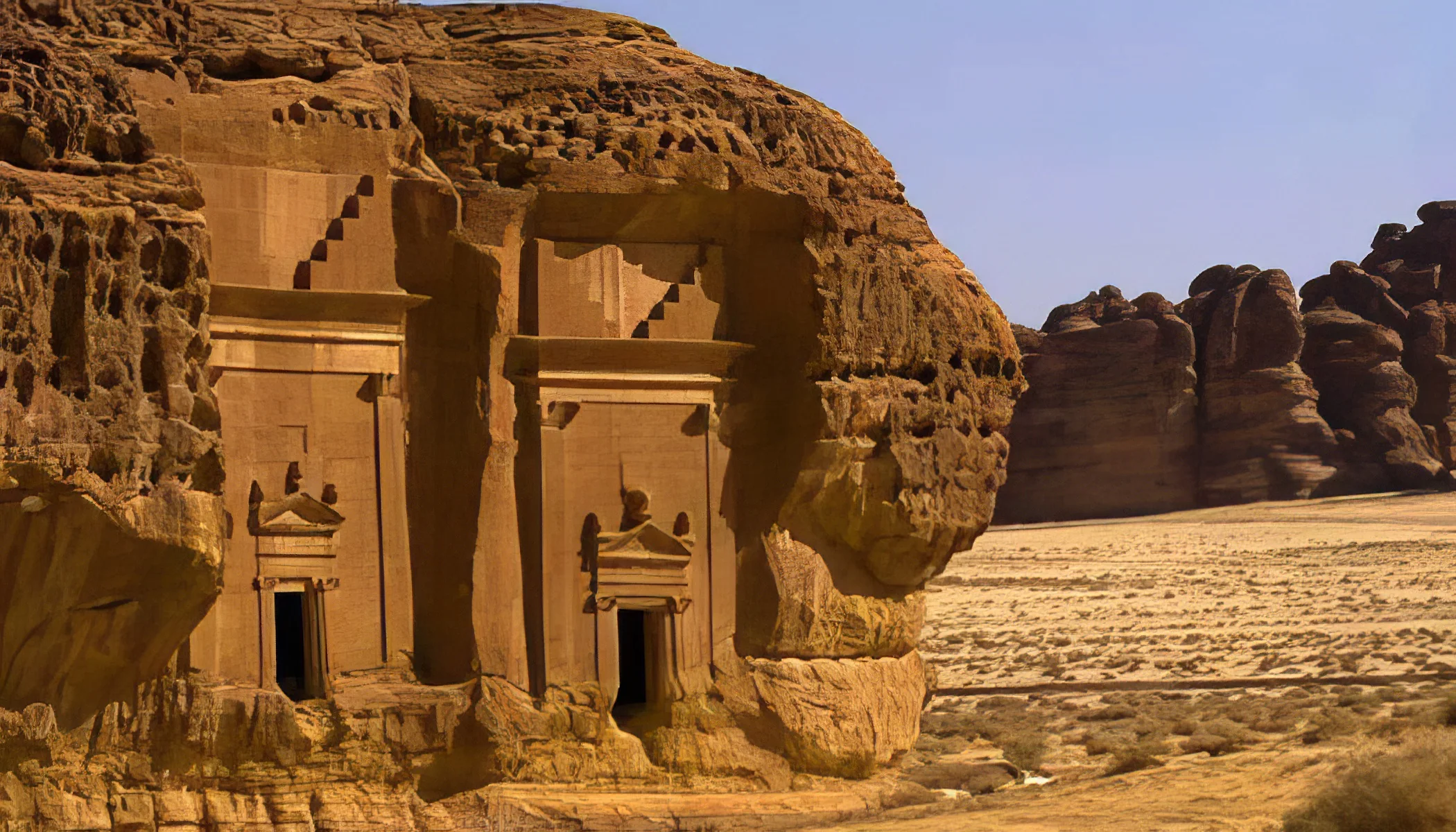
Saudi Arabia supplies several notable monuments for visitors to explore:
– Masmak Fortress, Riyadh: Historic mud-brick fort pivotal in Saudi Arabia's unification.
– Al-Ula: Ancient city with rock formations and Nabatean tombs dating back thousands of years.
– Mada'in Saleh (Al-Hijr): UNESCO site with well-preserved Nabatean tombs carved into sandstone cliffs.
– Diriyah, Riyadh: Birthplace of the Saudi state featuring traditional Najdi architecture and historical sites.
– King Abdullah Economic City Mosque: Modern architectural mosque known for its large dome and unique design.
– Jeddah's Al-Balad: Historic district with coral stone buildings and traditional markets showcasing old Jeddah.
– Qasr Al-Farid, Mada'in Saleh: Iconic single rock-cut tomb left unfinished by the Nabateans.
– Abraj Al Bait Towers, Mecca: Massive clock tower complex near the Grand Mosque offering views of the holy city.
Natural wonder
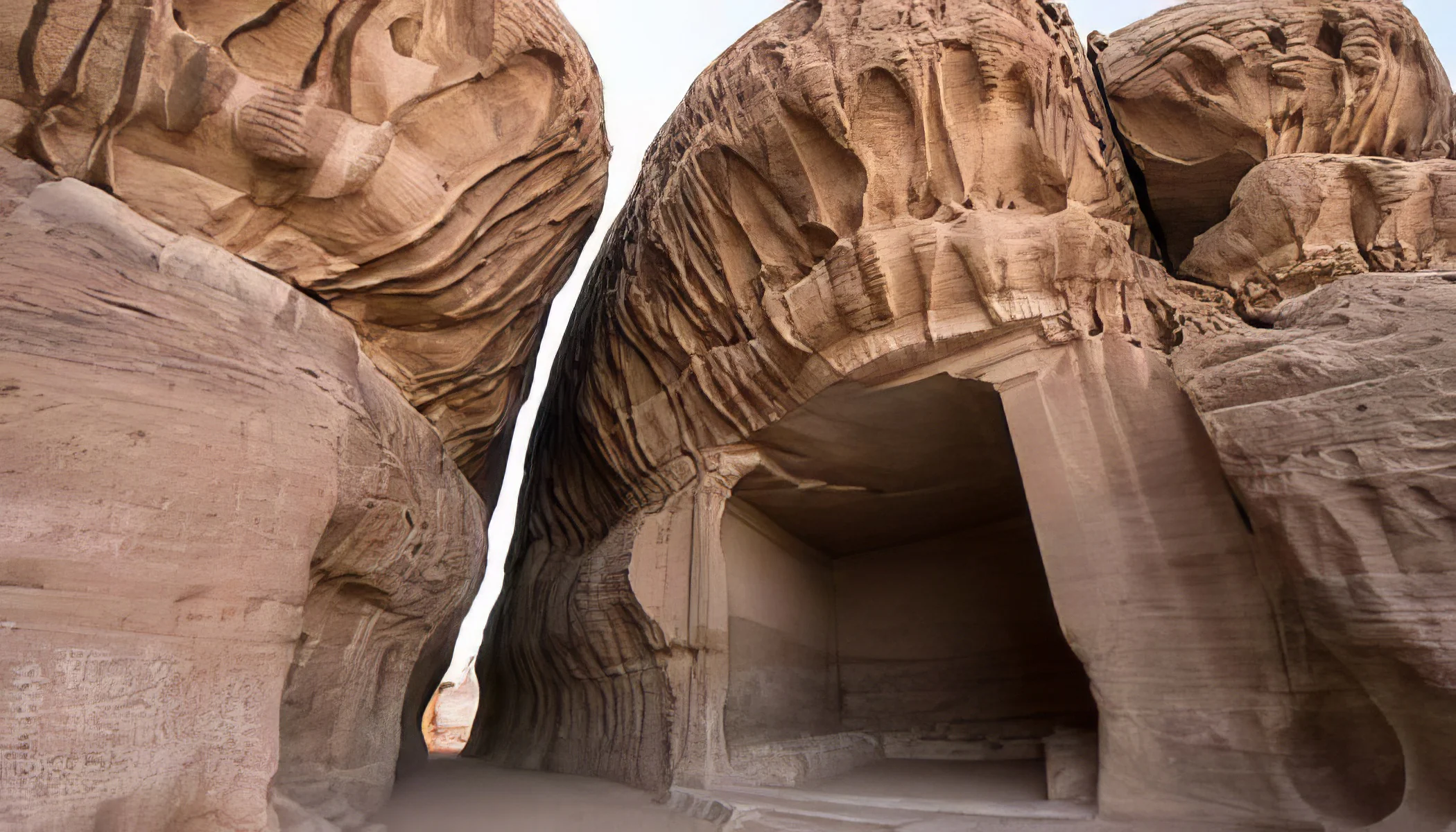
Explore Saudi Arabia's diverse natural landscapes:
– Al Ula: Features ancient rock formations and the UNESCO World Heritage site, Mada'in Saleh.
– Edge of the World: Supplies dramatic cliff views and vast desert panoramas.
– The Empty Quarter (Rub' al Khali): World's largest sand desert with endless dunes.
– Farasan Islands: Known for diverse marine life and beautiful coral reefs in the Red Sea.
– Al Wahbah Crater: A massive volcanic crater with a salt flat at its base.
– Jabal Sawda: Saudi Arabia's highest peak, located in the Asir Mountains, offering cool climate and green landscapes.
– Wadi Rummah: Largest valley in the Arabian Peninsula, featuring unique rock formations.
– Taif Rose Gardens: Famous for aromatic roses used in traditional perfumes.
– Jazan Mountains: Provides terraced fields and diverse wildlife near Yemen border.
– Red Sea Coral Reefs: Home to sensational underwater ecosystems, ideal for diving and snorkeling experiences.
Beaches
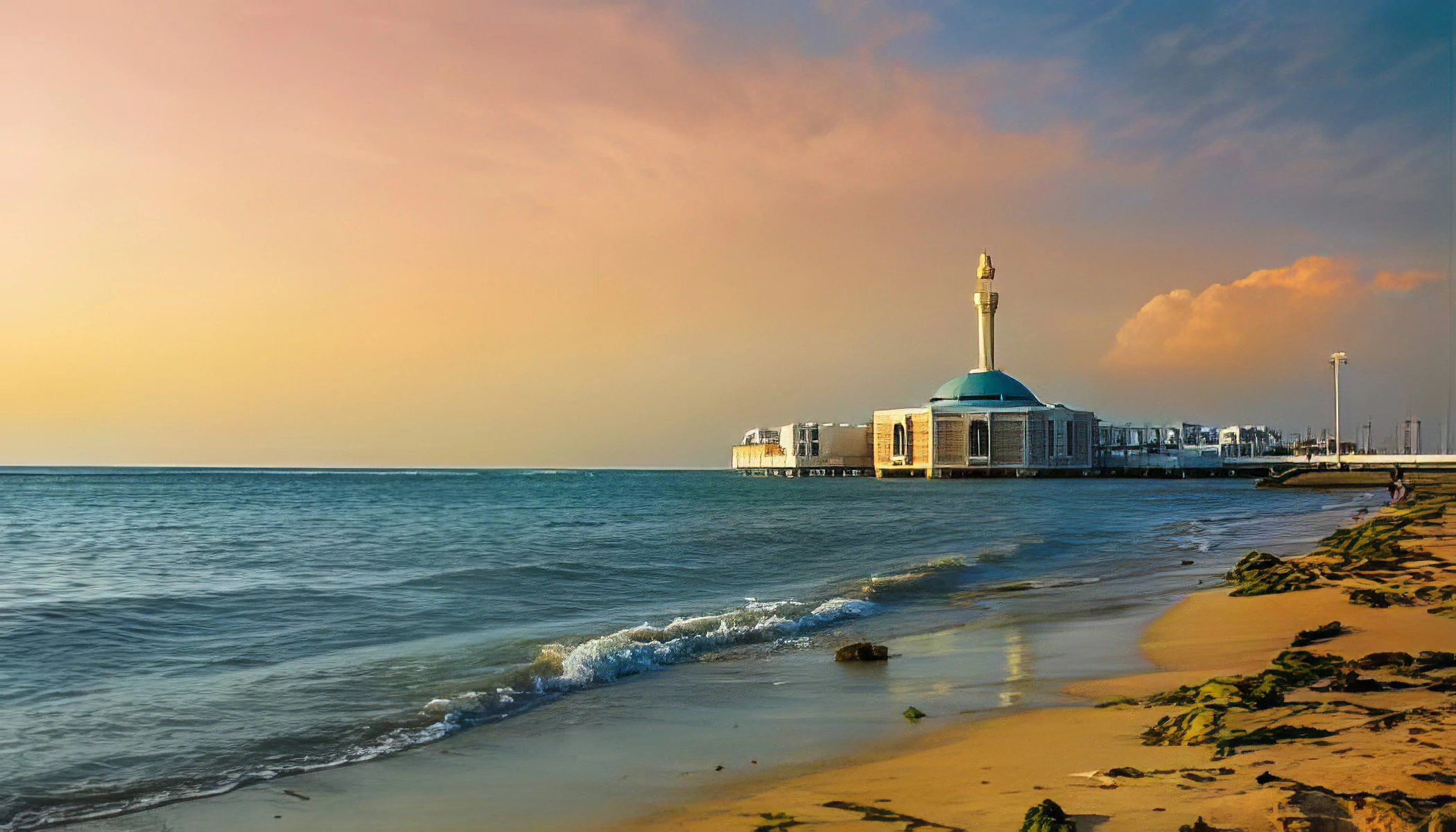
Saudi Arabia offers a variety of beaches along its Red Sea and Arabian Gulf coasts:
– Half Moon Bay: Noted for its crescent shape and family-friendly atmosphere near Al Khobar.
– Al Fanateer Beach: Features clean sand, green spaces, and water activities in Jubail.
– Farasan Islands: Known for pristine beaches, coral reefs, and clear waters in the Red Sea.
– Silver Sands Beach: Private beach offering water sports and relaxation in Jeddah.
– Umluj Beaches: Often called the "Maldives of Saudi Arabia" for their turquoise waters and white sands.
– Obhur Beach: Popular for water sports and floating restaurants in Jeddah.
– Haql Beaches: Provides scenic views and clear waters near the Jordanian border.
Outdoor activities
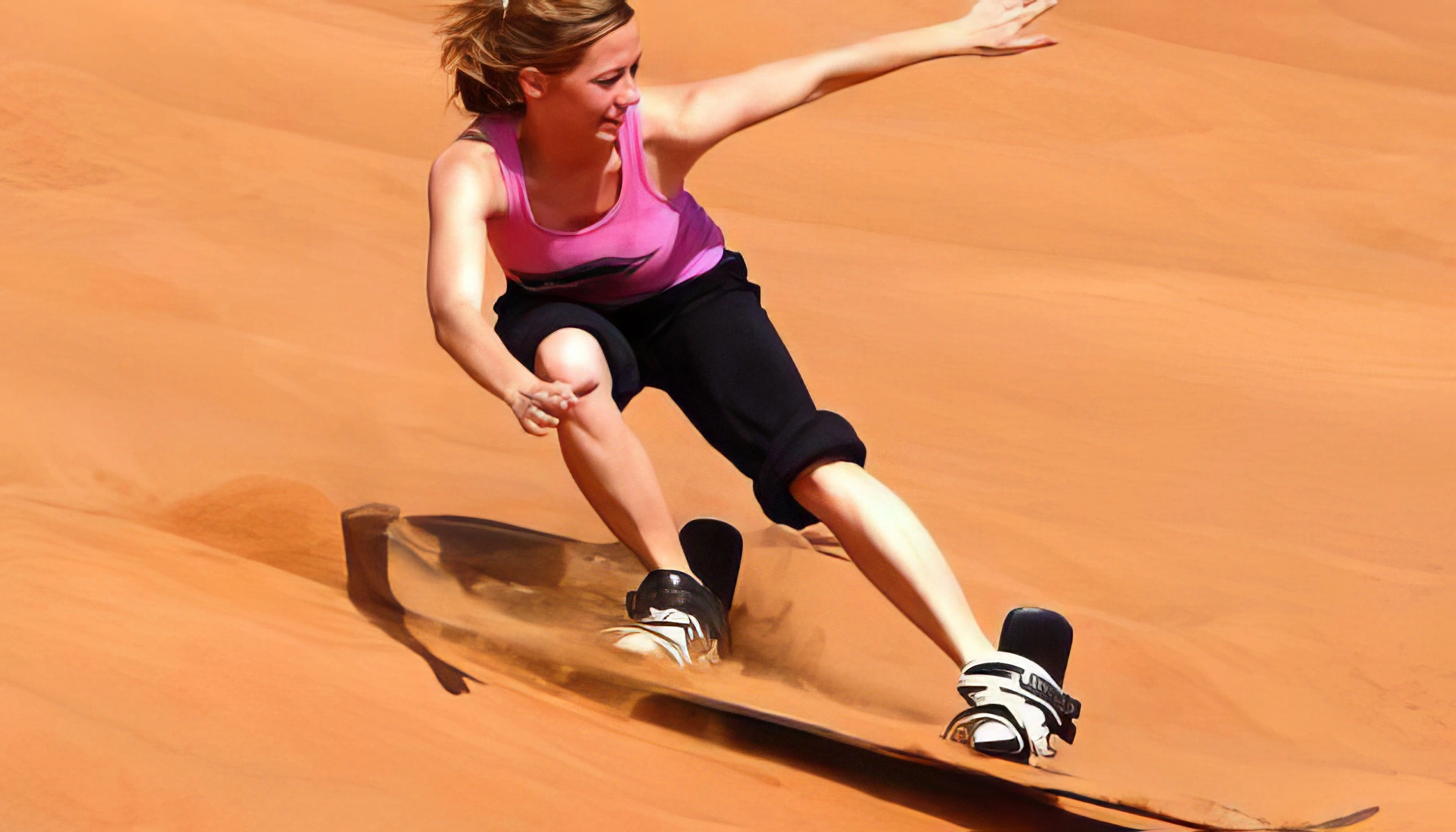
The country supplies unique outdoor activities set in diverse landscapes for adventurous visitors:
– Dune Bashing in the Empty Quarter: Experience thrilling rides over vast desert dunes.
– Hiking in Al Wahbah Crater: Trek to the rim of a massive volcanic crater with fascinating views.
– Snorkeling in the Red Sea: Explore magnificient coral reefs and colorful marine life.
– Rock Climbing at Wadi Lajab: Scale dramatic rock formations in a abundant canyon.
– Camping under the stars at Edge of the World: Enjoy panoramic desert views and quiet nights.
– Camel Trekking in AlUla: Journey through ancient landscapes on traditional camel rides.
– Caving in Heet Cave: Discover underground lakes and formations near Riyadh.
Kid Friendly
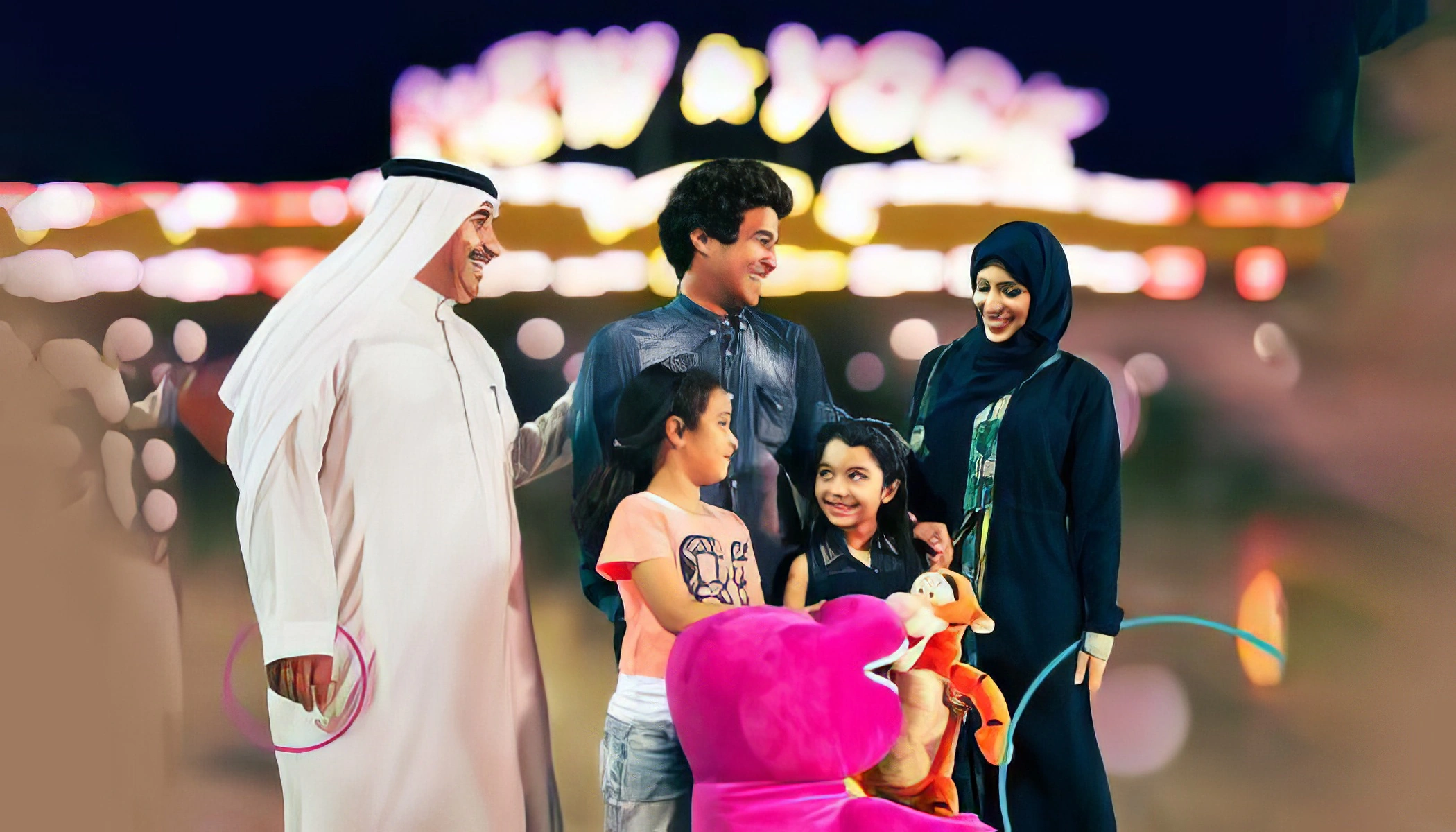
Saudi Arabia offers a range of engaging activities perfect for kids and families.
– Al Hokair Land: An amusement park in Riyadh with rides, games, and entertainment options for all ages.
– Al Shallal Theme Park: Located in Jeddah, it features roller coasters, ice skating, and themed areas.
– King Fahd Park: A large public park in Dammam with playgrounds, gardens, and picnic spots.
– Fakieh Aquarium: In Jeddah, showcasing marine life with interactive exhibits for children.
– Edge of the World: A dramatic cliffside in Riyadh perfect for family hikes and wonderful views.
– Red Sea Beach Activities: Opportunities for snorkeling and water sports suitable for kids near Jeddah.
– Janadriyah Festival: An annual cultural festival offering traditional crafts and performances that engage children.
– The National Museum: Located in Riyadh, it supplies interactive exhibits that make learning about Saudi history fun.
Cuisine
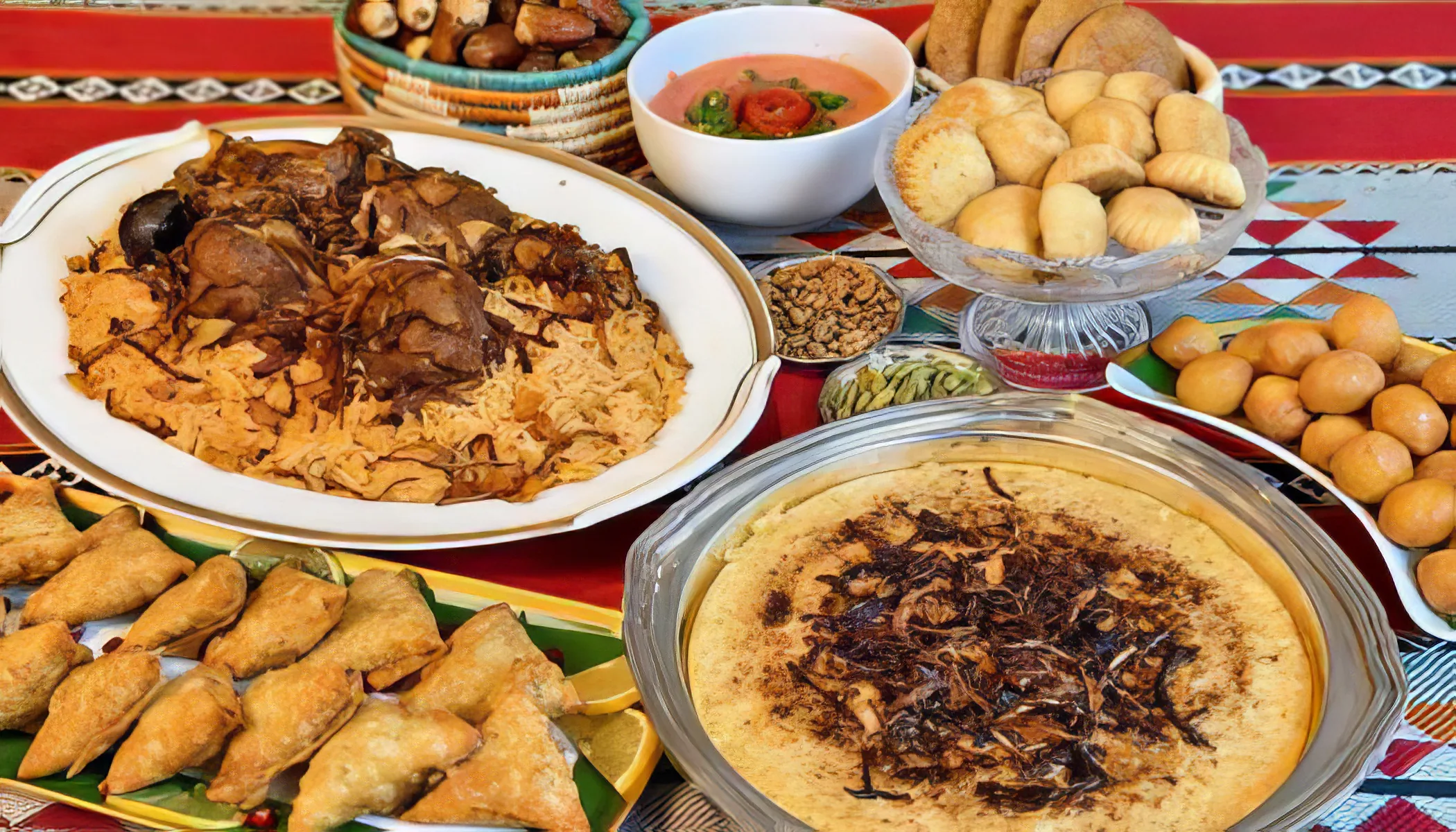
Saudi Arabia's cuisine is rich with traditional flavors, heavily influenced by Bedouin culture and regional ingredients like dates and spices. Meals are often communal, reflecting the importance of hospitality. Rice and meat are staple components in many dishes.
– Kabsa: Spiced rice dish with meat, often chicken or lamb, cooked with vegetables and nuts.
– Mandi: Slow-cooked meat seasoned with spices over a bed of fragrant rice.
– Jareesh: Cracked wheat porridge cooked with meat and spices, offering a hearty texture.
– Mutabbaq: Stuffed pastry filled with spiced meat or sweet fillings, fried until crispy.
– Harees: Wheat and meat mixture cooked slowly to create a thick, porridge-like dish.
Souvenir
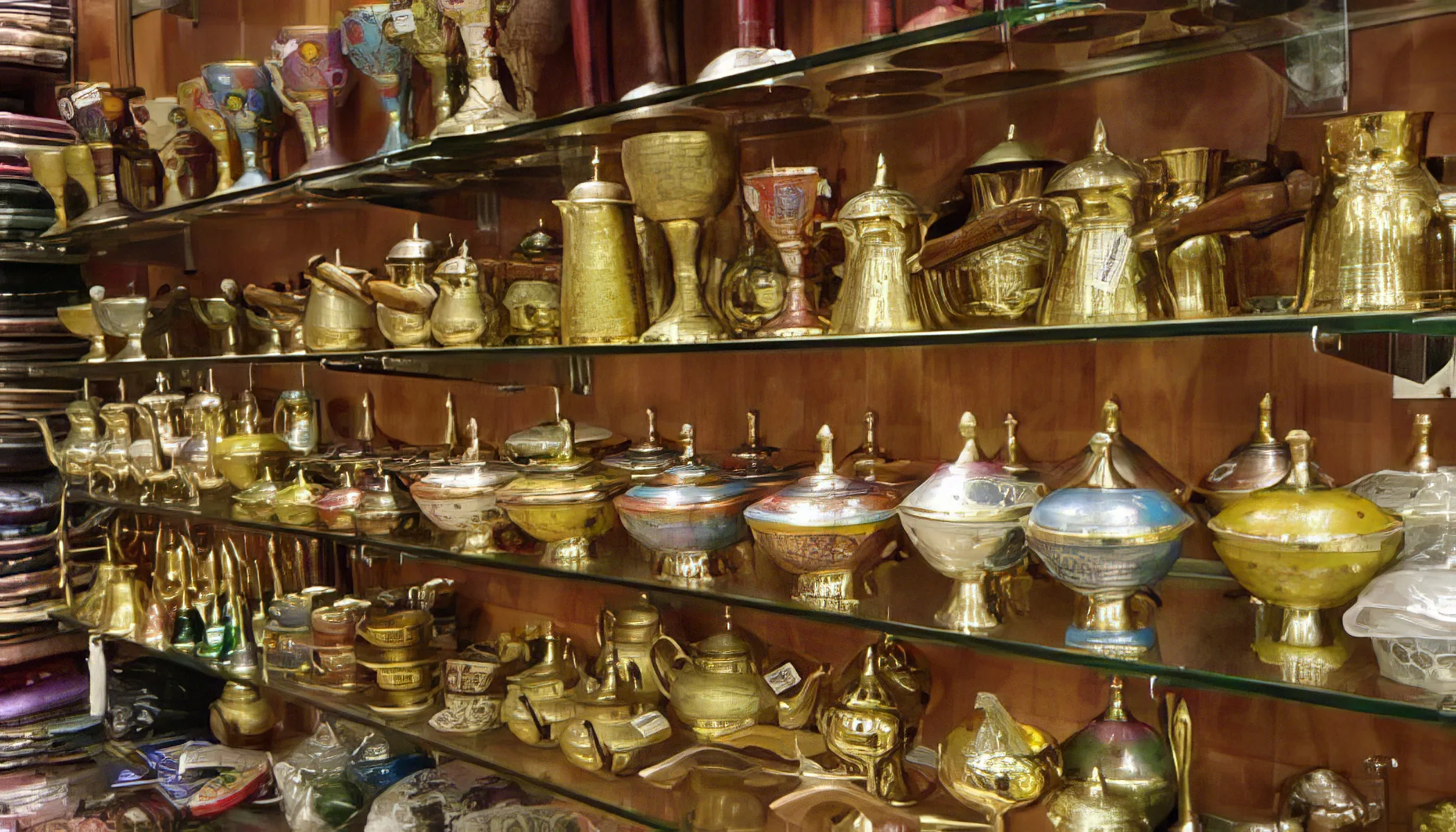
Exploring the markets of Saudi Arabia provides a chance to find unique and culturally significant items. Here are some popular souvenirs to consider:
– Dates: Saudi Arabia is famous for its high-quality dates, available in many varieties.
– Arabian Coffee: Traditional Arabic coffee beans, often blended with cardamom, make for a tasteful souvenir.
– Oud Perfume: A luxury fragrance made from agarwood, highly valued in the Middle East.
– Gold Jewelry: Known for refined designs, Saudi gold is a symbol of quality and tradition.
– Prayer Rugs: Beautifully designed prayer rugs are a meaningful and practical souvenir.
– Traditional Clothing: Items like thobes for men and abayas for women reflect local culture.
– Camel Milk Products: Unique chocolates and soaps made from camel milk offer an unusual gift.
Traditional Shows
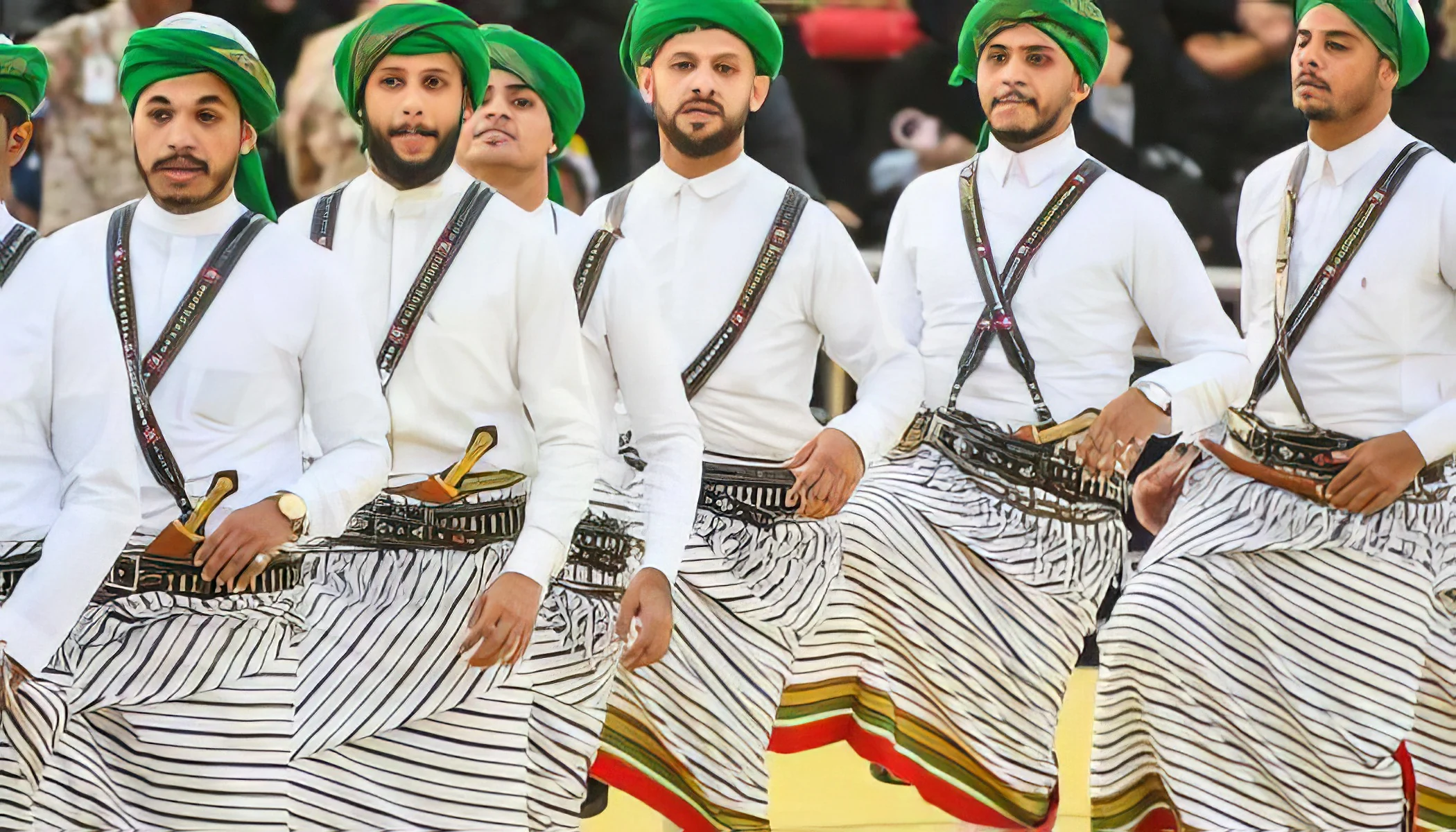
Saudi Arabia supplies a mix of traditional music and art performances:
– Ardah Dance: A traditional sword dance performed at cultural festivals, especially in Riyadh, celebrating Saudi heritage with synchronized movements.
– Samri Music: Experience this traditional Bedouin music in the Eastern Province, featuring rhythmic drumming and poetic chanting unique to Saudi culture.
– Mizmar Performance: Witness this folk dance in the Hejaz region, where performers use bamboo pipes and drums to create lively rhythms.
– Al-Qatt Al-Asiri Art: Discover this women's wall decoration art form in Asir, recognized by UNESCO for its lovely geometric patterns.
– Janadriyah Festival: Held near Riyadh, this cultural festival showcases traditional dances, music performances, and crafts from across the kingdom.
Events & Festivals
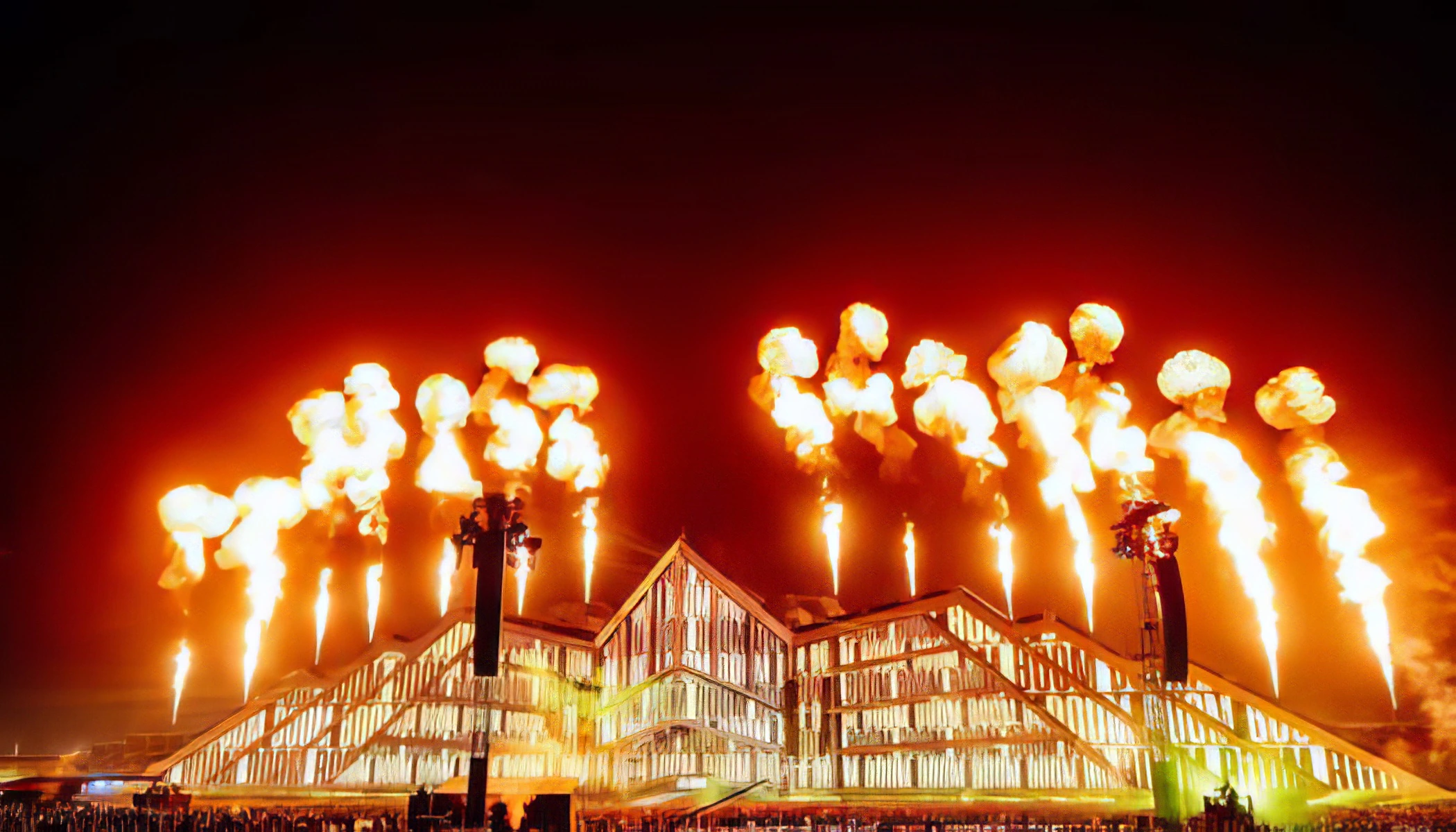
Saudi Arabia hosts a variety of events and festivals reflecting its cultural heritage and modern advancements:
– Riyadh Season: An annual entertainment event from October to March featuring concerts, shows, and activities in Riyadh.
– Janadriyah Festival: A cultural festival held in February near Riyadh, showcasing Saudi heritage, crafts, and traditions.
– Jeddah Season: Summer event with concerts, exhibitions, and sports activities promoting tourism in Jeddah.
– Hajj: Annual Islamic pilgrimage to Mecca occurring during the Islamic month of Dhu al-Hijjah.
– Eid al-Fitr: Celebrated after Ramadan with prayers, feasting, and family gatherings across the country.
– Eid al-Adha: Commemorates Ibrahim's willingness to sacrifice his son with prayers and feasts after Hajj.
– Saudi National Day: Celebrated on September 23 with fireworks, cultural displays, and national pride events.
Famous People
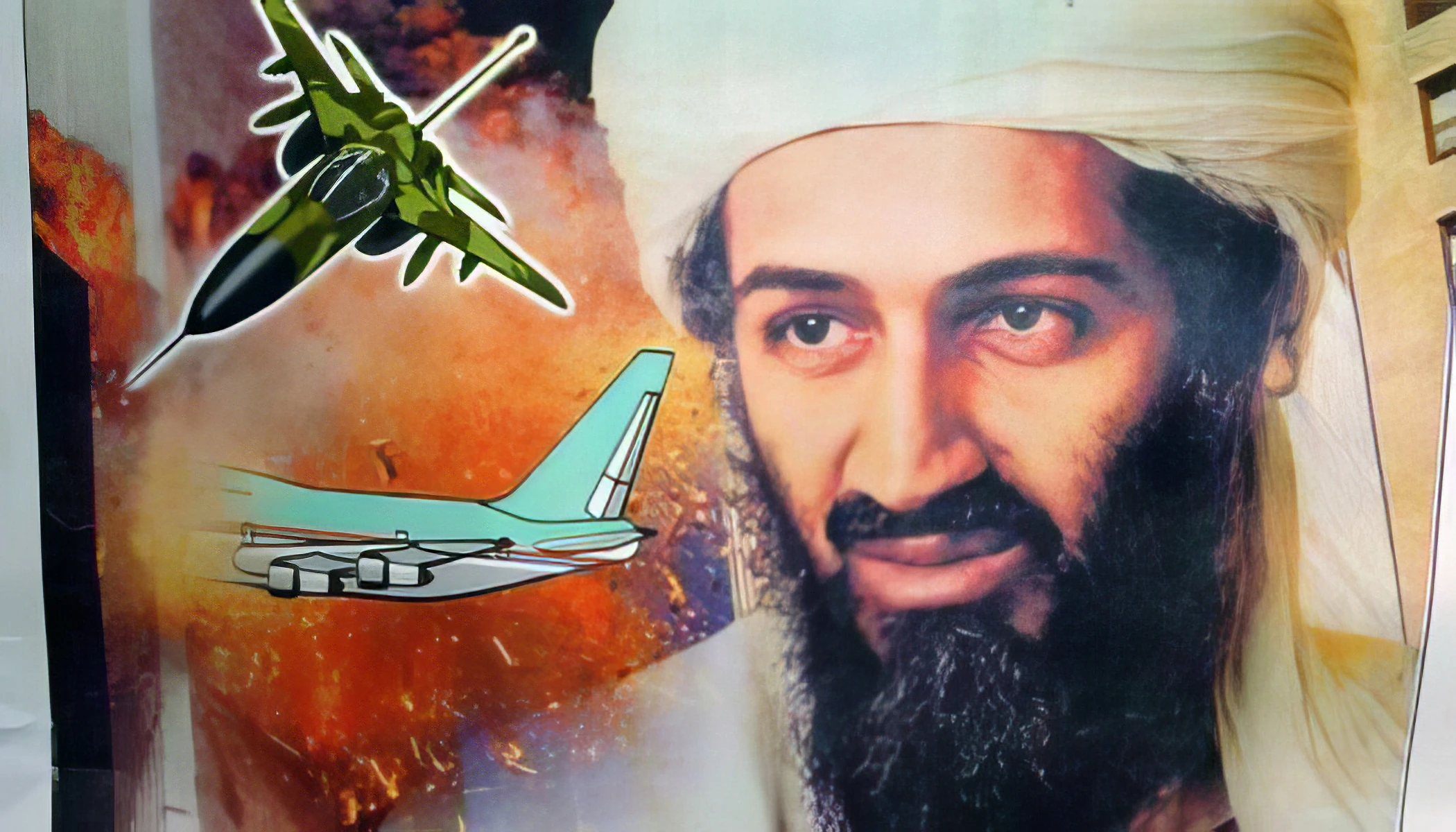
Saudi Arabia has been home to many influential figures in politics, religion, and culture.
– Ibn Saud (1875 to 1953, Riyadh): Founder of modern Saudi Arabia and its first king, known for unifying the Arabian Peninsula.
– King Salman (born 1935, Riyadh): Current King of Saudi Arabia, known for governmental reforms and Vision 2030 initiative.
– Muhammad ibn Abd al-Wahhab (1703 to 1792, Al-Uyaynah): Religious leader who founded Wahhabism, a movement that significantly influenced Islam in Saudi Arabia.
– MBS – Mohammed bin Salman (born 1985, Riyadh): Crown Prince known for his economic and social reform agendas and Vision 2030.
– Ghazi Al Gosaibi (1940 to 2010, Al Ahsa): Renowned poet, novelist, and diplomat who served as a government minister in several key positions.
Books
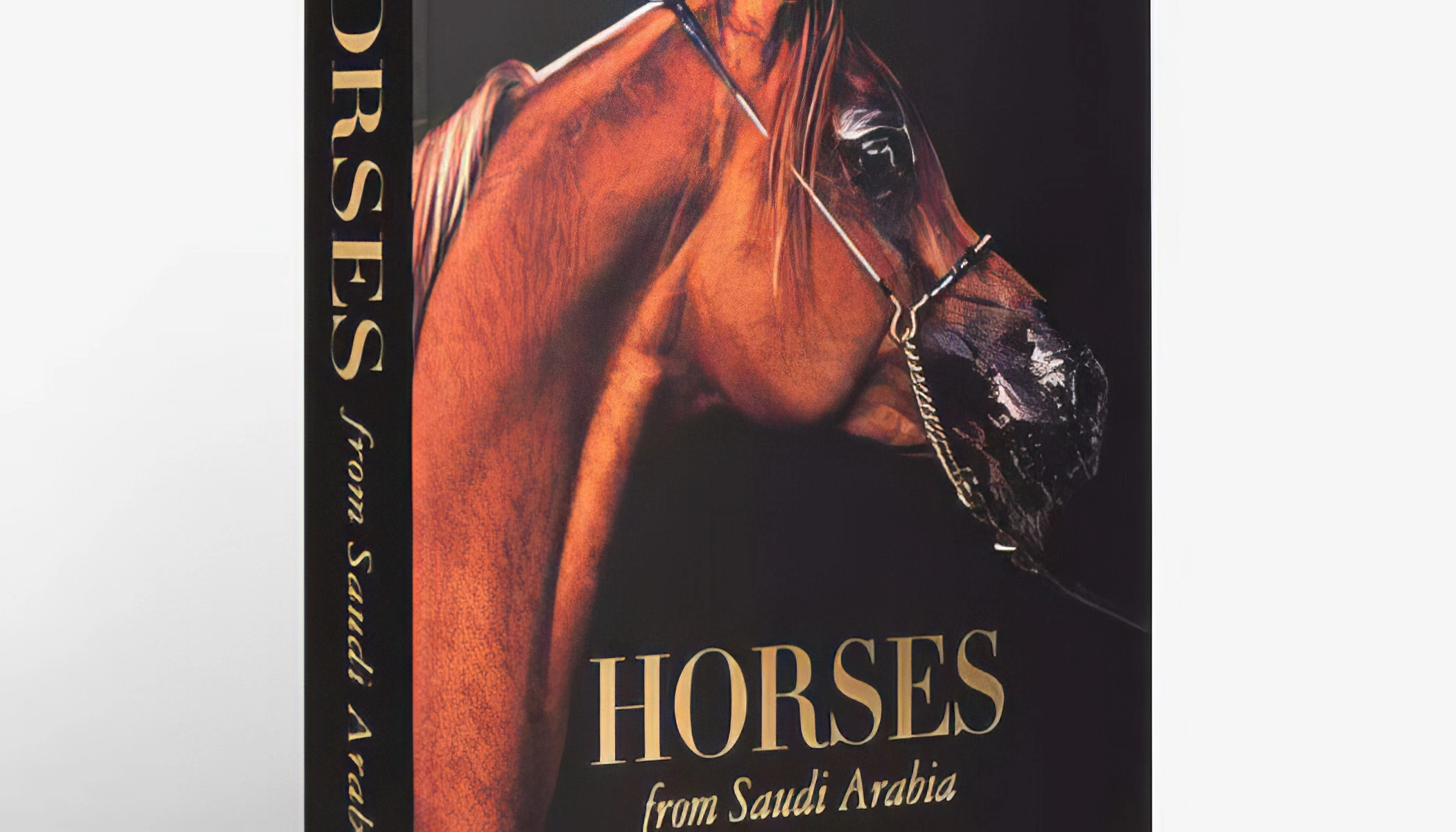
These books delve into the cultural, social, and political landscapes of Saudi Arabia, offering unique insights into the country's complexities.
– "Girls of Riyadh" by Rajaa Alsanea: Chronicles the secret lives and challenges of four young Saudi women.
– "The Consequences of Love" by Sulaiman Addonia: A forbidden love story set against the backdrop of Jeddah's strict society.
– "In the Land of Invisible Women" by Qanta A. Ahmed: Memoir of a Western-trained doctor navigating life in Riyadh.
– "Cities of Salt" by Abdul Rahman Munif: Epic novel examining the transformation brought by oil discovery in a fictional Arab desert kingdom.
– "Daring to Drive" by Manal al-Sharif: Activist's memoir about challenging Saudi Arabia's driving ban for women.
Songs
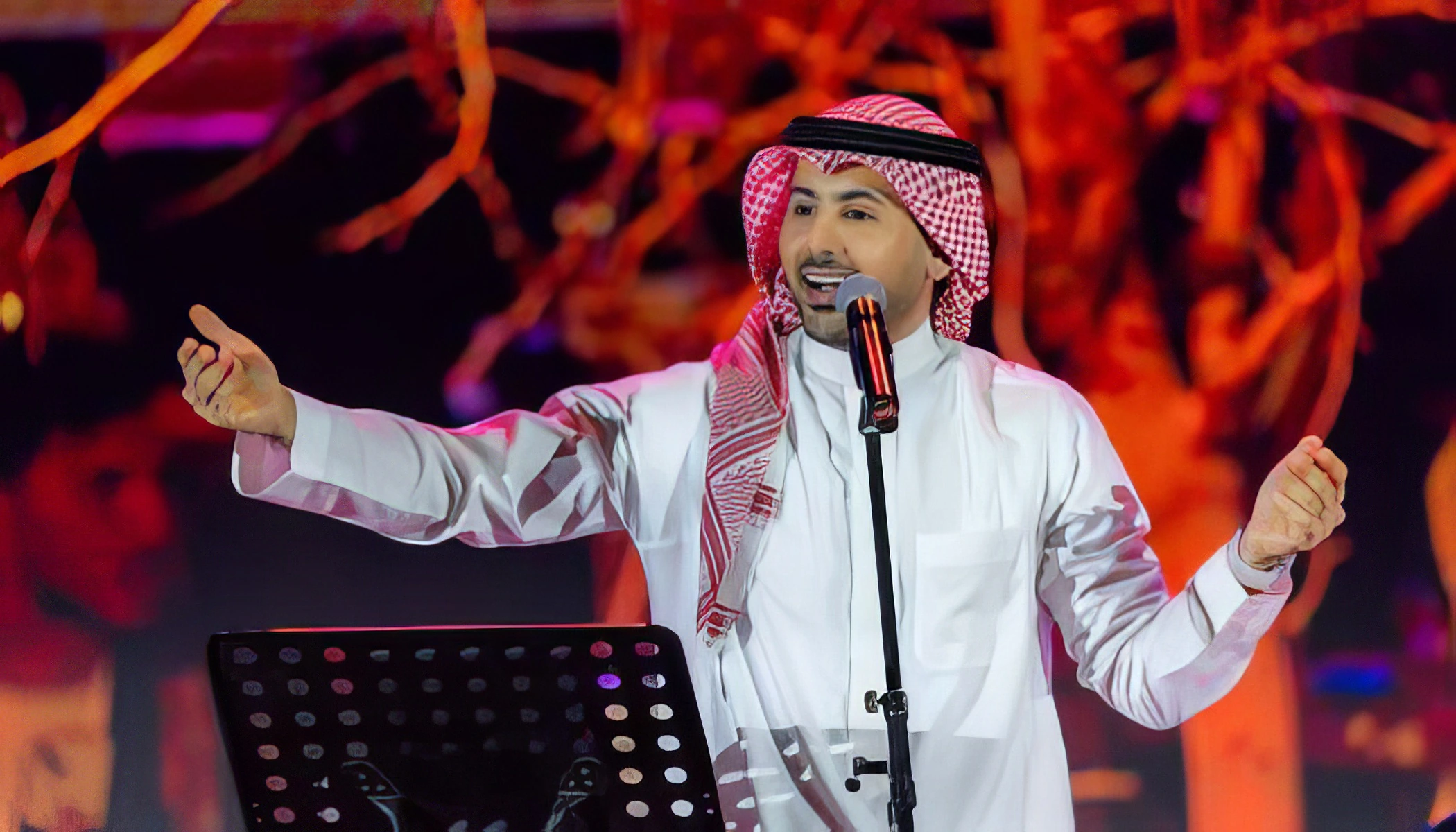
Saudi Arabian music is rich in tradition and modern influences, capturing the essence of its cultural heritage and national pride.
– Al-Muwatana: A patriotic song celebrating Saudi Arabia's unity and progress.
– Jina Min Bilad Al-Haramain: Popular for its tribute to the sacred land of Saudi Arabia.
– Aala Majdi: Mohammed Abdu's classic, loved for its heartfelt emotions.
– Ya Riyadh: Celebrates the beauty and vibrance of Saudi Arabia's capital city.
– Talal Maddah's Masha'Allah: Revered for its soulful melody and national pride themes.
Films
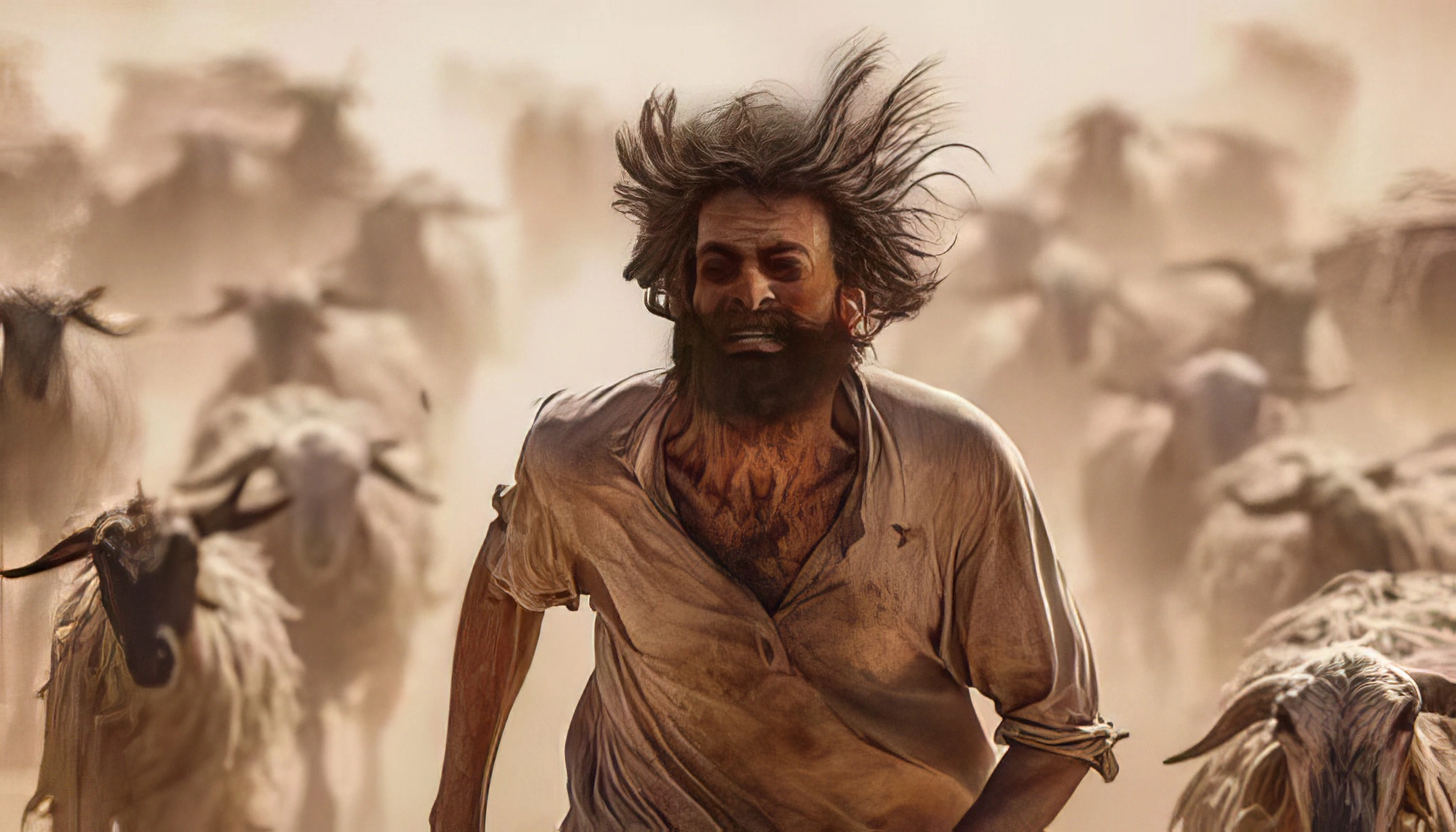
Here is a list of notable films that provide insight into Saudi Arabian culture and society:
– "Wadjda": Directed by Haifaa Al-Mansour, it's the first feature film shot entirely in Saudi Arabia about a girl's quest for a bicycle.
– "The Perfect Candidate": Haifaa Al-Mansour's film explores the barriers faced by women through the story of a female doctor running for office.
– "Barakah Meets Barakah": Mahmoud Sabbagh directs a romantic comedy about modern relationships set against Saudi social norms.
– "Theeb": A Jordanian-Saudi production about a Bedouin boy's adventure during World War I, highlighting desert life and survival.
– "Born A King": Agustí Villaronga helms this historical drama about teenage Prince Faisal's pivotal 1919 diplomatic mission to London.