

Explore Senegal: Culture, Cities & Places to Visit
Located in West Africa, this country is known for its French colonial heritage and natural beauty. It's home to Dakar, a lively city, and diverse wildlife in national parks. Its rich culture is marked by traditional dance and music.
- Capital
- Dakar
- Population
- 12.4 millions
- Superficy
- 197000 sq.km
- Months to Visit
- Nov. to Feb. and June to Aug.
- Living Cost
- Moderate
Overview
Senegal is a country located on the west coast of Africa. It is known for its stable political environment in a region often marked by conflict. Dakar, the capital, is a lively city with a blend of modern life and traditional Senegalese culture. The country is home to diverse wildlife, with national parks like Niokolo-Koba offering opportunities for animal sightings. Senegal's history is marked by the Atlantic slave trade, remembered at the House of Slaves on Gorée Island. The country's rich cultural heritage is reflected in its music, dance, and the Wolof language spoken by the majority of the population.
Pros & Cons
GOOD REASONS TO VISIT SENEGAL
– Diverse Wildlife: Visit national parks like Niokolo-Koba for wildlife viewing, including lions, elephants, and various bird species.
– Rich History: Explore Goree Island's historic slave-trade sites and Saint-Louis' colonial architecture.
– Dynamic Culture: Experience Senegal's music, dance, and art, particularly the popular Sabar drumming and traditional wrestling.
– Beautiful Beaches: Enjoy the sandy beaches of Dakar and Casamance, ideal for relaxation and water sports.
– Friendly Locals: Senegalese are known for their hospitality and 'Teranga' (Wolof for hospitality) is a cornerstone of the culture. CHALLENGES WHEN VISITING SENEGAL
– Health Risks: Malaria is prevalent; precautions like vaccinations and mosquito repellents are necessary.
– Limited English: French is widely spoken; English is less common, which may pose communication challenges.
– Infrastructure: Travel can be difficult due to poor road conditions and unreliable public transportation.
Before Departure
Before planning your trip to Senegal, there are several important factors to consider:
– Passport: Your passport must be valid for at least six months beyond your planned departure date.
– Visa: Most tourists do not require a visa for stays under 90 days, but always check the latest visa requirements based on your nationality.
– Currency: The local currency is the West African CFA franc (XOF). Credit cards are accepted in major cities, but cash is preferred in rural areas. ATMs are available in urban areas.
– Internet access: Internet access is available in urban areas and tourist spots, but can be unreliable. Consider purchasing a local SIM card for more reliable access.
– Language barrier: The official language is French. English is not widely spoken, so learning some basic French phrases can be beneficial. Wolof is also widely spoken.
What to Pack
Packing for a trip to Senegal requires careful consideration of the country's tropical climate, cultural norms, and potential activities.
– Essentials: Passport and visa (if required), travel insurance details, flight tickets and itinerary, accommodation reservations.
– Clothing: Lightweight and breathable clothing, comfortable walking shoes, swimwear (for beach areas), hat and sunglasses for sun protection, light jacket for cooler evenings.
– Health & Safety: Prescription medications and a basic first aid kit, insect repellent, sunscreen with high SPF, personal hygiene items, water purification tablets.
– Electronics: Travel adapter for Senegalese outlets, mobile phone, camera, portable power bank.
Weather
Senegal experiences a tropical climate with two distinct seasons.
– Dry Season (November to May): Characterized by cooler temperatures and virtually no rainfall, making it ideal for outdoor activities.
– Rainy Season (June to October): Hot and humid with heavy rainfall, particularly in the south. The best time to visit Senegal is during the dry season, from November to May.
– Pros: Pleasant weather, less humidity, and lower risk of malaria.
– Cons: It's the peak tourist season, so expect higher prices and more crowds.
Travel Budget
Senegal is a relatively affordable destination for tourists. Here are some average costs for reference:
– Hotel: 50$ to 150$
– Lunch: 5$ to 20$
– Beverage (in bar/restaurant): 2$ to 6$
– Coffee: 1$ to 3$
– Transportation: (train 2$ to 10$), (bus 0.5$ to 2$), (taxi /10km 6$ to 15$)
– Mobile data (per GB): 5$ to 10$
Language
The official language of Senegal is French, but Wolof is also widely spoken. Here are some useful phrases in Wolof for tourists:
– Hello: Salaam aleekum
– Thank you: Jërejëf
– Please: Bu la neexee
– How much is this?: Nëkk naa ku bari?
– Excuse me: Mbaa mi
– I don't understand: Dama la neex
– Yes: Waaw
– No: Déedéet
– Goodbye: Ba beneen yoon
History
Senegal's history begins with the establishment of various kingdoms, including the Jolof Empire in the 14th century. It became a hub for the transatlantic slave trade under European influence in the 15th century. The French began to establish a presence in Senegal in the 17th century, and by the 19th century, it became a French colony. In 1960, Senegal gained independence from France, initially as part of the Mali Federation, but soon after as a separate nation. Leopold Sedar Senghor, a poet and philosopher, became the first president and led the country towards a socialist economy. Since then, Senegal has maintained a stable democracy, with peaceful transitions of power, and has made significant economic progress.
Geopolitics
Senegal is a democratic republic located in West Africa, bordered by the Atlantic Ocean to the west, Mauritania to the north, Mali to the east, and Guinea and Guinea-Bissau to the south. It also surrounds The Gambia, a small country along the Gambia River. Senegal maintains a stable political environment, with peaceful transitions of power since its independence from France in 1960. It is a member of the Economic Community of West African States (ECOWAS), the African Union, and the United Nations. Senegal's geopolitical significance is enhanced by its strategic location on the Atlantic coast, its role as a regional hub for transportation and logistics, and its active participation in peacekeeping missions.
Sample Itinerary
This itinerary offers a blend of cultural immersion in Dakar, wildlife viewing in Niokolo-Koba National Park, and relaxation in Saly.
– 2 days in Dakar: Visit the African Renaissance Monument, Dakar Grand Mosque, and IFAN Museum. Explore markets and taste local cuisine.
– 2 days in Saint-Louis: Discover the colonial architecture, Faidherbe Bridge, and local markets. Take a boat tour to the National Park of the Langue de Barbarie.
– 2 days in Niokolo-Koba National Park: Enjoy wildlife viewing, including lions, elephants, and various bird species. Explore the Gambia River.
– 2 days in Saly: Relax on the beaches, engage in water sports, and visit the Bandia Wildlife Reserve.
– 1 day in Dakar: Return to Dakar for last-minute shopping and departure.
Popular cities
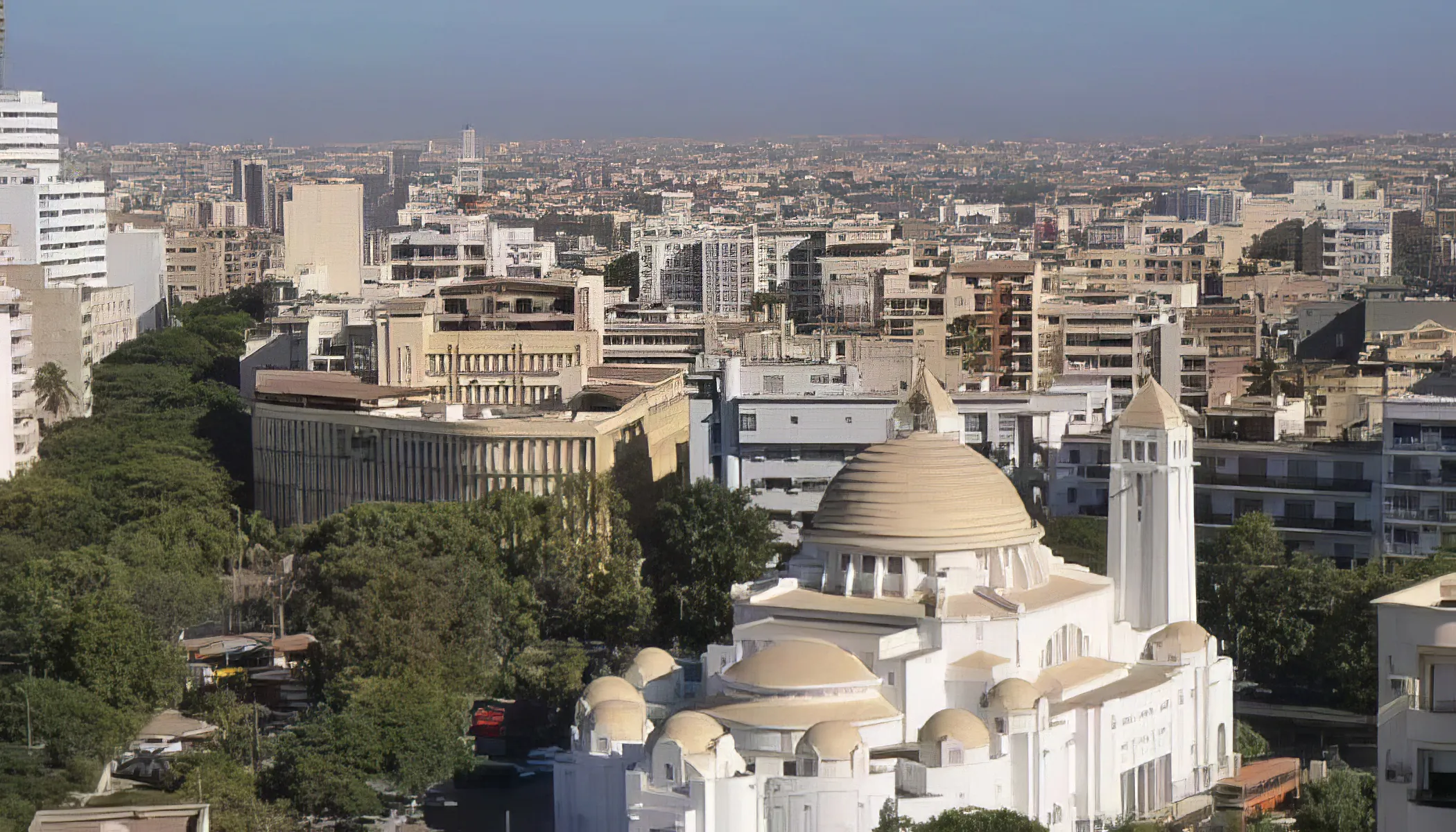
Senegal offers a mix of lively cities, historic sites, and natural beauty:
– Dakar: The capital city, known for its lively markets, colonial architecture, and the African Renaissance Monument.
– Saint-Louis: A UNESCO World Heritage site, it's famous for its colonial architecture and annual jazz festival.
– Touba: The spiritual center of the Mouride Brotherhood, it's home to the impressive Great Mosque.
– Ziguinchor: Known for its colonial architecture, energetic markets, and the nearby Basse Casamance National Park.
– Saly: A popular seaside resort town with beautiful beaches and a variety of water sports.
– Thies: Known for its tapestry factory, railway museum, and the nearby Bandia Wildlife Reserve.
– Kaolack: A major regional market town, it's also the gateway to the Saloum Delta National Park.
Monuments
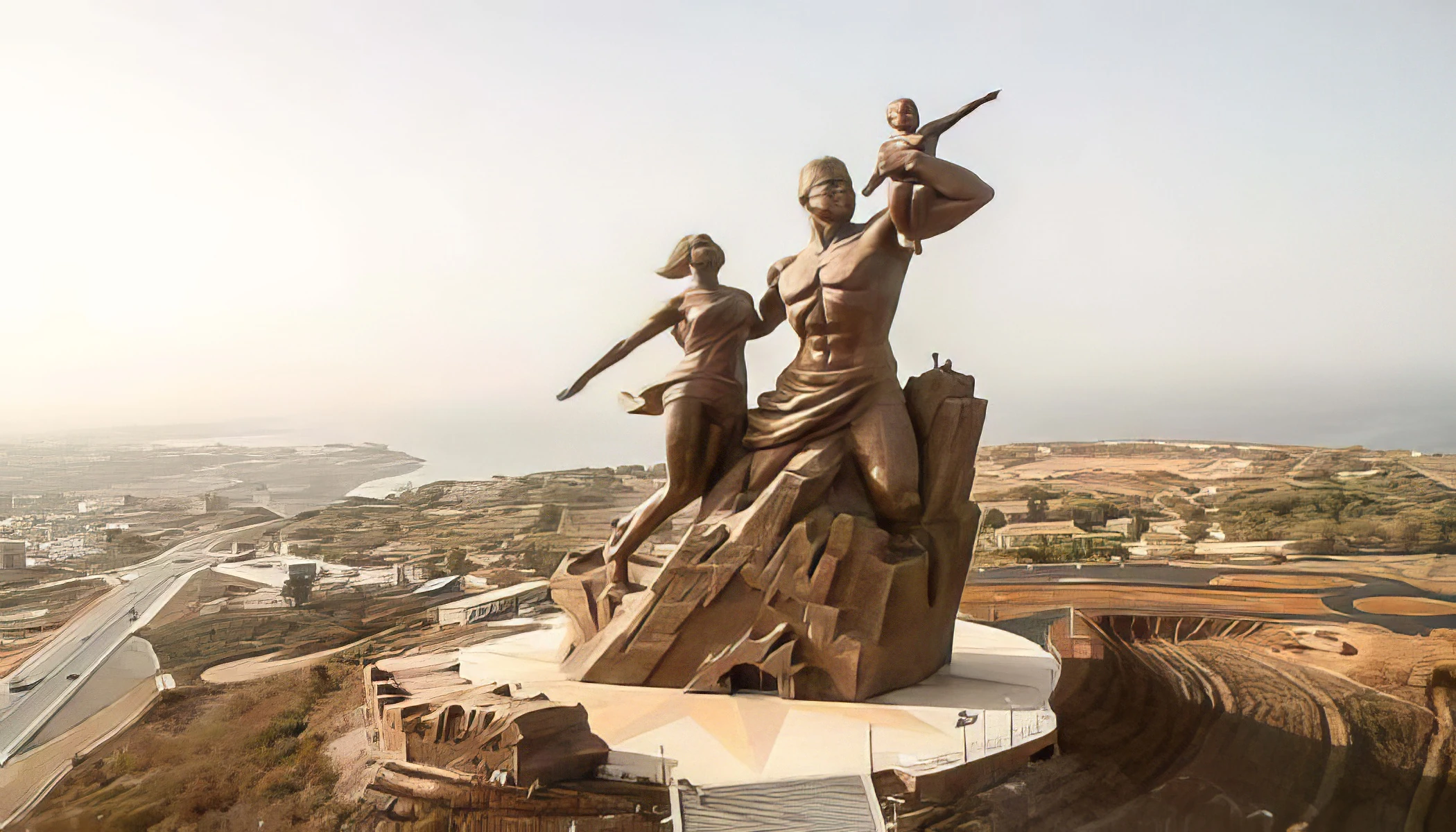
Senegal is home to several significant monuments and architectural sites:
– House of Slaves, Gorée Island: Historic site, symbol of the Atlantic slave trade.
– African Renaissance Monument, Dakar: Tallest statue in Africa, symbolizing Africa's progress.
– Niokolo-Koba National Park: UNESCO site, rich in wildlife and biodiversity.
– Djoudj National Bird Sanctuary: One of the world's largest bird sanctuaries, UNESCO site.
– Saloum Delta National Park: UNESCO site, rich in biodiversity and prehistoric shell mounds.
– Great Mosque of Touba: Largest mosque in Senegal, important site for Mouride Brotherhood.
– Saint-Louis Island: UNESCO site, former capital of French West Africa with colonial architecture.
– Bandia Wildlife Reserve: Conservation park with variety of African wildlife.
Natural wonder
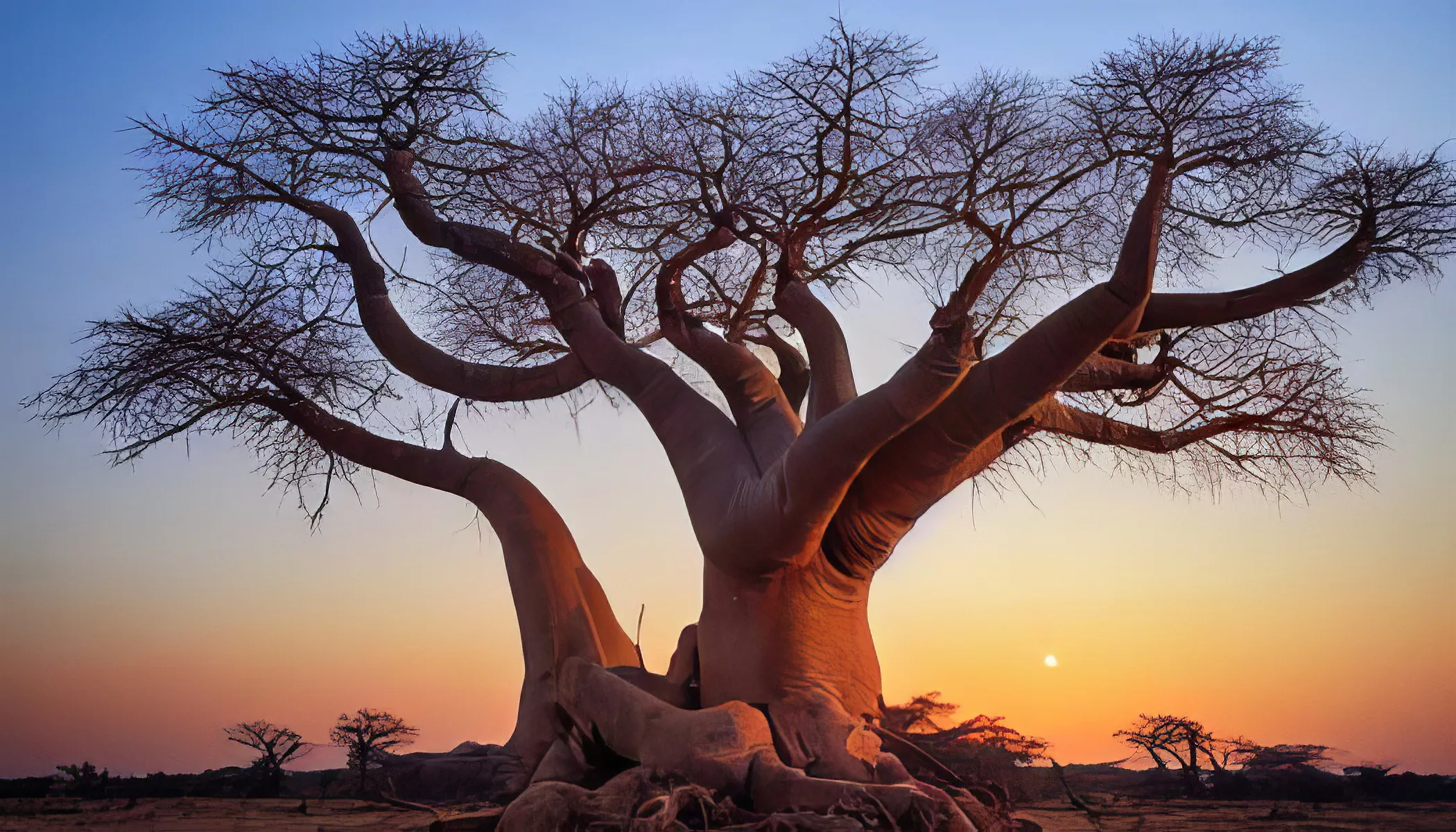
Explore the diverse natural wonders of Senegal:
– Lake Retba: Known for its striking pink color due to a unique type of algae.
– Niokolo-Koba National Park: UNESCO World Heritage Site with diverse wildlife and landscapes.
– Djoudj National Bird Sanctuary: One of the world's largest bird sanctuaries, home to millions of migratory birds.
– Saloum Delta National Park: A UNESCO site with mangrove forests, islands, and diverse bird species.
– Langue de Barbarie: A narrow peninsula offering beautiful beaches and bird-watching opportunities.
– Casamance River: Known for its beautiful landscapes and diverse wildlife.
– Bandia Wildlife Reserve: A small reserve home to a variety of African wildlife.
– Fathala Wildlife Reserve: Offers a chance to see Africa's big game in a natural setting.
– Popenguine Nature Reserve: Coastal reserve known for its cliffs, beaches, and birdlife.
– Siné-Saloum Delta: A UNESCO site with mangrove forests, islands, and diverse bird species.
Beaches
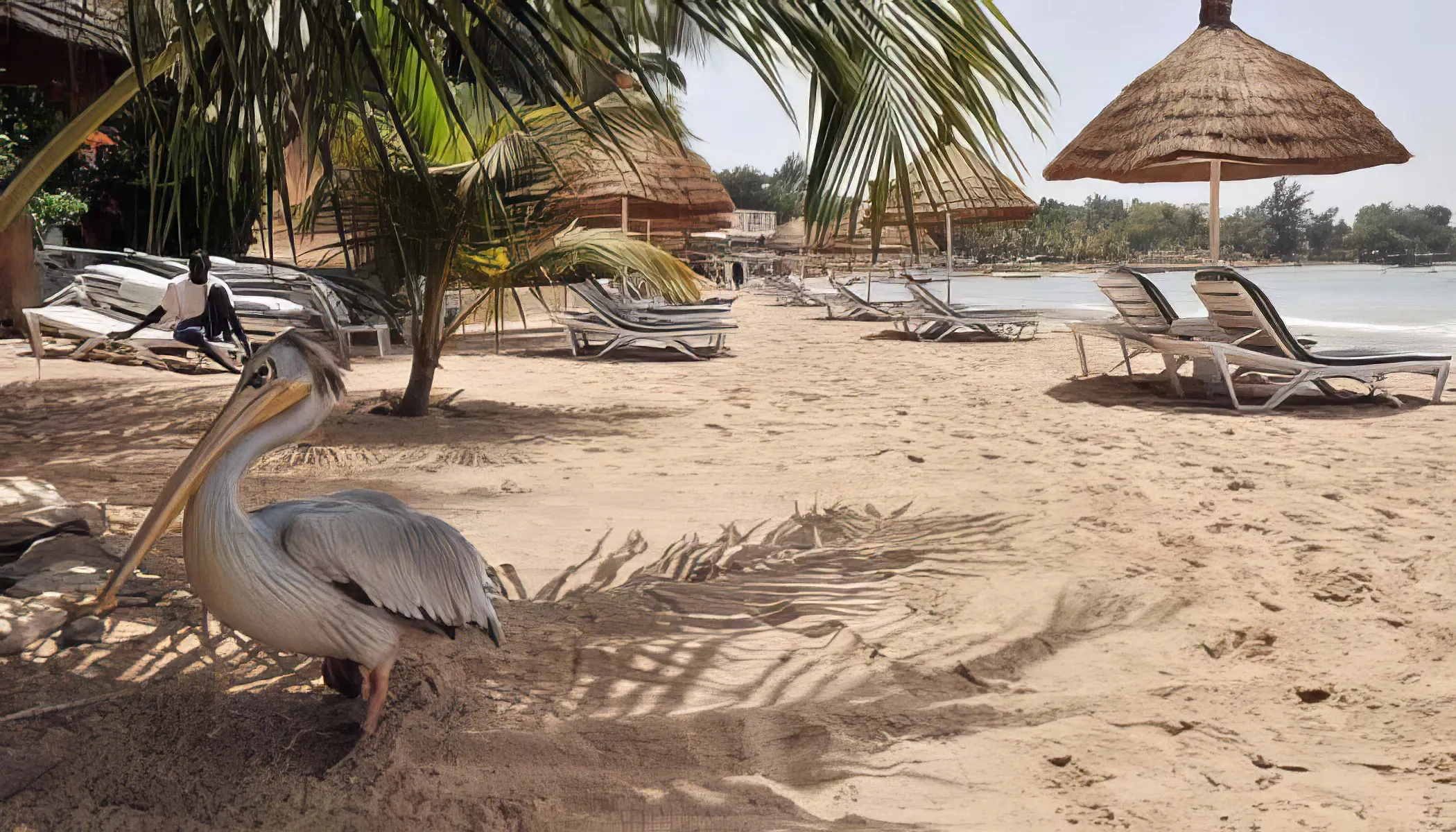
Here are some of the most visited beaches in Senegal:
– Saly Beach: Known for its golden sands and clear waters, located in the resort town of Saly.
– N'Gor Beach: A popular spot for surfers, located on N'Gor island, off Dakar.
– Cap Skirring Beach: Offers beautiful scenery and calm waters in the Casamance region.
– Yoff Beach: Located in Dakar, it's a favorite among locals for its lively atmosphere.
– Popenguine Beach: A peaceful beach located in a nature reserve.
– Toubab Dialao Beach: Known for its red cliffs and traditional fishing village.
– Shell Beach: Located in Dakar, it's unique for its shell-covered sands.
Outdoor activities
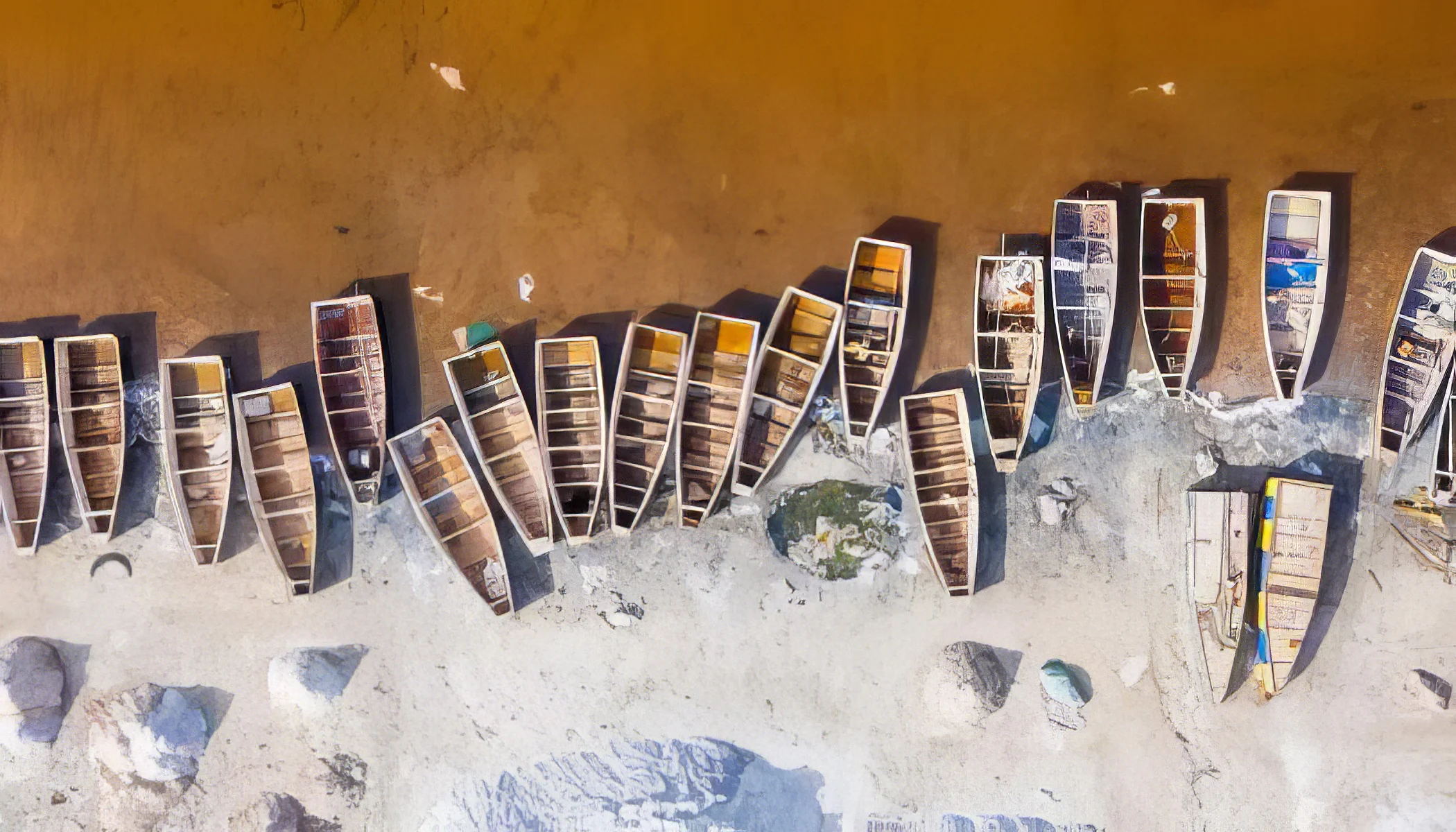
Senegal offers a variety of outdoor experiences that cater to different interests and adventure levels:
– Birdwatching in Djoudj National Bird Sanctuary: Home to millions of migratory birds.
– Safari in Niokolo-Koba National Park: Spot diverse wildlife in this UNESCO World Heritage site.
– Surfing in Dakar: Ride the waves at one of the city's popular beaches.
– Fishing in Casamance: Experience traditional fishing methods in the restful Casamance River.
– Hiking in the Fouta Djallon Highlands: Explore the region's unique landscapes and waterfalls.
– Canoeing in the Sine Saloum Delta: Navigate through mangrove forests and bird-filled islands.
– Exploring the Lac Rose: Visit the pink lake and engage in salt harvesting activities.
Kid Friendly
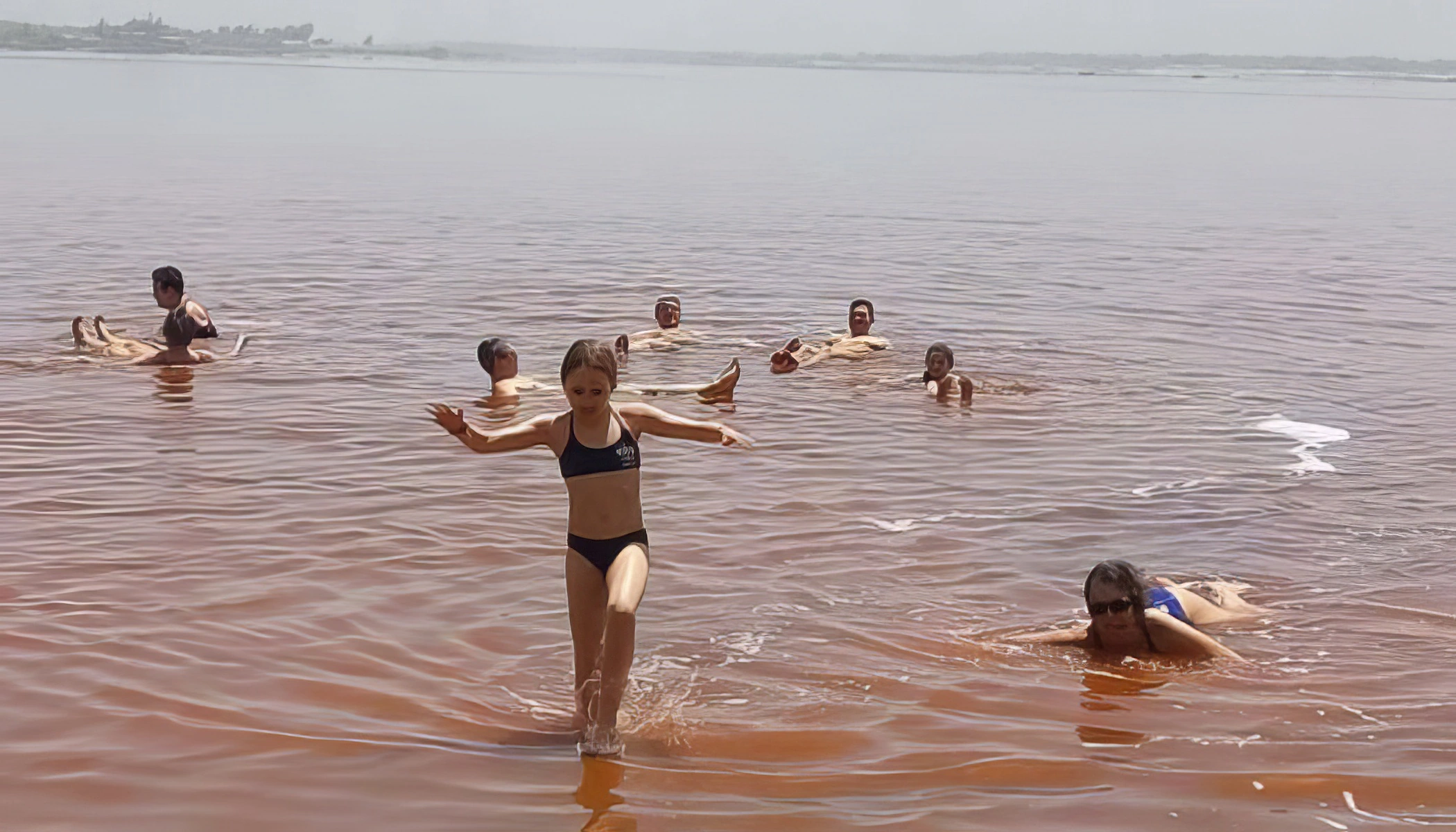
Here are some activities in Senegal that are suitable for children:
– Bandia Wildlife Reserve: A small reserve where kids can see African wildlife up close.
– Lake Retba: A unique pink lake where families can enjoy boat rides.
– Djoudj National Bird Sanctuary: A UNESCO World Heritage site, perfect for bird watching.
– House of Slaves: A historical site on Gorée Island that offers educational tours.
– Niokolo-Koba National Park: A large park with diverse wildlife and beautiful landscapes.
– Dakar Grand Mosque: A significant cultural site that offers insight into Senegal's religious practices.
– IFAN Museum of African Arts: A museum showcasing a wide range of African art and artifacts.
– Joal-Fadiouth Shell Island: A unique island made entirely of shells, with a fascinating history.
Cuisine
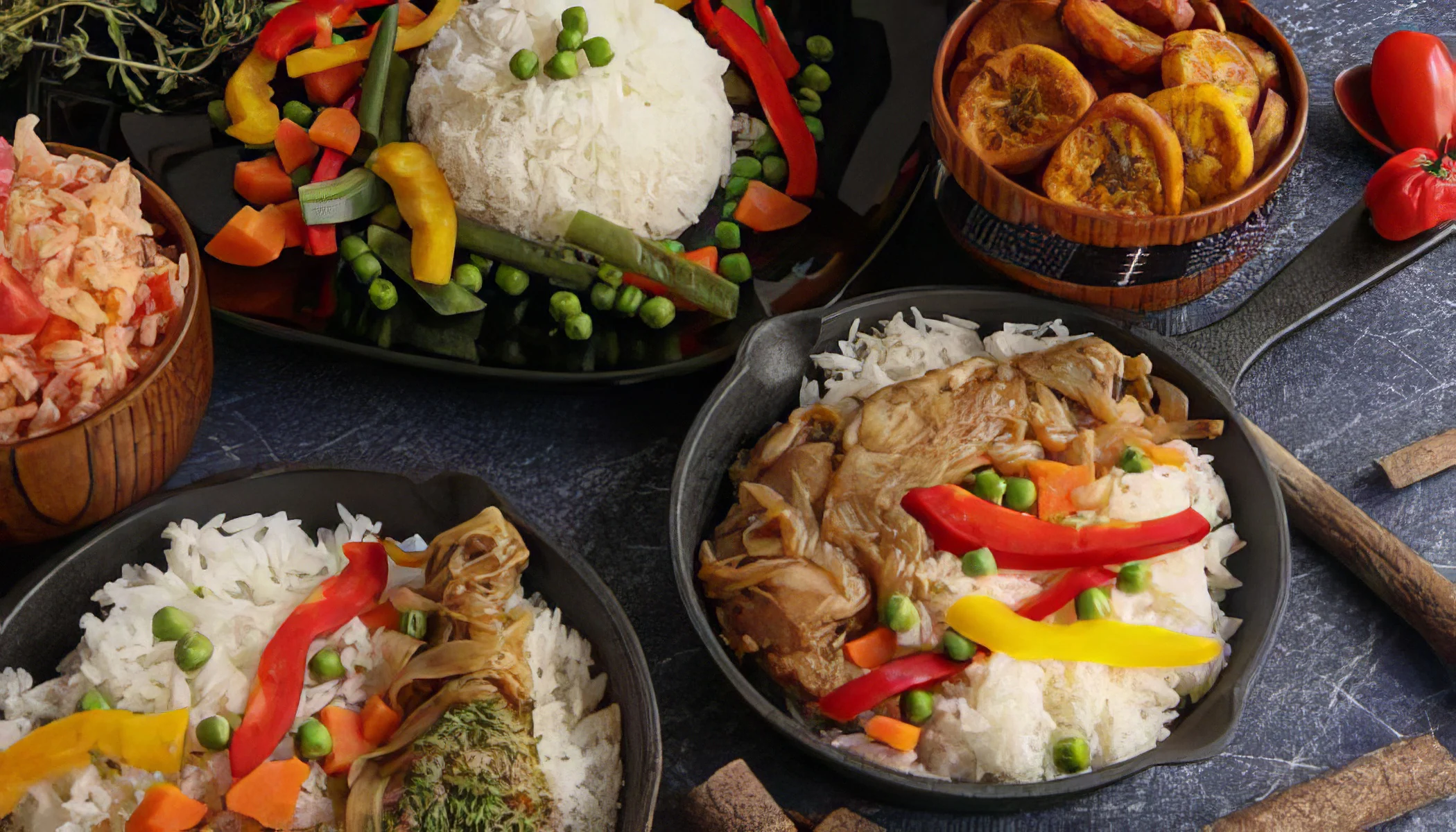
Senegalese cuisine is a rich blend of indigenous, Arab, and French influences, with a focus on fresh seafood, grains, and vegetables. Street food is common, with vendors offering a variety of flavorful dishes. The most famous dishes in Senegal are:
– Thieboudienne: National dish of fish, rice, and vegetables.
– Yassa Poulet: Grilled chicken marinated in lemon and onion sauce.
– Mafe: Meat stew (usually lamb or beef) in a peanut sauce.
– Dibi: Grilled lamb or beef, often served with onions and mustard.
– Thiakry: Sweet dessert made from millet and yogurt.
Souvenir
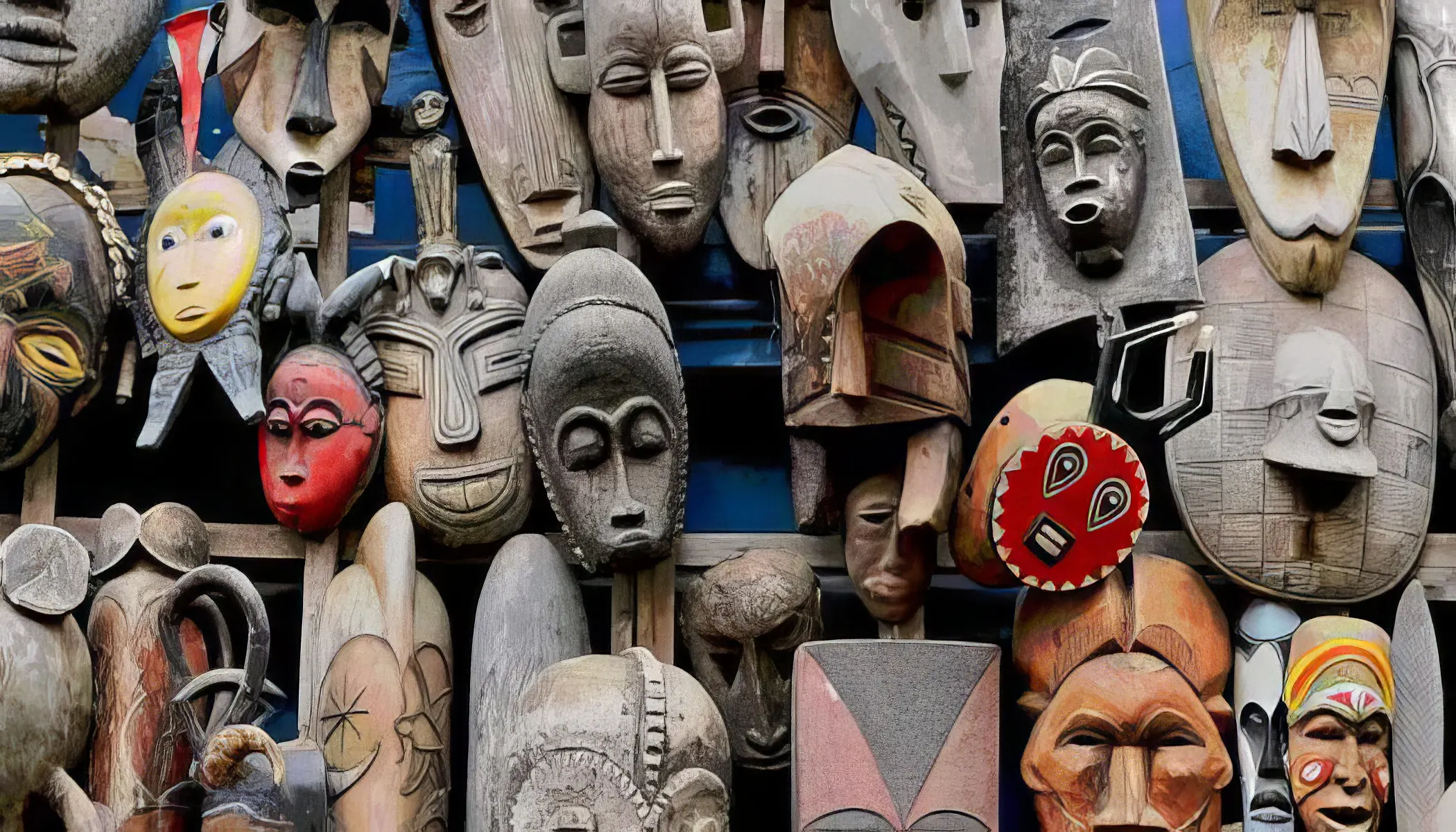
Senegal is a country rich in culture and tradition, and this is reflected in its variety of unique souvenirs. Here are some items you might want to consider:
– Baskets: Senegal is known for its hand-woven baskets, which come in a variety of colors and patterns.
– Djembe Drums: These traditional African drums are a popular souvenir and are often decorated with nice carvings.
– Senegalese Fabric: Known as 'Wax', this brightly colored fabric is used in traditional Senegalese clothing.
– Jewelry: Handmade jewelry, often made from local materials like beads, shells, and silver, is a popular souvenir.
– African Masks: Traditional African masks, often made from wood, are a common souvenir and represent various cultural symbols.
– Leather Goods: Senegal is known for its high-quality leather goods, including bags, shoes, and wallets.
– Artwork: Senegal has a remarkable art scene, and paintings or sculptures from local artists make for a unique souvenir.
Traditional Shows
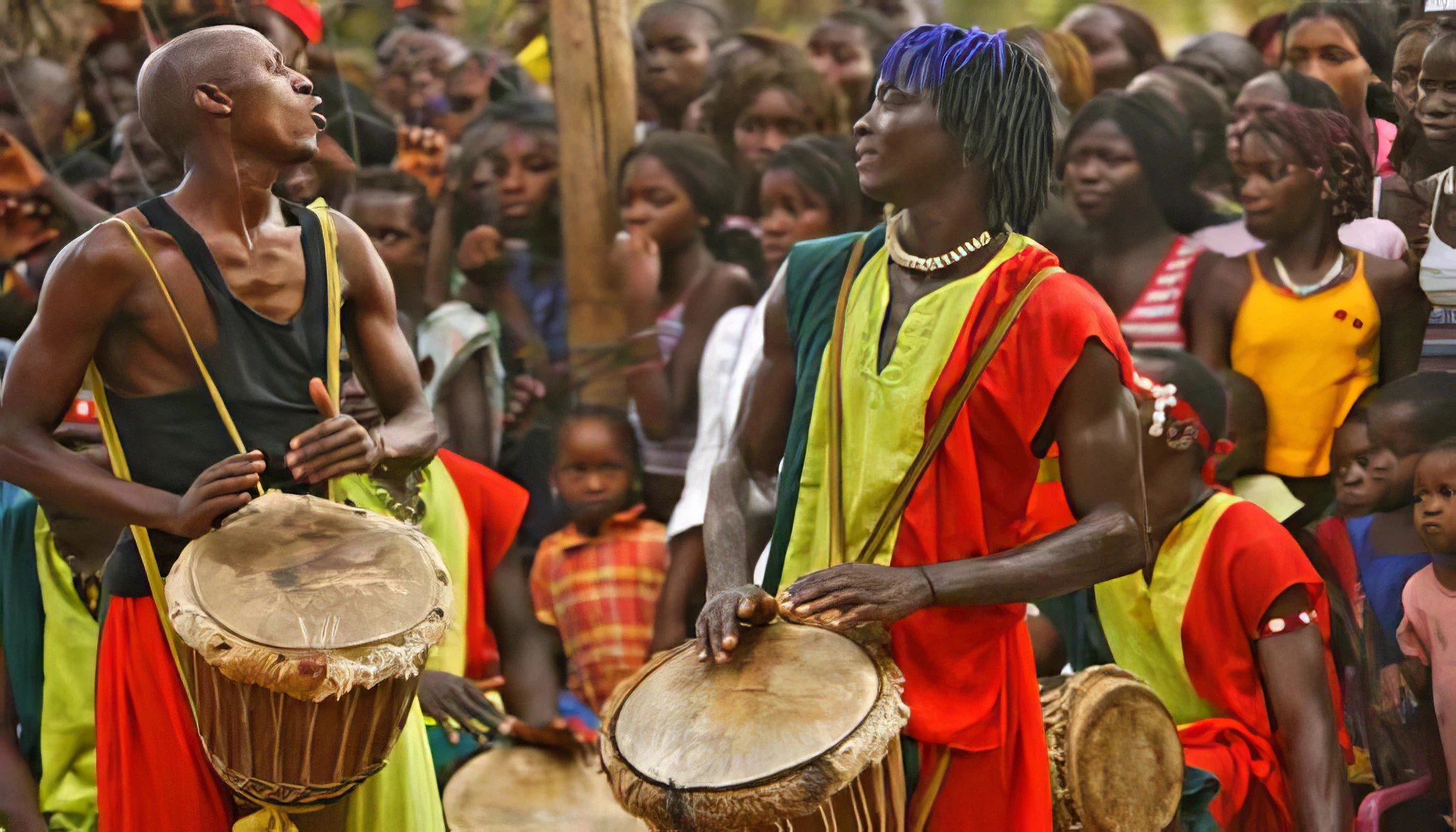
Senegal is a country rich in traditional music and art performances:
– Sabar Drumming: Experience the rhythmic complexity of Sabar drumming, a traditional Senegalese music form, often performed in Dakar.
– Mbalax Dance: Watch the energetic Mbalax dance, a popular traditional dance accompanied by fast-paced drum beats, primarily in Dakar.
– Griot Storytelling: Listen to the Griots, traditional storytellers who use music and oral history to convey Senegal's rich cultural heritage.
– Kora Music: Enjoy the soothing sounds of the Kora, a 21-string harp-lute, played by skilled musicians across Senegal.
– Wrestling Matches: Witness Laamb wrestling, a traditional Senegalese sport that combines physical prowess with music and dance, particularly in Dakar.
Events & Festivals
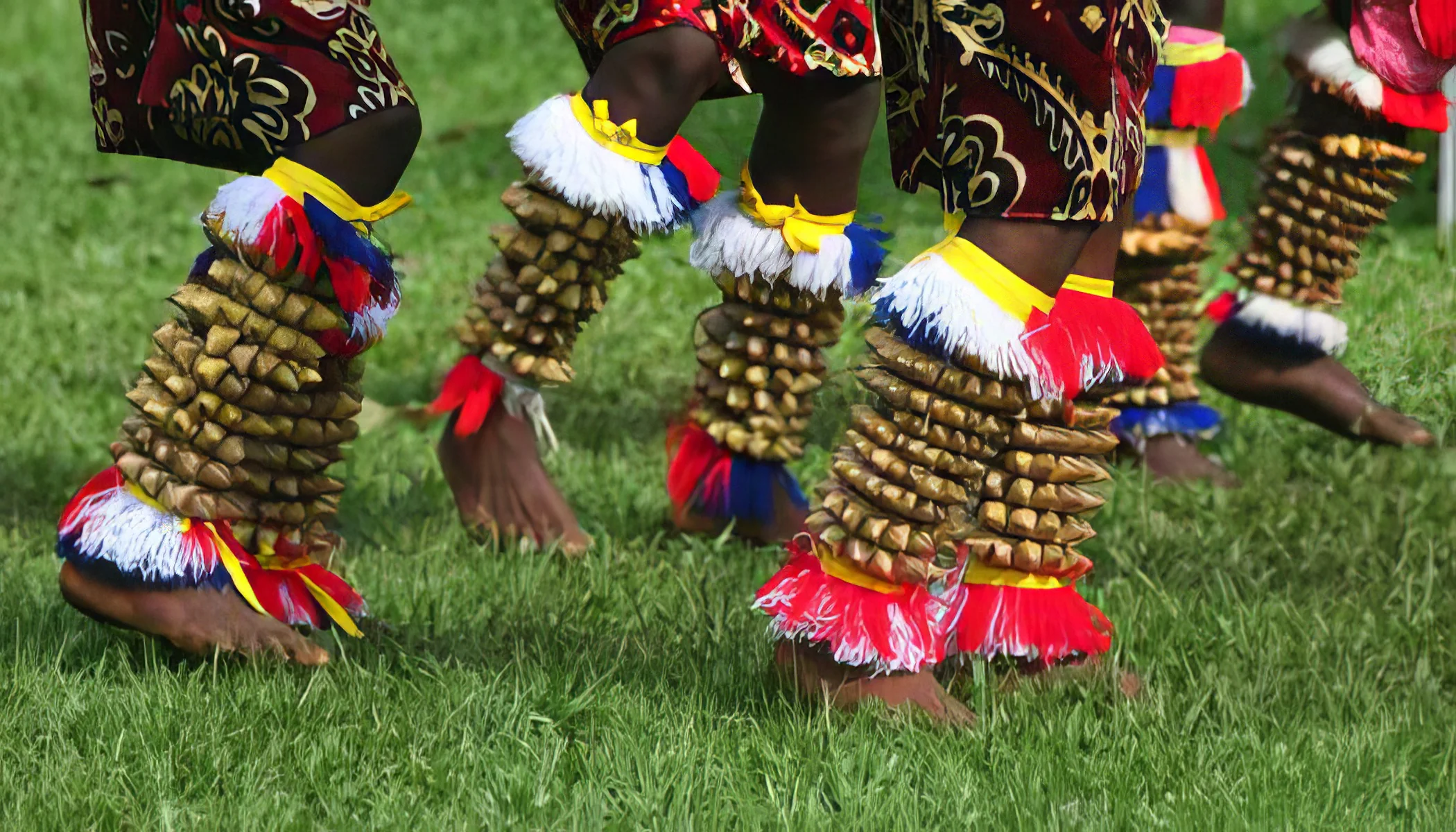
Senegal, a pretty country, hosts several cultural and traditional events throughout the year:
– Dakar International Jazz Festival: An annual event in April, showcasing local and international jazz artists.
– Saint Louis Jazz Festival: Held in May, it's one of Africa's biggest jazz festivals.
– Dak'Art Biennale: Africa's largest contemporary art festival, held in May/June.
– National Day: Celebrated on April 4 with parades and cultural activities.
– Grand Magal of Touba: A major Islamic pilgrimage event in October, attracting millions.
– Kaay Fii: A cultural festival in Dakar in November, promoting traditional arts and crafts.
– Dakar Gorée Swim: An annual swimming competition in November, from Dakar to Gorée Island.
Famous People

Senegal, a country rich in culture and history, has produced many notable figures in various fields.
– Leopold Sedar Senghor (1906 to 2001, Joal): A poet, philosopher, and the first President of Senegal.
– Cheikh Anta Diop (1923 to 1986, Diourbel): A historian, anthropologist, and physicist known for his research on African history.
– Akon (born 1973, St. Louis, Missouri): Senegalese-American singer, songwriter, and businessman, known for his philanthropic work in Senegal.
– Aissatou Sow Sidibe (born 1957, Dakar): A women's rights activist and politician.
– Sadio Mané (born 1992, Sedhiou): Professional footballer, plays for Liverpool F.C. and the Senegal national team.
Books
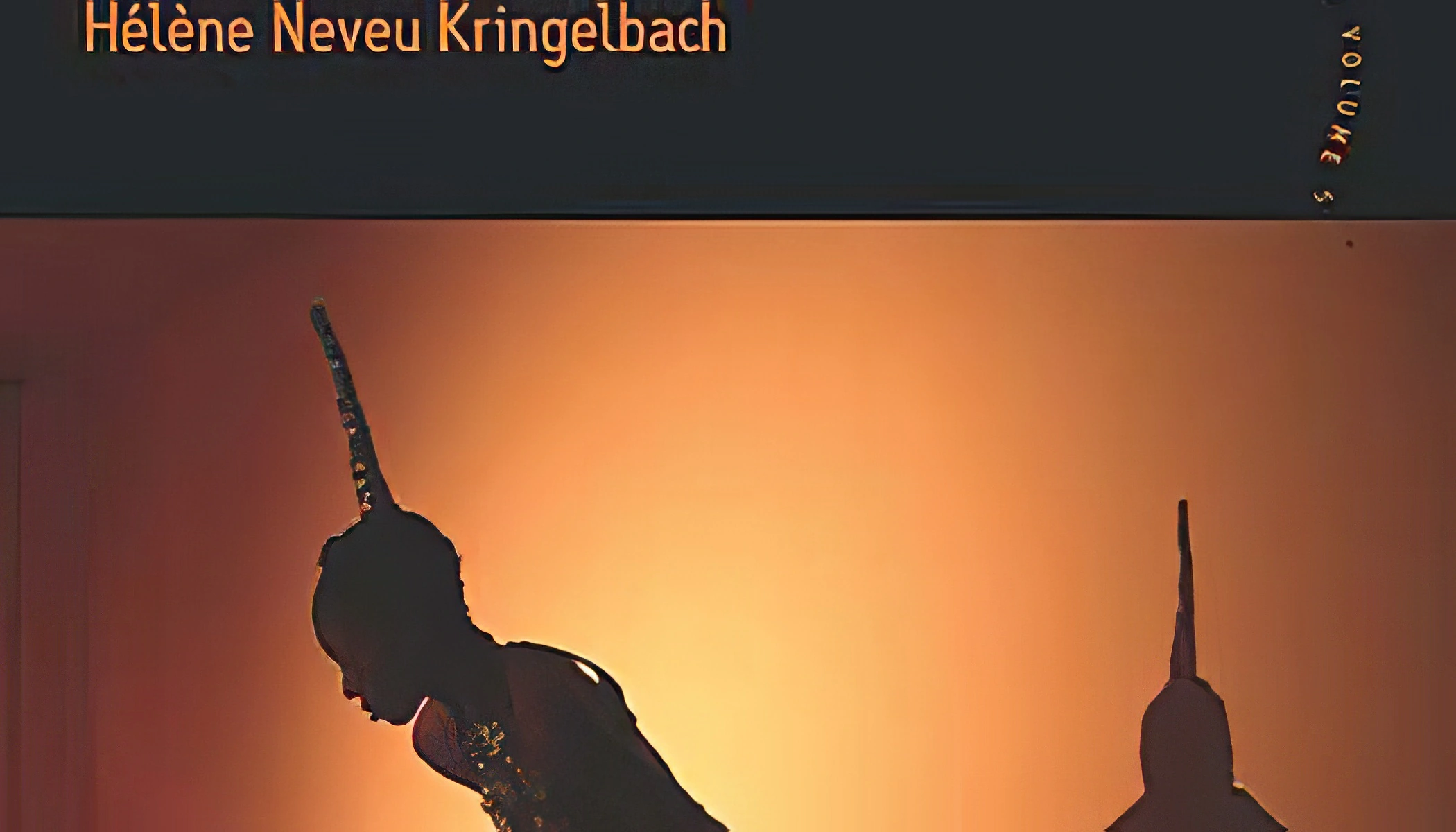
These books provide a rich exploration of Senegalese culture, history, and society through various lenses.
– "So Long a Letter" by Mariama Bâ: A Senegalese woman reflects on polygamy and gender inequality.
– "God's Bits of Wood" by Ousmane Sembène: Chronicles a railway strike on the Dakar-Niger line in the 1940s.
– "Ambiguous Adventure" by Cheikh Hamidou Kane: A tale of cultural conflict between traditional Africa and Western influence.
– "The Belly of the Atlantic" by Fatou Diome: Explores the dreams and realities of Senegalese immigrants in France.
– "Black Docker" by Ousmane Sembène: A Senegalese man navigates racial and class struggles in post-WWII France.
Songs
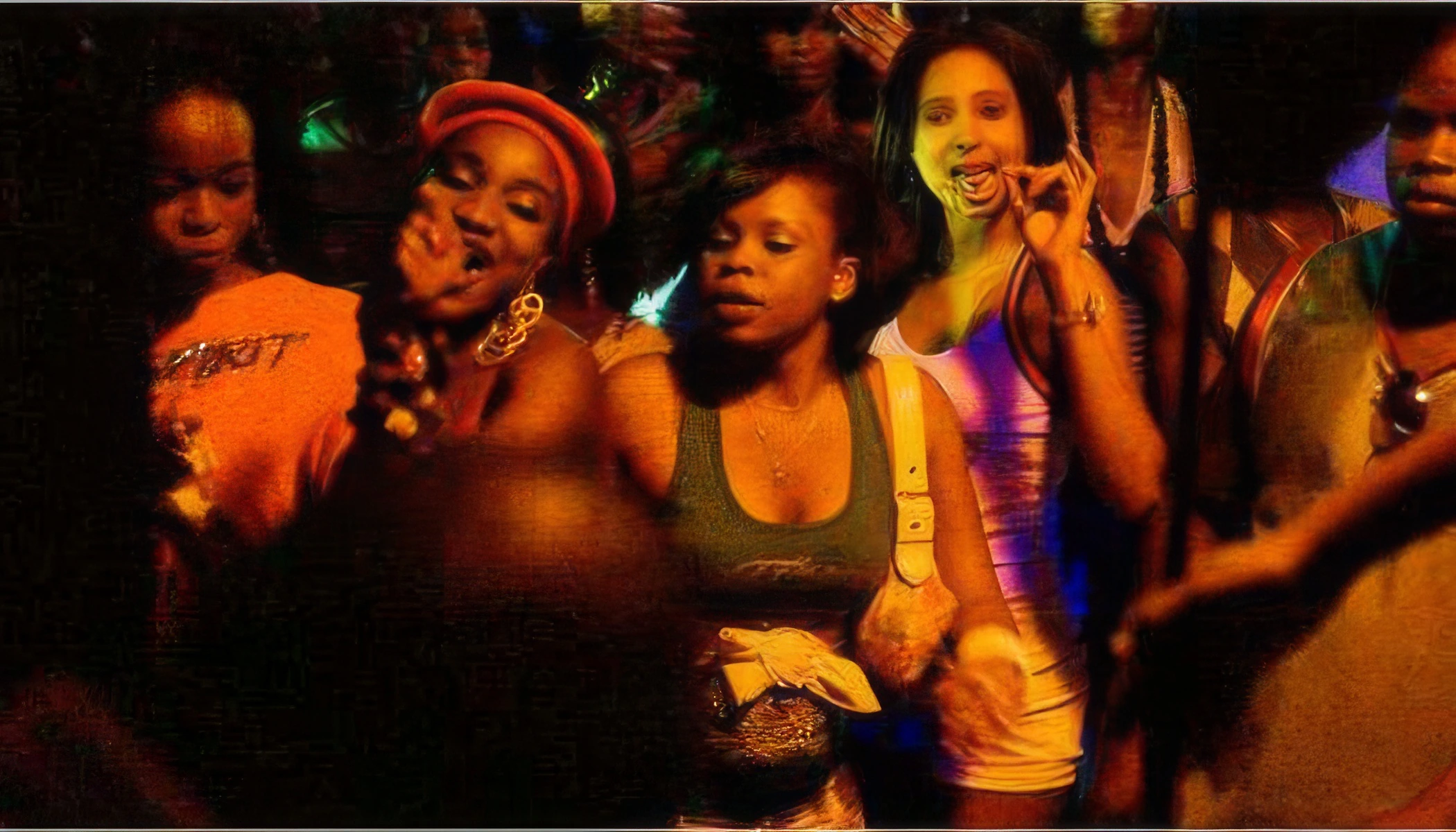
Senegal's music scene is charming and diverse, with influences from traditional rhythms to modern pop and hip-hop.
– "7 Seconds": A globally recognized song by Youssou N'Dour and Neneh Cherry.
– "Birima": A popular song by Youssou N'Dour, celebrating Senegalese royalty.
– "Yaye Boy": A classic Afro-Cuban song by the group Africando.
– "Xarit": A beautiful song by Ismael Lô, known for its soulful melody.
– "Sabar": A traditional Senegalese song by Akon, showcasing local rhythms.
– "C'est la vie": A hit song by Cheikh Lô, blending various musical styles.
Films
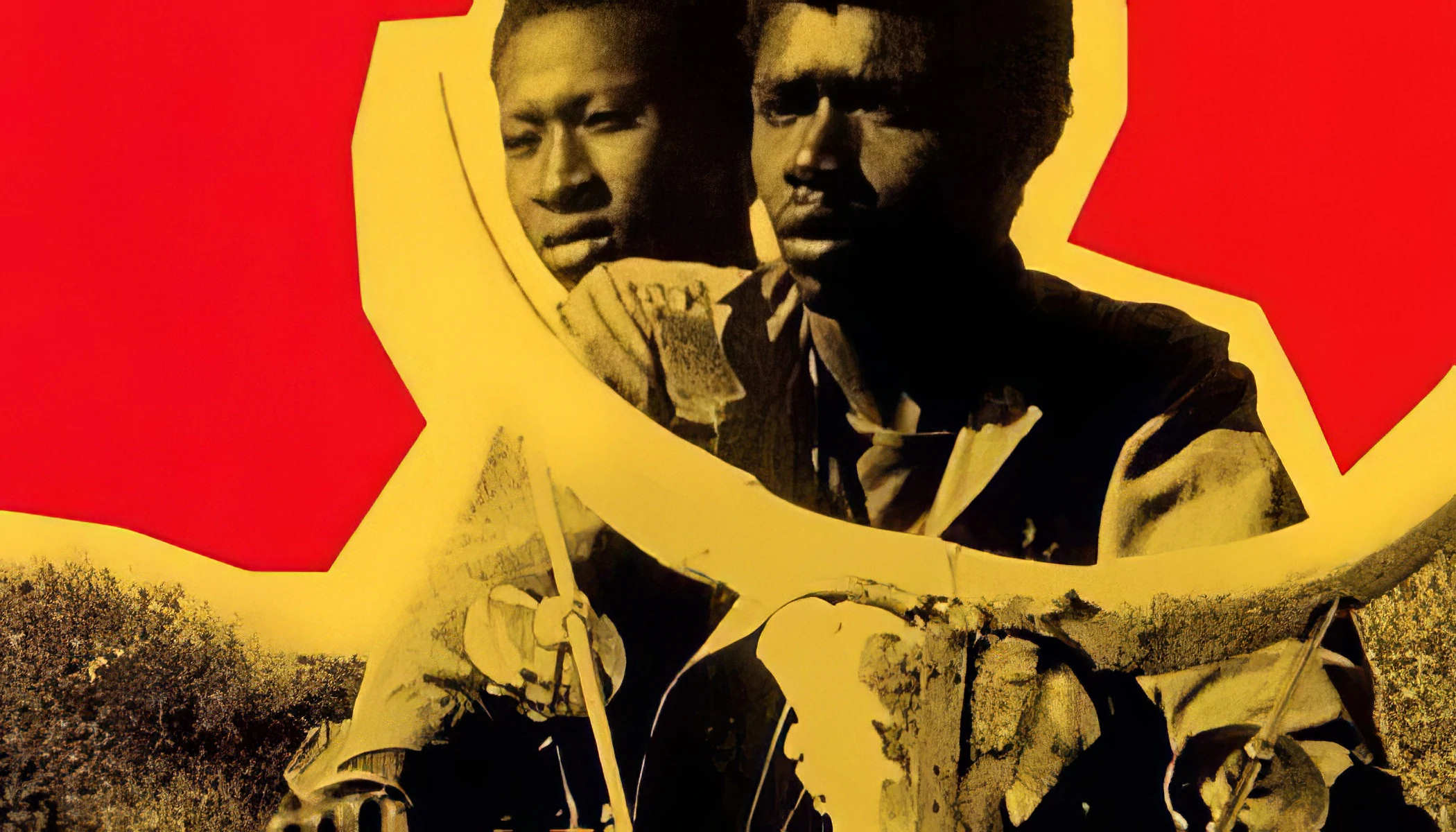
Senegal has a rich cinematic history, here are some of the most famous films about the country:
– "Black Girl": Directed by Ousmane Sembene, it's a poignant drama about a Senegalese maid in France.
– "Touki Bouki": Djibril Diop Mambéty's film is a tale of young lovers dreaming of a better life in Paris.
– "Xala": Another Ousmane Sembene film, it satirizes post-colonial Senegal's elite through a businessman's impotence.
– "Moolaadé": Directed by Ousmane Sembene, it's a powerful film about a woman protecting girls from circumcision.
– "Faat Kiné": Ousmane Sembene's film about a strong, independent woman navigating societal expectations in modern Dakar.