

Explore Serbia: Culture, Cities & Places to Visit
Located in Southeast Europe, this landlocked country is known for its rich history and cultural heritage. It features lively cities like Belgrade, scenic landscapes, and historical sites. The Danube River and diverse traditions add to its unique charm.
- Capital
- Belgrade
- Population
- 7.4 millions
- Superficy
- 89000 sq.km
- Months to Visit
- May, June, and Sept. to Oct.
- Living Cost
- Economical
Overview
Serbia, located in Southeast Europe, is a landlocked country known for its historical significance and diverse cultural heritage. The capital city, Belgrade, is one of the oldest cities in Europe and serves as a lively hub of nightlife and history. Serbia's landscape ranges from the fertile plains of Vojvodina to the mountainous regions in the south, offering varied outdoor activities. The country has a rich tradition in music and folklore, with events like the Guča Trumpet Festival drawing international visitors. Serbian cuisine features hearty dishes often centered around meats and fresh produce. Despite its turbulent past, Serbia continues to develop economically and culturally, attracting tourists interested in exploring its unique blend of Eastern and Western influences.
Pros & Cons
GOOD REASONS TO VISIT SERBIA
– Rich History: Explore ancient Roman sites, medieval monasteries, and Ottoman architecture reflecting Serbia's diverse past.
– Animated Nightlife: Belgrade supplies lively clubs, bars, and music festivals attracting party-goers from around the world.
– Scenic Nature: Enjoy the gorgeous landscapes of Tara National Park, Uvac Canyon, and the Danube River.
– Delicious Cuisine: Savor traditional dishes like ćevapi, sarma, and ajvar; hearty meals with Balkan influences.
– Warm Hospitality: Experience friendly locals eager to share their culture and traditions with visitors. CHALLENGES WHEN VISITING SERBIA
– Limited English Proficiency: English is not widely spoken outside major cities; learning basic Serbian phrases is helpful.
– Smoking Culture: Indoor smoking is common in restaurants and cafes; non-smokers may find it uncomfortable.
– Infrastructure Issues: Public transport can be unreliable; roads in rural areas may be poorly maintained.
Before Departure
Before traveling to Serbia, consider the following essential information:
– Passport: Ensure your passport is valid for at least three months beyond your planned departure date.
– Visa: EU, US, and many other nationals can enter visa-free for up to 90 days. Check specific requirements based on nationality.
– Currency: Serbian Dinar (RSD); credit cards widely accepted in cities; ATMs are readily available throughout the country.
– Internet access: WiFi is common in urban areas and hotels. Purchase a local SIM card from Telekom Srbija or Telenor for data plans.
– Language barrier: Serbian is the official language; English is widely spoken in tourist areas. German and Russian are also understood by some locals.
What to Pack
Exploring Serbia requires preparation for diverse weather conditions and cultural experiences.
– Essentials: Passport, travel insurance, flight tickets, itinerary, accommodation confirmations, and any necessary visas or permits.
– Clothing: Layered clothing for varying temperatures, comfortable walking shoes, a raincoat or umbrella, and formal attire for dining or events.
– Health & Safety: Prescription medications, basic first aid kit, insect repellent in summer months, sunscreen for outdoor activities.
– Electronics: Travel adapter for European outlets (Type C or F), mobile phone with charger, camera for capturing scenic views.
Weather
Weather in Serbia varies significantly across seasons, with distinct temperature and precipitation patterns:
– Winter (December to February): Cold with snowfall, especially in mountainous regions; temperatures often drop below freezing.
– Spring (March to May): Mild temperatures with increasing rainfall; nature blooms, making it a charismatic time.
– Summer (June to August): Warm to hot, particularly in July and August; occasional thunderstorms occur.
– Autumn (September to November): Mild and pleasant with decreasing rainfall; animated fall foliage is common. The best time to visit Serbia is from May to September:
– Warm weather ideal for outdoor activities and exploring cities.
– Numerous cultural events and festivals occur during this period. However, it can be crowded at popular tourist spots during peak summer months.
Travel Budget
Serbia offers a cost-effective travel experience with reasonable prices for various services. Here are some average costs for tourists:
– Hotel: 30$ to 120$
– Lunch: 5$ to 15$
– Beverage (in bar/restaurant): 2$ to 6$
– Coffee: 1.5$ to 3$
– Transportation: (train 5$ to 20$), (bus 1$ to 3$), (taxi /10km 5$ to 10$)
– Mobile data (per GB): 1.5$ to 3.5$
Language
Serbian is a South Slavic language that uses both Cyrillic and Latin scripts, but here are some useful phrases in the Latin script:
– Hello: Zdravo
– Thank you: Hvala
– Please: Molim
– How much is this?: Koliko košta?
– Excuse me: Izvinite
– I don't understand: Ne razumem
– Yes: Da
– No: Ne
– Goodbye: Doviđenja
History
Its history dates back to the early medieval period when Slavic tribes settled in the Balkans. The Serbian Kingdom emerged in the 12th century, later becoming the Serbian Empire under Stefan Dušan in the 14th century. Following its decline, Serbia fell under Ottoman rule for several centuries until gaining autonomy in the early 19th century and full independence by the late 1800s. During World War I, Serbia was part of the Kingdom of Serbs, Croats, and Slovenes, which became Yugoslavia after World War II. The breakup of Yugoslavia in the 1990s led to a series of conflicts and eventually resulted in Serbia becoming an independent nation again after separating from Montenegro in 2006. Its historical journey is marked by periods of foreign domination, struggles for sovereignty, and a role in shaping regional dynamics in the Balkans.
Geopolitics
Located in the Balkans, Serbia is landlocked and shares borders with eight countries, including Hungary, Romania, Bulgaria, North Macedonia, Croatia, Bosnia and Herzegovina, Montenegro, and partially recognized Kosovo. It holds a strategic position in Southeast Europe but remains outside the European Union while pursuing accession negotiations. The issue of Kosovo's independence is central to Serbia's foreign relations and affects its EU membership aspirations. Serbia maintains strong historical ties with Russia but also seeks to build economic and political relations with Western countries. Part of the Non-Aligned Movement historically, it often balances between East and West in its geopolitical strategies. Economic cooperation and regional stability are important for Serbia as it navigates complex post-conflict dynamics in the Balkans.
Sample Itinerary
This itinerary explores the historic charm of Belgrade, natural beauty of Tara National Park, and cultural significance of Novi Sad.
– 2 days in Belgrade: Discover Kalemegdan Fortress, stroll along Knez Mihailova Street, and visit the Church of Saint Sava. Experience nightlife in Skadarlija.
– 1 day in Novi Sad: Explore Petrovaradin Fortress, wander through the historic city center, and visit the Museum of Vojvodina.
– 2 days in Tara National Park: Hike through scenic landscapes, view Drina River Canyon, and relax by Lake Perućac. Visit nearby wooden village Drvengrad.
– 1 day in Niš: Tour Niš Fortress and explore the Skull Tower. Visit Mediana archaeological site to learn about Roman history.
– 1 day in Subotica: Admire Art Nouveau architecture and explore Palic Lake region. Visit Synagogue and City Hall for cultural insights.
Popular cities
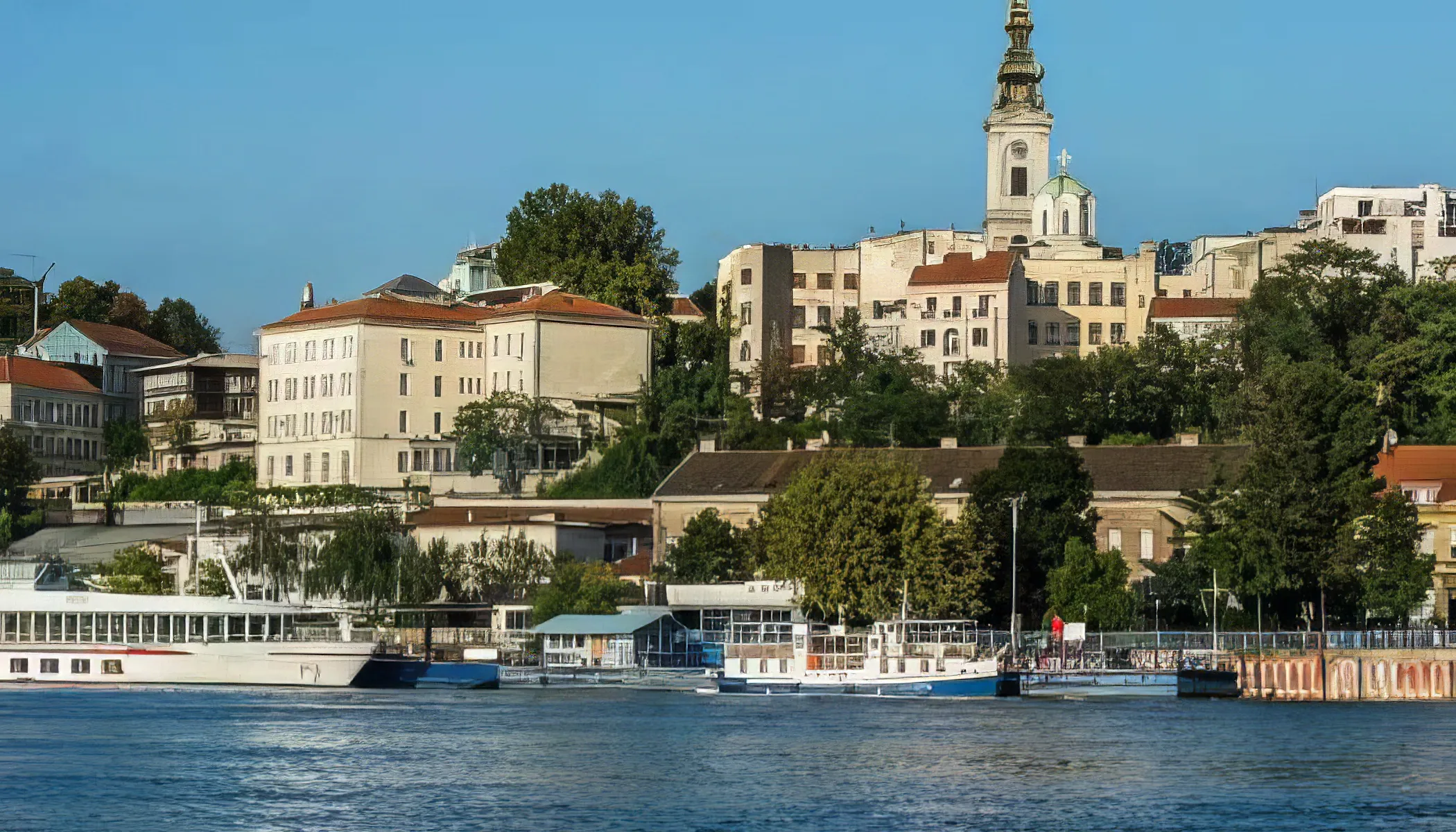
Discover Serbia's diverse urban landscapes rich in history and culture:
– Belgrade: The capital city is known for its lively nightlife, historic architecture, and the confluence of two rivers.
– Novi Sad: Home to the famous EXIT festival and the nice Petrovaradin Fortress.
– Niš: One of Europe's oldest cities, featuring the Niš Fortress and the Skull Tower.
– Subotica: Known for its beautiful Art Nouveau architecture and lively cultural scene.
– Kragujevac: Provides historical significance as Serbia's first capital with several museums.
– Kraljevo: Close to medieval monasteries like Studenica, a UNESCO World Heritage site.
– Užice: Gateway to Tara National Park with beautiful natural landscapes nearby.
Monuments
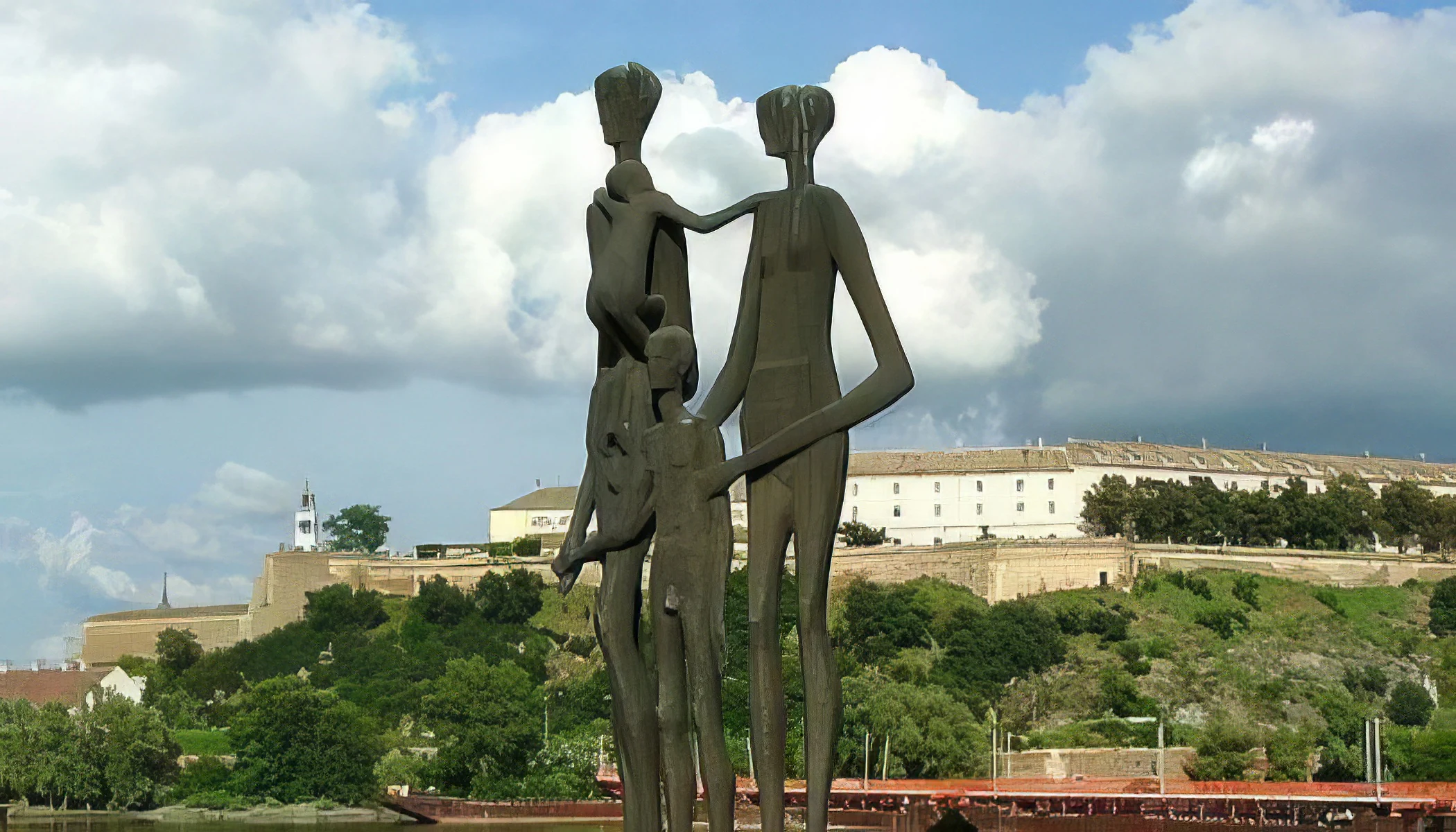
Serbia is home to several notable historical and architectural monuments:
– Belgrade Fortress: Historic stronghold overlooking the confluence of the River Sava and Danube.
– Studenica Monastery: UNESCO site known for medieval Serbian Orthodox Church and frescoes.
– St. Sava Temple, Belgrade: Largest Orthodox church in Serbia, dedicated to Saint Sava.
– Petrovaradin Fortress, Novi Sad: 18th-century fortress with nice views over the Danube River.
– Gamzigrad-Romuliana, Zaječar: Ancient Roman complex and UNESCO site with impressive ruins.
– Niš Fortress: Turkish-era fortress with significant historical remains in a central city location.
– Resava Monastery (Manasija), Despotovac: 15th-century Serbian monastery surrounded by defensive walls.
– Golubac Fortress, Danube River: Medieval fortress offering scenic views and strategic position on the river.
Natural wonder
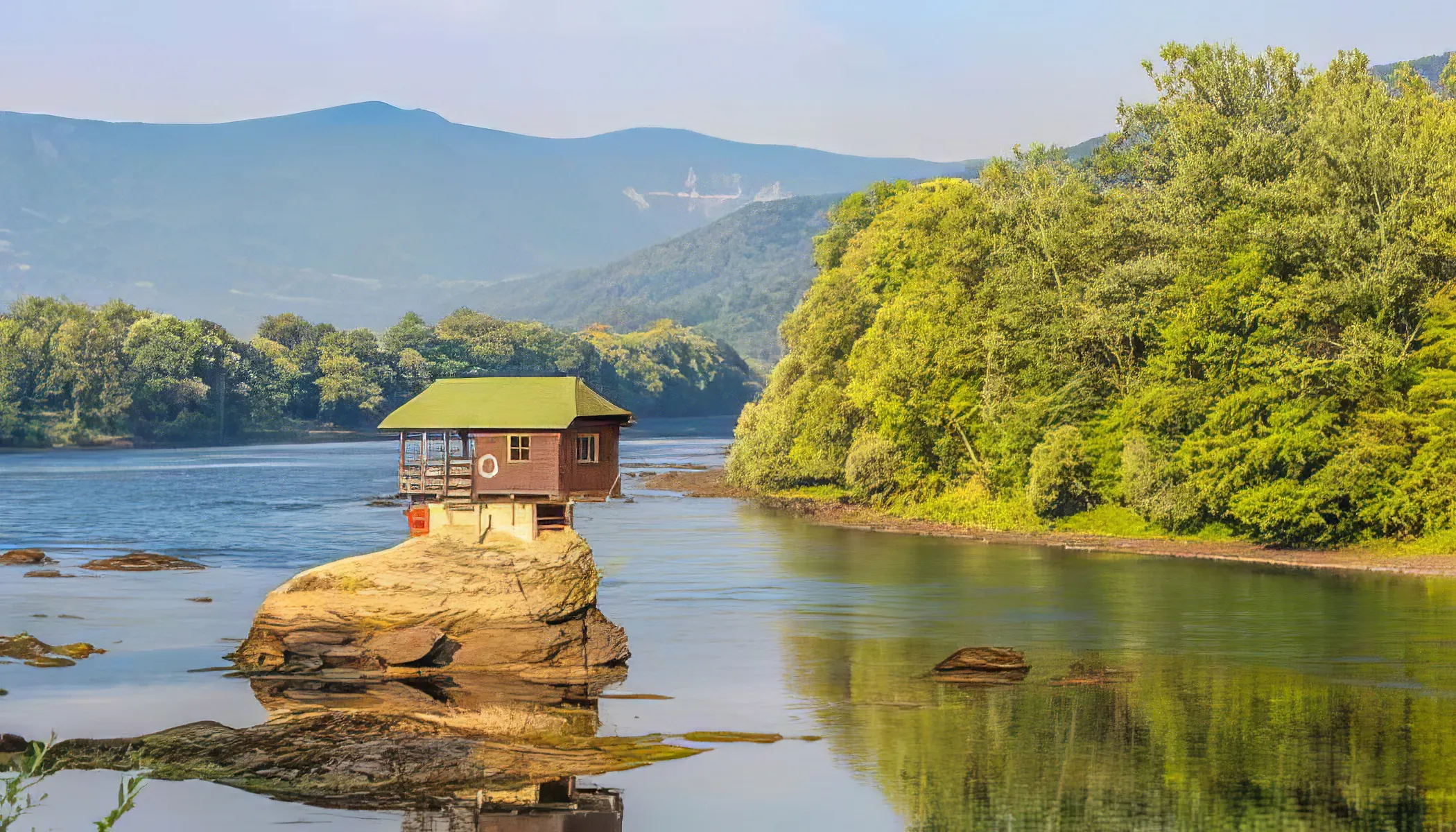
Discover the natural wonders that Serbia has to offer:
– Djerdap National Park: Home to the Iron Gate Gorge, Europe's longest and largest river gorge.
– Tara National Park: Known for dense forests, deep canyons, and diverse wildlife including the rare brown bear.
– Uvac Canyon: Famous for its winding river meanders and griffon vulture habitats.
– Fruška Gora Mountain: Offers beautiful landscapes and is known as Serbia's oldest national park.
– Đavolja Varoš (Devil's Town): Features unique rock formations created by erosion, with 202 stone pillars.
– Zlatibor Mountain: A popular destination for hiking, skiing, and relaxing in nature.
– Sopotnica Waterfalls: Cascading waterfalls surrounded by crystalline nature in southwestern Serbia.
– Resava Cave: One of Serbia's largest caves known for beautiful stalactite and stalagmite formations.
– Golija Mountain: UNESCO Biosphere Reserve famous for its diverse ecosystems and rich biodiversity.
– Šar Mountains: Known for rugged terrain, alpine meadows, and winter sports opportunities.
Outdoor activities
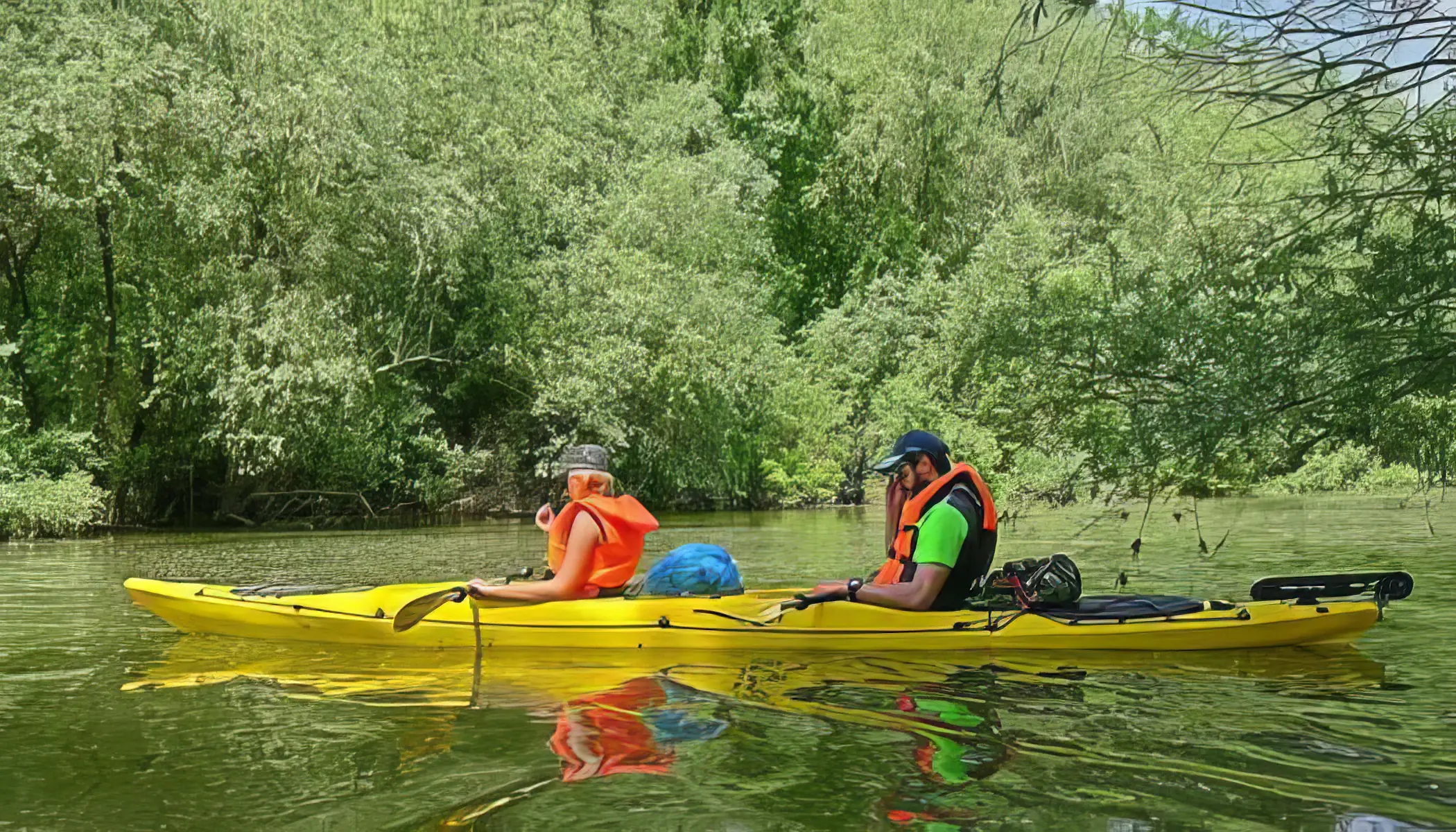
Outdoor enthusiasts will find a variety of activities to enjoy in Serbia's natural landscapes:
– Hiking in Tara National Park: Traverse nice forests and scenic viewpoints along well-marked trails.
– Rafting on the Drina River: Experience thrilling rapids in a beautiful canyon setting.
– Skiing on Kopaonik Mountain: Enjoy winter sports on Serbia's largest ski resort.
– Cycling the Danube Cycle Route: Pedal through picturesque landscapes along Europe's second-longest river.
– Exploring Đerdap Gorge: Hike through the impressive Iron Gate gorge with panoramic views.
– Birdwatching at Lake Palic: Spot diverse bird species in this peaceful nature reserve.
– Caving in Resava Cave: Discover fascinating stalactites and stalagmites in this extensive cave system.
Kid Friendly
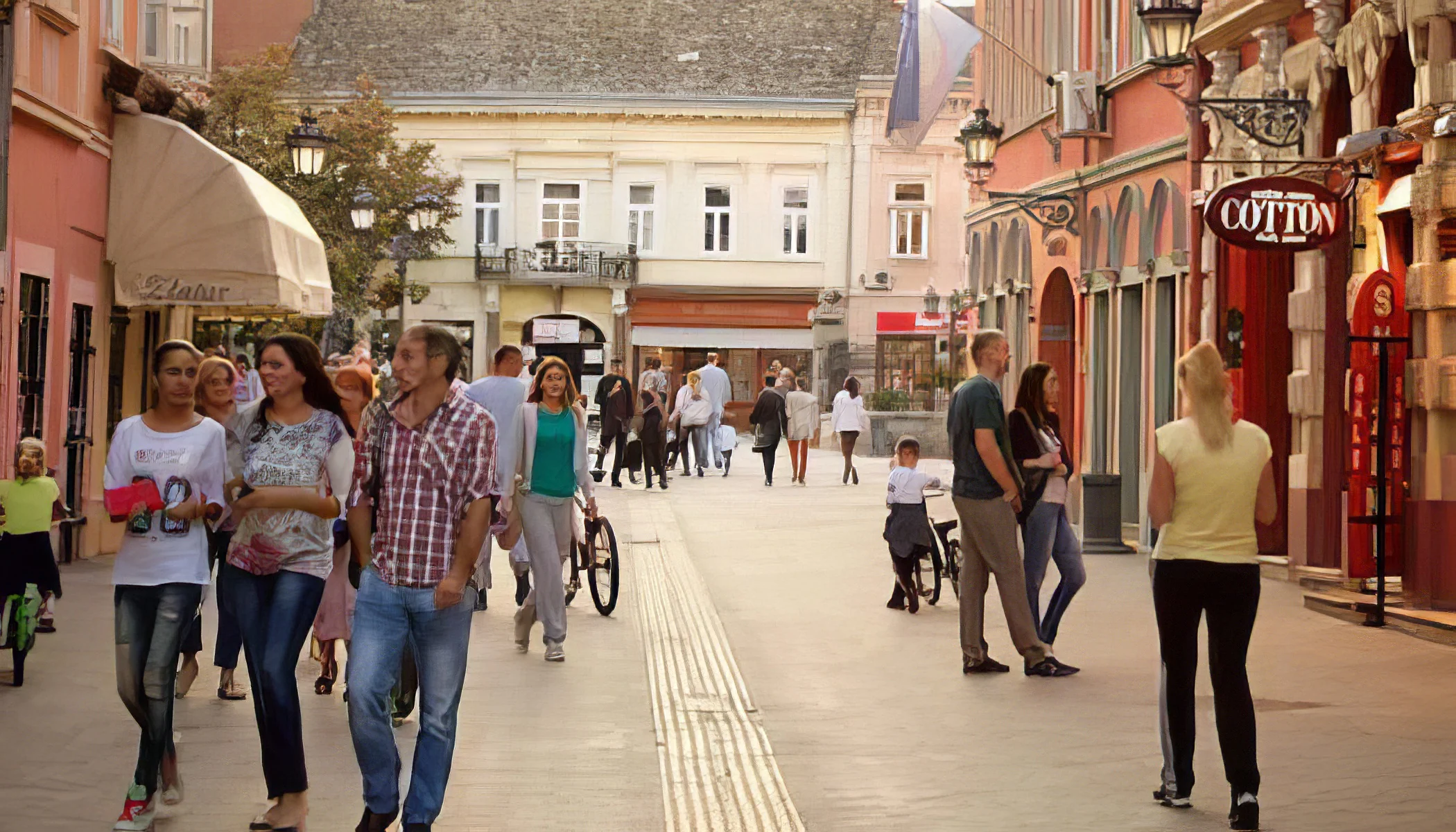
Here are some activities in Serbia that kids will enjoy:
– Belgrade Zoo: Located in the city center, it's home to a variety of animals and educational displays.
– Avala Tower: Offers panoramic views from the top and has a surrounding park for picnics and play.
– Dinosaur Park, Novi Sad: Features life-sized dinosaur models and interactive exhibits about prehistoric life.
– Ada Ciganlija: A popular recreation area with beaches, playgrounds, and water sports facilities.
– Sirogojno Open-Air Museum: Displays traditional Serbian village life with interactive workshops for children.
– Tasmajdan Park: A large urban park with play areas, fountains, and open spaces for family activities.
– Zlatibor Adventure Park: Provides zip lines, climbing walls, and other outdoor adventures suitable for kids.
– Petnica Science Center: Provides hands-on science experiences and educational programs in a natural setting.
Cuisine
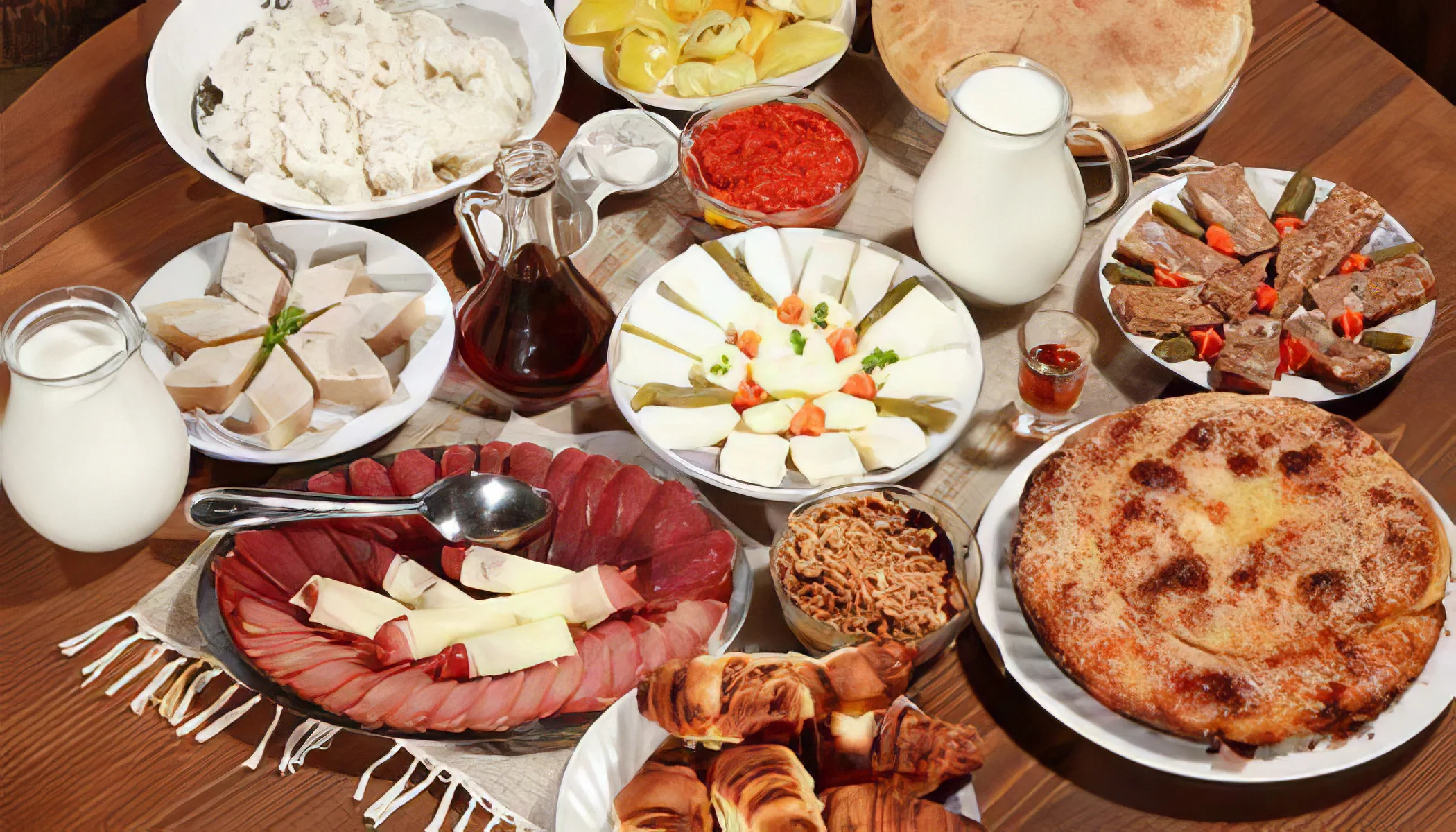
Serbian cuisine is hearty and flavorful, reflecting its Balkan, Mediterranean, and Austro-Hungarian influences. Meat dishes dominate, often accompanied by breads, cheeses, and fresh vegetables. Traditional meals are central to gatherings and celebrations across the country. Most famous Serbian dishes and desserts include:
– Ćevapi: Grilled minced meat sausages served with flatbread and onions.
– Sarma: Cabbage rolls stuffed with minced meat and rice.
– Pljeskavica: Spiced ground meat patty often compared to a hamburger.
– Ajvar: Roasted red pepper spread served as a condiment or side dish.
– Kajmak: Creamy dairy product similar to clotted cream or soft cheese.
Souvenir
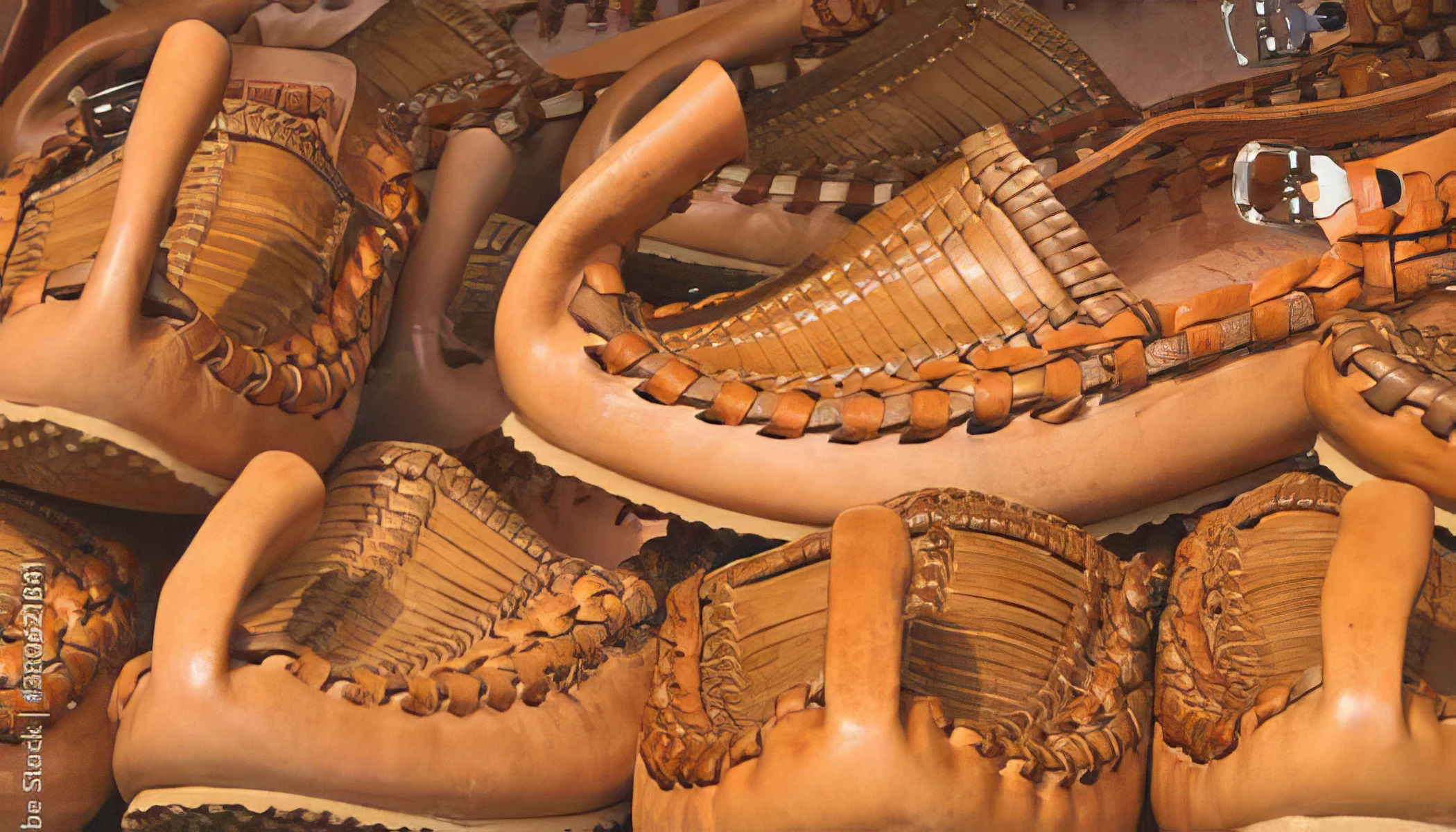
Serbia offers a variety of unique and culturally significant souvenirs. Here are some popular choices you might want to consider:
– Rakija: A traditional Serbian fruit brandy, often homemade and enjoyed on special occasions.
– Slivovitz: A popular type of Rakija made specifically from plums, known for its strong flavor.
– Pirot Kilims: Hand-woven carpets and rugs from the town of Pirot, famous for their geometric patterns.
– Licitar Hearts: Traditional heart-shaped cookies that are colorful and often used as decorative gifts.
– Ajvar: A savory spread made from red peppers, widely used in Serbian cuisine.
– Opanci: Traditional Serbian leather shoes with a unique design, often worn by folk dancers.
– Wooden Crafts: Handcrafted wooden items like spoons or small carved figures reflect Serbian craftsmanship.
Traditional Shows
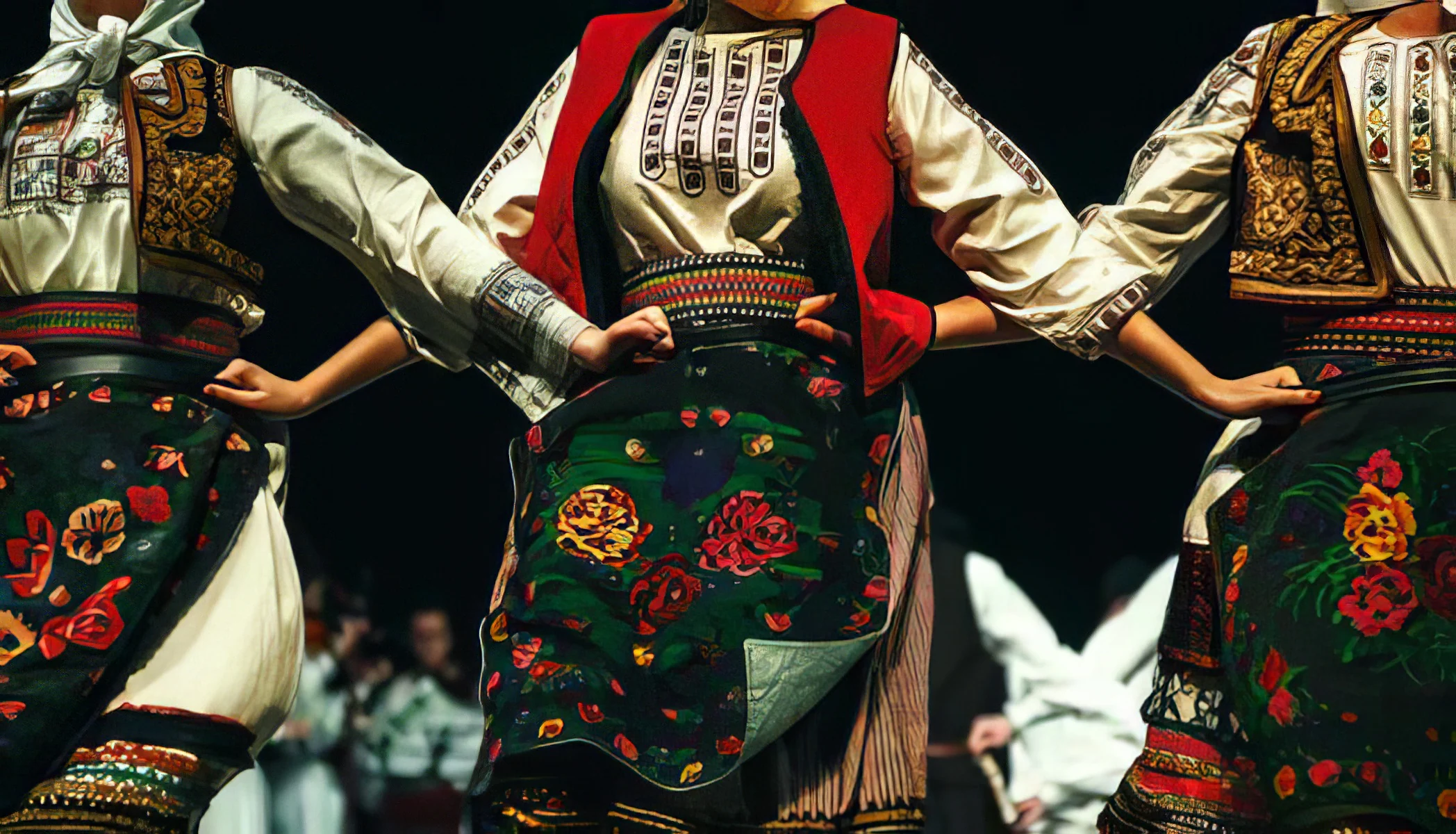
Serbia boasts a rich tradition of music and art performances:
– Kolo Dance: A remarkable folk dance featuring lively music and circular formations, commonly performed at festivals across Serbia, especially in Belgrade.
– Gusle Performances: Experience epic poetry recitals accompanied by the one-stringed gusle instrument, a key part of Serbian heritage found in rural areas.
– Tamburitza Orchestra: Enjoy traditional string ensembles playing folk songs, particularly popular at cultural events in Novi Sad.
– Bećarac Songs: Known for humorous lyrics, these traditional call-and-response songs are prominent in Serbian gatherings and festivities.
– Trubači Music: Energetic brass band performances typifying Serbian celebrations, especially famous during the Guča Trumpet Festival.
Events & Festivals
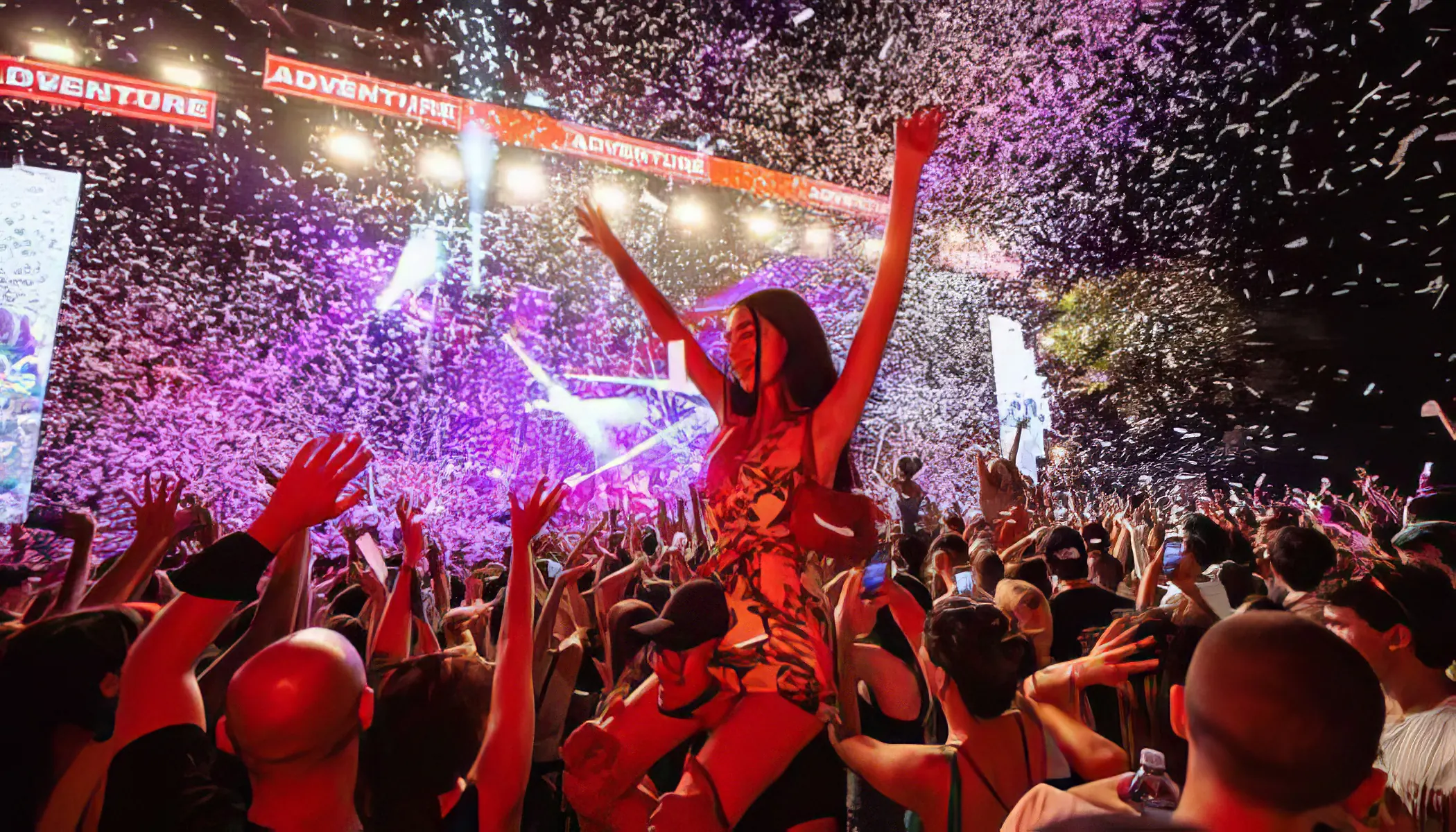
Serbia hosts a variety of annual events showcasing its lively culture and traditions:
– Belgrade Beer Fest: August festival offering numerous beers and live music performances in Belgrade.
– Exit Festival: July music festival at Petrovaradin Fortress, Novi Sad, drawing international artists and fans.
– Guca Trumpet Festival: August event featuring brass band competitions in the town of Guca.
– Nisville Jazz Festival: August jazz festival in Nis with international and local acts.
– Rakija Fest: December event celebrating Serbia's traditional fruit brandy with tastings in Belgrade.
– Drina Regatta: July water-sport event with boat races and festivities in Western Serbia.
– Belgrade Dance Festival: March-April event showcasing international dance performances across various venues.
Famous People
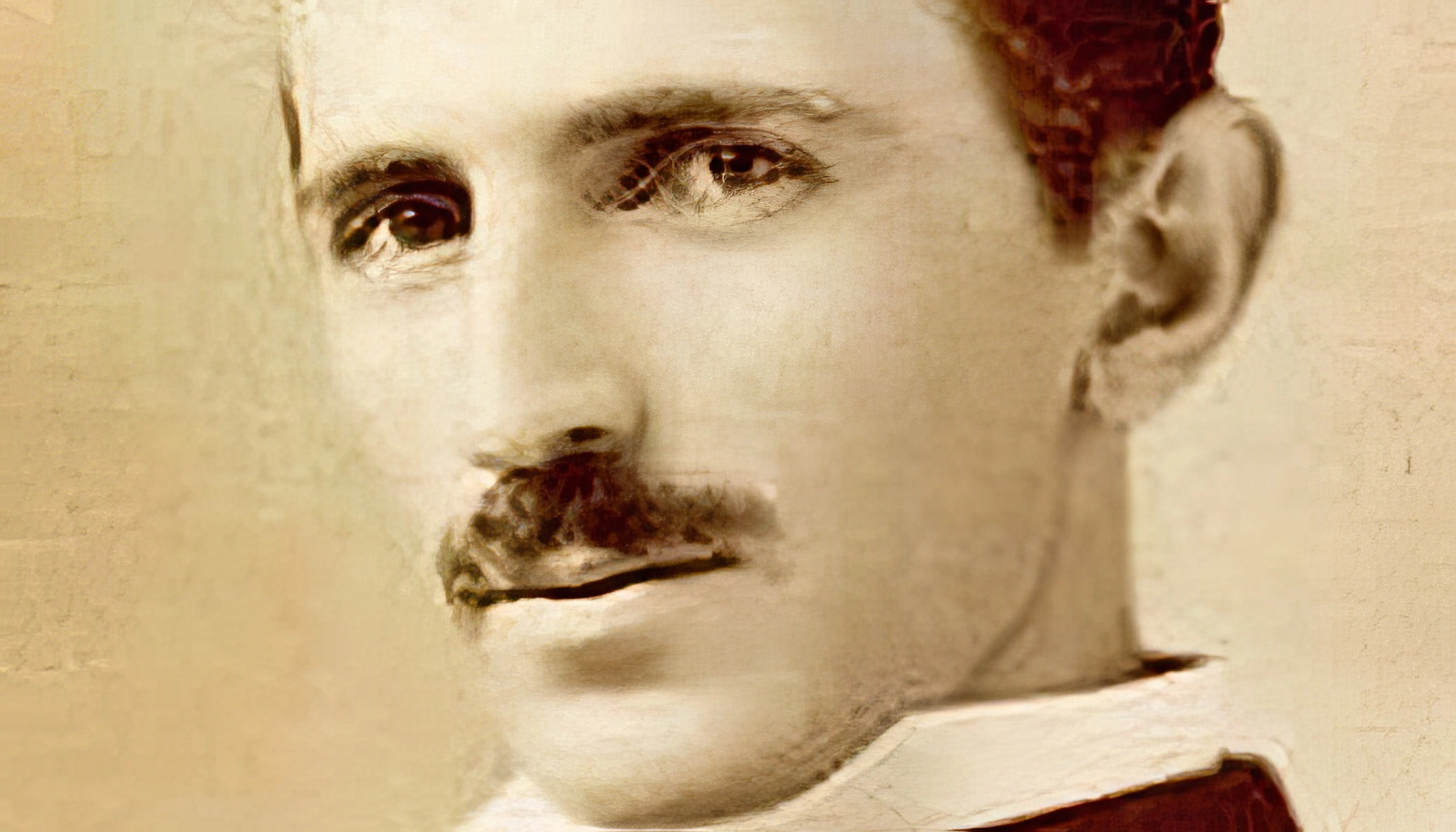
Serbia has a rich history and culture, represented by numerous influential figures across various fields.
– Nikola Tesla (1856 to 1943, Smiljan): Inventor and engineer renowned for his contributions to electricity and electromagnetism.
– Novak Djokovic (born 1987, Belgrade): World-renowned tennis player with multiple Grand Slam titles.
– Mihajlo Pupin (1858 to 1935, Idvor): Physicist and physical chemist recognized for his work in telecommunications and X-ray imaging.
– Emir Kusturica (born 1954, Sarajevo): Acclaimed film director known for award-winning movies such as "Underground" and "Time of the Gypsies."
– Vuk Karadžić (1787 to 1864, Tršić): Linguist who reformed the Serbian language and standardized its modern alphabet.
Books
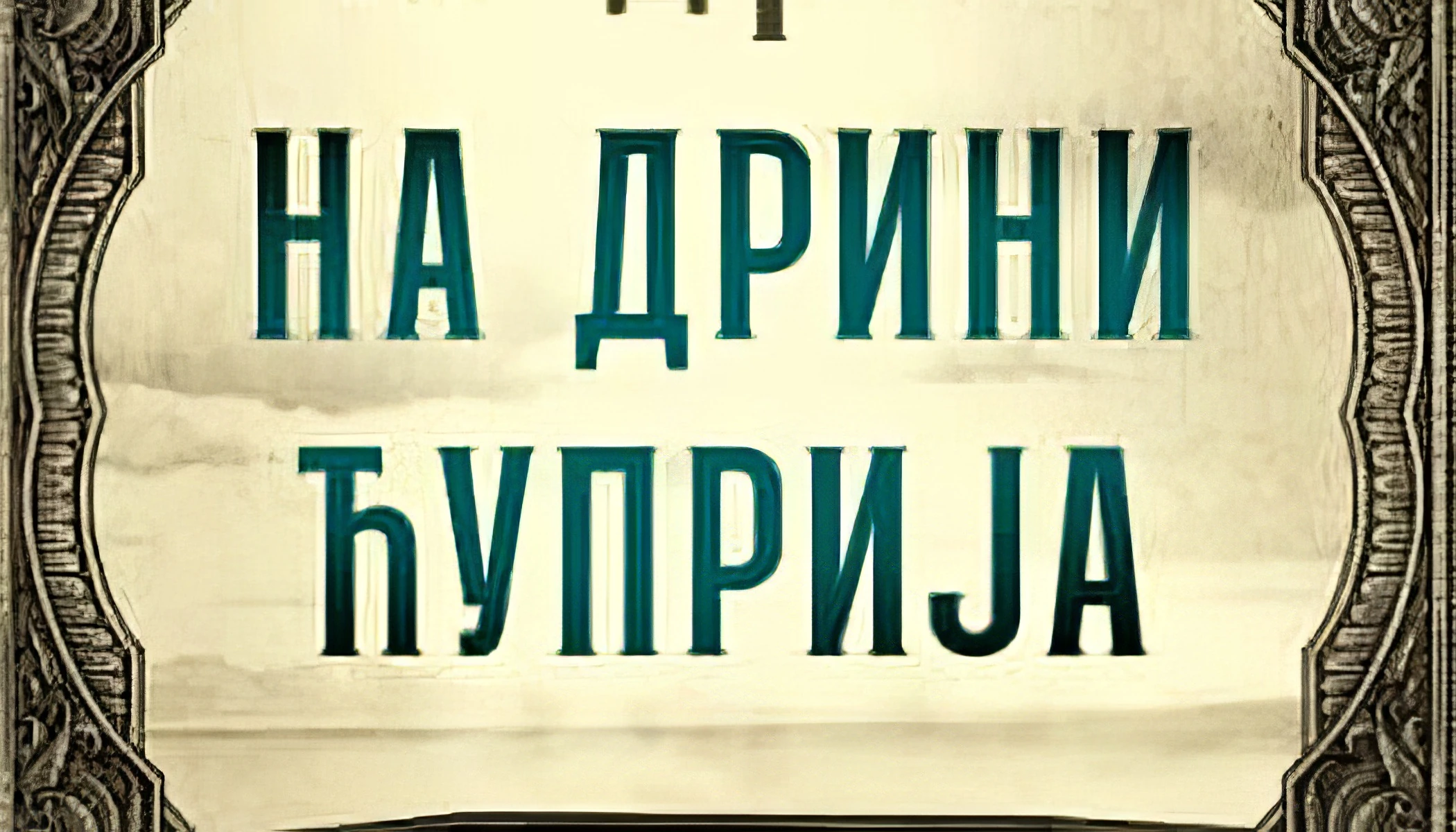
These books provide insightful narratives about Serbia, reflecting its historical, cultural, and personal landscapes through different eras.
– "The Bridge on the Drina" by Ivo Andrić: Chronicles centuries of history in a Bosnian town under Ottoman rule.
– "Dictionary of the Khazars" by Milorad Pavić: A novel structured as a dictionary exploring Serbian myth and history.
– "The Tiger's Wife" by Téa Obreht: A young doctor's journey uncovering her grandfather's life in the Balkans.
– "Landscapes Painted with Tea" by Milorad Pavić: A mosaic novel weaving Serbian culture and personal quests.
– "Zlatni Dan" by Dragoslav Mihailović: Depicts life in Serbia during World War II through personal experiences.
Songs
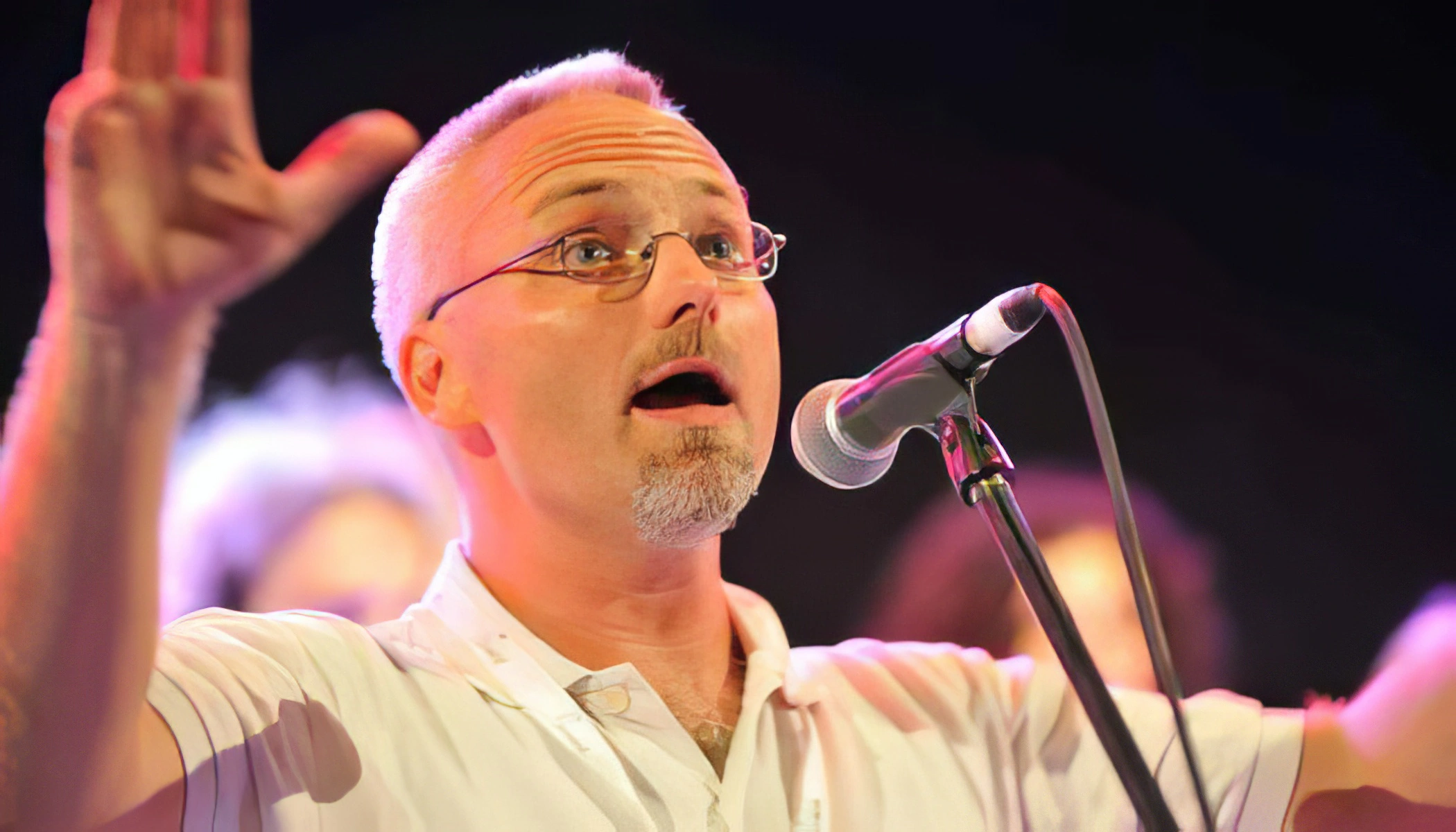
Serbia's music scene is rich with beautiful folk and modern pop songs that reflect its cultural heritage and national sentiment.
– Tamo Daleko: A classic Serbian patriotic song about longing and homeland.
– Vidovdan: A popular song by Gordana Lazarević celebrating the historic Battle of Kosovo.
– Marš na Drinu: Patriotic march composed by Stanislav Binički, symbolizing Serbian resilience.
– Riblja Čorba's "Lutka sa naslovne strane": Iconic rock anthem from one of Serbia's legendary bands.
– Đorđe Balašević's "Ringišpil": Beloved song capturing life's carousel and nostalgic themes.
– Željko Joksimović’s "Lane Moje": Eurovision hit that brought international attention to Serbian music.
Films

Exploring the cinematic landscape of Serbia reveals a rich tapestry of history and culture:
– "Underground": Directed by Emir Kusturica, this film is a satirical epic about Yugoslav history throughout World War II and beyond.
– "Black Cat, White Cat": A comedy by Emir Kusturica featuring chaotic adventures around two Romani families on the Danube River.
– "No Man's Land": Danis Tanović's film about the absurdities and tragedies of the Bosnian War, set in a trench between enemy lines.
– "The Parade": A dramedy by Srđan Dragojević that tackles homophobia and nationalism through an unlikely alliance to host a pride parade.
– "Time of the Gypsies": Another remarkable work by Kusturica depicting a young Romani boy with telekinetic abilities navigating life’s challenges.