

Travel Guide to Sierra Leone: Top Things to Do & Tips
Located in West Africa, this country is known for its beautiful landscapes and rich biodiversity. It has a complex history marked by civil conflict but is now focused on development. The capital, Freetown, is a key port city with historical significance.
- Capital
- Freetown
- Population
- 5.3 millions
- Superficy
- 72000 sq.km
- Months to Visit
- Nov. to Feb.
- Living Cost
- Economical
Overview
Sierra Leone is a West African country known for its diverse ecosystems, including rainforests, savannas, and beaches along the Atlantic Ocean. The capital city, Freetown, is a historic port city with landmarks like the Cotton Tree and Sierra Leone National Museum. The country has a rich cultural heritage with multiple ethnic groups and languages. Sierra Leone experienced a civil war from 1991 to 2002, which significantly impacted its development. Since then, it has been working on rebuilding its infrastructure and economy, focusing on sectors like mining and agriculture. Despite challenges, Sierra Leone is recognized for its beautiful culture and natural beauty.
Pros & Cons
GOOD REASONS TO VISIT SIERRA LEONE
– Beautiful Beaches: Enjoy pristine, uncrowded beaches like River Number Two and Tokeh, ideal for relaxation.
– Rich Biodiversity: Explore diverse wildlife in national parks, including chimpanzees and rare bird species.
– Historical Sites: Visit Bunce Island and Freetown's Cotton Tree to learn about the country's colonial history.
– Cultural Diversity: Experience lively local traditions, music, and festivals reflecting Sierra Leone's ethnic diversity.
– Warm Hospitality: Locals are known for their friendliness and welcoming nature towards visitors. CHALLENGES WHEN VISITING SIERRA LEONE
– Limited Infrastructure: Roads and public transport can be underdeveloped, affecting travel convenience.
– Health Concerns: Malaria risk is present; vaccinations and precautions are necessary for safe travel.
– Political Instability: Occasional political unrest may affect safety; stay informed on current events.
Before Departure
Before traveling to Sierra Leone, it's important to be informed about several key aspects:
– Passport: Ensure your passport is valid for at least six months from your entry date.
– Visa: Tourists typically need a visa; apply online or at an embassy. Tourist visas are usually valid for 30 days.
– Currency: Sierra Leonean Leone (SLL); credit cards rarely accepted; cash is essential. ATMs are limited, mainly in Freetown.
– Internet access: WiFi is available in hotels and cafes in major cities. Consider purchasing a local SIM card for better connectivity.
– Language barrier: English is the official language and widely spoken; Krio is commonly used among locals. Other languages are not widely spoken.
What to Pack
Traveling to Sierra Leone requires preparation for its tropical climate and consideration of health precautions.
– Essentials: Passport and visa (if required), travel insurance details, flight tickets and itinerary, accommodation confirmations, local currency or credit card.
– Clothing: Lightweight, breathable clothing, long sleeves and pants for mosquito protection, comfortable walking shoes, swimwear for beaches, hat and sunglasses.
– Health & Safety: Prescription medications, comprehensive first aid kit, insect repellent with DEET, anti-malarial medication (consult a doctor), sunscreen with high SPF.
– Electronics: Travel adapter for Type D or G outlets, mobile phone with charger, camera with extra batteries or charger.
Weather
Sierra Leone has a tropical climate with distinct wet and dry seasons:
– Dry Season (November to April): Characterized by hot, dry weather with Harmattan winds bringing cooler temperatures in December and January.
– Wet Season (May to October): Marked by heavy rainfall, especially from July to September, with high humidity and occasional thunderstorms. The best time to visit Sierra Leone is during the dry season from November to April.
– Pros: Ideal beach weather, less rain, and better road conditions for travel.
– Cons: Higher tourist activity may lead to increased prices and crowded attractions.
Travel Budget
Sierra Leone provides a range of budget-friendly options for travelers. Here are some average prices for common expenses:
– Hotel: 50$ to 150$
– Lunch: 3$ to 10$
– Beverage (in bar/restaurant): 1.5$ to 5$
– Coffee: 1$ to 3$
– Transportation: (train not widely available), (bus 0.5$ to 2$), (taxi /10km 5$ to 15$)
– Mobile data (per GB): 2$ to 5$
Language
In Sierra Leone, the most widely spoken language is Krio, which is an English-based creole. Here are some useful phrases for tourists:
– Hello: Kushe
– Thank you: Tenki
– Please: Duya
– How much is this?: Ow much dis?
– Excuse me: Sori
– I don't understand: A nor undastand
– Yes: Yɛs
– No: Nɔ
– Goodbye: Tata
History
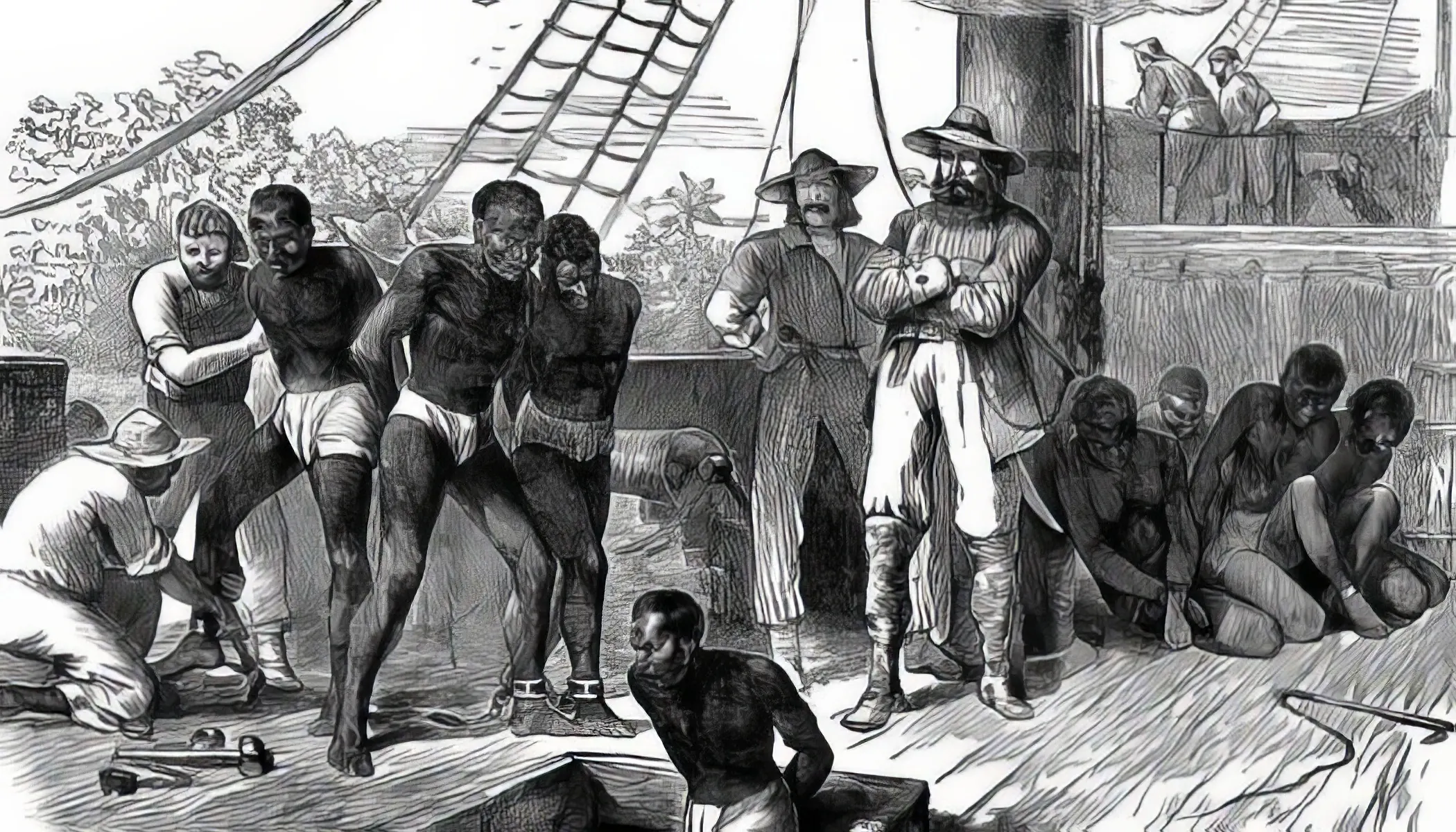
It has a history marked by colonization and conflict. Initially inhabited by indigenous peoples, it became a center for the transatlantic slave trade. In 1787, British abolitionists established the "Province of Freedom" for freed slaves, leading to the foundation of Freetown. In 1808, it became a British Crown Colony. Independence came in 1961, but political instability and corruption followed. From 1991 to 2002, a brutal civil war devastated the country, fueled by diamond trade profits. Post-war recovery has focused on rebuilding infrastructure and fostering political stability.
Geopolitics
Sierra Leone is located on the west coast of Africa, bordered by Guinea to the north and east, Liberia to the southeast, and the Atlantic Ocean to the southwest. It has a history marked by a brutal civil war that ended in 2002, which greatly influenced its political landscape and regional relations. The country is a member of several international organizations, including the Economic Community of West African States (ECOWAS) and the African Union (AU). Its geopolitics are shaped by efforts to maintain stability and foster economic development while dealing with post-conflict recovery challenges. Sierra Leone has abundant natural resources, such as diamonds and minerals, which play a crucial role in its economy but also pose potential for conflict if not managed well. The nation's foreign policy focuses on strengthening ties within West Africa and attracting international aid and investment to support development initiatives.
Sample Itinerary
This itinerary covers Sierra Leone's beautiful culture, wildlife experiences, and beautiful beaches.
– 1 day in Freetown: Visit the Cotton Tree, National Museum, and Big Market. Explore historical sites like the King's Yard and Old Fourah Bay College.
– 2 days on Banana Island: Relax on the beaches, explore colonial ruins, and enjoy water activities like snorkeling and diving.
– 1 day at Tacugama Chimpanzee Sanctuary: Learn about chimpanzee conservation efforts and take a guided tour to see rescued chimpanzees in their natural habitat.
– 2 days at Tiwai Island Wildlife Sanctuary: Experience guided forest hikes, river canoeing, and wildlife spotting opportunities including primates and rare birds.
– 1 day at River Number Two Beach: Relax on white sands with clear waters. Enjoy fresh seafood at local beachside eateries.
Popular cities
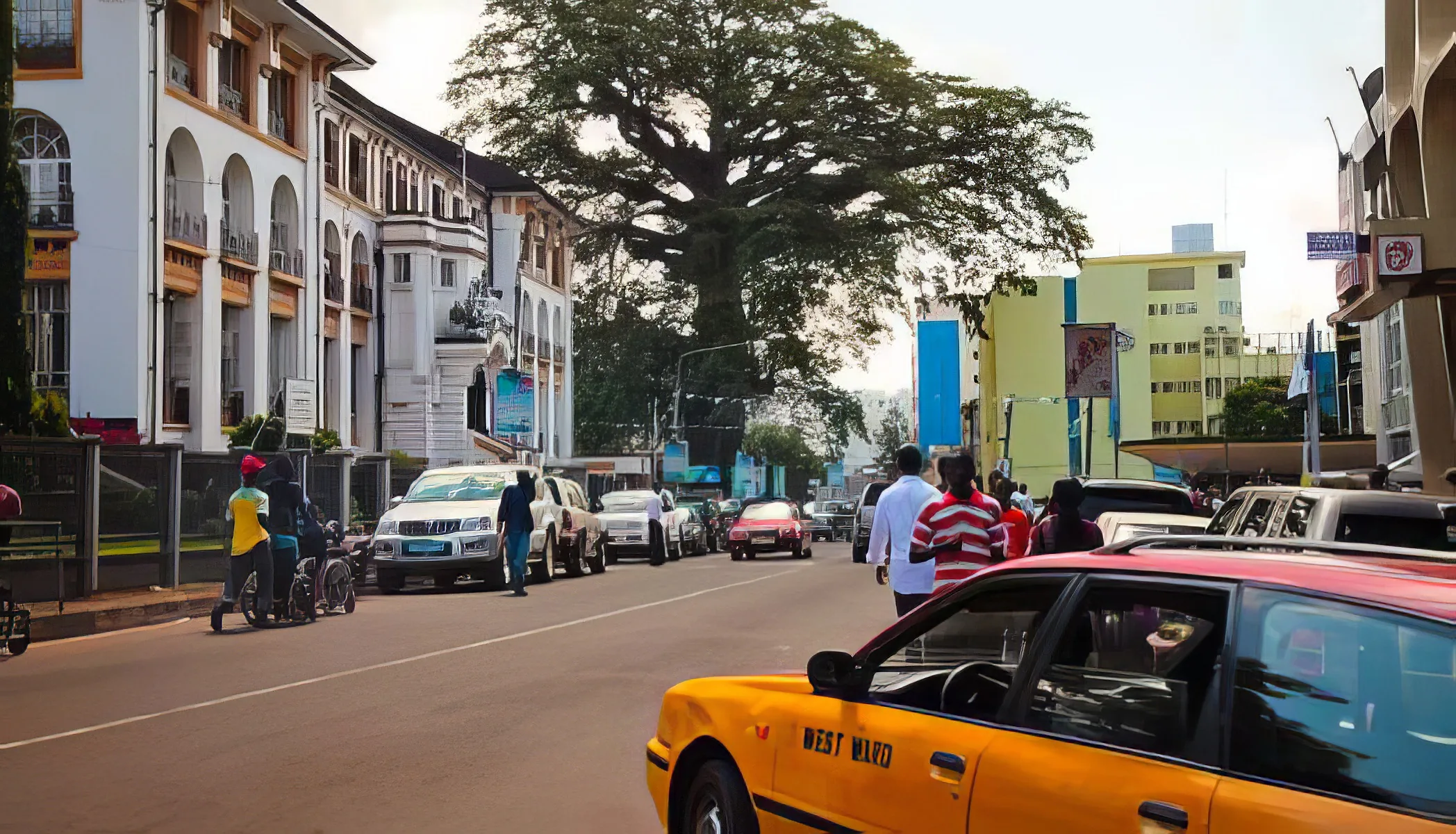
Explore the diverse cities of Sierra Leone, each with its unique attractions and culture:
– Freetown: The capital city is known for its historic sites, beaches, and energetic markets.
– Bo: Known as the educational center, it provides a glimpse into local culture and life.
– Kenema: Situated in the Eastern Province, it's a hub for diamond trading and nice landscapes.
– Makeni: A rapidly growing city that serves as an economic center in the Northern Province.
– Koidu: Known for diamond mining activities, offering insights into this important industry.
– Kabala: Set in the scenic northern highlands, it's ideal for hiking and cultural experiences.
– Port Loko: Supplies historical landmarks and serves as a gateway to nearby attractions.
Monuments
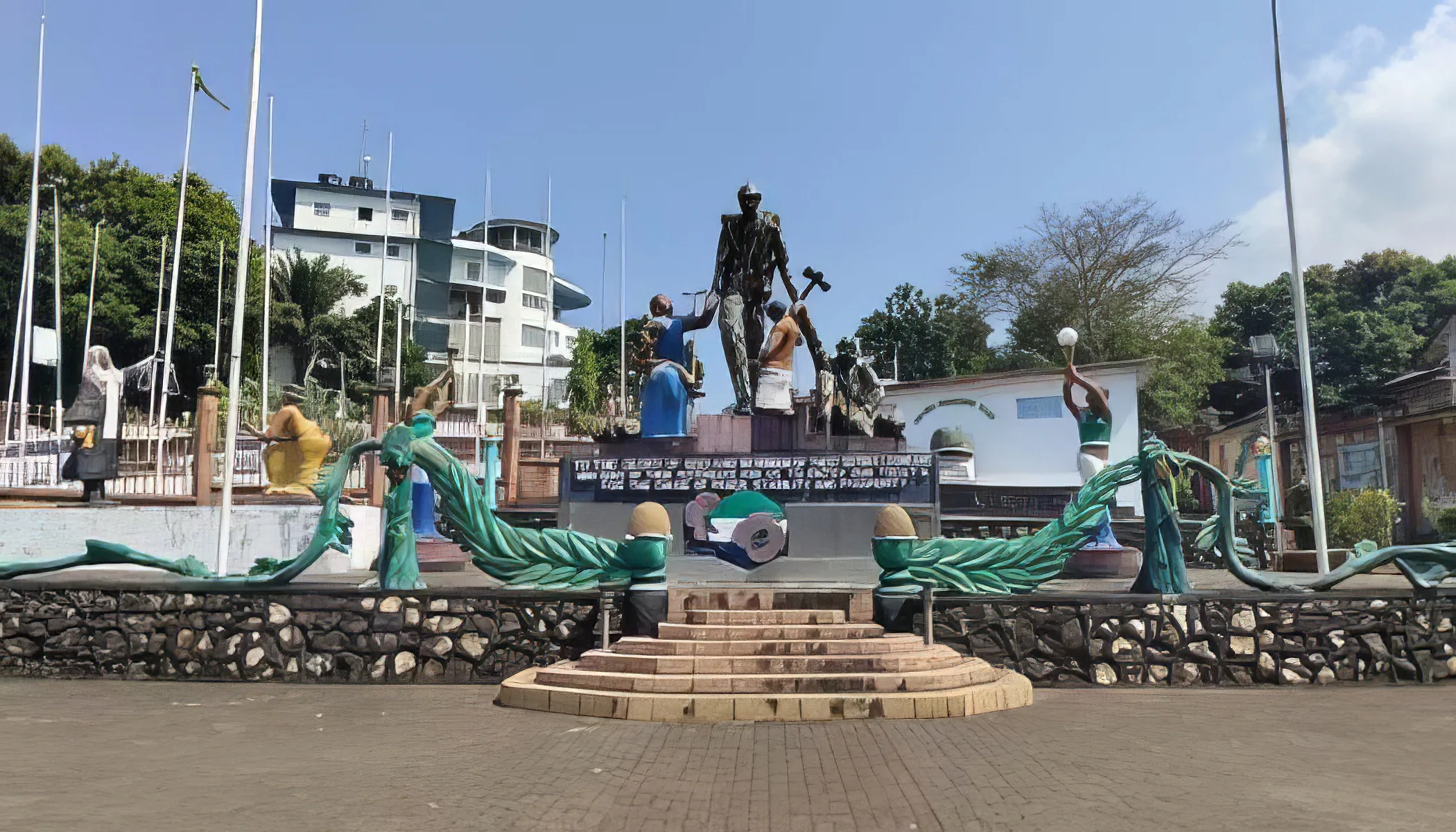
Sierra Leone supplies a variety of significant historical monuments to explore:
– Bunce Island: Notable for its role in the transatlantic slave trade, featuring preserved fort ruins.
– National Railway Museum, Freetown: Displays historical locomotives and artifacts from Sierra Leone's railway history.
– Cotton Tree, Freetown: Iconic symbol of freedom where freed slaves gathered under its branches in 1792.
– Sierra Leone Peace Museum, Freetown: Documents the country's civil conflict and peacebuilding efforts.
– Old Fourah Bay College, Freetown: Historic educational institution known as the "Athens of West Africa."
– St. John's Maroon Church, Freetown: One of the oldest churches in Sierra Leone with strong historical roots.
– King Jimmy Market and Wharf, Freetown: Historical market area vital for trade and local commerce since colonial times.
– Tacugama Chimpanzee Sanctuary near Freetown: Important site for chimpanzee conservation amidst natural settings.
Natural wonder
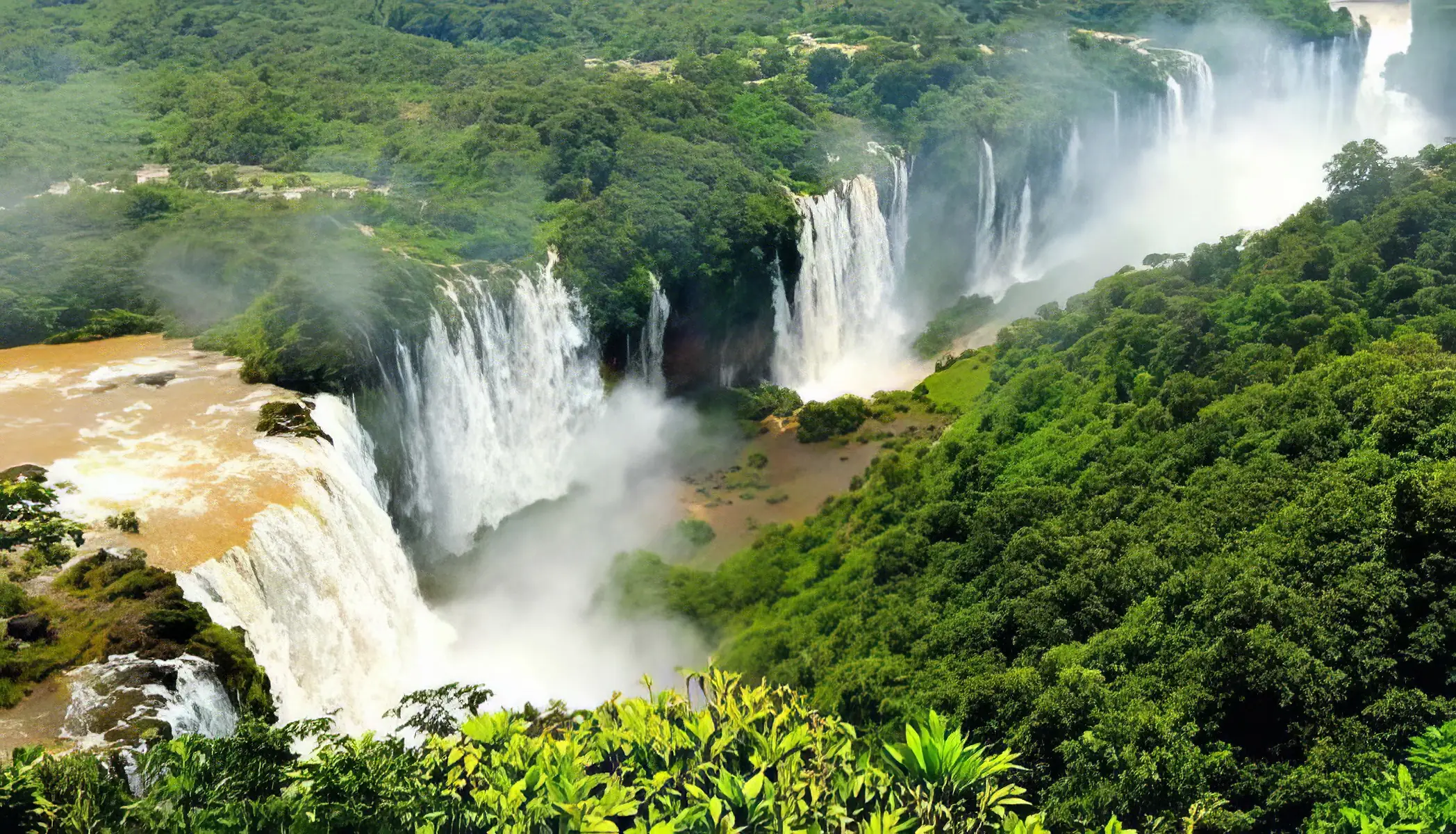
Explore Sierra Leone's diverse natural landscapes:
– Banana Islands: Known for its tropical forests and rich biodiversity.
– Tiwai Island Wildlife Sanctuary: Hosts rare wildlife, including pygmy hippos and 11 primate species.
– Loma Mountains: Features Mount Bintumani, the highest peak in Sierra Leone.
– Outamba-Kilimi National Park: Provides savannahs, forests, and abundant wildlife, including elephants.
– Gola Rainforest National Park: A biodiversity hotspot with rare bird species and luxurious rainforests.
– Tacugama Chimpanzee Sanctuary: A safe haven for rescued chimpanzees amidst scenic forest.
– Lake Sonfon: Sacred lake surrounded by hills and cultural significance to local tribes.
– Western Area Peninsula National Park: Encompasses diverse ecosystems from mountains to coastal forests.
Beaches
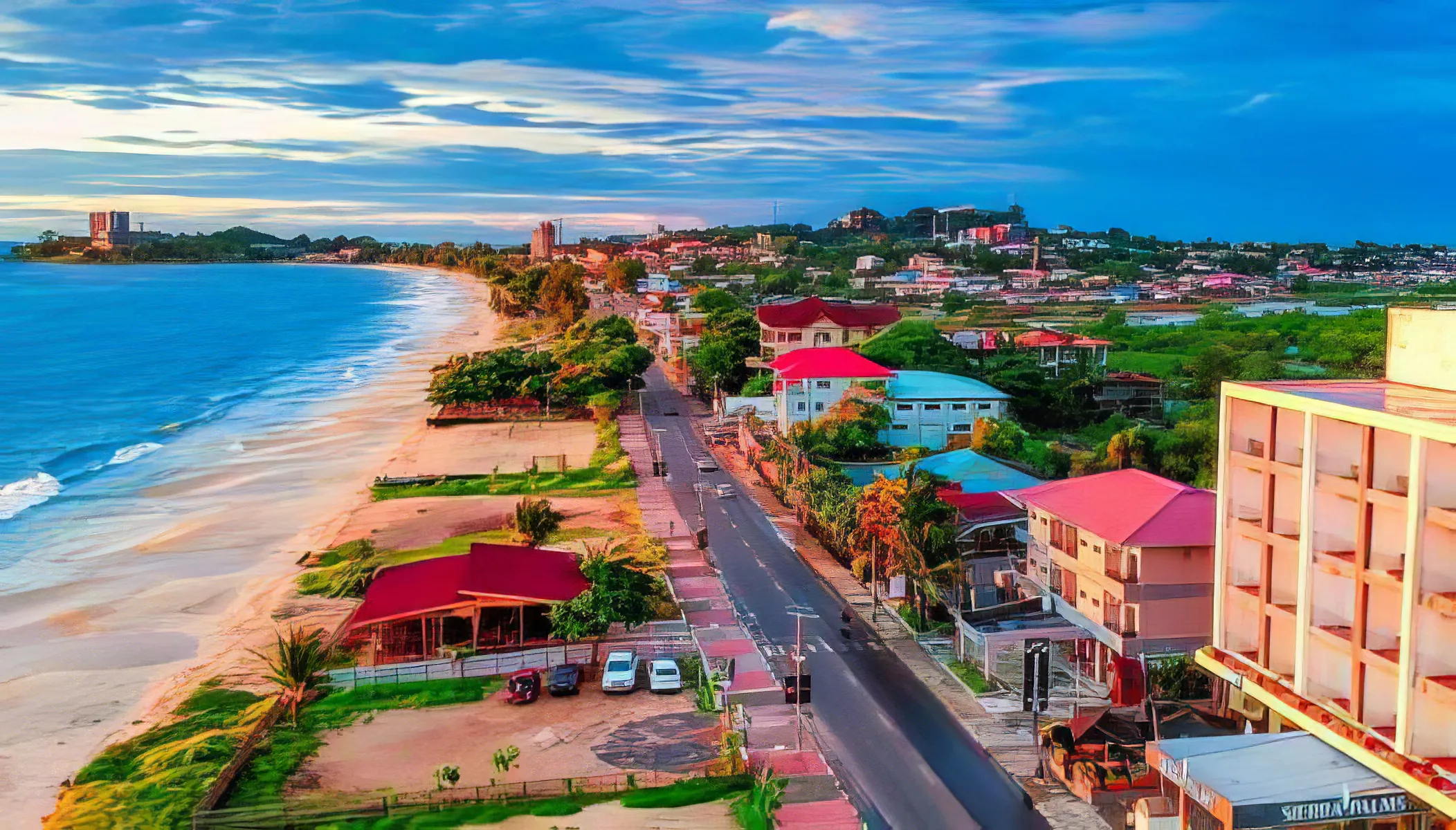
Sierra Leone is known for its beautiful coastline and beaches.
– River Number Two Beach: Supplies white sands and clear waters, popular for relaxation and picnics.
– Bureh Beach: Known for surfing opportunities and scenic landscape near the Bureh village.
– Tokeh Beach: Features golden sand and palm trees, close to luxury resorts.
– Lakka Beach: A quieter spot with local eateries, ideal for a peaceful visit.
– Kent Beach: Offers unspoiled beauty with fishing activities in a small village setting.
– John Obey Beach: Known for eco-tourism projects and community-based stays nearby.
– Lumley Beach: Popular urban beach in Freetown with restaurants, bars, and dynamic nightlife.
Outdoor activities
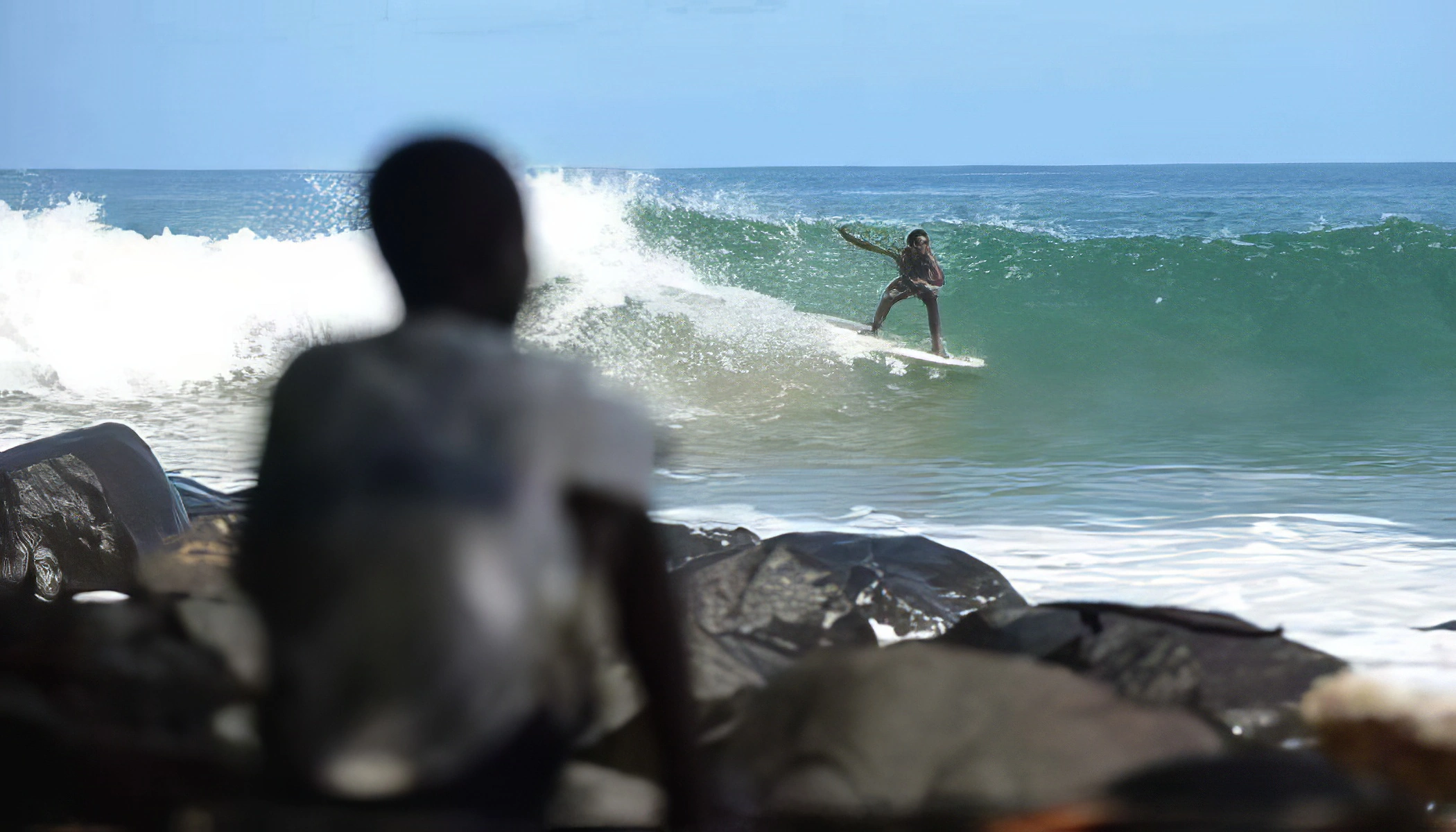
Explore the captivating outdoor activities ideal for adventure seekers in Sierra Leone:
– Beach Relaxation at River Number Two: Unwind on pristine sands and clear waters.
– Hiking in the Loma Mountains: Trek through dense forests to reach Mount Bintumani's summit.
– Wildlife Safari in Tiwai Island: Observe diverse primate species and riverine ecosystems.
– Boat Trip on Bunce River: Discover historical sites and mangrove forests.
– Bird Watching in Outamba-Kilimi National Park: Spot exotic birds in a easygoing setting.
– Kayaking along Banana Island: Paddle around scenic coastlines and explore small fishing villages.
– Fishing Trip at Turtle Islands: Experience traditional fishing methods with local communities.
Kid Friendly
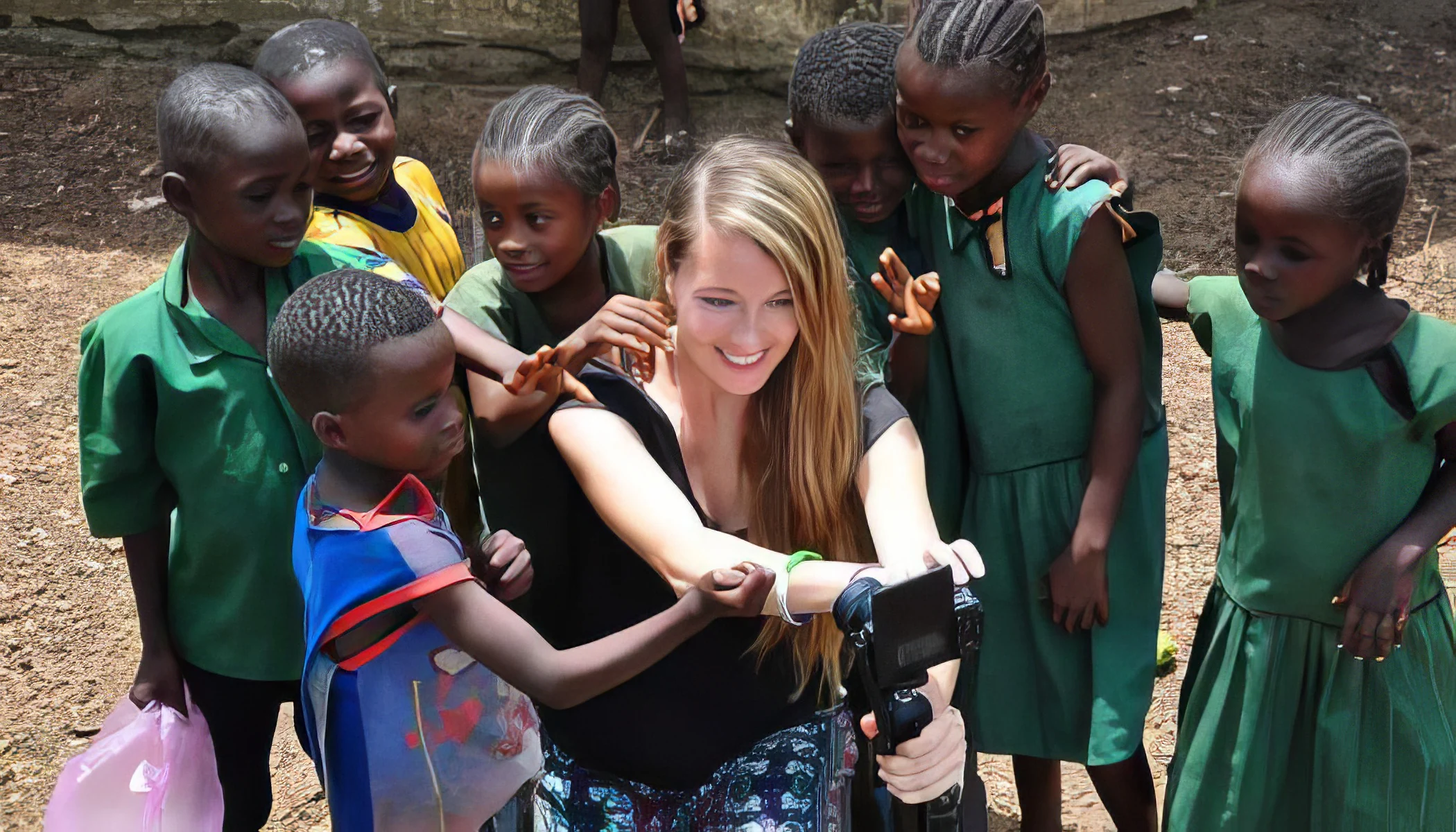
Sierra Leone offers unique experiences for families with kids to explore nature and culture.
– Tacugama Chimpanzee Sanctuary: A sanctuary where kids can learn about and see rescued chimpanzees in a natural environment.
– River Number Two Beach: A family-friendly beach known for its clear waters and safe swimming conditions.
– Banana Islands: An island getaway with opportunities for snorkeling, fishing, and exploring local villages.
– Tiwai Island Wildlife Sanctuary: A protected rainforest area where families can see native wildlife like monkeys and birds.
– Sierra Leone National Railway Museum: A museum showcasing historic trains that will intrigue young train enthusiasts.
– Wara Wara Mountains: Provides hiking trails with scenic views and chances to explore the local flora and fauna.
– Lumley Beach: A lively beach with safe swimming areas, ideal for children to play in the sand.
– Outamba-Kilimi National Park: Offers safari-style experiences where kids can spot elephants, hippos, and other animals in the wild.
Cuisine
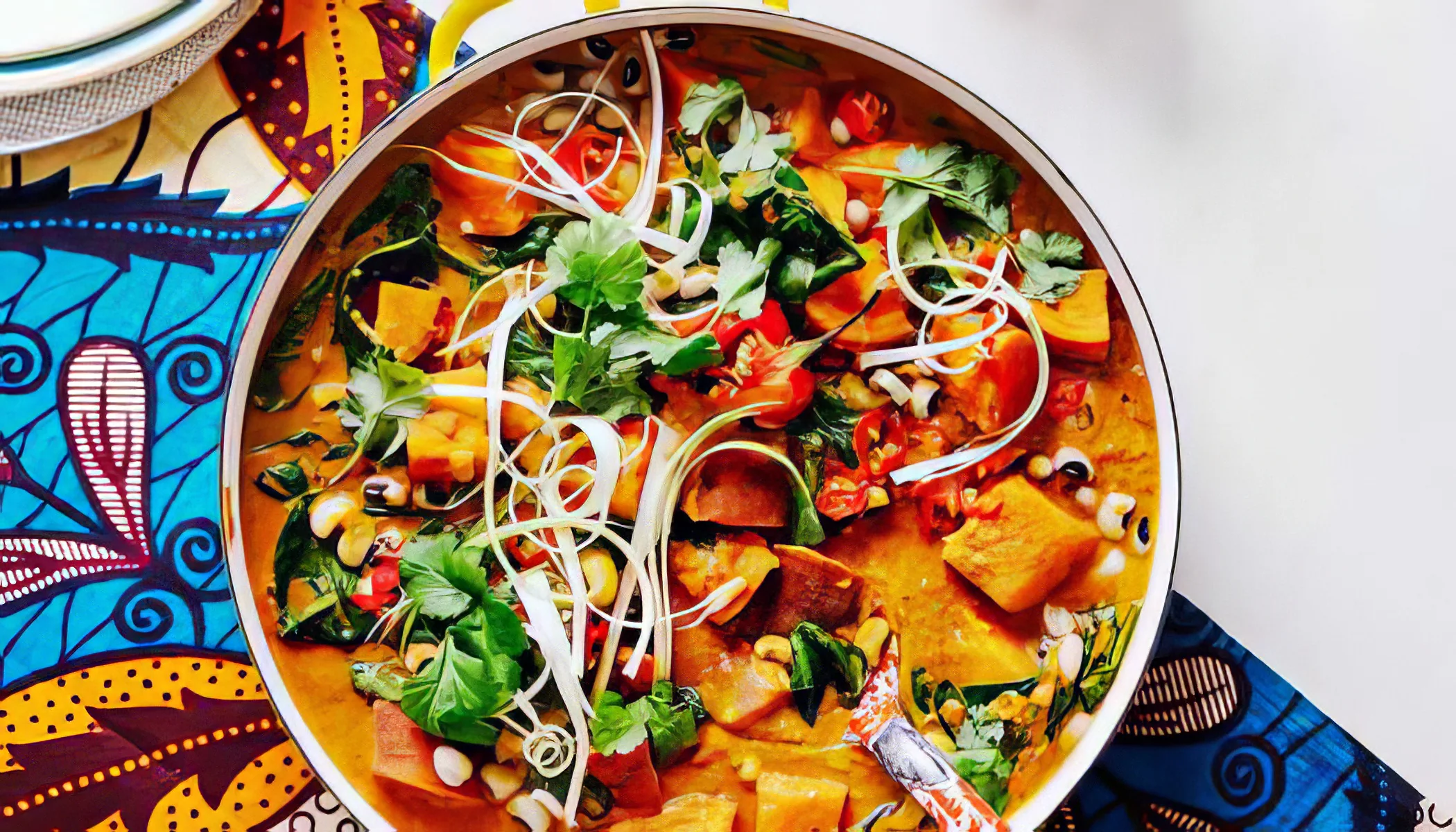
Sierra Leone's cuisine is characterized by hearty, flavorful dishes often centered around rice, stews, and local ingredients. Meals commonly include spicy seasonings and fresh seafood from the Atlantic coast. Street food and home-cooked meals are integral to the Sierra Leonean food culture. Notable dishes include:
– Jollof Rice: Spicy rice dish cooked with tomatoes, onions, peppers, and meats.
– Cassava Leaves: Stew made from cassava leaves, palm oil, fish or meat.
– Groundnut Stew: Rich, thick stew made with peanuts, vegetables, and meat.
– Okra Soup: Slimy textured soup with okra, fish or meat, and spices.
– Fry-Fry: Assorted fried snacks like plantains and puff-puffs sold by street vendors.
Souvenir
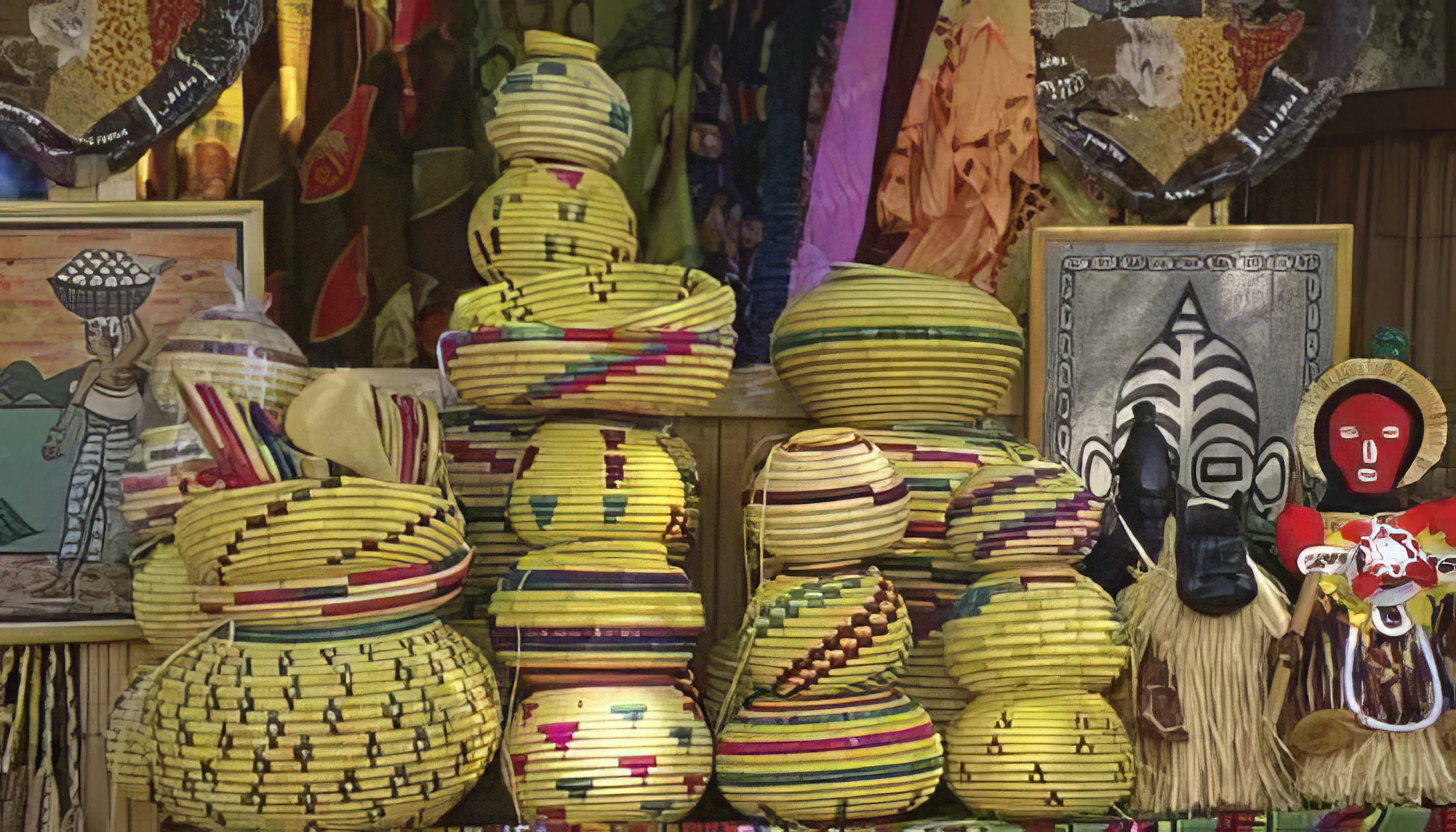
Known for its rich culture, Sierra Leone offers unique souvenirs that reflect its diverse heritage. Here are some popular options:
– Wooden Carvings: Handcrafted wooden sculptures depicting local wildlife and figures are common souvenirs.
– Batik Fabric: Colorful, wax-resist dyed cloth often used for clothing and home decor is widely available.
– Beaded Jewelry: Locally made necklaces, bracelets, and earrings featuring attractive beads are popular keepsakes.
– Traditional Masks: Intricately carved masks used in local ceremonies can be found in markets.
– Coconut Shell Crafts: Items made from coconut shells, such as bowls and jewelry, highlight local craftsmanship.
– Local Paintings: Artworks by Sierra Leonean artists often depict dynamic scenes of everyday life.
– Woven Baskets: Handmade baskets made from natural fibers are both functional and decorative.
Traditional Shows
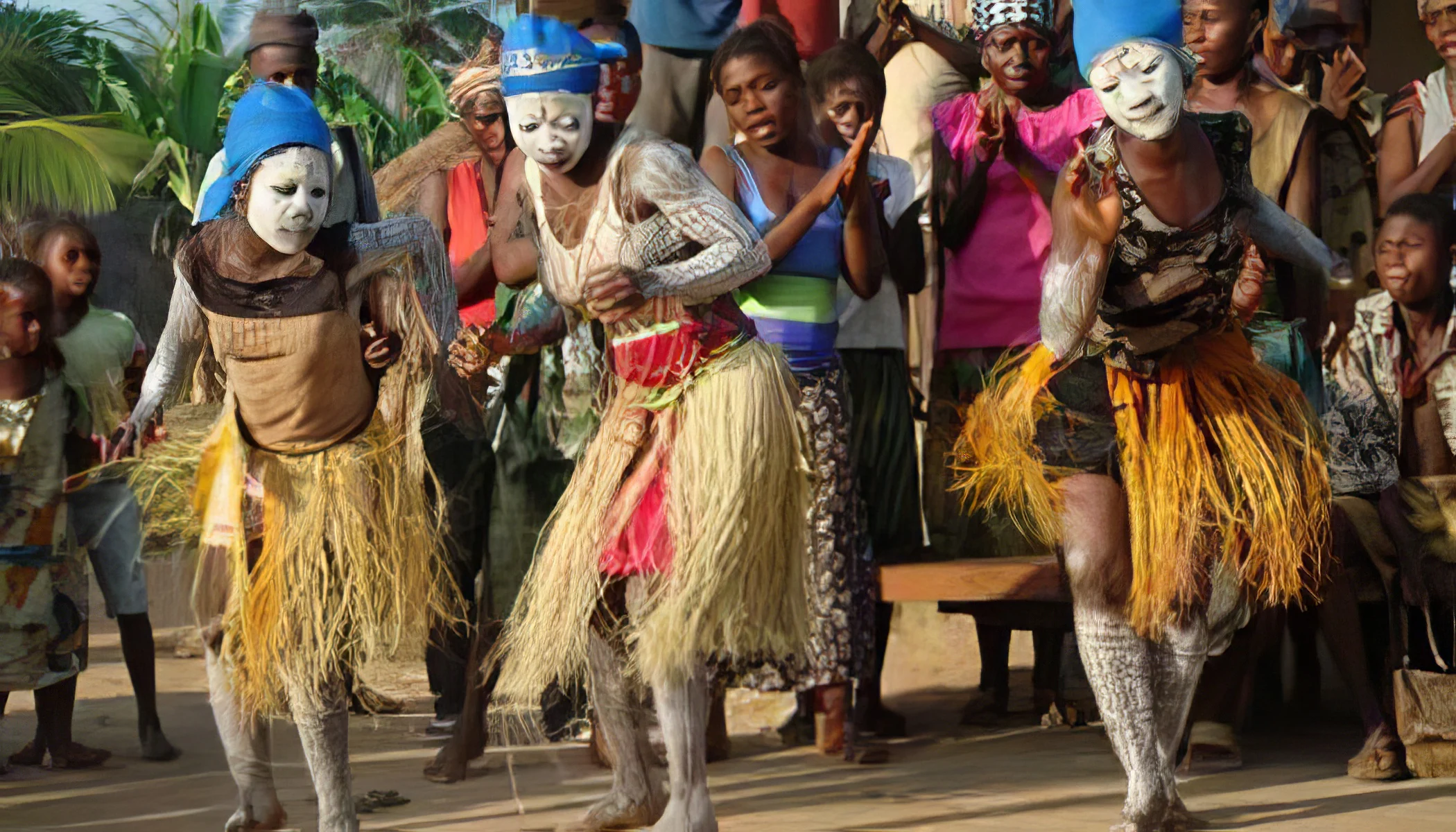
Sierra Leone boasts rich cultural performances rooted in its traditions:
– Bubu Music: Traditional high-energy music featuring bamboo flutes and drums, commonly played during festivals in villages across Sierra Leone.
– Sande Society Dances: Cultural dances performed by women, showcasing nice movements and storytelling, especially in local communities.
– Gumbay Dance: Energetic dance performance with drumming and singing, often seen during celebrations or community gatherings.
– Kono Cultural Dance: Traditional dances from the Kono district, highlighting local customs and community spirit through rhythmic moves and costumes.
– Krio Music: A blend of traditional and modern sounds reflecting Creole influences, commonly heard in urban areas like Freetown.
Events & Festivals
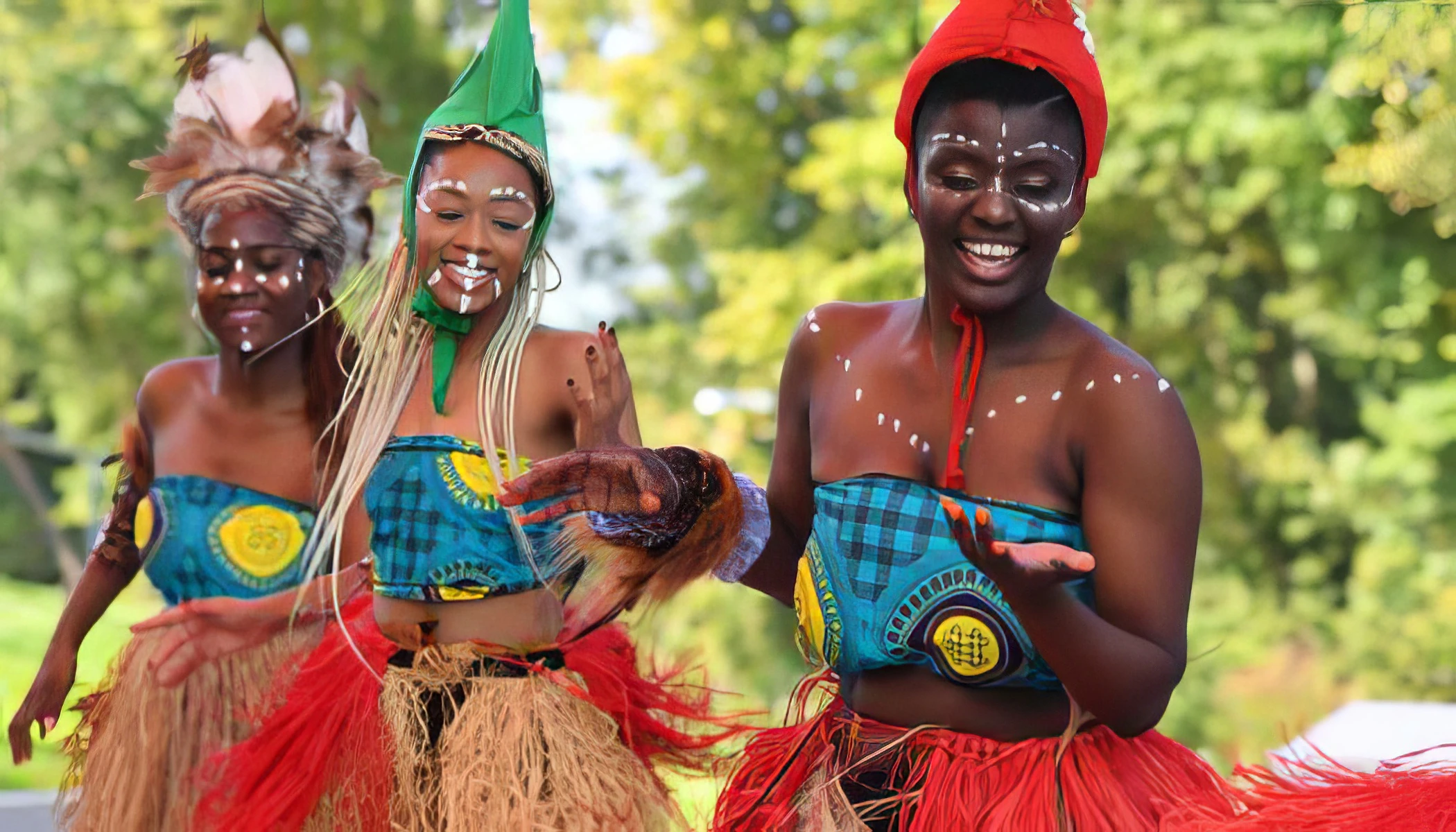
In Sierra Leone, various cultural and traditional events are celebrated throughout the year:
– Independence Day: Celebrated on April 27 with parades, music, and national pride.
– Ramadan and Eid al-Fitr: Observed by Muslims with fasting, prayers, and a feast marking the end of fasting.
– Eid al-Adha: Islamic festival involving prayers and animal sacrifices to honor Ibrahim's willingness to sacrifice his son.
– Christmas: Celebrated on December 25 with church services, family gatherings, and festive meals.
– Ma Dengn Beach Festival: Annual event in December showcasing local music, arts, crafts, and food along Sierra Leone's beaches.
– Freetown Music Festival: Features local musicians and diverse performances promoting Sierra Leonean culture in March.
– Lantern Festival: Held during Easter week with creative lantern displays and parades through the streets of Freetown.
Famous People

Sierra Leone has been home to notable individuals who have made significant impacts in various fields globally.
– Bai Bureh (1840 to 1908, Kasseh): Warrior and leader renowned for leading the Hut Tax War against British colonial forces.
– Siaka Stevens (1905 to 1988, Moyamba District): First President of Sierra Leone, pivotal in establishing a republic in 1971.
– Ahmad Tejan Kabbah (1932 to 2014, Pendembu): Served as President and helped end the Sierra Leone Civil War with peace efforts.
– Ishmael Beah (born 1980, Mogbwemo): Former child soldier turned author, famous for his memoir "A Long Way Gone."
– Mohamed Kallon (born 1979, Kenema): Professional footballer celebrated for his international career and contributions to sports in Sierra Leone.
Books
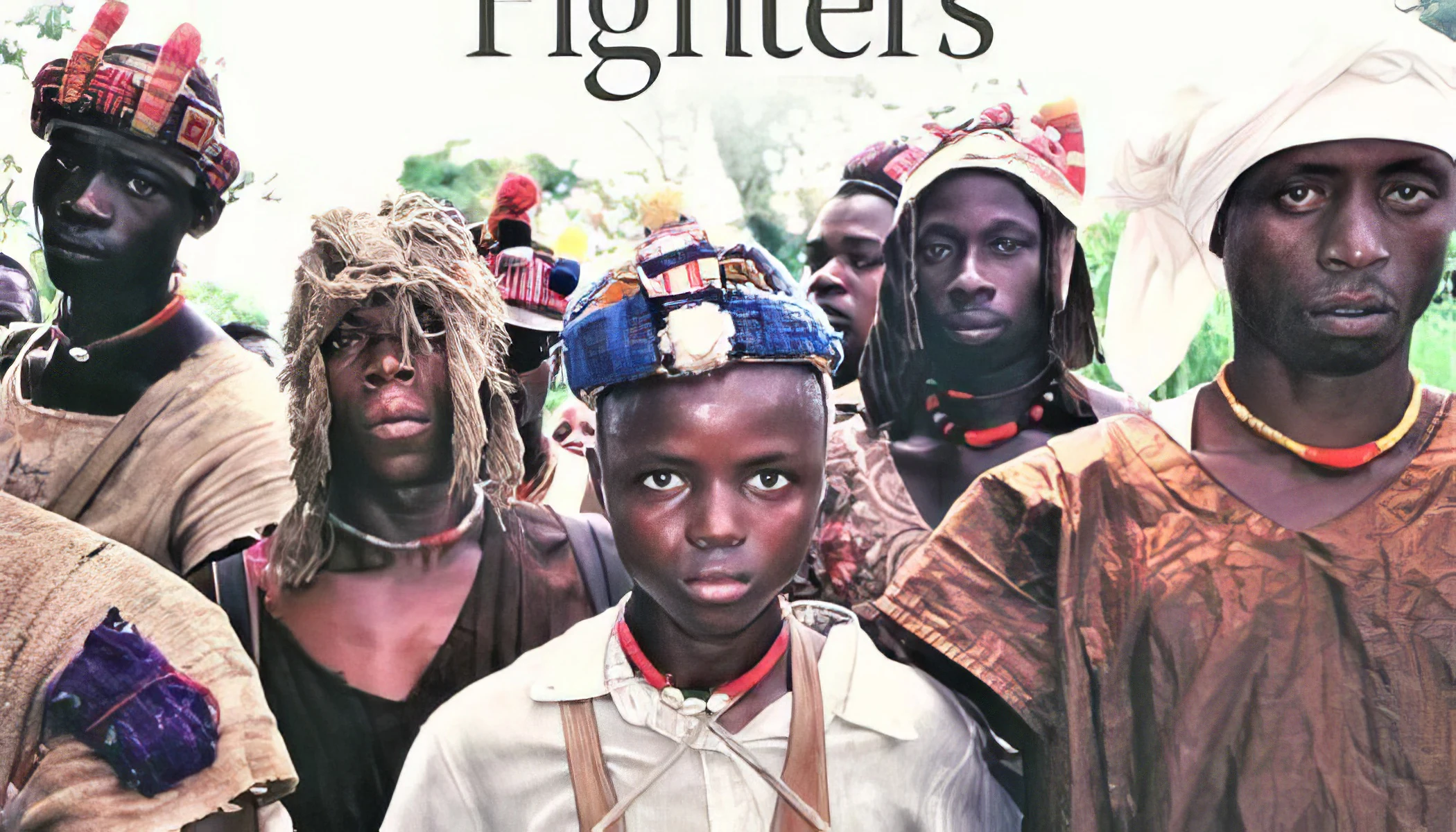
These books delve into Sierra Leone's complex history, its civil war, and the resilience of its people through both fiction and non-fiction narratives.
– "A Long Way Gone" by Ishmael Beah: Memoir of a child soldier's experiences during Sierra Leone's civil war.
– "The Memory of Love" by Aminatta Forna: Explores post-war healing and personal stories in Sierra Leone.
– "Radiance of Tomorrow" by Ishmael Beah: Follows a village rebuilding after the civil war's devastation.
– "The Bite of the Mango" by Mariatu Kamara: A personal account of surviving brutality during Sierra Leone's conflict.
– "Ancestor Stones" by Aminatta Forna: Chronicles the lives of four women across generations amid changing times in Sierra Leone.
Songs

Sierra Leone's music scene features a rich tapestry of genres, reflecting its cultural diversity and history.
– Sweet Salone by Emerson: Celebrates Sierra Leone's beauty and cultural richness with upbeat rhythms.
– Borbor Bele by Arkman: Popular dancehall track embodying attractive energy and street culture.
– Kotoku by Dr. Oloh: Classic highlife song known for its catchy melody and social themes.
– Survivor by Refugee All Stars: Captures resilience during the Sierra Leone Civil War.
– Nor Look Me Lek Bushman by Daddy Saj: Critiques societal issues using humor and wit.
– Talk U Mind by Emmerson: Politically charged anthem encouraging citizens to voice their concerns.
Films
Here are notable films that explore themes related to Sierra Leone:
– "Blood Diamond": Edward Zwick's film follows a mercenary and a fisherman during Sierra Leone's civil war, highlighting conflict diamonds.
– "Cry Freetown": A documentary by Sorious Samura, exposing the horrors of the Sierra Leone Civil War.
– "Ezra": Directed by Newton Aduaka, it tells the story of a child soldier struggling to reintegrate after the civil war.
– "Rebel Gold": Focuses on the personal stories affected by Sierra Leone's resources and conflicts.
– "War Don Don": A documentary about the trial of Issa Sesay at the Special Court for Sierra Leone in Freetown.