

Explore Singapore: Culture, Cities & Places to Visit
This small island nation in Southeast Asia is a global financial hub. Known for its clean streets, modern architecture, and diverse food scene, it also boasts a tropical climate. Its multicultural population contributes to a rich cultural tapestry.
- Capital
- Singapore
- Population
- 4.8 millions
- Superficy
- 1000 sq.km
- Months to Visit
- Feb. to April & July to Sept.
- Living Cost
- Expensive
Overview
Singapore is a small island city-state located off southern Malaysia. Known for its multicultural population, it's a global hub for finance, technology, and commerce. The city is famous for its clean streets, modern architecture, and strict regulations. Singapore's Changi Airport is consistently ranked as one of the best in the world. The country offers a variety of attractions, including the Gardens by the Bay, Marina Bay Sands, and the historic Raffles Hotel. Despite its small size, Singapore's efficient use of space and forward-thinking policies make it a significant player on the global stage.
Pros & Cons
GOOD REASONS TO VISIT SINGAPORE
– Clean and Safe: Singapore is known for its cleanliness, safety, and strict laws, providing a secure environment for tourists.
– Cultural Diversity: Experience a mix of cultures, including Chinese, Malay, and Indian, reflected in food, festivals, and architecture.
– Modern Infrastructure: Enjoy efficient public transport, high-tech attractions, and impressive skyline featuring Marina Bay Sands and Gardens by the Bay.
– Food Paradise: Hawker centres offer a variety of affordable, delicious local dishes like Hainanese chicken rice and chili crab.
– Shopping: From high-end brands at Orchard Road to budget-friendly items at Bugis Street, Singapore caters to all shoppers. CHALLENGES WHEN VISITING SINGAPORE
– High Cost: Compared to other Southeast Asian countries, Singapore's cost of living and tourism expenses are relatively high.
– Strict Laws: Laws against littering, jaywalking, and chewing gum are strictly enforced, which may surprise some visitors.
– Limited Natural Scenery: While there are green spaces, Singapore's small size and urban development limit natural landscapes.
Before Departure
Before planning your trip to Singapore, consider the following essential information:
– Passport: Ensure your passport is valid for at least six months beyond your departure date.
– Visa: Depending on your nationality, a visa may not be required for stays up to 90 days. Check Singapore's visa policy for your specific country.
– Currency: The local currency is Singapore Dollar (SGD). Credit cards are widely accepted and ATMs are readily available.
– Internet access: Free public WiFi is available in many areas. Prepaid SIM cards for data are easily purchasable.
– Language barrier: English is one of the official languages and is widely spoken. Other official languages include Malay, Mandarin, and Tamil.
What to Pack
Packing for a trip to Singapore requires consideration of its tropical climate, urban environment, and strict laws.
– Essentials: Passport, travel insurance details, flight tickets, itinerary, accommodation reservations, and credit/debit cards.
– Clothing: Lightweight and breathable clothing, comfortable walking shoes, swimwear (for hotel pools), a light jacket for air-conditioned places, and a raincoat or umbrella for sudden showers.
– Health & Safety: Prescription medications, basic first aid kit, sunscreen with high SPF, personal hygiene items, and hand sanitizer.
– Electronics: Travel adapter for Singaporean outlets, mobile phone, camera, portable charger, and noise-cancelling headphones for the flight.
Weather
Singapore experiences a tropical rainforest climate with no distinctive seasons:
– Throughout the year (January to December): Singapore has a consistent climate, with temperatures ranging from 25°C to 31°C. Rainfall is fairly evenly distributed throughout the year, but November to January sees slightly more rain due to the Northeast Monsoon. The best time to visit Singapore is during July to September:
– This period coincides with the city's festive season, offering a attractive cultural experience.
– However, it's also peak tourist season, so expect higher prices and larger crowds.
Travel Budget
Singapore is known for its high cost of living. Here are some average costs for tourists:
– Hotel: 100$ to 300$
– Lunch: 10$ to 30$
– Beverage (in bar/restaurant): 8$ to 15$
– Coffee: 3$ to 7$
– Transportation: (train 1$ to 2$), (bus 1$ to 2$), (taxi /10km 10$ to 20$)
– Mobile data (per GB): 5$ to 10$
Language
Singapore is a multilingual country, but English is widely spoken. Here are some Singlish (Singaporean English) phrases that might be useful:
– Can or not?: Is it possible?
– Don't play play: Don't joke around
– Go where?: Where are you going?
– Got meh?: Really?
– How much?: What's the cost?
– Can help or not?: Can you help me?
– Wait long long: You'll have to wait a long time
– Eat already?: Have you eaten?
– Very shiok: Very satisfying or enjoyable
– Can lah: Yes, it's possible.
History
Singapore's history began as a trading post for the East India Company in 1819, under British control. It became a fully-fledged crown Colony in 1867. During World War II, it was occupied by the Japanese from 1942 to 1945. After the war, Singapore moved towards self-governance, joining the Federation of Malaysia in 1963. However, due to ideological differences, it was expelled and declared independence on 9th August 1965. Since then, Singapore has developed rapidly into a highly developed and prosperous nation.
Geopolitics
Singapore is a city-state located at the southern tip of the Malay Peninsula in Southeast Asia. It is strategically positioned on major sea lanes and its port is one of the busiest in the world. Singapore maintains a neutral foreign policy, seeking good relations with all countries. It is a member of ASEAN and has strong economic ties with both Western and Asian countries. Despite its small size, Singapore plays a significant role in regional diplomacy and security, often acting as a mediator in international disputes. Its geopolitical significance is largely due to its economic strength, strategic location, and active diplomacy.
Sample Itinerary
This itinerary offers a blend of cultural, historical, and modern attractions in Singapore, including Gardens by the Bay, Sentosa Island, and Marina Bay Sands.
– 1 day in Marina Bay: Visit Marina Bay Sands, ArtScience Museum, and enjoy the Spectra light and water show.
– 1 day in Gardens by the Bay: Explore the Flower Dome, Cloud Forest, and Supertree Grove. Enjoy the Garden Rhapsody light and sound show.
– 1 day in Sentosa Island: Experience Universal Studios, S.E.A. Aquarium, and the beaches. Take a cable car ride for panoramic views.
– 1 day in Chinatown: Visit Buddha Tooth Relic Temple, Sri Mariamman Temple, and explore the markets for souvenirs.
– 1 day in Orchard Road: Shop at high-end malls, dine at upscale restaurants, and explore the Istana Park.
Popular cities
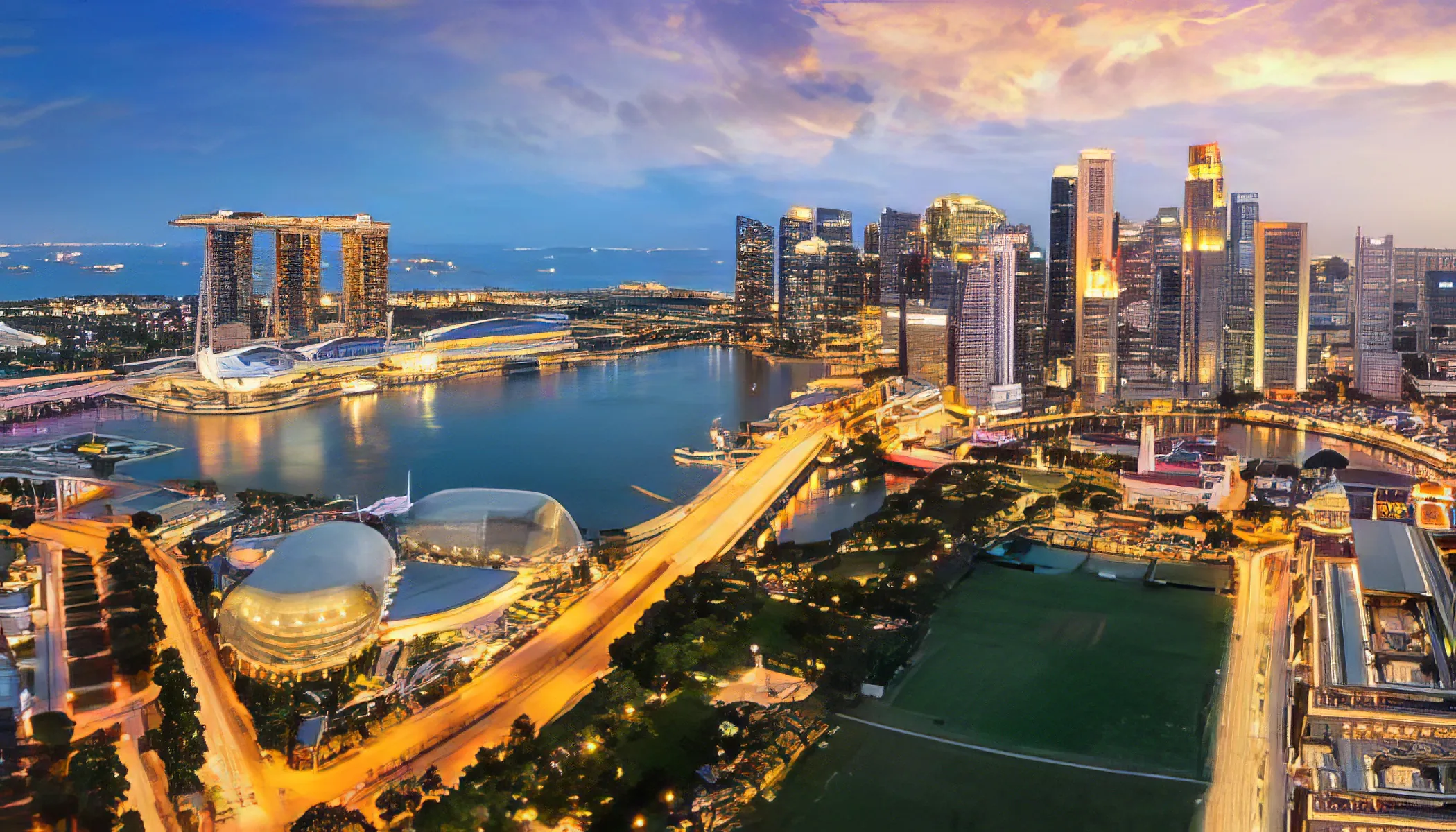
Singapore is a city-state, so it doesn't have separate cities. However, it has distinct districts that tourists often visit:
– Marina Bay: Known for its handsome skyline, luxury hotels, and the Marina Bay Sands complex.
– Orchard Road: A famous shopping street with high-end stores, restaurants, and hotels.
– Clarke Quay: A riverside quay with lovely nightlife, restaurants, and night markets.
– Chinatown: Offers traditional Chinese shops, markets, and temples.
– Little India: Known for its lively culture, colorful shops, and Indian cuisine.
– Sentosa Island: A resort island with beaches, theme parks, and attractions.
– Tiong Bahru: A hip neighborhood with art deco buildings, indie boutiques, and trendy cafes.
Monuments
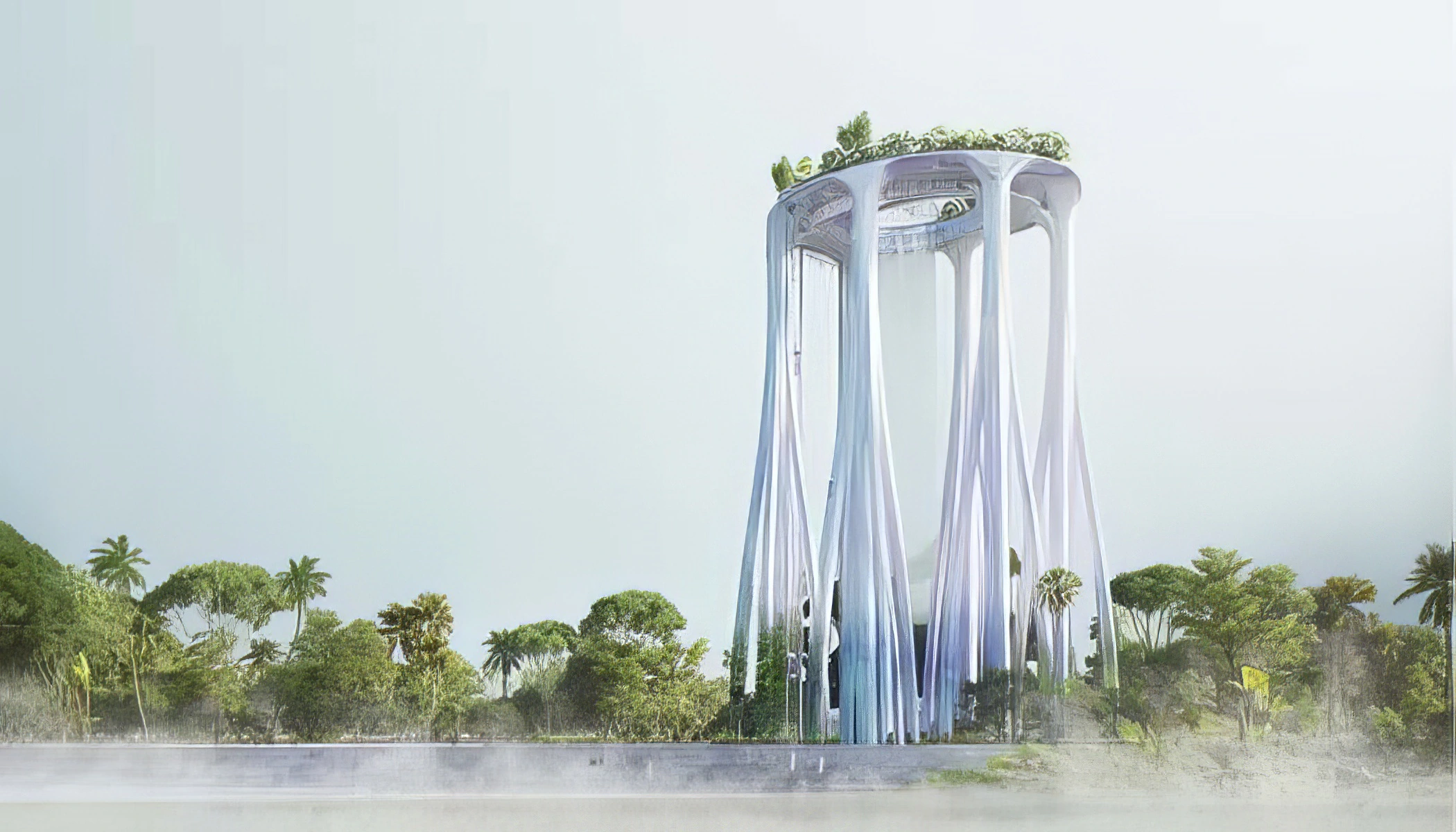
Singapore is home to a variety of unique and historical monuments:
– Marina Bay Sands: Iconic hotel with a rooftop infinity pool and panoramic city views.
– Gardens by the Bay: Futuristic park with super trees and biodomes housing diverse plant life.
– Raffles Hotel: Colonial-style luxury hotel, a national monument with a rich history.
– Merlion Park: Home to Singapore's mythical creature, half-lion, half-fish, overlooking Marina Bay.
– Buddha Tooth Relic Temple: Tang-styled Buddhist temple housing a tooth relic of the Buddha.
– The Helix Bridge: Inspired by DNA structure, this pedestrian bridge offers handsome Marina Bay views.
– Chijmes: A historic building complex with Gothic-style chapel, now a dining and entertainment hub.
– Fort Canning Park: Historic hilltop park with ancient artefacts, spice gardens and colonial-era landmarks.
Natural wonder
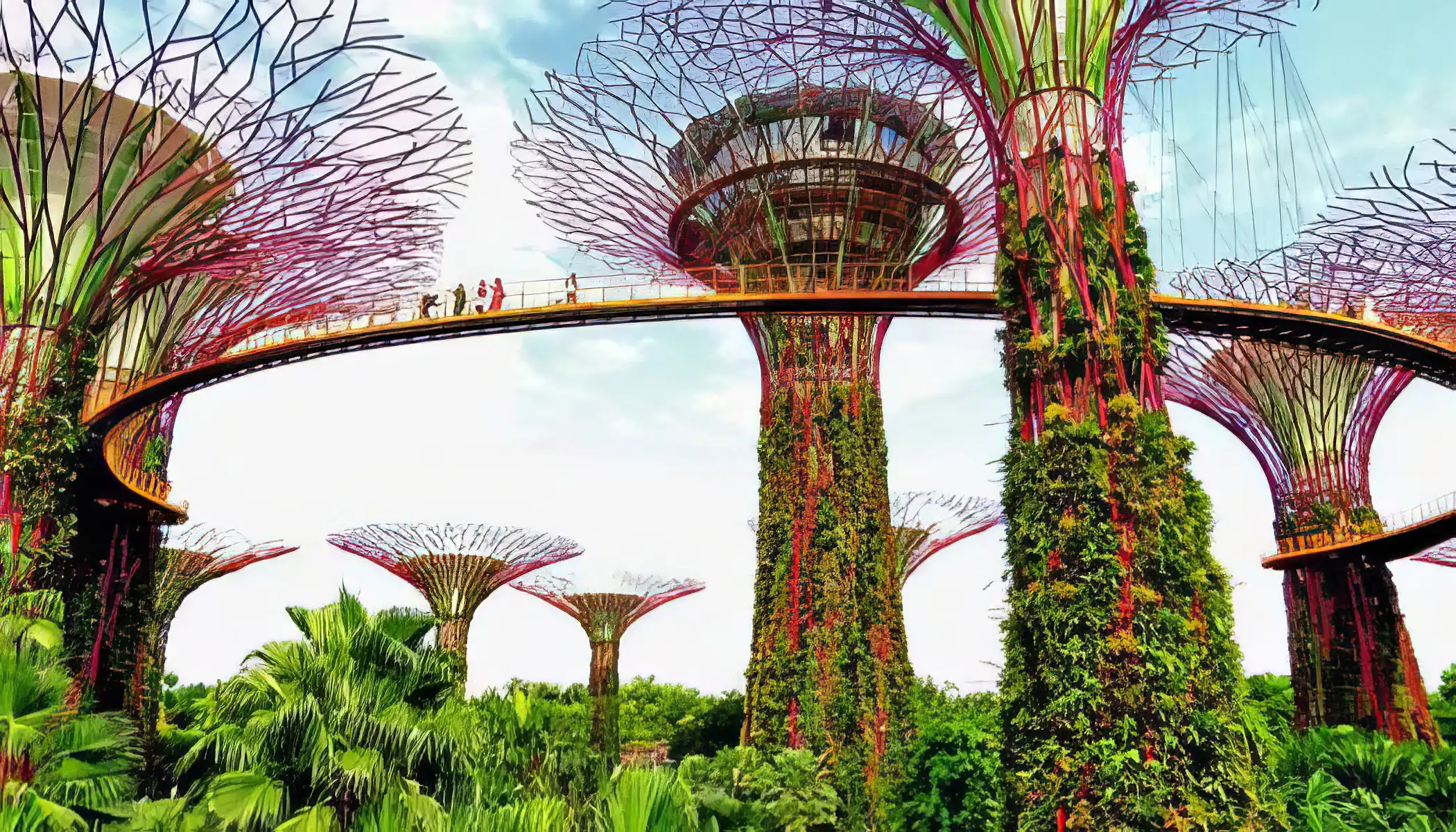
Explore the natural wonders of Singapore:
– Gardens by the Bay: A futuristic park with super trees and biodomes.
– Singapore Botanic Gardens: A UNESCO World Heritage Site with a rich plant collection.
– Bukit Timah Nature Reserve: Singapore's highest hill, home to diverse flora and fauna.
– Sungei Buloh Wetland Reserve: A haven for migratory birds and diverse wildlife.
– Pulau Ubin: An island retreat with rich biodiversity and traditional village life.
– MacRitchie Reservoir: Offers treetop walks and nature trails around Singapore's oldest reservoir.
– East Coast Park: A beach park with cycling and walking paths.
– Labrador Nature Reserve: Coastal reserve with World War II relics and diverse wildlife.
– Southern Ridges: A 10km trail connecting parks with bridges and forest walks.
– Mount Faber Park: Offers panoramic views of the city from a cable car.
Beaches
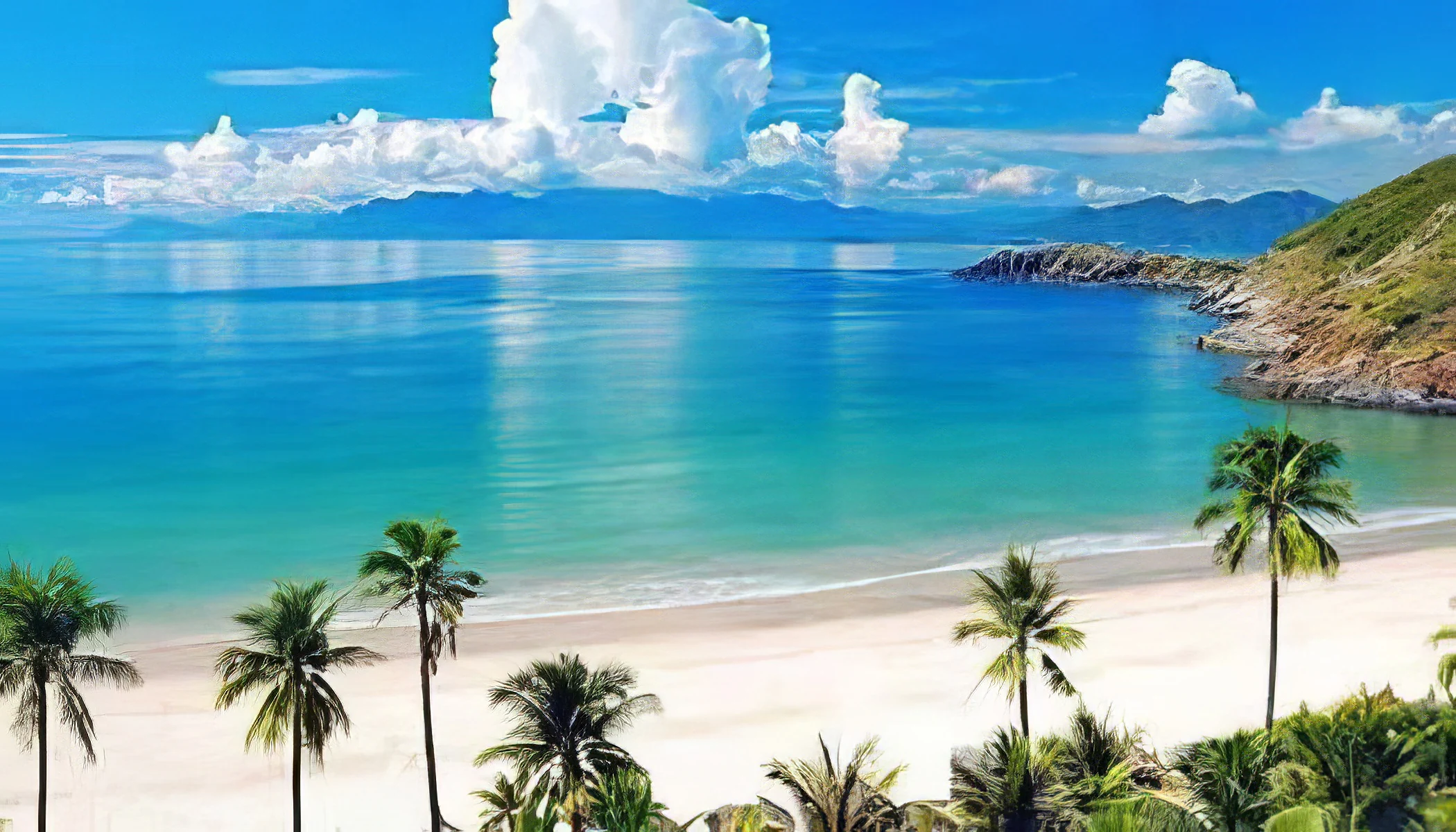
Singapore, being an island city-state, has a few beaches to offer:
– Sentosa Beach: A man-made beach known for its lively atmosphere and water sports.
– East Coast Park Beach: Popular for barbecues, cycling, and water sports.
– Palawan Beach: Family-friendly beach with a suspension bridge to a small islet.
– Tanjong Beach: Known for its tranquility and the Tanjong Beach Club.
– Punggol Beach: Historical site with a quiet atmosphere, popular for photography.
– Changi Beach: Offers a park, coastal walk, and a view of planes landing.
– Lazarus Island Beach: A harmonious and less crowded beach, accessible by ferry.
Outdoor activities
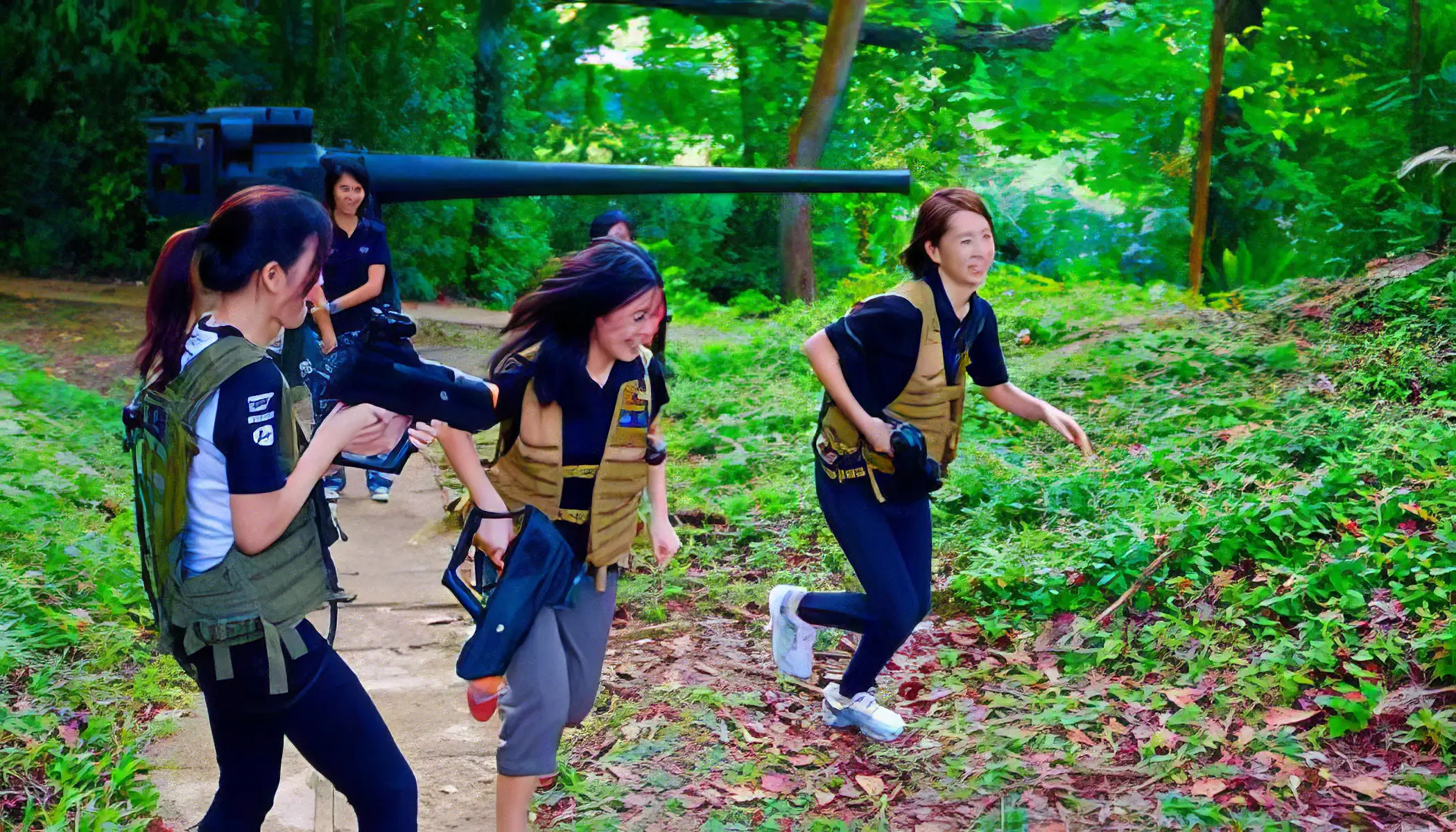
Singapore offers a variety of outdoor experiences that cater to different interests and preferences:
– Gardens by the Bay: Explore the futuristic Supertree Grove and Cloud Forest.
– East Coast Park: Enjoy cycling, barbecuing, and water sports along the beach.
– MacRitchie Reservoir: Hike through the nature reserve and cross the TreeTop Walk.
– Pulau Ubin: Experience rustic island life with cycling and kayaking.
– Night Safari: Discover nocturnal animals in the world's first night zoo.
– Marina Bay Sands Skypark: Enjoy panoramic city views from the observation deck.
– Sentosa Island: Engage in various beach activities and visit Universal Studios.
Kid Friendly

Singapore offers a variety of activities that are perfect for children:
– Gardens by the Bay: A nature park spanning 101 hectares of reclaimed land in central Singapore.
– Universal Studios Singapore: A theme park located within Resorts World Sentosa on Sentosa Island.
– Singapore Zoo: A rainforest zoo that houses over 300 species of mammals, birds and reptiles.
– S.E.A. Aquarium: One of the world's largest aquariums, home to more than 100,000 marine animals.
– KidZania Singapore: An interactive city made for children 2-14 that combines inspiration, fun and learning through realistic role-play.
– Jurong Bird Park: Asia's largest bird park, offering a 20.2-hectare hillside haven for more than 5,000 birds across 400 species.
– Adventure Cove Waterpark: A tropical paradise with an escapade for everyone, from thrilling slides to a lazy river.
– Science Centre Singapore: A scientific institution in Jurong East, Singapore, specialising in the promotion of scientific and technological education for the general public.
Cuisine
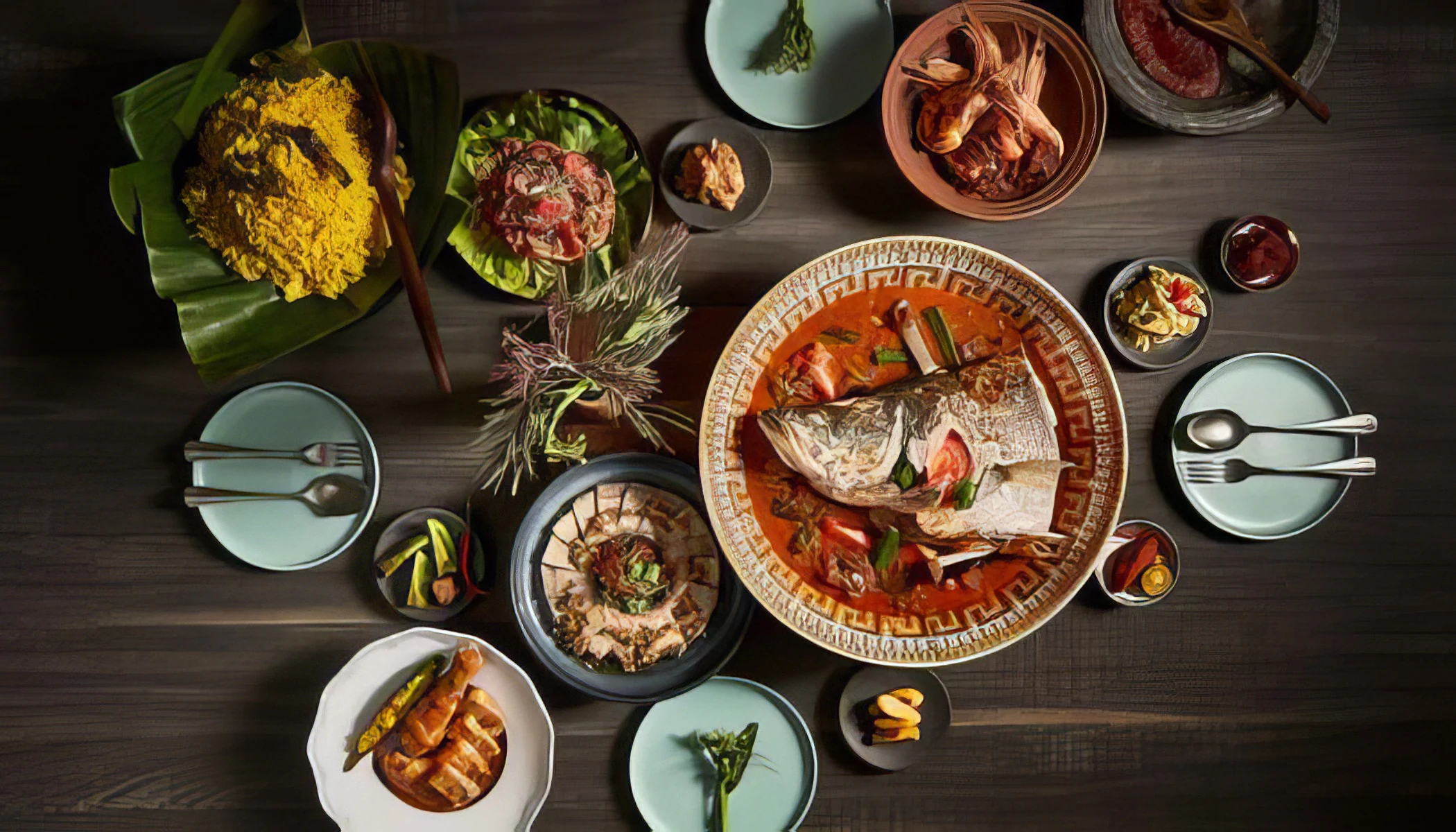
Singapore's food scene is a vibrant mix of traditional and modern, with influences from Chinese, Malay, Indian, and Western cuisines. Hawker centers are the heart of the food culture, offering a wide range of affordable dishes. The city-state's multicultural heritage is reflected in its diverse food offerings.
– Hainanese Chicken Rice: Poached chicken served with fragrant rice and chili sauce.
– Chilli Crab: Mud crabs stir-fried in a sweet, savory and spicy sauce.
– Laksa: Spicy noodle soup with coconut milk, prawns, and fish cakes.
– Roti Prata: Indian-influenced flatbread, served with curry.
– Satay: Skewered and grilled meat, served with peanut sauce.
– Ice Kacang: Shaved ice dessert with sweet syrup, jelly, and red beans.
Souvenir
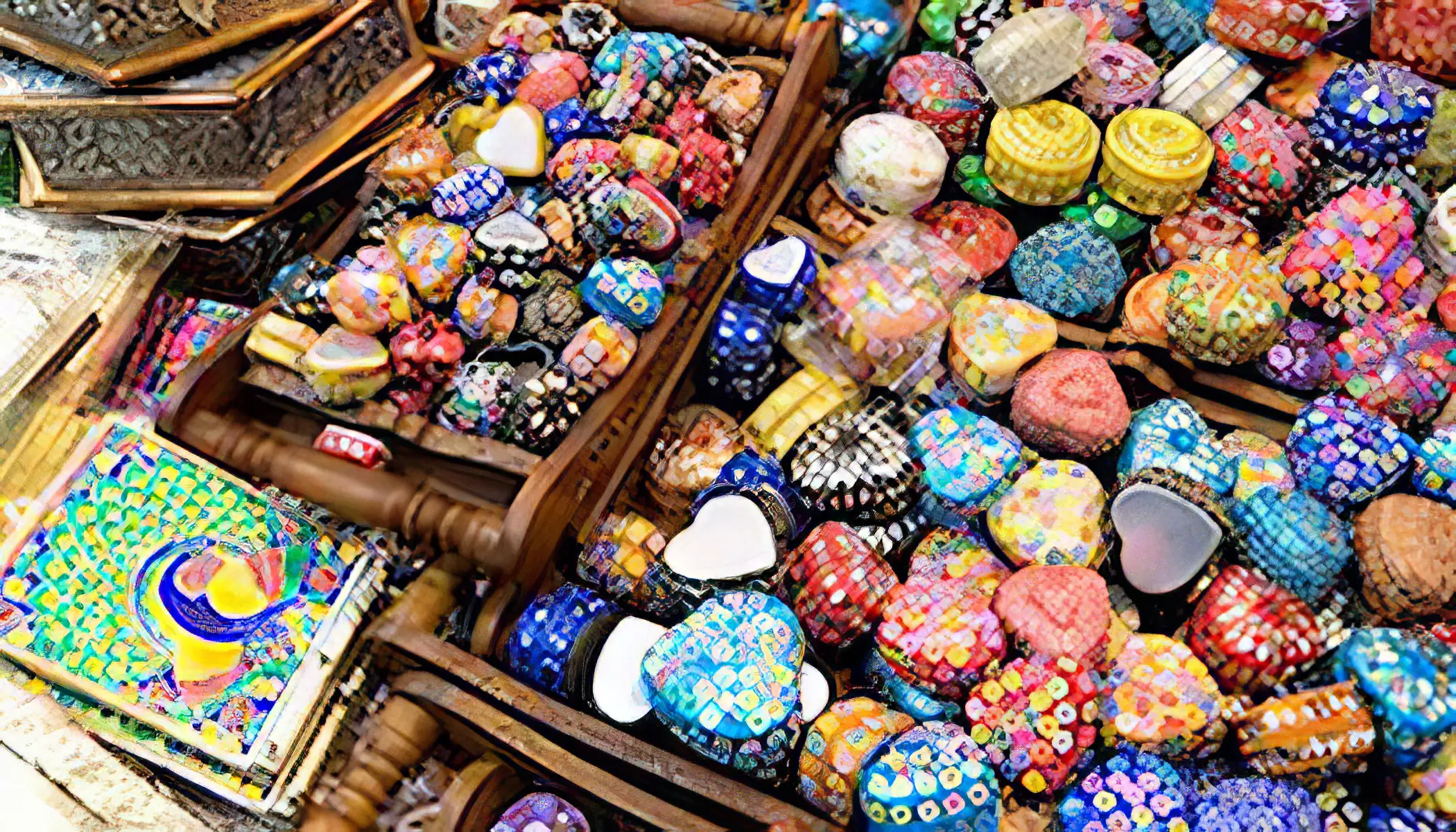
Singapore is a lovely city-state with a rich cultural heritage, reflected in its diverse range of souvenirs. Here are some popular items to consider:
– Merlion Souvenirs: The Merlion is the national symbol of Singapore, and you can find it on various souvenirs.
– Orchid Perfumes: Singapore is famous for its orchids, and orchid-infused perfumes are a popular souvenir.
– Singapore Sling: This is a famous cocktail in Singapore, and pre-mixed bottles are available for purchase.
– Bak Kwa: This is a type of sweet and salty barbecued pork, a popular snack in Singapore.
– Peranakan Wares: These are traditional items from the Peranakan culture, including clothing, jewelry, and ceramics.
– Kaya Jam: This is a sweet coconut jam, a staple in Singaporean breakfasts.
– Gold Plated Orchid: These are real orchids plated in 24K gold, a unique and luxurious souvenir.
Traditional Shows
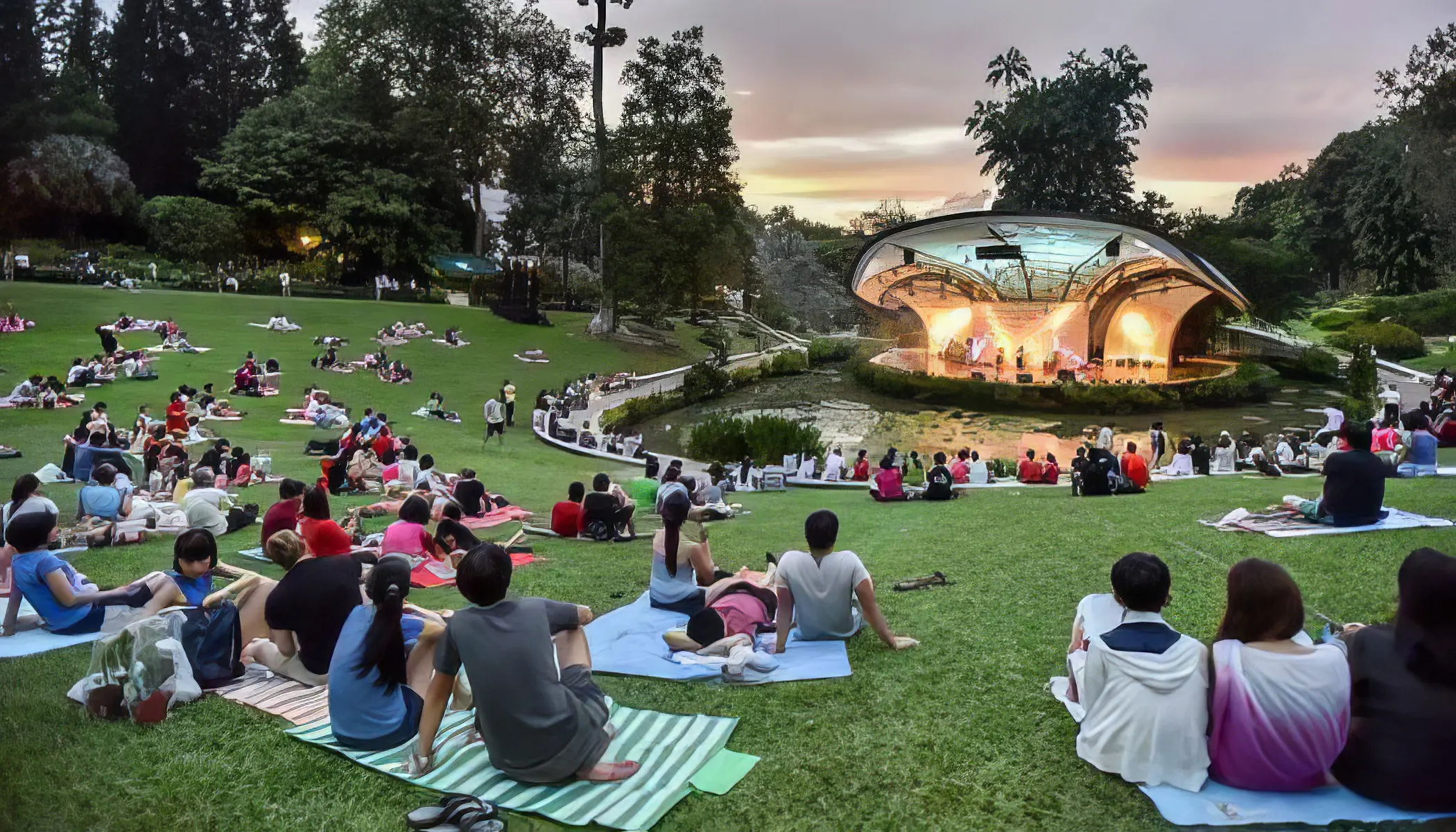
Singapore is a hub for diverse traditional performances:
– Chinese Opera: Witness this ancient art form, combining music, vocal performance, and martial arts at the Chinese Theatre Circle in Singapore.
– Bharatanatyam Recitals: Experience this classical Indian dance form, rich in rhythm and storytelling, at the Temple of Fine Arts.
– Malay Dance Performances: Enjoy traditional Malay dance, a blend of indigenous and Indonesian influences, at the Malay Heritage Centre.
– Wayang Kulit: Discover traditional shadow puppetry at the Malay Heritage Centre, a unique storytelling medium with roots in ancient Southeast Asia.
– Singapore Symphony Orchestra: Listen to classical music performances at the Victoria Concert Hall, showcasing Singapore's musical talent.
Events & Festivals
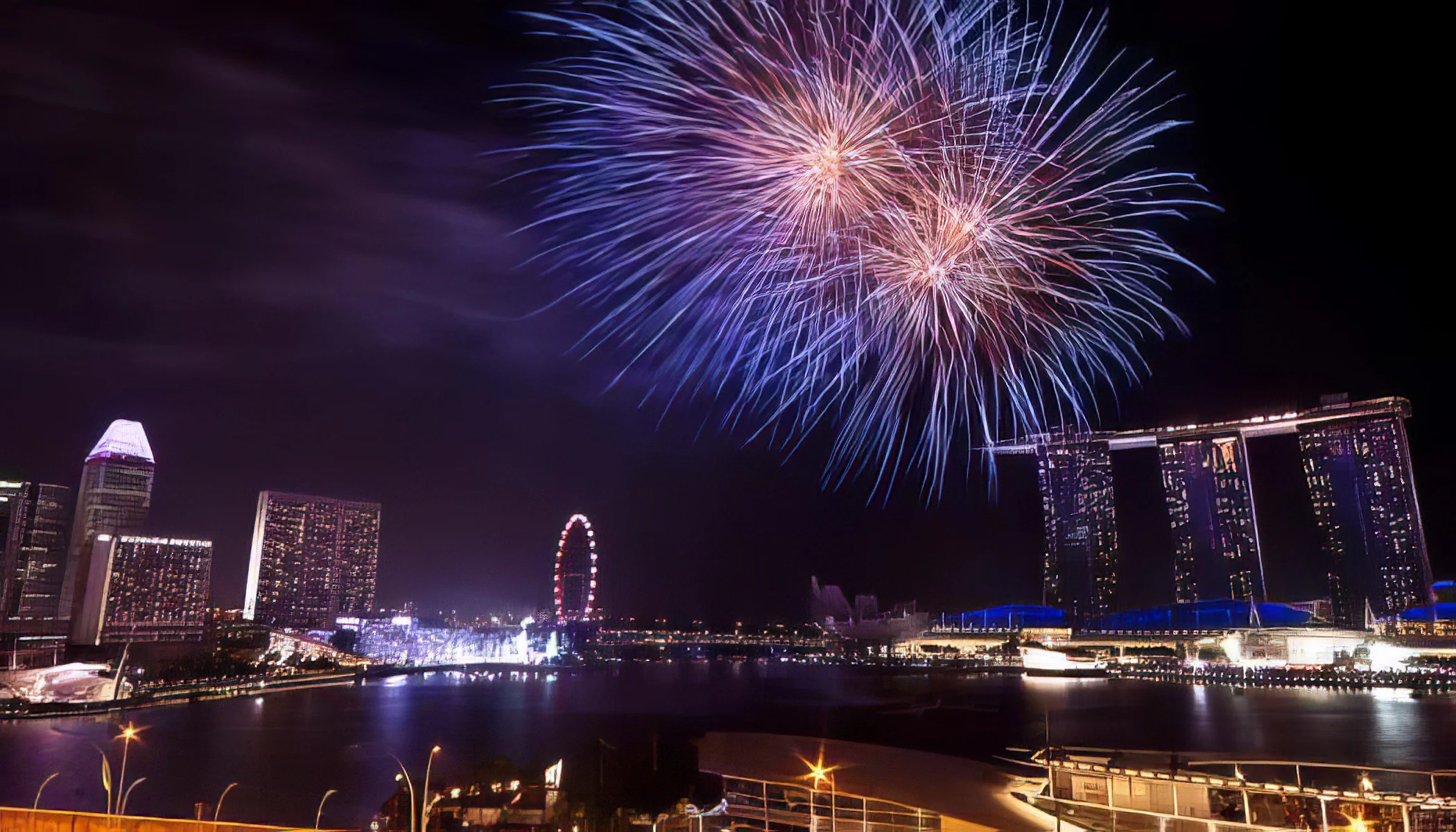
Singapore is a animated city-state with a rich calendar of events and festivals:
– Thaipusam: A Hindu festival in January/February, featuring a procession and acts of devotion.
– Chingay Parade: A grand parade in February showcasing multicultural performances.
– Singapore Food Festival: A July event celebrating Singapore's diverse culinary scene.
– National Day: Celebrated on August 9 with a parade, fireworks, and festivities.
– Mid-Autumn Festival: A September/October event with lantern displays and mooncake eating.
– Deepavali: A Hindu festival in October/November, marked by light displays and cultural performances.
– Christmas Light-Up: December event with festive lights and decorations along Orchard Road.
Famous People
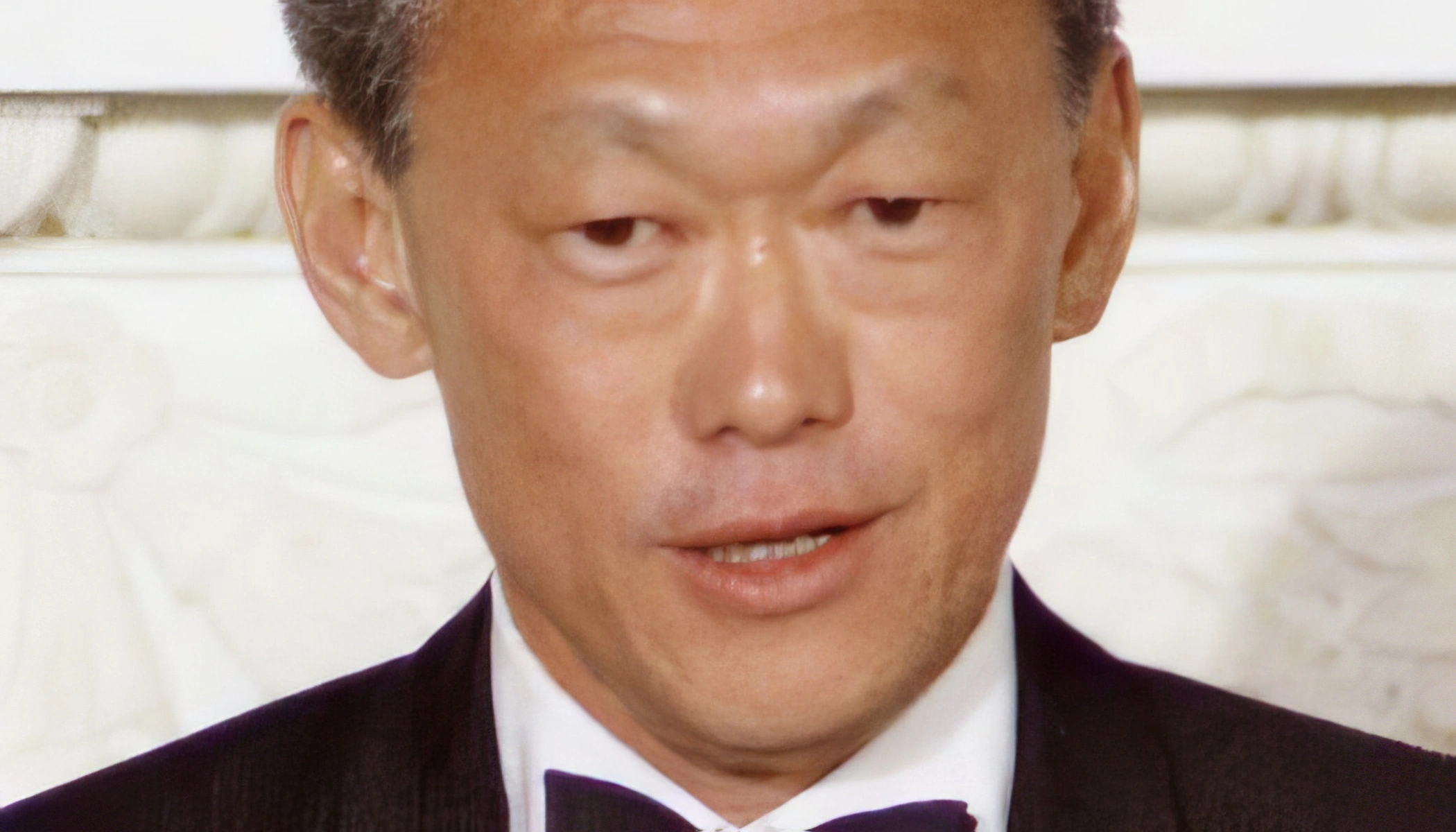
Singapore, a global city-state, has been home to many influential figures in politics, arts, and business.
– Lee Kuan Yew (1923 to 2015, Singapore): Founding father and first Prime Minister of Singapore, credited with transforming it into a global hub.
– Yusof bin Ishak (1910 to 1970, Perak): First President of Singapore, symbolizing the nation's identity and unity.
– Jack Neo (born 1960, Singapore): Renowned filmmaker and actor, known for his comedic films reflecting Singaporean society.
– Kishore Mahbubani (born 1948, Singapore): Diplomat and scholar, recognized for his insights on Asian and global affairs.
– Stefanie Sun (born 1978, Singapore): Internationally successful pop singer, one of the leading figures in the Mandopop industry.
Books
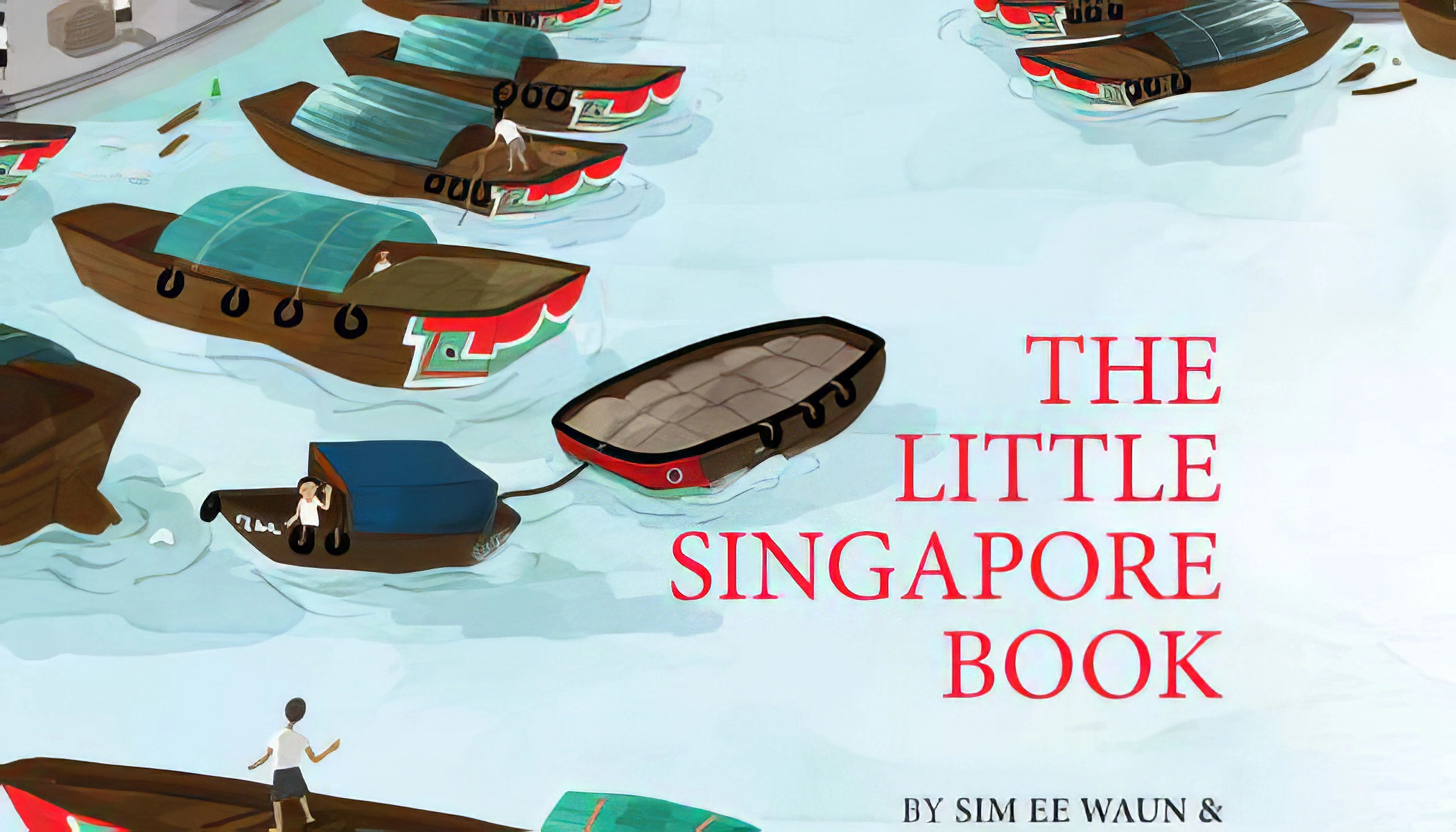
Singapore's rich history and multicultural society have inspired a variety of compelling narratives.
– "Crazy Rich Asians" by Kevin Kwan: A satirical novel about Singapore's ultra-rich elite.
– "The Singapore Grip" by J.G. Farrell: A historical novel set during World War II in Singapore.
– "Fistful of Colours" by Suchen Christine Lim: A novel exploring the lives of women in post-colonial Singapore.
– "A Different Sky" by Meira Chand: A historical novel tracing Singapore's journey from colonial rule to independence.
– "The River's Song" by Suchen Christine Lim: A story of love, loss, and change in Singapore's Boat Quay.
Songs
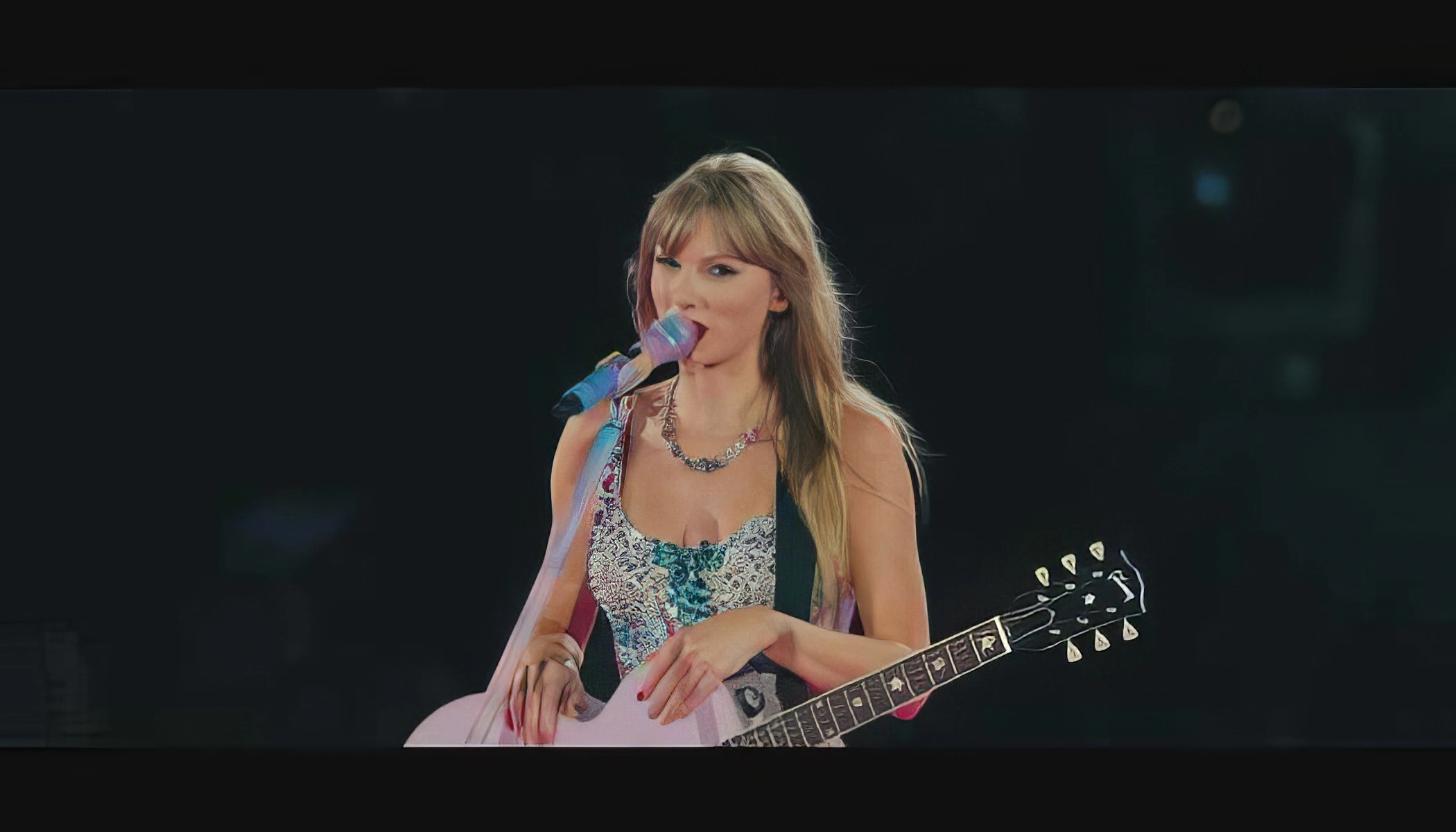
Singapore's music scene is a dynamic mix of cultures, with songs reflecting its unique blend of East and West, traditional and modern influences.
– Home: A National Day song by Kit Chan, symbolizing Singaporean unity.
– Count On Me, Singapore: A patriotic song by Clement Chow, often played during National Day.
– Bunga Sayang: A popular song by Dick Lee, reflecting Singapore's multiculturalism.
– Shanty: A hit song by Naomi & The Boys, a pioneering Singaporean pop band.
– Fried Rice Paradise: A catchy tune by Dick Lee, celebrating Singapore's food culture.
– The Mad Chinaman: An iconic song by Dick Lee, showcasing Singapore's unique identity.
Films
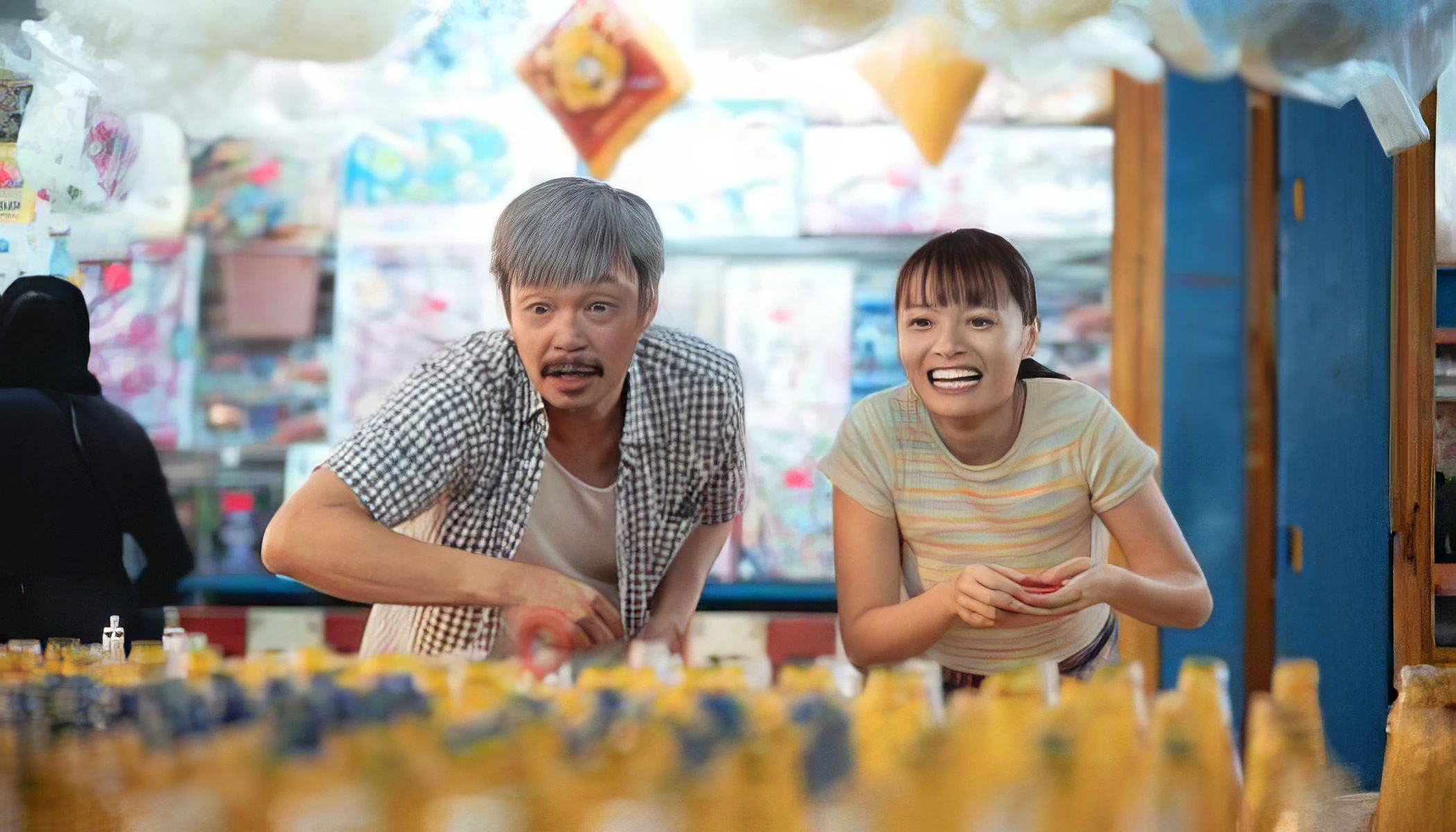
Here are some of the most renowned films that beautifully depict Singapore's culture and history:
– "Ilo Ilo": Directed by Anthony Chen, it's a touching drama about a family's relationship with their maid during the 1997 Asian financial crisis.
– "Crazy Rich Asians": A Hollywood romantic comedy by Jon M. Chu, showcasing Singapore's opulent high society.
– "Apprentice": Boo Junfeng's film explores the death penalty in Singapore through the eyes of a prison officer.
– "Shirkers": Sandi Tan's documentary about the making and unmaking of her '90s indie film in Singapore.
– "7 Letters": An anthology film by seven directors, each letter tells a unique Singaporean story.