
Slovenia Attractions & Travel Advice – Plan Your Visit
Located in Central Europe, this country is known for its mountains, lakes, and charming towns. It provides a mix of Alpine landscapes and Mediterranean coastlines. The capital, Ljubljana, features a lively cultural scene and well-preserved architecture.
- Capital
- Ljubljana
- Population
- 2.1 millions
- Superficy
- 21000 sq.km
- Months to Visit
- May to Sept.
- Living Cost
- Moderate
Overview
Slovenia, located in Central Europe, is known for its diverse landscapes, ranging from the Julian Alps to the Adriatic Sea. The capital city, Ljubljana, is recognized for its green spaces and lovely cultural scene. Slovenia is home to natural attractions like Lake Bled and Postojna Cave. The country has a rich history influenced by various European cultures due to its location at the crossroads of major trade routes. It gained independence from Yugoslavia in 1991 and has since developed a stable economy. Slovenia is also noted for its commitment to sustainability and outdoor activities such as hiking and skiing.
Pros & Cons
GOOD REASONS TO VISIT SLOVENIA
– Beautiful Nature: Explore Lake Bled, Triglav National Park, and the nice Julian Alps.
– Rich Cultural Heritage: Discover charming medieval towns, castles, and remarkable traditions in Ljubljana and beyond.
– Outdoor Activities: Enjoy hiking, skiing, and water sports in diverse landscapes throughout the country.
– Culinary Delights: Taste local dishes like potica and kranjska klobasa; Slovenia's wine regions are also noteworthy.
– Compact Size: Easy to travel around; see diverse attractions without long journeys. CHALLENGES WHEN VISITING SLOVENIA
– Limited Public Transport: Rural areas may lack frequent connections; renting a car is often necessary.
– Language Differences: English is widely spoken in cities but less so in remote areas.
– Seasonal Crowds: Popular spots like Lake Bled can be crowded during peak tourist seasons.
Before Departure
Before traveling to Slovenia, consider the following essential information:
– Passport: Ensure your passport is valid for at least three months beyond your planned departure date.
– Visa: EU/EEA citizens do not need a visa; others may require a Schengen visa. Check specific requirements based on nationality.
– Currency: Euro (EUR) is the local currency; credit cards widely accepted; ATMs are readily available throughout the country.
– Internet access: WiFi is accessible in most hotels and cafes; purchase a local SIM card for affordable data plans from Telekom Slovenije or A1.
– Language barrier: Slovene is the official language; English is widely spoken, especially in tourist areas. German and Italian are also commonly understood.
What to Pack
Slovenia provides diverse landscapes from mountains to lakes, so packing appropriately is key for a comfortable visit.
– Essentials: Passport and visa (if required), travel insurance details, flight tickets and itinerary, accommodation confirmations, and local currency or credit cards.
– Clothing: Layered clothing for varying temperatures, comfortable hiking shoes, swimwear for lakes or thermal spas, rain jacket or umbrella, and a hat for sun protection.
– Health & Safety: Prescription medications and basic first aid kit, insect repellent for outdoor activities, sunscreen with high SPF, personal hygiene products.
– Electronics: Travel adapter for European outlets (Type C/F), mobile phone with charger, camera with extra batteries or memory card.
Weather
Weather in Slovenia varies by region, with alpine, continental, and Mediterranean influences:
– Winter (December to February): Cold and snowy in the Alps; mild and wet along the coast.
– Spring (March to May): Mild temperatures with increasing rainfall; snow melts in the mountains.
– Summer (June to August): Warm and sunny; occasional thunderstorms, especially in the mountains.
– Autumn (September to November): Cool temperatures with frequent rain; vibrant fall foliage. The best time to visit Slovenia is from May to September:
– Pleasant weather for outdoor activities and exploring cities.
– Summer festivals and events are abundant. Note that summer can be crowded, especially in tourist hotspots like Lake Bled.
Travel Budget
Slovenia supplies a range of options for travelers with varying budgets. Here are some average prices for common expenses:
– Hotel: 50$ to 150$
– Lunch: 8$ to 20$
– Beverage (in bar/restaurant): 3$ to 7$
– Coffee: 1.5$ to 3$
– Transportation: (train 5$ to 30$), (bus 2$ to 10$), (taxi /10km 10$ to 20$)
– Mobile data (per GB): 2$ to 5$
Language
Slovenian is a South Slavic language spoken by the majority of people in Slovenia.
– Hello: Zdravo
– Thank you: Hvala
– Please: Prosim
– How much is this?: Koliko to stane?
– Excuse me: Oprostite
– I don't understand: Ne razumem
– Yes: Da
– No: Ne
– Goodbye: Nasvidenje
History
Its history has been shaped by various empires and states. It was part of the Roman Empire and later included in the Holy Roman Empire. In the 19th century, it was under the Austro-Hungarian Empire until its dissolution in 1918. This led to its inclusion in the Kingdom of Serbs, Croats, and Slovenes, later known as Yugoslavia. During World War II, Slovenia was divided among Axis powers but re-emerged as part of socialist Yugoslavia after the war. The quest for independence gained momentum in the late 20th century, resulting in Slovenia declaring independence in 1991 following a brief Ten-Day War. Since then, it has become a member of both the European Union and NATO, marking its integration into European and international institutions.
Geopolitics
Located in Central Europe, Slovenia shares borders with Italy, Austria, Hungary, and Croatia. It gained independence from Yugoslavia in 1991 and has been a member of the European Union and NATO since 2004. Slovenia's geopolitical strategy focuses on fostering regional stability and cooperation within the EU while maintaining strong bilateral relationships with neighboring countries. The country's strategic position at the crossroads of major European cultural and trade routes influences its economic and political policies. Slovenia actively participates in international organizations and advocates for environmental sustainability and multilateral diplomacy. Its geopolitical interests also involve promoting economic integration within the EU while addressing regional security challenges in the Balkans.
Sample Itinerary
This itinerary covers Slovenia’s top-rated destinations, including its capital, fascinating natural landscapes, and cultural sites.
– 2 days in Ljubljana: Explore the Ljubljana Castle, stroll along the Ljubljanica River, and visit Tivoli Park and the Central Market.
– 1 day at Lake Bled: Visit Bled Castle, take a traditional pletna boat to Bled Island, and walk around the elegant lake.
– 1 day in Triglav National Park: Hike through scenic trails, admire waterfalls like Savica Waterfall, and enjoy views of Mount Triglav.
– 1 day in Postojna: Tour Postojna Cave’s impressive formations and visit Predjama Castle built into a cliff face.
– 1 day in Piran: Wander the medieval streets of this coastal town, enjoy fresh seafood, and view the Adriatic Sea from Tartini Square.
Popular cities
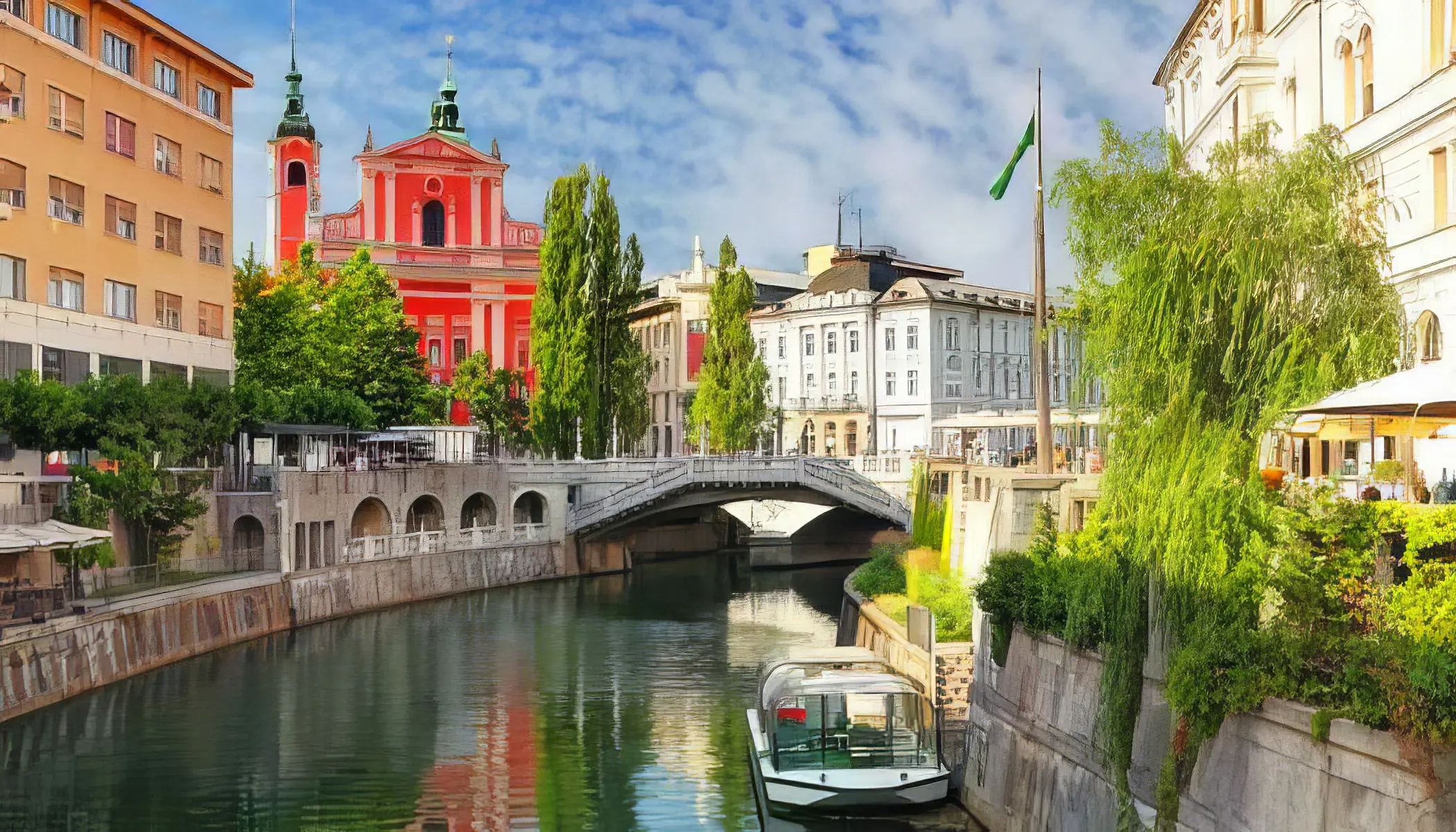
Explore Slovenia's charming cities which offer a mix of history, culture, and natural beauty:
– Ljubljana: The capital city is known for its animated cultural scene and pleasant riverfront.
– Bled: Famous for its scenic lake with an island church and medieval castle.
– Piran: A coastal town with Venetian architecture and stunning Adriatic Sea views.
– Maribor: Known for the world's oldest grapevine and a lively cultural atmosphere.
– Celje: Supplies a rich history with its impressive medieval castle.
– Koper: A charming port city with a well-preserved old town area.
– Ptuj: Known as Slovenia's oldest town, featuring Roman heritage and thermal spas.
Monuments
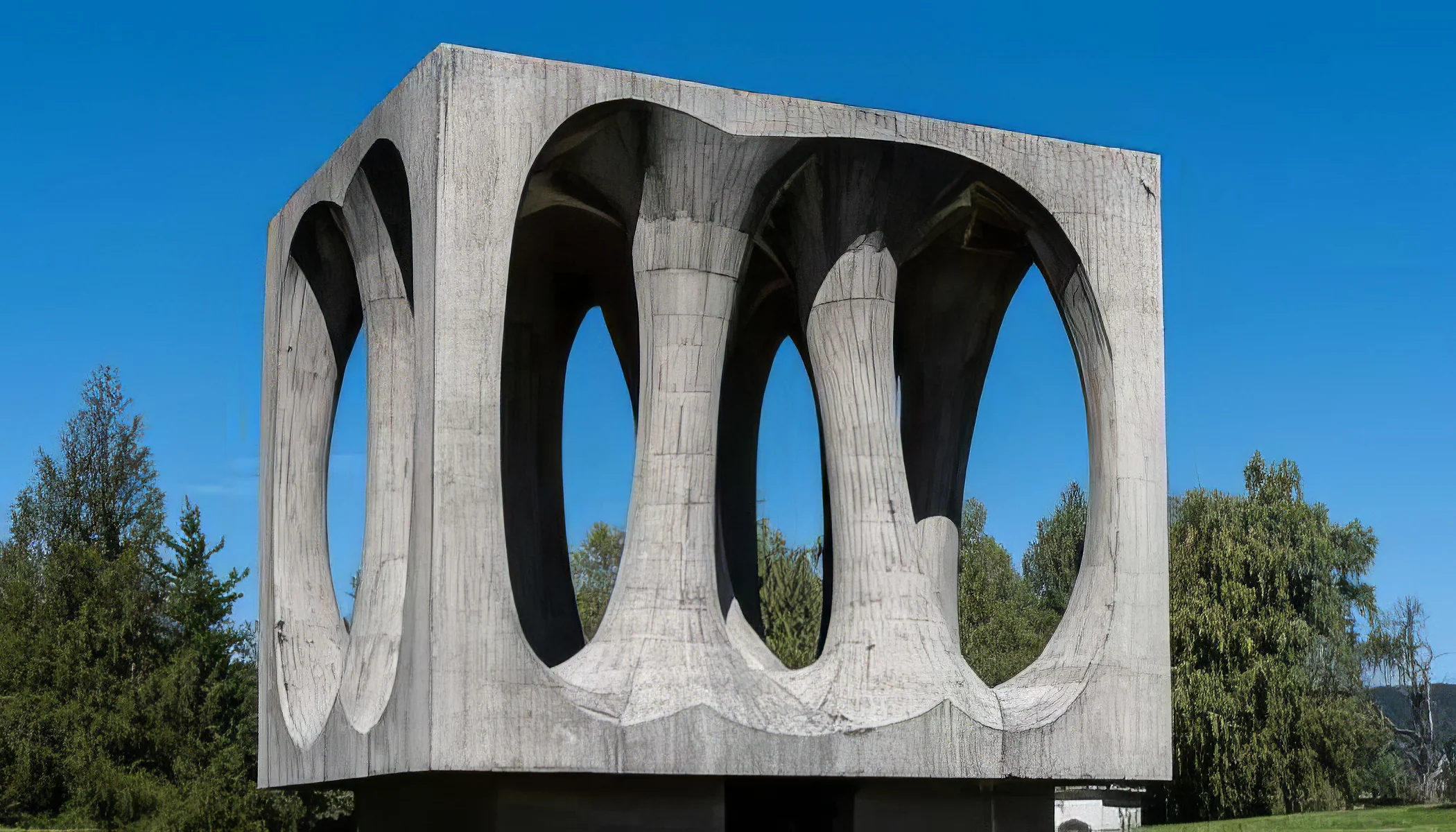
Slovenia offers a variety of notable historical and architectural sites to explore:
– Ljubljana Castle: A medieval fortress on Castle Hill with panoramic views of the capital city.
– Predjama Castle: A Renaissance castle fiercely built within a cave mouth.
– Škocjan Caves: UNESCO World Heritage site featuring nice underground beautiful formations.
– Bled Castle: Overlooking Lake Bled, it's Slovenia’s oldest castle with a museum and scenic views.
– Postojna Cave: Famous for its vast caverns and unique rock formations, accessible by train ride.
– Ptuj Castle: Houses regional museum collections in Slovenia's oldest town, Ptuj.
– Church of St. George, Piran: Gothic church offering views over the Adriatic Sea and Piran town.
– Celje Old Castle: Ruins of a medieval castle known for its towers and historical reenactments.
Natural wonder
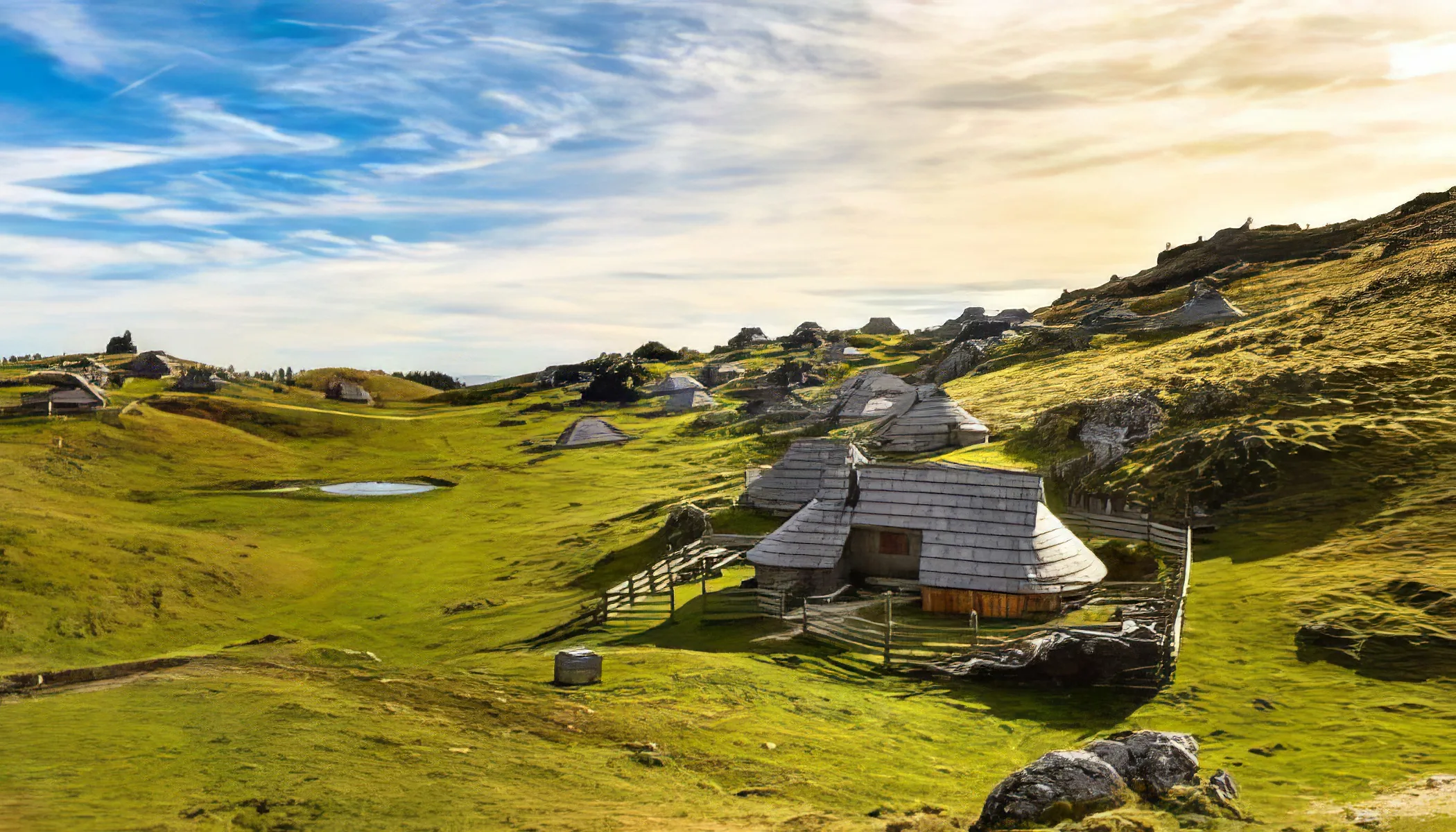
Experience Slovenia's remarkable natural landscapes:
– Lake Bled: Famous for its nice island church and medieval castle.
– Triglav National Park: Home to Slovenia's highest peak, Mount Triglav, and diverse alpine scenery.
– Postojna Cave: Extensive cave system known for its stalactites and unique train ride.
– Lake Bohinj: Largest permanent lake in Slovenia, ideal for outdoor activities.
– Škocjan Caves: UNESCO site featuring a vast underground canyon and river system.
– Soča River Valley: Known for emerald waters and adventure sports like rafting and kayaking.
– Vintgar Gorge: A wooden walkway leads through this scenic gorge with waterfalls and pools.
– Logar Valley: Famous for its remarkable alpine scenery and hiking trails.
– Predjama Castle: A Renaissance castle built within a cave mouth, surrounded by dramatic cliffs.
– Piran Salt Pans (Sečovlje Salina Nature Park): Historical salt pans that support rich biodiversity on the Adriatic coast.
Beaches
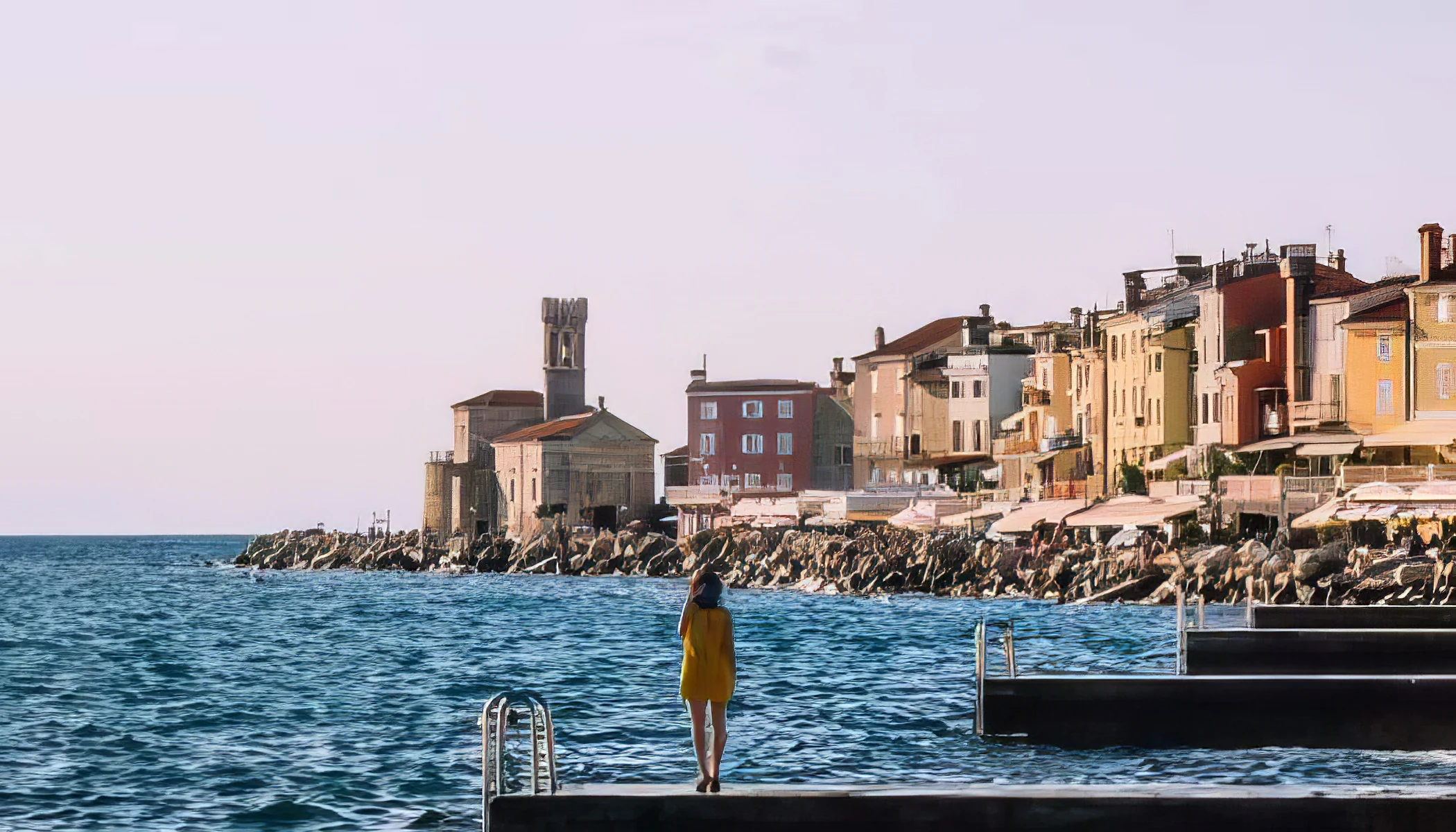
Slovenia has a small coastline with a few charming beaches.
– Portorož Beach: A lively resort town beach known for its tourist facilities and entertainment.
– Piran Beach: Provides scenic views and clear waters near the historic town of Piran.
– Strunjan Beach: Surrounded by cliffs and nature, part of Strunjan Nature Reserve.
– Izola Beach: A family-friendly beach with calm waters in the town of Izola.
– Koper City Beach: Located near the city center, convenient for a quick swim.
– Debeli Rtič Beach: Set in a natural environment, appealing for its tranquility.
– Moon Bay (Mesečev zaliv): Known for its cliffs and crystal-clear water, accessible by footpath.
Outdoor activities
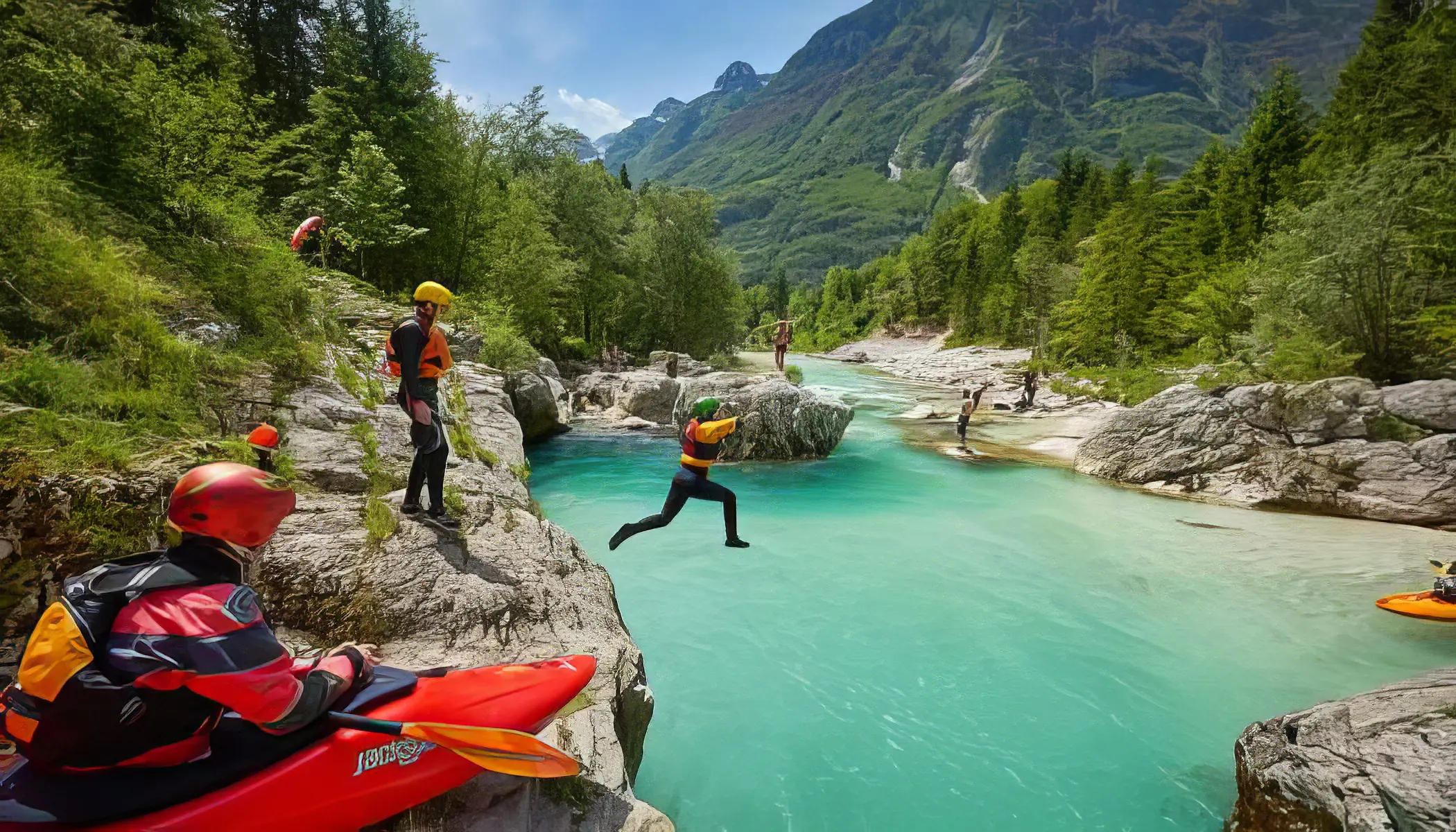
There are many outdoor experiences to enjoy amidst Slovenia's diverse landscapes:
– Hiking in Triglav National Park: Explore scenic trails and alpine landscapes in the Julian Alps.
– White-Water Rafting on the Soča River: Experience thrilling rapids and beautiful turquoise waters.
– Cycling around Lake Bled: Pedal along pleasant paths with views of an iconic island church.
– Skiing in Kranjska Gora: Enjoy winter sports in one of Slovenia's premier ski resorts.
– Caving in Postojna Cave: Discover impressive stalactites and stalagmites underground.
– Paragliding over Bohinj Valley: Glide above attractive valleys and crystal-clear lakes.
– Climbing Mount Triglav: Conquer Slovenia’s highest peak for panoramic views.
Kid Friendly
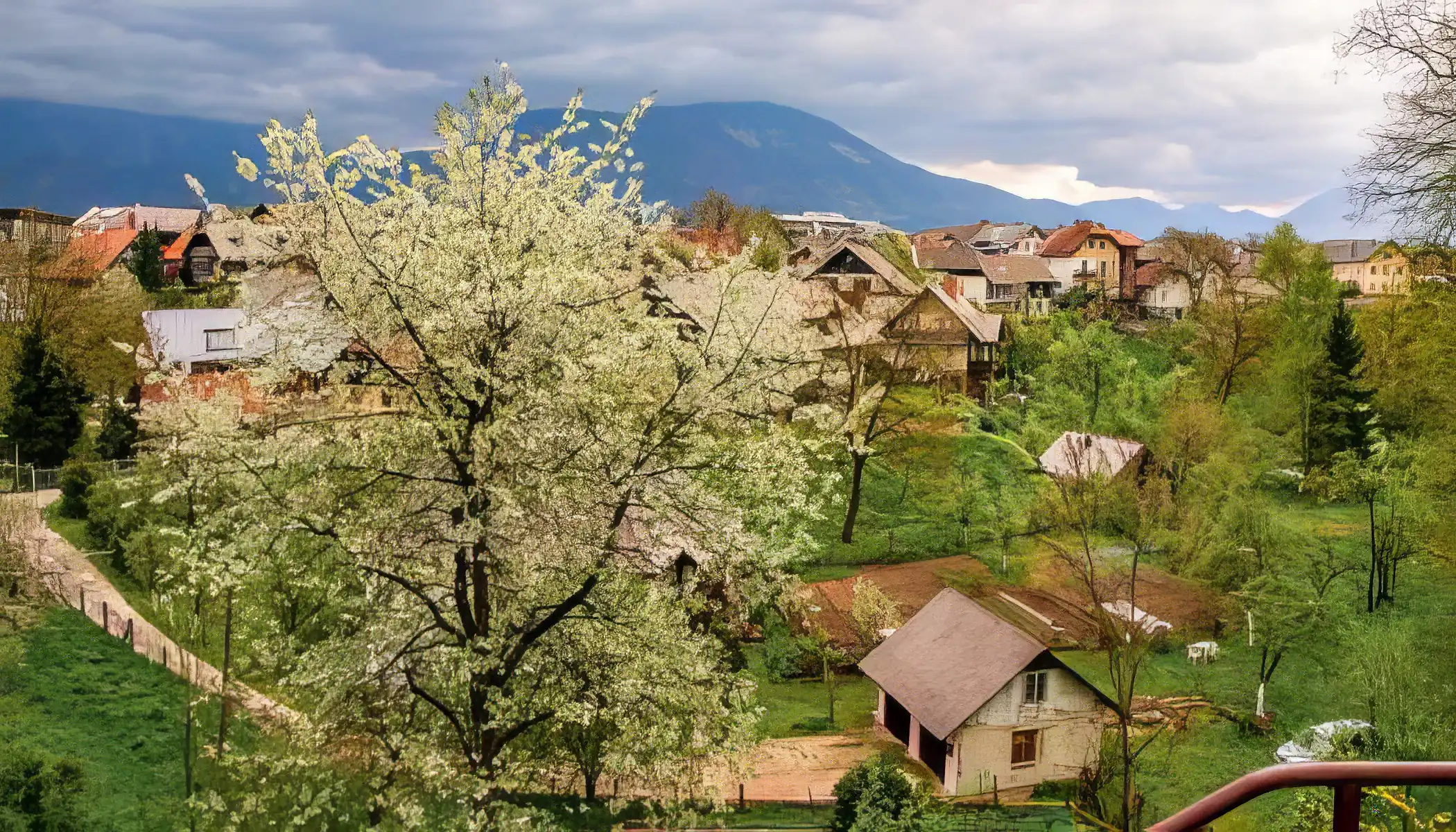
Slovenia offers a variety of activities for children to explore and enjoy:
– Postojna Cave: A captivating cave system accessible by a fun underground train ride.
– Lake Bled: A charming lake perfect for boat rides and exploring the small island.
– Ljubljana Zoo: An engaging zoo featuring diverse animals and interactive experiences for kids.
– Adventure Park Bovec: An exciting park with zip lines, bridges, and climbing challenges.
– Arboretum Volčji Potok: A vast botanical garden with themed playgrounds and walking trails.
– Kranjska Gora Summer Sledding: A fun alpine coaster offering thrilling descents in the summer.
– Piran's Tartini Square: A charming coastal town square ideal for family strolls and ice cream treats.
– Vintgar Gorge: A remarkable nature walk along wooden pathways through a scenic gorge.
Cuisine
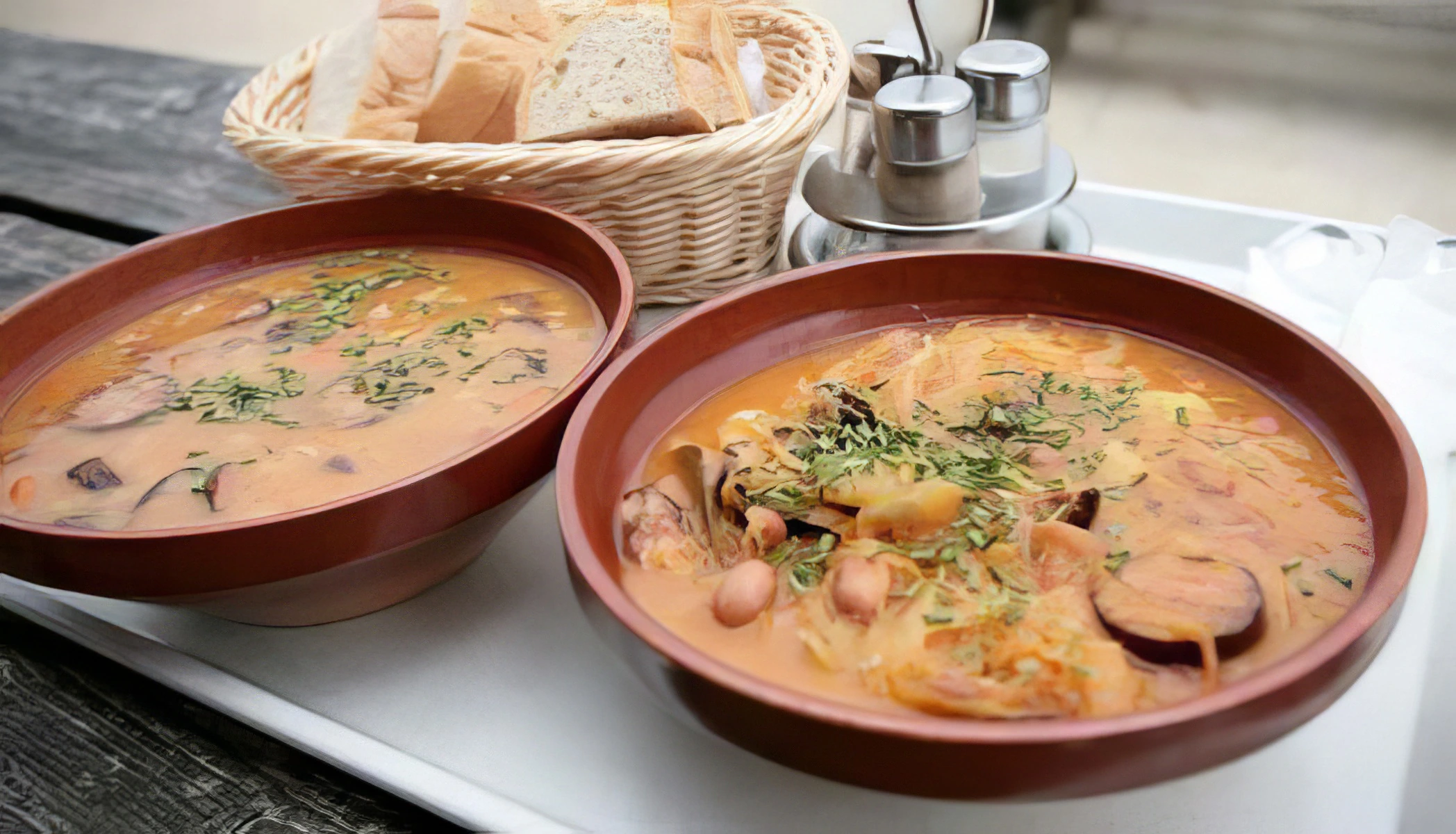
Slovenian cuisine is a diverse mix of Central European, Mediterranean, and Balkan influences, featuring hearty and seasonal ingredients. Traditional dishes often highlight locally sourced produce and meat. Slovenia's varied geography contributes to regional culinary distinctions.
– Potica: Rolled pastry with sweet or savory fillings like nuts, poppy seeds, or tarragon.
– Kranjska Klobasa: Pork sausage seasoned with garlic and black pepper, typically served with sauerkraut.
– Jota: Hearty stew combining sauerkraut, beans, potatoes, and pork.
– Prekmurska Gibanica: Layered pastry dessert filled with poppy seeds, apples, walnuts, and cottage cheese.
– Struklji: Rolled dough dumplings filled with various sweet or savory fillings.
Souvenir
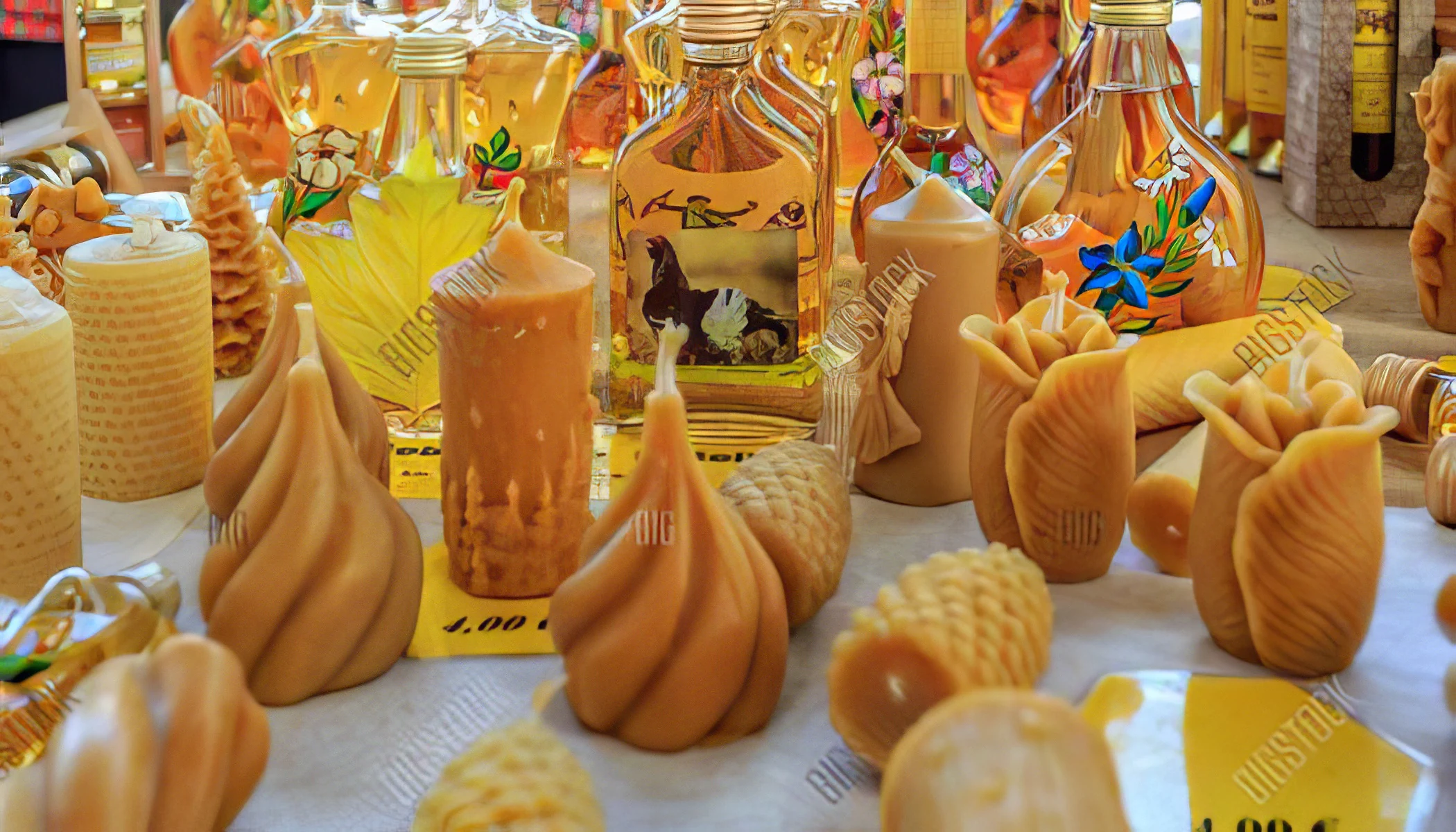
Known for its rich culture and traditional crafts, Slovenia provides a variety of unique souvenirs. Here are some popular choices:
– Idrija Lace: Handcrafted lace from Idrija is a traditional Slovenian craft with nice patterns.
– Bee Products: Slovenia is famous for its beekeeping, offering honey, candles, and cosmetics.
– Salt from Piran: Pure sea salt harvested from the Piran salt pans makes a unique gift.
– Pumpkin Seed Oil: A popular Slovenian culinary product known for its rich flavor.
– Carniolan Sausage: A traditional Slovenian sausage that can be purchased vacuum-sealed for travel.
– Pottery and Ceramics: Handcrafted pottery featuring traditional Slovenian designs is widely available.
– Woodenware: Slovenia provides beautifully carved wooden products like kitchen utensils and decorative items.
Traditional Shows
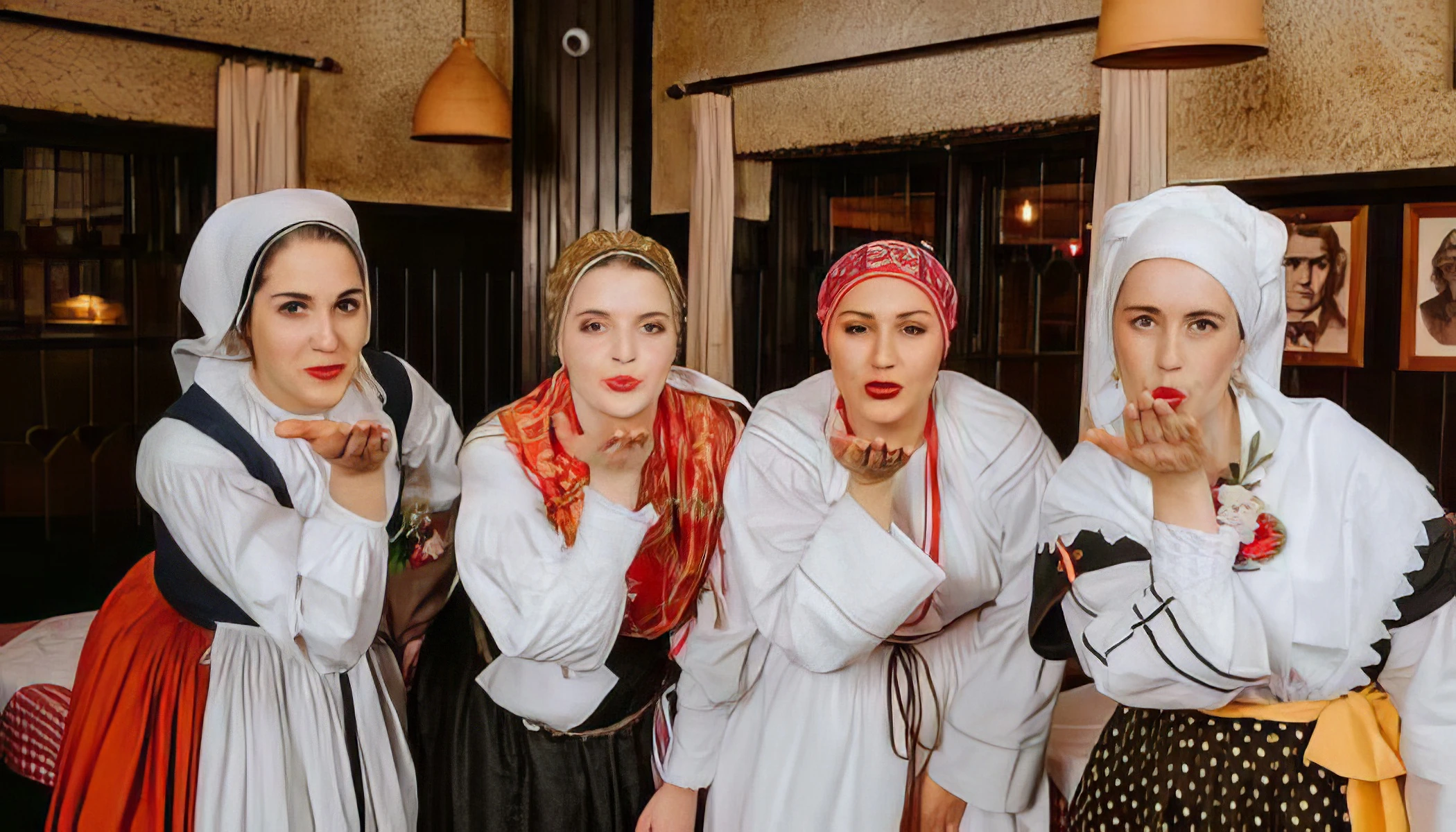
Slovenia offers a variety of traditional music and art performances:
– Kurentovanje Festival: Witness lively folk dances and rituals in Ptuj, showcasing traditional Slovenian costumes and customs during this pre-Lenten festival.
– Slovenian Polka: Enjoy energetic performances of polka music and dance, integral to Slovenia's cultural heritage, often found at local festivals.
– Accordion Music: Experience the unique rhythms of the button accordion, a staple in Slovenian folk music, at various cultural events across the country.
– Sevnica Castle Concerts: Attend classical music concerts in Sevnica Castle to appreciate Slovenia's rich musical history within a historic setting.
– Klapa Singing: Enjoy harmonious a cappella performances by male vocal groups, preserving traditional Slovenian coastal melodies and lyrics.
Events & Festivals
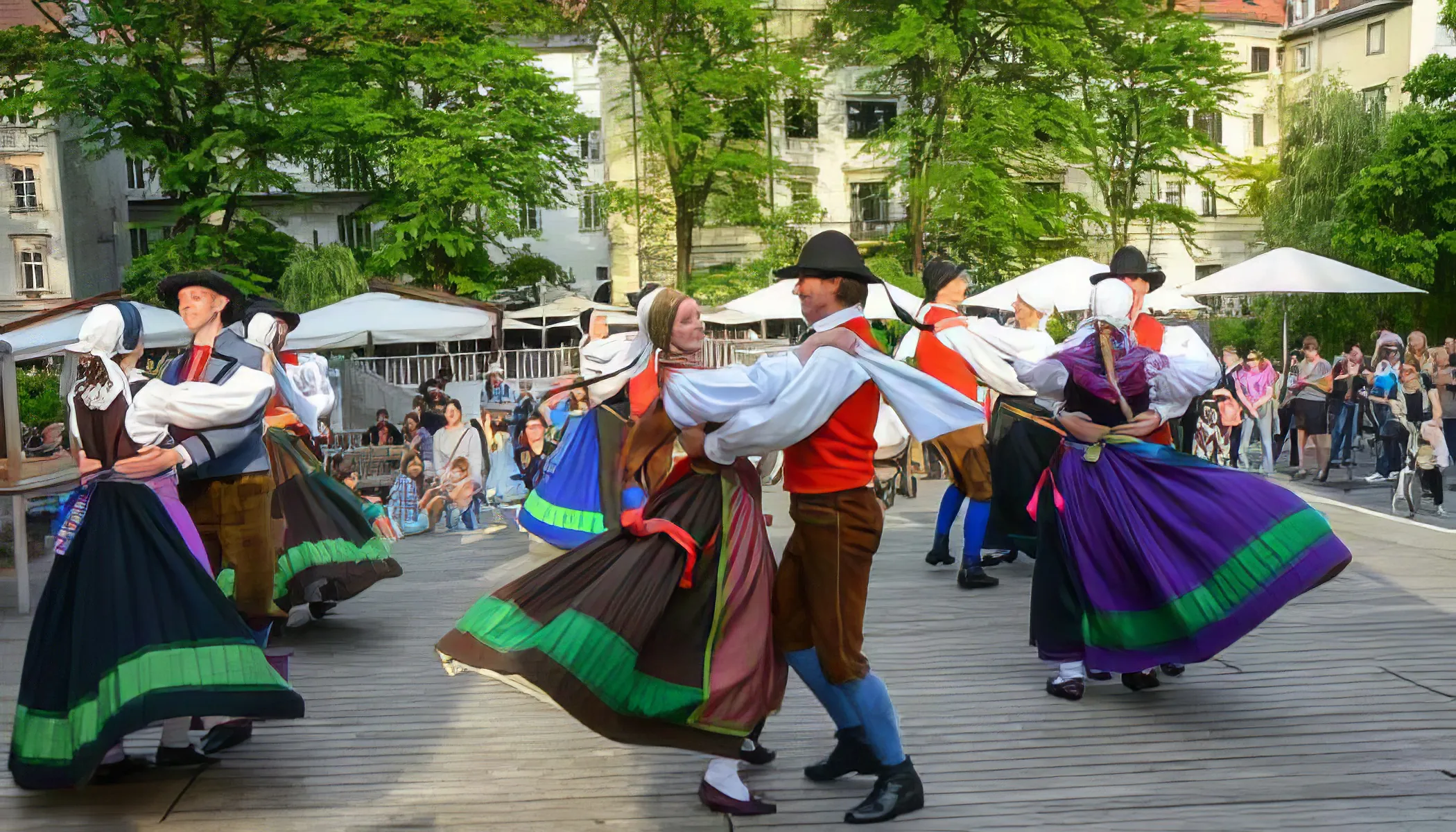
Several vibrant events and festivals take place annually in Slovenia, reflecting its diverse culture and traditions:
– Kurentovanje: February carnival in Ptuj where costumes chase away winter, featuring parades and music.
– Ljubljana Festival: Summer arts festival from June to September with concerts, opera, and ballet performances.
– Lent Festival: June event in Maribor offering music, dance, and street theater.
– Bled Days and Bled Night: July celebration with fireworks and floating lights on Lake Bled.
– Piran Tartini Festival: August classical music festival honoring composer Giuseppe Tartini in scenic Piran.
– Ljubljana Dragon Carnival: Festive March event in Ljubljana with themed parades for all ages.
– Old Vine Festival: October harvest celebration in Maribor featuring wine tasting and cultural events.
Famous People
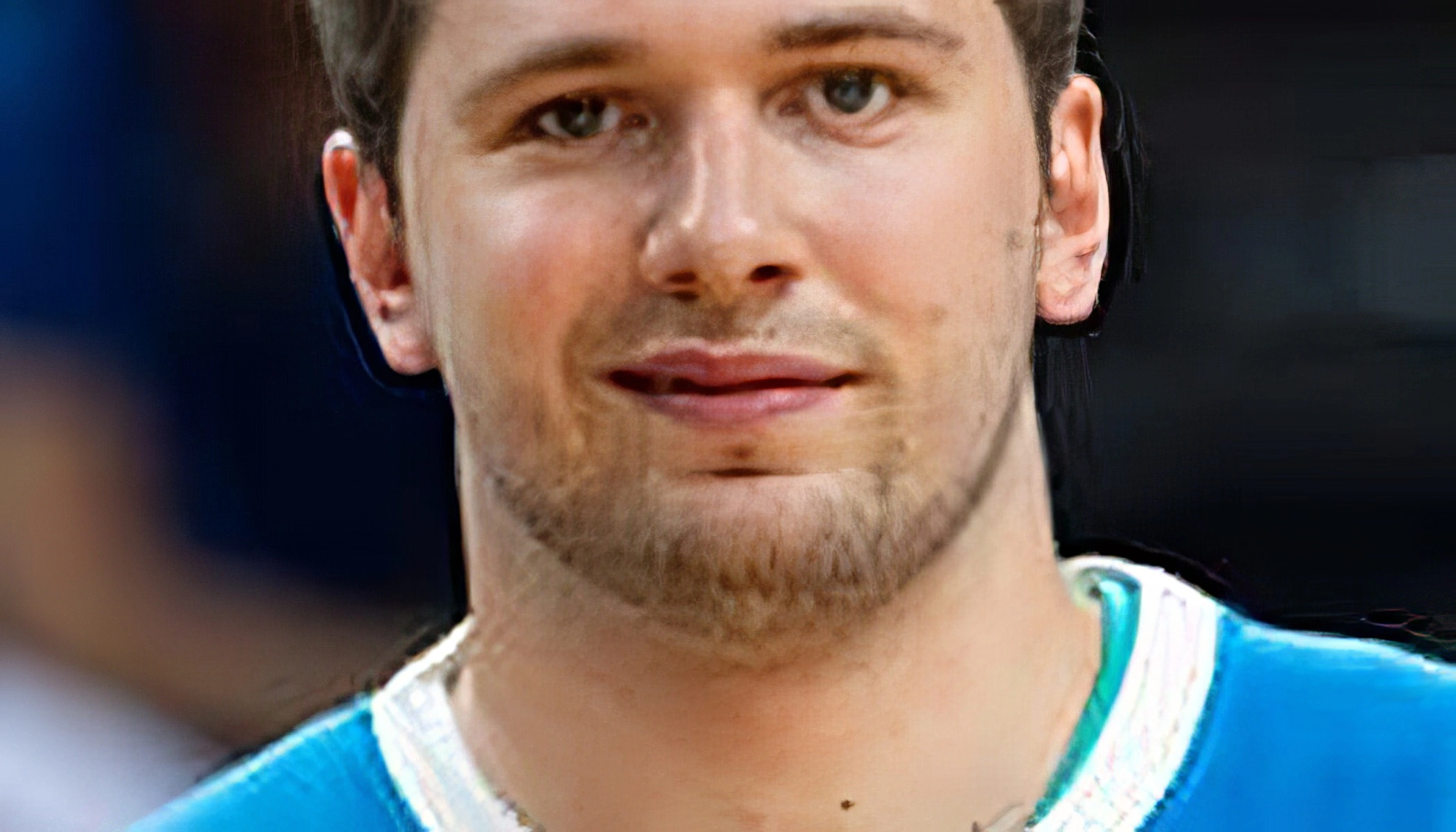
Slovenia has been home to many prominent figures who have significantly influenced politics, arts, and sports.
– Jože Plečnik (1872 to 1957, Ljubljana): Architect known for shaping modern Ljubljana and contributing to Prague Castle renovations.
– France Prešeren (1800 to 1849, Vrba): Poet whose work "Zdravljica" became the Slovenian national anthem.
– Melania Trump (born 1970, Novo Mesto): Model and former First Lady of the United States.
– Slavoj Žižek (born 1949, Ljubljana): Philosopher and cultural critic noted for his work on psychoanalysis and Marxist theory.
– Tina Maze (born 1983, Slovenj Gradec): World champion alpine skier with multiple Olympic medals and World Cup titles.
Books
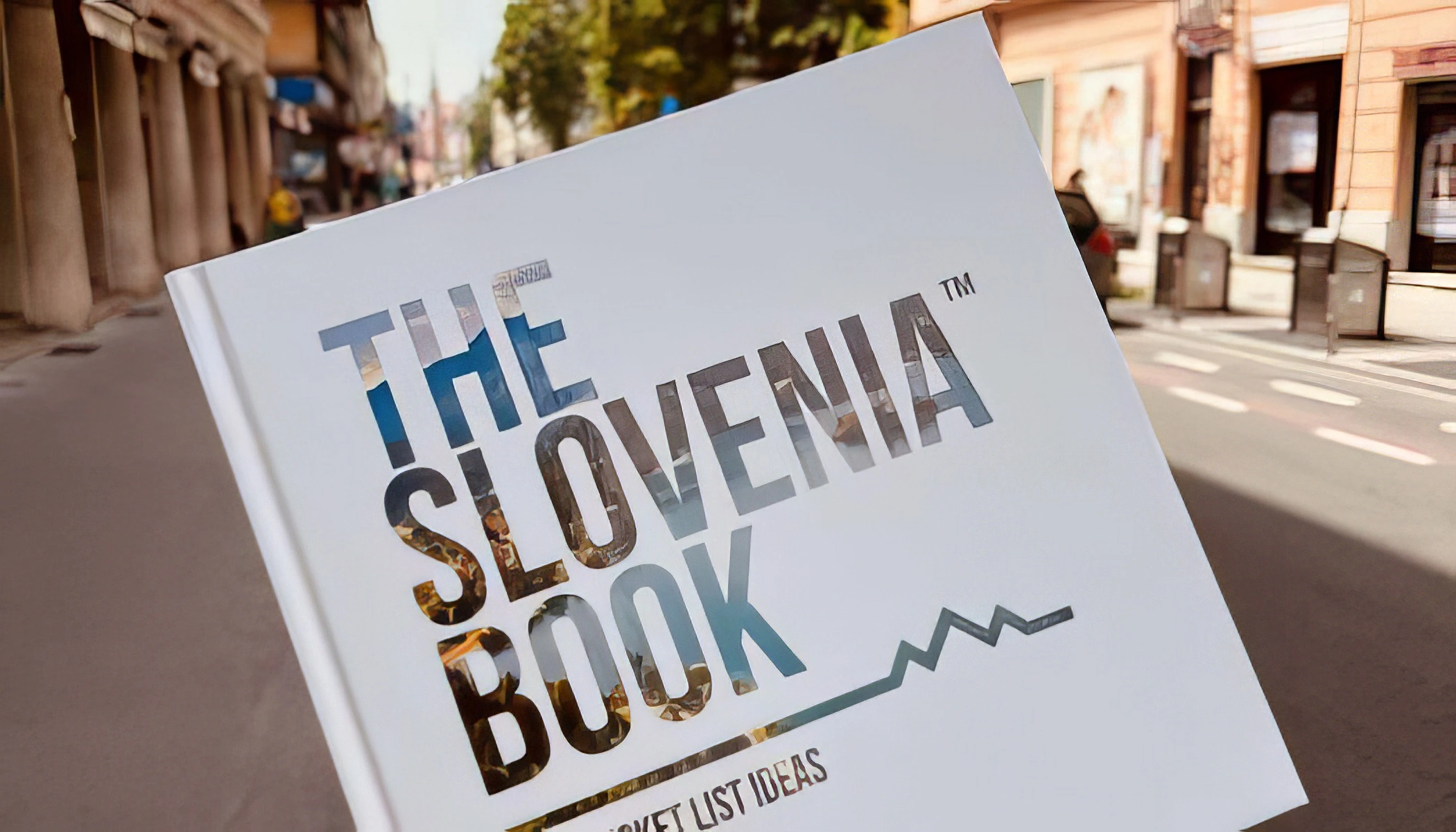
These books highlight Slovenia’s unique culture, historical events, and landscapes through engaging narratives.
– "The Tree with No Name" by Drago Jančar: Explores memory and history in post-war Slovenia.
– "Alamut" by Vladimir Bartol: Allegorical novel set in medieval Persia, inspired by totalitarianism including Slovenian context.
– "I Saw Her That Night" by Drago Jančar: A mysterious love story set during World War II in Slovenia.
– "Ballerina, Ballerina" by Marko Sosič: A poignant tale of a young girl's life in a coastal Slovenian town.
– "The Sorcerer's Apprentice" by Evald Flisar: Follows a journey across India that reflects on Slovenian philosophical themes.
Songs
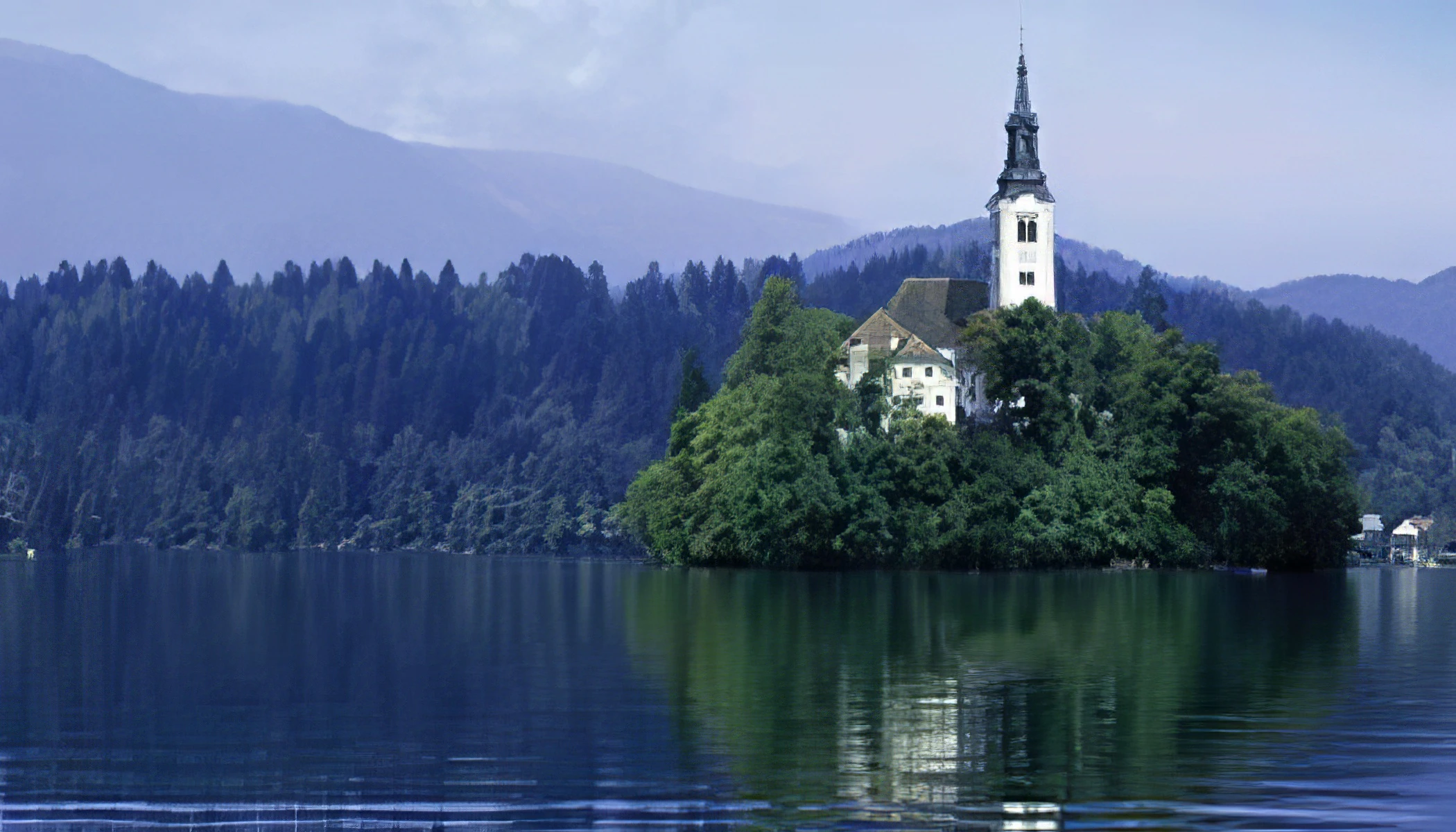
These songs highlight Slovenia's rich musical heritage, showcasing a mix of folk and contemporary influences.
– V dolini tihi: A beloved Slovenian folk song traditionally sung at gatherings.
– Samo milijon nas je: A patriotic song emphasizing Slovenian uniqueness and unity.
– Zbudi se: Dan D's rock anthem encouraging awakening and change.
– Ne bom pozabil na stare čase: A nostalgic tune by Hazard, reflecting on cherished memories.
– Čebelar: Legendary Avsenik Ensemble's tribute to Slovenia’s beekeeping tradition.
– Prisluhni školjki: Darja Švajger's Eurovision entry celebrating nature's beauty with enchanting lyrics.
Films
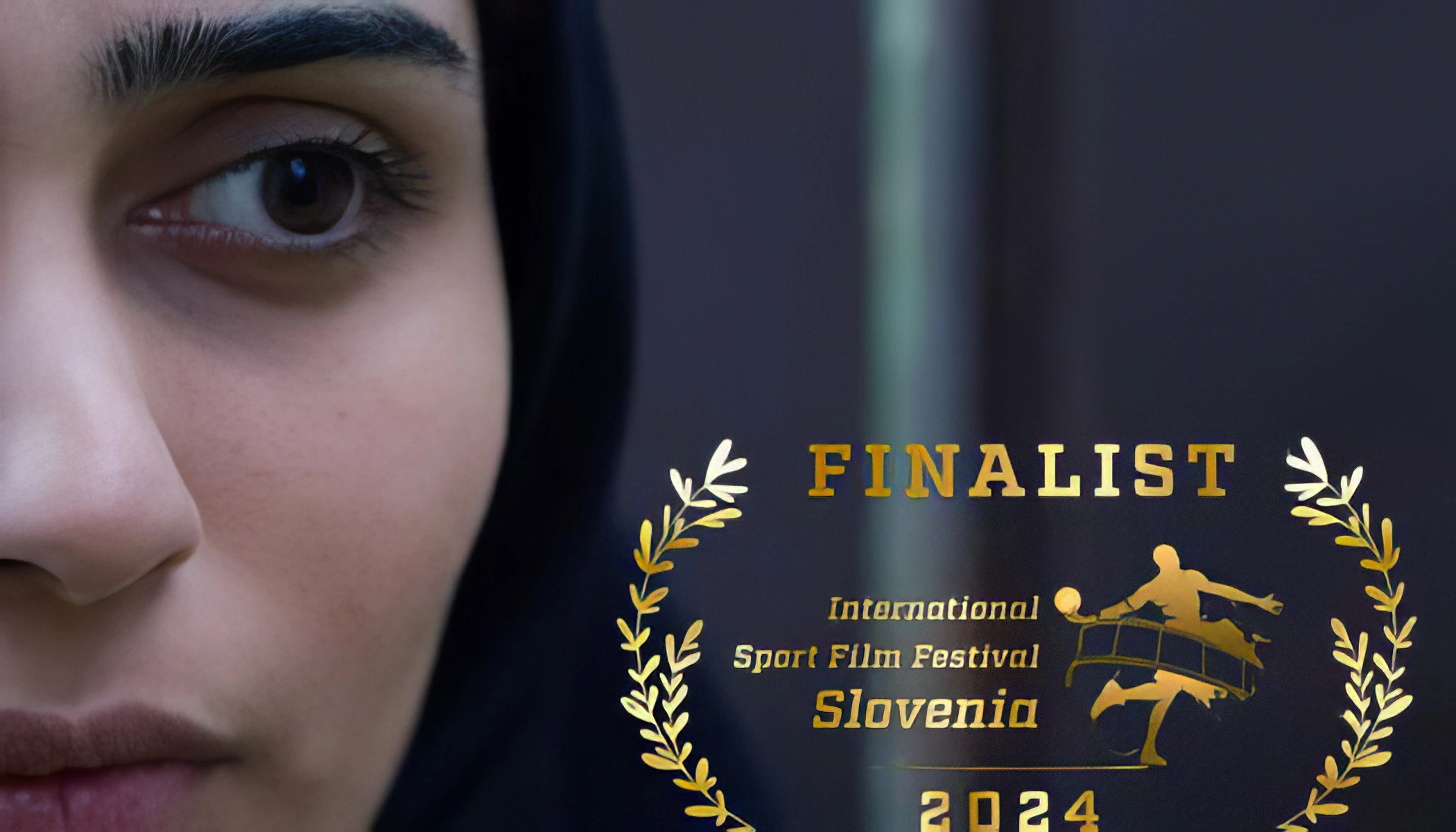
Here is a list of notable films that highlight Slovenian cinema:
– "Gravehopping": Directed by Jan Cvitkovič, this dark comedy explores life and death through the eyes of a funeral orator.
– "Rooster's Breakfast": Marko Naberšnik's film focuses on love and tradition in a small Slovenian town in the 1970s.
– "No Man's Land": Although predominantly set in Bosnia, Danis Tanović’s film partially portrays Slovenia’s role in the Balkan conflict.
– "Class Enemy": Rok Biček’s intense drama about student-teacher tensions supplies a sharp critique of Slovenia's educational system.
– "Slovenian Girl": Damjan Kozole directs this provocative story about a student leading a double life in Ljubljana.