

Travel Guide to Solomon Islands: Top Things to Do & Tips
An archipelago in the South Pacific, this nation is known for its rich marine biodiversity and World War II history. It features dense rainforests, dynamic coral reefs, and traditional Melanesian culture, offering a unique blend of natural beauty and historical significance.
- Capital
- Honiara is the capital of the Solomon Islands.
- Population
- 0.6 millions
- Superficy
- 29000 sq.km
- Months to Visit
- May to Sept.
- Living Cost
- Expensive
Overview
The Solomon Islands is a nation in the South Pacific, consisting of six major islands and over 900 smaller ones. Its capital, Honiara, is located on the island of Guadalcanal. The country is known for its rich biodiversity, with rainforests and coral reefs that attract nature enthusiasts and divers. The population is predominantly Melanesian, with a mix of cultures and languages. The economy relies heavily on agriculture, fishing, and forestry, though it faces challenges such as infrastructure development and natural disasters. The Solomon Islands has a history marked by World War II battles, notably the Battle of Guadalcanal.
Pros & Cons
GOOD REASONS TO VISIT SOLOMON ISLANDS
– Natural Beaches: Enjoy untouched, beautiful beaches with clear waters, ideal for relaxation and water activities.
– Rich Marine Life: Excellent diving and snorkeling spots with lively coral reefs and diverse marine species.
– Cultural Heritage: Experience traditional villages, customs, and festivals showcasing the islands' unique Melanesian culture.
– WWII History: Explore significant World War II sites, including battlefields and wrecks in Guadalcanal.
– Eco-Tourism Opportunities: Discover beautiful rainforests, waterfalls, and diverse wildlife in a natural setting. CHALLENGES WHEN VISITING SOLOMON ISLANDS
– Limited Infrastructure: Basic facilities; travel can be challenging due to underdeveloped roads and transport options.
– High Travel Costs: Flights and accommodations can be expensive compared to other Pacific destinations.
– Health Concerns: Malaria risk; necessary precautions include medication and protective measures against mosquito bites.
Before Departure
Before traveling to the Solomon Islands, consider the following essential information:
– Passport: Ensure your passport is valid for at least six months beyond your intended stay.
– Visa: Most tourists can obtain a visa on arrival for 30 days; check specific requirements based on nationality.
– Currency: Solomon Islands Dollar (SBD); credit cards accepted in major hotels and restaurants; ATMs are limited, especially outside Honiara.
– Internet access: WiFi is available in some hotels and cafes; purchasing a local SIM card for data is recommended.
– Language barrier: English is the official language but not widely spoken; Pijin is commonly used. Basic English may suffice in tourist areas.
What to Pack
Visiting the Solomon Islands requires preparation for a tropical climate and remote locations.
– Essentials: Passport, visa (if needed), travel insurance, flight details, accommodation confirmations, and itinerary.
– Clothing: Lightweight, breathable clothing, swimwear, sturdy sandals or water shoes, hat and sunglasses for sun protection, light rain jacket.
– Health & Safety: Prescription medications, basic first aid kit, insect repellent with DEET, sunscreen with high SPF, personal hygiene products.
– Electronics: Travel adapter for Type G outlets (UK-style), mobile phone with charger, waterproof camera or GoPro.
Weather
The Solomon Islands have a tropical climate with high temperatures and humidity year-round.
– Summer (November to April): Hot, humid, and wet with frequent heavy rainfall and risk of cyclones.
– Winter (May to October): Cooler, drier, and less humid with occasional rain showers. The best time to visit the Solomon Islands is from May to October.
– Pros: Pleasant weather, ideal for outdoor activities like diving and hiking.
– Cons: Higher tourist numbers can lead to increased prices for accommodations and tours.
Travel Budget
The Solomon Islands can be relatively expensive due to its remote location and limited infrastructure. Here are some average prices for tourists:
– Hotel: 50$ to 150$
– Lunch: 10$ to 20$
– Beverage (in bar/restaurant): 3$ to 8$
– Coffee: 3$ to 5$
– Transportation: (train N/A), (bus 1$ to 3$), (taxi /10km 10$ to 20$)
– Mobile data (per GB): 5$ to 10$
Language
In the Solomon Islands, Pijin is widely spoken and useful for tourists to know. Here are some common phrases:
– Hello: Halo
– Thank you: Tanggio
– Please: Plis
– How much is this?: Hao mas diswan?
– Excuse me: Sori mi
– I don't understand: Mi no saveh
– Yes: Ia
– No: Nomoa
– Goodbye: Lukim iu
History
The islands were first settled by Austronesian peoples around 3,000 years ago. European contact began in the 16th century, with Spanish explorer Álvaro de Mendaña naming them. In the late 19th century, they became a British protectorate to curb the influence of other colonial powers and address labor trade issues. During World War II, significant battles occurred there, including the Battle of Guadalcanal. After the war, movements towards self-government grew, leading to independence in 1978. The early 21st century saw ethnic tensions and civil unrest, prompting international peacekeeping interventions to restore stability and governance.
Geopolitics
Located in the South Pacific, the Solomon Islands is an archipelago that gained independence from the United Kingdom in 1978. It has faced internal political instability and ethnic tensions, which have shaped its geopolitical landscape. The country relies on foreign aid and has seen influence from regional powers like Australia and New Zealand, particularly in peacekeeping efforts. More recently, it has drawn international attention due to its diplomatic relations with China, having switched allegiance from Taiwan to China in 2019. This shift has influenced its geopolitical stance, affecting regional dynamics and its relationships with traditional Western allies. The Solomon Islands' strategic location makes it a focal point for geopolitical interests in the Pacific region.
Sample Itinerary
This itinerary provides a glimpse of the natural beauty, cultural heritage, and unique marine environments of the Solomon Islands.
– 2 days in Honiara: Visit the National Museum, Central Market, and WWII sites like the Bloody Ridge and Vilu War Museum.
– 1 day on Guadalcanal: Explore Tenaru Falls for hiking and rainforest scenery. Discover local villages to understand island culture.
– 2 days on Gizo Island: Snorkel or dive at Kennedy Island and explore animated underwater life. Visit Skull Island for its historical significance.
– 1 day on Munda: Dive into fascinating coral gardens and WWII wrecks. Enjoy a quiet visit to local communities and scenic lagoons.
– 1 day on Uepi Island: Relax or snorkel in Marovo Lagoon’s clear waters. Experience crystalline beaches with opportunities for bird watching.
Popular cities
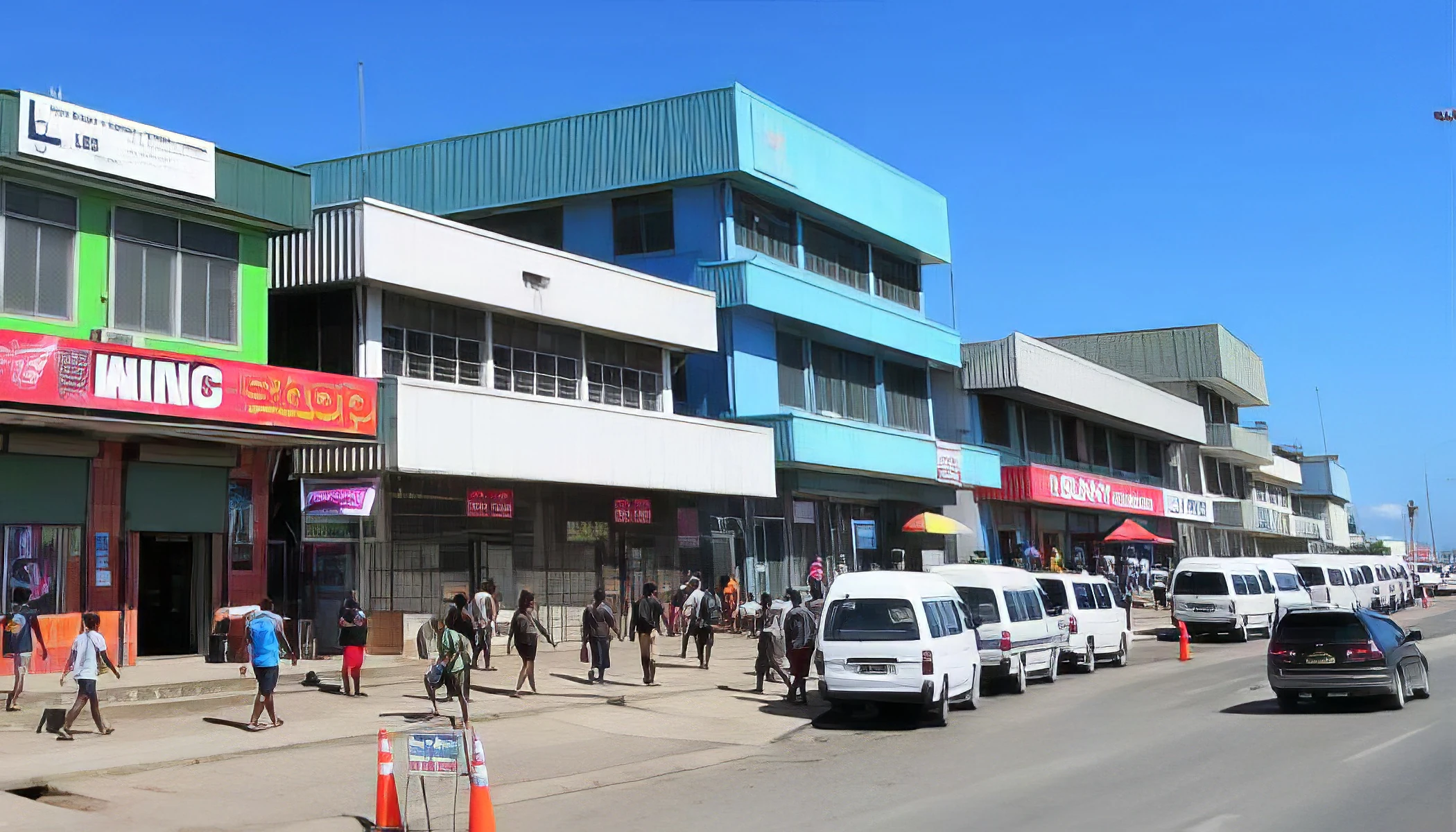
Explore a range of cultural and natural attractions in these top cities of Solomon Islands:
– Honiara: The capital city provides WWII sites, local markets, and the National Museum.
– Gizo: Known for its diving spots, beautiful beaches, and pretty local culture.
– Auki: A gateway to Malaita's traditional villages and the remarkable Langa Langa Lagoon.
– Munda: Offers excellent diving opportunities and proximity to scenic Roviana Lagoon.
– Tulagi: Known for its historical significance from World War II and diving sites.
– Lata: The main town in Temotu Province, it is a starting point for exploring Tikopia Island.
– Kirakira: Offers access to unique eco-tourism experiences such as hiking and village stays.
Monuments
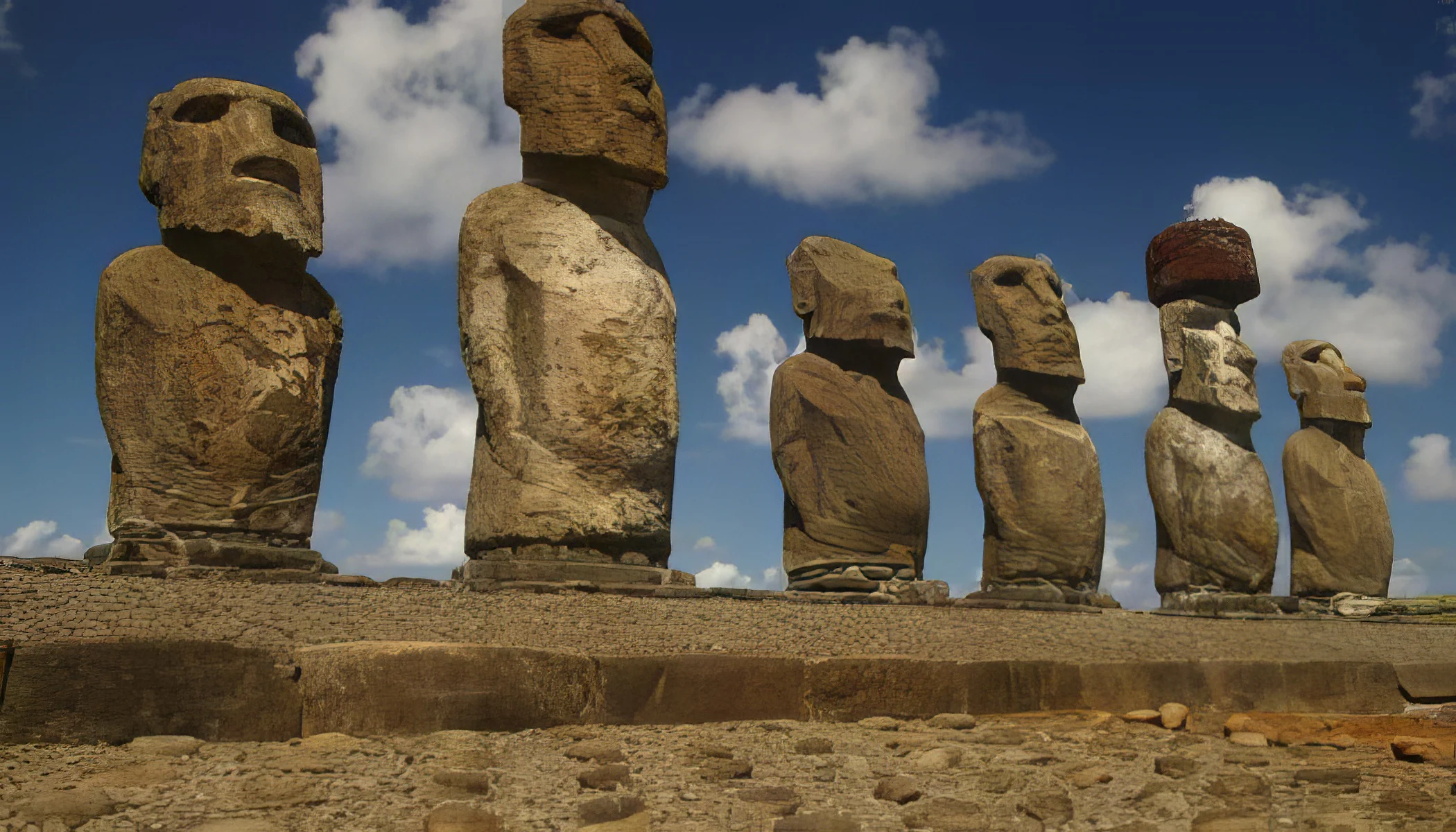
The Solomon Islands offer a glimpse into their diverse culture and history through these monuments:
– Bonegi I & II Wrecks: WWII shipwrecks popular for diving and exploring underwater history.
– Vilu War Museum: Outdoor museum showcasing WWII relics and aircraft in a tropical setting.
– American Memorial, Honiara: Honors those who served in Guadalcanal during World War II.
– Betikama Adventist College Museum: Displays traditional artifacts and cultural items from across the islands.
– Holy Cross Cathedral, Honiara: Significant religious site with historical architecture overlooking the town.
– Japanese Peace Park, Honiara: Commemorates Japanese soldiers who died during WWII battles in Guadalcanal.
– Kennedy Island: Named after JFK, where he swam to safety during WWII after PT boat sunk.
Natural wonder
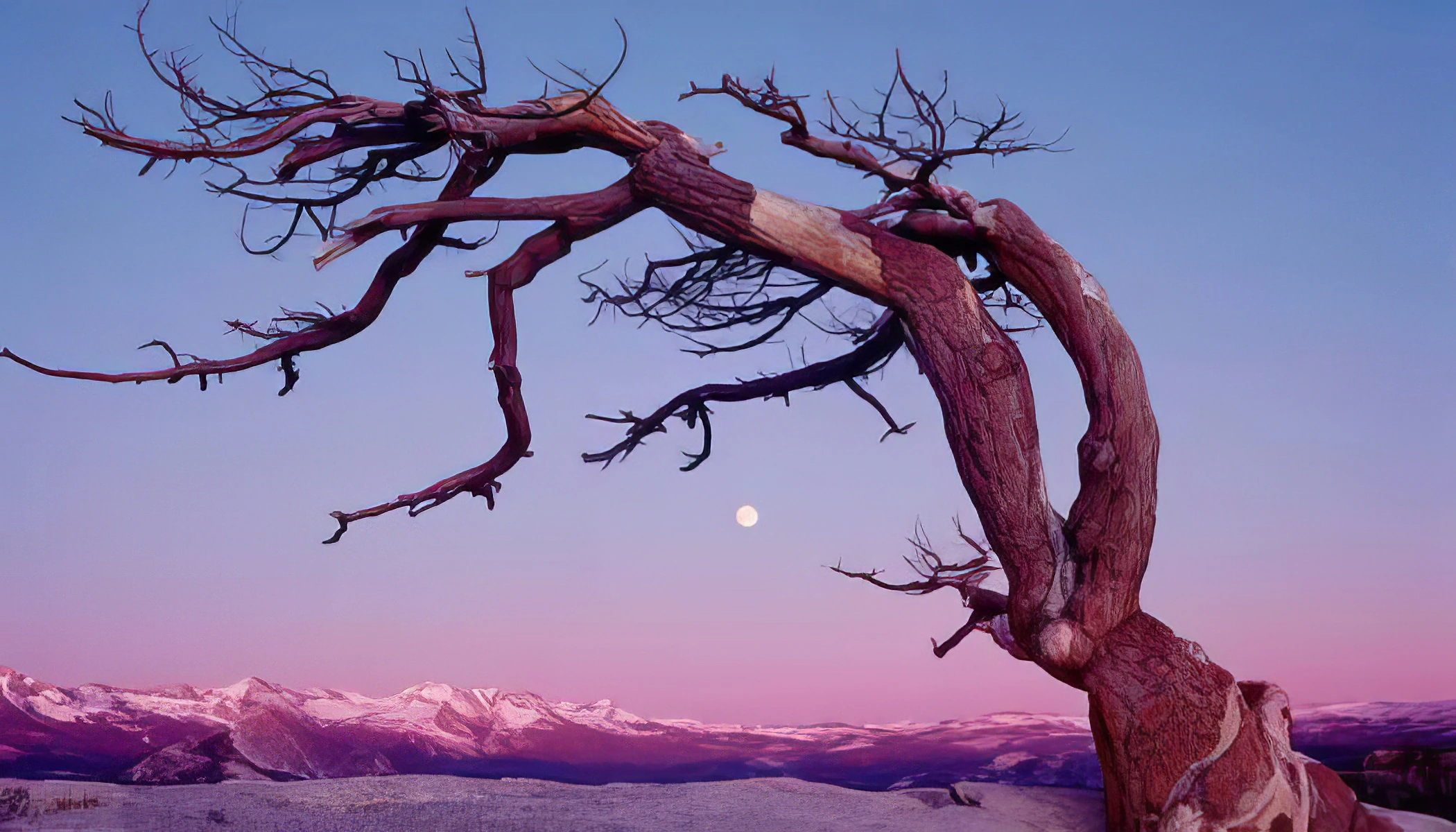
Explore the immaculate and diverse natural wonders of Solomon Islands:
– Lake Tegano: Formerly a volcanic crater, it's the South Pacific's largest freshwater lake.
– Marovo Lagoon: Renowned for being the world's largest saltwater lagoon with rich marine biodiversity.
– Mataniko Falls: A beautiful waterfall near Honiara, accessible through a luxurious jungle trek.
– Rennell Island: UNESCO World Heritage Site noted for its large raised coral atoll ecosystem.
– Kolombangara Volcano: A dormant volcano offering adventurous treks and panoramic island views.
– Tavanipupu Island: Known for crystal-clear waters and beautiful coral reefs ideal for snorkeling.
– Vonavona Skull Island: Famous for its historical skull shrines amidst a carefree island setting.
– Ghizo Island: Offers beautiful beaches and excellent diving spots off the coast of Gizo Town.
– Simbo Island's Megapode Fields: Unique geothermal fields where locals harvest eggs from nesting megapodes.
– Tetepare Island: The largest uninhabited tropical island in the South Pacific, home to rare wildlife.
Beaches
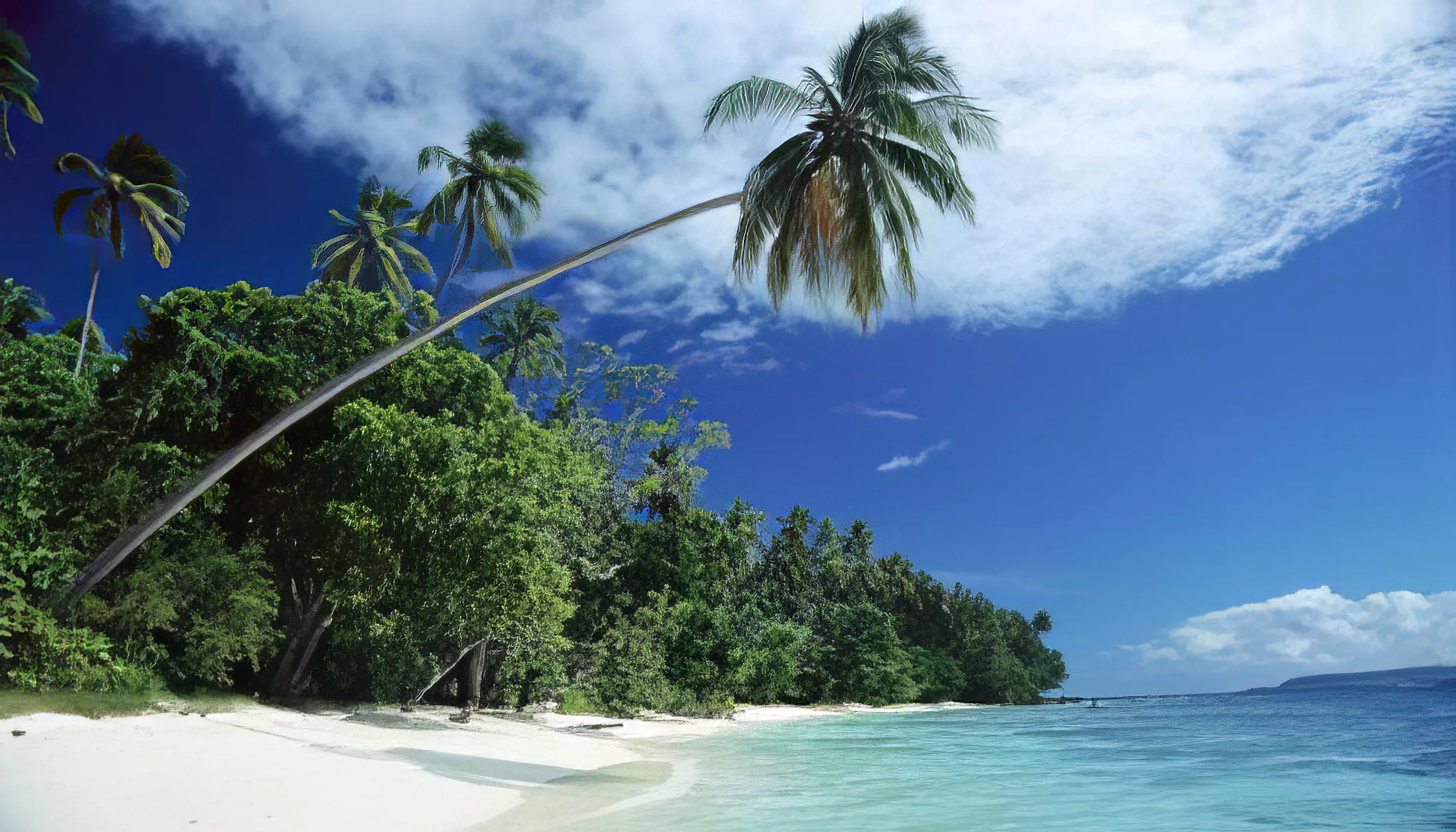
The Solomon Islands offer some beautiful and unspoiled beaches.
– Mbonege Beach: Known for snorkeling and World War II shipwrecks near Honiara.
– Marovo Lagoon Beaches: Offers nice beaches and snorkeling in the world's largest saltwater lagoon.
– Uepi Island Beach: Features crystalline sands and excellent diving spots in Marovo Lagoon.
– Gizo Beach: Popular for clear waters and nearby dive sites in Gizo.
– Tetepare Island Beach: Untouched beaches on a conservation-focused island with rich marine life.
– Skull Island Beaches: Cultural site with smooth beaches, known for historical significance near Munda.
– Langu Beach: Remote beach offering a peaceful retreat on Malaita Island.
Outdoor activities
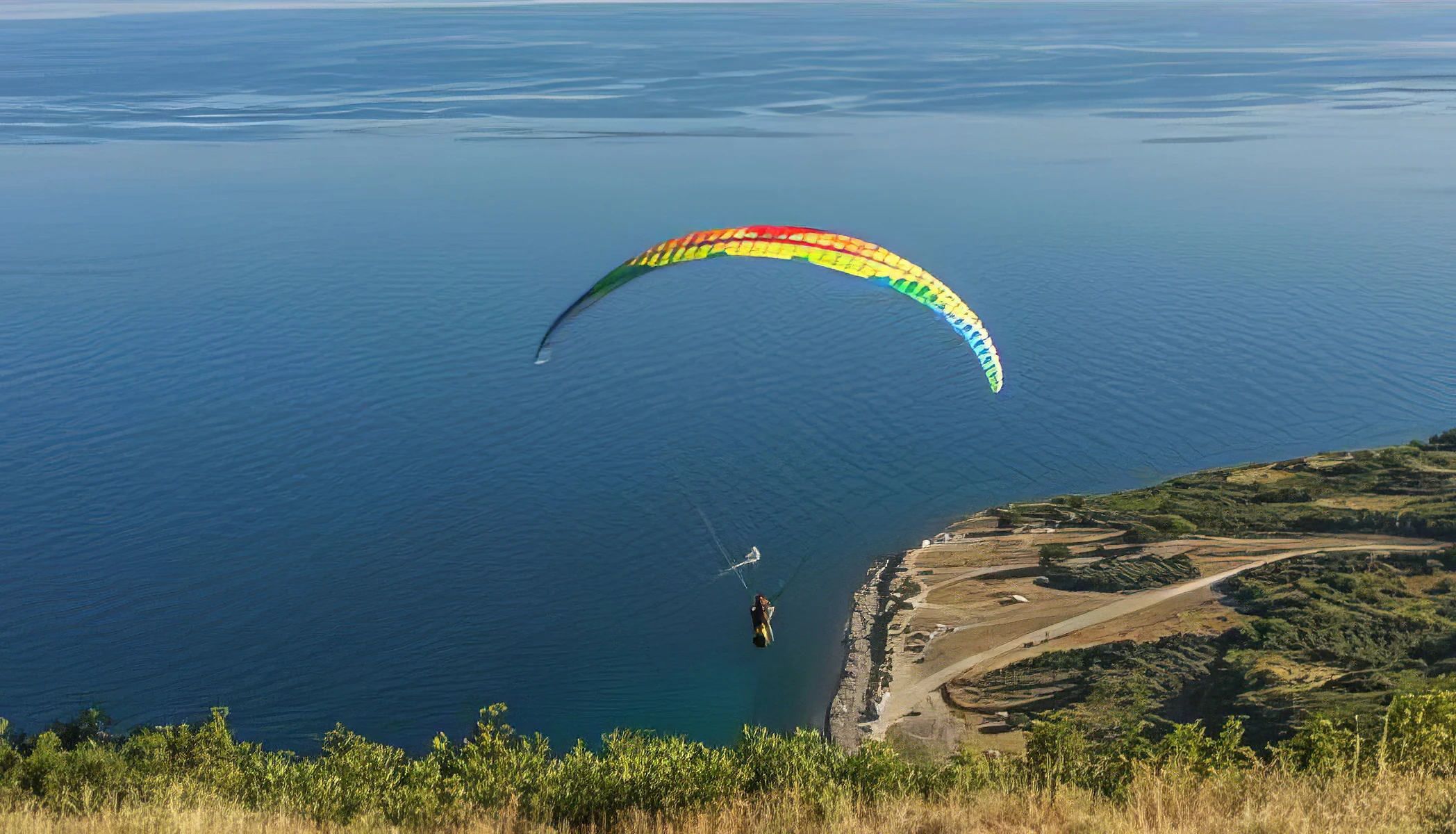
The Solomon Islands offer unique outdoor adventures for nature enthusiasts:
– Diving in Iron Bottom Sound: Explore shipwrecks and vibrant marine life beneath the waves.
– Snorkeling at Marovo Lagoon: Swim in one of the world's largest double barrier lagoons.
– Trekking on Kolombangara Island: Hike through rich rainforests to volcanic peaks.
– Surfing at Munda: Catch waves on uncrowded and immaculate beaches.
– Birdwatching in Makira: Spot diverse bird species in untouched habitats.
– Fishing in Western Province: Enjoy deep-sea fishing in rich, unspoiled waters.
– Canoeing on Langa Langa Lagoon: Paddle through traditional villages and scenic waterways.
Kid Friendly
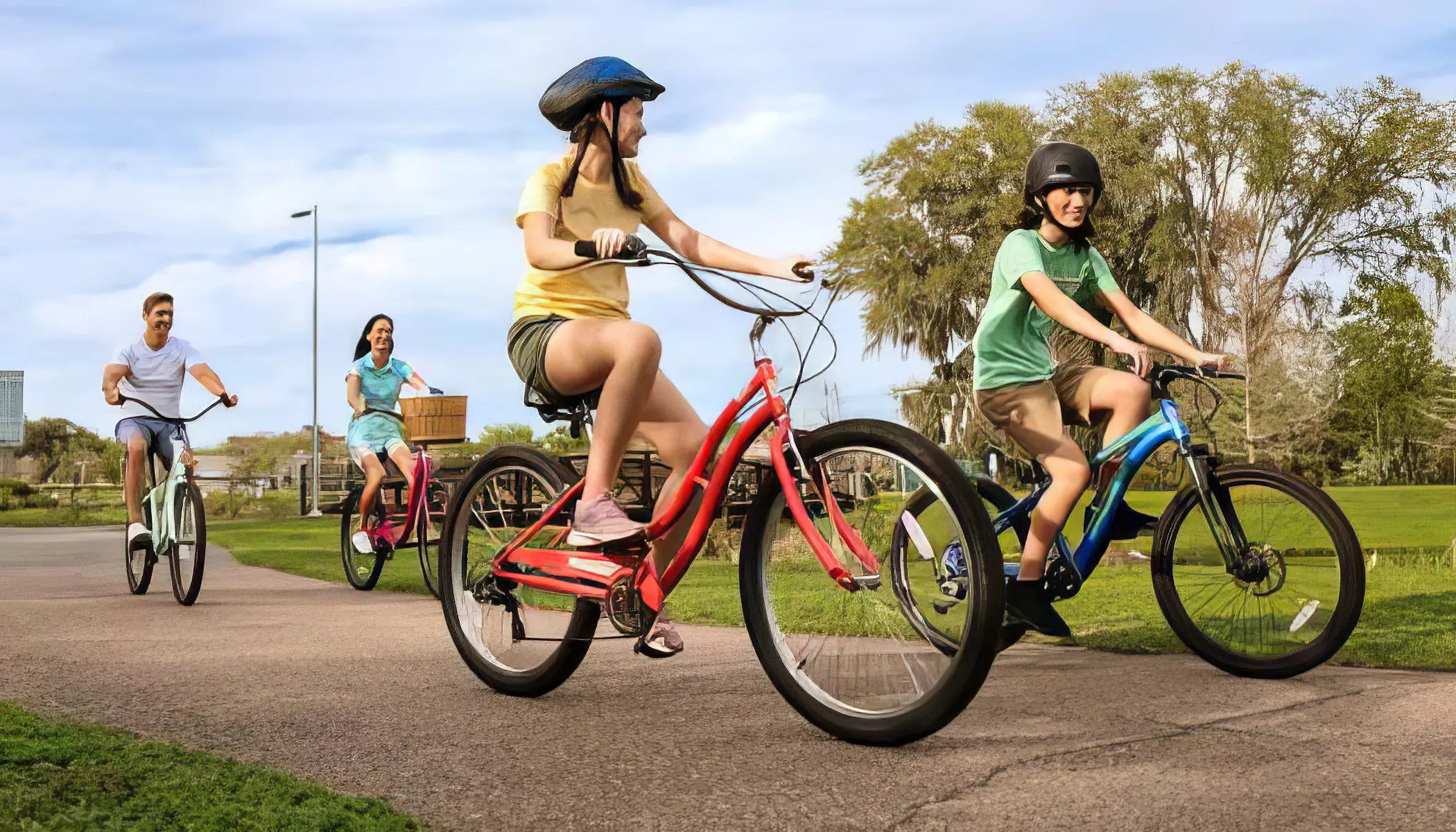
The Solomon Islands offer engaging activities for families with children.
– Bonegi Beach: A safe spot for kids to swim and explore WWII shipwrecks.
– Honiara Botanic Gardens: A relaxing place where kids can learn about local plants and flowers.
– Tenaru Waterfall: An easy hike leading to a refreshing waterfall perfect for a family visit.
– Vilu War Museum: An outdoor museum showcasing WWII relics that can intrigue young history enthusiasts.
– Mbonege Beach Snorkeling: Clear waters ideal for beginners to see colorful fish and corals.
– Traditional Village Visits: Experience local culture and customs in family-friendly village tours.
– Turtle Watching on Tetepare Island: Kids can observe turtles in their natural habitat during nesting season.
– Kokoda Memorial Park: A quiet park where families can reflect on history and enjoy picnics.
Cuisine
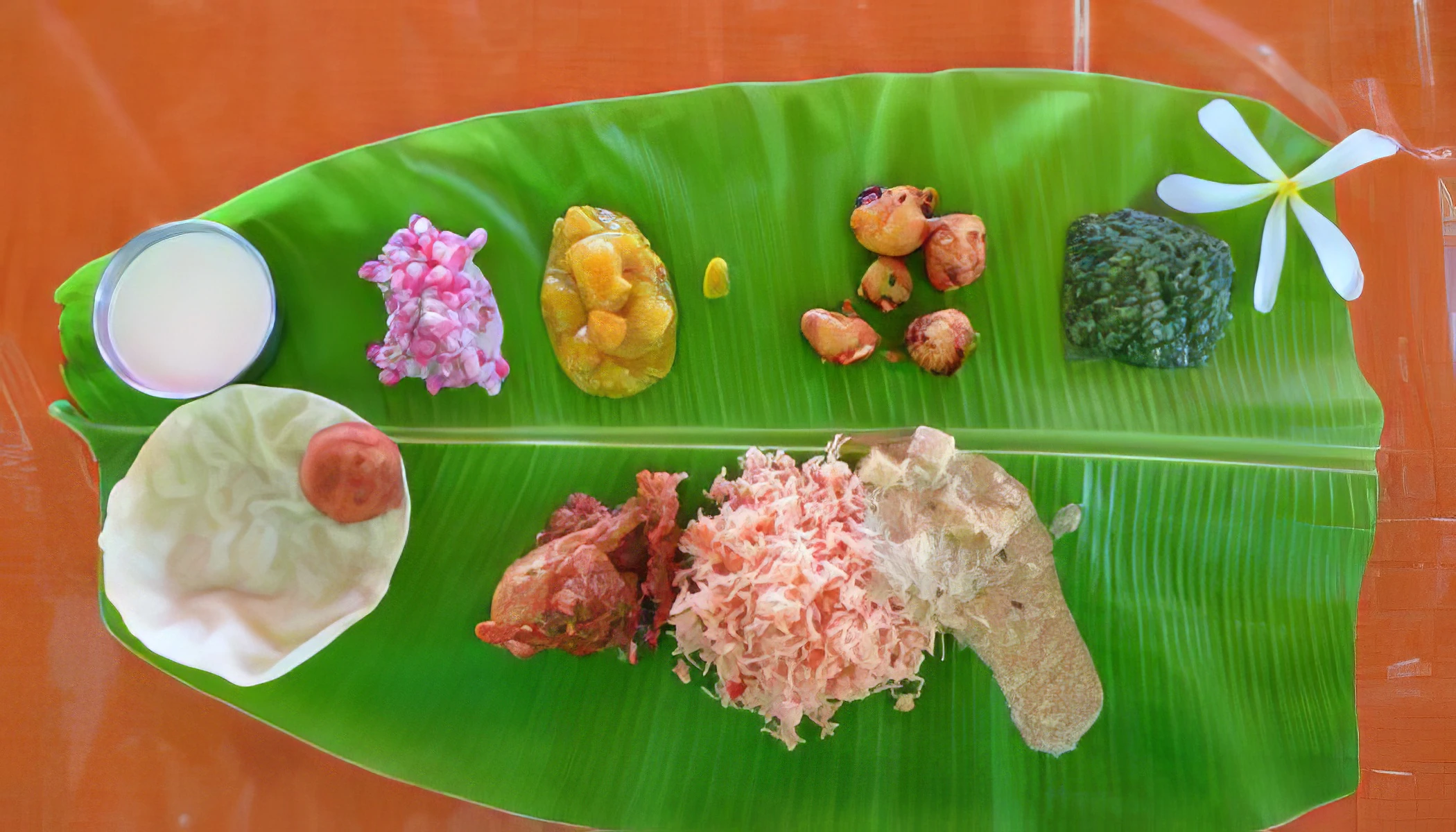
The Solomon Islands' food scene features fresh seafood, tropical fruits, and root vegetables, reflecting its island geography and cultural diversity. Traditional cooking methods like earth ovens are prevalent. The cuisine is simple yet flavorful. Some of the country's most famous dishes and desserts are:
– Poi: Fermented taro pudding with a slightly sour taste, eaten as a staple.
– Ulu: Breadfruit cooked in various ways, often roasted or boiled as a side dish.
– Kokoda: Raw fish marinated in lime juice with coconut milk and vegetables.
– Cassava Pudding: Grated cassava mixed with coconut cream, wrapped in banana leaves, and baked.
– Coconut Crab: Large crabs cooked with coconut milk and spices, known for their rich flavor.
Souvenir
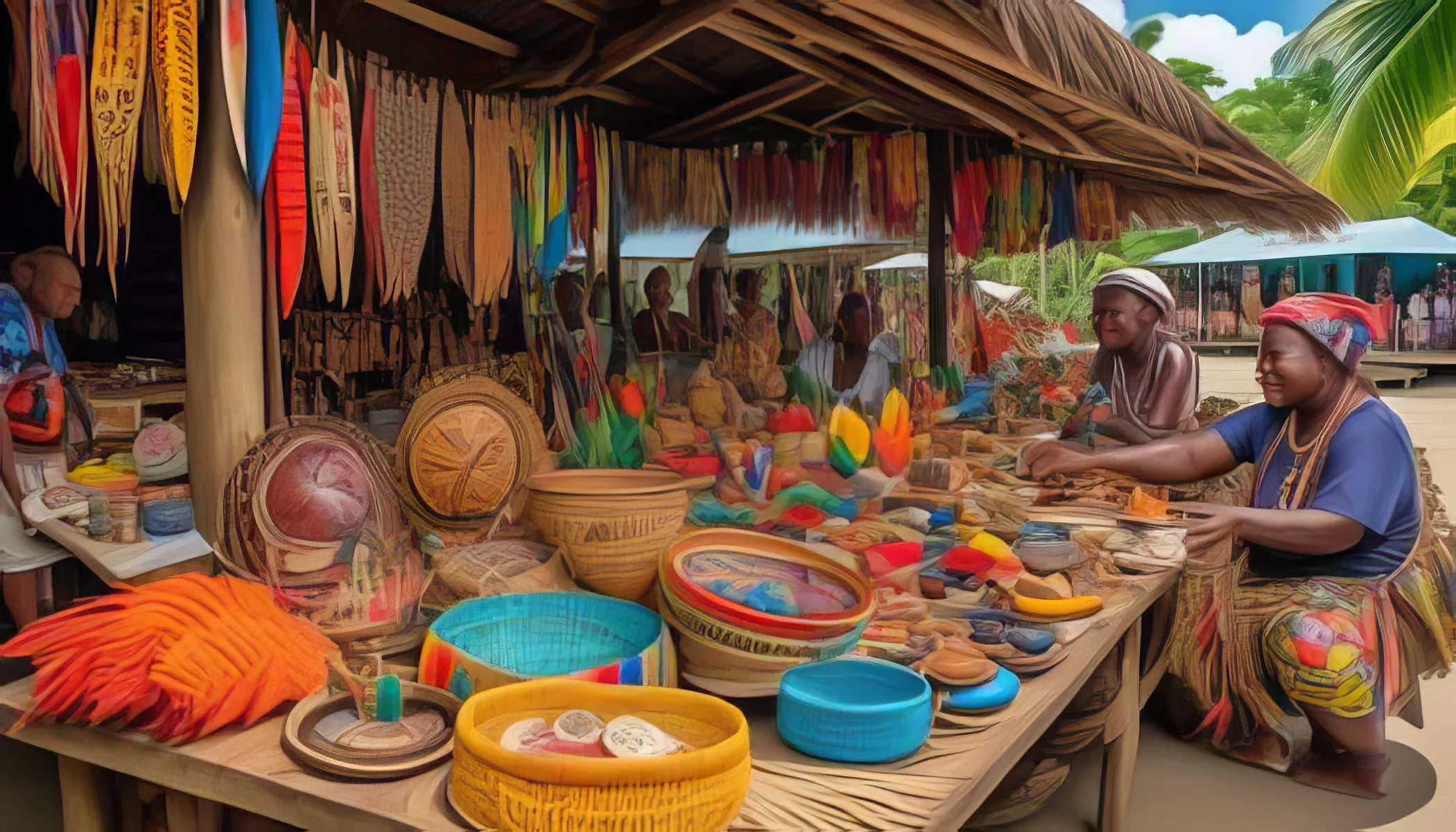
The Solomon Islands offer unique traditional crafts that reflect its rich cultural heritage. Here are popular souvenirs to consider:
– Wood Carvings: Detailed carvings made from indigenous wood, depicting local myths and traditions.
– Shell Jewelry: Necklaces and bracelets crafted from colorful local shells.
– Woven Baskets: Handcrafted baskets made using traditional techniques, ideal for decoration or storage.
– Tribal Masks: Intricately designed masks used in traditional ceremonies, often carved from wood and painted.
– Tapa Cloth: Bark cloth featuring unique patterns, traditionally used in clothing and art.
– Coconut Crafts: Items like bowls and utensils carved from coconut shells, showcasing local craftsmanship.
– Local Spices: Indigenous spices that add authentic flavors to your cooking back home.
Traditional Shows
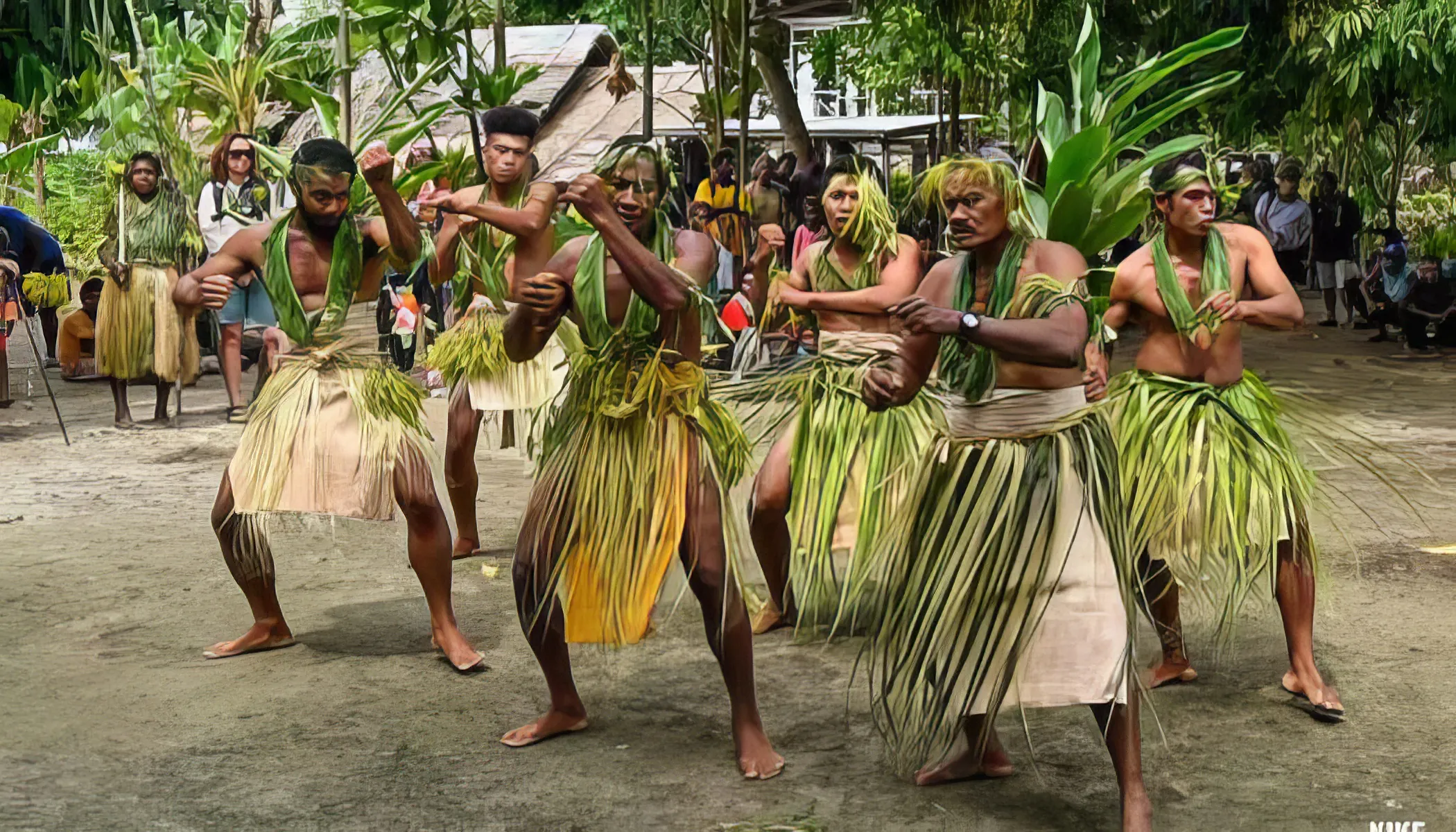
In the Solomon Islands, traditional performances reflect the islands' diverse cultural heritage:
– Panpipe Bands: Experience distinctive melodies created by bamboo panpipes, common in festivals and cultural gatherings across the Solomon Islands.
– Are'Are Music: Discover this unique musical tradition from Malaita Island, featuring complex rhythms played on various bamboo instruments.
– Traditional Dance Performances: Witness pretty dances with elaborate costumes and rhythmic drum beats, often performed during community celebrations throughout the islands.
– Shell Money Making Demonstrations: Learn about this traditional art form where seashells are crafted into currency and jewelry, often showcased at cultural events.
– Bamboo Band Performances: Enjoy lively performances using bamboo tubes of different sizes to produce music, reflecting Melanesian influences.
Events & Festivals
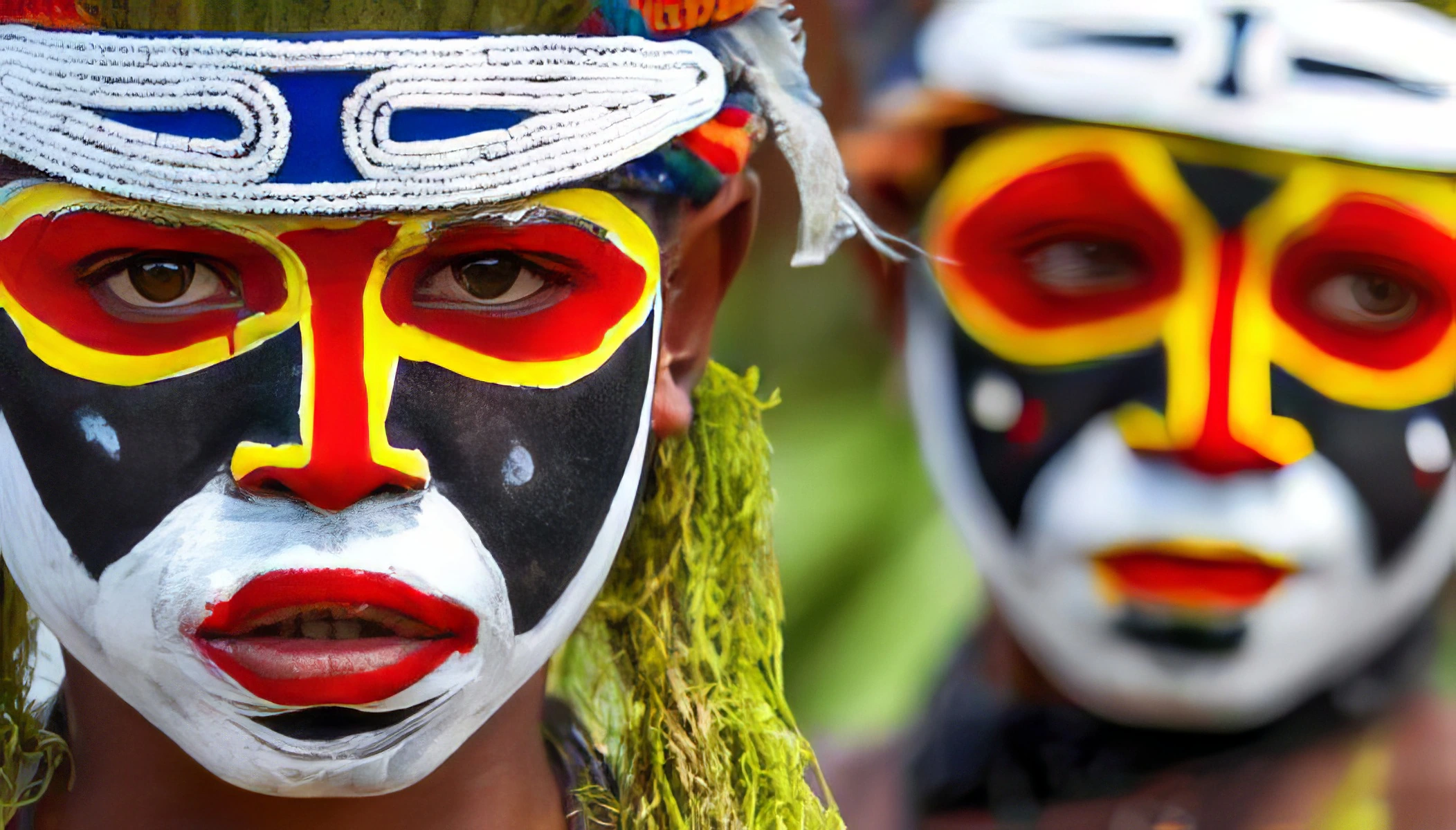
Cultural events in the Solomon Islands highlight traditions and community gatherings throughout the year:
– Independence Day: Celebrated on July 7 with parades, dances, and cultural showcases marking national independence.
– Lagoon Festival: Held in August in the Western Province, featuring canoe races, traditional music, and crafts.
– Shell Money Festival: September event on Malaita Island celebrating traditional currency with ceremonies and trading.
– Wogasia Spear Fighting Festival: May festival on Santa Catalina Island featuring warrior dances and spear fighting to mark planting season end.
– Yam Festival: Annual event celebrating yam harvest with feasting, dances, and communal activities.
– Pacific Arts Festival: Held every four years; regional arts festival rotates among Pacific nations showcasing diverse cultural heritage.
– Christmas Festivities: December celebrations with church services, feasting, and community gatherings across islands.
Famous People

The Solomon Islands have produced notable figures who have significantly impacted politics, sports, and culture.
– Peter Kenilorea (1943 to 2016, Malaita Province): First Prime Minister of Solomon Islands post-independence, serving two terms.
– Derek Sikua (born 1959, Guadalcanal Province): Politician who served as Prime Minister from 2007 to 2010.
– Moses Kotu (born 1966, Malaita Province): Renowned boxer who represented Solomon Islands in international competitions including the Commonwealth Games.
– Jimmie Rodgers (born 1955, Choiseul Province): Scientist and former Director-General of the Pacific Community organization.
– Jully Makini (born 1952, Guadalcanal Province): Poet known for her works addressing social and women's issues in the Pacific.
Books
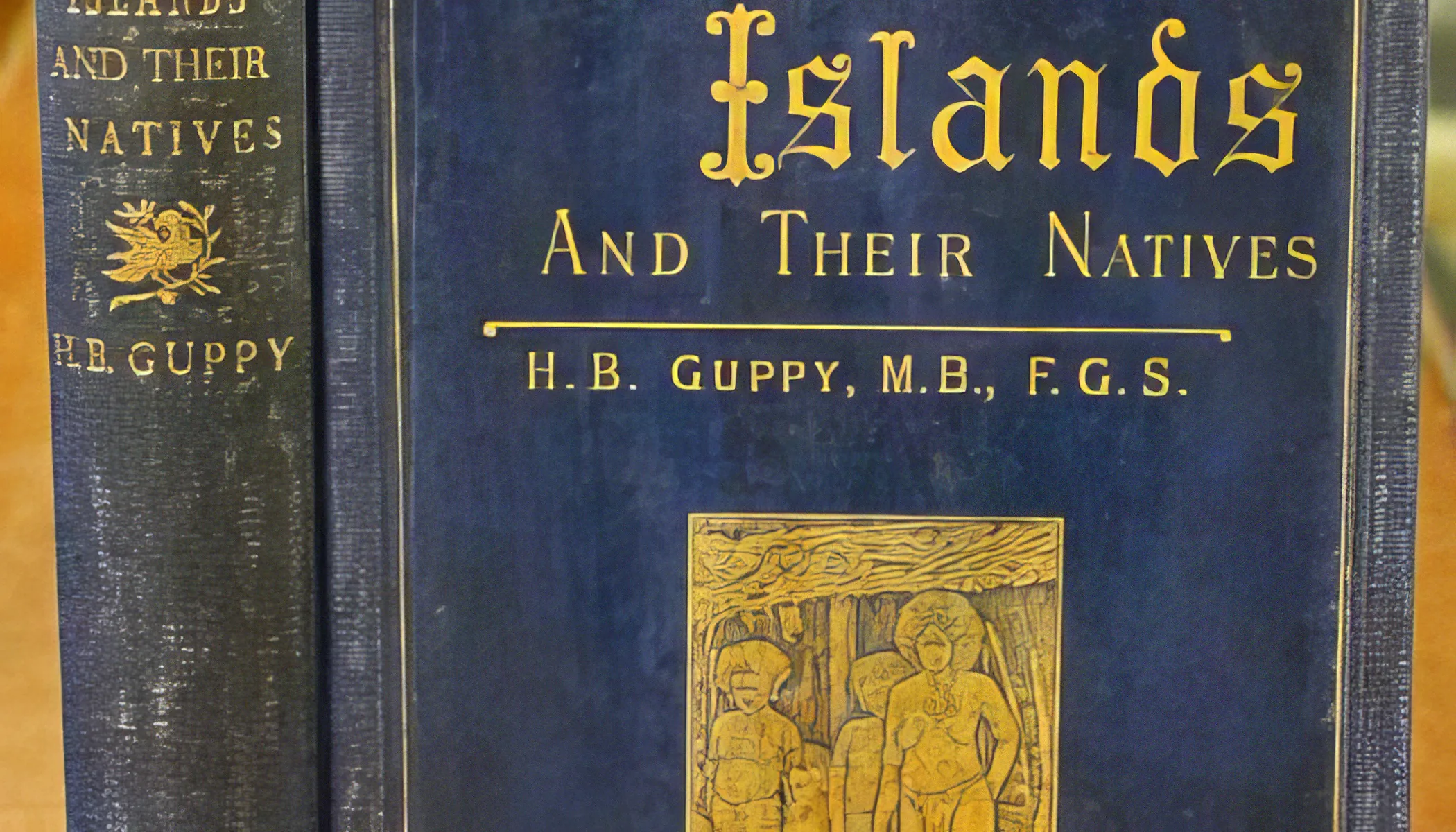
These books provide insight into the history, culture, and experiences related to the Solomon Islands.
– "The Happy Isles of Oceania" by Paul Theroux: A travel narrative that includes the author's journey through the Solomon Islands.
– "Solomon Time" by Will Randall: Chronicles a Westerner's experiences living on a remote Solomon Island.
– "Devil-Devil" by G.W. Kent: A mystery novel set in the culturally rich backdrop of the Solomon Islands.
– "Mr. Pip" by Lloyd Jones: Focuses on a girl in Bougainville with connections to neighboring Solomon Islands during conflict.
– "Where White Men Fear to Tread" by Russell Soaba: Explores themes of colonialism and indigenous identity near Melanesia, including the Solomons.
Songs
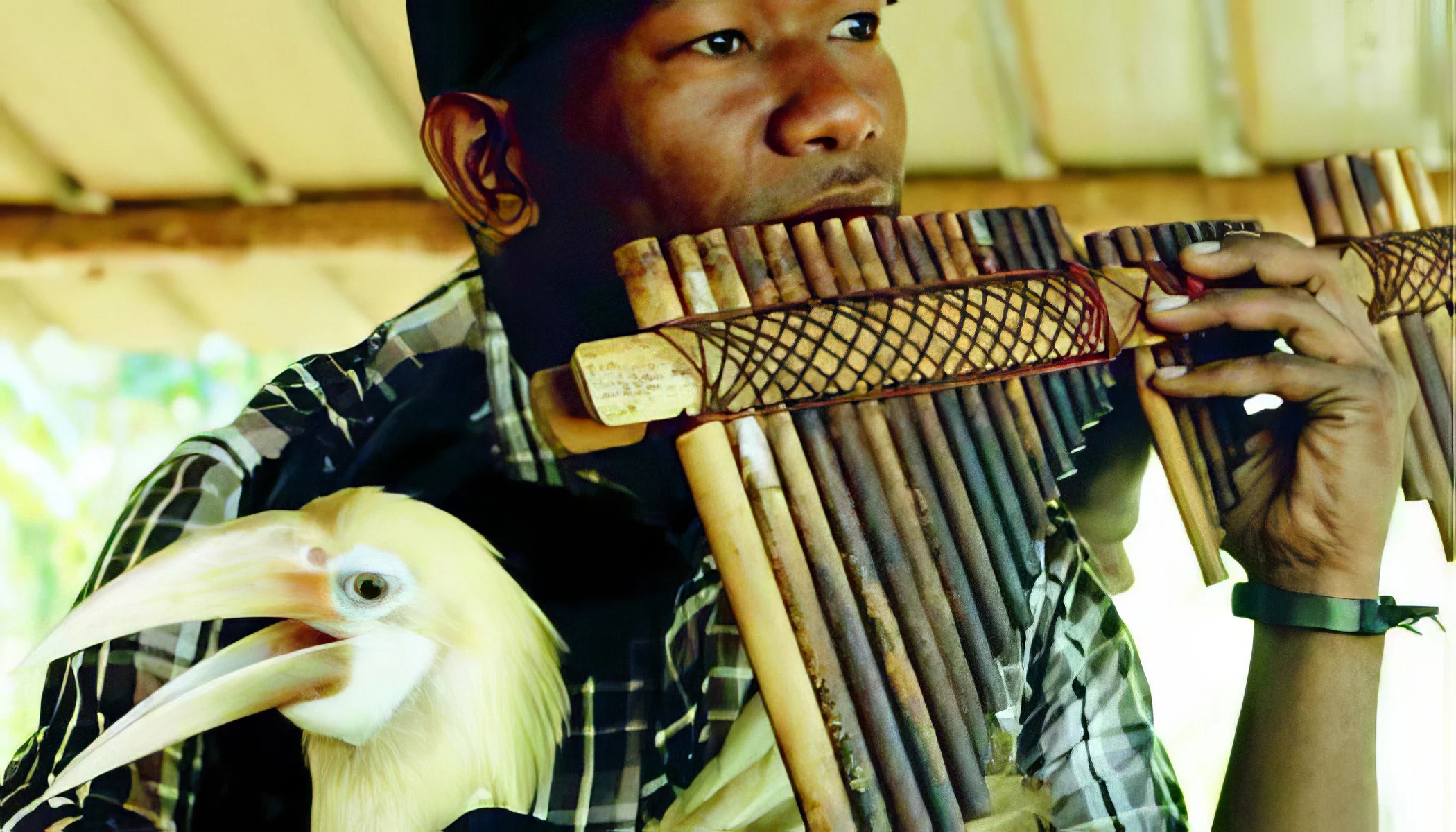
Solomon Islands music is deeply rooted in its cultural heritage and modern influences, reflecting the islands' rich traditions and pleasant rhythms.
– My Island Home by Sharzy: Celebrates the beauty and culture of the Solomon Islands.
– Solwara Meri by Dezine: Captures island life with a catchy beat, popular throughout the Pacific.
– Lei Ana by DMP (Doorman’s Project): A reggae-infused track resonating with themes of love and island vibes.
– East a Lomomba by 1TAKE: Blends traditional sounds with contemporary beats, highlighting island pride.
– Warriors by Jaro Local: Uplifting anthem honoring strength and resilience of Solomon Islanders.
– Sweet Mama by Onetox: Fuses reggae and island rhythms to create a heartfelt tribute to mothers.
Films
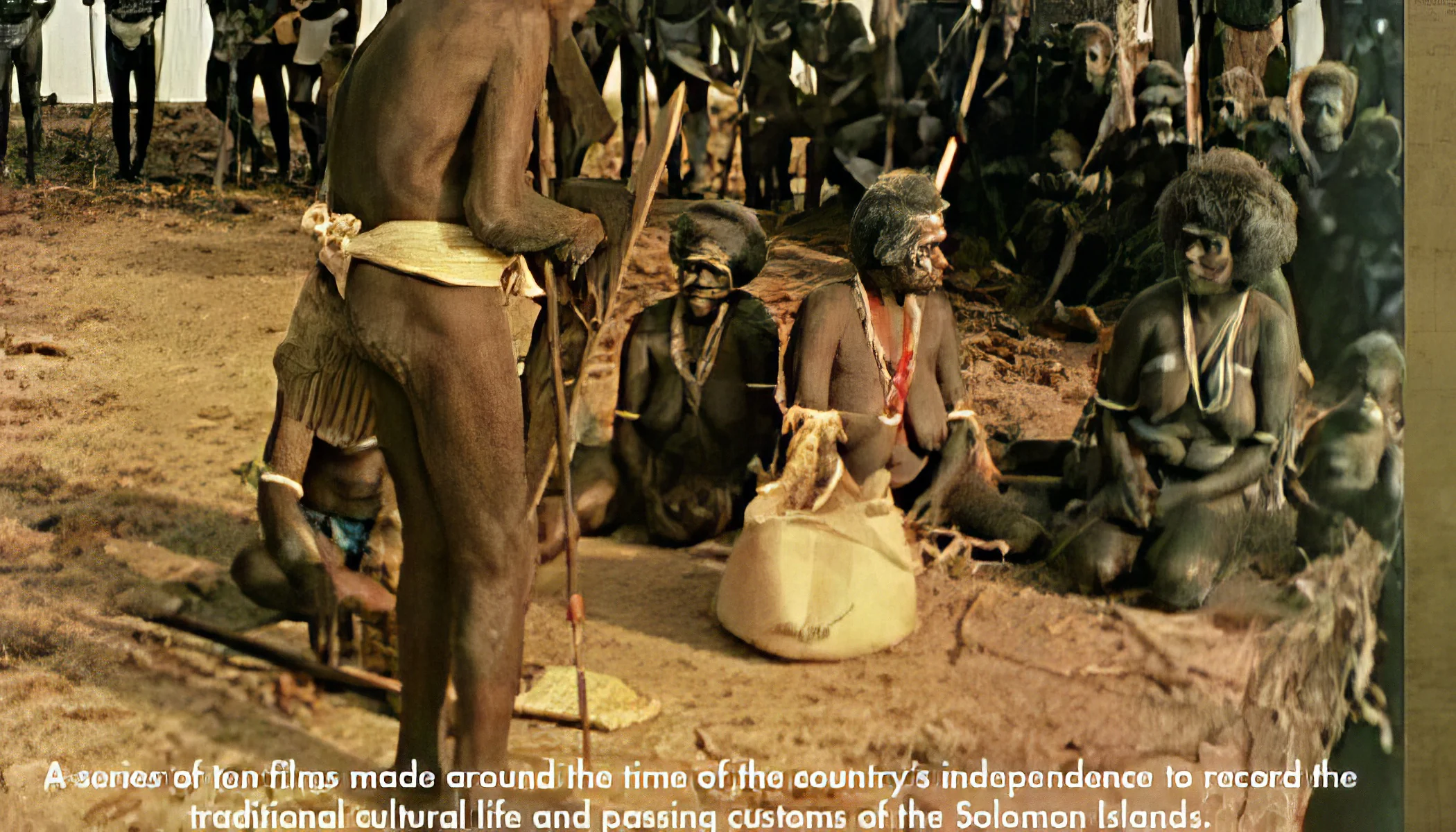
Exploring the captivating narratives of the Solomon Islands, here are some noteworthy films:
– "Tanna": Set in Vanuatu but featuring cultural elements of the region, it tells a forbidden love story amidst tribal conflict.
– "Oceans": A documentary capturing the marine life of the South Pacific, highlighting biodiversity near islands like Solomon Islands.
– "The Land Has Eyes": Although set in Rotuma, its themes resonate with Pacific Islander experiences and cultural resilience.
– "Bikpela Bagarap (Big Damage)": Focuses on environmental and social issues within Pacific Island communities, including the Solomon Islands.
– "Pear ta ma ‘on maf (The Land We Call Home)": A documentary exploring indigenous knowledge and climate change impacts in the region.