

South Korea Attractions & Travel Advice – Plan Your Visit
Located in East Asia, this country is known for its technological advancements and rich cultural heritage. It features animated cities like Seoul, traditional palaces, and scenic landscapes. The cuisine, including dishes like kimchi and bulgogi, is popular worldwide.
- Capital
- Seoul
- Population
- 48.5 millions
- Superficy
- 99000 sq.km
- Months to Visit
- April to June & Sept. to Oct.
- Living Cost
- Moderate
Overview
South Korea, located on the Korean Peninsula in East Asia, is known for its rapid economic development and technological advancements. The capital, Seoul, is a lively metropolis blending modern skyscrapers with historic sites like Gyeongbokgung Palace. South Korea has a rich cultural heritage, evident in its traditional music, dance, and cuisine, including popular dishes like kimchi and bulgogi. The country is a leader in technology and innovation, home to global companies such as Samsung and Hyundai. South Korea's entertainment industry, particularly K-pop and Korean dramas, has gained international popularity. Despite its modernity, the country maintains strong ties to its traditions and natural landscapes, offering a mix of urban excitement and calm countryside.
Pros & Cons
GOOD REASONS TO VISIT SOUTH KOREA
– Rich Cultural Heritage: Explore palaces, temples, and UNESCO sites showcasing Korea's history and traditions.
– Delicious Cuisine: Enjoy kimchi, bibimbap, and Korean BBQ; diverse flavors for adventurous food enthusiasts.
– Beautiful Pop Culture: Experience K-pop concerts, K-dramas filming locations, and trendy fashion districts in Seoul.
– Advanced Technology: Discover cutting-edge tech in daily life; fast internet and innovative gadgets are everywhere.
– Scenic Landscapes: Visit Jeju Island's volcanic formations, Seoraksan National Park's mountains, and cherry blossoms in spring. CHALLENGES WHEN VISITING SOUTH KOREA
– Language Barrier: English is not widely spoken outside tourist areas; learning basic Korean phrases helps.
– High Costs in Cities: Seoul can be expensive for accommodation, dining, and shopping compared to other Asian destinations.
– Crowded Urban Areas: Major cities are densely populated; expect busy streets and public transport during peak times.
Before Departure
Before traveling to South Korea, consider the following essential information:
– Passport: Ensure your passport is valid for at least six months from your entry date.
– Visa: Many nationalities can enter visa-free for up to 90 days; check specific requirements. Apply online for an e-visa if needed.
– Currency: South Korean Won (KRW); credit cards widely accepted; ATMs available but may charge fees for foreign cards.
– Internet access: Free WiFi is widespread in cities; purchase a SIM card or rent a portable WiFi device for reliable connectivity.
– Language barrier: Korean is the official language; English is moderately spoken in tourist areas. Basic Korean phrases can be helpful.
What to Pack
Visiting South Korea requires preparation for a mix of urban exploration and cultural experiences, with attention to seasonal weather variations.
– Essentials: Passport, visa (if required), travel insurance, flight tickets, itinerary, accommodation details, and emergency contact information.
– Clothing: Comfortable walking shoes, layered clothing for varying temperatures, modest attire for temple visits, swimwear for beaches or spas.
– Health & Safety: Prescription medications, basic first aid kit, sunscreen, personal hygiene items, and any necessary vaccinations.
– Electronics: Travel adapter for Korean outlets (Type C/F), mobile phone with international roaming or local SIM card.
Weather
Weather in South Korea varies significantly across its four distinct seasons:
– Winter (December to February): Cold and dry with temperatures often dropping below freezing, especially in the north.
– Spring (March to May): Mild and pleasant with cherry blossoms blooming, but occasional yellow dust from China.
– Summer (June to August): Hot and humid with heavy rainfall during the monsoon season, particularly in July.
– Autumn (September to November): Cool and dry with animated fall foliage, offering comfortable weather for outdoor activities. The best time to visit South Korea is during spring (April to June) or autumn (September to November). Pros: Pleasant weather, beautiful natural scenery like cherry blossoms or autumn leaves. Cons: Higher tourist numbers can lead to crowded attractions and increased accommodation prices.
Travel Budget
South Korea offers a range of prices for travelers, with costs varying significantly between urban and rural areas. Here are some average prices for common expenses:
– Hotel: 50$ to 200$
– Lunch: 6$ to 15$
– Beverage (in bar/restaurant): 3$ to 8$
– Coffee: 2$ to 5$
– Transportation: (train 10$ to 50$), (bus 1$ to 3$), (taxi /10km 10$ to 20$)
– Mobile data (per GB): 5$ to 10$
Language
Korean is a language with its own unique script called Hangul, and here are some useful phrases for tourists:
– Hello: 안녕하세요 (Annyeonghaseyo)
– Thank you: 감사합니다 (Gamsahamnida)
– Please: 제발 (Jebal)
– How much is this?: 이거 얼마예요? (Igeo eolmayeyo?)
– Excuse me: 실례합니다 (Sillyehamnida)
– I don't understand: 이해하지 못해요 (Ihaehaji mothaeyo)
– Yes: 네 (Ne)
– No: 아니요 (Aniyo)
– Goodbye: 안녕히 가세요 (Annyeonghi gaseyo)
History
It was part of the Korean Peninsula, which was under Japanese colonial rule from 1910 until the end of World War II in 1945. Following Japan's defeat, the peninsula was divided along the 38th parallel, with the Soviet Union occupying the north and the United States occupying the south. This division led to the establishment of two separate governments in 1948: a communist regime in North Korea and a democratic government in South Korea. The Korean War broke out in 1950 when North Korea invaded the South, ending in 1953 with an armistice but no peace treaty, leaving Korea technically still at war. Post-war, South Korea experienced rapid economic growth and industrialization starting in the 1960s, transforming into a major global economy by the late 20th century. Today, it is known for its dynamic economy and pleasant cultural exports while still facing ongoing tensions with its northern neighbor.
Geopolitics
The Republic of Korea, located on the Korean Peninsula's southern half, shares a heavily fortified border with North Korea, known as the Demilitarized Zone (DMZ). It maintains a strong alliance with the United States, which includes a significant U.S. military presence aimed at deterring North Korean aggression. South Korea is an active member of international organizations like the United Nations and various regional economic and security initiatives, such as APEC (Asia-Pacific Economic Cooperation). The country seeks to balance its relationships with major powers like China and Japan while fostering regional stability through diplomacy and economic cooperation. Domestically, South Korea faces geopolitical challenges due to North Korea's nuclear ambitions and occasional provocations. While it aims for peaceful reunification with the North, it remains vigilant against potential security threats from its northern neighbor.
Sample Itinerary
This itinerary covers the dynamic culture of Seoul, historical sites in Gyeongju, and natural beauty on Jeju Island.
– 3 days in Seoul: Visit Gyeongbokgung Palace, Bukchon Hanok Village, and N Seoul Tower. Explore Myeongdong for shopping and Insadong for traditional crafts.
– 2 days in Gyeongju: Discover Bulguksa Temple and Seokguram Grotto. Tour Anapji Pond and the ancient tombs at Tumuli Park.
– 2 days on Jeju Island: Hike Hallasan Mountain, visit Seongsan Ilchulbong Peak, explore Manjanggul Lava Tube, and relax at Jeju's scenic beaches.
Popular cities
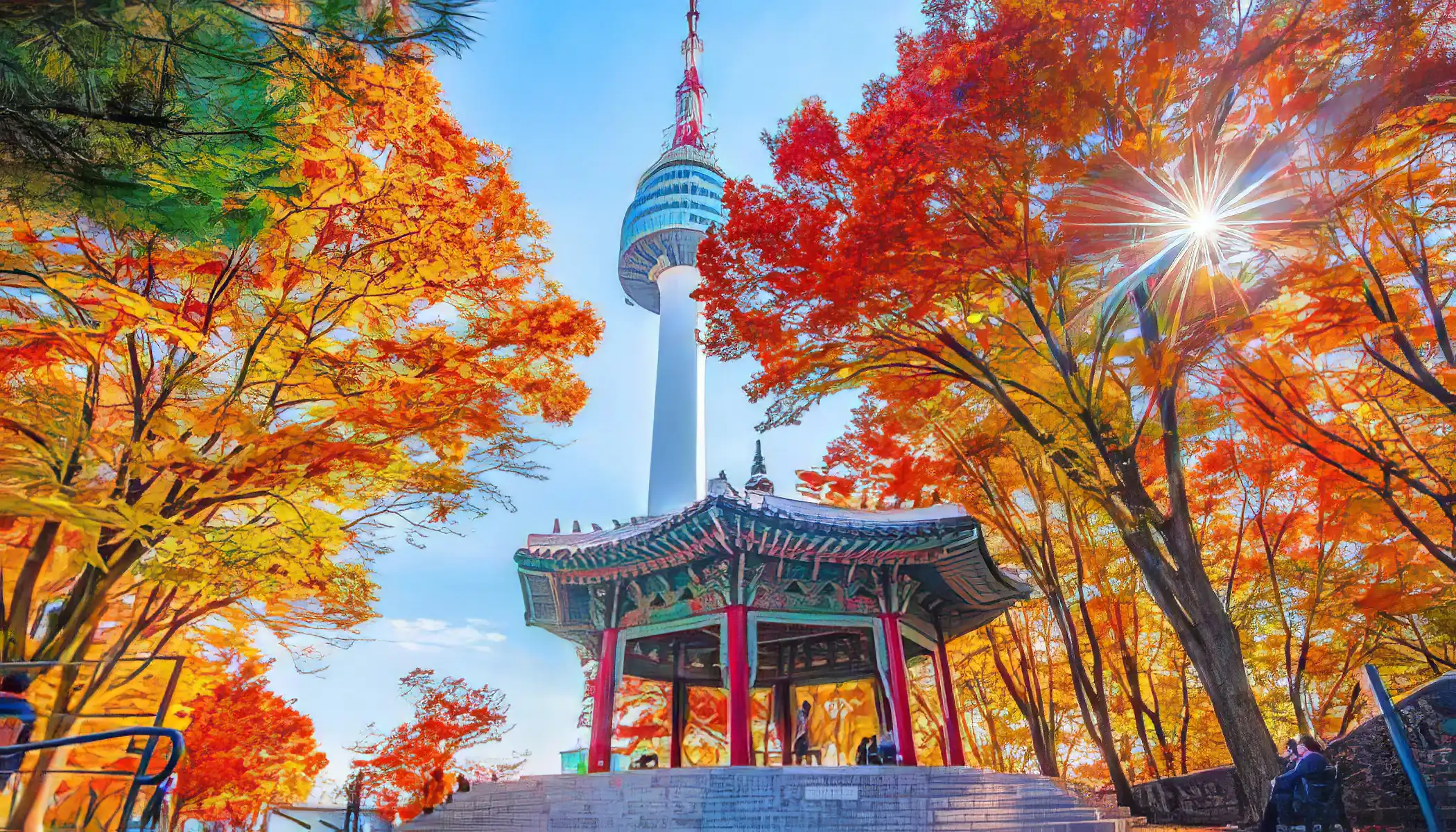
Discover South Korea's diverse cities featuring a mix of tradition and modernity:
– Seoul: The animated capital city is a hub for culture, technology, and historic sites like palaces and markets.
– Busan: Known for its gorgeous beaches, seafood markets, and the lovely Gamcheon Culture Village.
– Incheon: Provides the modern Songdo International Business District and access to beautiful nearby islands.
– Gyeongju: Known as the "museum without walls," it features ancient tombs, temples, and historical relics.
– Jeonju: Famous for its traditional Hanok Village, delicious Korean cuisine, and cultural heritage.
– Suwon: Home to the UNESCO World Heritage-listed Hwaseong Fortress with traditional Korean architecture.
– Jeju City: Located on Jeju Island, known for volcanic landscapes, waterfalls, and outdoor activities.
Monuments
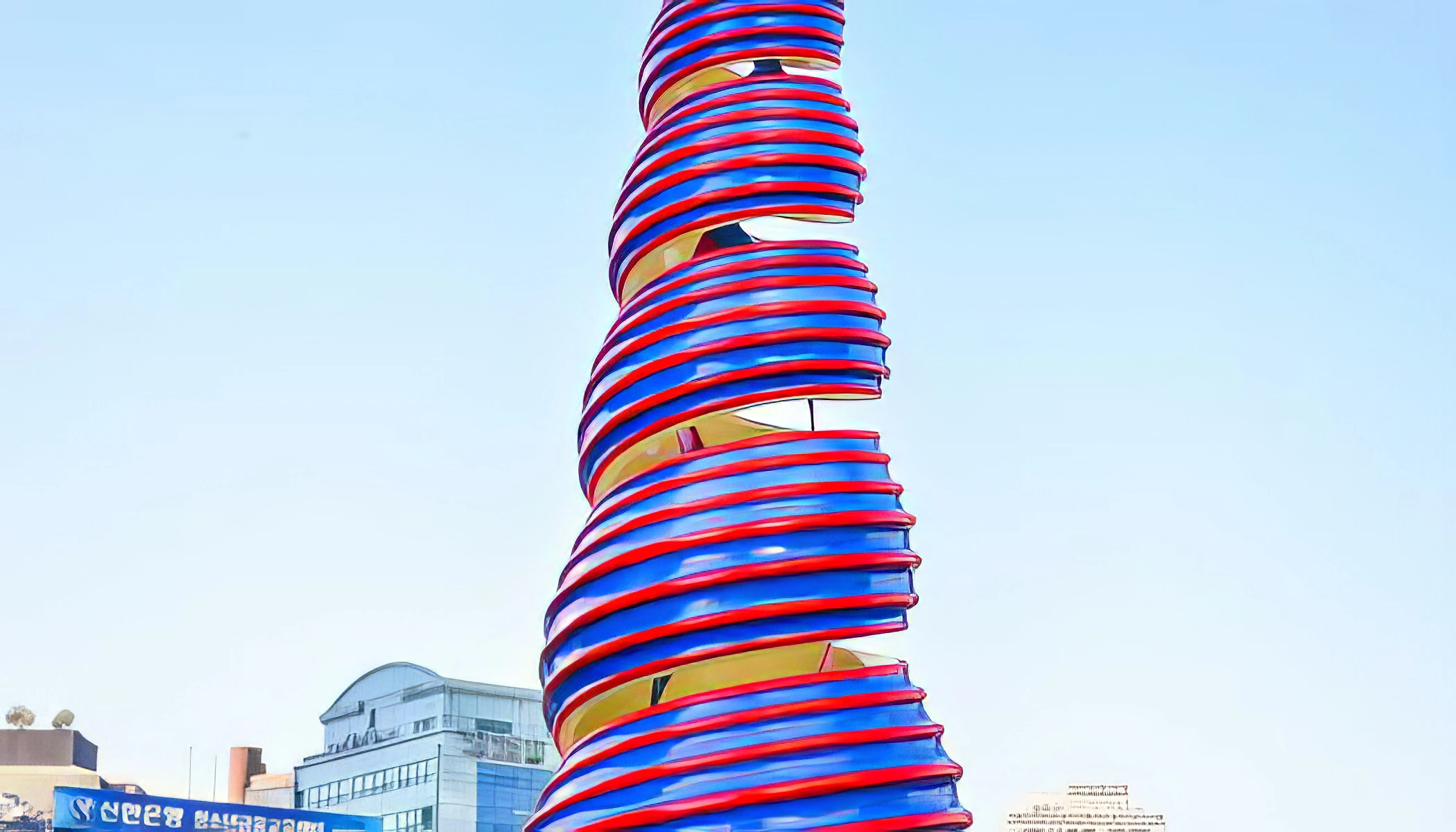
South Korea offers a rich tapestry of historical and cultural sites to explore:
– Gyeongbokgung Palace, Seoul: Iconic Joseon Dynasty palace known for its grand architecture and changing of the guard.
– Changdeokgung Palace, Seoul: UNESCO-listed palace with beautiful Secret Garden, showcasing harmony with nature.
– Bulguksa Temple, Gyeongju: Famous Buddhist temple featuring refined stone carvings and traditional architecture.
– Seokguram Grotto, Gyeongju: UNESCO site with a granite Buddha statue inside an artificial cave.
– Hwaseong Fortress, Suwon: Impressive 18th-century fortress with defensive walls and watchtowers.
– Jongmyo Shrine, Seoul: Confucian royal shrine dedicated to the deceased kings and queens of the Joseon Dynasty.
– Hahoe Folk Village, Andong: Traditional village preserving Korean folk culture, architecture, and customs.
– Namdaemun Gate (Sungnyemun), Seoul: Historic gate built in 1398 as part of Seoul's city defenses.
Natural wonder
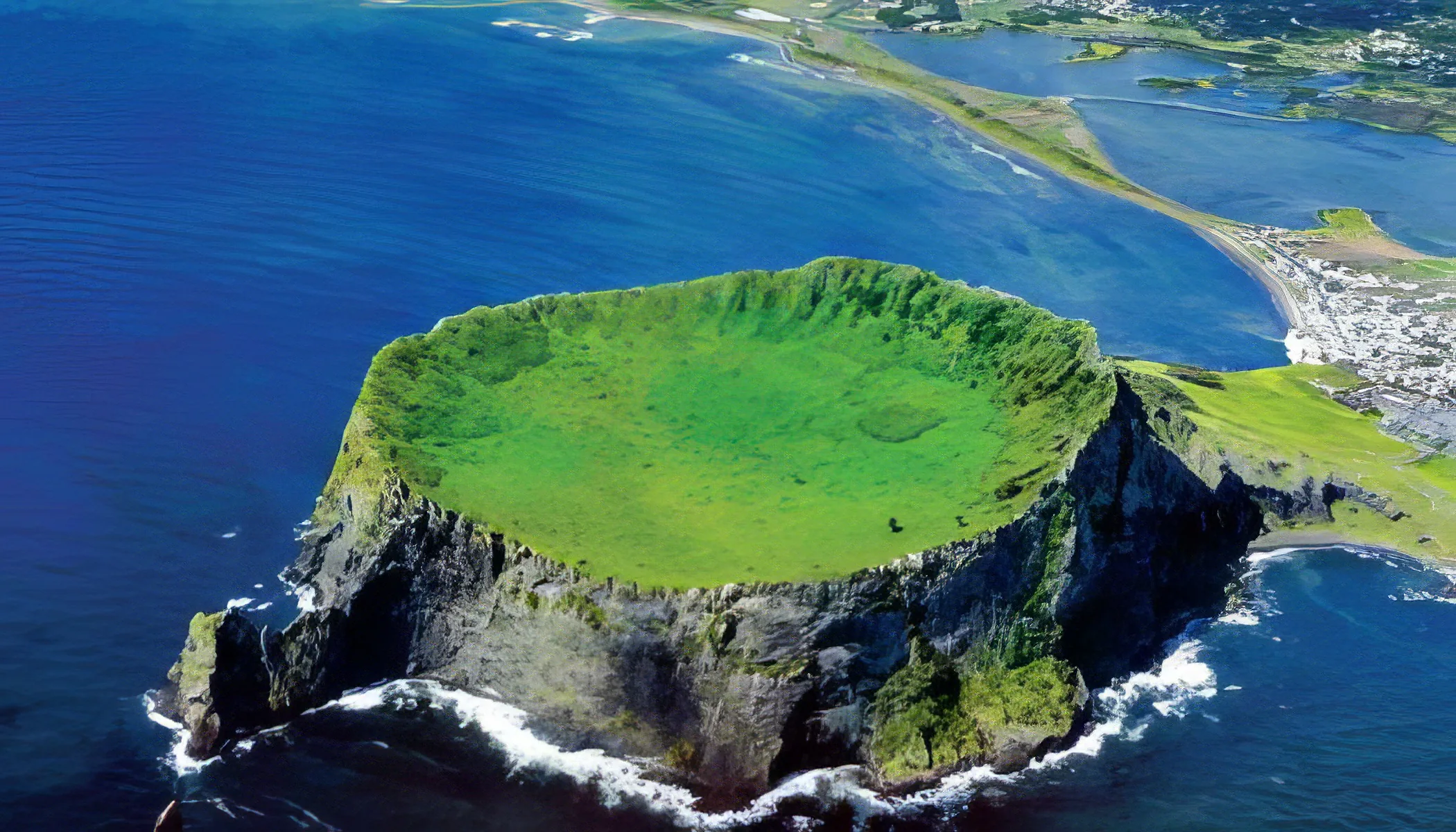
Explore South Korea's diverse and captivating natural wonders:
– Jeju Island: Known for volcanic landscapes, waterfalls, and the iconic Hallasan Mountain.
– Seoraksan National Park: Offers rugged peaks, luxurious forests, and scenic hiking trails.
– Jirisan National Park: Home to South Korea's second-highest mountain and rich biodiversity.
– Upo Wetlands: Largest inland wetlands in Korea with diverse bird species.
– Boseong Green Tea Fields: Famous for rolling green tea plantations and pleasant landscapes.
– Suncheon Bay Wetland Reserve: Notable for its mudflats and reed fields teeming with wildlife.
– Hallyeohaesang National Park: Features coastal cliffs, islands, and sea breezes along the southern coast.
– Danyang Dodamsambong Peaks: Bright peaks rising dramatically from the Namhan River.
– Nami Island: Famous for its tree-lined avenues and seasonal beauty near Seoul.
– Cheonggyecheon Stream: Urban stream in Seoul offering a relaxing natural escape amidst the city bustle.
Beaches
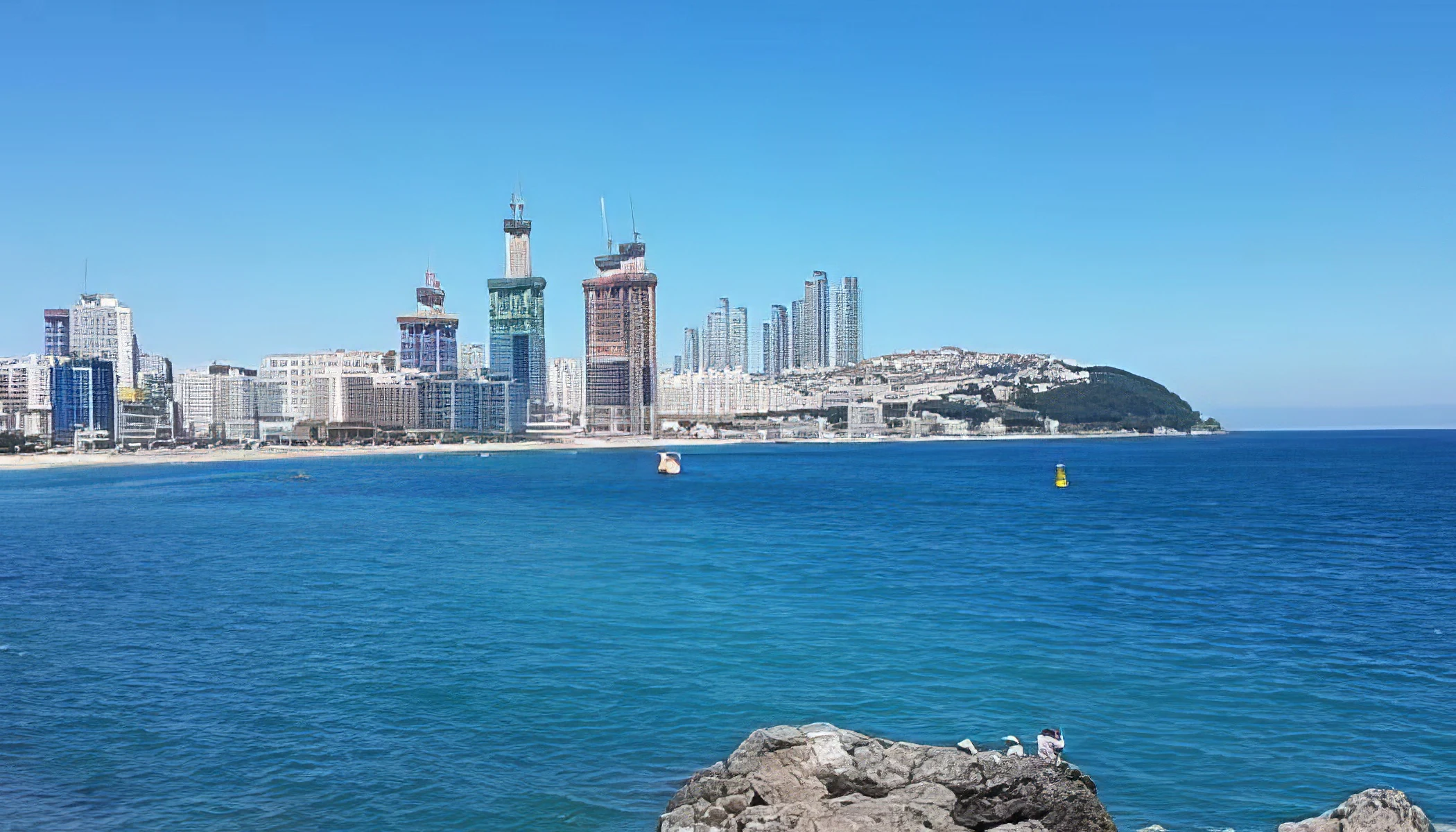
South Korea provides a variety of beaches known for their scenic beauty and activities.
– Haeundae Beach: Popular beach in Busan with events, festivals, and a lively atmosphere.
– Gwangalli Beach: Known for its view of Gwangan Bridge and nice night scenery in Busan.
– Jeongdongjin Beach: Famous for beautiful sunrises and railway tracks alongside the beach.
– Seogwipo Jungmun Saekdal Beach: Provides clear waters, black sand, and nearby attractions on Jeju Island.
– Sokcho Beach: Close to Sokcho city with white sands and mountain views in Gangwon Province.
– Daecheon Beach: Hosts the Boryeong Mud Festival with expansive sandy shores on the west coast.
– Hamdeok Beach: Features turquoise water, shallow depths, and scenic beauty on Jeju Island.
Outdoor activities
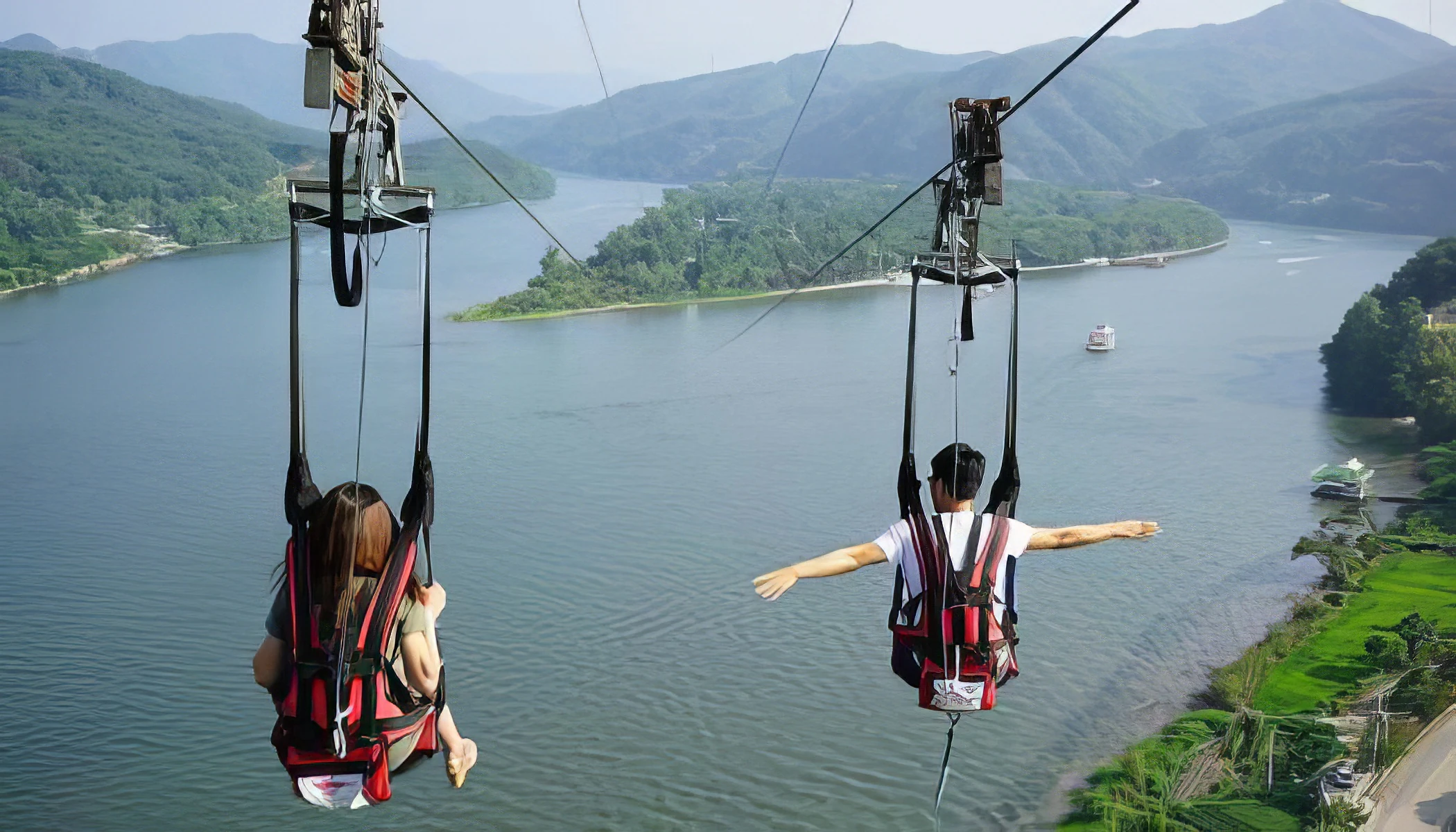
There are various outdoor activities that offer a glimpse into South Korea's natural beauty:
– Hiking in Seoraksan National Park: Traverse scenic trails with rugged peaks and attractive forests.
– Cycling along the Han River: Enjoy leisurely rides with views of Seoul's skyline.
– Skiing in Pyeongchang: Hit the slopes at top-rated winter resorts.
– Surfing in Jeju Island: Catch waves at popular beaches like Jungmun and Iho Tewoo.
– Paragliding in Danyang: Experience thrilling flights over handsome mountain landscapes.
– Boating on the Nakdong River: Explore quiet waters surrounded by elegant scenery.
– Camping in Jirisan National Park: Sleep under the stars amidst South Korea's largest mountain range.
Kid Friendly
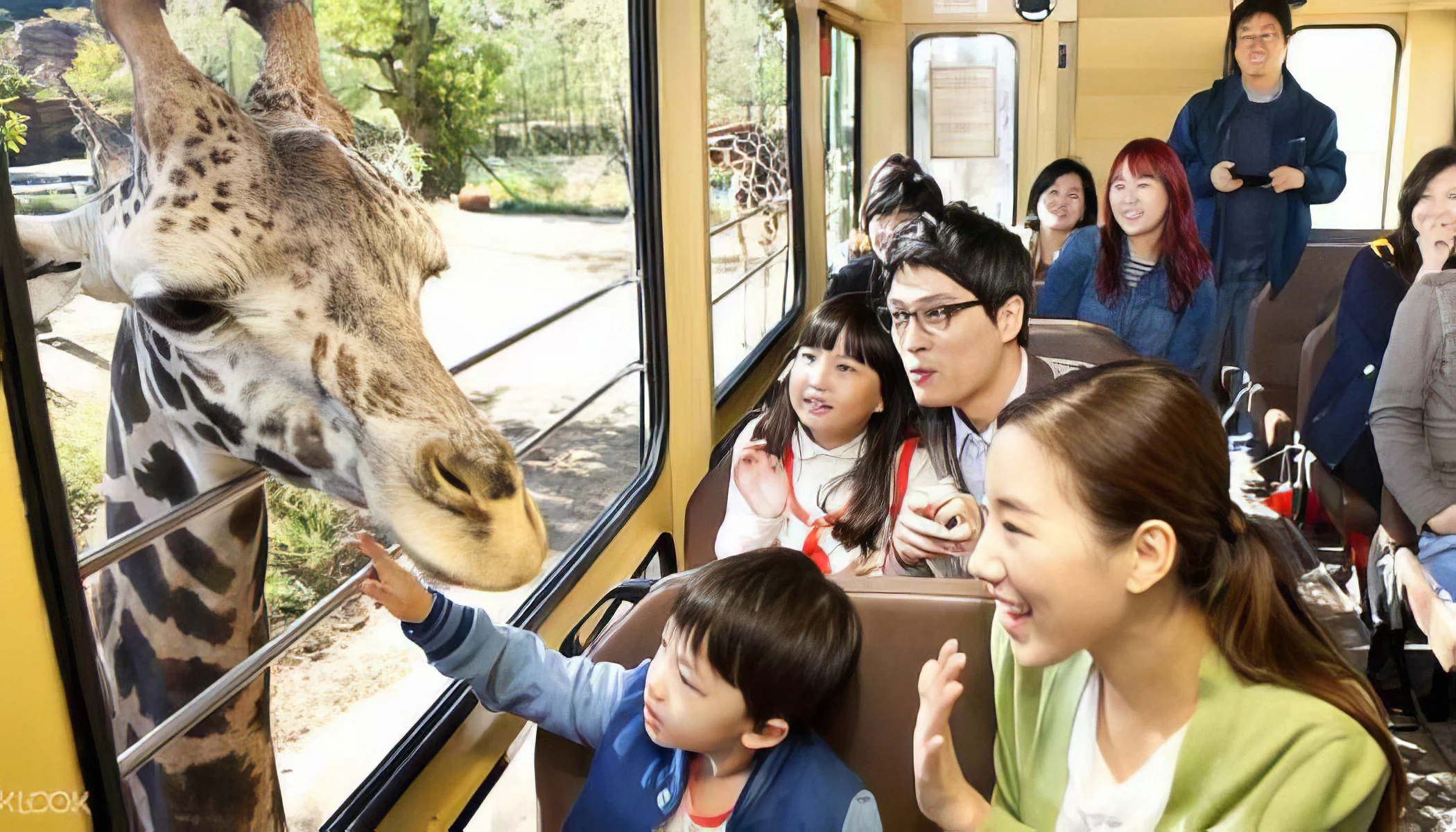
South Korea supplies a variety of attractions that children will enjoy:
– Everland: A large theme park with exciting rides, a zoo, and seasonal festivals.
– Lotte World: An indoor amusement park with roller coasters, ice-skating, and themed areas.
– Seoul Children's Grand Park: A park featuring a zoo, botanical garden, and playgrounds.
– Trick Eye Museum: An interactive museum with 3D art that lets kids become part of the exhibits.
– Namsan Seoul Tower: Offers panoramic views of the city from an observation deck and fun cable car rides.
– Korean Folk Village: A living museum where kids can learn about traditional Korean culture through performances and crafts.
– Jeju Teddy Bear Museum: Displays a wide collection of teddy bears from various eras and themes.
– Gyeongju National Museum: Engaging exhibits about Korea's history with interactive activities for children.
Cuisine
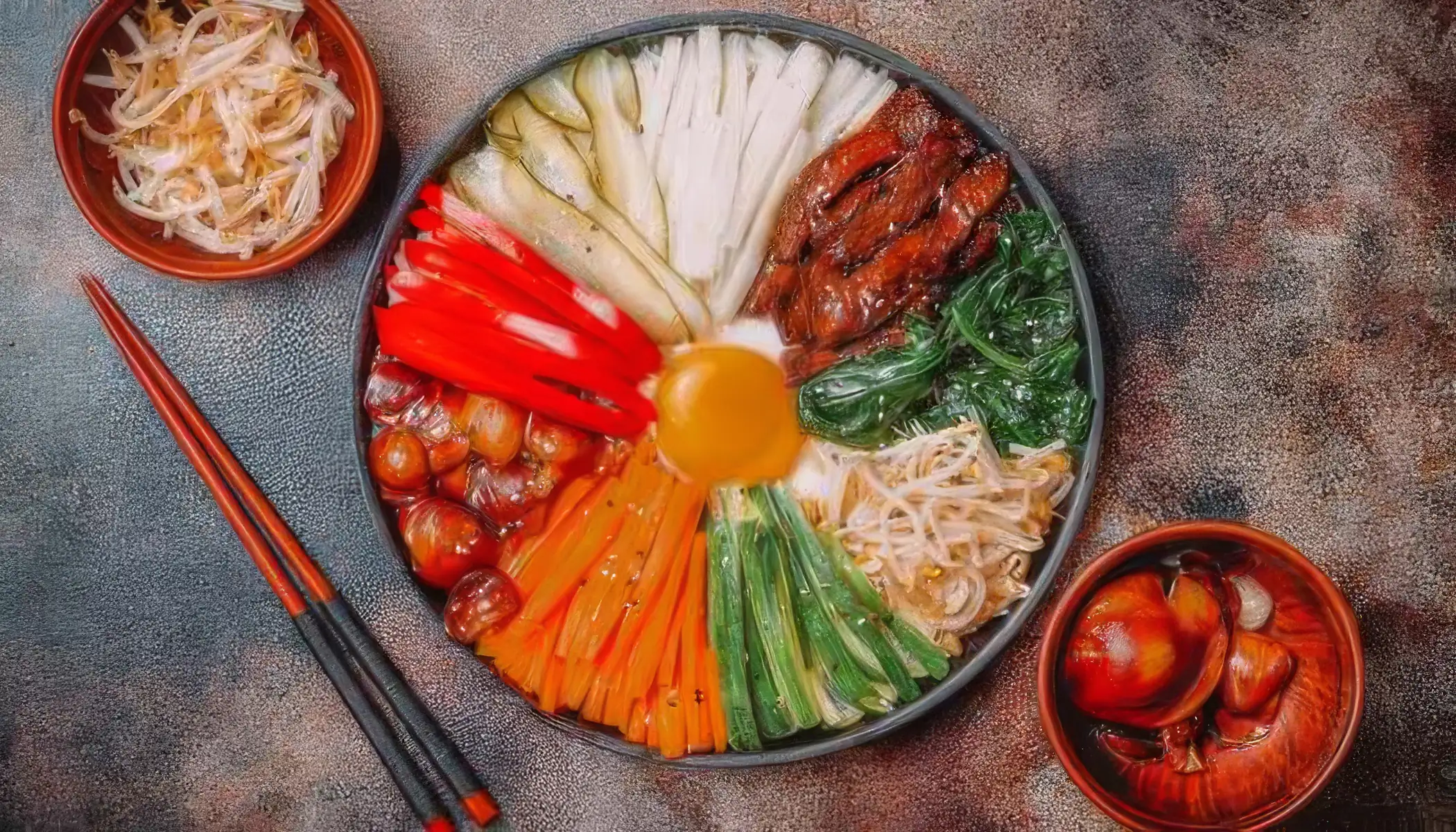
South Korean cuisine is characterized by bold flavors, fermented foods, and communal dining experiences. It emphasizes balance and health, with meals often featuring a variety of banchan (side dishes). Street food and traditional markets highlight the lively culinary culture. Most famous cuisine in South Korea are:
– Kimchi: Fermented cabbage or radish seasoned with chili, garlic, ginger, and salt.
– Bibimbap: Mixed rice with vegetables, beef, egg, and spicy gochujang sauce.
– Bulgogi: Marinated beef slices grilled or stir-fried for a savory-sweet taste.
– Japchae: Stir-fried glass noodles with vegetables and meat in a soy-based sauce.
– Tteokbokki: Spicy rice cakes cooked in a sweet and hot pepper sauce.
Souvenir
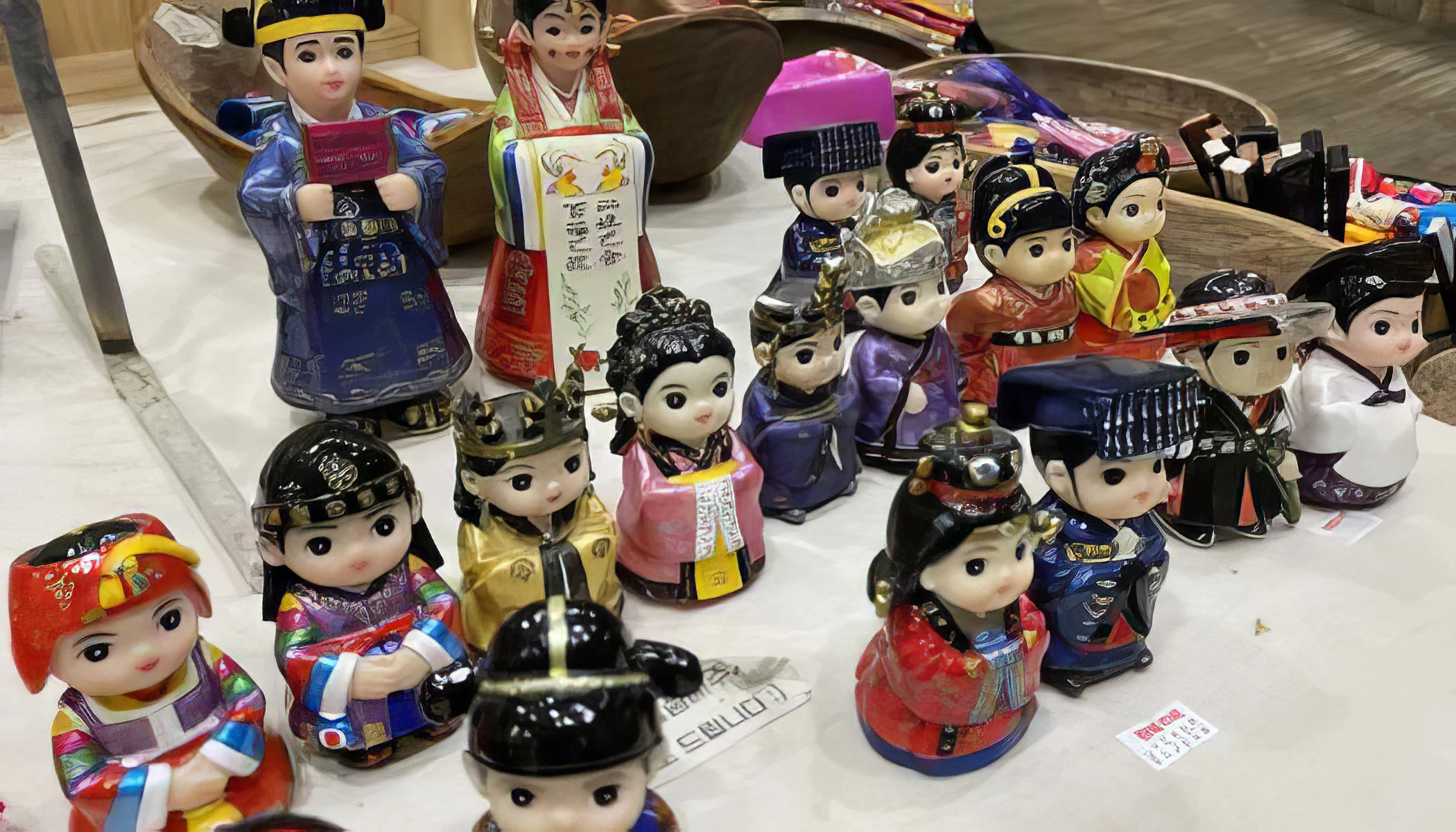
With its rich culture and modern trends, South Korea provides unique souvenirs for visitors. Here are some popular choices:
– K-pop Merchandise: Items featuring popular K-pop groups like BTS or Blackpink, including posters and albums.
– Korean Beauty Products: Famous for innovative skincare and cosmetics, with brands such as Innisfree and Etude House.
– Hanbok: Traditional Korean attire available in various styles for both adults and children.
– Kimchi: Packaged versions of the traditional fermented vegetable dish are widely available.
– Traditional Tea: Korean teas like green tea or barley tea are well-loved gifts.
– Ginseng Products: Renowned for health benefits, available in forms like tea or extracts.
– Celadon Pottery: Traditional Korean pottery known for its distinct jade-green glaze.
Traditional Shows
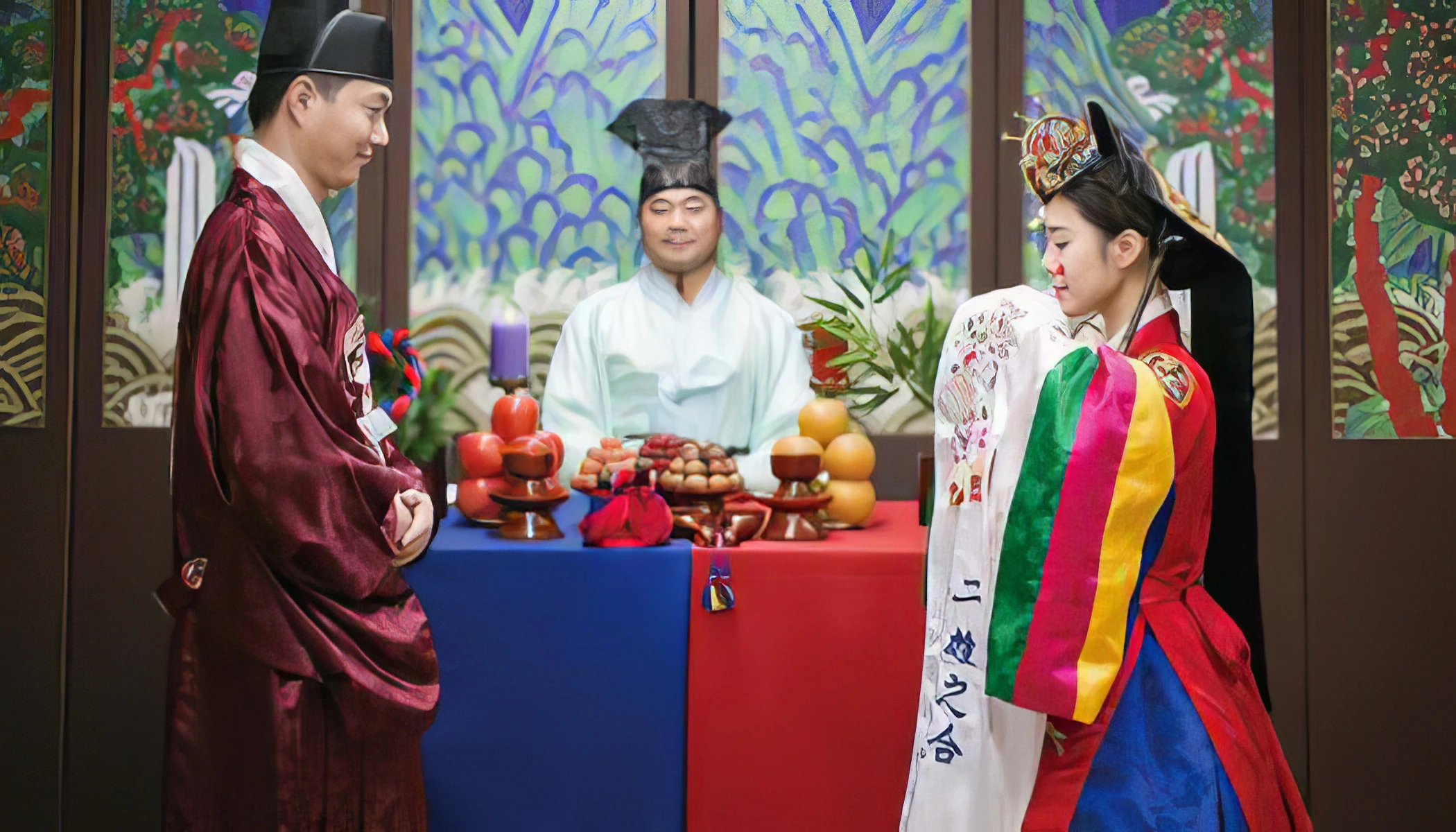
South Korea offers a rich array of traditional performances:
– Nanta Show: A non-verbal performance in Seoul that mixes comedy, music, and culinary arts using kitchen utensils as percussion instruments.
– Pansori: Witness this UNESCO-recognized art form in Jeonju, featuring storytelling through expressive singing and drumming.
– Talchum: Experience traditional Korean mask dance-dramas in Andong, combining humor, satire, and ancient folktales.
– Samulnori: Enjoy pleasant percussion music with gongs and drums, showcasing Korea's energetic rhythms and performed widely across the country.
– Gugak Performances: Explore Korea's national music genre, featuring diverse instruments and vocal styles at the National Gugak Center in Seoul.
Events & Festivals
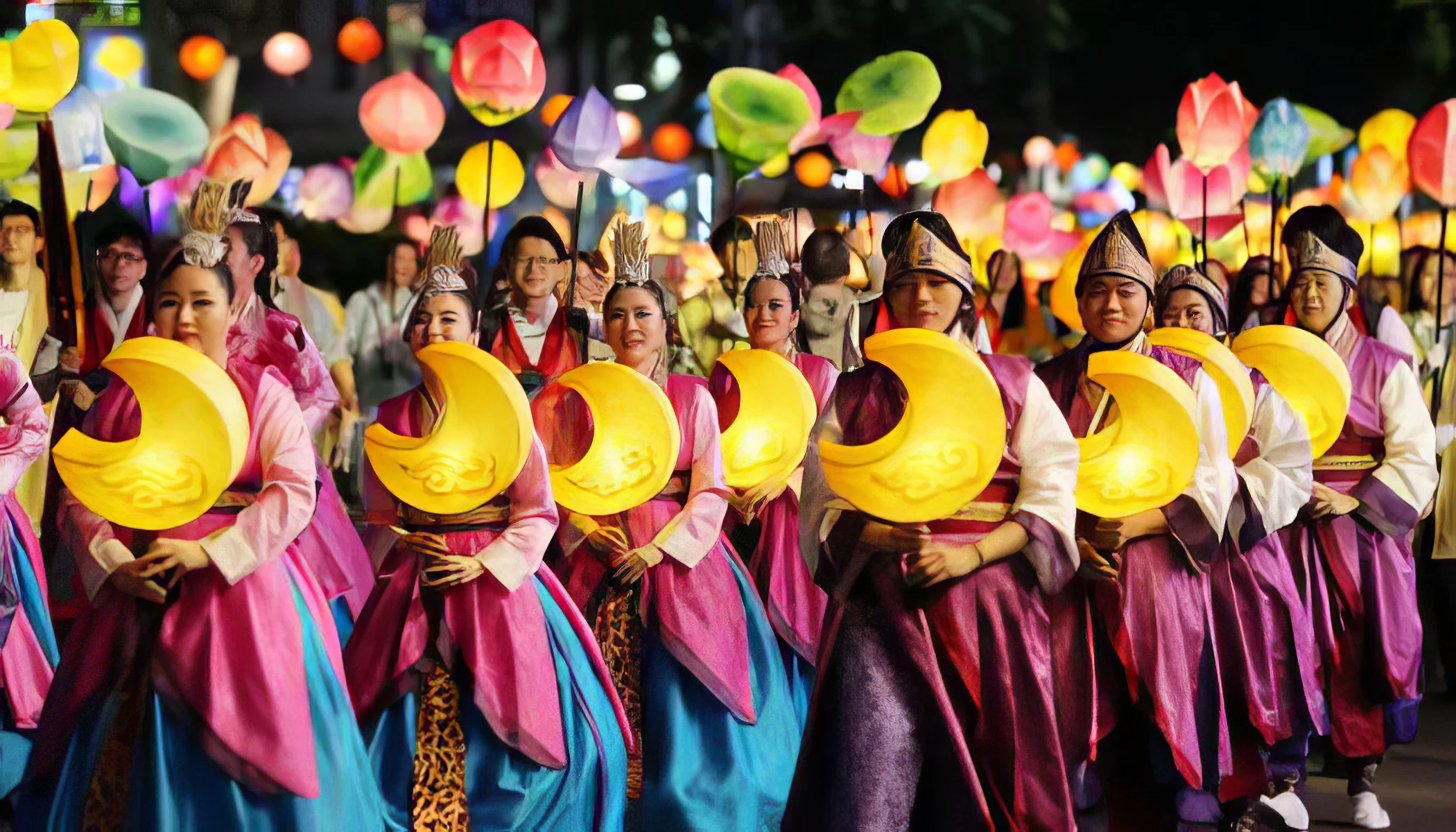
Numerous cultural events and festivals take place annually, reflecting the country's traditions and modernity:
– Seollal (Lunar New Year): Celebrated in January/February with family gatherings, traditional games, and rituals honoring ancestors.
– Jeju Fire Festival: March event on Jeju Island, featuring bonfires symbolizing new beginnings and good fortune.
– Jinhae Cherry Blossom Festival: March/April festival showcasing cherry blossoms with parades and performances in Jinhae.
– Boryeong Mud Festival: July event in Boryeong offering mud baths, wrestling, and fun activities by the beach.
– Chuseok: Major harvest festival in September/October for family reunions, feasting, and honoring ancestors.
– Busan International Film Festival: October film showcase attracting global cinema talent to Busan.
– Seoul Lantern Festival: November event along Cheonggyecheon Stream with lantern displays and cultural exhibits.
Famous People

South Korea is home to many renowned individuals who have significantly impacted politics, culture, and entertainment.
– King Sejong the Great (1397 to 1450, Seoul): Joseon Dynasty king known for creating the Korean script Hangul.
– Kim Dae-jung (1924 to 2009, Sinan): Former president and Nobel Peace Prize laureate for his efforts in democracy and reconciliation with North Korea.
– Bong Joon-ho (born 1969, Daegu): Acclaimed filmmaker celebrated for his Oscar-winning movie "Parasite."
– Psy (born 1977, Seoul): International pop star famous for the viral hit song "Gangnam Style."
– Kim Yuna (born 1990, Bucheon): Legendary figure skater who earned Olympic gold and helped popularize the sport in South Korea.
Books
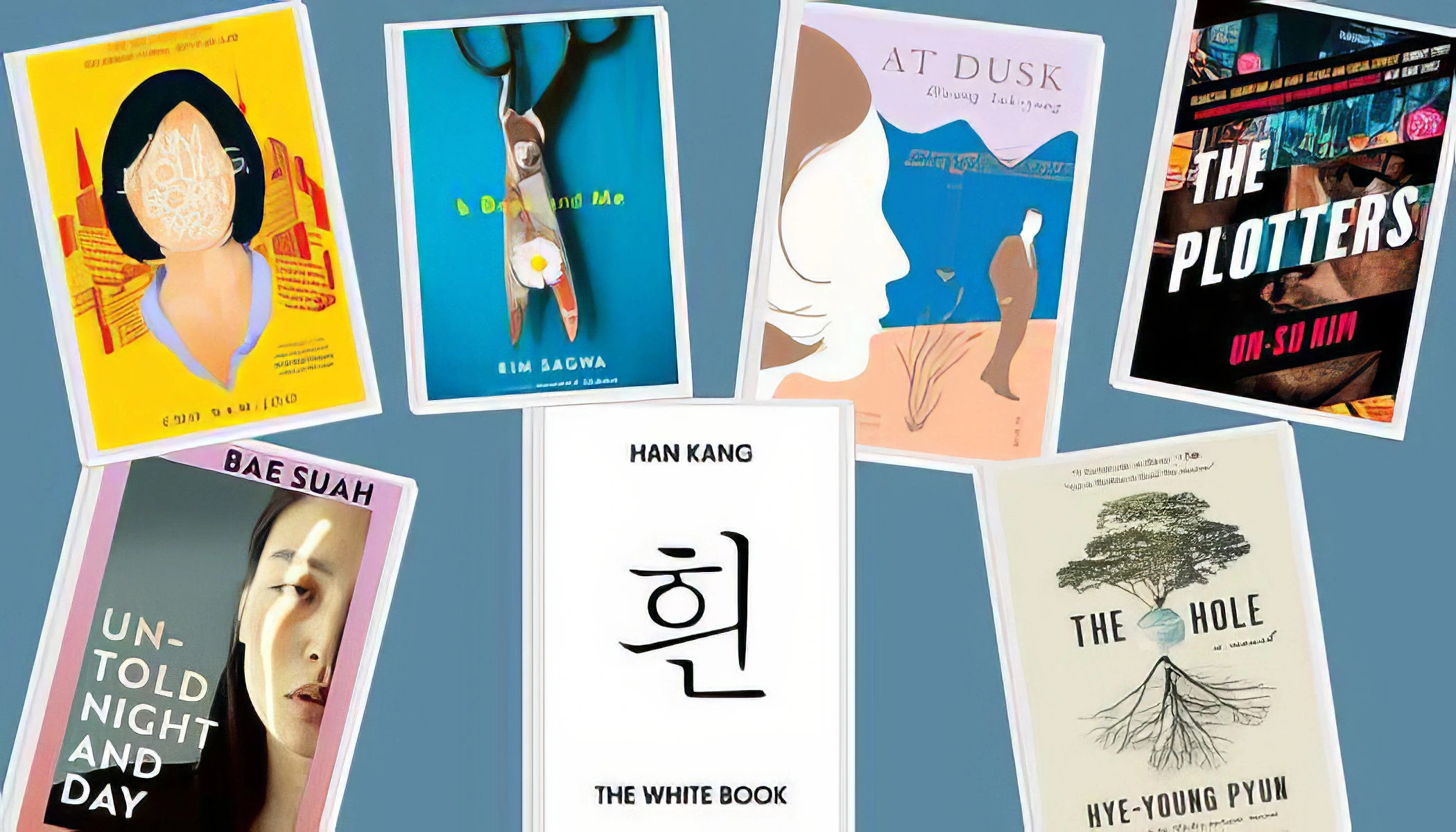
These books delve into the sophisticated social, cultural, and historical elements of South Korea through compelling narratives.
– "Pachinko" by Min Jin Lee: Chronicles a Korean family's struggles in Japan over four generations.
– "Please Look After Mom" by Kyung-sook Shin: A family's search for their missing mother reveals deep familial bonds.
– "The Vegetarian" by Han Kang: A woman's decision to stop eating meat impacts her family profoundly.
– "Kim Jiyoung, Born 1982" by Cho Nam-joo: Addresses gender inequality and societal expectations in modern Korea.
– "Human Acts" by Han Kang: Explores humanity and brutality during the 1980 Gwangju Uprising.
Songs

These songs showcase the global influence of South Korean music, touching on themes from love to societal observations.
– Gangnam Style: Psy's international hit satirizing Seoul's affluent district.
– Spring Day: BTS song reflecting themes of loss and longing.
– Nobody: Wonder Girls' catchy tune that gained worldwide popularity.
– Love Scenario: iKON's song about the end of a relationship, popular across Asia.
– Fantastic Baby: Big Bang's energetic anthem celebrating life and music.
– Ddu-Du Ddu-Du: BLACKPINK's record-breaking hit known for its bold style.
Films
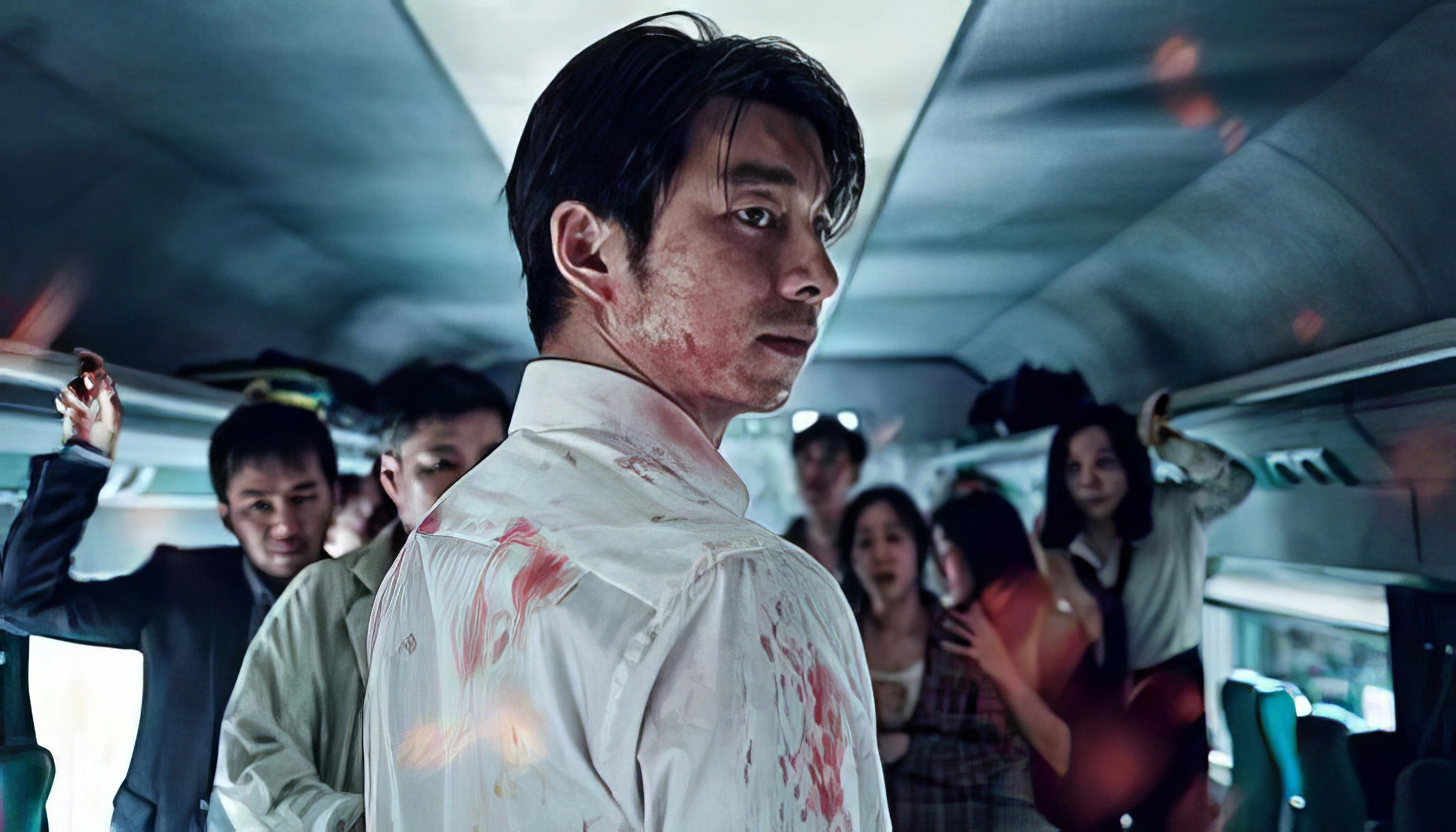
Here's a selection of renowned movies that explore South Korean themes and settings:
– "Parasite": Bong Joon-ho's Oscar-winning film critiques class disparity through a gripping tale of two families' intertwining fates.
– "Oldboy": Park Chan-wook's thriller delivers a revenge story with unexpected twists, exploring themes of memory and identity.
– "The Handmaiden": Directed by Park Chan-wook, this psychological thriller intertwines deception and romance in 1930s Korea.
– "Train to Busan": Yeon Sang-ho's action-packed zombie film highlights human survival instincts amid a viral outbreak on a train.
– "Burning": Lee Chang-dong crafts a complex mystery exploring obsession, wealth disparity, and existential ennui in modern Seoul.