

Sri Lanka Attractions & Travel Advice – Plan Your Visit
An island nation in the Indian Ocean, it boasts rich biodiversity and ancient cultural sites. Known for its tea plantations and beaches, it offers a mix of wildlife, history, and scenic beauty. The capital, Colombo, is a attractive urban center.
- Capital
- Sri Lanka has two capitals. The administrative capital is Sri Jayawardenepura Kotte, while the commercial capital is Colombo.
- Population
- 21.6 millions
- Superficy
- 66000 sq.km
- Months to Visit
- Dec. to March & July to Sept.
- Living Cost
- Economical
Overview
Sri Lanka is an island nation located in the Indian Ocean, south of India. Known for its diverse landscapes, it features tropical forests, highlands, and sandy beaches. The country has a rich cultural heritage with ancient cities like Anuradhapura and Sigiriya showcasing its historical significance. Sri Lanka is famous for its tea plantations, particularly in the central highlands around Nuwara Eliya. The nation is home to a variety of wildlife, including elephants and leopards, found in national parks such as Yala and Udawalawe. Despite past civil conflicts, Sri Lanka continues to attract visitors with its natural beauty and cultural sites.
Pros & Cons
GOOD REASONS TO VISIT SRI LANKA
– Diverse Wildlife: Spot elephants, leopards, and diverse bird species in national parks like Yala and Udawalawe.
– Scenic Beaches: Enjoy immaculate beaches in Mirissa, Unawatuna, and Arugam Bay for relaxation and water sports.
– Rich Cultural Heritage: Explore ancient cities like Anuradhapura and Polonnaruwa with impressive temples and historical sites.
– Tea Plantations: Visit abundant tea estates in the central highlands, especially around Nuwara Eliya and Ella.
– Delicious Cuisine: Savor spicy curries, hoppers, and fresh seafood reflecting Sri Lanka's rich culinary traditions.
CHALLENGES WHEN VISITING SRI LANKA
– Monsoon Seasons: Heavy rains can disrupt travel plans; check weather patterns before planning your visit.
– Limited Public Transport: Public transport can be crowded and slow; private options may be more reliable.
– Political Instability: Occasional political unrest may affect travel safety; stay informed about current events.
Before Departure
Before traveling to Sri Lanka, consider the following essential information:
– Passport: Ensure your passport is valid for at least six months from your entry date.
– Visa: Tourists need an Electronic Travel Authorization (ETA) before arrival; typically valid for 30 days, extendable.
– Currency: Sri Lankan Rupee (LKR); credit cards widely accepted in cities; ATMs are readily available.
– Internet access: WiFi is common in hotels and cafes; purchase a local SIM card for affordable data plans.
– Language barrier: Sinhala and Tamil are official languages; English is widely spoken, especially in tourist areas.
What to Pack
Sri Lanka provides diverse landscapes and cultural experiences, so packing appropriately is essential for a comfortable trip.
– Essentials: Passport and visa (if required), travel insurance details, flight tickets and itinerary, accommodation confirmations, local currency or credit cards.
– Clothing: Lightweight clothing for warm weather, modest attire for religious sites, swimwear for beaches, comfortable sandals or walking shoes, hat and sunglasses.
– Health & Safety: Prescription medications and basic first aid kit, insect repellent, sunscreen with high SPF, personal hygiene products.
– Electronics: Travel adapter for Sri Lankan outlets, mobile phone with charger, camera with extra batteries or memory card.
Weather
Weather in Sri Lanka is influenced by two monsoon seasons, affecting different regions at different times:
– Winter (December to February): The northeast monsoon brings rain to the east coast, while the west and south are dry and sunny.
– Spring (March to April): Transition period with warm temperatures and occasional showers across the island.
– Summer (May to September): The southwest monsoon brings heavy rain to the west and south, while the east remains dry.
– Autumn (October to November): Inter-monsoon period with thunderstorms and high humidity across the island. The best time to visit Sri Lanka depends on your destination:
– December to March is ideal for visiting the west and south coasts, offering sunny weather.
– May to September is best for exploring the east coast, with dry conditions prevailing. Consider regional weather patterns when planning your trip, as they can affect travel plans and activities.
Travel Budget
Sri Lanka offers a range of budget-friendly options for travelers. Here are some average prices for common expenses:
– Hotel: 15$ to 80$
– Lunch: 2$ to 10$
– Beverage (in bar/restaurant): 1$ to 4$
– Coffee: 1$ to 3$
– Transportation: (train 1$ to 5$), (bus 0.2$ to 2$), (taxi /10km 3$ to 8$)
– Mobile data (per GB): 0.5$ to 2$
Language
Sri Lanka primarily uses Sinhala and Tamil, with Sinhala being the most widely spoken language. Here are some useful phrases in Sinhala for tourists:
– Hello: ආයුබෝවන් (Ayubowan)
– Thank you: ස්තුතියි (Stutiyi)
– Please: කරුණාකර (Karunakara)
– How much is this?: මෙය කීයක් ද? (Meya kiyak da?)
– Excuse me: සමාවන්න (Samawanna)
– I don't understand: මට තේරෙන්නේ නැහැ (Mata therenne næhæ)
– Yes: ඔව් (Ow)
– No: නැහැ (Næhæ)
– Goodbye: ගමන් යන්න! (Gaman yanna!)
History
It has a long history that dates back to ancient times, with the establishment of early kingdoms like Anuradhapura and Polonnaruwa. The island experienced significant influence from Buddhism after the introduction of the religion in the 3rd century BCE. European colonization began with the Portuguese in the 16th century, followed by Dutch and then British control until independence in 1948. Post-independence, Sri Lanka faced ethnic tensions between the Sinhalese majority and Tamil minority, which escalated into a civil war from 1983 to 2009. The conflict ended with a government victory but left lasting impacts on society and governance. In recent years, Sri Lanka has worked on reconciliation and rebuilding its economy while navigating political changes and challenges.
Geopolitics
Located in the Indian Ocean, Sri Lanka is strategically positioned along major maritime routes, making it geopolitically significant. The nation has experienced internal conflict, primarily due to ethnic tensions between the Sinhalese majority and Tamil minority, but has been largely peaceful since the end of its civil war in 2009. Its strategic location has attracted interest from global powers such as China and India, with both countries investing substantially in infrastructure projects. Sri Lanka is a key player in China's Belt and Road Initiative but seeks to maintain balanced relations with India to ensure regional stability. It is a member of SAARC (South Asian Association for Regional Cooperation) and engages actively with international partners to boost its economy and secure development aid. Balancing economic growth with political stability remains a priority amid external influences and internal challenges.
Sample Itinerary
This itinerary covers cultural sites, wildlife, and coastal beauty in Sri Lanka.
– 1 day in Colombo: Explore the National Museum, Galle Face Green, and the bustling Pettah Market. Experience the beautiful urban culture.
– 2 days in Sigiriya: Climb Sigiriya Rock Fortress for panoramic views. Visit Dambulla Cave Temple with its ancient murals and statues.
– 1 day in Kandy: Discover the Temple of the Tooth Relic and stroll around Kandy Lake. Experience a traditional cultural show.
– 2 days in Nuwara Eliya: Tour tea plantations and factories. Enjoy gardens and colonial architecture; visit Horton Plains for a hike to World's End.
– 1 day in Ella: Trek to Little Adam's Peak, visit Nine Arches Bridge, and enjoy scenic vistas from Ella Gap.
– 2 days in Yala National Park: Embark on safari tours for opportunities to spot elephants, leopards, and diverse wildlife.
– 1 day in Galle: Walk through the historic Galle Fort with its colonial buildings and lighthouse. Relax at nearby beaches.
– 1 day in Bentota: Enjoy water sports on Bentota River or relax on sandy beaches before heading back to Colombo for departure.
Popular cities
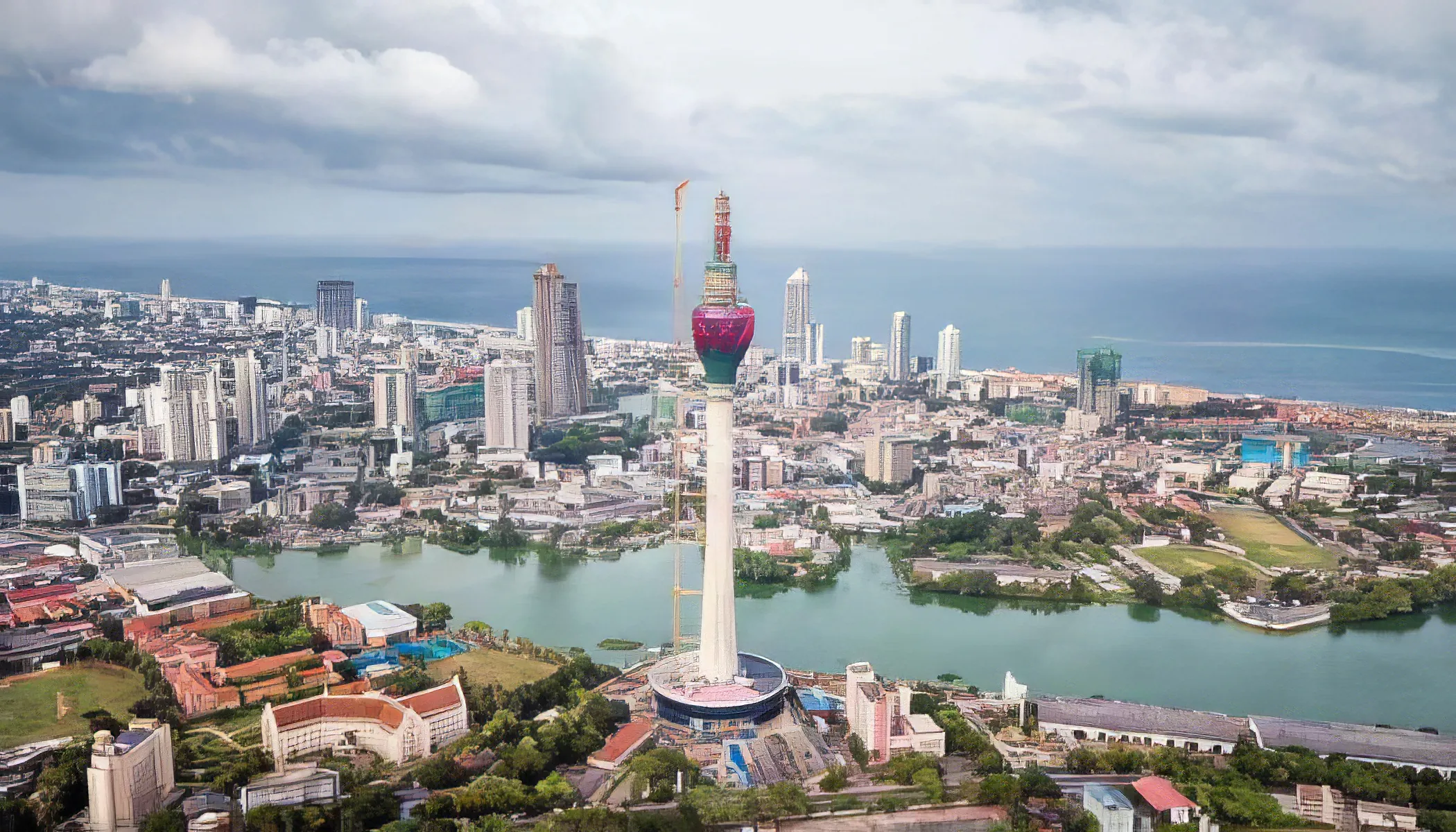
Discover the diverse attractions and rich heritage of Sri Lanka through its top cities:
– Colombo: The commercial capital provides a mix of colonial architecture, modern malls, and vibrant street markets.
– Kandy: Known for the sacred Temple of the Tooth and its scenic lakeside setting.
– Galle: Famous for its well-preserved colonial fort, cobblestone streets, and coastal views.
– Nuwara Eliya: A hill station renowned for tea plantations, cool climate, and British colonial buildings.
– Ella: A small town in the highlands offering gorgeous landscapes, waterfalls, and hiking trails.
– Sigiriya: Home to the ancient rock fortress with panoramic views and historical significance.
– Anuradhapura: Ancient city known for its archaeological sites and well-preserved ruins of early civilization.
Monuments
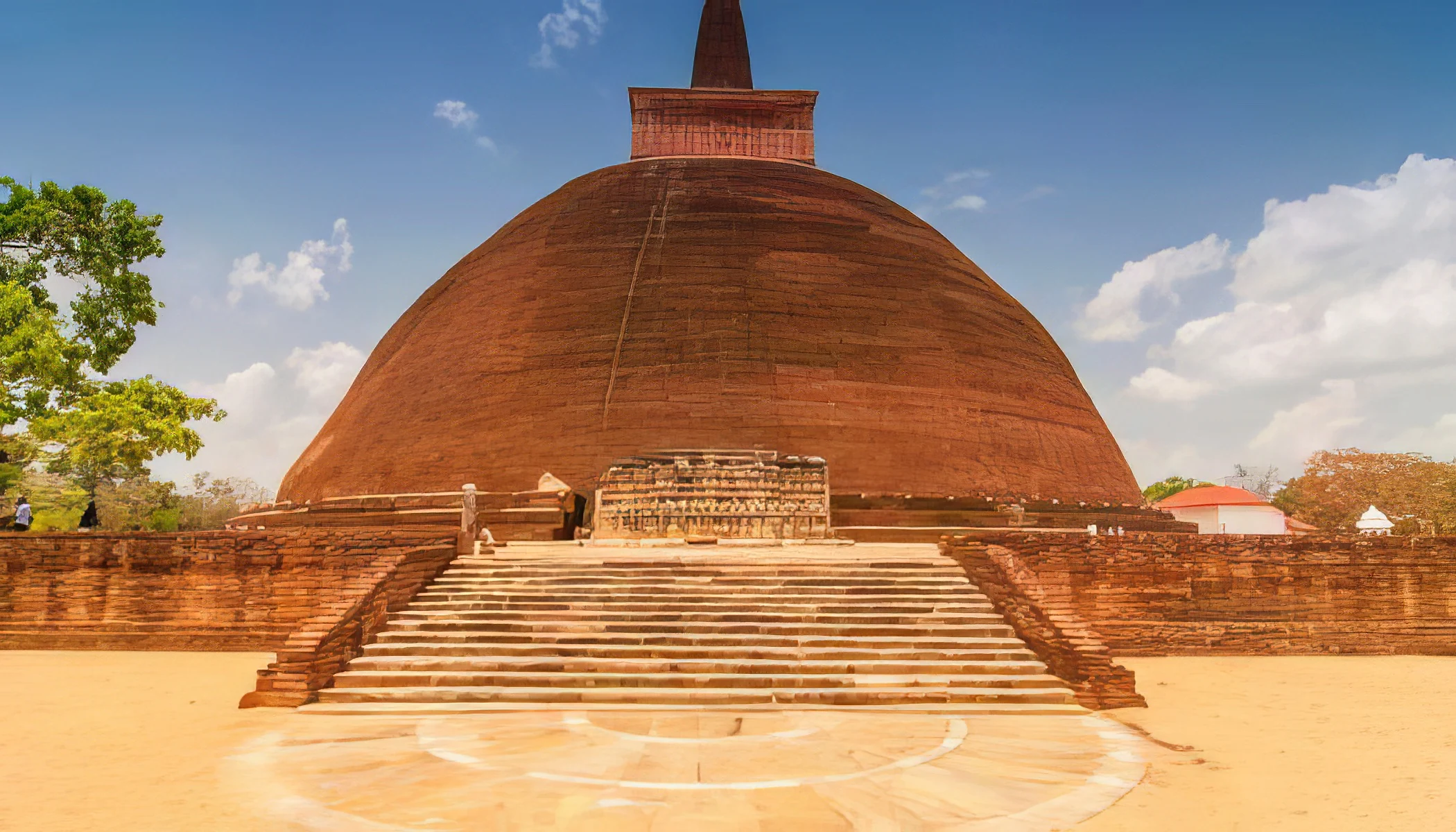
Sri Lanka is rich in historical and cultural monuments to explore:
– Sigiriya Rock Fortress: Ancient rock fortress with frescoes, gardens, and a palace on top.
– Temple of the Tooth, Kandy: Sacred Buddhist site housing Buddha's tooth relic.
– Dambulla Cave Temple: Complex of five caves with remarkable Buddha statues and wall paintings.
– Polonnaruwa Ancient City: UNESCO site with well-preserved ruins of an ancient Sri Lankan kingdom.
– Ruwanwelisaya Stupa, Anuradhapura: Massive stupa built by King Dutugemunu in the sacred city.
– Galle Fort: Colonial-era fort built by the Portuguese and later expanded by the Dutch.
– Jetavanaramaya Monastery, Anuradhapura: One of the tallest stupas in the ancient world.
– Jaya Sri Maha Bodhi, Anuradhapura: Sacred fig tree grown from a cutting of the original Bodhi Tree.
Natural wonder
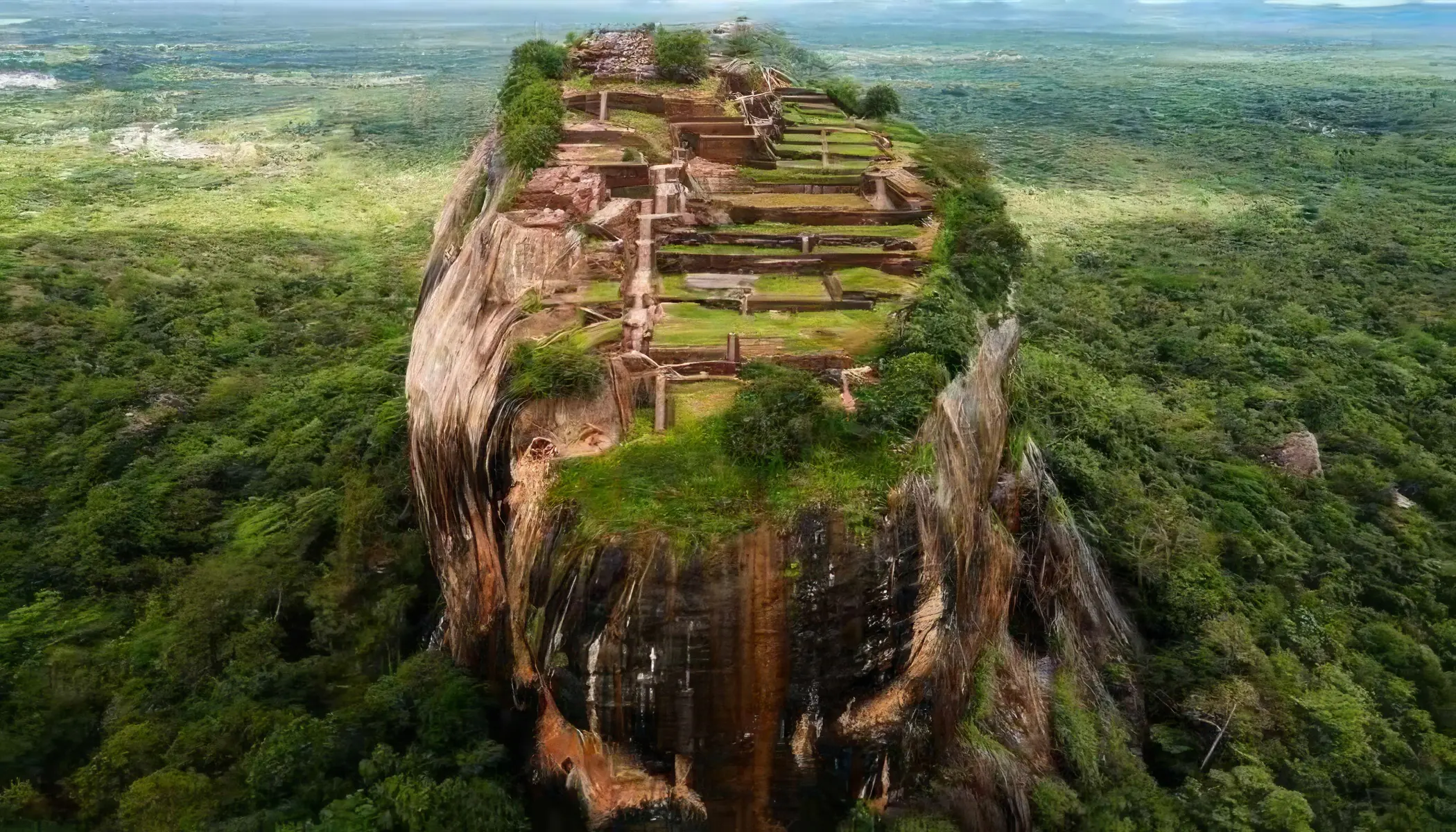
Sri Lanka offers a diverse range of remarkable natural landscapes:
– Sigiriya Rock Fortress: Ancient rock fortress with panoramic views and sumptuous gardens.
– Horton Plains National Park: High-altitude park known for "World's End" cliff and unique flora and fauna.
– Yala National Park: Popular for its leopard population and diverse wildlife in varied landscapes.
– Adam's Peak: Sacred mountain with a footprint mark, offering challenging treks and sunrise views.
– Knuckles Mountain Range: UNESCO-listed biosphere reserve with cloud forests and endemic species.
– Sinharaja Forest Reserve: Last viable rainforest in Sri Lanka, rich in biodiversity and endemic species.
– Udawalawe National Park: Famous for large elephant herds and bird watching opportunities.
– Pidurangala Rock: Provides a less crowded climb with stunning views of Sigiriya Rock.
– Ella Gap: Scenic mountain pass with impressive viewpoints, including Little Adam's Peak.
– Minneriya National Park: Known for "The Gathering," where elephants congregate around the reservoir.
Beaches
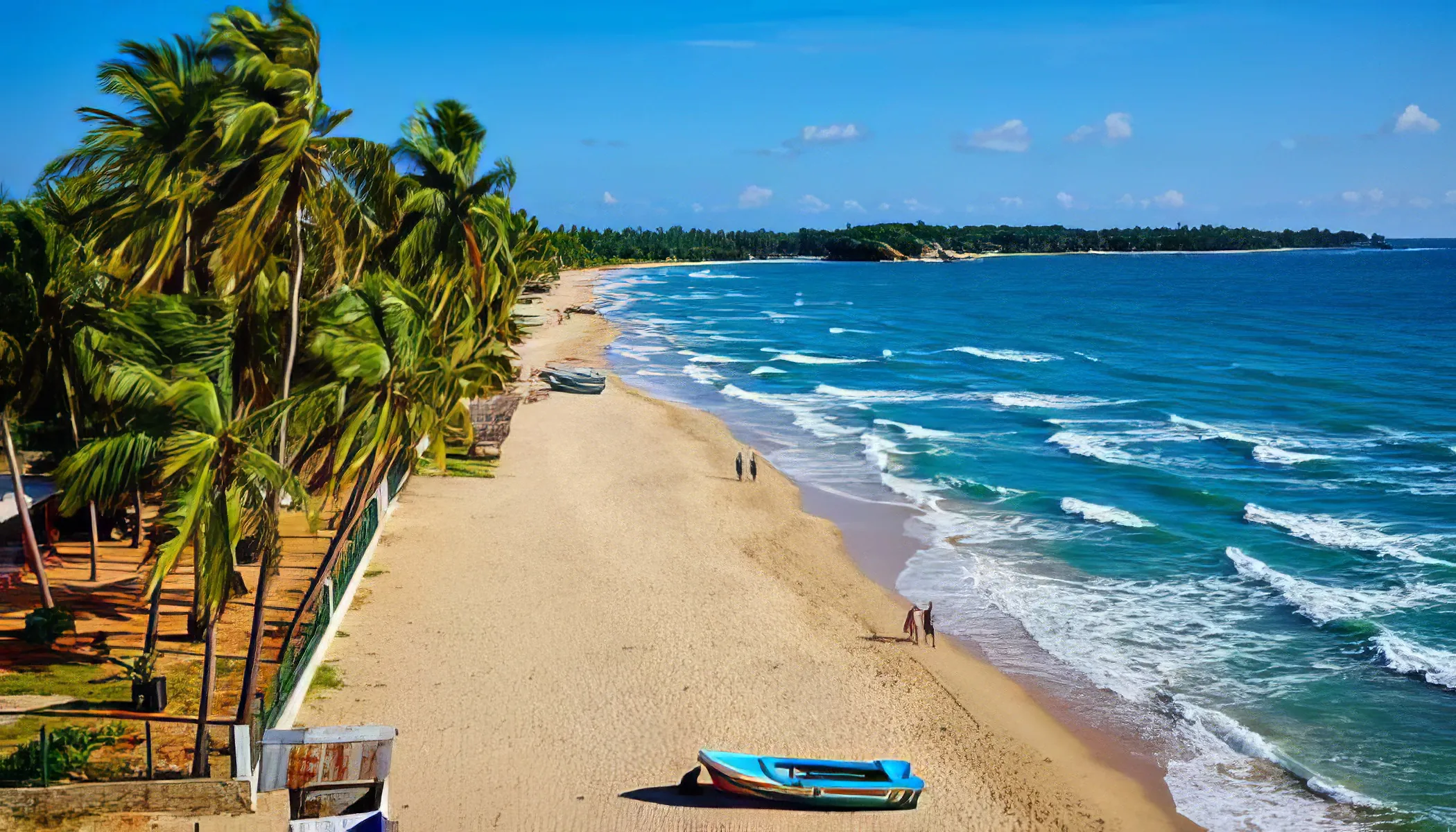
Sri Lanka has many beautiful beaches along its coastline.
– Unawatuna Beach: Known for its calm waters and palm-lined shore, ideal for swimming.
– Mirissa Beach: Famous for whale watching and a relaxed atmosphere in the south.
– Arugam Bay: Popular with surfers, offering great waves and a laid-back vibe.
– Bentota Beach: Provides a mix of watersports and relaxation along the southwest coast.
– Hikkaduwa Beach: Known for coral reefs, snorkeling, and animated nightlife.
– Trincomalee Beach: Features crystalline beaches like Nilaveli and Pigeon Island with clear waters.
– Tangalle Beach: Supplies secluded beaches with natural beauty in the south.
Outdoor activities
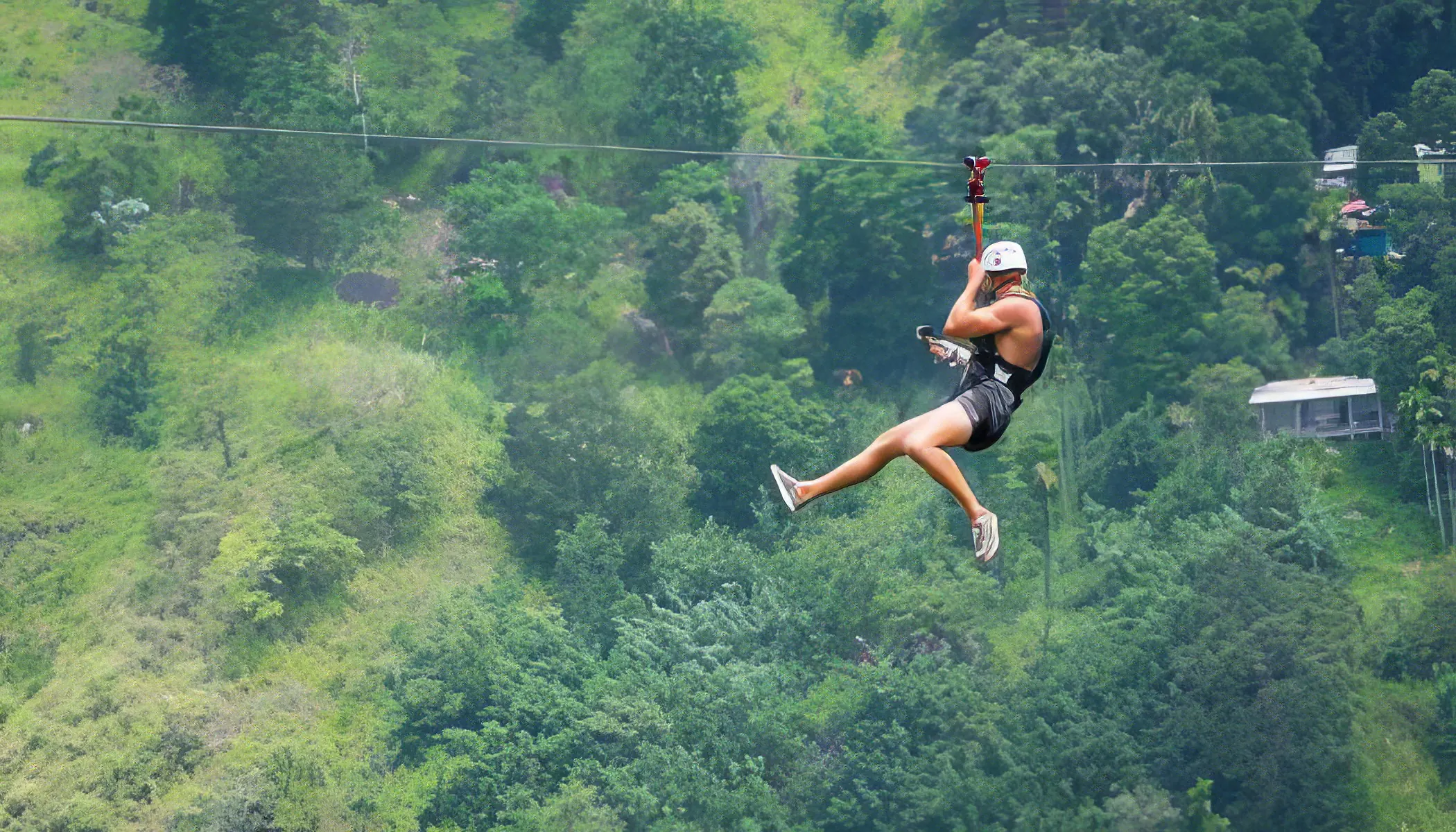
Sri Lanka supplies a variety of outdoor experiences for nature and adventure enthusiasts:
– Safari in Yala National Park: Encounter elephants, leopards, and diverse wildlife in their natural setting.
– Surfing in Arugam Bay: Ride the waves at one of the world's top surf destinations.
– Hiking Adam's Peak: Climb the sacred mountain for sensational sunrise views.
– Whale Watching in Mirissa: Spot blue whales and dolphins off the southern coast.
– Trekking in Horton Plains: Walk through misty highlands to see World's End cliff.
– Hot Air Ballooning over Dambulla: Float above cultural sites and scenic landscapes.
– White Water Rafting in Kitulgala: Experience thrilling rapids on the Kelani River.
Kid Friendly
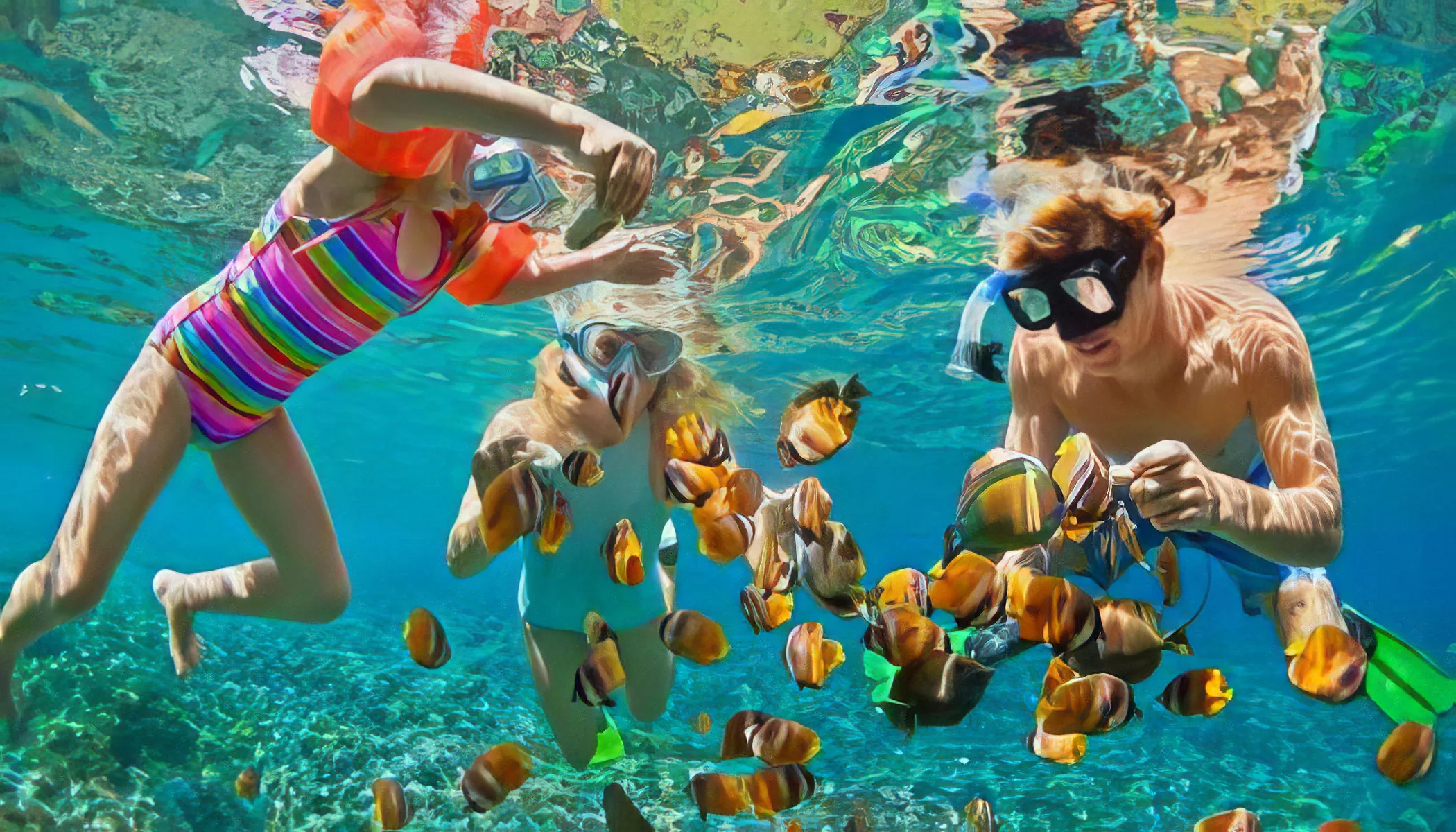
Sri Lanka provides various engaging activities suitable for children.
– Yala National Park Safari: A thrilling safari where kids can spot elephants, leopards, and other wildlife.
– Pinnawala Elephant Orphanage: A sanctuary where children can watch and even feed rescued elephants.
– Galle Fort: A historic site with ramparts to explore and enjoy scenic ocean views.
– Dehiwala Zoo: Home to many animal species, it's a delightful visit for families with kids.
– Kandy Lake Boat Ride: A peaceful boat ride offering views of the beautiful surroundings and local wildlife.
– Sigiriya Rock Fortress: An ancient rock fortress with fascinating ruins that kids can climb and explore.
– Mirissa Whale Watching: An exciting boat trip to see whales and dolphins in their natural habitat.
– Turtle Hatcheries in Bentota: Educational visit where children can learn about sea turtle conservation efforts.
Cuisine
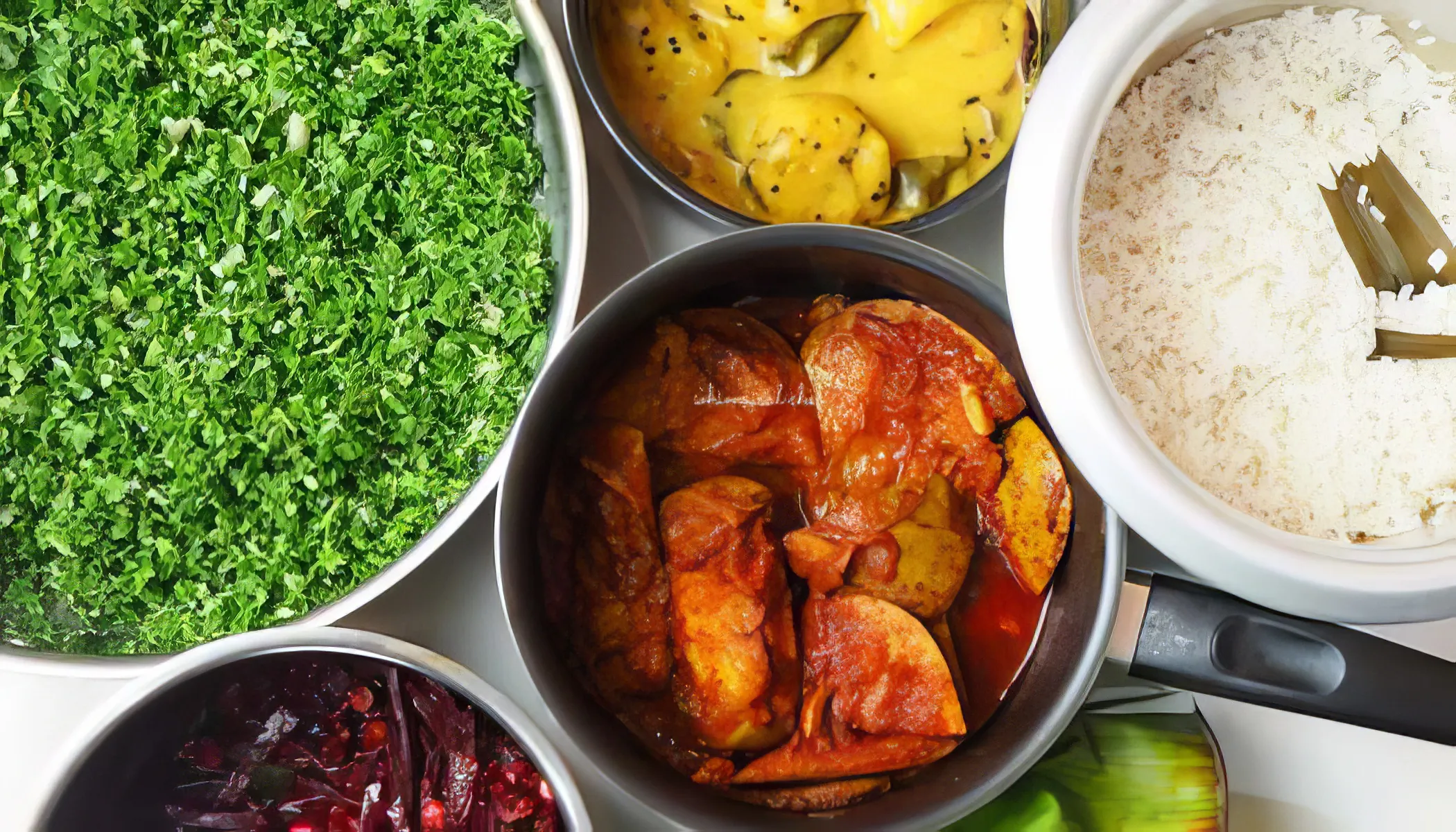
Sri Lankan cuisine is rich in spices, coconut, and rice, reflecting its tropical climate and diverse cultural influences. Meals are often an array of colorful curries and flavorful accompaniments. Here are Sri Lanka's most famous dishes and desserts:
– Rice and Curry: A staple meal with rice served alongside various spiced vegetable, fish, or meat curries.
– Hoppers: Fermented rice batter bowl-shaped pancakes often enjoyed with egg or spicy sambal.
– Kottu Roti: Stir-fried shredded roti with vegetables, eggs, and choice of meat.
– Pol Sambol: Coconut relish with chili, onion, lemon juice typically served with rice or bread.
– Lamprais: Dutch-influenced dish of rice and curry wrapped in a banana leaf.
– Watalappam: Coconut custard pudding flavored with cardamom and jaggery.
Souvenir
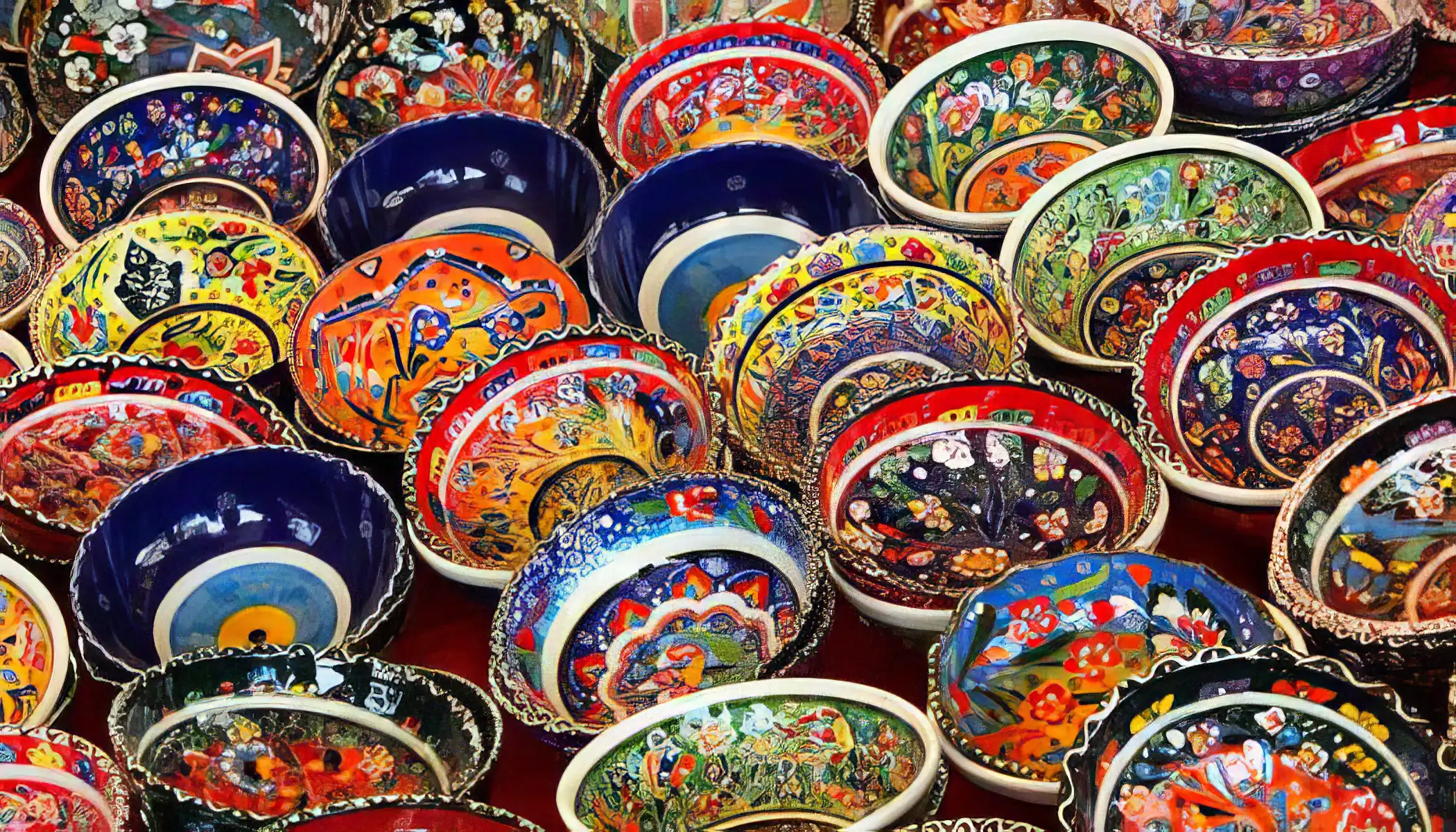
Known for its rich culture and craftsmanship, Sri Lanka provides a variety of unique souvenirs. Here are some popular items to consider:
– Ceylon Tea: Famous worldwide, Sri Lanka's tea is a must-buy for its distinct flavor and quality.
– Spices: Sri Lanka’s spices like cinnamon and cardamom are popular for their aroma and taste.
– Batik: Colorful, hand-dyed fabric art used in clothing and home décor.
– Gems and Jewelry: Known as the "Island of Gems," Sri Lanka supplies a variety of precious stones and jewelry.
– Wood Carvings: Refined woodwork is available in the form of masks, figurines, and decorative items.
– Ayurvedic Products: Herbal oils, balms, and skincare items based on traditional Ayurvedic medicine.
– Elephant-themed Items: Figurines and artwork often depict elephants, an important cultural symbol.
Traditional Shows
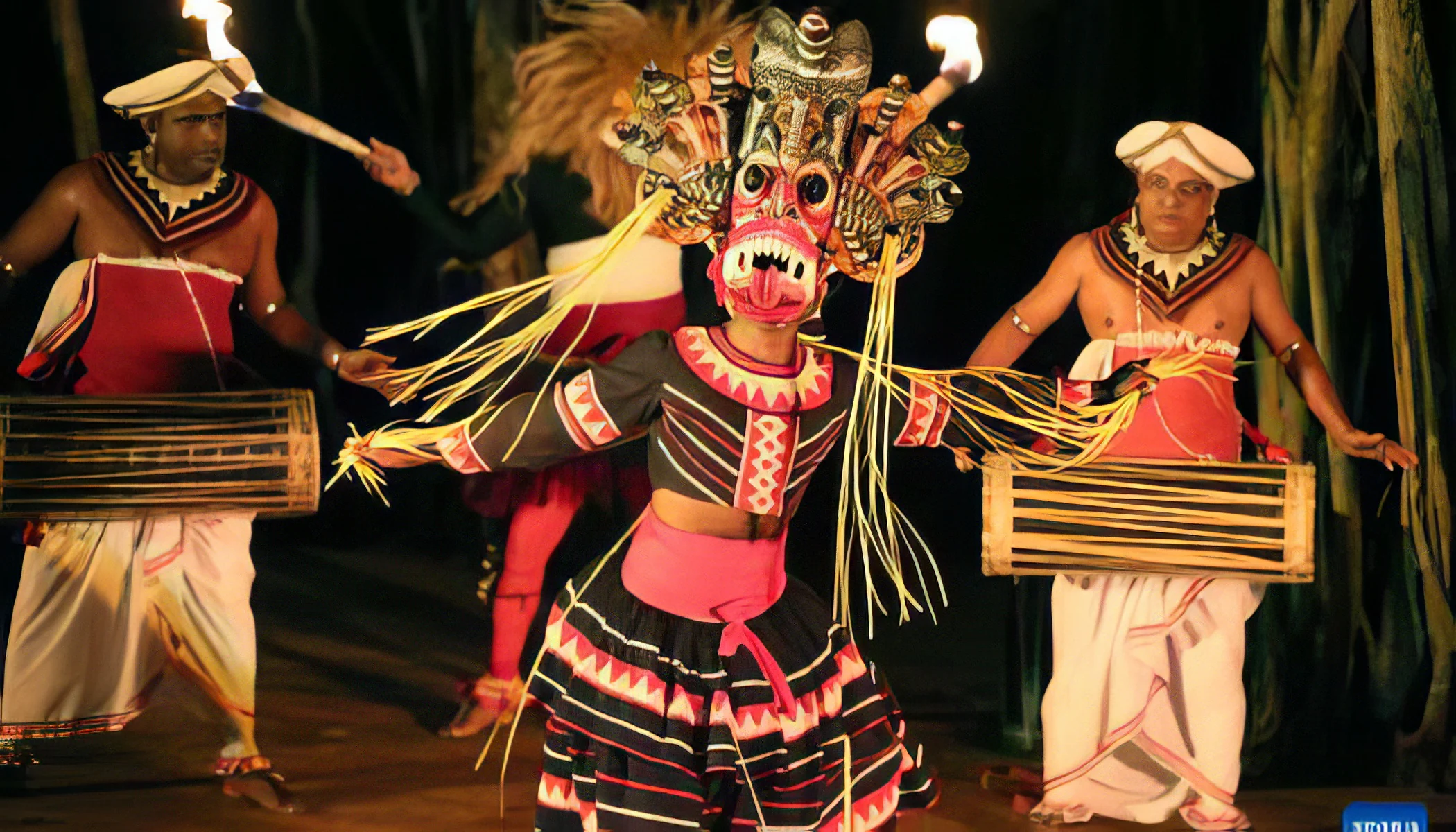
Sri Lanka showcases a rich variety of traditional performances:
– Kandyan Dance: Experience the pleasant and rhythmic dance form in Kandy, featuring elaborate costumes and traditional drumming.
– Sabaragamuwa Dance: Enjoy lively performances with energetic movements and drumming, common in the Sabaragamuwa Province.
– Low Country Dance: Witness ritualistic dances with snake-like movements, particularly performed in coastal regions like Galle.
– Kolam Mask Dance: Discover masked theatrical performances depicting folk tales and societal issues, primarily in the southwestern parts.
– Bali Rituals: Observe spiritual dance rituals aimed at healing and protection, often held in rural areas across the country.
Events & Festivals
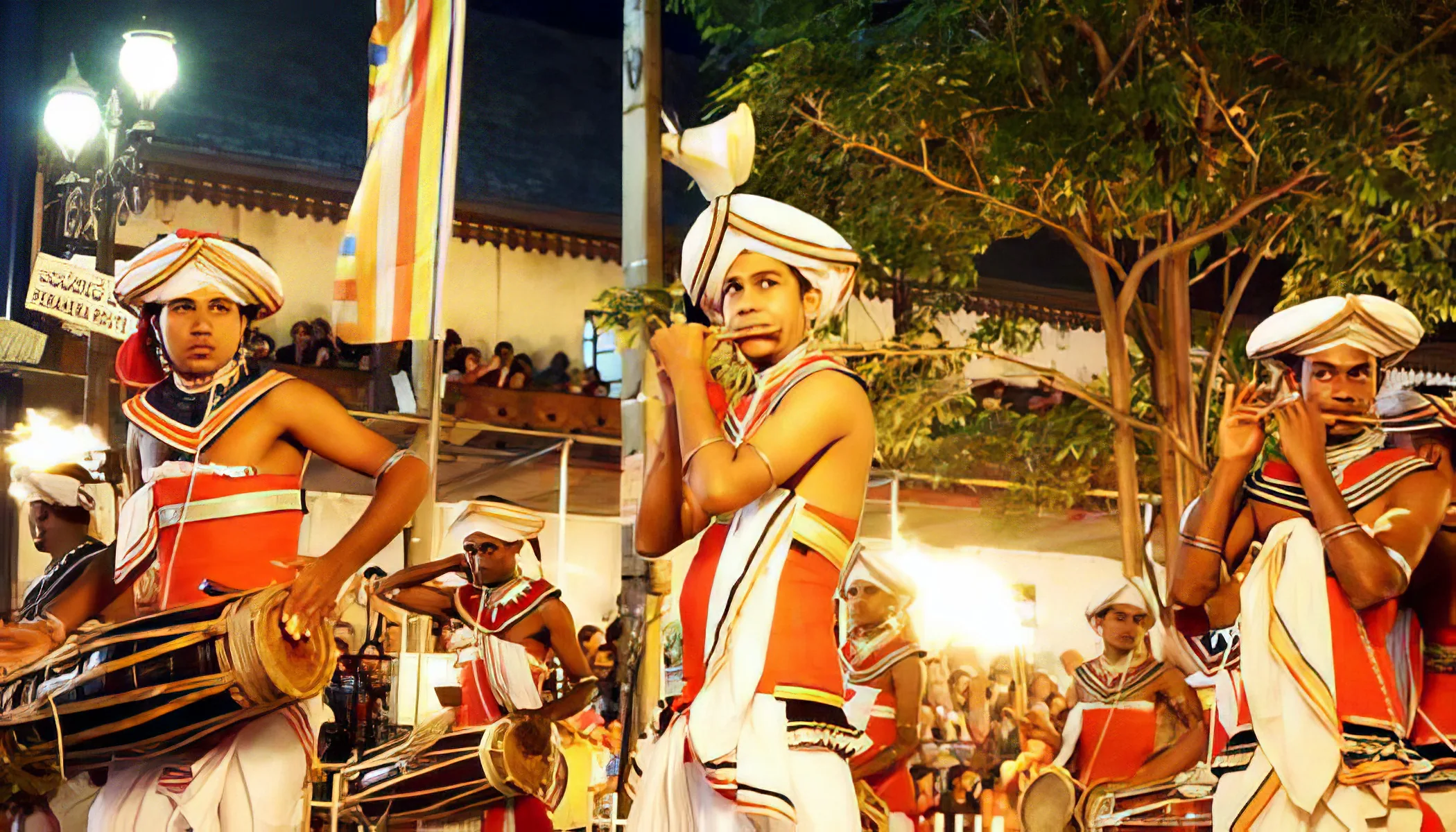
Throughout the year, Sri Lanka hosts magnificient festivals reflecting its cultural and religious diversity:
– Duruthu Perahera: January procession in Kelaniya, celebrating Buddha's first visit with dances and elephants.
– Thai Pongal: January harvest festival by Tamils, offering thanks with rice dishes and rituals.
– Sinhala & Tamil New Year: Celebrated in April with traditional games, feasting, and rituals marking the lunar new year.
– Vesak Poya: May festival across Sri Lanka, commemorating Buddha's birth, enlightenment, and death with lanterns and ceremonies.
– Poson Poya: June celebration of Buddhism's arrival in Mihintale with pilgrimages and religious activities.
– Esala Perahera: August grand procession in Kandy honoring the Sacred Tooth Relic with drummers and dancers.
– Diwali: October/November Hindu festival of lights symbolizing victory of light over darkness.
Famous People

Sri Lanka has a rich history of influential individuals in politics, arts, and religion.
– Anagarika Dharmapala (1864 to 1933, Colombo): Buddhist revivalist and key figure in the global spread of Buddhism during the late 19th century.
– Sirimavo Bandaranaike (1916 to 2000, Ratnapura): First female prime minister in the world, serving three terms from 1960 to 2000.
– Kumar Sangakkara (born 1977, Matale): Former international cricketer known for his exceptional batting and leadership skills.
– Geoffrey Bawa (1919 to 2003, Colombo): Renowned architect credited with pioneering "tropical modernism" in architecture.
– Arthur C. Clarke (1917 to 2008, Minehead, England but settled in Colombo): Acclaimed science fiction author and futurist who spent much of his life in Sri Lanka.
Books
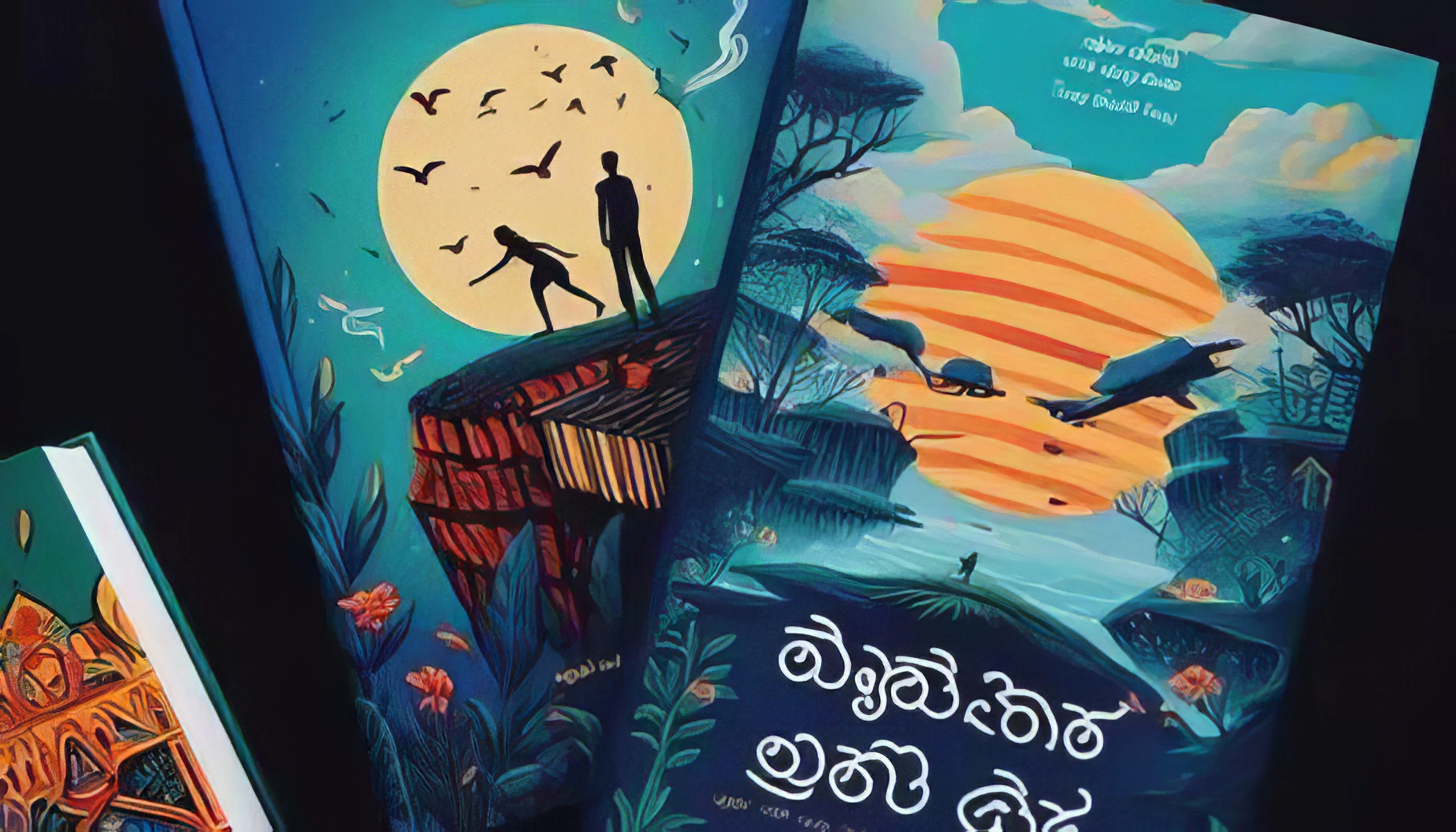
These books delve into the historical, cultural, and personal narratives set in Sri Lanka.
– "Anil's Ghost" by Michael Ondaatje: A forensic anthropologist investigates political violence in civil war-torn Sri Lanka.
– "The English Patient" by Michael Ondaatje: Set during WWII with scenes capturing Sri Lankan landscapes and colonial past.
– "Island of a Thousand Mirrors" by Nayomi Munaweera: Chronicles two women's lives amid Sri Lanka's civil conflict.
– "Running in the Family" by Michael Ondaatje: Memoir blending family history with the atmosphere of colonial Ceylon.
– "Chinaman: The Legend of Pradeep Mathew" by Shehan Karunatilaka: A cricket journalist's quest reveals post-independence Sri Lankan society.
Songs
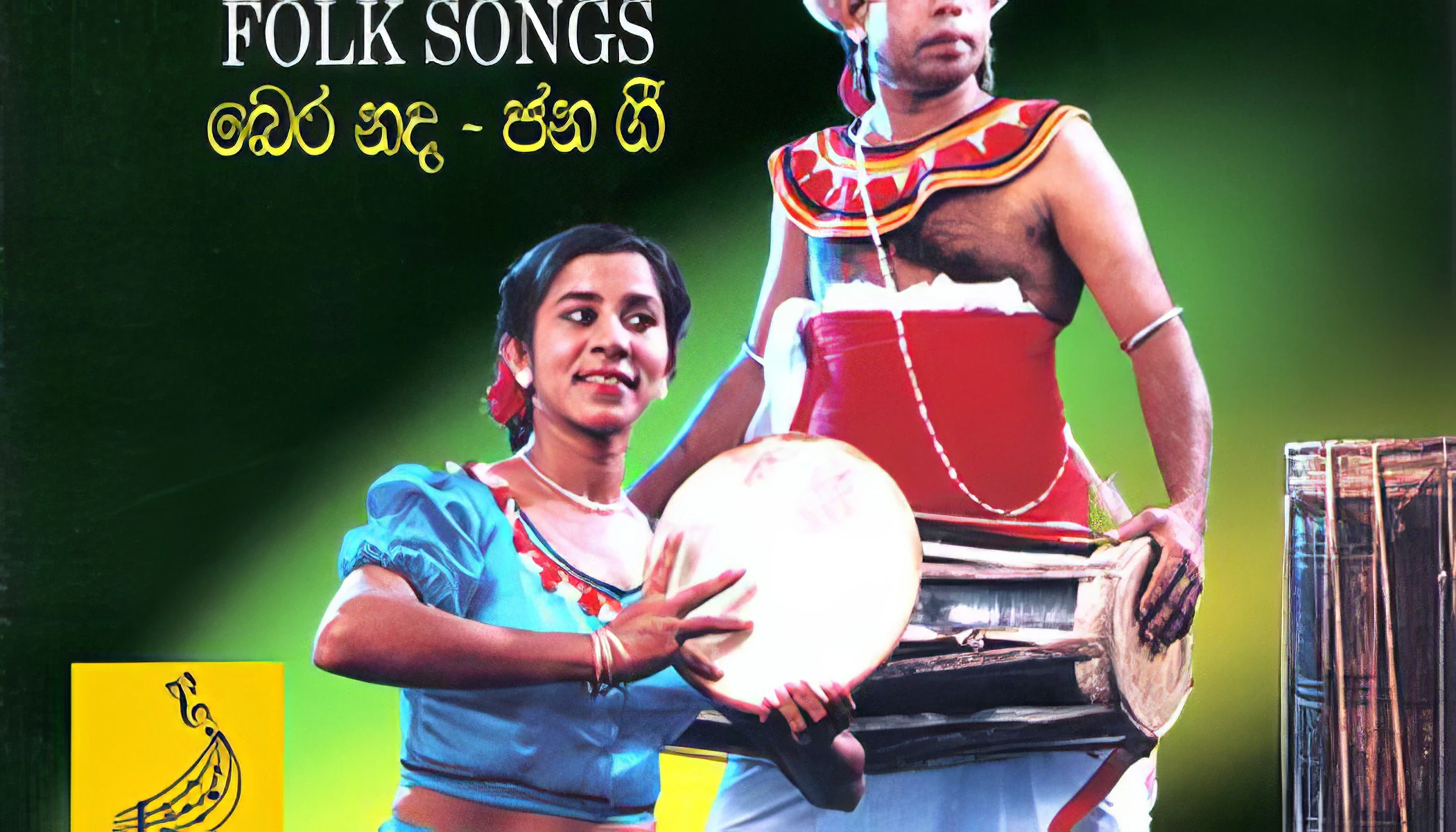
These songs highlight the rich musical heritage of Sri Lanka, reflecting its culture, emotions, and landscapes.
– Master Sir: This timeless song by Nimal Mendis is celebrated for its poignant melody and lyrics.
– Danno Budunge: A classical piece often associated with Sri Lankan identity, composed by John de Silva.
– Sihina Ahase Tharu Aran: Milton Mallawarachchi's romantic classic popular across generations.
– Surangani: A lively folk song that has been adapted and enjoyed in multiple versions.
– Punsanda Hinahenne: Sunil Edirisinghe's emotional ballad that resonates with many Sri Lankans.
Films
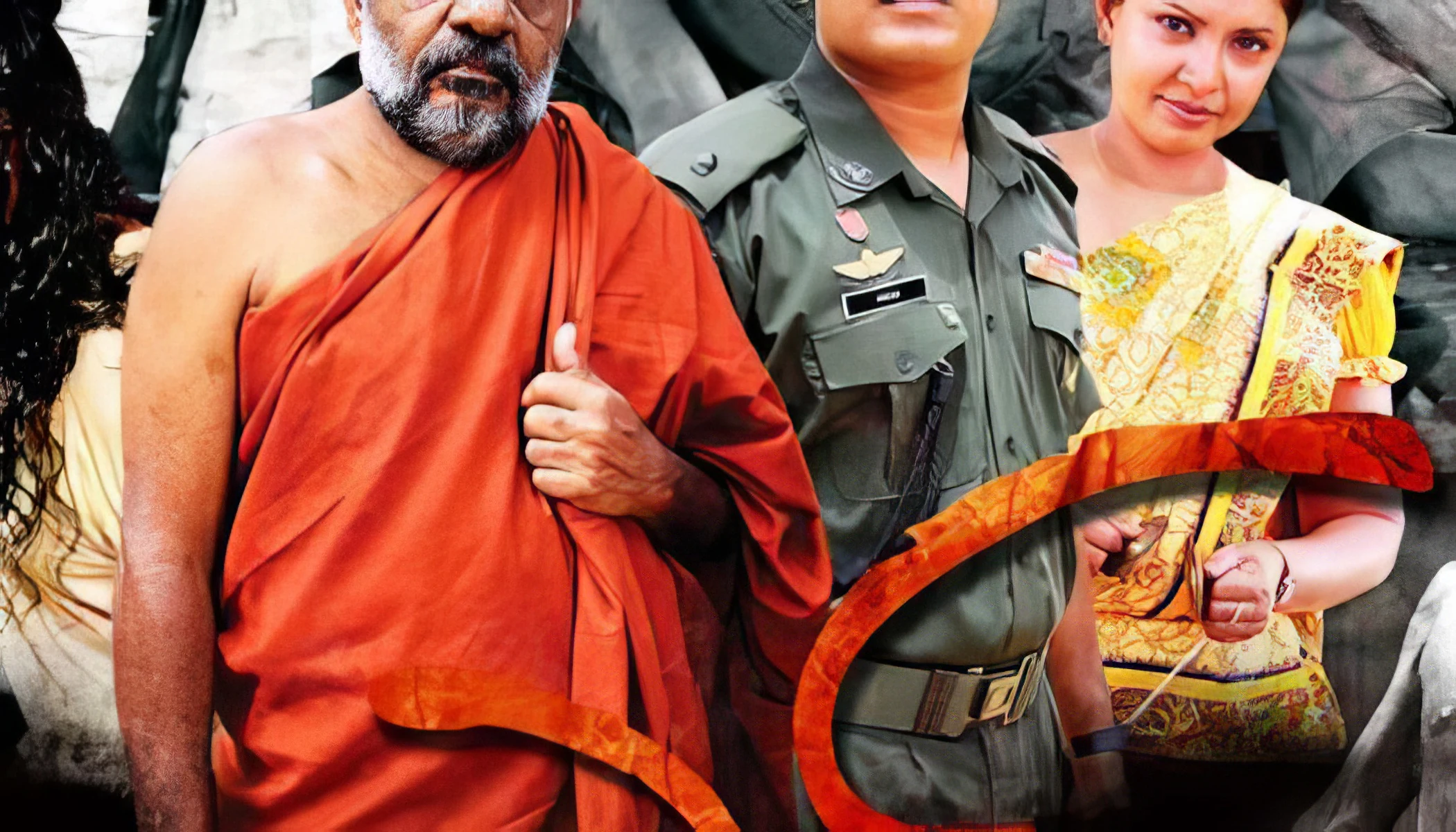
Explore the cinematic landscape depicting Sri Lanka’s culture and history through these notable films:
– "The Garden of Eden": Directed by Sumitra Peries, it explores the generational conflict and societal changes in rural Sri Lanka.
– "The Forsaken Land": Vimukthi Jayasundara's film portrays the lingering effects of civil war on a small, isolated community.
– "Flying Fish": Sanjeewa Pushpakumara's film intertwines three stories set against the backdrop of Sri Lanka's civil war.
– "Between Two Worlds": Vimukthi Jayasundara presents a mystical journey, blending myth with modern-day life in post-war Sri Lanka.
– "Machan": Uberto Pasolini directs this comedy-drama based on a true story about a group of Sri Lankan friends forming a fake handball team to seek asylum in Europe.