

Sudan Attractions & Travel Advice – Plan Your Visit
Located in Northeast Africa, this country is known for its rich history and diverse cultures. It features vast deserts, the Nile River, and ancient archaeological sites. Despite facing economic and political challenges, it remains a land of significant historical importance.
- Capital
- The capital of Sudan is Khartoum.
- Population
- 35 millions
- Superficy
- 1862000 sq.km
- Months to Visit
- Nov. to Feb.
- Living Cost
- Economical
Overview
Sudan is located in Northeast Africa, bordered by countries including Egypt, Libya, and Ethiopia. The capital city is Khartoum, where the Blue and White Nile rivers meet. Sudan has a diverse cultural heritage with numerous ethnic groups and languages. The country has faced significant political and economic challenges, including conflicts and humanitarian issues. Agriculture is a key part of the economy, with crops like sorghum and millet being important. Despite its challenges, Sudan has rich historical sites, such as the ancient pyramids of Meroë.
Pros & Cons
GOOD REASONS TO VISIT SUDAN
– Ancient Pyramids: Explore Meroë's pyramids, lesser-known but equally impressive as Egypt's, offering unique historical insights.
– Rich Cultural Heritage: Experience diverse ethnic groups, traditional music, and magnificient local customs throughout the country.
– Nile River: Witness the majestic Nile, offering scenic views and opportunities for river-based activities.
– Desert Landscapes: Discover the vast Sahara Desert with its stunning dunes and unique desert wildlife.
– Warm Hospitality: Sudanese people are known for their friendliness and welcoming nature towards visitors. CHALLENGES WHEN VISITING SUDAN
– Political Instability: Ongoing conflicts and political unrest can affect safety and travel plans.
– Limited Infrastructure: Underdeveloped transport and accommodation options may pose challenges for travelers seeking comfort.
– Extreme Climate: High temperatures in summer can be uncomfortable; plan visits during cooler months.
Before Departure
Before traveling to Sudan, it's important to be aware of several key factors:
– Passport: Ensure your passport is valid for at least six months from your entry date.
– Visa: Obtain a visa before arrival; tourist visas are typically valid for 30 days. Apply through Sudanese embassies or consulates.
– Currency: Sudanese Pound (SDG); credit cards rarely accepted; cash is essential. ATMs are limited and often unreliable.
– Internet access: WiFi is available in hotels and cafes in major cities; consider purchasing a local SIM card for better connectivity.
– Language barrier: Arabic is the official language; English is not widely spoken outside urban areas, so learning basic Arabic phrases can be helpful.
What to Pack
Traveling to Sudan requires preparation for its climate and cultural considerations, ensuring a respectful and comfortable visit.
– Essentials: Passport and visa, travel insurance details, flight tickets and itinerary, accommodation confirmations, local currency or credit card.
– Clothing: Lightweight, loose-fitting clothing covering shoulders and knees, comfortable walking shoes, wide-brimmed hat for sun protection, scarf for dust or modesty.
– Health & Safety: Prescription medications and basic first aid kit, insect repellent with DEET, sunscreen with high SPF, water purification tablets.
– Electronics: Travel adapter for Sudanese outlets (Type C/D), mobile phone with charger, power bank.
Weather
Sudan has a hot desert climate with distinct wet and dry seasons.
– Winter (November to February): Mild temperatures, especially in the north, with little to no rainfall.
– Spring (March to May): Temperatures rise significantly, becoming very hot and dry across the country.
– Summer (June to August): Extremely hot, especially in the north; southern regions experience heavy rainfall.
– Autumn (September to October): Temperatures begin to decrease; southern areas still receive some rain. The best time to visit Sudan is from November to February:
– Cooler temperatures make travel more comfortable.
– Minimal rainfall ensures easier access to attractions. However, be prepared for cooler nights in the desert regions during this period.
Travel Budget
Sudan provides a range of budget-friendly options for travelers. Here are some average prices for common expenses:
– Hotel: 30$ to 80$
– Lunch: 3$ to 10$
– Beverage (in bar/restaurant): 1$ to 4$
– Coffee: 1$ to 2$
– Transportation: (train not widely available), (bus 0.5$ to 2$), (taxi /10km 5$ to 15$)
– Mobile data (per GB): 1.5$ to 3.5$
Language
In Sudan, Arabic is the official language and is widely spoken; here are some useful phrases for tourists:
– Hello: مرحبا (Marhaban)
– Thank you: شكرا (Shukran)
– Please: من فضلك (Min fadlak/fadlik) [male/female]
– How much is this?: بكم هذا؟ (Bikam hatha?)
– Excuse me: عفوا (Afwan)
– I don't understand: لا أفهم (La afham)
– Yes: نعم (Na'am)
– No: لا (La)
– Goodbye: مع السلامة (Ma'a as-salama)
History
Its history includes ancient civilizations like the Kingdom of Kush, which thrived along the Nile for centuries. It became part of the Egyptian and later Roman domains before experiencing Islamic influence starting in the 7th century. By the 19th century, Sudan fell under Ottoman-Egyptian rule and later became a joint British-Egyptian condominium in 1899. Sudan gained independence from this arrangement in 1956, but its history has been marked by civil wars and conflicts, particularly between the north and south. The Second Sudanese Civil War ended with the Comprehensive Peace Agreement in 2005, leading to South Sudan's independence in 2011. Political instability has persisted, with ongoing challenges including internal conflicts and governance issues.
Geopolitics
Located in northeastern Africa, Sudan shares borders with seven countries, including Egypt to the north and South Sudan to the south. It has experienced prolonged internal conflicts, notably in Darfur and South Kordofan, contributing to regional instability. The secession of South Sudan in 2011 significantly affected its political and economic landscape, particularly due to the loss of substantial oil revenues. Sudan is part of the African Union and the Arab League, reflecting its strategic position between the Arab world and sub-Saharan Africa. Relations with neighboring countries have been complex, often influenced by issues like Nile water rights and cross-border ethnic ties. The country continues to navigate transitions toward civilian rule following decades of military-led governments.
Sample Itinerary
This itinerary covers Sudan's ancient pyramids, dynamic cities, and unique cultural experiences.
– 1 day in Khartoum: Explore the National Museum, visit the confluence of the Blue and White Nile, and see the local markets.
– 1 day in Omdurman: Discover the Mahdi's Tomb, traditional Souq Omdurman market, and watch a Sufi whirling dervishes performance.
– 2 days in Meroë: Tour the Meroë Pyramids, explore ancient ruins, and learn about Nubian history at the Royal City.
– 1 day in Karima: Visit Jebel Barkal for its temples and pyramids and view the landscape from atop this sacred mountain.
– 1 day in Dongola: Explore Old Dongola’s historic Islamic architecture and visit nearby Nubian villages for cultural insights.
Popular cities
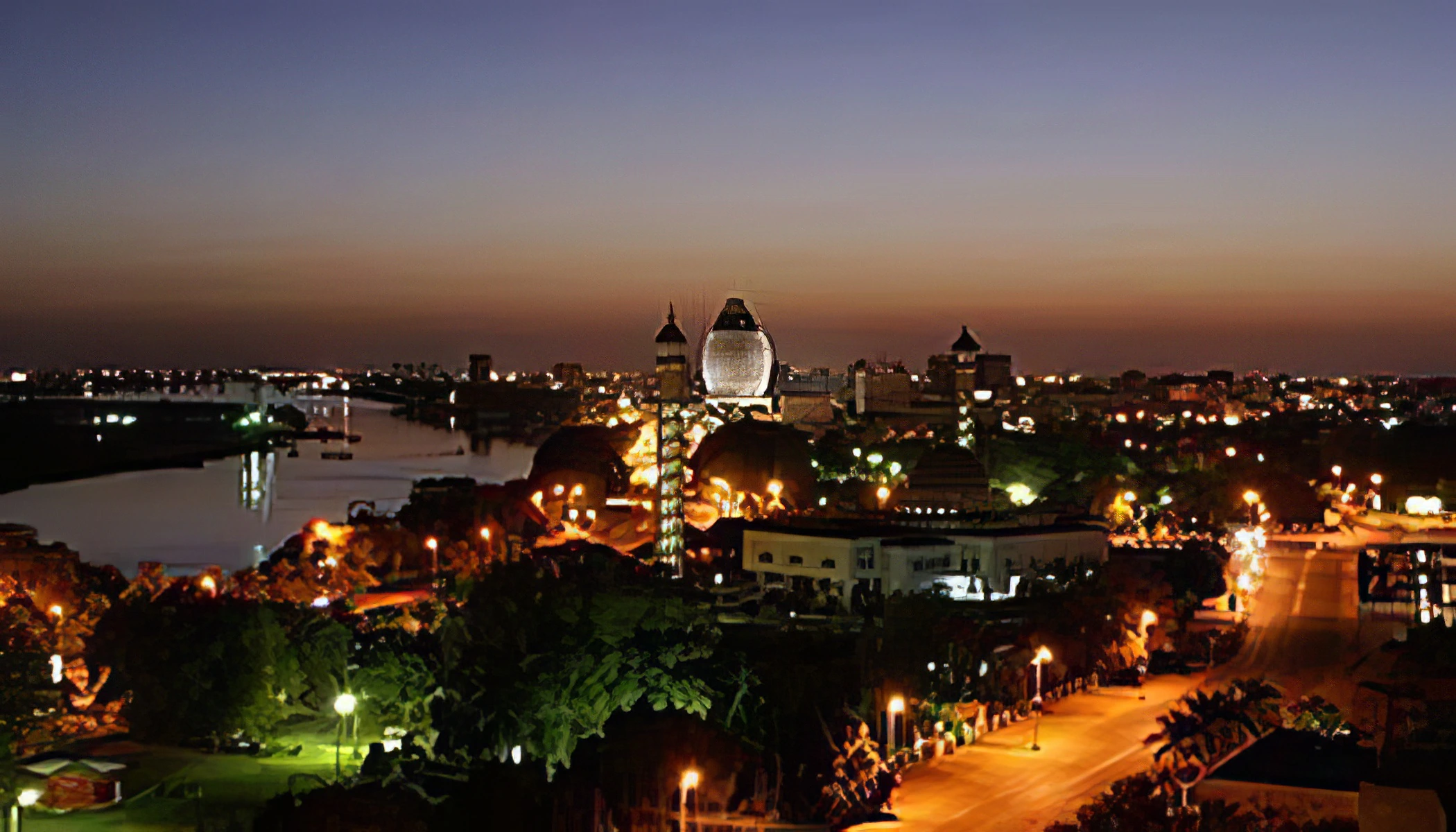
Discover Sudan's cities offering unique historical and cultural experiences:
– Khartoum: The capital city, where the Blue and White Nile rivers meet, with museums and markets.
– Omdurman: Known for its traditional markets, historical sites, and Sufi cultural events.
– Port Sudan: A Red Sea coastal city famous for its diving spots and marine life.
– Kassala: Provides views of the Taka Mountains and rich cultural diversity.
– Dongola: Known for its proximity to ancient Nubian archaeological sites.
– Karima: Home to historic pyramids at the Jebel Barkal UNESCO World Heritage site.
– Nyala: A gateway to exploring natural beauty and local culture in Darfur.
Monuments
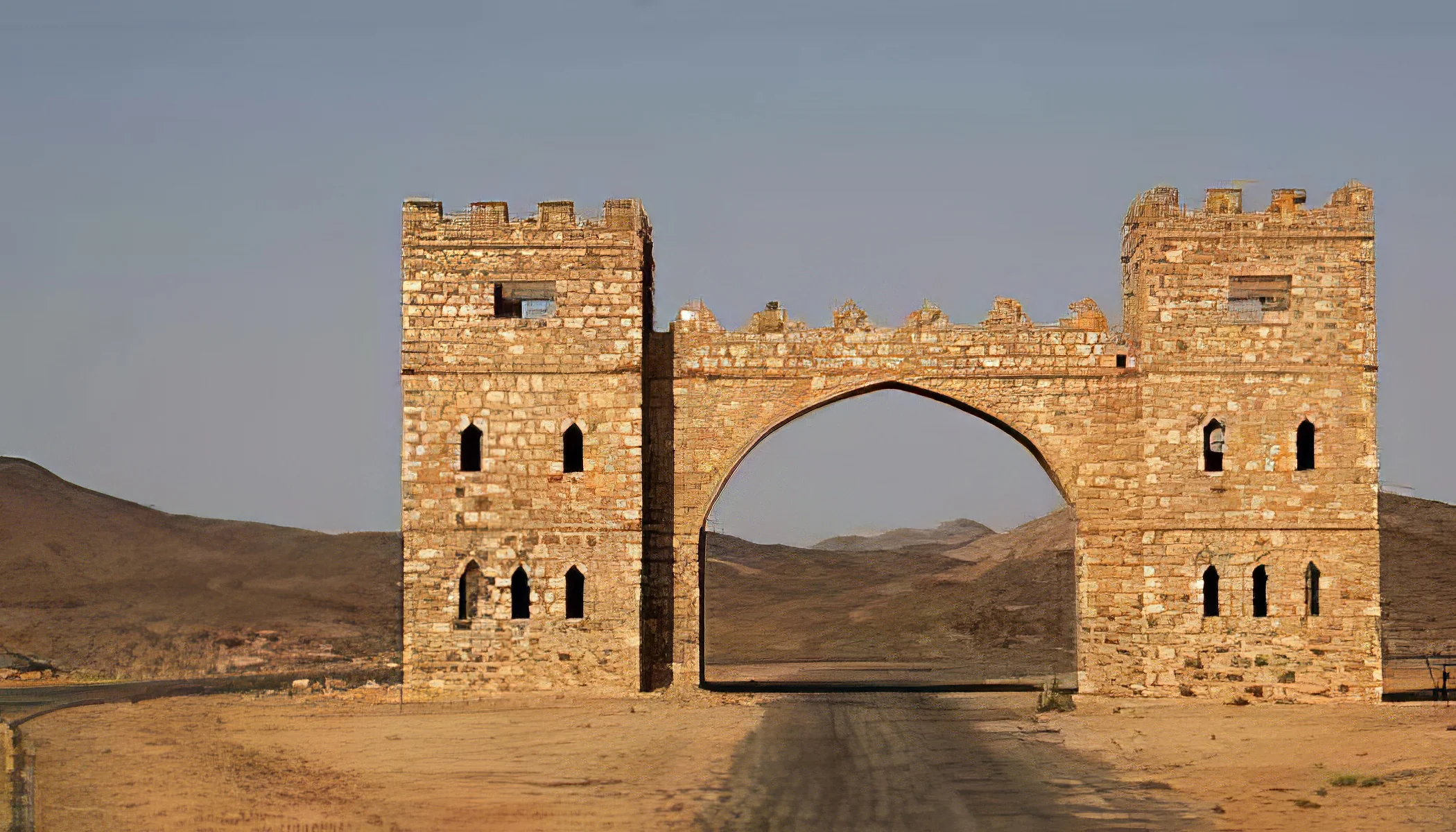
Sudan is home to remarkable historical monuments and architecture.
– Meroe Pyramids: Ancient pyramids from the Kingdom of Kush, smaller but more numerous than Egypt's.
– Jebel Barkal: Sacred mountain with temples and pyramids, significant for both Egyptians and Nubians.
– Kerma: Archaeological site with remains of one of Africa's oldest urban centers.
– Suakin Island: Historic port town with coral buildings, showcasing Sudan's maritime history.
– Al-Musawwarat es-Sufra: Ancient temple complex known for its "Great Enclosure" featuring elephant carvings.
– Temple of Soleb: Well-preserved Egyptian temple built by Pharaoh Amenhotep III in Nubia.
– Old Dongola: Former Christian kingdom capital with monasteries, churches, and Islamic architecture remnants.
– Sanganeb National Park Lighthouse: A British-built lighthouse in a marine park on the Red Sea coast.
Natural wonder
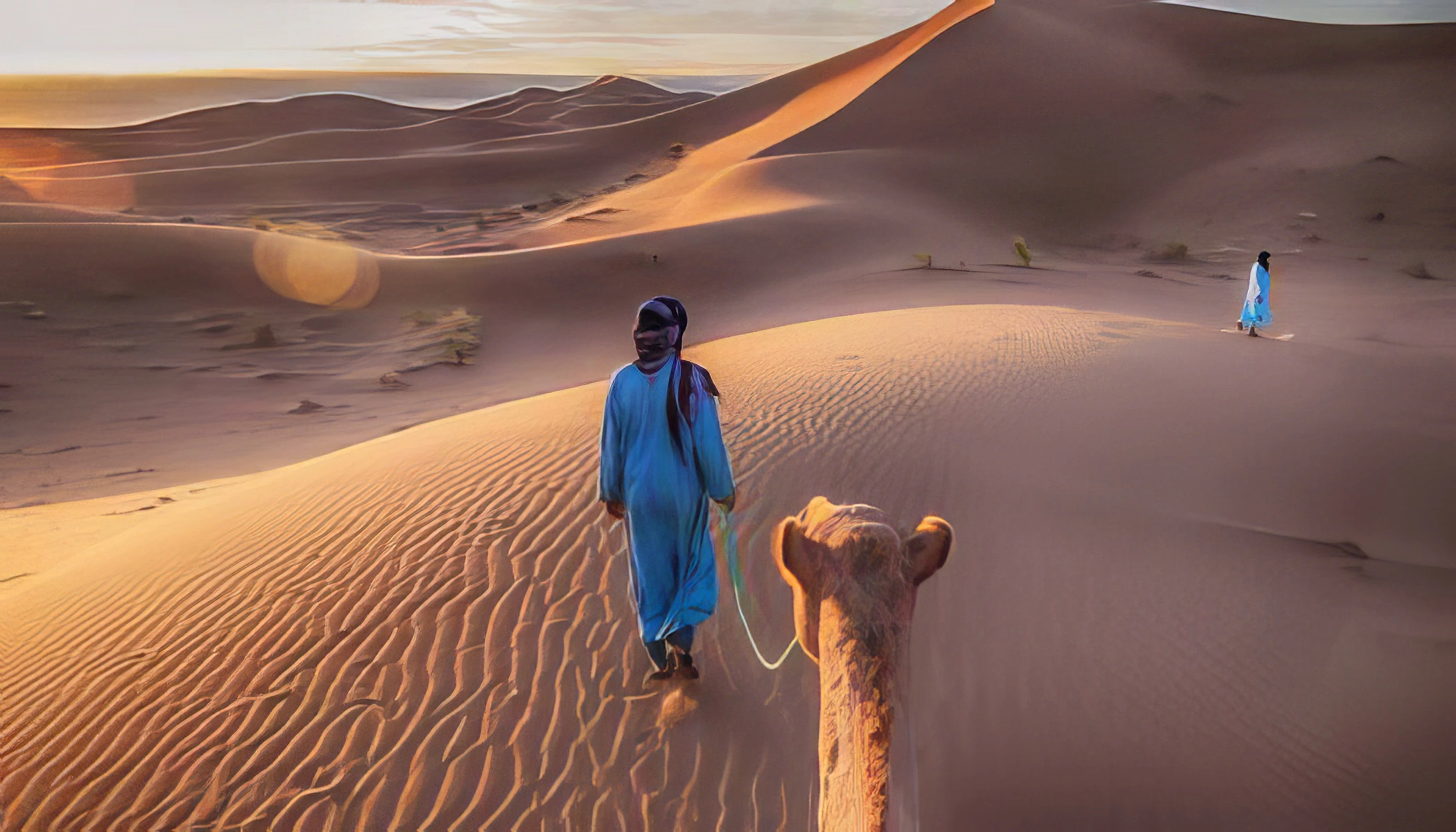
Sudan supplies diverse and striking natural landscapes:
– Nile River: Major river flowing through the country, vital for agriculture and livelihoods.
– Red Sea Coral Reefs: Notable for beautiful marine life, attracting divers and snorkelers.
– Dinder National Park: A biodiversity hotspot with diverse wildlife, including elephants and antelopes.
– Jebel Marra: Volcanic mountain range offering cooler climate and scenic views.
– Sudd Wetlands: One of the world's largest wetlands, home to unique flora and fauna.
– Bayuda Desert: Known for its black basalt mountains and unique landscape features.
– Sabaloka Gorge: Supplies striking rock formations along the Nile's course.
– Nubian Desert: Expansive desert with unique rock formations and ancient archaeological sites.
– Wadi Halfa Salient: Northern extension of Sudan with historic significance near Lake Nubia.
– Suakin Archipelago: Group of islands in the Red Sea with preserved beaches and rich marine biodiversity.
Beaches
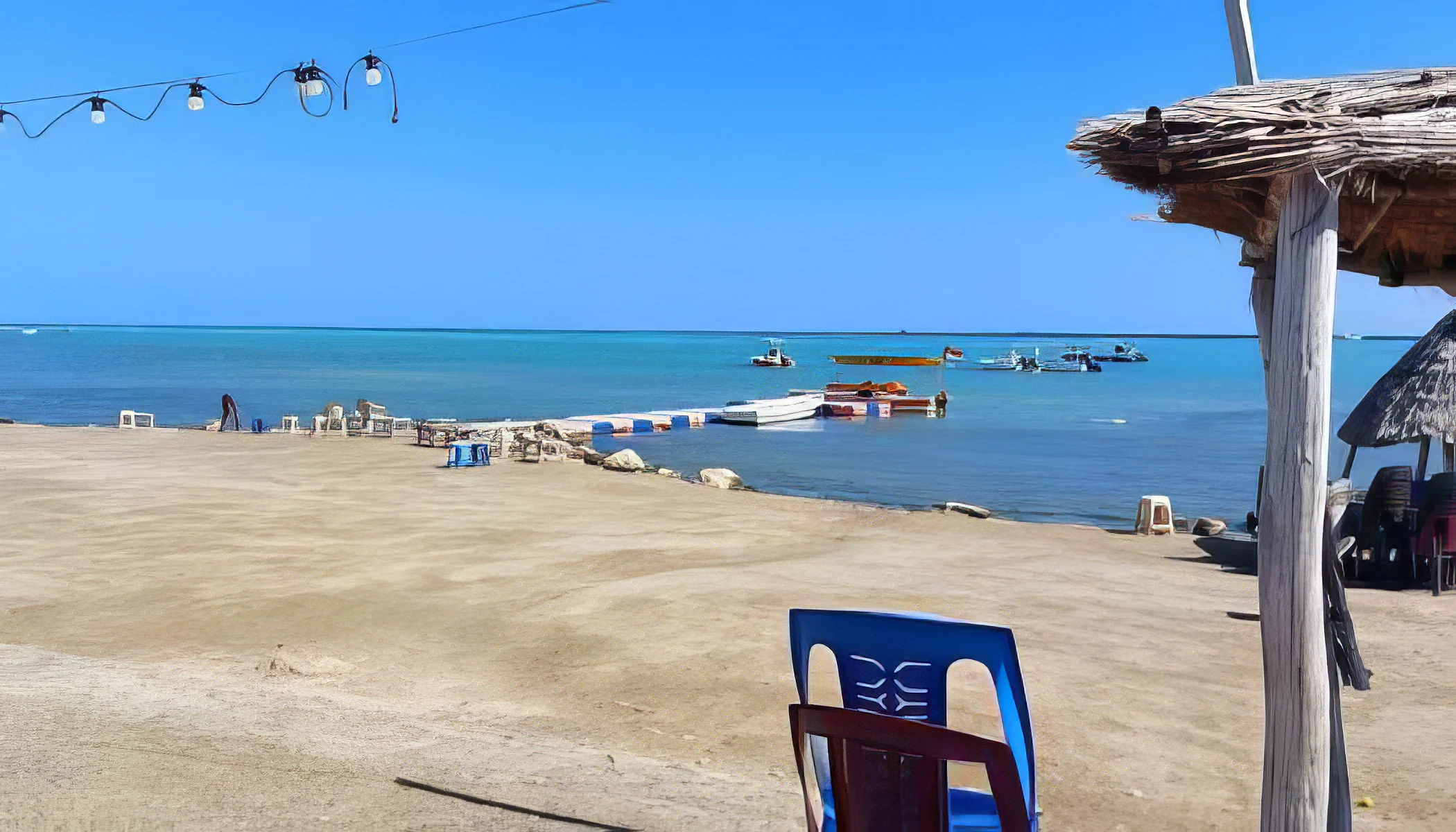
Sudan has a coastline along the Red Sea with some notable beaches.
– Suakin Beach: Provides a historical backdrop with nearby ruins of the ancient port city Suakin.
– Arkaweit Beach: Known for its calm waters and proximity to local seafood markets.
– Agig Beach: A remote, less-developed beach offering tranquility and clear Red Sea waters.
– Marsa Halaka: Popular for snorkeling and diving due to coral reefs and marine life.
– Dungonab Bay: Features clear waters and is part of a marine national park with diverse wildlife.
Outdoor activities
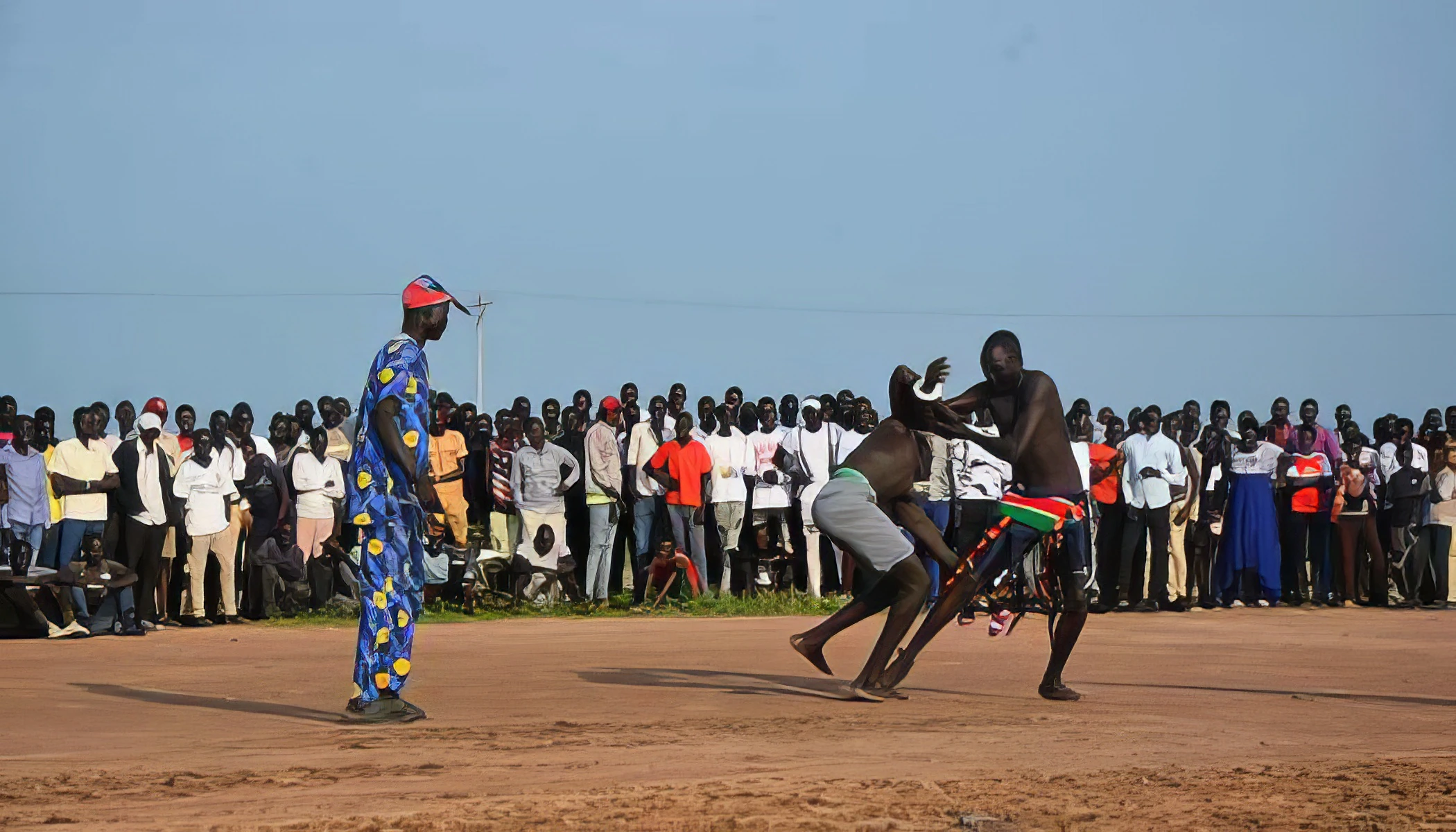
Sudan provides unique outdoor experiences amid its diverse landscapes:
– Trekking in Jebel Barkal: Explore ancient temples and handsome views from this sacred mountain.
– Nile River Boat Tour: Cruise along the world's longest river, observing local life along the banks.
– Desert Safari in the Bayuda Desert: Experience sand dunes and volcanic craters on a guided tour.
– Wildlife Watching in Dinder National Park: See diverse flora and fauna, including antelopes and bird species.
– Camping at Meroe Pyramids: Sleep under the stars near these historic pyramid sites.
– Hiking in the Red Sea Hills: Traverse rugged terrain with panoramic vistas of the Red Sea coast.
– Snorkeling in Port Sudan: Discover colorful coral reefs and marine life in clear waters.
Kid Friendly
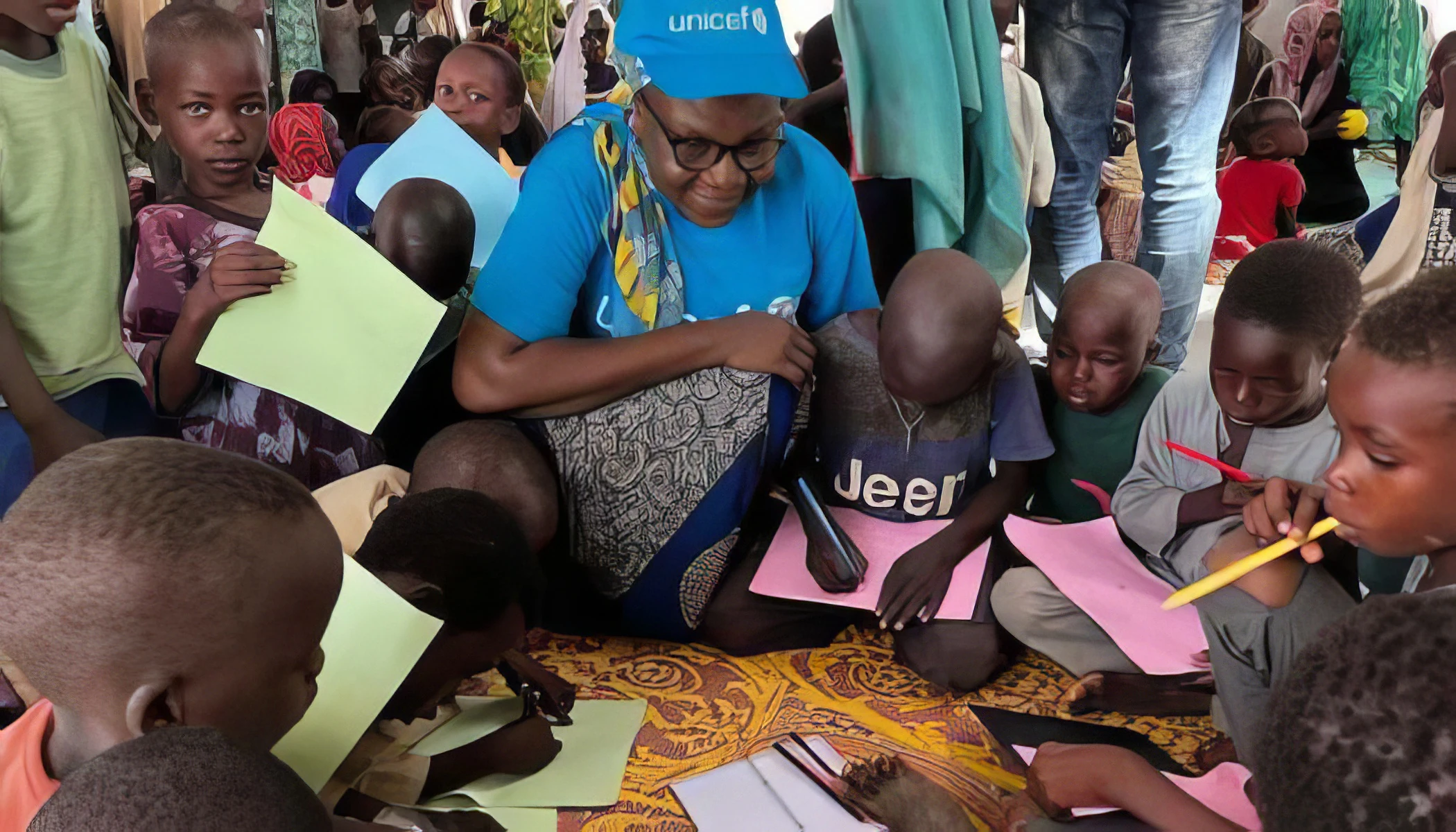
Sudan offers unique experiences for families exploring the country's cultural and natural attractions:
– Meroe Pyramids: Explore ancient Nubian pyramids that are smaller but less crowded than Egypt's.
– Khartoum Zoo and Botanical Gardens: A place where kids can see a variety of animals and enjoy green spaces.
– Nile River Cruises: Enjoy a relaxing boat trip on the Nile, observing local life along the riverbanks.
– Tuti Island: Accessible by a small bridge or boat, it's a restful spot for picnics and leisure walks.
– National Museum of Sudan: Discover Sudan's history through artifacts and exhibits, including Pharaonic artifacts.
– Dinder National Park: Spot wildlife like baboons, antelopes, and bird species in one of Africa's major parks.
– Suakin Island: Explore an ancient port city with fascinating ruins that spark the imagination.
– Al Sabalouga (Sixth Cataract): Visit these scenic rapids for picnicking and enjoying the natural beauty.
Cuisine
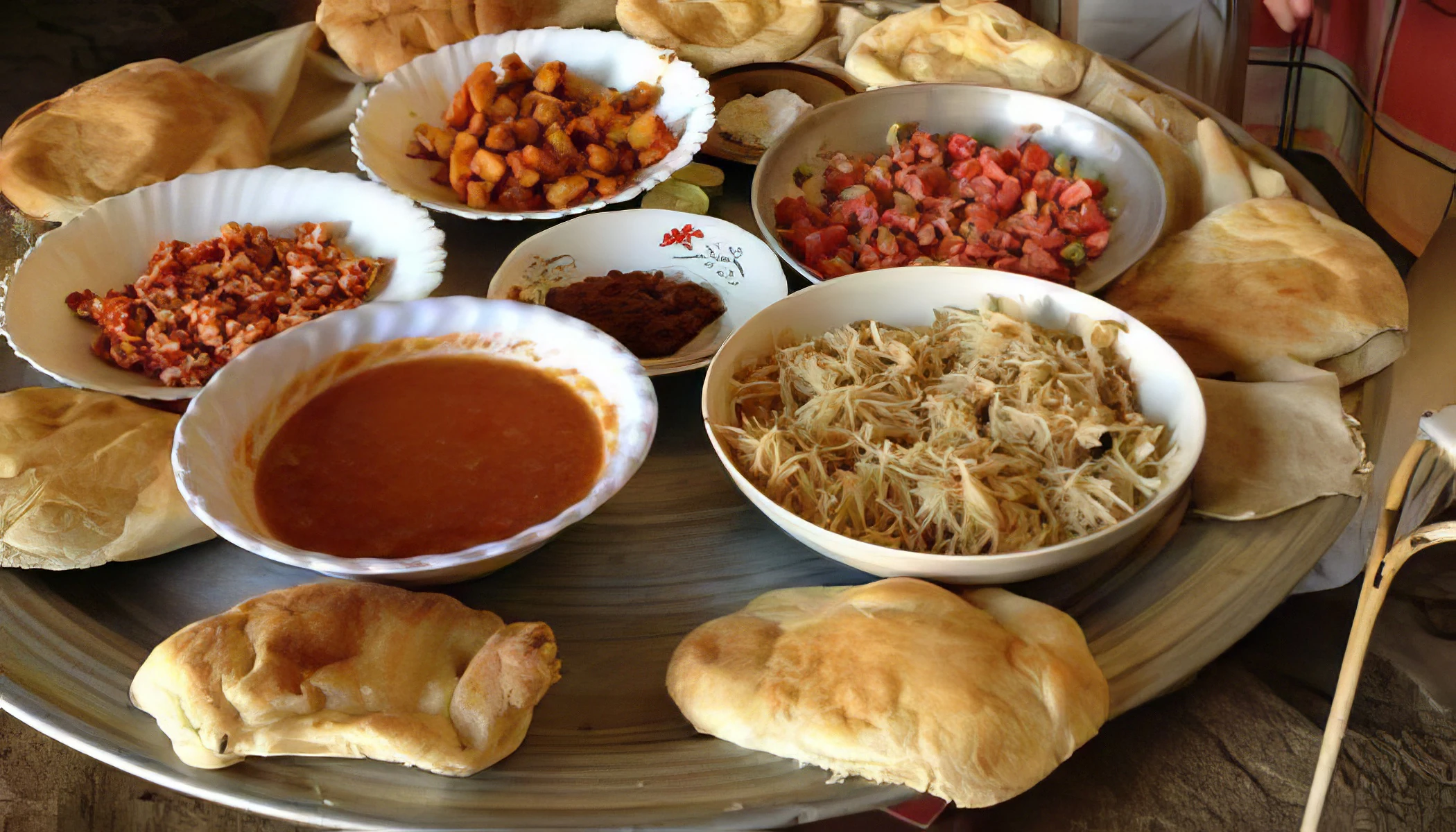
Sudanese cuisine is characterized by its rich flavors and the use of spices, reflecting a blend of Arab, African, and Middle Eastern influences. Meals often feature stews, flatbreads, and legumes. Here are some of Sudan's most famous dishes and desserts:
– Ful Medames: Stewed fava beans served with oil, spices, and bread.
– Kisra: Thin fermented bread made from sorghum or wheat flour.
– Asida: Dough-like porridge made from sorghum or wheat flour, often served with stew.
– Bamia: Okra stew cooked with meat, tomatoes, and spices.
– Aseeda Dembah: Sweet dessert porridge made from dates and flour.
Souvenir
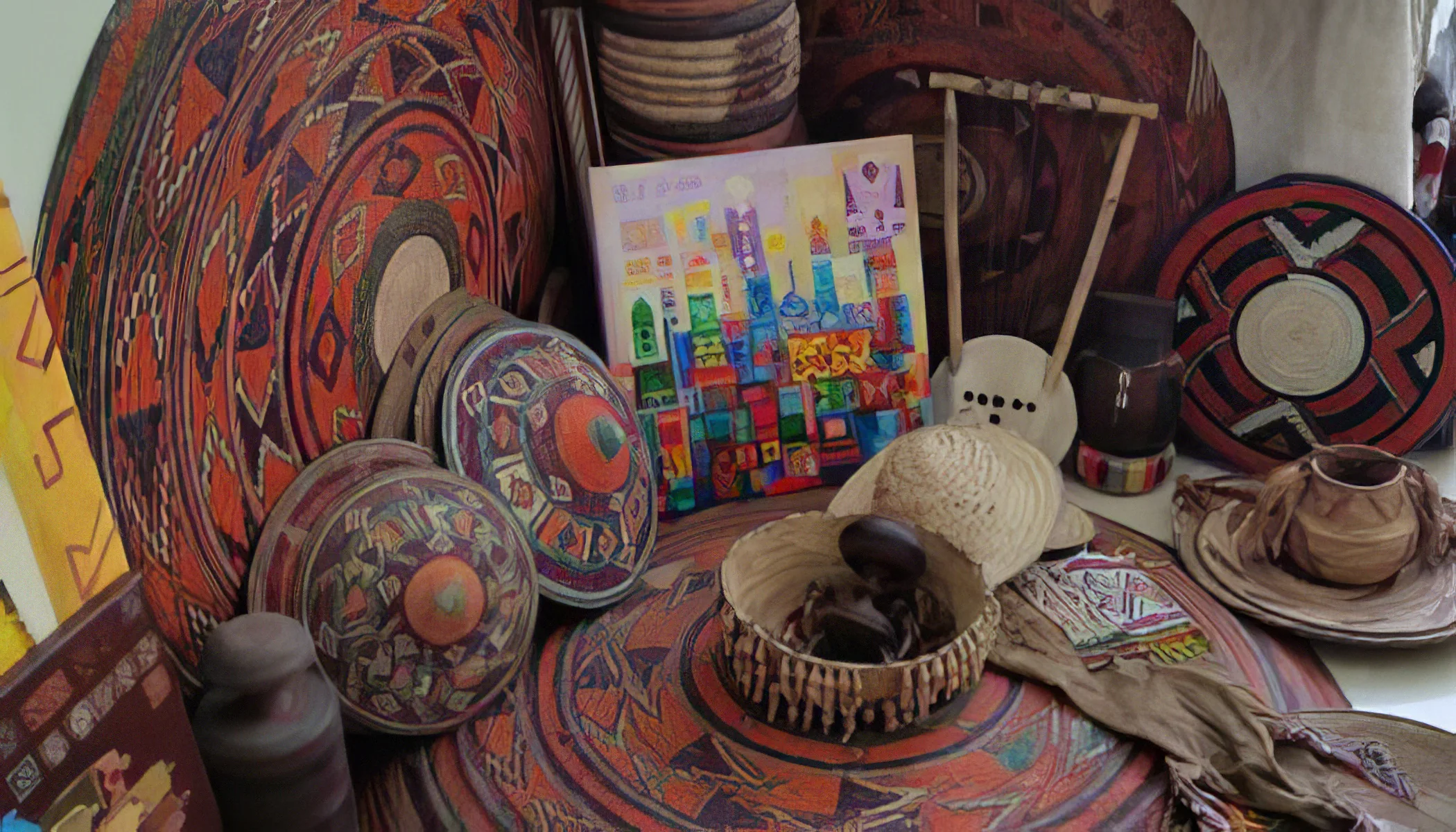
With its diverse culture and rich history, Sudan supplies unique souvenirs for visitors. Here are some popular options:
– Nubian Jewelry: Traditional jewelry made from silver and copper, often featuring refined designs.
– Handwoven Baskets: Colorful and durable baskets crafted by local artisans using natural materials.
– Wooden Carvings: Hand-carved wooden items, including statues and decorative pieces representing Sudanese culture.
– Textiles: Brightly colored fabrics and garments reflecting the diverse ethnic groups in Sudan.
– Spices: Various spices used in traditional Sudanese cooking, perfect for culinary enthusiasts.
– Henna: Natural henna used for body art, commonly applied during special occasions.
– Traditional Musical Instruments: Instruments like the tambour or oud, reflecting the musical heritage of the region.
Traditional Shows
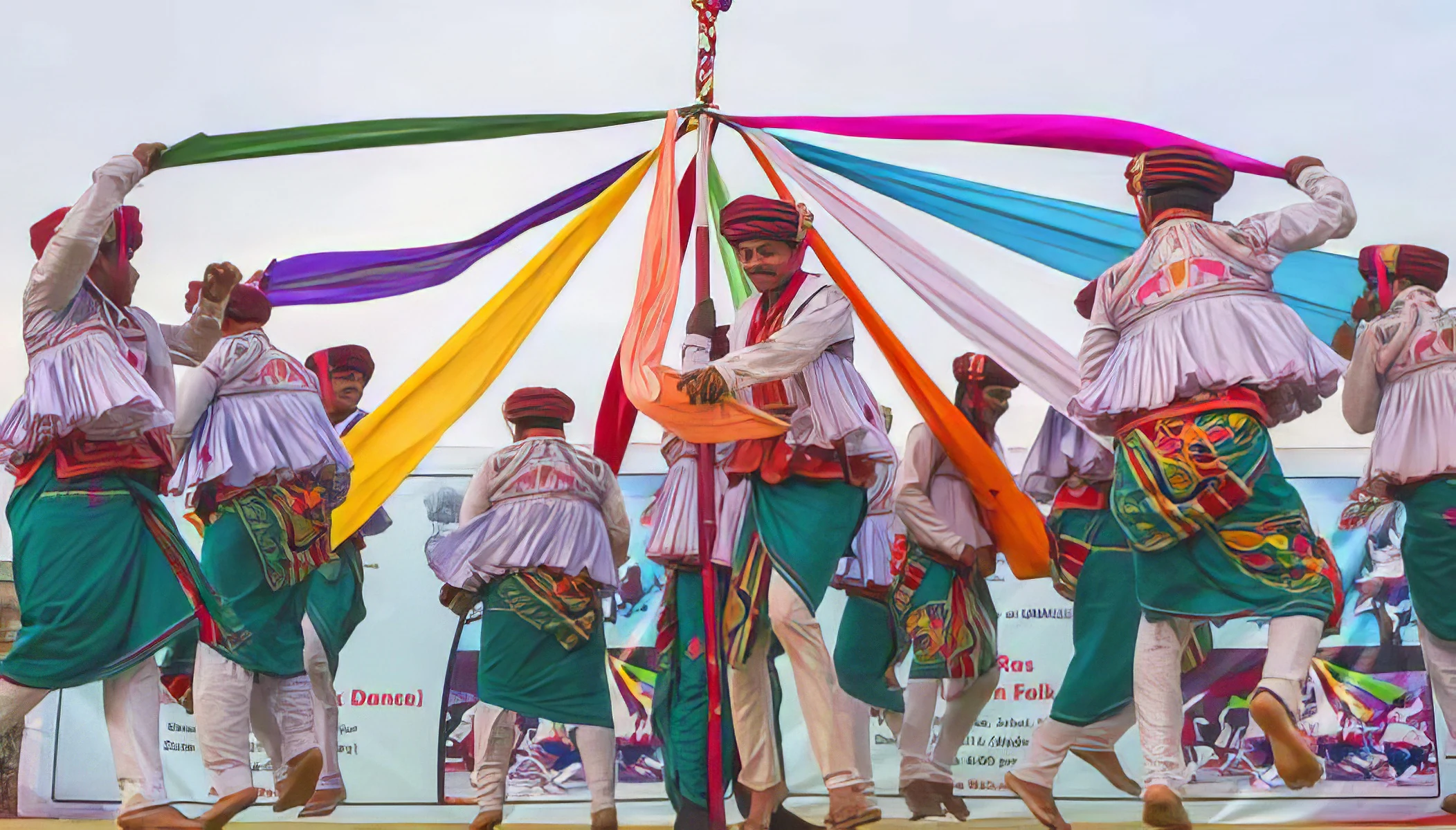
Sudan offers a unique array of traditional performances:
– Nubian Drumming and Dance: Experience the rhythmic beats and lively dances of Nubia, showcasing ancient cultural expressions primarily in northern Sudan.
– Beja Sword Dance: Witness the Beja people perform this energetic dance with swords, reflecting their warrior heritage and cultural pride in eastern Sudan.
– Southern Sudanese Folk Music: Explore folk melodies and stories from various ethnic groups, highlighting a rich diversity of musical traditions in southern regions.
– Dervish Whirling: Engage with Sufi traditions through Dervish whirling ceremonies, where music and movement create a spiritual experience, commonly seen in Omdurman.
– Hakama Poetry Recitals: Appreciate women's oral poetry recitals that narrate community tales and personal stories, a vital cultural expression across rural areas.
Events & Festivals
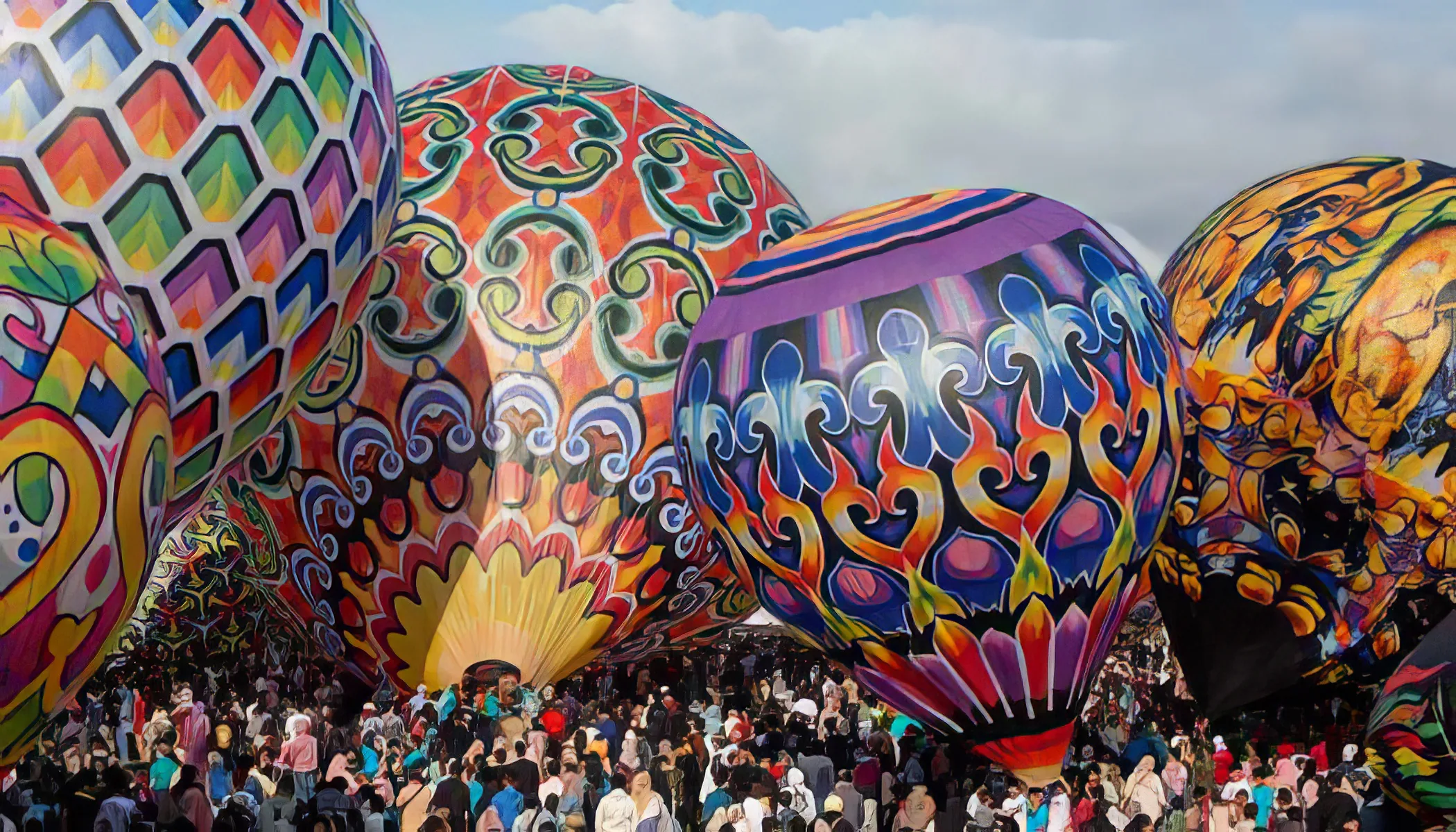
Sudan's cultural life is highlighted by various yearly events and festivals reflecting its rich heritage:
– Independence Day: Celebrated on January 1, marking Sudan's independence from British-Egyptian rule in 1956.
– Eid al-Fitr: Marks the end of Ramadan with feasting, prayers, and family gatherings.
– Eid al-Adha: Celebrated approximately 70 days after Eid al-Fitr, focusing on sacrifice and charity.
– Sudanese Camel Festival: Held in January, showcasing camel races and Bedouin culture near Kassala.
– Sufi Festivals: Various local events throughout the year celebrating Sufi saints with music and dances.
– Mawlid al-Nabi: Observed in the third month of the Islamic calendar, celebrating the Prophet Muhammad's birth.
– Khartoum International Book Fair: October event with books, authors, and literary discussions.
Famous People

Sudan is home to numerous influential figures who have left their mark in politics, culture, and history.
– Muhammad Ahmad (1844 to 1885, Dongola): Religious leader and revolutionary known as the Mahdi, who led a successful uprising against Ottoman-Egyptian rule.
– Gaafar Nimeiry (1930 to 2009, Omdurman): Military officer and politician who served as Sudan's president from 1969 to 1985.
– Al-Busiri (1211 to 1294, Meroë): Renowned poet best known for writing "Qasidat al-Burda," a famous Islamic poem praising Prophet Muhammad.
– Salva Kiir Mayardit (born 1951, Bahr el Ghazal): Politician and first President of South Sudan after its independence in 2011.
– Abdel Fattah al-Burhan (born 1960, River Nile State): Military leader who played a crucial role in Sudan's transitional government post-2019 revolution.
Books
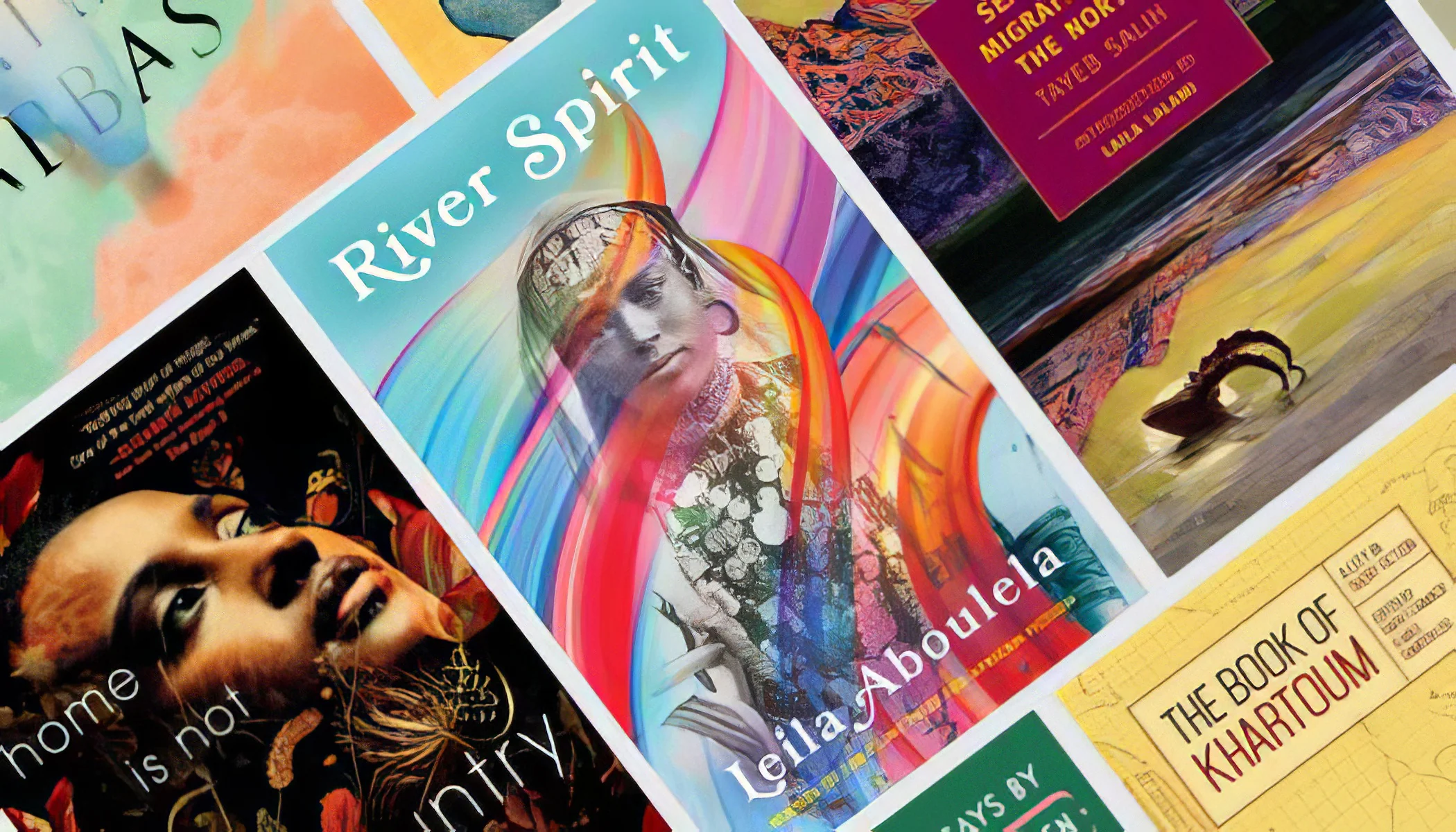
These books provide insights into the social, political, and cultural landscapes of Sudan through various narratives and historical contexts.
– "Season of Migration to the North" by Tayeb Salih: Examines post-colonial identity through a Sudanese man's experiences in England and return home.
– "The Wedding of Zein" by Tayeb Salih: Follows an eccentric villager whose unexpected marriage affects his community.
– "The Translator" by Leila Aboulela: Explores themes of love, faith, and cultural dislocation between Sudan and Scotland.
– "Lyrics Alley" by Leila Aboulela: Set in 1950s Sudan, it delves into family dynamics amid societal change.
– "In the Country of Men" by Hisham Matar: Though set primarily in Libya, it reflects on regional influences affecting Sudanese society.
Songs
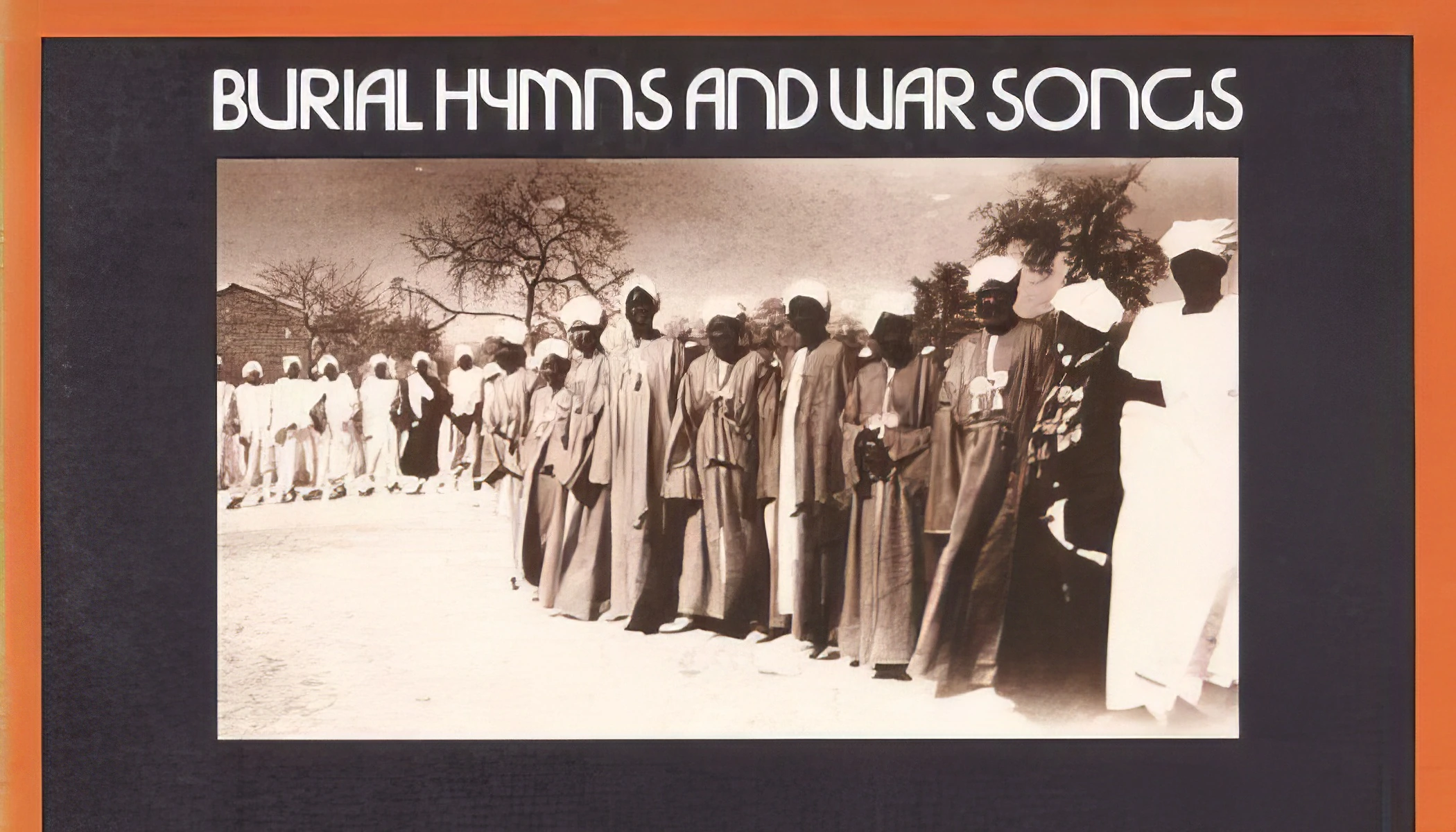
These songs are emblematic of Sudan's remarkable musical culture, reflecting themes of love, identity, and social issues.
– Alabal Alashoug: Mohamed Wardi's classic song celebrated for its romantic and heartfelt lyrics.
– Habibi Ta'al: A popular track by Abdel Karim el Kabli known for its melodic charm.
– Saaet Tara: Sung by Abdel Gadir Salim, it captures the essence of Sudanese music with traditional rhythms.
– Kul Al Masha'ar: A timeless piece by Mohammed Al Amin, often associated with feelings of nostalgia.
– El Mambo Suda: Composed by Sharhabil Ahmed, this song merges Sudanese rhythms with Latin influences.
Films
To explore Sudanese culture and history through cinema, consider these notable films:
– "Tough Enough": Directed by Issa A. Sultan, it portrays the challenges faced by a young Sudanese boy in a conflict zone.
– "You Will Die at 20": Amjad Abu Alala's film tells the story of a boy living under the shadow of a prophecy in rural Sudan.
– "Khartoum": A historical epic that dramatizes the 1885 Siege of Khartoum during Mahdist Sudan.
– "Talking About Trees": A documentary by Suhaib Gasmelbari following four filmmakers attempting to reopen a cinema in Omdurman.
– "The Longest Kiss": Directed by Alexandra Sicotte-Levesque, it documents stories of love and life along the Nile in Sudan.