

Explore Suriname: Culture, Cities & Places to Visit
Located on South America's northeastern coast, this country is known for its rich cultural diversity and dense rainforests. Its capital, Paramaribo, features colonial architecture. The economy relies on mining and agriculture, while ecotourism highlights its abundant natural reserves.
- Capital
- Paramaribo is the capital of Suriname.
- Population
- 0.5 millions
- Superficy
- 164000 sq.km
- Months to Visit
- Feb. to April & Aug. to Nov.
- Living Cost
- Moderate
Overview
Suriname is a small country located on the northeastern coast of South America. It is known for its vast rainforests, which cover about 80% of its land, and its rich biodiversity. The capital city, Paramaribo, features Dutch colonial architecture and reflects the country's diverse cultural heritage. Suriname's population is a mix of ethnic groups, including East Indian, African, Indigenous, Javanese, and European descendants. The economy relies heavily on natural resources like bauxite, gold, and oil. Despite its natural wealth, Suriname faces challenges such as economic instability and infrastructure development.
Pros & Cons
GOOD REASONS TO VISIT SURINAME
– Diverse Culture: Experience a unique blend of African, Indian, Javanese, and Dutch influences in daily life.
– Crystalline Rainforests: Explore untouched Amazonian rainforests with rich biodiversity and indigenous wildlife.
– Historic Architecture: Discover colonial-era buildings in Paramaribo, a UNESCO World Heritage site.
– Ecotourism Opportunities: Engage in birdwatching, river tours, and jungle treks in Suriname's natural landscapes.
– Multilingual Society: Communicate easily as many locals speak English, Dutch, Sranan Tongo, and other languages. CHALLENGES WHEN VISITING SURINAME
– Limited Infrastructure: Travel can be challenging due to underdeveloped roads and limited public transport options.
– Tropical Diseases: Risk of diseases like malaria; vaccinations and precautions are necessary for health safety.
– High Costs for Flights: Airfare to Suriname can be expensive due to limited direct international flights.
Before Departure
Before traveling to Suriname, consider the following essential information:
– Passport: Ensure your passport is valid for at least six months beyond your intended stay.
– Visa: Check if you need a visa or tourist card; many nationalities can obtain an e-visa or visa on arrival.
– Currency: Surinamese Dollar (SRD); credit cards accepted in urban areas; ATMs available but not widespread.
– Internet access: WiFi is accessible in hotels and cafes; consider purchasing a local SIM card for better connectivity.
– Language barrier: Dutch is the official language; English widely spoken, especially in tourist areas. Sranan Tongo and other languages are also used.
What to Pack
Suriname's tropical climate and diverse landscapes require thoughtful packing to ensure comfort and preparedness for various activities.
– Essentials: Passport, visa (if required), travel insurance, flight tickets, itinerary, accommodation confirmations, and local currency or credit cards.
– Clothing: Lightweight, breathable clothing, comfortable walking shoes, swimwear for rivers or beaches, raincoat or umbrella for sudden showers.
– Health & Safety: Prescription medications, basic first aid kit, insect repellent with DEET, sunscreen with high SPF, personal hygiene products.
– Electronics: Travel adapter for Type C and F outlets, mobile phone with charger, camera for capturing scenic views.
Weather
Suriname has a tropical climate with two wet and two dry seasons.
– Short Dry Season (February to April): Warm temperatures with lower humidity and less rainfall.
– Long Wet Season (May to mid-August): High humidity, frequent heavy rain, and occasional thunderstorms.
– Long Dry Season (mid-August to November): Hot and humid with minimal rainfall, making it the driest period.
– Short Wet Season (December to January): Increased rainfall and humidity, but less intense than the long wet season. The best time to visit Suriname is during the long dry season from mid-August to November. Pros: Ideal for outdoor activities and exploring nature reserves due to minimal rain. Cons: Higher temperatures can be uncomfortable for some visitors.
Travel Budget
Suriname offers a range of budget-friendly options for travelers. Here are some average prices for common expenses:
– Hotel: 50$ to 150$
– Lunch: 5$ to 15$
– Beverage (in bar/restaurant): 2$ to 6$
– Coffee: 1.5$ to 4$
– Transportation: (train not widely available), (bus 0.5$ to 2$), (taxi /10km 10$ to 20$)
– Mobile data (per GB): 3$ to 7$
Language
In Suriname, the most widely spoken language is Sranan Tongo, a creole language. Here are some useful phrases for tourists:
– Hello: Fa waka
– Thank you: Danki
– Please: A no mi
– How much is this?: Opo disi e kisi?
– Excuse me: Ekski mi
– I don't understand: Mi no man un'stand
– Yes: Yes
– No: No
– Goodbye: Fa waka
History
Originally inhabited by indigenous peoples, the area became a Dutch colony in the 17th century after brief periods of English control. Known for its plantations, Suriname's economy relied heavily on African slave labor until the abolition of slavery in 1863, after which indentured workers from India, Indonesia, and China were brought in. Suriname gained internal self-government in 1954 and full independence from the Netherlands in 1975. A military coup in 1980 led to a period of dictatorship marked by human rights abuses and economic difficulties. The return to democracy began in 1987, with subsequent elections stabilizing the political landscape. Today, Suriname is a constitutional democracy with a diverse cultural heritage reflecting its complex colonial past.
Geopolitics
Located on the northeastern coast of South America, Suriname is bordered by the Atlantic Ocean to the north, Guyana to the west, Brazil to the south, and French Guiana to the east. It is one of the smallest countries in South America with a diverse ethnic composition. Suriname maintains strong diplomatic ties with both regional and global partners and is a member of CARICOM (Caribbean Community) and UNASUR (Union of South American Nations). The country has ongoing territorial disputes with Guyana over the New River Triangle and maritime boundaries. Its economy relies heavily on mining industries, including bauxite, gold, and oil, attracting investment from multinational corporations. Geopolitically, Suriname seeks to balance relations with major powers like China and the United States while fostering regional cooperation within Latin America and the Caribbean.
Sample Itinerary
This itinerary supplies a glimpse into Suriname's beautiful capital, its diverse cultural heritage, and natural natural landscapes.
– 2 days in Paramaribo: Explore the UNESCO-listed historic center, Fort Zeelandia, Central Market, and taste local cuisine. Visit St. Peter and Paul Cathedral and Independence Square.
– 1 day in Brownsberg Nature Park: Hike through rainforests to see rich biodiversity, fascinating waterfalls, and enjoy views of Brokopondo Reservoir.
– 1 day on the Suriname River: Experience a river cruise with opportunities for birdwatching and spotting wildlife such as caimans and monkeys.
– 2 days in Galibi Nature Reserve: Witness the nesting of sea turtles on sandy beaches. Engage with indigenous Carib communities and learn about their traditions.
– 1 day in Commewijne District: Visit plantations, museums, and historical forts while enjoying scenic views along the riverbanks.
Popular cities
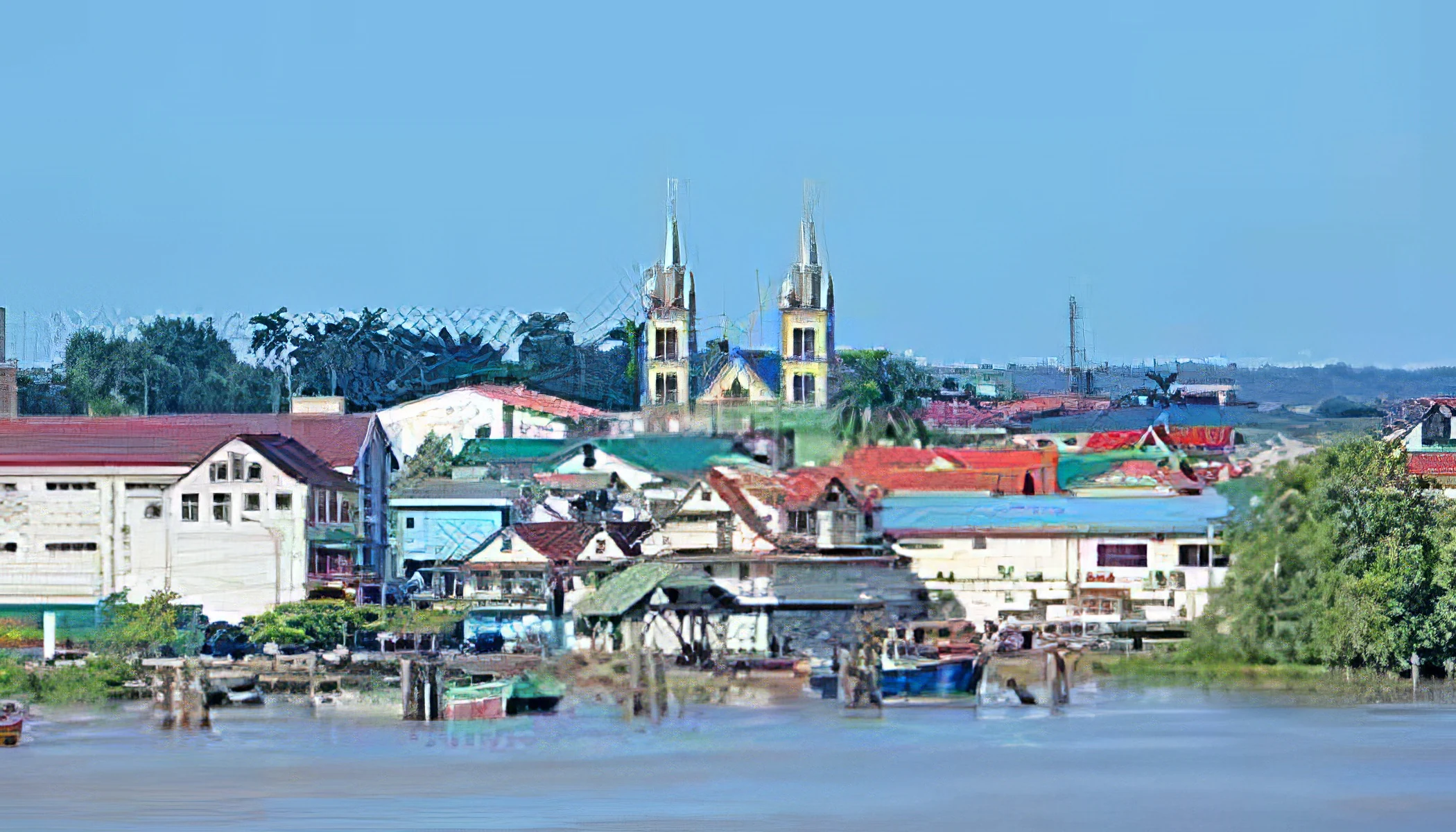
Explore Suriname for its unique blend of cultures and natural beauty:
– Paramaribo: The capital city, known for its colonial architecture and lively cultural diversity.
– Nieuw Nickerie: Provides access to Bigi Pan nature reserve with birdwatching opportunities and rice fields.
– Albina: A gateway to the Marowijne River, providing a crossing point to French Guiana.
– Brownsweg: Close to Brownsberg Nature Park, ideal for hiking and wildlife observation.
– Lelydorp: A growing town with an agricultural base, located near Johan Adolf Pengel International Airport.
– Moengo: Known for its bauxite mining history and recent cultural initiatives in arts and music.
– Wageningen: Features agricultural landscapes and serves as a base for exploring western Suriname.
Monuments
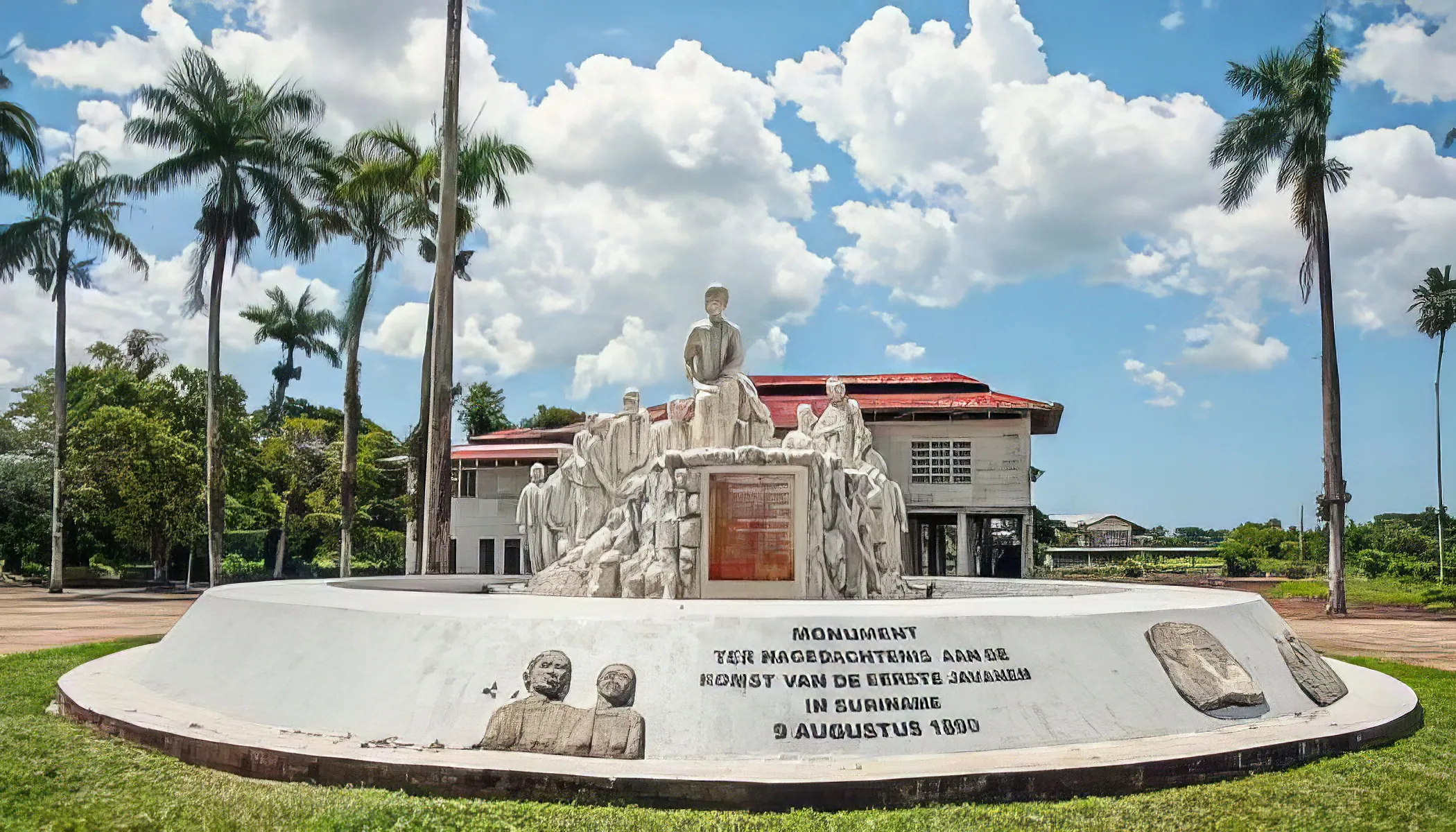
Suriname supplies several notable monuments to explore:
– Saint Peter and Paul Cathedral, Paramaribo: Iconic wooden cathedral, one of the largest in the world.
– Fort Zeelandia, Paramaribo: 17th-century Dutch fort crucial to colonial history.
– Presidential Palace, Paramaribo: Historic building facing Independence Square, used for official ceremonies.
– Jodensavanne, near Paramaribo: Remnants of a 17th-century Jewish settlement and synagogue.
– Central Market, Paramaribo: Pretty market showcasing local culture and goods in a historic setting.
– Palmentuin, Paramaribo: Public park with palm trees once part of a colonial governor's garden.
– Waterkant, Paramaribo: Historic waterfront area with Dutch colonial architecture.
– Arya Dewaker Hindu Temple, Paramaribo: Prominent Hindu temple known for its unique design and cultural significance.
Natural wonder
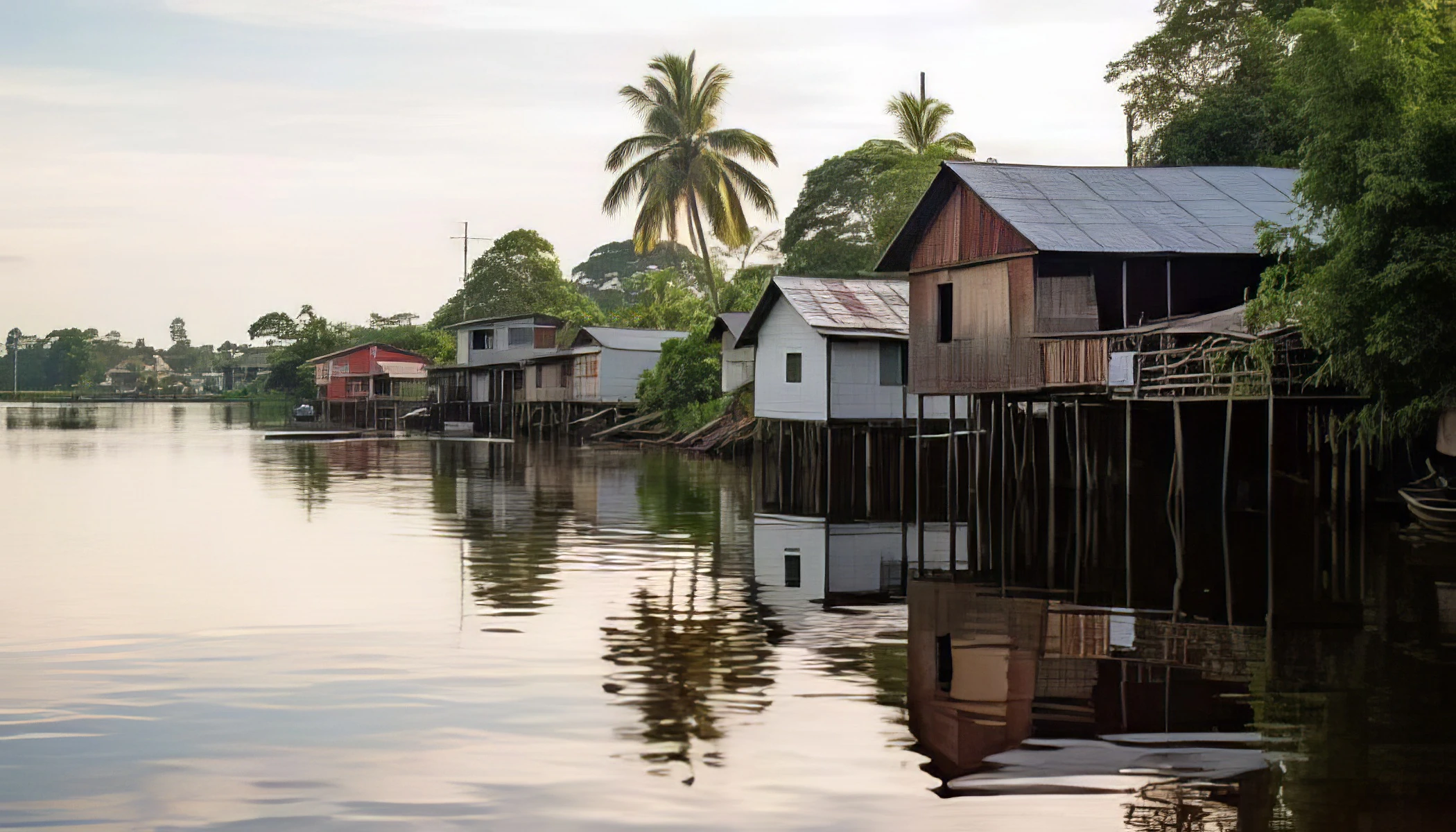
Explore Suriname's diverse and natural landscapes:
– Central Suriname Nature Reserve: UNESCO site with dense rainforest and rich biodiversity.
– Raleighvallen: Known for granite domes, waterfalls, and diverse wildlife including monkeys and birds.
– Voltzberg: A granite dome offering panoramic views of the surrounding rainforest.
– Brownsberg Nature Park: Supplies hiking trails with views of Brokopondo Reservoir and various waterfalls.
– Tafelberg Nature Reserve: Features a distinctive tabletop mountain amidst diverse flora and fauna.
– Galibi Nature Reserve: Important nesting site for leatherback turtles along the Atlantic coast.
– Blanche Marie Falls: One of the largest waterfalls in Suriname, surrounded by attractive rainforest.
– Kasikasima Mountain: Offers challenging hikes with spectacular views from its summit.
– Brokopondo Reservoir: Vast man-made lake formed by the Afobaka Dam, popular for fishing and boating.
– Wia Wia Nature Reserve: Coastal reserve known for mangroves, bird-watching opportunities, and sea turtle nesting sites.
Outdoor activities
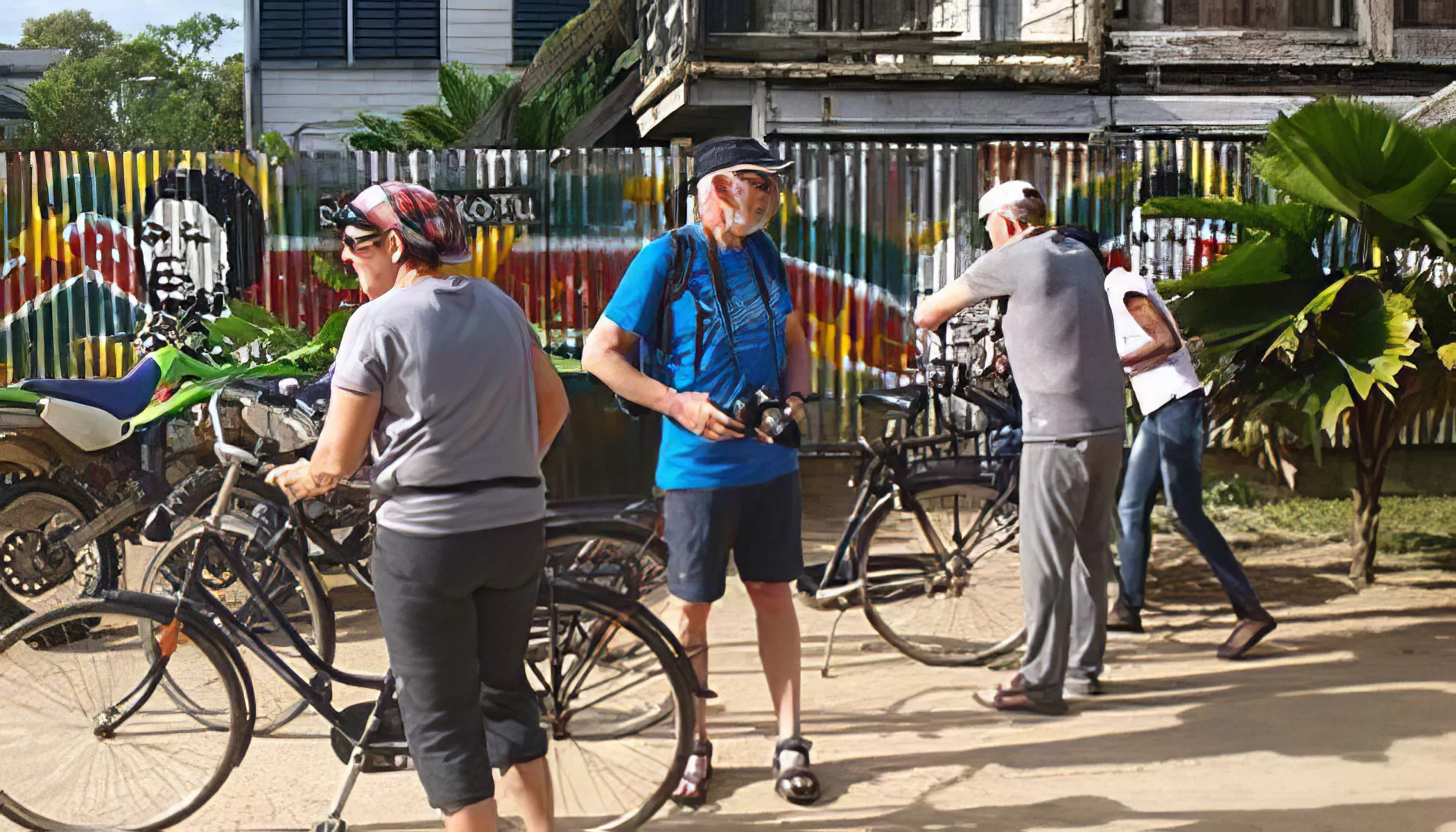
Outdoor enthusiasts can find unique adventures in the rich landscapes of Suriname:
– Hiking in Brownsberg Nature Park: Trek through dense rainforest with diverse wildlife and scenic waterfalls.
– Boat Trip on the Commewijne River: Explore historic plantations and spot dolphins along the river.
– Canopy Walk in Peperpot Nature Park: Experience the rainforest from above on suspended bridges.
– Kayaking on Brokopondo Reservoir: Paddle through carefree waters surrounded by tropical forests.
– Wildlife Watching at Raleighvallen: Observe monkeys, birds, and other wildlife in their natural habitat.
– River Rafting on the Upper Suriname River: Navigate exciting rapids through remote jungle areas.
– Birdwatching in Bigi Pan Wetlands: Spot a variety of bird species, including flamingos and ibises.
Kid Friendly
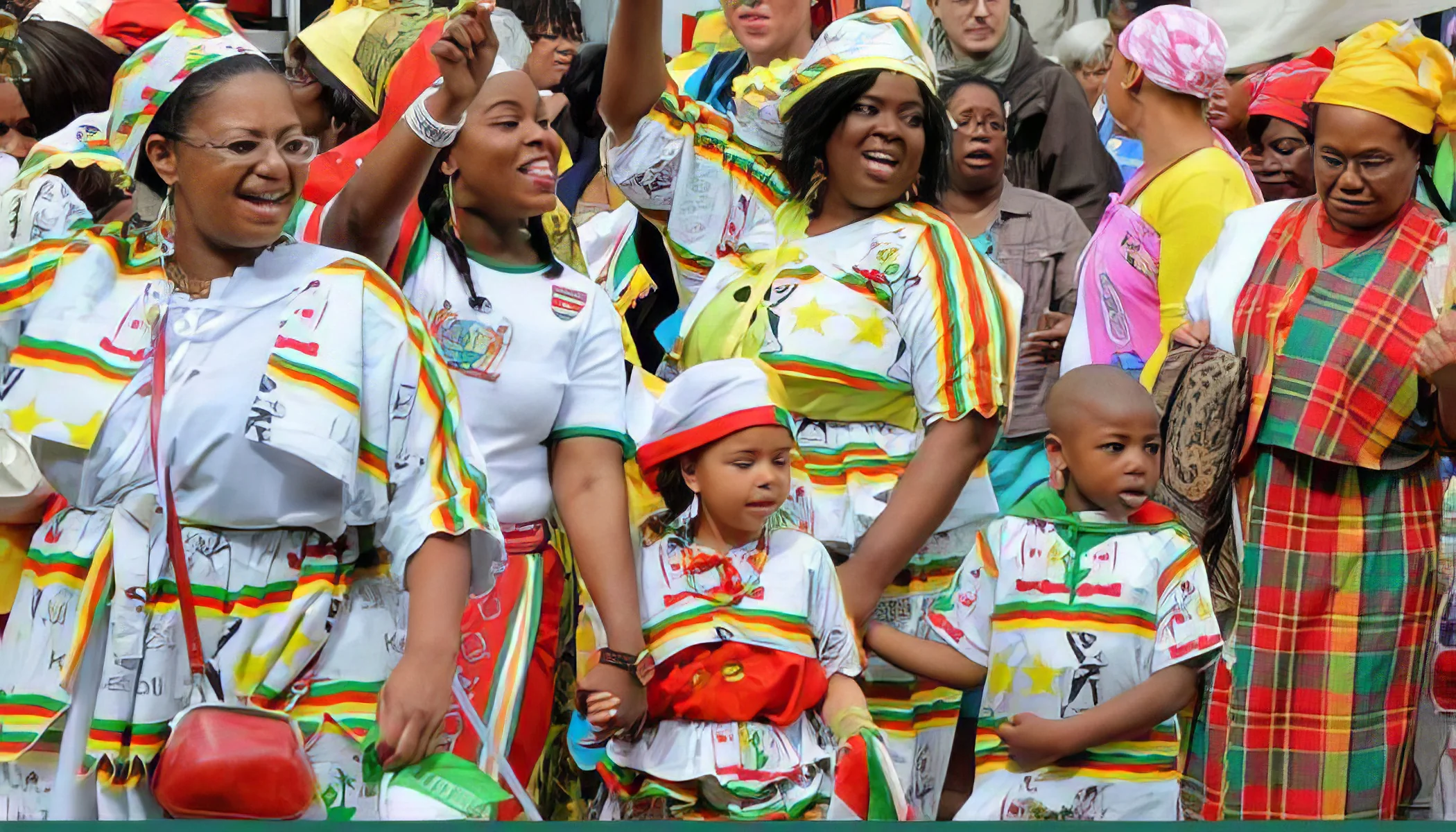
Suriname offers several engaging activities for children to enjoy:
– Brownsberg Nature Park: A rainforest reserve with hiking trails and waterfalls for families to explore.
– Peperpot Nature Park: Offers easy trails where kids can spot diverse wildlife and learn about plantation history.
– Paramaribo Zoo: Home to various native animals, it's a small but interesting zoo in the capital.
– Fort Zeelandia: A historic fort with exhibits that introduce kids to the colonial history of Suriname.
– Neotropical Butterfly Park: Features colorful butterflies and provides educational tours about their lifecycle.
– Cola Creek: A popular picnic spot with clear waters ideal for swimming and family relaxation.
– Commewijne River Dolphin Tour: Boat trips that offer a chance to see river dolphins in their natural habitat.
– Tafelberg Nature Reserve: Offers guided tours for families interested in experiencing Suriname's immaculate interior.
Cuisine
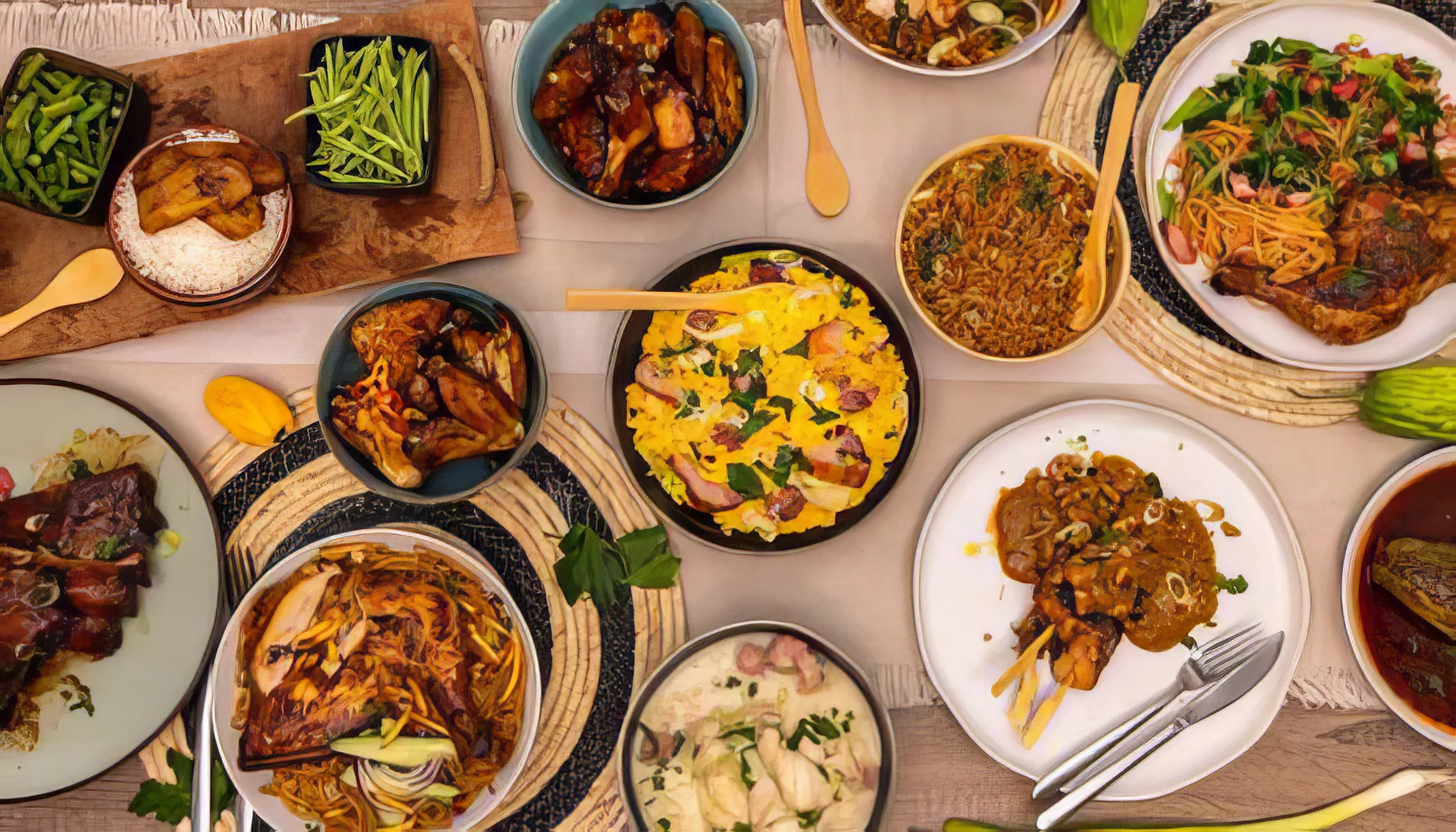
Suriname's food scene is a diverse blend of African, Asian, and European influences, reflecting its multicultural society. The cuisine features rich flavors and an array of spices resulting from its colonial history. Street food is popular, offering a variety of tasty snacks.
– Roti: Flatbread served with curried chicken or vegetables, influenced by Indian cuisine.
– Pom: Baked casserole with chicken and root vegetables like arrowleaf elephant ear.
– Moksi Alesi: Mixed rice dish with salted meat or fish and vegetables.
– Saoto Soup: Javanese-style chicken soup with bean sprouts, potato sticks, and boiled egg.
– Bojo Cake: Cassava cake mixed with coconut, raisins, and spices.
Souvenir
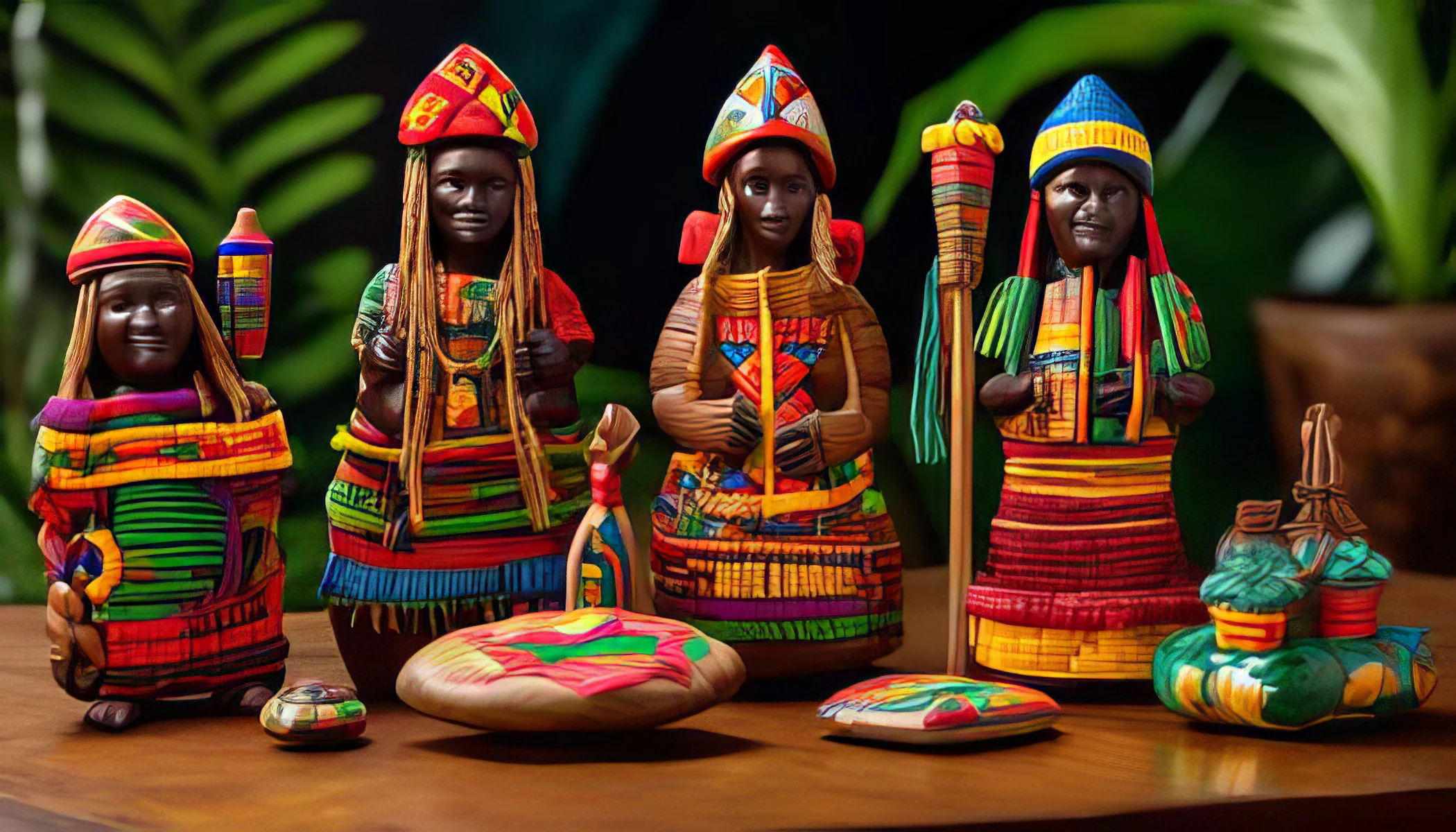
Known for its diverse culture and rich heritage, Suriname provides unique souvenirs for visitors. Here are some popular options:
– Maroon Crafts: Handcrafted wood carvings and textiles by the Maroon communities showcase their unique culture.
– Javanese Batik: Dynamic batik fabric and clothing reflect Suriname’s Javanese culture influence.
– Indigenous Jewelry: Jewelry made from natural materials like seeds and beads represents indigenous craftsmanship.
– Spices: Locally grown spices such as saffron, nutmeg, and cinnamon are flavorful souvenirs.
– Cassava Bread: A staple in Surinamese cuisine, this traditional bread is a popular takeaway item.
– Painted Calabash: Decorated gourd containers serve as both practical and decorative items.
– Paramaribo Market Baskets: Woven baskets from the capital's market offer both utility and a cultural touch.
Traditional Shows
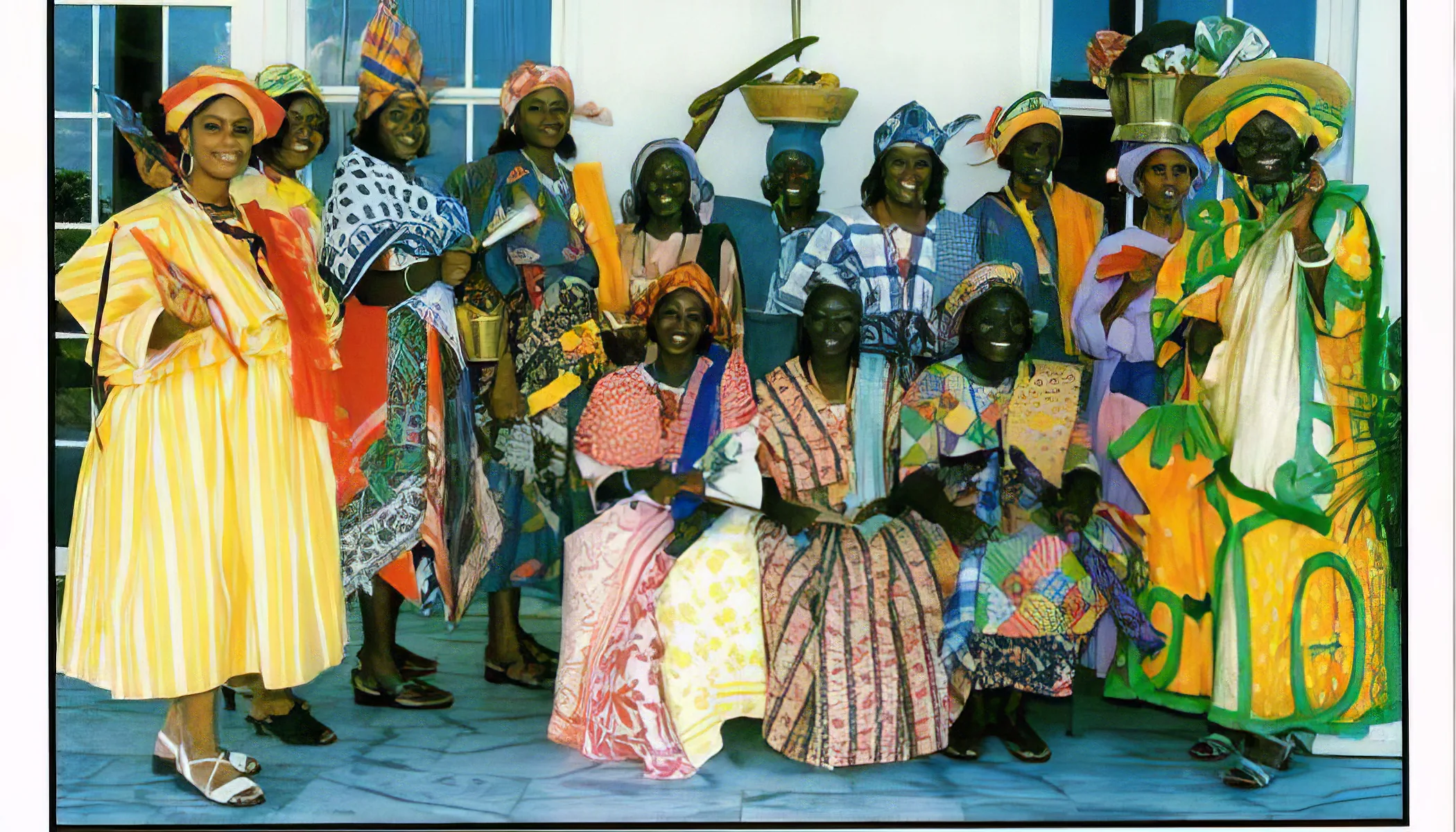
Suriname offers unique traditional shows:
– Kawina Music: Enjoy lively percussion and vocal harmonies rooted in African traditions, often performed at festivals and gatherings across Suriname.
– Kaseko Dance: Experience this energetic dance and music genre blending African, European, and Amerindian rhythms, popular in Paramaribo.
– Maroon Music: Discover the heritage of Suriname's Maroon communities through their traditional drumming and songs, reflecting stories of resilience.
– Hindustani Music: Listen to classical Indian music influences brought by indentured laborers, featuring instruments like the tabla and harmonium.
– Javanese Gamelan: Enjoy traditional Javanese orchestral music with a mix of gongs and percussion instruments, reflecting Suriname’s diverse cultural landscape.
Events & Festivals
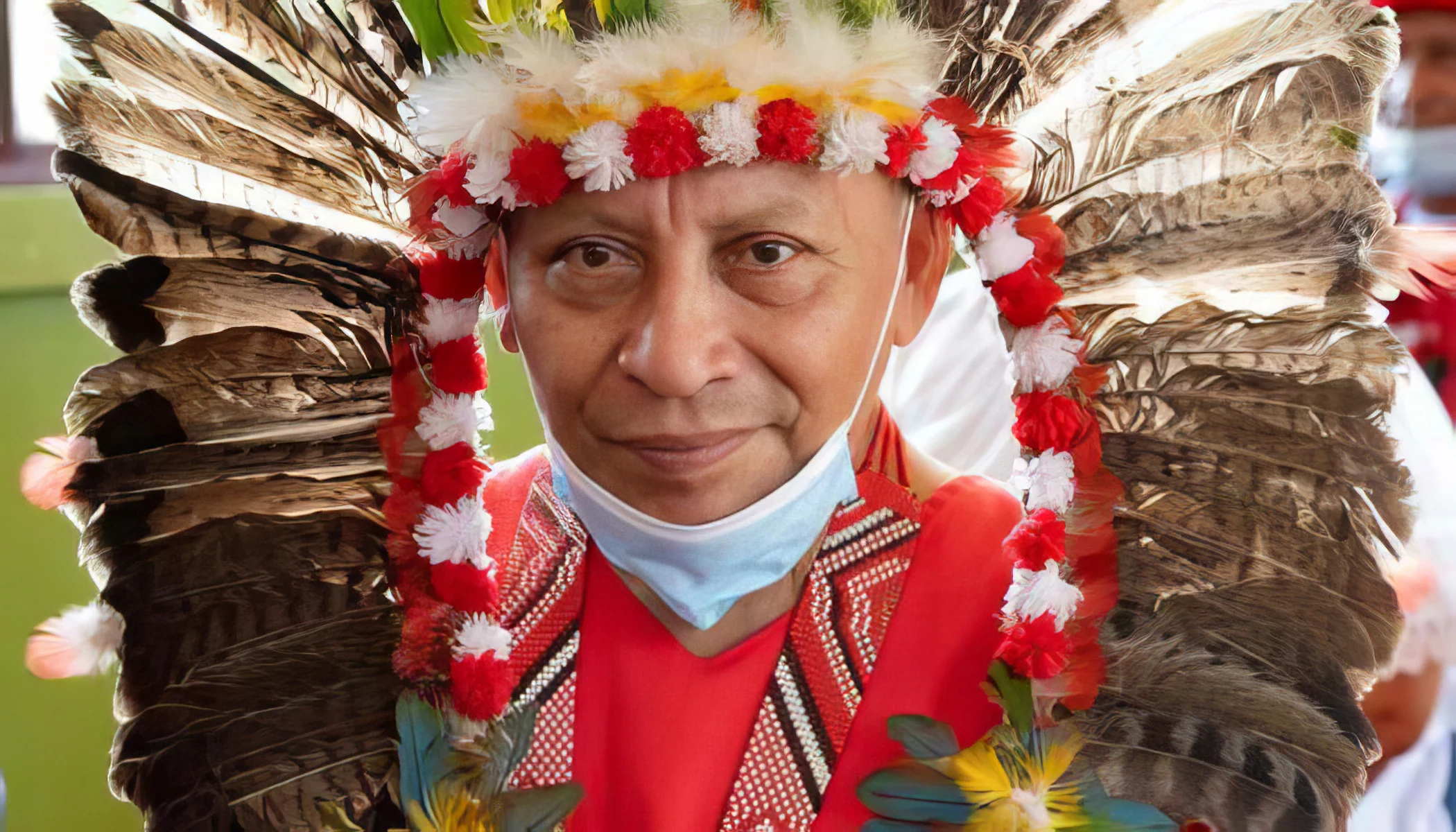
Suriname hosts a variety of cultural events and festivals reflecting its diverse heritage:
– New Year's Day: January 1, celebrated with fireworks and family gatherings.
– Owru Yari: December 31, marking the end of the year with cultural performances and parties.
– Holi Phagwa: March Hindu festival featuring colorful powders and joyous music.
– Keti Koti: July 1 commemoration of the abolition of slavery with parades and remembrance ceremonies.
– Eid al-Fitr: Celebrated by Muslims around April/May with prayers, feasting, and charity.
– Javanese Arrival Day: August 9 celebration of Javanese heritage with traditional dances and foods.
– Christmas Day: December 25 observed with church services, family meals, and festive decorations.
Famous People

Suriname, a culturally diverse nation, has produced notable figures in politics, literature, and sports.
– Desi Bouterse (born 1945, Domburg): Politician and former military leader, served as President of Suriname from 2010 to 2020.
– Anton de Kom (1898 to 1945, Paramaribo): Anti-colonial writer and activist, known for the book "We Slaves of Suriname."
– Tanja Nijmeijer (born 1978, Denekamp): Known as a member of the FARC guerrilla group with significant media attention.
– Edgar Davids (born 1973, Paramaribo): Renowned international footballer who played for top European clubs and the Dutch national team.
– Astrid Roemer (born 1947, Paramaribo): Award-winning novelist and poet known for works exploring identity and post-colonial themes.
Books
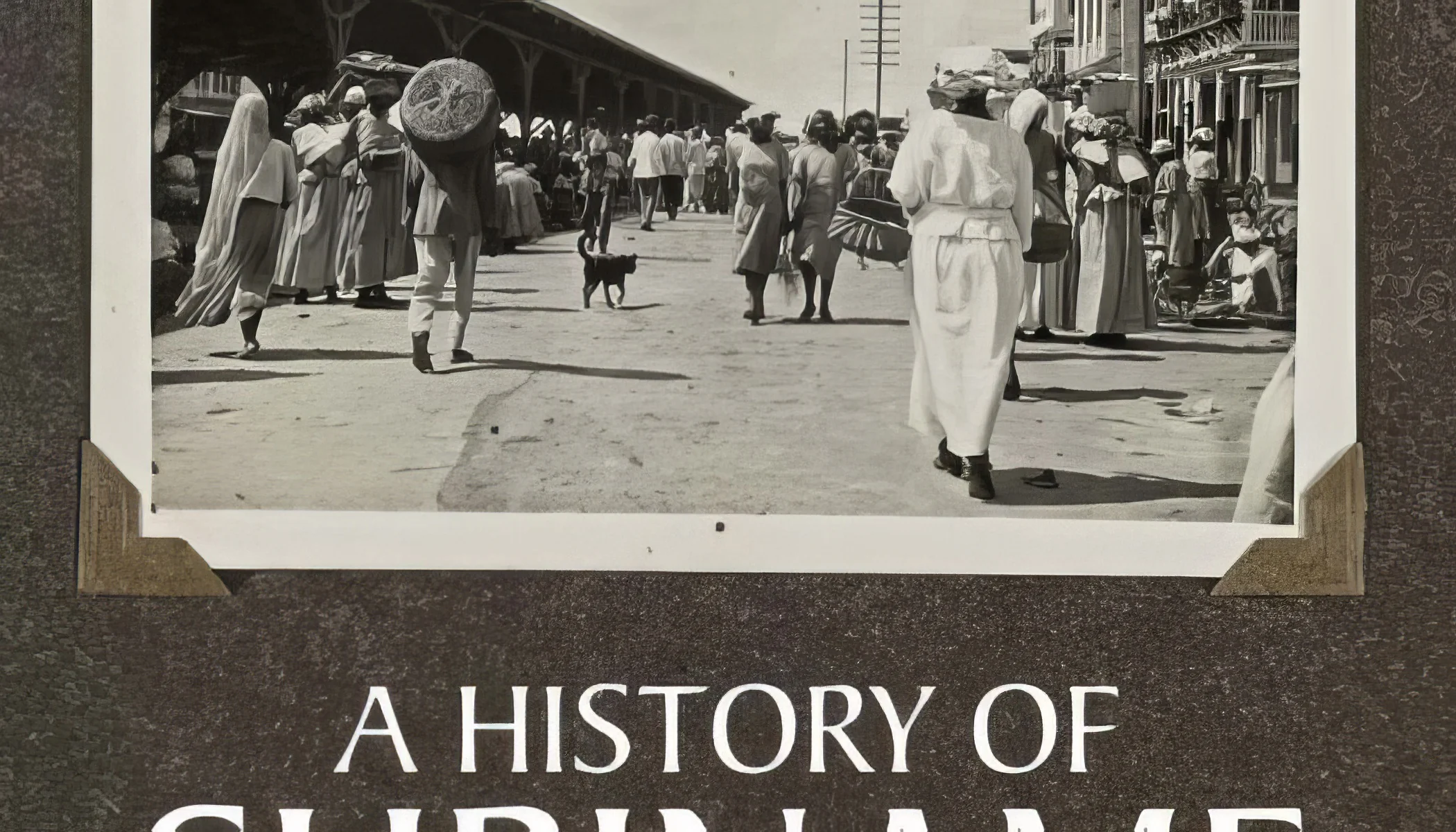
These books provide insights into Suriname's culture, history, and social issues through various narratives and perspectives.
– "The Cost of Sugar" by Cynthia McLeod: Historical novel depicting life on a Surinamese sugar plantation in the 18th century.
– "Tropic of Fortune" by Ismene Krishnadath: Follows a family's turmoil and resilience amidst Suriname's political upheavals.
– "The Rights of the Soul" by Astrid Roemer: Explores complex themes of identity and belonging in Surinamese society.
– "Rumours of America" by Alfian Brun: Chronicles the lives of Javanese indentured laborers in colonial Suriname.
– "HannaHannaHanna" by Miriam Sluis: A woman's journey through Suriname's past and present reveals hidden family secrets.
Songs
Suriname's music scene is a lively mix of diverse cultural influences, reflecting the country's rich heritage.
– Wasmasi: A beloved kaseko song by the late Max Nijman, celebrating Surinamese culture and life.
– Mi Kondre Tru: A patriotic song by Lieve Hugo, expressing deep love for the homeland.
– Yu Faya: Known for its catchy rhythms, sung by Surinamese reggae artist Kenny B.
– Sranan Mi Kondre: A popular anthem by Oscar Harris that resonates with national pride.
– Bosi Sabi: A traditional Surinamese folk song often performed during cultural festivities.
Films

Exploring a diverse nation's cinematic stories, consider these notable films set in Suriname:
– "Wan Pipel": Directed by Pim de la Parra, this film explores a love story against the backdrop of Surinamese cultural identity.
– "The Cost of Sugar": Jean van de Velde's adaptation of Cynthia McLeod's novel depicts the harsh realities of colonial sugar plantations.
– "Tuintje in mijn hart": A romantic comedy that delves into themes of heritage and belonging between Amsterdam and Paramaribo.
– "De Grotten van Han": This adventure film highlights the interactions between Dutch explorers and indigenous Surinamese tribes.
– "Suriname": Directed by Danny Leysner, this political thriller presents power struggles within Suriname's government.