

Swaziland Attractions & Travel Advice – Plan Your Visit
A small, landlocked country in Southern Africa, Eswatini is known for its rich cultural heritage and traditional festivals. It features diverse landscapes, from mountains to savannas. The nation maintains a monarchy and offers wildlife reserves and magnificient local crafts.
- Capital
- Eswatini, formerly known as Swaziland, has two capitals. Mbabane is the administrative capital, while Lobamba is the legislative and royal capital.
- Population
- 1.4 millions
- Superficy
- 18000 sq.km
- Months to Visit
- May to Sept.
- Living Cost
- Moderate
Overview
Eswatini, formerly known as Swaziland, is a small landlocked country in Southern Africa. It is bordered by South Africa and Mozambique and is known for its rich cultural heritage and traditional Swazi ceremonies. The country features diverse landscapes, including mountains, savannas, and rainforests. Eswatini's economy relies on agriculture, manufacturing, and tourism, with attractions like wildlife reserves and cultural festivals drawing visitors. The monarchy plays a significant role in the country's governance, with King Mswati III as the current ruler. Despite its natural beauty and cultural richness, Eswatini faces challenges such as poverty and health issues.
Pros & Cons
GOOD REASONS TO VISIT SWAZILAND
– Rich Culture: Experience traditional Swazi ceremonies, dances, and crafts reflecting deep-rooted cultural heritage.
– Wildlife Reserves: Explore Hlane Royal National Park and Mlilwane Wildlife Sanctuary for diverse wildlife and birdwatching.
– Scenic Landscapes: Enjoy mountains, valleys, and waterfalls in Malolotja Nature Reserve and Ezulwini Valley.
– Adventure Activities: Engage in hiking, white-water rafting, and canopy tours for outdoor enthusiasts.
– Friendly Locals: Swaziland is known for its welcoming people who offer warm hospitality to visitors. CHALLENGES WHEN VISITING SWAZILAND
– Limited Infrastructure: Some areas have underdeveloped roads and facilities; travel can be challenging.
– Health Concerns: Malaria risk exists; necessary precautions like mosquito nets and medication are advised.
– Small Size Limits Attractions: Fewer attractions compared to larger countries; may not suit long-term travelers.
Before Departure
Before traveling to Eswatini (formerly Swaziland), consider the following essential information:
– Passport: Ensure your passport is valid for at least six months from your entry date.
– Visa: Many nationalities can enter visa-free for up to 30 days; check specific requirements based on nationality.
– Currency: Swazi Lilangeni (SZL) and South African Rand (ZAR) are used; credit cards accepted in cities; ATMs available in urban areas.
– Internet access: WiFi is available in hotels and cafes in major towns; consider purchasing a local SIM card for better connectivity.
– Language barrier: English and siSwati are official languages; English is widely spoken, especially in tourist areas.
What to Pack
Traveling to Eswatini (formerly Swaziland) requires preparation for its diverse climate and cultural experiences.
– Essentials: Passport, visa (if required), travel insurance, flight tickets, itinerary, accommodation confirmations, and local currency or credit card.
– Clothing: Lightweight clothing for warm days, warm layers for cooler nights, comfortable walking shoes, hat and sunglasses for sun protection.
– Health & Safety: Prescription medications, basic first aid kit, insect repellent with DEET, sunscreen with high SPF, and any necessary vaccinations.
– Electronics: Travel adapter for type M plugs, mobile phone with charger, camera with extra batteries or charger.
Weather
Weather in Eswatini (Swaziland) is generally mild, with distinct wet and dry seasons:
– Summer (October to March): Hot and rainy, with thunderstorms common in the afternoons.
– Autumn (April to May): Cooler temperatures begin, with decreasing rainfall.
– Winter (June to August): Dry and cool, with chilly nights and mild days.
– Spring (September): Warming temperatures, with little rain as the dry season ends. The best time to visit Eswatini is from May to September:
– Pros: Pleasant weather for wildlife viewing and outdoor activities; less rain and humidity.
– Cons: Cooler temperatures at night; some areas may be dry and dusty.
Travel Budget
Swaziland, now known as Eswatini, supplies a range of budget-friendly options for travelers. Here are some average prices for common expenses:
– Hotel: 30$ to 150$
– Lunch: 5$ to 15$
– Beverage (in bar/restaurant): 2$ to 5$
– Coffee: 1.5$ to 3$
– Transportation: (bus 0.5$ to 2$), (taxi /10km 8$ to 15$)
– Mobile data (per GB): 3$ to 5$
Language
In Eswatini, formerly known as Swaziland, siSwati is the national language and here are some useful phrases for tourists:
– Hello: Sawubona
– Thank you: Ngiyabonga
– Please: Ngiyacela
– How much is this?: Kubita malini loku?
– Excuse me: Uxolo
– I don't understand: Angiva
– Yes: Yebo
– No: Cha
– Goodbye: Sala kahle (if they are staying) / Hamba kahle (if they are leaving)
History
The Swazi people migrated to southern Africa in the 18th century, forming a kingdom under King Sobhuza I. In the late 19th century, British and Boer influences grew, leading to Swaziland becoming a British protectorate in 1903 after the Anglo-Boer War. It gained independence from Britain on September 6, 1968, becoming the Kingdom of Eswatini. King Sobhuza II ruled until 1982 and was succeeded by King Mswati III in 1986. The country experienced political unrest over demands for democratic reforms, leading to a new constitution in 2005. In 2018, King Mswati III announced the country's official name change from Swaziland to Eswatini.
Geopolitics
Eswatini, formerly known as Swaziland, is a small, landlocked country in Southern Africa bordered by South Africa to the west and Mozambique to the east. It operates as an absolute monarchy with King Mswati III as its head of state. The country's geopolitical dynamics are strongly influenced by its economic dependence on South Africa, which is its major trading partner and a source of economic support. Eswatini is a member of regional organizations like the Southern African Development Community (SADC) and African Union (AU), which play roles in its diplomatic engagements. Despite being one of the few remaining absolute monarchies in the world, it faces domestic pressures for political reform and improved human rights. Internationally, Eswatini seeks to balance maintaining traditional governance structures with engaging economically and politically with other nations.
Sample Itinerary
This itinerary focuses on cultural heritage, wildlife, and natural beauty in Eswatini (formerly Swaziland).
– 1 day in Mbabane: Explore the capital city, visit local markets, and understand Swazi culture. Enjoy nearby hiking trails.
– 2 days in Hlane Royal National Park: Experience safari drives to see elephants, rhinos, and lions. Stay at a park campsite or lodge.
– 1 day in Ezulwini Valley: Visit the Mantenga Cultural Village for traditional dances and crafts. Tour the Mantenga Nature Reserve with its waterfall.
– 1 day in Mlilwane Wildlife Sanctuary: Walk or bike through diverse landscapes to spot zebras and antelopes. Visit the sanctuary's rest camp.
– 1 day in Malolotja Nature Reserve: Hike through mountains and valleys. See the Malolotja Falls and enjoy bird watching opportunities.
Popular cities
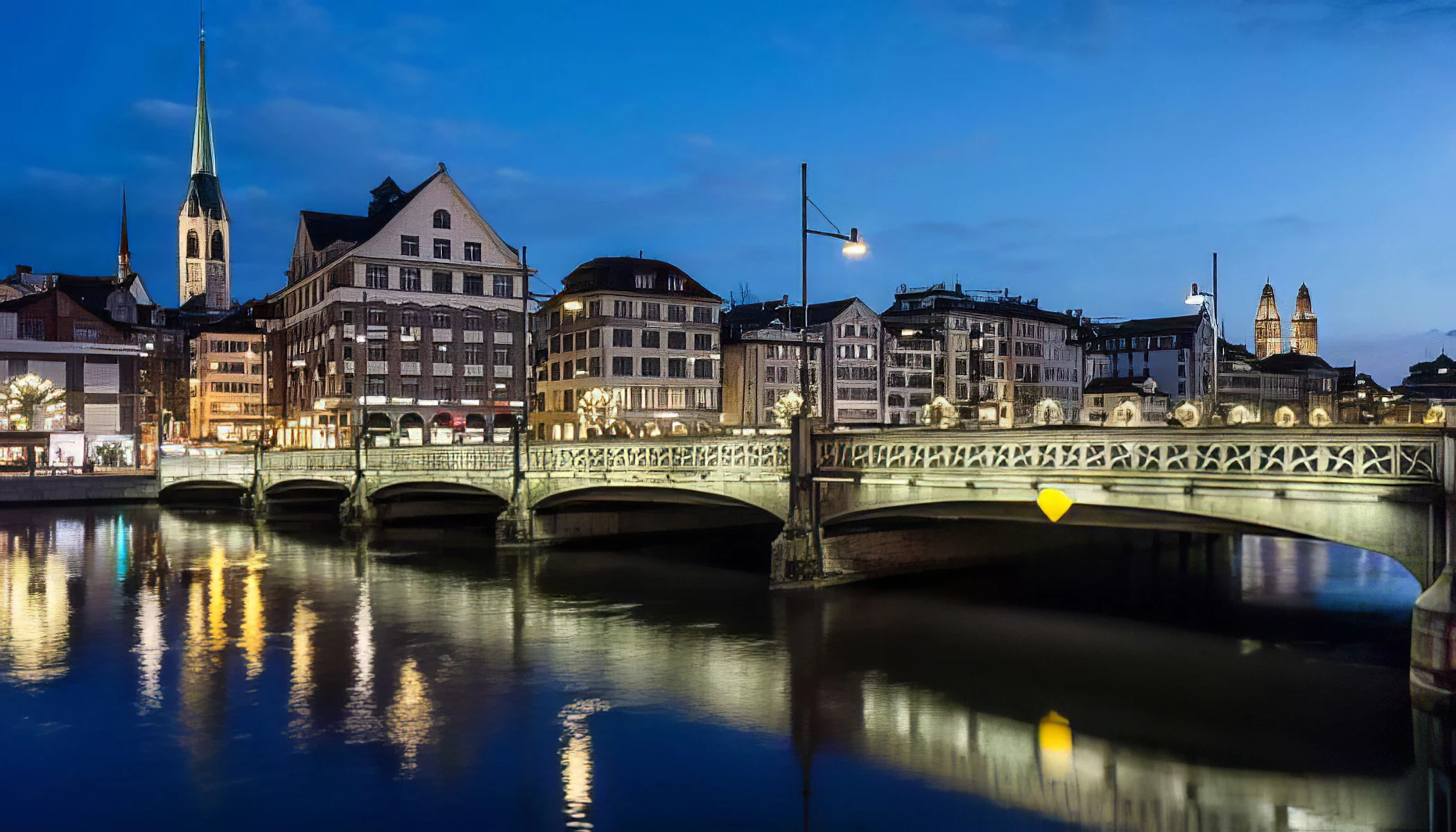
Eswatini, previously known as Swaziland, provides a mix of cultural experiences and natural beauty:
– Mbabane: The capital city, surrounded by beautiful mountains and a gateway to local crafts markets.
– Manzini: A busy city known for its beautiful markets and cultural festivals.
– Lobamba: Supplies insight into Swazi culture with attractions like the King Sobhuza II Memorial Park.
– Ezulwini Valley: Known as the "Valley of Heaven," famous for its nature reserves and cultural villages.
– Piggs Peak: A scenic area known for its natural beauty and nearby Phophonyane Falls.
– Siteki: Situated on the Lubombo Plateau, offering panoramic views and access to Hlane Royal National Park.
Monuments
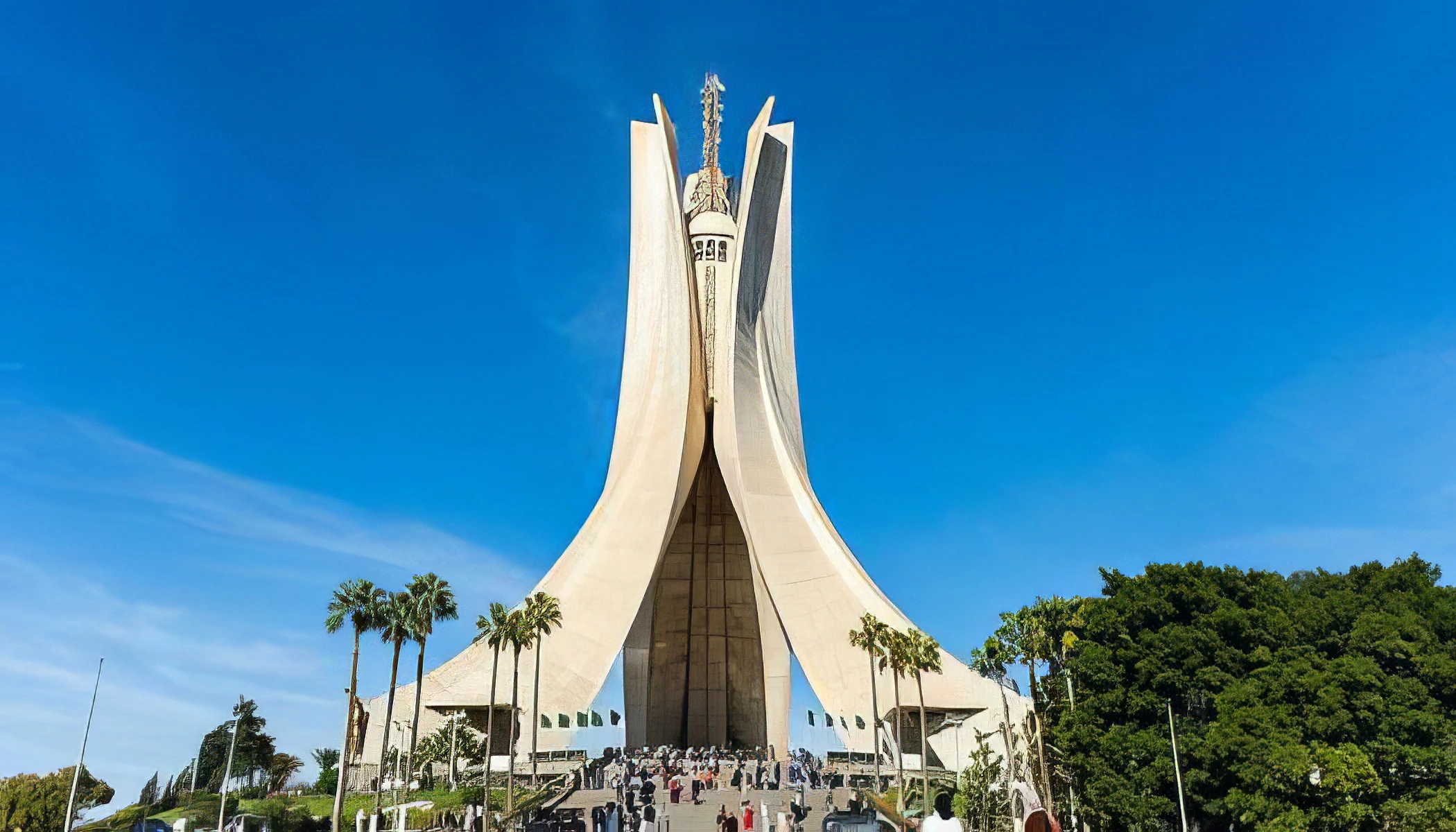
Eswatini, formerly known as Swaziland, has a few notable monuments to explore:
– Mantenga Cultural Village: Traditional Swazi village showcasing authentic lifestyle and cultural practices.
– National Museum of Eswatini: Offers insights into the country's history, culture, and natural heritage.
– King Sobhuza II Memorial Park: Honors the first King of modern Eswatini with a statue and historical exhibits.
– Ngwenya Mine: One of the world's oldest mines, significant for its ancient iron ore extraction history.
– Lobamba Royal Village: Home to the monarchy with important cultural sites like the Royal Kraal.
– Mbabane Cathedral: A prominent Christian church symbolizing colonial-era architecture in Eswatini's capital.
– Mlilwane Wildlife Sanctuary: Noted for its natural beauty and proximity to traditional Swazi homesteads.
Natural wonder
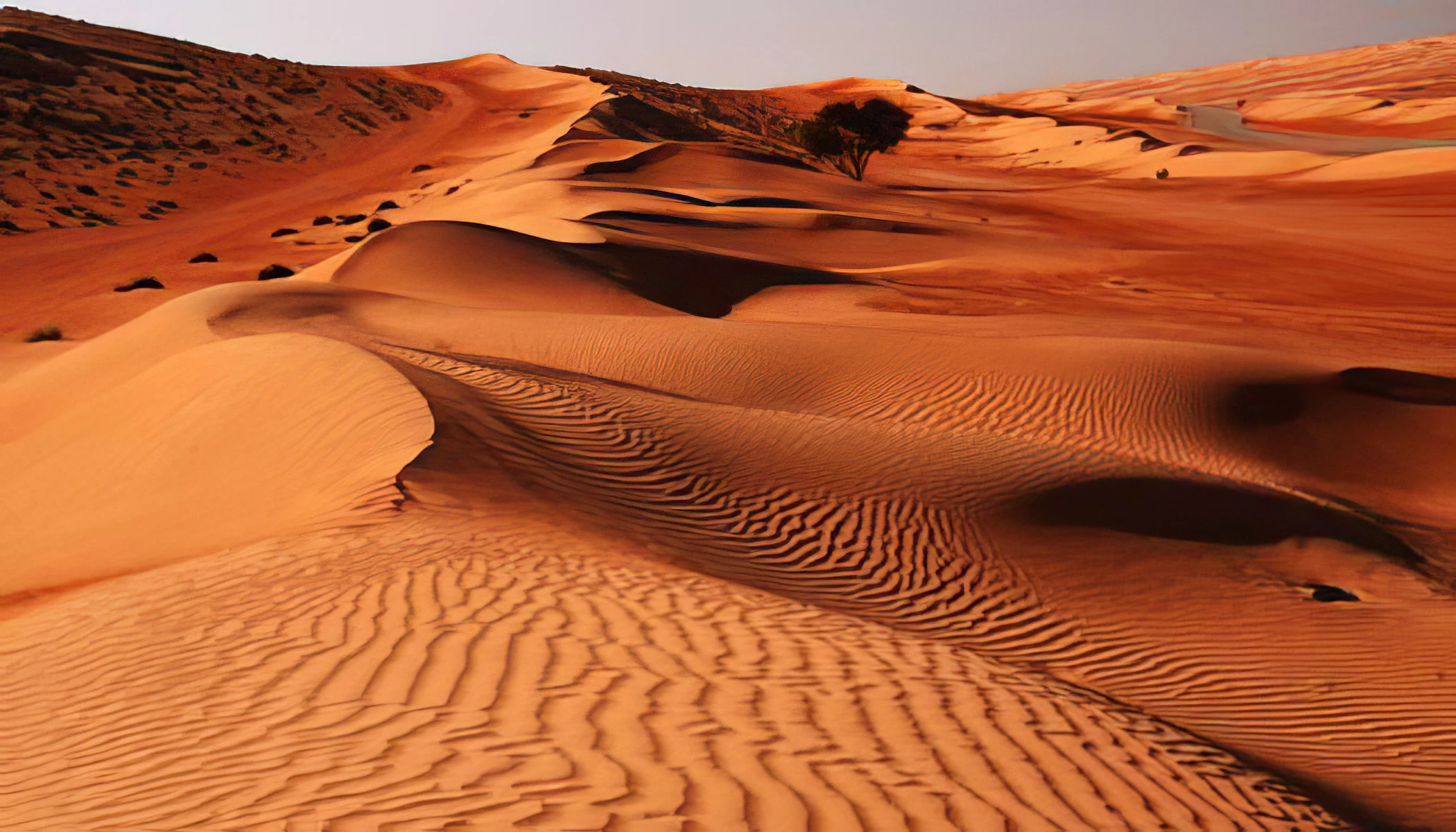
Explore the natural beauty of Eswatini, formerly known as Swaziland:
– Malolotja Nature Reserve: Features diverse landscapes with mountains, grasslands, and waterfalls.
– Mbuluzi Game Reserve: Provides rich wildlife and scenic river views.
– Mlawula Nature Reserve: Known for savannahs, woodlands, and abundant birdlife.
– Sibebe Rock: The world's second-largest exposed granite dome.
– Hlane Royal National Park: Home to lions, elephants, and diverse bird species.
– Mantenga Nature Reserve: Famous for its waterfall and traditional Swazi cultural village.
– Ngwenya Glass Factory Area: Surrounded by scenic hills and valleys.
– Mlilwane Wildlife Sanctuary: Offers hiking, biking trails amidst zebras and antelopes.
– Lubombo Mountains: Stretch along the eastern border with panoramic views.
– Phophonyane Falls Nature Reserve: Features waterfalls set in diverse flora.
Outdoor activities

Eswatini supplies numerous outdoor adventures for nature enthusiasts:
– Hiking in Malolotja Nature Reserve: Traverse rugged landscapes and handsome waterfalls.
– Game Drive in Hlane Royal National Park: Spot elephants, rhinos, and lions in their natural habitat.
– White-water Rafting on the Great Usutu River: Experience thrilling rapids on a scenic river journey.
– Mountain Biking in Mlilwane Wildlife Sanctuary: Ride through varied terrains with chances to see wildlife.
– Zip-lining at Malolotja Canopy Tour: Glide through treetops offering unique forest views.
– Horseback Riding at Shewula Mountain Camp: Explore rural landscapes and traditional villages on horseback.
– Bird Watching in Mbuluzi Game Reserve: Observe diverse bird species in a beautiful setting.
Kid Friendly
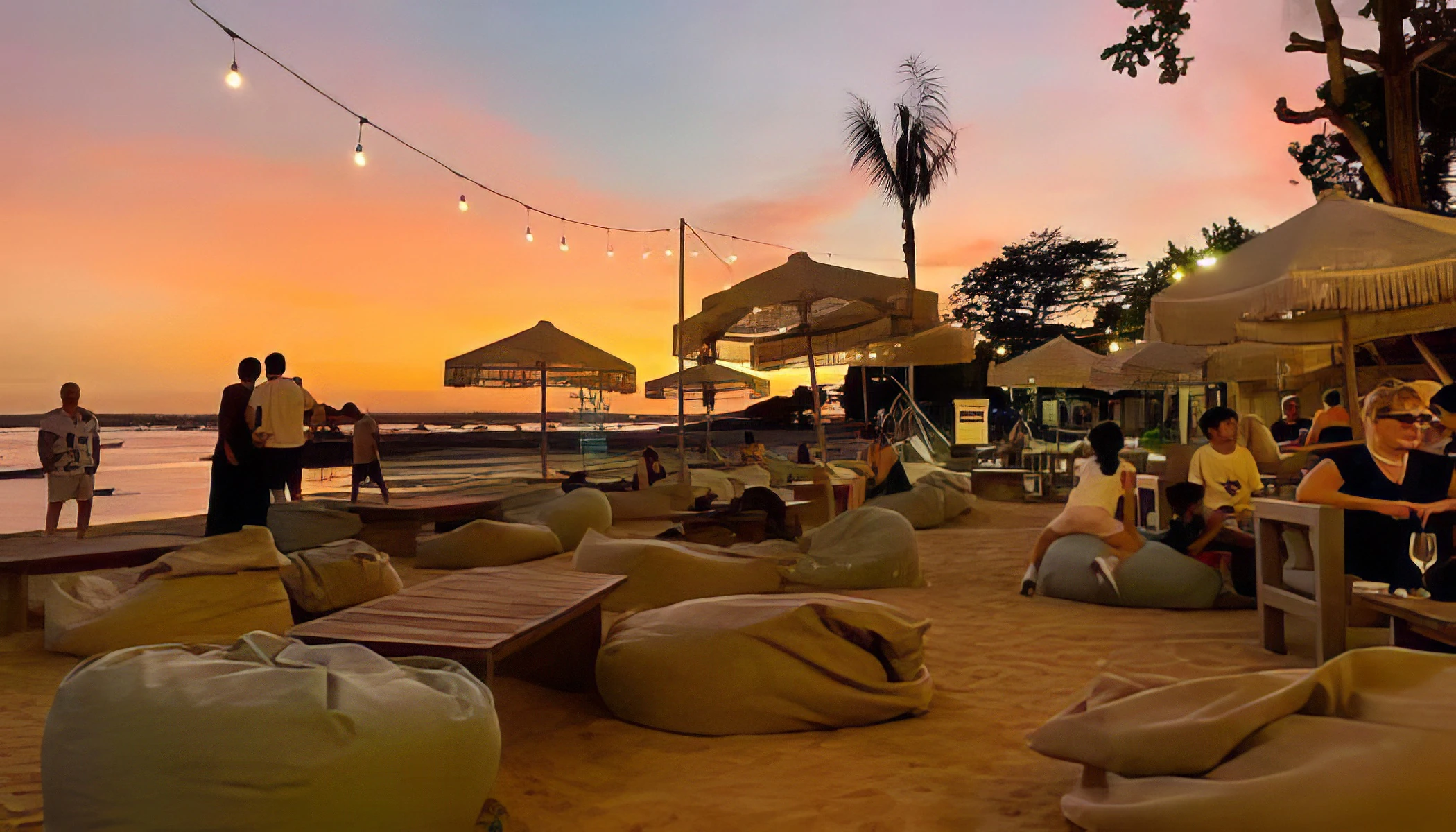
Swaziland supplies various activities that kids can enjoy while exploring nature and culture:
– Mlilwane Wildlife Sanctuary: A safe park for children to see animals like zebras and antelopes up close.
– Mantenga Cultural Village: An interactive experience where kids can learn about Swazi traditions and watch cultural dances.
– Swazi Candles Centre: A fun workshop where children can make their own colorful candles.
– Mbuluzi Game Reserve: Supplies family-friendly hiking trails with opportunities to spot wildlife.
– Ngwenya Glass Factory: Kids can watch artisans create beautiful glass pieces and learn about glassblowing.
– Ezulwini Valley Horse Riding: Safe horse riding experiences suitable for children through scenic landscapes.
– Malolotja Nature Reserve Canopy Tour: A thrilling zip-line adventure over gorgeous landscapes, suitable for older kids.
– Shewula Nature Reserve: Supplies cultural experiences and guided walks with chances to see local wildlife.
Cuisine
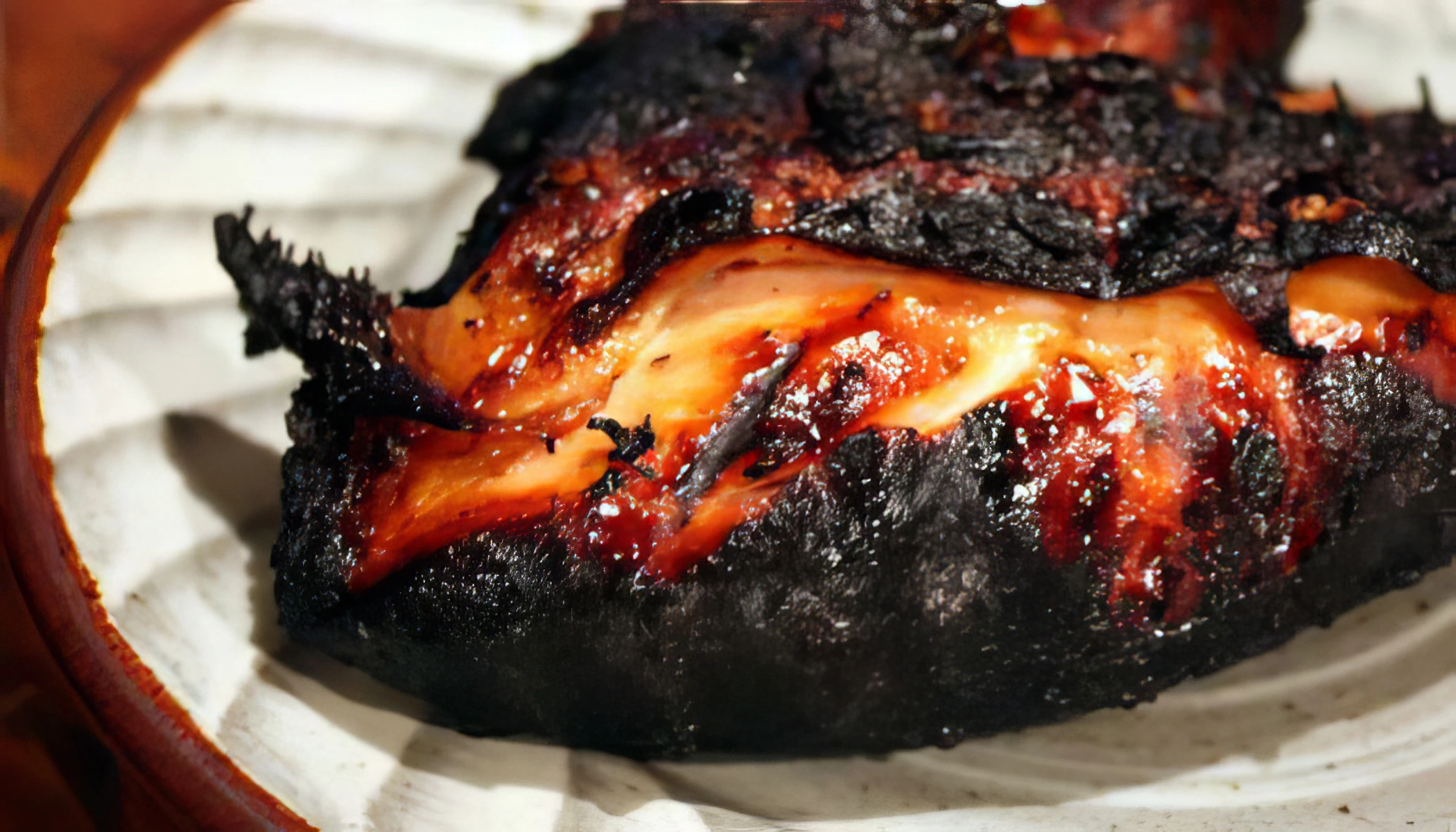
Eswatini's (formerly Swaziland) cuisine is characterized by simple, hearty dishes made from locally sourced ingredients, reflecting the country's agricultural roots. Meals often consist of maize-based staples accompanied by vegetables and meats. Traditional food is influenced by Swazi culture and rural lifestyle. Most famous dishes in Eswatini are:
– Sishwala: Thick porridge made from maize meal, commonly eaten with meat or beans.
– Incwancwa: Fermented porridge with a sour taste, often served as breakfast.
– Sidvudvu: Pumpkin and maize meal porridge, sometimes sweetened for a dessert-like dish.
– Umncweba: Dried and spiced meat similar to jerky, popular as a snack.
– Emasi: Fermented milk drink that is thick and sour, typically consumed on its own.
Souvenir
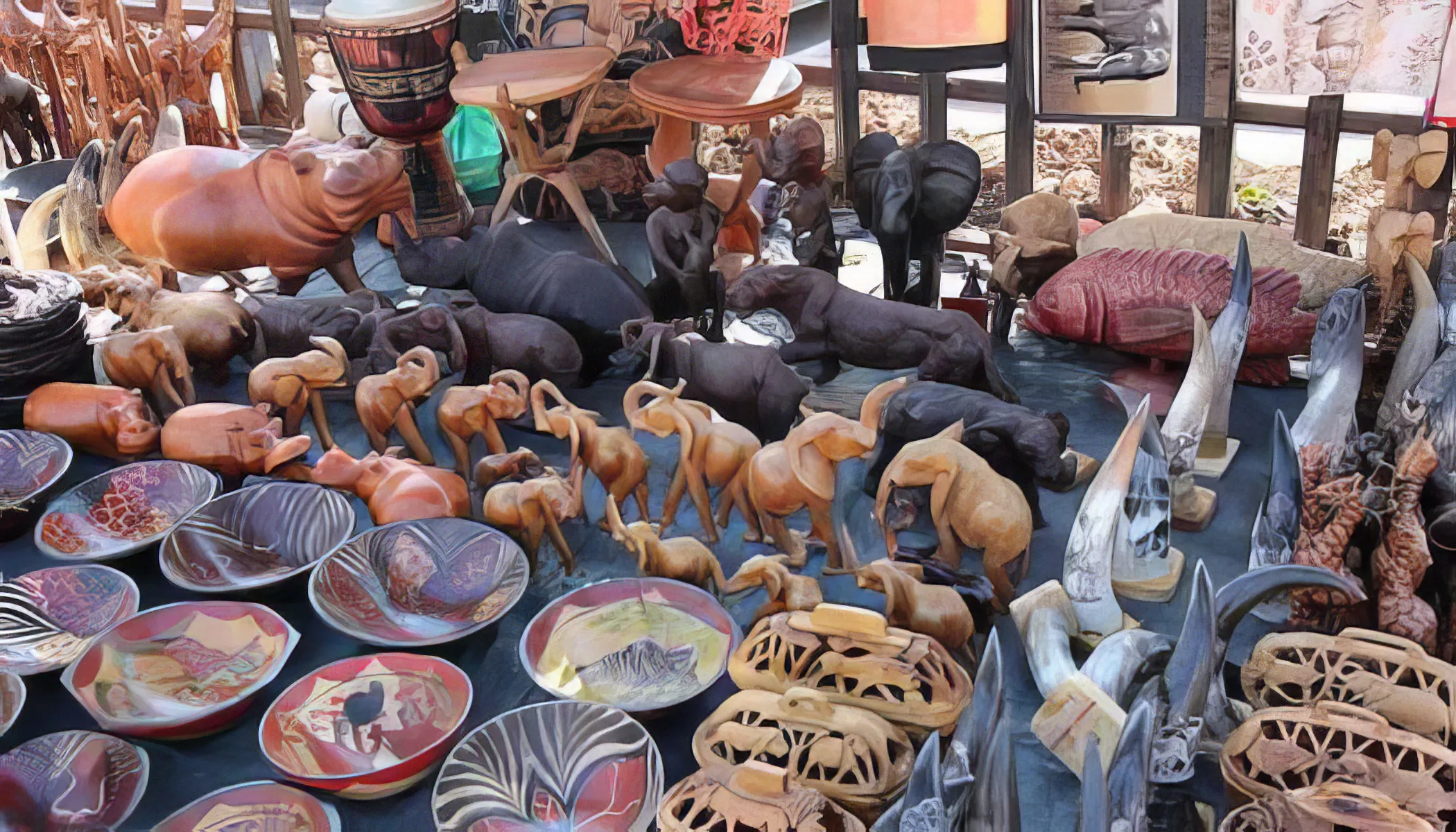
Known for its lively culture and craftsmanship, Swaziland provides unique souvenirs. Here are some popular items to consider:
– Swazi Candles: Handmade, colorful candles in various shapes and sizes, often with nice patterns.
– Batik Fabrics: Traditional cloth featuring unique patterns created through a wax-resist dyeing technique.
– Nguni Cowhide Products: Items like rugs and bags made from the distinctive hides of Nguni cattle.
– Wooden Carvings: Hand-carved sculptures and masks depicting local wildlife and cultural symbols.
– Soapstone Sculptures: Delicate carvings made from soft stone, often depicting animals or people.
– Grass Weavings: Intricately woven baskets, mats, and other items made from local grasses.
– Beaded Jewelry: Colorful necklaces, bracelets, and earrings crafted by skilled artisans.
Traditional Shows
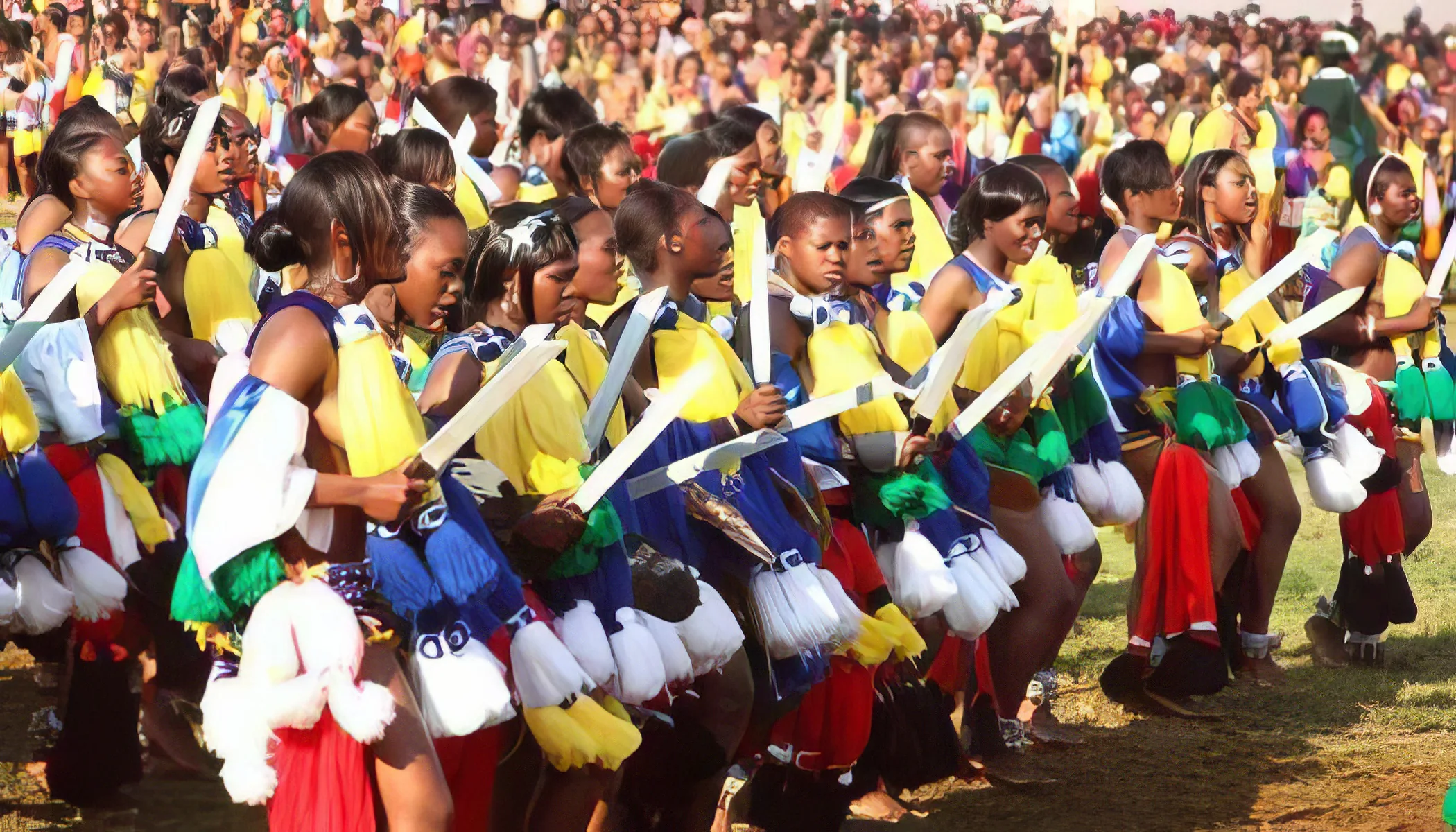
Swaziland, now Eswatini, showcases animated traditional performances:
– Umhlanga Reed Dance: A yearly cultural event where thousands of maidens dance and sing at the Ludzidzini Royal Village, celebrating Swazi culture.
– Incwala Ceremony: This sacred festival involves singing, dancing, and rituals at the Ludzidzini Royal Residence, symbolizing unity and renewal for Swazis.
– Sibhaca Dance: Experience high-energy foot-stomping dance performed by men in traditional attire, often seen at cultural festivals across Eswatini.
– Ligugu Lemswati: A showcase of Swazi art forms including music and dance held in various venues to celebrate Eswatini's rich heritage.
– Bushfire Festival: This globally recognized event features music and dance from Eswatini and beyond at House on Fire venue in Malkerns.
Events & Festivals
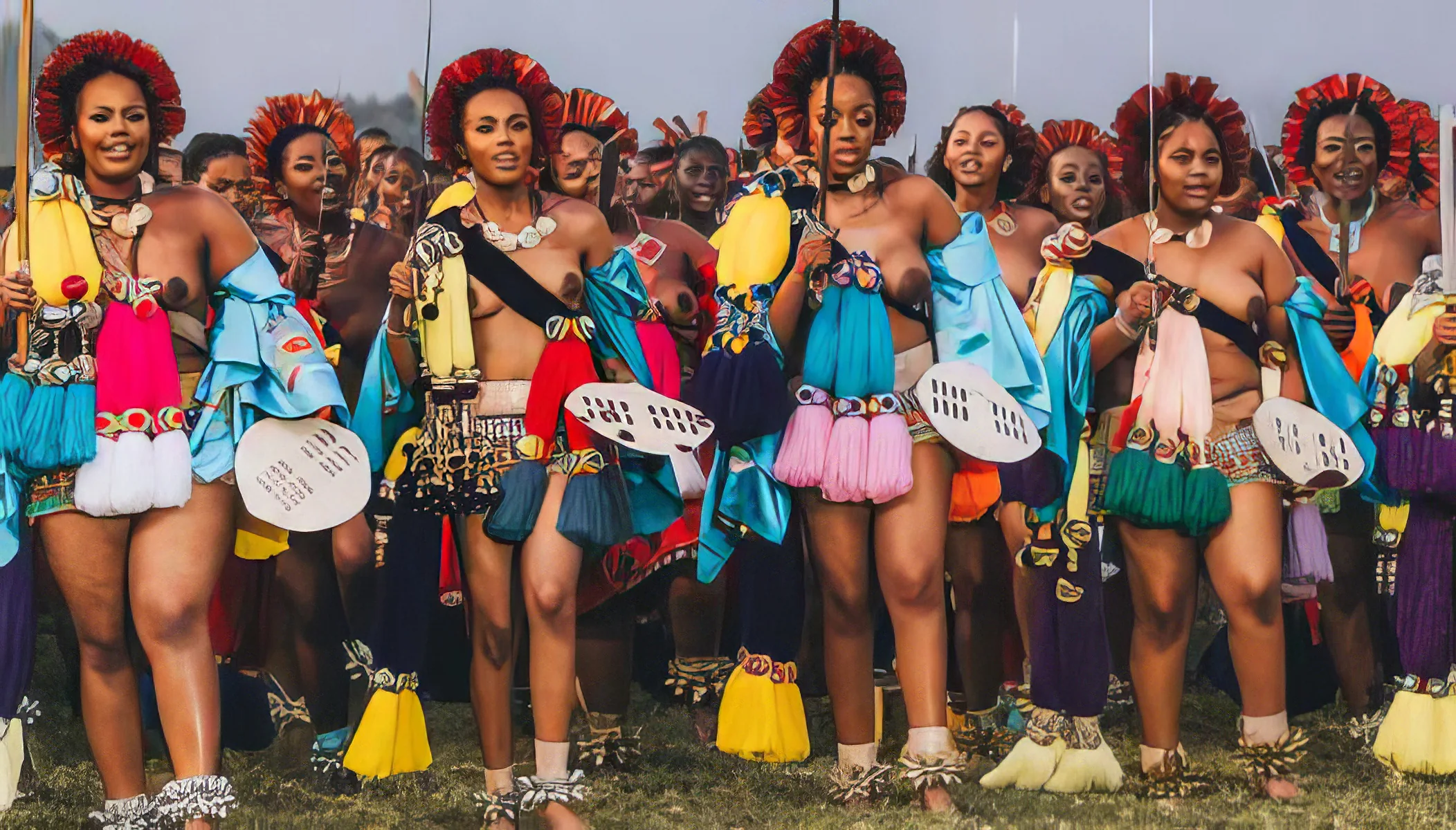
Eswatini, formerly Swaziland, hosts lovely cultural events and festivals throughout the year:
– Incwala Ceremony: December/January sacred kingship rite with dancing and rituals.
– Umhlanga Reed Dance: Eight-day August/September event where maidens present reeds to the Queen Mother.
– Bushfire Festival: May music and arts festival attracting international artists and visitors.
– Marula Festival: February/March celebration of marula fruit harvest with traditional music and dance.
– Magadzavane Hiking Challenge: Annual event in Lubombo Mountains offering guided nature hikes.
– MTN Bushfire Schools Festival: Educational event in May focusing on arts for youth development.
– Sibebe Survivor Challenge: Annual hike in August promoting health and fitness around Sibebe Rock.
Famous People
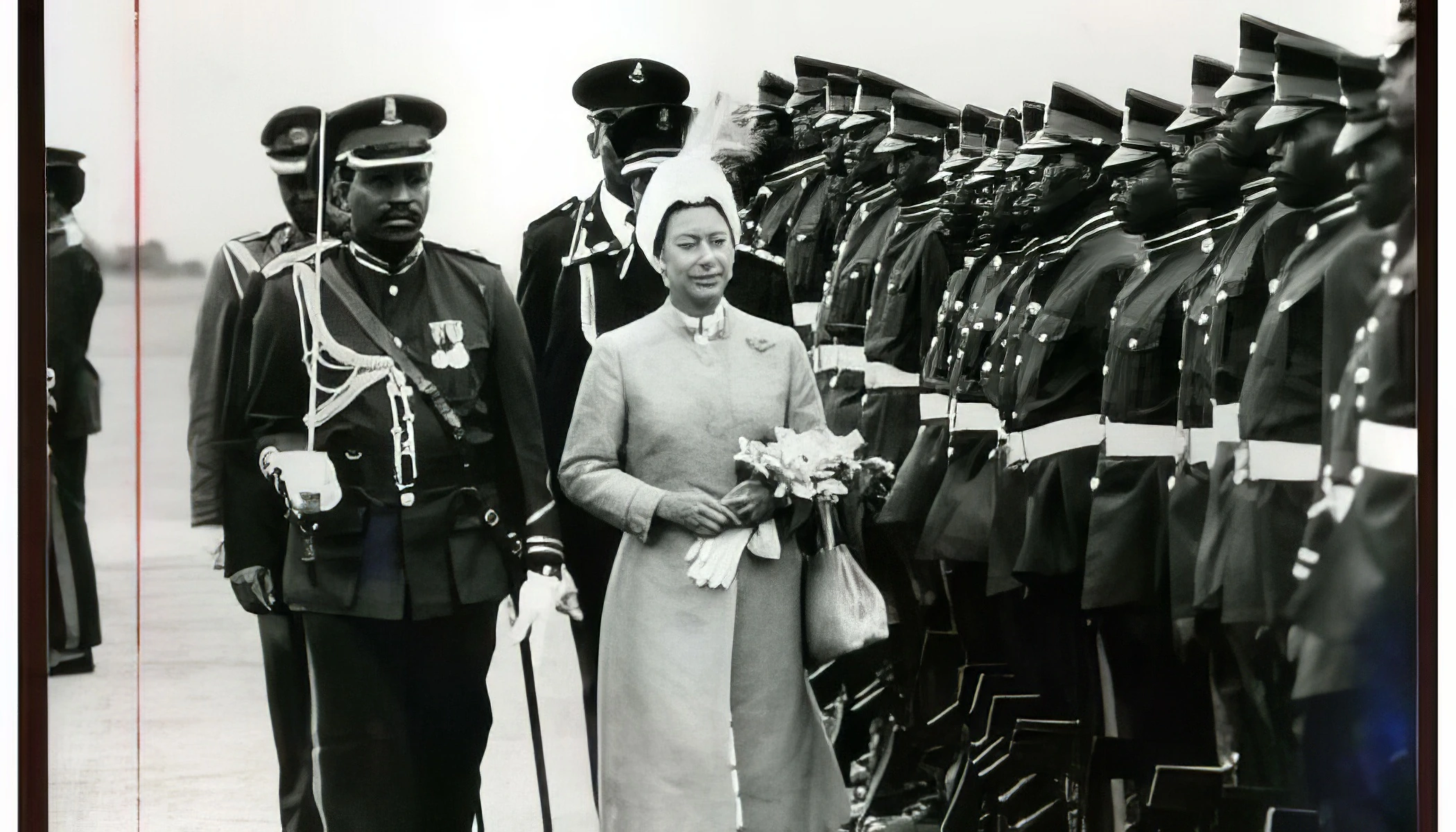
Eswatini, formerly known as Swaziland, is home to notable individuals who have significantly impacted its culture and politics.
– King Mswati III (born 1968, Manzini): Current king, known for being one of the last absolute monarchs in Africa.
– Sobhuza II (1899 to 1982, Zombodze): Longest-reigning monarch in history who led Eswatini to independence from British rule.
– Richard E. Grant (born 1957, Mbabane): Acclaimed actor known for roles in films such as "Withnail and I" and "Can You Ever Forgive Me?"
– Mario Masuku (1951 to 2021, Matsanjeni): Political activist who was the leader of the banned People's United Democratic Movement (PUDEMO).
– Phinda Dlamini (born 1984, Eswatini): International footballer who has represented the national team and played professionally.
Books
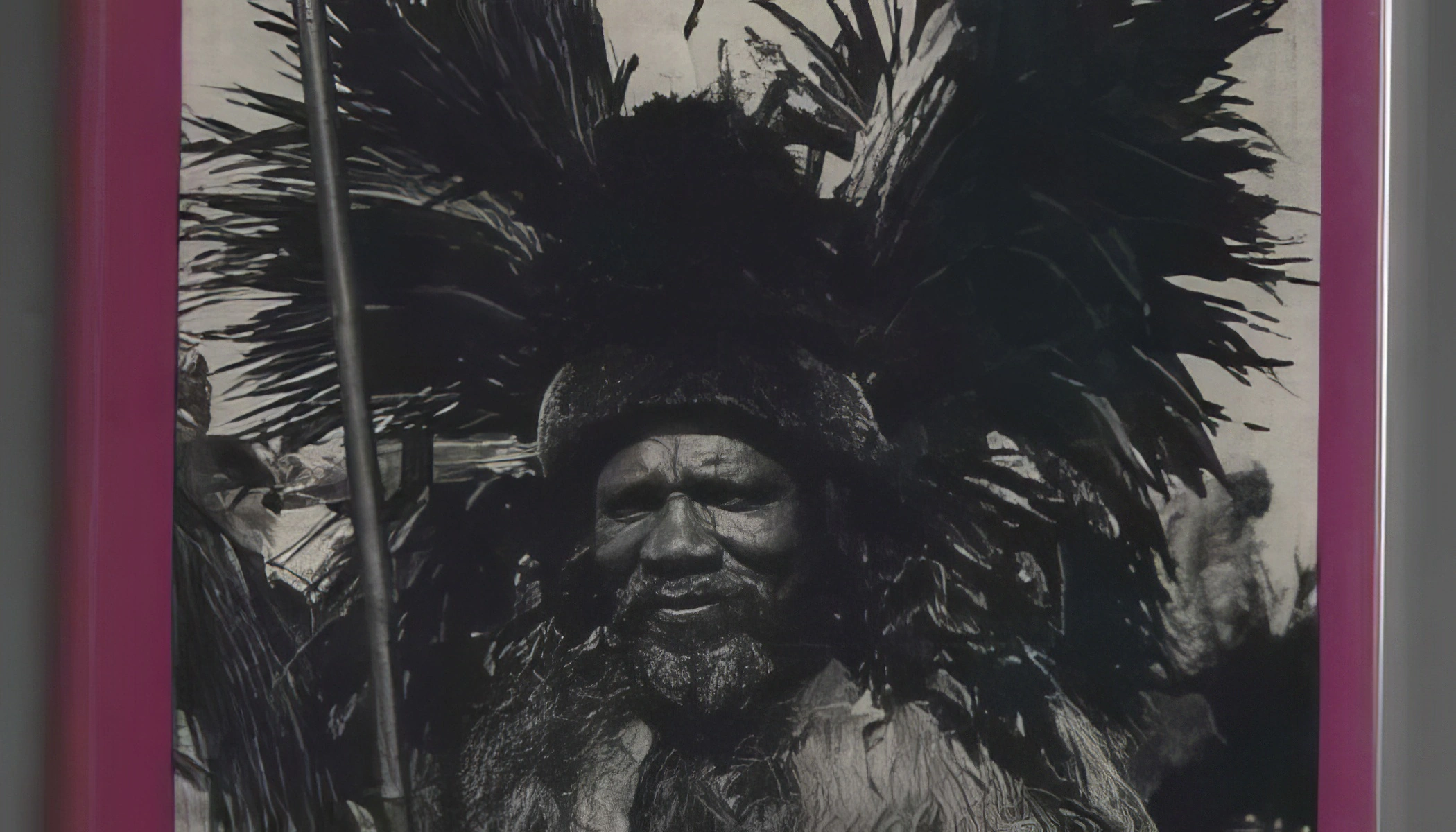
The literary works set in Swaziland provide insights into its culture, history, and societal issues.
– "We Need New Names" by NoViolet Bulawayo: Though primarily set in Zimbabwe, it touches on Southern African experiences, including Swaziland.
Songs
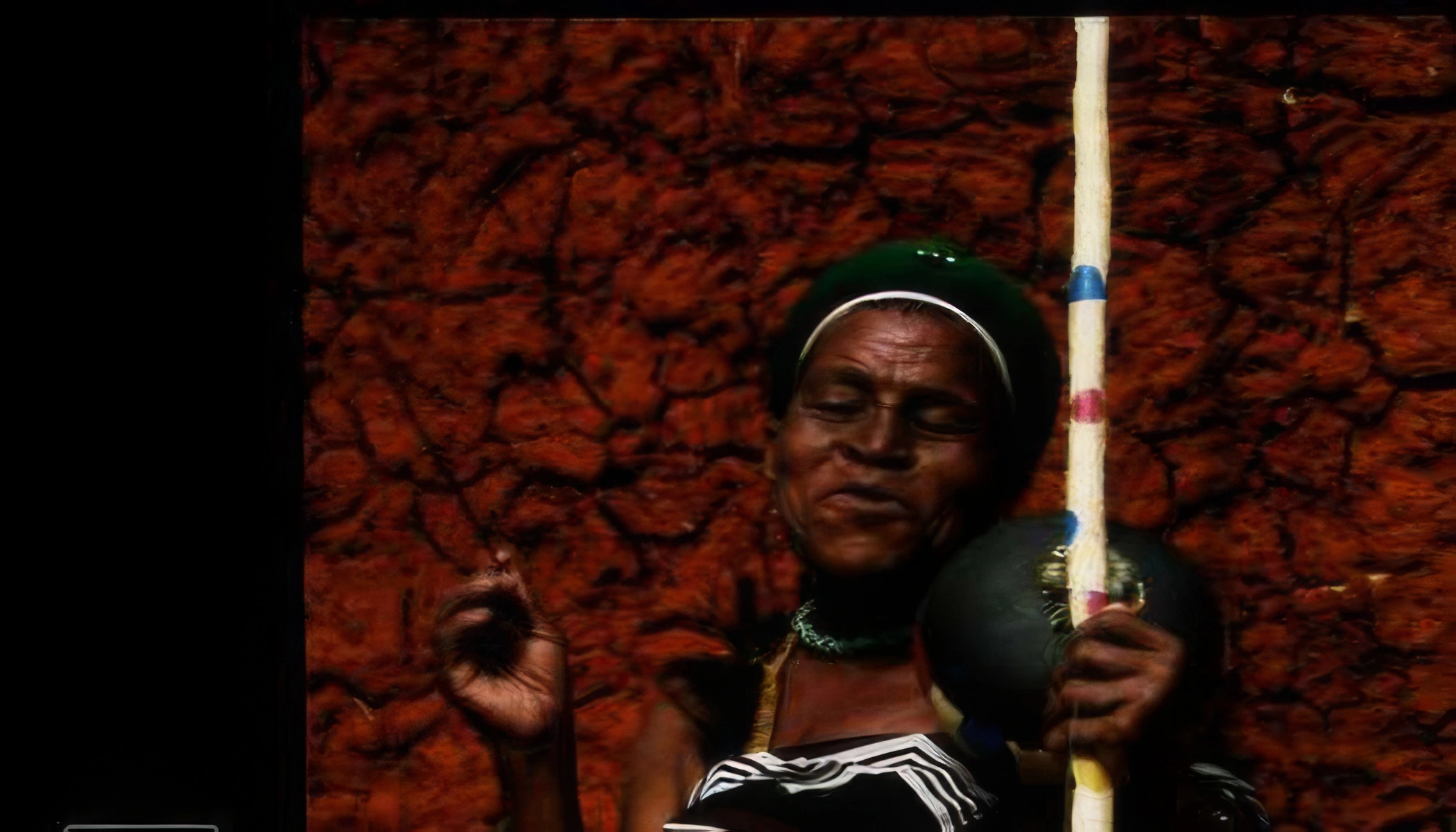
Swaziland, now known as Eswatini, has a beautiful music scene that blends traditional and modern influences.
– Emajaha: Bholoja's popular song highlighting cultural themes and Swazi identity.
– Circle of Life: Spirits Indigenous delivers a fusion of African rhythms and contemporary sounds.
– Hamba Nawe: Sands' soulful track celebrating love with Swazi linguistic elements.
– Liyaduma Izulu: Masikane's piece emphasizing traditional Swazi musical styles.
– Tigi: DJ Tira collaborates with Sands in this upbeat, popular dance track.
Films
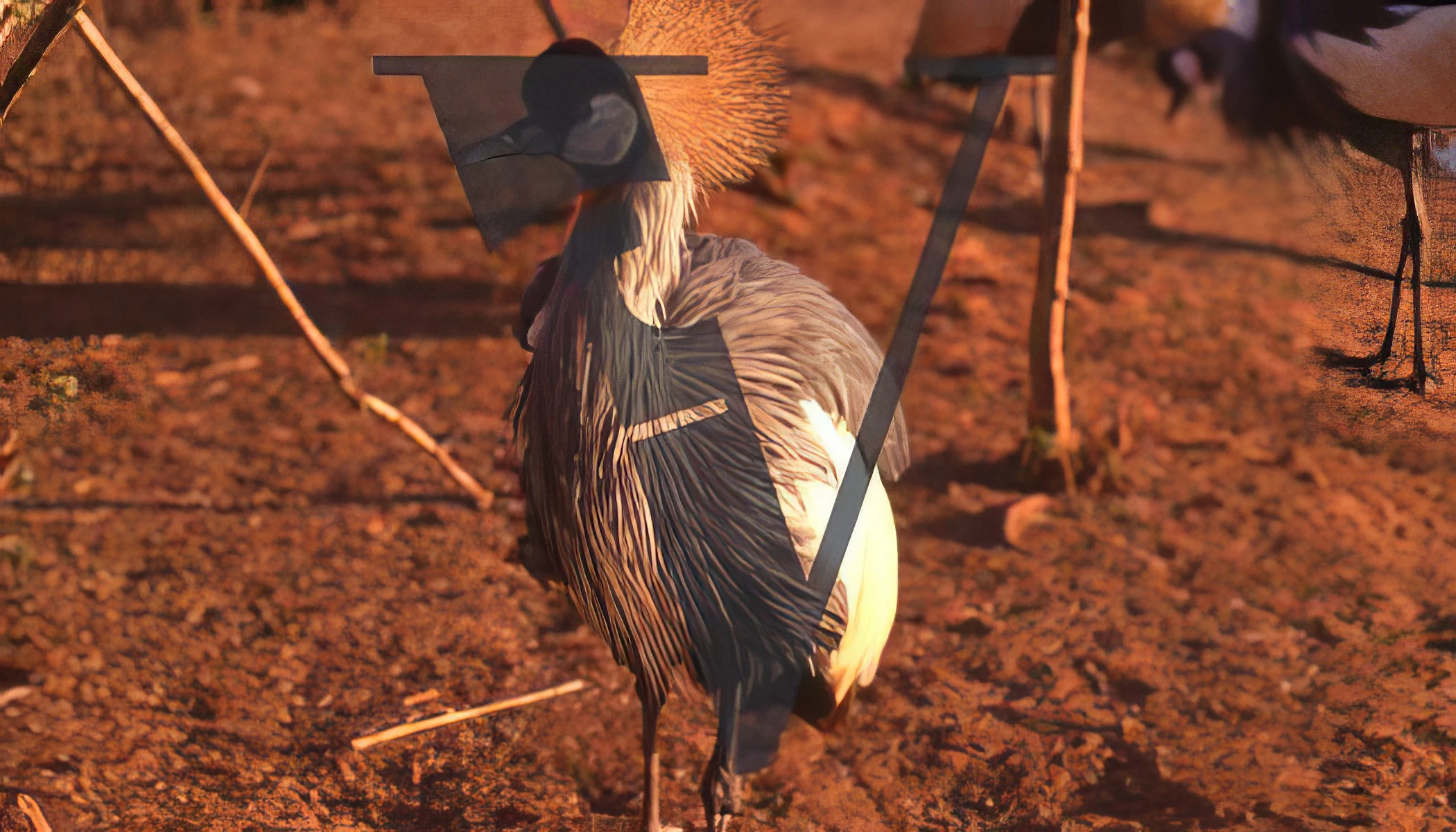
Exploring the cinematic landscape of Swaziland, here are notable films set in or about the country:
– "Liyana": A unique blend of documentary and animation, follows Swazi children crafting a story of resilience and hope.
– "The King's 24": A documentary capturing a year in the life of traditional warrior regiments serving the Swazi king.
– "Without the King": A documentary that delves into Swaziland's socio-political challenges under King Mswati III's rule.
– "Swaziland: Africa’s Last Absolute Monarchy": This film explores the sophisticated dynamics of living under an absolute monarchy in modern times.
– "In a Kingdom by the Sea": Captures cultural and social aspects of Swazi life, focusing on traditional practices and modern influences.