

Travel Guide to Sweden: Top Things to Do & Tips
This Scandinavian country is known for its clean, green cities and vast wilderness areas. It's a leader in environmental sustainability, has a strong economy, and is famous for its design and innovation. The Northern Lights are a major attraction.
- Capital
- The capital of Sweden is Stockholm.
- Population
- 9.6 millions
- Superficy
- 450000 sq.km
- Months to Visit
- June to August.
- Living Cost
- Expensive
Overview
Sweden is a Nordic country located in Northern Europe, known for its high standard of living, strong commitment to environmental sustainability, and innovative technology. Its capital, Stockholm, is built on 14 islands and is known for its well-preserved historic sites and modern architecture. The country is characterized by vast forests, numerous lakes, and a long coastline. Sweden is also home to the Northern Lights, visible from its northern regions. The country has a rich cultural heritage, with contributions to music, literature, and design. Sweden's strong emphasis on equality and welfare is reflected in its social policies and public services.
Pros & Cons
GOOD REASONS TO VISIT SWEDEN
– Natural Beauty: Sweden offers nice landscapes, from the northern lights in Lapland to the archipelagos in Stockholm and Gothenburg.
– Rich History: Explore Viking history, medieval castles, and the well-preserved old town, Gamla Stan, in Stockholm.
– Innovative Design: Sweden is renowned for its minimalist and functional design, evident in its architecture, furniture, and fashion.
– Outdoor Activities: Enjoy hiking, skiing, ice skating, or kayaking, depending on the season.
– Sustainable Living: Sweden is a global leader in sustainability, offering eco-friendly accommodations and organic dining options.
CHALLENGES WHEN VISITING SWEDEN
– High Cost: Sweden is one of the most expensive countries in Europe, which may strain some travelers' budgets.
– Cold Winters: The winters can be harsh, particularly in the north, with short daylight hours.
– Limited Nightlife: Outside of major cities, nightlife options can be limited, especially in the off-peak season.
Before Departure
Before planning your trip to Sweden, there are several important factors to consider:
– Passport: Ensure your passport is valid for at least three months beyond your planned departure date.
– Visa: Non-EU tourists may need a visa depending on their nationality. Check Sweden's visa policy. Tourist visas are typically valid for 90 days.
– Currency: Sweden uses the Swedish Krona (SEK). Credit cards are widely accepted and ATMs are readily available.
– Internet access: WiFi is widely available in public areas, hotels, and cafes. Prepaid SIM cards for data are also easily accessible.
– Language barrier: Swedish is the official language. English is widely spoken, making communication easy for English-speaking tourists. French, Spanish, and German are less commonly spoken.
What to Pack
Traveling to Sweden requires packing for a variety of weather conditions and outdoor activities, as well as considering the country's modern, high-tech lifestyle.
– Essentials: Passport and visa (if required), Travel insurance details, Flight tickets and itinerary, Accommodation reservations.
– Clothing: Warm clothing for winter months, waterproof jacket and shoes, comfortable walking shoes, swimwear (for sauna), hat and gloves for colder weather.
– Health and Safety: Prescription medications and a basic first aid kit, sunscreen for summer months, personal hygiene items.
– Electronics: Travel adapter for Swedish outlets, mobile phone, camera, portable charger.
Weather
Sweden's weather varies greatly between seasons:
– Winter (December to February): Cold and snowy, especially in the north. Southern parts are milder but still chilly.
– Spring (March to May): Temperatures start to rise, with occasional rain and longer daylight hours.
– Summer (June to August): Warm and sunny, with long daylight hours due to the midnight sun phenomenon, especially in the north.
– Autumn (September to November): Cooler temperatures and colorful foliage, with increasing chances of rain and shorter daylight hours. The best time to visit Sweden is during the summer months (June to August).
– Pros: Warm weather, long daylight hours, and numerous outdoor activities and festivals.
– Cons: It's the peak tourist season, so expect higher prices and more crowds.
Travel Budget
Sweden is known for its high cost of living. Here are some average costs for tourists:
– Hotel: 100$ to 200$
– Lunch: 15$ to 30$
– Beverage (in bar/restaurant): 7$ to 15$
– Coffee: 3$ to 5$
– Transportation: (train 20$ to 50$), (bus 3$ to 7$), (taxi /10km 15$ to 30$)
– Mobile data (per GB): 5$ to 10$
Language
Swedish is the official language of Sweden and is known for its melodic and rhythmic sound. Here are some common phrases:
– Hello: Hej
– Thank you: Tack
– Please: Snälla
– How much is this?: Hur mycket kostar det här?
– Excuse me: Ursäkta mig
– I don't understand: Jag förstår inte
– Yes: Ja
– No: Nej
– Goodbye: Hejdå
History
Sweden's history dates back to the Stone Age, with evidence of early human settlements. It was a collection of tribal areas until the 12th century when it became a unified kingdom. In the 17th century, Sweden expanded its territories to become one of the great powers of Europe, but lost most of them in the following century. It remained neutral in both World Wars. In the 20th century, Sweden developed a strong welfare state, becoming known for its commitment to social equality. Today, it is a constitutional monarchy with a parliamentary democracy.
Geopolitics
Sweden is a Nordic country located in Northern Europe, bordered by Norway to the west and north, Finland to the east, and connected to Denmark in the southwest by a bridge-tunnel. It is a constitutional monarchy with a parliamentary democracy, with Stockholm as its capital. Sweden is a member of the United Nations, the Nordic Council, and the European Union, but has remained neutral in military conflicts since the early 19th century. It maintains a policy of non-alignment in peace, neutrality in war, and has no plans to join NATO. Sweden's geopolitical position is influenced by its relationships with neighboring countries, its active role in international organizations, and its commitment to peacekeeping and humanitarian efforts.
Sample Itinerary
This itinerary offers a blend of historical exploration in Stockholm, natural beauty in Kiruna, and cultural immersion in Gothenburg and Malmö.
– 2 days in Stockholm: Visit the Royal Palace, Vasa Museum, and Gamla Stan. Enjoy the archipelago and local cuisine.
– 2 days in Kiruna: Experience the Icehotel, Northern Lights, and Sami culture. Try dog sledding and snowmobiling.
– 2 days in Gothenburg: Explore the Universeum, Liseberg amusement park, and Haga district. Enjoy seafood and local markets.
– 1 day in Malmö: Visit Turning Torso, Malmö Castle, and Moderna Museet Malmö. Walk in the Western Harbour and enjoy local food.
Popular cities
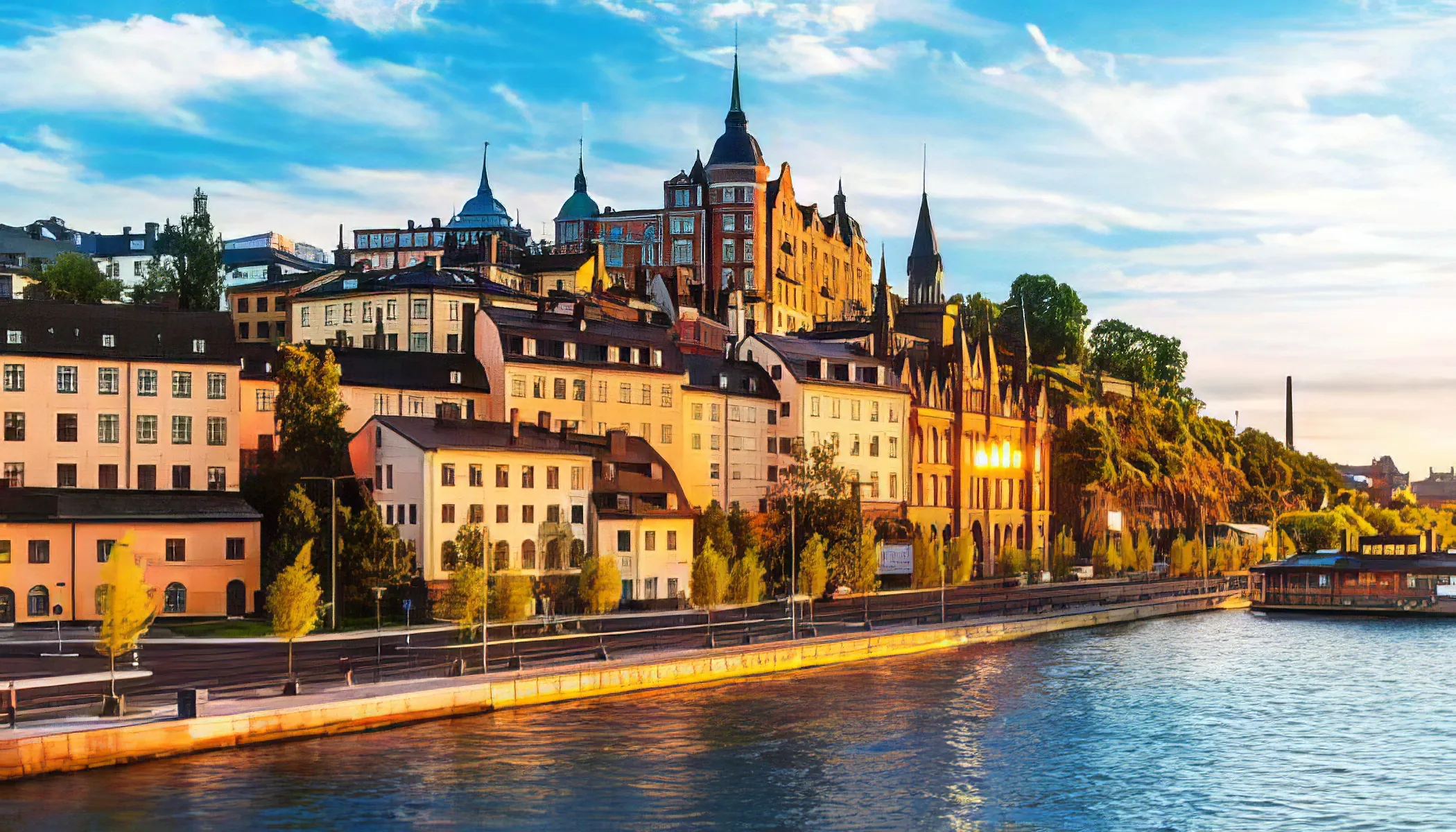
Sweden offers a mix of historic cities and natural beauty:
– Stockholm: The capital city is known for its archipelago, historic sites, and modern design.
– Gothenburg: A coastal city with a rich maritime history, trendy boutiques, and a lively food scene.
– Malmö: Known for its modern architecture, beautiful parks, and the Turning Torso skyscraper.
– Uppsala: Home to a prestigious university, a grand cathedral, and Gustavianum museum.
– Visby: A medieval town on Gotland island, known for its well-preserved town wall and cobblestone streets.
– Kiruna: Located in the Arctic Circle, it's known for the Icehotel and Northern Lights.
– Lund: A charming university town with a medieval cathedral and botanical garden.
Monuments
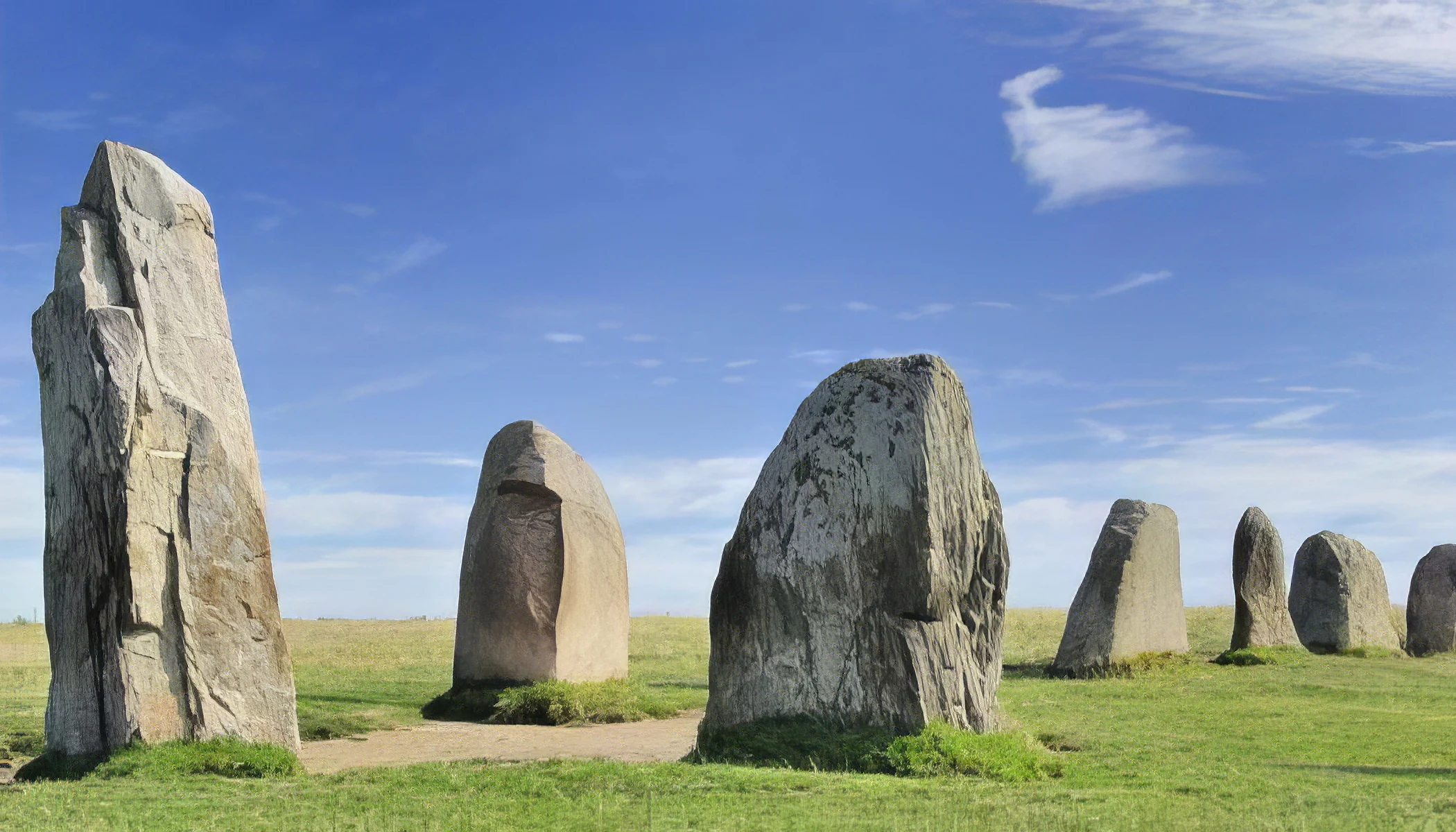
Sweden is home to a variety of historical monuments and architectural wonders:
– Drottningholm Palace, Stockholm: A well-preserved royal palace, UNESCO World Heritage site.
– Vasa Museum, Stockholm: Houses the 17th-century Vasa warship, a maritime archaeological treasure.
– Kalmar Castle, Kalmar: A fortified castle with Renaissance and Baroque elements.
– Visby City Wall, Gotland: Medieval defensive wall surrounding the old town of Visby, a UNESCO site.
– Uppsala Cathedral, Uppsala: The largest cathedral in Scandinavia, a Gothic architectural masterpiece.
– Gripsholm Castle, Mariefred: A royal castle with an extensive portrait collection.
– Stockholm City Hall: Iconic building known for its grand ceremonial halls and unique art pieces.
– Skansen Open-Air Museum, Stockholm: A living history museum showcasing traditional Swedish life.
Natural wonder
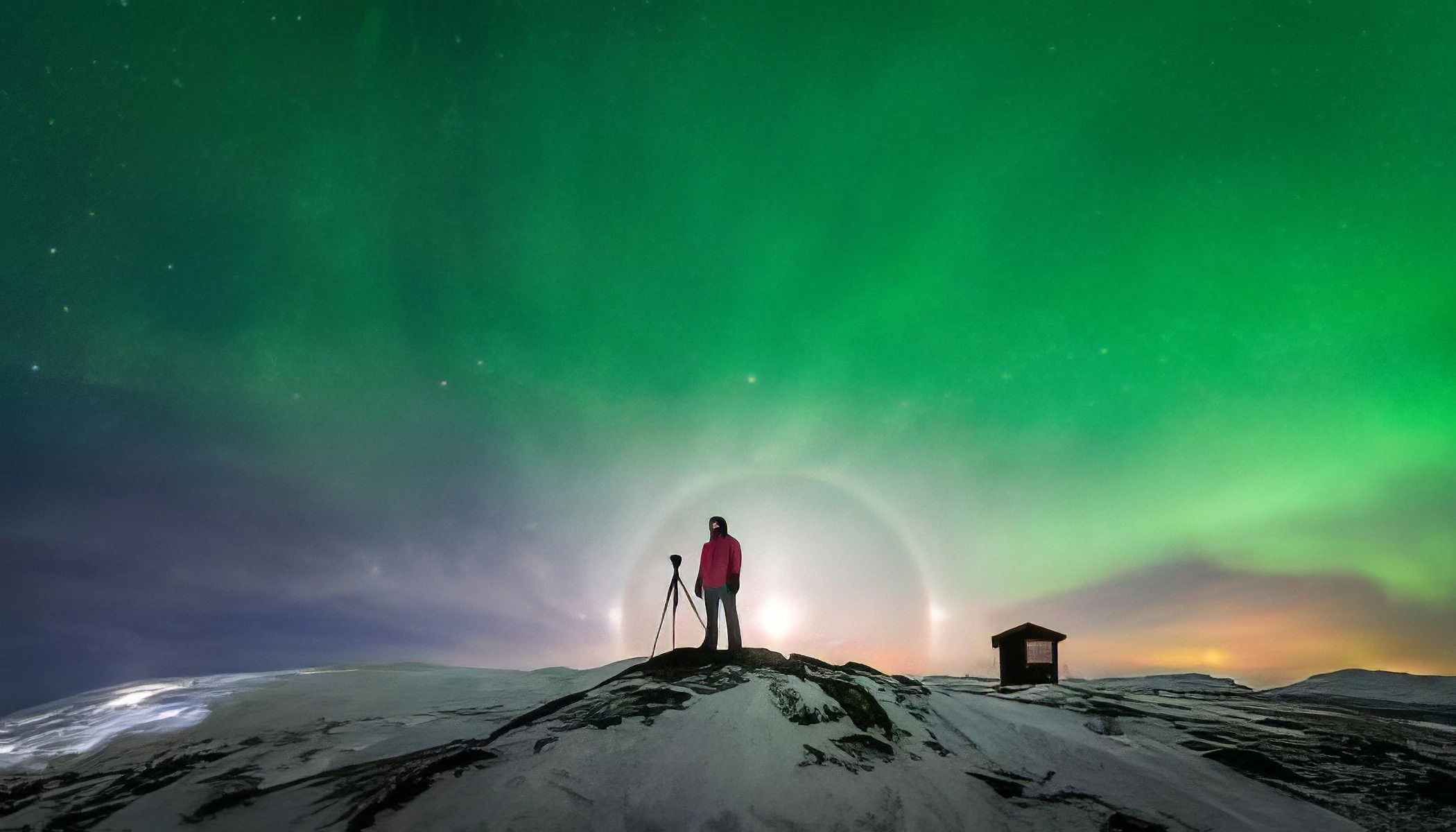
Explore the natural beauty of Sweden:
– Kebnekaise: Sweden's highest mountain, located in the far north.
– Gotland: An island known for its unique gorgeous formations and rauks.
– Abisko National Park: Home to the famous Northern Lights and King's Trail.
– Vattern: Sweden's second largest lake, known for its crystal clear water.
– Stora Sjöfallet: A national park with one of the largest waterfalls in Europe.
– Sarek National Park: Known for its untouched wilderness and biodiversity.
– Visingsö: An island in Lake Vättern, known for its oak forests.
– Kosterhavet National Park: Sweden's first marine national park.
– Fulufjället National Park: Home to Sweden's highest waterfall and oldest tree.
– Icehotel in Jukkasjärvi: A unique hotel made entirely of ice and snow, rebuilt every year.
Beaches
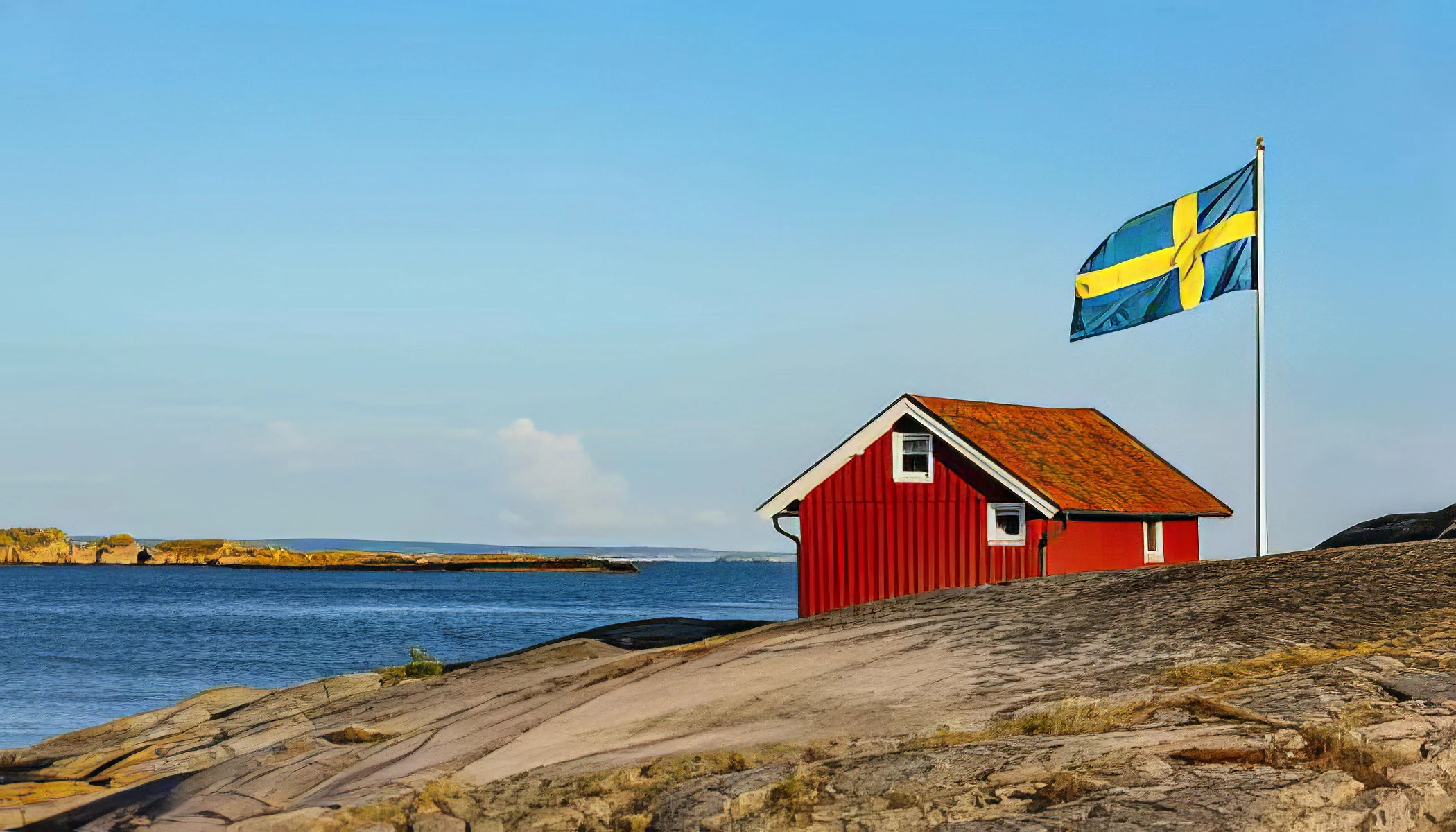
Sweden offers a variety of beaches with unique characteristics:
– Skanör Beach: Known for its white sand and clear waters in Skanör-Falsterbo.
– Tylösand Beach: Popular for its long sandy stretch and summer events in Halmstad.
– Ribersborg Beach: A city beach in Malmö with a mix of sand and grass areas.
– Tofta Beach: Famous for its sandy coastline and summer activities on Gotland island.
– Boda Beach: Known for its long sandy stretch on Öland island.
– Sandhammaren Beach: Recognized for its fine white sand and dunes in Skåne.
– Pite Havsbad Beach: A northern beach with a water park and golf course in Piteå.
Outdoor activities
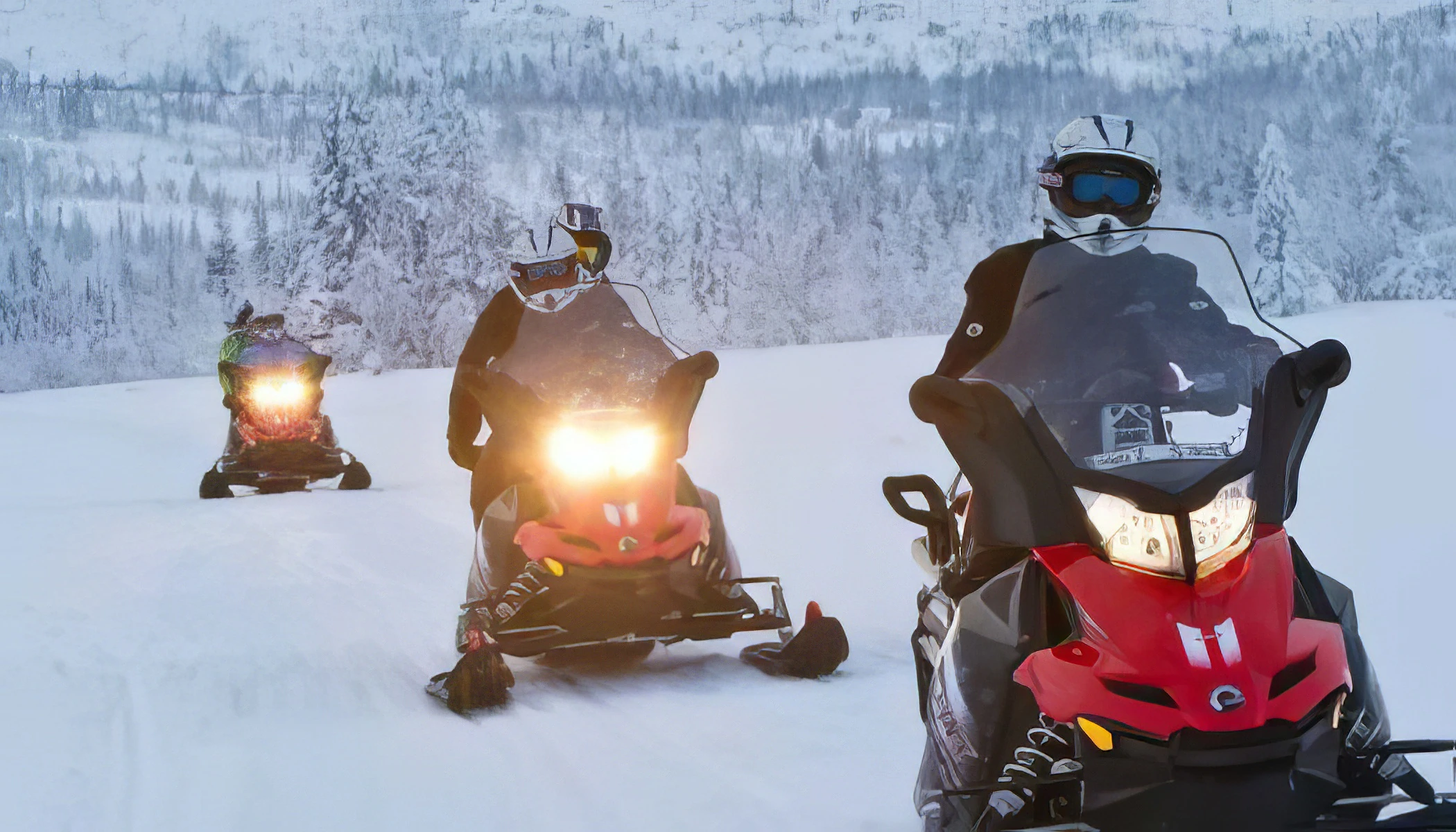
Sweden offers a variety of outdoor experiences, from hiking to wildlife spotting:
– Hiking in Kungsleden: Traverse through Sweden's most famous long-distance trail.
– Kayaking in Stockholm Archipelago: Paddle among thousands of uninhabited islands.
– Skiing in Åre: Enjoy downhill skiing in Sweden's largest ski resort.
– Wildlife Safari in Lapland: Spot reindeer, moose, and if lucky, the elusive lynx.
– Ice Skating on Natural Lakes: Experience the thrill of skating on frozen lakes.
– Northern Lights Viewing in Kiruna: Witness the spectacular Aurora Borealis.
– Cycling in Gotland: Explore medieval churches and pleasant landscapes on two wheels.
Kid Friendly
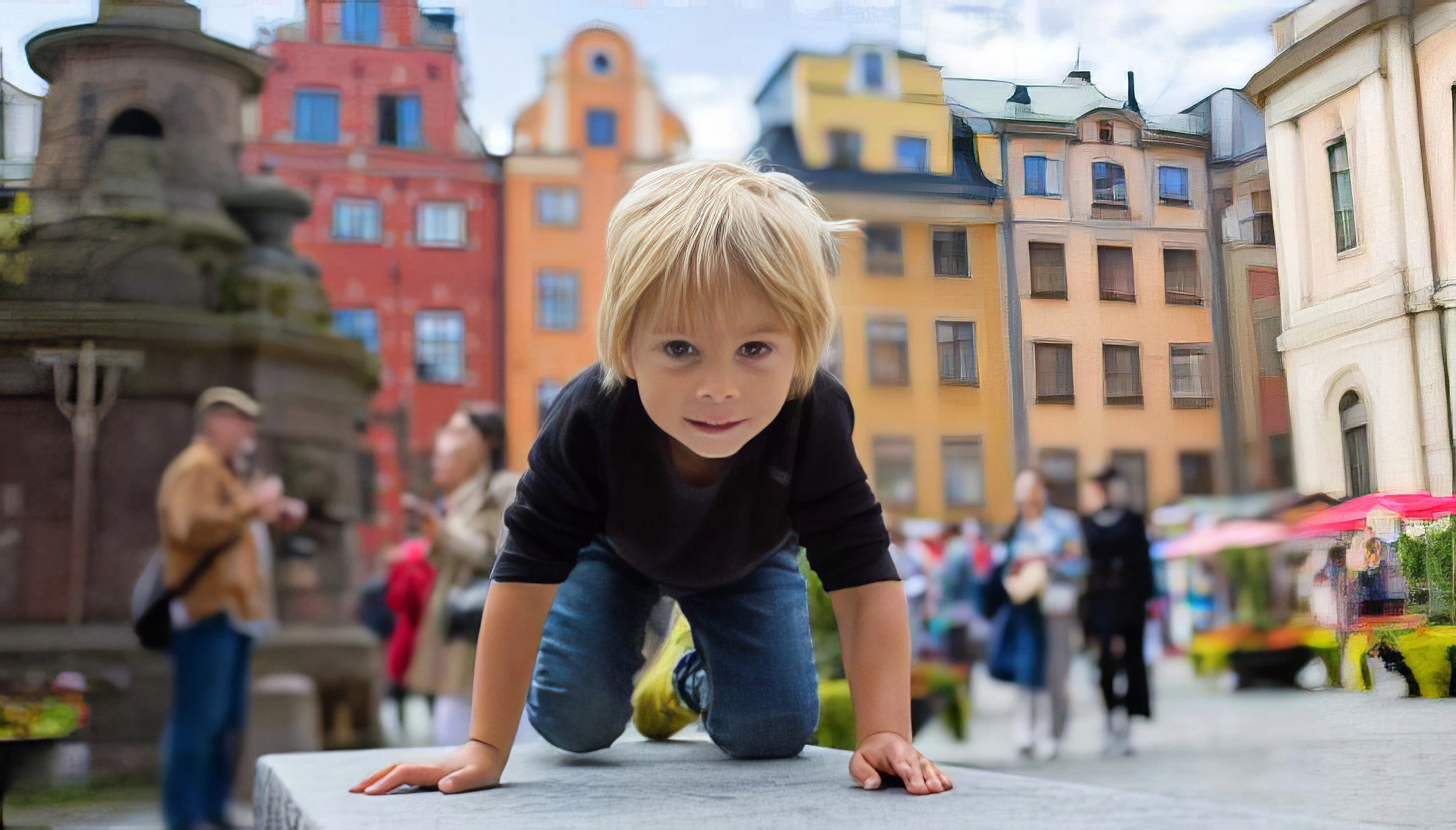
Sweden offers a variety of activities that are perfect for children:
– Vasa Museum: A maritime museum in Stockholm showcasing the only almost fully intact 17th century ship.
– Skansen: An open-air museum and zoo in Stockholm that offers a glimpse into Swedish history.
– Universeum: A science center in Gothenburg with interactive exhibits and an indoor rainforest.
– Liseberg: An amusement park in Gothenburg with rides suitable for all ages.
– Kolmården Wildlife Park: A large zoo located in Norrköping, featuring a variety of animals and a safari.
– Tom Tits Experiment: A science center in Södertälje with hands-on experiments for kids.
– Astrid Lindgren's World: A theme park in Vimmerby dedicated to the characters of the famous Swedish author.
– Icehotel: A unique hotel in Jukkasjärvi made entirely of ice and snow, a fun experience for older kids.
Cuisine
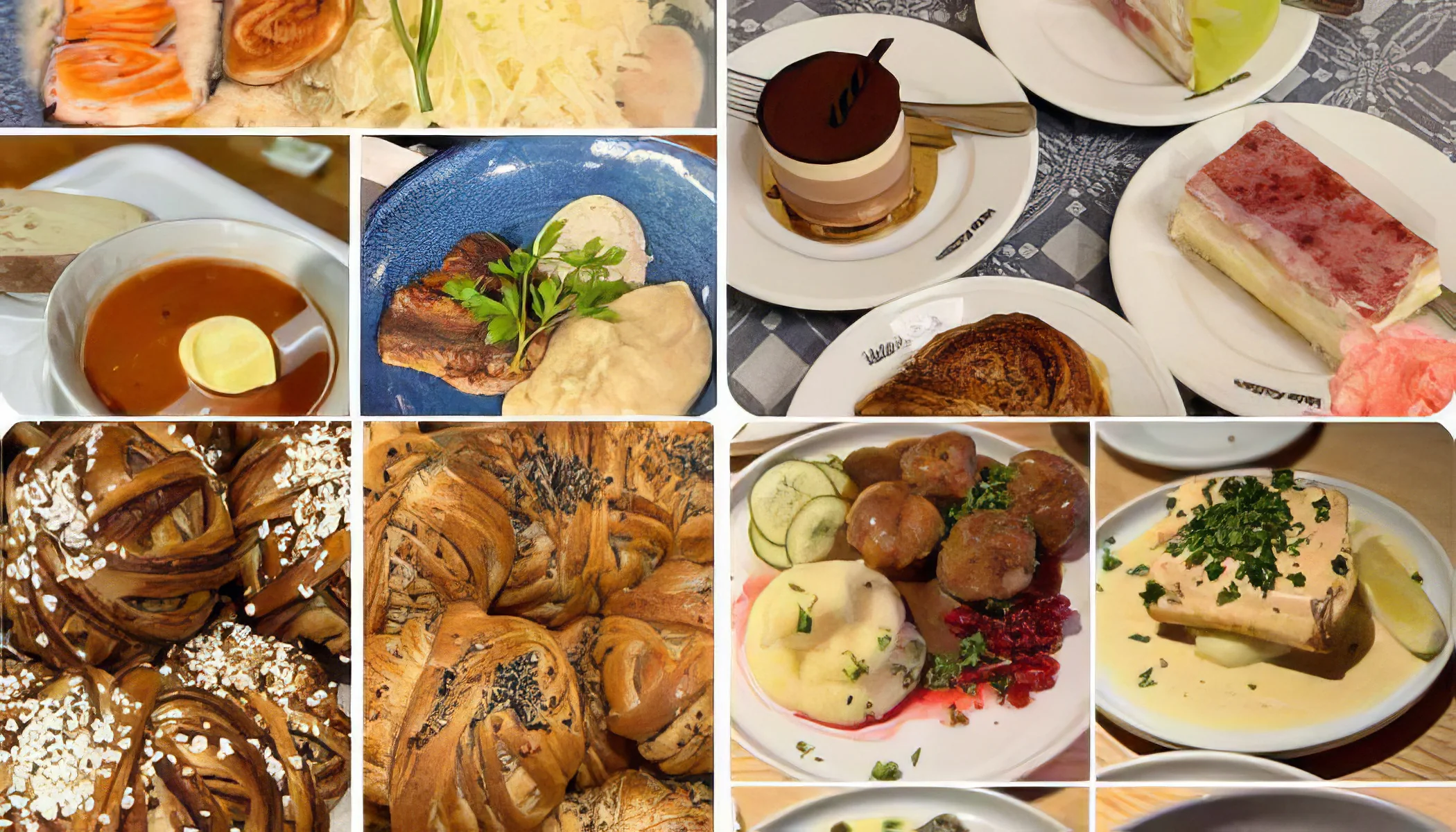
Swedish cuisine is simple yet hearty, with a focus on high-quality local ingredients. It's characterized by its use of fish, pork, berries, and root vegetables. Traditional methods like smoking and pickling are common. Most famous dishes and desserts in Sweden are:
– Meatballs: Served with lingonberry sauce, mashed potatoes, and pickled cucumber.
– Gravlax: Dill and salt-cured salmon, often served with mustard sauce.
– Jansson's Temptation: A creamy potato and anchovy casserole.
– Crayfish: Boiled and served with dill, a traditional summer dish.
– Princess Cake: A layered sponge cake with jam, custard, whipped cream, and marzipan.
Souvenir
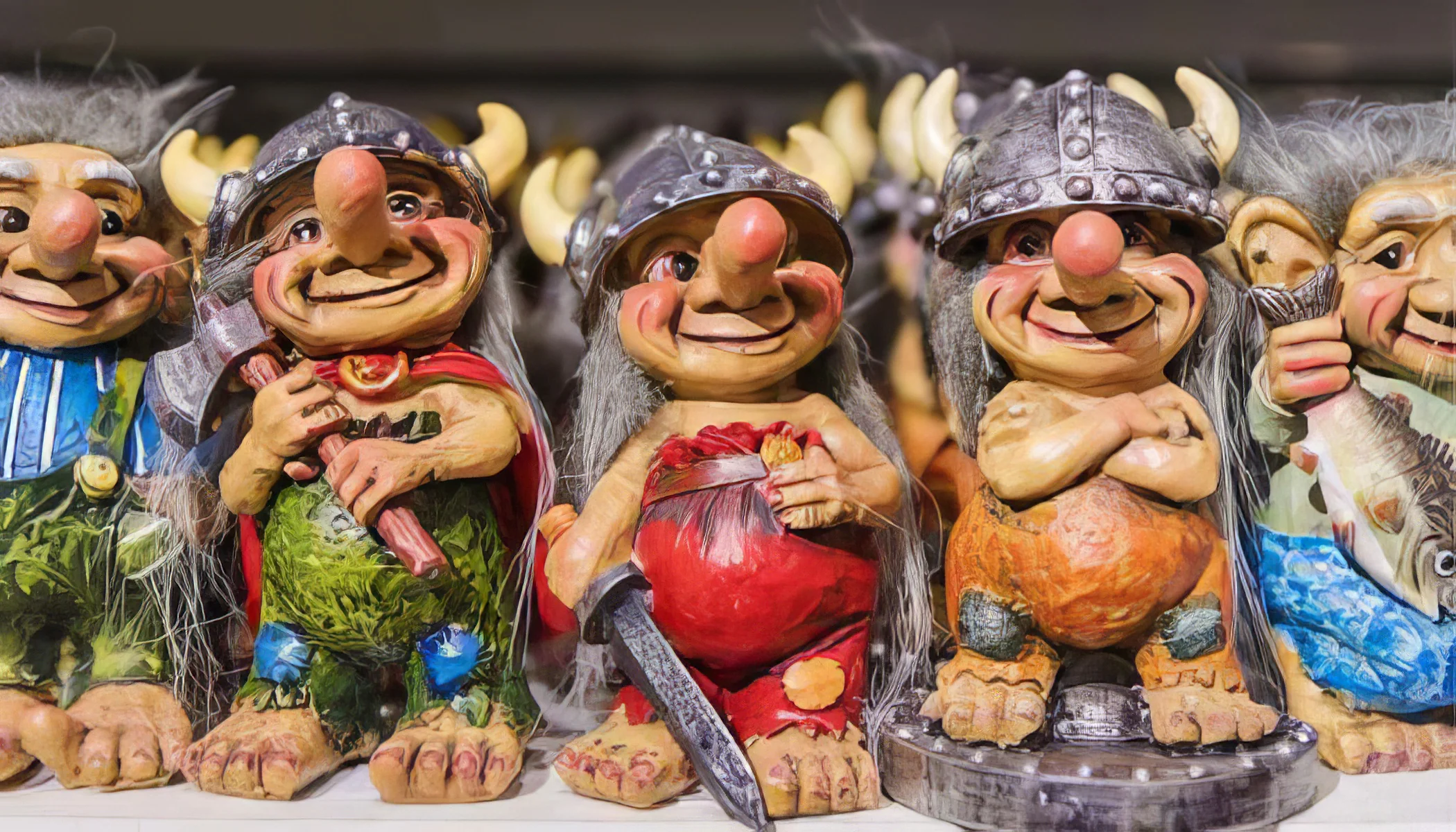
Sweden is a country with a rich history and culture, offering a variety of unique souvenirs. Here are some popular choices:
– Dala Horse: A traditional carved, painted wooden horse statue originating from the Swedish province of Dalarna.
– Swedish Crystal: Sweden is famous for its crystal, with brands like Orrefors and Kosta Boda being internationally recognized.
– Sami Handicrafts: Handmade items from the indigenous Sami people, such as reindeer leather goods.
– Swedish Candy: Sweden is known for its unique candies, especially salty licorice.
– Viking Souvenirs: Items related to Viking history, such as replicas of Viking jewelry.
– Swedish Textiles: Traditional Swedish textiles, like tablecloths and rugs, often feature distinctive Scandinavian designs.
– Absolut Vodka: A popular Swedish brand of vodka, available in many flavors.
Traditional Shows
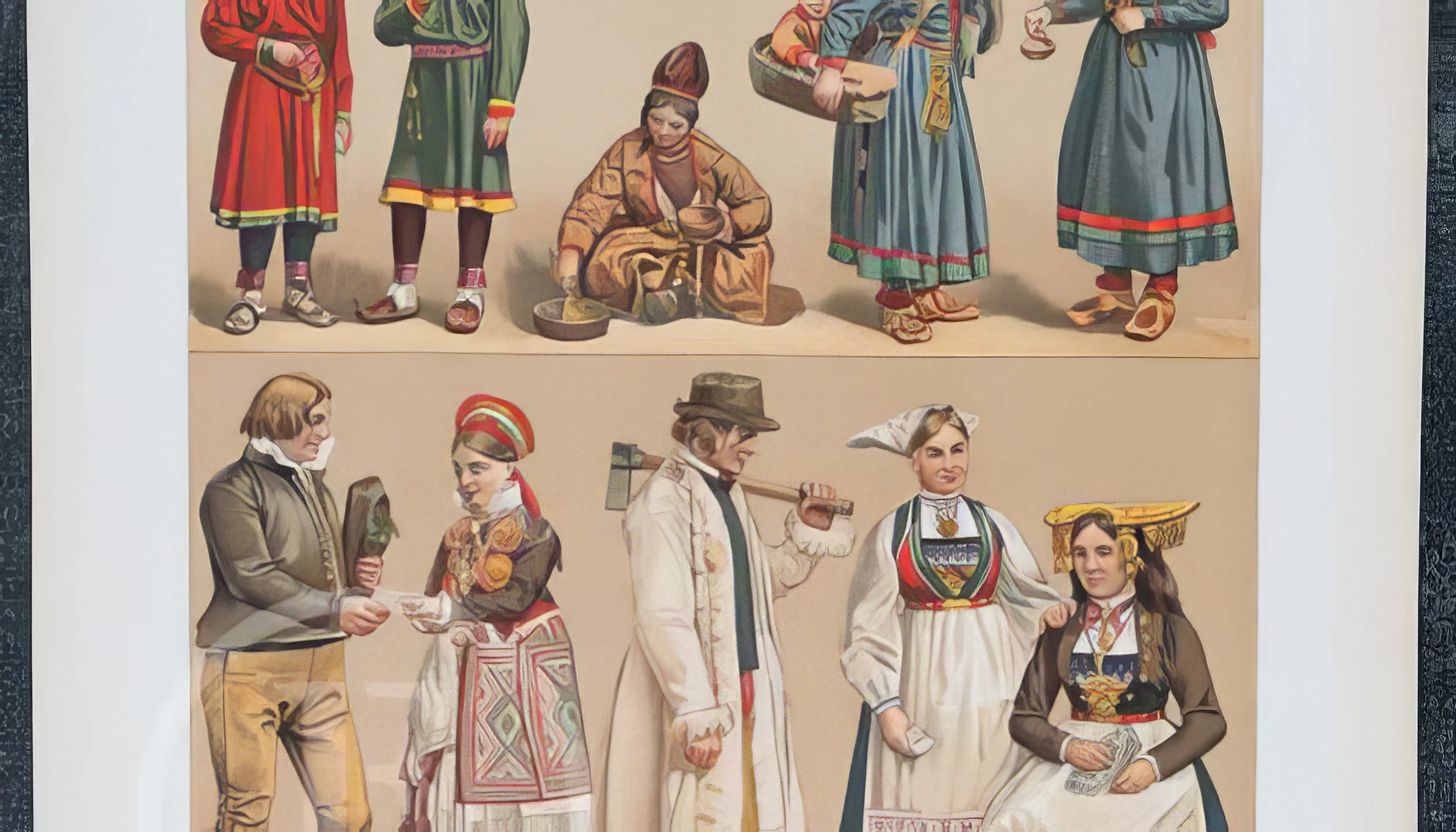
Sweden is known for its unique and diverse art performances:
– Royal Swedish Opera: Located in Stockholm, it offers a mix of opera and ballet performances in a majestic 18th-century setting.
– Swedish Folk Dance: Experience traditional Swedish folk dance, often performed at Midsummer celebrations and other cultural events across the country.
– Gothenburg Symphony Orchestra: Enjoy classical music performances by Sweden's National Orchestra at the Gothenburg Concert Hall.
– Ice Music: In the town of Luleå, you can witness a unique performance where the instruments are made entirely of ice.
– Sami Joik: In northern Sweden, experience the traditional Sami 'joik' singing, a unique form of vocal expression tied to the indigenous Sami culture.
Events & Festivals
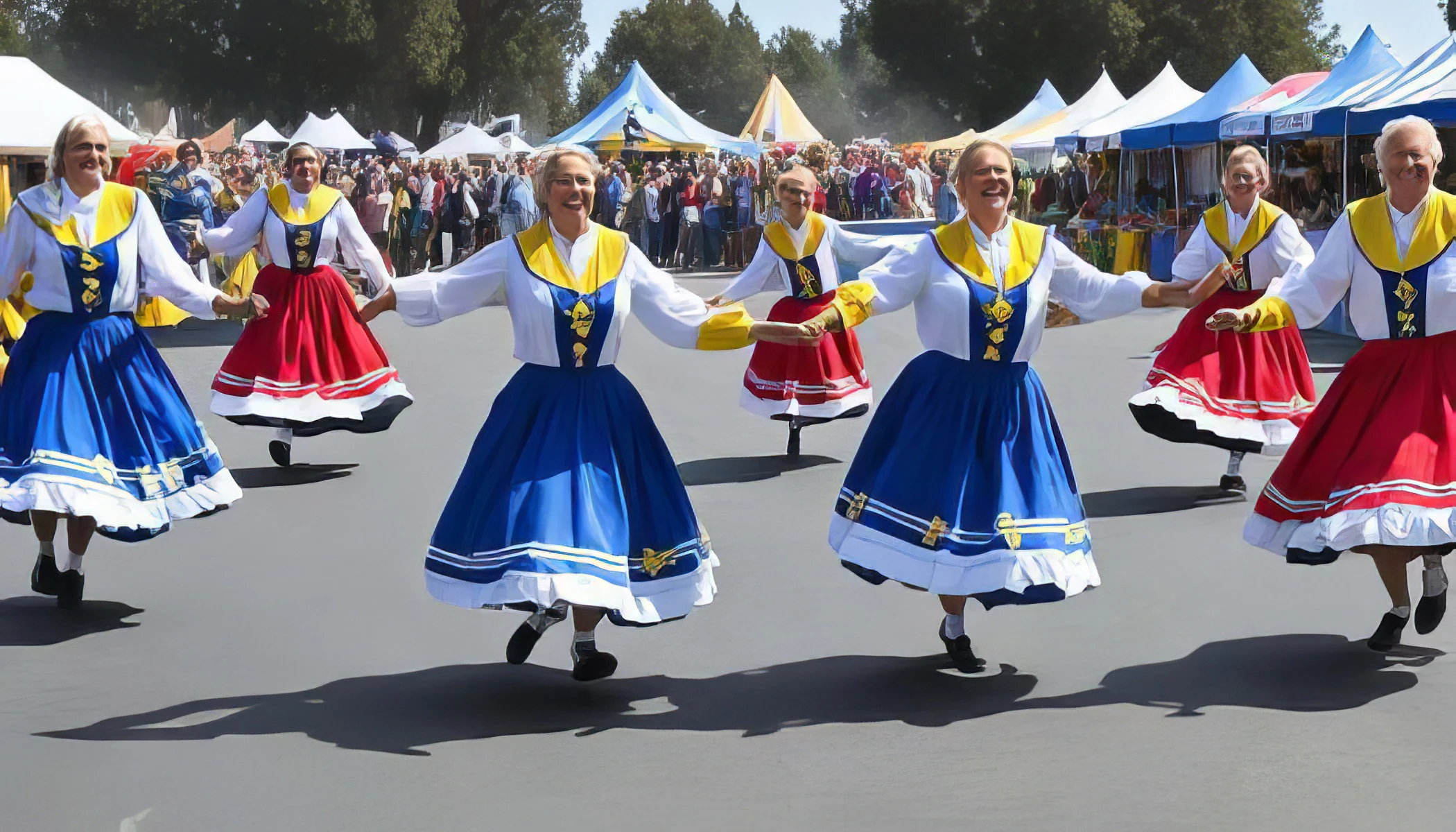
Sweden is a country with a rich cultural heritage and hosts several events and festivals throughout the year:
– Vasaloppet: A long-distance cross-country ski race held in March.
– Walpurgis Night: Celebrated on April 30 with bonfires and singing to welcome spring.
– Midsummer: A major June festival with traditional dances and games, celebrating the summer solstice.
– Stockholm Pride: A week-long LGBTQ+ celebration in July/August with parades and parties.
– Medieval Week: A week-long historical reenactment event in August on the island of Gotland.
– Gothenburg Culture Festival: A large August festival with music, art, and cultural activities.
– Nobel Prize Ceremony: December event in Stockholm, honoring the year's Nobel laureates.
Famous People
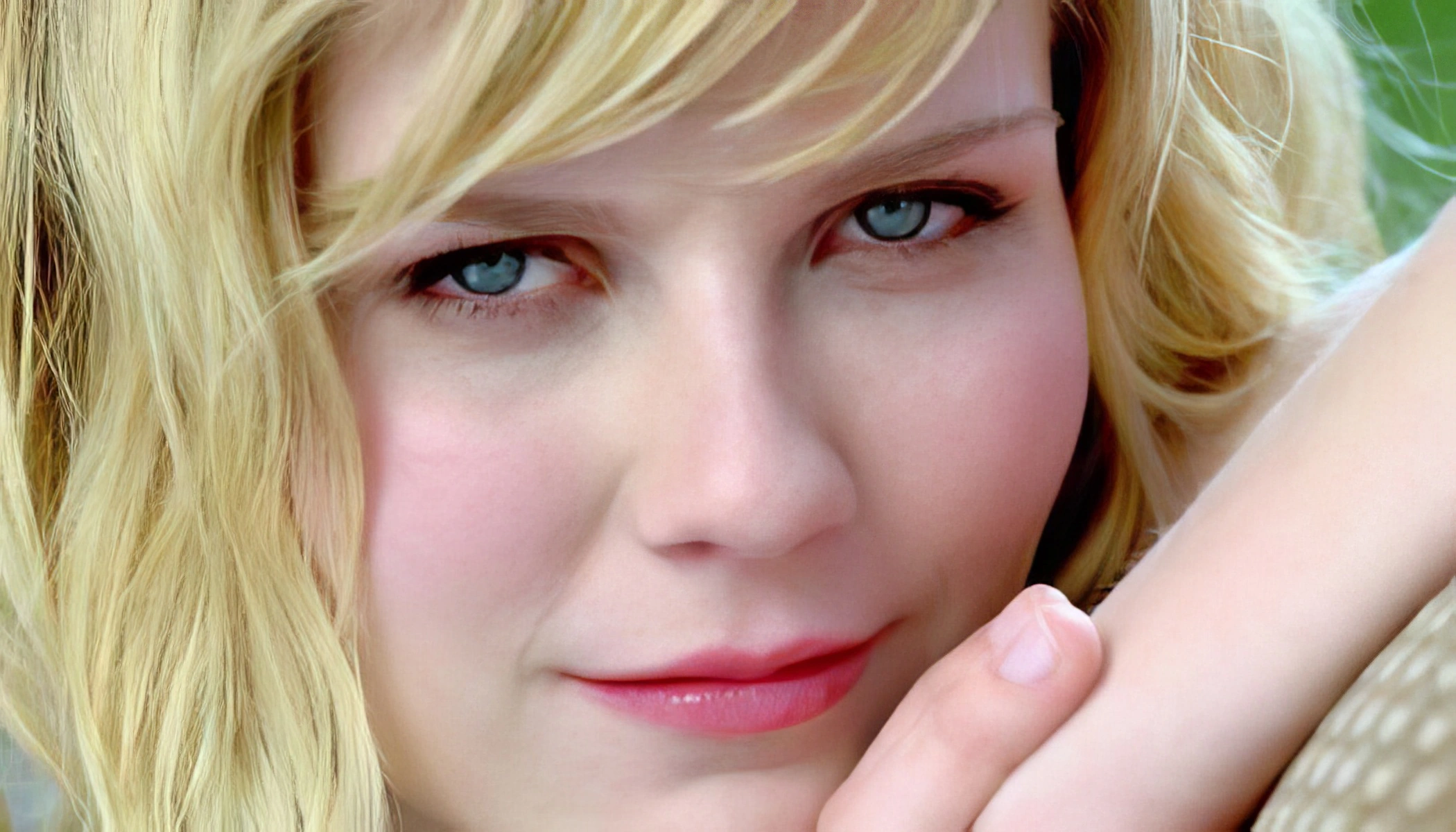
Sweden has been home to many globally recognized figures in various fields, from politics to entertainment.
– Alfred Nobel (1833 to 1896, Stockholm): Inventor of dynamite and founder of the Nobel Prizes.
– Ingmar Bergman (1918 to 2007, Uppsala): Renowned film director known for films like "The Seventh Seal."
– Carl Linnaeus (1707 to 1778, Rashult): Scientist who laid the foundations for the modern biological naming scheme.
– ABBA (formed 1972, Stockholm): Iconic pop group known for hits like "Dancing Queen" and "Mamma Mia."
– Zlatan Ibrahimovic (born 1981, Malmo): One of the most decorated footballers in the world.
Books
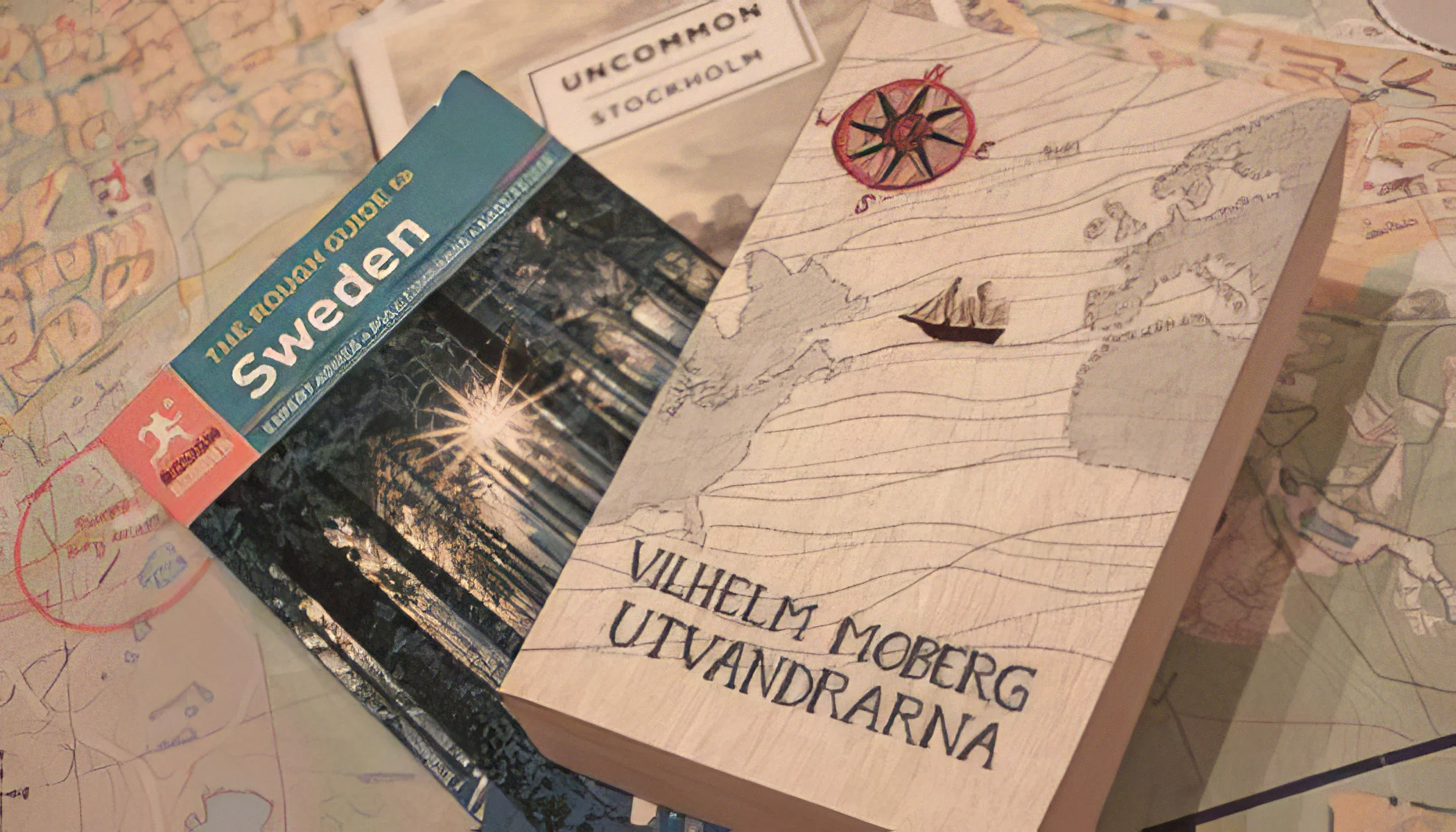
These books provide a glimpse into Swedish culture, history, and society, offering readers a chance to experience Sweden through literature.
– "The Girl with the Dragon Tattoo" by Stieg Larsson: A thrilling mystery set in contemporary Sweden.
– "Pippi Longstocking" by Astrid Lindgren: Classic children's book featuring a strong, independent girl.
– "A Man Called Ove" by Fredrik Backman: A heartwarming tale of an old man's life in Sweden.
– "Let the Right One In" by John Ajvide Lindqvist: A horror novel set in 1980s suburban Stockholm.
– "The Emigrants" by Vilhelm Moberg: Historical novel about a Swedish family's migration to America in the 19th century.
Songs
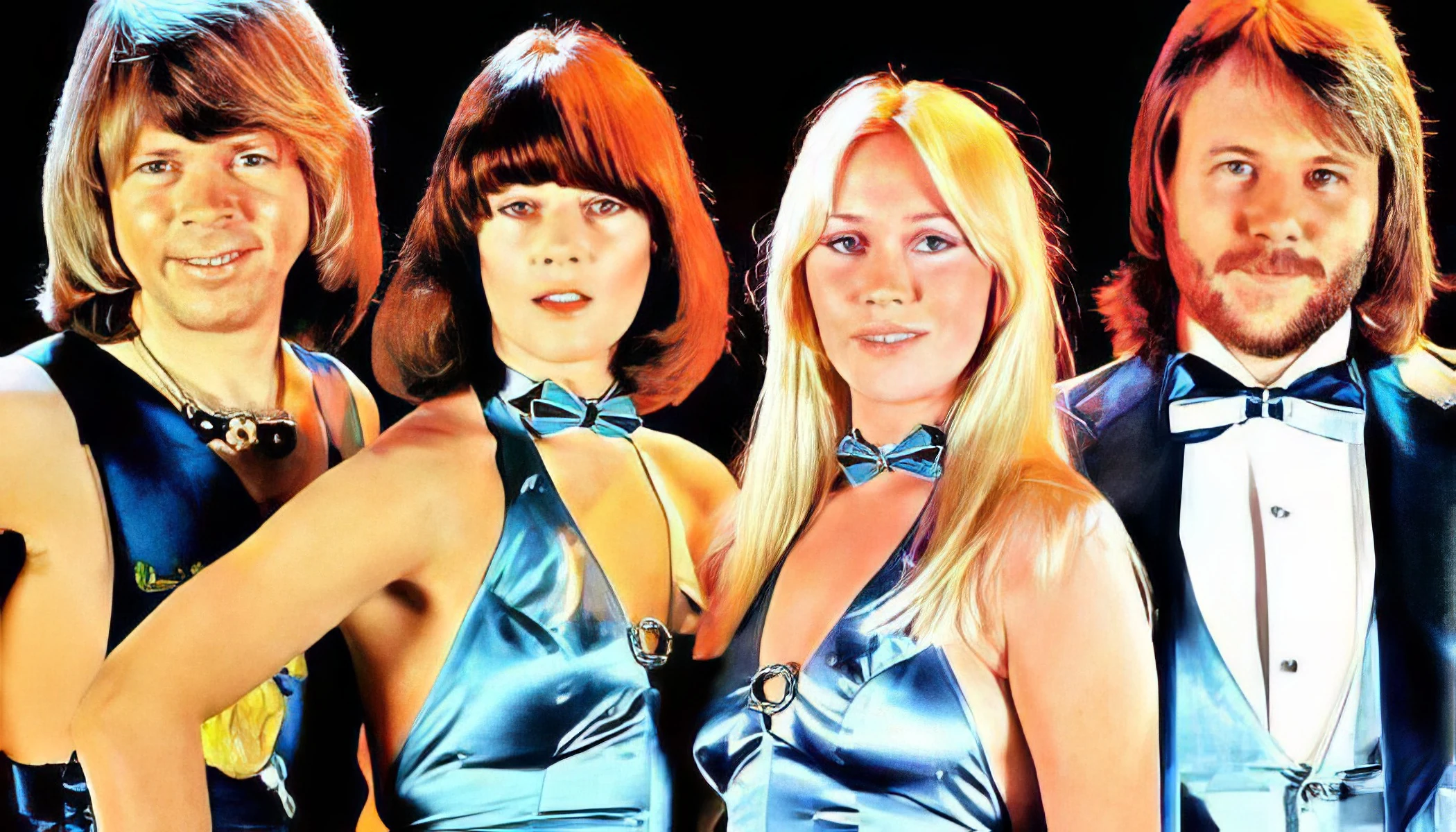
Sweden has a rich musical heritage, with globally recognized artists and songs that have left a significant mark on the international music scene.
– Dancing Queen: ABBA's global hit, often associated with Sweden.
– The Look: Roxette's international breakthrough song.
– Take a Chance on Me: Another worldwide hit from ABBA.
– It Must Have Been Love: Roxette's powerful ballad, known globally.
– Levels: Avicii's song that revolutionized electronic dance music.
– Show Me Love: Robyn's hit that defined her pop career.
Films
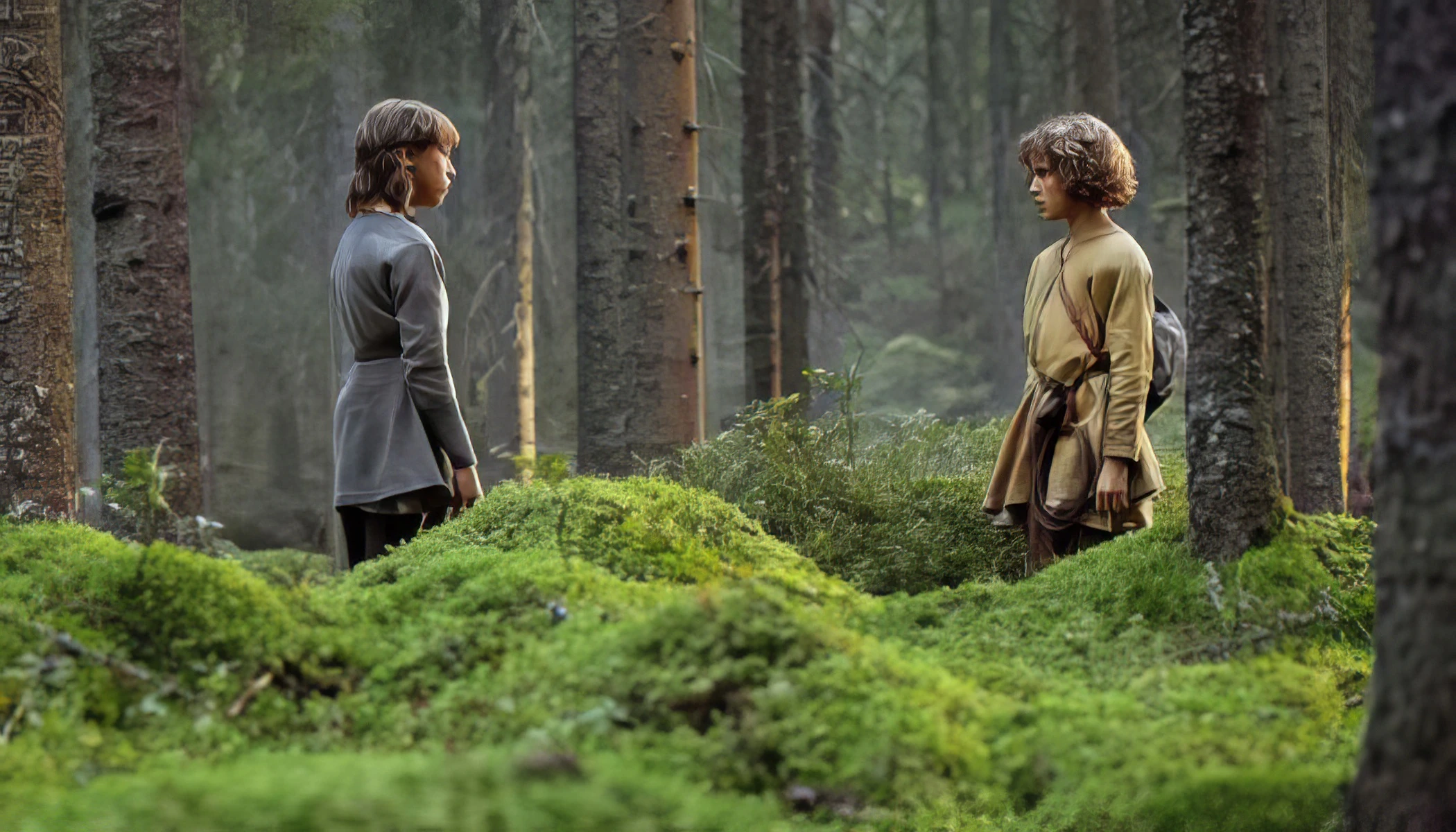
Here are some of the most renowned films that beautifully depict Swedish culture and society:
– "The Seventh Seal": Directed by Ingmar Bergman, a medieval knight confronts the personification of death.
– "Fanny and Alexander": Another Bergman classic, a richly textured family saga set in early 20th-century Sweden.
– "Let the Right One In": Tomas Alfredson's film is a unique blend of horror and coming-of-age drama.
– "A Man Called Ove": Hannes Holm's film about a grumpy old man who forms an unlikely friendship.
– "The Girl with the Dragon Tattoo": Niels Arden Oplev's thriller based on Stieg Larsson's best-selling novel.