

Explore Switzerland: Culture, Cities & Places to Visit
This landlocked European country is known for its mountains, lakes, and cities. It's famous for precision watches, chocolate, and neutrality. Home to numerous international organizations, it offers a high standard of living and a multilingual population.
- Capital
- The capital of Switzerland is Bern.
- Population
- 7.6 millions
- Superficy
- 42000 sq.km
- Months to Visit
- June to Sept.
- Living Cost
- Expensive
Overview
Switzerland is a small, landlocked country situated in the heart of Europe. It is known for its mountainous terrain, with the Alps covering about 60% of the total land. The country has four official languages: German, French, Italian, and Romansh, reflecting its cultural diversity. Switzerland is globally recognized for its high standard of living, neutrality, and efficient banking system. It is also famous for its precision industries, like watchmaking, and its high-quality dairy products, particularly cheese and chocolate. With its well-preserved natural landscapes and urban sophistication, Switzerland offers a unique travel experience.
Pros & Cons
GOOD REASONS TO VISIT SWITZERLAND
– Scenic Landscapes: Switzerland offers the Alps' snow-capped peaks, carefree lakes, and attractive green valleys.
– Outdoor Activities: Skiing, hiking, and mountain biking opportunities abound in both winter and summer.
– High Quality Chocolate and Cheese: Switzerland is famous for its delicious, high-quality chocolate and cheese.
– Efficient Public Transport: Trains, buses, and boats are punctual and well-connected, making travel easy.
– Safety: Switzerland is one of the world's safest countries, with low crime rates and high living standards.
CHALLENGES WHEN VISITING SWITZERLAND
– High Cost: Switzerland is one of the most expensive countries in the world, which can strain budgets.
– Language Barrier: With four official languages, communication can be challenging in some regions.
– Limited Nightlife: Except for big cities, nightlife is relatively quiet and may not appeal to party-goers.
Before Departure
Before planning your trip to Switzerland, there are several key points to consider:
– Passport: Ensure your passport is valid for at least three months beyond your planned date of departure.
– Visa: Depending on your nationality, you may need a Schengen visa. It's valid for 90 days within a 180-day period. Apply through the Swiss embassy or consulate in your country.
– Currency: The Swiss Franc (CHF) is the local currency. Credit cards are widely accepted and ATMs are readily available.
– Internet access: WiFi is widely available in hotels, cafes, and public places. Prepaid SIM cards for data are also available.
– Language barrier: Switzerland has four official languages: German, French, Italian, and Romansh. English is widely spoken, especially in tourist areas.
What to Pack
Packing for a trip to Switzerland requires consideration of the country's varied climate, outdoor activities, and formal dining experiences.
– Essentials: Passport and visa (if required), travel insurance details, flight tickets and itinerary, accommodation reservations.
– Clothing: Warm clothing and waterproof outerwear for winter months, comfortable walking shoes, formal attire for upscale restaurants, swimwear for hotel pools or lakes.
– Health & Safety: Prescription medications and a basic first aid kit, sunscreen with high SPF, personal hygiene items.
– Electronics: Travel adapter for Swiss outlets, mobile phone, camera, portable charger.
Weather
Switzerland's weather varies greatly between seasons and geographical locations:
– Winter (December to February): Cold with heavy snowfall in the mountains, milder and wetter in the lowlands.
– Spring (March to May): Temperatures start to rise, with more sunshine and less precipitation, snow melts in lower altitudes.
– Summer (June to August): Warm and sunny, with occasional rain showers, cooler in the mountains.
– Autumn (September to November): Cooler temperatures, with beautiful fall foliage, less tourists. The best time to visit Switzerland depends on the activities planned:
– For skiing and winter sports, December to March is ideal, but expect higher prices and crowded resorts.
– For hiking and sightseeing, June to September offers pleasant weather and remarkable landscapes, but it's also the peak tourist season.
– For a quieter and cheaper visit, consider the shoulder seasons of April-May and October-November.
Travel Budget
Switzerland is known for its high cost of living. Here are some average prices for tourists:
– Hotel: 150$ to 300$
– Lunch: 20$ to 40$
– Beverage (in bar/restaurant): 5$ to 10$
– Coffee: 4$ to 7$
– Transportation: (train 50$ to 100$), (bus 10$ to 20$), (taxi /10km 30$ to 50$)
– Mobile data (per GB): 10$ to 20$
Language
Switzerland has four official languages: German, French, Italian, and Romansh. Here are some useful phrases in each language: In German:
– Hello: Hallo
– Thank you: Danke
– Please: Bitte
– How much is this?: Wie viel kostet das?
– Excuse me: Entschuldigung
– I don't understand: Ich verstehe nicht
– Yes: Ja
– No: Nein
– Goodbye: Auf Wiedersehen In French:
– Hello: Bonjour
– Thank you: Merci
– Please: S'il vous plaît
– How much is this?: Combien ça coûte?
– Excuse me: Excusez-moi
– I don't understand: Je ne comprends pas
– Yes: Oui
– No: Non
– Goodbye: Au revoir In Italian:
– Hello: Ciao
– Thank you: Grazie
– Please: Per favore
– How much is this?: Quanto costa?
– Excuse me: Scusa
– I don't understand: Non capisco
– Yes: Sì
– No: No
– Goodbye: Arrivederci In Romansh (less commonly spoken):
– Hello: Allegra
– Thank you: Grazia
– Please: Per plaschair
– How much is this?: Co cost quel?
– Excuse me: Excusa
– I don't understand: Eu na capesch betg
– Yes: Gea
– No: Na
– Goodbye: A revair
History
Switzerland's history begins with the formation of the Old Swiss Confederacy in 1291, a defensive alliance among three cantons. Over the centuries, the Confederacy expanded, gaining independence from the Holy Roman Empire in 1499. The French Revolutionary Wars in the late 18th century led to the invasion and transformation of Switzerland into the Helvetic Republic. The Congress of Vienna in 1815 recognized Switzerland's neutrality, a status it has maintained since. The modern Swiss Confederation, a federal state, was established in 1848. Today, Switzerland is known for its political stability, high standard of living, and as a hub for finance and international diplomacy.
Geopolitics
Switzerland is a landlocked country in Central Europe, bordered by Germany, France, Italy, Austria, and Liechtenstein. It is known for its policy of armed neutrality, meaning it maintains a strong defense force but does not participate in armed conflicts. Switzerland is not a member of the European Union (EU) but has numerous bilateral agreements with the EU and is part of the Schengen Area. It hosts many international organizations, including the Red Cross and multiple United Nations agencies, contributing to its reputation as a global diplomatic hub. Economically, Switzerland is highly developed, with a focus on sectors like finance, high-technology, and specialized micro-technology. Its geopolitical position is largely shaped by its neutrality policy, economic strength, and role as a center for international diplomacy.
Sample Itinerary
This itinerary offers a blend of city exploration in Zurich, scenic beauty in Lucerne, mountain adventures in Interlaken, and cultural immersion in Geneva.
– 2 days in Zurich: Visit the Old Town, Lake Zurich, and Bahnhofstrasse for shopping. Explore Swiss National Museum and Kunsthaus Zurich for art and history.
– 2 days in Lucerne: Enjoy Lake Lucerne, Chapel Bridge, and Lion Monument. Take a day trip to Mount Pilatus or Rigi for panoramic views.
– 2 days in Interlaken: Experience adventure sports like paragliding, skydiving, or skiing. Take a day trip to Jungfraujoch, the "Top of Europe".
– 2 days in Geneva: Explore the Old Town, Jet d'Eau, and United Nations Office. Visit the Red Cross Museum and enjoy a boat ride on Lake Geneva.
Popular cities
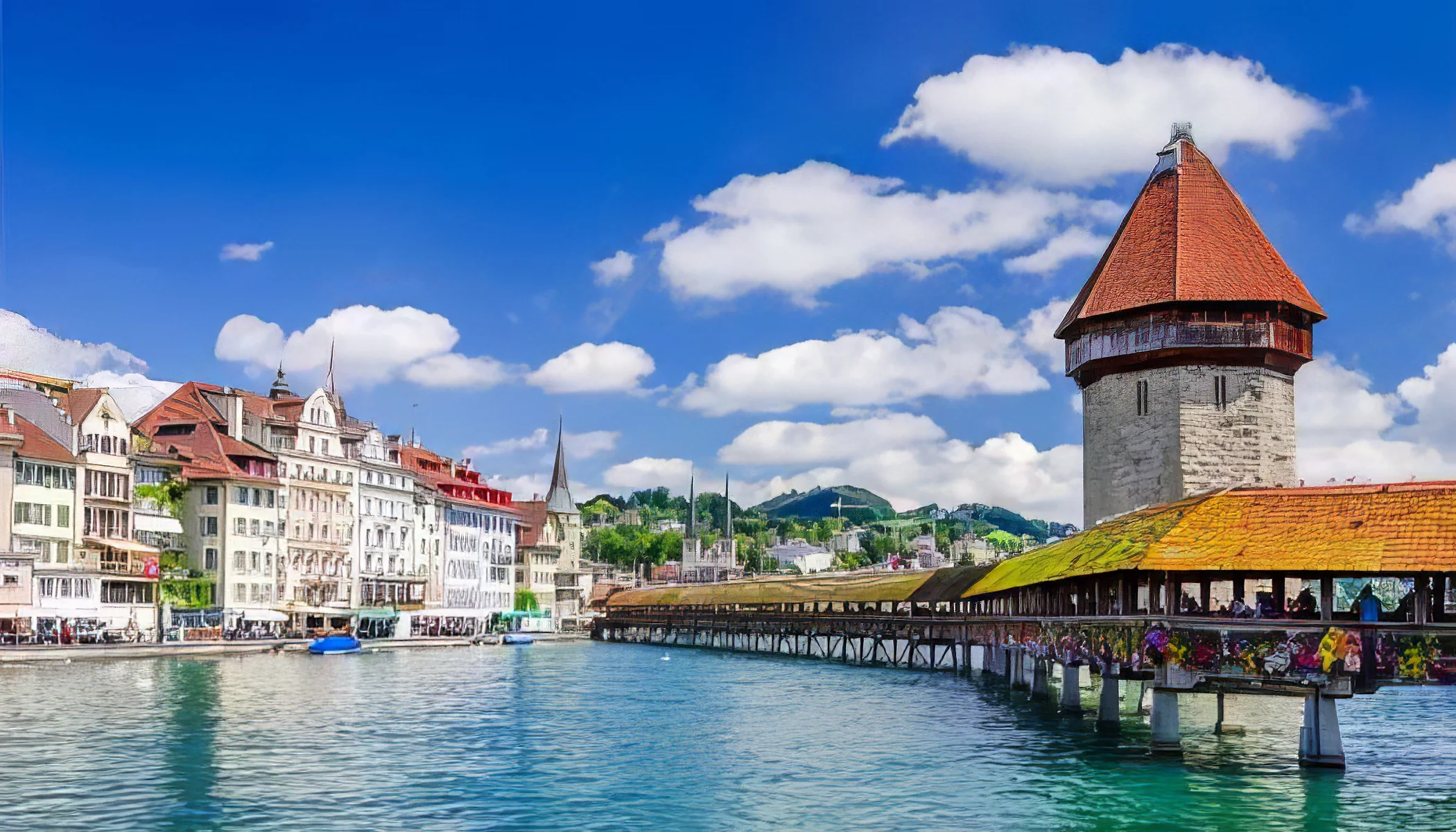
Switzerland offers a mix of lovely landscapes and vibrant cities:
– Zurich: The largest city, known for its well-preserved old town and pleasant cultural scene.
– Geneva: Home to the Red Cross and numerous UN agencies, it's a city with a rich diplomatic history.
– Lucerne: Known for its preserved medieval architecture and beautiful lake surrounded by snow-capped mountains.
– Bern: The capital city, offering a medieval city center, museums, and a bear park.
– Lausanne: A city on Lake Geneva, known for its Olympic museum and beautiful old town.
– Basel: Known for its attractive cultural scene, particularly in art and theatre.
– Interlaken: A popular destination for outdoor sports with fascinating views of the Swiss Alps.
Monuments
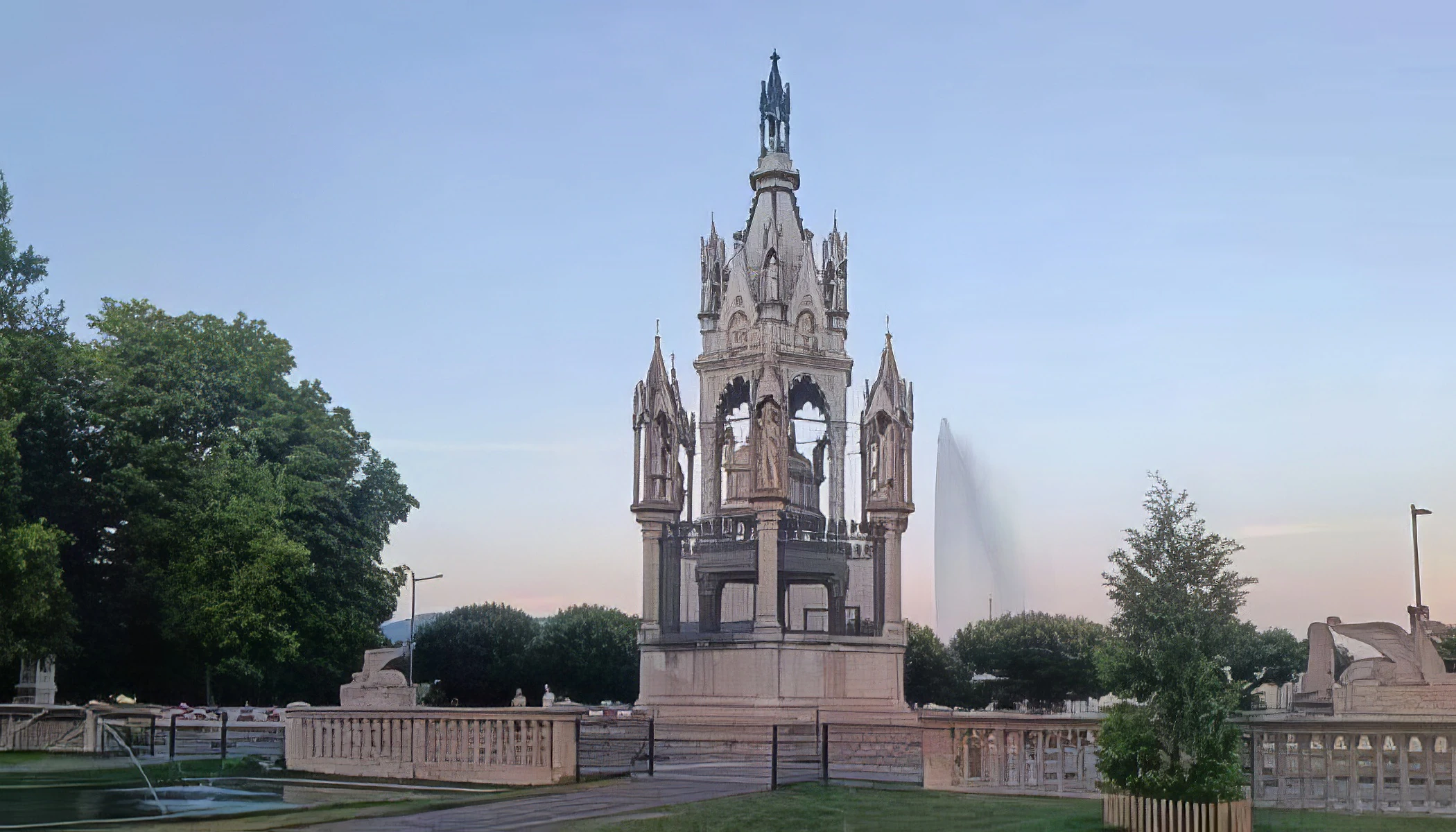
Switzerland is home to numerous historical monuments and architectural marvels:
– Chateau de Chillon, Montreux: A historic island castle located on Lake Geneva.
– Grossmunster, Zurich: A Romanesque-style Protestant church with twin towers.
– Chapel Bridge, Lucerne: A covered wooden footbridge with a tower, dating back to the 14th century.
– Zytglogge, Bern: A medieval clock tower with an astronomical clock.
– Abbey of Saint Gall, St. Gallen: A UNESCO site, one of Europe's oldest libraries.
– Munot, Schaffhausen: A circular 16th-century fortress with panoramic views.
– Rietberg Museum, Zurich: A museum with non-European art in a historic villa.
– Augusta Raurica, Augst: An archaeological site with the best-preserved ancient Roman theater north of the Alps.
Natural wonder
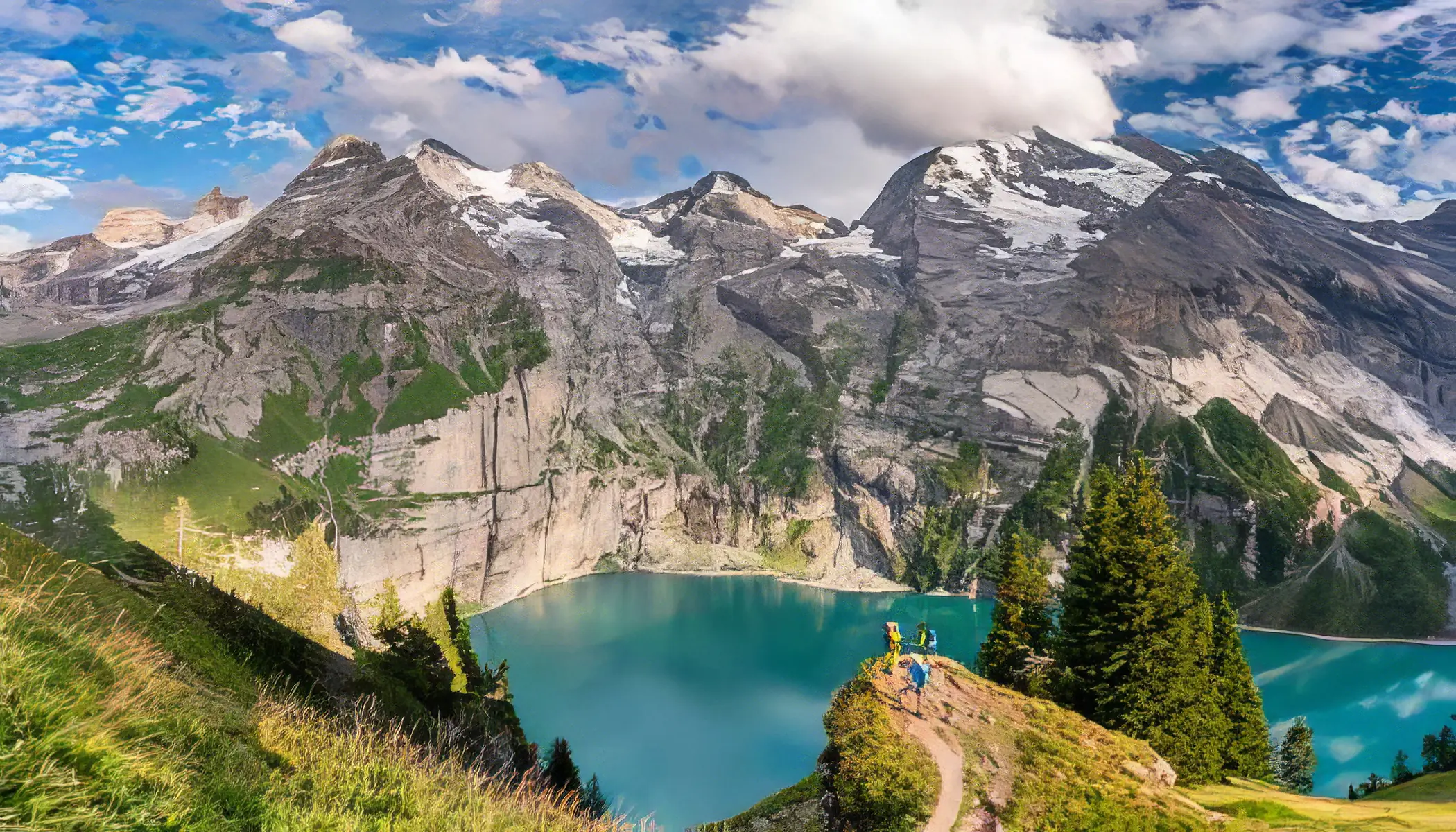
Discover the handsome natural wonders of Switzerland:
– Matterhorn: Iconic, pyramid-shaped peak in the Alps, popular for climbing and skiing.
– Lake Geneva: One of the largest lakes in Western Europe, shared with France.
– Rhine Falls: Europe's largest waterfall, offering boat trips and viewing platforms.
– Aletsch Glacier: The largest glacier in the Alps, a UNESCO World Heritage site.
– Lake Lucerne: Known for its distinctive shape and mountainous scenery.
– Lauterbrunnen Valley: Features 72 waterfalls, alpine meadows and charming villages.
– Lake Zurich: Long, narrow lake that extends southeast of the city of Zurich.
– Lake Thun: Alpine lake with medieval towns and castles along its shores.
– Creux du Van: Natural rock arena of immense proportions, located in the Jura mountains.
– Trummelbach Falls: Series of ten glacier-fed waterfalls inside the mountain in Lauterbrunnen valley.
Beaches
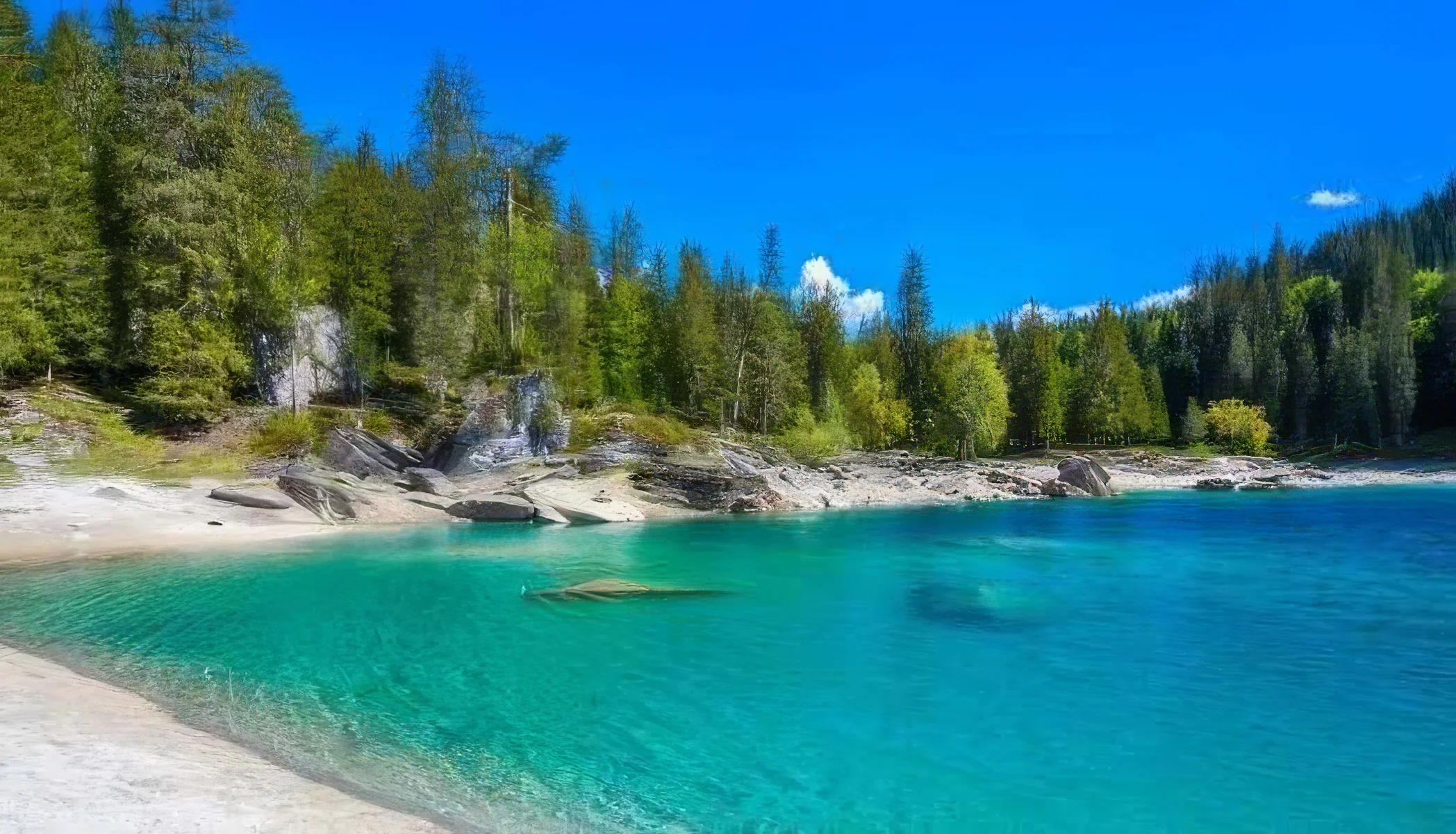
Switzerland is a landlocked country, it does not have any seaside beaches.
Outdoor activities
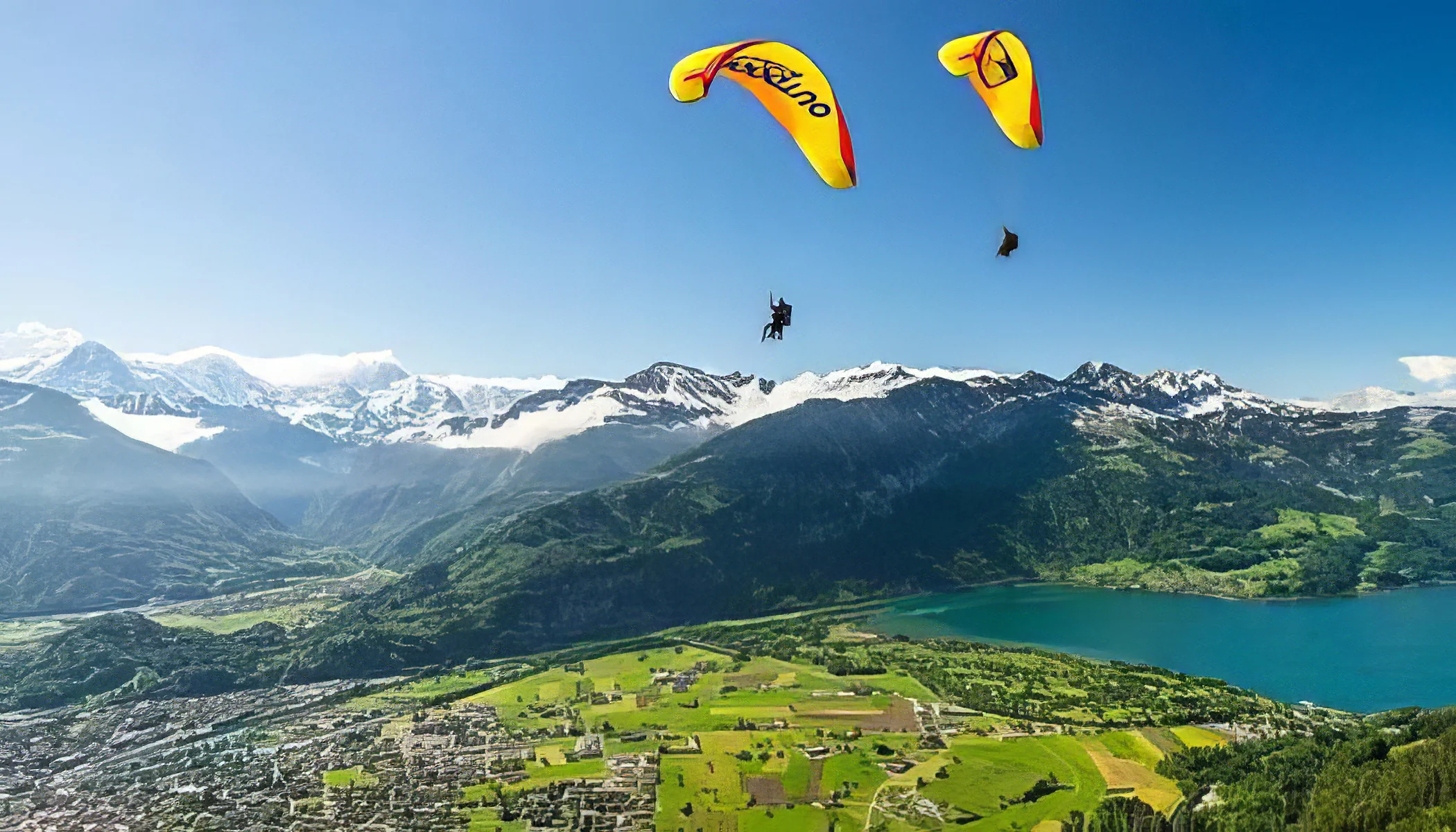
Switzerland offers a variety of outdoor experiences, from mountain adventures to harmonious lake views:
– Hiking in the Swiss Alps: Traverse the scenic mountain trails and enjoy panoramic views.
– Skiing in Zermatt: Experience world-class slopes with a view of the Matterhorn.
– Cycling around Lake Geneva: Enjoy a leisurely ride with remarkable lake and mountain views.
– Paragliding in Interlaken: Soar above the Swiss landscape for a thrilling aerial view.
– Boat Trip on Lake Lucerne: Take in the charming surroundings from the water.
– Visit Rhine Falls: Marvel at Europe's largest waterfall, located near Schaffhausen.
– Wildlife Watching in Swiss National Park: Observe a variety of animals in their natural habitat.
Kid Friendly
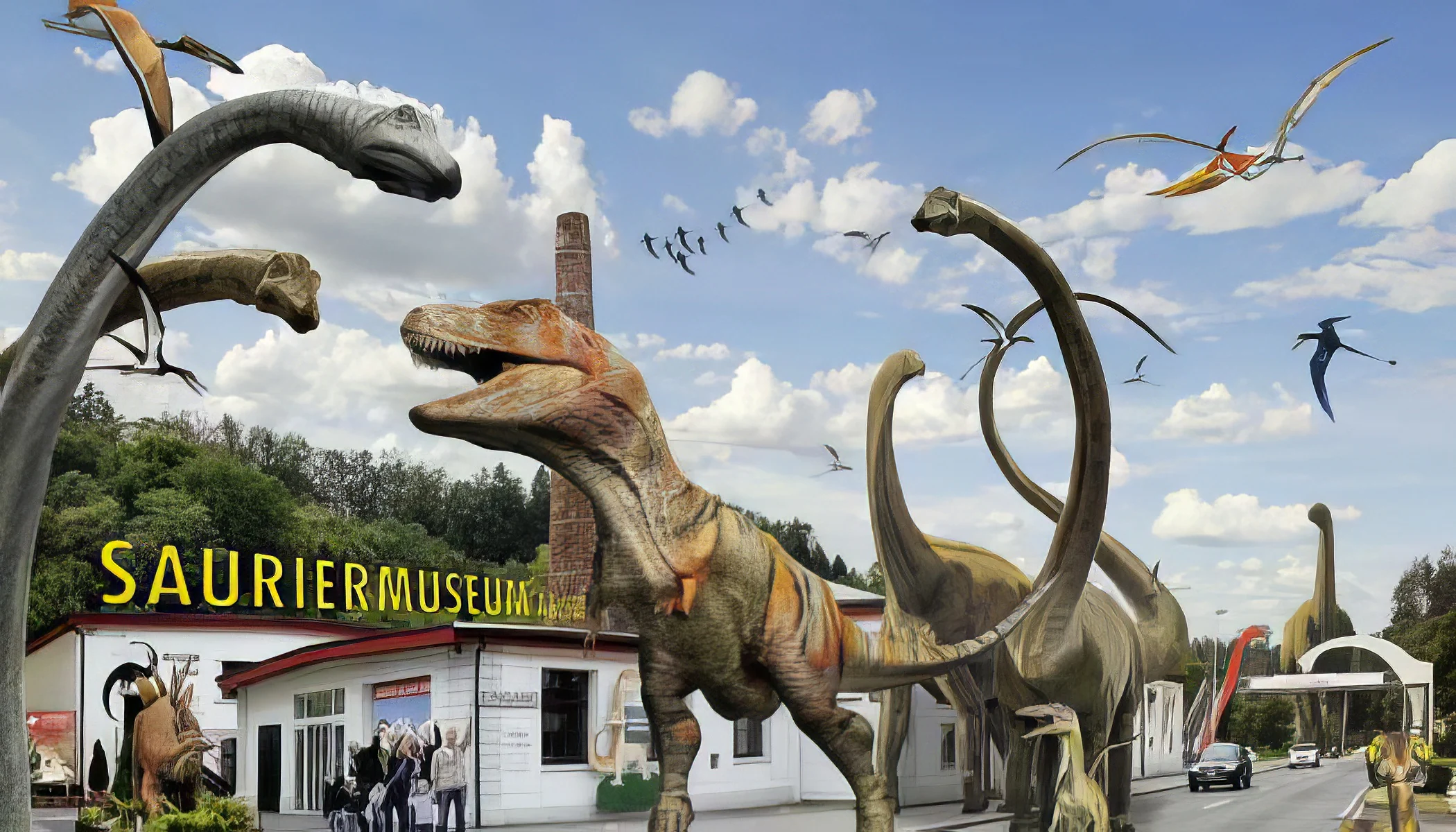
Switzerland offers a variety of activities that are perfect for families with children:
– Swiss Museum of Transport: An interactive museum in Lucerne showcasing various modes of transport.
– Zurich Zoo: A well-maintained zoo with a variety of animals and a rainforest hall.
– Swiss Chocolate Adventure: A fun and educational ride in Lucerne that explains the production of chocolate.
– Lake Geneva: A beautiful lake with opportunities for boat rides and picnics.
– Swiss Science Center Technorama: A hands-on science center in Winterthur with hundreds of experiments for kids.
– Aletsch Glacier: A UNESCO World Heritage site with hiking trails suitable for families.
– Trummelbach Falls: A series of impressive waterfalls inside a mountain in the Lauterbrunnen Valley.
– Chillon Castle: A historic castle on the shores of Lake Geneva that will fascinate kids.
Cuisine
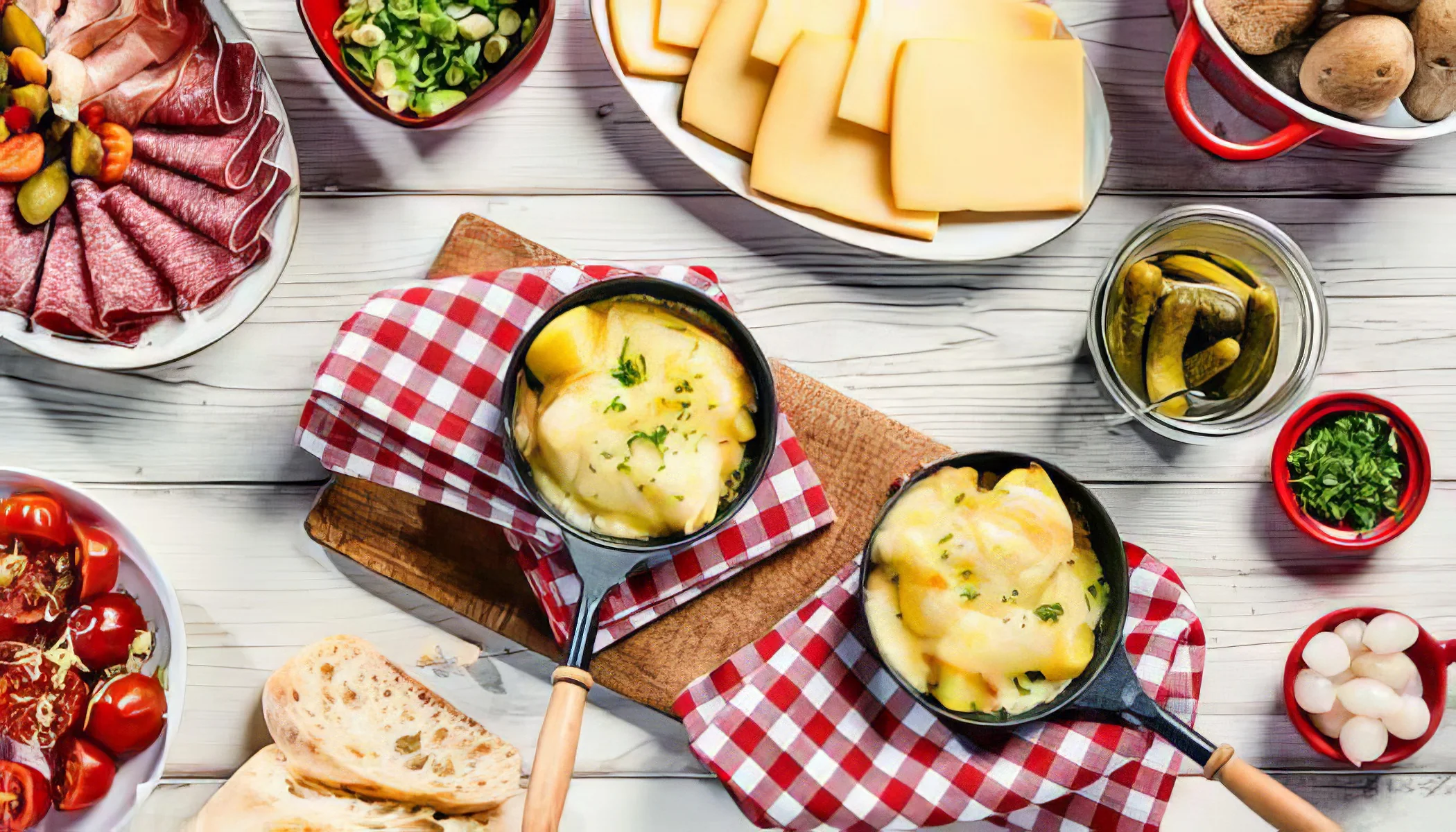
Swiss cuisine is a rich blend of hearty and comforting dishes, heavily influenced by its neighboring countries. It's known for its dairy products and high-quality chocolates. The food is simple, yet satisfying and diverse across regions. Most famous Swiss dishes and desserts are:
– Fondue: Melted cheese served in a communal pot, eaten by dipping bread into the cheese.
– Raclette: Melted cheese scraped onto potatoes, pickles, and onions.
– Rosti: Shredded, fried potato dish, often served as a side.
– Zurcher Geschnetzeltes: Creamy, sliced veal dish typically served with rosti.
– Swiss Chocolate: Known worldwide for its high quality and smooth texture.
– Swiss Pastries: Includes a variety of breads and pastries, such as Zopf and Nusstorte.
Souvenir
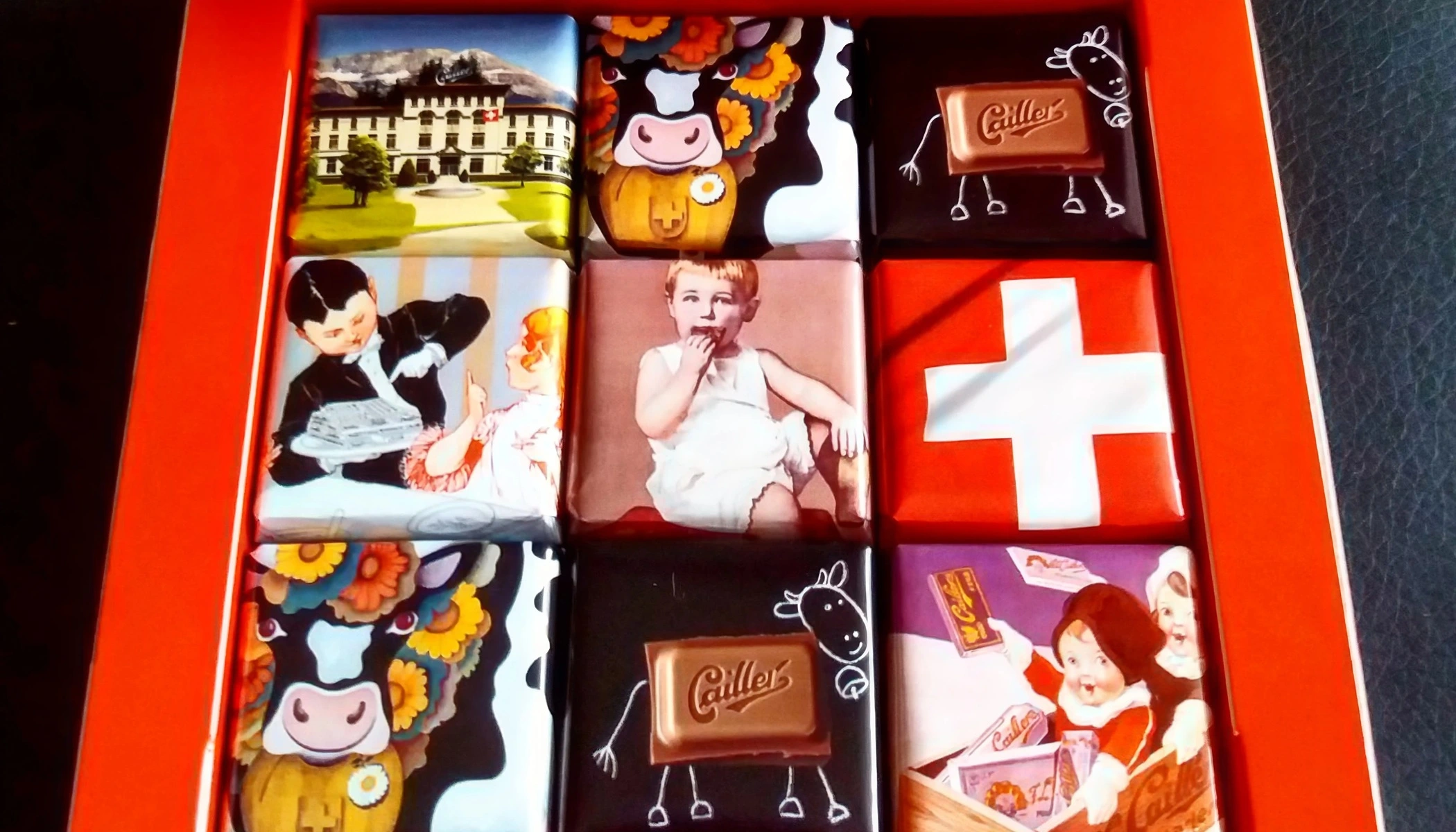
Switzerland is famous for its high-quality goods and traditional crafts. Here are some souvenirs you might want to consider:
– Swiss Chocolate: Switzerland is world-renowned for its delicious and high-quality chocolate.
– Swiss Watches: Swiss watches are known for their precision and craftsmanship.
– Swiss Army Knife: This versatile tool is a classic Swiss souvenir.
– Swiss Cheese: Switzerland is famous for its variety of cheeses, which make for a tasty souvenir.
– Cowbells: Traditional Swiss cowbells are a unique and fun souvenir.
– Swiss Music Boxes: These refined boxes play traditional Swiss melodies and are a charming keepsake.
– Fondue Set: Fondue is a classic Swiss dish, and a fondue set is a great way to bring a piece of Switzerland home.
Traditional Shows
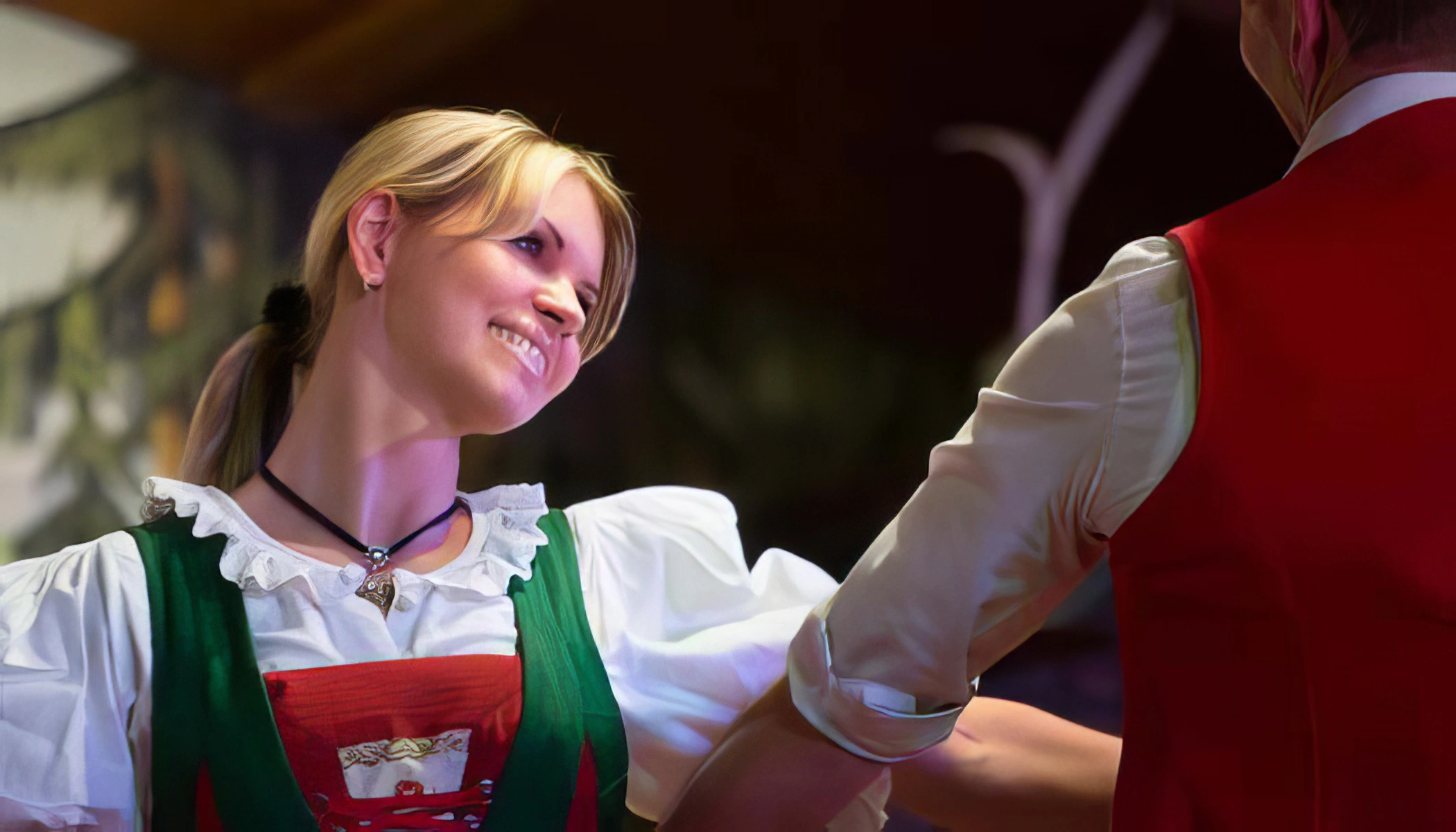
Switzerland is home to a variety of traditional performances:
– Fête de l'Escalade: Witness Geneva's historical reenactment, featuring period costumes, music, and parades, commemorating the city's victory over the Duke of Savoy.
– Fasnacht Carnival: Experience Basel's three-day carnival, filled with attractive parades, traditional music, and elaborate costumes, showcasing Swiss folklore.
– Yodeling Festival: Attend this traditional Swiss music festival, held every three years, where yodelers from across the country gather to perform.
– Cowbell Ringing: In Appenzell, watch performances of traditional Swiss cowbell ringing, a unique musical tradition tied to the country's rural past.
– Alphorn Concerts: In the Swiss Alps, listen to the haunting melodies of the alphorn, a traditional Swiss instrument, echoing across the mountains.
Events & Festivals
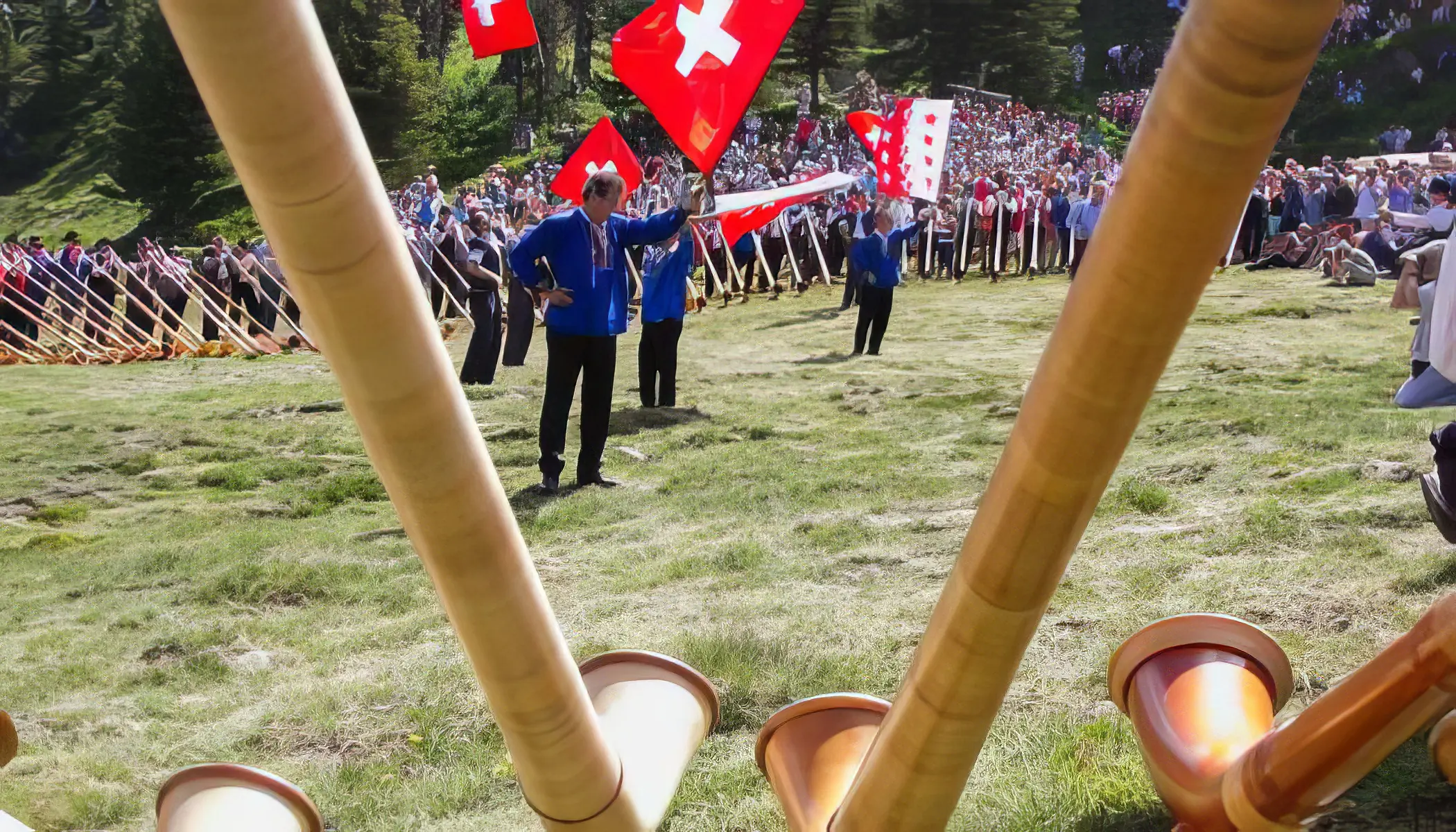
Switzerland is known for its diverse and lively events and festivals throughout the year:
– Fasnacht Spring Carnival: A three-day event in February/March in Basel, featuring parades and music.
– Sechseläuten: April festival in Zurich, marking the end of winter with a parade and the burning of the Böögg snowman.
– Cow Parades: May/June events in the Alps, celebrating the cows' return from the mountain pastures.
– Swiss National Day: Celebrated on August 1 with fireworks, bonfires, and parades across the country.
– Geneva Festival: August event with music, food, and a grand fireworks display over Lake Geneva.
– Lucerne Festival: Classical music festival held in August/September.
– Onion Market (Zibelemärit): Traditional November market in Bern, featuring onion-themed products and festivities.
Famous People
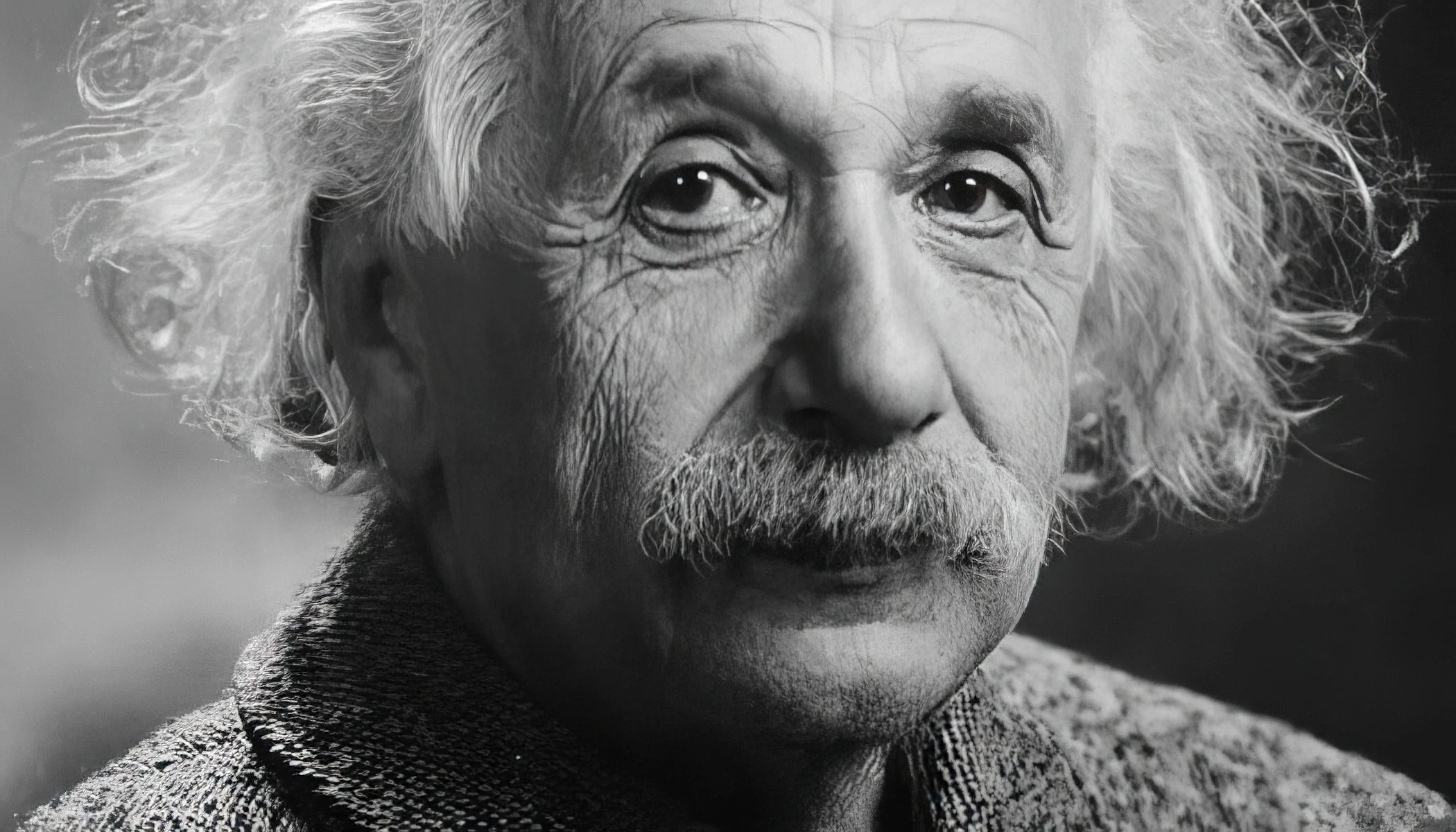
Switzerland has been home to many renowned figures in various fields, from science to arts and politics.
– Albert Einstein (1879 to 1955, Ulm, Germany): Physicist who developed the theory of relativity; lived in Bern, Switzerland.
– Jean-Jacques Rousseau (1712 to 1778, Geneva): Philosopher, writer, and composer whose work influenced the Enlightenment.
– Carl Jung (1875 to 1961, Kesswil): Psychiatrist and psychoanalyst who founded analytical psychology.
– Roger Federer (born 1981, Basel): Professional tennis player considered one of the greatest in the history of the sport.
– Le Corbusier (1887 to 1965, La Chaux-de-Fonds): Architect and urban planner, pioneer of modern architecture.
Books
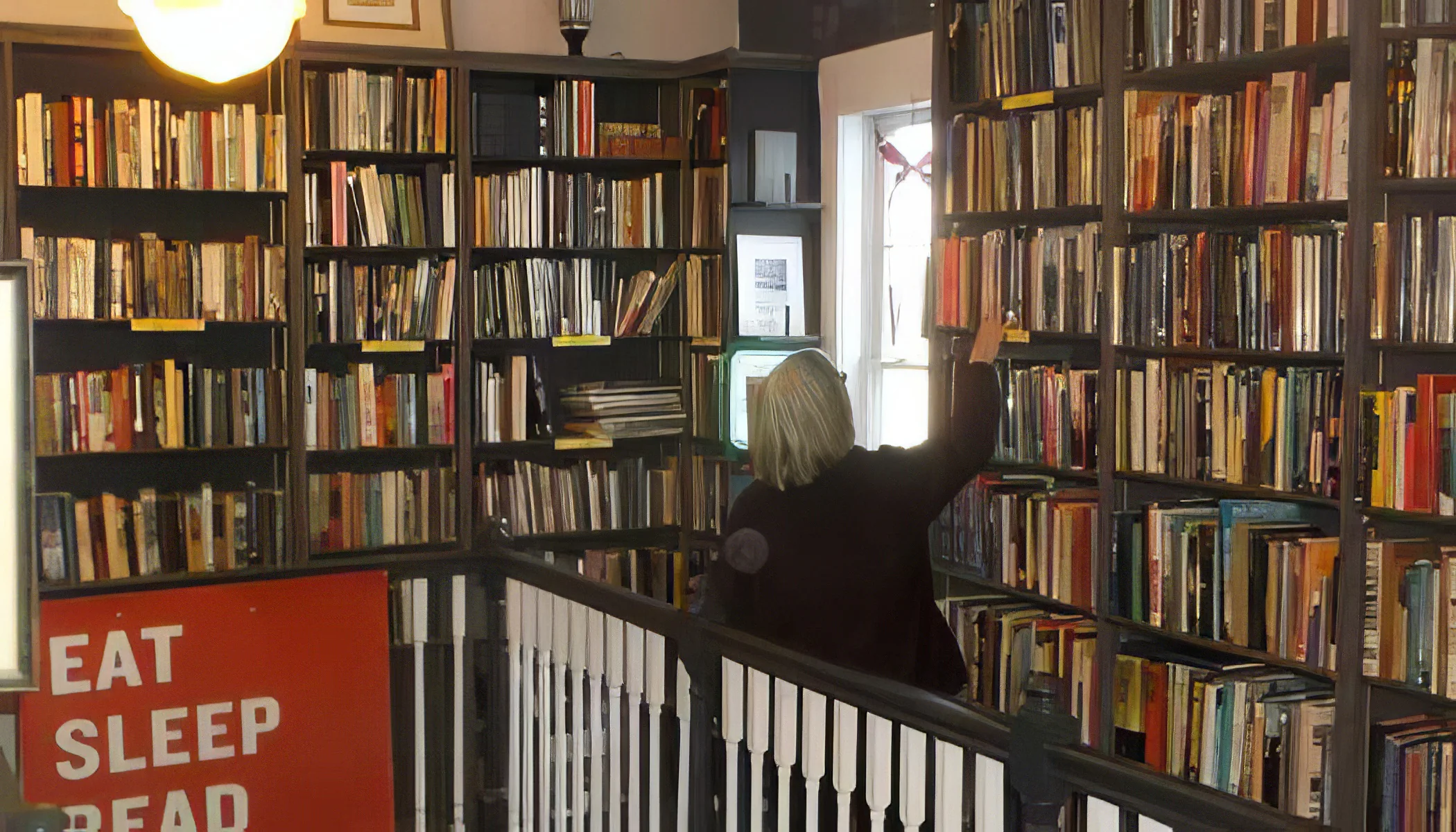
These books provide a glimpse into the rich culture, history, and lovely landscapes of Switzerland.
– "Heidi" by Johanna Spyri: A heartwarming tale of a young girl's life in the Swiss Alps.
– "Frankenstein" by Mary Shelley: A classic novel partly set in the Swiss Alps, exploring themes of creation and responsibility.
– "The Magic Mountain" by Thomas Mann: A complex novel set in a Swiss sanatorium before World War I.
– "A Farewell to Arms" by Ernest Hemingway: A love story set against the backdrop of World War I, partly in Switzerland.
– "The Other Side of Silence" by Philip Kerr: A thriller set in the Swiss Riviera during the Cold War.
Songs

Switzerland's music scene is diverse, with songs in various languages reflecting its multicultural identity.
– Alperose: A beloved Swiss-German song by Polo Hofer.
– Ella Elle L'a: International hit by Swiss singer France Gall.
– The Last Unicorn: Famous song by Swiss band Passenger.
– Mon Coeur Se Recommande À Vous: Classic Swiss-French song by Lys Assia.
– Heidi: Iconic theme song from the Swiss animated series.
– Seven: Popular song by Swiss artist Stefanie Heinzmann.
Films
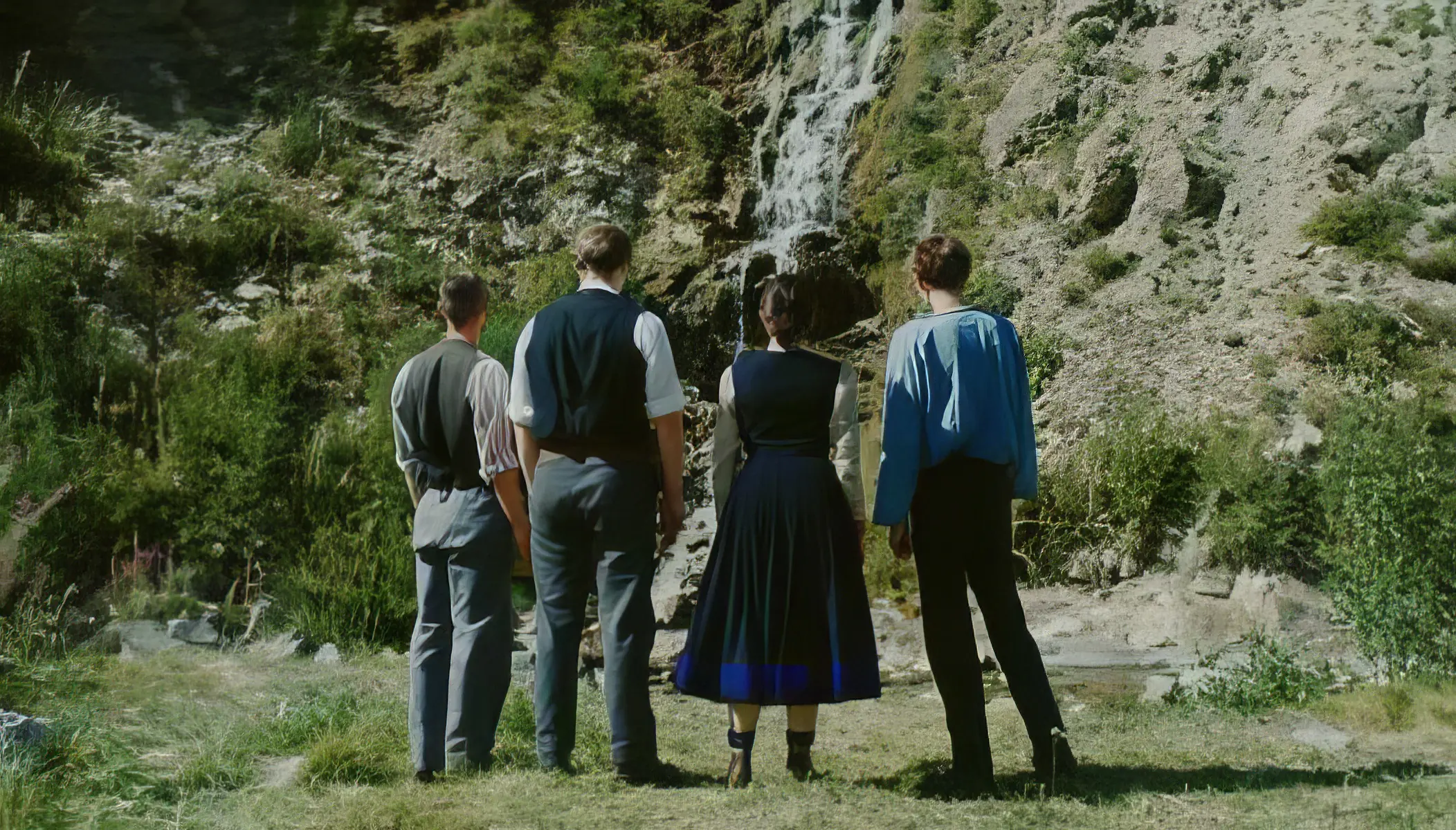
Switzerland's cinematic landscape is as diverse as its geography, here are some of the most famous films about Switzerland:
– "The Boat is Full": Directed by Markus Imhoof, a poignant WWII drama about refugees seeking asylum in Switzerland.
– "Heidi": Alain Gsponer's film is a heartwarming adaptation of the classic Swiss tale of a young girl in the Alps.
– "The Swissmakers": Rolf Lyssy's satirical comedy about the Swiss immigration process in the 1970s.
– "North Face": Philipp Stölzl's thrilling drama about two German climbers tackling the Eiger's North Face in 1936.
– "Clouds of Sils Maria": Olivier Assayas' film explores an actress's personal crisis amidst the nice Swiss Alps.