

Syria Attractions & Travel Advice – Plan Your Visit
Located in the Middle East, this country is known for its ancient history and cultural heritage. Despite recent conflicts, it holds significant archaeological sites like Palmyra and historic cities such as Damascus, offering a glimpse into its rich past.
- Capital
- Damascus
- Population
- 22.2 millions
- Superficy
- 186000 sq.km
- Months to Visit
- Apr. to May & Sept. to Oct.
- Living Cost
- Economical
Overview
Syria is located in the Middle East, bordered by countries including Turkey, Iraq, and Jordan. Its capital, Damascus, is one of the oldest continuously inhabited cities in the world, rich in historical significance. The country has diverse landscapes, from Mediterranean coastlines to desert regions. Syria has been significantly affected by a prolonged civil conflict since 2011, leading to humanitarian challenges and widespread displacement. Despite the ongoing conflict, Syria's ancient sites like Palmyra reflect its historical importance. The situation remains complex and evolving, impacting both its people and cultural heritage.
Pros & Cons
GOOD REASONS TO VISIT SYRIA
– Ancient History: Explore ruins of Palmyra, a UNESCO site, and the ancient city of Aleppo.
– Cultural Heritage: Discover rich traditions, crafts, and music reflecting Syria's diverse cultural tapestry.
– Architectural Wonders: Visit the Umayyad Mosque in Damascus, a masterpiece of Islamic architecture.
– Delicious Cuisine: Enjoy dishes like kibbeh, hummus, and baklava; Syrian food is flavorful and varied.
– Warm Hospitality: Syrians are known for their friendliness and welcoming nature towards visitors. CHALLENGES WHEN VISITING SYRIA
– Security Concerns: Ongoing conflict poses significant safety risks; travel advisories often recommend against visiting.
– Infrastructure Damage: War has severely impacted roads, buildings, and essential services in many areas.
– Limited Tourist Facilities: Due to conflict, tourist amenities like hotels and guides may be scarce or unreliable.
Before Departure
Traveling to Syria requires careful consideration due to the current security situation and travel advisories.
– Passport: Ensure your passport is valid for at least six months from your entry date.
– Visa: Obtain a visa before arrival; application through Syrian embassies or consulates; no visa on arrival available.
– Currency: Syrian Pound (SYP); limited credit card use; cash is essential; ATMs are scarce and unreliable.
– Internet access: Limited WiFi in major cities; consider purchasing a local SIM for data, but expect slow speeds.
– Language barrier: Arabic is the official language; English is not widely spoken outside major cities and tourist areas.
What to Pack
Traveling to Syria requires careful preparation due to the country's unique climate and current conditions.
– Essentials: Passport and visa, travel insurance, printed itinerary, accommodation confirmations, emergency contact information.
– Clothing: Modest clothing respecting local customs, comfortable walking shoes, headscarf for women (for visiting religious sites), lightweight layers for varying temperatures.
– Health & Safety: Prescription medications, basic first aid kit, insect repellent, sunscreen, personal hygiene products.
– Electronics: Travel adapter for Syrian outlets, mobile phone with international roaming or local SIM card.
Weather
Weather in Syria varies significantly between coastal and inland regions:
– Winter (December to February): Coastal areas are mild and wet, while inland regions are cold with occasional snow.
– Spring (March to May): Mild temperatures and blooming landscapes make it a pleasant time across the country.
– Summer (June to August): Coastal areas are hot and humid, while inland regions experience extreme heat and dryness.
– Autumn (September to November): Temperatures cool down, with less humidity on the coast and milder conditions inland. The best time to visit Syria is from March to May:
– Enjoyable weather with mild temperatures and blooming landscapes.
– Fewer tourists compared to peak summer months, offering a more authentic experience.
Travel Budget
Syria offers a low-cost travel experience for visitors. Here are some average prices for common expenses:
– Hotel: 10$ to 50$
– Lunch: 2$ to 10$
– Beverage (in bar/restaurant): 1$ to 3$
– Coffee: 0.5$ to 2$
– Transportation: (train not widely available), (bus 0.2$ to 1$), (taxi /10km 3$ to 6$)
– Mobile data (per GB): 1.5$ to 3.5$
Language
In Syria, Arabic is the official language, and here are some useful phrases for tourists:
– Hello: Marhaba (مرحبا)
– Thank you: Shukran (شكراً)
– Please: Min fadlak (من فضلك) [to a male] / Min fadlik (من فضلك) [to a female]
– How much is this?: Kam thaman hadha? (كم ثمن هذا؟)
– Excuse me: Afwan (عفواً)
– I don't understand: La afham (لا أفهم)
– Yes: Na'am (نعم)
– No: La (لا)
– Goodbye: Ma'a as-salama (مع السلامة)
History
The region has a long history as part of ancient civilizations, including the Sumerians, Akkadians, and later the Arameans. After being incorporated into various empires such as the Roman and Byzantine Empires, it became a vital part of the Islamic Caliphates. In the early 20th century, it fell under French mandate following World War I. Gaining independence in 1946, it experienced political instability with numerous coups. The Ba'ath Party seized power in 1963, leading to Hafez al-Assad's long rule from 1970 until his death in 2000, followed by his son Bashar al-Assad. The country has been embroiled in a devastating civil war since 2011, which arose from anti-government protests during the Arab Spring. This conflict has caused massive displacement and humanitarian crises while involving various international powers.
Geopolitics
Located in the Middle East, Syria shares borders with Turkey, Iraq, Jordan, Israel, and Lebanon. It has been embroiled in a prolonged civil war since 2011, which has drawn in various regional and international actors. Major powers involved include Russia and Iran supporting the Syrian government, while the U.S. and other Western countries have supported different opposition groups. The conflict has led to significant shifts in territorial control and has resulted in humanitarian crises and mass displacements. Syria's geopolitical significance is partly due to its strategic location and its role in regional power dynamics. Additionally, the ongoing conflict has implications for regional stability and international relations concerning counter-terrorism efforts.
Sample Itinerary
This itinerary covers Syria's rich history and cultural heritage, focusing on ancient cities and iconic landmarks.
– 2 days in Damascus: Explore the Umayyad Mosque, Azem Palace, and Old City. Wander through Souq al-Hamidiyyeh and visit the National Museum of Damascus.
– 1 day in Aleppo: Visit the Citadel of Aleppo, historic souks, and the Great Mosque. Discover local cuisine and traditional crafts.
– 1 day in Palmyra: Tour the ancient ruins of Palmyra, including the Temple of Bel, Roman theater, and monumental archways.
– 1 day in Homs: See the Khalid ibn al-Walid Mosque and explore neighborhood markets. Visit Krak des Chevaliers, a well-preserved Crusader castle nearby.
– 1 day in Hama: Observe the ancient water wheels (norias) along the Orontes River. Stroll through Al-Assi Square and local parks.
– 1 day in Latakia: Relax on Mediterranean beaches. Visit Ugarit archaeological site to learn about early alphabets.
Popular cities
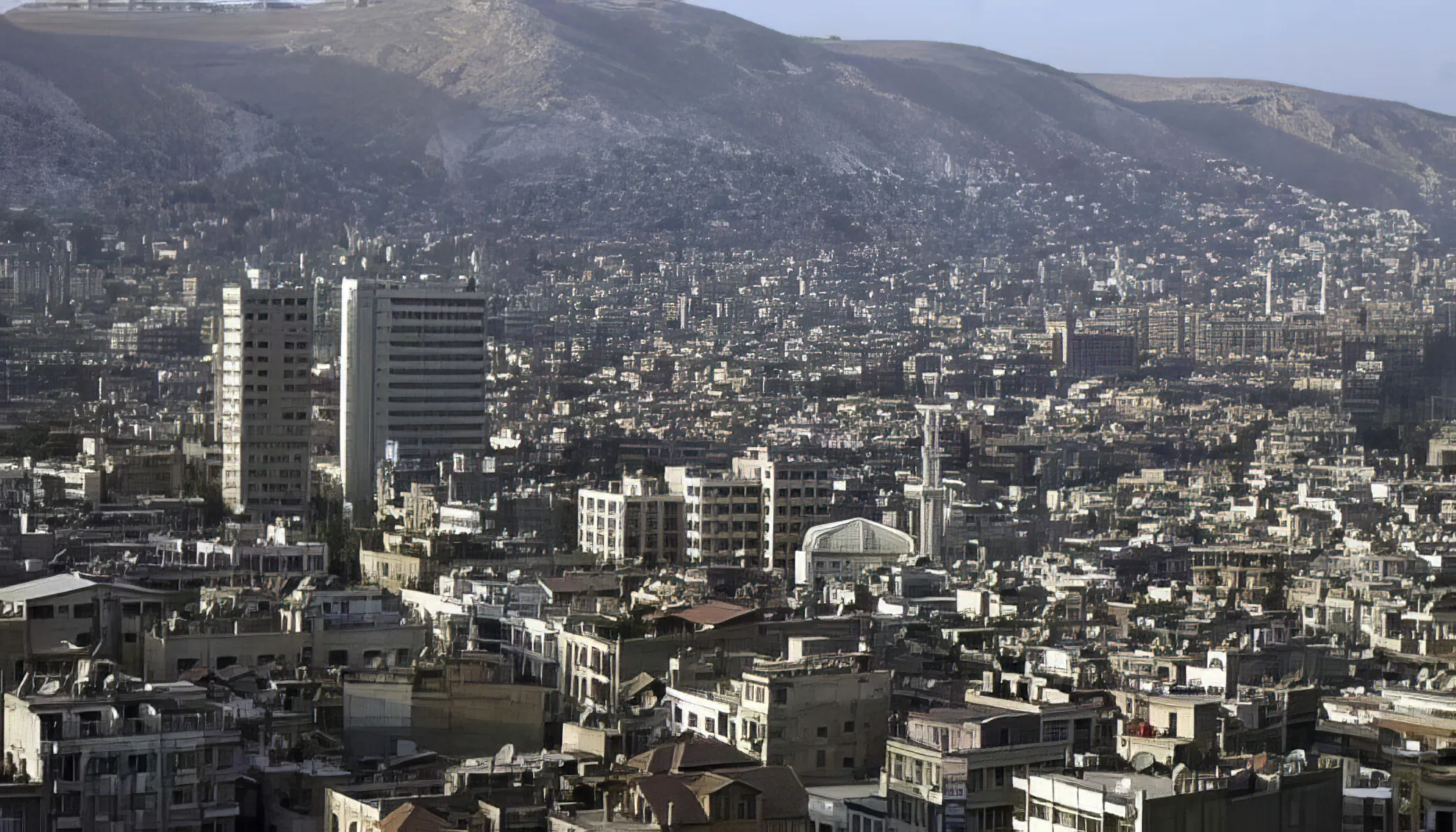
Discover Syria's rich history and culture through its ancient cities:
– Damascus: One of the oldest continuously inhabited cities, known for its historic sites and nice bazaars.
– Aleppo: Supplies a blend of ancient architecture and the famous Citadel, despite recent conflicts.
– Palmyra: Renowned for its ancient ruins and historical significance, but has suffered damage in recent years.
– Hama: Known for its ancient water wheels and picturesque location along the Orontes River.
– Latakia: A coastal city offering beaches, Roman ruins, and a relaxed atmosphere.
– Tartus: Features a mix of Crusader castles, Mediterranean views, and archaeological sites.
– Homs: Historically significant with its mosques and churches, though affected by conflict.
Monuments
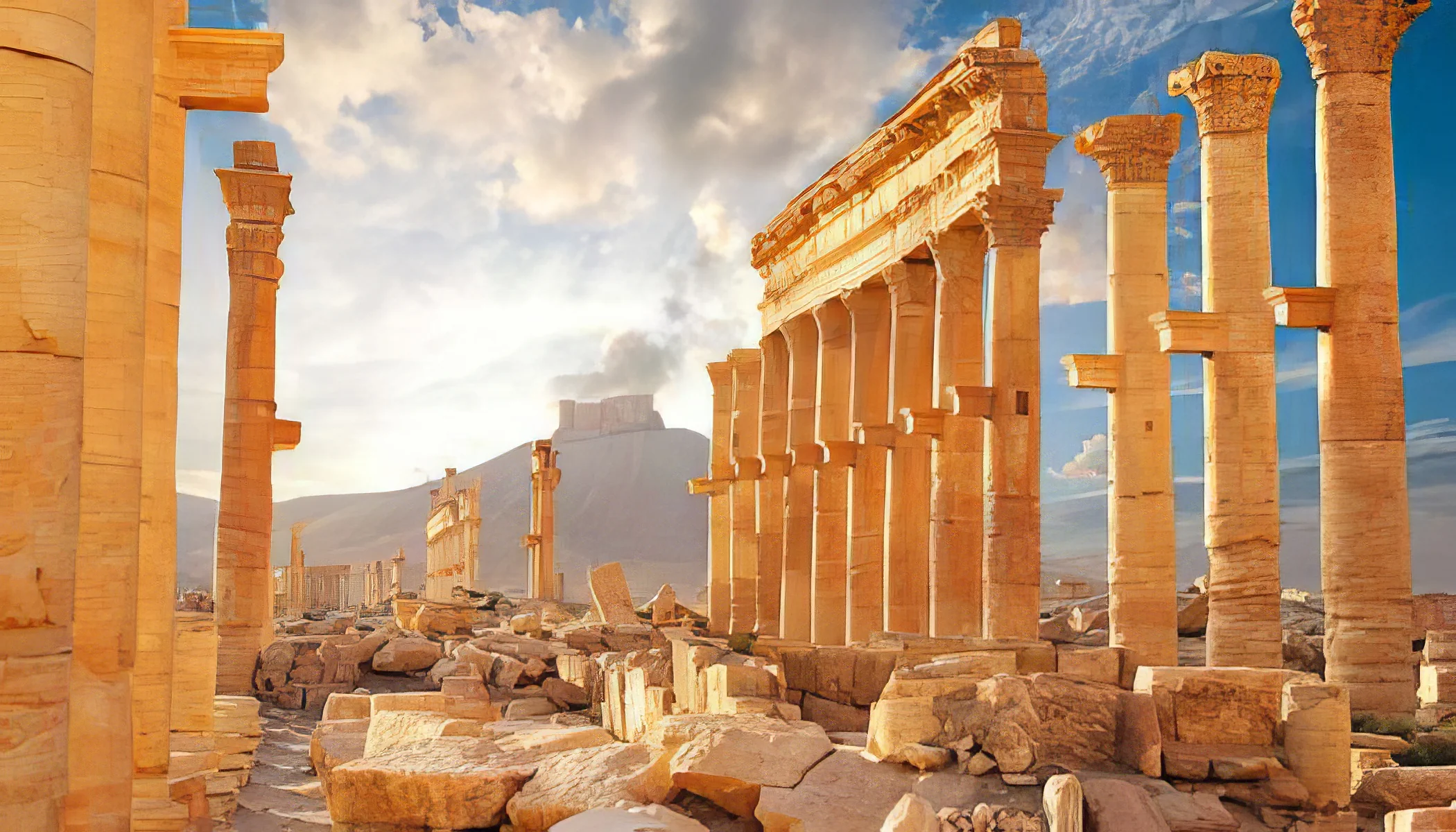
Syria is home to numerous historical and architectural landmarks:
– Ancient City of Aleppo: One of the oldest continuously inhabited cities with a historic citadel and souks.
– Crac des Chevaliers: Well-preserved medieval castle, a prime example of Crusader architecture.
– Palmyra: Ancient city ruins featuring the Roman Theatre and grand colonnades.
– Umayyad Mosque, Damascus: One of Islam's oldest mosques with a blend of Byzantine and Islamic architecture.
– Ancient City of Bosra: Roman theatre within a fortified city, showcasing early Islamic urban planning.
– Apamea: Roman city ruins known for its grand colonnaded avenue and ancient structures.
– Saladin Castle: A Crusader-era fortress set on a ridge with impressive defensive features.
– Maaloula Monasteries: Historic Christian monasteries in a village where Aramaic is still spoken.
Natural wonder
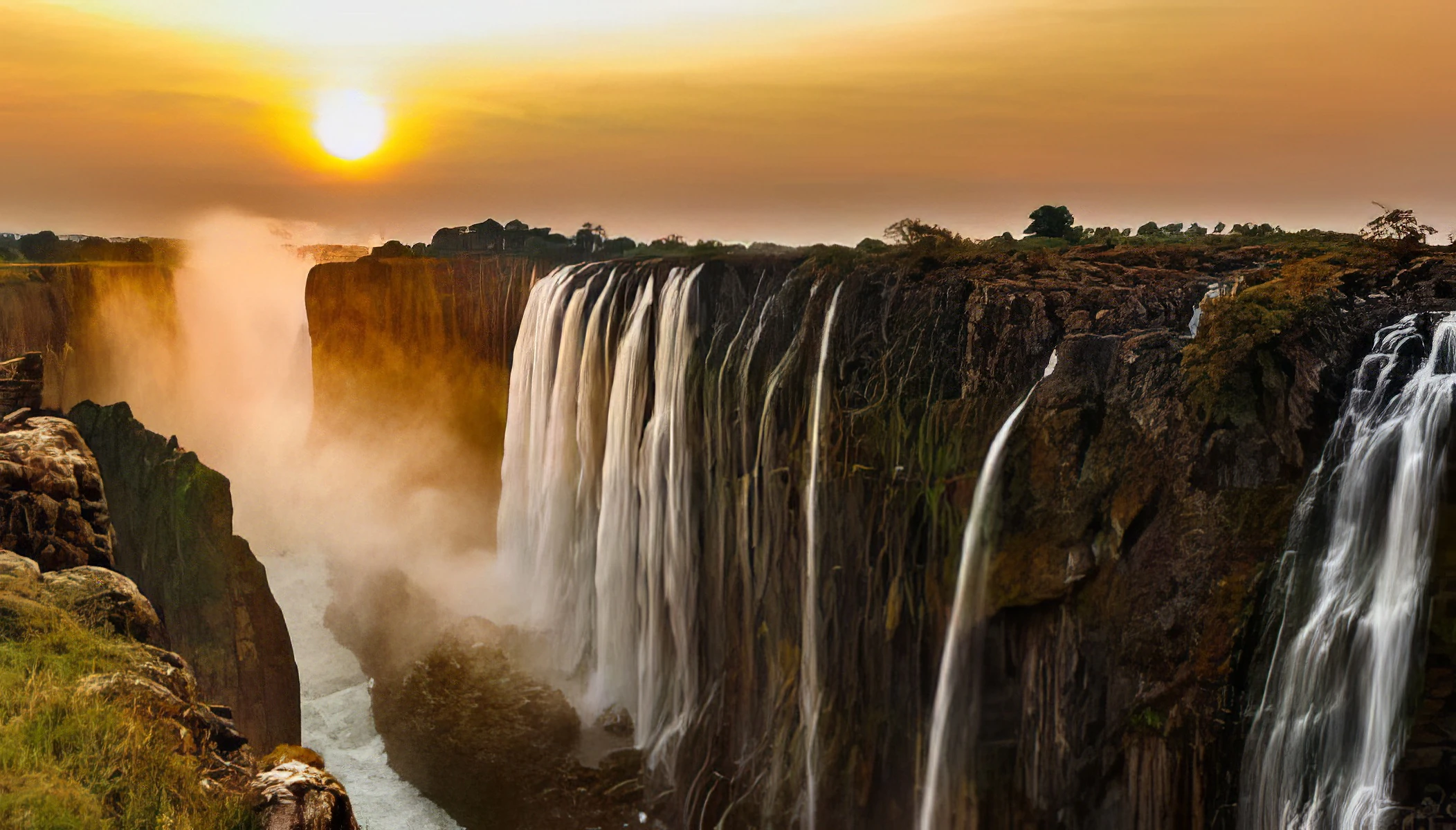
Explore Syria's captivating natural landscapes:
– Mount Hermon: The highest point in Syria, offering snow-capped peaks and skiing opportunities.
– Euphrates River: A historically significant river providing vital water resources and scenic views.
– Jabal al-Druze: A volcanic mountain area with rich biodiversity and archaeological sites.
– Palmyra Oasis: Known for its luxurious palm groves amidst arid desert surroundings.
– Lake Assad: Syria's largest lake, created by the Tabqa Dam, supporting irrigation and wildlife.
– Ghouta Region: Fertile agricultural area known for its orchards and greenery near Damascus.
– Orontes River: Flows through western Syria, supporting agriculture and historical settlements.
– Al-Ghab Plain: A fertile agricultural plain with diverse wildlife habitats.
– Anti-Lebanon Mountains: Mountain range along the Lebanon-Syria border offering scenic landscapes.
Beaches
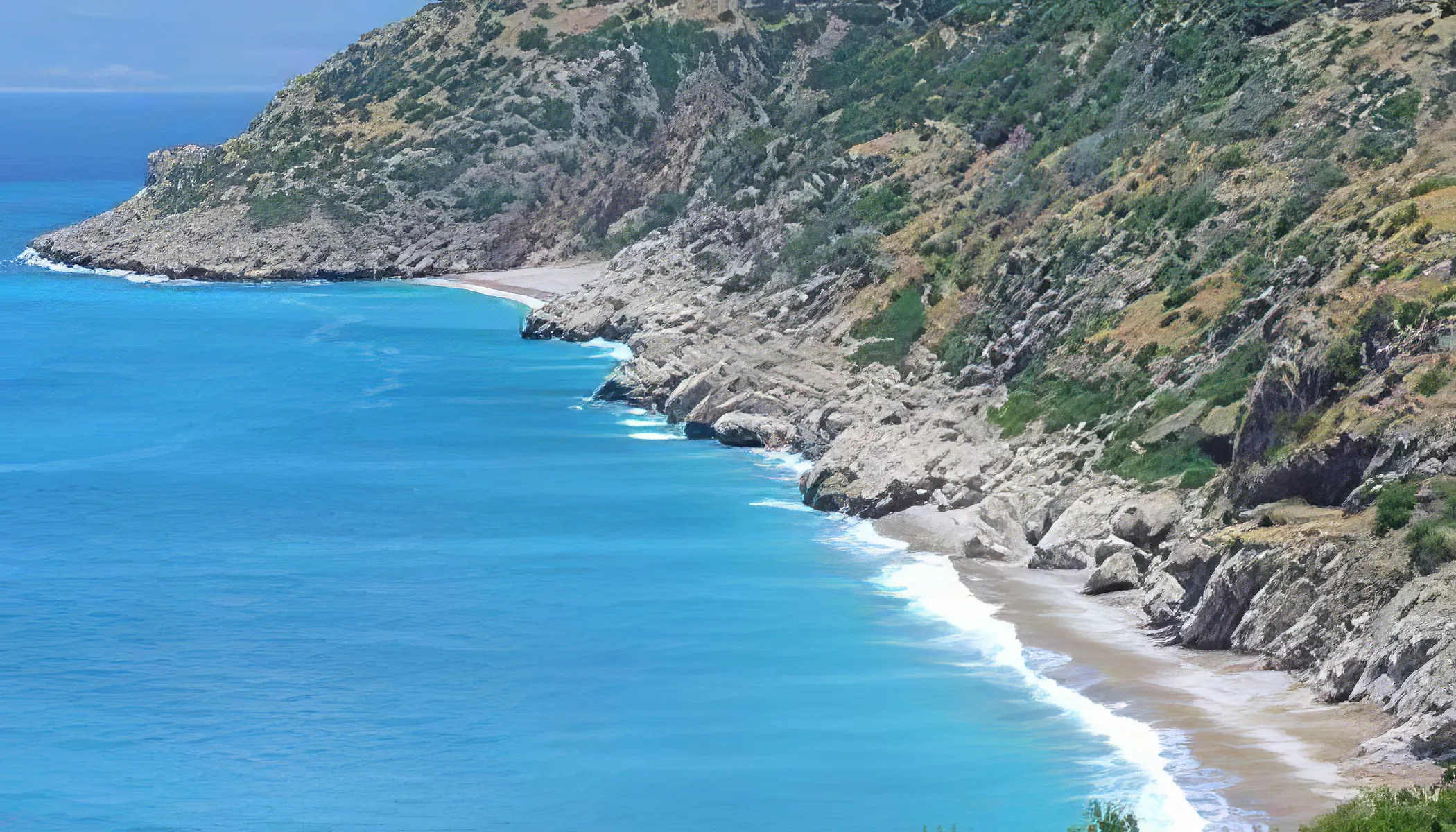
Syria has a limited coastline with a few notable beaches along the Mediterranean Sea:
– Latakia Beach: Popular for its sandy shores and proximity to the city of Latakia.
– Tartus Beach: Known for its access to local seafood and relaxed atmosphere.
– Ras al-Bassit: Provides scenic views and is less crowded than other beaches.
– Wadi Qandil Beach: Features rocky landscapes and clear waters, ideal for picnics.
– Blue Beach: Provides a family-friendly environment with basic amenities near Latakia.
Outdoor activities
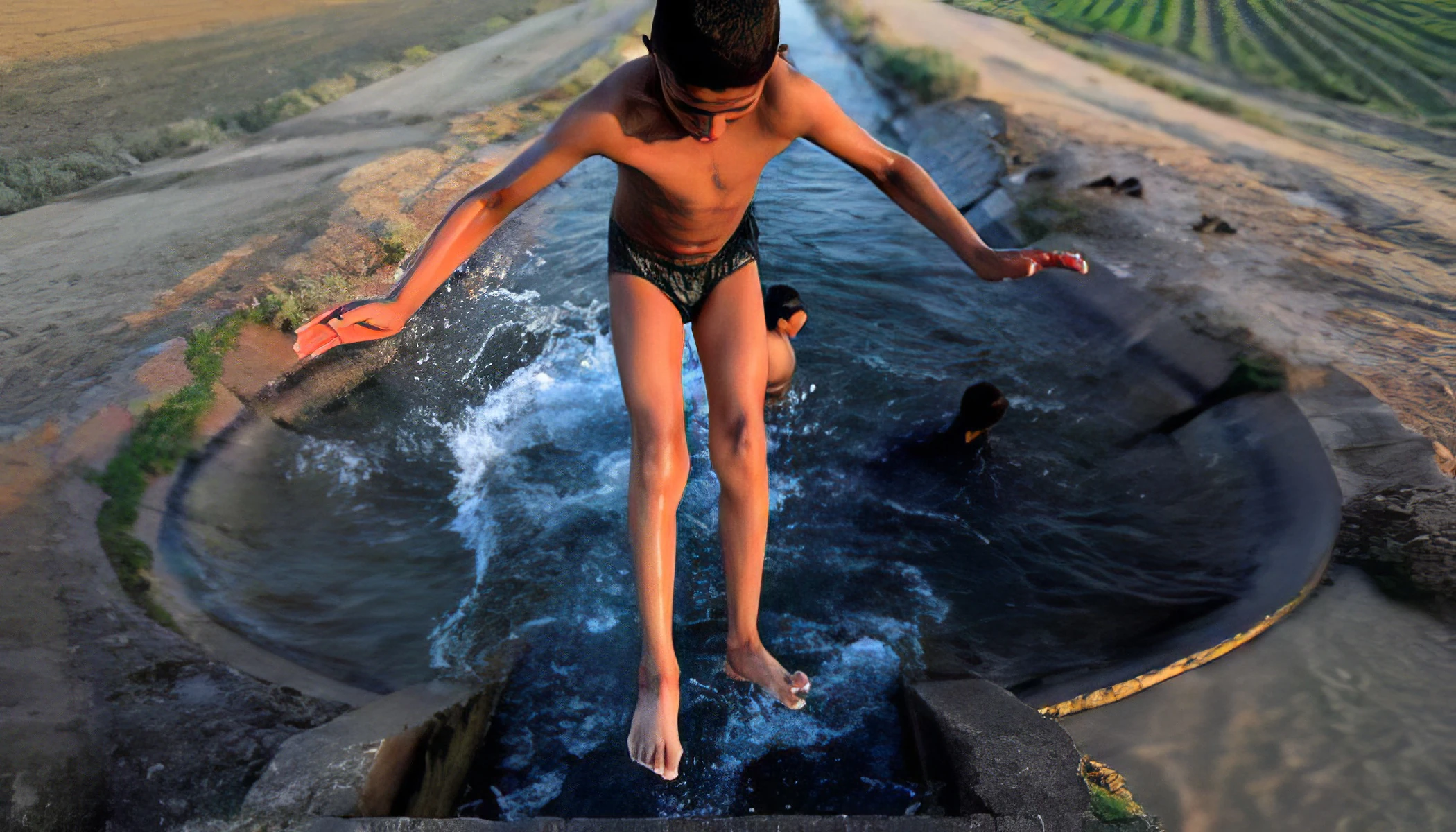
Outdoor adventures in Syria offer a mix of history and natural beauty:
– Hiking Mount Hermon: Enjoy panoramic views from the country's highest peak.
– Exploring Palmyra Ruins: Wander through ancient Roman ruins in a desert landscape.
– Trekking in Latakia's Mountains: Discover abundant forests and scenic trails.
– Camping in the Desert: Experience the quietude of Syria's vast desert expanses.
– Rafting on the Orontes River: Navigate gentle rapids through charismatic scenery.
– Visiting Al-Ansariyah Mountains: Hike trails with diverse flora and fauna.
– Walking through Old Damascus: Explore historic streets and nice markets.
Kid Friendly
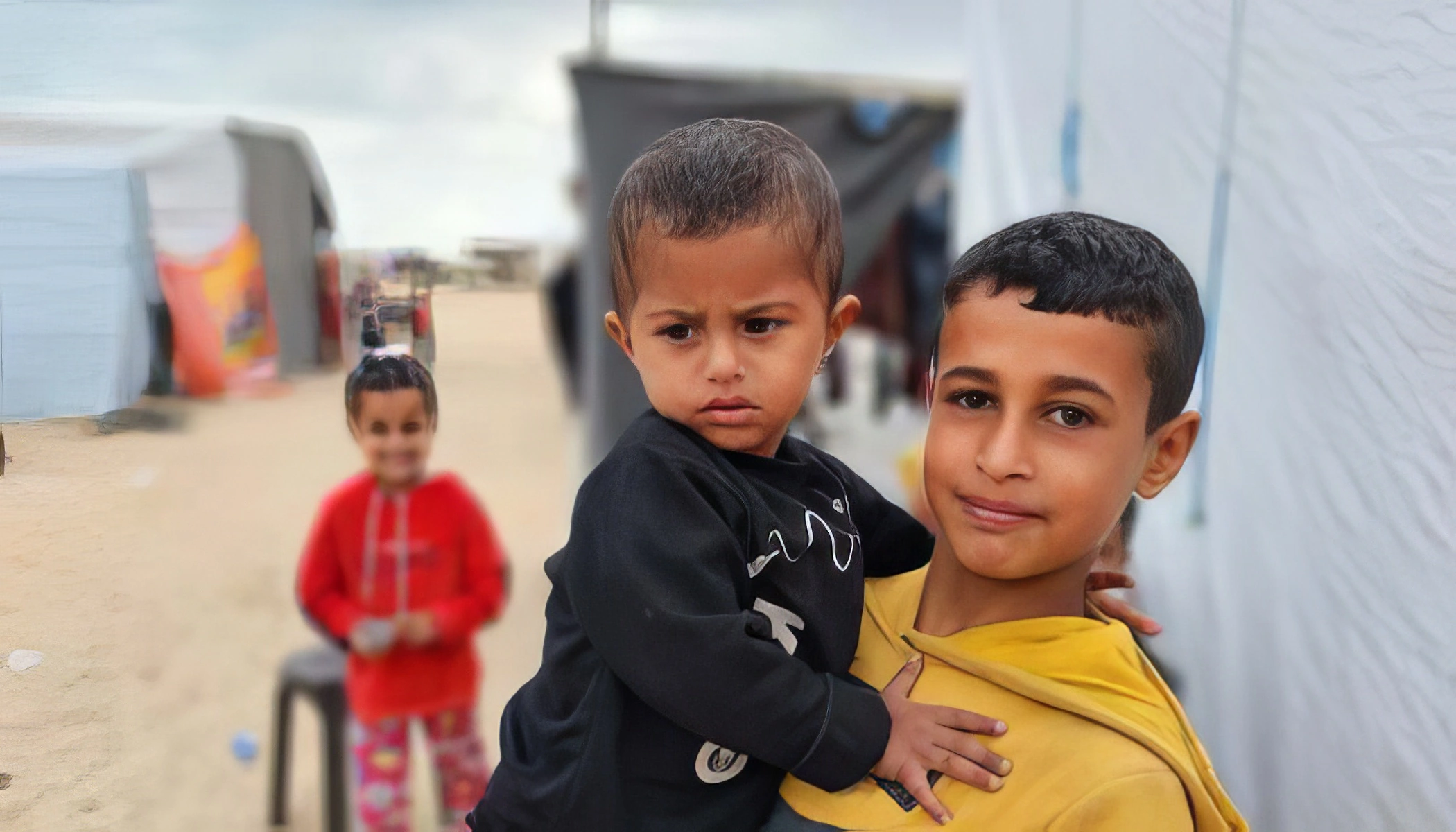
Syria offers several engaging activities for children to explore.
– Citadel of Aleppo: A historic fortress with plenty of space for kids to explore and imagine medieval times.
– Damascus National Museum: Displays numerous artifacts that offer a glimpse into Syria's rich history, suitable for young learners.
– Al-Jazira Park: A green space in Damascus with playgrounds and picnic areas for families to relax.
– Krak des Chevaliers: A famous castle kids can explore while pretending to be knights from the Crusades era.
– Apamea: Roman ruins where children can walk along ancient colonnaded streets and learn about history.
– Al-Assad National Library: Offers story sessions and children's literature ideal for young readers interested in culture.
– Souq al-Hamidiyya: A bustling market where families can experience local foods and culture, capturing kids' attention.
– Latakia Beachfront: Sandy beaches where families can enjoy a day out by the sea, perfect for relaxation and playtime.
Cuisine
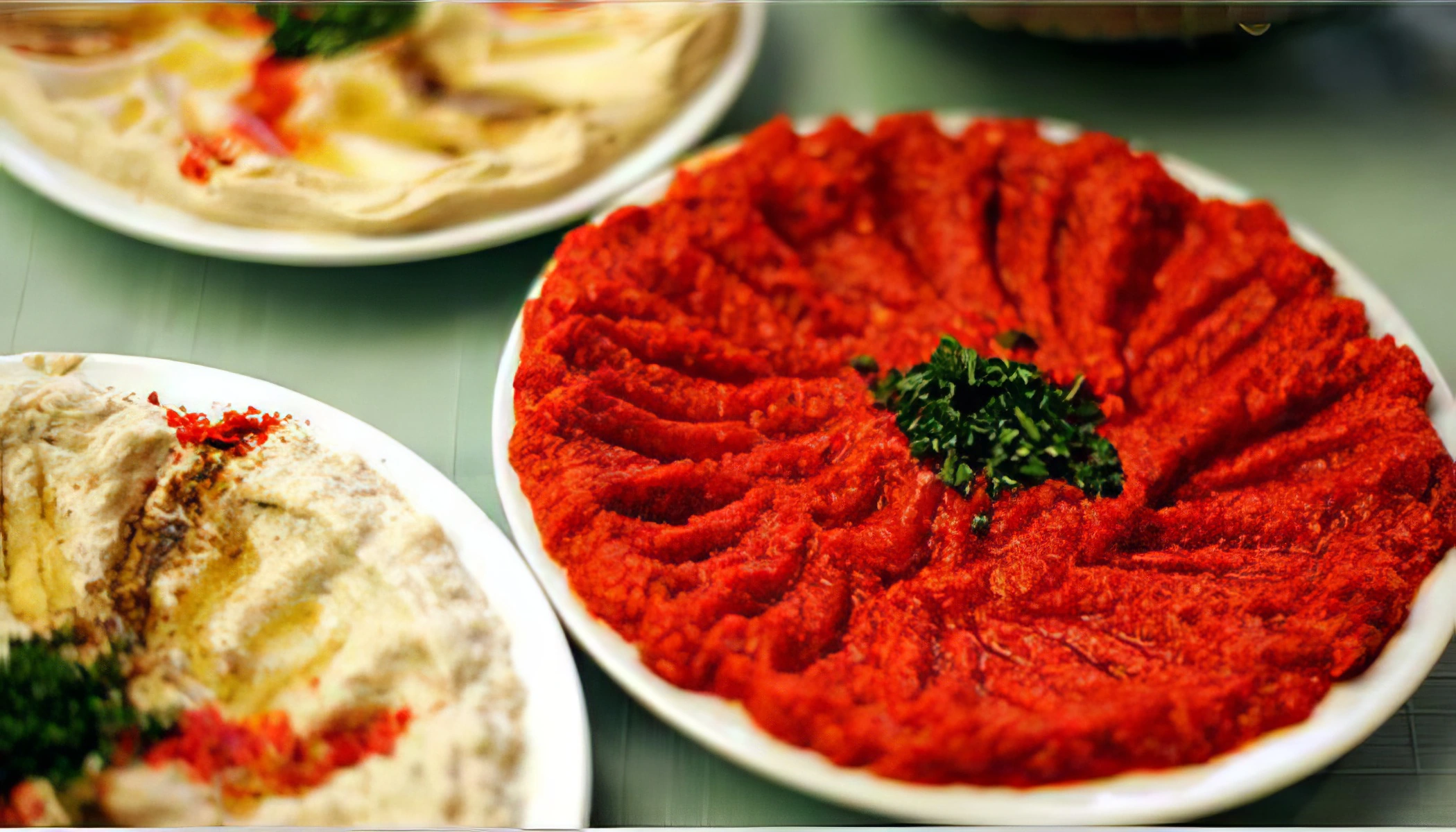
Syria's culinary scene is rich with Middle Eastern flavors, characterized by the use of spices, fresh herbs, and olive oil. Traditional dishes reflect a blend of cultural influences from neighboring regions. Syrian food emphasizes communal dining with savory and sweet offerings.
– Kibbeh: Minced meat and bulgur wheat patties, often fried or baked.
– Fattoush: Fresh salad with mixed greens, tomatoes, fried pita chips, and tangy dressing.
– Hummus: Creamy chickpea dip blended with tahini, lemon juice, and garlic.
– Baba Ghanoush: Smoky eggplant dip mixed with tahini, lemon juice, and garlic.
– Shawarma: Marinated meat slices wrapped in flatbread with vegetables and sauce.
Souvenir
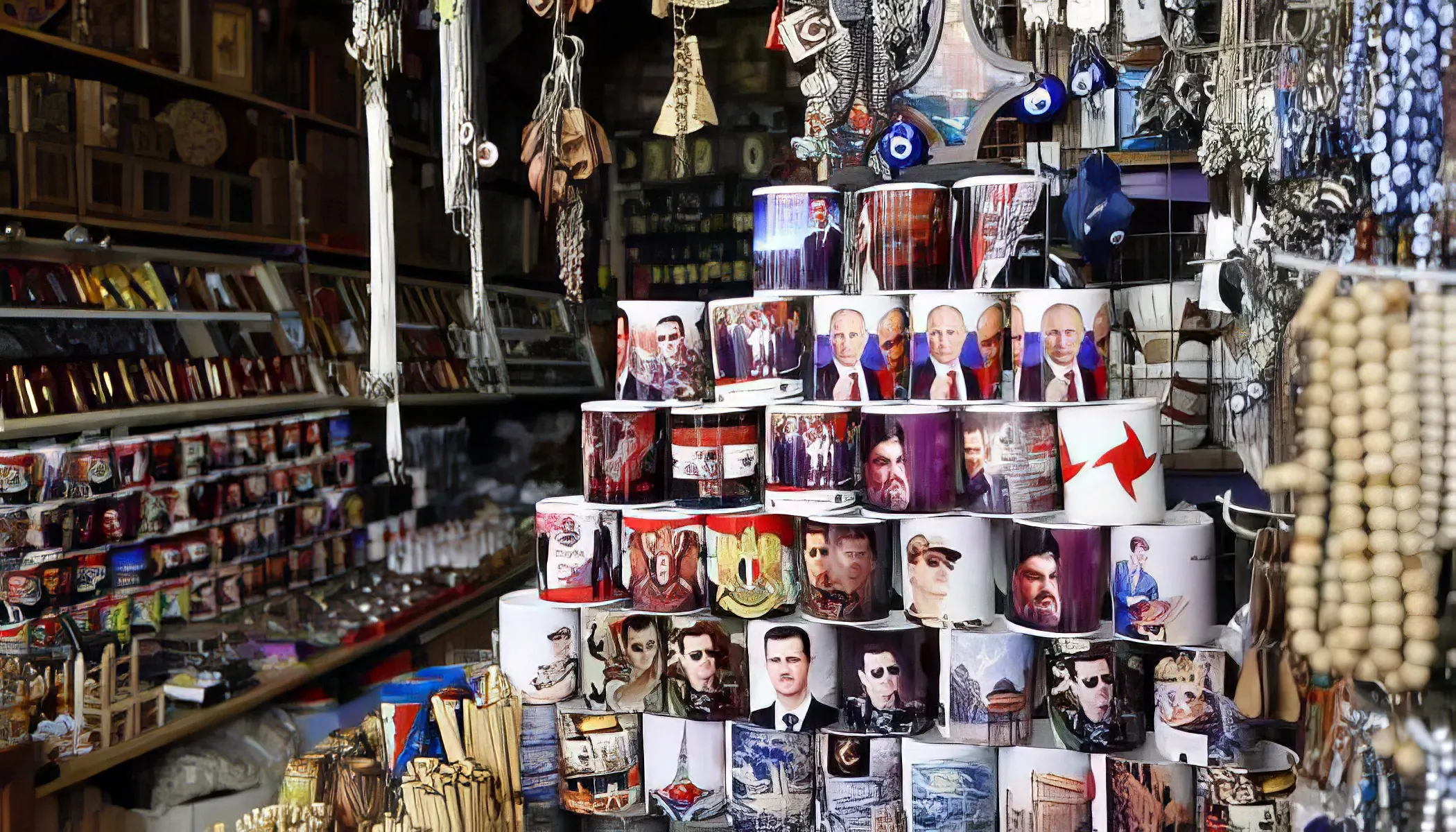
Syria supplies a range of traditional crafts and products that reflect its rich cultural history. Here are some popular souvenirs to consider:
– Damascene Steel: Known for its unique patterns, this steel is used in blades and decorative items.
– Olive Oil Soap: Handmade in Aleppo, this natural soap is valued for its skin-friendly properties.
– Inlaid Wood: Mosaic-style furniture and boxes are crafted with sophisticated designs using mother-of-pearl.
– Textiles: Traditional Syrian textiles such as brocades and silk shawls showcase charming patterns.
– Brassware: Handcrafted brass items like trays and lanterns are common decorative pieces.
– Pottery and Ceramics: Syrian pottery is often hand-painted with colorful designs.
– Spices: Local spices such as sumac, za'atar, and Aleppo pepper make great culinary gifts.
Traditional Shows

Syria has a rich tradition of music and performance arts:
– Dabke Dance: A lively folk dance performed at weddings and festivals, showcasing Syrian culture through rhythmic footwork and unity in cities like Damascus.
– Muwashahat Singing: Experience the poetic and classical Arab-Andalusian music form, featuring sophisticated vocal patterns and historical themes, often performed in Aleppo.
– Qudud Halabiya: A traditional music genre from Aleppo blending classical Arabic poetry with local melodies, offering insights into Syria's musical heritage.
– Shadow Theater (Karakoz): An ancient form of storytelling through shadow puppets, reflecting social themes, traditionally seen in cultural centers across Syria.
– Oud Performances: Enjoy the rich sounds of the oud, a key instrument in Syrian music, performed by skilled musicians highlighting traditional compositions.
Events & Festivals
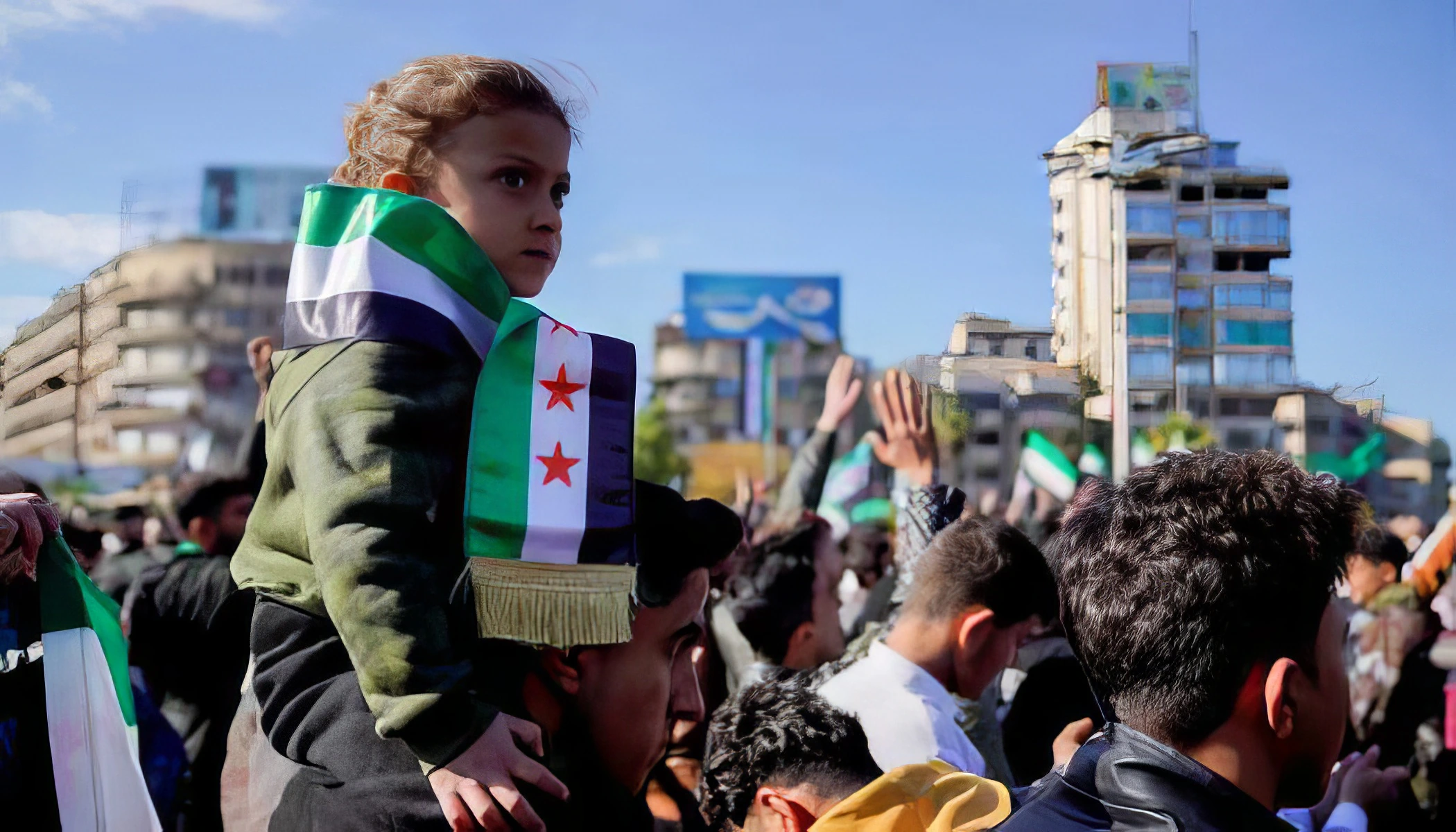
Syria hosts several cultural and religious events throughout the year that reflect its rich heritage:
– Damascus International Fair: Annual September trade fair with exhibitors, performances, and cultural showcases.
– Eid al-Fitr: Celebrates Ramadan's end with prayers, feasts, and family gatherings.
– Eid al-Adha: Observed by Muslims with prayers, charity, and animal sacrifices.
– Aleppo International Fair: Prominent trade event highlighting goods and cultural activities in autumn.
– Independence Day: Celebrated on April 17 with parades commemorating Syria's independence from France in 1946.
– Silk Road Festival: Held in cities like Palmyra to celebrate historical trade routes' heritage through music and reenactments.
– Jasmine Festival: Marks the summer blooming of jasmine flowers in Damascus with cultural festivities.
Famous People
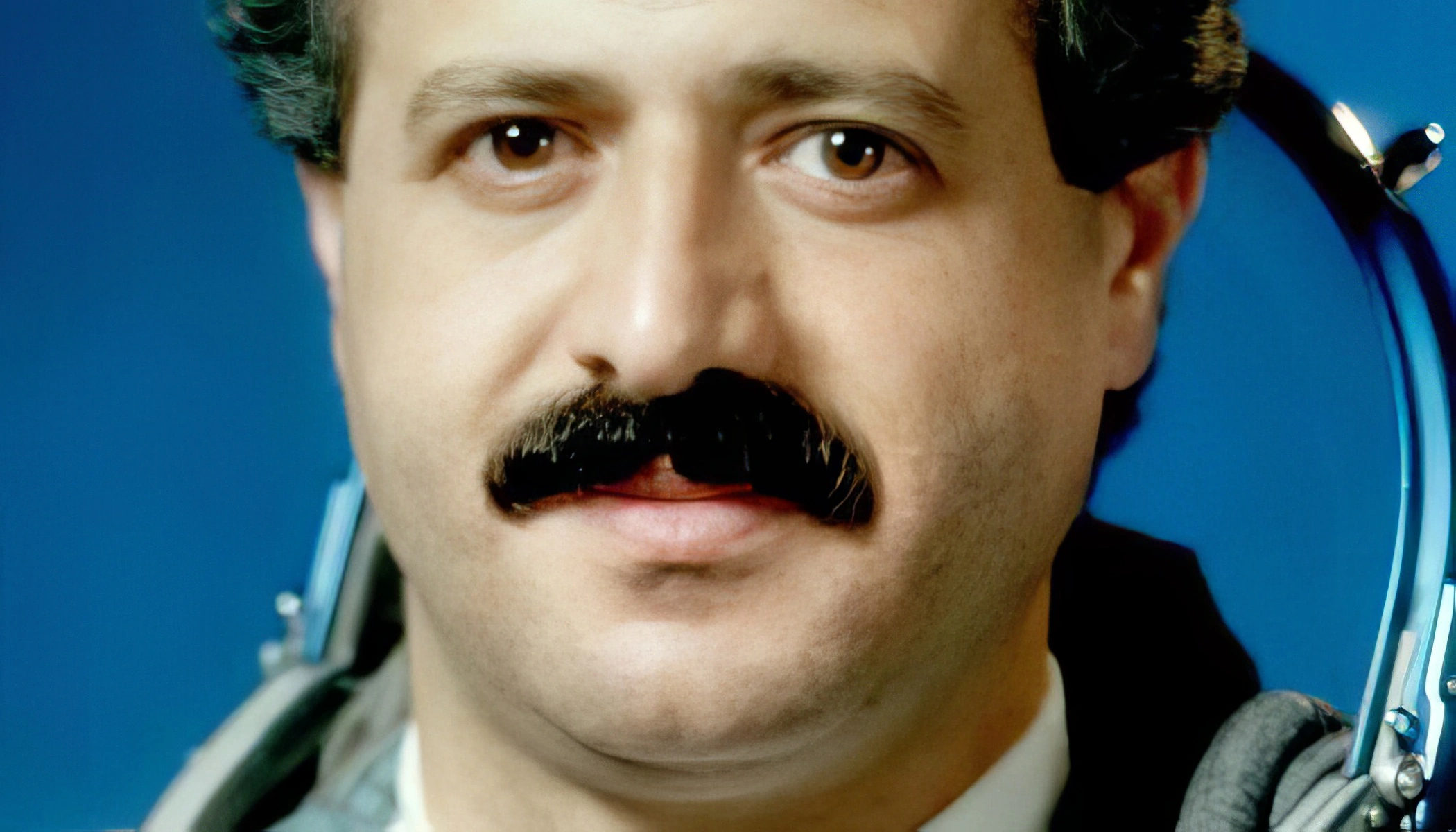
Syria has been home to numerous influential figures across various fields throughout its rich history.
– Hafez al-Assad (1930 to 2000, Qardaha): President of Syria from 1971 to 2000, known for his authoritarian rule and political reforms.
– Bashar al-Assad (born 1965, Damascus): Current president of Syria, known for his controversial leadership during the Syrian Civil War.
– Ibn al-Nafis (1213 to 1288, Damascus): Physician and scholar who described the pulmonary circulation of blood centuries before Europeans did.
– Asmahan (1912 to 1944, As-Suwayda): Celebrated singer and actress known for her contributions to Arabic music in the early 20th century.
– Nizar Qabbani (1923 to 1998, Damascus): Renowned poet and diplomat famous for his romantic and political poetry in modern Arabic literature.
Books
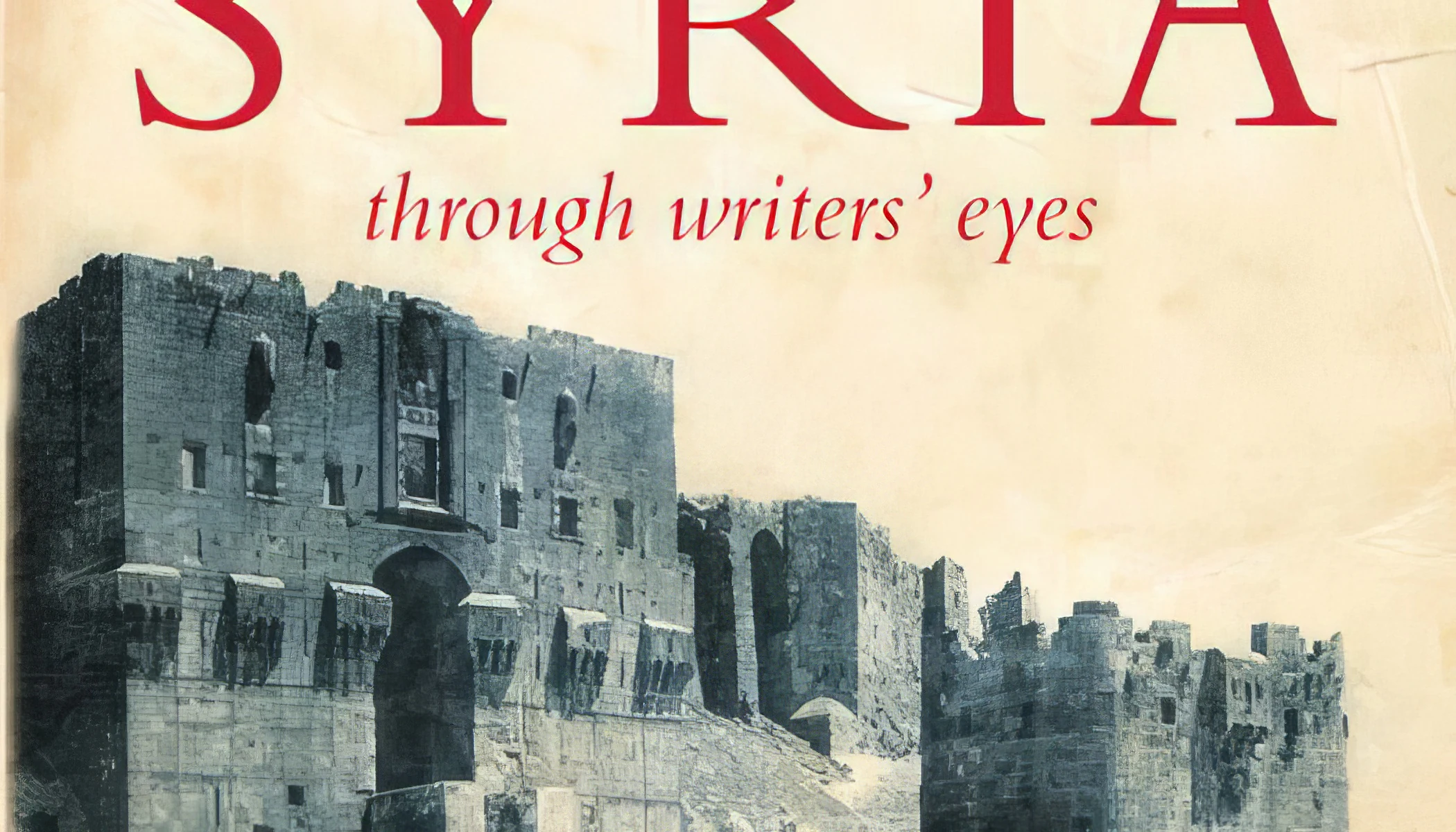
These books delve into the historical, cultural, and personal narratives associated with Syria, capturing its complexities and the impact of conflict.
– "Damascus Nights" by Rafik Schami: A storyteller revives Damascus's beautiful traditions and tales through enchanting narratives.
– "In Praise of Hatred" by Khaled Khalifa: Explores a young woman's radicalization in 1980s Aleppo amidst political upheaval.
– "The Crossing: My Journey to the Shattered Heart of Syria" by Samar Yazbek: Personal account of a journalist's return to war-torn Syria.
– "The Shell" by Mustafa Khalifa: A harrowing novel about life inside Syria's brutal prison system.
– "No Knives in the Kitchens of This City" by Khaled Khalifa: Chronicles a family's decline against Aleppo's tumultuous backdrop.
Songs

Syrian music often highlights themes like love, cultural heritage, and national pride through both traditional and contemporary styles.
– Hal Asmar Ellon: A classic Syrian folk song by Sabah Fakhri, celebrating rich cultural traditions.
– Ya Mal Al-Sham: Famous patriotic song by Sabah Fakhri about the beauty of Damascus.
– Nassam Alayna El-Hawa: Iconic song by Fairuz, beloved across the Arab world, capturing nostalgia for home.
– Bent Al Shalabiya: Traditional Syrian song performed by Fairuz, illustrating love and beauty in its lyrics.
– Talet Ya Mahla Nourha: Celebrated folk tune that showcases the beautiful spirit of Syrian music.
Films

Discover the cinematic portrayals that delve into Syria's history and contemporary struggles:
– "The Cave": Feras Fayyad's documentary follows an underground hospital in Eastern Ghouta during the Syrian Civil War.
– "For Sama": Waad Al-Kateab's personal documentary capturing five years of her life during the Aleppo uprising.
– "Return to Homs": A documentary by Talal Derki depicting the siege of Homs through activist perspectives.
– "Silvered Water, Syria Self-Portrait": Ossama Mohammed and Wiam Simav Bedirxan's film uses citizen footage to expose war atrocities.
– "Little Gandhi": Chronicles the life and death of peaceful activist Ghiyath Matar during Syria's early protests.