

Travel Guide to Tanzania: Top Things to Do & Tips
Located in East Africa, this country is renowned for its vast wilderness areas, including the Serengeti National Park and Mount Kilimanjaro. It provides rich wildlife experiences and diverse cultures, with Zanzibar providing beautiful beaches and a unique blend of influences.
- Capital
- Dodoma is the capital of Tanzania.
- Population
- 41.9 millions
- Superficy
- 946000 sq.km
- Months to Visit
- June to Oct. & Jan. to Feb.
- Living Cost
- Moderate
Overview
Tanzania, located in East Africa, is known for its vast wilderness areas and rich biodiversity. It is home to iconic wildlife destinations like the Serengeti National Park and the Ngorongoro Crater, famous for their annual wildebeest migration and diverse animal populations. Mount Kilimanjaro, Africa's highest peak, attracts climbers from around the world. The country also features the Zanzibar Archipelago, offering preserved beaches and a blend of African, Arab, and Indian cultural influences. Tanzania's economy relies heavily on agriculture, tourism, and mining. Despite its natural wealth, the country faces challenges such as poverty and infrastructure development.
Pros & Cons
GOOD REASONS TO VISIT TANZANIA
– Serengeti National Park: Witness the Great Migration and diverse wildlife in one of Africa's most famous parks.
– Mount Kilimanjaro: Climb Africa's highest peak, offering beautiful views and a rewarding trekking experience.
– Zanzibar Beaches: Relax on immaculate beaches with clear waters, rich history, and pretty culture in Stone Town.
– Ngorongoro Crater: Explore a unique ecosystem with abundant wildlife in a nice volcanic caldera.
– Cultural Diversity: Experience Maasai traditions, local markets, and diverse ethnic groups enriching Tanzania's cultural tapestry.
CHALLENGES WHEN VISITING TANZANIA
– Health Concerns: Malaria risk requires precautions; vaccinations recommended for safe travel.
– Infrastructure Limitations: Rural areas may have poor roads and limited public transport options.
– Language Barrier: Swahili is widely spoken; English less common outside tourist areas.
Before Departure
Before traveling to Tanzania, it's important to be informed about several key aspects:
– Passport: Ensure your passport is valid for at least six months from your entry date.
– Visa: Most tourists require a visa; available on arrival or online. Validity typically 90 days.
– Currency: Tanzanian Shilling (TZS); credit cards accepted in cities; cash preferred in rural areas; ATMs available in urban centers.
– Internet access: WiFi is common in hotels and cafes in cities. Purchase a local SIM card for better connectivity.
– Language barrier: Swahili and English are official languages; English widely spoken in tourist areas, but learning basic Swahili is beneficial.
What to Pack
Tanzania supplies diverse experiences, from safaris to beach holidays, requiring thoughtful packing to accommodate various activities and climates.
– Essentials: Passport and visa (if required), travel insurance details, flight tickets and itinerary, accommodation confirmations, and copies of important documents.
– Clothing: Lightweight clothing for warm weather, long-sleeved shirts and pants for safari protection, comfortable walking shoes or boots, swimwear for coastal areas.
– Health & Safety: Prescription medications, basic first aid kit, insect repellent with DEET, sunscreen with high SPF, malaria prophylaxis if recommended by a doctor.
– Electronics: Travel adapter for Tanzanian outlets (Type D/G), mobile phone with charger, camera with extra batteries or memory cards.
Weather
Tanzania's weather is generally tropical, with variations due to altitude and geography:
– Summer (December to March): Hot and humid, especially along the coast, with occasional rain showers.
– Autumn (April to May): Marked by the long rainy season, with heavy rains and cooler temperatures.
– Winter (June to August): Dry season with cooler temperatures, especially in highland areas; ideal for wildlife viewing.
– Spring (September to November): Short rains begin, but temperatures remain warm and pleasant. The best time to visit Tanzania is from June to October:
– Pros: Ideal for wildlife viewing in national parks; dry weather makes travel easier.
– Cons: Peak tourist season means higher prices and more crowds at popular sites.
Travel Budget
Tanzania provides a range of budget-friendly options for travelers. Here are some average prices for common expenses:
– Hotel: 30$ to 150$
– Lunch: 3$ to 10$
– Beverage (in bar/restaurant): 1.5$ to 4$
– Coffee: 1$ to 3$
– Transportation: (train 5$ to 20$), (bus 0.5$ to 2.5$), (taxi /10km 4$ to 8$)
– Mobile data (per GB): 1.5$ to 3.5$
Language
Swahili is the most widely spoken language in Tanzania, and here are some useful phrases for tourists:
– Hello: Jambo
– Thank you: Asante
– Please: Tafadhali
– How much is this?: Hii ni bei gani?
– Excuse me: Samahani
– I don't understand: Sielewi
– Yes: Ndiyo
– No: Hapana
– Goodbye: Kwaheri
History
The region was influenced by Arab and Persian traders, becoming a significant part of the Indian Ocean trade network. In the late 19th century, it fell under German colonial control as part of German East Africa. After World War I, the League of Nations mandated the territory to Britain, renaming it Tanganyika. In 1961, Tanganyika gained independence from British rule. Zanzibar, a separate island entity with a history of Arab sultanate rule, attained independence in 1963. The two regions united in 1964 to form the United Republic of Tanzania under President Julius Nyerere, who promoted African socialism and self-reliance policies known as Ujamaa.
Geopolitics
Located in East Africa, Tanzania shares borders with eight countries: Kenya, Uganda, Rwanda, Burundi, the Democratic Republic of the Congo, Zambia, Malawi, and Mozambique. It has access to the Indian Ocean, which is strategically important for trade and maritime security. The country is a stable republic with Dodoma as its capital, although Dar es Salaam remains its major commercial hub. Tanzania is a member of the East African Community (EAC), which aims to improve regional integration and economic cooperation among its members. It has discovered significant natural gas reserves that have influenced its economic and foreign policy interests. Internally focused on development goals and maintaining political stability, the country also plays a role in regional peacekeeping efforts and conflict resolution initiatives within the African Union context.
Sample Itinerary
This itinerary covers wildlife in the Serengeti, the unique Ngorongoro Crater, and cultural experiences in Zanzibar.
– 3 days in Serengeti National Park: Embark on game drives to see the Big Five and witness the Great Migration during certain months.
– 2 days in Ngorongoro Crater: Descend into the crater for wildlife viewing, including elephants, lions, and rhinos. Visit a Maasai village for cultural insights.
– 1 day at Lake Manyara National Park: Spot tree-climbing lions, flamingos at the soda lake, and diverse bird species.
– 3 days in Zanzibar: Explore Stone Town's historic sites and spice markets. Relax on beaches in Nungwi or Kendwa and snorkel or dive offshore.
Popular cities
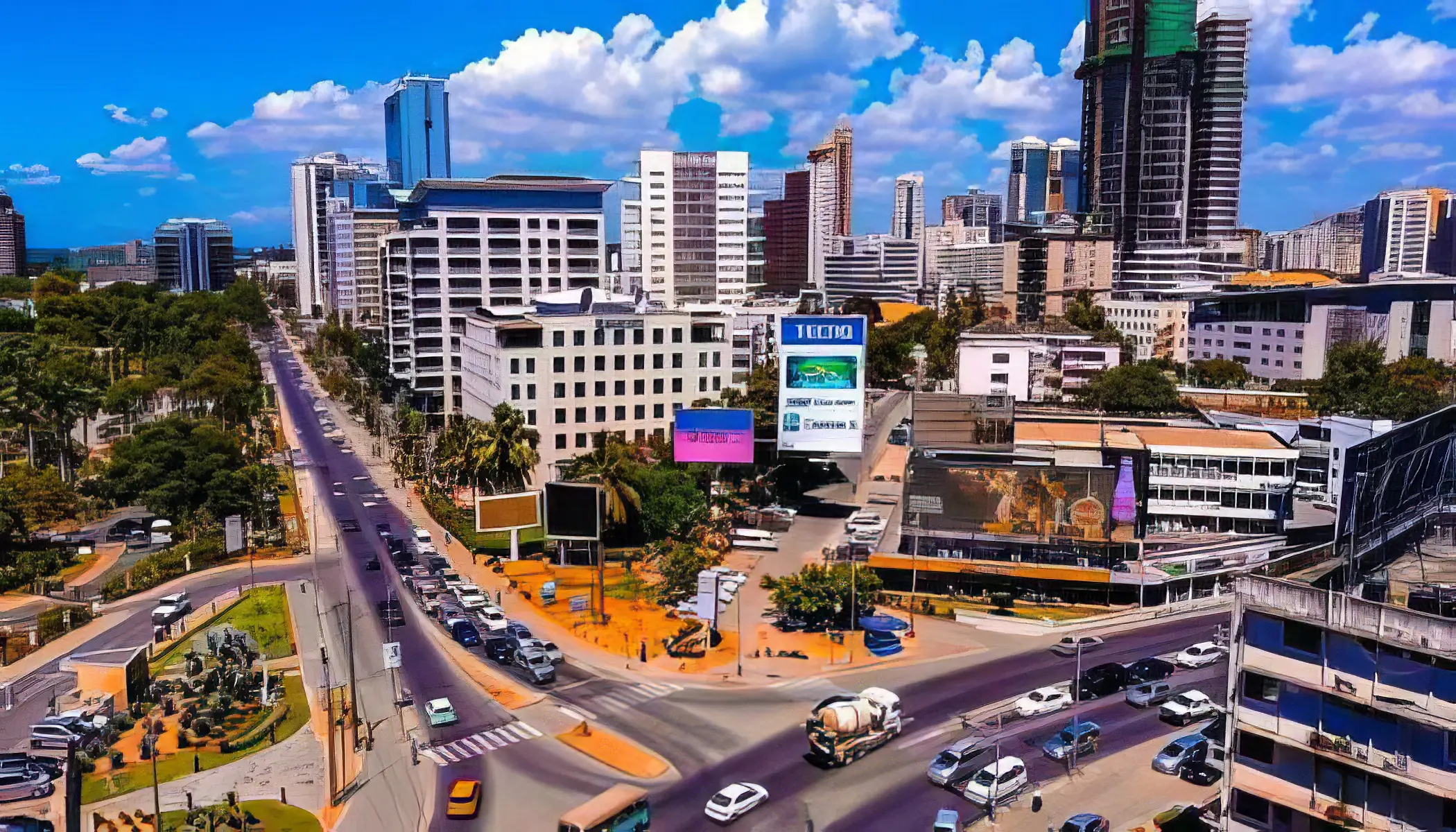
Explore diverse landscapes and cultures in these remarkable cities of Tanzania:
– Arusha: Gateway to safari adventures, it’s close to Serengeti, Ngorongoro Crater, and Mount Kilimanjaro.
– Dar es Salaam: The largest city and economic hub, offering beaches and vibrant markets.
– Zanzibar City: Known for Stone Town’s historic sites, narrow alleys, and spice markets.
– Mwanza: Located on Lake Victoria's shore, providing access to Rubondo Island National Park.
– Dodoma: The nation's capital with government buildings and local cultural insights.
– Moshi: Base town for climbing Mount Kilimanjaro and enjoying coffee plantations.
– Tanga: Supplies coastal beauty, historical sites, and nearby Amboni Caves.
Monuments
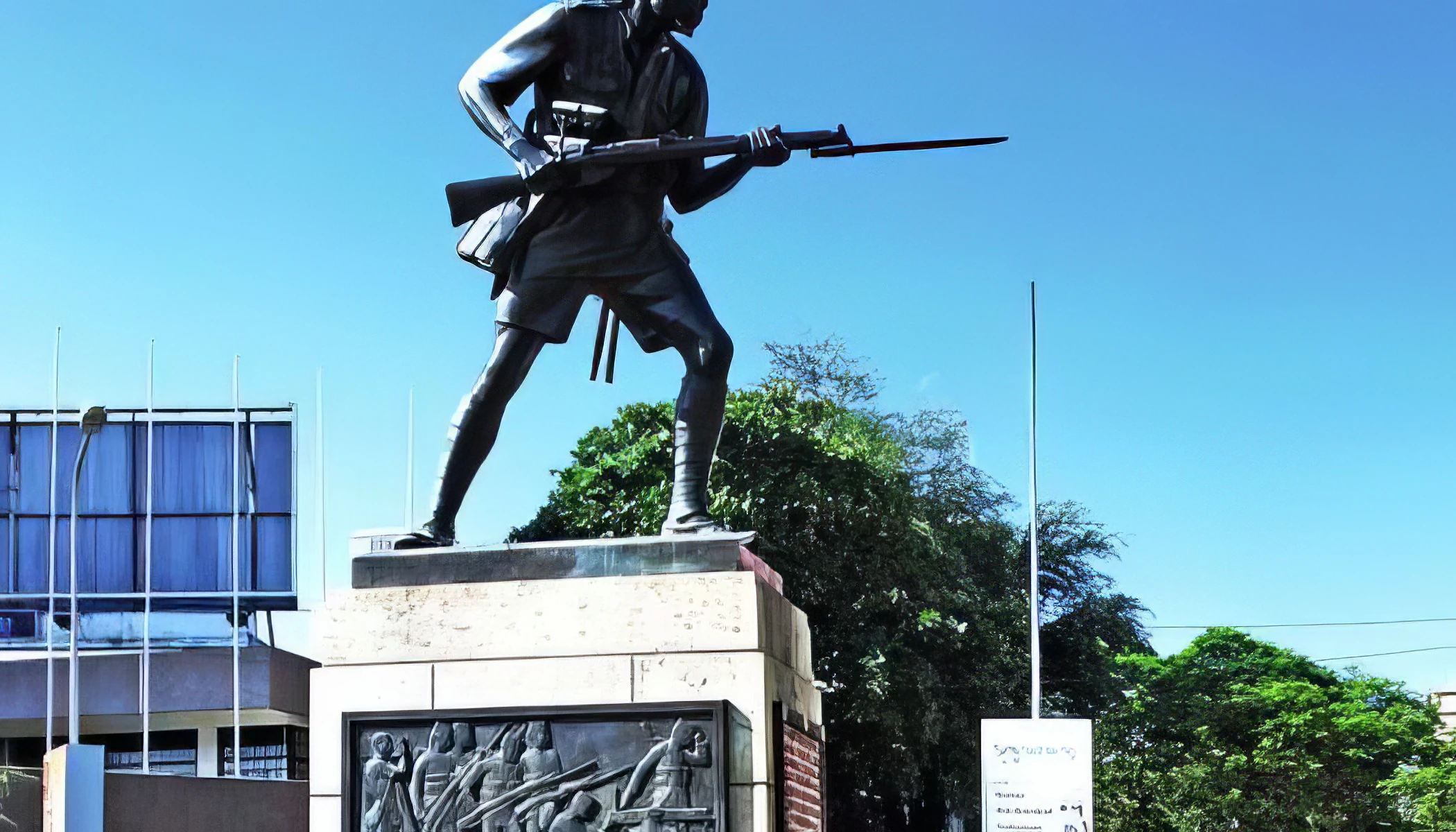
Tanzania offers a variety of notable monuments and historical sites to explore:
– Stone Town, Zanzibar: A historic Swahili trading town with narrow alleys, spice markets, and Arabic architecture.
– Olduvai Gorge: Significant archaeological site, often called the "Cradle of Mankind," revealing early human fossils.
– Kilwa Kisiwani Ruins: Ancient port city with medieval ruins reflecting Swahili coast's trading history.
– Bagamoyo: Historic town with German colonial buildings and remnants of the East African slave trade.
– House of Wonders, Zanzibar: Former Sultan's palace turned museum showcasing Zanzibar's history and culture.
– Kondoa Rock-Art Sites: UNESCO site featuring prehistoric rock paintings in central Tanzania.
– Mtoni Palace Ruins, Zanzibar: Once the largest palace in East Africa, now in ruins but historically significant.
– Askari Monument, Dar es Salaam: Bronze statue commemorating African soldiers' role in World War I.
Natural wonder
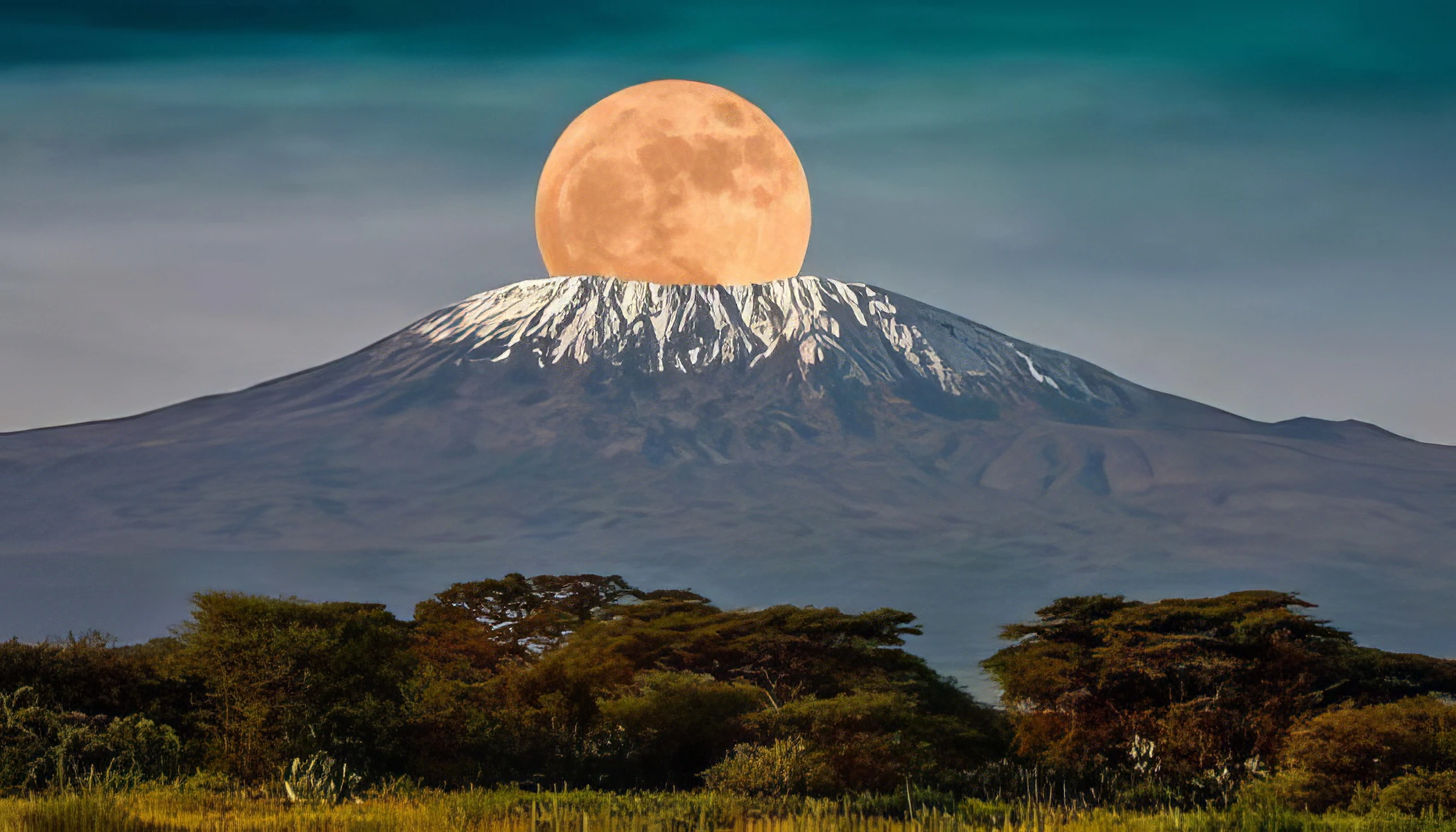
Explore Tanzania's remarkable landscapes:
– Mount Kilimanjaro: Africa's tallest peak, attracting trekkers and climbers worldwide.
– Ngorongoro Crater: A vast volcanic caldera with rich wildlife diversity.
– Serengeti National Park: Renowned for the Great Migration and abundant wildlife.
– Tarangire National Park: Known for large elephant herds and ancient baobab trees.
– Lake Manyara National Park: Offers diverse ecosystems with flamingos and tree-climbing lions.
– Lake Victoria: Africa's largest lake, shared by three countries, with rich biodiversity.
– Selous Game Reserve: Vast reserve home to diverse wildlife including elephants and crocodiles.
– Mahale Mountains National Park: Known for chimpanzee trekking and fascinating lake views.
– Ruaha National Park: Features rugged landscapes and high concentrations of predators.
– Udzungwa Mountains National Park: Biodiverse area with rare plants and unique primates.
Beaches
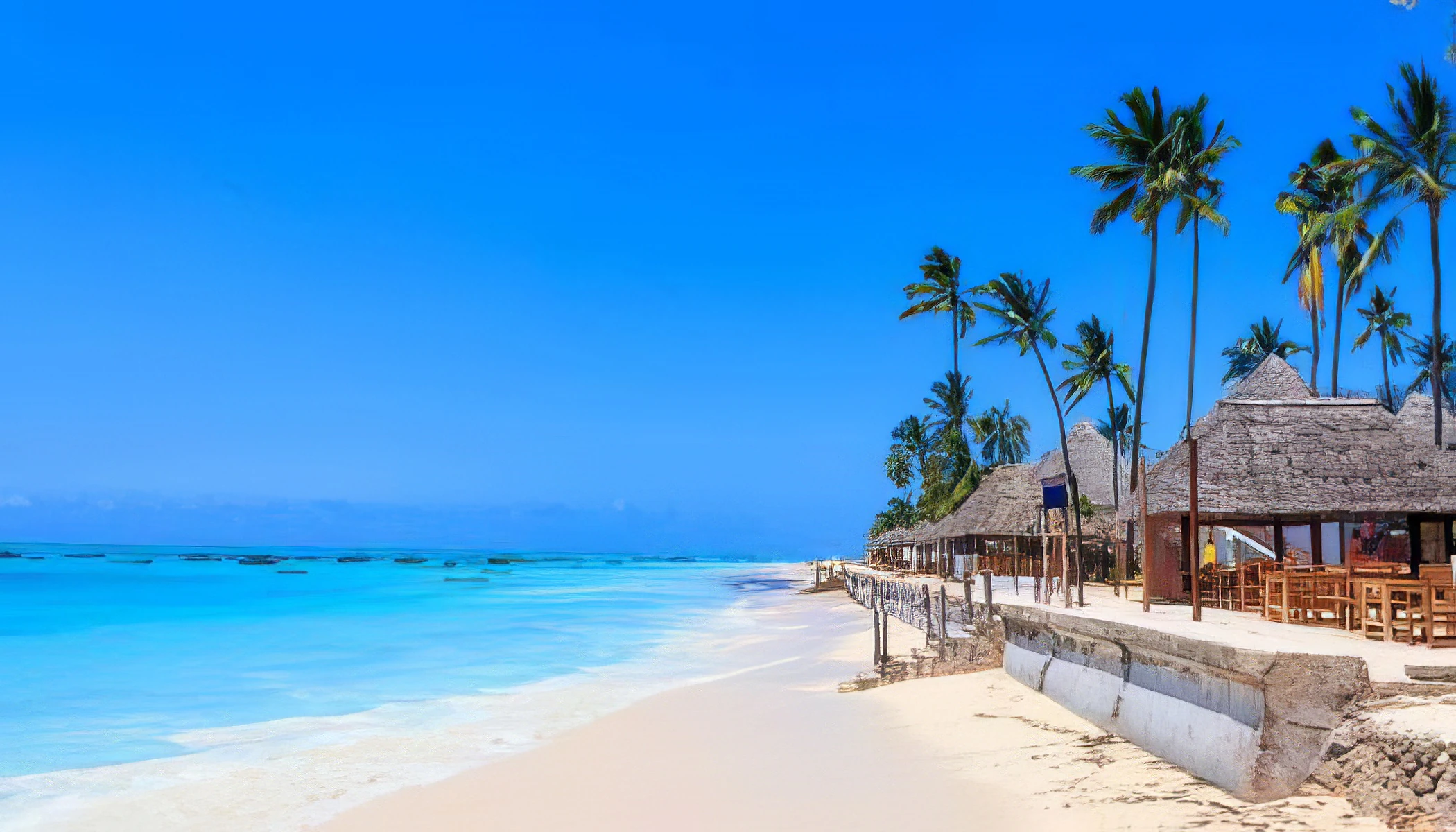
Tanzania supplies beautiful beaches, particularly on its islands.
– Nungwi Beach: Located in Zanzibar, known for clear waters and lovely coral reefs.
– Kendwa Beach: Famous for beautiful sunsets and lively nightlife on Zanzibar Island.
– Jambiani Beach: Offers a beautiful setting with fishing village charm in Zanzibar.
– Paje Beach: Popular for kitesurfing and palm-lined shores in southeastern Zanzibar.
– Mafia Island Beaches: Known for marine life and diving spots around Mafia Island.
– Bongoyo Island Beach: Small island near Dar es Salaam, ideal for snorkeling and swimming.
– Kipepeo Beach: Close to Dar es Salaam, provides a relaxed atmosphere with soft sands.
Outdoor activities
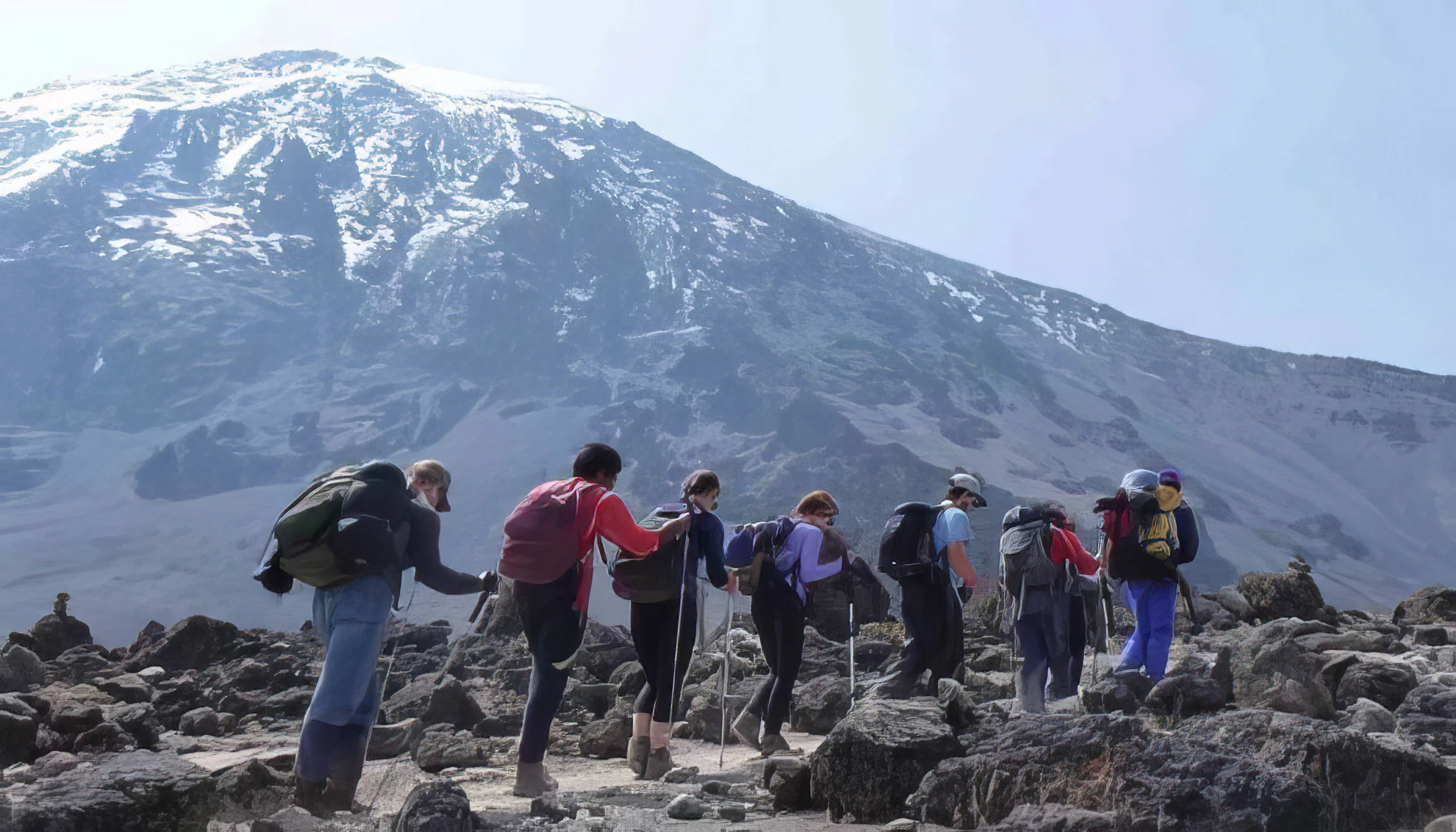
Tanzania supplies diverse outdoor activities for adventurous travelers:
– Safari in Serengeti National Park: Witness the Great Migration and diverse wildlife.
– Climbing Mount Kilimanjaro: Conquer Africa's highest peak on a multi-day trek.
– Beach relaxation in Zanzibar: Enjoy preserved beaches and turquoise waters.
– Hot air balloon over Serengeti: Experience impressive aerial views of the savannah.
– Snorkeling in Mafia Island Marine Park: Explore attractive coral reefs and marine life.
– Hiking in Ngorongoro Crater: Discover unique landscapes and abundant wildlife.
– Canoeing in Lake Manyara National Park: Paddle through scenic waters rich with birdlife.
Kid Friendly
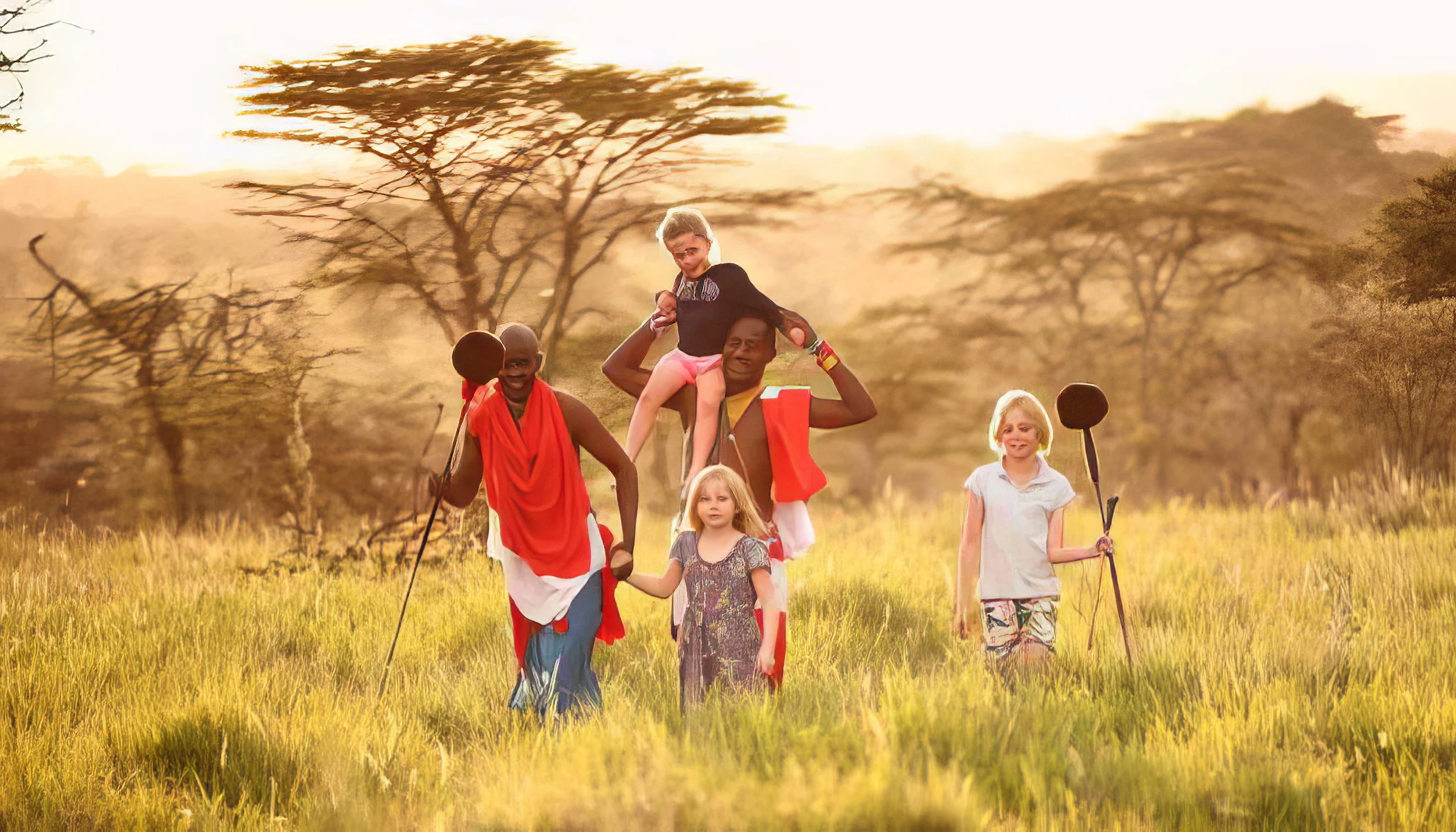
Tanzania offers a range of activities that kids will enjoy and find educational.
– Serengeti National Park Safaris: Witness the Great Migration and spot diverse wildlife on guided safaris.
– Ngorongoro Crater: Visit this natural wonder for a chance to see lions, elephants, and rhinos.
– Zanzibar Beaches: Enjoy clear waters and sandy beaches perfect for family relaxation and play.
– Tarangire National Park: Known for large elephant herds and ancient baobab trees.
– Lake Manyara National Park: Famous for its tree-climbing lions and diverse bird species.
– Cultural Tours in Maasai Villages: Experience traditional Maasai culture through music, dance, and crafts.
– Mount Meru Day Hikes: Kid-friendly trails offering gorgeous views of the surrounding area.
– Jozani Forest Reserve: Walk through Zanzibar's only national park to see the rare red colobus monkeys.
Cuisine
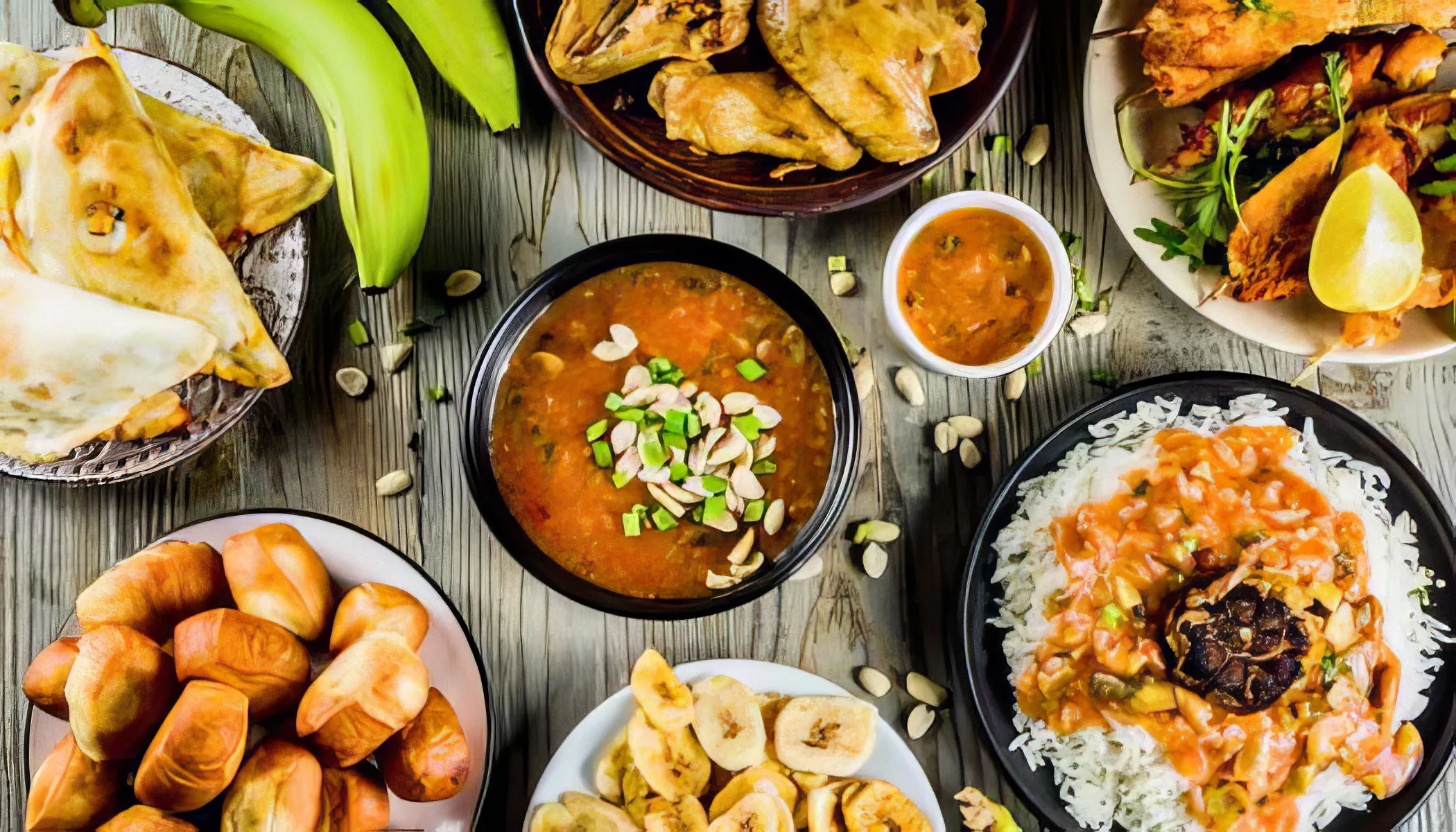
Tanzanian cuisine is a blend of African, Arab, and Indian influences, with a focus on hearty stews and fresh ingredients. Meals often revolve around staples like rice, maize, and beans. Street food is popular and reflects the country's diverse cultural heritage. Most famous dishes in Tanzania are:
– Ugali: Cornmeal porridge served as a side dish with stews or vegetables.
– Nyama Choma: Grilled meat, usually goat or beef, seasoned and cooked over open flames.
– Pilau: Spiced rice cooked with meat or vegetables, infused with local spices.
– Chapati: Flatbread similar to Indian roti, served with various dishes.
– Samosas: Deep-fried pastries filled with spiced meat or vegetables.
– Ndizi Na Nyama: Banana and meat stew cooked with coconut milk and spices.
Souvenir
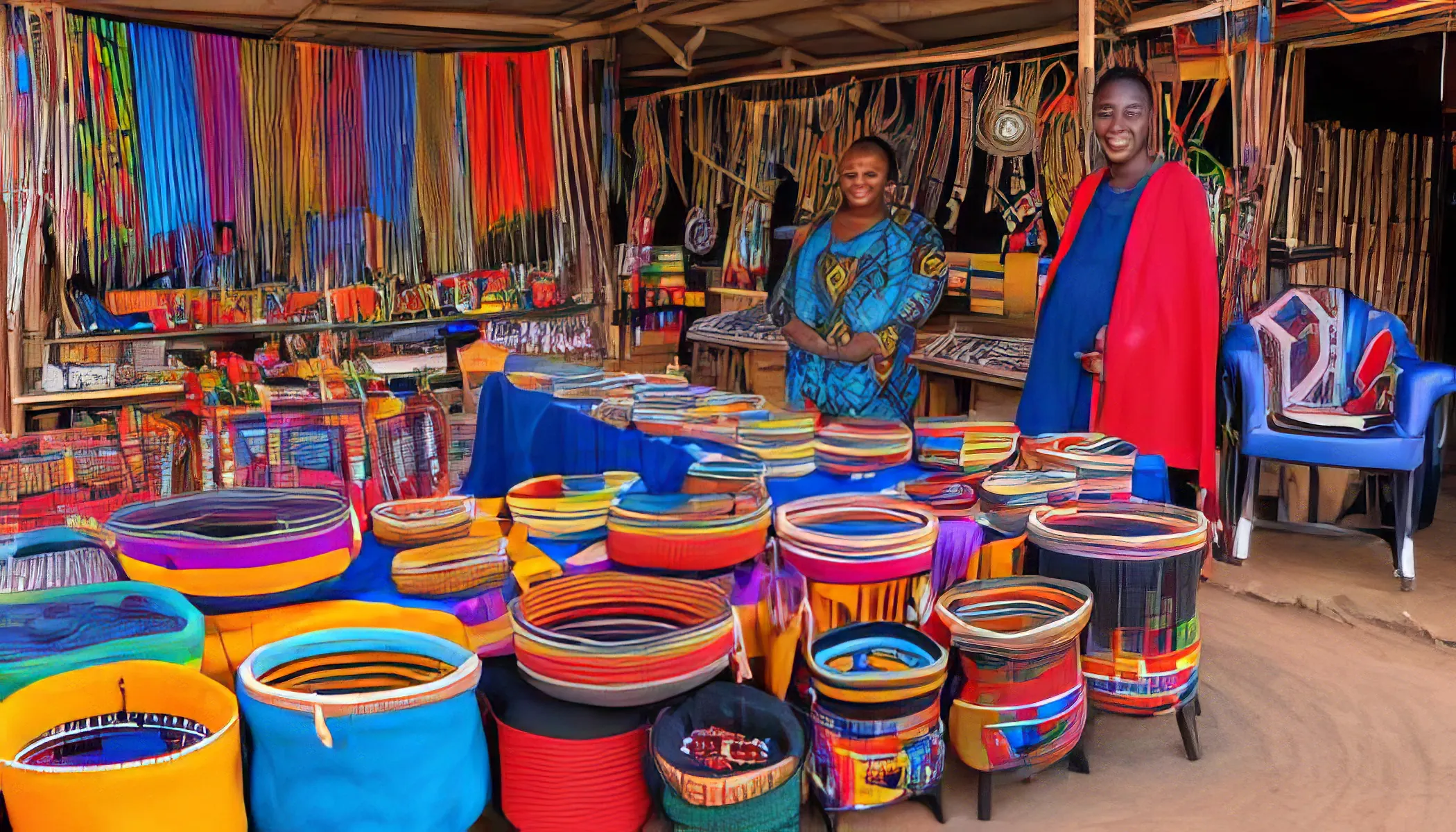
Tourists visiting Tanzania can find a variety of unique souvenirs that reflect the country's rich culture and traditions.
– Tinga Tinga Paintings: These energetic and colorful paintings are a distinctive Tanzanian art form named after its founder, Edward Saidi Tingatinga.
– Kanga Fabric: Brightly colored cotton fabric worn by locals, often featuring Swahili proverbs or sayings.
– Maasai Beadwork: Traditional jewelry crafted by the Maasai people, known for its refined bead patterns and dynamic colors.
– Tanzanite Jewelry: This rare blue gemstone is only found in Tanzania, making it a special souvenir.
– Ebony Carvings: Skilled artisans carve detailed figures and sculptures from ebony wood, popular among tourists.
– Batik Cloth: A unique form of cloth with patterns created using wax-resist dyeing techniques.
– Spices from Zanzibar: Zanzibar's spices like cloves, nutmeg, and cinnamon are famous worldwide for their quality.
Traditional Shows
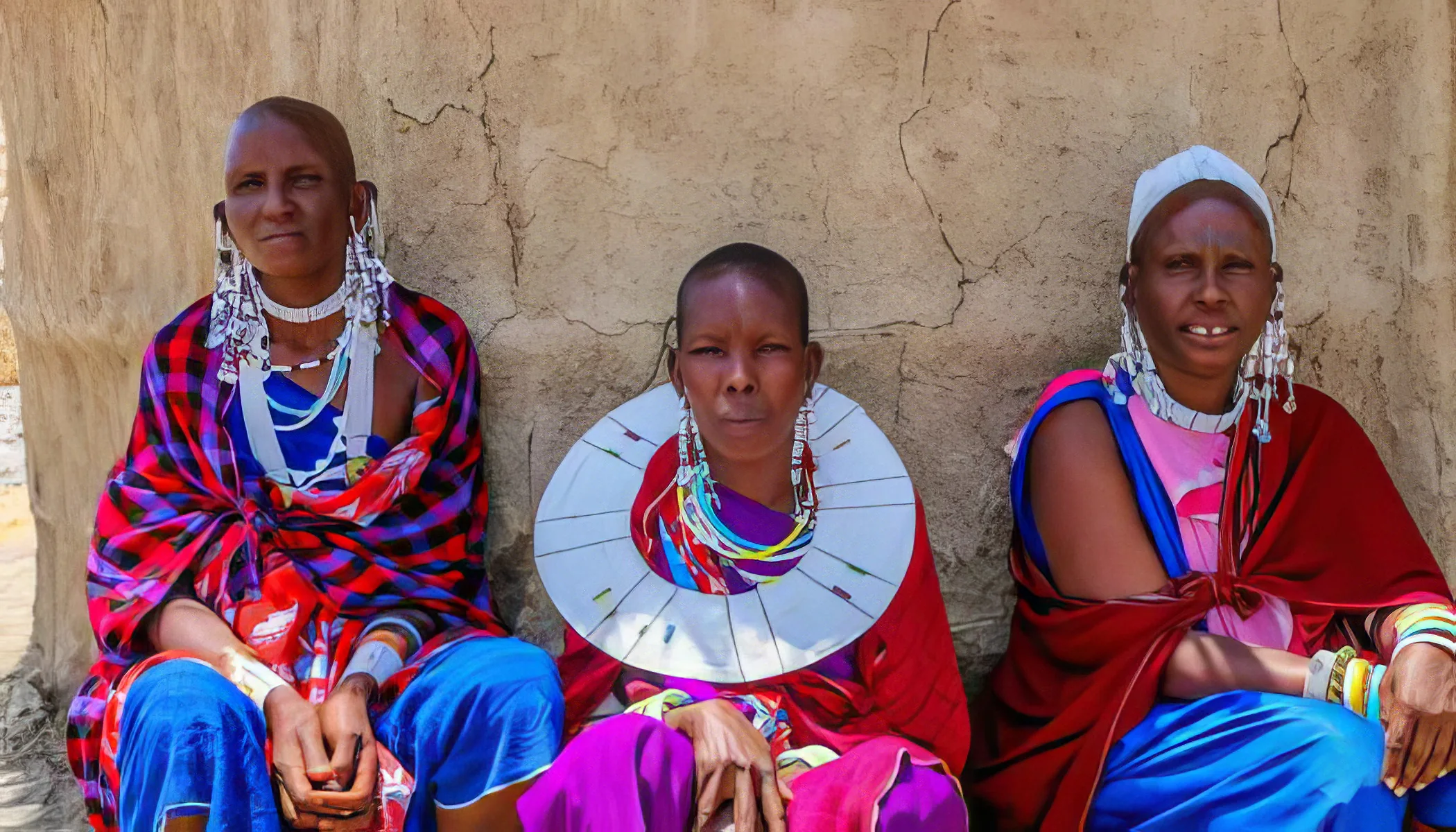
Tanzania provides a variety of traditional performances to explore:
– Ngoma Dance: A animated mix of drumming, singing, and dance performed at festivals and ceremonies throughout Tanzania, showcasing cultural diversity.
– Taarab Music: Enjoy this blend of African, Arabic, and Indian influences in Zanzibar, offering rich melodies and poetic lyrics.
– Makonde Sculpture: Witness intricate wood carvings by the Makonde people, often displayed in Dar es Salaam, reflecting their rich storytelling tradition.
– Maasai Dance: Experience the energetic jumping dance of the Maasai in northern Tanzania, a tradition celebrating community and culture.
– Gogo Music: Hear traditional music from the Dodoma region featuring unique local instruments like zeze and ngoma drums.
Events & Festivals
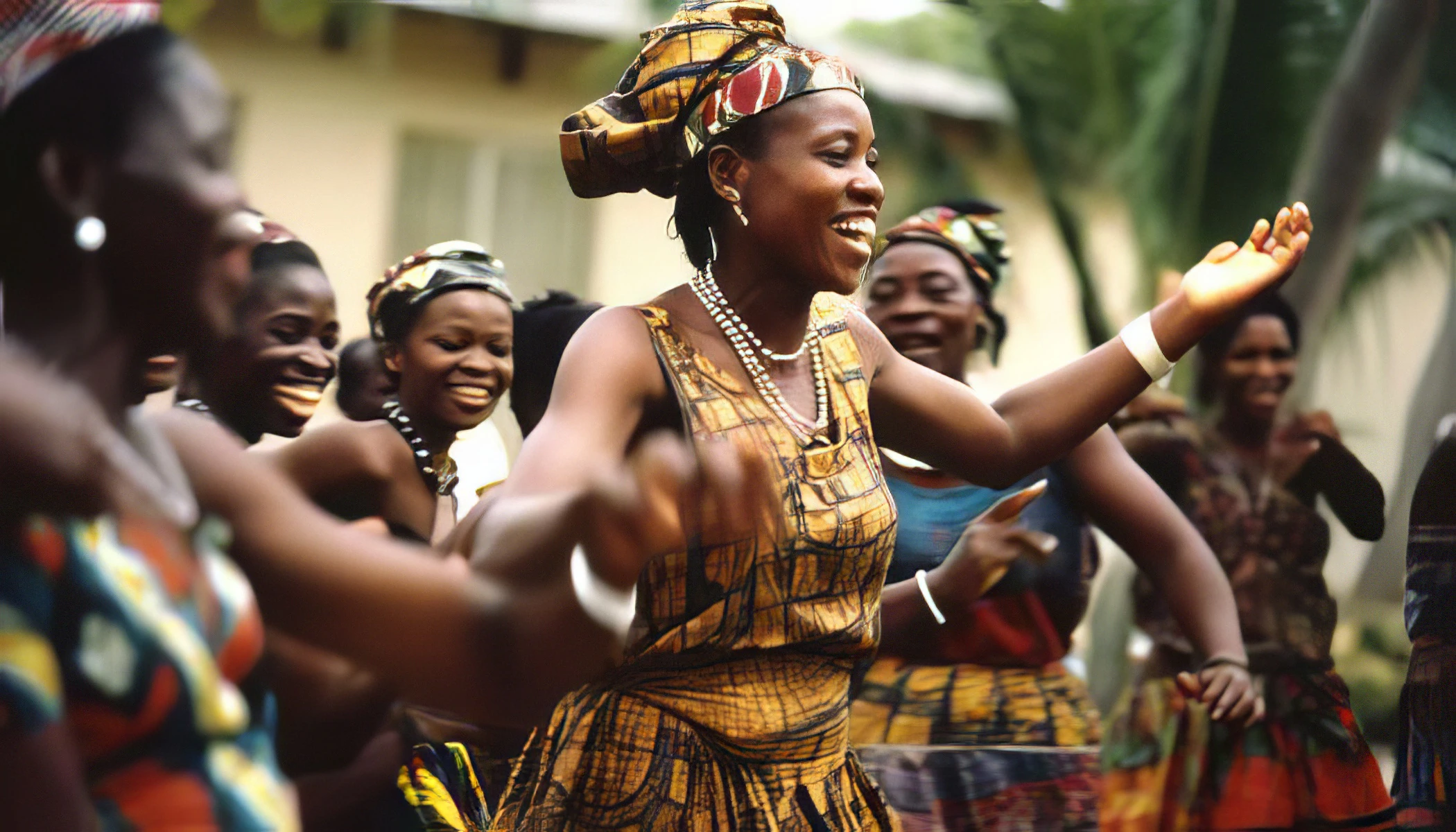
Tanzania hosts a variety of events and festivals reflecting its rich culture and traditions:
– Zanzibar International Film Festival: July event showcasing African films, music, and art in Stone Town.
– Sauti za Busara: February music festival in Zanzibar featuring diverse African music performances.
– Mwaka Kogwa Festival: July/August celebration in Zanzibar with traditional rituals and festivities.
– Kilimanjaro Marathon: Annual March race attracting runners from around the globe to Moshi.
– Unification Day: April 26 marks the union of Zanzibar and Tanganyika with parades and celebrations.
– Serengeti Cultural Festival: July event highlighting Maasai culture through dance, music, and crafts.
– Nane Nane Day: August 8 agricultural fair across Tanzania celebrating farmers' contributions.
Famous People

Tanzania is home to numerous influential individuals who have made significant contributions in various fields.
– Julius Nyerere (1922 to 1999, Butiama): First President of Tanzania and key figure in the country's independence movement.
– Jakaya Kikwete (born 1950, Msoga): Former President known for promoting economic growth and regional cooperation.
– Benjamin Mkapa (1938 to 2020, Ndanda): Third President of Tanzania, recognized for economic reforms and privatization efforts.
– Abdulrazak Gurnah (born 1948, Zanzibar): Renowned novelist awarded the 2021 Nobel Prize in Literature.
– Hasheem Thabeet (born 1987, Dar es Salaam): Professional basketball player known as the first Tanzanian to join the NBA.
Books

These books provide rich narratives and insights into Tanzania's diverse cultural, historical, and environmental landscapes.
– "Green Hills of Africa" by Ernest Hemingway: Non-fiction work depicting a safari in 1930s Tanzania.
– "The Tree Where Man Was Born" by Peter Matthiessen: Examines East Africa's landscapes, history, and wildlife.
– "Paradise" by Abdulrazak Gurnah: Follows a boy in colonial East Africa on the eve of World War I.
– "Circling the Sun" by Paula McLain: Highlights aviator Beryl Markham's adventures in colonial Kenya and Tanzania.
– "North of South" by Shiva Naipaul: Travelogue offering an outsider's perspective on post-independence Tanzania.
Songs

Tanzanian music is rich with diverse genres, offering songs that highlight social themes, love, and cultural identity.
– Malaika: Swahili love song popularized by Tanzanian musician Miriam Makeba.
– Nakupenda Pia: Celebrated love song by the iconic Mbilia Bel.
– Bongo Flava: Style defining Tanzania's music scene, popularized by artists like Diamond Platnumz.
– Nchi Yetu: Patriotic anthem symbolizing Tanzania's national pride and unity.
– Baba na Mama: Rayvanny's song celebrating familial bonds and respect.
– Kwangwaru: Hit collaboration between Diamond Platnumz and Harmonize.
Films

Here is a selection of films capturing Tanzanian stories and landscapes:
– "Maangamizi: The Ancient One": A journey through African mysticism and healing, nominated for an Oscar in 2001.
– "The Silent Ocean": Explores the struggle of Tanzanian fishermen against industrial trawlers impacting their livelihoods.
– "Yellow Card": A coming-of-age story about a young soccer player's challenges and responsibilities.
– "Vuta N'Kuvute (Tug of War)": Set in colonial Zanzibar, it portrays love and resistance during the liberation struggle.
– "Bongoland": A comedy-drama highlighting the cultural and social adjustments of a Tanzanian immigrant in America.