

Explore Togo: Culture, Cities & Places to Visit
Located in West Africa, this country features a mix of cultures and landscapes. Its capital, Lomé, is a hub for trade and culture. Known for its palm-lined beaches and hilltop villages, it supplies a glimpse into traditional African life.
- Capital
- Lomé
- Population
- 6.6 millions
- Superficy
- 57000 sq.km
- Months to Visit
- Nov. to Feb.
- Living Cost
- Economical
Overview
Togo is a small country in West Africa, bordered by Ghana, Benin, and Burkina Faso, with a short coastline along the Gulf of Guinea. The capital city, Lomé, is known for its busy markets and palm-lined beaches. Togo's landscape varies from coastal plains to rolling savannas and hilly regions in the north. The country has a diverse cultural heritage with over 40 ethnic groups, each contributing to its rich traditions and festivals. Agriculture is a key part of Togo's economy, with crops like coffee, cocoa, and cotton being significant exports. Despite its natural beauty and cultural richness, Togo faces challenges such as political instability and economic development issues.
Pros & Cons
GOOD REASONS TO VISIT TOGO
– Diverse Landscapes: Explore beaches, savannas, and the dense hills of Kpalimé for varied natural beauty.
– Rich Culture: Experience traditional music, dance, and nice festivals reflecting Togo's diverse ethnic groups.
– Historical Sites: Visit ancient forts and colonial architecture in cities like Lomé and Aného.
– Wildlife Viewing: Discover Fazao-Malfakassa National Park's elephants, antelopes, and diverse bird species.
– Craft Markets: Shop for unique handmade crafts and textiles at local markets in Lomé. CHALLENGES WHEN VISITING TOGO
– Limited Infrastructure: Roads and public transport can be underdeveloped, affecting travel convenience.
– Health Concerns: Malaria risk is present; vaccinations and precautions are necessary for safe travel.
– Language Barrier: French is the official language; English speakers may face communication challenges.
Before Departure
Before traveling to Togo, consider the following essential information:
– Passport: Ensure your passport is valid for at least six months beyond your intended stay.
– Visa: Tourists need a visa; available on arrival for 7 days or apply in advance for longer stays.
– Currency: West African CFA Franc (XOF); credit cards are not widely accepted; ATMs available in major cities.
– Internet access: WiFi is limited; consider purchasing a local SIM card from Togocel or Moov for better connectivity.
– Language barrier: French is the official language; English is not widely spoken. Basic French can be helpful.
What to Pack
Traveling to Togo requires preparation for its tropical climate and consideration of health precautions.
– Essentials: Passport with visa, travel insurance, flight tickets, itinerary, and accommodation confirmations.
– Clothing: Lightweight clothing for warm weather, long sleeves and pants for mosquito protection, comfortable walking shoes, hat and sunglasses.
– Health & Safety: Prescription medications, first aid kit, insect repellent with DEET, anti-malarial medication if advised by a doctor.
– Electronics: Travel adapter for Type C or E outlets, mobile phone with charger, camera.
Weather
Weather in Togo is tropical with distinct wet and dry seasons:
– Winter (December to February): Dry season with Harmattan winds, cooler temperatures, and low humidity.
– Spring (March to May): Transition to wet season, increasing temperatures, and occasional rain showers.
– Summer (June to August): Wet season with heavy rainfall, high humidity, and warm temperatures.
– Autumn (September to November): End of wet season with decreasing rainfall and moderate temperatures. The best time to visit Togo is from November to February:
– Pleasant weather with cooler temperatures and minimal rainfall.
– Ideal for outdoor activities and exploring cultural sites. Note that Harmattan winds can cause dusty conditions during this period.
Travel Budget
Togo supplies a range of budget-friendly options for travelers. Here are some average prices for common expenses:
– Hotel: 30$ to 80$
– Lunch: 3$ to 10$
– Beverage (in bar/restaurant): 1$ to 4$
– Coffee: 1$ to 2$
– Transportation: (train not widely available), (bus 0.5$ to 2$), (taxi /10km 5$ to 15$)
– Mobile data (per GB): 2$ to 5$
Language
Togo is a multilingual country, but French is the official language and widely used for communication. Here are some useful phrases in French for tourists visiting Togo:
– Hello: Bonjour
– Thank you: Merci
– Please: S'il vous plaît
– How much is this?: Combien ça coûte?
– Excuse me: Excusez-moi
– I don't understand: Je ne comprends pas
– Yes: Oui
– No: Non
– Goodbye: Au revoir
History
The area known today as Togo was originally home to various ethnic groups and kingdoms, including the Ewe and the Mina. In the late 19th century, it became a German protectorate called Togoland. Following Germany's defeat in World War I, the territory was divided between Britain and France under League of Nations mandates. British-administered Togoland later voted to join the Gold Coast, now Ghana, leaving French Togoland to become independent. In 1960, French Togoland gained independence as the Republic of Togo. The country saw political instability with multiple coups, beginning with a military coup in 1963. It has since struggled with political tensions but has made some progress towards democratic governance in recent years.
Geopolitics
Togo is a West African country bordered by Ghana to the west, Benin to the east, Burkina Faso to the north, and the Gulf of Guinea to the south. It is a republic with a history of political instability, including military coups and contested elections. The country plays a modest role in regional organizations like ECOWAS (Economic Community of West African States), which focuses on economic integration and political stability in West Africa. Togo's geopolitical strategy includes fostering diplomatic relations with both Western countries and China for development aid and investment. Economically, it relies on agriculture, phosphate mining, and its strategic location as a trade corridor for landlocked neighbors. Togo faces internal challenges such as political reforms and governance issues that impact its international engagements.
Sample Itinerary
This itinerary covers cultural, natural, and historical highlights in Lomé, Kpalimé, and Kara.
– 1 day in Lomé: Visit the National Museum, Independence Monument, and Lomé Grand Market. Explore the artisan village for local crafts.
– 1 day in Togoville: Discover this historic town with its colonial architecture and learn about its significance in voodoo culture.
– 2 days in Kpalimé: Hike Mt. Kloto for panoramic views; visit waterfalls and cocoa plantations. Experience local crafts in nearby villages.
– 2 days in Kara: Explore traditional Koutammakou landscapes, a UNESCO site. Visit the Sarakawa Reserve and experience local culture.
– 1 day at Fazao-Malfakassa National Park: Enjoy a safari to see diverse wildlife such as elephants and antelopes amidst scenic landscapes.
Popular cities

Explore Togo's cities for a blend of culture, history, and natural beauty:
– Lomé: The capital and largest city, known for its busy markets and beautiful beaches.
– Kpalimé: A town surrounded by dense hills, famous for its art and nearby waterfalls.
– Sokodé: The second-largest city in Togo, offering cultural insights and lovely local markets.
– Kara: Known for its traditional crafts and as a gateway to the Koutammakou landscape.
– Atakpamé: A central town surrounded by scenic hills, ideal for exploring local culture.
– Aného: A coastal town with historical significance as a former colonial capital.
– Dapaong: A northern city known for its proximity to unique rock formations and cultural heritage.
Monuments

Togo supplies a few significant monuments and historical sites to explore:
– Koutammakou, the Land of the Batammariba: UNESCO site with traditional mud tower houses.
– Tamberma Valley: Known for its unique clay houses and indigenous culture.
– Independence Monument, Lomé: Symbolizes Togo's freedom, located in the heart of the capital.
– National Museum of Togo, Lomé: Showcases Togolese history, culture, and art.
– Akloa Falls: One of Togo's natural landmarks near Kpalimé.
– Aného Cathedral: Historic Catholic church near the coast.
– Palais de Lomé: Former presidential palace now serving as an art and cultural center.
– Bafilo Weaving Center: Renowned for traditional weaving techniques and local textiles.
Natural wonder
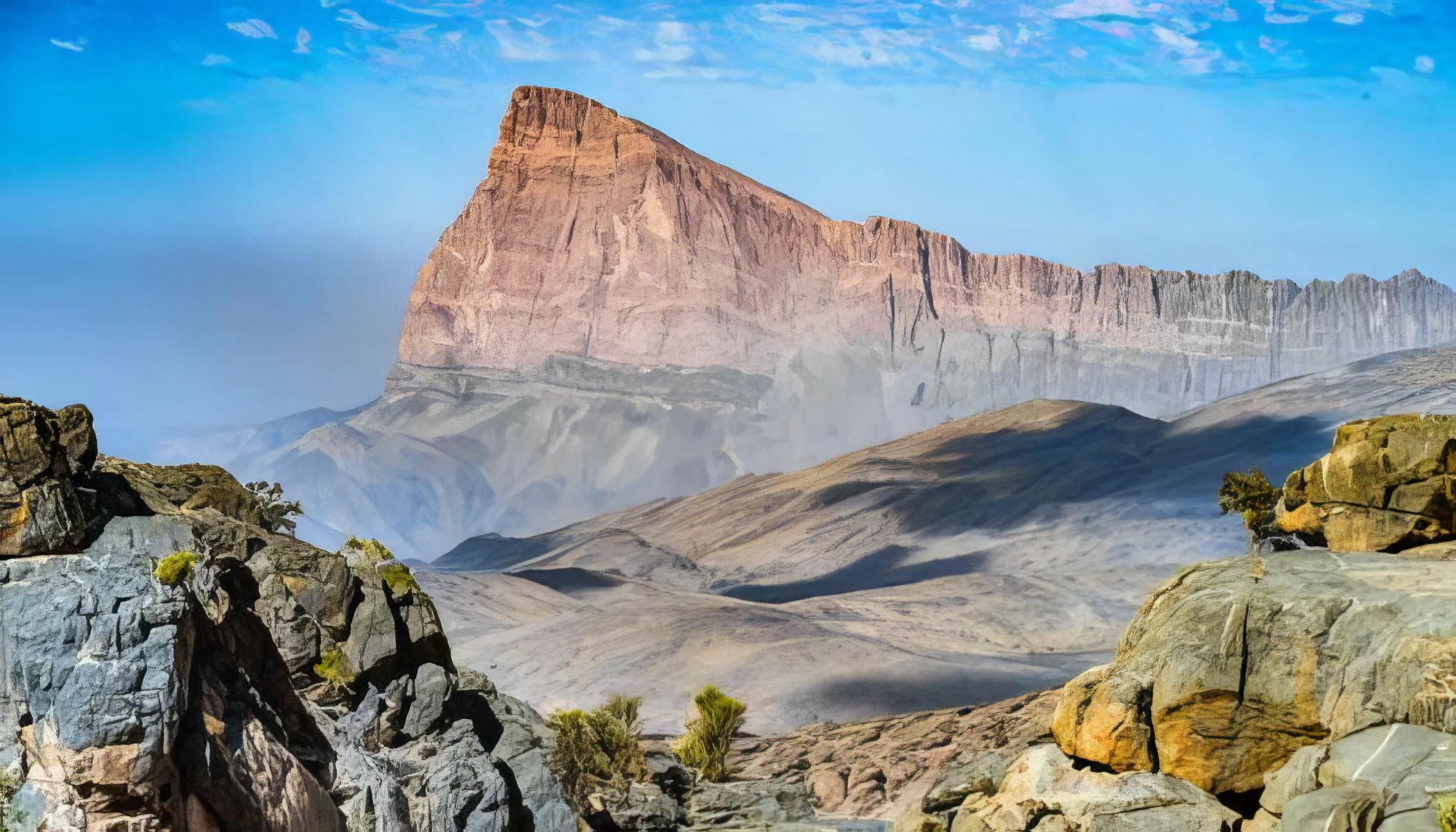
Explore Togo's natural wonders featuring diverse landscapes and unique ecosystems:
– Mount Agou: Togo's highest peak, offering panoramic views and beautiful vegetation.
– Kéran National Park: Home to diverse wildlife, including elephants and antelopes.
– Fazao-Malfakassa National Park: Known for its dense forests and abundant wildlife.
– Togoville Lake: Historical lake with cultural significance and scenic vistas.
– Akloa Waterfalls: Series of waterfalls in a beautiful forested area.
– Koutammakou: A UNESCO site, known for traditional Batammariba mud tower houses.
– Mono River: Provides opportunities for bird watching and boat tours.
– Abdoulaye Faunal Reserve: Protected area for wildlife conservation and eco-tourism activities.
– Badou Waterfalls: Elegant waterfall nestled in the hills of the Plateau Region.
– Nangbeto Dam Lake: Artificial lake popular for fishing and local excursions.
Beaches
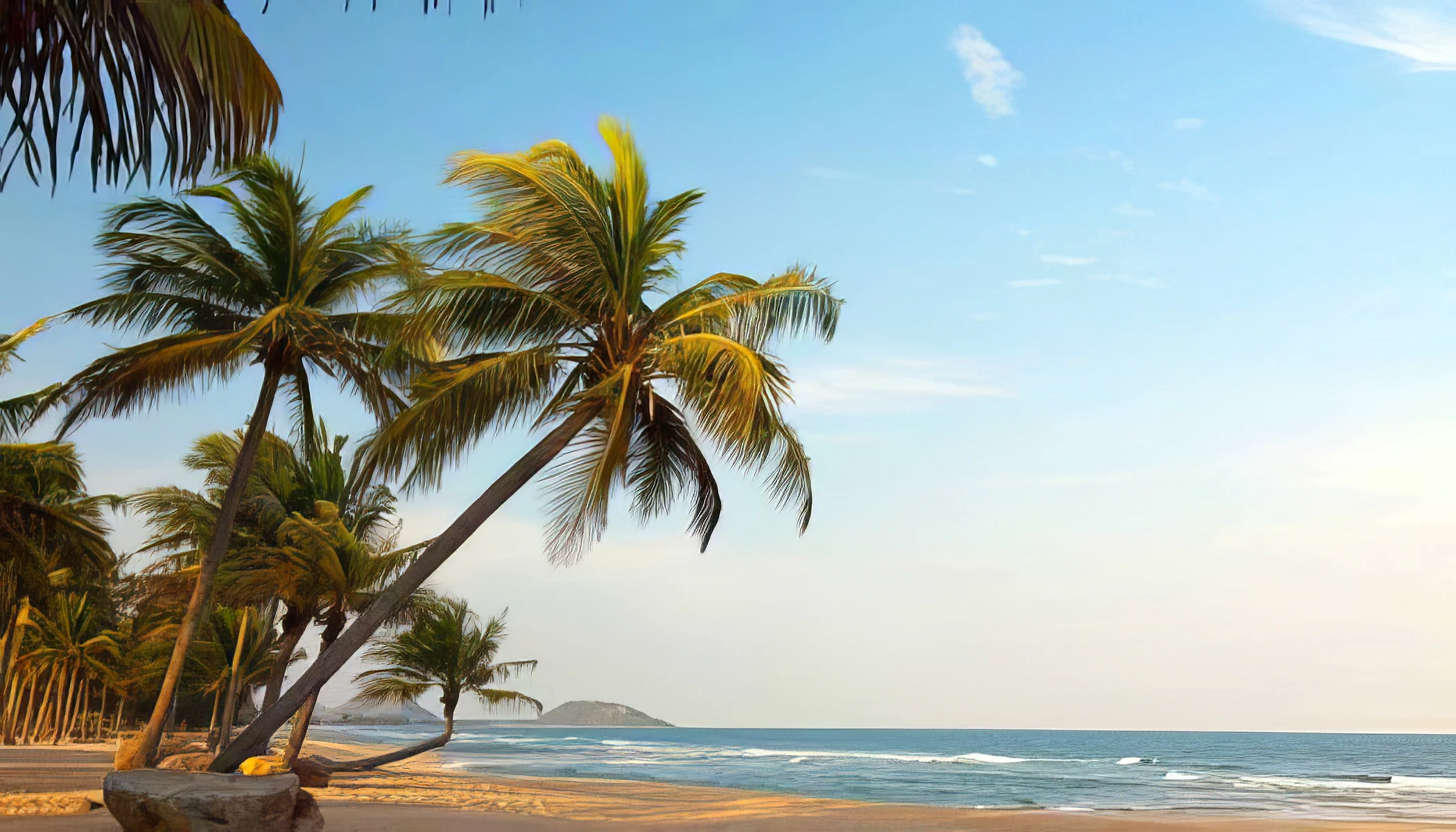
Togo supplies a few beaches along its small coastline in West Africa.
– Lomé Beach: Located in the capital, known for its lively atmosphere and local eateries.
– Aneho Beach: Provides a quieter setting with historical significance near the border with Benin.
– Togoville Beach: Nearby the historical town of Togoville, provides calm waters and scenic views.
Outdoor activities
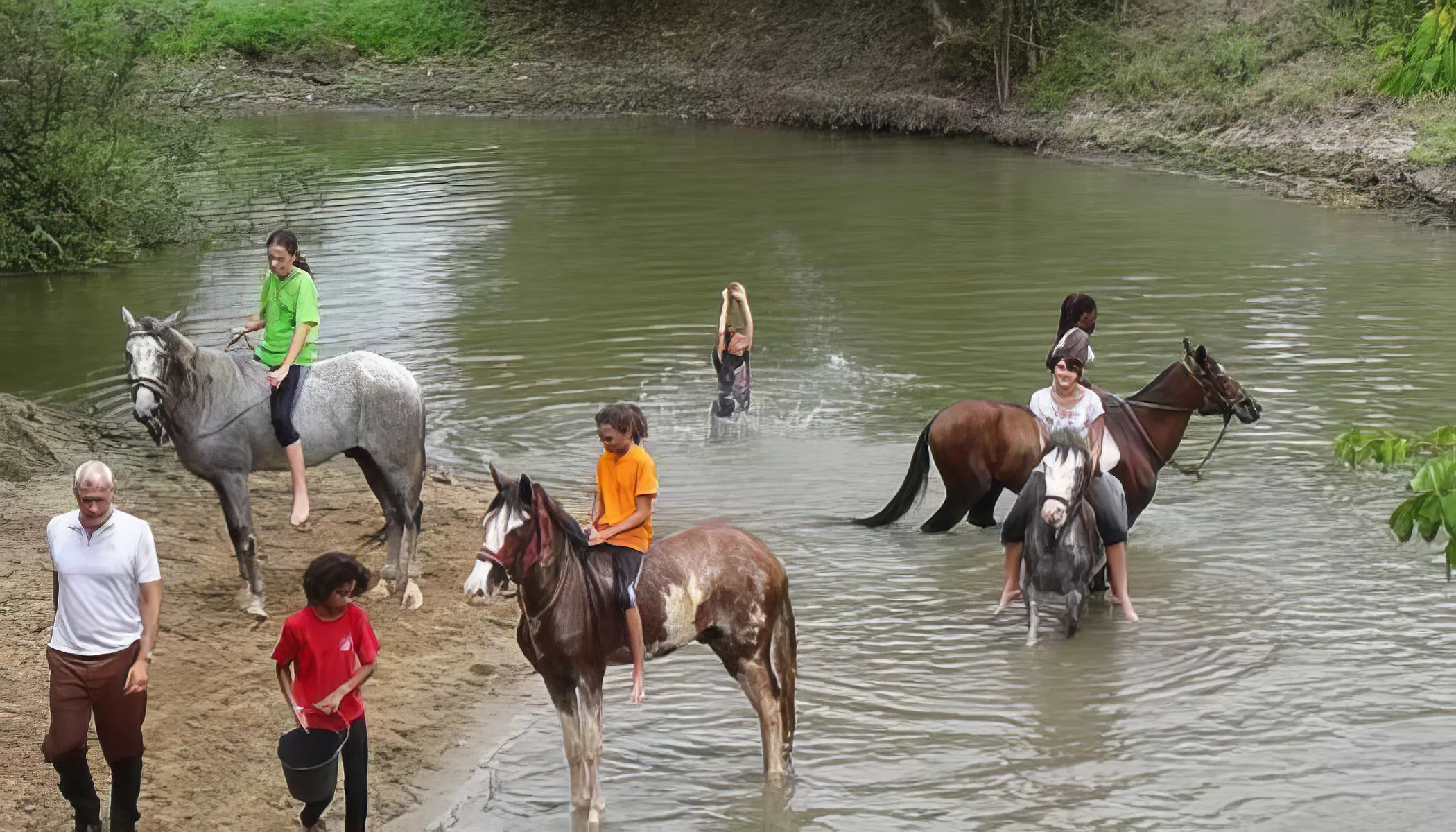
In Togo, there are several outdoor activities for nature and adventure enthusiasts:
– Hiking in Kpalimé: Traverse the nice trails of Mount Agou, Togo's highest peak.
– Wildlife Viewing in Fazao-Malfakassa National Park: Spot elephants, antelopes, and diverse bird species.
– Canoeing on Lake Togo: Paddle through calm waters surrounded by scenic landscapes.
– Beach Relaxation in Lomé: Enjoy the sandy shores and gentle waves of the Atlantic coast.
– Exploring Akloa Falls: Witness cascading waterfalls amid verdant greenery near Kpalimé.
– Cultural Tour in Togoville: Visit this historic town with its traditional architecture and rich heritage.
– Birdwatching at Mono River: Observe a variety of bird species along this vital waterway.
Kid Friendly

Togo supplies a range of activities that kids will enjoy.
– Fazao-Malfakassa National Park: A wildlife park with diverse animals and opportunities for family-friendly nature walks.
– Kpalimé Waterfalls: A scenic spot perfect for children to explore and enjoy the natural beauty.
– Lomé Grand Marché: A magnificient market where kids can experience local culture and try traditional snacks.
– Togo National Museum: Provides insights into Togo's history and culture with artifacts that engage young visitors.
– Lake Togo: Families can enjoy boat rides and observe local fishing activities in a nice setting.
– Togoville: A historical town where kids can learn about Togo's history and view traditional architecture.
– Aneho Beach: Provides a relaxed environment for families to enjoy the ocean with safe, sandy shores.
– Tamberma Valley: Visit unique mud-brick castles and learn about the Tamberma people's way of life.
Cuisine
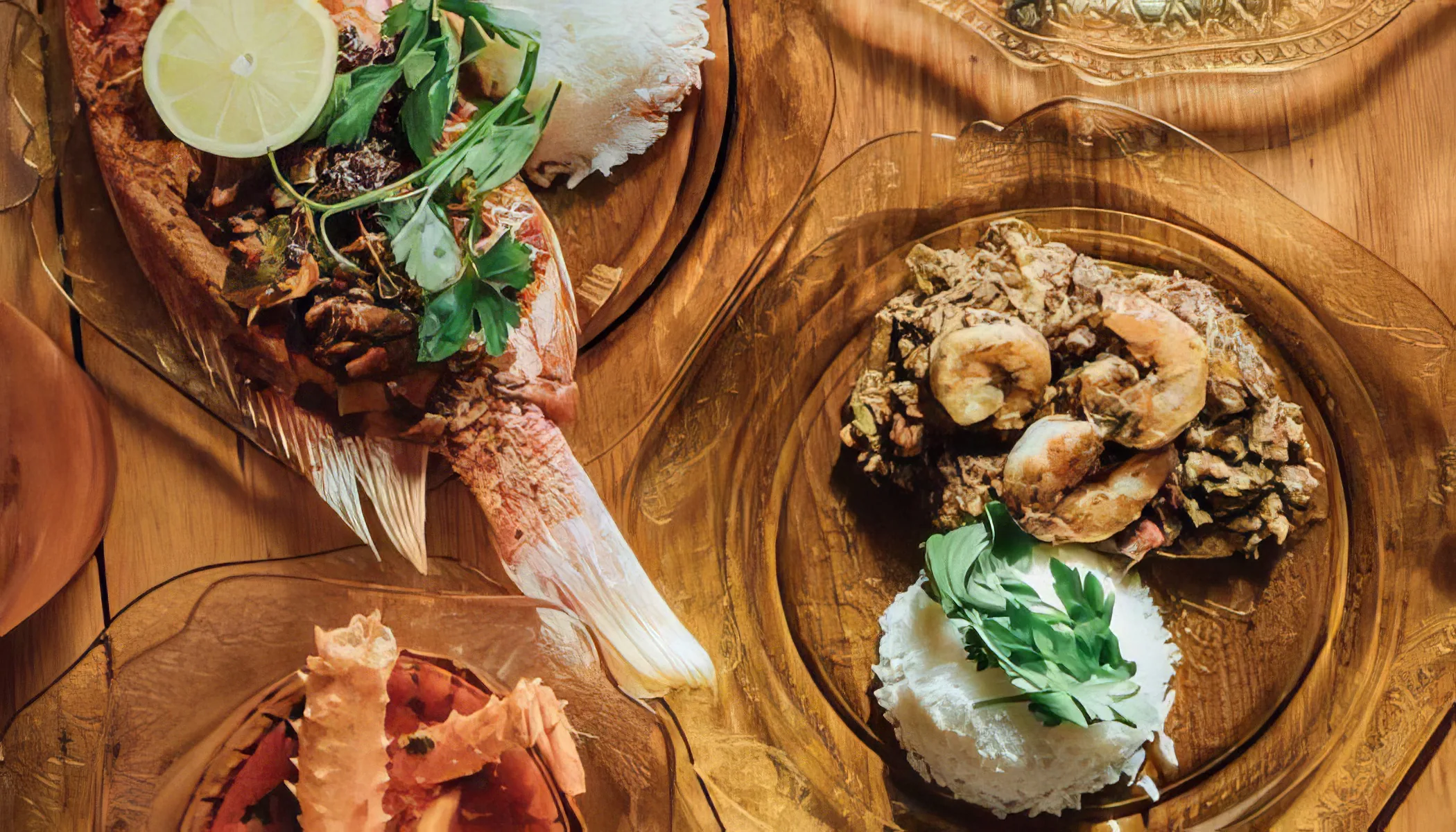
Togolese cuisine is a fusion of African, French, and German influences, characterized by its use of maize, rice, and cassava. Meals are often accompanied by spicy sauces and feature both plant-based and meat dishes. Street food is popular, offering hearty and flavorful options. Most famous cuisine in Togo includes:
– Fufu: Starchy dough made from boiled and pounded yams or cassava, served with soups or stews.
– Akume: Cornmeal porridge often paired with vegetable or meat-based sauces.
– Koklo Meme: Grilled chicken marinated in spicy sauce, usually served with rice or fufu.
– Ablo: Steamed cornmeal buns often eaten with savory sauces or stews.
– Gbomo Dessi: Spinach stew cooked with tomatoes, onions, spices, and sometimes meat.
Souvenir
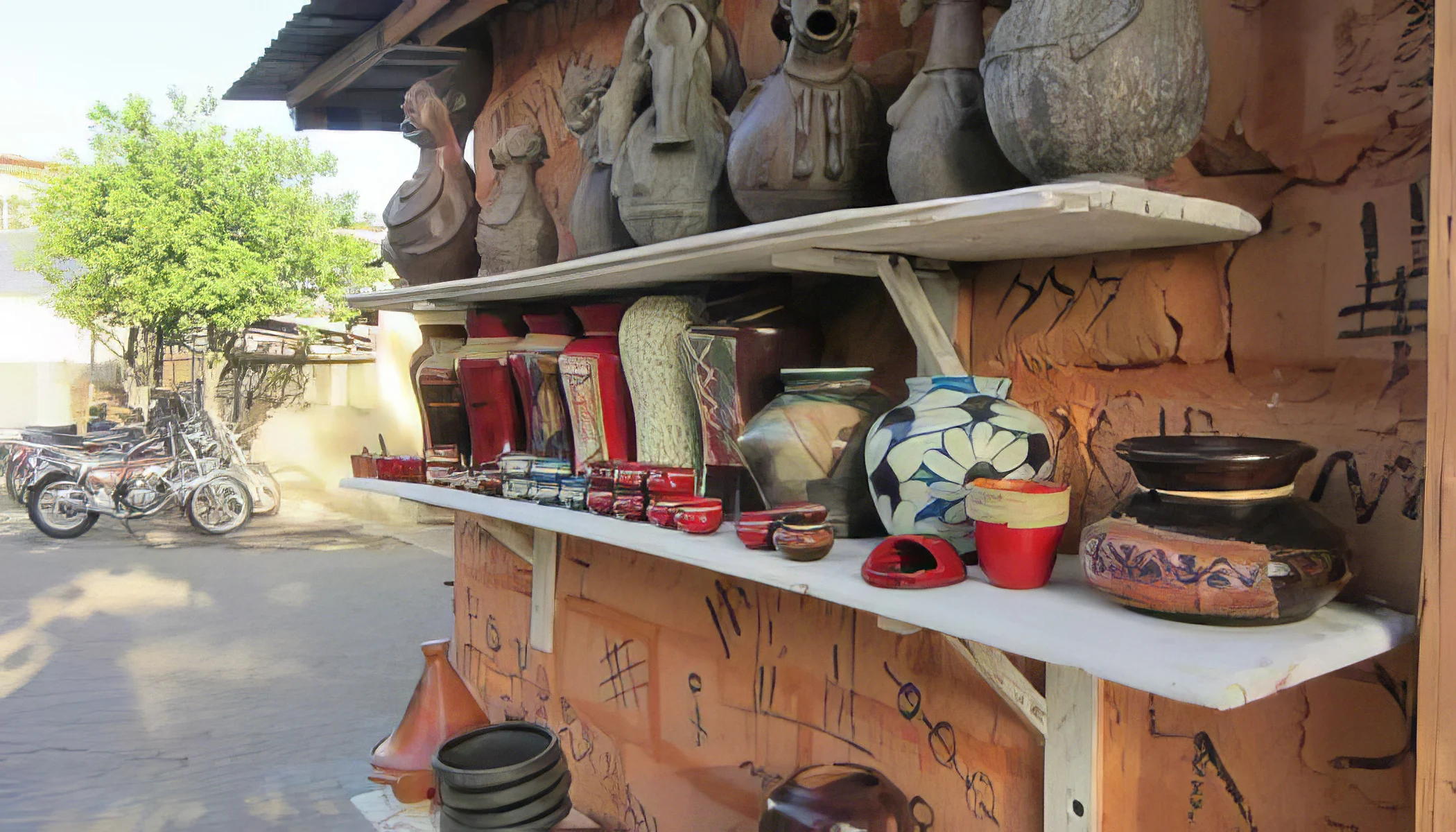
Togo provides a variety of traditional crafts and unique items for visitors to take home. Here are some popular souvenirs:
– Batik Fabrics: Known for their lively colors and intricate designs, these fabrics are popular for clothing and décor.
– Wooden Masks: Hand-carved masks reflecting local culture and traditions make for meaningful decorative pieces.
– Beaded Jewelry: Crafted by local artisans, beaded necklaces and bracelets are colorful and distinctive.
– Calabash Art: Decorated gourds used as bowls or decorative items highlight traditional Togolese craftsmanship.
– Fetish Dolls: These dolls represent voodoo culture, which is prevalent in Togo, making them unique souvenirs.
– Woven Baskets: Handmade baskets come in various sizes and patterns, useful for storage or decoration.
– Pottery: Locally made pottery showcases the traditional techniques used by Togolese artisans.
Traditional Shows

Togo supplies a variety of traditional performances showcasing its cultural heritage:
– Ewe Drumming and Dance: Experience energetic rhythms and sophisticated dance steps from the Ewe people, prevalent in southern Togo.
– Tem Dance: Witness the charming and expressive movements of the Tem ethnic group, popular in northern Togo festivities.
– Kple Dance: Engage with ancestral spirits through this ceremonial dance practiced by the Guins, particularly during special events in southeastern Togo.
– Agbadza Dance: Traditional Ewe music and dance, performed at communal gatherings, highlighting storytelling through rhythm and movement.
– Asafo Music: Celebrate warrior history with songs and dances honoring courage, primarily performed by coastal communities in Togo.
Events & Festivals
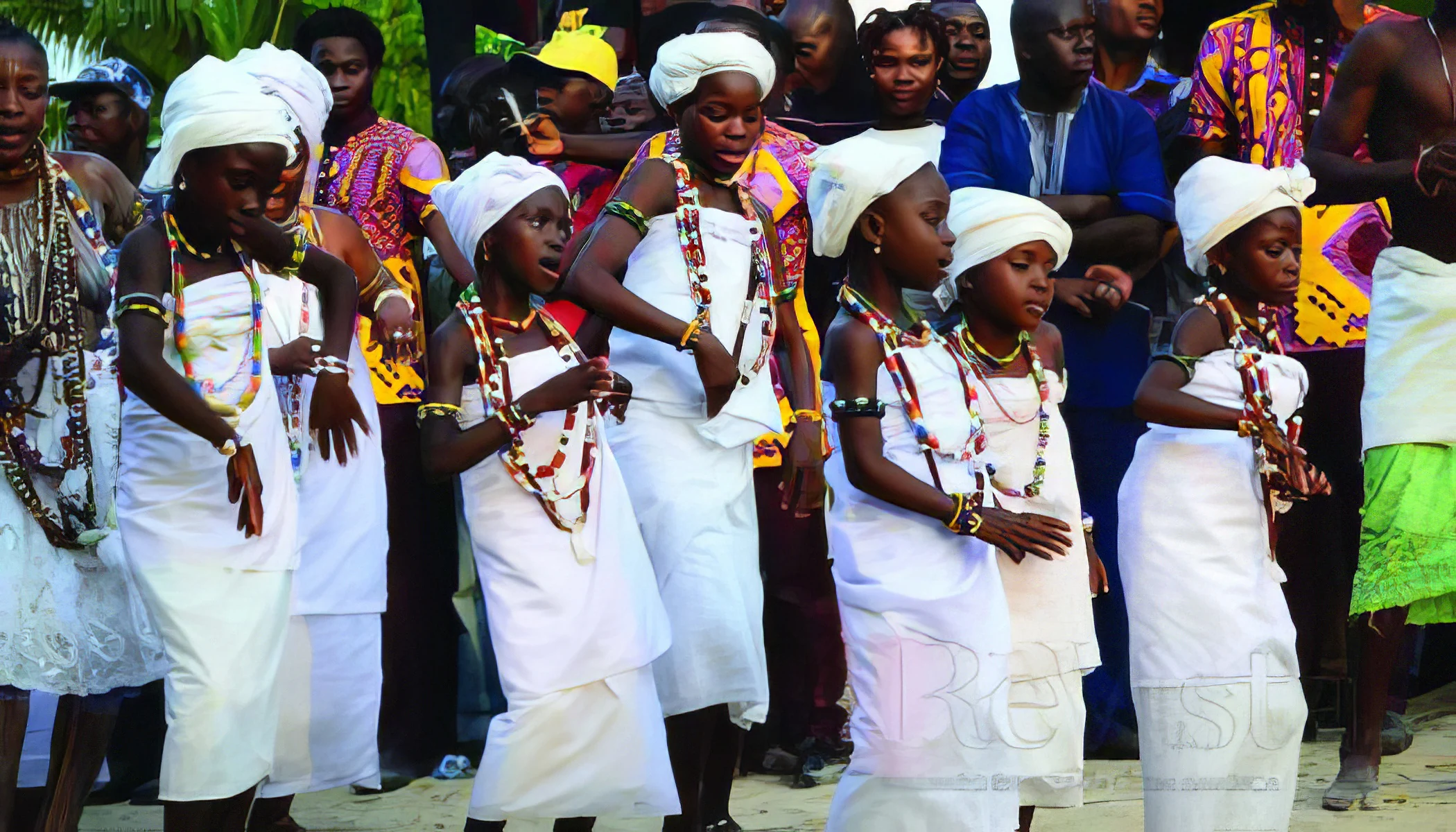
With a blend of traditional and modern influences, Togo hosts several animated festivals annually:
– Evala Festival: July initiation rite in Kara with wrestling matches and cultural activities.
– Gadao-Adossa-Kondona Festival: Celebrated in August by the Kotokoli people, featuring traditional music and dance.
– Akpema and Kondona Initiation Rites: March ceremonies marking the passage to adulthood for Kabye girls and boys.
– Yam Festival (Gbagba): Held in September, celebrating the yam harvest with feasts and cultural displays.
– Agbogbo-Za: August festival of the Ewe people in Notsé, featuring rituals, drumming, and storytelling.
– Voodoo Festival: January event celebrating the region's ancestral religion with ceremonies and rituals.
– Christmas Day: Celebrated on December 25 with church services, family gatherings, and festivities.
Famous People

Togo, a West African nation, is home to several renowned individuals who have made significant impacts globally.
– Gnassingbé Eyadéma (1935 to 2005, Pya): Longest-serving Togolese president known for his authoritarian rule and political influence over Togo.
– Faure Gnassingbé (born 1966, Afagnan): Current president of Togo since 2005, continuing the political legacy of his father.
– Gilchrist Olympio (born 1936, Lomé): Opposition leader and founder of Union of Forces for Change party, son of Togo's first president.
– Kossi Efoui (born 1962, Anfoin): Renowned playwright and novelist acclaimed for contributions to Francophone literature.
– Emmanuel Adebayor (born 1984, Lomé): Famous international footballer known for playing in major European leagues and representing Togo in FIFA tournaments.
Books

These books offer insights into the cultural, political, and social landscape of Togo through diverse narratives and perspectives.
– "The Desert and the Drum" by Maman Gouro: A young girl's journey from her traditional village to modern Togo.
– "Tales from Different Tails" by Nana Awere Damoah: Short stories capturing West African life, including Togolese experiences.
– "An African in Greenland" by Tété-Michel Kpomassie: Autobiographical account of a Togolese man's travels from Africa to Greenland.
Songs
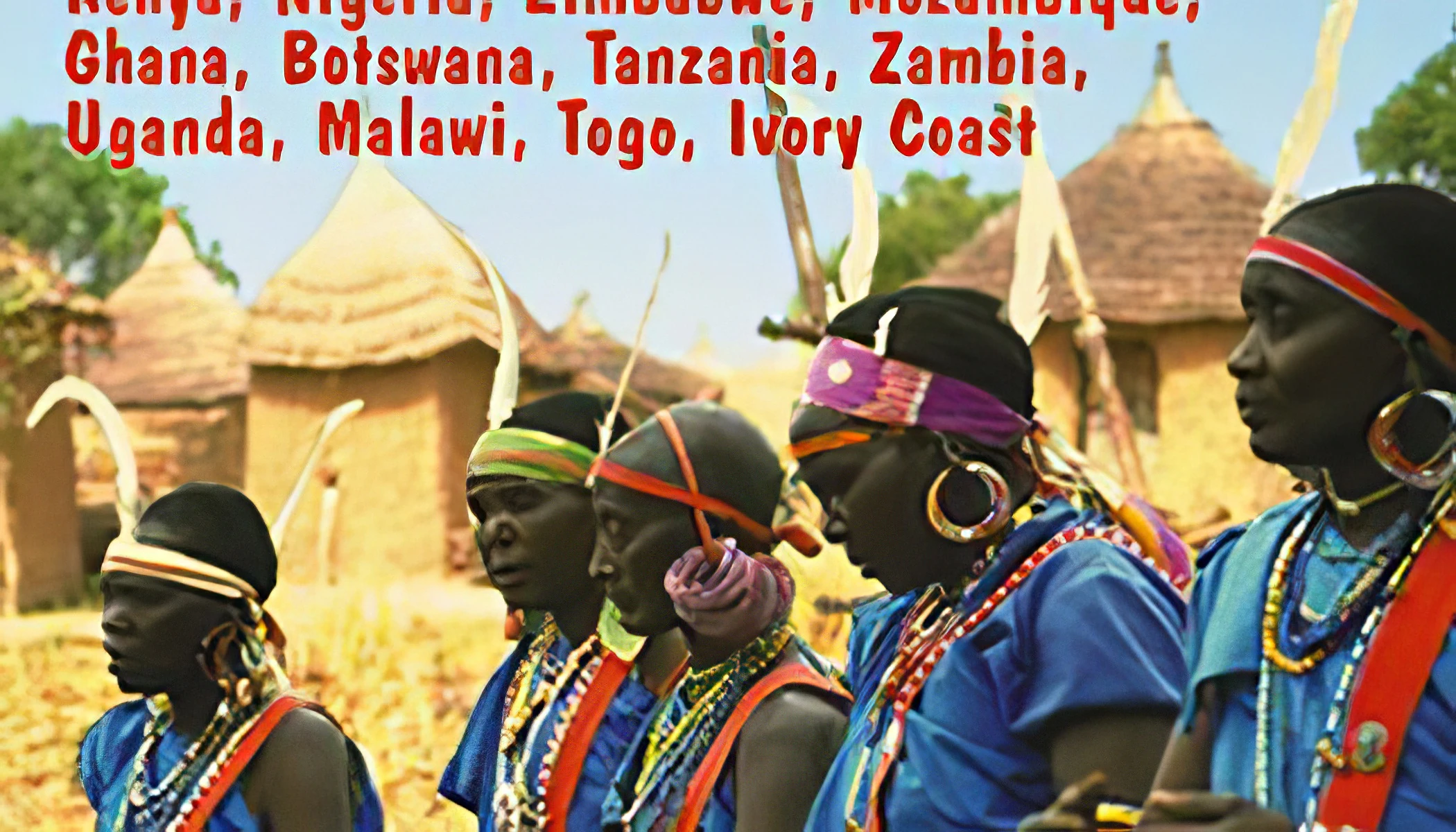
Togolese music is a magnificient mix of traditional and modern influences, echoing the country’s diverse cultural heritage.
– Agbadza: Traditional Ewe song and dance, central to communal gatherings and celebrations.
– Ewue Koklo: Popular Togolese folk song with a rhythmic beat, often played at festivals.
– Adjogbo: Song by Bella Bellow, Togo's celebrated singer known for her melodious voice.
– Gbeku: Dance music associated with the Ewe people, characterized by its energetic beats.
– Segbe Dodzi: A reflective song by King Mensah promoting peace and unity in Togo.
Films

Exploring the cinematic landscape of Togo reveals influential films that highlight its culture and stories:
– "The Three Lascars": Directed by Boubacar Diallo, this film is a comedic adventure involving three friends on an unexpected journey.
– "Tilaï (The Law)": Though primarily a Burkinabé film, Idrissa Ouédraogo's tale about tradition and family honor resonates in Togolese contexts.
– "Kadjolak": Directed by Thomas Gnogou, this documentary explores the traditional practices and beliefs of the Kabye people in Togo.
– "Unwanted Guest": A social drama focusing on immigration issues, this film addresses the complexities of identity and belonging.
– "Akpéma": A film by Komlan Moussavou exploring themes of youth and cultural identity in modern Togo.