

Explore Tunisia: Culture, Cities & Places to Visit
Located in North Africa, this country is known for its golden beaches, Sahara Desert landscapes, and rich history dating back to ancient Carthage. Its capital, Tunis, boasts a medina quarter reflecting Islamic architecture and a animated contemporary culture.
- Capital
- Tunis
- Population
- 10.6 millions
- Superficy
- 164000 sq.km
- Months to Visit
- April to June & Sept. to Nov.
- Living Cost
- Economical
Overview
Tunisia is a North African country bordering the Mediterranean Sea and Sahara Desert. Its capital, Tunis, is home to the ancient Medina and the Bardo Museum, known for its archaeological exhibits. The country is famous for its diverse landscapes, from the sandy beaches of the coast to the arid Sahara in the south. Tunisia's history is rich, with notable influences from the Roman, Arab, Ottoman, and French civilizations. The country's economy is diverse, with sectors ranging from agriculture and mining to tourism. Despite its small size, Tunisia offers a wealth of cultural and natural attractions.
Pros & Cons
GOOD REASONS TO VISIT TUNISIA
– Rich History: Tunisia's ancient ruins, like Carthage and El Jem, reflect its Roman, Berber, and Arab influences.
– Beautiful Beaches: Enjoy the Mediterranean coastline's sandy beaches, clear waters, and seaside resorts.
– Diverse Landscapes: From the Sahara Desert's dunes to the Atlas Mountains' peaks, Tunisia offers varied natural beauty.
– Unique Cuisine: Tunisian food blends Mediterranean, Berber, and Middle Eastern flavors, offering a unique culinary experience.
– Authentic Souks: Traditional markets in Tunis and other cities offer local crafts, spices, and textiles. CHALLENGES WHEN VISITING TUNISIA
– Safety Concerns: Though improving, Tunisia has had past security issues; check current travel advisories before visiting.
– Limited Public Transport: Public transportation can be unreliable and limited, especially in rural areas.
– Language Barrier: While French and Arabic are widely spoken, English is less common, which may pose communication challenges.
Before Departure
Before planning your trip to Tunisia, there are several important factors to consider:
– Passport: Your passport should be valid for at least six months from the date of entry into Tunisia.
– Visa: Most tourists can stay up to 90 days without a visa, but check Tunisia's visa policy based on your nationality.
– Currency: The local currency is Tunisian Dinar (TND). Credit cards are accepted in urban areas, but cash is preferred in rural areas. ATMs are widely available.
– Internet access: WiFi is common in hotels and cafes. Prepaid SIM cards for data are available from Tunisie Telecom, Ooredoo, and Orange.
– Language barrier: Arabic is the official language, but French is widely spoken. English is understood in tourist areas and by younger generations.
What to Pack
Packing for a trip to Tunisia requires careful consideration of the country's climate, cultural norms, and the activities you plan to undertake.
– Essentials: Passport and visa (if required), travel insurance details, flight tickets and itinerary, accommodation reservations.
– Clothing: Lightweight and breathable clothing, comfortable walking shoes, swimwear (for beach areas), hat and sunglasses for sun protection, light jacket for cooler evenings.
– Health and Safety: Prescription medications and a basic first aid kit, insect repellent, sunscreen with high SPF, personal hygiene items.
– Electronics: Travel adapter for Tunisian outlets, mobile phone, camera, portable power bank.
Weather
Tunisia experiences a Mediterranean climate in the north and a desert climate in the south.
– Winter (December to February): Mild and rainy in the north, cooler and dry in the south.
– Spring (March to May): Pleasant temperatures and low rainfall across the country.
– Summer (June to August): Hot and dry throughout, especially in the south.
– Autumn (September to November): Warm with decreasing temperatures and occasional rainfall. The best time to visit Tunisia is during Spring (April to June) and Autumn (September to November).
– These periods offer comfortable temperatures and less tourist crowds.
– However, popular tourist sites may be busier during these times.
Travel Budget
Tunisia is a budget-friendly destination with a variety of price points. Here are some average costs for reference:
– Hotel: 30$ to 120$
– Lunch: 3$ to 20$
– Beverage (in bar/restaurant): 2$ to 6$
– Coffee: 1$ to 2.5$
– Transportation: (train 1$ to 4$), (bus 0.5$ to 2$), (taxi /10km 2$ to 6$)
– Mobile data (per GB): 2$ to 5$
Language
Tunisian Arabic, also known as Tunisian, is the dialect of Arabic spoken in Tunisia. Here are some useful phrases for tourists:
– Hello: Aslema
– Thank you: Choukran
– Please: Min fadhlak
– How much is this?: Bechhal hadha?
– Excuse me: Afwan
– I don't understand: Mani fhemtch
– Yes: Naam
– No: La
– Goodbye: Beslema
History
Tunisia's history dates back to the Phoenician civilization in the 12th century BC, followed by Roman, Vandal, Byzantine, and Ottoman rule. It became a French protectorate in 1881. Tunisia gained independence from France in 1956, led by Habib Bourguiba who established a strict one-party state. He was overthrown by Zine El Abidine Ben Ali in 1987. The 2011 Tunisian Revolution, part of the wider Arab Spring, ousted Ben Ali and led to democratic elections. Today, Tunisia is considered one of the few democratic nations in the Arab world.
Geopolitics
Tunisia is a North African country located on the Mediterranean Sea, bordered by Algeria to the west and Libya to the southeast. It operates as a unitary semi-presidential representative democratic republic, with Tunis as its capital. Tunisia's strategic location has made it a key player in the Mediterranean region, historically serving as a bridge between Africa and Europe. It is a member of the United Nations, the Arab League, and the African Union. Tunisia has experienced political instability since the 2011 Arab Spring, which has affected its relations with other countries. Its foreign policy is focused on maintaining good relations with its neighbors, promoting regional security, and attracting foreign investment.
Sample Itinerary
This itinerary offers a journey through Tunisia's rich history in Carthage, the unique architecture of Sidi Bou Said, the ancient amphitheater in El Jem, and the desert landscapes of Douz.
– 2 days in Tunis: Visit the Bardo Museum, Medina of Tunis, and Zitouna Mosque. Explore the ruins of ancient Carthage.
– 1 day in Sidi Bou Said: Discover the blue and white village, its traditional houses, and enjoy the Mediterranean views.
– 1 day in El Jem: Explore the Roman amphitheater, one of the best preserved in the world, and visit the El Jem Archaeological Museum.
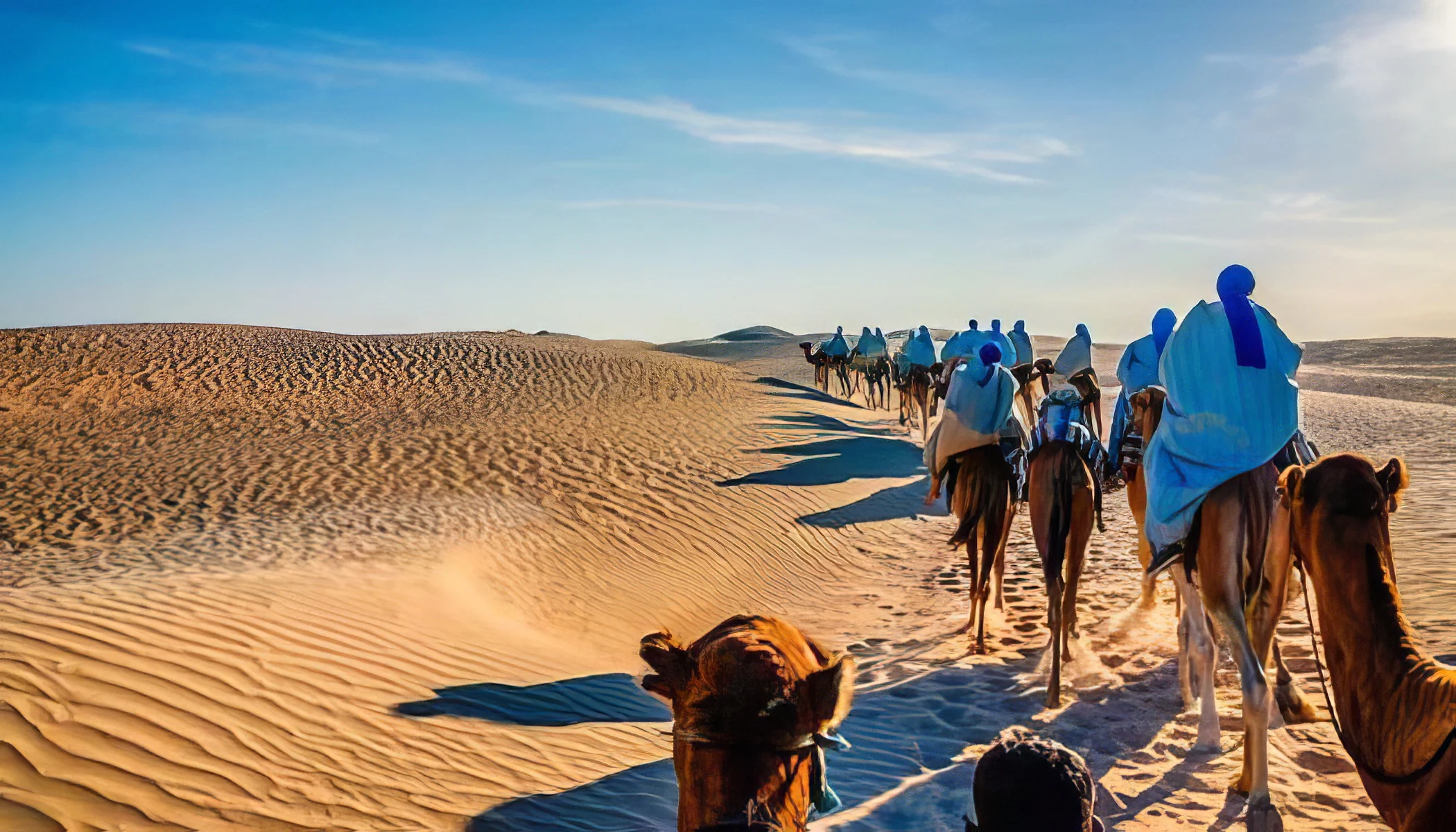
– 2 days in Douz: Experience a camel trek in the Sahara Desert, visit the Douz Market, and enjoy the desert sunset.
– 1 day in Djerba: Visit the Djerba Explore Park, El Ghriba Synagogue, and relax on the island's beaches before departure.
Popular cities
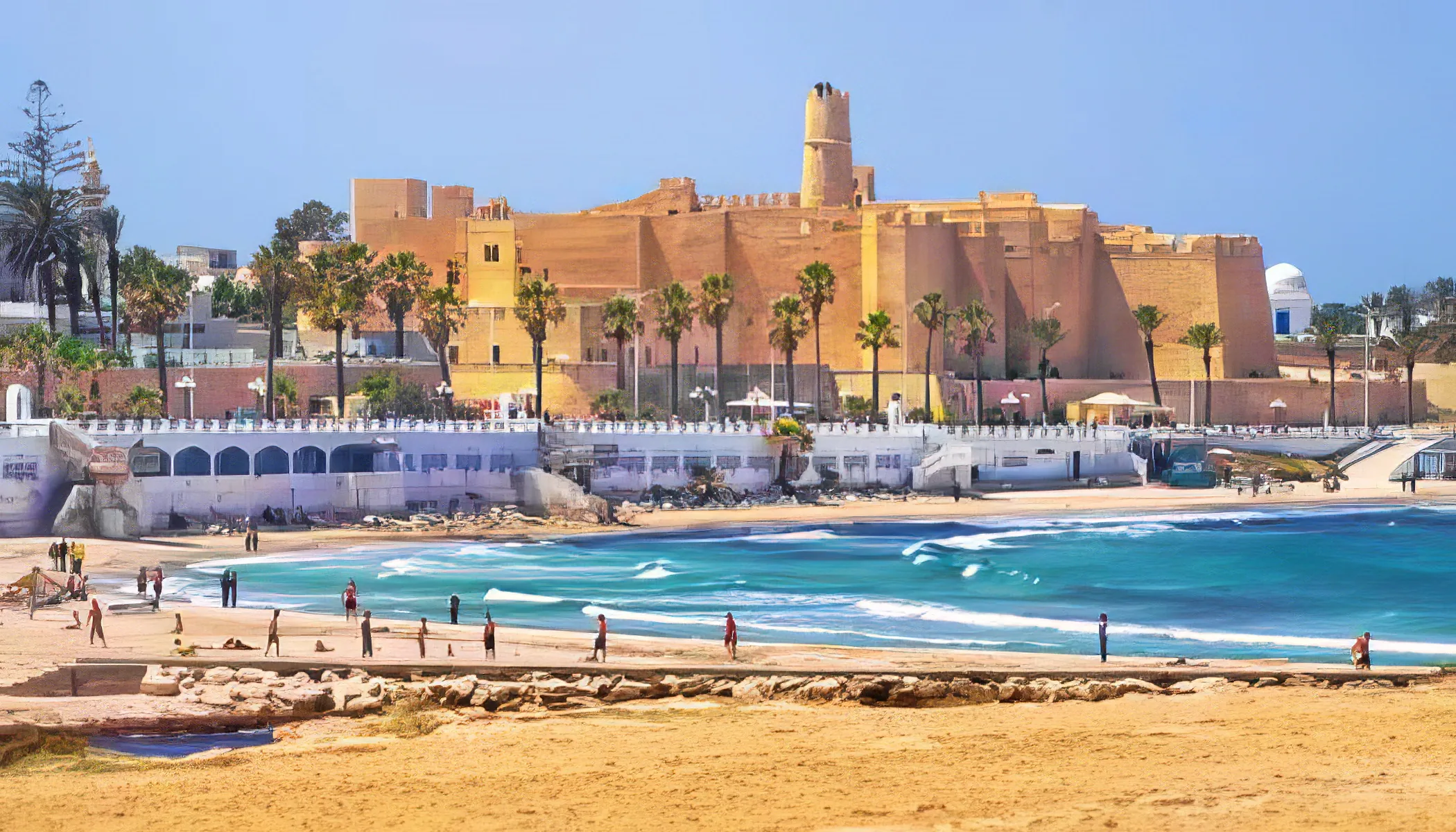
Tunisia offers a mix of modern cities, ancient ruins, and beautiful Mediterranean beaches:
– Tunis: The capital city, known for its historic medina and the Bardo Museum.
– Sousse: A coastal city famous for its beaches and the UNESCO-listed medina.
– Carthage: Known for its ancient ruins, including the Baths of Antoninus and the Punic Ports.
– Djerba: An island city famous for its beaches, the El Ghriba synagogue, and Djerba Explore Park.
– Hammamet: A popular seaside resort town known for its beaches and the historic medina.
– Kairouan: Known for its historic Great Mosque and the medina, both UNESCO World Heritage Sites.
– El Jem: Home to the impressive El Jem Amphitheatre, one of the largest Roman amphitheatres in the world.
Monuments
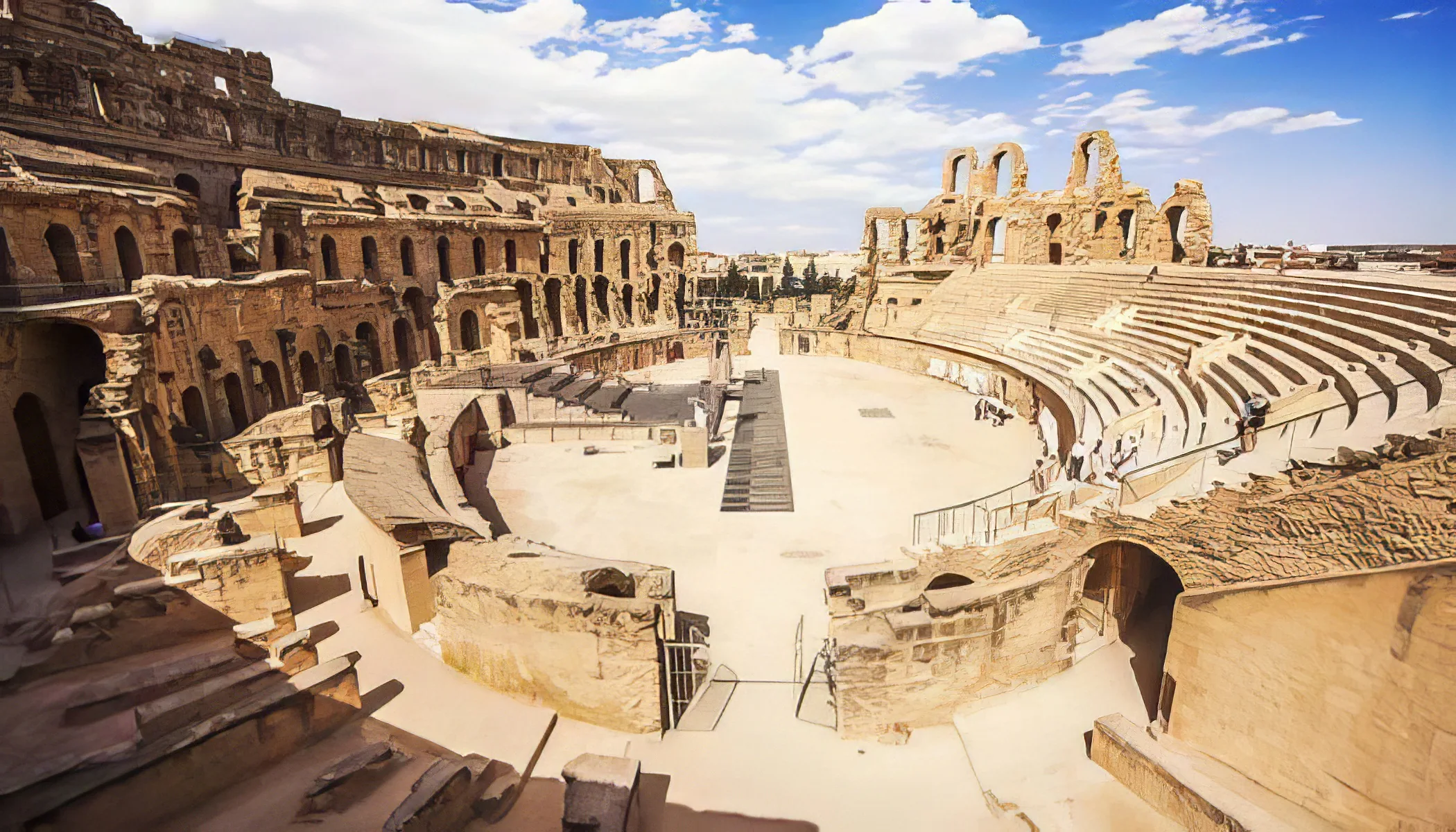
Tunisia is home to several notable historical monuments and architectural sites:
– Amphitheatre of El Jem: UNESCO site, one of the largest Roman amphitheatres in the world.
– Medina of Tunis: UNESCO site, old city with narrow streets, mosques, and traditional shops.
– Great Mosque of Kairouan: One of the oldest mosques in North Africa, a significant Islamic site.
– Carthage: UNESCO site, ancient city with Roman villas, baths, and the Antonine Baths.
– Bardo National Museum, Tunis: Houses extensive collection of Roman mosaics and other antiquities.
– Sidi Bou Said: A town known for its blue and white architecture, offering panoramic sea views.
– Dougga: UNESCO site, best-preserved Roman small town in North Africa with temples, theatre, and forum.
– Ribat of Monastir: A fortified monastery offering panoramic views of the city and the sea.
Natural wonder
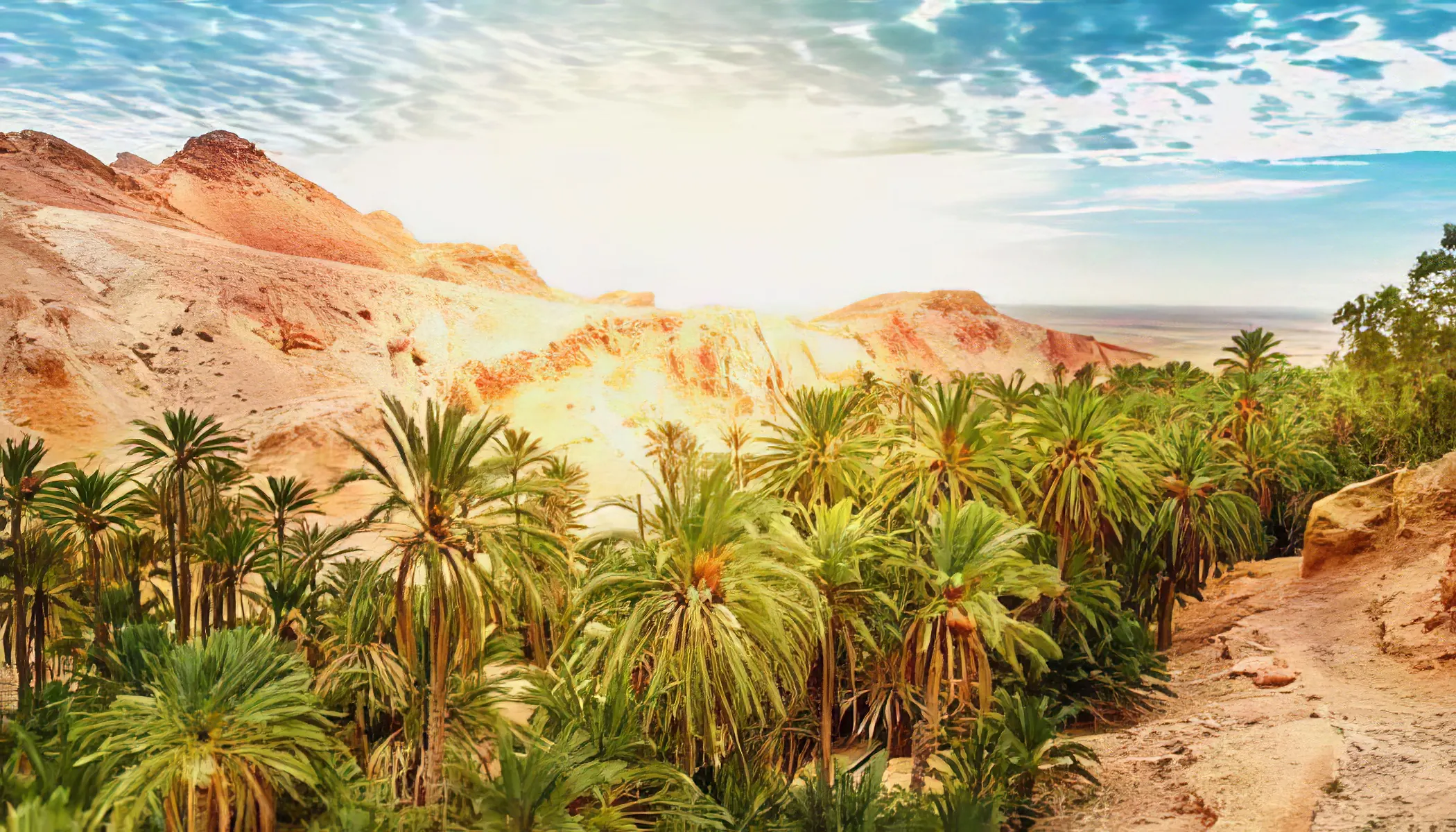
Explore the diverse natural beauty of Tunisia:
– Sahara Desert: The world's largest hot desert, offering vast landscapes and unique experiences.
– Ichkeul Lake: A UNESCO World Heritage Site, home to various migratory birds.
– Chott el Djerid: The largest salt pan of the Sahara, known for its mirages.
– Jebil National Park: A protected area in the Sahara, home to desert wildlife.
– Matmata: Known for its unique, lunar-like landscapes and underground homes.
– Zembra and Zembretta Islands: Protected natural reserves, home to rare species of flora and fauna.
– Djerba Island: Known for its beautiful landscapes, olive groves, and traditional architecture.
– Atlas Mountains: Offers hiking trails with stunning views and diverse wildlife.
– Sidi Bouhlel: A canyon known for its dramatic landscapes, featured in several films.
– Kerkennah Islands: Known for their unspoiled beaches, palm trees, and traditional fishing methods.
Beaches
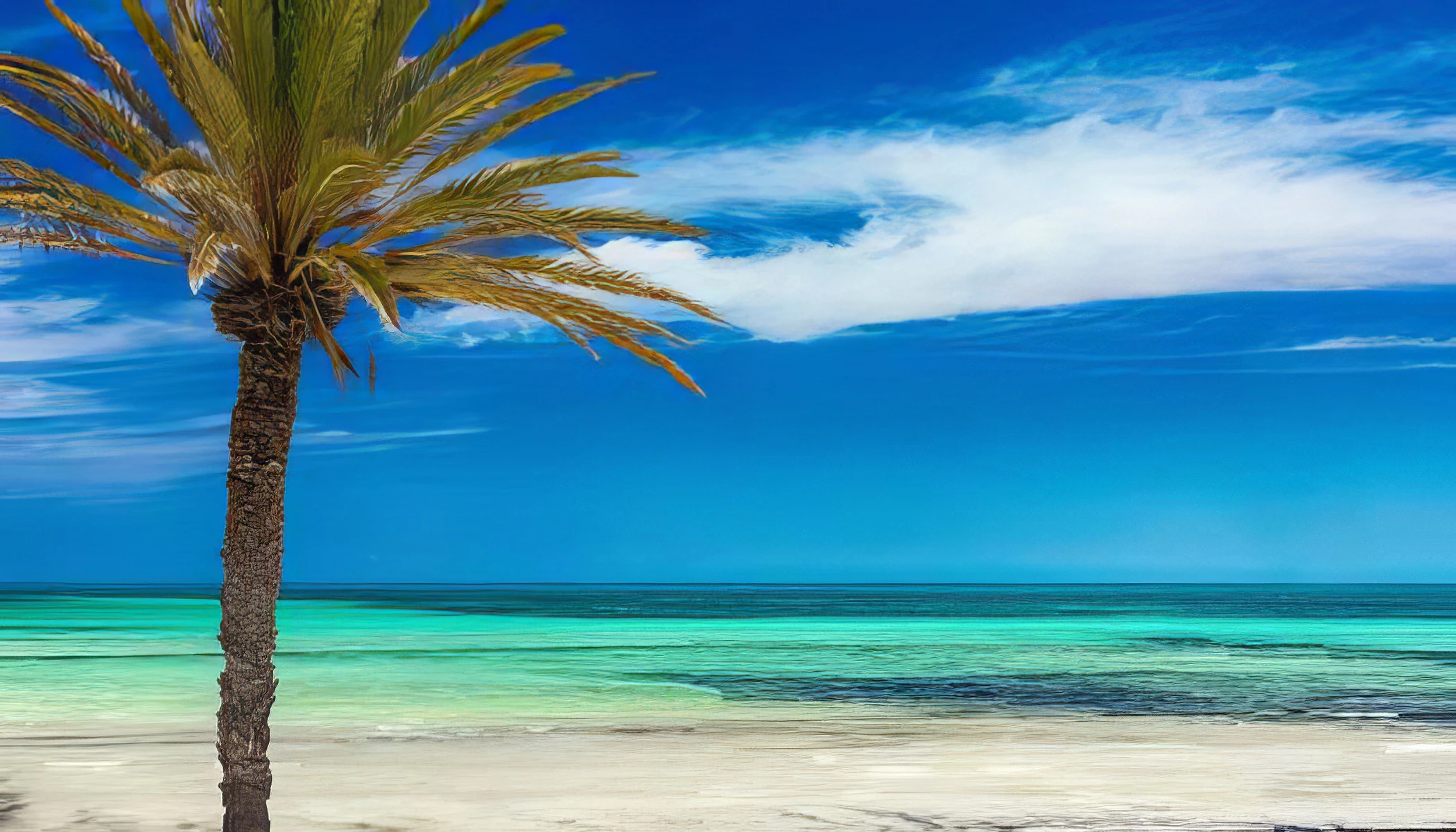
Here are some of the most visited beaches in Tunisia:
– Djerba Beach: Known for its soft white sand and clear turquoise water.
– Hammamet Beach: Popular for its golden sand and clear waters, located in a tourist-friendly town.
– Monastir Beach: Offers a long stretch of clean sand and calm waters.
– Sousse Beach: Located in a historic city, known for its long sandy beach.
– Tabarka Beach: Famous for its coral reefs and clear waters, ideal for snorkeling.
– Mahdia Beach: A quiet beach with white sand and clear waters, located in an ancient city.
– Raf Raf Beach: Known for its unique green sand and clear waters.
Outdoor activities
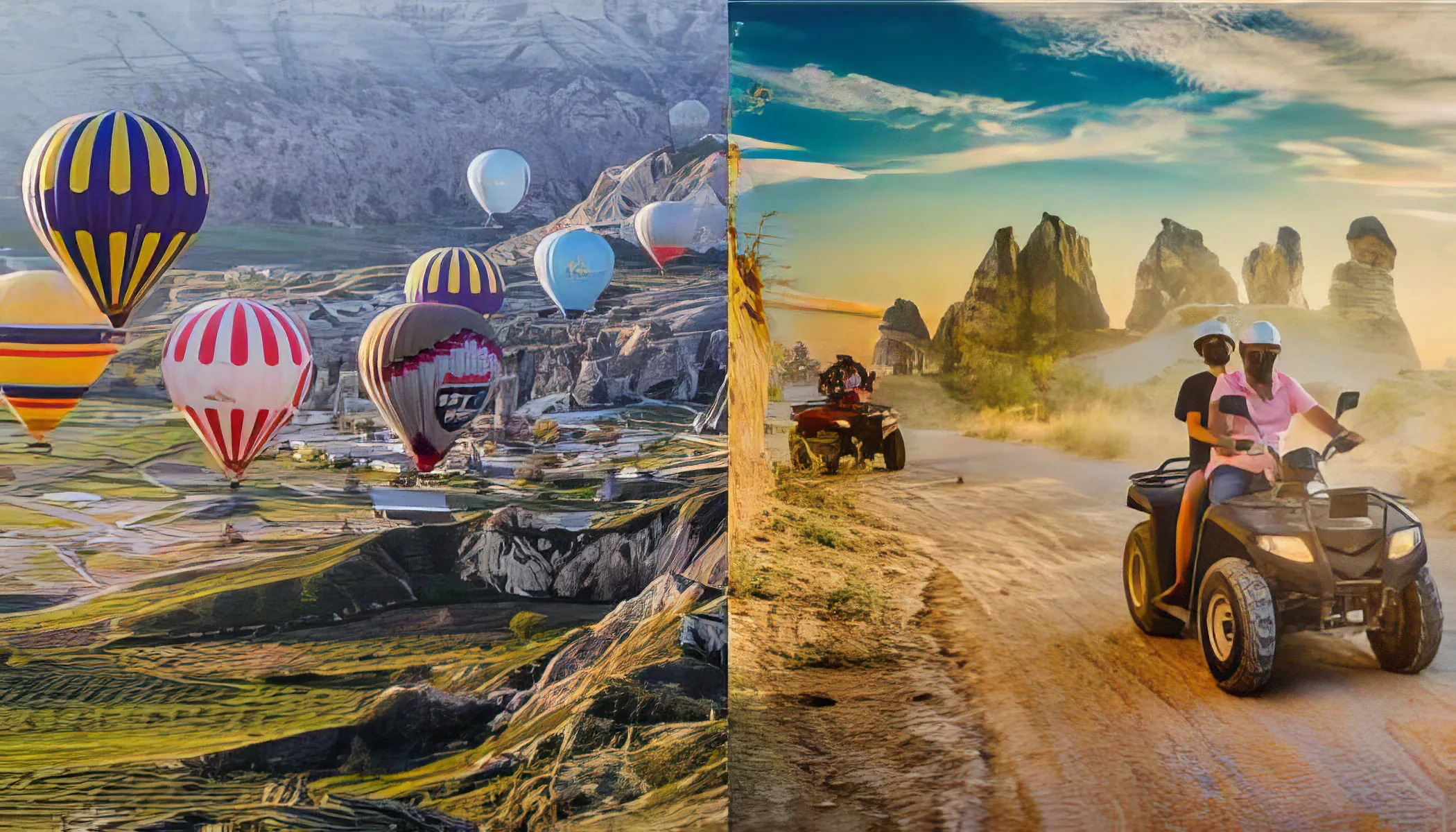
Tunisia offers a variety of outdoor experiences that cater to different types of adventurers:
– Sahara Desert Tour: Experience the vastness and beauty of the desert.
– Diving in Tabarka: Explore the underwater world and its diverse marine life.
– Trekking in the Atlas Mountains: Enjoy the remarkable views and natural landscapes.
– Camel Riding in Douz: Experience traditional transportation in the desert.
– Bird Watching in Ichkeul National Park: Spot various species in this UNESCO site.
– Sailing in Djerba: Enjoy the Mediterranean Sea on a traditional boat.
– Exploring the Ruins of Carthage: Walk through the ancient city and its historical sites.
Kid Friendly
Tunisia offers a variety of activities that are suitable for children:
– Carthage Ruins: Ancient ruins that provide a glimpse into the country's rich history.
– Friguia Park: A wildlife park where kids can see a variety of African animals.
– Djerba Explore Park: A park that houses a crocodile farm and a traditional Tunisian village.
– Sousse Medina: A historic area with a castle, museum, and local shops.
– Zizou Paintball Club Center: A fun and safe place for kids to play paintball.
– The Bardo National Museum: A museum with a large collection of Roman mosaics.
– Hammamet Beach: A clean and safe beach for kids to play and swim.
– Tunis Zoo: A zoo with a variety of animals, including monkeys, lions, and elephants.
Cuisine
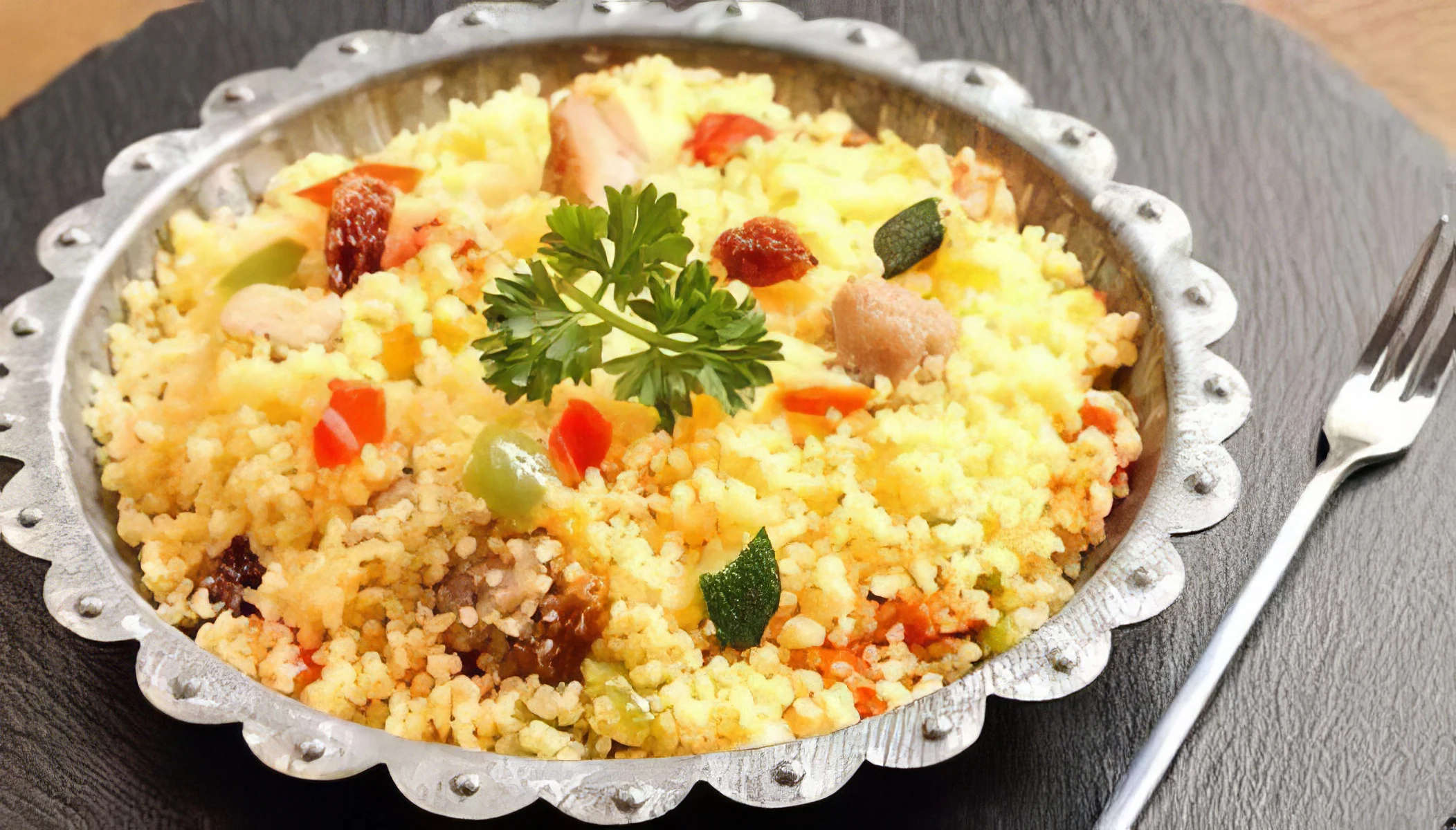
Tunisian cuisine is a blend of Mediterranean and desert dwellers' culinary traditions. It is characterized by its simplicity, flavor, and use of locally sourced ingredients. Street food and home cooking are integral parts of the food culture.
– Couscous: Steamed semolina often served with meat and vegetables.
– Brik: A thin pastry around a filling, commonly egg, tuna, and harissa.
– Lablabi: Chickpea soup typically eaten for breakfast.
– Shakshuka: Poached eggs in a sauce of tomatoes, chili peppers, and spices.
– Makroudh: Semolina cookies filled with dates and nuts, often served during Ramadan.
Souvenir
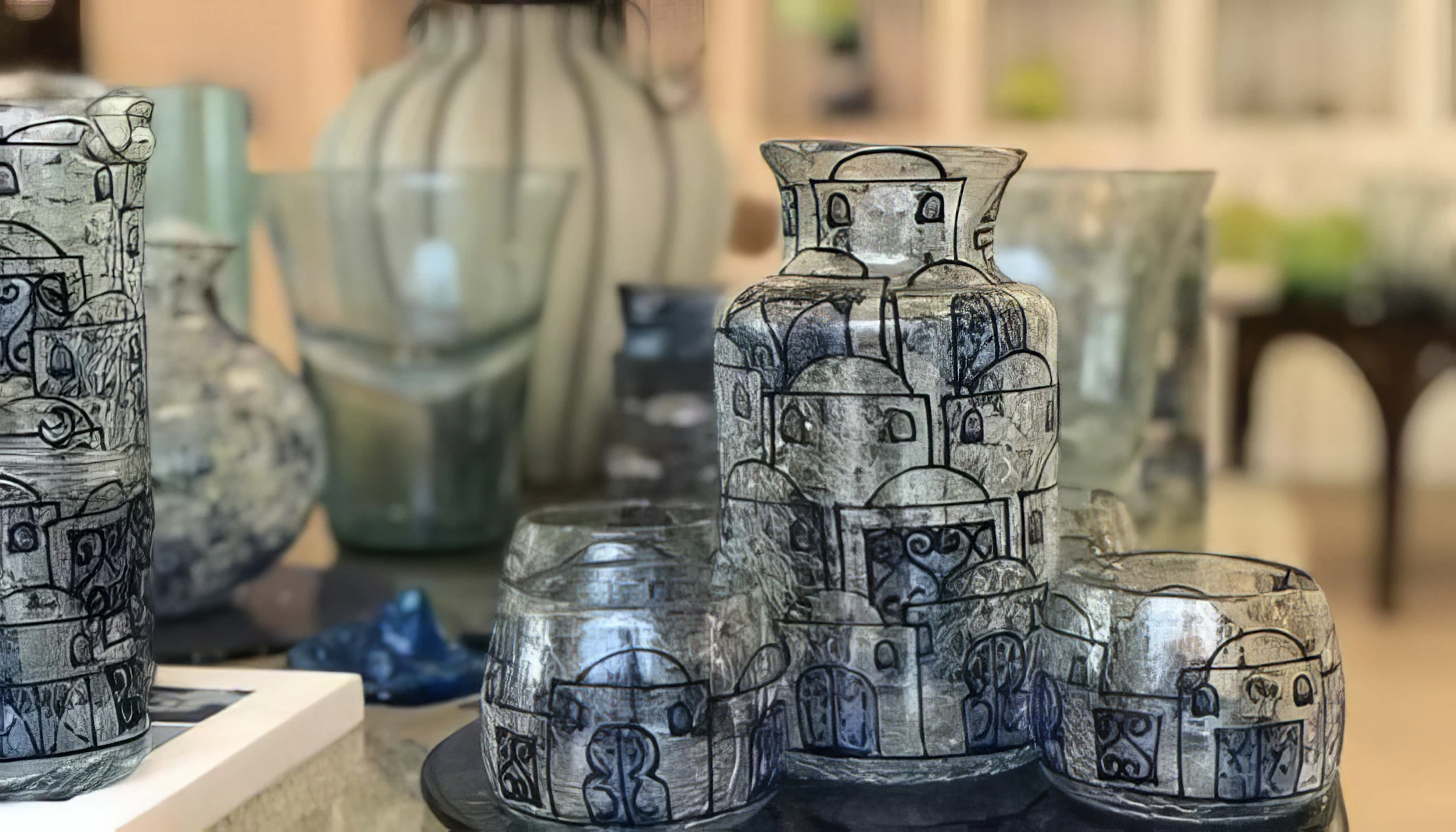
Tunisia, with its rich history and diverse culture, offers a variety of unique souvenirs. Here are some items you might want to consider:
– Tunisian Carpets: Known for their sophisticated designs and high quality.
– Olive Wood Products: Tunisia is famous for its olive wood crafts, including bowls, utensils, and decorative items.
– Pottery: Tunisian pottery is known for its unique and colorful designs.
– Traditional Clothing: The Jebba and Chechia are traditional Tunisian clothing items that make unique souvenirs.
– Tunisian Spices: Tunisia is known for its aromatic and flavorful spices, which are a must-buy for food lovers.
– Silver Jewelry: Tunisian silver jewelry is known for its sophisticated designs and craftsmanship.
– Tunisian Dates: Tunisia is famous for its high-quality dates, which make a tasty and traditional souvenir.
Traditional Shows
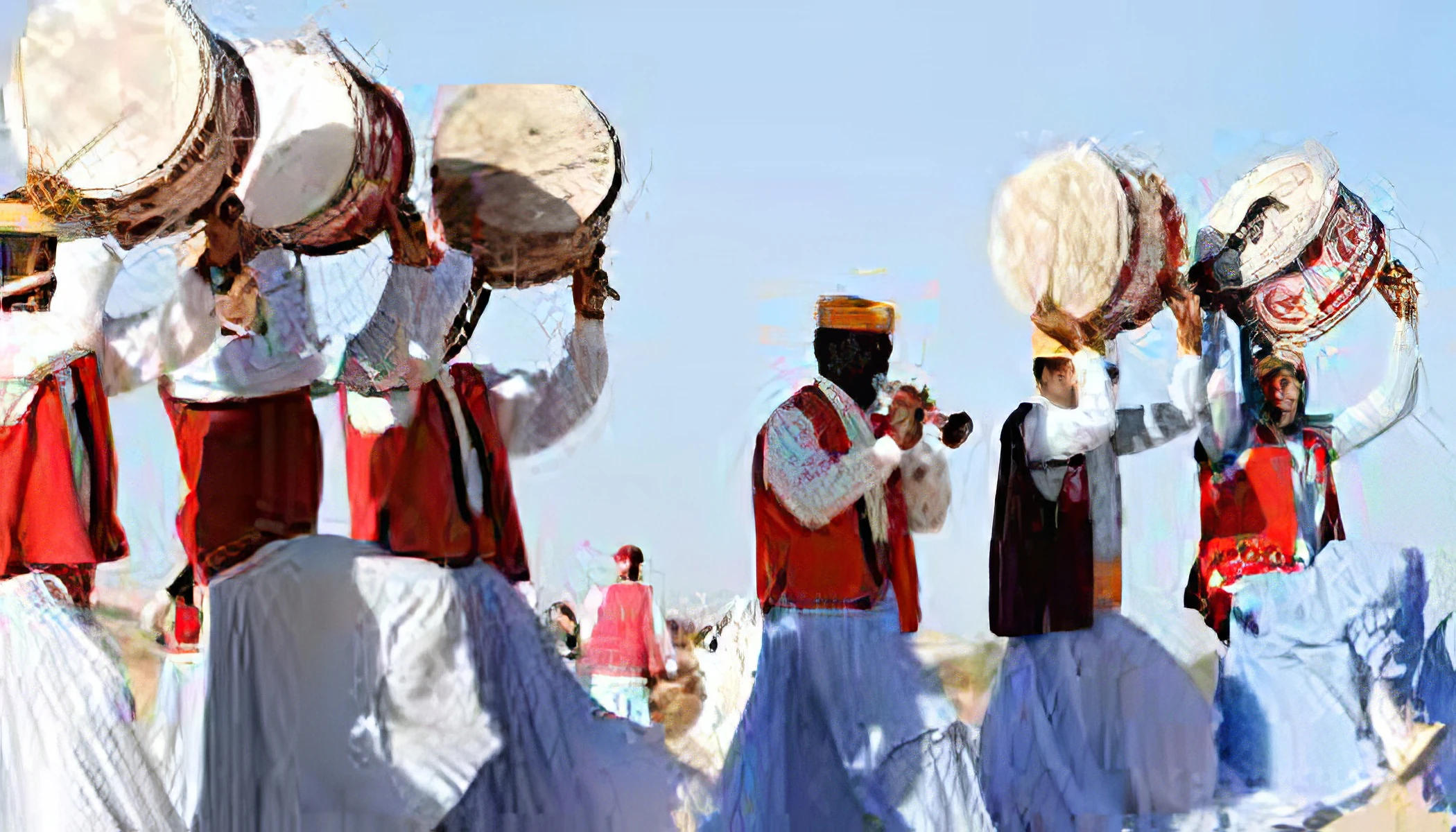
Tunisia is home to a rich tapestry of traditional music and art performances:
– Malouf: This Andalusian classical music, performed in Tunis, is a UNESCO Intangible Cultural Heritage, reflecting Tunisia's Arab-Andalusian heritage.
– Stambeli: Experience this spiritual music and dance form, rooted in African traditions, performed in the streets of Tunis.
– Mezwed: Enjoy this popular folk music, often performed at weddings and festivals, characterized by its unique wind instrument, the zukra.
– El Hadra: Witness this traditional Sufi chanting performance, a spiritual and appealing experience, often held in Kairouan.
– Folk Dance: Observe traditional Tunisian dances, such as the 'Belly Dance' and 'Horse Dance', performed at cultural festivals across the country.
Events & Festivals
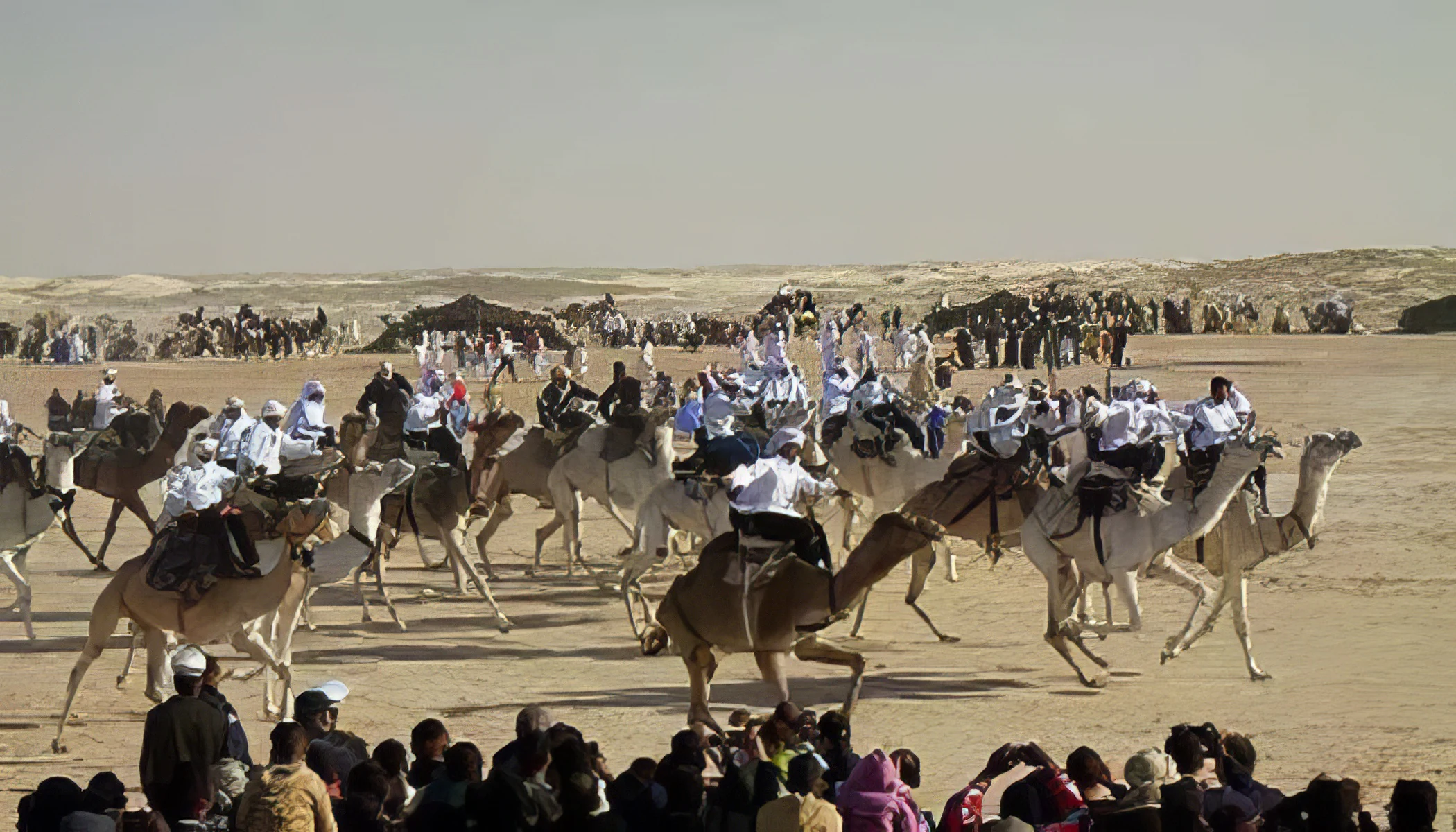
Tunisia, a country rich in culture and history, hosts several significant events and festivals each year:
– International Festival of Carthage: A July/August event featuring music, theatre, and dance performances.
– Sahara Festival: A December event in Douz, celebrating Bedouin traditions with camel racing and music.
– Mawlid: Celebrated in October/November, marking the birth of the Prophet Muhammad with processions and sweets.
– Tabarka Jazz Festival: A July event showcasing local and international jazz artists.
– International Festival of Sousse: A summer event featuring music, dance, and theatre performances.
– Ksour Festival: A March event in Tataouine, celebrating traditional desert life with music and dance.
– International Festival of Hammamet: A July/August event featuring music, theatre, and dance performances.
Famous People
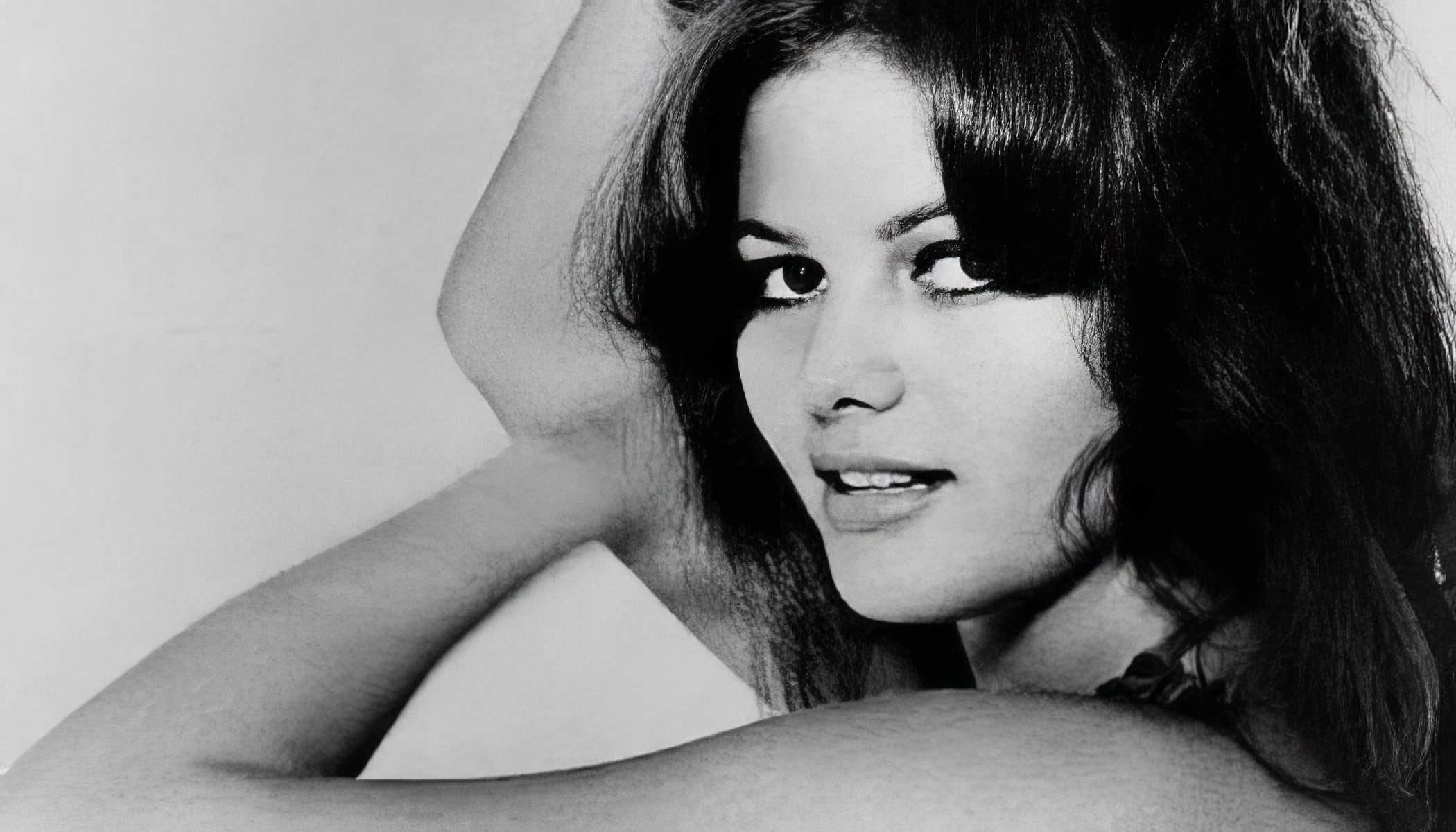
Tunisia has been home to many influential figures who have made significant contributions in various fields.
– Habib Bourguiba (1903 to 2000, Monastir): First President of Tunisia, instrumental in gaining independence from France.
– Zine El Abidine Ben Ali (1936 to 2019, Hammam Sousse): Former President of Tunisia, ousted during the Arab Spring.
– Dido (born around 813 BC, Carthage): Legendary queen of Carthage, known from the Roman epic poem "Aeneid."
– Leila Menchari (1924 to 2020, Tunis): Renowned designer for Hermès, famous for her elaborate window displays.
– Oussama Mellouli (born 1984, Tunis): Olympic swimmer, the first African man to win an Olympic gold in swimming.
Books
These books provide a rich exploration of Tunisia's history, culture, and society.
– "The Pillar of Salt" by Albert Memmi: A semi-autobiographical novel about growing up Jewish in Tunisia.
– "The Scents of Marie-Claire" by Habib Selmi: A love story set against the backdrop of Tunisian society.
– "A Tunisian Tale" by Hassouna Mosbahi: A novel exploring the clash between modernity and tradition in Tunisia.
– "The French Intifada" by Andrew Hussey: Discusses the impact of French colonialism in Tunisia.
– "Tunisia: An Arab Anomaly" by Safwan M. Masri: Explores why Tunisia was the only country to emerge as a democracy after the Arab Spring.
Songs
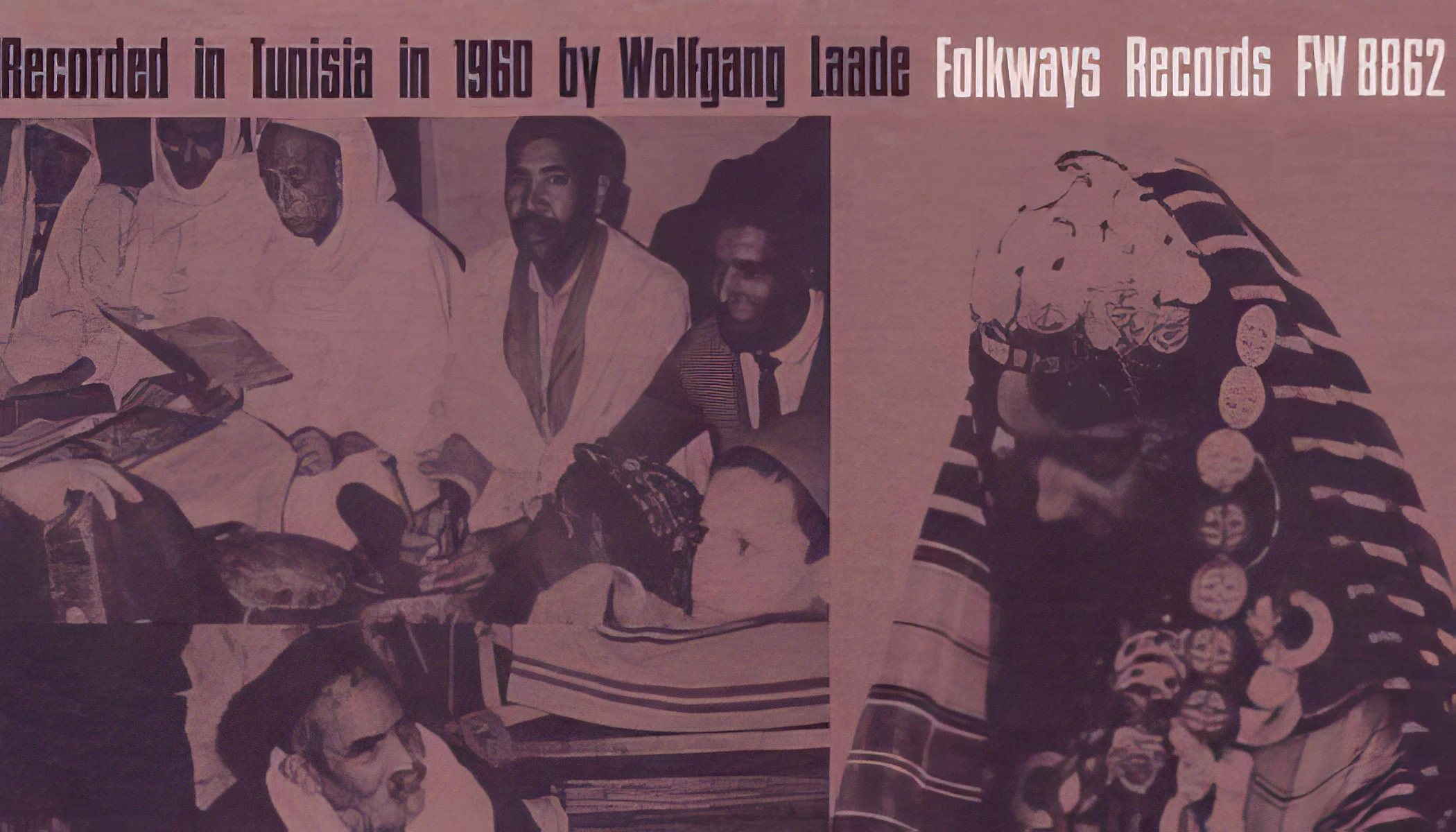
Tunisian music is a rich blend of Andalusian, Berber, Arab, and French influences, as reflected in these popular songs.
– Ya Rayah: Rachid Taha's song, a classic of Algerian chaabi music, popular in Tunisia.
– Sidi Mansour: Saber Rebaï's hit song, a staple of Tunisian music.
– Ma Titrikny: Lotfi Bouchnak's song, a blend of traditional and modern Tunisian music.
– Khallouni: Emel Mathlouthi's song, a symbol of the Tunisian revolution.
– Leila: Cheb Salama's popular song, a fusion of Tunisian and Western music.
– Ya Tunis: Samir Loussif's song, a tribute to the capital city.
Films
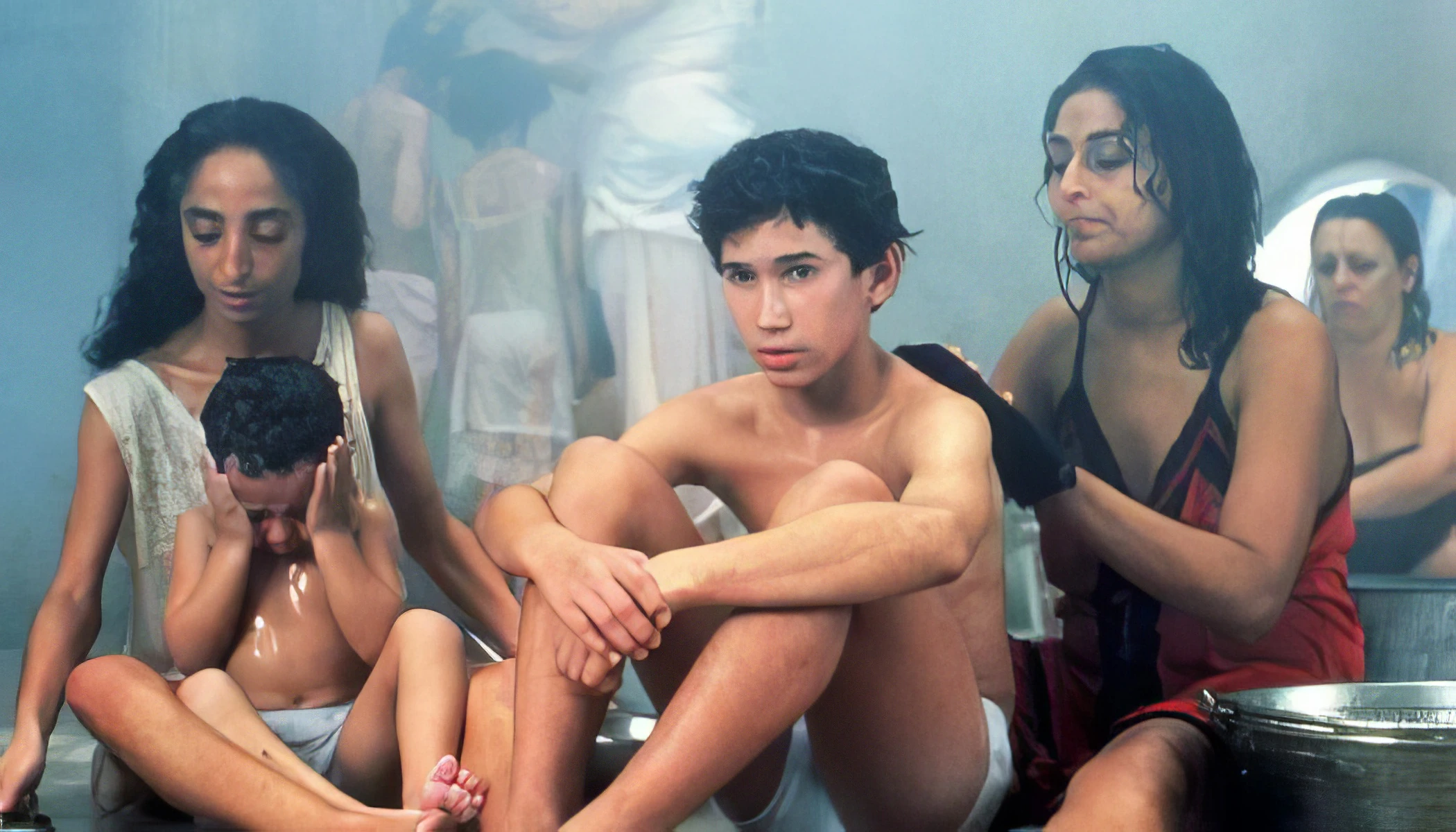
Tunisia's rich history and culture have inspired many filmmakers. Here are some of the most famous films about Tunisia:
– "The Silences of the Palace": Moufida Tlatli's film explores the life of a servant girl in a prince's palace.
– "Halfaouine: Boy of the Terraces": Directed by Férid Boughedir, a coming-of-age story set in 1960s Tunisia.
– "Man of Ashes": Nouri Bouzid's film tackles the taboo subject of homosexuality in the Arab world.
– "Bab'Aziz: The Prince Who Contemplated His Soul": Nacer Khemir's film is a spiritual journey through the desert.
– "The Secret of the Grain": Abdellatif Kechiche's film about a Tunisian immigrant's struggle to open a restaurant in France.