

Explore Uganda: Culture, Cities & Places to Visit
Located in East Africa, this country is known for its diverse wildlife and stunning landscapes, including Lake Victoria and the Rwenzori Mountains. It provides rich cultural experiences and is home to numerous national parks, including Bwindi, famous for mountain gorillas.
- Capital
- Kampala
- Population
- 33.4 millions
- Superficy
- 237000 sq.km
- Months to Visit
- June to Sept. & Dec. to Feb.
- Living Cost
- Economical
Overview
Uganda, located in East Africa, is known for its diverse wildlife and natural landscapes, including the famous Lake Victoria and the Rwenzori Mountains. The country is home to several national parks, such as Bwindi Impenetrable National Park, which is a sanctuary for mountain gorillas. Kampala, the capital city, serves as the economic and cultural hub of Uganda. The nation has a rich cultural heritage with numerous ethnic groups and languages. Agriculture plays a significant role in Uganda's economy, with coffee being a major export. Despite facing challenges like poverty and infrastructure development, Uganda continues to attract tourists interested in its natural beauty and wildlife experiences.
Pros & Cons
GOOD REASONS TO VISIT UGANDA
– Mountain Gorillas: Trekking in Bwindi Impenetrable Forest offers a rare chance to see endangered mountain gorillas.
– Diverse Wildlife: Uganda's national parks host elephants, lions, and diverse bird species, ideal for wildlife enthusiasts.
– Source of the Nile: Jinja supplies thrilling activities like white-water rafting at the Nile's source.
– Scenic Landscapes: Enjoy lovely views of Rwenzori Mountains, Lake Victoria, and attractive green hills.
– Cultural Diversity: Experience rich traditions and remarkable cultures from over 50 ethnic groups across Uganda. CHALLENGES WHEN VISITING UGANDA
– Inconsistent Infrastructure: Roads can be rough; travel between destinations may be slow and uncomfortable.
– Health Concerns: Malaria is prevalent; vaccinations and precautions are necessary for safe travel.
– Limited Public Transport: Public transport options are limited; private hire or tours often needed for convenience.
Before Departure
Before traveling to Uganda, it's important to be informed about several key aspects:
– Passport: Ensure your passport is valid for at least six months from your entry date.
– Visa: Most tourists require a visa; options include e-visa or visa on arrival. Tourist visas are typically valid for 90 days.
– Currency: Ugandan Shilling (UGX); credit cards accepted in major cities; ATMs widely available but carry cash for rural areas.
– Internet access: WiFi is common in hotels and cafes in urban areas; consider purchasing a local SIM card for better connectivity.
– Language barrier: English and Swahili are official languages; English is widely spoken, especially in urban and tourist areas.
What to Pack
Exploring Uganda requires preparation for diverse weather conditions and outdoor activities, including safaris and trekking.
– Essentials: Passport with visa (if needed), travel insurance, flight tickets, itinerary, accommodation confirmations, and emergency contact information.
– Clothing: Lightweight clothing for warm days, long-sleeved shirts and pants for mosquito protection, sturdy hiking boots, rain jacket, hat, and sunglasses.
– Health & Safety: Prescription medications, first aid kit, insect repellent with DEET, anti-malarial tablets (consult a doctor), sunscreen with high SPF.
– Electronics: Travel adapter for Ugandan outlets (Type G), mobile phone with charger, camera with extra batteries or power bank.
Weather
Uganda has a tropical climate with two main rainy seasons and two dry seasons.
– Dry Season (December to February, June to August): Generally warm and sunny, with less rainfall and lower humidity.
– Wet Season (March to May, September to November): Frequent rain showers, especially in the afternoons, with beautiful green landscapes. The best time to visit Uganda is during the dry seasons from December to February and June to August.
– Pros: Ideal for wildlife viewing and trekking activities due to less rain and better road conditions.
– Cons: Popular tourist sites can be crowded, and prices may be higher during these peak times.
Travel Budget
Uganda offers a range of budget-friendly options for travelers. Here are some average prices for common expenses:
– Hotel: 30$ to 150$
– Lunch: 3$ to 10$
– Beverage (in bar/restaurant): 1$ to 4$
– Coffee: 1$ to 3$
– Transportation: (train not widely available), (bus 0.5$ to 5$), (taxi /10km 5$ to 15$)
– Mobile data (per GB): 1.5$ to 3.5$
Language
Uganda is a multilingual country with over 40 languages spoken, but Luganda and Swahili are among the most widely used. Here are some useful phrases in Luganda:
– Hello: Oli otya
– Thank you: Weebale
– Please: Mwattu
– How much is this?: Bbeeyi ya kino?
– Excuse me: Nsonyiwa
– I don't understand: Ssebo, saagala kumanya
– Yes: Yee
– No: Nedda
– Goodbye: Weeraba And in Swahili:
– Hello: Jambo
– Thank you: Asante
– Please: Tafadhali
– How much is this?: Hii ni bei gani?
– Excuse me: Samahani
– I don't understand: Sielewi
– Yes: Ndiyo
– No: Hapana
– Goodbye: Kwaheri
History
The region was home to several powerful kingdoms, including Buganda, Bunyoro, and Ankole, before European contact. British explorers arrived in the 19th century, and by 1894, it became a British protectorate. Uganda gained independence from Britain in 1962. The following years saw political instability and military coups. Idi Amin's regime from 1971 to 1979 was marked by severe human rights abuses and economic decline. Amin was overthrown, leading to further turmoil until Yoweri Museveni's National Resistance Movement took power in 1986. Since then, Uganda has experienced relative stability and some economic growth despite challenges such as corruption and social issues.
Geopolitics
Situated in East Africa, Uganda shares borders with Kenya, South Sudan, the Democratic Republic of the Congo, Rwanda, and Tanzania. It is a landlocked country with Kampala as its capital. Uganda is part of the East African Community (EAC) and the African Union (AU), playing a role in regional stability and integration. The country has experienced internal challenges, including political tension and insurgencies, particularly in the northern regions. Uganda maintains strategic relationships with international partners like China and Western countries to support development projects and economic growth. Its geopolitical significance is also tied to its participation in regional peacekeeping efforts, notably in Somalia under the African Union Mission.
Sample Itinerary
This itinerary offers wildlife safaris, gorilla trekking, and cultural experiences across Uganda's top attractions.
– 2 days in Entebbe: Visit the Uganda Wildlife Education Centre and Botanical Gardens. Relax by Lake Victoria and explore Ngamba Island Chimpanzee Sanctuary.
– 2 days in Murchison Falls National Park: Go on game drives to see elephants, lions, and giraffes. Enjoy a boat ride to the base of Murchison Falls.
– 2 days in Kibale National Park: Trek to observe chimpanzees and other primates. Explore Bigodi Wetland Sanctuary for birdwatching.
– 3 days in Queen Elizabeth National Park: Experience game drives to spot wildlife including tree-climbing lions. Take a boat cruise on the Kazinga Channel.
– 3 days in Bwindi Impenetrable National Park: Embark on gorilla trekking through dense forest. Learn about conservation efforts and meet local communities.
– 1 day in Lake Bunyonyi: Relax by the scenic lake, go canoeing or hiking around the islands. Enjoy the peaceful atmosphere before departure.
Popular cities
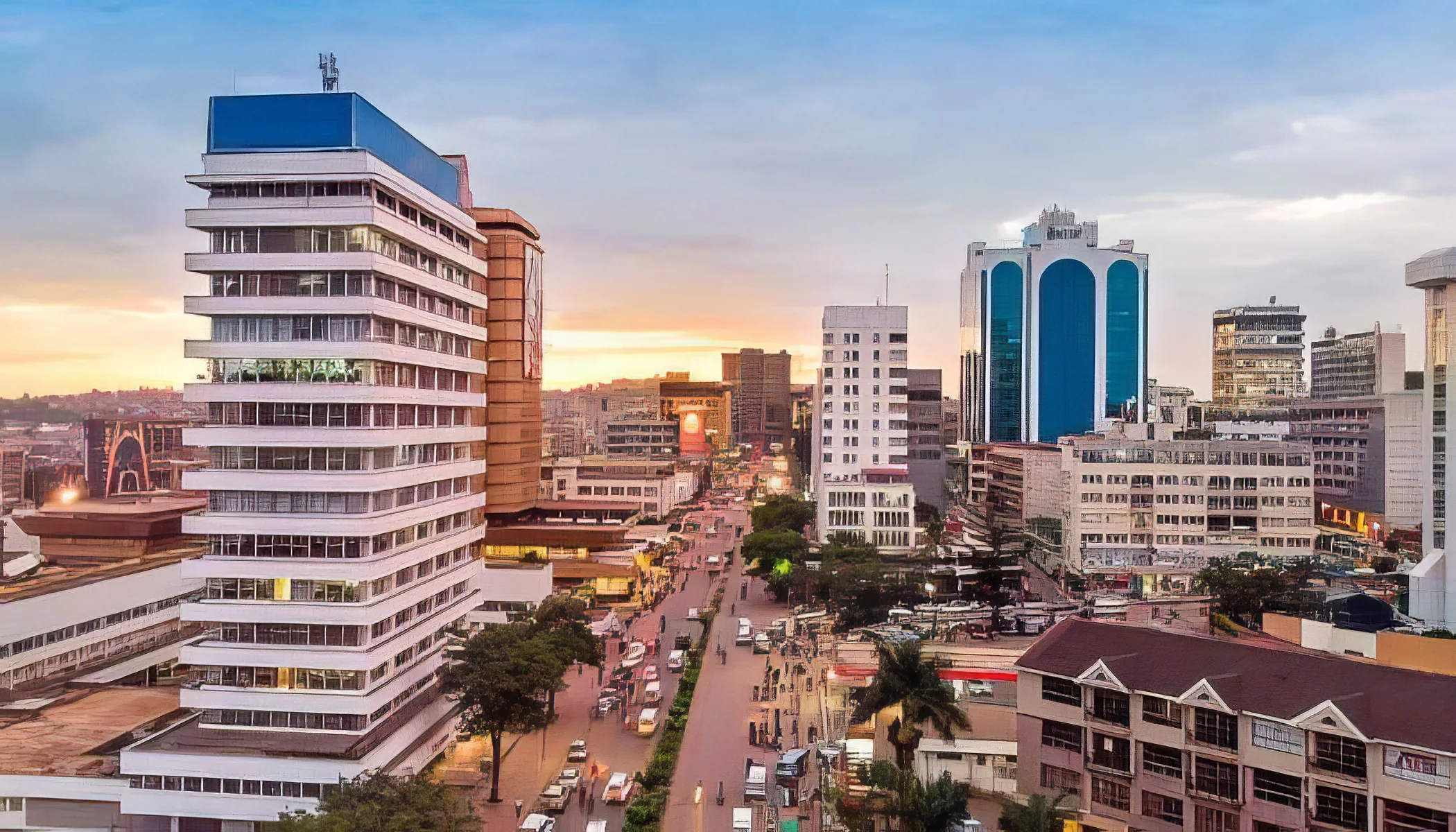
Discover Uganda's lively culture and natural beauty through its cities:
– Kampala: The capital city provides busy markets, a remarkable nightlife, and historical sites like the Kasubi Tombs.
– Entebbe: Known for its botanical gardens, wildlife center, and proximity to Lake Victoria.
– Jinja: Famous for the source of the Nile River and adventure activities like white-water rafting.
– Fort Portal: A gateway to beautiful landscapes, including crater lakes and the Kibale National Park.
– Gulu: Offers insight into northern Uganda's culture and history with local craft markets and museums.
– Mbale: Known for its proximity to Mount Elgon National Park and beautiful waterfalls like Sipi Falls.
– Mbarara: A growing city in western Uganda, serving as a base for exploring nearby national parks.
Monuments
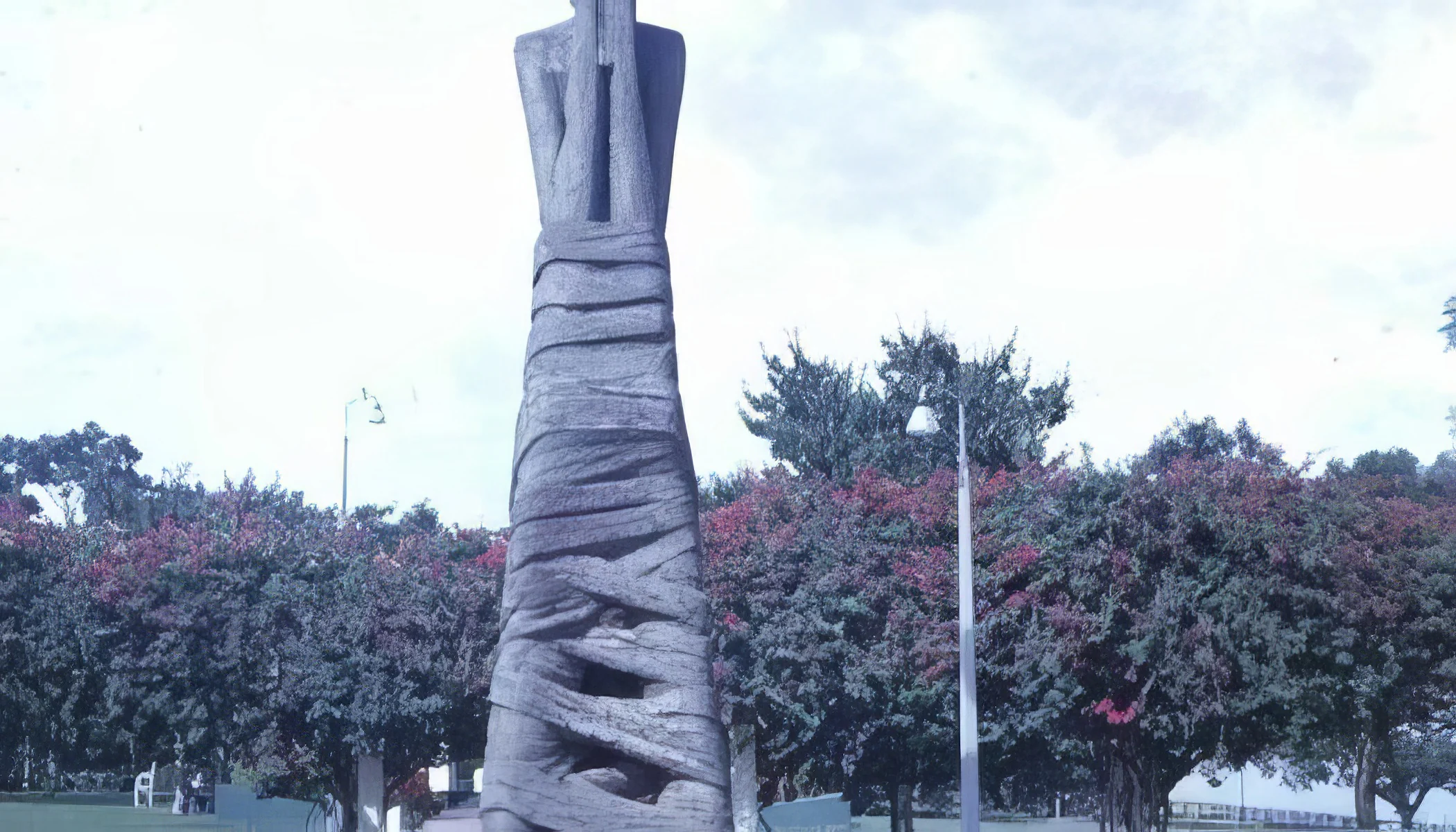
Uganda provides several remarkable monuments and historical sites to explore:
– Kasubi Tombs: UNESCO site, burial ground for Buganda kings, reflecting traditional Ganda architecture.
– Namugongo Martyrs' Shrine: Honors Christian martyrs executed in 1886, important pilgrimage destination.
– Bwindi Impenetrable National Park: Known for mountain gorillas and UNESCO World Heritage status.
– Rwenzori Mountains National Park: UNESCO site with diverse ecosystems and handsome mountain landscapes.
– Uganda National Mosque, Kampala: Largest mosque in East Africa with panoramic views of the city.
– Kabaka's Palace, Kampala: Historical residence of Buganda kings with a significant role in colonial history.
– Fort Portal Crater Lakes: Series of scenic volcanic crater lakes surrounded by attractive landscapes.
– Sipi Falls near Mount Elgon: Series of three beautiful waterfalls offering hiking and sightseeing opportunities.
Natural wonder
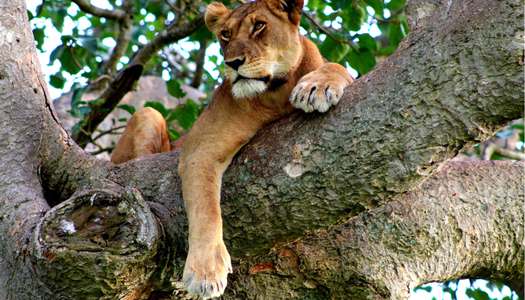
Explore Uganda's diverse and magnificent natural landscapes:
– Murchison Falls: Powerful waterfall where the Nile River squeezes through a narrow gorge.
– Bwindi Impenetrable Forest: Dense forest home to nearly half of the world's mountain gorillas.
– Rwenzori Mountains: Range with snow-capped peaks and diverse ecosystems, known as the "Mountains of the Moon."
– Queen Elizabeth National Park: Noted for diverse wildlife and the tree-climbing lions in Ishasha.
– Lake Victoria: Africa's largest lake, shared by Uganda, Kenya, and Tanzania.
– Kibale National Park: Known for its high concentration of chimpanzees and other primates.
– Lake Bunyonyi: Deep crater lake surrounded by terraced hills, great for canoeing and birdwatching.
– Semuliki National Park: Features hot springs and unique flora and fauna along the Albertine Rift Valley.
– Mgahinga Gorilla National Park: Protects mountain gorillas, part of the Virunga Volcanoes range.
– Kidepo Valley National Park: Remote park known for handsome landscapes and rich wildlife diversity.
Outdoor activities
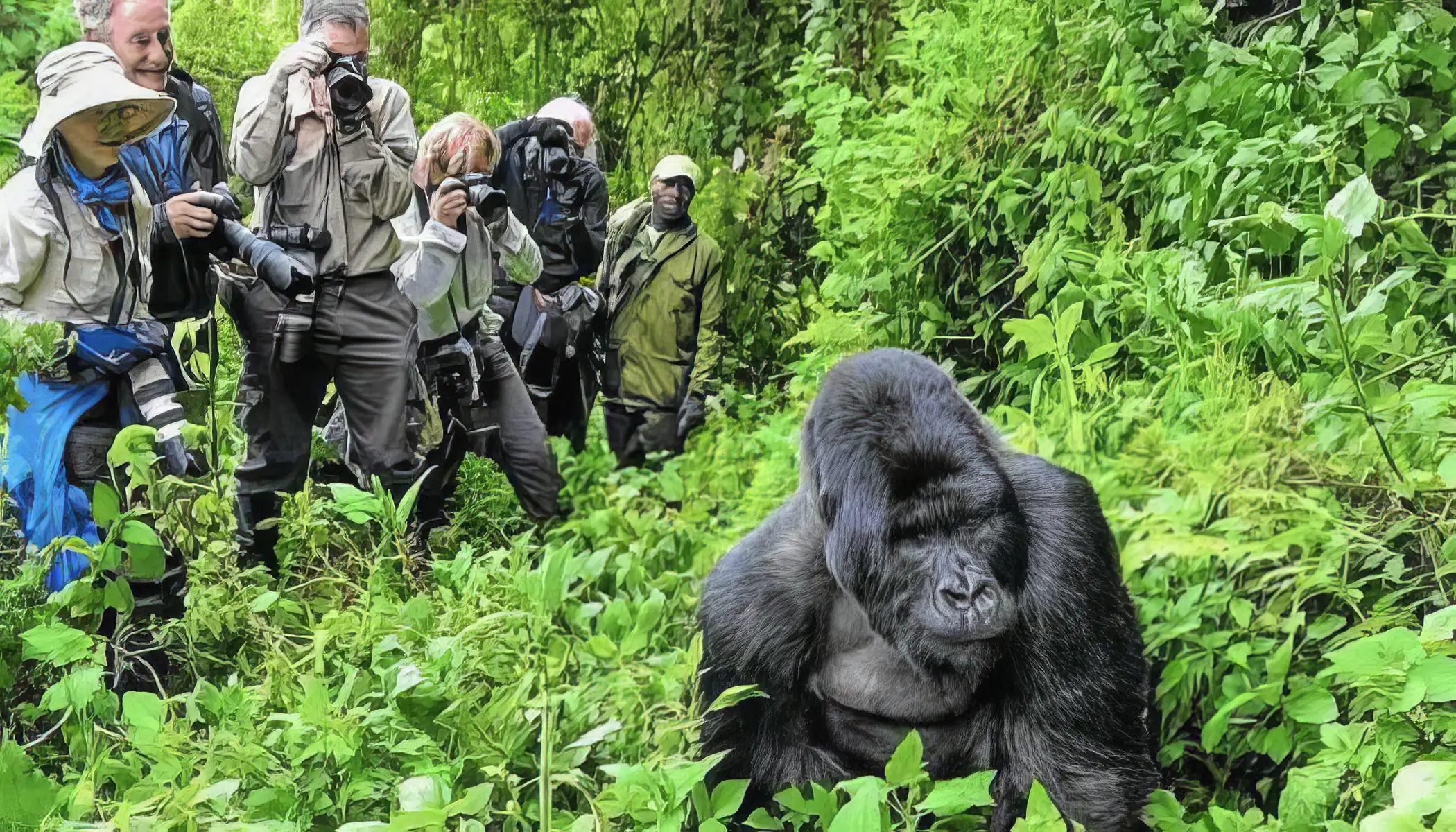
In Uganda, there are numerous outdoor adventures to enjoy in the diverse landscapes:
– Gorilla Trekking in Bwindi Impenetrable Forest: Encounter mountain gorillas in their natural habitat.
– Safari in Queen Elizabeth National Park: Spot elephants, lions, and a variety of wildlife.
– White Water Rafting on the Nile River: Experience thrilling rapids and scenic views.
– Bird Watching at Murchison Falls : Observe rare bird species in rich surroundings.
– Hiking in Rwenzori Mountains: Explore Africa's 'Mountains of the Moon'.
– Chimpanzee Tracking in Kibale Forest: Track playful chimpanzees through dense rainforest.
– Boat Cruise on Lake Victoria: Enjoy beautiful waters and beautiful landscapes.
Kid Friendly
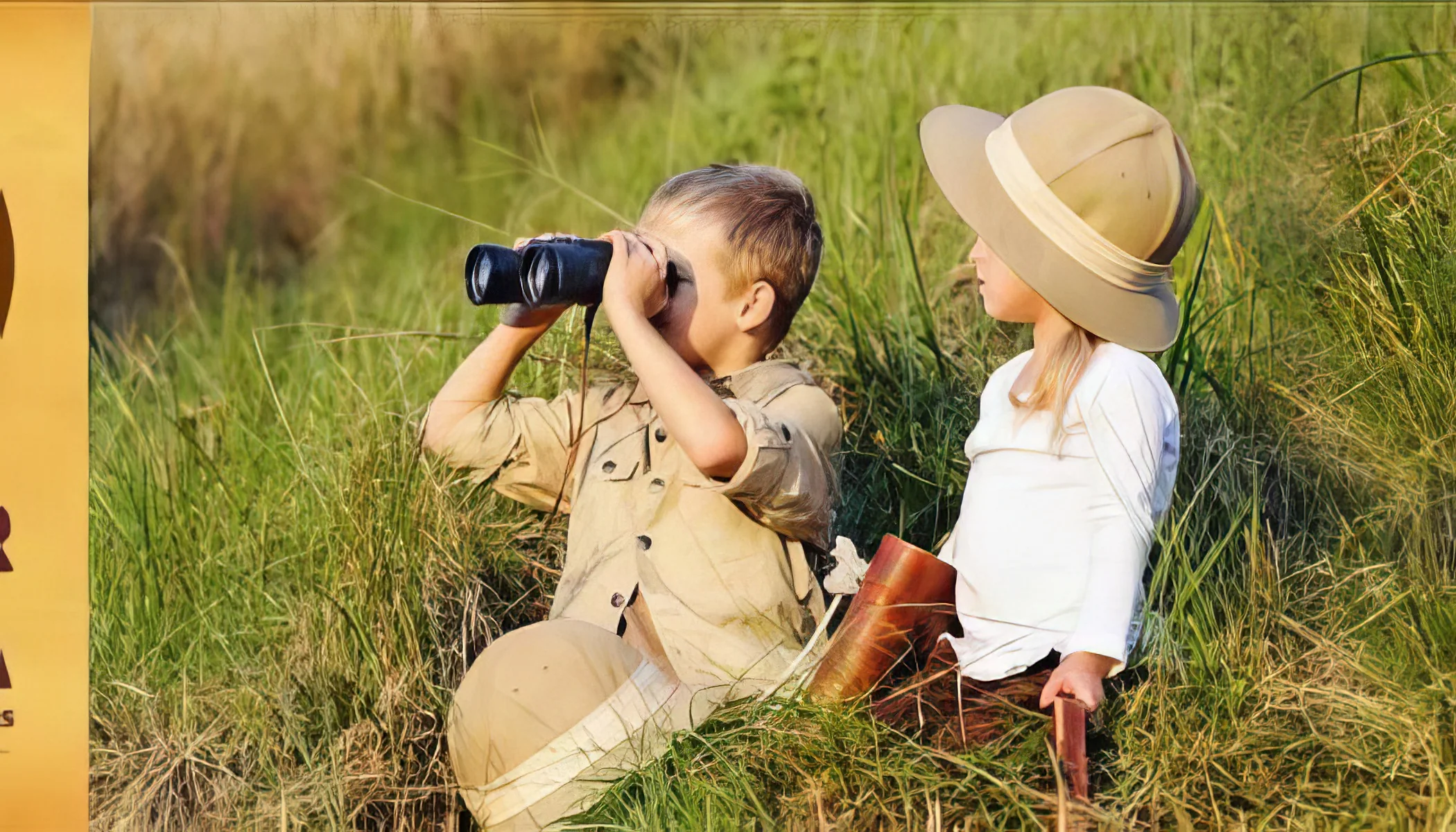
Uganda offers several engaging activities for children to enjoy.
– Uganda Wildlife Education Centre: A zoo and conservation center with numerous animals native to Uganda.
– Lake Victoria Boat Ride: Supplies family-friendly boat trips with chances to spot birds and wildlife.
– Entebbe Botanical Gardens: A peaceful garden where kids can learn about tropical plants and see monkeys.
– Murchison Falls National Park: Features remarkable waterfalls and wildlife, including giraffes and elephants.
– Ndere Cultural Centre: Provides cultural performances that introduce kids to Ugandan music and dance.
– Jinja Nile Explorers: Offers safe family rafting experiences on the Nile River.
– Sipi Falls Hikes: Short, guided hikes to beautiful waterfalls that are suitable for children.
– Ziwa Rhino Sanctuary: Allows families to safely track rhinos on foot with a guide.
Cuisine
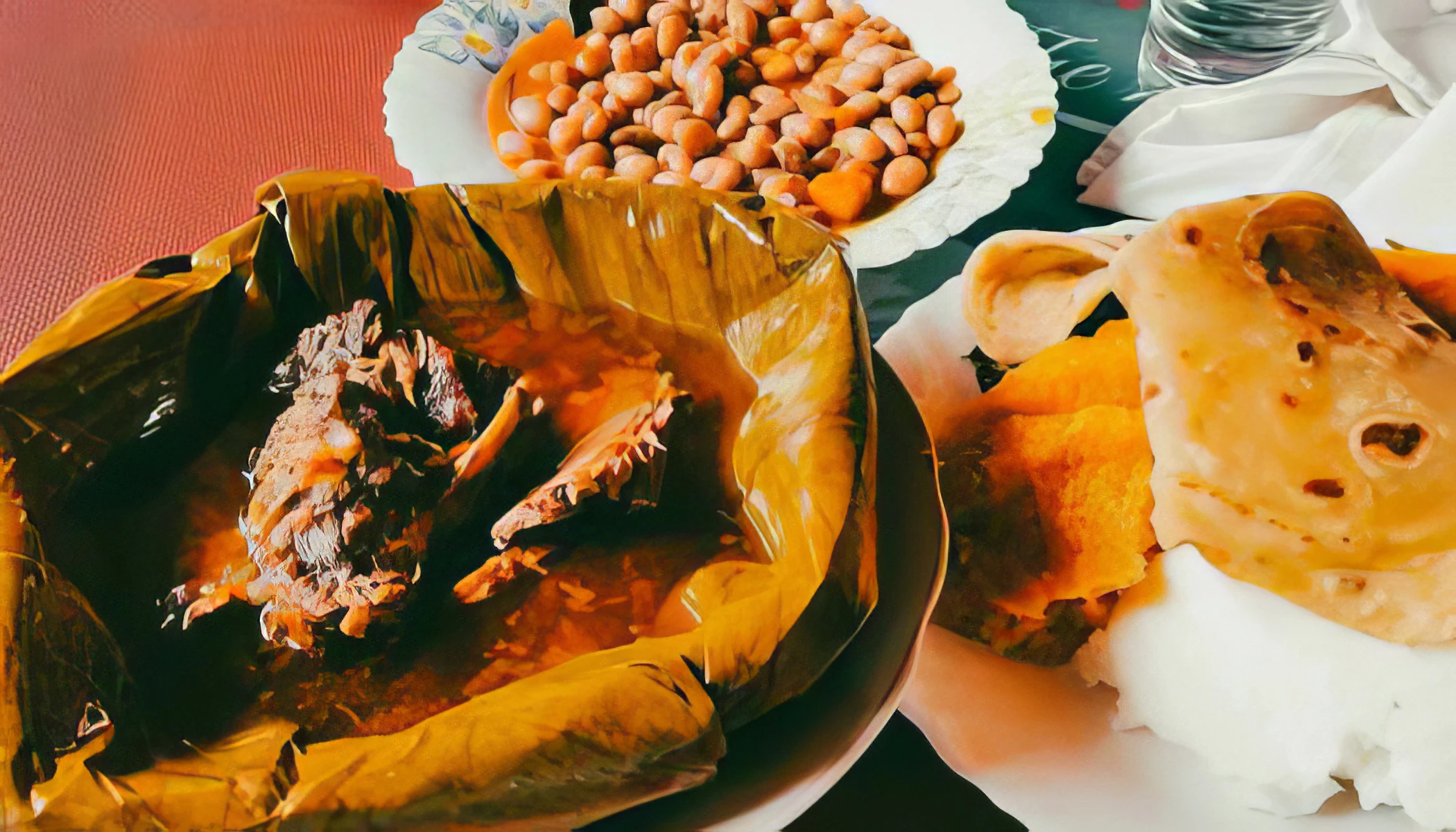
Ugandan cuisine features hearty, staple foods with influences from various regions and ethnic groups, focusing on locally sourced ingredients. Staples like bananas, potatoes, and grains are common. Most meals include a protein-rich sauce or stew.
– Matoke: Steamed green bananas often mashed and served with meat or peanut sauce.
– Posho: Cornmeal porridge typically served as a side dish with stews.
– Rolex: Chapati rolled with eggs and vegetables, a popular street food.
– Luwombo: Stew of meat or groundnuts cooked in banana leaves for rich flavor.
– Malewa: Smoked bamboo shoots cooked in groundnut sauce, native to the Eastern region.
Souvenir
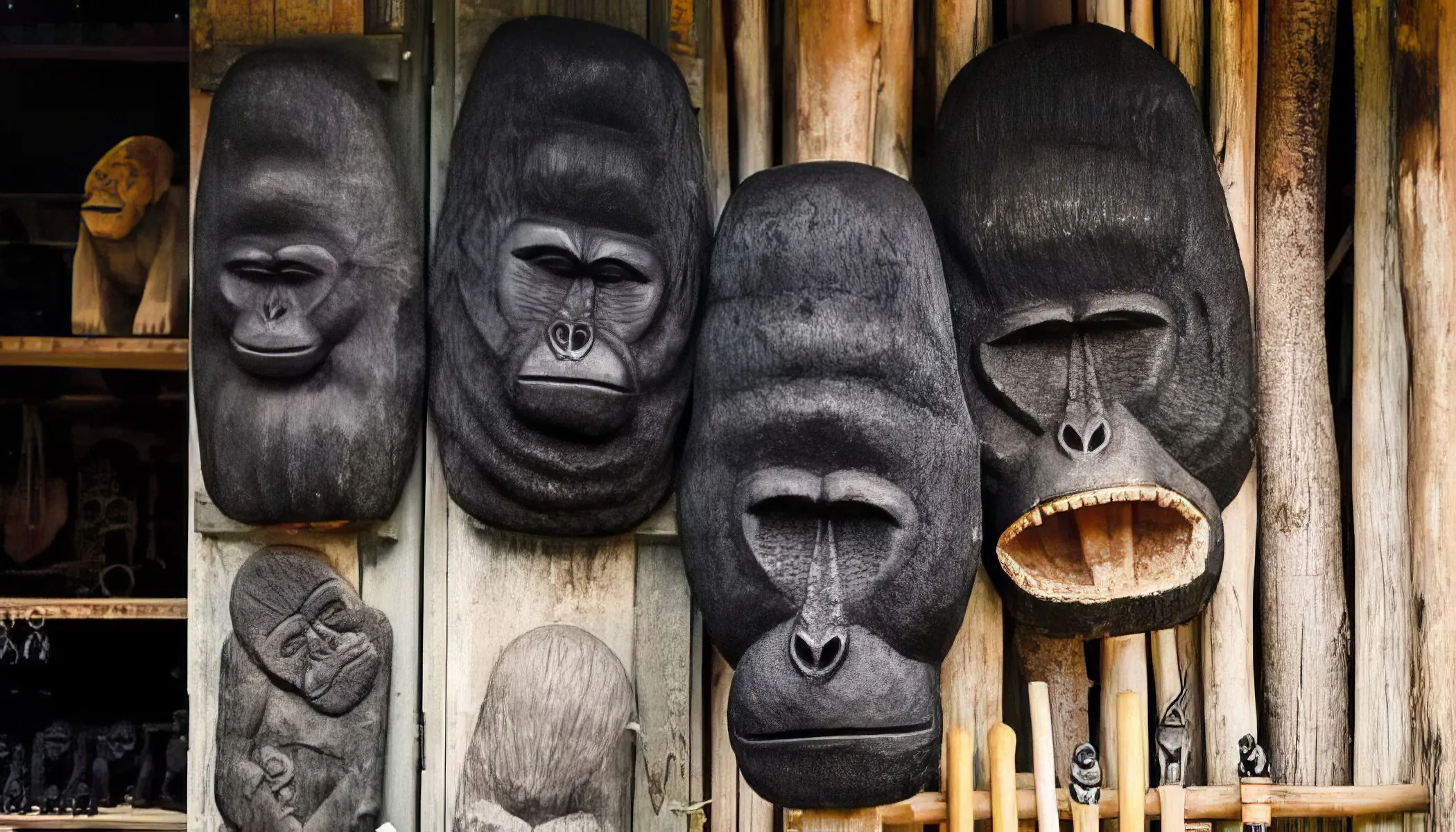
Uganda supplies a variety of unique souvenirs reflecting its culture and craftsmanship. Here are some items you might consider purchasing:
– Bark Cloth: Traditional fabric made from tree bark, often used for clothing or decor.
– Ankole Cow Horn Products: Beautifully crafted items like bowls and jewelry made from cow horn.
– Ugandan Baskets: Handwoven baskets, known for their bright colors and refined designs.
– African Bead Jewelry: Colorful necklaces and bracelets made from local materials.
– Wood Carvings: Nice carvings depicting local wildlife and cultural scenes, available in various sizes.
– Coffee: Uganda is known for its rich coffee; beans make a great gift for coffee lovers.
– Banana Leaf Art: Unique artworks created from dried banana leaves, often depicting local life.
Traditional Shows
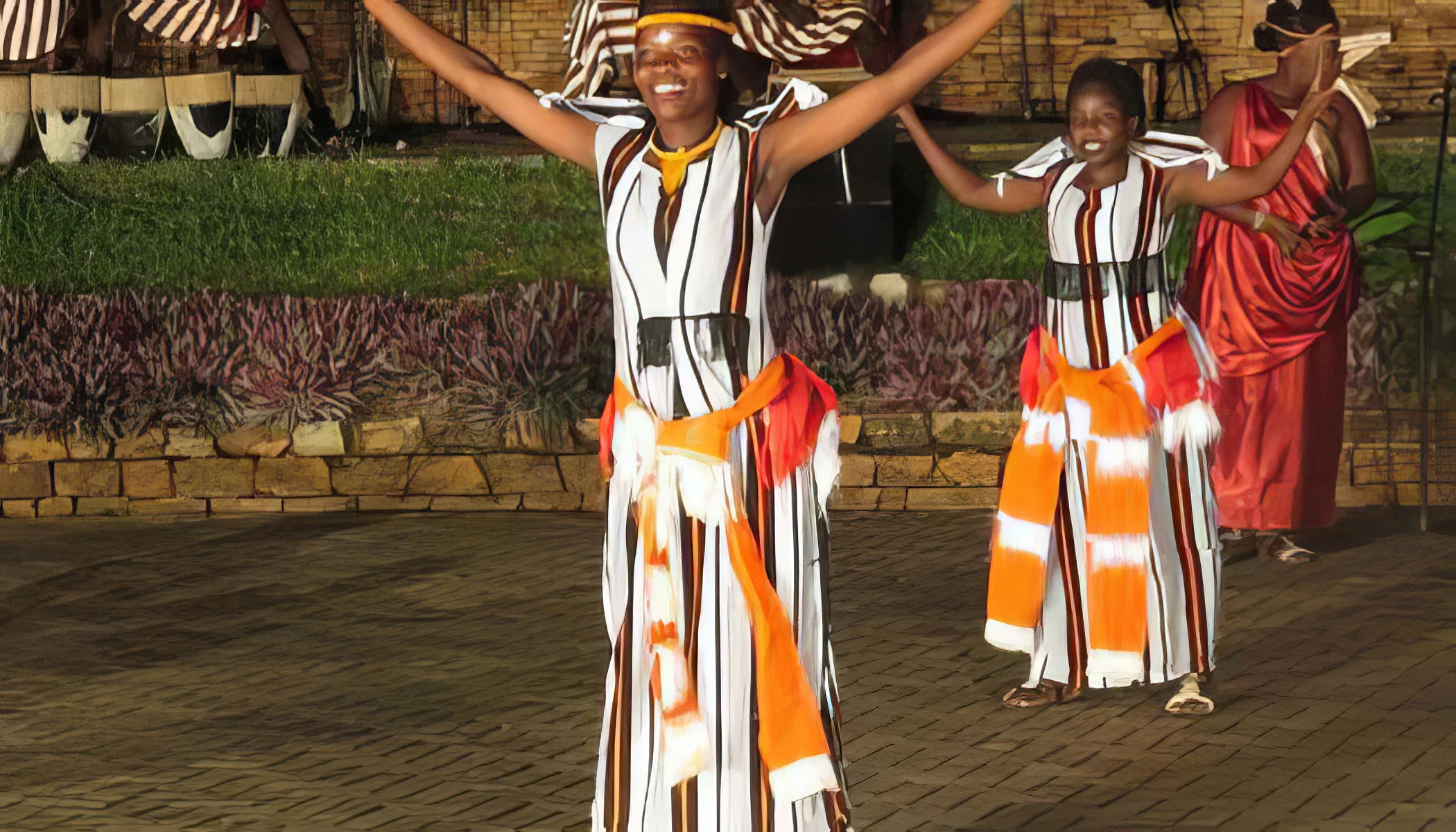
Uganda supplies a range of traditional performances reflecting its diverse cultures:
– Ndere Troupe: Enjoy dynamic dance, music, and cultural storytelling from across Uganda at the Ndere Cultural Centre in Kampala.
– Ganda Dance: Experience the traditional Baganda dances featuring rhythmic drumming and beautiful costumes in various cultural centers in Kampala.
– Bakisimba Dance: This dance from the Buganda kingdom, often performed at celebrations, showcases sophisticated footwork and lively rhythms.
– Amakondere Trumpets: Hear the unique sounds of long trumpets used in traditional Ankole ceremonies, usually performed in western Uganda.
– Ekitaguriro Dance: Watch this energetic dance from southwestern Uganda that mimics cattle movement and is central to Ankole culture.
Events & Festivals
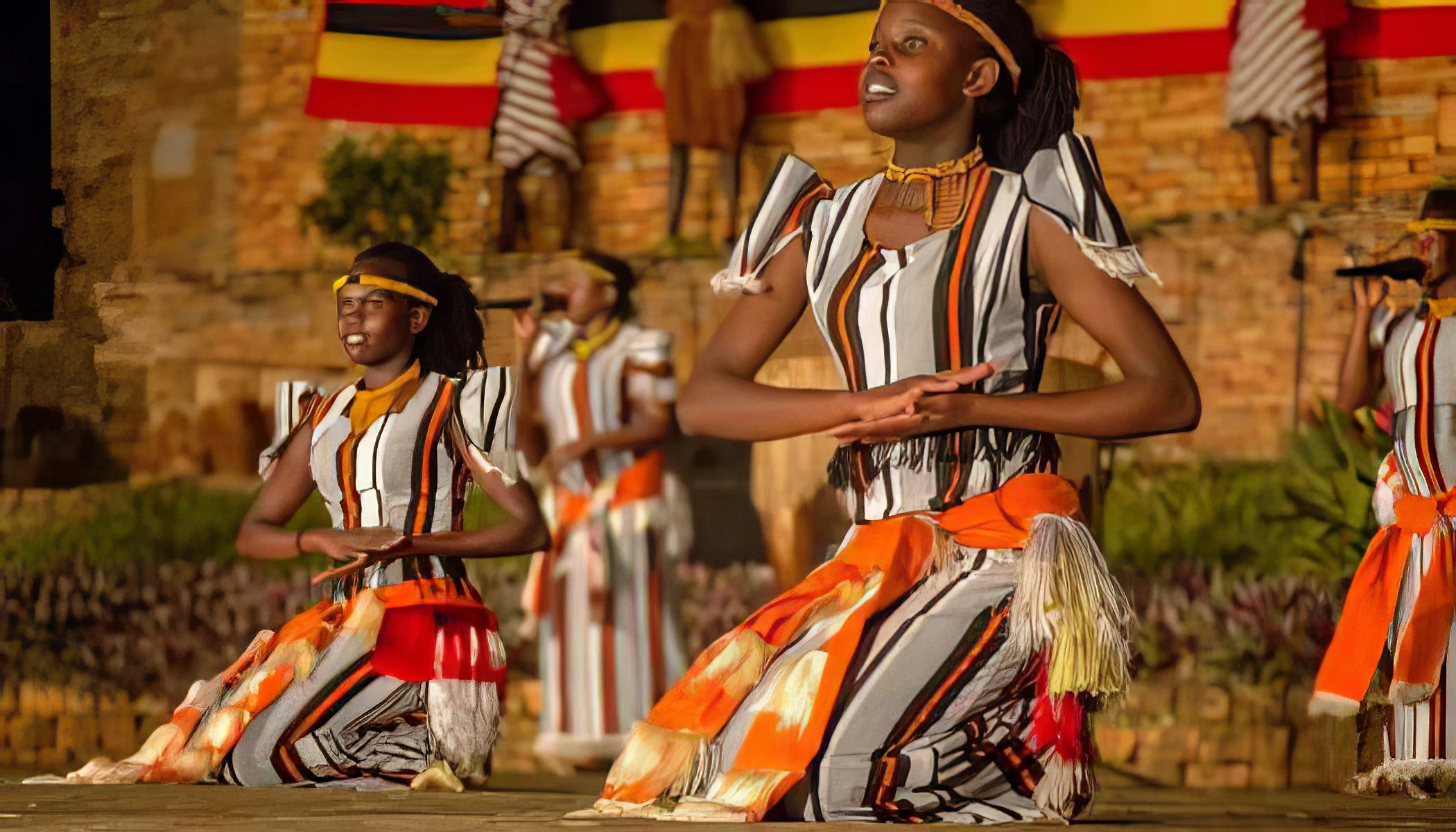
Uganda hosts a variety of animated events and festivals that highlight its cultural diversity and traditions:
– Nyege Nyege Festival: Held in September, a major music festival featuring African and international artists.
– Kampala City Festival: Annual October event with street parades, music, and cultural showcases.
– Bayimba International Festival: Takes place in August, promoting Ugandan arts through music, dance, theater, and visual art.
– Rolex Festival: Celebrated in August to honor Uganda's famous street food with live cooking and entertainment.
– Uganda Martyrs Day: Observed on June 3rd at Namugongo to honor Christian martyrs with prayers and pilgrimages.
– Amakula International Film Festival: Showcases local and international films annually in March to promote cinema culture.
– Jinja Carnival: Cultural festival every December with music, dance, crafts in the city of Jinja.
Famous People
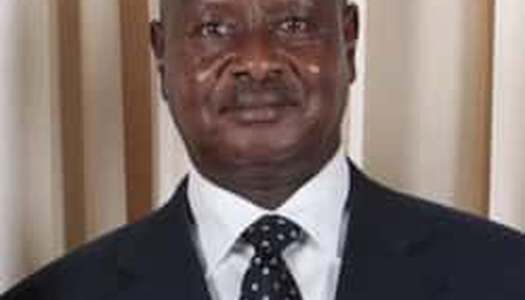
Uganda has fostered notable individuals recognized for their impact in politics, arts, and social movements.
– Idi Amin (1925 to 2003, Koboko): Military officer and president known for his authoritarian rule from 1971 to 1979.
– Milton Obote (1925 to 2005, Apac): Prime minister and president who led Uganda to independence in 1962.
– Yoweri Museveni (born 1944, Ntungamo): Long-serving president of Uganda who has been in power since 1986.
– John Sentamu (born 1949, Kampala): Former Archbishop of York and the first Black archbishop in the Church of England.
– Kofi Annan (born 1938 in Kumasi, Ghana but served extensively in Uganda): Noted diplomat and former UN Secretary-General with significant involvement in global peace efforts.
Books
These books delve into the cultural, political, and personal narratives tied to Uganda, offering readers diverse perspectives on the country's history and society.
– "Kintu" by Jennifer Nansubuga Makumbi: Epic tale following a Ugandan family through generations, exploring history and tradition.
– "The Last King of Scotland" by Giles Foden: Fictional account of Idi Amin’s regime from a Scottish doctor’s perspective.
– "Abyssinian Chronicles" by Moses Isegawa: Chronicles a boy's life amid Uganda's turbulent political changes.
– "Tropical Fish: Stories out of Entebbe" by Doreen Baingana: Stories about three sisters navigating life in post-Amin Uganda.
– "Song for Night" by Chris Abani: Follows a Ugandan child soldier on a journey for redemption amidst chaos.
Songs

These songs highlight Uganda's animated music scene, reflecting various cultural and social themes that resonate with audiences both locally and internationally.
– Sitya Loss: Eddy Kenzo's upbeat track gained international fame with its energetic dance moves.
– Wale Wale: Jose Chameleone's hit song showcases his unique fusion of Ugandan and contemporary styles.
– Nakudata: Radio & Weasel's popular love song featuring dynamic Afrobeat rhythms.
– Basiima Ogenze: Juliana Kanyomozi's soulful voice delivers a heartfelt tribute in this classic.
– Mukama Akola: Judith Babirye's gospel hit emphasizes faith and hope in Uganda.
– Boogieman: Navio's rap anthem highlights his role in the Ugandan hip-hop scene.
Films
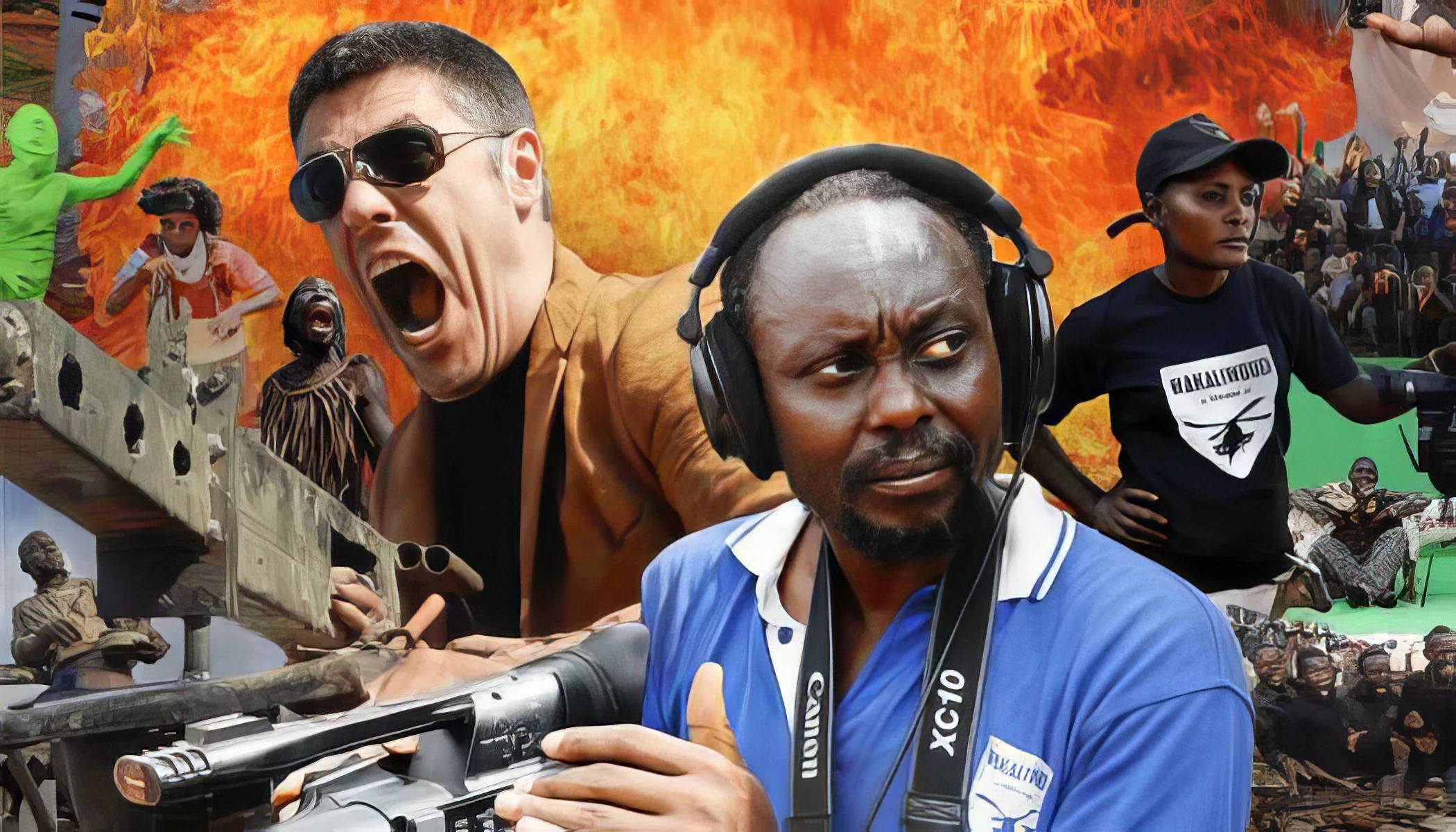
Here is a selection of films that highlight Uganda's stories and culture:
– "The Last King of Scotland": Explores Idi Amin's regime through the eyes of a fictional Scottish doctor.
– "Queen of Katwe": Disney's biographical drama about Ugandan chess prodigy Phiona Mutesi rising from Kampala slums.
– "Kony 2012": Viral documentary spotlighting Joseph Kony's atrocities and the call for his capture by Invisible Children, Inc.
– "Nairobi Half Life": Although mainly set in Kenya, highlights East African urban struggles, resonating with Ugandan audiences.
– "Who Killed Captain Alex?": Uganda's action-comedy cult hit created by Wakaliwood with humor and homemade charm.