

Travel Guide to Vatican: Top Things to Do & Tips
The world's smallest independent state, it serves as the spiritual and administrative center of the Roman Catholic Church. Enclosed within Rome, it houses iconic sites like St. Peter's Basilica and the Sistine Chapel, attracting millions of pilgrims and tourists annually.
- Capital
- Vatican City is a city-state, and it serves as its own capital.
- Population
- 0.1 millions
- Superficy
- 0 sq.km
- Months to Visit
- April to June & Sept. to Oct.
- Living Cost
- Moderate
Overview
Vatican City is the smallest independent state in the world, both in area and population, located entirely within Rome, Italy. It serves as the spiritual and administrative center of the Roman Catholic Church and is the residence of the Pope. Key sites include St. Peter's Basilica, a major pilgrimage site, and the Vatican Museums, which house renowned art collections including the Sistine Chapel ceiling by Michelangelo. The Vatican operates as an ecclesiastical state with its own governance structures, including a unique economy supported by donations and tourism. Despite its size, it wields significant religious influence globally. The Vatican also plays a role in international diplomacy through its diplomatic missions worldwide.
Pros & Cons
GOOD REASONS TO VISIT VATICAN
– St. Peter's Basilica: Marvel at the largest church, featuring Michelangelo's Pietà and Bernini's Baldachin.
– Vatican Museums: Explore vast art collections, including Raphael Rooms and the Gallery of Maps.
– Sistine Chapel: Admire Michelangelo's iconic ceiling frescoes and The Last Judgment masterpiece.
– Papal Audience: Experience a unique opportunity to see the Pope during public addresses or blessings.
– Vatican Gardens: Enjoy serene, beautifully landscaped gardens, usually accessible through guided tours. CHALLENGES WHEN VISITING VATICAN
– Crowds and Long Lines: Expect large crowds, especially during peak tourist seasons; early arrival is recommended.
– Limited Accessibility: Some areas have restricted access for those with mobility issues due to stairs and narrow passages.
– Dress Code Enforcement: Strict dress codes require modest attire; shoulders and knees must be covered.
Before Departure
Before visiting Vatican City, consider the following essential information:
– Passport: Ensure your passport is valid for at least three months beyond your planned departure from the Schengen Area.
– Visa: No visa required for stays under 90 days for most nationalities; part of the Schengen Area.
– Currency: Euro (€) is used; credit cards widely accepted; ATMs available but limited within Vatican City.
– Internet access: WiFi is available in some areas; consider using roaming or Italian SIM cards for better connectivity.
– Language barrier: Italian is the official language; English widely spoken by staff and guides in tourist areas.
What to Pack
Visiting the Vatican requires consideration of its religious significance and dress code, especially when entering sacred sites.
– Essentials: Passport, travel insurance details, itinerary, accommodation confirmations, and any necessary tickets for Vatican tours.
– Clothing: Modest clothing covering shoulders and knees, comfortable walking shoes, hat or scarf for sun protection.
– Health & Safety: Personal medications, basic first aid kit, sunscreen for outdoor areas.
– Electronics: Travel adapter for Italian outlets, mobile phone with camera function.
Weather
Weather in Vatican City is typical of a Mediterranean climate with distinct seasons:
– Winter (December to February): Mild and wet, with temperatures ranging from 3°C to 12°C.
– Spring (March to May): Pleasant and mild, with temperatures between 8°C and 20°C.
– Summer (June to August): Hot and dry, with temperatures reaching up to 30°C or more.
– Autumn (September to November): Mild and wet, with temperatures ranging from 10°C to 24°C. April to October is the best time to visit Vatican City:
– Pros: Pleasant weather, ideal for sightseeing and outdoor activities.
– Cons: High tourist season means larger crowds and longer wait times at attractions.
Travel Budget
Visiting Vatican City can be more expensive due to its location within Rome. Here are some average costs for tourists:
– Hotel: 100$ to 300$
– Lunch: 15$ to 30$
– Beverage (in bar/restaurant): 5$ to 10$
– Coffee: 2$ to 5$
– Transportation: (train not applicable), (bus not applicable), (taxi /10km not applicable)
– Mobile data (per GB): not applicable
Language
The official language of Vatican City is Latin, but Italian is commonly used for everyday communication. Here are some useful phrases in Italian for tourists visiting Vatican City:
– Hello: Ciao
– Thank you: Grazie
– Please: Per favore
– How much is this?: Quanto costa?
– Excuse me: Mi scusi
– I don't understand: Non capisco
– Yes: Sì
– No: No
– Goodbye: Arrivederci
History
Its origins trace back to the early Christian community in Rome, with St. Peter considered the first pope. The Lateran Treaty of 1929 established it as an independent city-state, resolving long-standing disputes between the papacy and Italy. It is the spiritual and administrative center of the Roman Catholic Church, led by the pope. Throughout history, it has been a site of significant religious influence and political diplomacy. World War II posed challenges due to its neutrality and humanitarian efforts. Today, it remains a unique sovereign entity focused on global religious leadership and interfaith dialogue.
Geopolitics
The Vatican City is an independent city-state enclaved within Rome, Italy, and is the spiritual and administrative center of the Roman Catholic Church. It is the smallest state in the world by both area and population. Governed by the Holy See, it holds significant influence in global religious affairs but limited geopolitical power. The Pope serves as both its spiritual leader and head of state, fostering diplomatic relations with numerous countries through a network of nunciatures or embassies. Despite its small size, the Vatican plays a unique role in international diplomacy, often engaging in peacebuilding efforts and humanitarian issues. Its non-member observer status at the United Nations allows it to participate in discussions on global matters while remaining neutral in political affairs.
Sample Itinerary
This itinerary covers notable religious and historical sites in Vatican City, offering a deep dive into its cultural and spiritual significance.
– 1 day in St. Peter's Basilica: Visit the iconic basilica, admire Michelangelo's Pietà, and climb to the dome for panoramic views.
– 1 day in Vatican Museums: Explore extensive art collections, including the Raphael Rooms and Gallery of Maps, concluding with the Sistine Chapel.
– 1 day in Vatican Gardens: Tour these comfortable gardens featuring Renaissance sculptures and fountains, available via guided tours only.
– 1 day in St. Peter's Square: Experience Bernini's grand colonnade and observe the Papal Blessing if scheduled.
Popular cities
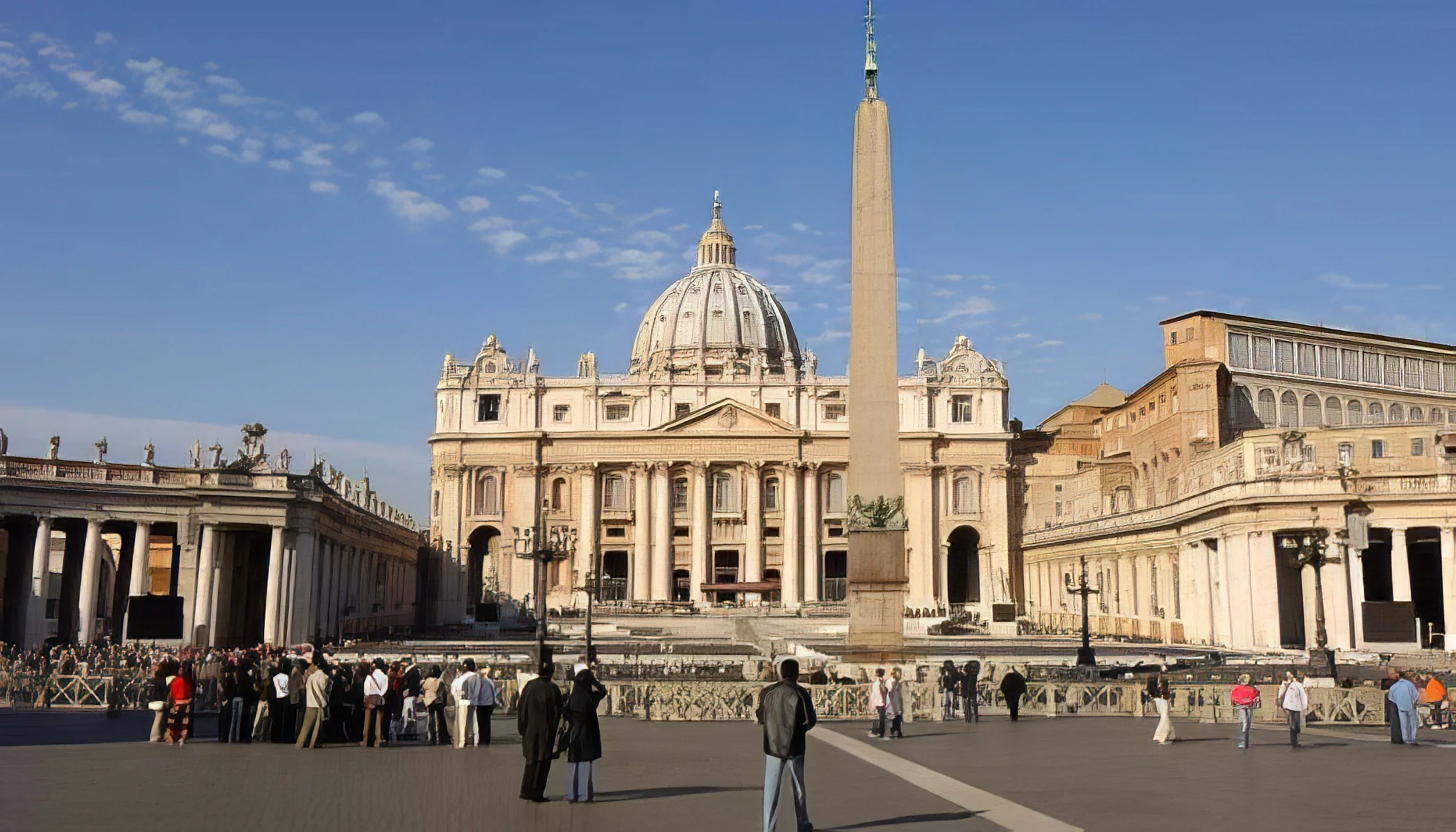
Vatican City is unique with its religious and historical significance:
– Vatican City: The smallest independent state in the world, home to St. Peter's Basilica and the Vatican Museums.
Monuments
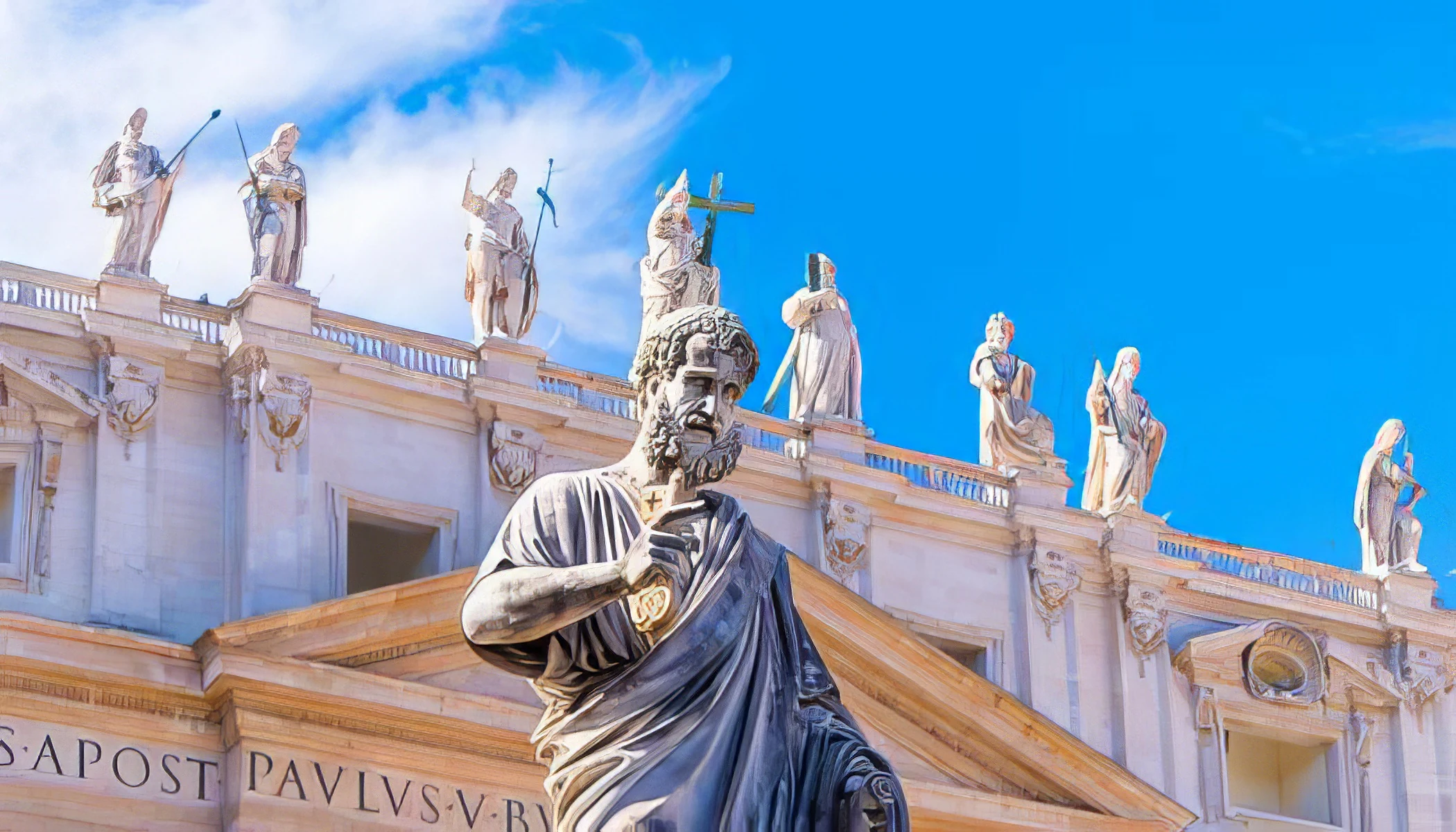
The Vatican City is home to several renowned architectural and historical monuments:
– St. Peter's Basilica: Iconic Renaissance church with Michelangelo's Pietà, in the heart of Vatican City.
– Vatican Museums: Extensive art collection including the Raphael Rooms and Greek sculptures.
– Sistine Chapel: Famous for Michelangelo's ceiling frescoes, including "The Creation of Adam."
– St. Peter's Square: Grand piazza designed by Bernini, featuring large colonnades and Egyptian obelisk.
– Apostolic Palace: Official residence of the Pope, containing the papal apartments and several chapels.
– Vatican Gardens: Dense landscaped gardens with fountains and sculptures covering half of Vatican territory.
– St. Peter's Baldachin: Baroque bronze canopy inside St. Peter’s Basilica designed by Bernini over the Papal Altar.
– La Pietà Sculpture: Renowned marble statue by Michelangelo located inside St. Peter’s Basilica.
Natural wonder
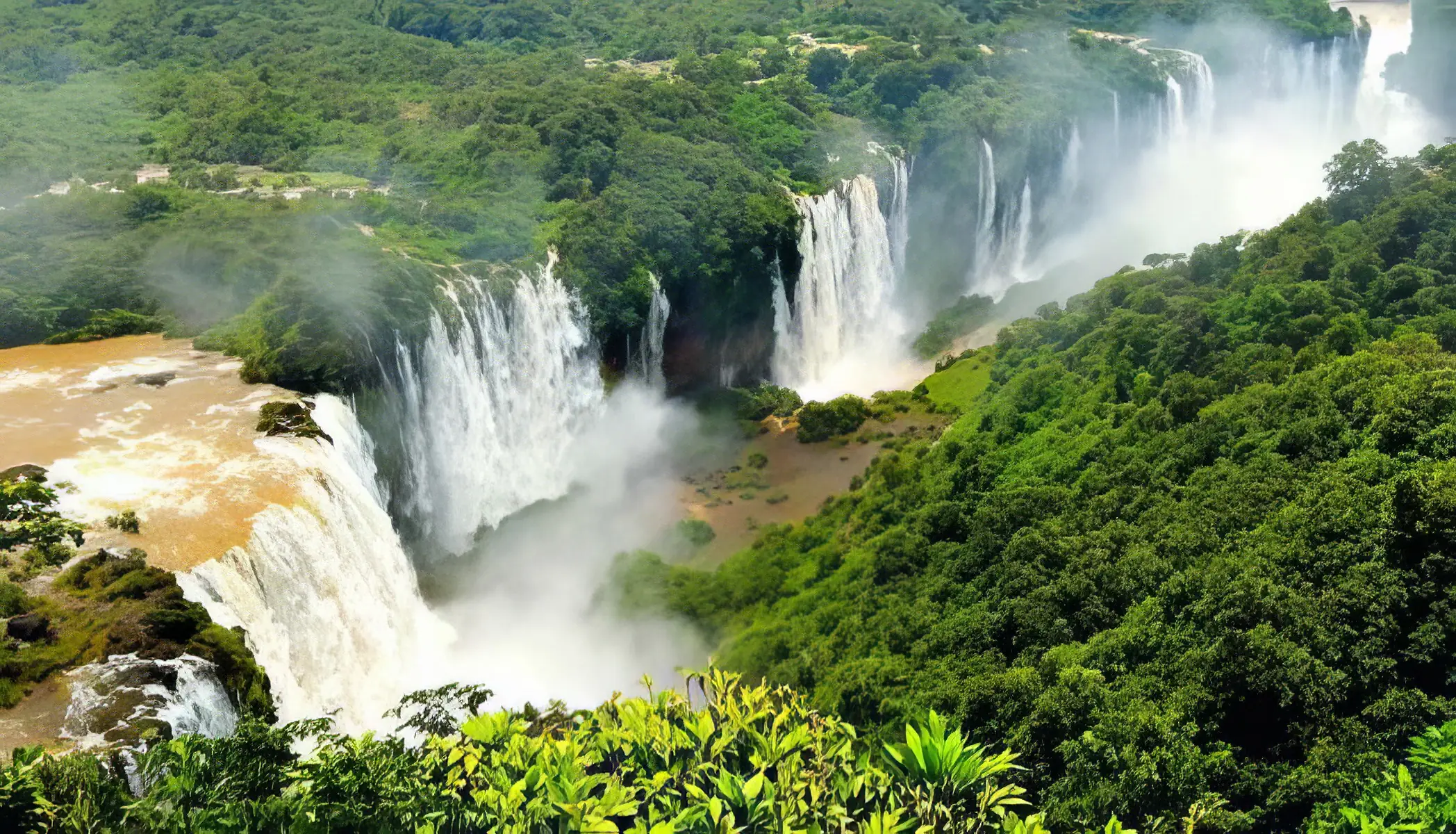
Vatican City is an urban microstate with no natural wonders.
Outdoor activities
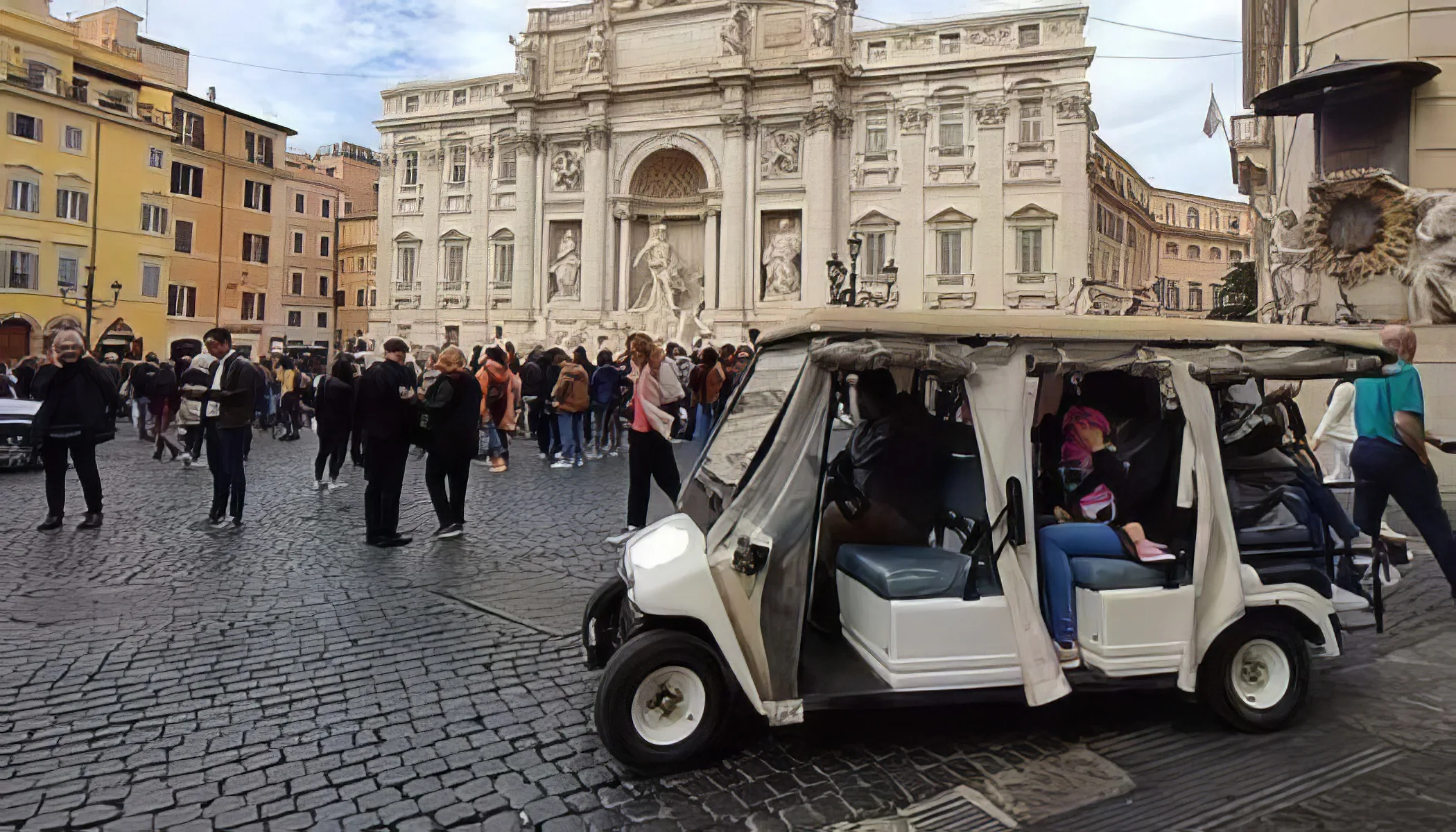
There are limited outdoor experiences due to the Vatican's small size and primary focus on religious and cultural heritage:
– St. Peter's Square Visit: Observe the grand architecture and occasional papal appearances.
– Gardens of Vatican City Tour: Explore well-maintained gardens with historical sculptures and fountains.
– Climbing St. Peter’s Basilica Dome: Enjoy panoramic views of Rome from the top.
– Papal Audience in St. Peter’s Square: Join a public gathering to hear the Pope speak.
– Outdoor Art Viewing: Discover magnificent Renaissance artworks outside key buildings.
– Walking around Vatican Walls: Experience an external view of this historic enclave.
– Attending a Vatican Procession: Witness religious ceremonies that sometimes occur outdoors.
Kid Friendly
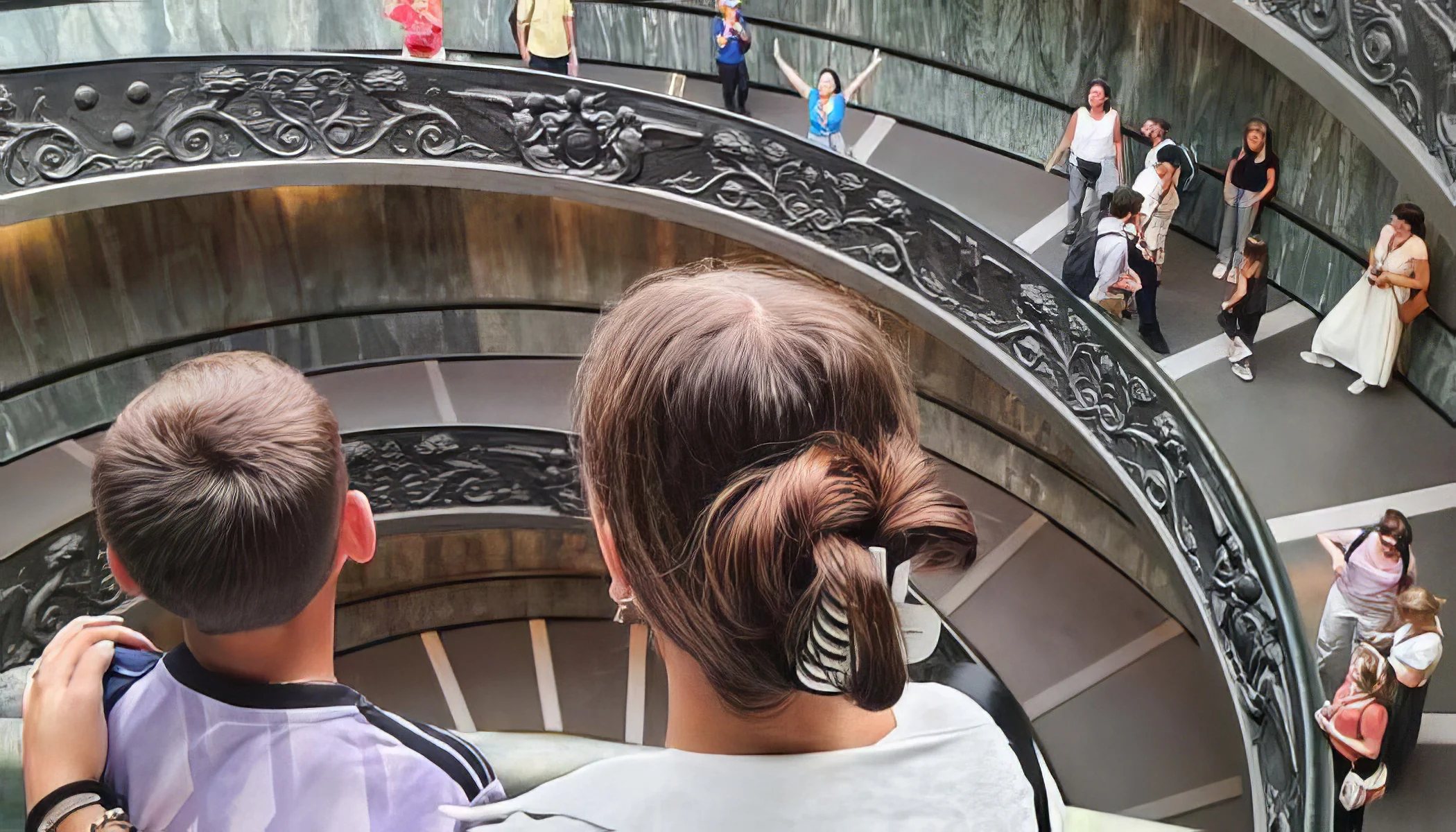
Vatican City provides educational and fascinating experiences for young visitors.
– Vatican Museums: Explore a vast collection of art with interactive exhibits that captivate children.
– Sistine Chapel: Admire Michelangelo's famous ceiling, an impressive sight for all ages.
– St. Peter’s Basilica: Climb to the dome for a panoramic view of Rome that kids will enjoy.
– Vatican Gardens: A guided tour of lush gardens can be both relaxing and educational.
– Castel Sant'Angelo: While technically in Rome, its close proximity supplies historical exploration fun for families.
– Papal Audience: Attend a papal audience to experience a unique cultural event with the Pope.
– Swiss Guard: Kids will be intrigued by the colorful uniforms and history of this small military force.
– Vatican Scavi Tour: Explore the underground necropolis beneath St. Peter’s Basilica, suitable for older kids.
Cuisine
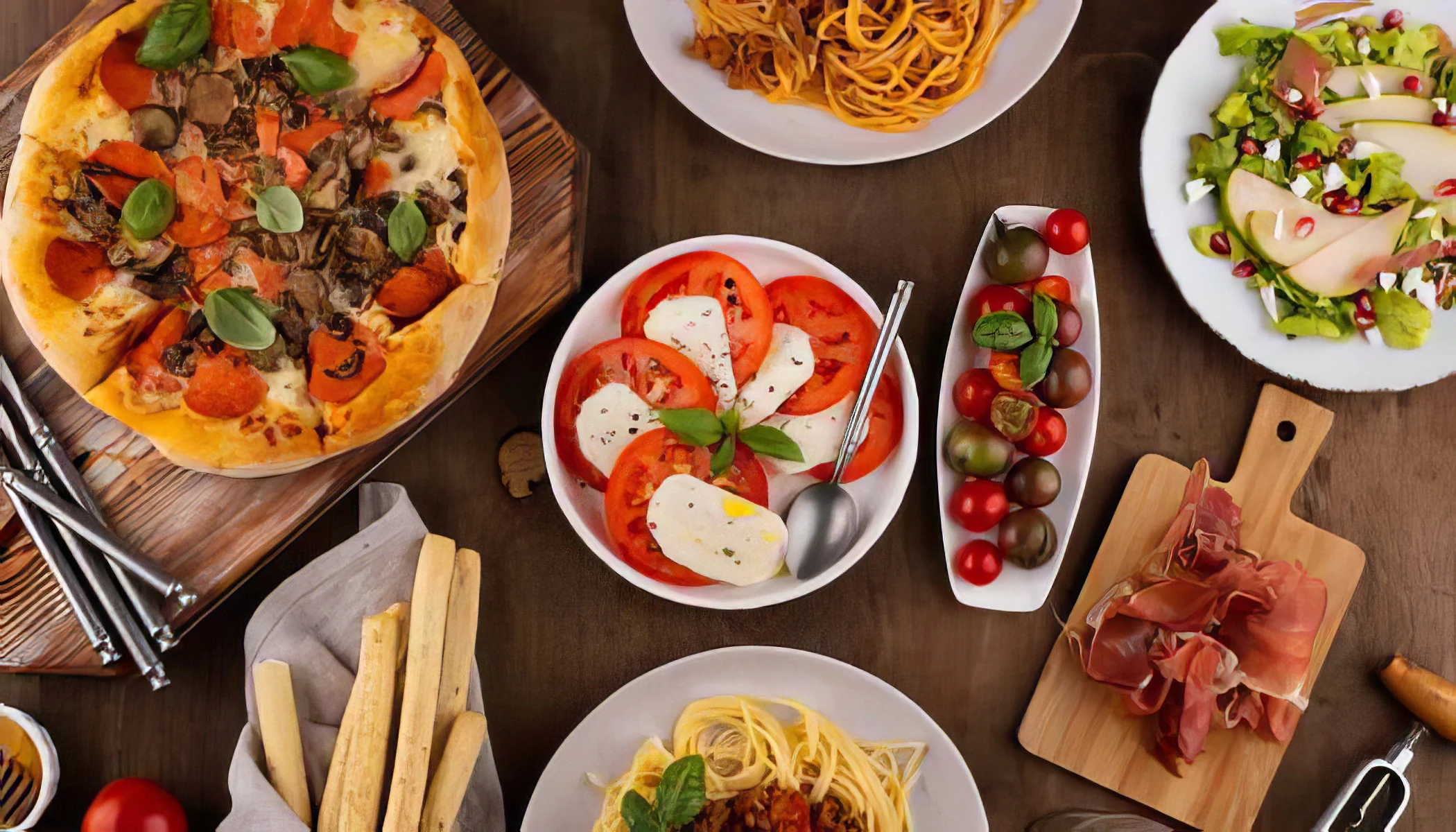
The Vatican City, with its close ties to Italy, features a cuisine influenced by Italian dishes and Mediterranean flavors. Due to its small size, dining options are limited but often reflect Roman culinary traditions. The food is simple yet refined, focusing on quality ingredients. – Spaghetti alla Carbonara: Pasta with eggs, Pecorino Romano cheese, pancetta, and pepper.
– Saltimbocca alla Romana: Veal cutlets with prosciutto and sage cooked in white wine.
– Maritozzi: Sweet buns filled with whipped cream or gelato.
– Tiramisu: Layered dessert with coffee-soaked ladyfingers, mascarpone cheese, and cocoa powder.
Souvenir
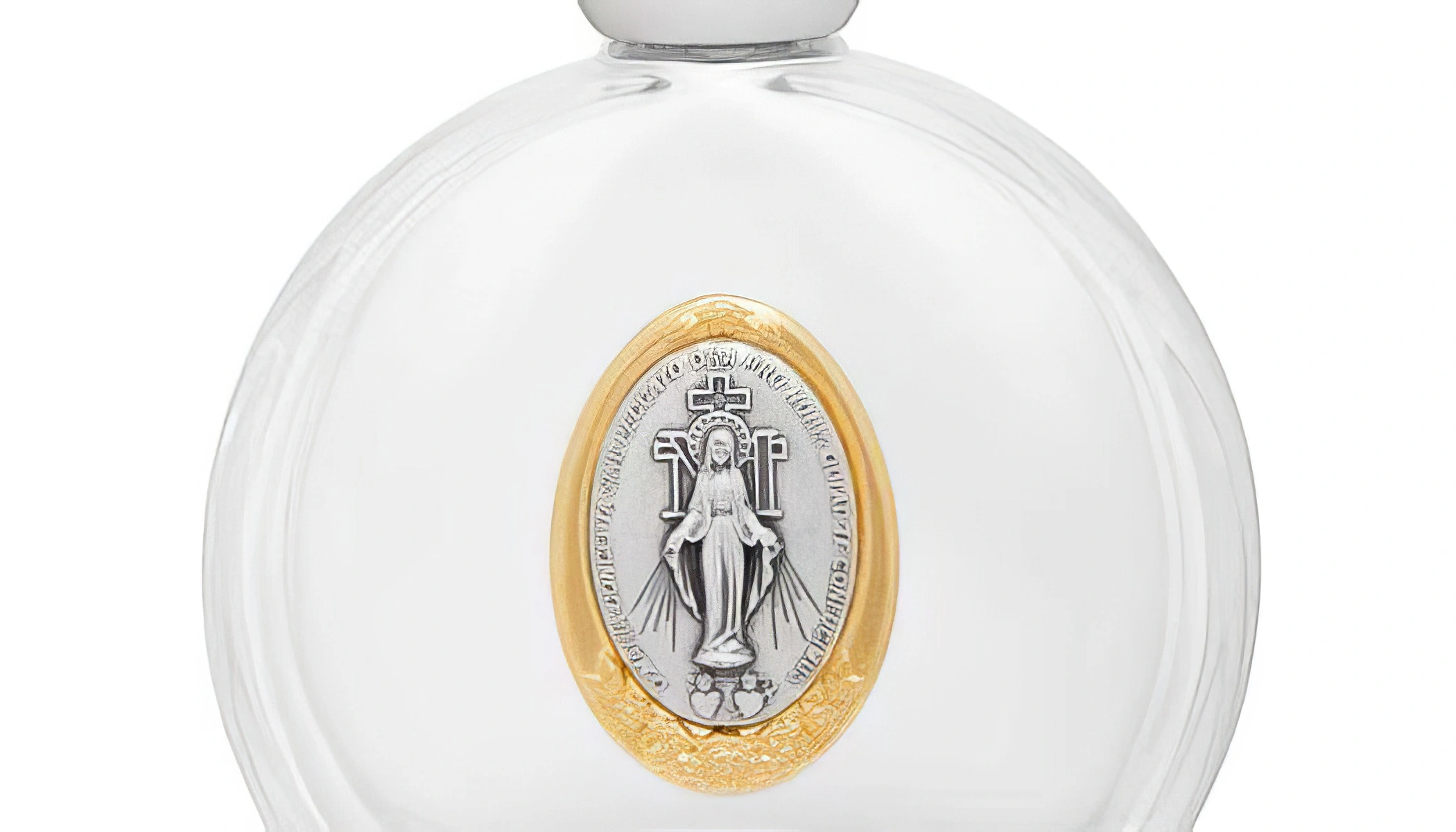
With its religious and historical significance, Vatican City supplies unique souvenirs. Consider these items for your visit:
– Rosary Beads: Available in various designs, they are a spiritual keepsake from the center of Catholicism.
– Vatican Coins and Stamps: Issued by the Vatican, these are collectibles for philatelists and numismatists.
– Religious Medals: Medals featuring saints or the Pope make meaningful mementos.
– Papal Blessings: You can request a personalized blessing on parchment from the Vatican's Apostolic Blessing Office.
– Books and Religious Texts: Find books on religion, history, and art at the Vatican Museums' shops.
– Crucifixes: Available in various sizes, they are symbolic gifts representing Christian faith.
– Art Prints and Postcards: Featuring famous artworks from the Vatican Museums and Sistine Chapel.
Traditional Shows
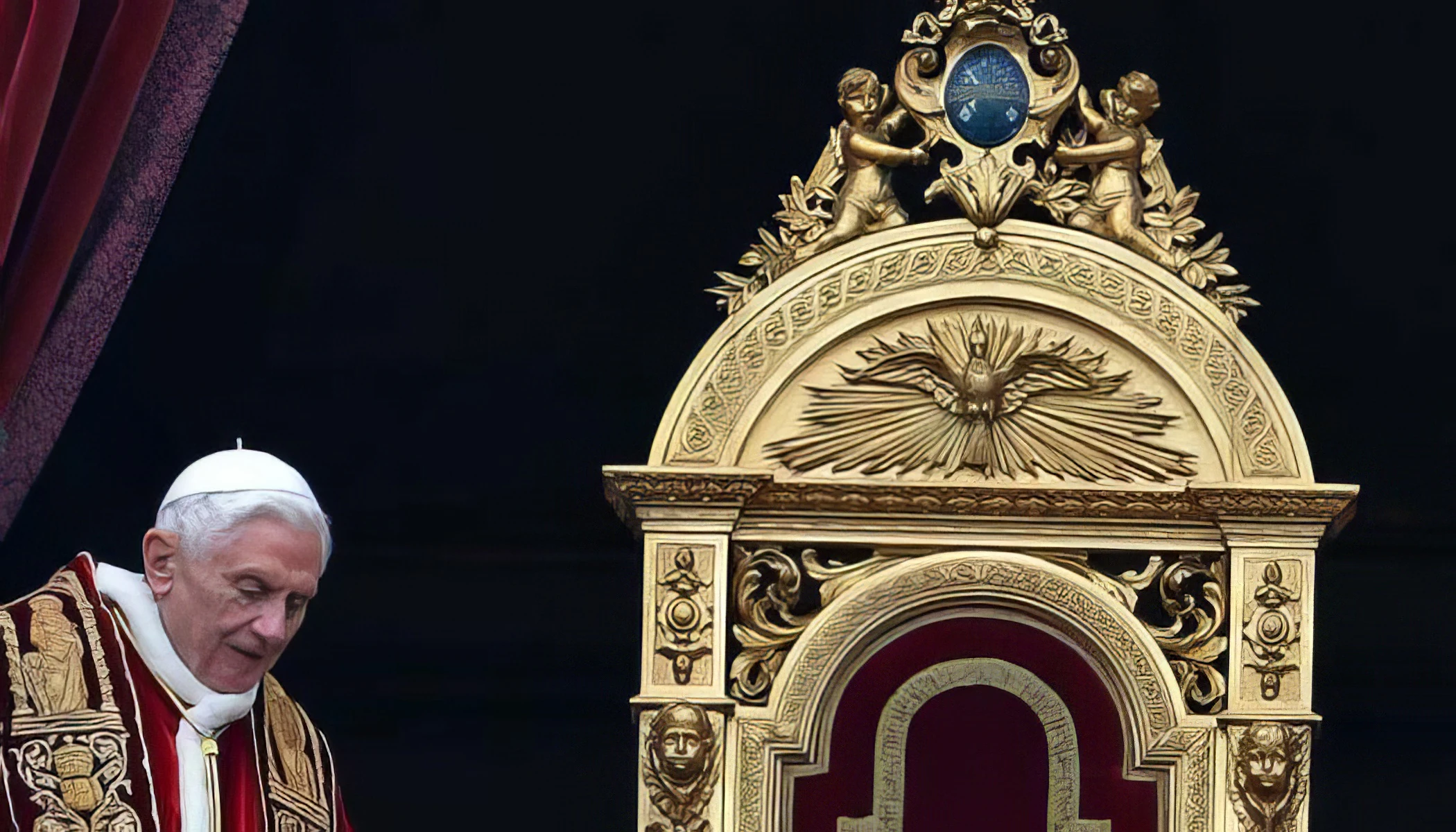
The Vatican supplies unique art performances reflecting its rich cultural heritage:
– Sistine Chapel Choir: Attend a liturgical service to hear the Vatican's renowned choir perform sacred music within the iconic Sistine Chapel.
– Papal Audience: Experience traditional hymns and chants during the Pope's public addresses, held weekly at St. Peter's Square or Paul VI Audience Hall.
– Vatican Museums Concerts: Enjoy classical music performances in the historic settings of the Vatican Museums, showcasing works by renowned composers.
– Organ Concerts at St. Peter's Basilica: Listen to powerful organ recitals in one of Christianity's most significant churches, highlighting both sacred and classical music.
– Easter Vigil Mass: Participate in this solemn ceremony featuring choral chants and hymns as part of Holy Week celebrations in St. Peter's Basilica.
Events & Festivals
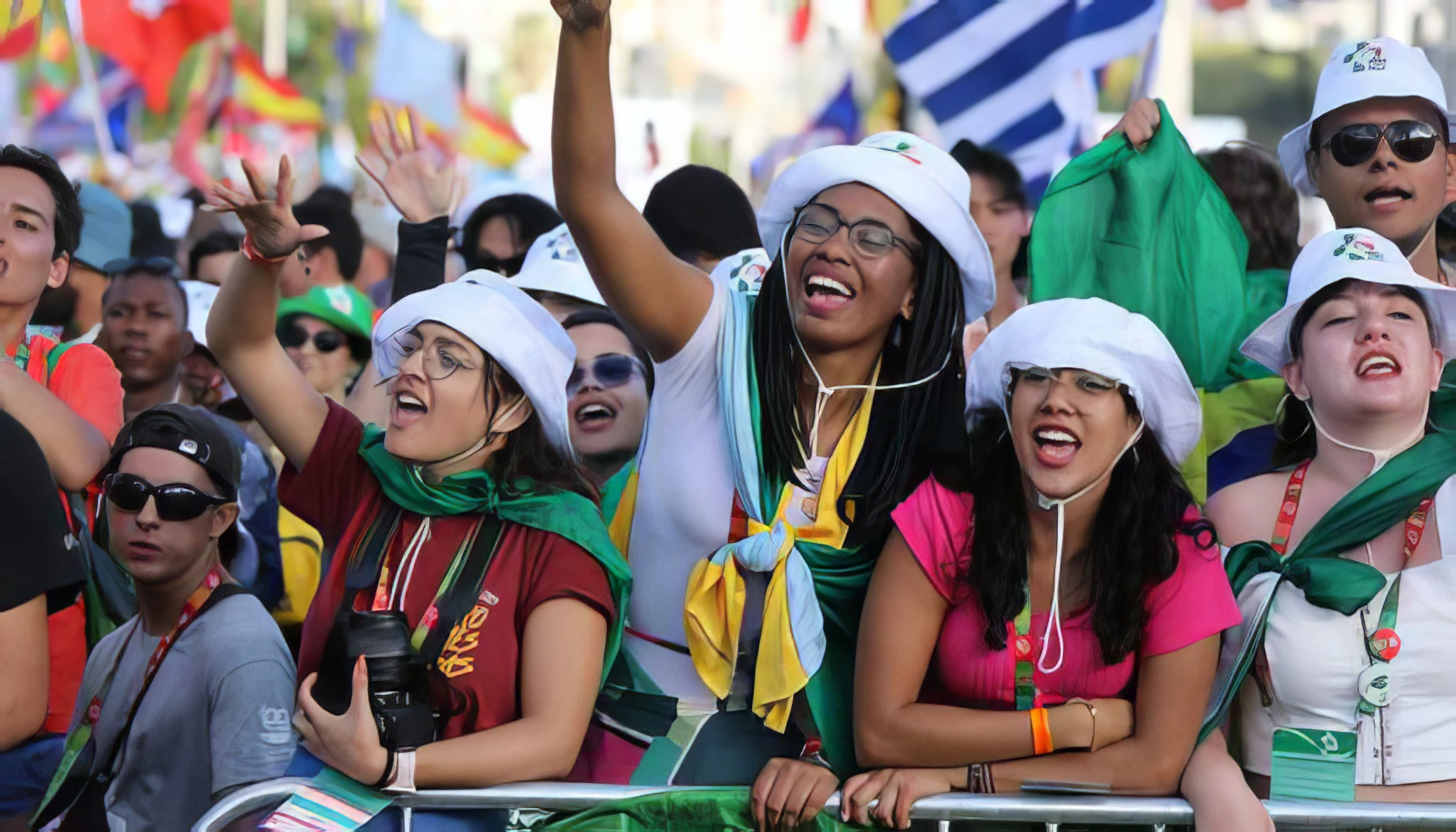
The Vatican hosts several important religious events and celebrations throughout the year:
– Epiphany: January 6 Mass in St. Peter's Basilica to celebrate the visit of the Magi.
– Ash Wednesday: Marks Lent's start with a Mass, usually presided by the Pope in February or March.
– Easter Sunday: Celebrated in March or April with a Mass and "Urbi et Orbi" blessing by the Pope.
– Corpus Christi: May/June procession led by the Pope to honor the Eucharist.
– Feast of Saints Peter and Paul: June 29 event honoring Rome's patron saints with a special Mass.
– Assumption of Mary: August 15 Mass celebrating Mary's assumption into heaven, held at St. Peter's Basilica.
– Christmas Day: December 25 celebrations include Midnight Mass and "Urbi et Orbi" blessing by the Pope.
Famous People
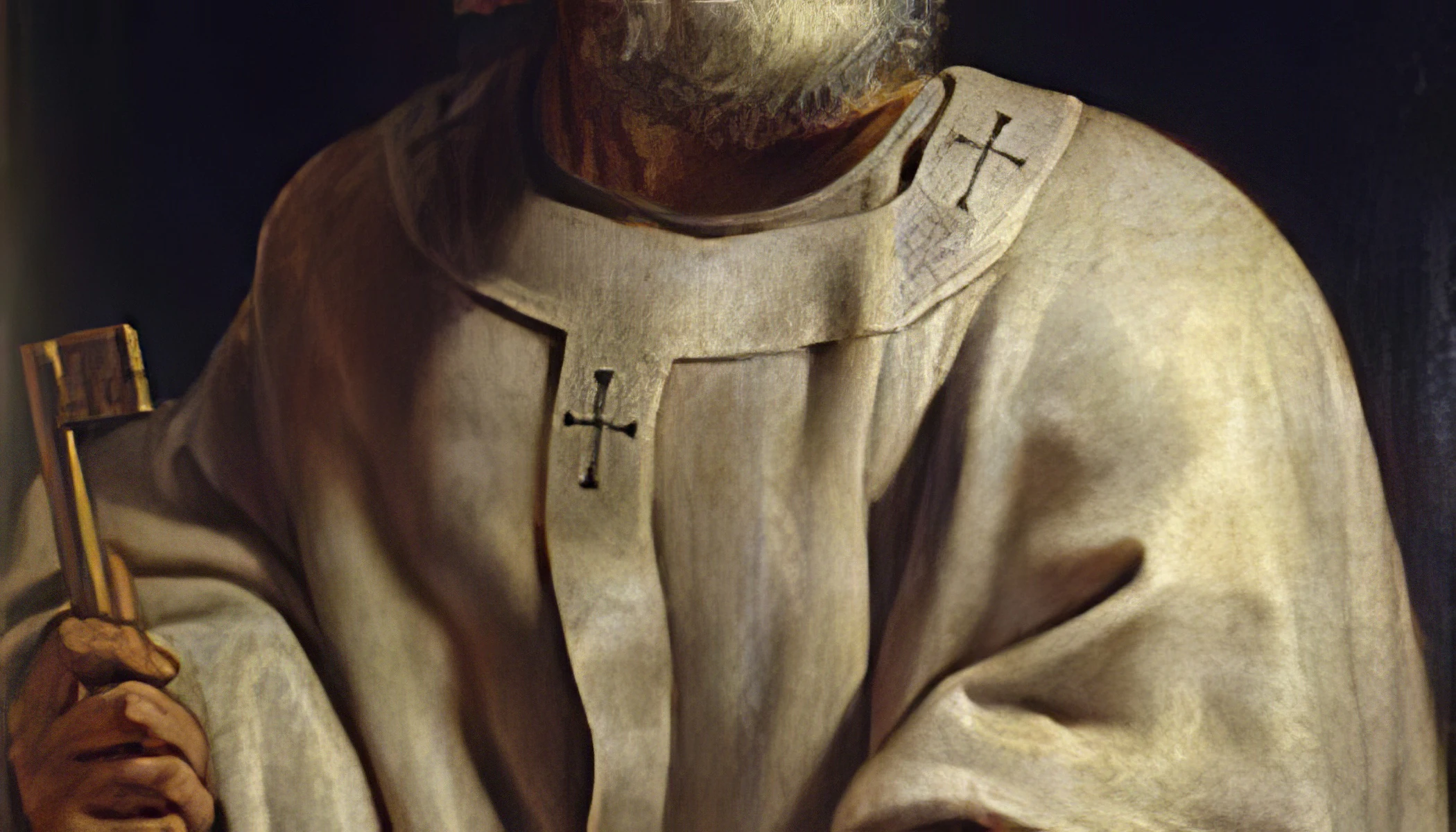
The Vatican has been home to many significant figures known for their religious and cultural impact globally.
– Pope Francis (born 1936, Buenos Aires): First Jesuit pope from Argentina, known for his emphasis on humility and social justice.
– Pope John Paul II (1920 to 2005, Wadowice): First Polish pope, influential in ending communism in Eastern Europe.
– Pope Benedict XVI (1927 to 2022, Marktl): German pope noted for his theological contributions and papal writings.
– Michelangelo Buonarroti (1475 to 1564, Caprese): Renowned artist behind the Sistine Chapel ceiling paintings in Vatican City.
– Raphael Sanzio (1483 to 1520, Urbino): Celebrated painter and architect whose works adorn the Vatican Museums.
Books
These books delve into the rich history, intrigue, and spiritual significance of the Vatican and its surroundings.
– "Angels & Demons" by Dan Brown: A thriller combining science, religion, and hidden secrets within the Vatican.
– "The Shoes of the Fisherman" by Morris West: A novel exploring a papal election and geopolitical tensions.
– "In God's Name" by David Yallop: Investigates Pope John Paul I's mysterious death in 1978.
– "Vatican" by Malachi Martin: Fictional tale revealing political and spiritual struggles inside the Vatican.
– "Michelangelo and the Pope's Ceiling" by Ross King: Chronicles Michelangelo's work on the Sistine Chapel ceiling.
Songs
The Vatican's musical tradition is rooted in sacred and liturgical music, primarily performed in church settings.
– Miserere mei, Deus: Allegri's famous choral work often sung in the Sistine Chapel.
– Ave Maria: Classic religious hymn frequently performed by Vatican choirs.
– Tu Es Petrus: Choral piece used for major papal ceremonies.
– Cantate Domino: Sacred motet commonly performed during Vatican services.
– Veni Creator Spiritus: Traditional hymn sung during papal elections and Pentecost.
Films
Films set in the Vatican often explore themes of religion, power, and mystery:
– "The Two Popes": A biographical drama about the relationship between Pope Benedict XVI and Pope Francis.
– "Angels & Demons": A thriller where a symbologist uncovers a conspiracy within the Vatican.
– "The Young Pope": A drama series portraying a fictional, unconventional pope's reign.
– "Habemus Papam": An Italian comedy-drama about a newly elected pope facing a crisis of confidence.
– "Rome Reports: Inside the Vatican": A documentary providing insights into Vatican life and operations.