

Travel Guide to Venezuela: Top Things to Do & Tips
Located in northern South America, this country is known for its vast oil reserves and diverse ecosystems, including the Andes and Amazon rainforest. Despite economic challenges, it boasts natural wonders like Angel Falls and a rich cultural heritage.
- Capital
- Caracas
- Population
- 27.3 millions
- Superficy
- 913000 sq.km
- Months to Visit
- Dec. to April
- Living Cost
- Economical
Overview
Venezuela is located on the northern coast of South America, known for its diverse geography that includes the Andes mountains, Amazon rainforest, and Caribbean coastline. The capital city, Caracas, is a major urban center with cultural and historical sites. Venezuela has significant oil reserves, which have historically driven its economy but also contributed to economic challenges in recent years. The country faces political instability and economic difficulties, impacting daily life for many citizens. Despite these issues, Venezuela is home to natural attractions like Angel Falls, the world's highest waterfall. Its rich biodiversity and varied landscapes offer potential for tourism and exploration.
Pros & Cons
GOOD REASONS TO VISIT VENEZUELA
– Angel Falls: Witness the world's highest uninterrupted waterfall, a beautiful natural wonder in Canaima National Park.
– Diverse Ecosystems: Explore Amazon rainforest, Andes mountains, and Caribbean beaches, offering varied landscapes and wildlife.
– Cultural Richness: Experience lively music, dance, and festivals reflecting Venezuela's diverse cultural heritage.
– Unique Wildlife: Encounter unique species like capybaras, pink dolphins, and giant anteaters in their natural habitats.
– Affordable Travel: Enjoy budget-friendly accommodations and activities due to favorable exchange rates for many visitors. CHALLENGES WHEN VISITING VENEZUELA
– Safety Concerns: High crime rates in urban areas require caution; research safety tips before visiting.
– Economic Instability: Hyperinflation affects availability of goods and services; plan carefully for essentials.
– Limited Infrastructure: Travel can be challenging due to poor road conditions and unreliable public transportation.
Before Departure
Before traveling to Venezuela, it's important to be aware of several key factors:
– Passport: Ensure your passport is valid for at least six months beyond your intended stay.
– Visa: Visa requirements vary by nationality; some need a tourist visa. Check with the Venezuelan consulate for specifics.
– Currency: Venezuelan Bolívar (VES); cash is preferred due to limited credit card acceptance; ATMs are unreliable.
– Internet access: WiFi is available in hotels and cafes in major cities; consider purchasing a local SIM card for better connectivity.
– Language barrier: Spanish is the official language; English is not widely spoken, so basic Spanish phrases can be helpful.
What to Pack
Traveling to Venezuela requires careful preparation due to its diverse climate and current socio-economic conditions.
– Essentials: Passport and visa (if required), travel insurance details, flight tickets and itinerary, accommodation reservations, emergency contact information.
– Clothing: Lightweight clothing for warm weather, sturdy walking shoes, rain jacket or umbrella for rainy season, hat and sunglasses for sun protection.
– Health & Safety: Prescription medications, basic first aid kit, insect repellent with DEET, sunscreen with high SPF, water purification tablets.
– Electronics: Travel adapter for Venezuelan outlets, mobile phone with offline maps, portable charger or power bank.
Weather
Weather in Venezuela is tropical, with variations due to altitude and geography:
– Dry Season (December to April): Generally sunny and dry across the country, especially in lowland areas.
– Wet Season (May to November): Frequent rain showers, particularly in the Amazon and Llanos regions; cooler temperatures in highlands. The best time to visit Venezuela is during the dry season from December to April.
– Pros: Ideal for outdoor activities, beach visits, and exploring natural attractions like Angel Falls.
– Cons: Higher tourist numbers can lead to crowded attractions and increased prices.
Travel Budget
Venezuela supplies a range of prices due to its economic situation, making it both affordable and unpredictable. Here are some average costs for tourists:
– Hotel: 10$ to 70$
– Lunch: 2$ to 10$
– Beverage (in bar/restaurant): 1$ to 4$
– Coffee: 0.5$ to 2$
– Transportation: (train not widely available), (bus 0.1$ to 1$), (taxi /10km 3$ to 8$)
– Mobile data (per GB): 1$ to 3$
Language
In Venezuela, Spanish is the official language, and here are some useful phrases for tourists:
– Hello: Hola
– Thank you: Gracias
– Please: Por favor
– How much is this?: ¿Cuánto cuesta esto?
– Excuse me: Disculpe
– I don't understand: No entiendo
– Yes: Sí
– No: No
– Goodbye: Adiós
History
Its history begins with indigenous peoples before Spanish colonization in the 16th century. Gaining independence from Spain in 1821, it became part of Gran Colombia until 1830 when it emerged as an independent republic. The 19th and early 20th centuries saw political instability and military rule. In the mid-20th century, Venezuela experienced a period of democratic governance marked by economic prosperity due to oil exports. However, political turmoil and economic challenges resurfaced in the late 20th century. The rise of Hugo Chávez in 1999 ushered in a socialist government, leading to significant political and economic changes that continue to affect the country today.
Geopolitics
Located in South America, Venezuela shares borders with Colombia, Brazil, and Guyana and has a coastline along the Caribbean Sea. It possesses the world's largest proven oil reserves, which significantly influence its geopolitical standing and relationships. The country has faced prolonged political and economic crises, leading to strained relations with several Western nations, notably the United States, which does not recognize the current government. Venezuela is a founding member of OPEC (Organization of the Petroleum Exporting Countries) and is involved in various regional organizations like MERCOSUR and ALBA. It has aligned itself with countries like Russia, China, and Iran for economic and military support amid international sanctions. The internal political landscape is marked by a power struggle between the government and opposition groups, impacting its regional influence and diplomatic relations.
Sample Itinerary
This itinerary explores Venezuela's natural wonders, cultural sites, and beautiful cities.
– 2 days in Caracas: Visit Bolívar Square, hike El Ávila National Park, and explore the National Pantheon. Discover contemporary art at the Museum of Fine Arts.
– 2 days in Canaima National Park: Fly to Canaima, tour the lagoon and waterfalls. Take a boat trip to Angel Falls for stunning views.
– 2 days in Los Roques Archipelago: Relax on crystalline beaches, snorkel among coral reefs, and enjoy seafood. Take day trips to nearby keys.
– 1 day in Mérida: Explore the city’s plazas and colonial architecture. Ride the Mérida cable car for Andean views.
– 1 day in Maracaibo: Visit Basilica de Nuestra Señora de Chiquinquirá and walk along Lake Maracaibo. Experience local culture at Vereda del Lago park.
Popular cities
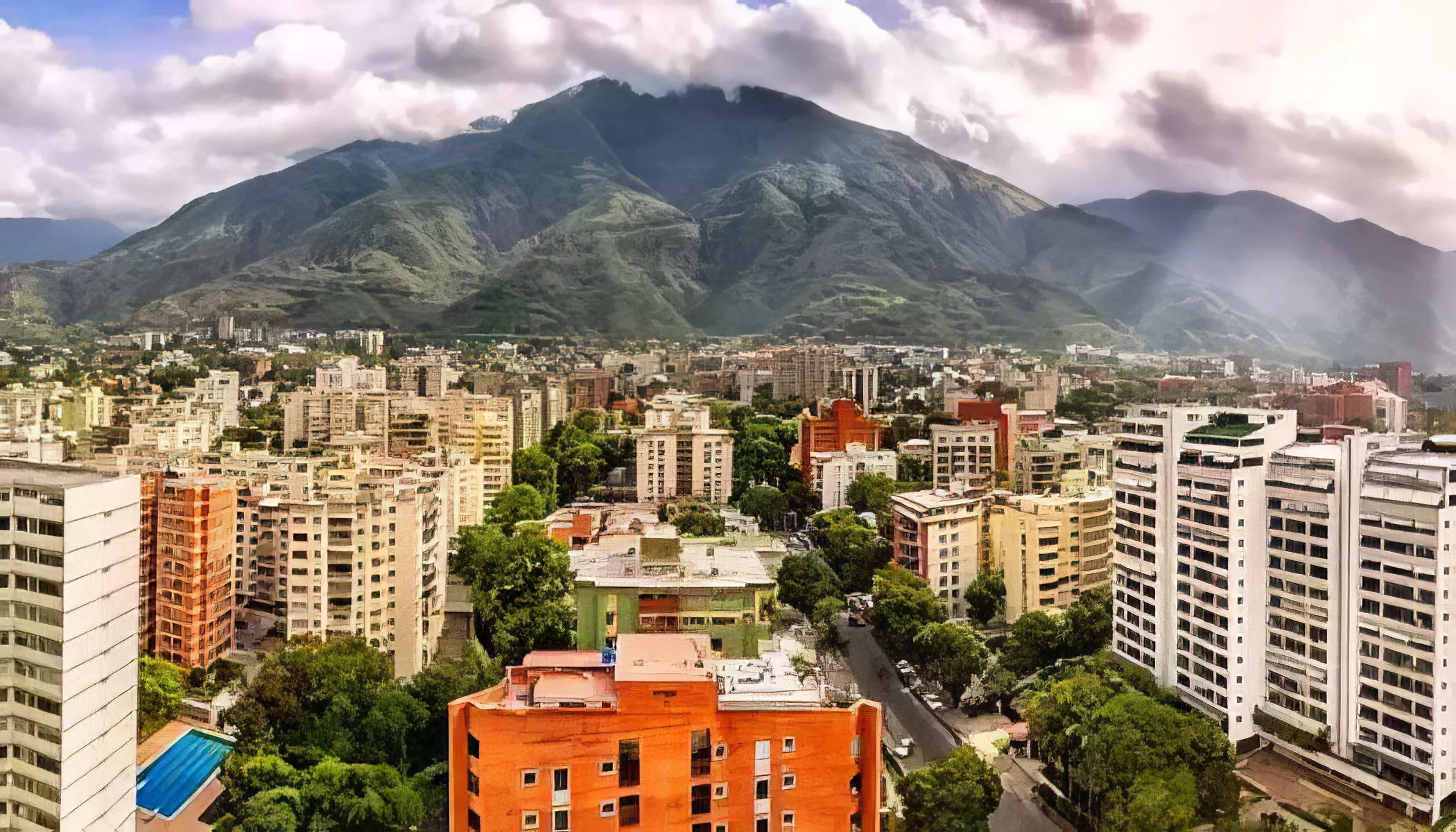
Explore Venezuela's diverse cities, each offering unique landscapes and cultural experiences:
– Caracas: The capital city provides a mix of modern life, museums, and the Avila National Park backdrop.
– Mérida: Known for its cooler climate, Andean scenery, and the longest cable car in the world.
– Maracaibo: This industrial hub is famous for its lake, oil industry, and distinct local culture.
– Valencia: An important industrial city with historic sites and proximity to the beautiful beaches of Puerto Cabello.
– Ciudad Bolívar: Offers colonial architecture and serves as a gateway to Canaima National Park and Angel Falls.
– Puerto La Cruz: Known for its beaches, coastal activities, and access to Margarita Island via ferry.
– Barquisimeto: Recognized for its music scene, modern architecture like the Obelisk, and nearby natural attractions.
Monuments
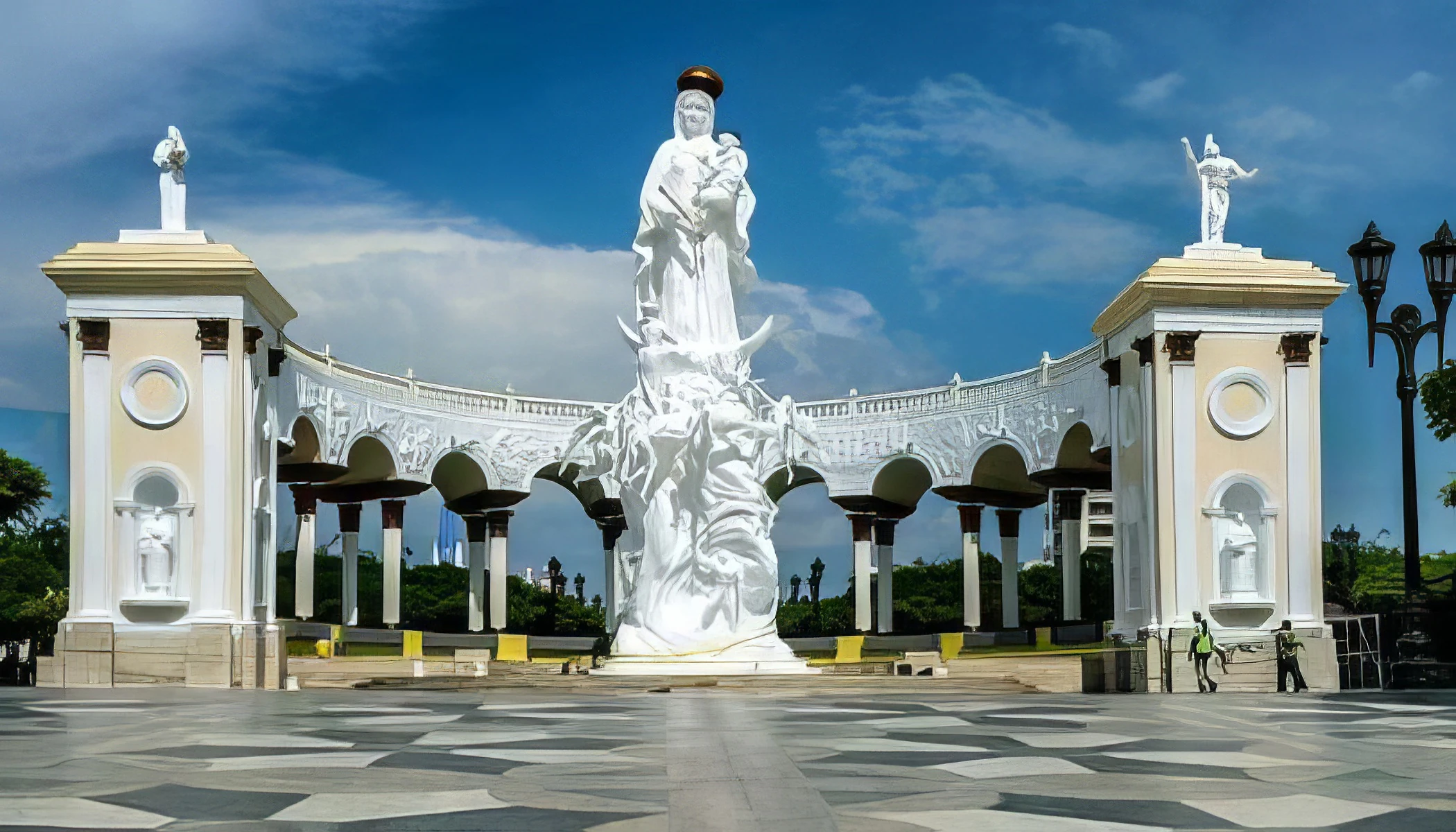
Venezuela offers some notable monuments reflecting its rich cultural and historical heritage:
– Angel Falls: World's highest waterfall, located in Canaima National Park.
– Ciudad Universitaria de Caracas: UNESCO site, modernist university campus designed by architect Carlos Raúl Villanueva.
– Pantheon Nacional, Caracas: Resting place for Venezuela's national heroes including Simón Bolívar.
– Ciudad Bolívar Historic District: Colonial architecture and history along the Orinoco River.
– Quinta de Anauco, Caracas: 18th-century colonial house turned into a museum showcasing local history.
– Basilica of Our Lady of Chiquinquirá, Maracaibo: Important religious site with annual celebrations for the Virgin Mary.
– Morrocoy National Park: Coastal park with islands, coral reefs, and biodiversity.
– Colonia Tovar: German-influenced town with unique architecture and culture in Aragua state.
Natural wonder
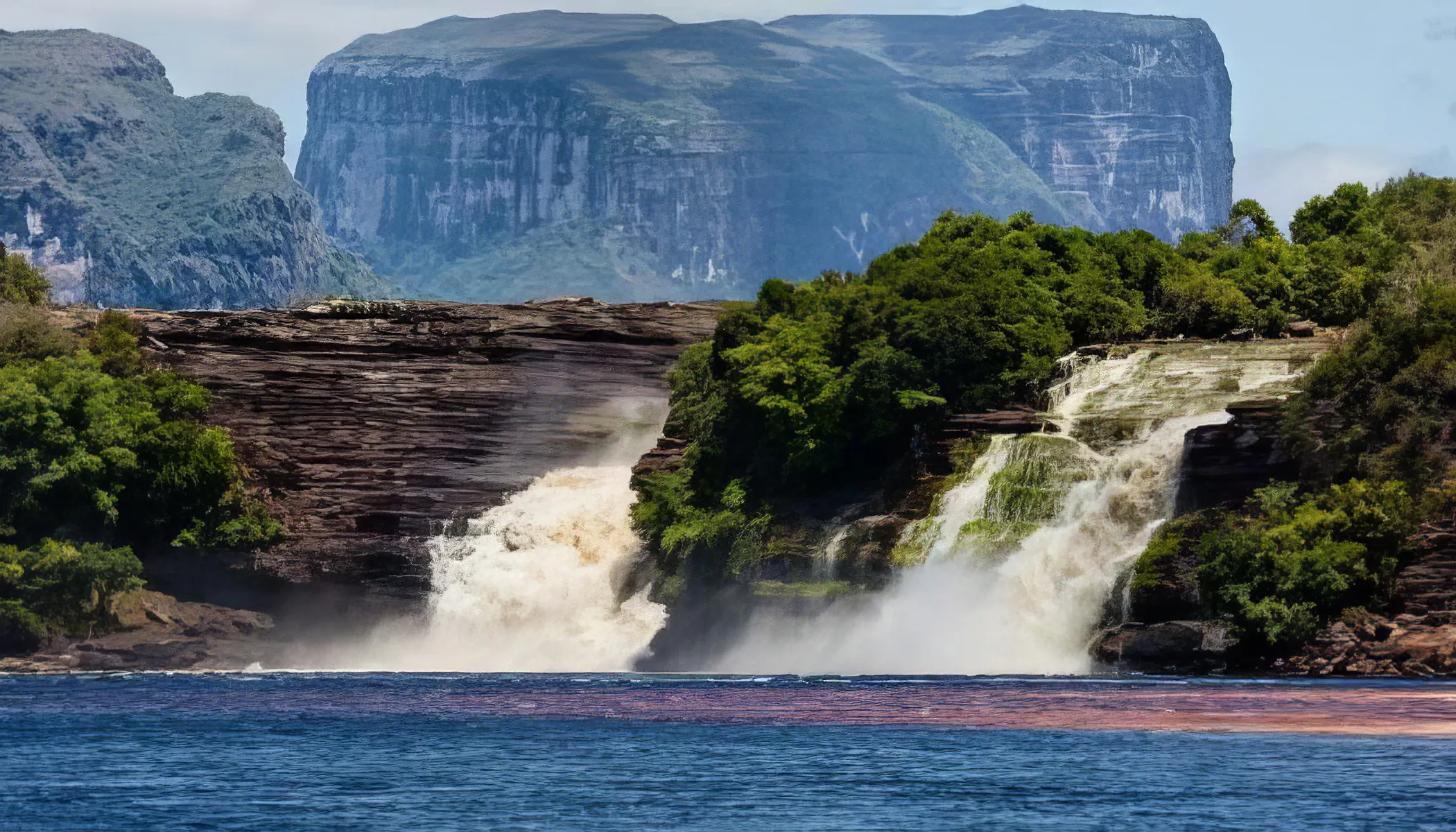
Venezuela boasts varied natural landscapes worth exploring:
– Angel Falls: World's highest waterfall, with a 979-meter uninterrupted drop in Canaima National Park.
– Canaima National Park: Encompasses diverse ecosystems, from table-top mountains to expansive savannas.
– Roraima Mountain: A flat-topped mountain offering unique ecosystems and inspiring Arthur Conan Doyle's stories.
– Orinoco Delta: Vast network of waterways teeming with wildlife and indigenous cultures.
– Catatumbo Lightning: Known for frequent lightning storms over Lake Maracaibo, a unique natural phenomenon.
– Los Roques Archipelago: Coral reef paradise known for its biodiversity and clear turquoise waters.
– Mochima National Park: Coastal park with islands and marine life, ideal for snorkeling and diving.
– Henri Pittier National Park: Venezuela's oldest national park, rich in bird species and diverse vegetation.
– Guacharo Cave National Park: Home to oilbirds and impressive sparkling cave formations.
– Sierra Nevada de Mérida: Andes mountain range offering snow-capped peaks and alpine scenery.
Beaches
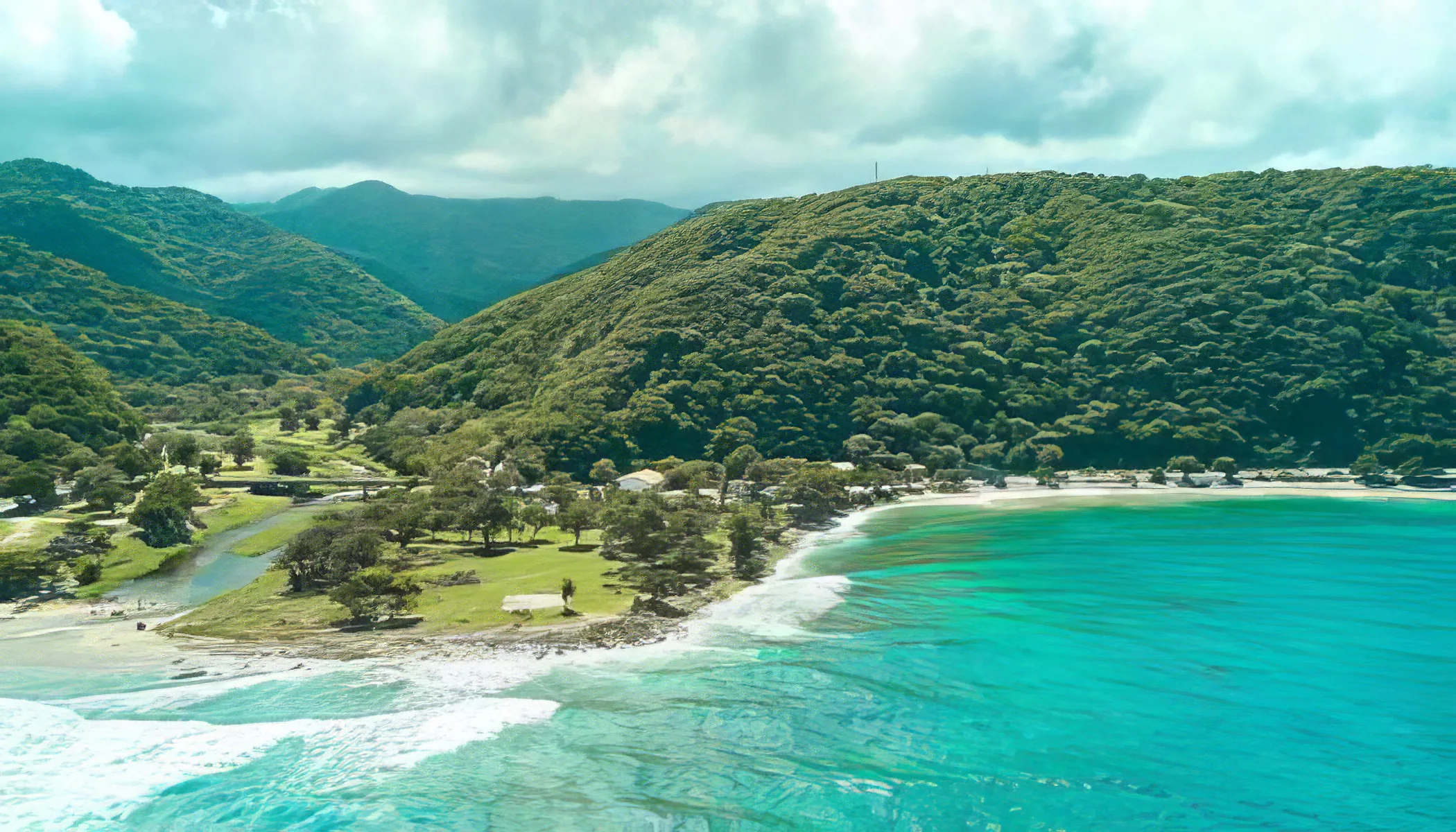
Venezuela is home to beautiful Caribbean beaches.
– Cayo de Agua: Part of Los Roques, known for sensational turquoise waters and white sand beaches.
– Playa El Yaque: Popular for windsurfing and kitesurfing near Margarita Island.
– Playa Medina: Features coconut palms and calm waters in northeastern Venezuela.
– Playa Parguito: Provides great waves for surfing on Margarita Island.
– Mochima National Park: Provides numerous beaches with clear waters and rich surroundings.
– Playa Choroní: Nestled between mountains, famous for beautiful local culture and scenic beauty.
– Cayo Sombrero: Known for snorkeling opportunities and clear waters in Morrocoy National Park.
Outdoor activities
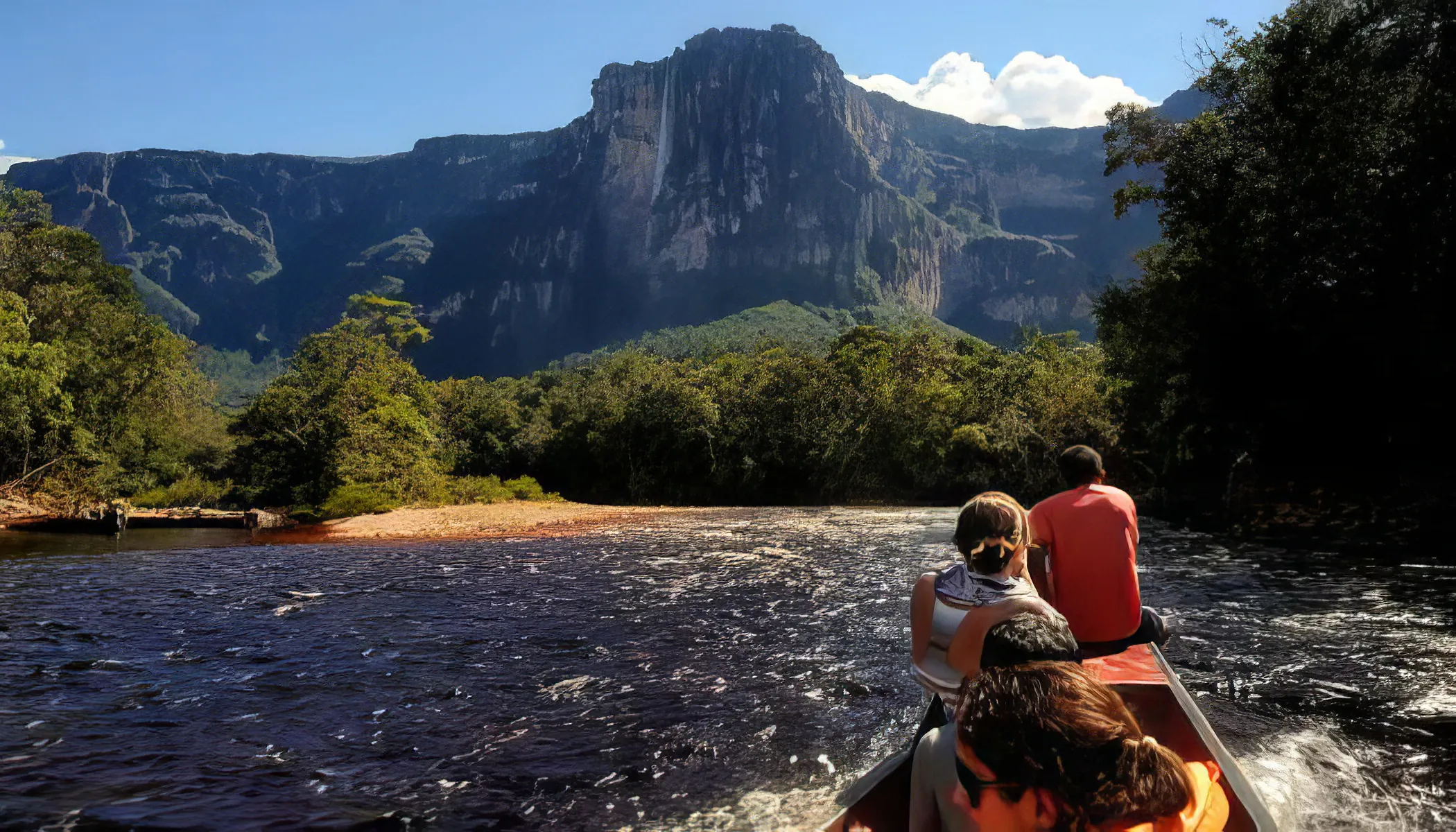
Venezuela supplies a range of outdoor activities for nature enthusiasts:
– Hiking Roraima Mountain: Climb the iconic flat-topped mountain with its unique landscape.
– Angel Falls Trek: Journey to the world's tallest waterfall through dense jungle.
– Orinoco Delta Boat Tour: Explore diverse wildlife and indigenous communities by river.
– Los Roques Snorkeling: Swim in preserved waters teeming with colorful marine life.
– Paragliding in Mérida: Glide over remarkable mountain and valley views.
– Canoeing in Canaima National Park: Paddle through wonderful lagoons and waterfalls.
– Wildlife Watching in Llanos: Spot caimans, capybaras, and diverse bird species.
Kid Friendly
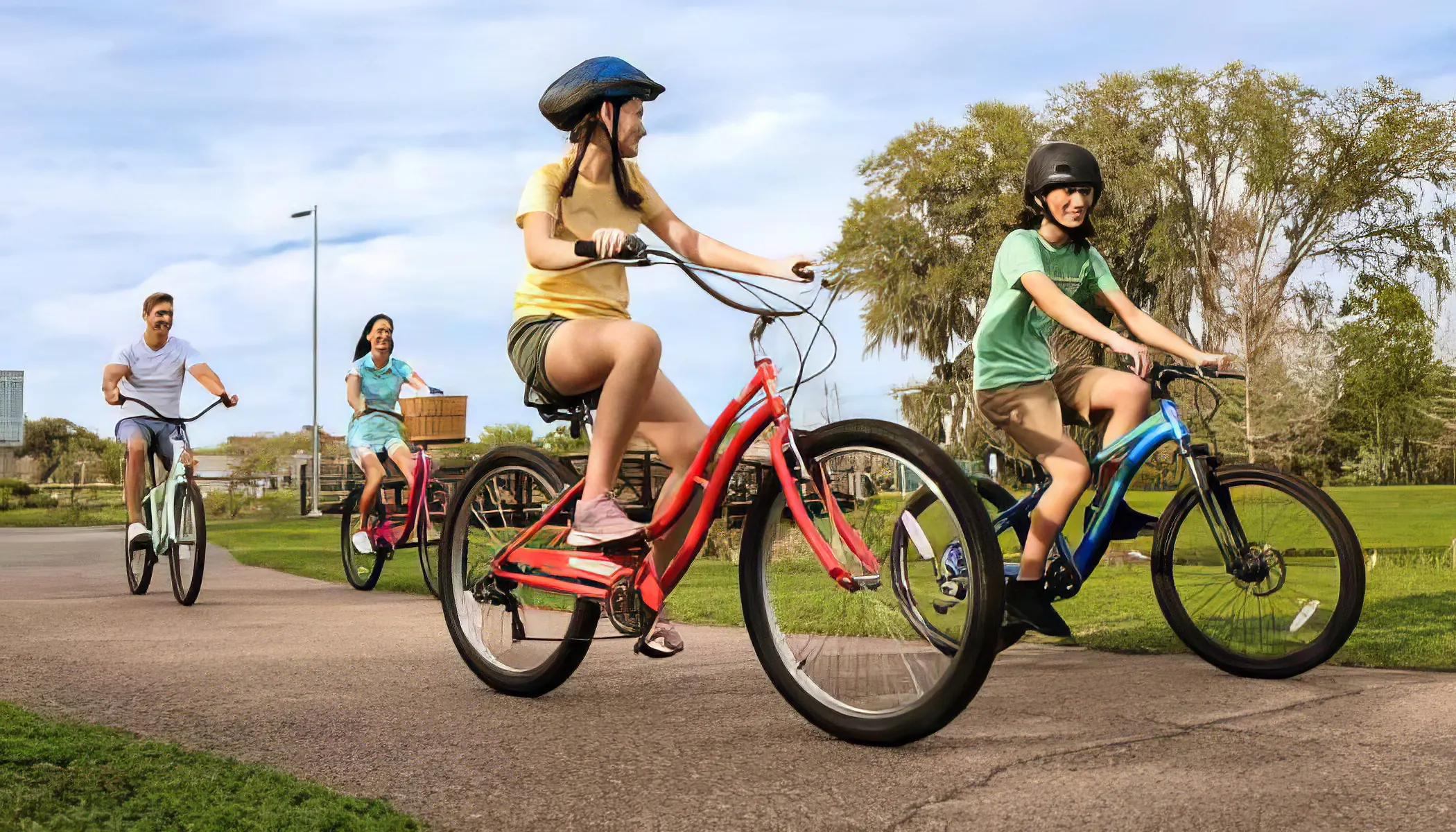
Venezuela provides several activities that are perfect for families traveling with children:
– Mochima National Park: Explore beautiful beaches and enjoy boat tours to see dolphins.
– Henri Pittier National Park: A great spot for kids to enjoy birdwatching and nature trails.
– Morrocoy National Park: Supplies island hopping and snorkeling in clear waters ideal for families.
– Parque del Este: A large urban park in Caracas with playgrounds and a small zoo.
– La Llovizna Park: Features waterfalls and picnic areas, perfect for a family day out.
– Zoológico de Caricuao: This zoo in Caracas has diverse animals that children will love to see.
– Mérida Cable Car: Ride one of the world's highest cable cars offering fascinating mountain views.
– Los Roques Archipelago: Supplies calm waters for swimming, suitable for young kids.
Cuisine
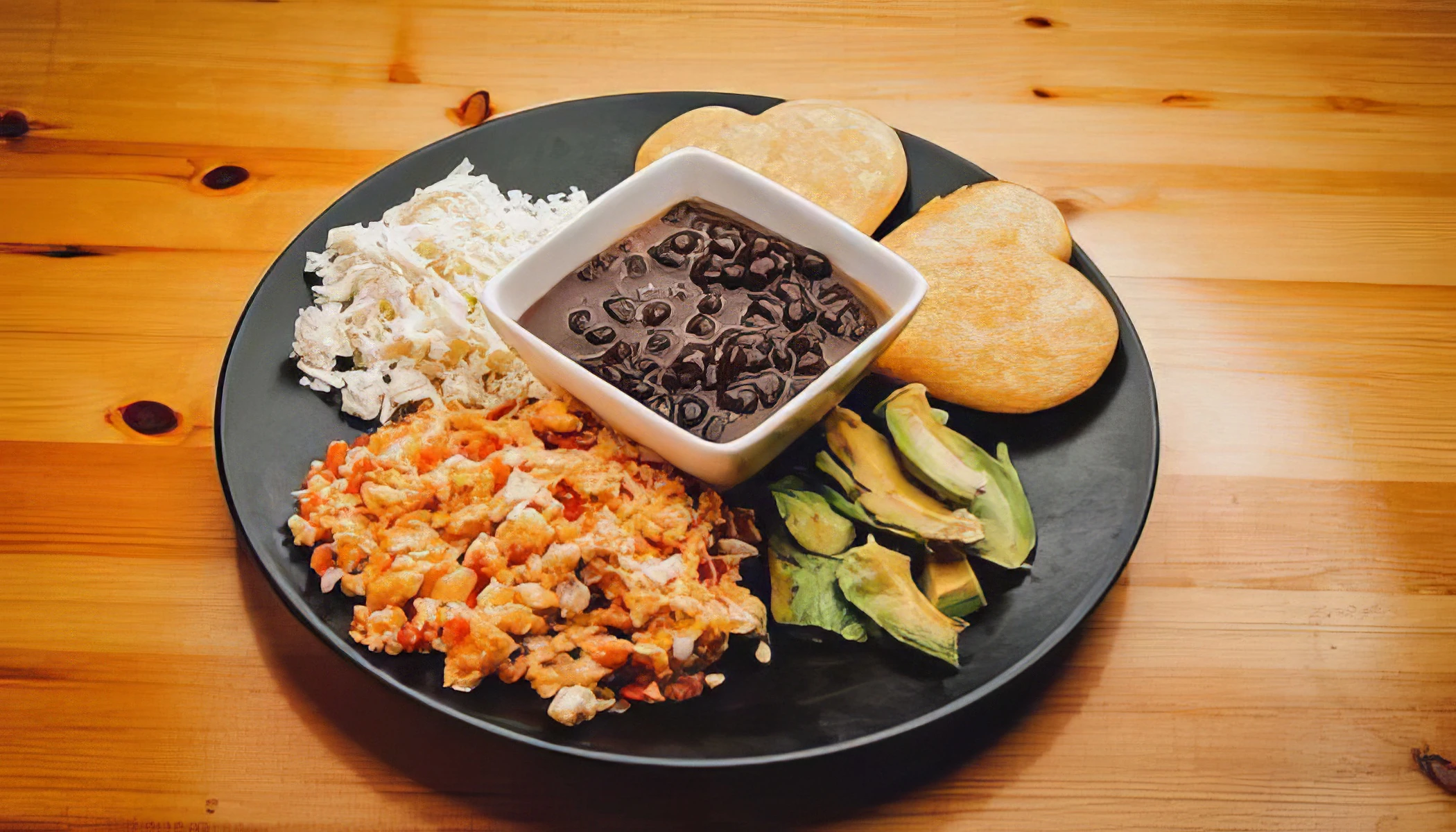
Venezuelan cuisine is a rich mix of indigenous, African, and European influences, offering hearty and flavorful dishes. Corn, plantains, and beans are staples often featured in everyday meals. Street food is popular, showcasing local flavors and traditional recipes. Most famous cuisine in Venezuela are:
– Arepas: Cornmeal patties filled with cheese, meats, or beans commonly eaten for breakfast or lunch.
– Pabellón Criollo: National dish with shredded beef, rice, black beans, and fried plantains.
– Hallacas: Corn dough stuffed with meats and wrapped in banana leaves for festive occasions.
– Cachapas: Sweet corn pancakes typically filled with cheese or pork.
– Tequeños: Fried cheese sticks popular as appetizers or snacks.
Souvenir
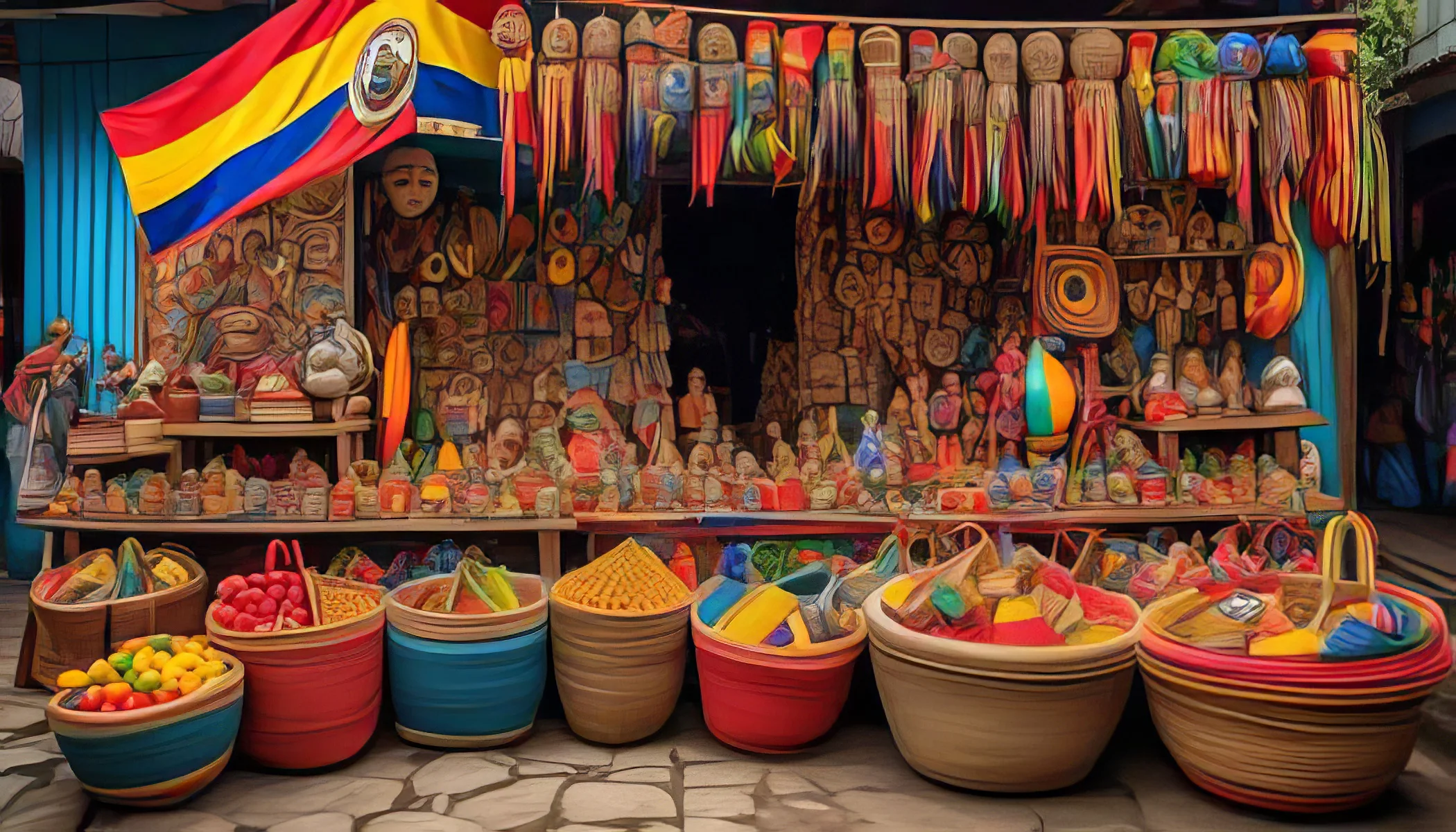
Venezuela offers a variety of unique souvenirs that reflect its rich culture and traditions. Here are some popular items to consider:
– Artisanal Chocolates: Venezuelan chocolate is renowned for its quality and rich flavor, making it a delightful treat.
– Rum: Known for its exceptional quality, Venezuelan rum is a favorite among spirit enthusiasts.
– Indigenous Handicrafts: Unique handicrafts made by Venezuela's indigenous people include baskets, carvings, and textiles.
– Guayabera Shirts: Traditional lightweight shirts ideal for the tropical climate found in Venezuela.
– Leather Goods: High-quality leather belts, wallets, and bags are popular due to their craftsmanship.
– Coffee: Venezuelan coffee beans are sought after for their distinctive taste and aroma.
– Musical Instruments: Traditional instruments like maracas and cuatro are part of Venezuela's musical heritage.
Traditional Shows

Venezuela boasts a lovely array of traditional music and art performances:
– Joropo Dance: Experience Venezuela's lively national dance, featuring fast-paced footwork and spirited harp and maracas music, often seen in festivals across the country.
– Gaita Music: Enjoy this energetic folk music from Zulia state, especially during Christmas, characterized by its rhythmic beats and festive lyrics.
– Tambor Music: Witness Afro-Venezuelan drumming traditions along the Caribbean coast, especially during religious celebrations or community gatherings.
– Llanera Music: Discover the soul of the Venezuelan plains through this genre that blends harp, cuatro, and maracas to depict life on the llanos.
– Teatro Teresa Carreño Performances: Attend diverse cultural performances like ballet and theater in Caracas's largest cultural center, showcasing both traditional and contemporary works.
Events & Festivals
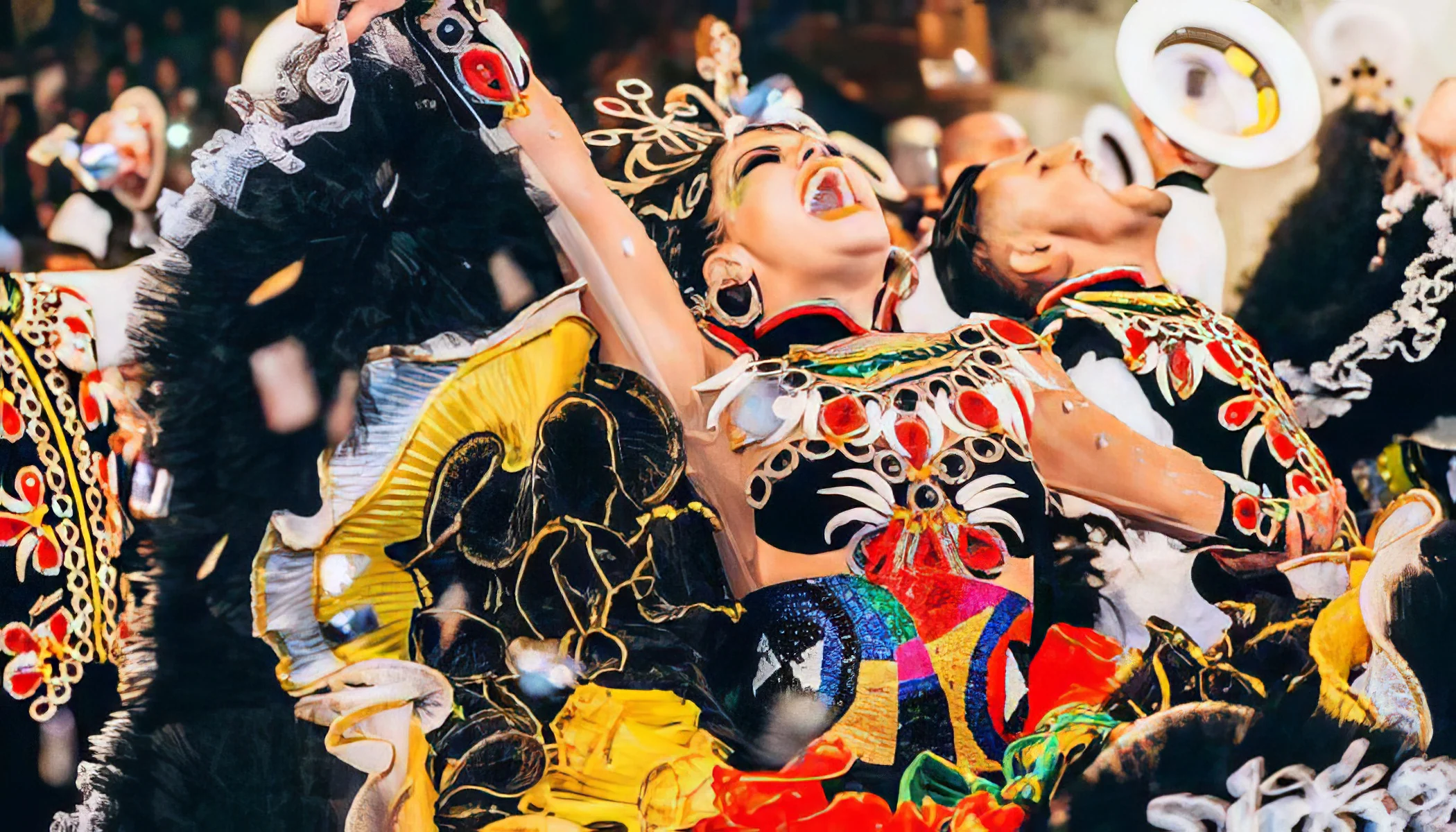
Throughout the year, Venezuela hosts various cultural and religious festivals that reflect its diverse heritage:
– Carnival: February/March festivities with parades, music, and dance, especially pretty in coastal cities.
– Semana Santa: Holy Week in March/April marked by religious processions and ceremonies nationwide.
– El Callao Carnival: UNESCO-listed celebration in February featuring calypso music and traditional costumes.
– Corpus Christi Devil Dancers: June event in San Francisco de Yare with dancers wearing devil masks honoring religious tradition.
– Fiesta de la Virgen del Carmen: July tribute to the patron saint of fishermen with processions and celebrations.
– Feria de la Chinita: November festival in Maracaibo with music, dance, and honoring La Chinita, a Catholic icon.
– Christmas Festivities: December celebrations include nativity scenes, church services, and traditional food like hallacas.
Famous People
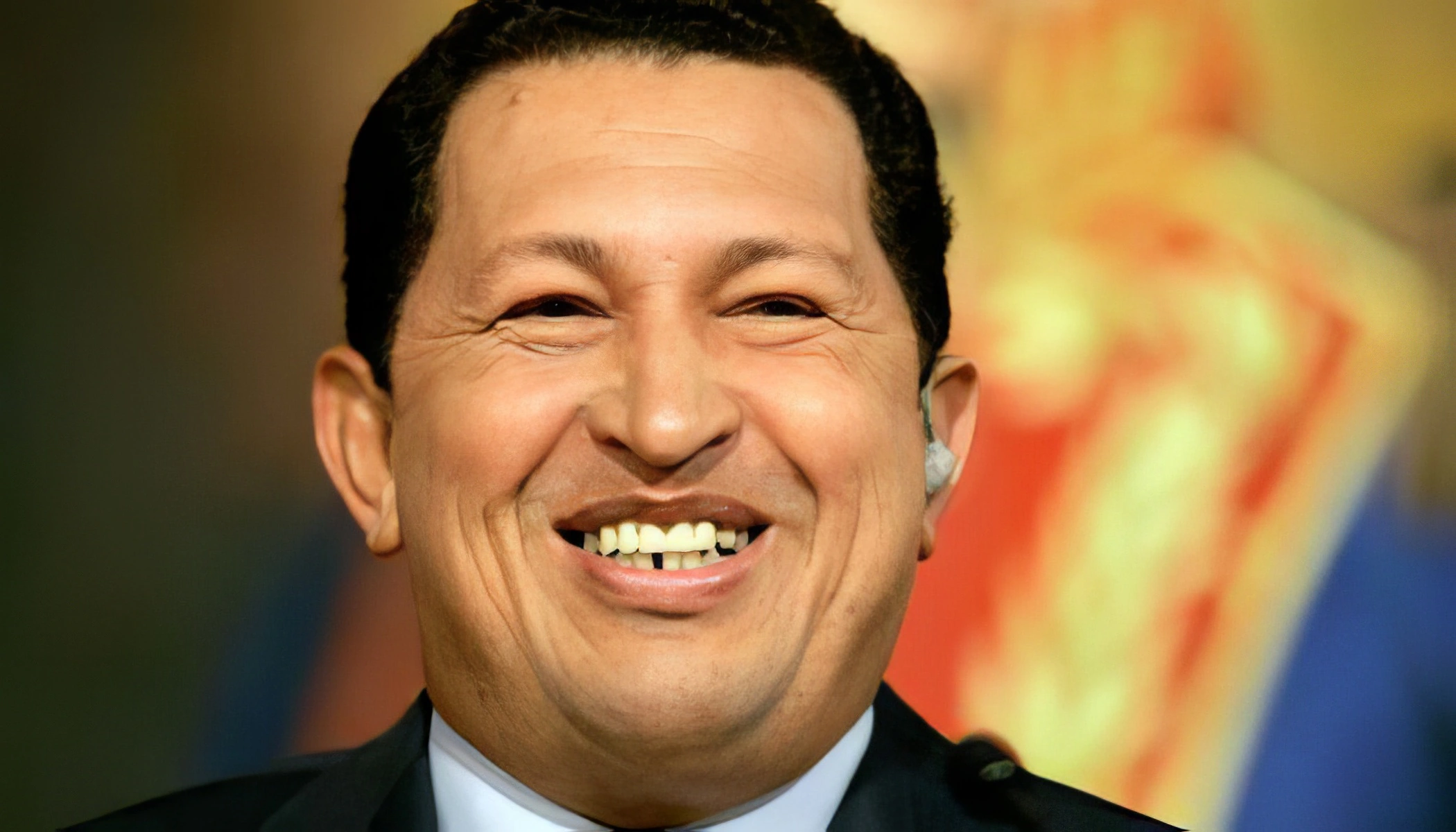
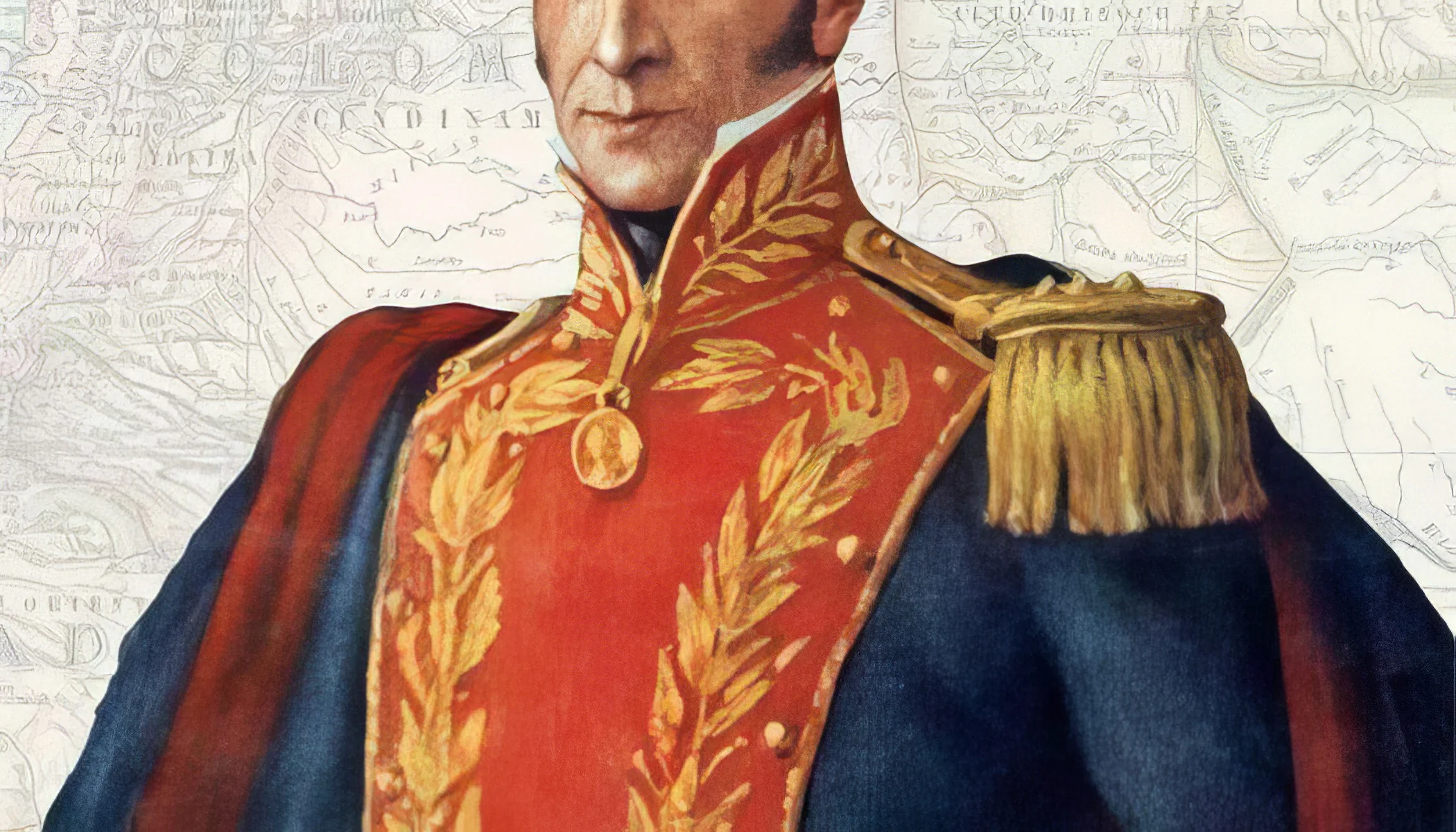
Venezuela is home to many notable figures who have made significant impacts in various fields globally.
– Simón Bolívar (1783 to 1830, Caracas): Military leader and liberator of several South American countries from Spanish rule.
– Hugo Chávez (1954 to 2013, Sabaneta): Former president known for his socialist policies and influence in Latin America.
– Rómulo Gallegos (1884 to 1969, Caracas): Renowned novelist and politician, author of "Doña Bárbara," and former president.
– Teresa Carreño (1853 to 1917, Caracas): Celebrated pianist and composer, famed for her international music career.
– Carolina Herrera (born 1939, Caracas): Iconic fashion designer recognized worldwide for her elegant clothing collections.
Books
These books delve into Venezuela's culture, politics, and social issues through compelling narratives and vivid characters.
– "Doña Bárbara" by Rómulo Gallegos: Classic novel depicting the clash between civilization and barbarism in Venezuelan plains.
– "The House of the Spirits" by Isabel Allende: Chronicles family saga with elements of magical realism in Latin America, including influences from Venezuela.
– "The Feast of the Goat" by Mario Vargas Llosa: Explores authoritarianism in Latin America, with insights into Venezuelan political themes.
– "Green Mansions" by W.H. Hudson: Romantic adventure set within the nice forests of Venezuela.
– "Pobre Negro" by Rómulo Gallegos: Examines racial and social issues through a narrative set in Venezuelan society.
Songs
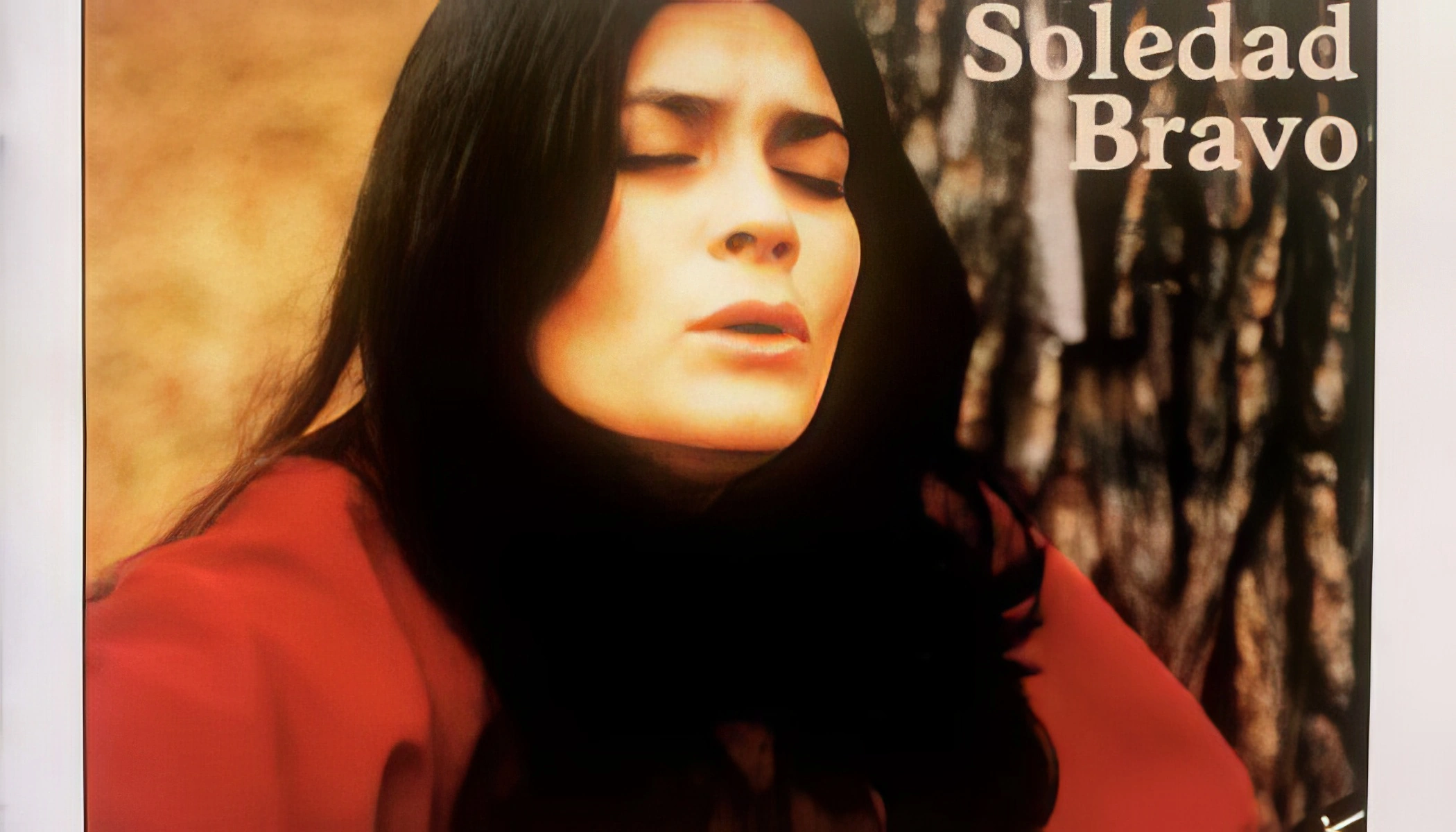
Venezuelan music is rich with diverse sounds and rhythms, reflecting the country's cultural heritage and landscapes.
– Alma Llanera: Often considered Venezuela's second national anthem, celebrating the plains (llanos) and rural life.
– Caballo Viejo: A folk classic by Simón Díaz, known worldwide for its catchy rhythm and heartfelt lyrics.
– Venezuela: Patriotic song by Pablo Herrero Ibarz and José Luis Armenteros, expressing love for the country.
– Ansiedad: Popular bolero by José Enrique "Chelique" Sarabia, capturing themes of longing and nostalgia.
– Pajarillo: Traditional joropo dance song, showcasing energetic Venezuelan folk music.
– El Alma de Venezuela: Celebrated orchestral piece by Aldemaro Romero, blending traditional and modern sounds.
Films
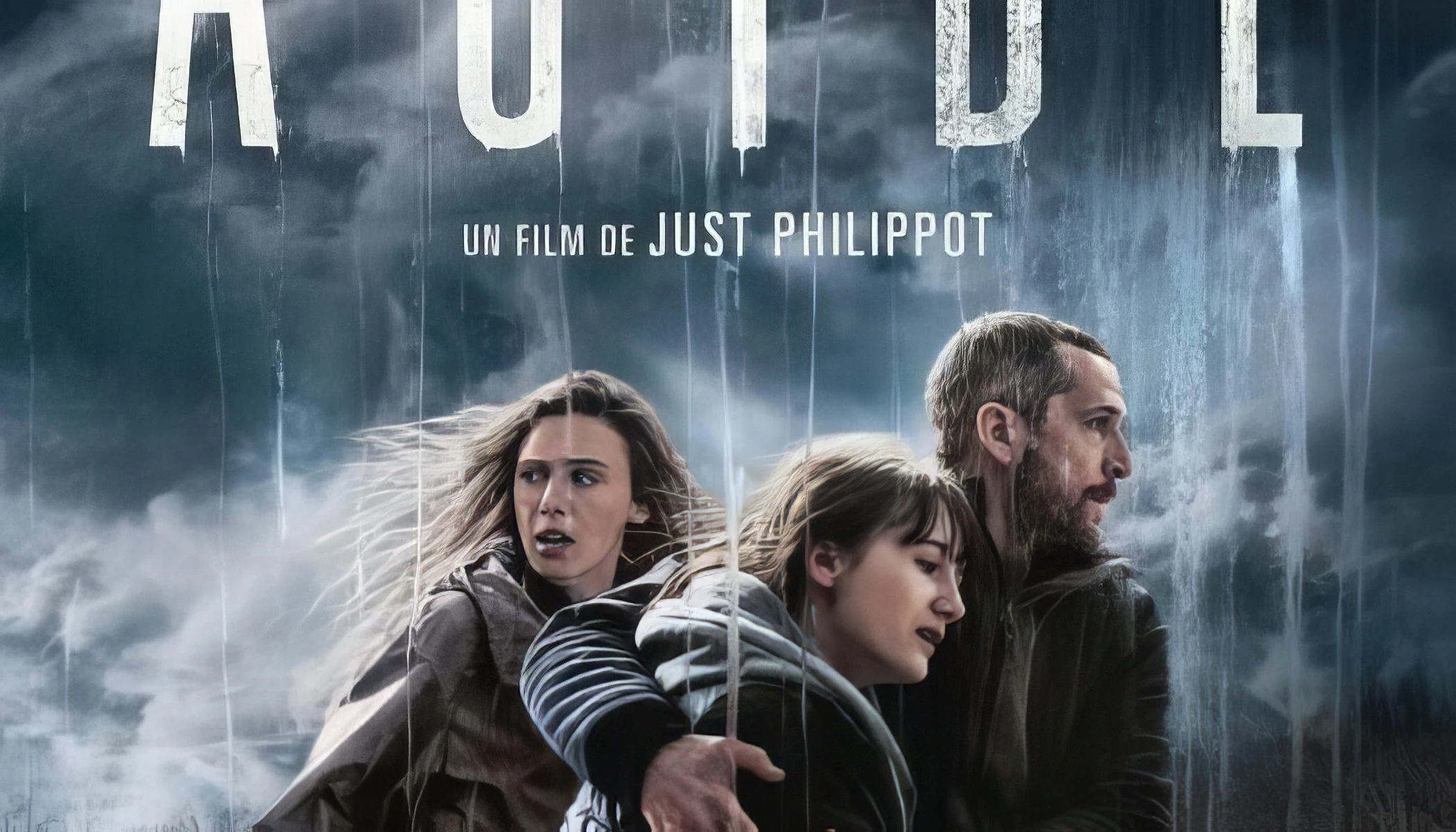
Here are some notable films that depict Venezuelan life and culture:
– "Pelo Malo": Mariana Rondón's award-winning film explores themes of identity and beauty through a young boy's desire to straighten his hair.
– "The House at the End of Time": A horror thriller by Alejandro Hidalgo, intertwining family drama with supernatural elements in a haunted house setting.
– "From Afar": Lorenzo Vigas directs this Venice-winning film about an emotionally hardened man's relationship with a young delinquent.
– "Libertador (The Liberator)": Alberto Arvelo’s historical epic chronicles Simón Bolívar's fight for independence across Latin America.
– "Bad Hair": This poignant film by Mariana Rondón tackles issues of race, beauty standards, and sexuality in Caracas.