

Explore Yemen: Culture, Cities & Places to Visit
Located on the Arabian Peninsula, this country is known for its rich history and ancient architecture. It faces significant challenges, including ongoing conflict and humanitarian issues. Despite these difficulties, its cultural heritage and unique landscapes remain noteworthy.
- Capital
- The capital of Yemen is Sana'a. However, due to the ongoing conflict in the country, the city of Aden has been serving as a temporary capital for the internationally recognized government.
- Population
- 23.5 millions
- Superficy
- 528000 sq.km
- Months to Visit
- Oct. to April.
- Living Cost
- Economical
Overview
Yemen is located on the southern tip of the Arabian Peninsula, bordered by Saudi Arabia and Oman. It has a rich history with ancient sites like the city of Sana'a, known for its unique architecture. The country is home to diverse landscapes, including mountains, deserts, and a lengthy coastline along the Red Sea and Arabian Sea. Yemen has been facing significant challenges due to ongoing conflict, leading to humanitarian issues and economic difficulties. The traditional Yemeni culture is reflected in its music, dance, and cuisine. Despite its struggles, Yemen's historical significance and cultural heritage remain noteworthy.
Pros & Cons
GOOD REASONS TO VISIT YEMEN
– Unique Architecture: Explore ancient mud-brick skyscrapers in Shibam and the historic old city of Sana'a.
– Rich History: Discover Yemen's ancient kingdoms, archaeological sites, and historical trade routes like the Incense Route.
– Handsome Landscapes: Experience Socotra Island's unique biodiversity and dramatic mountain ranges like Haraz Mountains.
– Cultural Heritage: Engage with traditional Yemeni music, dance, and crafts reflecting a deep cultural heritage.
– Authentic Experiences: Encounter traditional lifestyles in remote villages, offering insights into Yemen's diverse cultures. CHALLENGES WHEN VISITING YEMEN
– Security Concerns: Ongoing conflict poses significant safety risks; travel advisories often recommend against visiting.
– Limited Infrastructure: Basic infrastructure challenges can affect transportation, accommodation, and communication facilities.
– Restricted Access: Many areas are inaccessible due to conflict or require special permits for entry.
Before Departure
Before traveling to Yemen, it's crucial to be aware of several important factors:
– Passport: Ensure your passport is valid for at least six months from your entry date.
– Visa: Obtain a visa before arrival; tourist visas are limited due to security concerns. Check with Yemeni consulates for the latest information.
– Currency: Yemeni Rial (YER); cash is preferred; credit cards rarely accepted; ATMs are scarce and unreliable.
– Internet access: Limited WiFi availability; consider purchasing a local SIM card for better connectivity, though coverage may be inconsistent.
– Language barrier: Arabic is the official language; English is not widely spoken, so learning basic Arabic phrases can be helpful.
What to Pack
Traveling to Yemen requires careful preparation due to its unique climate and current security situation.
– Essentials: Passport and visa, travel insurance, detailed itinerary, accommodation confirmations, emergency contact information.
– Clothing: Modest clothing respecting local customs, lightweight fabrics for hot weather, sturdy walking shoes, headscarf for women.
– Health & Safety: Prescription medications, comprehensive first aid kit, insect repellent, high SPF sunscreen, water purification tablets.
– Electronics: Travel adapter for Type D or G outlets, mobile phone with international roaming or local SIM card.
Weather
Weather in Yemen varies significantly across its regions due to diverse geography:
– Winter (December to February): Coastal areas are mild and dry, while highlands are cooler with occasional rain.
– Spring (March to May): Temperatures rise, with coastal areas becoming hot and highlands remaining moderate.
– Summer (June to August): Coastal regions experience extreme heat and humidity; highlands have warm days and cool nights.
– Autumn (September to November): Temperatures decrease slightly; coastal areas remain warm, while highlands are pleasant. The best time to visit Yemen is from October to April:
– Cooler temperatures make travel more comfortable, especially in the highlands.
– Avoids the intense summer heat of coastal regions. Note that political instability may affect travel plans and safety considerations should be prioritized.
Travel Budget
Yemen is generally a low-cost destination, but prices can vary due to economic conditions. Here are some average costs for tourists:
– Hotel: 30$ to 80$
– Lunch: 3$ to 10$
– Beverage (in bar/restaurant): 1$ to 4$
– Coffee: 1$ to 2$
– Transportation: (train not widely available), (bus 0.5$ to 2$), (taxi /10km 3$ to 7$)
– Mobile data (per GB): 2$ to 5$
Language
In Yemen, Arabic is the official language, and here are some useful phrases for tourists:
– Hello: مرحبا (Marhaban)
– Thank you: شكرا (Shukran)
– Please: من فضلك (Min fadlak/fadlik) [male/female]
– How much is this?: بكم هذا؟ (Bikam hatha?)
– Excuse me: عفوا (Afwan)
– I don't understand: لا أفهم (La afham)
– Yes: نعم (Na'am)
– No: لا (La)
– Goodbye: مع السلامة (Ma'a as-salama)
History
The area now known as Yemen has a history dating back to ancient times, with the Sabaean Kingdom being one of the earliest civilizations in the region. In the 7th century, Islam spread throughout Yemen, significantly influencing its culture and governance. During the 19th and early 20th centuries, North Yemen was part of the Ottoman Empire while South Yemen came under British control. North Yemen became an independent republic in 1962 following a revolution, whereas South Yemen gained independence in 1967 and became a socialist state. The two regions merged in 1990 to form the Republic of Yemen. The country has since experienced political instability, including civil wars, most notably from 2015 onwards, resulting in a severe humanitarian crisis.
Geopolitics
Located on the southern tip of the Arabian Peninsula, Yemen shares borders with Saudi Arabia to the north and Oman to the northeast, with coastlines along the Red Sea and Arabian Sea. The country has been embroiled in a complex civil war since 2014, involving regional powers such as Saudi Arabia and Iran, which support opposing factions. This conflict has drawn in international attention due to its humanitarian crisis and strategic location near key maritime routes, including the Bab el-Mandeb strait. Yemen's internal divisions are compounded by tribal loyalties and secessionist movements, particularly in the south. The geopolitical significance of Yemen is heightened by its proximity to oil-rich nations and major shipping lanes that connect the Middle East with Africa and Asia. Efforts for peace have seen limited success due to entrenched interests and ongoing external influences from regional powers.
Sample Itinerary
This itinerary covers Yemen's key historical and cultural sites, focusing on the capital and historic towns.
– 2 days in Sana’a: Explore the Old City, a UNESCO site with unique architecture. Visit Bab al-Yemen and local souks.
– 1 day in Shibam: Discover the "Manhattan of the Desert," famous for its mudbrick skyscrapers and fortified city layout.
– 1 day in Socotra Island: Experience the unique biodiversity with dragon blood trees, pristine beaches, and diverse wildlife endemic to the island.
– 1 day in Al Mukalla: Stroll through this coastal city’s old quarter, visit local markets, and enjoy views of the Arabian Sea.
– 1 day in Taiz: Visit Al-Qahira Castle, stroll through gardens, and explore the bustling souks.
Popular cities
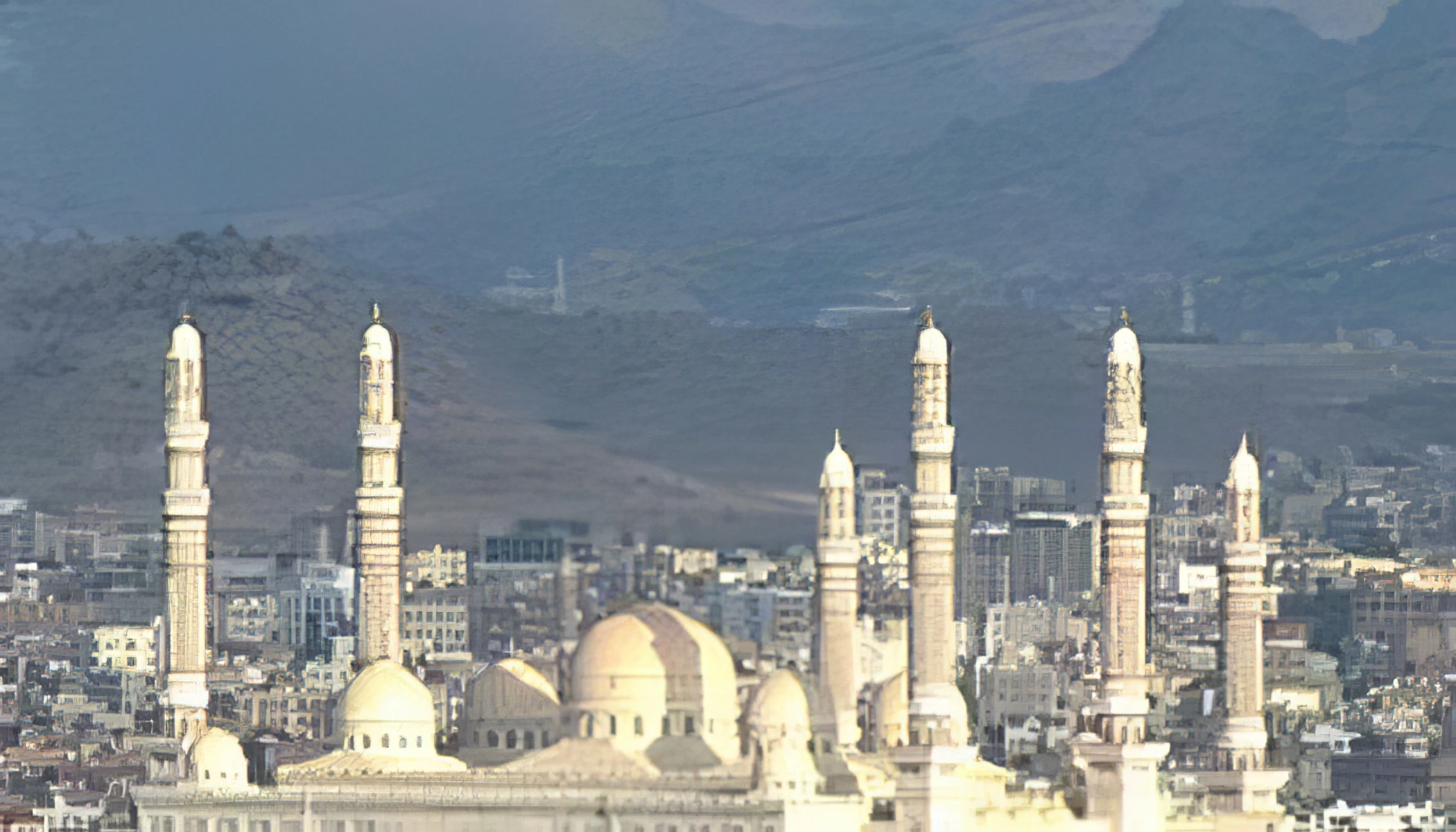
Explore Yemen's unique cities offering rich history and diverse landscapes:
– Sana'a: The capital city is famous for its distinct ancient architecture and UNESCO-listed old city.
– Aden: A port city with historical significance, offering beaches and colonial-era architecture.
– Taiz: Known for its cultural heritage, historic sites, and scenic mountain views.
– Al Hudaydah: A coastal city on the Red Sea with a lively fish market and traditional Yemeni culture.
– Ibb: Often called the "Green City" due to its dense surroundings and fertile lands.
– Shibam: Famous for its mudbrick high-rise buildings, often referred to as the "Manhattan of the Desert."
– Al Mukalla: A coastal city known for its seaport, traditional architecture, and scenic landscapes.
Monuments
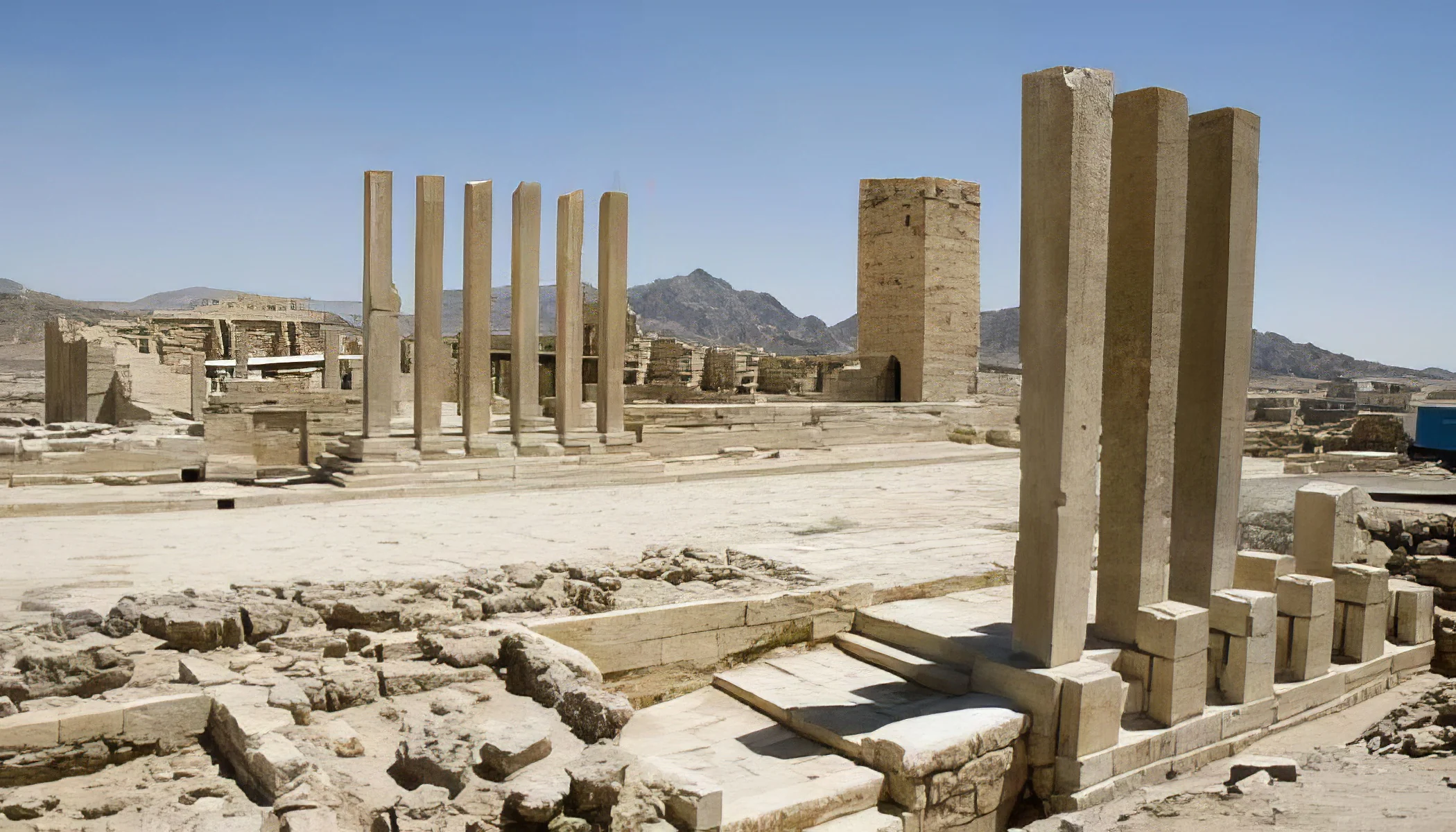
Yemen is rich in historical and architectural monuments worth exploring:
– Great Mosque of Sana'a: One of the oldest mosques, showcasing traditional Islamic architecture.
– Old Walled City of Shibam: Known as "Manhattan of the Desert" with its mud-brick high-rise buildings.
– Al-Qahira Castle, Taiz: Historic fortress offering panoramic views of the city below.
– Dar Al-Hajar, Wadi Dhar: Iconic rock palace, symbolizing Yemeni craftsmanship and architectural ingenuity.
– Marib Dam: Ancient engineering marvel from the Sabaean era in ruins today.
– Zabid City: UNESCO site with medieval Islamic architecture and significant educational history.
– Al Saleh Mosque, Sana'a: Impressive modern mosque blending traditional Yemeni design elements.
– Jibla and its Surroundings: Former capital with Queen Arwa Mosque and rich historical background.
Natural wonder
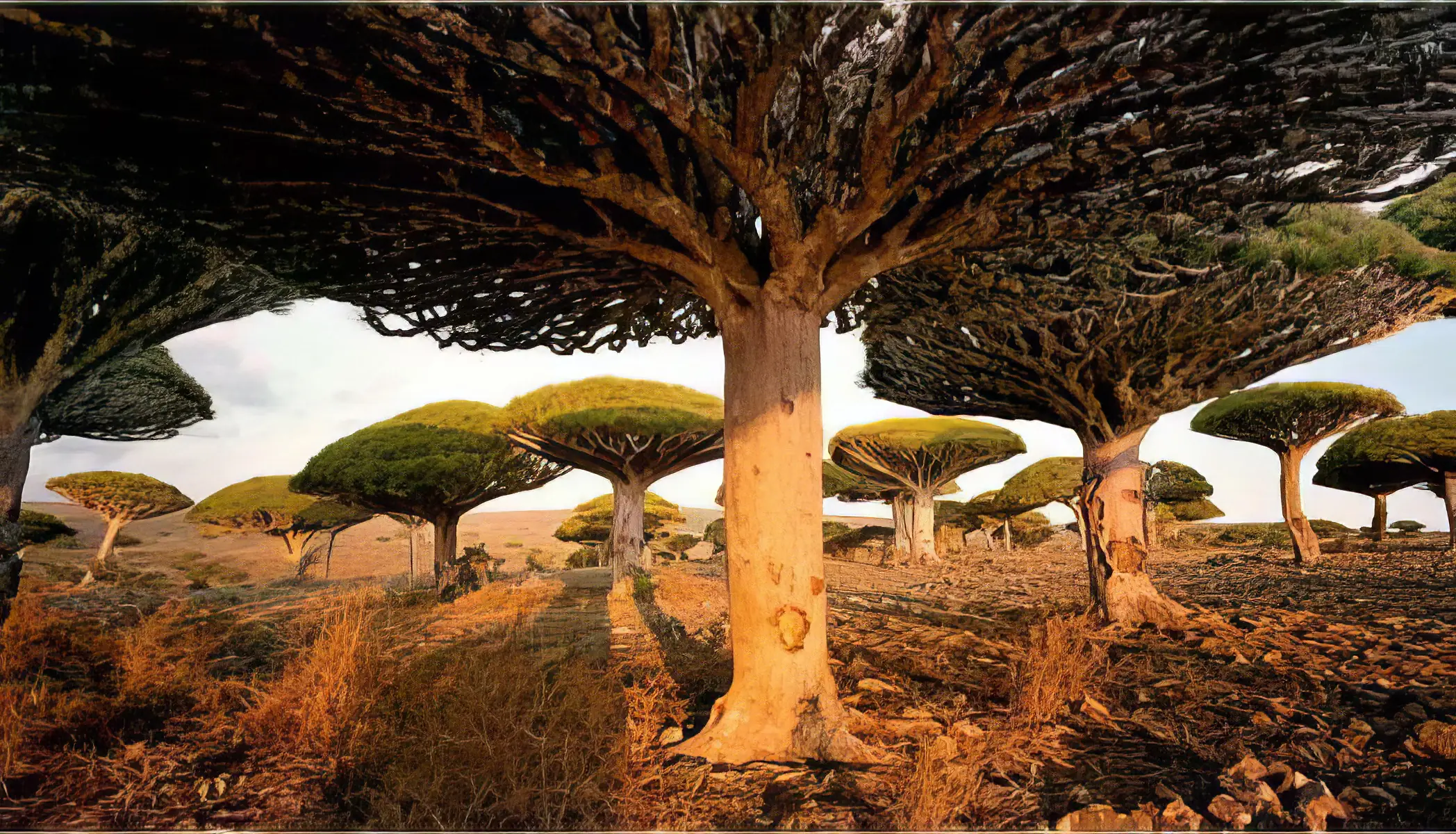
Yemen supplies unique and diverse landscapes:
– Socotra Island: Known for its otherworldly dragon's blood trees and rich biodiversity.
– Shibam Hadramawt: Famous for its ancient mudbrick high-rise buildings in a desert setting.
– Jabal Haraz: Provides terraced landscapes and historical mountain villages.
– Sana’a Highlands: Features dramatic mountain scenery and traditional Yemeni architecture.
– Rub' al Khali Desert: Part of the largest sand desert, noted for vast dunes.
– Wadi Hadramawt: A valley with luxurious vegetation amidst arid surroundings.
– Bura’a Mountain Protected Area: Known for diverse flora and fauna in a mountainous region.
– Ramlet al-Sab’atayn: Expansive sand dunes located in central Yemen.
– Kawkaban Mountain Town: Historical town offering panoramic views of the surrounding valleys.
– Al-Mukalla Coastline: Rugged cliffs and lovely sea views along the Gulf of Aden.
Beaches
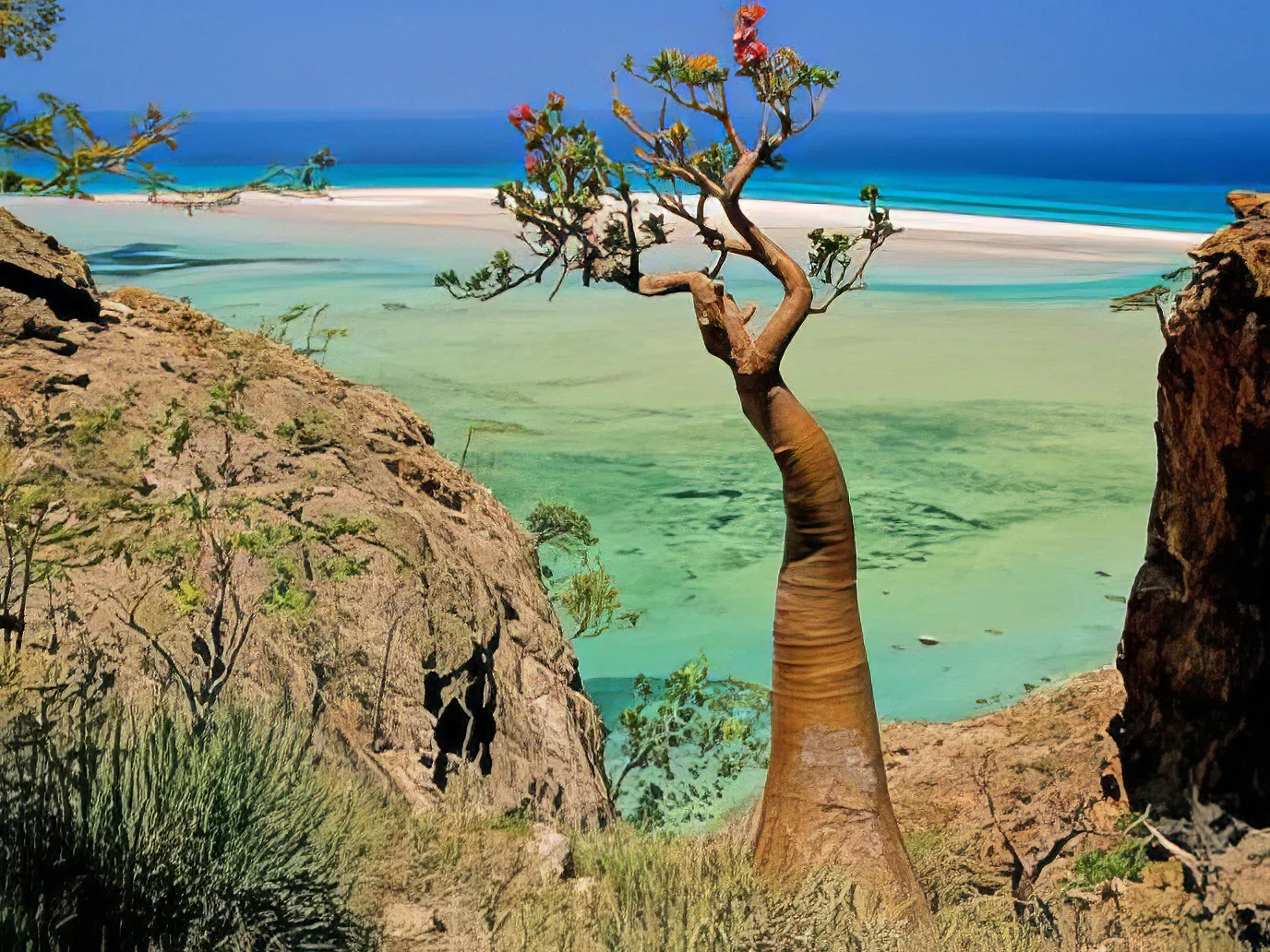
Yemen has a few notable beaches along its coastline.
– Al Khawkhah Beach: Known for its peaceful setting and sandy shores on the Red Sea.
– Socotra Island Beaches: Features unique biodiversity and remarkable beaches on Socotra Island.
– Bir Ali Beach: Provides scenic beauty with clear waters and volcanic landscapes near Al Mukalla.
– Ras Isa Beach: Located near Port Salif, known for fishing and simple seaside relaxation.
– Kamaran Island Beaches: Known for coral reefs and clear waters, accessible from the mainland.
– Aden Beach: Offers city views and historical significance in the Gulf of Aden.
– Sharma Beach: Features unspoiled natural beauty on the Arabian Sea coast.
Outdoor activities

Yemen provides unique outdoor experiences for the adventurous traveler:
– Hiking in the Haraz Mountains: Trek through ancient villages and terraced landscapes.
– Exploring Socotra Island: Discover diverse flora, fauna, and unique dragon's blood trees.
– Diving in the Arabian Sea: Encounter magnificient marine life and coral reefs.
– Camel Trekking in the Empty Quarter: Experience vast sand dunes and desert landscapes.
– Visiting Wadi Hadramaut: Explore dramatic canyons and historical mud-brick towns.
– Birdwatching in Jabal Bura: Spot rare bird species in lush mountainous regions.
– Climbing Jabal An-Nabi Shu'ayb: Ascend Yemen's highest peak for panoramic views.
Kid Friendly

Yemen provides unique experiences for children interested in history and nature:
– Old City of Sana'a: A UNESCO site with towers and markets that inspire curiosity in children.
– Socotra Island: Known for diverse flora, fauna, and beaches, ideal for exploring nature.
– Al Saleh Mosque: A sensational architectural site where kids can learn about local culture.
– Dar al-Hajar: The Rock Palace supplies an unexpected glimpse into Yemen's royal history.
– Bab al-Yemen Market: A bustling market where children can experience local crafts and foods.
– Shibam Hadramawt: Known as the "Manhattan of the Desert" with its impressive mudbrick structures.
– Taiz Zoo: Provides a small collection of animals, giving kids a chance to see wildlife up close.
– Aden Beaches: Family-friendly beaches perfect for relaxation and casual play by the sea.
Cuisine
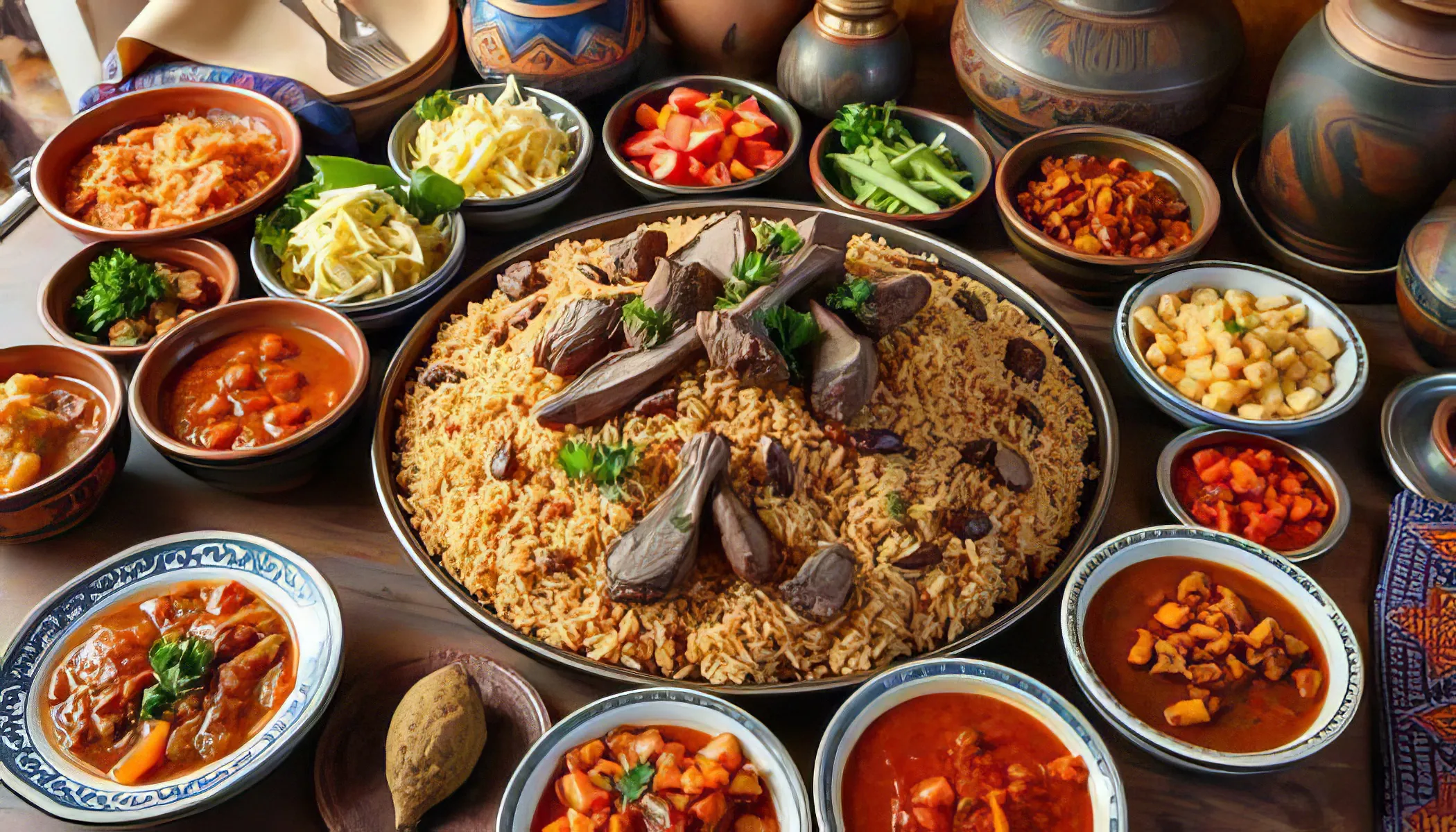
Yemeni cuisine is characterized by its aromatic spices, hearty stews, and use of grains and legumes, reflecting its diverse cultural influences. Meals often feature communal dining, emphasizing the importance of sharing. Most famous dishes and desserts in Yemen are:
– Mandi: Fragrant rice dish with seasoned meat, typically lamb or chicken, cooked with saffron and spices.
– Saltah: Hearty stew with meat, vegetables, fenugreek froth, and served with flatbread.
– Aseed: Doughy porridge made from flour or cornmeal, eaten with meat sauce or broth.
– Fahsa: Slow-cooked shredded beef stew with a blend of spices and served hot.
– Bint Al-Sahn: Layers of pastry dough baked with honey and usually topped with sesame seeds.
Souvenir
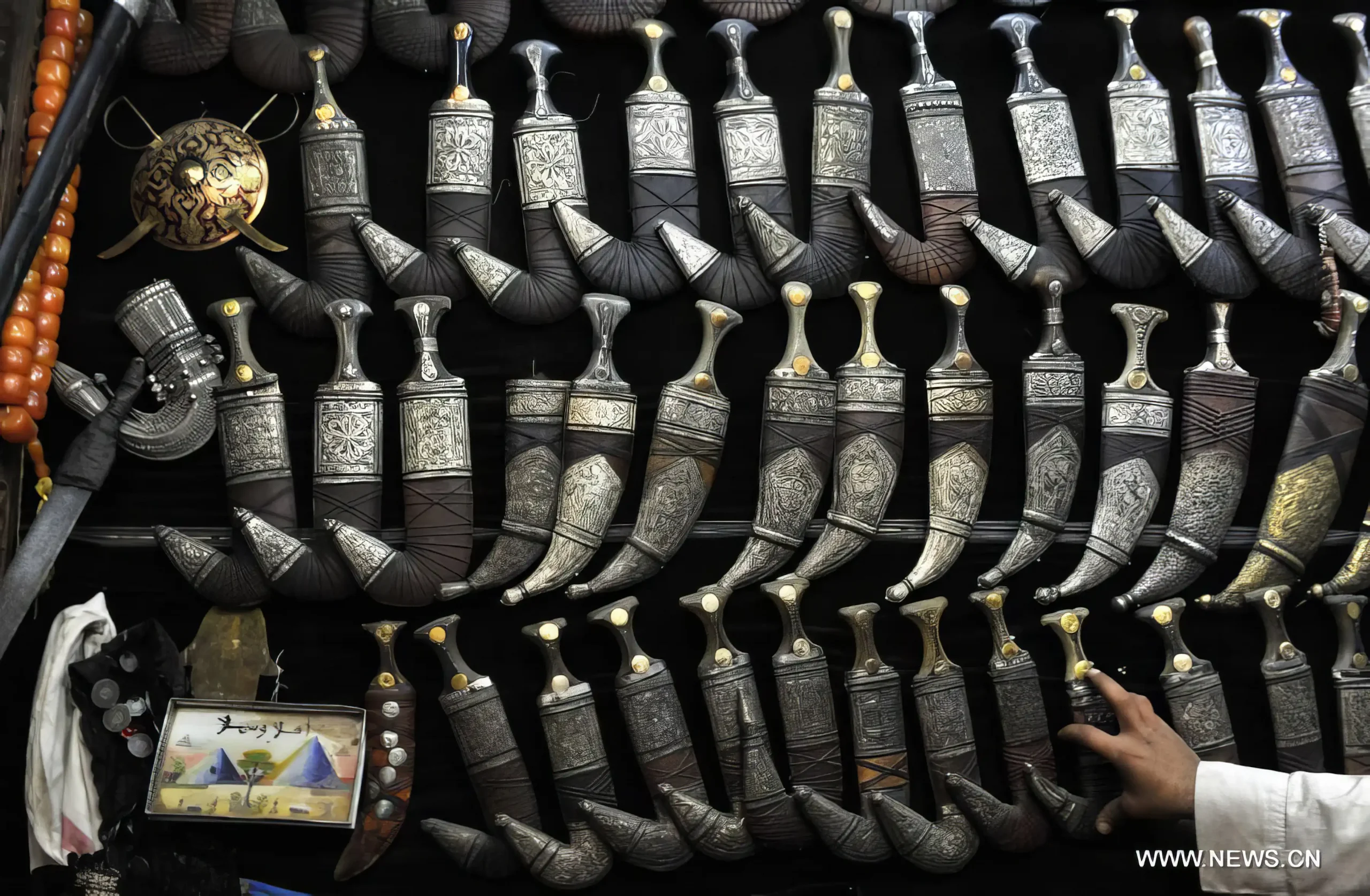
Yemen offers unique and traditional items that reflect its rich culture and heritage. Here are some popular souvenirs to consider:
– Silver Jewelry: Yemen is famous for its intricate silver jewelry, often crafted with traditional designs.
– Jambiya: This traditional curved dagger is a symbol of Yemeni culture and craftsmanship.
– Mocha Coffee: Known as the birthplace of mocha coffee, Yemen offers high-quality coffee beans for enthusiasts.
– Spices: Yemeni spices like cumin, cardamom, and saffron are aromatic and widely used in local cuisine.
– Incense: Frankincense and myrrh from Yemen are renowned for their quality and historical significance.
– Antiques: Antique markets offer unique items like old coins, manuscripts, and artifacts reflecting Yemen's history.
– Textiles: Traditional woven fabrics and carpets with distinct Yemeni patterns make for beautiful souvenirs.
Traditional Shows
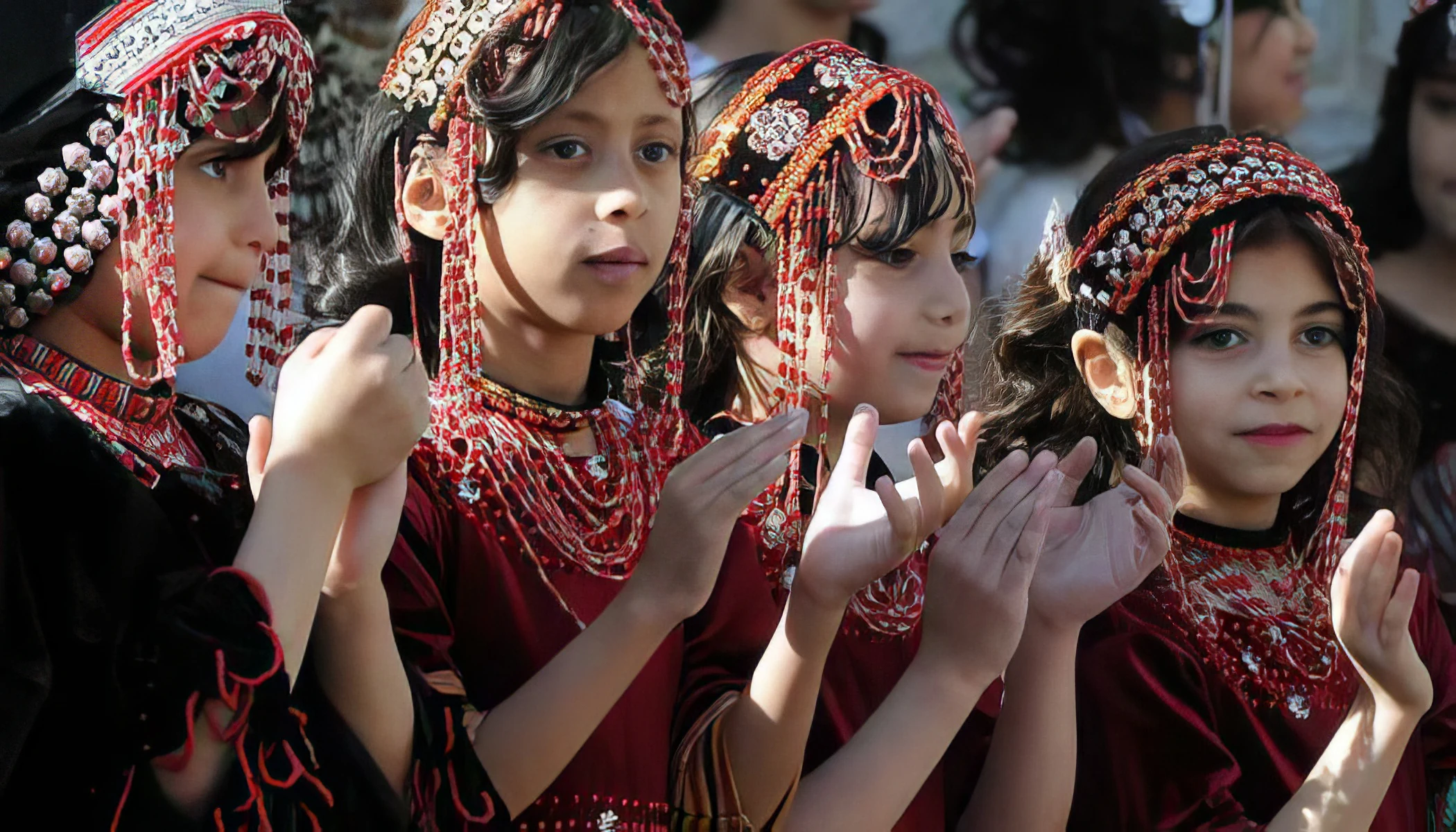
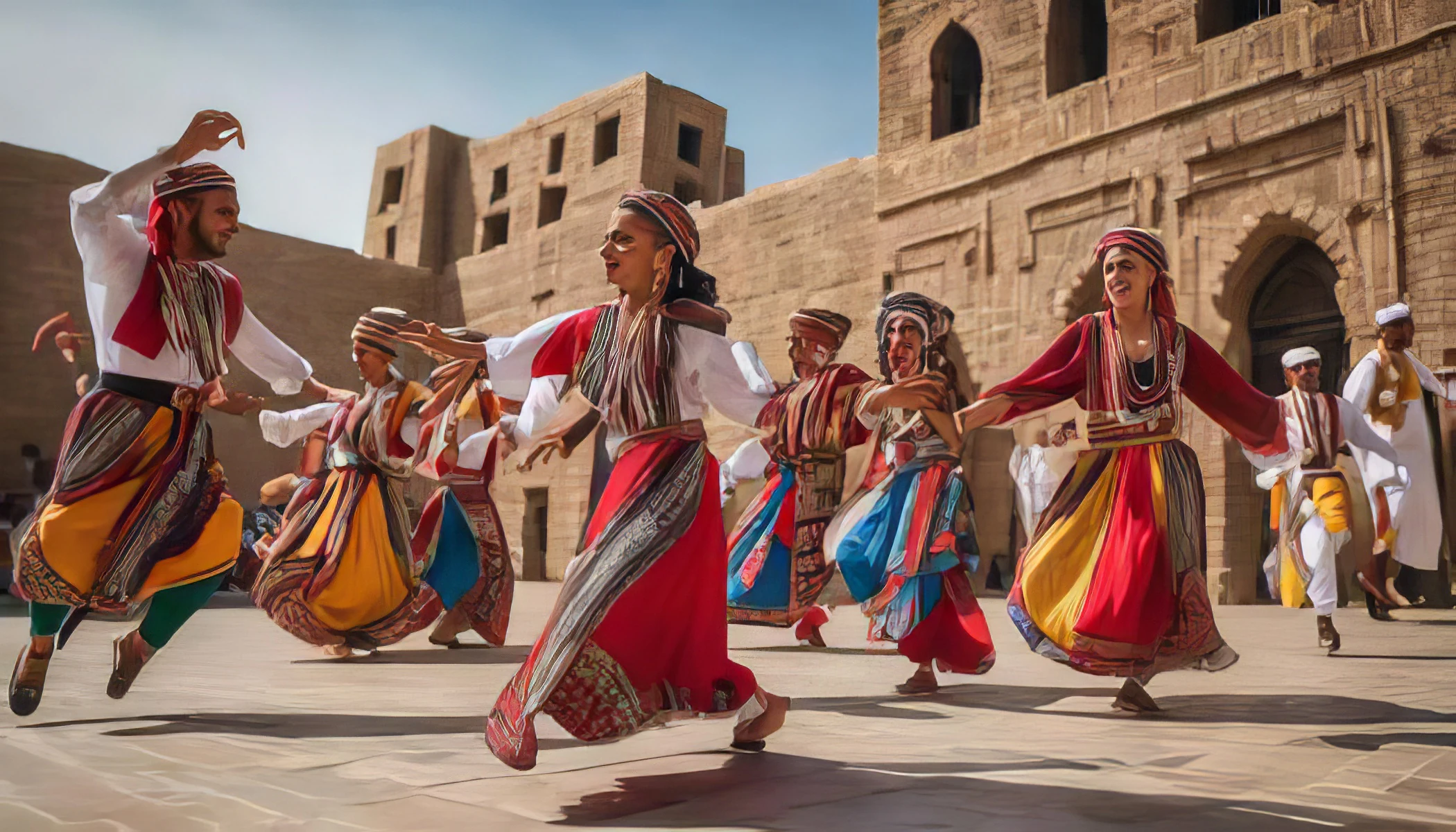
Yemen boasts a rich tradition of music and dance performances:
– Al-Bar'a Dance: Experience this traditional Yemeni dance performed with curved daggers, showcasing tribal heritage and unity, commonly seen at weddings and festivals.
– Samrah Music: Enjoy this communal music style in Hadhramaut, featuring rhythmic drumming and poetic songs that tell local stories.
– Sahra Music Night: Attend gatherings in Sana'a where musicians play the oud and sing traditional songs, reflecting Yemeni culture and history.
– Zamil Poetry Recitals: Witness these poetic recitals where tribal poets engage in verbal duels, often performed during social events or community meetings.
– Basha'ir Dance: Observe this traditional dance from the Taiz region, involving synchronized movements and drum rhythms, celebrating community ties.
Events & Festivals
In Yemen, a variety of cultural and religious events mark the calendar each year:
– Eid al-Fitr: Celebrated at Ramadan's end with feasting, prayers, and family gatherings.
– Eid al-Adha: Marks the end of Hajj in August, featuring prayers and animal sacrifices.
– Mawlid al-Nabi: Celebration of the Prophet Muhammad's birth with processions and prayers in the Islamic month of Rabi' al-awwal.
– Independence Day: November 30th marks Yemen's independence from British rule in 1967, celebrated with parades.
– National Unity Day: Celebrated on May 22 to commemorate the unification of North and South Yemen in 1990.
– Ashura: Observed by some Yemenis to commemorate historical Islamic events with reflection and mourning.
– Muharram Celebrations: The first month of the Islamic calendar observed with prayer meetings and special sermons.
Famous People

Yemen has a rich history reflected in its influential figures across politics, literature, and activism.
– Ali Abdullah Saleh (1947 to 2017, Bayt al-Ahmar): Long-serving president who led Yemen from 1990 until 2012.
– Tawakkol Karman (born 1979, Taiz): Journalist and human rights activist awarded the Nobel Peace Prize in 2011.
– Al-Maqaleh (born 1939, Ibb): Renowned Yemeni poet known for his contributions to modern Arabic literature.
– Ali ibn al-Fadl (died 915, Yarim): Ismaili leader who played a significant role in early Islamic history in Yemen.
– Abdul Aziz al-Muqbil (1891 to 1948, Al-Hudaydah): Influential Yemeni composer known for modernizing traditional Yemeni music.
Books
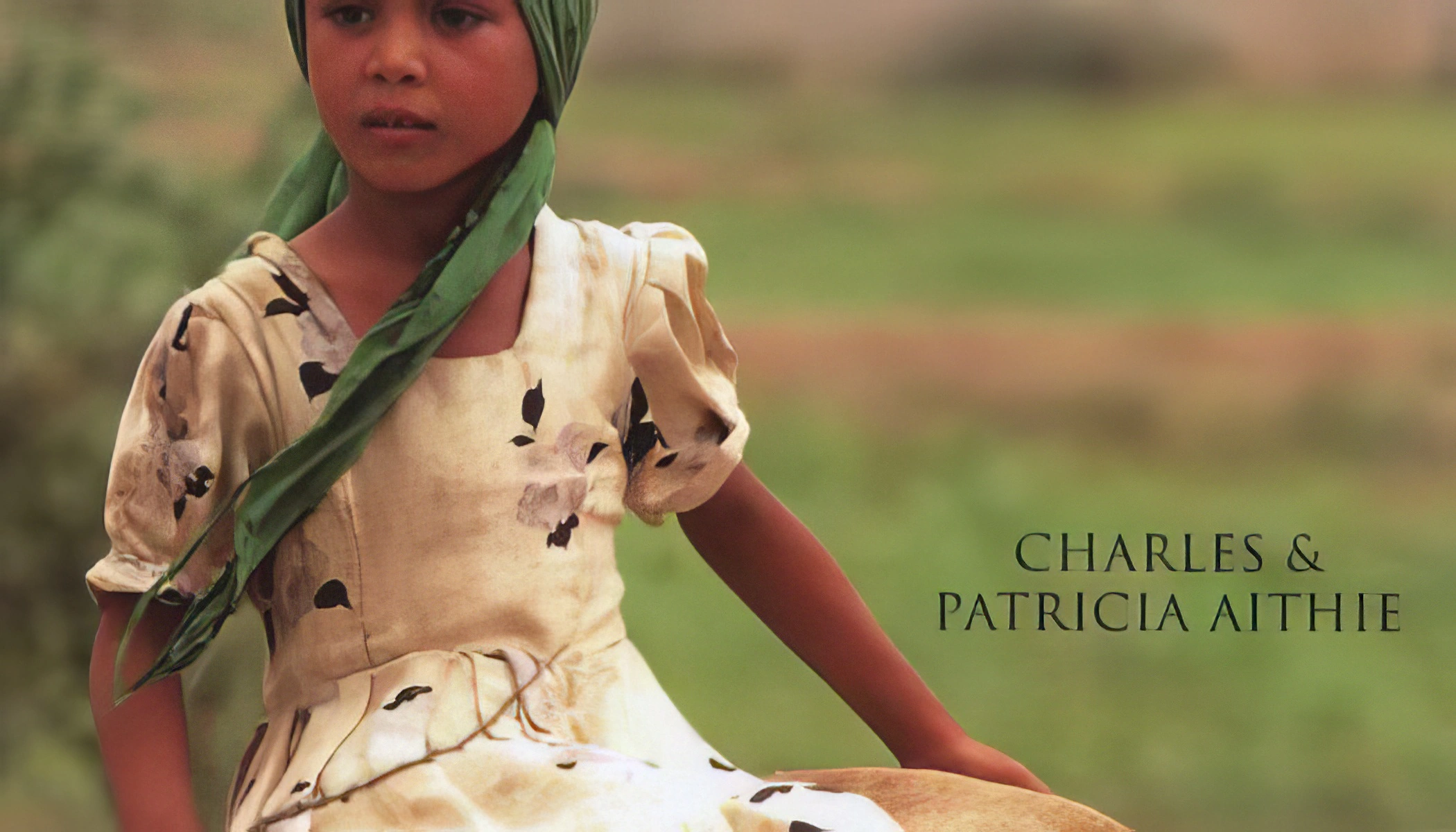
These books provide valuable insights into the history, culture, and social issues of Yemen, often blending personal narratives with broader historical contexts.
– "I Am Nujood, Age 10 and Divorced" by Nujood Ali: Autobiographical account of a young Yemeni girl's fight against forced marriage.
– "The Woman Who Fell from the Sky" by Jennifer Steil: Journalist's experiences working at a Yemeni newspaper.
– "Salmon Fishing in the Yemen" by Paul Torday: Fictional tale of a sheikh's dream to bring salmon fishing to Yemen.
– "The Architecture of Yemen" by Salma Samar Damluji: In-depth exploration of Yemen's unique architectural heritage.
– "Yemen: The Unknown Arabia" by Tim Mackintosh-Smith: Travelogue offering cultural and historical insights into Yemen.
Songs

Yemeni music reflects the rich cultural heritage of the region, often featuring themes of love, longing, and tradition.
– Balagh Al-Ulla: Traditional Yemeni song celebrating Prophet Muhammad's journey to heaven.
– Tihama: Ahmed Fathi's classic evoking Yemen's landscapes and cultural essence.
– Ya Reem Wadi Thaqif: Famous folk song symbolic of Yemeni romantic sentiments.
– Al-Watan: Arwa's patriotic song expressing love for Yemen.
– Khallini Shoufak: A modern hit by Belqees touching on love and yearning.
Films

Explore notable films that provide insight into Yemen's culture and challenges:
– "A New Day in Old Sana'a": Directed by Bader Ben Hirsi, explores love and tradition in Yemen's capital city.
– "The Mulberry House": Sara Ishaq's documentary captures her return to Yemen during the 2011 revolution.
– "I Am Nojoom, Age 10 and Divorced": Khadija Al-Salami directs this film about a child's fight against forced marriage.
– "Yemeniettes": A documentary by Shawn Thompson, following three Yemeni girls aiming to win an entrepreneurship competition.
– "Karama Has No Walls": Sara Ishaq documents the tragic events of Change Square protests in 2011 Yemen.