

Zambia Attractions & Travel Advice – Plan Your Visit
Located in southern Africa, this landlocked country is known for its rich wildlife and the iconic Victoria Falls. It provides vast national parks, diverse cultures, and a growing economy. The Zambezi River is a key feature of its landscape.
- Capital
- Lusaka
- Population
- 13.5 millions
- Superficy
- 753000 sq.km
- Months to Visit
- May to August.
- Living Cost
- Moderate
Overview
Zambia is a landlocked country in Southern Africa known for its natural beauty and wildlife. The capital city, Lusaka, serves as the economic and political hub. Zambia is home to the Victoria Falls, one of the largest and most famous waterfalls in the world, located on the border with Zimbabwe. The country has numerous national parks, such as South Luangwa and Kafue, which are popular for safaris and wildlife viewing. Zambia's economy relies heavily on copper mining, but agriculture also plays a significant role. Despite its rich resources, Zambia faces challenges like poverty and infrastructure development.
Pros & Cons
GOOD REASONS TO VISIT ZAMBIA
– Victoria Falls: Witness the majestic "Smoke That Thunders," one of the world's largest and most spectacular waterfalls.
– Abundant Wildlife: Experience diverse wildlife in national parks like South Luangwa, home to elephants, lions, and leopards.
– Walking Safaris: Zambia offers unique walking safaris, providing an intimate experience with nature and wildlife.
– Friendly People: Zambians are known for their warm hospitality and welcoming nature towards visitors.
– Rich Culture: Explore traditional ceremonies, crafts, and music reflecting Zambia's diverse ethnic groups. CHALLENGES WHEN VISITING ZAMBIA
– Limited Infrastructure: Some areas have poor roads and limited public transport; travel can be challenging.
– Malaria Risk: Malaria is prevalent; visitors should take precautions like mosquito nets and antimalarial medication.
– High Travel Costs: Safari tours and accommodations can be expensive compared to other African destinations.
Before Departure
Before traveling to Zambia, consider the following essential information:
– Passport: Ensure your passport is valid for at least six months beyond your intended stay.
– Visa: Most tourists require a visa; options include single-entry, multi-entry, and transit visas. Apply online or upon arrival for stays up to 90 days.
– Currency: Zambian Kwacha (ZMW); credit cards accepted in cities; cash preferred in rural areas; ATMs available in urban centers.
– Internet access: WiFi is available in hotels and cafes in major cities; purchase a local SIM card for better connectivity.
– Language barrier: English is the official language and widely spoken; local languages include Bemba, Nyanja, Tonga, and Lozi.
What to Pack
Visiting Zambia requires preparation for its diverse wildlife, warm climate, and potential outdoor adventures.
– Essentials: Passport and visa (if required), travel insurance details, flight tickets and itinerary, accommodation reservations, and copies of important documents.
– Clothing: Lightweight clothing for warm weather, long sleeves and pants for mosquito protection, comfortable walking shoes or boots, hat and sunglasses.
– Health & Safety: Prescription medications, basic first aid kit, insect repellent with DEET, sunscreen with high SPF, malaria prophylaxis if recommended by a doctor.
– Electronics: Travel adapter for Type C/D/G sockets, mobile phone with charger, camera with extra batteries or memory cards.
Weather
Weather in Zambia is characterized by three main seasons:
– Dry Season (May to August): Cool and dry with temperatures ranging from 10°C to 25°C.
– Hot Season (September to November): Hot and dry, temperatures can reach up to 35°C.
– Wet Season (December to April): Warm and wet, with heavy rainfall and thunderstorms. The best time to visit Zambia is during the dry season from May to August:
– Ideal for wildlife viewing as animals gather around water sources.
– Comfortable temperatures make it suitable for outdoor activities.
– However, some remote areas may be less accessible due to dry conditions.
Travel Budget
Zambia provides a range of budget-friendly options for travelers. Here are some average prices for common expenses:
– Hotel: 30$ to 150$
– Lunch: 3$ to 15$
– Beverage (in bar/restaurant): 1.5$ to 5$
– Coffee: 1$ to 3$
– Transportation: (train not widely available), (bus 0.5$ to 2$), (taxi /10km 5$ to 15$)
– Mobile data (per GB): 2$ to 5$
Language
Zambia is a multilingual country with several local languages, but English is the official language. Here are some useful phrases in Bemba, one of the widely spoken local languages:
– Hello: Muli shani
– Thank you: Natotela
– Please: Napapata
– How much is this?: Icilingi shinga?
– Excuse me: Mwabukisha
– I don't understand: Nshumfwa
– Yes: Ee
– No: Awe
– Goodbye: Shalenipo bwino
History
Its region was originally inhabited by various indigenous groups, such as the Bantu-speaking people. It became part of the British colonial empire, known as Northern Rhodesia, in the late 19th century. Pressure for independence grew, and in 1964, the country achieved independence under the leadership of Kenneth Kaunda, becoming the Republic of Zambia. The nation initially pursued socialist policies under Kaunda's one-party rule until 1991. Economic difficulties and political pressure led to multi-party elections that year, transitioning to a more democratic governance system. Since then, Zambia has experienced relative political stability and has focused on economic development and diversification.
Geopolitics
Situated in Southern Africa, Zambia is a landlocked country sharing borders with eight other nations, including the Democratic Republic of the Congo to the north and Tanzania to the northeast. It maintains a stable political environment with a multi-party democratic system. Zambia plays an active role in regional bodies such as the Southern African Development Community (SADC) and the Common Market for Eastern and Southern Africa (COMESA). The country has significant mineral resources, particularly copper, making it an important player in global mining markets. Its economic reliance on copper makes it vulnerable to fluctuations in global commodity prices. Geopolitically, Zambia seeks to maintain peaceful relations with neighboring countries while addressing internal challenges such as poverty and infrastructure development.
Sample Itinerary
This itinerary covers Zambia's wildlife, natural wonders, and cultural experiences in key destinations like Lusaka, South Luangwa, and Victoria Falls.
– 1 day in Lusaka: Explore the National Museum and local markets. Experience city life with a visit to Munda Wanga Environmental Park.
– 3 days in South Luangwa National Park: Embark on game drives to spot diverse wildlife, including elephants and lions. Enjoy walking safaris for close encounters with nature.
– 2 days in Lower Zambezi National Park: Take river safaris and canoe trips along the Zambezi River. Observe hippos, crocodiles, and birdlife.
– 2 days at Victoria Falls: Visit the Falls from both Zambian and Zimbabwean sides. Engage in activities like bungee jumping or a helicopter tour for aerial views.
– 1 day in Livingstone: Explore Livingstone Museum and enjoy a sunset cruise on the Zambezi River before departure.
Popular cities
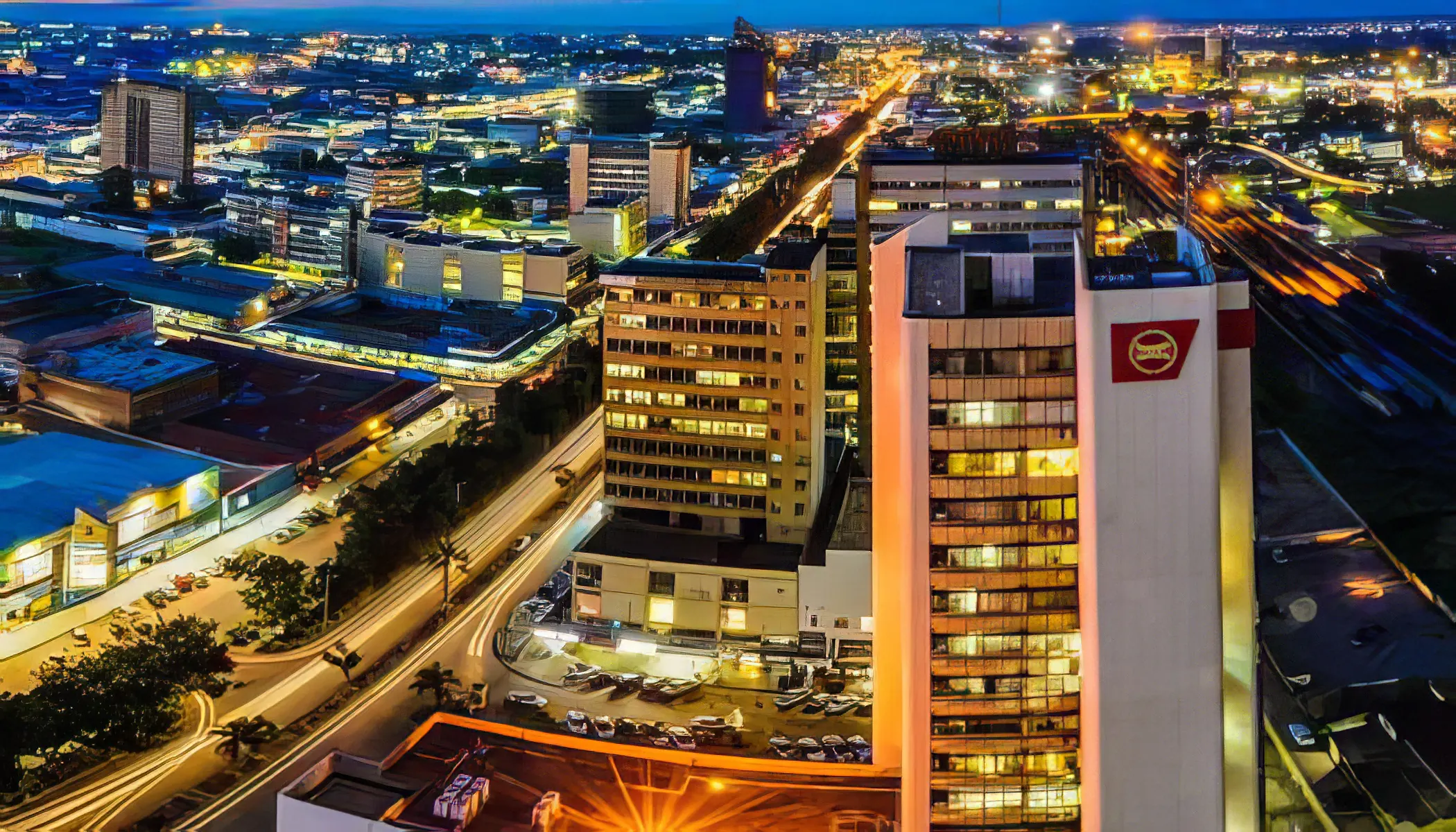
Explore Zambia's diverse cities, each offering unique experiences and attractions:
– Lusaka: The capital city is a hub for culture, markets, and local Zambian life.
– Livingstone: Known for its proximity to Victoria Falls, a UNESCO World Heritage site.
– Ndola: A energetic city in the Copperbelt region with museums and cultural centers.
– Kitwe: An industrial city offering insight into Zambia's mining industry and local crafts.
– Chingola: Close to the Nchanga Open Pit, one of the largest open-pit mines in the world.
– Chipata: A gateway to South Luangwa National Park, known for its wildlife and safaris.
– Kasama: Supplies access to Chishimba Falls and historical rock art sites.
Monuments
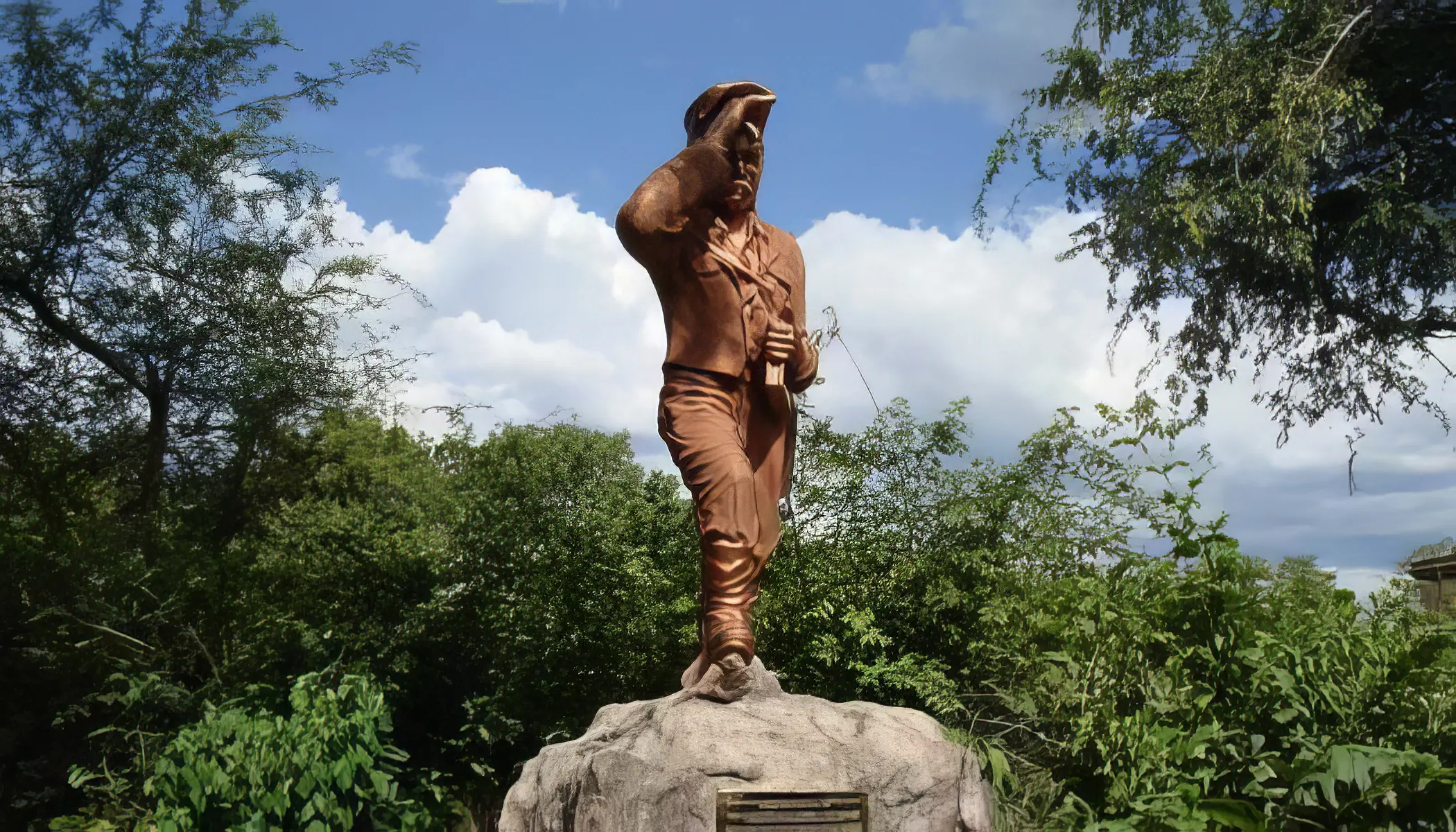
Zambia offers several notable monuments reflecting its rich history and culture:
– Victoria Falls Bridge: Historic bridge offering views of the iconic Victoria Falls and connecting Zambia to Zimbabwe.
– Dag Hammarskjöld Memorial, Ndola: Site commemorating the UN Secretary-General’s plane crash in 1961.
– Livingstone Museum: Oldest museum in Zambia, showcasing archaeology, ethnography, and the life of David Livingstone.
– Chilenje House 394, Lusaka: National monument where Dr. Kenneth Kaunda lived before becoming Zambia's first president.
– Shiwa Ng'andu Manor House: Historic colonial-era estate showcasing early 20th-century architecture in remote northern Zambia.
– Moto Moto Museum, Mbala: Institution dedicated to preserving Zambian cultural heritage artifacts and history.
– Maramba Cultural Village, Livingstone: Open-air museum presenting traditional Zambian village life and crafts.
– Mutumbi Cemetery, Lusaka: Final resting place for many freedom fighters who contributed to Zambia's independence.
Natural wonder
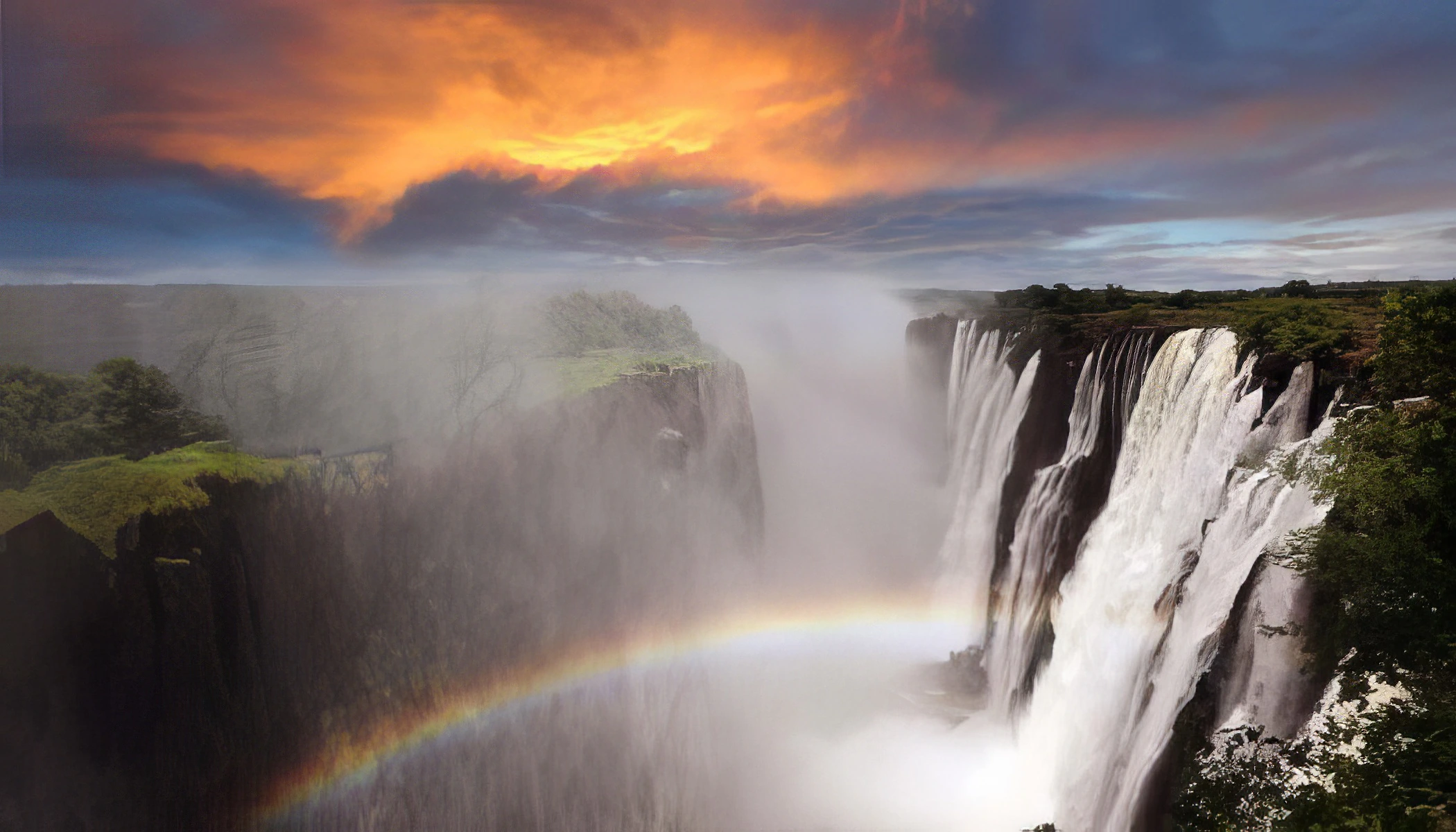
Zambia is home to diverse and impressive natural landscapes:
– Victoria Falls: One of the world's largest waterfalls, known as "The Smoke That Thunders."
– South Luangwa National Park: Famed for its walking safaris and diverse wildlife.
– Lower Zambezi National Park: Provides canoeing experiences alongside elephants and hippos.
– Kafue National Park: Zambia's largest park, home to a variety of wildlife and habitats.
– Lake Kariba: The world's largest man-made lake by volume, ideal for fishing and boating.
– Liuwa Plain National Park: Known for its annual wildebeest migration and birdlife.
– Bangweulu Wetlands: A haven for birdwatchers, home to the rare shoebill stork.
– Kasanka National Park: Famous for the annual bat migration, one of Africa’s great wildlife spectacles.
– Lake Tanganyika: Home to unique aquatic life, it's one of the world’s oldest and deepest lakes.
– Mosi-oa-Tunya National Park: Supplies views of Victoria Falls plus rhinos in a small game park.
Outdoor activities
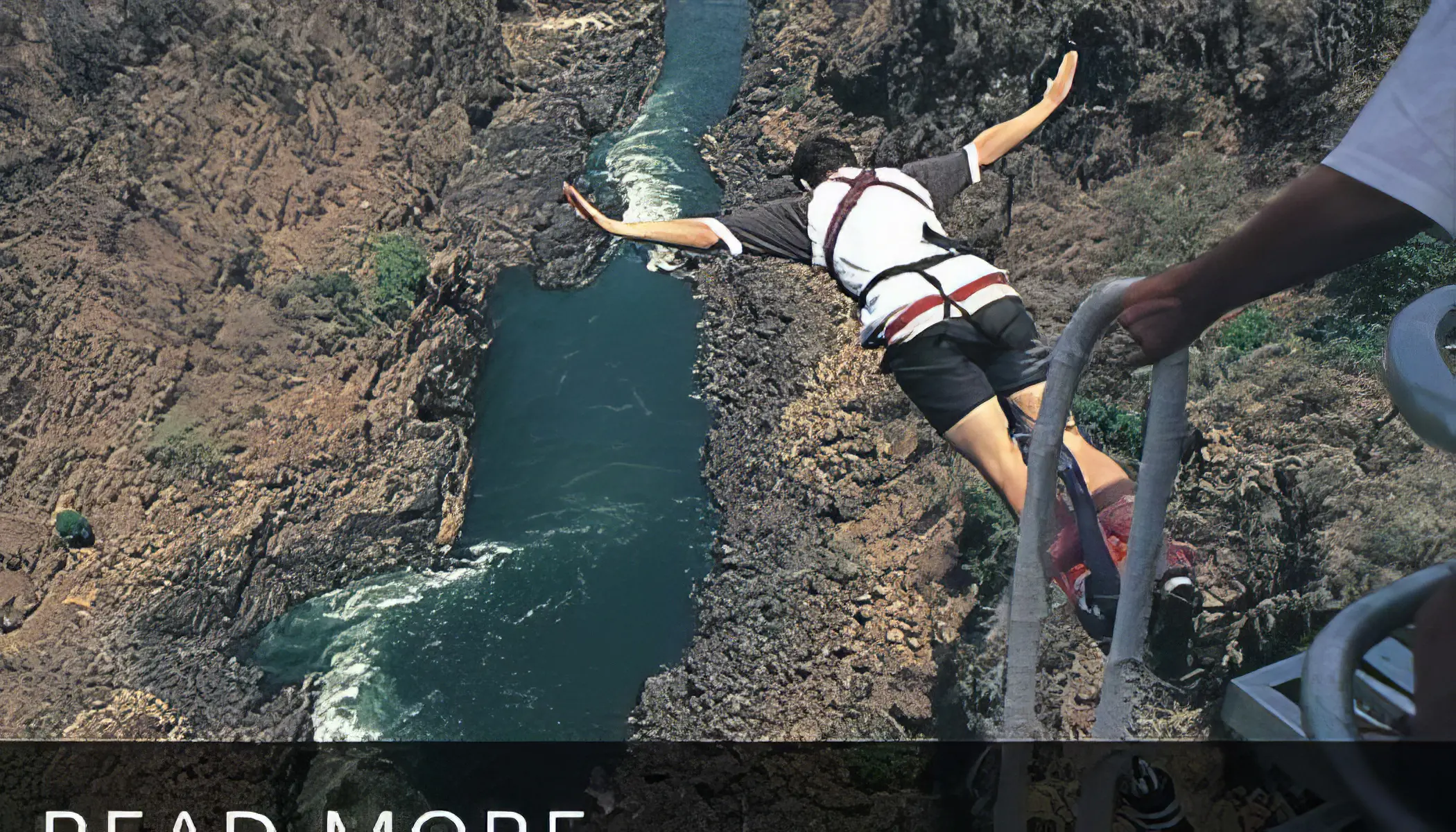
A variety of outdoor activities await travelers seeking adventure in Zambia:
– Safari in South Luangwa National Park: Experience a classic African safari with diverse wildlife.
– Walking Safari in North Luangwa: Explore the bush on foot with expert guides.
– Canoeing on the Zambezi River: Paddle past hippos and crocodiles in a scenic setting.
– Victoria Falls Bungee Jumping: Take a thrilling plunge near one of the world’s largest waterfalls.
– White Water Rafting on the Zambezi: Tackle challenging rapids below Victoria Falls.
– Hot Air Balloon Safari over Kafue National Park: Glide over vast plains teeming with wildlife.
– Bird Watching in Lochinvar National Park: Spot diverse bird species in their natural habitat.
Kid Friendly
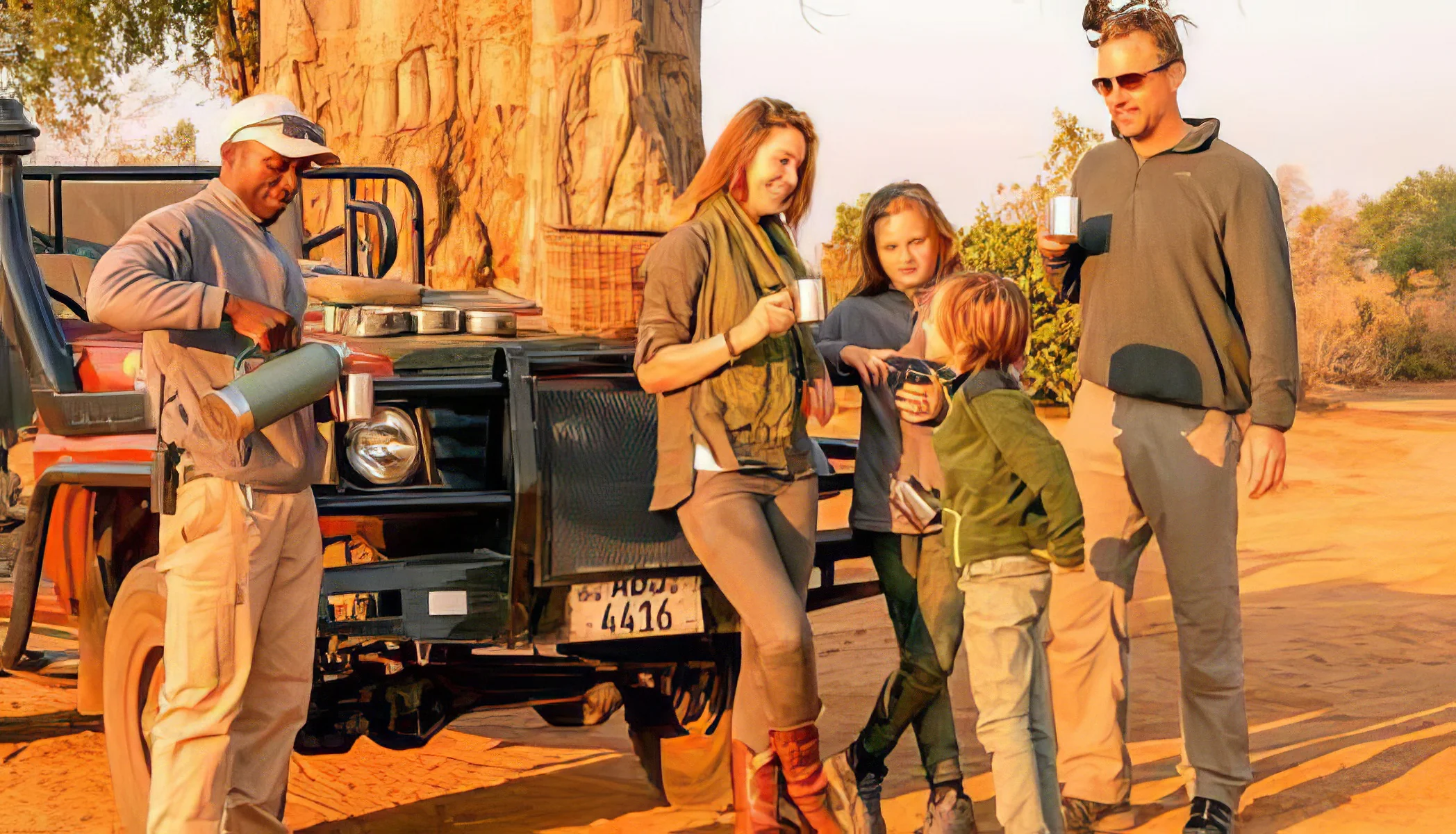
Zambia offers several activities that kids will enjoy.
– Victoria Falls: Witness the magnificent waterfall and enjoy the surrounding nature trails.
– Mosi-oa-Tunya National Park: Spot wildlife and take part in kid-friendly safari tours.
– Livingstone Reptile Park: A safe place for children to learn about and see various reptiles.
– Chaminuka Lodge and Nature Reserve: Offers walking safaris, game drives, and a chance to see local art.
– Lusaka National Museum: Provides interactive exhibits on Zambia's history and culture suitable for kids.
– Adventure City Water Park: A family-friendly water park with slides, pools, and play areas.
– Kalimba Reptile Park: Features crocodiles, snakes, and other reptiles; educational tours are available.
– Mundawanga Environmental Park: Combines a zoo and a botanical garden, offering educational insights into local flora and fauna.
Cuisine
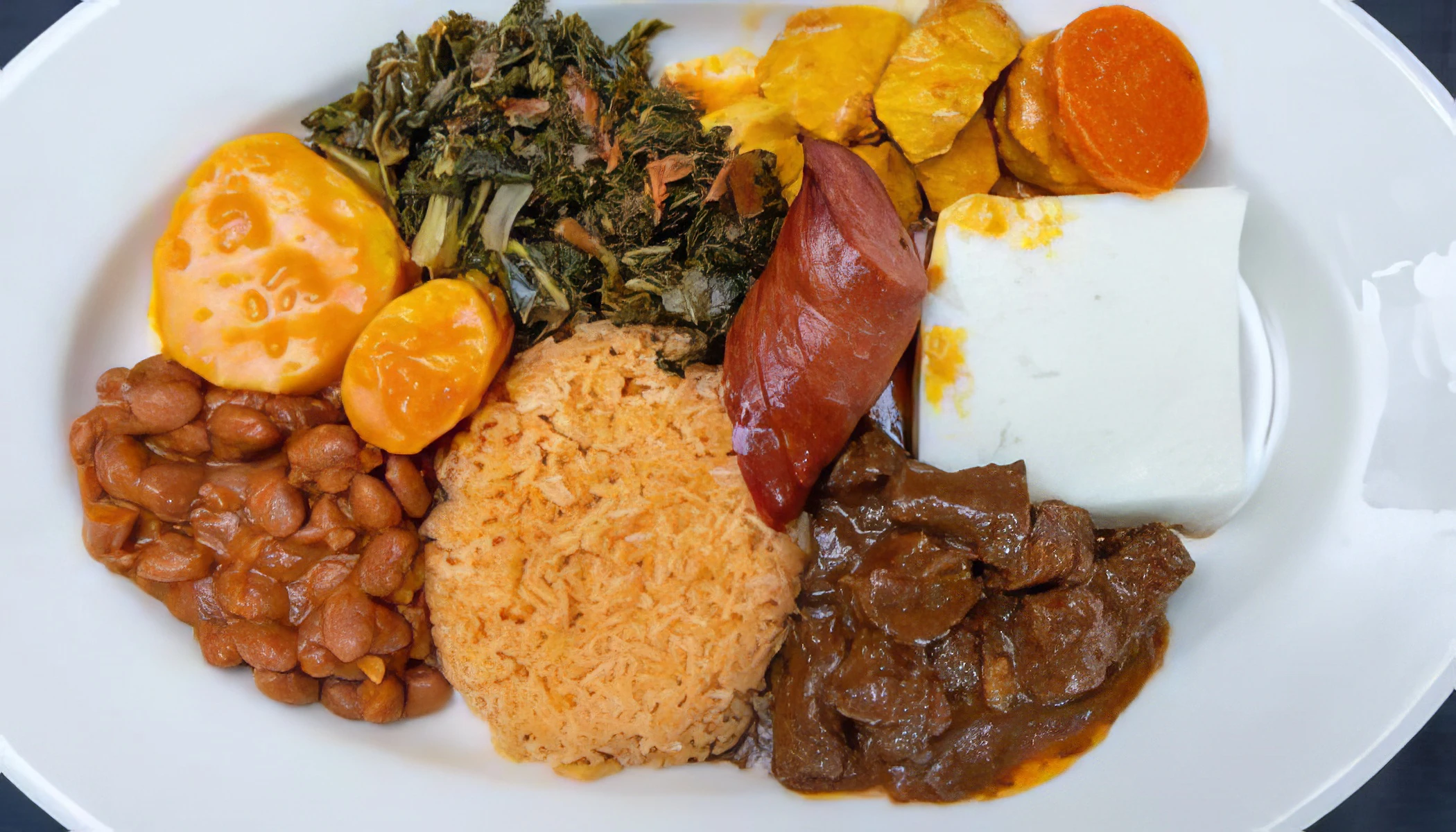
Zambian cuisine is characterized by its staple maize-based dishes, complemented by a variety of vegetables and meats. Meals often feature simple, hearty flavors reflecting the country's agricultural roots. Traditional food is central to gatherings and daily life.
– Nshima: Maize porridge served with vegetables, beans, or meat as a staple of Zambian meals.
– Chibwabwa: Pumpkin leaves cooked with tomatoes and onions, often served as a side dish.
– Ifisashi: Vegetables or peanuts in a creamy groundnut sauce, typically paired with nshima.
– Kapenta: Dried fish fried and served with tomatoes and onions as an accompaniment.
– Vitumbuwa: Fried dough balls similar to donuts, typically eaten as a snack or dessert.
Souvenir
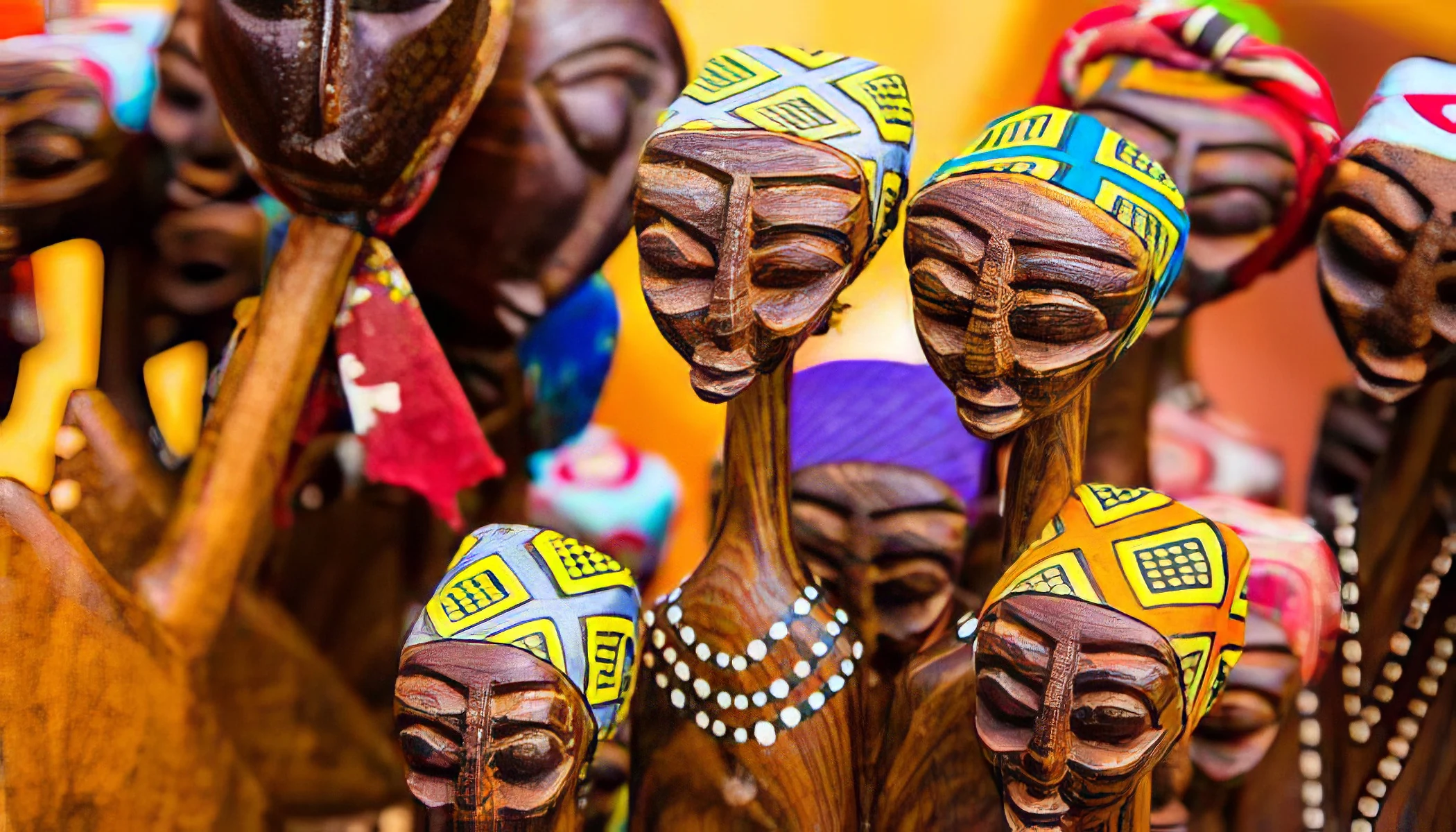
Zambia supplies a variety of unique souvenirs that reflect its rich culture and natural beauty. Here are some popular options:
– Tribal Textiles: Handcrafted fabrics featuring lively patterns, made by local artisans.
– Copper Crafts: Items like jewelry and sculptures crafted from Zambia's abundant copper resources.
– Nyami Nyami Carvings: Wooden carvings of the river god, symbolizing protection and strength.
– Basketry: Handmade baskets woven by skilled artisans using traditional techniques.
– Mukwa Wood Carvings: Refined carvings made from the durable mukwa wood, depicting animals and cultural scenes.
– Gemstones: Zambia is known for its emeralds and other gemstones, available as loose stones or in jewelry.
– Traditional Musical Instruments: Instruments like drums and marimbas that highlight Zambia's musical heritage.
Traditional Shows
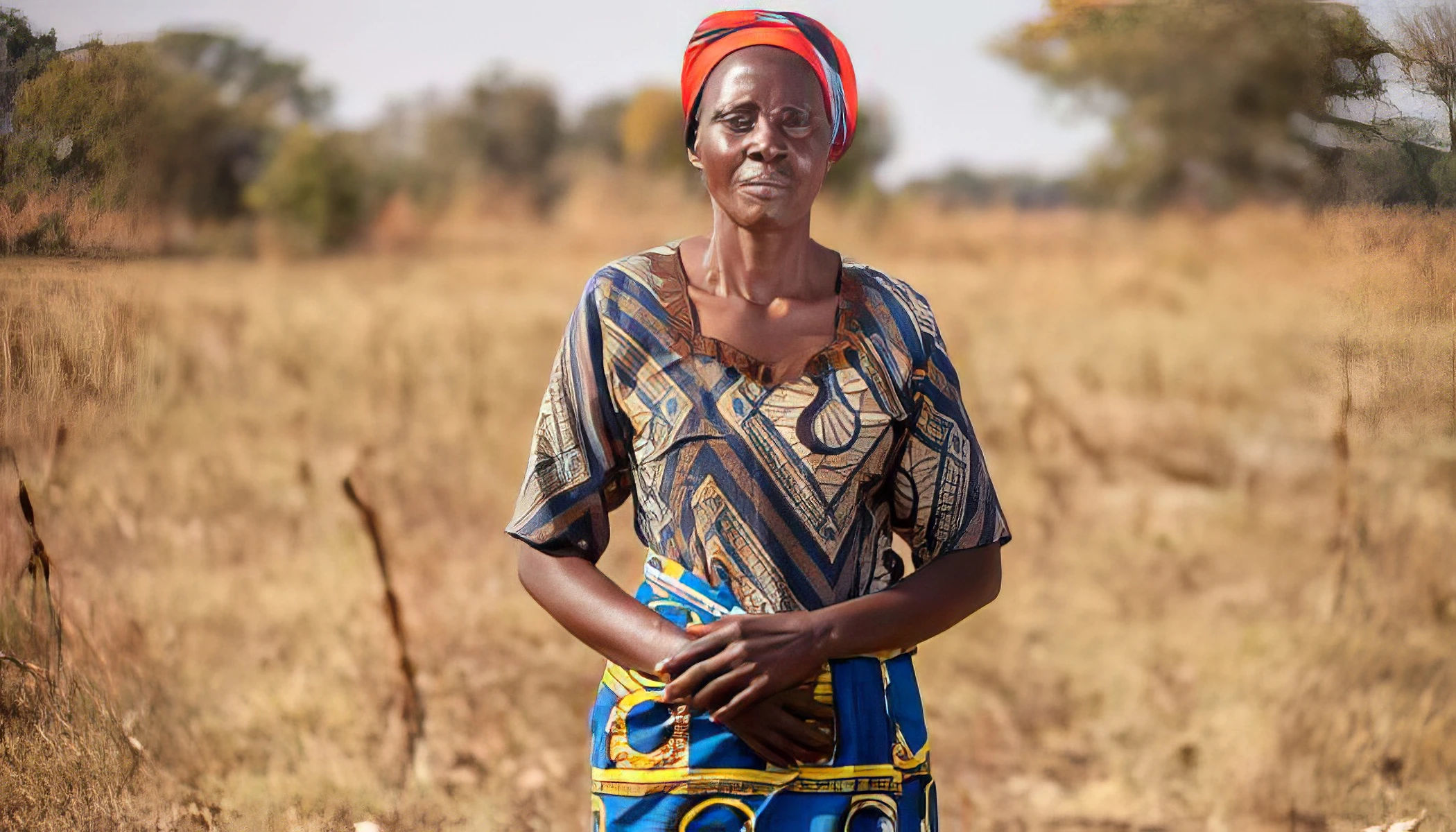
Zambia showcases a rich heritage of traditional music and dance performances:
– Makishi Dancers: Witness this pretty and colorful masked dance in the Western Province, part of the annual Kuomboka ceremony.
– Ngoma Music: Experience Zambia’s rhythmic drum-based music often performed at traditional ceremonies throughout the country, embodying cultural storytelling.
– Amayenge Band: Enjoy folk music with modern influences, performed by a renowned band that tours major cities like Lusaka.
– Likumbi Lya Mize Ceremony: Attend this unique cultural festival in Zambezi, showcasing traditional dances, costumes, and rituals of the Luvale people.
– Kalindula Music: Listen to this lively local pop genre combining traditional instruments and modern rhythms, commonly played at festivals and events nationwide.
Events & Festivals
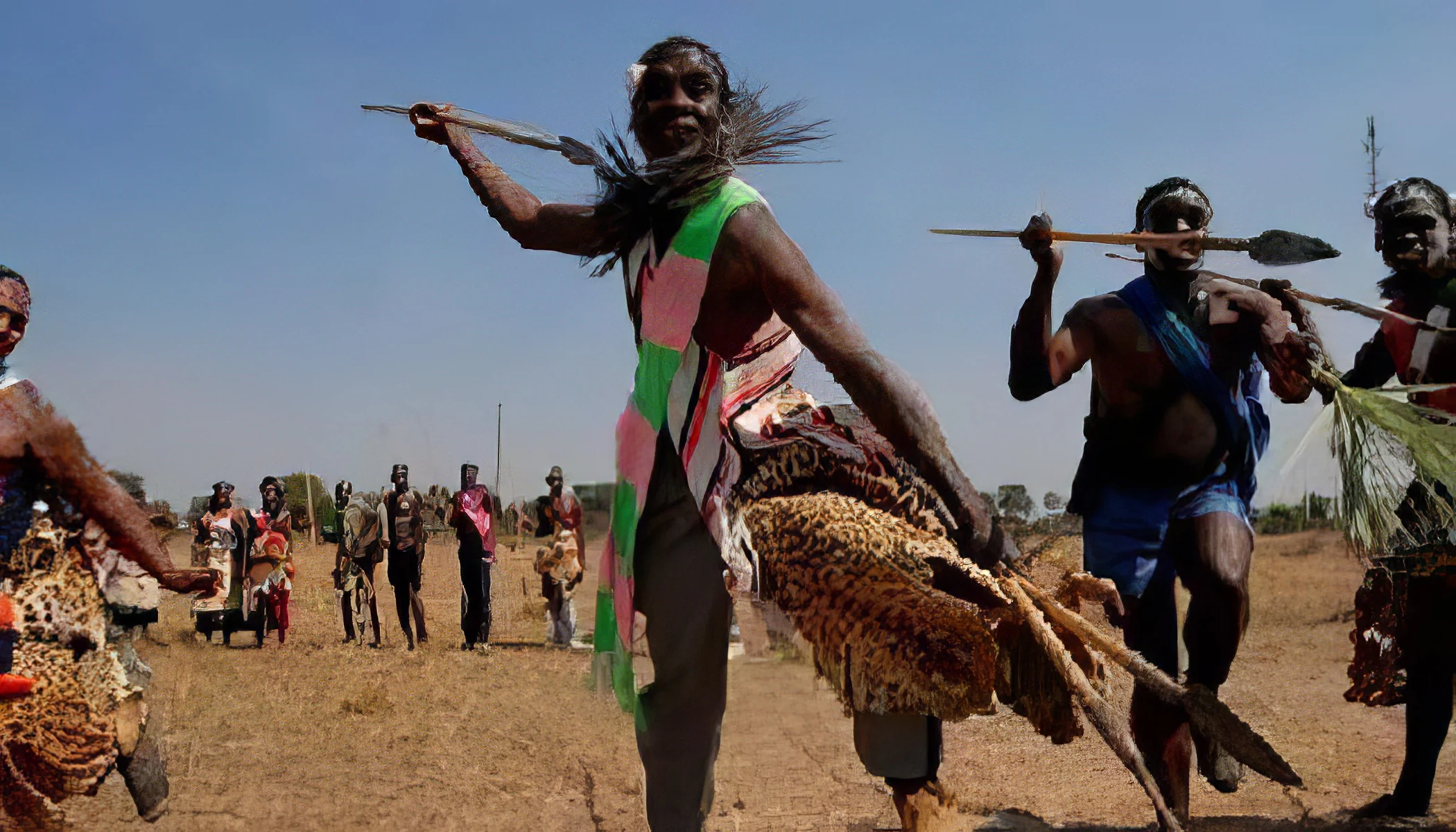
Zambia hosts several lively events and festivals that highlight its rich culture and traditions:
– Nc'wala Ceremony: February festival in Chipata, celebrating the first harvest with traditional dances, songs, and rituals.
– Kuomboka Ceremony: March/April event in Mongu, marking the king's journey from a flooded area to higher ground.
– N'cwala Traditional Ceremony: February event by the Ngoni people, featuring warrior dances and cultural displays.
– Likumbi Lya Mize: August festival of the Luvale people in Zambezi, with masquerades and traditional performances.
– Livingstone International Culture & Arts Festival: March showcase of diverse Zambian arts, crafts, music, and dance.
– Umutomboko Ceremony: July celebration of the Lunda people's migration history, featuring royal rituals and dance.
– Shimunenga Ceremony: October event by the Ila people in Maala with cattle displays and traditional songs.
Famous People
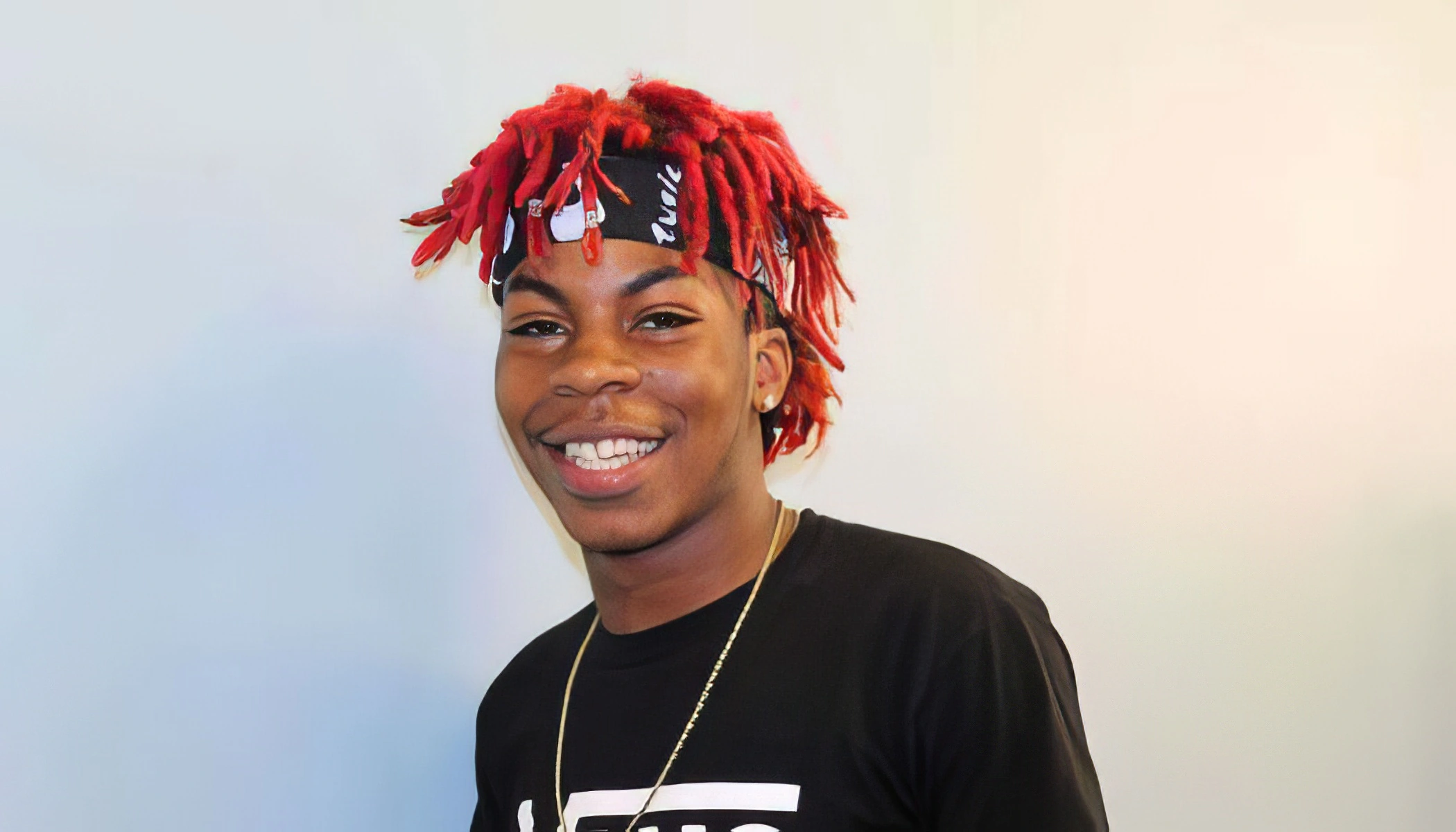
Zambia has a rich history of notable figures who have made significant contributions to politics, sports, and arts.
– Kenneth Kaunda (1924 to 2021, Chinsali): First President of Zambia, led the country from independence in 1964 to 1991.
– Levy Mwanawasa (1948 to 2008, Mufulira): Third President of Zambia, known for his anti-corruption policies and economic reforms.
– Dambisa Moyo (born 1969, Lusaka): Economist and author recognized for her work on global economic development and African issues.
– Kalusha Bwalya (born 1963, Mufulira): Former professional footballer and coach, celebrated as one of Africa's greatest football players.
– Esther Phiri (born 1987, Lusaka): Champion boxer known for putting Zambian women's boxing on the international map.
Books
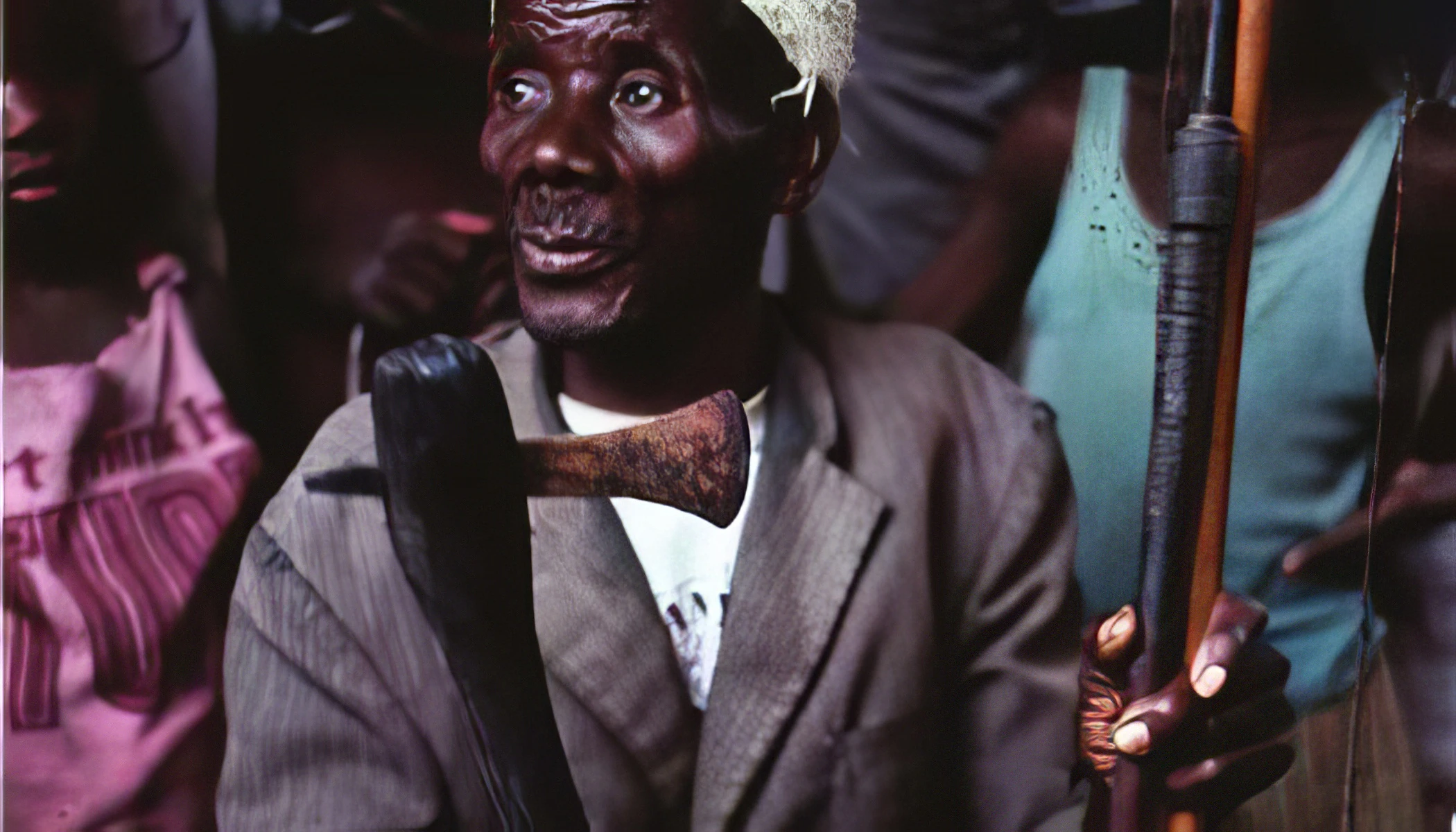
These books capture the essence of Zambian life, exploring its history, culture, and the challenges faced by its people.
– "The Old Drift" by Namwali Serpell: A multigenerational saga intertwining Zambia's colonial past and its postcolonial present.
– "A Cowrie of Hope" by Binwell Sinyangwe: Chronicles a widow's struggle against poverty in rural Zambia.
– "Patchwork" by Ellen Banda-Aaku: Coming-of-age story of a young girl amidst political and social upheaval in Zambia.
– "Dust" by Yvonne Adhiambo Owuor: Though primarily set in Kenya, it touches on shared histories involving Zambia.
– "Secrets in the Fire" by Henning Mankell: Focuses on a young girl's survival story that includes her time in a Zambian refugee camp.
Songs
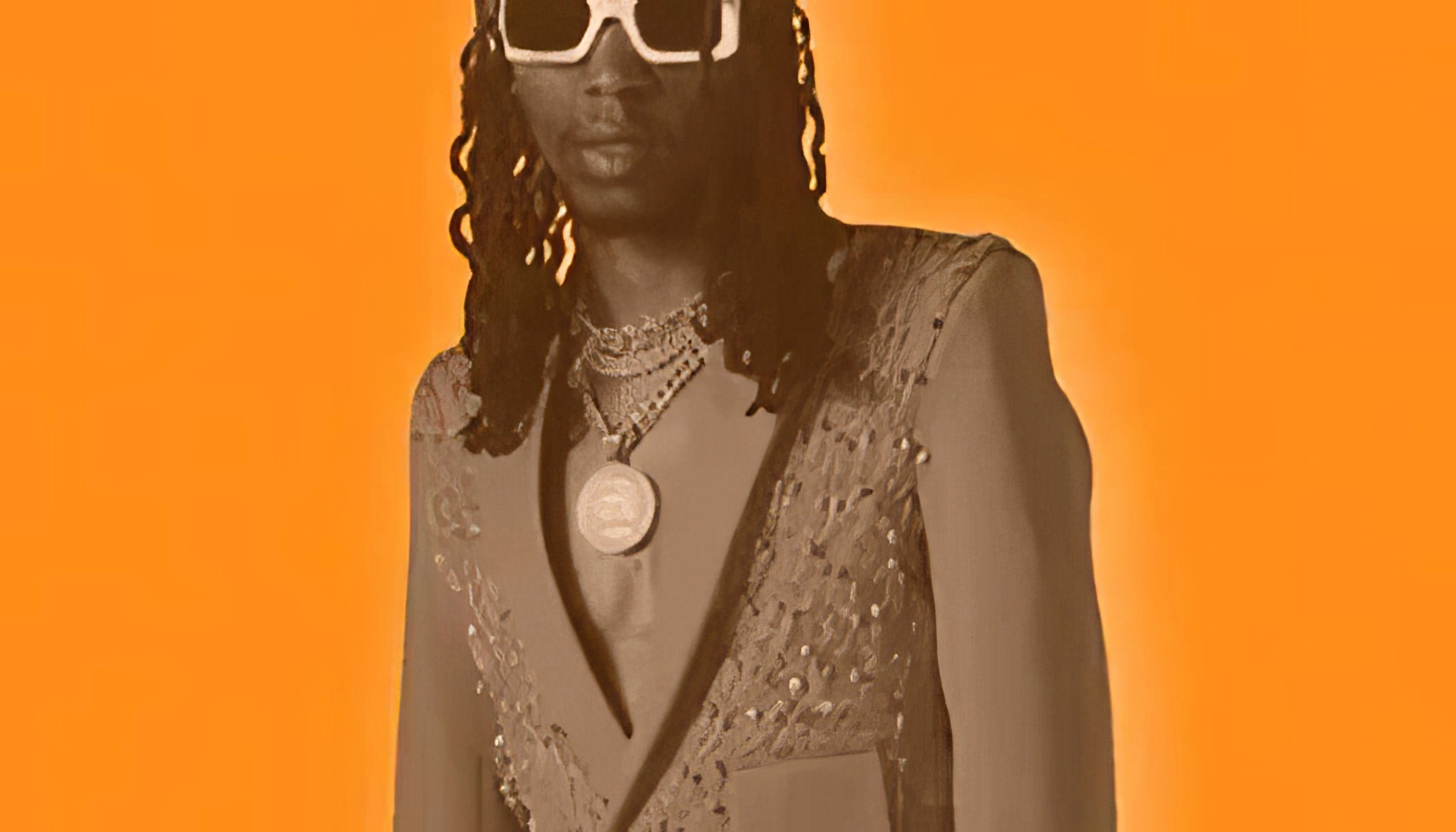
Zambian music showcases a attractive mix of traditional and modern influences that resonate with cultural pride and everyday life experiences.
– Tiyende Pamodzi: A unifying anthem by Kenneth Kaunda, Zambia's first president.
– Dorika: Popular song by Dandy Krazy, known for its catchy beat and social commentary.
– Njota: A hit by Chef 187 featuring Drifta Trek, blending hip-hop with local flair.
– Bana Ba Kwa Lesa: Gospel song by Chileshe Bwalya, celebrated for its uplifting message.
– Belinda Nafwa: Danceable track by JK highlighting Zambian sounds and storytelling.
– Kalindula: A genre-defining song capturing traditional Zambian rhythms and themes.
Films

A selection of notable films set in Zambia provides insight into the country's culture and history:
– "I Am Not a Witch": Rungano Nyoni's satirical drama about a young girl accused of witchcraft, exploring societal issues.
– "Mwansa the Great": A short film by Rungano Nyoni portraying a child's journey to prove his greatness, tackling themes of imagination and belief.
– "Sujata": An emotional narrative directed by Jessica Beshir that highlights family ties against the backdrop of Zambian landscapes.
– "Kabwita's Journey": This documentary-style film examines daily life struggles and dreams in rural Zambia through a coal seller's experience.
– "When Elephants Fight": A documentary focusing on conflict minerals in Congo, with implications affecting neighboring Zambia's mining industry and communities.