

Zimbabwe Attractions & Travel Advice – Plan Your Visit
Located in southern Africa, this country is known for its dramatic landscapes and diverse wildlife. Home to Victoria Falls and Hwange National Park, it provides rich cultural heritage and historical sites, despite facing economic challenges and political instability.
- Capital
- Harare
- Population
- 11.7 millions
- Superficy
- 391000 sq.km
- Months to Visit
- May to Sept.
- Living Cost
- Moderate
Overview
Zimbabwe is a landlocked country in Southern Africa known for its dramatic landscapes and diverse wildlife. The capital city, Harare, serves as the economic and cultural hub. Zimbabwe is home to Victoria Falls, one of the largest and most famous waterfalls in the world, located on the Zambezi River. The country has a rich history, with ancient ruins like Great Zimbabwe showcasing its past civilizations. Economically, Zimbabwe has faced challenges, including hyperinflation and political instability. Despite these issues, it remains a destination for those interested in natural beauty and historical sites.
Pros & Cons
GOOD REASONS TO VISIT ZIMBABWE
– Victoria Falls: Witness one of the world's largest and most spectacular waterfalls, a UNESCO World Heritage site.
– Wildlife Safaris: Explore diverse wildlife in Hwange and Mana Pools National Parks, home to elephants, lions, and more.
– Great Zimbabwe Ruins: Discover ancient stone ruins showcasing the country's rich history and architectural achievements.
– Matobo Hills: Experience unique granite formations, rock art, and spiritual significance in this UNESCO World Heritage site.
– Warm Hospitality: Enjoy friendly interactions with locals who are known for their welcoming nature. CHALLENGES WHEN VISITING ZIMBABWE
– Economic Instability: Be prepared for currency fluctuations and limited access to cash or credit facilities.
– Infrastructure Issues: Expect occasional power outages and variable road conditions outside major cities.
– Health Concerns: Malaria risk in some areas; ensure vaccinations and take necessary precautions.
Before Departure
Before traveling to Zimbabwe, consider the following essential information:
– Passport: Ensure your passport is valid for at least six months beyond your intended stay.
– Visa: Most tourists need a visa; available on arrival or online. Validity varies, typically 30 days.
– Currency: Zimbabwean Dollar (ZWL) and USD widely used; credit cards accepted in cities; ATMs less reliable.
– Internet access: WiFi available in hotels and cafes in urban areas; consider buying a local SIM for data.
– Language barrier: English is the official language and widely spoken; Shona and Ndebele are also common.
What to Pack
Visiting Zimbabwe supplies diverse experiences, from safaris to exploring Victoria Falls, so packing appropriately is essential.
– Essentials: Passport and visa (if required), travel insurance details, flight tickets and itinerary, accommodation confirmations, and local currency or credit cards.
– Clothing: Lightweight clothing for warm days, long sleeves and pants for evenings (mosquito protection), comfortable walking shoes, hat, sunglasses, and swimwear.
– Health & Safety: Prescription medications, basic first aid kit, insect repellent with DEET, sunscreen with high SPF, and water purification tablets.
– Electronics: Travel adapter for Zimbabwean outlets (Type D or G), mobile phone with charger, camera with extra batteries or memory cards.
Weather
Weather in Zimbabwe is generally tropical, with distinct wet and dry seasons:
– Summer (November to March): Hot and wet, with heavy rainfall and thunderstorms common.
– Autumn (April to May): Cooler temperatures begin, with decreasing rainfall and more sunny days.
– Winter (June to August): Dry season with mild days and cold nights, especially in the highlands.
– Spring (September to October): Hot and dry, with rising temperatures and little to no rain. The best time to visit Zimbabwe is from May to October:
– Ideal for wildlife viewing as animals gather around water sources.
– Pleasant weather conditions with minimal rain. Note that this period is peak tourist season, leading to higher prices and crowded attractions.
Travel Budget
Zimbabwe supplies a range of prices for travelers, with costs varying based on location and service quality. Here are some average prices for common expenses:
– Hotel: 50$ to 150$
– Lunch: 5$ to 20$
– Beverage (in bar/restaurant): 2$ to 6$
– Coffee: 1.5$ to 4$
– Transportation: (train not widely available), (bus 1$ to 5$), (taxi /10km 8$ to 15$)
– Mobile data (per GB): 2$ to 5$
Language
Zimbabwe has 16 official languages, with Shona and Ndebele being the most widely spoken. Here are some useful phrases in both languages: **Shona:**
– Hello: Mhoro
– Thank you: Ndatenda
– Please: Ndapota
– How much is this?: Zvinodhura sei?
– Excuse me: Pamusoroi
– I don't understand: Handisi kunzwisisa
– Yes: Ehe
– No: Kwete
– Goodbye: Sara mushe **Ndebele:**
– Hello: Sawubona
– Thank you: Ngiyabonga
– Please: Ngiyacela
– How much is this?: Kubiza malini?
– Excuse me: Uxolo
– I don't understand: Angiqondi
– Yes: Yebo
– No: Hayi
– Goodbye: Hamba kahle
History
The region first saw major civilization with the Great Zimbabwe Kingdom, thriving from the 11th to 15th centuries. Later, it became part of the British colony known as Southern Rhodesia in the late 19th century. In 1965, white minority leaders declared independence unilaterally, leading to international sanctions and a guerilla war for liberation. This struggle ended in 1980 with recognized independence and the establishment of Zimbabwe. Robert Mugabe became its first Prime Minister, later President, and ruled for several decades with increasing controversy over governance and economic policies. His tenure ended in 2017 following military intervention. Since then, Zimbabwe has faced economic challenges but continues to seek political and economic stabilization.
Geopolitics
Located in Southern Africa, Zimbabwe is landlocked, sharing borders with South Africa, Botswana, Mozambique, and Zambia. It has faced significant geopolitical challenges due to political instability and economic issues under various administrations. The country is rich in natural resources, including minerals like gold and platinum, which shape its economic and diplomatic engagements. Zimbabwe maintains relations within the African Union and the Southern African Development Community (SADC), prioritizing regional cooperation. Its international relations have been affected by sanctions from Western countries due to past governance concerns. Recently, Zimbabwe has sought to re-engage with global partners for investment and development assistance to revitalize its economy.
Sample Itinerary
This itinerary covers wildlife experiences in Hwange, the wonder of Victoria Falls, and the ancient ruins of Great Zimbabwe.
– 2 days in Hwange National Park: Embark on game drives to see elephants, lions, and diverse wildlife. Enjoy guided walking safaris and sunset views.
– 2 days at Victoria Falls: Experience the majestic waterfalls with a guided tour. Explore rainforests, take a sunset cruise on the Zambezi River, and try adventure activities.
– 1 day in Matobo National Park: Discover ancient rock paintings and granite formations. Track rhinos with a guide and visit Cecil Rhodes' grave.
– 1 day in Great Zimbabwe: Visit the historic stone ruins with a guided tour. Learn about the history of this UNESCO World Heritage Site and its significance.
– 1 day in Harare: Explore galleries and markets. Visit the National Gallery of Zimbabwe for local art before departing from Harare.
Popular cities
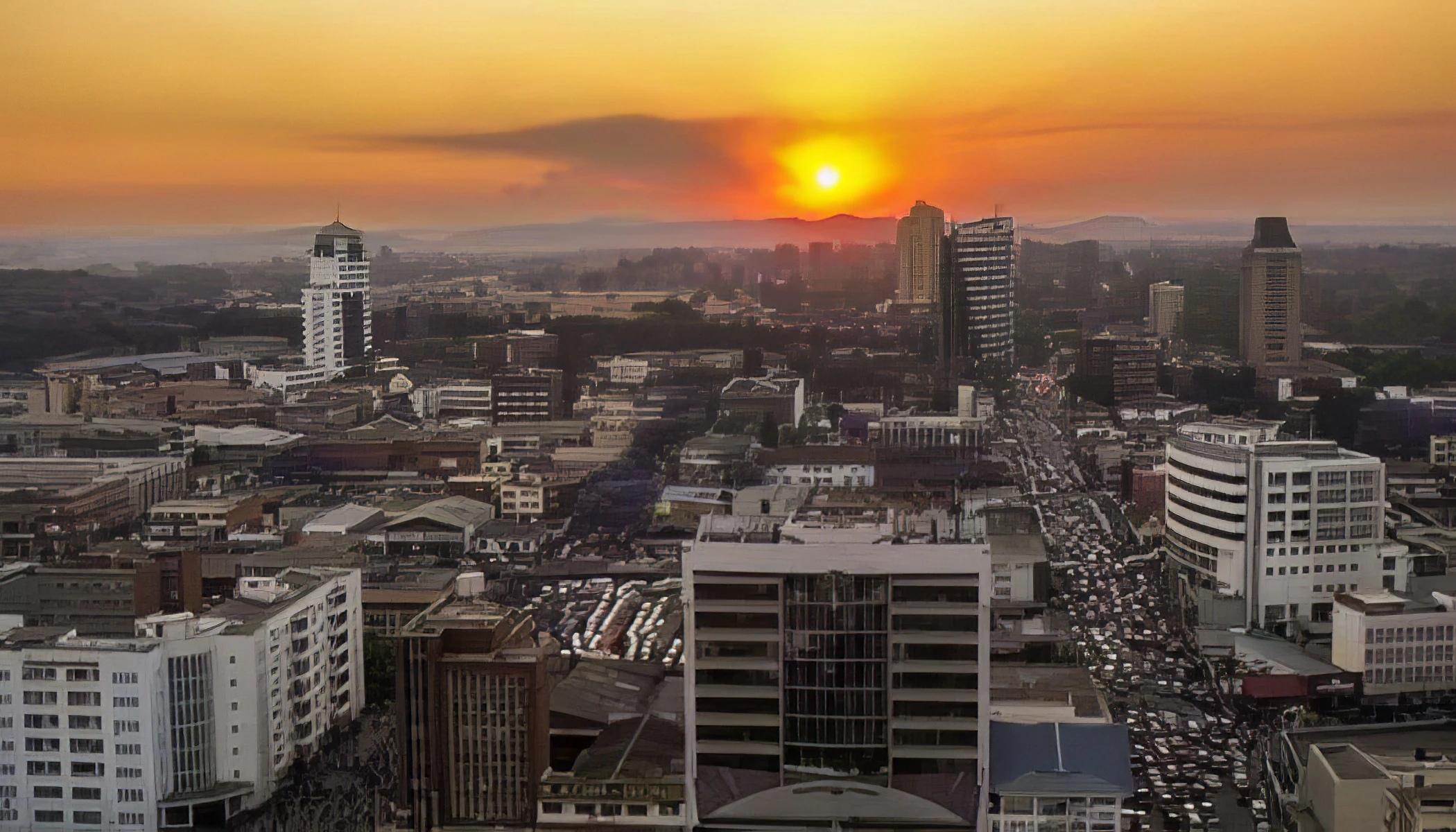
Explore Zimbabwe's cities that offer a mix of culture, history, and nature:
– Harare: The capital city is known for its lively markets, botanical gardens, and art galleries.
– Bulawayo: Supplies colonial architecture, museums, and is a gateway to nearby natural attractions like Matobo National Park.
– Victoria Falls Town: A small town near the famous Victoria Falls, offering adventure activities and wildlife viewing.
– Mutare: Located in the Eastern Highlands, known for its scenic views and access to the Bvumba Mountains.
– Masvingo: Home to the Great Zimbabwe Ruins, an ancient stone city with significant historical importance.
– Gweru: Known for its location near Antelope Park, where you can interact with lions and other wildlife.
– Chinhoyi: Famous for the Chinhoyi Caves with sensational gorgeous formations and diving opportunities.
Monuments
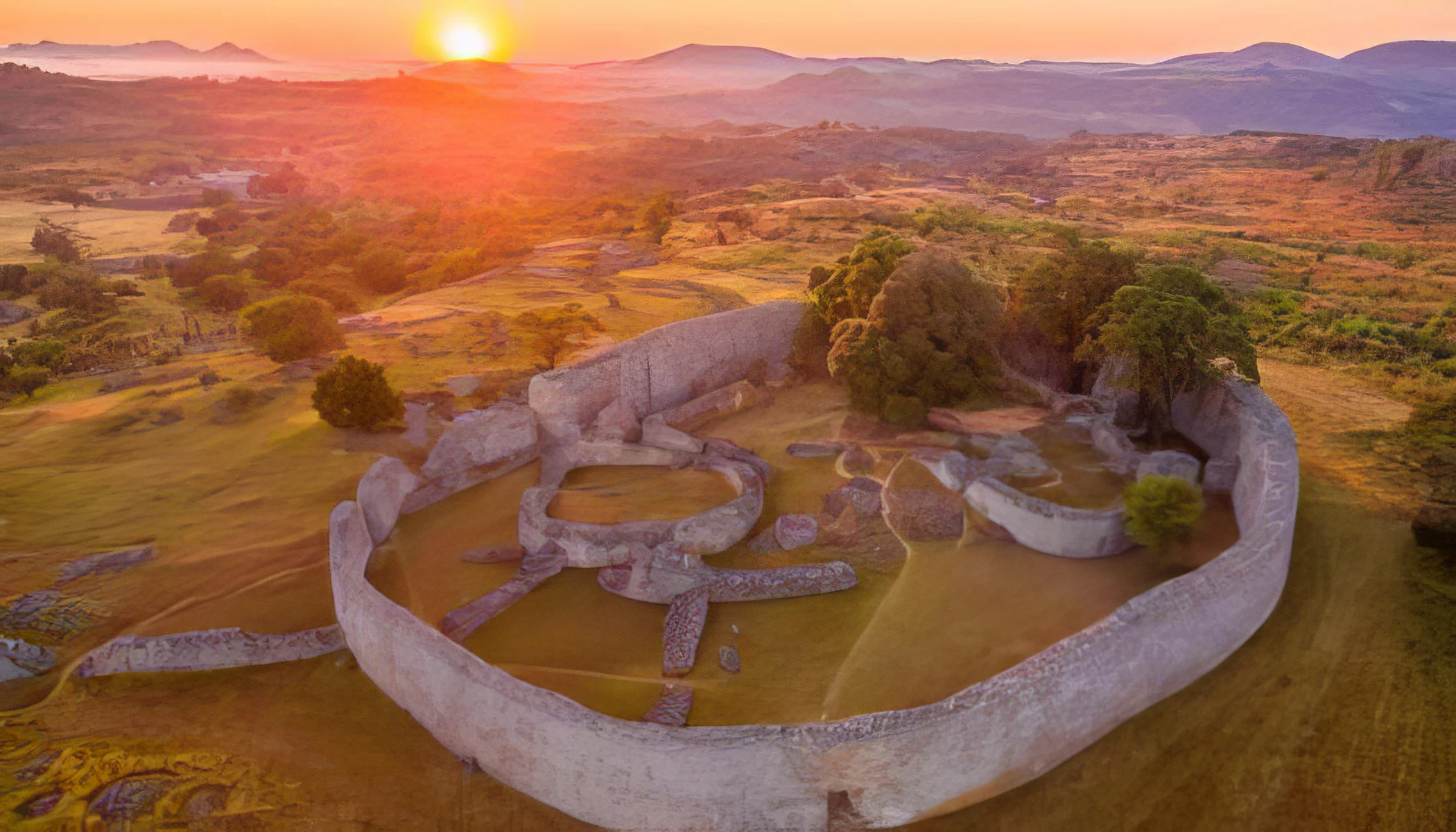
Zimbabwe is home to several notable historical monuments and sites:
– Great Zimbabwe Ruins: Ancient city ruins, once a thriving center of power in medieval southern Africa.
– Victoria Falls Bridge: Historic arch bridge offering stunning views of the falls and surrounding landscapes.
– Khami Ruins: UNESCO site with impressive stone ruins, showcasing pre-colonial civilization west of Bulawayo.
– Matobo Hills: Rock formations with ancient cave paintings and Cecil Rhodes’ grave on Malindidzimu Hill.
– National Heroes Acre, Harare: Monument commemorating those who fought for Zimbabwe's independence.
– Chiremba Balancing Rocks, Epworth: Natural rock formations known for their unique balancing arrangements.
– Mbuya Nehanda Memorial, Harare: Honoring a key spiritual leader in the 1896 uprising against colonial rule.
– Naletale Ruins, Midlands Province: Stone walls and terraces of an 18th-century kingdom showcasing advanced construction techniques.
Natural wonder
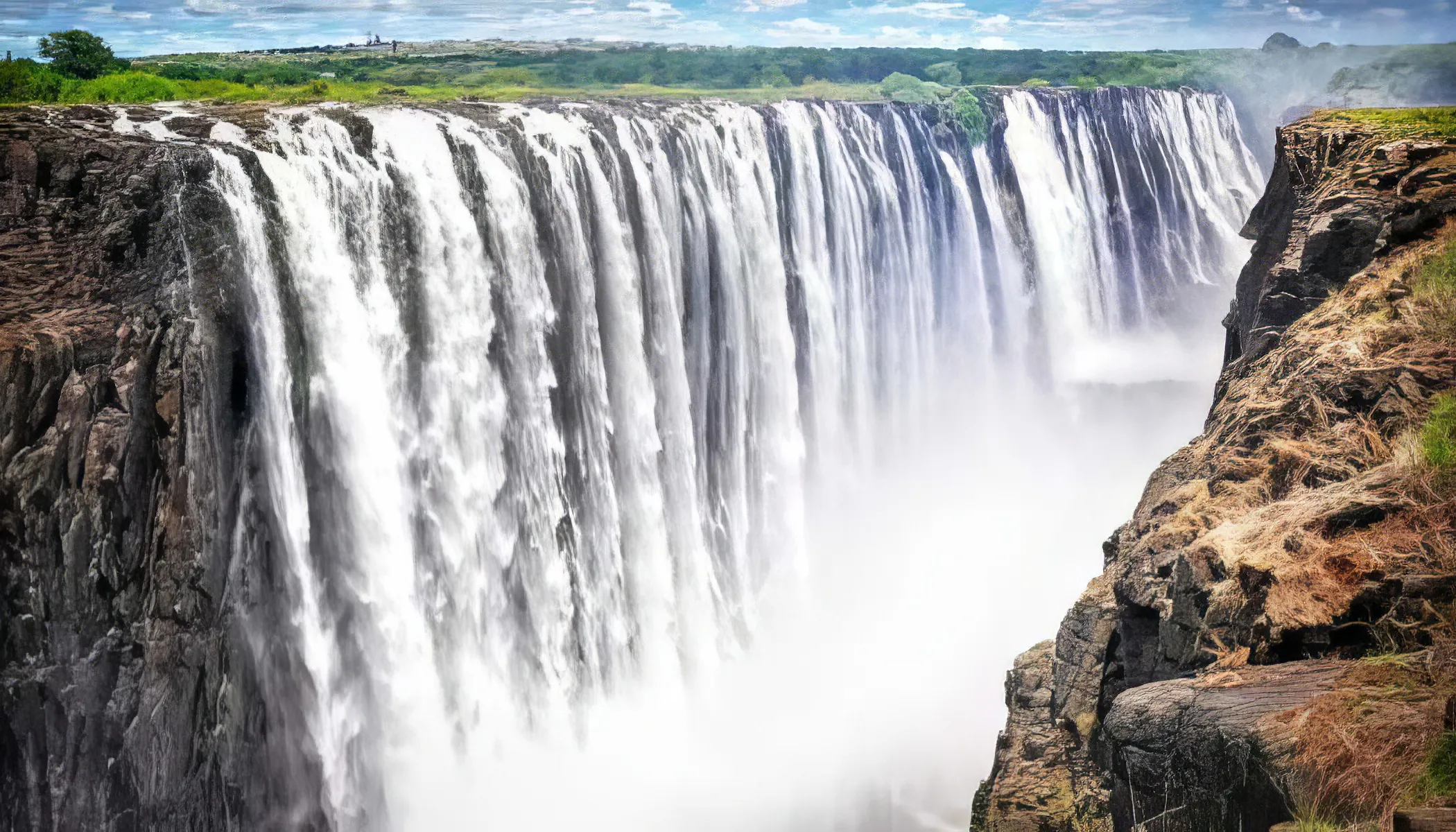
Zimbabwe is home to diverse landscapes and natural attractions:
– Victoria Falls: One of the world's largest waterfalls, known as "The Smoke That Thunders."
– Hwange National Park: Zimbabwe's largest game reserve, home to elephants, lions, and diverse wildlife.
– Matobo Hills: Features unique granite rock formations and ancient San rock art.
– Mana Pools National Park: UNESCO World Heritage Site known for its wildlife-rich floodplains on the Zambezi River.
– Lake Kariba: One of the world's largest man-made lakes, popular for fishing and boating.
– Eastern Highlands: Mountainous region with misty peaks, waterfalls, and diverse flora.
– Gonarezhou National Park: Known for its rugged wilderness and large elephant populations.
– Great Zimbabwe Ruins: Ancient city showcasing impressive stone structures amidst natural landscapes.
– Chinhoyi Caves: Nice caves featuring a handsome underground lake with crystal-clear waters.
– Nyanga National Park: Offers mountainous terrain with scenic vistas and diverse wildlife.
Outdoor activities
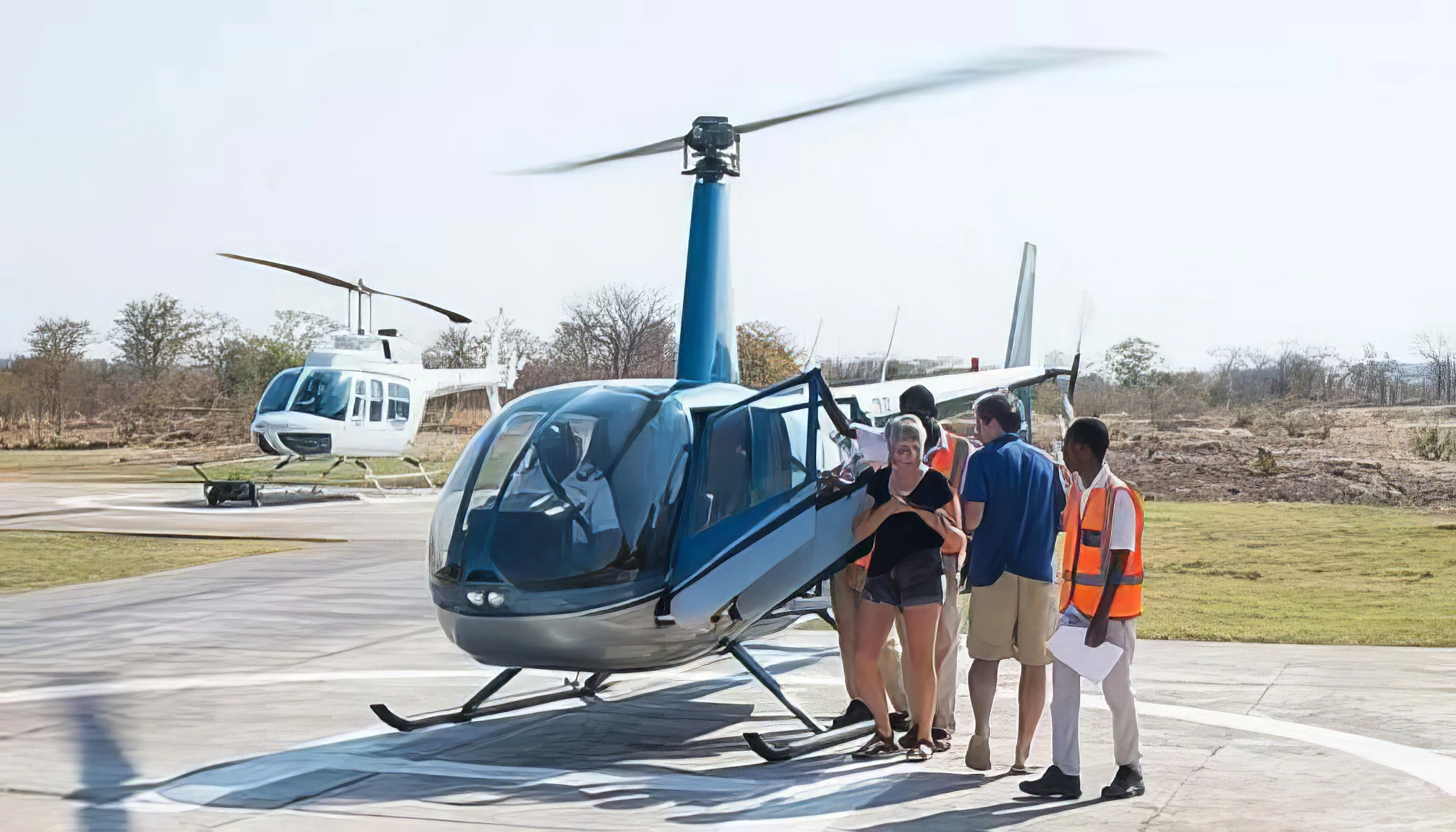
Zimbabwe offers diverse outdoor activities for nature and adventure enthusiasts:
– Safari in Hwange National Park: Encounter elephants, lions, and other wildlife in their natural environment.
– Whitewater Rafting on the Zambezi River: Conquer some of the world's most thrilling rapids.
– Hiking in Chimanimani Mountains: Trek through rugged landscapes and scenic vistas.
– Canoeing on Lake Kariba: Explore vast waters with fascinating sunset views.
– Bungee Jumping at Victoria Falls Bridge: Experience an adrenaline rush with a 111-meter free fall.
– Walking Safari in Mana Pools: Get close to wildlife on foot in this UNESCO World Heritage site.
– Bird Watching in Matobo National Park: Spot diverse bird species among unique rock formations.
Kid Friendly
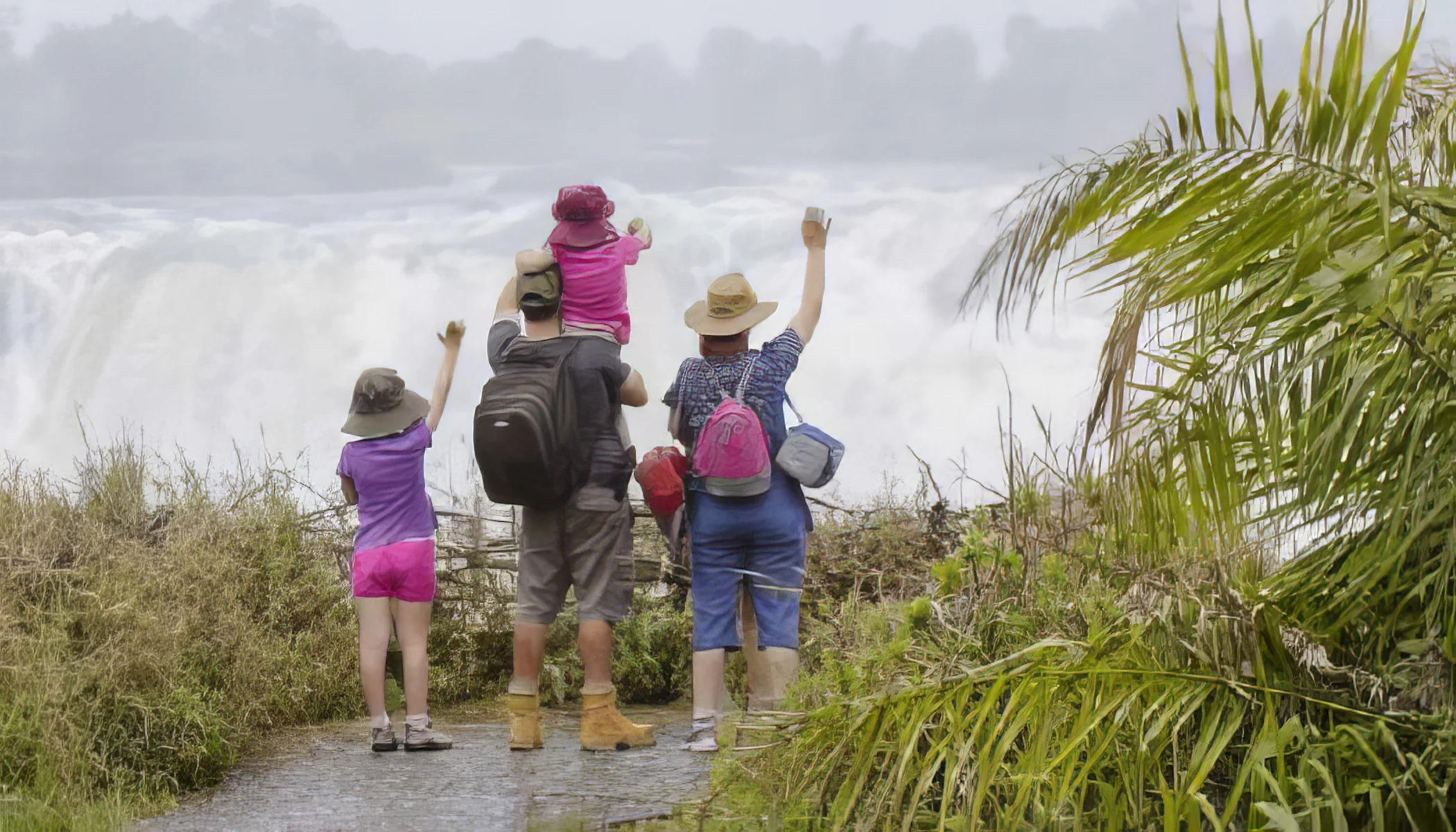
Zimbabwe offers a range of enjoyable activities for children.
– Victoria Falls: Kids will be amazed by the spectacular views and the sound of this massive waterfall.
– Hwange National Park: A great place for wildlife safaris, where children can spot elephants, lions, and more.
– Lake Kariba: Supplies opportunities for boat rides and fishing, providing a calm experience on the water.
– Great Zimbabwe Ruins: Kids can explore ancient stone structures and learn about Zimbabwe's history.
– Matobo National Park: Known for its impressive rock formations and wildlife, suitable for family adventures.
– Chipangali Wildlife Orphanage: A sanctuary where kids can see rescued animals up close and learn about conservation efforts.
– Antelope Park: Provides elephant interactions and horse riding experiences in a natural setting.
– Vumba Botanical Gardens: A peaceful park with beautiful gardens ideal for picnics and leisurely walks with family.
Cuisine
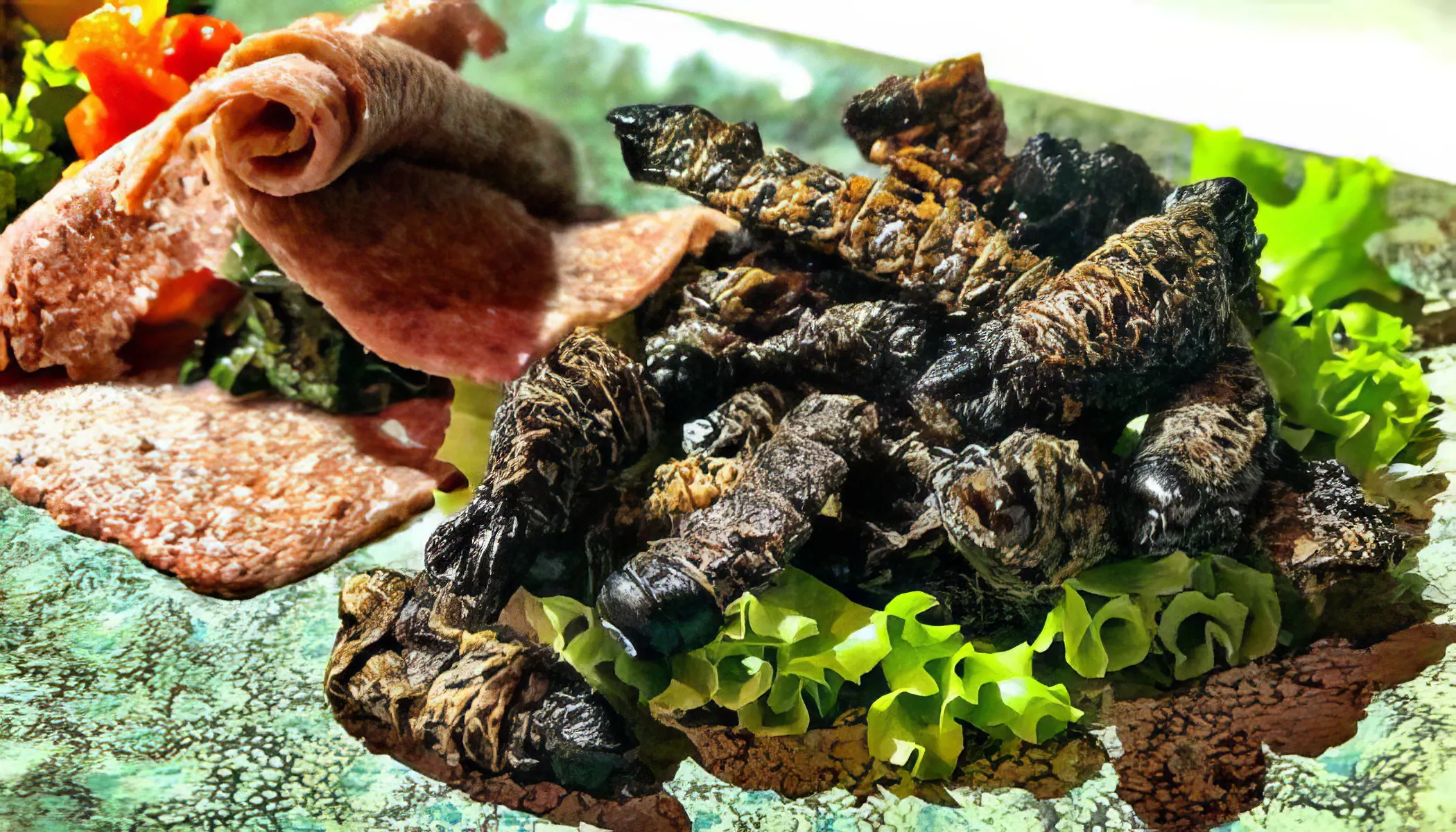
Zimbabwean cuisine is hearty and simple, largely based on staple grains and local produce, reflecting the country's agricultural roots. The food scene emphasizes communal eating and traditional cooking methods. Here are some of Zimbabwe's most famous dishes and desserts:
– Sadza: A thick maize porridge served with meat, vegetables, or gravy.
– Nyama: Grilled or stewed meat, often beef or goat, typically served with sadza.
– Muriwo Unedovi: Leafy greens cooked in peanut butter for rich flavor.
– Bota: Breakfast porridge made from maize meal, often sweetened or flavored with peanut butter.
– Mapopo Candy: Sweet treats made from ripe papaya mixed with sugar and lemon juice.
Souvenir
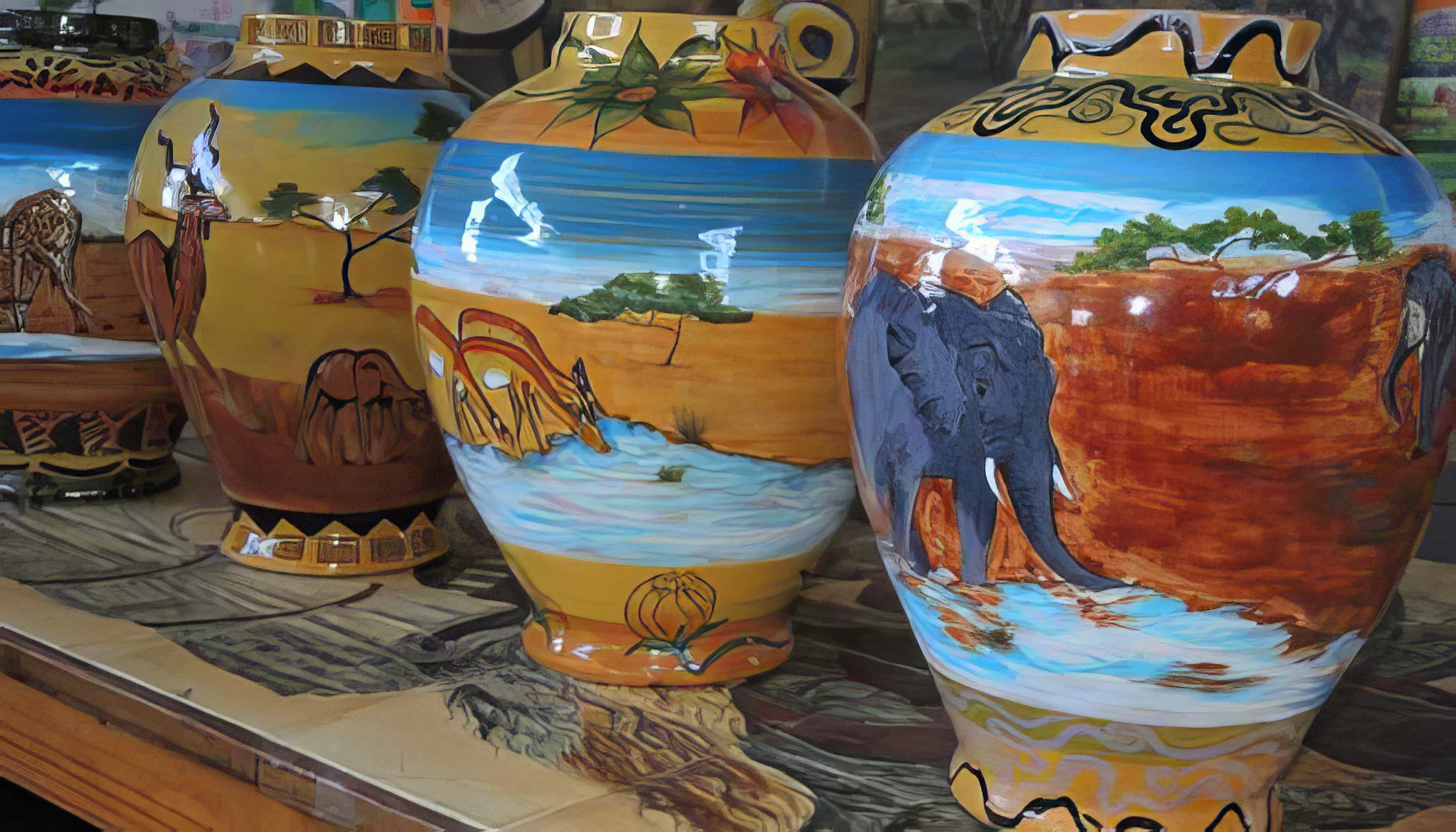
Zimbabwe offers a range of unique handcrafted souvenirs that reflect its rich culture and heritage. Here are some you might want to consider:
– Shona Sculptures: Handmade stone sculptures by the Shona people, known for their artistic value and craftsmanship.
– Batik Fabrics: Vibrant and colorful fabrics featuring traditional African designs, suitable for clothing or home decor.
– Wooden Carvings: Beautiful carvings of animals and figures crafted from ebony or other local woods.
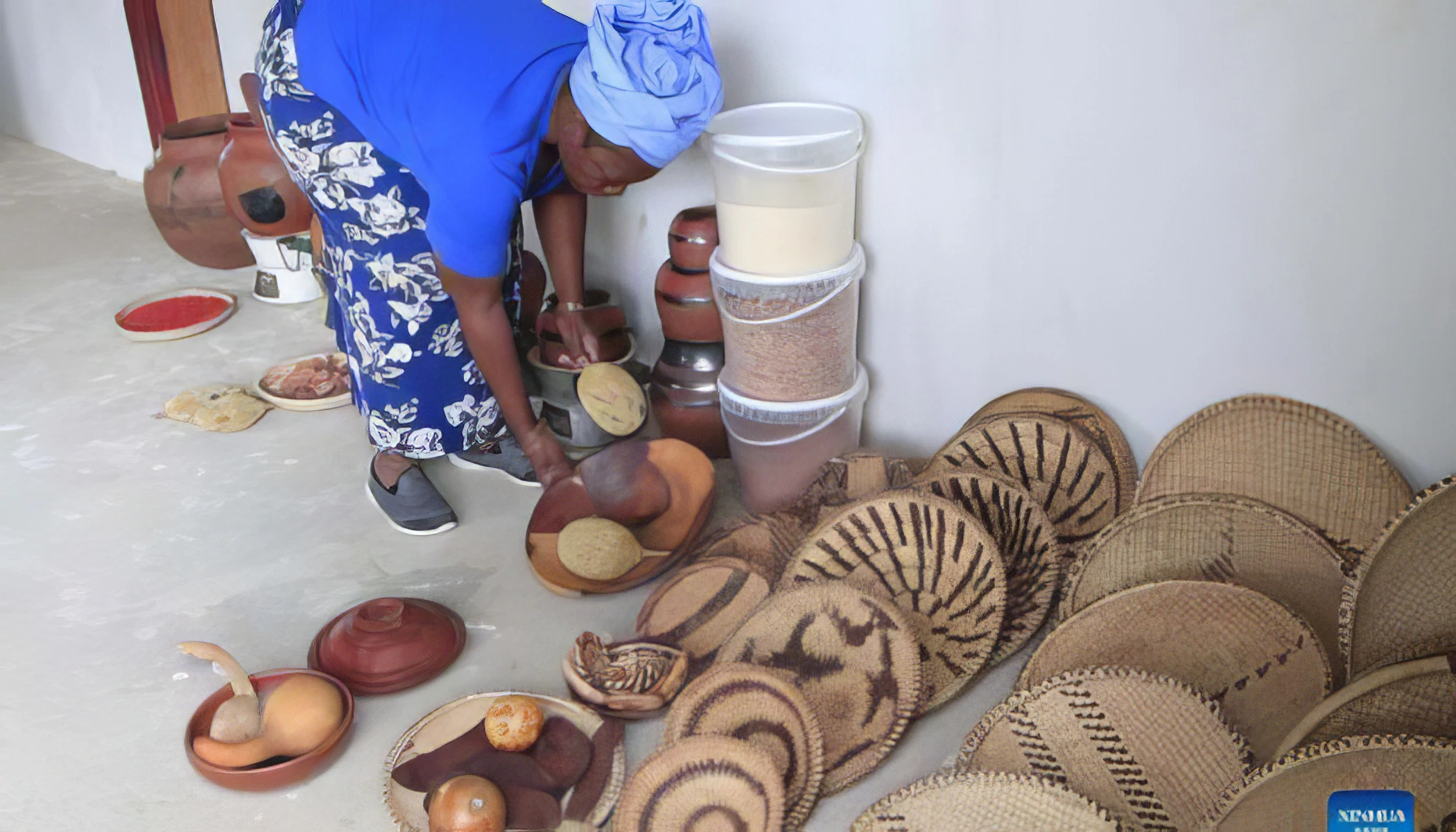
– Basketry: Beautiful handwoven baskets made from natural materials, ideal for decoration or practical use.
– Tribal Masks: Decorative masks representing various Zimbabwean tribes, often used in traditional ceremonies.
– Soapstone Art: Small figurines carved from soapstone, depicting animals or cultural themes typical in the region.
– Zimbabwean Jewelry: Unique pieces made from local materials like beads, metals, and stones.
Traditional Shows
Zimbabwe is rich in traditional music and performances:
– Mbira Music: Experience the spiritual and cultural sounds of the mbira instrument, central to Zimbabwean ceremonies and gatherings.
– Jiti Dance: Enjoy lively traditional dance and music, often performed at celebrations, showcasing energetic rhythms and movements.
– Chimurenga Music: Listen to music that blends modern instruments with traditional rhythms, reflecting Zimbabwe's struggle for independence.
– Marimba Bands: Feel the lively melodies of marimba ensembles, a popular feature at festivals and community events across Zimbabwe.
– Jerusarema Dance: Watch this dynamic dance form that highlights nice footwork and storytelling, celebrated among the Zezuru people.
Events & Festivals
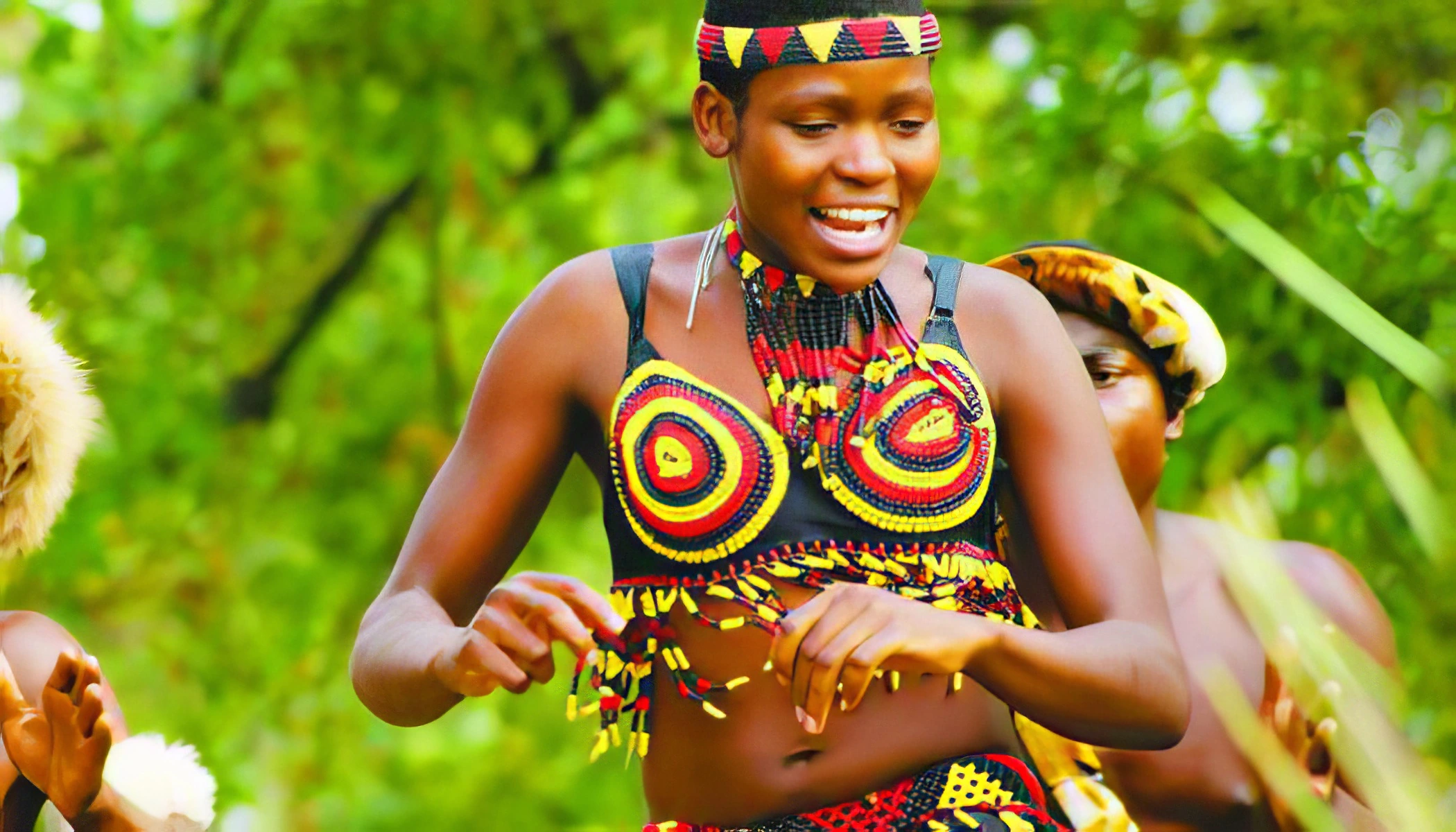
Zimbabwe hosts various cultural and traditional events throughout the year, reflecting its rich heritage and diversity:
– Harare International Festival of the Arts (HIFA): April/May event featuring music, theater, and visual arts performances.
– Zimbabwe International Trade Fair: Late April trade exhibition in Bulawayo, showcasing products and services.
– Jikinya Dance Festival: Nationwide November festival promoting traditional dance among schoolchildren.
– Chimanimani Arts Festival: Annual August celebration in Chimanimani with music, arts, and cultural activities.
– Victoria Falls Carnival: New Year’s Eve festival with music, dance parties, and adventure activities at Victoria Falls.
– Shoko Festival: September urban culture festival in Harare focusing on music, comedy, and poetry.
– Intwasa Arts Festival koBulawayo: September celebration of arts in Bulawayo with diverse performances and workshops.
Famous People

Zimbabwe is home to many notable individuals who have made significant impacts in various fields.
– Robert Mugabe (1924 to 2019, Kutama): Former president known for leading Zimbabwe's independence movement and serving as its leader for 37 years.
– Oliver Mtukudzi (1952 to 2019, Harare): Renowned musician celebrated for his contribution to African music and social commentary through songs.
– Joshua Nkomo (1917 to 1999, Kezi): Political leader and co-founder of Zimbabwe African People's Union, pivotal in the country's liberation movement.
– Grace Mugabe (born 1965, Benoni, South Africa): Influential former first lady known for her controversial role in Zimbabwean politics and philanthropy.
– Kirsty Coventry (born 1983, Harare): Olympic gold medalist swimmer recognized as one of Africa's most successful swimmers in history.
Books
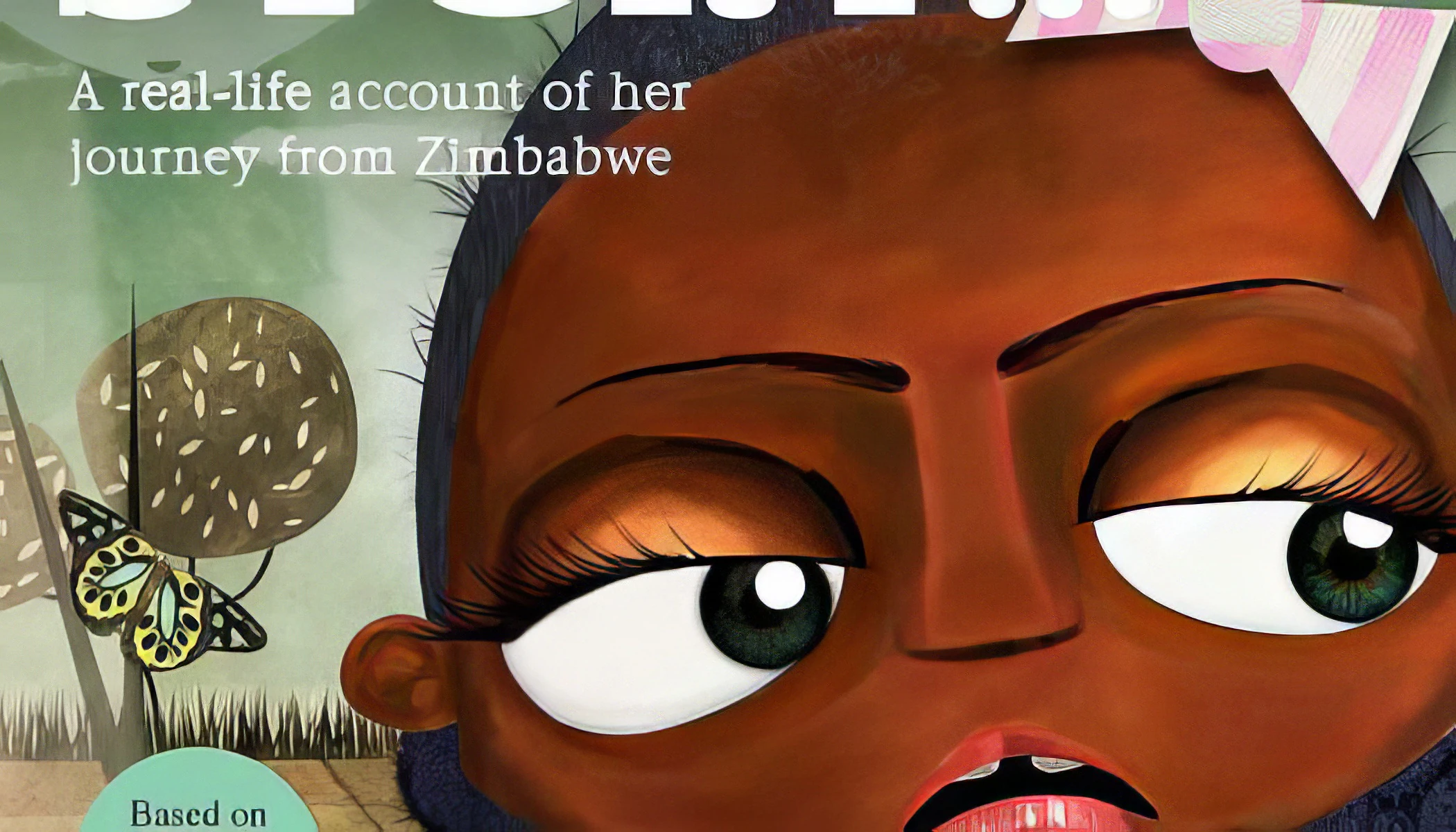
These books provide a rich exploration of Zimbabwe's history, culture, and social issues through personal and fictional narratives.
– "Nervous Conditions" by Tsitsi Dangarembga: Captures a young girl's struggle with colonial and patriarchal oppression in Rhodesia.
– "The Book of Not" by Tsitsi Dangarembga: Continues the story of a girl navigating post-colonial Zimbabwe.
– "We Need New Names" by NoViolet Bulawayo: Follows a young girl's journey from Zimbabwe to the United States.
– "The Last Resort: A Memoir of Zimbabwe" by Douglas Rogers: Chronicles the author's experiences during Zimbabwe's turbulent political changes.
– "House of Stone" by Novuyo Rosa Tshuma: Explores family secrets amidst Zimbabwe’s history and quest for independence.
Songs
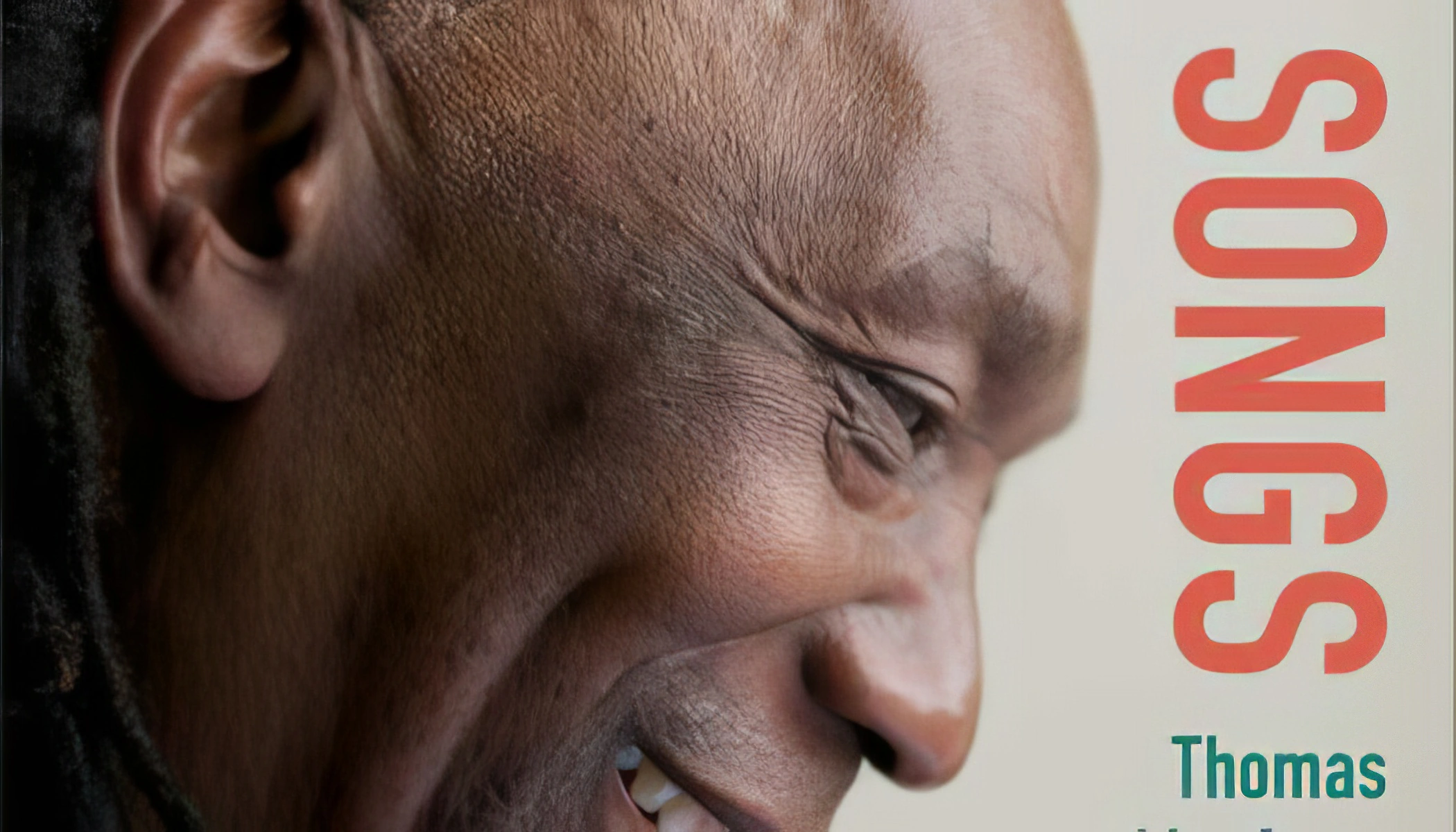
Zimbabwean music is rich with traditional influences and contemporary sounds, often reflecting social and political themes.
– Neria: Oliver Mtukudzi's powerful ballad about empowerment and resilience.
– Todii: Oliver Mtukudzi addresses social issues and HIV/AIDS awareness.
– Tuku Music: A signature song by Oliver Mtukudzi showcasing Zimbabwe's cultural rhythms.
– Chitekete: Leonard Dembo's classic love song popular at weddings.
– Pfumvu Pa Ruzevha: Thomas Mapfumo's track blending Chimurenga music with political messages.
– Mbube: Solomon Linda's timeless classic, known as "The Lion Sleeps Tonight" globally.
Films
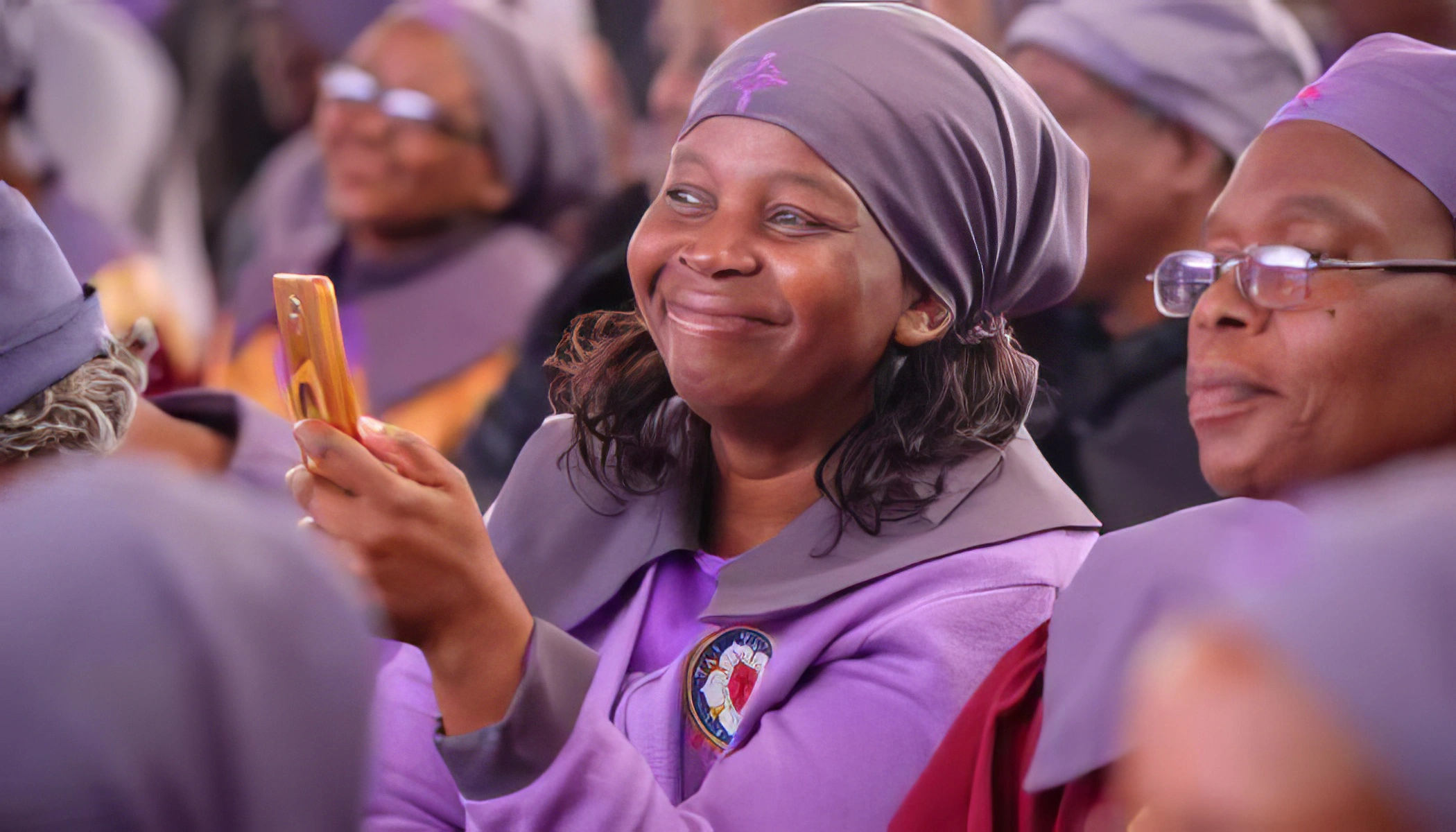
Here is a selection of films highlighting Zimbabwe's culture, history, and issues:
– "Neria": A drama by Godwin Mawuru about a woman's struggle against traditional inheritance laws after her husband's death.
– "Yellow Card": John Riber's coming-of-age story focuses on teenage pregnancy and responsibility in Harare.
– "Tsitsi Dangarembga's Everyone's Child": Follows orphaned siblings facing hardship in Zimbabwe; directed by Tsitsi Dangarembga.
– "Mugabe and the White African": Documentary by Lucy Bailey and Andrew Thompson, showcasing land reform conflicts from a farmer’s perspective.
– "Cook Off": A romantic comedy directed by Tomas Brickhill, centered on a single mother entering a televised cooking competition.