

Sightseeing in Banaue: Culture & Must‑See Spots
This town is known for its rice terraces, which are a UNESCO World Heritage site. Located in the mountainous region, it features remarkable landscapes and rich cultural heritage, attracting visitors interested in agriculture and indigenous traditions.
- Est. Visit Days
- 2 days
Overview
Banaue, located in the Philippines, is known for its remarkable rice terraces, a UNESCO World Heritage site. One advantage of visiting Banaue is the opportunity to experience its unique culture and amazing landscapes. However, it can be challenging to access due to limited transportation options and steep terrain. The area also lacks some modern amenities found in larger cities. Overall, Banaue offers a glimpse into traditional Filipino life but may not suit all travelers' needs.
Traffic & Transport
The city is characterized by narrow, winding roads, and traffic congestion can occur, especially during peak tourist seasons. The best way to explore the area is often on foot or by hiring a local guide who can navigate the terrain effectively. Jeepneys and tricycles are popular modes of transport for short distances, providing an authentic local experience. For longer journeys or trips to nearby attractions, private vans may be arranged through local accommodations. Reliable taxi services are limited in the area; however, visitors can utilize local transportation options such as tricycles or arrange for private vehicle rentals through hotels. There are no widely recognized taxi-booking apps available in this region.
History
The area was originally inhabited by indigenous peoples with rich traditions and communal practices. During Spanish colonization in the 16th century, the region experienced changes in governance and religious influence. American occupation in the early 20th century introduced new educational systems and infrastructure development. The local economy has historically relied on agriculture, particularly rice terraces, which are recognized as a UNESCO World Heritage Site. Cultural festivals continue to celebrate indigenous heritage and agricultural practices.
Itinerary Sample
This is a sample itinerary for a 2-day tour in Banaue, Philippines.
– First day: Arrive in Banaue, visit the Banaue Rice Terraces, take photos at the viewpoint, explore the local market, and enjoy dinner at a local restaurant.
– Second day: Visit Batad Rice Terraces, hike to Tappiya Waterfall, have lunch with locals, return to Banaue for souvenir shopping before departure.
Near Excursion
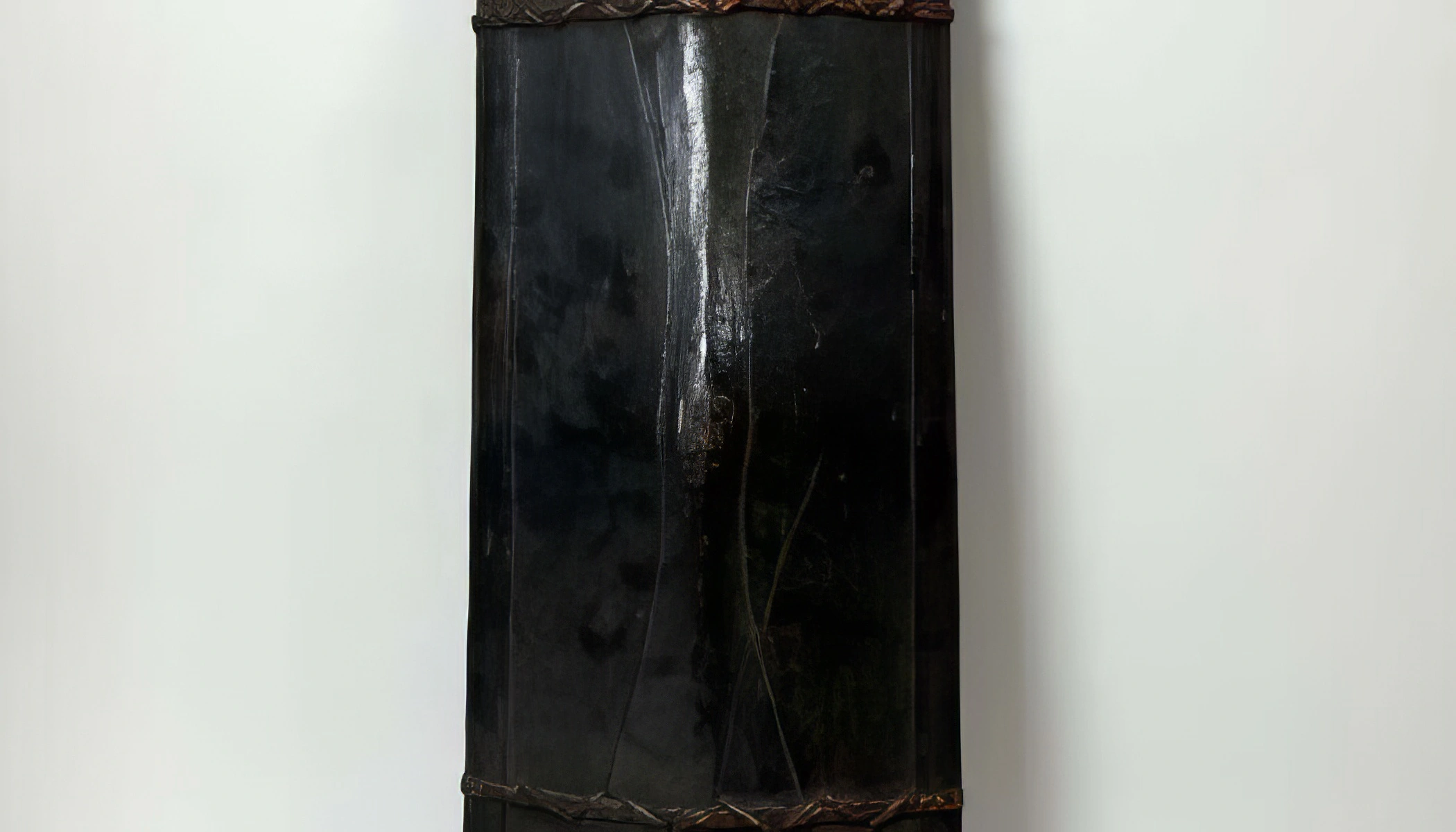
This area offers several interesting day-trip possibilities. Here are some options:
– Batad Rice Terraces at 16 km: Famous for stunning amphitheater-like rice terraces that provide excellent hiking opportunities.
– Sagada at 100 km: Known for its hanging coffins, caves, and nice mountain views.
– Bontoc Museum at 55 km: Offers insights into the culture and history of the Ifugao people.
– Hapao Rice Terraces at 22 km: Less crowded terraces with hot springs nearby for relaxation.
– Tappiyah Falls at 18 km: A scenic waterfall ideal for a refreshing swim after a trek through rice fields.
Attraction
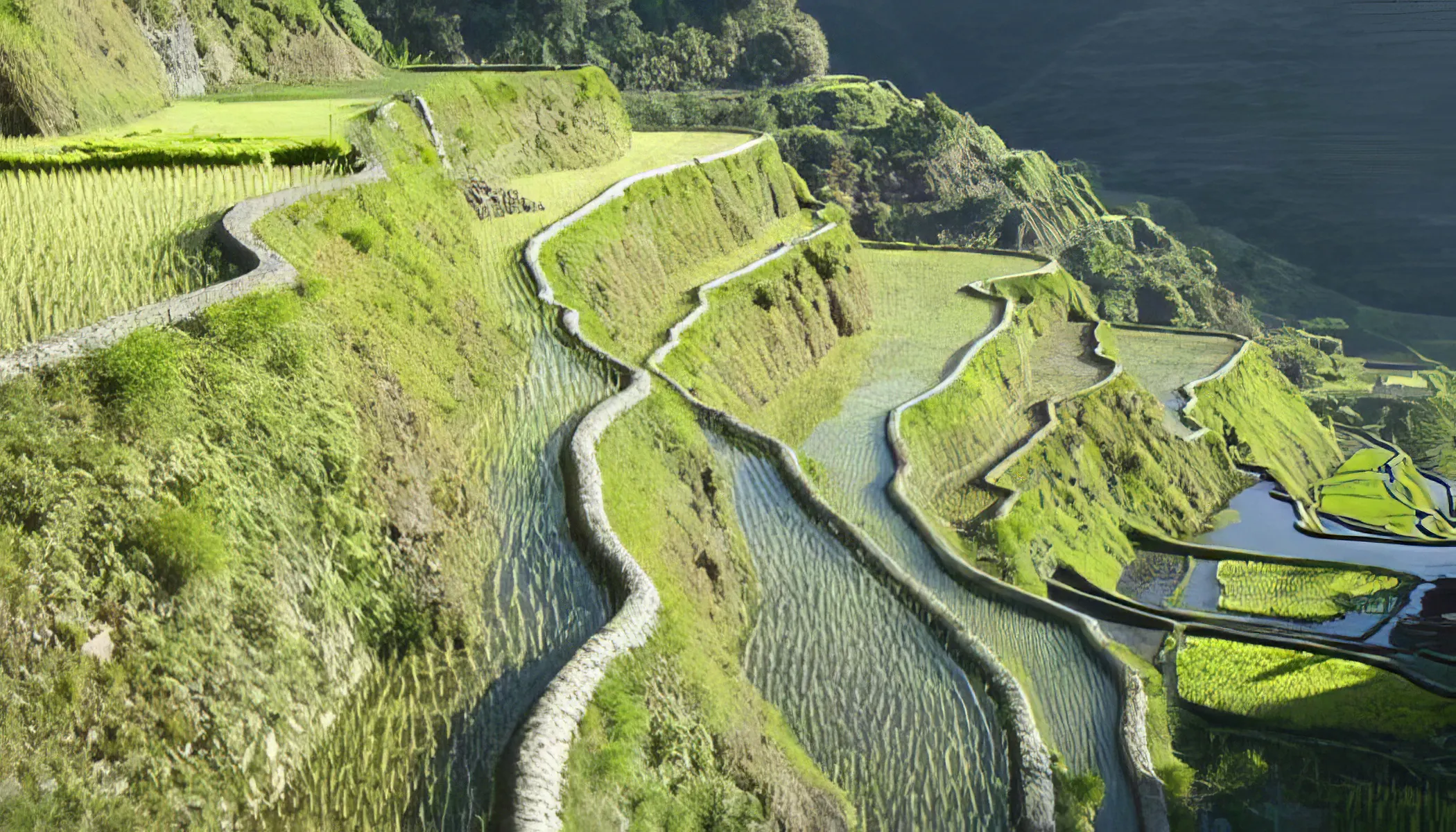
The city is renowned for its stunning ancient terraces and cultural heritage.
– Batad Rice Terraces: Known for their amphitheater shape, these terraces offer beautiful views and a glimpse into traditional farming practices.
– Bangaan Rice Terraces: A less crowded alternative with beautiful scenery, perfect for hiking and experiencing local village life.
– Banaue Museum: Offers insights into the history and culture of the Ifugao people through artifacts and exhibits.
– Tappiya Falls: A rewarding trek leads to this impressive waterfall, ideal for a refreshing swim amidst nature.
– Hungduan Rice Terraces: Recognized as a UNESCO World Heritage Site, these terraces feature unique stone walls and refined irrigation systems.
– Bogyah Hot Spring: Located near Hapao Rice Terraces, it's a relaxing spot to soak in naturally warm waters after hiking.
Activity
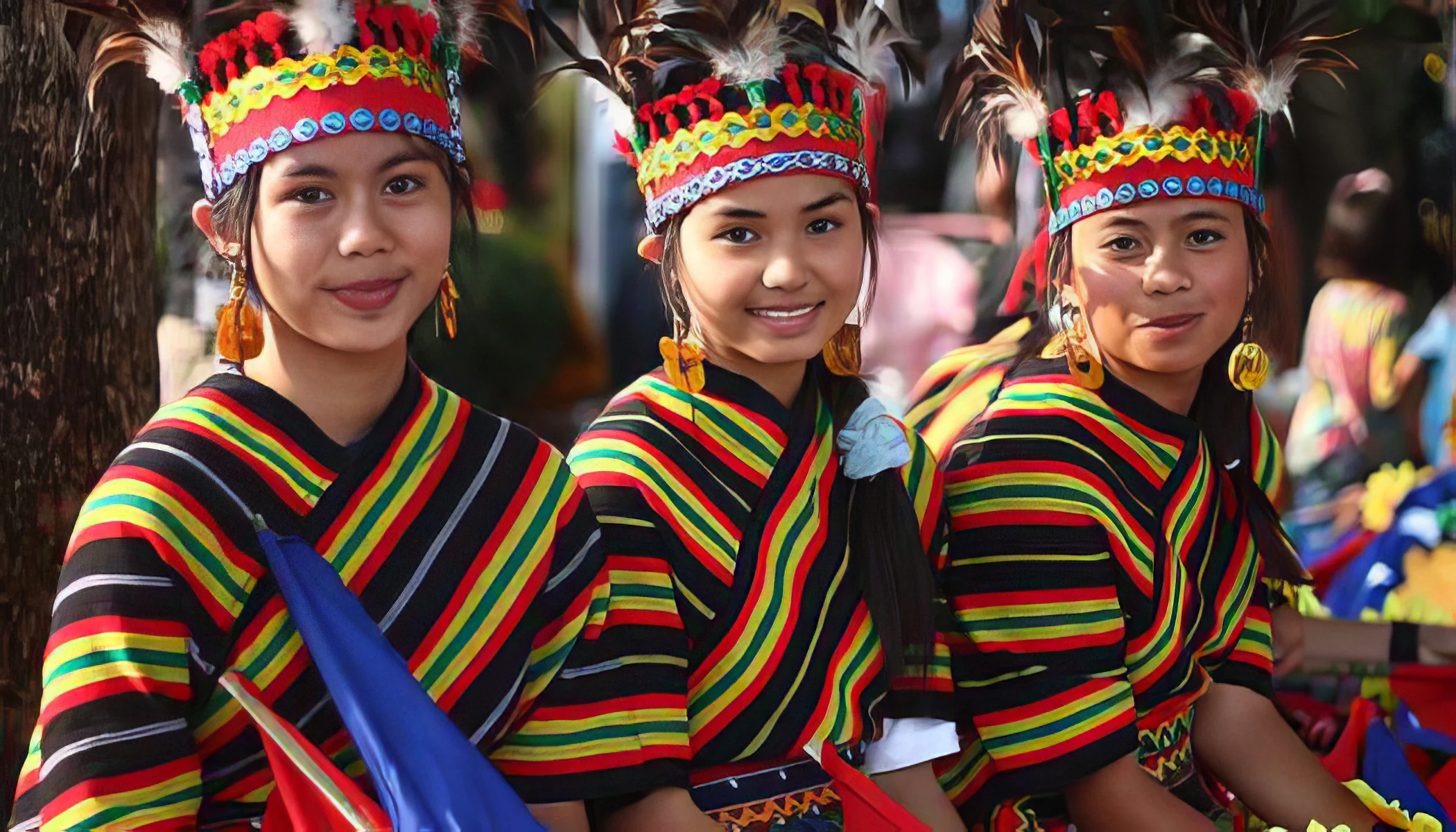
Travelers in Banaue can explore fascinating rice terraces, engage with local culture, and enjoy various outdoor activities in the region.
– Rice Terrace Trekking: Hike through the iconic terraces and witness handsome views of the landscape and local farming practices.
– Local Village Visits: Experience authentic Ifugao culture by interacting with residents and learning about their traditions and lifestyle.
– Batad Waterfall Hike: A scenic trek leading to a gorgeous waterfall, perfect for nature lovers and photography enthusiasts.
– Traditional Ifugao Cooking Class: Participate in a cooking session to learn how to prepare local dishes using traditional methods.
– Banaue Viewpoint: Visit this spot for panoramic views of the surrounding terraces, ideal for both sunrise and sunset photography.
Arts & Culture
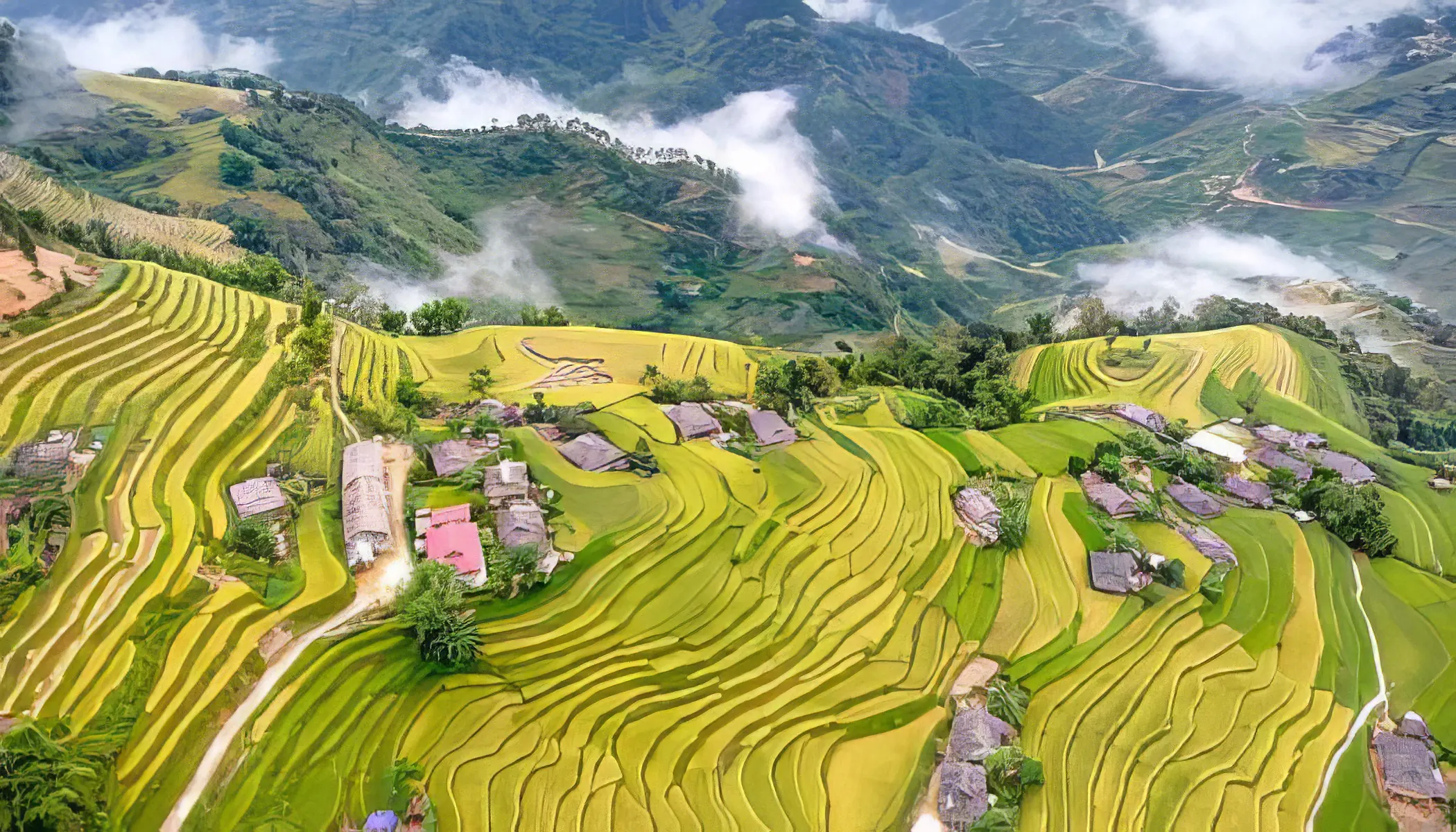
The city is known for its rich cultural heritage, particularly the traditional Ifugao rice terraces, which are recognized as a UNESCO World Heritage Site. Local festivals, such as the Imbayah Festival, celebrate Ifugao culture through music, dance, and rituals. Artisans in the area create traditional crafts like woven textiles and wood carvings that reflect local customs. Cultural events often feature indigenous performances showcasing ancestral traditions.