

Sagada: Best Things to Do & Top Attractions
This mountain town is known for its cool climate, fascinating rice terraces, unique burial caves, and beautiful waterfalls. It offers opportunities for trekking, exploring nature, and experiencing local culture in a easygoing environment.
- Est. Visit Days
- 3 days
Overview
Sagada is a small town in the Philippines known for its natural beauty and unique cultural practices. Pros include nice landscapes, such as rice terraces and caves, as well as opportunities for outdoor activities like trekking and spelunking. The community is also known for its traditional burial practices, which attract visitors interested in local culture. However, cons include limited infrastructure and accessibility, especially during the rainy season, which can affect travel plans. Additionally, the rise in tourism has led to concerns about environmental sustainability.
Traffic & Transport
The city is characterized by its narrow, winding roads and limited vehicular access, making public transportation the best means to explore the area. Local jeepneys and tricycles are commonly used for short distances, while walking is a great option for accessing nearby attractions at a leisurely pace. Renting a motorcycle or bicycle can also be an enjoyable way to navigate the scenic surroundings. It’s advisable to plan trips during off-peak hours to avoid congestion on popular routes. Reliable taxi services are less common; however, local motorcycle taxis can be hailed directly for quick rides around town. There are no widely recognized taxi-booking apps specifically for this area, so it's generally recommended to negotiate fares in advance with drivers.
History
This area was historically inhabited by indigenous groups, primarily the Igorot people, who practiced rice farming and burial traditions in caves. During Spanish colonization in the 16th century, the region saw efforts to convert locals to Christianity, which influenced cultural practices. American rule in the early 20th century brought infrastructure development and changes in governance. The city became known for its unique hanging coffins, a practice that reflects ancient beliefs about death and ancestral reverence. Today, it is recognized for its rich cultural heritage and tourism related to these historical aspects.
Itinerary Sample
Explore Sagada's natural beauty and cultural heritage in this 3-day itinerary.
– First day: Arrive in Sagada, check into accommodation, visit the Echo Valley and Hanging Coffins, explore St. Mary's Church.
– Second day: Go on a cave exploration at Sumaguing Cave, enjoy lunch, then hike to Bomod-ok Falls.
– Third day: Visit the Sagada Weaving and local market, take a short trek to Kiltepan viewpoint for sunrise, depart.
Near Excursion

This town offers a variety of day-trip options to explore the surrounding areas. Here are some suggestions:
– Sumaguing Cave at 5 km: Known for remarkable limestone formations and challenging spelunking adventures.
– Bomod-ok Falls at 16 km: A scenic waterfall reachable through picturesque rice terraces and local villages.
– Bontoc Museum at 20 km: Offers insights into the culture and history of the Cordillera region.
– Banaue Rice Terraces at 60 km: Famous UNESCO World Heritage site showcasing ancient, hand-carved rice fields.
– Maligcong Rice Terraces at 25 km: Less crowded rice terraces offering beautiful views and hiking opportunities.
Attraction
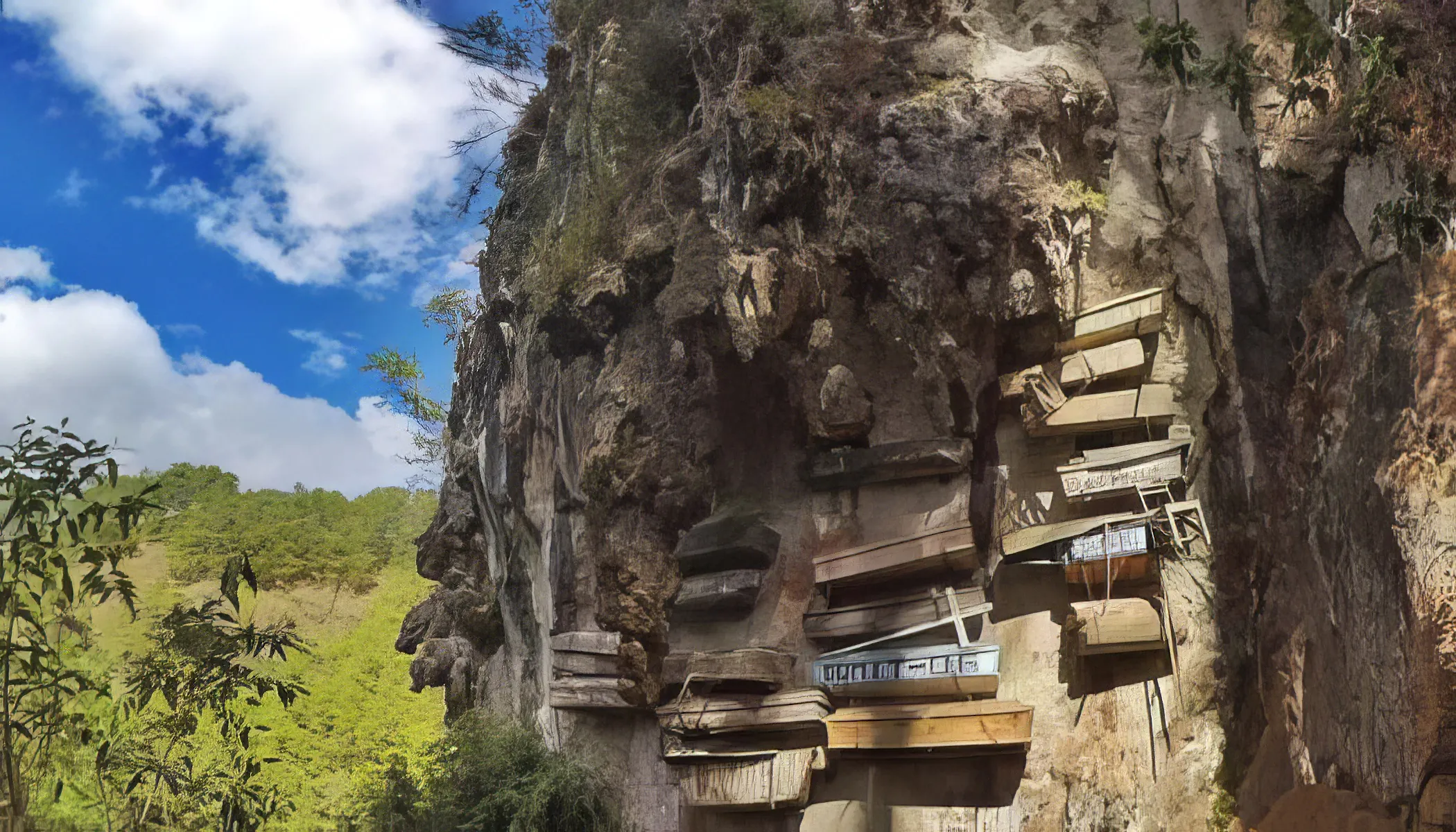
Known for its natural beauty and unique cultural traditions, this city offers a variety of attractions for nature lovers and adventure seekers.
– Hanging Coffins: An ancient burial tradition where coffins are hung on cliffs, providing insight into local customs.
– Sumaguing Cave: A popular spot for spelunking with impressive rock formations and challenging cave routes.
– Bomod-ok Falls: A scenic waterfall surrounded by dense greenery, perfect for a refreshing dip after a trek.
– Kiltepan Viewpoint: Offers nice sunrise views over the mountains and rice terraces; best visited early in the morning.
– Echo Valley: Known for its picturesque landscapes and as the starting point to view hanging coffins up close.
– Marlboro Hills: Provides panoramic views of rolling hills and is an ideal spot for watching the sea of clouds.
Activity
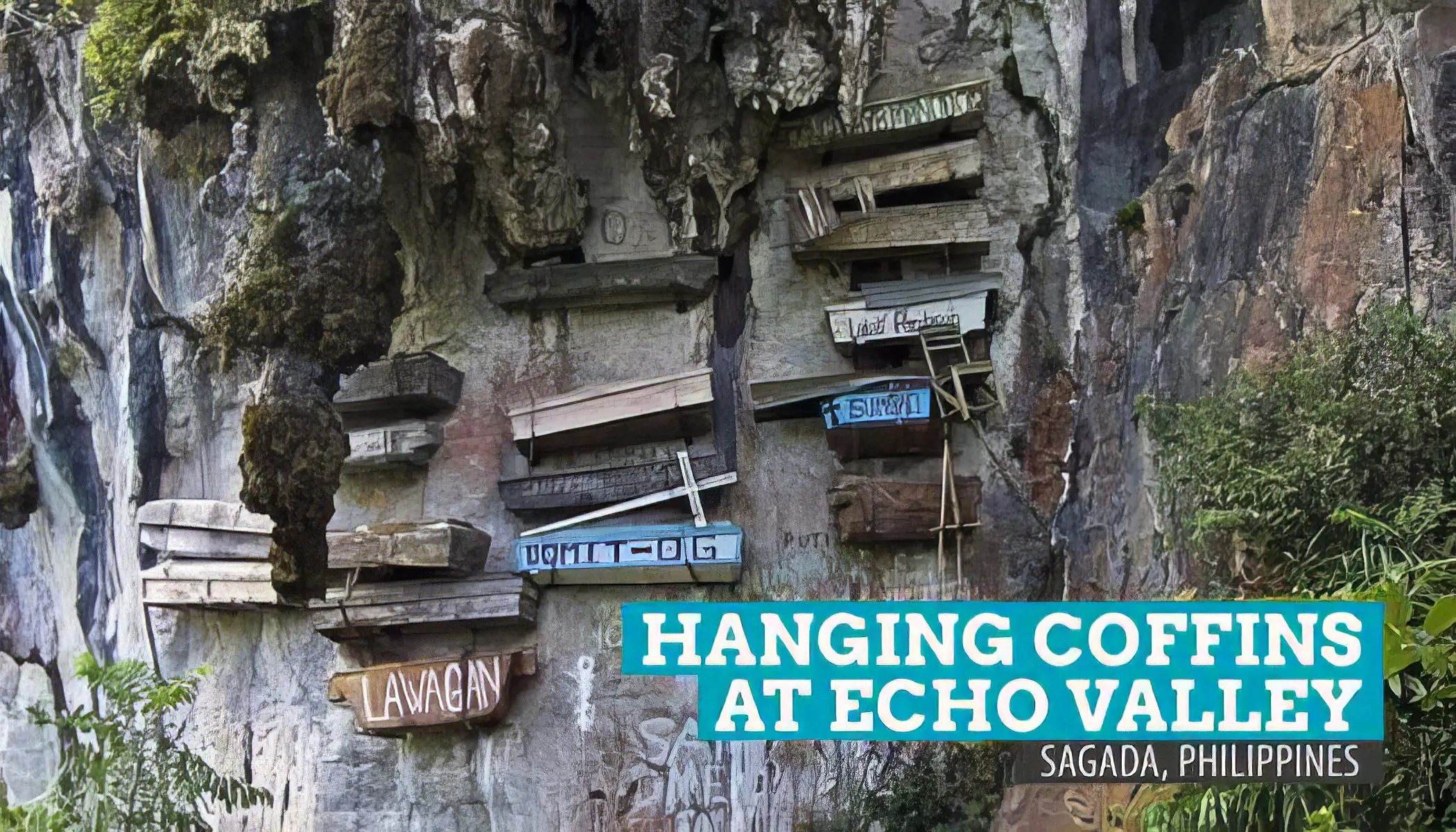
In Sagada, travelers can explore caves, enjoy scenic views, and learn about local culture through unique outdoor activities.
– Hanging Coffins: Visit ancient burial sites where coffins are hung on cliffs, showcasing local traditions and beliefs.
– Sumaguing Cave: Experience an adventurous cave exploration with lovely rock formations and underground rivers.
– Bomod-ok Falls: Hike to this pleasant waterfall for a refreshing swim and beautiful scenery.
– Echo Valley: Walk through the valley known for its unique sound phenomenon and handsome landscapes.
– Rice Terraces Trekking: Enjoy hiking through the famous rice terraces while learning about traditional farming methods.
Cuisine
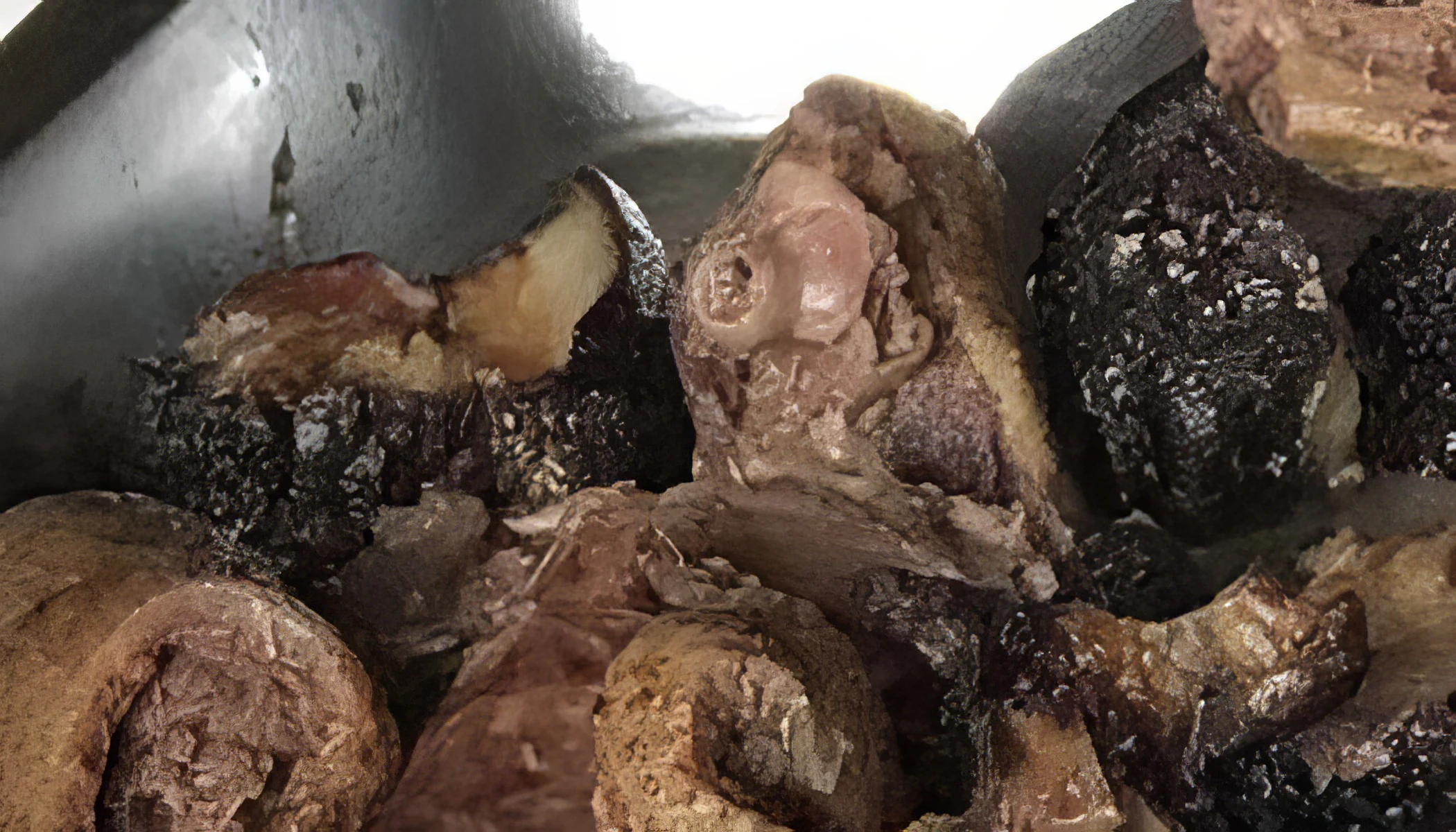
The city offers a modest food scene with unique local flavors influenced by its mountainous setting and indigenous culture. Some of the city's most notable dishes and desserts include:
– Pinikpikan: A traditional chicken dish prepared by lightly beating the chicken before cooking, served with vegetables.
– Etag: Salt-cured and smoked pork, often used to flavor various local dishes.
– Lemon Pie: A sweet-tart dessert made from locally grown lemons, popular in local cafes.
– Rice Wine: Locally brewed alcoholic beverage made from fermented rice, often enjoyed during festivals.
– Mountain Tea: Herbal tea made from local mountain herbs, offering a refreshing taste.
Shopping

You can find handmade crafts and local products at various shops. Popular items include woven bags, wood carvings, and traditional textiles. Locally made coffee and honey are also good gift options. Souvenir shops offer unique items that reflect the culture of the area. Prices vary, so it's best to compare before purchasing. Enjoy browsing the local markets for a genuine experience.
Arts & Culture
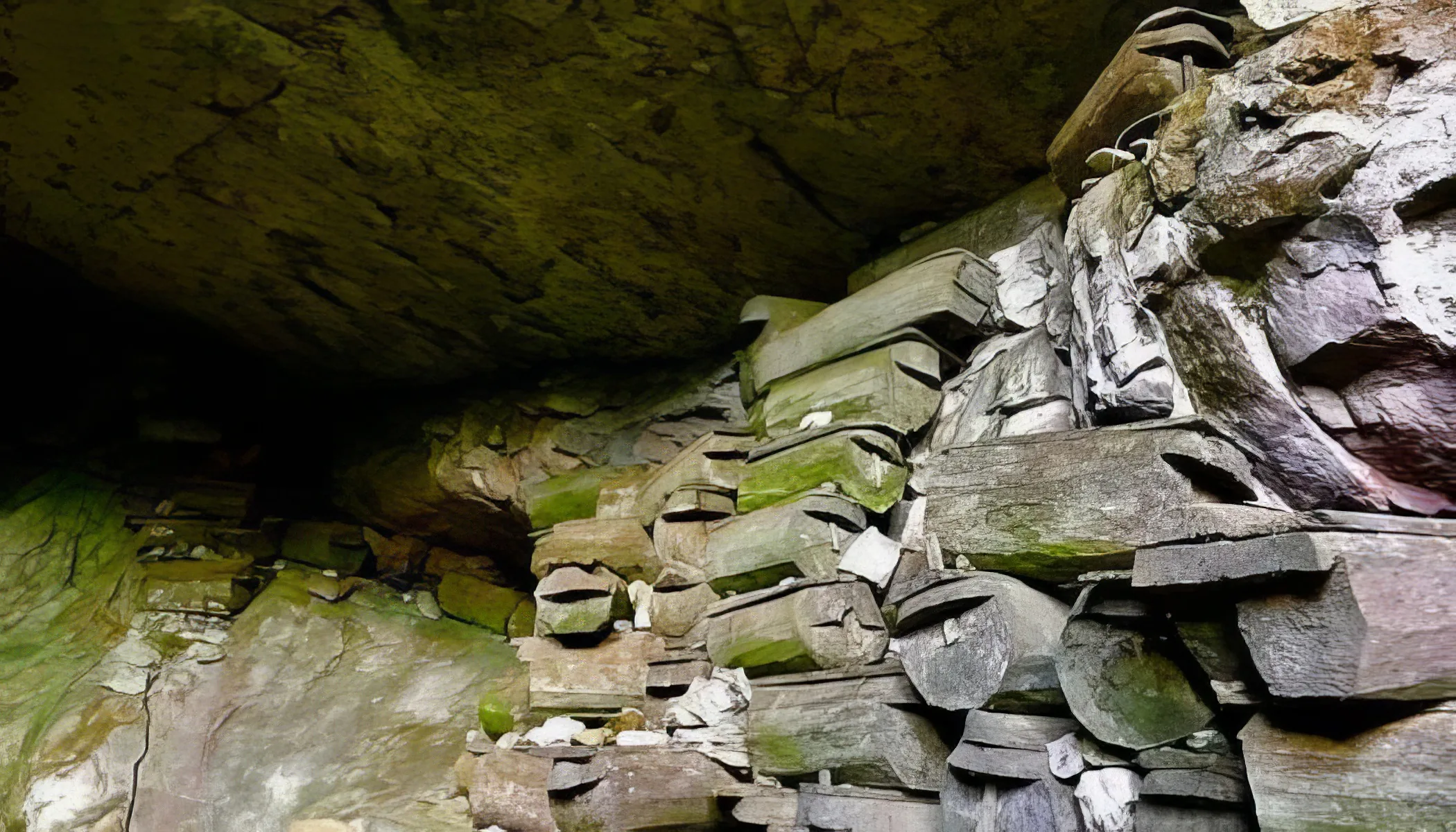
The area is known for its unique burial caves and hanging coffins, which reflect local beliefs and practices regarding death. Traditional weaving and craftsmanship can be seen in the local community, showcasing indigenous techniques. Cultural events often include festivals that celebrate local heritage and traditions, such as the Etag Festival. Additionally, there are opportunities to experience local music and dance performances during these gatherings.