

Avignon: Best Things to Do & Top Attractions
Situated in the Provence region, this city is renowned for its medieval architecture, including the Palais des Papes, and its annual performing arts festival. It's also known for the Pont Saint-Bénézet, famously sung about in "Sur le Pont d'Avignon."
- Population
- 92,000
- Size
- 65 square km
- Airport
- Avignon-Provence – domestic
- Train Station
- Gare d'Avignon TGV & 1 other
- Est. Visit Days
- 2 days
Overview
Avignon, a city in southeastern France, is renowned for its rich history and cultural heritage, notably the Palais Des Papes, a medieval Gothic palace that once served as the papal residence. The city's well-preserved medieval ramparts and the annual Festival d'Avignon, a major performing arts event, attract many visitors. However, Avignon can be quite crowded during the festival season, which may detract from the experience for some. Additionally, the city's public transport system is somewhat limited, which might inconvenience travelers looking to explore beyond the city center. Despite these issues, Avignon's charming Old Town and historical sites make it a worthwhile destination.
Traffic & Transport
The city's compact size makes walking an excellent option for exploring the central areas, where most of the historic sites are located. For longer distances, buses are available and provide a convenient way to navigate around. Bicycles are also a popular mode of transport, with several rental shops offering bikes for those who prefer to cycle through the city. However, it's important to note that traffic can be congested during peak tourist seasons, particularly near major attractions. For taxi services, reliable companies include Taxi Radio Avignonnais and AB Taxi. Additionally, the use of taxi-booking apps like Uber offers a convenient option for securing a ride with ease.
History
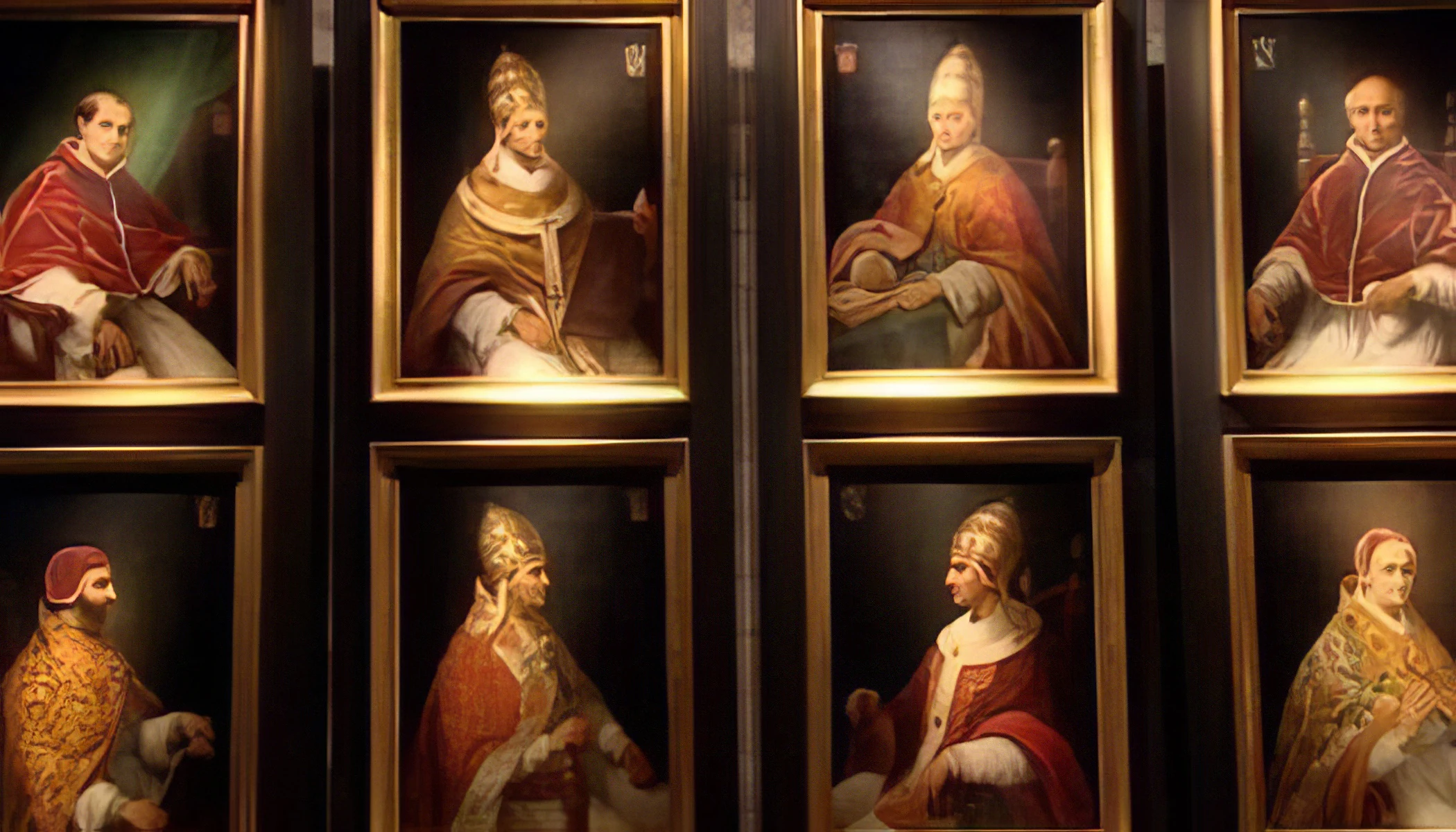
Historically, this city was once under the papal control from 1309 to 1791, serving as the residence for seven successive popes during the Avignon Papacy. This period significantly influenced its architectural and cultural development, most notably through the construction of the Palais Des Papes. In the 14th century, it was a center of art and learning, attracting scholars, poets, and artists from across Europe. The city was annexed to France in 1791 following the French Revolution, ending its status as a papal enclave. Throughout its history, it has been a hub for trade, particularly in textiles, which contributed to its economic prosperity.
Itinerary Sample
Here's a two-day itinerary to explore Avignon, France:
– First day: Morning visit to the Palais Des Papes, a historic palace and UNESCO World Heritage site. Afternoon stroll through the Rocher des Doms gardens. Evening walk across the Pont Saint-Bénézet.
– Second day: Morning tour of the Petit Palais Museum to see medieval paintings. Afternoon visit to the Avignon Cathedral and exploration of the nearby shops. Evening enjoy local cuisine at a restaurant in Place de l'Horloge.
Near Excursion
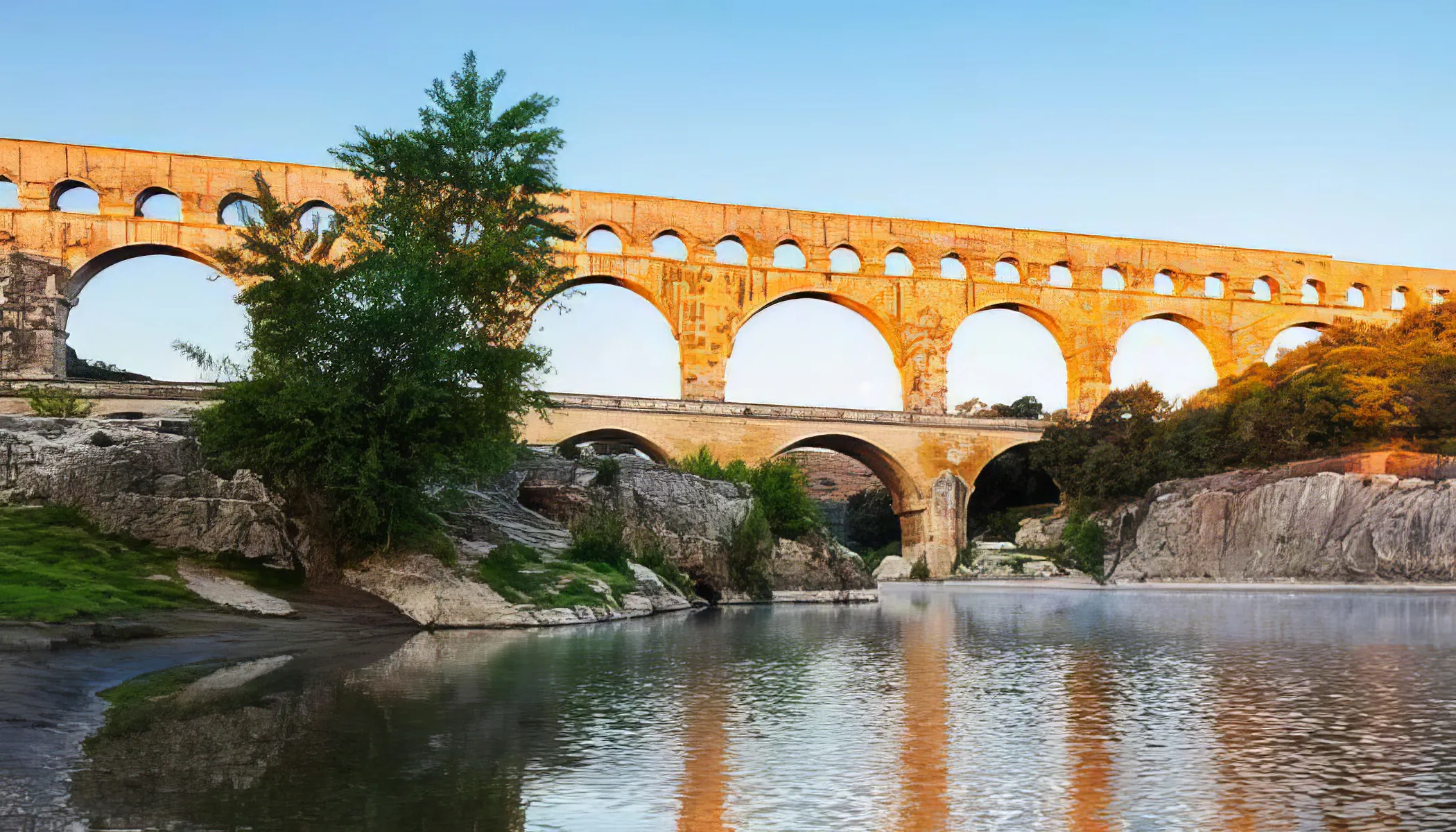
Explore the surrounding regions with these day trips, each offering a unique experience:
– Pont Du Gard at 27 km: An ancient Roman aqueduct, a masterpiece of engineering.
– Aix-en-Provence at 80 km: Historic city known for its magnificient markets and Cézanne's art.
– Nîmes at 45 km: Home to well-preserved Roman monuments like the Arena of Nîmes.
– Arles at 35 km: Rich in Roman and Romanesque heritage, famous for Van Gogh.
– Orange at 30 km: Known for its Roman theatre and the Triumphal Arch.
Attraction
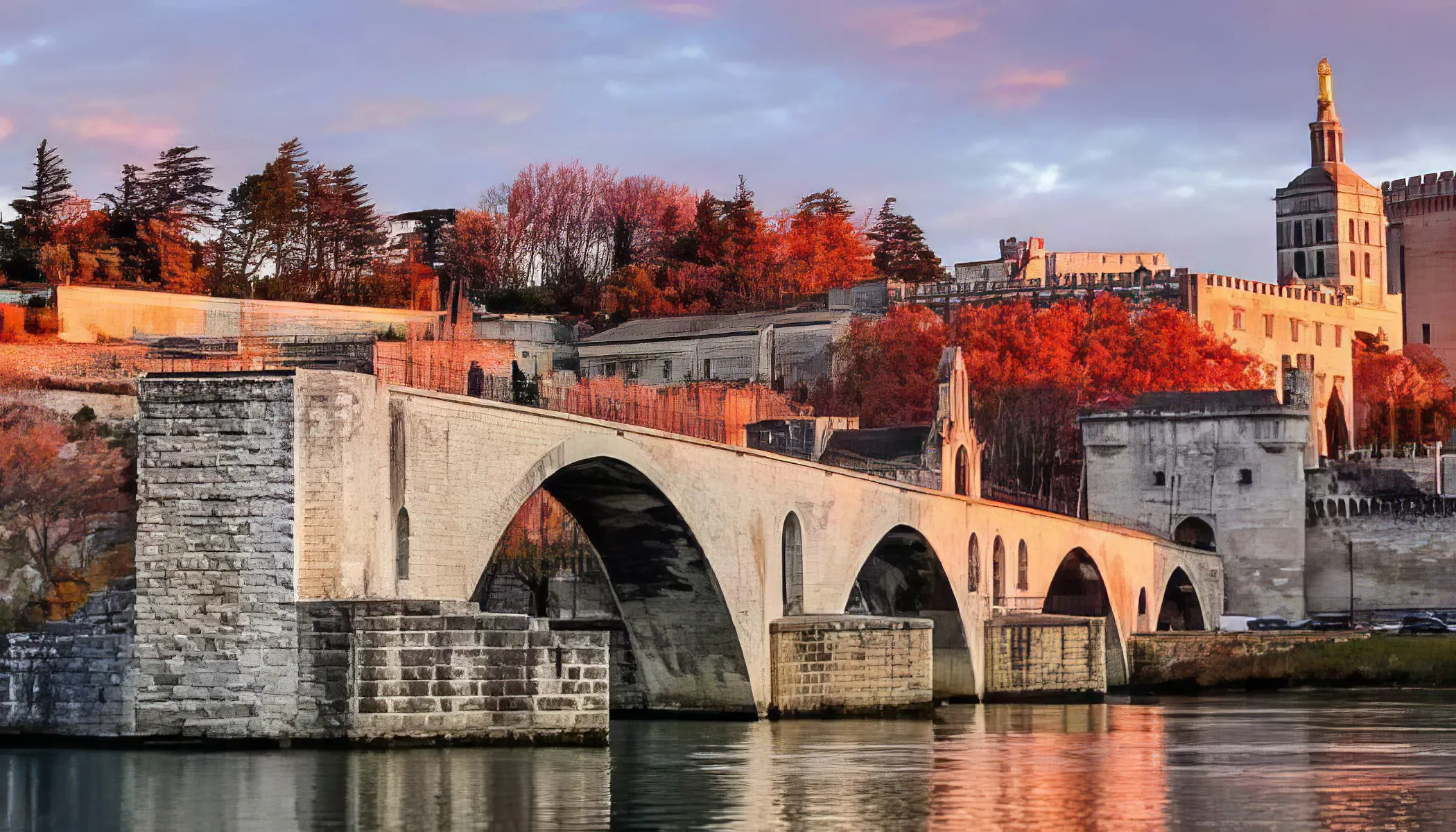
Avignon is renowned for its medieval architecture and historical significance.
– Palais Des Papes: A vast medieval Gothic palace, once the papal residence.
– Pont Saint-Bénézet: Famous partly destroyed bridge, known from the song "Sur le Pont d'Avignon." – Avignon Cathedral: A Romanesque church with a striking gilded statue of the Virgin Mary.
– Rocher des Doms: A scenic park offering panoramic views of the surrounding area.
– Musée du Petit Palais: Museum showcasing Renaissance paintings and Roman sculptures. – Rue des Teinturiers: A charismatic street with ancient water wheels and charming cafes.
Cuisine
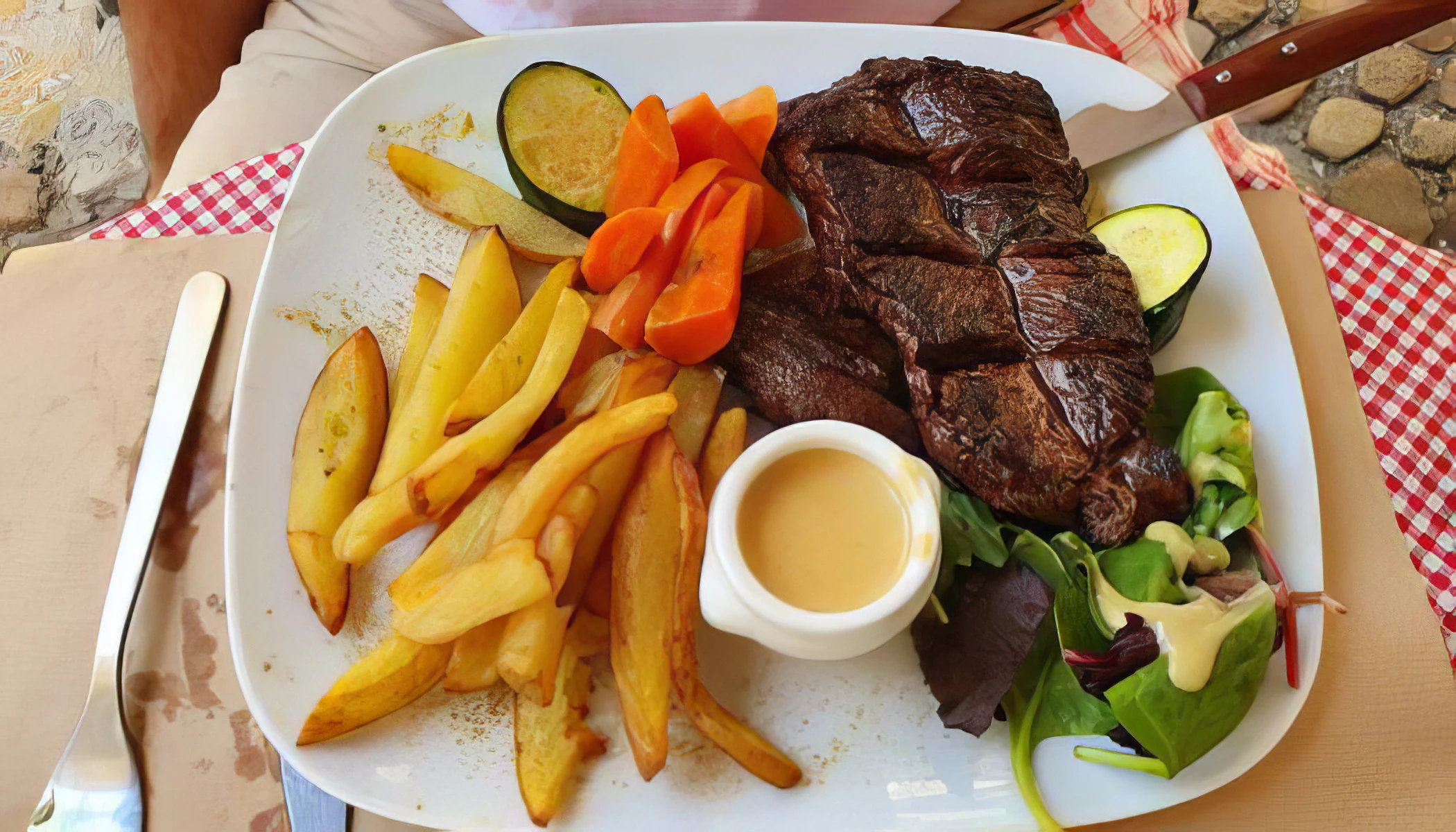
The city is celebrated for its Provençal cuisine, featuring fresh ingredients, herbs, and influences from the Mediterranean. Here are some of the city's most famous dishes:
– Ratatouille: A vegetable stew with eggplant, zucchini, bell peppers, tomato, and herbs.
– Daube Provençale: Slow-cooked beef stew made with red wine, vegetables, and herbes de Provence.
– Bouillabaisse: A traditional fish stew that originated from the region, often served with rouille sauce.
– Tapenade: A spread made from olives, capers, anchovies, and olive oil, typically served on bread.
– Tarte Tatin: Upside-down pastry with caramelized fruit, usually apples.
– Calissons: A traditional candy made from ground almonds, candied melon, and topped with royal icing.
Shopping
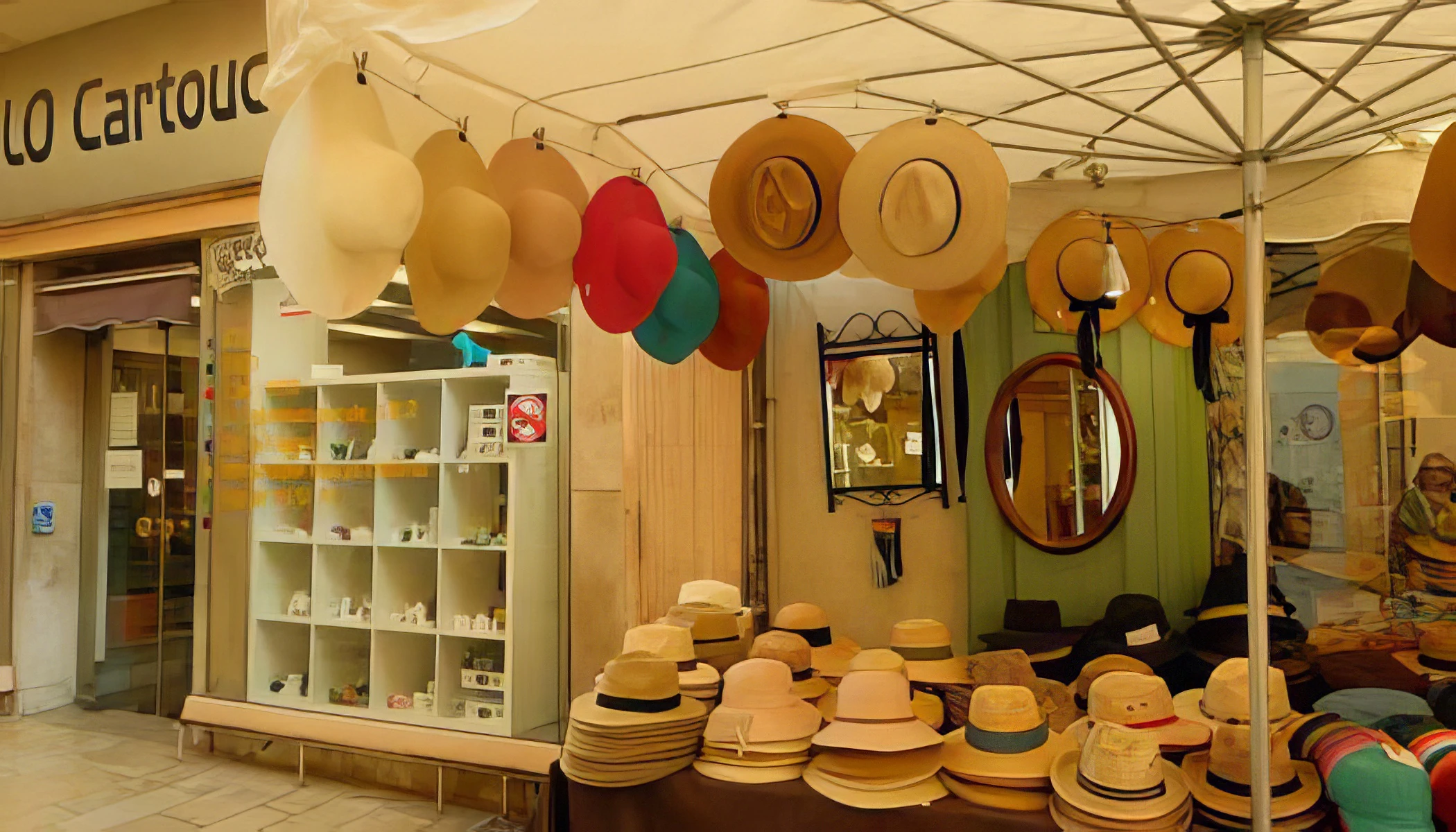
In the city, the Rue de la République is a prime shopping street where tourists can explore a variety of shops offering local goods. A popular gift to purchase is Provencal fabric, known for its Nice colors and patterns, ideal for tablecloths or napkins. Another excellent choice is local wine, as the region is famous for its vineyards. Artisanal soaps and lavender products also make thoughtful gifts, reflecting the area's rich herbal landscapes. For a unique souvenir, consider handcrafted jewelry or ceramics from local artisans. These items not only serve as a memento but also support the local economy.
Arts & Culture
The city is renowned for its annual Festival d'Avignon, one of the oldest and most famous theater festivals in the world, showcasing a variety of performances including drama, dance, and music. The Palais Des Papes, a historic palace, frequently hosts art exhibitions and cultural events. The city also has a dynamic arts scene with numerous galleries and theaters, such as the Collection Lambert, which displays contemporary art. Additionally, the Opera Confluence offers a range of operatic and musical performances throughout the year.