

Sightseeing in Hiroshima: Culture & Must‑See Spots
This city, known for its tragic past involving an atomic bomb in 1945, has since rebuilt itself and is now famous for its Peace Memorial Park, beautiful culture, and the Itsukushima Shrine nearby.
- Population
- 1.19 millions
- Size
- 905 square km
- Airport
- Hiroshima – Int'l
- Train Station
- Hiroshima Station
- Est. Visit Days
- 2 days
Overview
Hiroshima, a city in Japan, is renowned for its tragic history as the first city to suffer a nuclear attack. The Peace Memorial Park and Museum stand as poignant reminders of this event. The city also boasts a rich cultural scene, with traditional theaters and the Hiroshima Castle being popular attractions. However, Hiroshima can be quite crowded, especially during the tourist season, which might detract from the experience. Additionally, while the city has a good public transportation system, its layout can be a bit confusing for first-time visitors.
Traffic & Transport
The city's transportation network is well-developed, offering various efficient options for tourists to explore. The most convenient and popular mode of transport is the electric tram, which covers major tourist areas and provides a scenic way to see the city. Buses are also available and are useful for reaching destinations not directly served by the tram. For those who prefer a more active experience, renting a bicycle is a great way to navigate the city at your own pace. In terms of taxi services, several reliable companies operate in the city, including Hiroshima Kotsu and Chugoku Kotsu. Additionally, the use of taxi-booking apps like JapanTaxi is a convenient option for securing a cab, allowing for easy access to transportation at any time.
History
Historically, the city was founded in 1589 as a castle town by the powerful feudal lord Mori Terumoto. It became a military command center during the Meiji Restoration in the late 19th century. The city was largely destroyed by the first atomic bomb used in warfare on August 6, 1945, during World War II. This event led to significant efforts in peace and nuclear disarmament. Today, it is known for its Peace Memorial Park and Museum, which are dedicated to commemorating the victims of the atomic bombing and promoting a peaceful world.
Itinerary Sample
Explore Hiroshima's rich history and animated culture with this 2-day itinerary:
– First day: Visit the Hiroshima Peace Memorial Park and Museum. Explore the Atomic Bomb Dome. Have lunch in Hondori Street. Check out Shukkeien Garden.
– Second day: Take a ferry to Miyajima Island. Visit Itsukushima Shrine and Daisho-in Temple. Enjoy local street food and scenic views. Return to Hiroshima in the evening.
Near Excursion
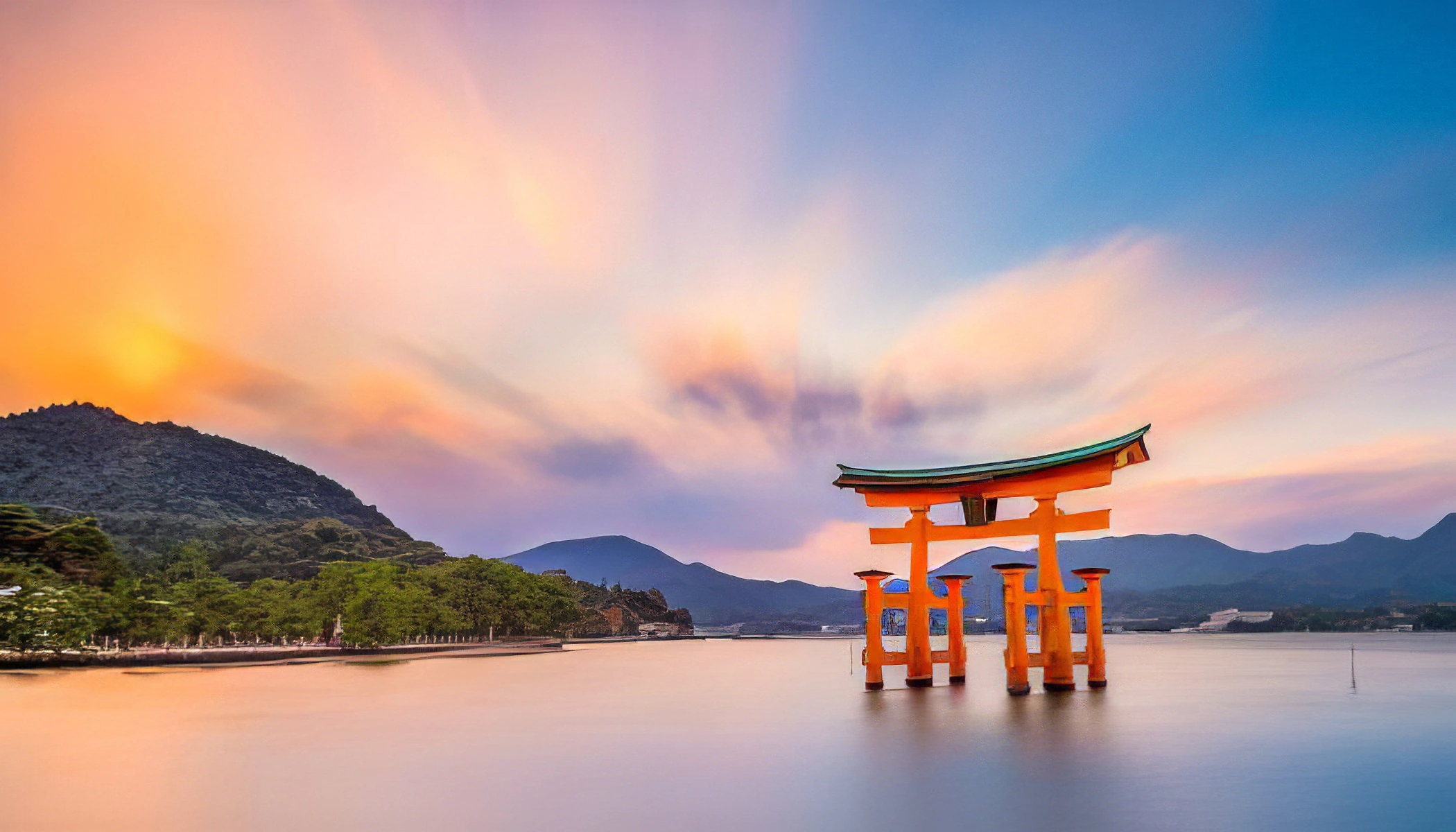
This city offers several interesting day trips within a short distance. Here are some suggestions:
– Miyajima Island at 20 km: Famous for the Itsukushima Shrine and its floating torii gate.
– Iwakuni at 40 km: Known for the historic Kintai Bridge and Iwakuni Castle.
– Onomichi at 80 km: A scenic town with temples, cycling routes, and a gorgeous hillside.
– Fukuyama at 100 km: Home to Fukuyama Castle and the beautiful Tomonoura port town.
– Sandankyo Gorge at 75 km: A gorgeous natural area ideal for hiking and boat rides.
Attraction
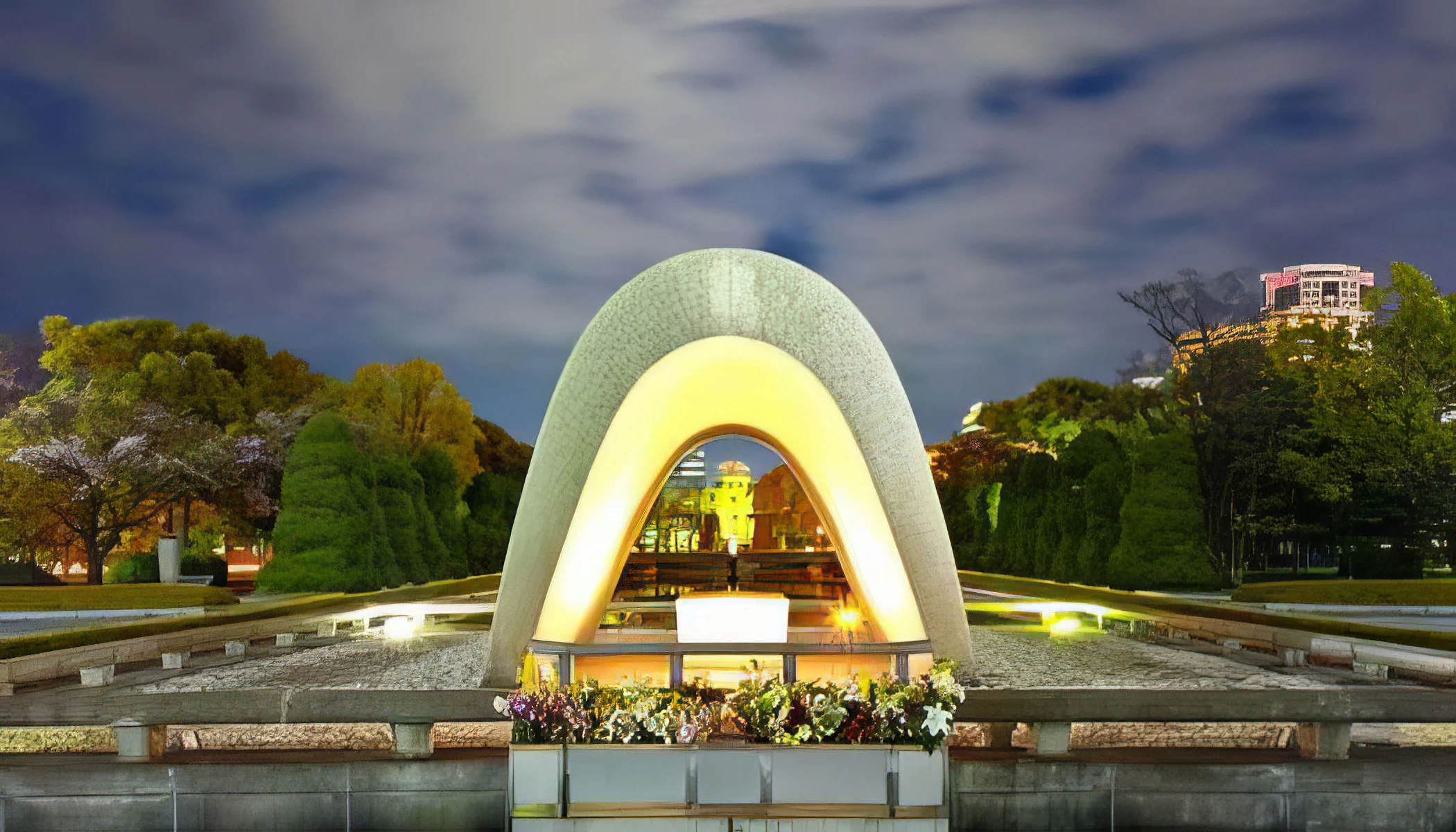
The city is known for its historical significance and peace memorials.
– Peace Memorial Park: A large park dedicated to the victims of the atomic bomb, featuring monuments and museums.
– Hiroshima Peace Memorial Museum: Offers detailed exhibits on the atomic bombing and its aftermath.
– Atomic Bomb Dome: A preserved ruin that serves as a stark reminder of the bombing.
– Shukkei-en Garden: A traditional Japanese garden with beautiful landscapes and a quiet atmosphere.
– Hiroshima Castle: A reconstructed castle with a museum inside, showcasing the city's history.
– Miyajima Island: Famous for the Itsukushima Shrine and its iconic floating torii gate.
Activity
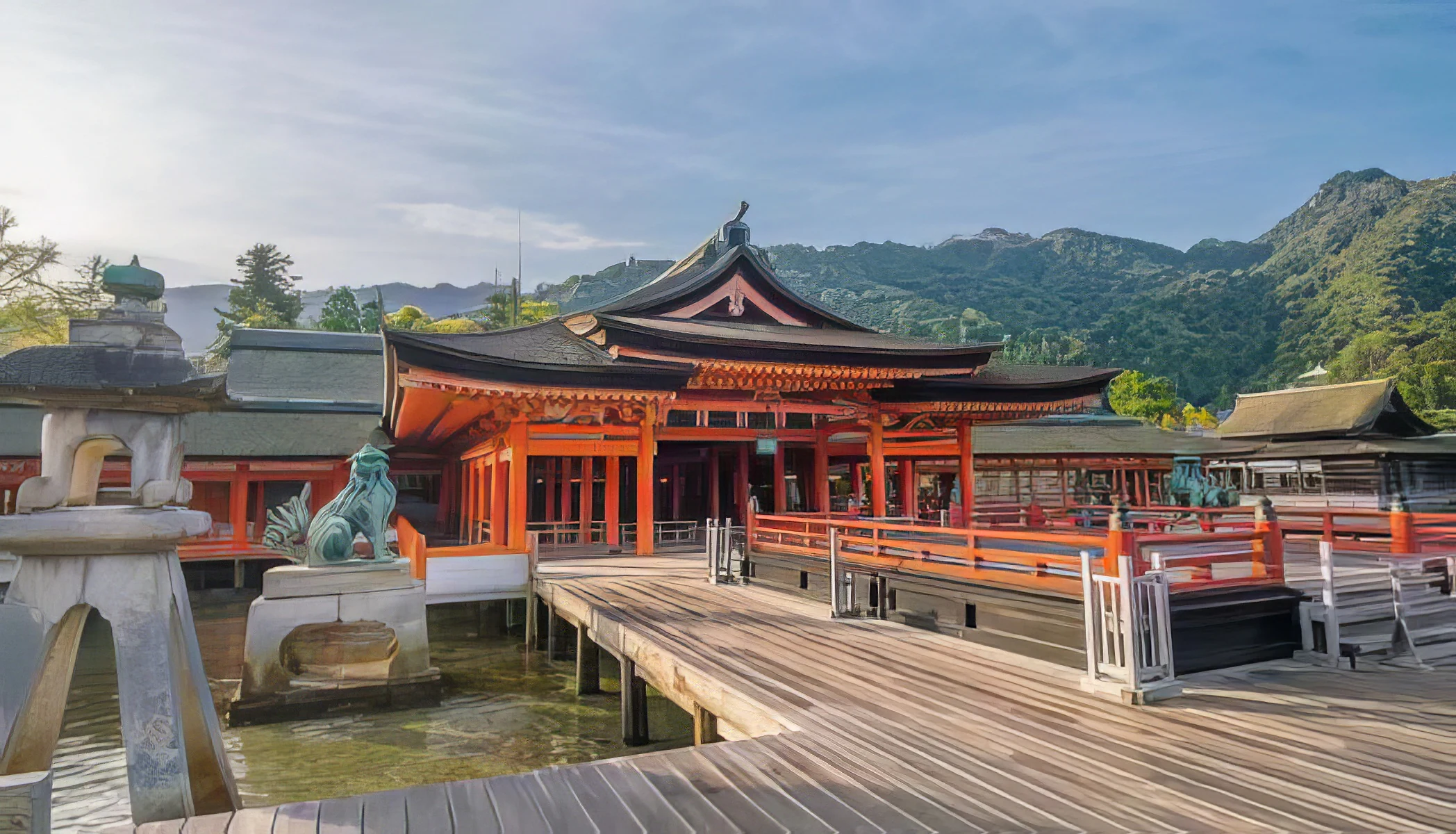
In Hiroshima, travelers can explore historical sites, enjoy local cuisine, and experience traditional arts and crafts.
– Miyajima Island: Visit the iconic floating torii gate and hike Mount Misen for panoramic views.
– Okunoshima Island: Interact with friendly rabbits on "Rabbit Island" and learn about its dark history.
– Hiroshima Peace Memorial Park: Reflect on the atomic bombing's impact and visit the Peace Memorial Museum.
– Hiroshima-style Okonomiyaki Cooking Class: Learn to make the city's famous savory pancake dish.
– Shukkeien Garden: Relax in a traditional Japanese garden with ponds, bridges, and teahouses.
Cuisine

The city offers a unique culinary experience with a mix of traditional and modern Japanese dishes. Street food and local specialties are particularly popular among visitors.
– Okonomiyaki: Savory pancake layered with cabbage, meat, seafood, and topped with a special sauce.
– Tsukemen: Dipping noodles served with a rich, flavorful broth on the side.
– Oysters: Fresh, locally harvested oysters, often grilled or served raw.
– Momiji Manju: Maple leaf-shaped cakes filled with sweet red bean paste.
– Anago Meshi: Grilled saltwater eel served over a bed of rice.
– Kaki-no-Dotenabe: Oyster hot pot cooked with miso and vegetables.
Shopping
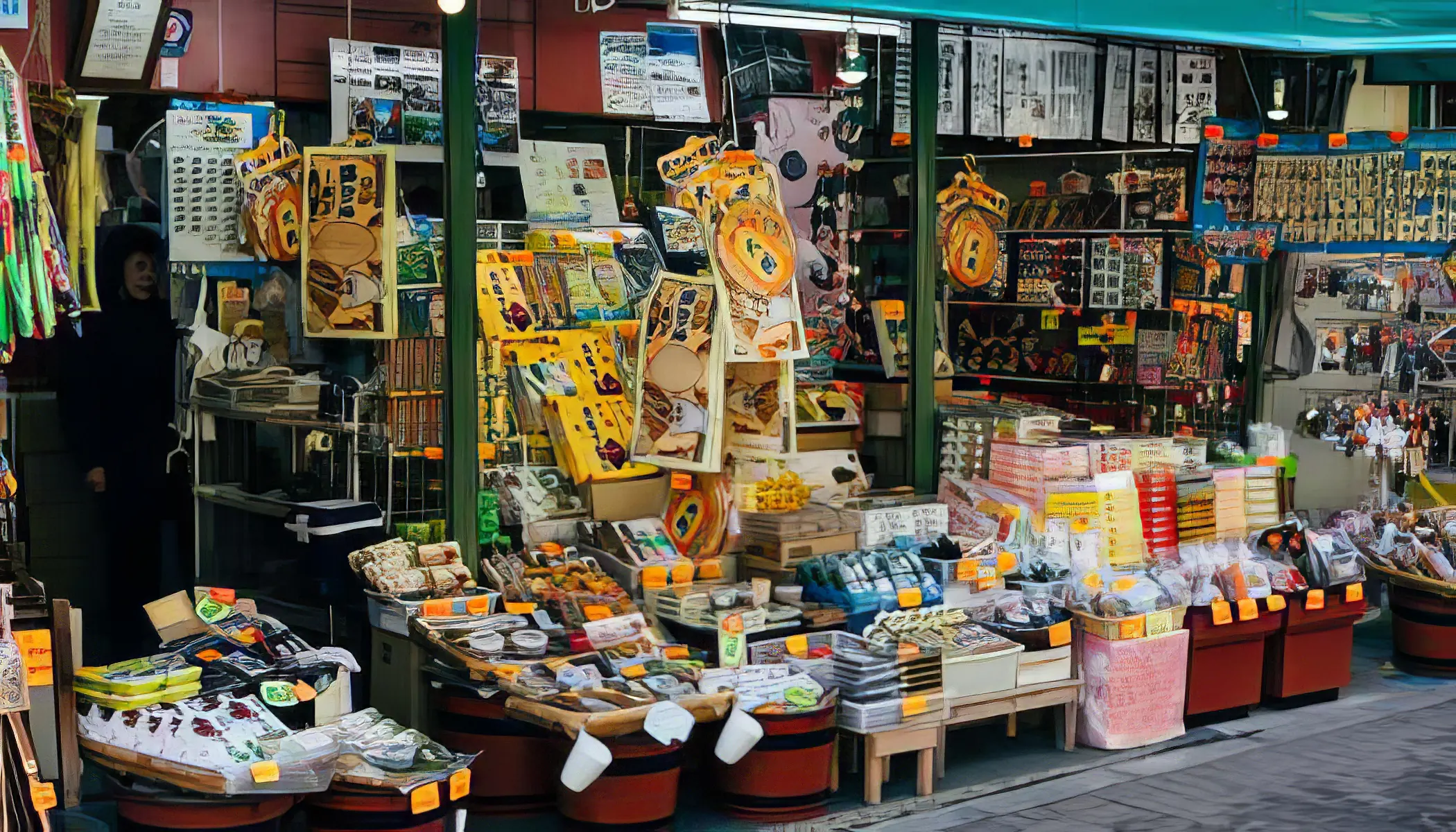
The city offers a unique shopping experience, particularly for those interested in local crafts and history. A popular gift to purchase is the traditional Japanese handkerchief, known as tenugui, which often features beautiful designs and can be used in various ways. Another notable item is the Hiroshima-yaki, a local variation of okonomiyaki, available in ready-to-cook kits. For a more poignant reminder, consider origami paper cranes, symbolizing peace and hope. The Hondori Shopping Arcade and the nearby Omotesando Shopping Street are great spots to explore a variety of shops and local products. These items not only serve as mementos but also support local artisans and businesses.
Arts & Culture
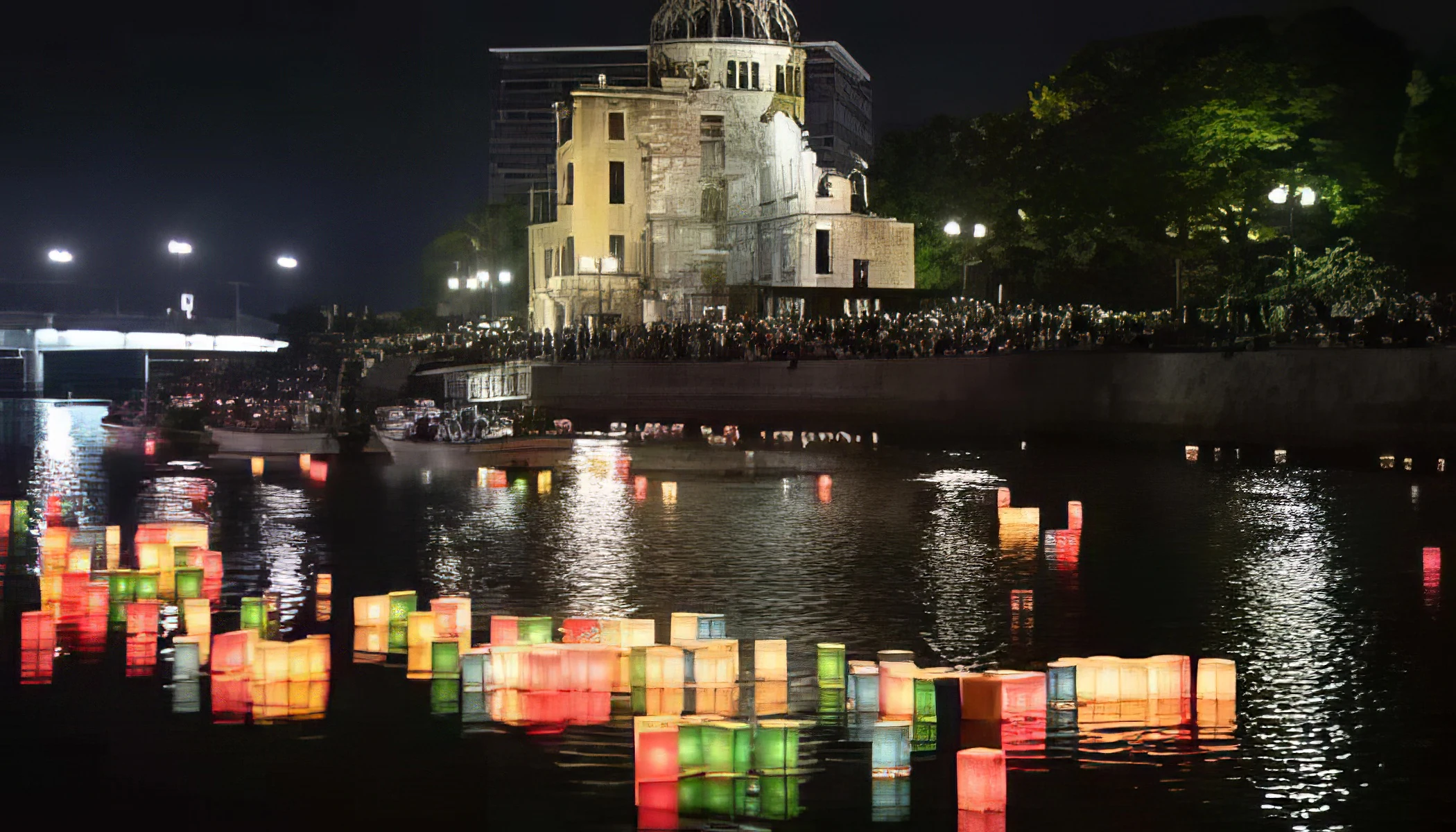
The city is renowned for its vibrant cultural scene, including the Hiroshima Peace Memorial Ceremony held annually on August 6th, commemorating the atomic bombing. The Hiroshima Museum of Art hosts a collection of European and Japanese art, while the annual Hiroshima International Animation Festival is one of the most prestigious animation festivals in the world. The Shukkei-en Garden, dating back to the Edo period, offers a glimpse into historical landscape design and hosts traditional tea ceremonies. Additionally, the city's Symphony Orchestra is active, providing regular classical music performances.