

Sightseeing in Fukuoka: Culture & Must‑See Spots
Located on Kyushu Island, this city is known for its ancient temples, beaches, and modern shopping malls. It also hosts lively food stalls and the historic Hakata Gion Yamakasa festival.
- Population
- 1.58 millions
- Size
- 341 square km
- Airport
- Fukuoka – Int'l
- Train Station
- Hakata
- Subway
- Fukuoka City Subway
- Est. Visit Days
- 2 days
Overview
Fukuoka, a city in Japan's Kyushu island, is known for its modern amenities and rich history. It boasts a blend of traditional culture and contemporary urban life, with attractions like the Fukuoka Castle and the Fukuoka Tower. The city is also famous for its food scene, particularly its ramen stalls and yatai street food culture. However, Fukuoka can be quite crowded, especially during major events, which might detract from the experience for some visitors. Additionally, while public transportation is convenient, the city's attractions are somewhat spread out, which could require careful planning for efficient exploration.
Traffic & Transport
The city's transportation network is well-developed, offering several efficient options for tourists to explore. The most convenient and popular mode of transport is the subway, which covers major attractions and is known for its punctuality. Buses are also a good way to navigate the city, with routes reaching various points of interest. For those who prefer a more active experience, renting a bicycle is a fantastic choice, as the city is bike-friendly and offers dedicated lanes. For taxi services, visitors can rely on reputable companies like Nishitetsu and Daiichi Koutsu. Additionally, utilizing taxi-booking apps such as JapanTaxi and DiDi provides a convenient way to hail a cab and navigate the city with ease.
History
Historically, this city was known as Hakata, a name still used to refer to its central district. It was a significant port and trade center, particularly during the Kamakura and Muromachi periods, due to its proximity to the Asian mainland. The city played a crucial role in cultural and economic exchanges with China and Korea, notably through the development of Hakata Gion Yamakasa, a traditional festival with origins dating back over 770 years. Throughout history, it was the site of several battles, including the Mongol invasions in the 13th century and the Boshin War in the 19th century. The city's history and culture are also influenced by its development as a modern industrial and economic hub in the post-World War II period.
Itinerary Sample
Here's a 2-day itinerary to explore Fukuoka, Japan:
– First day: Visit Ohori Park and Fukuoka Castle ruins, then explore Hakata district, enjoy local ramen for lunch, and finish at Canal City Hakata for shopping and dining.
– Second day: Start at Nokonoshima Island Park, return for a tour of Tocho-ji Temple and Kushida Shrine, and end your day at the nice Nakasu night market.
Near Excursion
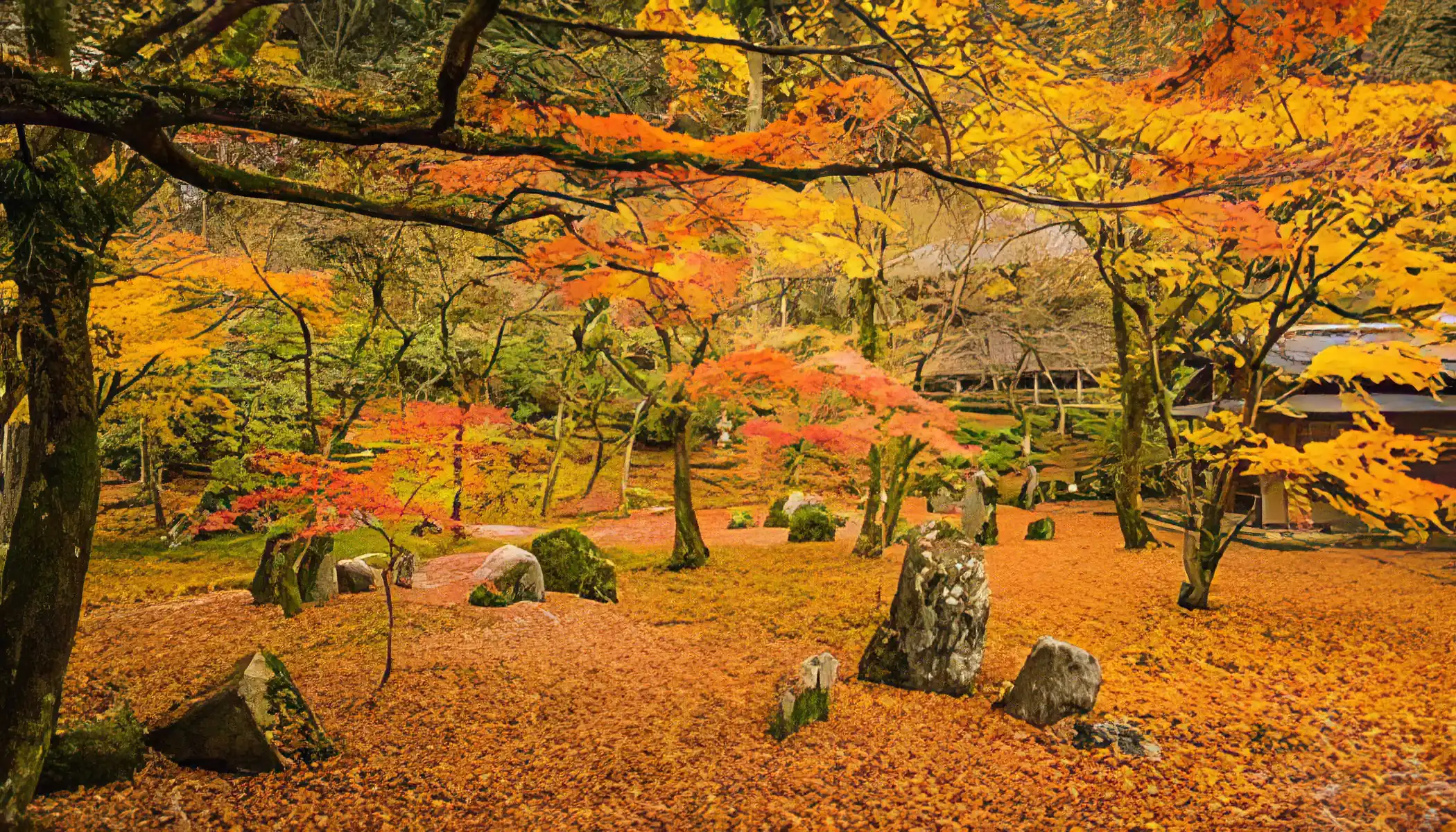
This city offers several interesting day trips within a short distance. Here are some suggestions:
– Dazaifu at 16 km: Visit the famous Dazaifu Tenmangu Shrine and the Kyushu National Museum.
– Yanagawa at 53 km: Enjoy a relaxing boat ride through the picturesque canals of this charming town.
– Itoshima at 30 km: Explore beautiful beaches, scenic coastlines, and local cafes.
– Karatsu at 60 km: Discover Karatsu Castle and the scenic Niji-no-Matsubara pine forest.
– Aso at 130 km: Experience the active volcano Mount Aso and its beautiful caldera.
Attraction
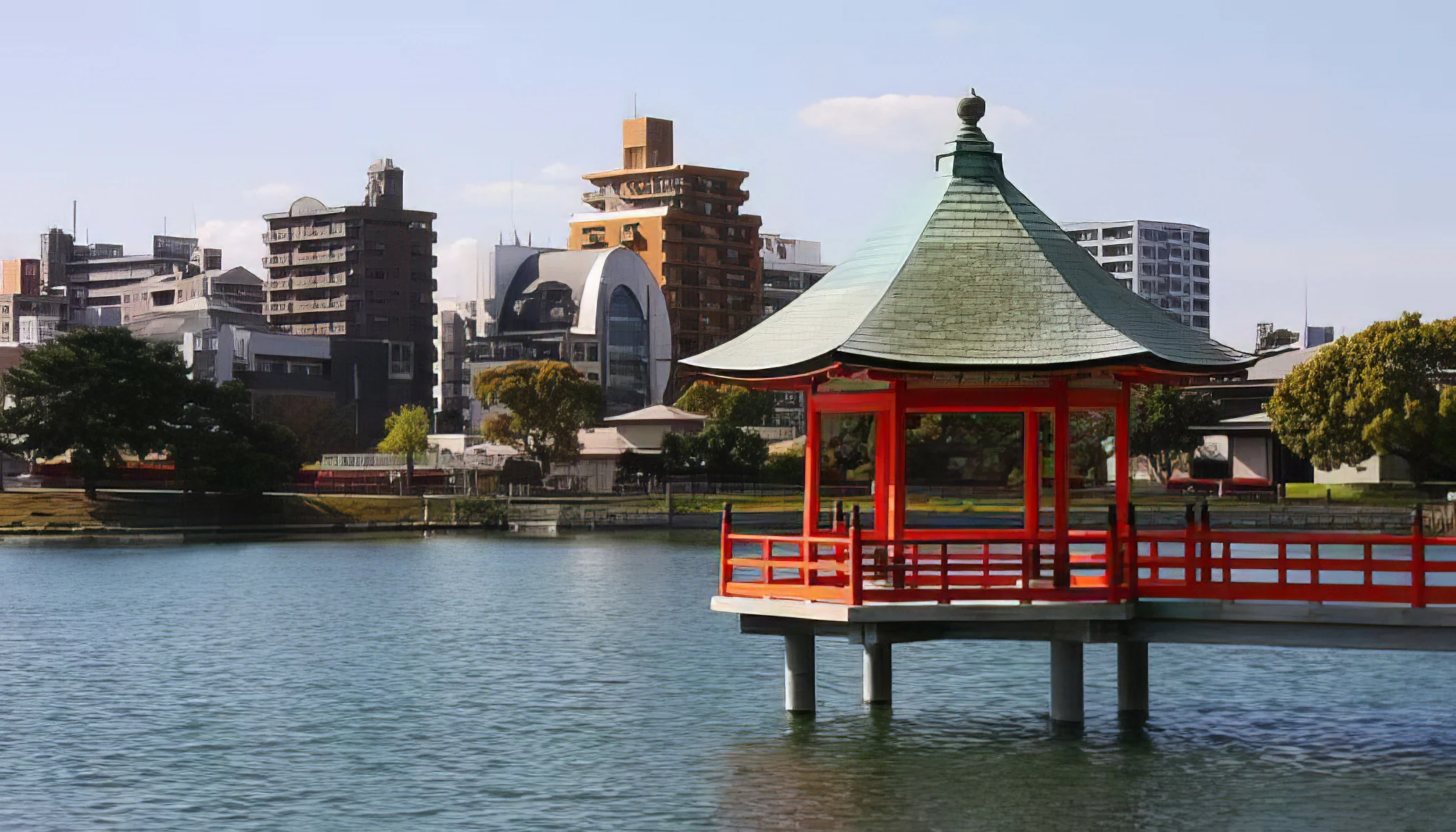
This city offers a mix of modern attractions, historical sites, and beautiful nature.
– Ohori Park: A large city park with a scenic lake, perfect for walking, jogging, and relaxing.
– Fukuoka Castle Ruins: Explore the remains of a historic castle with panoramic views of the city.
– Canal City: A large shopping and entertainment complex with shops, restaurants, and a canal running through it.
– Dazaifu Tenmangu Shrine: A famous Shinto shrine dedicated to the god of learning, popular among students.
– Momochi Seaside Park: A man-made beach with a beautiful waterfront, ideal for leisure and water activities.
– Kushida Shrine: An ancient shrine known for its summer festival and traditional architecture.
Activity
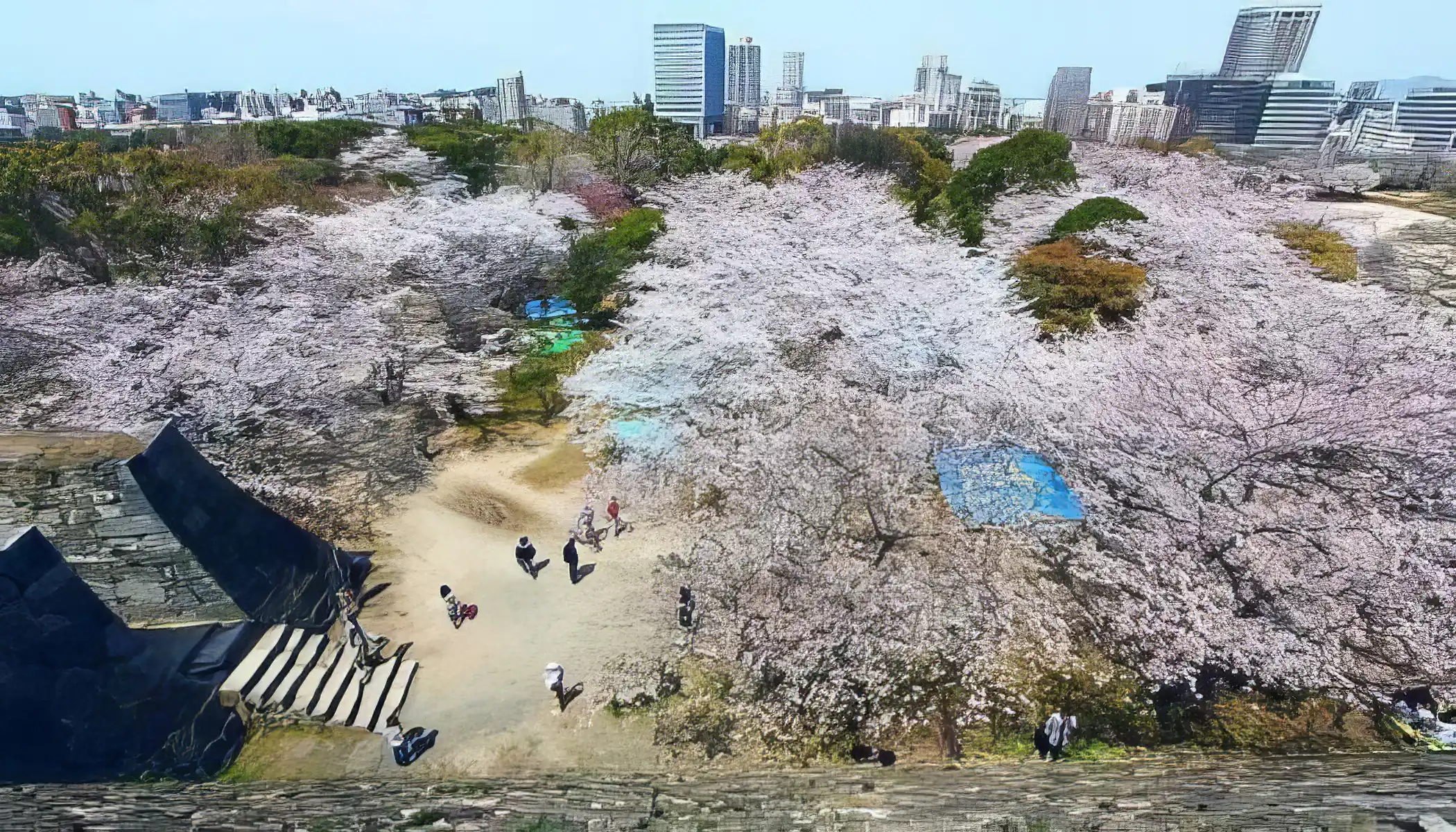
In Fukuoka, travelers can enjoy a mix of traditional and modern experiences, including unique local cuisine and historical sites.
– Fukuoka Castle Ruins: Explore the remains of a historic castle with scenic views.
– Canal City Hakata: Shop, dine, and enjoy entertainment in this large shopping and entertainment complex.
– Yanagawa River Cruises: Take a boat ride through scenic canals and historic districts.
– Ohori Park: Relax in a large park with a lake, traditional garden, and historical structures.
– Fukuoka Tower: Enjoy panoramic views of the city from this iconic landmark.
Cuisine
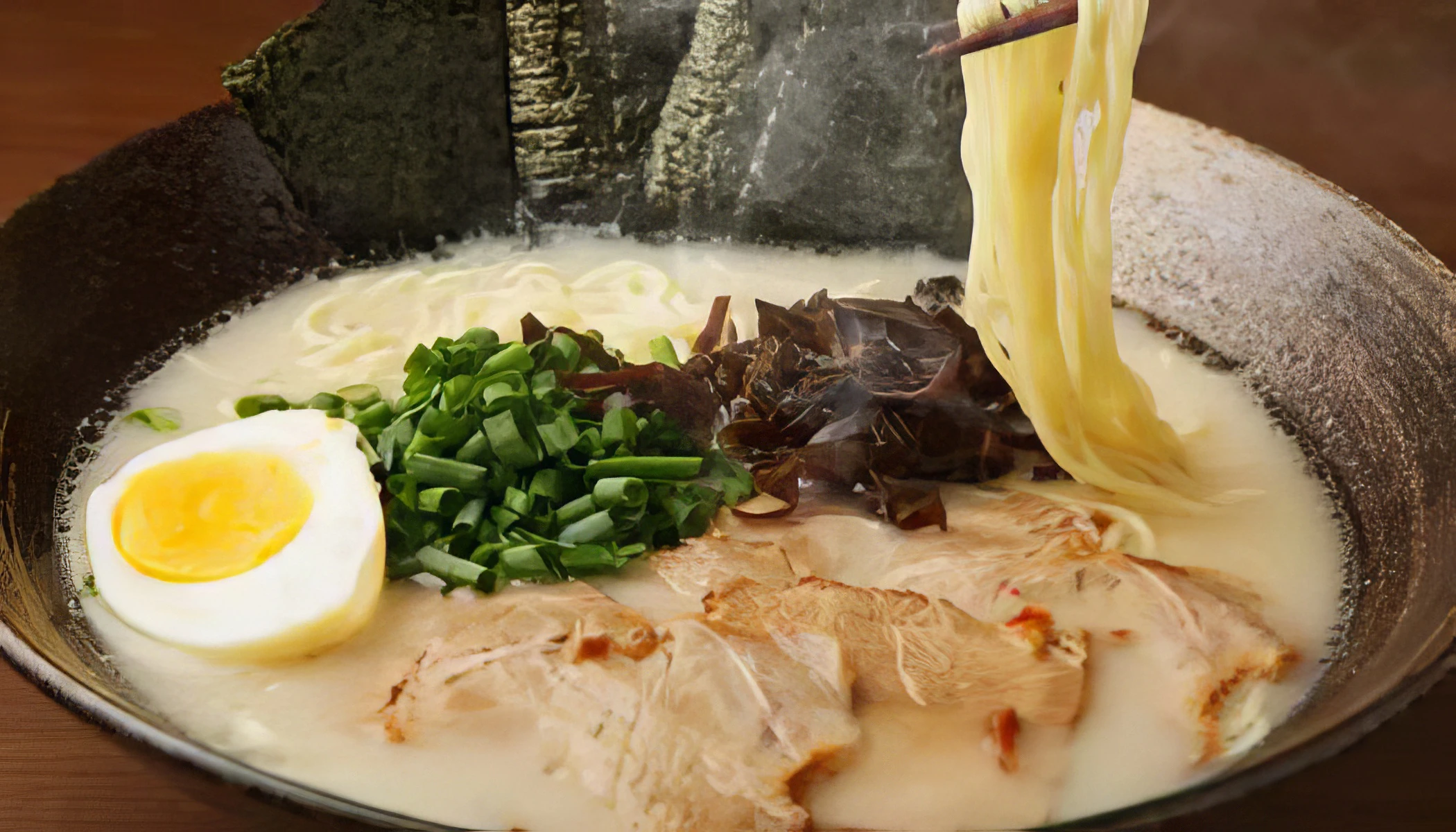
The city is known for its charming food scene, particularly its street food and ramen culture. It offers a variety of unique and flavorful dishes. Some of the city's most famous dishes include:
– Hakata Ramen: Rich pork bone broth ramen with thin noodles and various toppings.
– Motsunabe: Hot pot dish featuring beef or pork offal, vegetables, and tofu in a savory broth.
– Mentaiko: Spicy marinated pollock roe, often served with rice or as a topping.
– Tonkotsu Ramen: Creamy pork bone broth ramen, known for its rich flavor and thin noodles.
– Yatai Street Food: Various street food items like yakitori, oden, and tempura served from mobile food stalls.
– Amaou Strawberries: Sweet and large strawberries, a local specialty often enjoyed fresh or in desserts.
Shopping
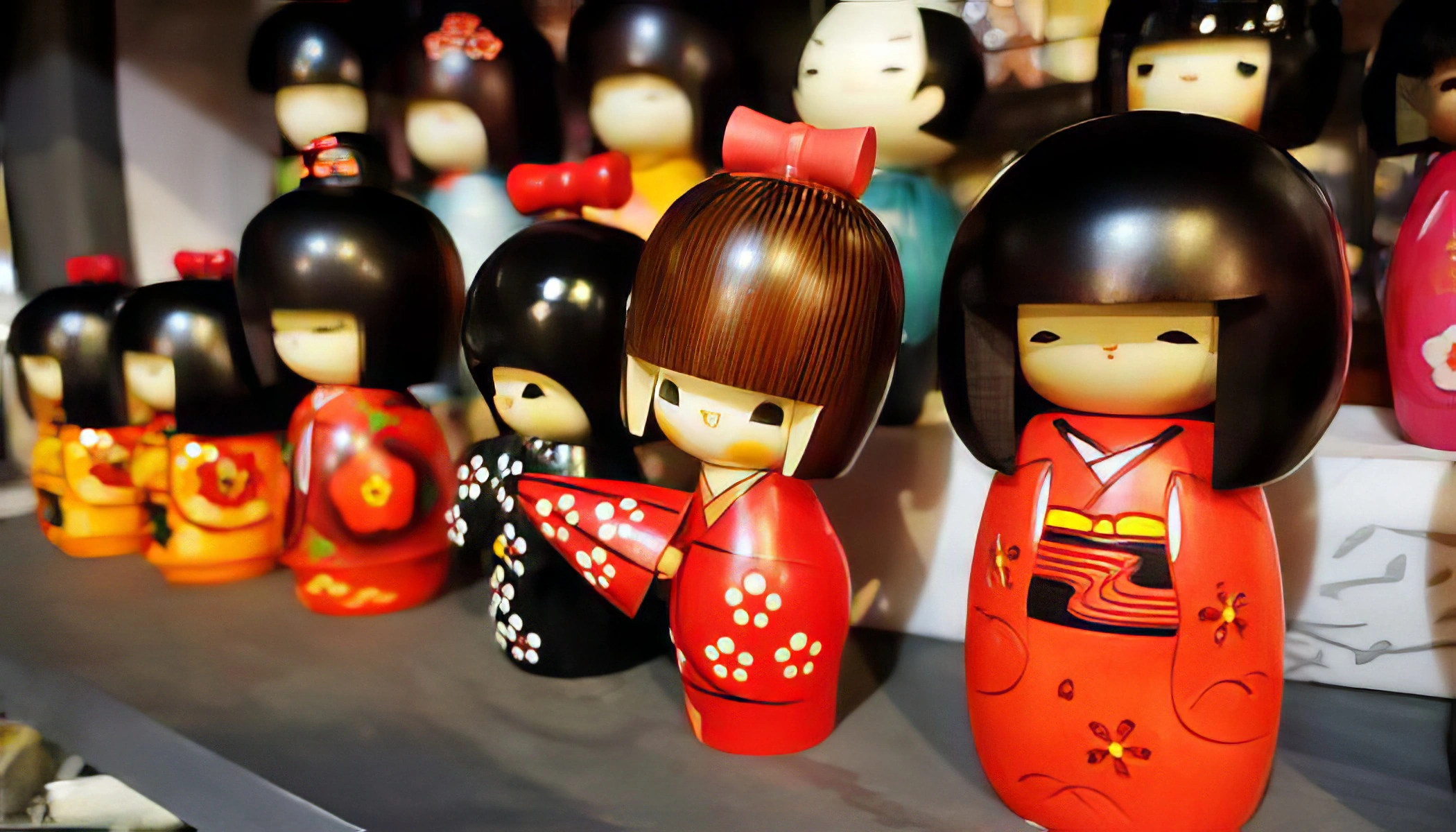
For a unique shopping experience, visit Canal City Hakata, a large shopping and entertainment complex with a wide range of stores and eateries. Explore the traditional markets like Yanagibashi Rengo Market for local foods and crafts. A recommended gift to purchase is Hakata Ori textiles, known for their intricate weaves and beautiful designs. Another popular souvenir is mentaiko (spicy cod roe), a local delicacy that is often appreciated by food enthusiasts.
Arts & Culture
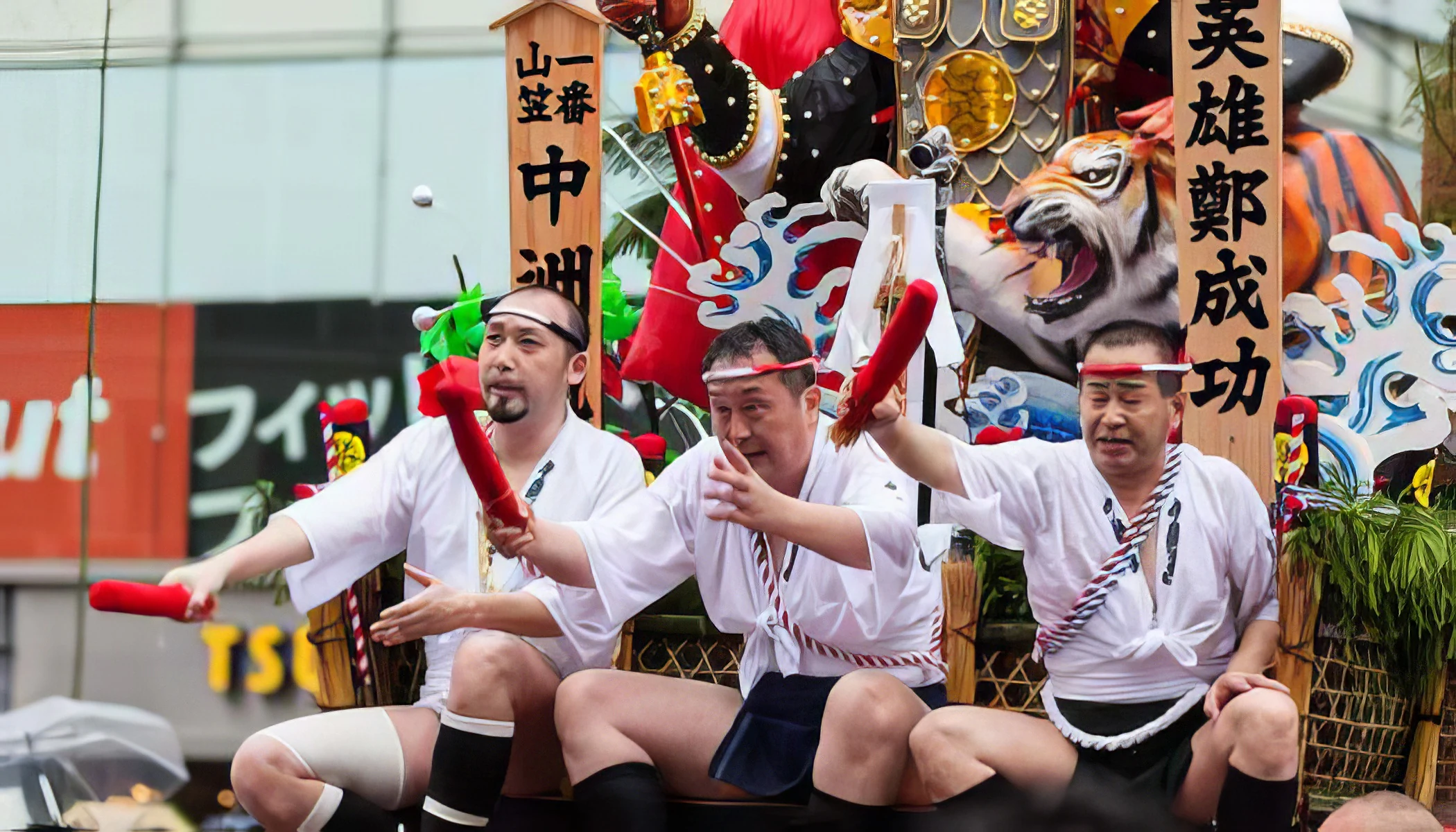
The city hosts the Hakata Gion Yamakasa, a renowned festival celebrated in July featuring a race with elaborately decorated floats. It is also home to the Fukuoka Asian Art Museum, which focuses on modern and contemporary art from across Asia. The Fukuoka Art Museum offers a diverse collection of art, including works by local and international artists. Additionally, the city has a dynamic theater scene, with traditional Noh and Kabuki performances held at Hakataza Theater.