

Kamakura Travel Guide: Tourist Places & Activities
A coastal town south of Tokyo, known for its Great Buddha statue, numerous Shinto shrines, and temples, including the historic Hasedera. Popular for its beaches and hiking trails, it offers a blend of natural beauty and cultural heritage.
- Population
- 170,000
- Size
- 40 square km
- Train Station
- Kamakura Station
- Est. Visit Days
- 2 days
Overview
Kamakura, a coastal city in Japan, is renowned for its historical significance as a former political center and its numerous temples, including the Kotoku-in Temple with its iconic Great Buddha. The city's beautiful beaches also attract visitors, offering a blend of cultural and natural attractions. However, Kamakura can get quite crowded, especially during peak tourist seasons, which might detract from the experience. Additionally, the public transportation system, while extensive, can be a bit complex for first-time visitors. Despite these issues, Kamakura remains a charming destination rich in history and scenic beauty.
Traffic & Transport
The city's compact size and well-connected public transportation system make it easy for tourists to navigate. The most efficient way to explore is by using the local buses, which cover the major attractions and offer a cost-effective option. For those who prefer a more scenic route, bicycles are also a popular choice, with several rental shops available near the main train stations. Walking is another excellent way to experience the city, especially in the central area where many of the historical sites are clustered. For those in need of a taxi, there are several reliable taxi companies operating in the area. Additionally, the use of taxi-booking apps like **JapanTaxi** provides a convenient option for securing a ride, allowing for easy access to transportation at any time.
History
Originally established as a political center in the late 12th century, the city was the de facto capital of Japan under the Kamakura shogunate from 1185 to 1333. This period was characterized by the rise of the samurai class and the spread of Zen Buddhism. The city's historical significance is reflected in its numerous temples and shrines, many of which were built during this era. It was also a major site of trade, benefiting from its coastal location and connections to China and Korea. The city's cultural legacy includes the development of the Kamakura period's distinctive art and architecture, notably seen in its monumental bronze Great Buddha statue.
Itinerary Sample
Here's a sample 2-day itinerary for exploring Kamakura, Japan:
– First day: Visit the iconic Great Buddha at Kōtoku-in, explore Hase-Dera Temple, and enjoy the views at Tsurugaoka Hachimangū Shrine.
– Second day: Stroll through the bamboo groves of Hokokuji Temple, relax at Zaimokuza Beach, and end with a visit to the Kamakura Museum of Literature.
Near Excursion
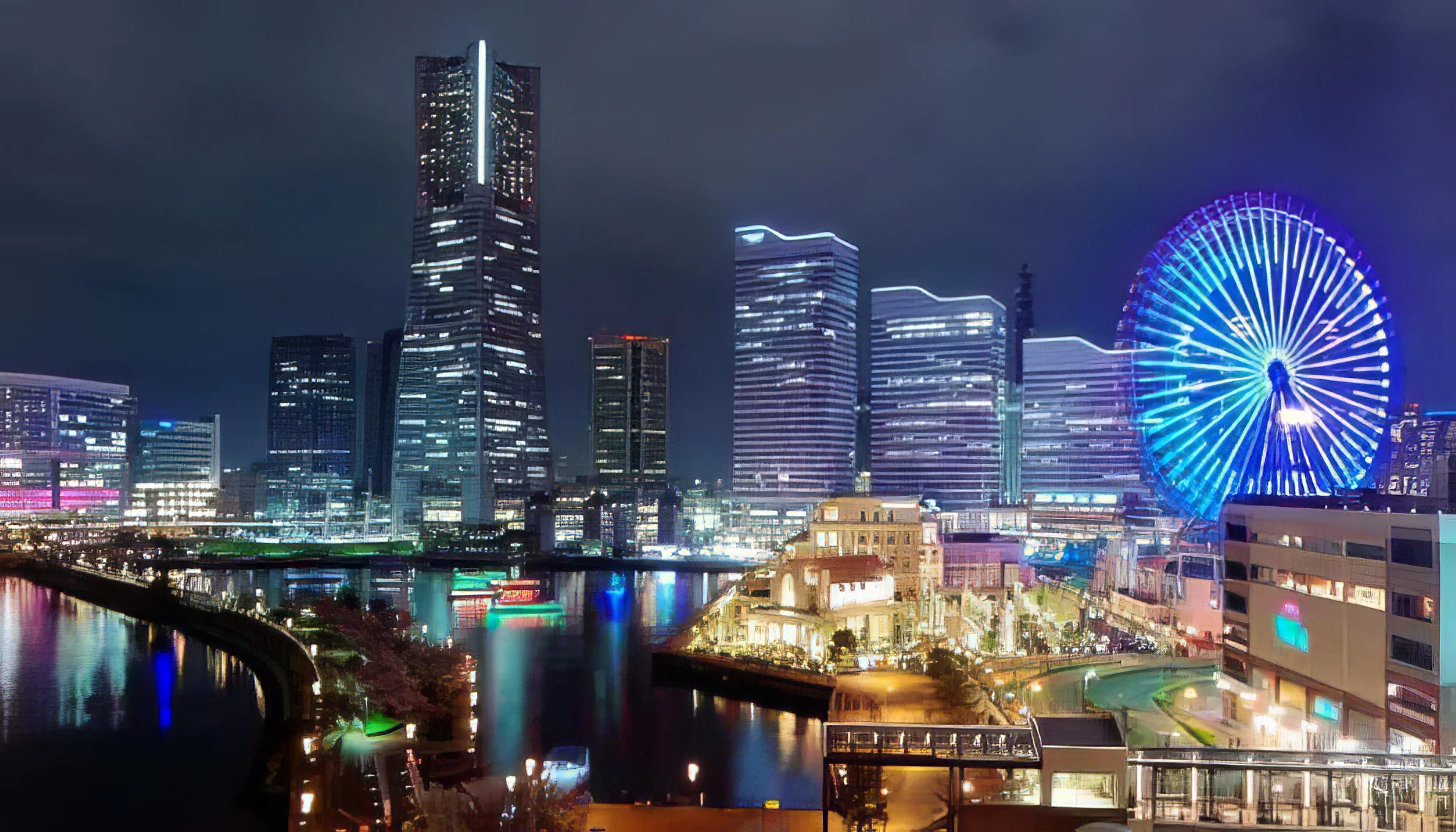
This city offers several interesting day trips within a short distance. Here are some suggestions:
– Yokohama at 20 km: A lively port city with attractions like Minato Mirai and Chinatown.
– Enoshima at 10 km: A small island known for its beaches, caves, and shrines.
– Hakone at 80 km: Famous for hot springs, scenic views of Mount Fuji, and Hakone-open-air-museum/”>The Hakone Open-Air Museum.
– Tokyo at 50 km: The lovely capital city with landmarks like the Tokyo Tower and Shibuya Crossing.
– Odawara at 40 km: Home to the historic Odawara Castle and beautiful plum gardens.
Attraction
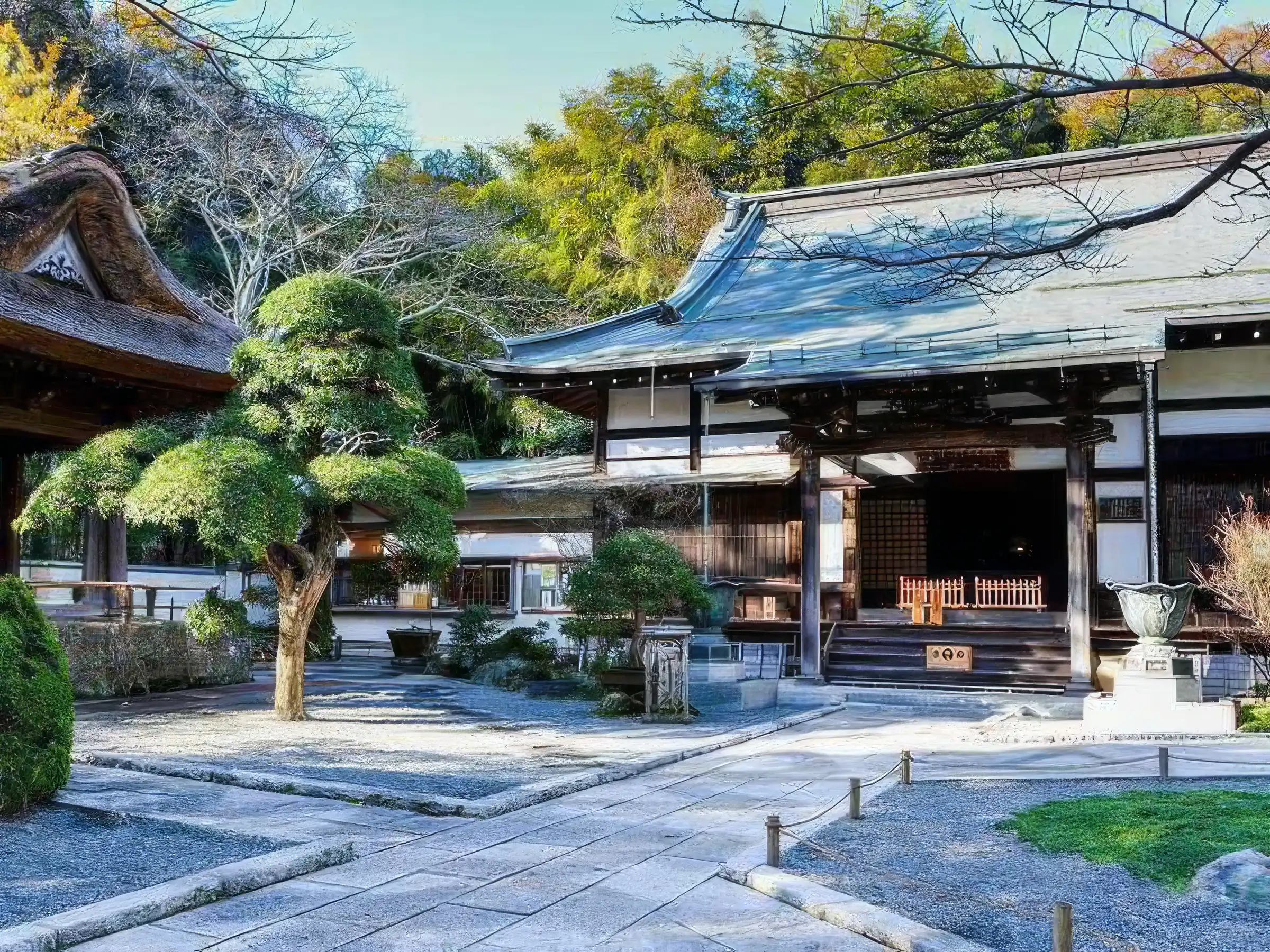
Known for its historic temples, shrines, and scenic beauty, this city offers a rich cultural experience.
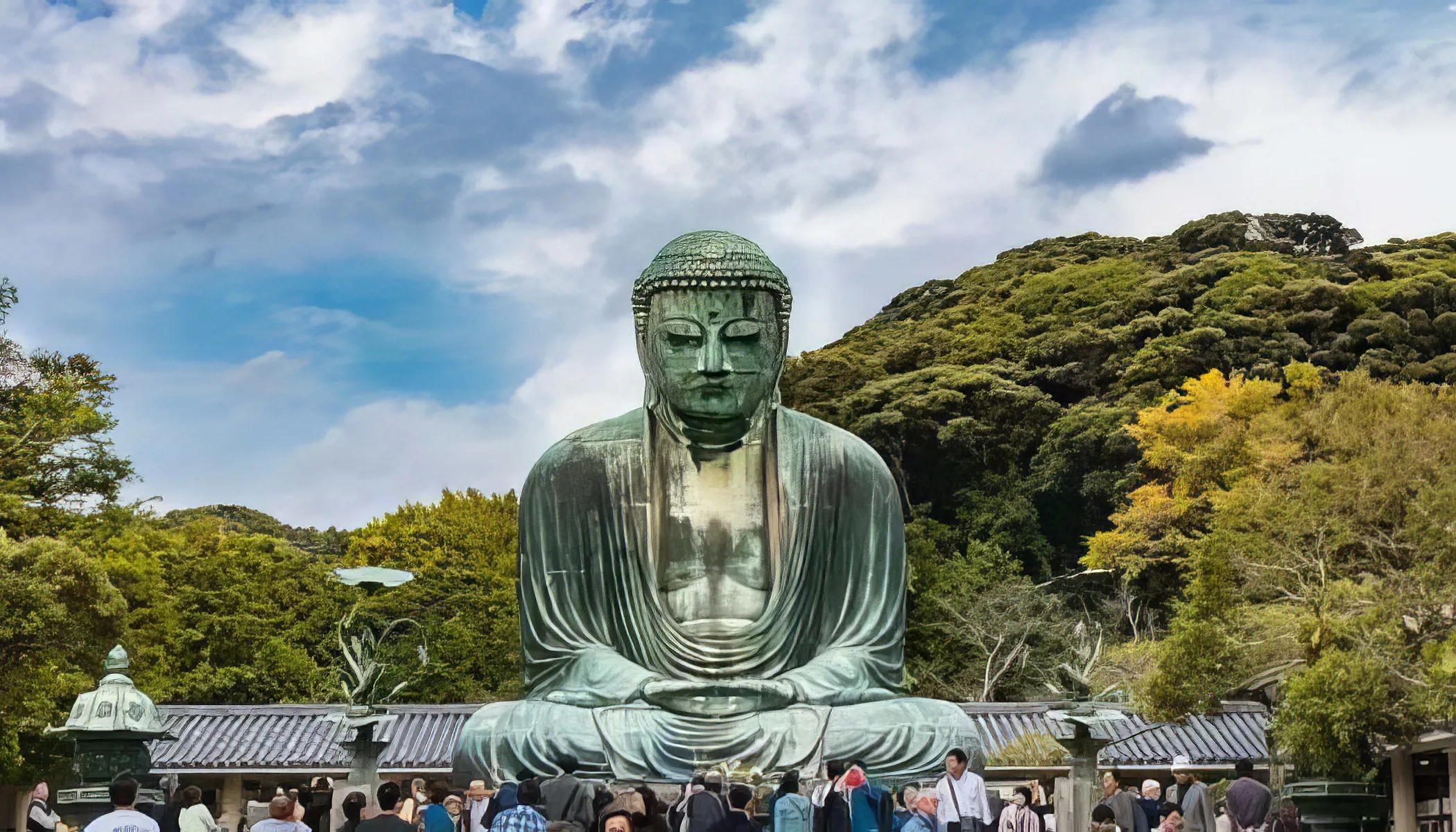
– Great Buddha (Daibutsu): A massive bronze statue of Buddha, standing at 13.35 meters tall, located in Kotoku-in Temple.
– Tsurugaoka Hachimangu Shrine: The city's most important Shinto shrine, founded in 1063, featuring beautiful gardens and seasonal festivals.
– Hasedera Temple: Famous for its eleven-headed statue of Kannon, the goddess of mercy, and lovely views of the coastline.
– Engaku-ji Temple: A significant Zen Buddhist temple, known for its beautiful atmosphere and historical importance.
– Kencho-ji Temple: The oldest Zen temple in the area, offering peaceful gardens and a large wooden statue of Jizo Bosatsu.
– Enoshima Island: A small offshore island with shrines, caves, and panoramic views of the surrounding area.
Activity
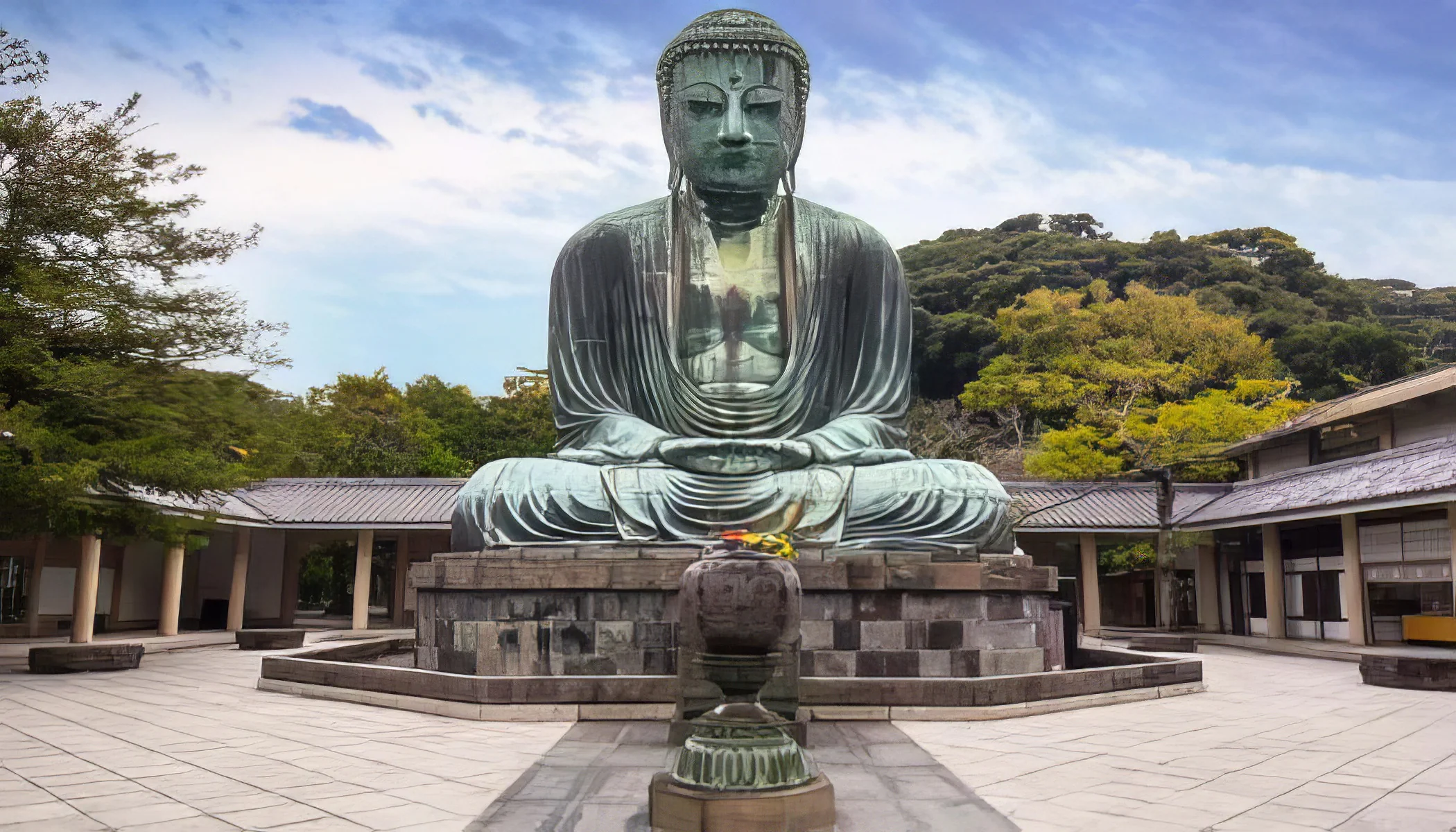
Kamakura offers historical sites, nature walks, and traditional experiences reflecting its samurai heritage and Zen Buddhism influence.
– Great Buddha of Kamakura: Visit the iconic 13.35-meter bronze statue of Amida Buddha.
– Hiking in Kamakura: Enjoy scenic trails like the Daibutsu Hiking Course or Tenen Hiking Course.
– Zen Meditation: Participate in a Zen meditation session at a local temple.
– Kamakura Beach: Relax or surf at Yuigahama Beach.
– Tea Ceremony Experience: Join a traditional Japanese tea ceremony in a comfortable setting.
Cuisine
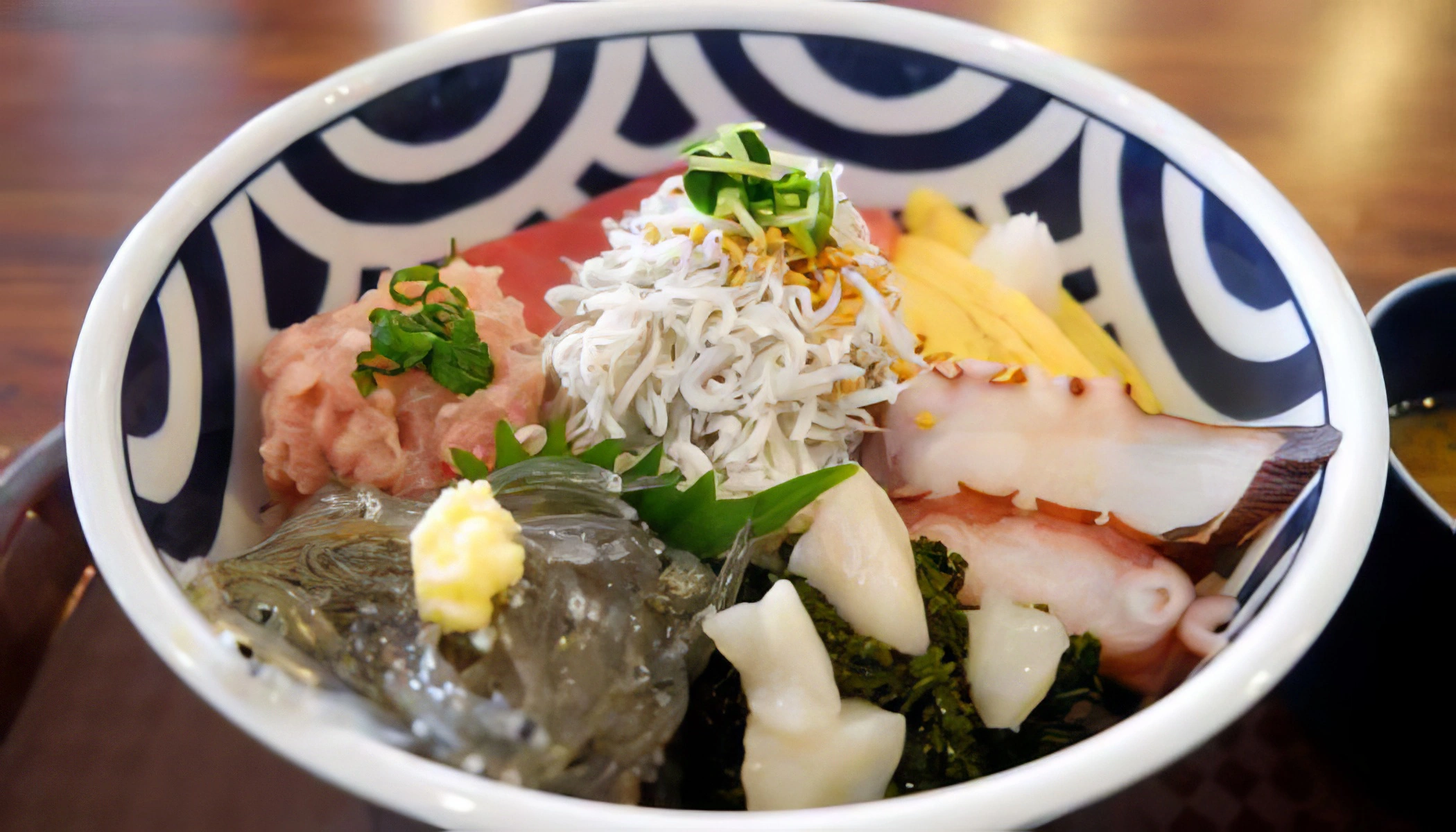
The city offers a blend of traditional Japanese cuisine and local specialties, often enjoyed in a serene, historical setting. Some of the city's most famous dishes include:
– Shirasu Don: Rice bowl topped with fresh or boiled whitebait fish.
– Hato Sabure: Dove-shaped butter cookies, a popular local souvenir.
– Kamakura Vegetable Tempura: Seasonal local vegetables lightly battered and fried.
– Matcha Soft Serve: Green tea-flavored ice cream, often enjoyed near temples.
– Warabimochi: Jelly-like dessert made from bracken starch, coated in kinako (soybean flour).
– Taiyaki: Fish-shaped pastry filled with sweet red bean paste.
Shopping
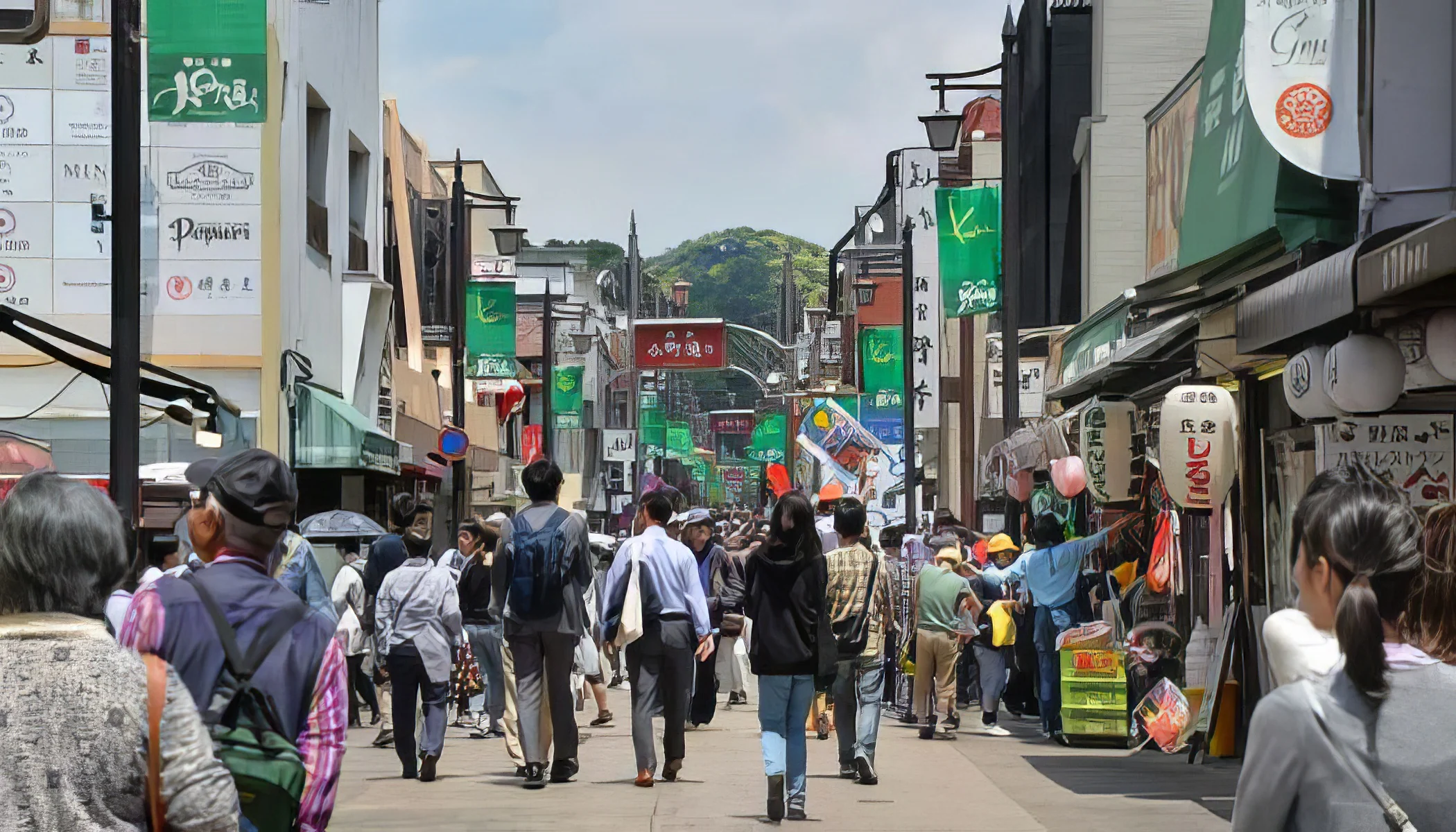
In the city, tourists can enjoy a unique shopping experience by visiting the Komachi-dori Street, which is lined with a variety of shops offering local crafts, snacks, and souvenirs. A popular gift to purchase is the "Kamakura-bori" – traditional lacquerware that is intricately carved and beautifully finished. Another notable item is the "Hato Sabure" (dove-shaped cookies), which are a famous local treat. These items not only serve as great souvenirs but also provide a taste of local art and flavor.
Arts & Culture
The city is renowned for its Great Buddha, a monumental outdoor bronze statue of Amida Buddha, which is a cultural icon and a significant artistic attraction. The city also hosts the Kamakura Festival in April, showcasing traditional Japanese parades, archery on horseback, and other cultural performances. Numerous historic temples, such as Hasedera, feature beautiful gardens and seasonal displays of flowers that blend natural beauty with artistic heritage. Additionally, the city's traditional crafts, like the Kamakura-bori (carved lacquerware), reflect its rich cultural history.