

Sightseeing in Hakone: Culture & Must‑See Spots
Located near Tokyo, this town is famous for its hot springs, natural beauty, and views of Mount Fuji. Visitors can enjoy museums, traditional inns, and a scenic lake cruise.
- Population
- 13,500
- Size
- 92 square km
- Train Station
- Hakone-Yumoto
- Est. Visit Days
- 2 days
Overview
Hakone, a town in Japan's Kanagawa Prefecture, is renowned for its hot springs, natural beauty, and the view of nearby Mount Fuji. The city is a popular tourist destination, offering various attractions such as The Hakone Open-Air Museum, Hakone Shrine, and the Hakone Ropeway. However, Hakone can be quite crowded, especially during peak tourist seasons, which might detract from the experience. Additionally, the weather can be unpredictable, potentially obscuring views of Mount Fuji. Despite these issues, Hakone remains a charming retreat with a rich cultural and natural heritage.
Traffic & Transport
The city's compact size and well-organized transportation system make it easy for tourists to navigate and explore. The most popular and efficient way to travel around is by using the local buses, which cover all major attractions and offer scenic routes through the hilly terrain. For a more leisurely experience, the Hakone Tozan Railway provides a charming journey with its switchback route up the mountains, offering remarkable views of the surrounding landscape. Additionally, the Hakone Ropeway offers a unique aerial perspective, connecting various points of interest, including the Owakudani volcanic valley and Lake Ashi. For those preferring taxi services, several reliable taxi companies operate in the area, such as Company A and Company B. Additionally, the use of taxi-booking apps like App X provides a convenient option for securing a ride, allowing for easy access to transportation at any time.
History
Historically, this city was a significant post town during the Edo period, serving as a vital checkpoint and resting place for travelers along the Tokaido road, which connected Edo (now Tokyo) to Kyoto. This location was strategically important for the Tokugawa shogunate, contributing to its development as a cultural and economic hub. The area is renowned for its hot springs, which have been enjoyed for centuries, attracting visitors seeking relaxation and healing. Throughout its history, the city has been influenced by various art forms, including ukiyo-e woodblock prints, which often depicted its scenic views. The region also played a role in the development of traditional crafts, such as woodwork and lacquerware, which are still practiced today.
Itinerary Sample
Explore Hakone's highlights over two days with this itinerary:
– First day: Visit Hakone Shrine early, then explore the Open Air Museum. Enjoy a cruise on Lake Ashi and end your day with a soak in an onsen.
– Second day: Ride the Hakone Ropeway, visit Owakudani Valley, and stroll through the Hakone Botanical Garden of Wetlands.
Near Excursion

This area offers several interesting day trips within a reasonable distance. Here are some suggestions:
– Mount Fuji at 50 km: Japan's iconic mountain, ideal for hiking and photography.
– Odawara Castle at 20 km: A historic castle with beautiful gardens and a museum.
– Gotemba Premium Outlets at 30 km: A large shopping complex with many international brands.
– Izu Peninsula at 60 km: Known for its hot springs, beautiful coastlines, and scenic drives.
– Kamakura at 70 km: A historic city with numerous temples, shrines, and the Great Buddha statue.
Attraction
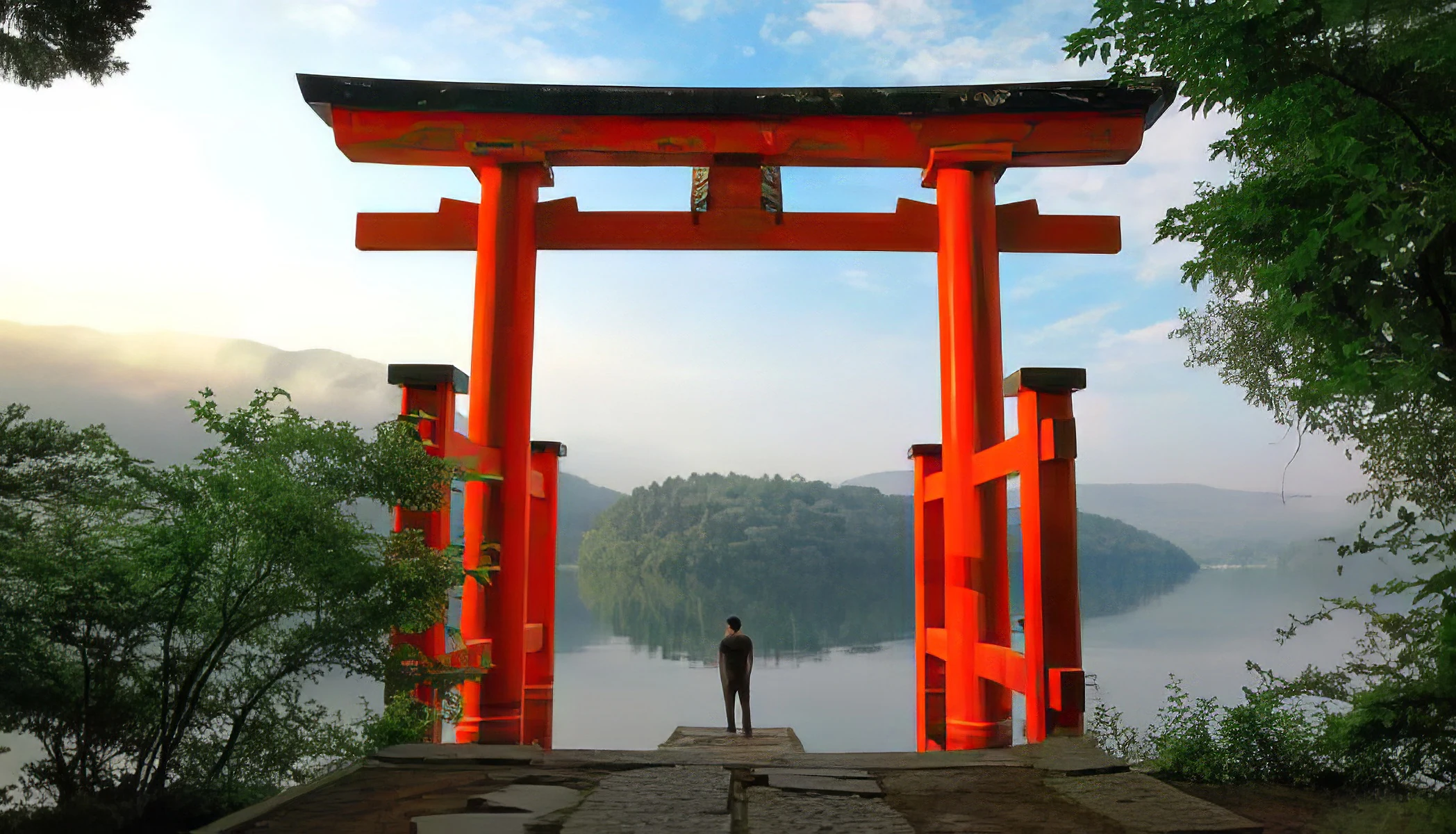
This city is known for its hot springs, natural beauty, and views of Mount Fuji.
– Lake Ashi: A scenic lake with boat cruises offering views of Mount Fuji and surrounding mountains.
– Hakone Shrine: A historic Shinto shrine located by the lake, famous for its red torii gate.
– Owakudani: A volcanic valley with hot springs, sulfur vents, and unique black eggs cooked in the hot springs.
– Hakone Open-Air Museum: An outdoor museum featuring sculptures and artwork set in a beautiful natural landscape.
– Gora Park: A French-style landscape park with seasonal flowers, a greenhouse, and a tea house.
– Hakone Ropeway: A cable car offering panoramic views of the volcanic landscape and Mount Fuji.
Activity
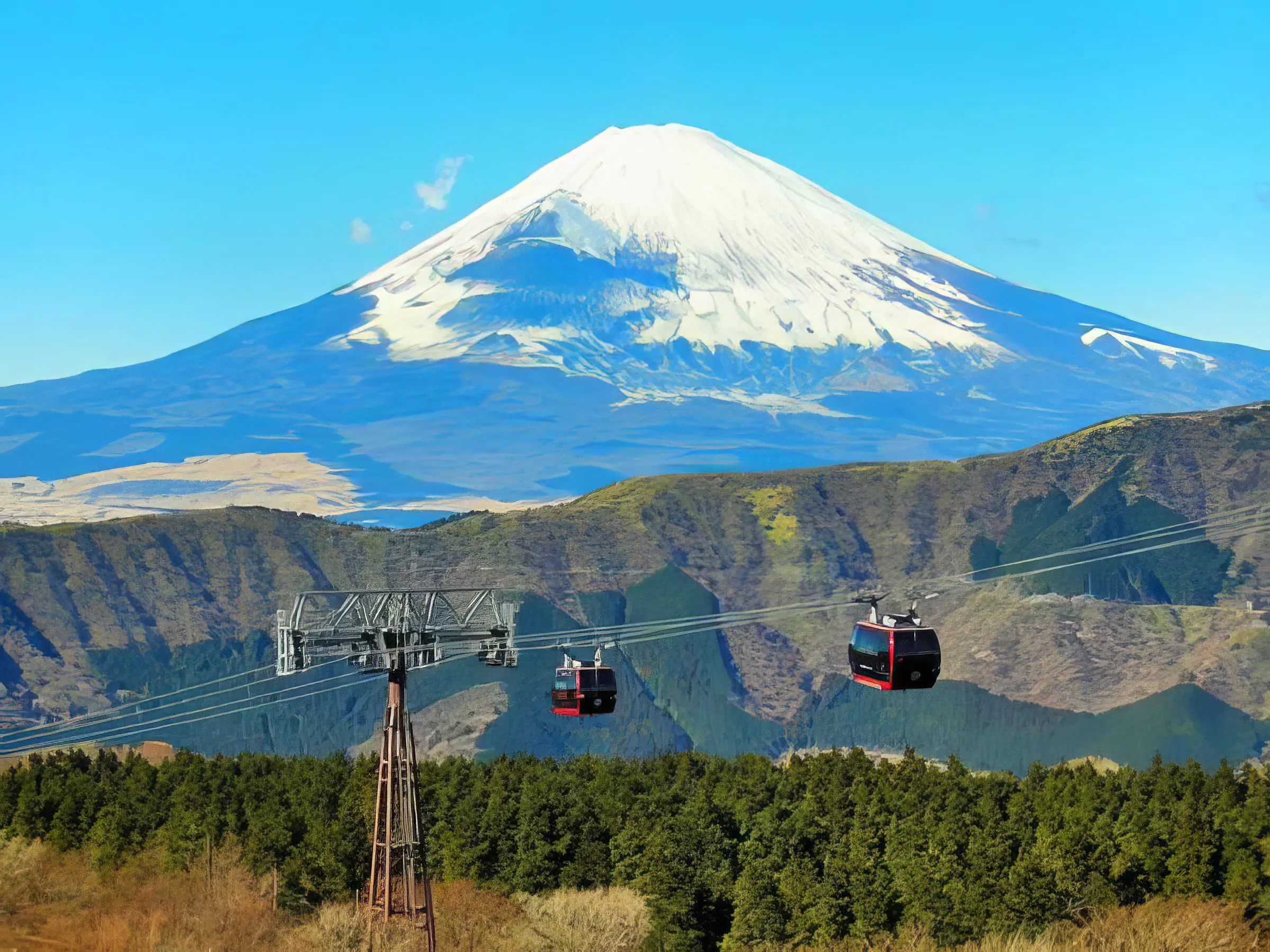
In Hakone, travelers can experience hot springs, scenic views, and traditional Japanese culture.
– Hakone Ropeway: Enjoy panoramic views of Mount Fuji, Lake Ashi, and Owakudani Valley.
– Hakone Open-Air Museum: Explore a unique outdoor art museum with sculptures and installations.
– Hakone Shrine: Visit a picturesque Shinto shrine located on the shores of Lake Ashi.
– Owakudani Valley: Witness volcanic activity and try black eggs boiled in sulfuric hot springs.
– Hakone Pirate Ship Cruise: Sail across Lake Ashi on a replica pirate ship for scenic views.
Cuisine
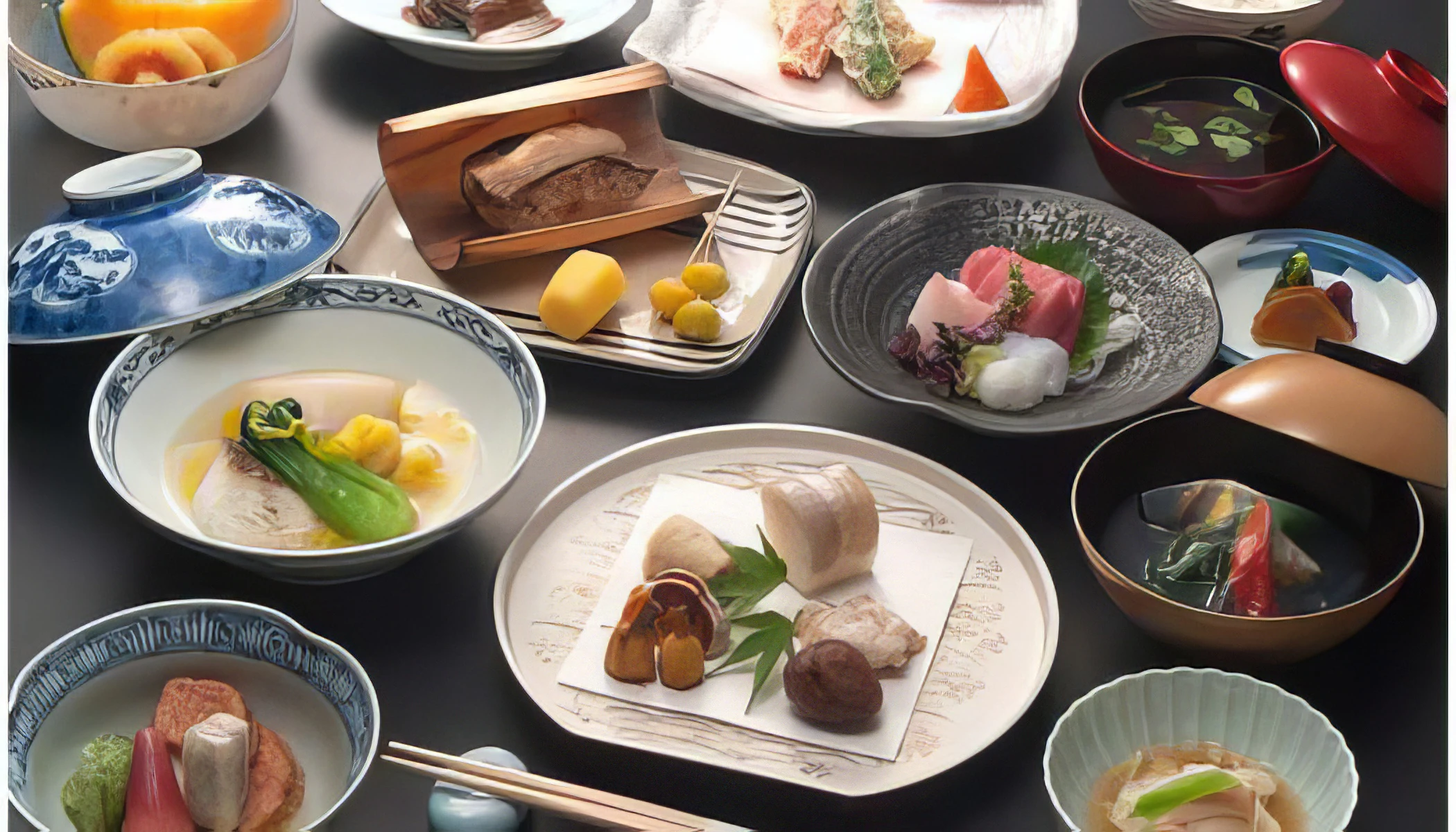
The city offers a variety of traditional Japanese cuisine, often featuring fresh, local ingredients. Visitors can enjoy both savory dishes and unique desserts.
– Kaiseki: A multi-course meal showcasing seasonal ingredients and meticulous presentation.
– Onsen Tamago: Soft-boiled eggs cooked in hot spring water, with a creamy texture.
– Soba: Buckwheat noodles served either hot in broth or cold with dipping sauce.
– Yuba: Delicate tofu skin, often served fresh or in soups.
– Kuro-Tamago: Black eggs boiled in sulfuric hot springs, believed to extend life.
– Matcha Sweets: Desserts made with green tea powder, including cakes, ice cream, and mochi.
Shopping
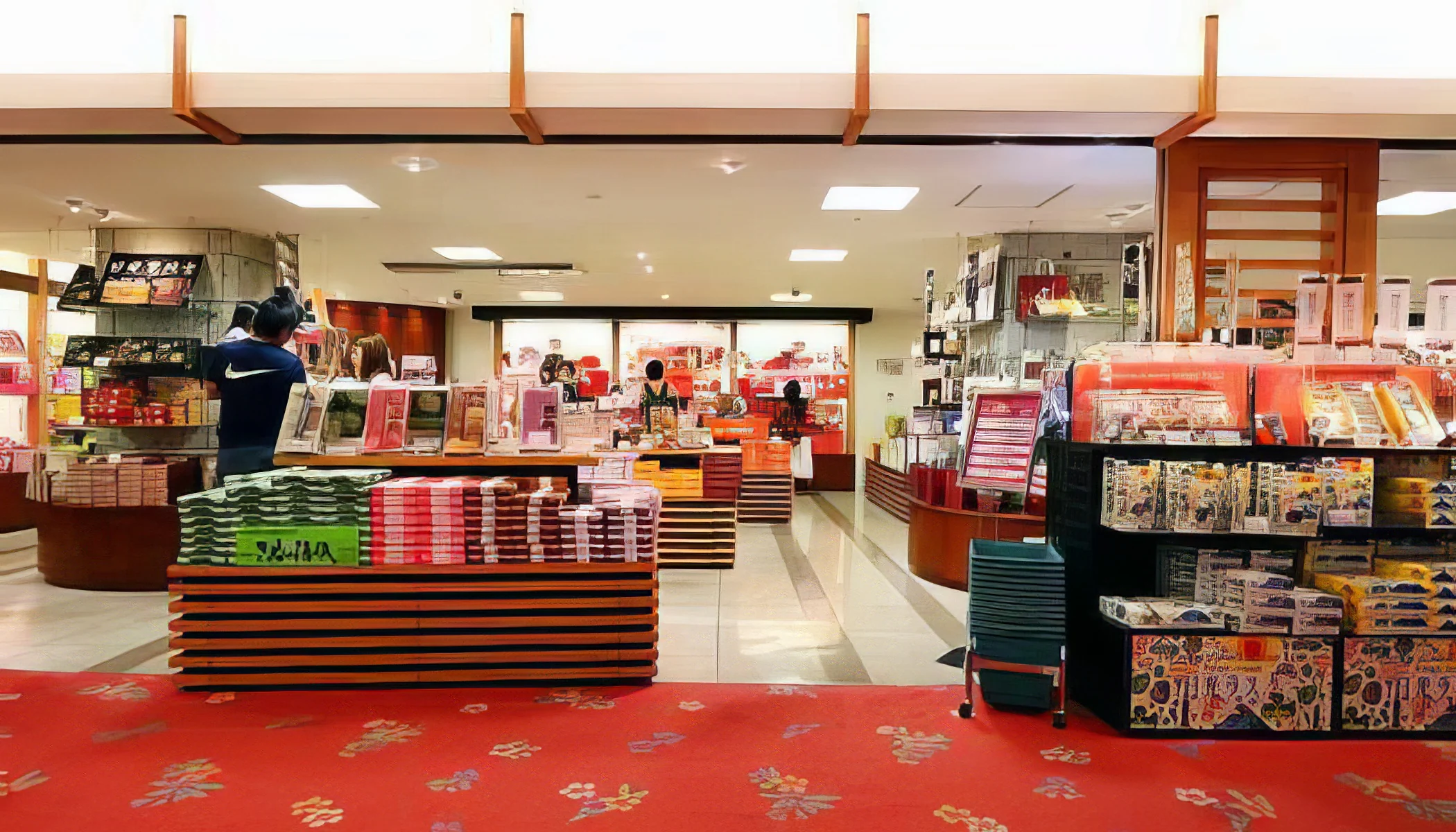
In this city, tourists can enjoy shopping for unique local crafts such as sophisticated marquetry (woodwork) and beautiful glassware. These items reflect the traditional artistry of the region. The Hakone Yosegi Zaiku, a form of beautiful wood inlay work, is a highly recommended gift. Additionally, purchasing onsen (hot spring) themed souvenirs like bath salts can be a delightful reminder of the relaxing hot spring experiences. Local shops also offer a variety of Japanese sweets and snacks, which make for light and easy gifts to bring back home.
Arts & Culture
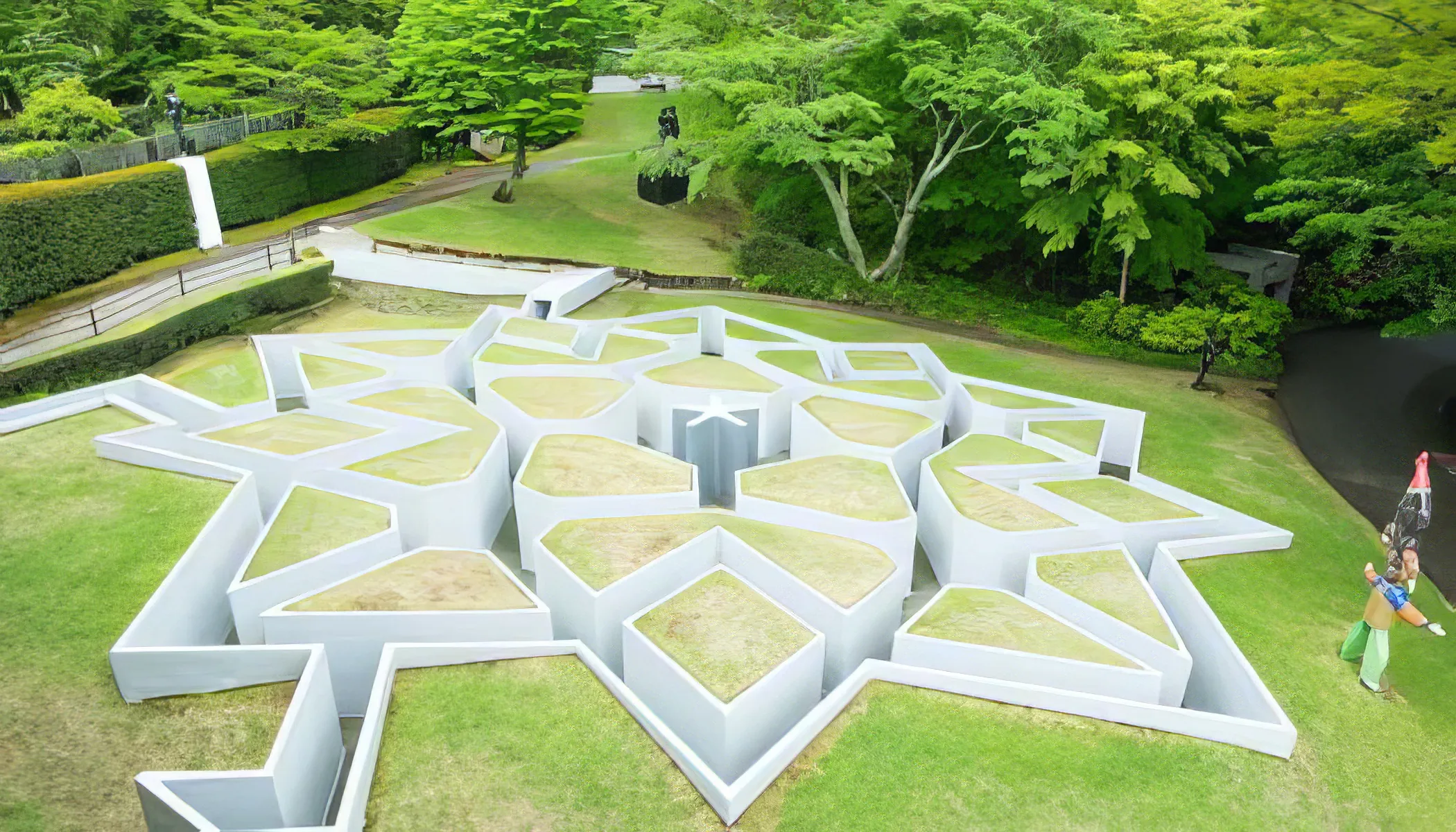
This city is renowned for its pleasant art scene, including the Open Air Museum, which showcases sculptures and artworks in a nice outdoor setting. The Hakone Art Museum focuses on Japanese ceramics and features a beautiful moss garden. Seasonal events, such as the Daimyo Gyoretsu, a feudal lord's procession in November, highlight historical traditions. Additionally, local craft, like Yosegi-zaiku, a unique marquetry woodworking technique, is celebrated and preserved in various workshops and small museums.